The Myth Of The Perfect Garden Soil

Generic Advice Breaks Under Local Pressure
You want the formula because formulas feel safe. They promise you won’t waste money or time on the wrong fix. But generic soil advice fails because your garden operates inside specific constraints: your climate, your parent material, your water table, your existing microbial population. A recipe for loam means nothing if your bedrock is limestone or clay. Stop looking for universal answers. Your soil is a local system.
The real mechanism is this: soil behaves differently depending on what you’re starting with. A gardener in sandy coastal soil needs to trap water and build structure. A gardener with heavy clay needs to crack it open and improve drainage. A gardener on decomposed granite needs entirely different inputs. The advice that works everywhere works nowhere because it ignores the starting condition. Measure what you actually have before you change anything.
The Real Indicators Of Vitality
Nitrogen, phosphorus, potassium tell you almost nothing about whether your soil will grow food. They’re macronutrients, sure, but they’re not the system. Soil vitality comes from biological activity, aggregate stability, and water-holding capacity. You can have balanced NPK and still have dead soil that won’t hold water or support roots. Most gardeners treat soil like a nutrient delivery system instead of a living ecosystem.
The indicators that actually matter are structure, infiltration rate, and microbial diversity. Squeeze a handful after rain. Does it hold shape or crumble immediately? Does water soak in within minutes or sit on the surface? Do you see earthworms, insects, and fungal threads? These observations tell you more than any lab test. Start checking these three signals monthly. They drive every other outcome.
Deconstructing How To Improve Soil Quality In Garden
The Unseen Architecture: Fungal Networks
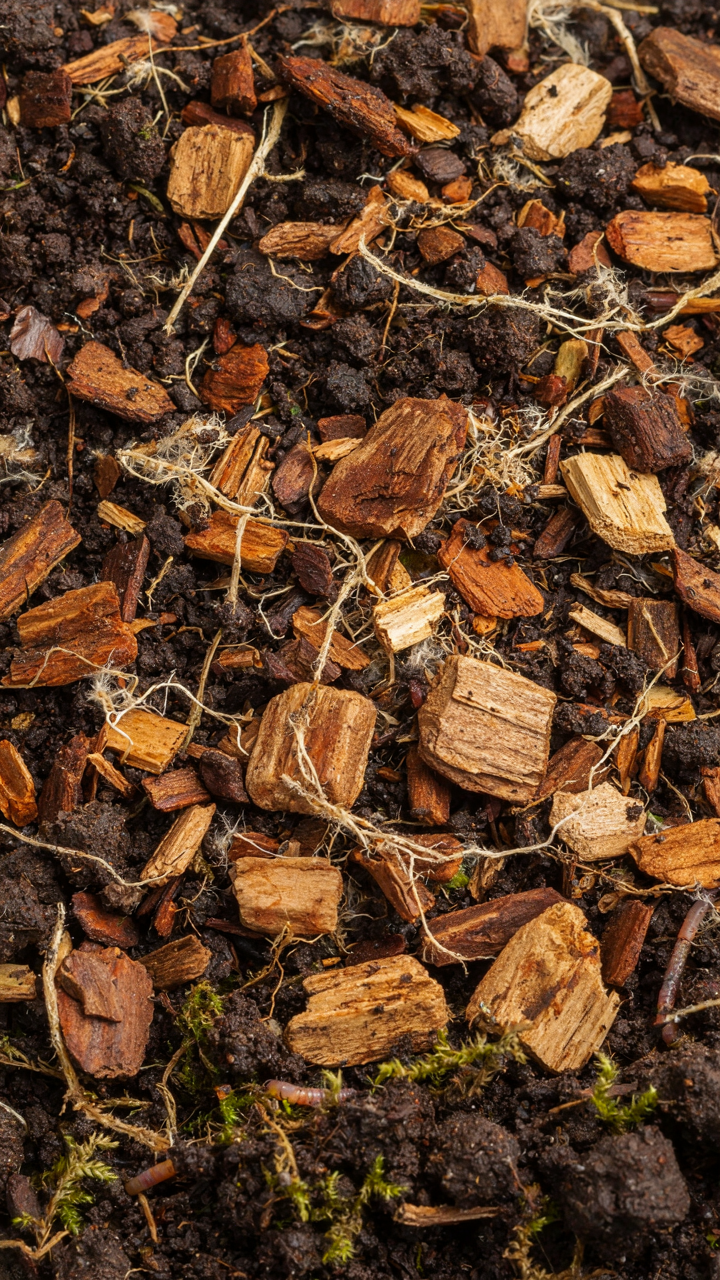
You want better soil because you’re tired of watching plants underperform while you follow surface-level advice. The real mechanism is fungal dominance, borrowed from mycology: fungi act as the mycelial internet of your soil, operating like distributed computing networks that plants cannot survive without. Most gardeners miss this entirely because fungi work invisibly underground.

Fungi colonize soil through hyphal threads, creating highways that move water and nutrients far beyond what plant roots alone can access. A single gram of healthy soil contains kilometers of fungal threads. These networks specifically unlock phosphorus, potassium, and micronutrients that remain chemically locked in soil particles. Adding compost or mulch without establishing fungal populations means you’re feeding bacteria instead of building infrastructure.
Bacterial Dominance: Friend Or Foe?
The common advice treats bacteria as generic “good microbes” you activate by adding organic matter. That’s incomplete and misses the mechanism entirely. Bacteria compete with fungi for dominance, and bacterial-dominant soil creates a boom-and-bust cycle where nutrients spike then vanish, forcing you to amend constantly.
Fungal-dominant soil stays stable because fungi move slowly, store nutrients in their tissues, and sustain plants through dry periods. Bacteria-dominant soil is fast but fragile, breaking down organic matter rapidly and releasing nutrients plants can’t always capture. You shift dominance by changing carbon-to-nitrogen ratios: add high-carbon materials like wood chips or aged straw to favor fungi, or add nitrogen-rich inputs to favor bacteria. Most gardens need fungal dominance, which means prioritizing slow decomposition over fast breakdown.
The Soil Health Bio Mimicry Protocol
Copy What Forests Actually Do
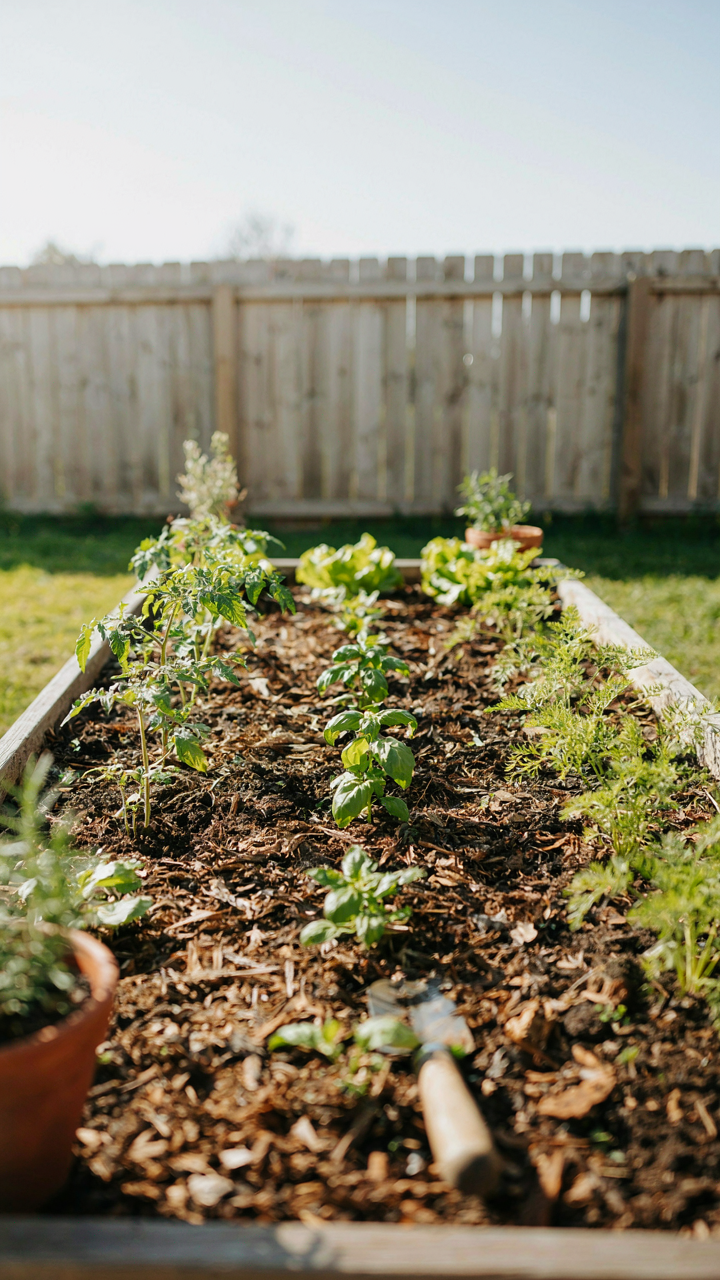
You want soil that works without constant intervention because that feels like winning. The real mechanism is this: forests don’t till, don’t add amendments, and don’t strip biomass. They layer. Each stratum—canopy, understory, shrub layer, forest floor—feeds the one below it through death and decay. The leaf litter that hits the ground stays there. Roots don’t get turned over. Fungi colonize undisturbed space for decades. You’re not improving soil. You’re stopping the destruction and letting the system rebuild.

A garden bed mimics this by maintaining a permanent top layer of organic matter that never gets buried. Wood chips, aged leaves, or compost sit on the surface and decompose in place. Organisms move through it freely. The soil below never gets shocked by a spade or harrow. This isn’t romance. It’s ecology. The forest floor produces more biology per square foot than any other terrestrial ecosystem because nothing interrupts the feeding chain.
Stop Digging And Start Stacking
The advice that tilling aerates soil and mixes in amendments is half-right and half-wrong. Tilling does break compaction, but it also destroys fungal networks that took years to establish, kills microarthropods living in aggregates, and oxidizes carbon faster than the soil can replenish it. You solve compaction differently. Add material on top and let it compress naturally while biology does the work. This is stratification from geology: layers form through accumulation and time pressure, not forced mixing.
No dig means you stop using the spade as your primary tool and start using it as a last resort. You layer compost, mulch, and aged organic matter on top of existing soil. You trench for planting but don’t turn beds over. You let the worm population and mycorrhizal network expand without interruption. Within three years, the active biology layer thickens, water infiltration improves, and compaction decreases. The payoff compounds because you’re not resetting the system every spring.
Beyond Amendments: The Carbon Infiltration Strategy
Cover Crops As Living Carbon Pumps
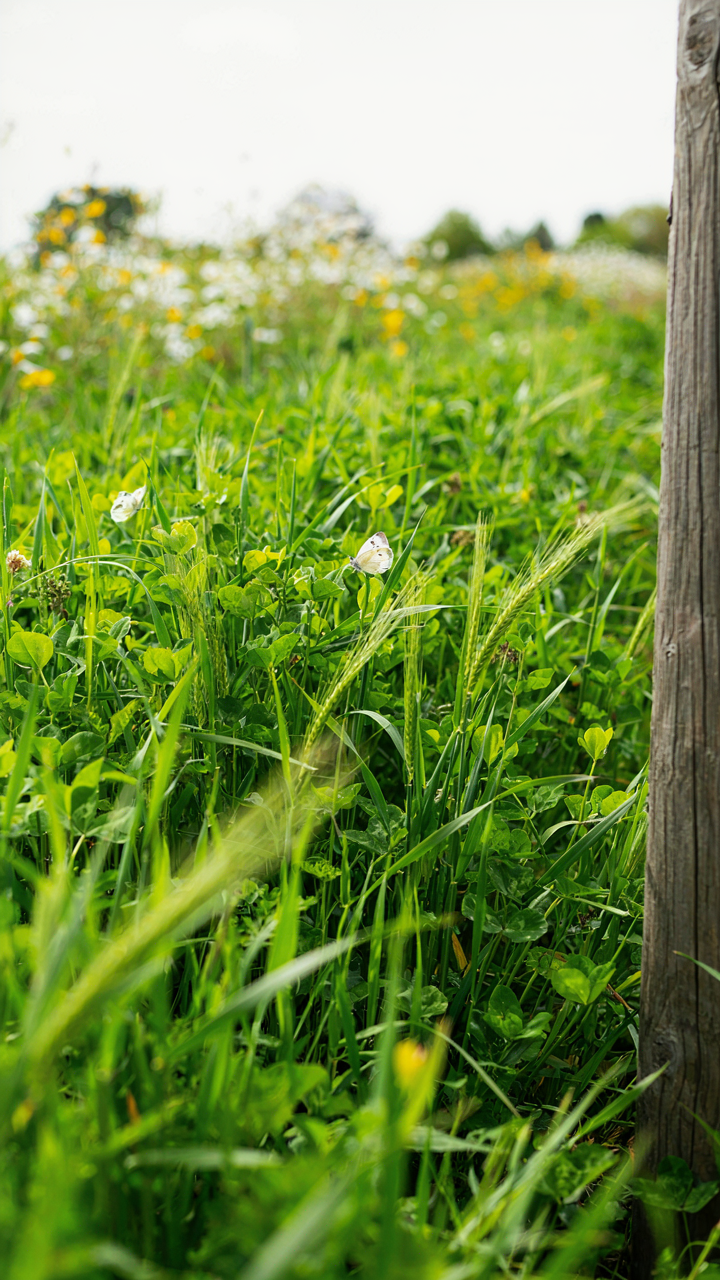
You want soil improvement without the work. That’s the real problem. Cover crops solve this by doing the carbon accumulation work while you do nothing. Borrow from biology: cover crops function as biological sequestration systems. They capture atmospheric carbon, convert it to root biomass, then deposit it underground where it stays. Legumes add nitrogen. Grasses add carbon structure. Together they rebuild soil faster than any purchased amendment.

Plant cover crops in off-season beds or between harvest cycles. Terminate them by cutting, tilling, or frost depending on your climate. The decomposition process feeds soil microbes for months. This isn’t fertilizing. This is building soil infrastructure. The carbon they deposit improves water retention, aeration, and microbial habitat simultaneously. One crop cycle costs almost nothing compared to annual compost purchases.
Compost: Not Just Fertilizer, But A Biological Inoculant
Everyone treats compost as slow-release NPK. They’re wrong. Compost is a delivery mechanism for beneficial microorganisms that restructure soil pores and mineralize locked nutrients. The finished product matters less than what lives inside it. Active compost contains bacteria, fungi, and protozoa that immediately begin breaking down clay particles and binding aggregates together. This biological activity creates the actual soil structure that plants need.
Source your compost from feedstocks matching your soil deficiency. Carbon-heavy materials improve sandy soils. Nitrogen-rich materials improve clay-heavy beds. Mix it into the top 4 to 6 inches where microbes colonize fastest. Fresh compost works better than aged because living biology hasn’t dormant yet. Apply it annually until your soil biology stabilizes, then reduce frequency. The mechanism is clear: you’re not feeding plants, you’re inoculating soil with the organisms that feed them.
Water Dynamics: The Unsung Hero Of Garden Soil Improvement
Soil Structure As A Sponge: Macro And Micropores
You care about this because you want proof your soil work actually matters. Here’s the mechanism: soil holds water in two distinct pore sizes, and each one does a different job. Macropores are the large gaps between soil particles. Water drains through them fast. Micropores are the tiny spaces inside and between clay and organic matter particles. Water clings to micropore walls through capillary action and stays available to plant roots for days.

Most gardeners obsess over drainage and miss the real problem: their soil lacks the pore architecture to hold water where roots can access it. A soil with only macropores drains too fast and plants suffer drought stress. A soil with only micropores compacts, suffocates roots, and breeds disease. You need both. Organic matter creates this dual-pore structure by physically wedging between mineral particles and by decaying into aggregates that trap water. Add compost or aged manure. Work it in three to six inches deep. Let biology do the rest.
Force Multiplier For Compacted Ground
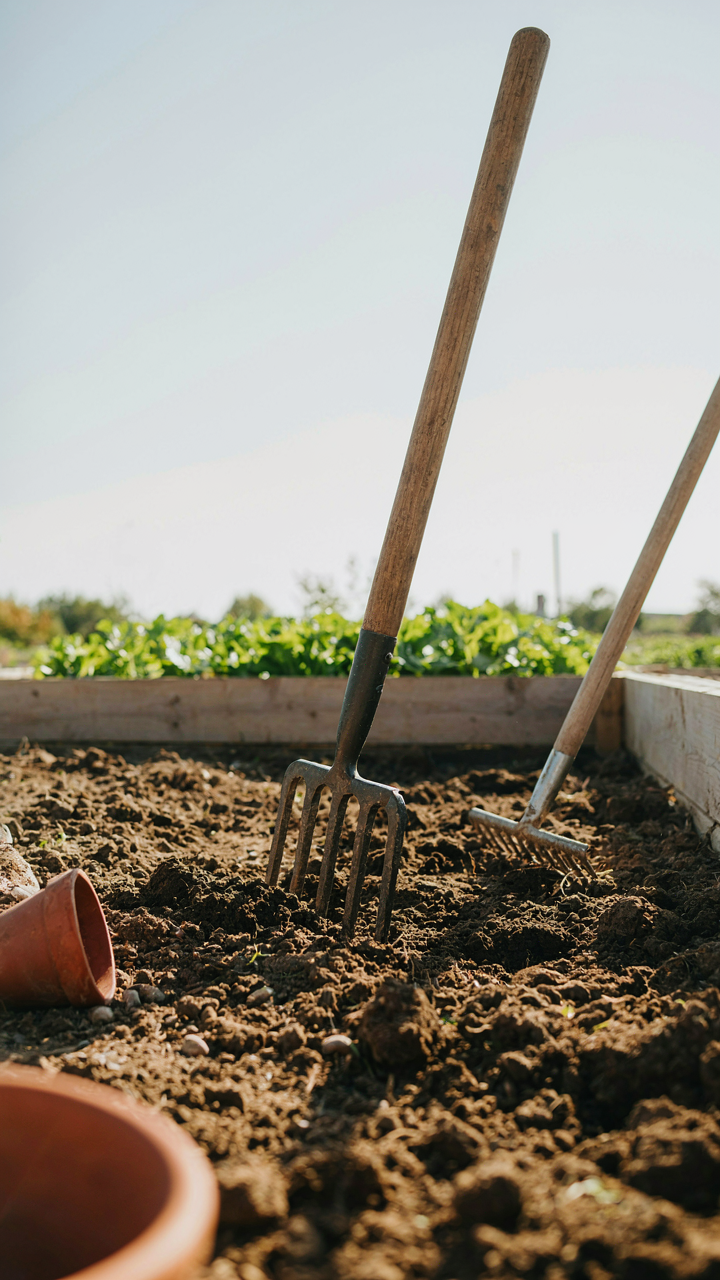
Physics teaches us about leverage. A force multiplier amplifies applied effort without proportional energy cost. The broadfork is soil improvement’s force multiplier. Unlike a spade, which inverts soil and destroys structure, a broadfork breaks compacted layers by applying vertical pressure without mixing. You insert the tines, step down, and rock the handle back. The soil fractures and loosens in place.
Compaction destroys macropores and seals soil from water infiltration. A broadfork restores them in one pass without turning the soil upside down or requiring the heavy equipment rental most people assume they need. Use it on ground that hasn’t been dug in years, right before you add compost. Space passes twelve inches apart. Work in autumn or spring when soil has moderate moisture. The broken-up structure stays intact for years if you don’t walk on the bed afterward.
Best Soil For Vegetable Garden: The Root’s Perspective
Plants Feed Their Soil Microbiome First
You want better plants because you think soil feeds plants. Wrong. Plants feed soil first, and soil feeds plants back. This reversal matters because it changes what you actually do.

Root exudates are sugars, amino acids, and organic compounds that plants pump into the soil around their roots. These aren’t waste. They’re payment. The plant trades calories for microbial services: nutrient mining, disease suppression, water retention. Biology calls this a mutualism. In soil terms, it’s the mechanism behind why compost-rich soil grows stronger plants. The microbes are there because plants paid them to show up.
This means adding organic matter isn’t decoration. It’s infrastructure for the plant-microbe contract. Without carbon sources, the microbes starve and stop working. Your soil biology collapses, and you’re back to pushing fertilizer like a fuel pump. Build soil where exudates matter by adding 1 to 2 inches of finished compost annually and letting it sit undisturbed for two weeks before planting.
Deep Roots Break Compaction Layers Themselves
The physics framework here is penetration and displacement. Tap-rooted plants don’t just grow downward; they exert mechanical pressure that fractures compacted soil and creates pathways for water and air.
Conventional advice says to till compacted soil. That’s incomplete. Tilling fixes the surface layer and destroys structure for three years. Deep-rooted plants do something smarter: they use root pressure to widen cracks in compacted zones, establishing permanent channels. Plants like carrots, parsnips, and dandelions penetrate hardpan because their roots generate sustained force over weeks. Each season, their decay leaves behind air pores and organic matter deposits deeper in the profile.
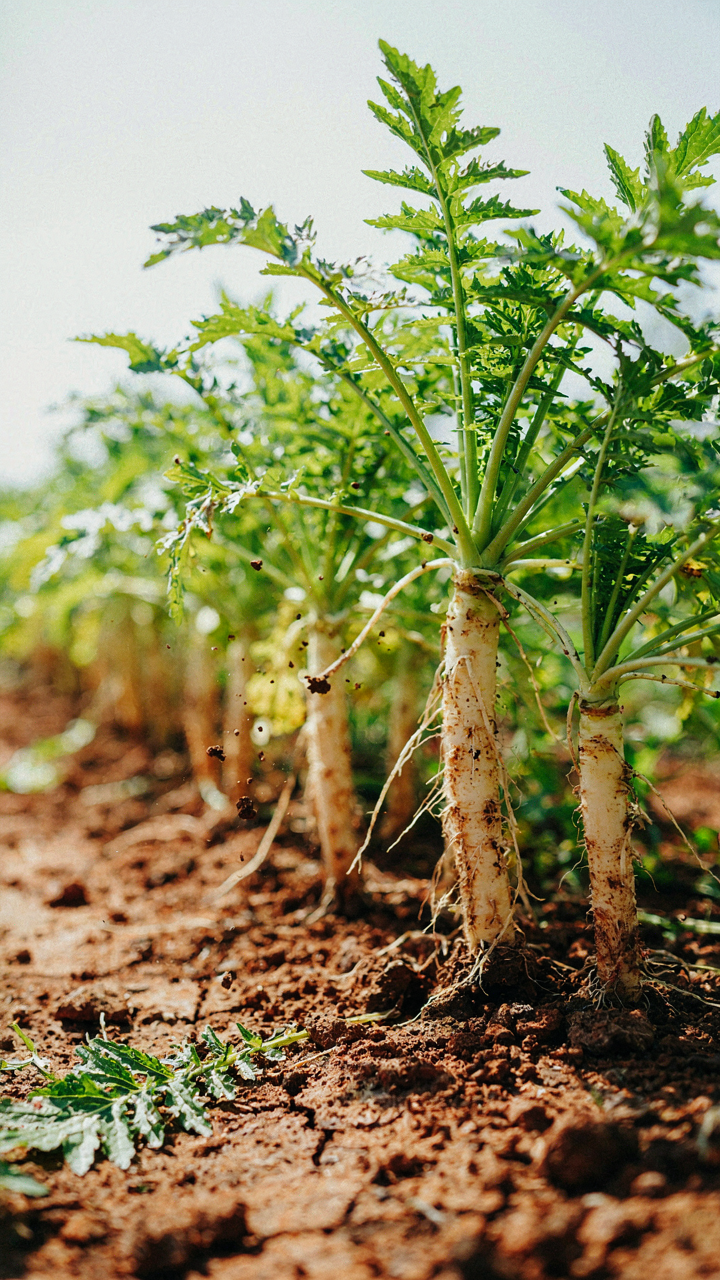
Use this mechanism deliberately. Plant tap-rooted cover crops like daikon radish in fall on compacted ground. Let them die in place without pulling them out. The root channels remain, the decay feeds deeper soil life, and next season your vegetable roots encounter loose soil instead of barriers. This works on clay-heavy sites where tilling fails.

Garden Soil Preparation: The Art Of Strategic Neglect
Stop Tilling, Start Protecting Your Underground Network
You want to turn your soil around fast because you’re tired of watching other gardens outperform yours. Here’s what nobody tells you: tilling destroys the one thing that actually builds soil health. Mycorrhizal fungi colonize plant roots and extend into soil pores, creating networks that move water and nutrients where plants can access them. Tilling severs these connections every time you slice through the top six inches. You’re resetting the network each season instead of letting it compound.
The biology here matters. Fungal networks take months to years to establish meaningful architecture. Every cultivation pass is like burning down a city to rebuild it. You can add compost and minerals endlessly, but if you destroy the distribution system quarterly, you’re pouring resources into a leaking bucket.
- No-till gardening: Leave soil undisturbed except where you plant. Fungi rebuild networks year after year without interruption or additional investment.
- Surface composting: Lay organic matter on top and let soil organisms pull it down. This preserves existing fungal pathways while feeding them simultaneously.
- Broad forking: Loosen compacted soil by inserting tines and prying gently without turning soil over. Maintains vertical structure and fungal colonies.
- Cover cropping: Plant legumes or grasses in off-season to keep roots in soil and feed fungi. Fungi thrive when roots are present year-round.
- Permanent beds: Define planting areas clearly so you never compact or disturb them once established. Consistency builds fungal biomass over time.
The mechanical damage of tilling triggers a cascade: exposed soil oxidizes quickly, fungal populations crash from physical trauma, and you lose the metabolic advantage. The fix isn’t complicated. Stop moving soil around unless your soil is severely compacted or contaminated. Let the network do the work you’ve been trying to force.
Read The Ground Before You Change It
Soil signals tell you what’s actually happening beneath the surface, but most gardeners skip this step and spray solutions at problems they don’t understand. You’re reading text that isn’t there. Soil color, structure, drainage speed, and biology reveal the specific bottleneck your plants face. Digging a soil pit and observing layers for an hour costs nothing and saves you from guessing.

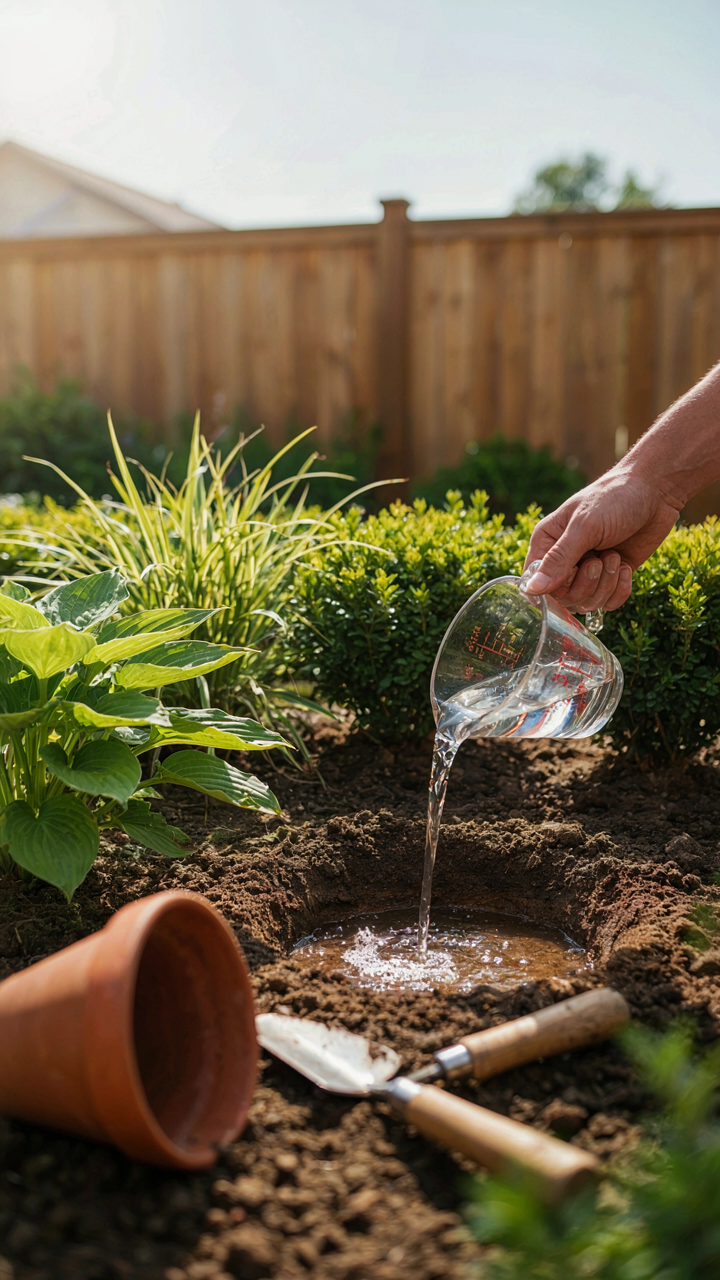
Start by checking drainage. Dig a hole six inches deep, fill it with water, and time how long it takes to drain. If water vanishes in minutes, your soil drains too fast and won’t hold nutrients or moisture. If water sits after thirty minutes, you have compaction or clay dominance blocking movement. If it drains in five to fifteen minutes, you’re in a workable range. The drainage rate tells you whether you need organic matter for water retention or structural fixes for aeration. Observation precedes action. This single test eliminates three months of trial and error.
The Ecosystem Approach To Garden Soil
Healthy Soil Stops Pests Before They Start
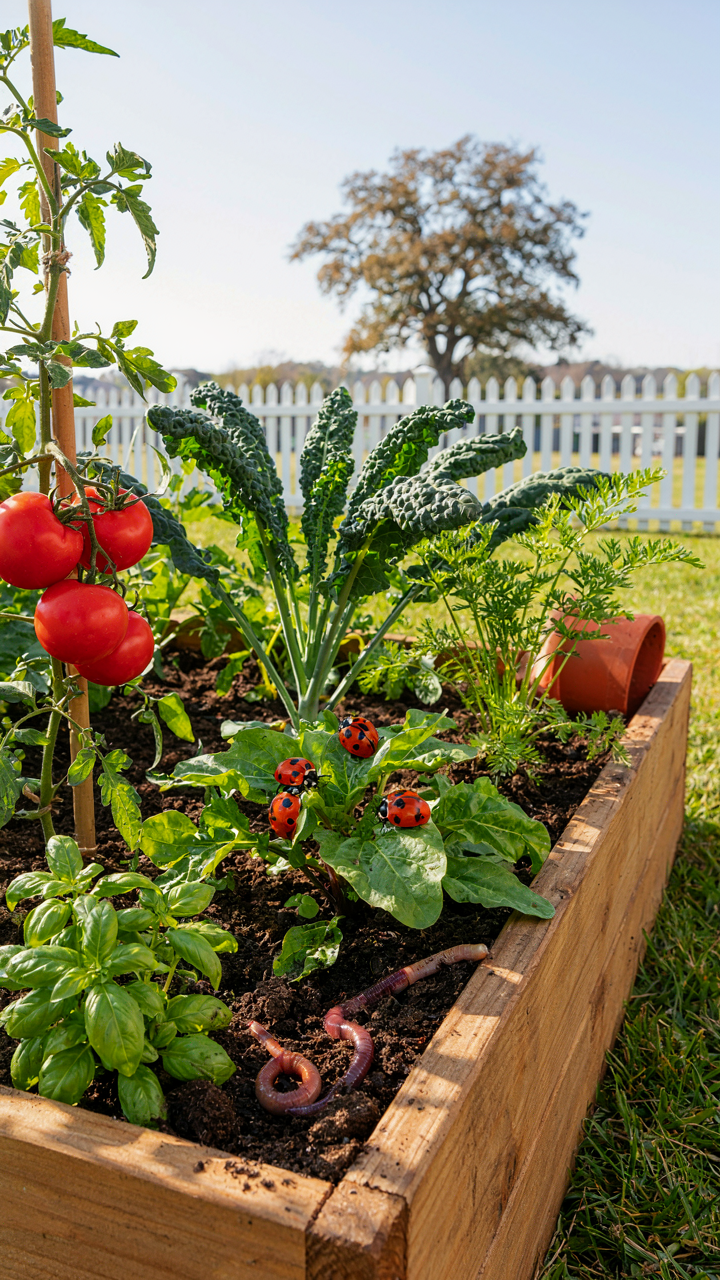
You want pest control that doesn’t require constant spraying. The real mechanism is this: insects don’t colonize soil with thriving microbial populations because the microbes outcompete them for resources and space. Most gardeners spray first and ask questions later. That’s backwards. A gram of healthy soil contains more organisms than humans on Earth. Predatory nematodes, beneficial fungi, and competing bacteria occupy the niches where pest larvae would establish. Build this first.
Integrated pest management borrows its logic from military strategy: control territory before the enemy arrives. In soil terms, territory means biological occupancy. Compacted, depleted soil is empty real estate. Pest populations explode there because nothing else lives to stop them. Adding compost, maintaining consistent moisture, and avoiding tillage fills that territory with life forms that feed on pest eggs and larvae. You’re not eliminating pests through chemistry; you’re denying them habitat.
What Lives Above Tells You What Lives Below
Soil biodiversity underground mirrors what you see above ground because both depend on the same resource flows. If your garden supports earthworms, ground beetles, and diverse plant root systems, your soil contains mycorrhizal networks, beneficial bacteria, and fungal decomposers. The reverse is also true: monocultures and bare soil mean biological deserts both ways. Most gardeners assume the soil is a separate problem to fix with amendments. It’s not. Your aboveground ecosystem is the soil’s ecosystem wearing different clothes.

The mechanism works through carbon. Plants photosynthesize and send 30 to 40 percent of that carbon into the soil through root exudates. This feeds microbes and fungi. Those organisms break down organic matter into nutrients plants need. Insects, worms, and arthropods above ground regulate this flow by shredding plant material and distributing it. Stop this cycle by monocropping or spraying broad-spectrum insecticides, and your soil loses the food source that keeps microbes active. Restore diversity above ground, and you restore the soil’s capacity to function.
Garden Soil: The Long Game Of True Fertility
Time As The Ultimate Soil Builder
You want fast results. Everyone does. But soil fertility doesn’t work that way, and pretending it does is why your amendments keep washing away. Soil building operates on the principle of ecological succession, the biological concept where ecosystems move through predictable stages toward stability. Your soil’s succession depends entirely on how much time you allow microbes, fungi, and organic matter to establish networks that actually hold nutrients and water in place.
Most gardeners treat soil like a bank account where they make deposits and expect immediate withdrawals. That’s backwards. Real fertility emerges only after 18 to 36 months of consistent organic matter incorporation, when fungal networks mature enough to stabilize soil structure. Rushing this timeline by adding more amendments without waiting wastes money and creates dependency on external inputs. The mechanism is simple: microorganisms need time to colonize, reproduce, and build the carbon architecture that makes soil functional.
Compounding Returns From Consistent Organic Matter
Adding compost once, then stopping, teaches you nothing about soil fertility. Compounding returns from organic matter work like interest in economics: small, repeated deposits accumulate into disproportionate gains over time. Each year you add 1 to 2 inches of finished compost, you’re not just feeding plants. You’re building microbial populations that multiply exponentially and create aggregates that improve water retention, aeration, and nutrient cycling simultaneously.
The real mistake people make is confusing one year of improvement with sustained fertility. Year one of amendments gives 40 percent performance gain. Year two gives 30 percent additional gain. By year four, you’re getting compounding benefits from established fungal networks and stable organic matter reserves. Stop the inputs, and the system degrades within two seasons because you never reached the threshold where soil became self-sustaining. Add one to two inches of compost every autumn, then measure soil structure changes each spring to prove the mechanism works.
Your Garden’s Potential Isn’t Limited By Your Soil, But By Your Insistence On Controlling Every Microbe
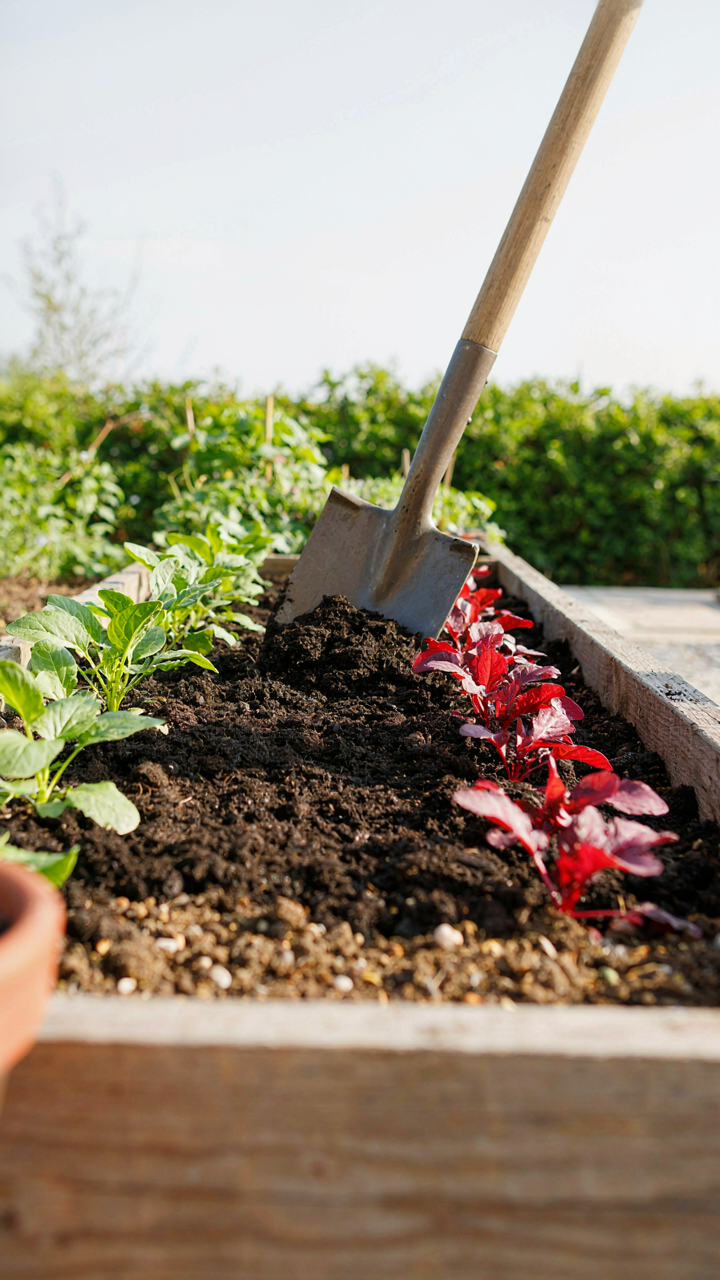
Stop trying to engineer the perfect soil. You can’t. Microbes don’t follow your plan. They follow survival. Your job isn’t to control them but to feed them what they actually want. Grab a shovel today and bury two inches of compost into your top layer. Not because it’s perfect. Because it works. Your soil doesn’t need you to fix it. It needs you to stop pretending you understand it better than billions of years of evolution already do.