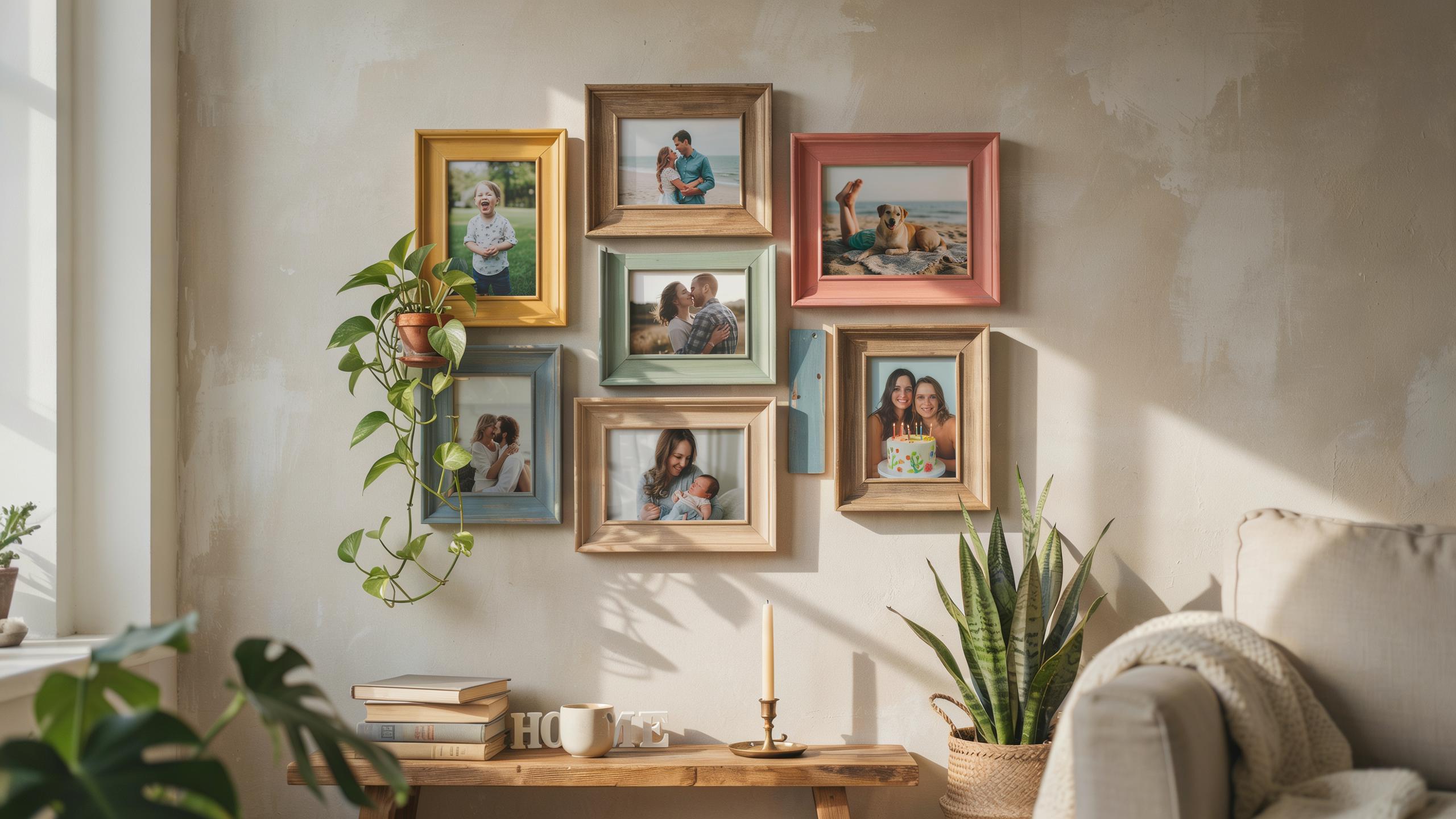
Discovering The Charm Of Reclaimed Picture Frames
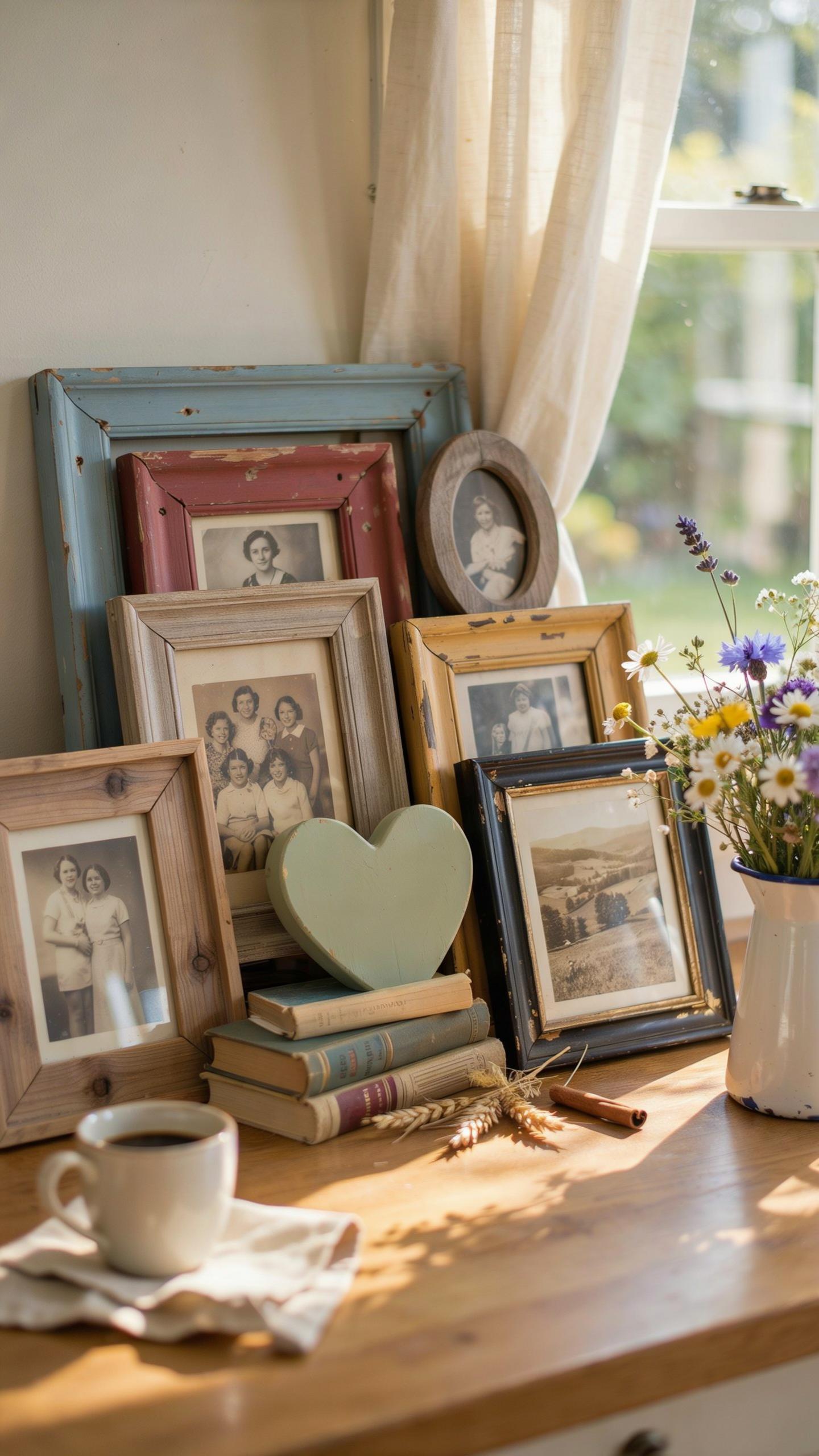
Warmth And Character
Weathered wood brings immediate visual depth to any wall. The surface variations, patina, and grain patterns create authentic texture that new materials cannot replicate. This texture catches light differently throughout the day, adding dimension to your space. Reclaimed frames work because they carry actual history in their construction. Old wood species like heart pine and chestnut are denser and harder than modern lumber, making them durable frame materials.
The worn finishes on reclaimed frames eliminate the sterile look of factory-new decor. Scratches, discoloration, and age marks signal authenticity and craftsmanship to viewers. This visual honesty appeals to people seeking genuine design rather than manufactured aesthetics. Reclaimed frames integrate seamlessly into existing room designs without demanding attention. They anchor gallery walls, complement minimalist spaces, and add substance to transitional interiors.
Environmental Value Reclaimed Wood
Choosing salvaged lumber redirects material from landfills to functional use. Every reclaimed frame prevents new tree harvesting and reduces manufacturing emissions. The wood already existed, so reclaimed framing eliminates production waste associated with milling, finishing, and packaging new frames. Old growth timber in reclaimed materials offers superior quality compared to modern plantation wood harvested on shorter rotations.
Recycled framing materials reduce your carbon footprint compared to conventional frame production. Sourcing reclaimed wood supports salvage operations and deconstruction businesses that recover materials from demolished buildings. This creates economic incentive for material recovery rather than demolition waste disposal. Using reclaimed frames aligns home decor choices with resource conservation principles without sacrificing aesthetic or structural quality.

Uncovering One Of A Kind Style With A Unique Reclaimed Wood Picture Frame
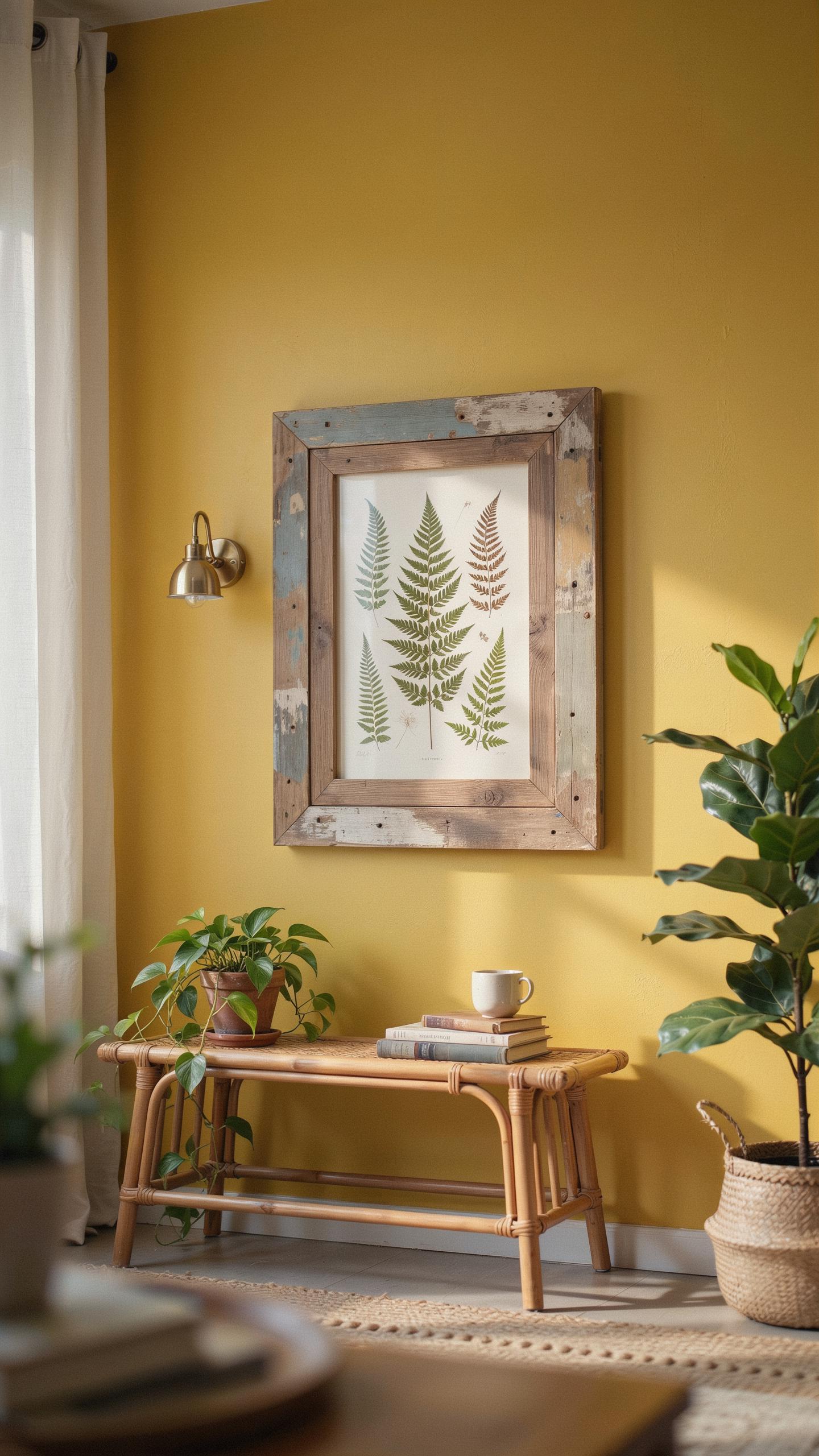
Distressed Textures
Reclaimed wood frames carry physical evidence of their past use. Nail holes, saw marks, and paint remnants are not flaws to hide. They are authentic markers that establish visual credibility and age. These textures communicate genuine history rather than manufactured distressing applied in factories today.
The appeal lies in tactile variety. One frame shows deep gouges from construction work. Another displays layers of old paint in multiple colors. These imperfections create depth that new wood cannot replicate. Consumers recognize authentic wear patterns immediately and value them over uniform finishes.
Focal Centerpieces
A single statement frame commands attention in a room by its scale and material presence alone. Position one large reclaimed frame on a living room wall to anchor the entire space visually. This approach works because the eye naturally settles on substantial objects with texture and history.

Statement frames work best when they sit uncluttered. Pair it with minimal surrounding decoration to maximize impact. The frame itself becomes the focal point, not the photograph inside. This design strategy lets the reclaimed materials do the work without competing visual elements nearby.
Creative Inspiration For Reclaimed Wood Projects Around The Home
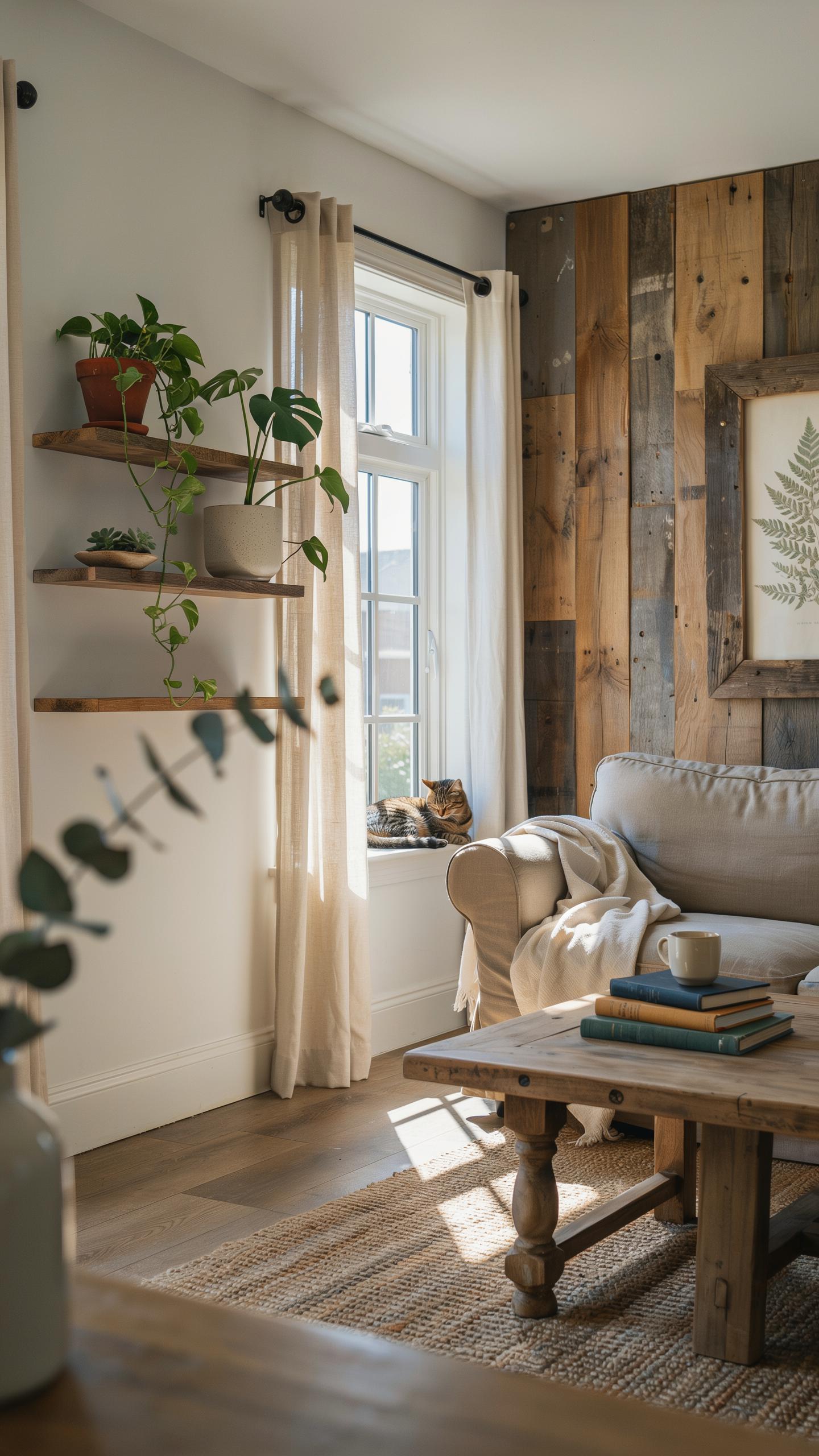
Complementary Structures
Reclaimed wood picture frames work best when you coordinate them with matching salvaged wood elements. Install frames on walls adjacent to reclaimed wood shelving or floating shelves made from the same wood species or era. This creates visual continuity and reinforces the intentional design direction. Align frame placement with shelf lines to establish rhythm across your wall space. Spacing matters. Maintain consistent distances between frames and shelves for a composed, professional appearance rather than scattered placement.
Rustic mantels provide ideal anchor points for frame groupings. Position reclaimed frames above or beside a salvaged wood mantel to establish a cohesive focal point in your room. The mantel functions as a visual connector that ties frames to other reclaimed elements in your space. Match wood tones across these surfaces to avoid creating visual conflict. A walnut-framed photo display works better beside a walnut mantel than competing wood finishes would.
Creative Woodworking Ideas
Aged pine, oak, and cedar offcuts transform into functional frames through straightforward construction techniques. Small pieces become perfect mat boards, spacers, and outer frame borders without requiring large quantities of material. Offcuts from furniture projects or flooring installations provide ready inventory for frame building. You reduce waste while creating custom pieces that coordinate with existing reclaimed wood in your home. This approach makes economic sense and produces authentic results.
- Corner joinery with mortise and tenon: Connect frame pieces using traditional joinery methods that add structural integrity and visual authenticity. Requires basic hand tools and provides superior strength compared to simple butt joints.
- Cedar strip layering: Stack thin cedar offcuts to build dimensional frames with depth and texture. Each layer shows the wood grain variation, creating visual interest without additional finishing.
- Distressed finish techniques: Hand plane or lightly sand frame edges to mimic aged appearance found in genuine salvage. Focus distressing on corners and high contact areas where natural wear occurs.
- Mixed wood frame combinations: Combine oak borders with pine mat boards or cedar accents to maximize limited offcut inventory. Contrasting woods add visual complexity when thoughtfully arranged in your design layout.
- Mat board customization: Cut mats from leftover plywood or veneer sheets to frame photographs without purchasing new materials. Allows you to control aperture sizes and create frames for non-standard photo dimensions.

Small offcuts become viable project material when you plan designs around available dimensions rather than forcing material into predetermined frame sizes. This flexibility encourages experimentation and produces one-of-a-kind pieces that mass-produced frames cannot replicate. Store offcuts organized by species and thickness to make future project planning efficient and straightforward.
The Nostalgic Appeal Of A Vintage Rustic Decor Reclaimed Wood Frame
Historical Patina
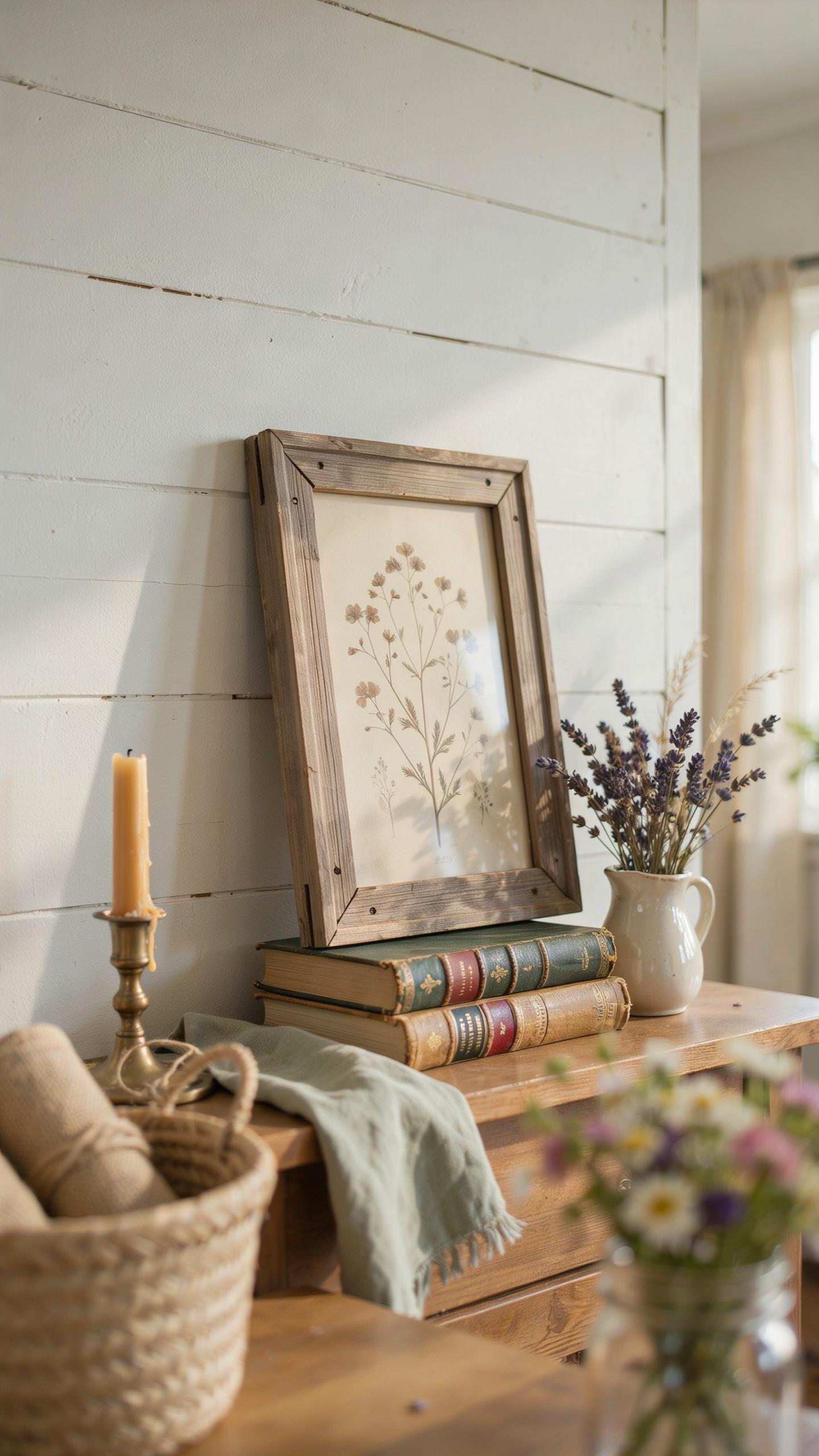
Genuine wear on reclaimed wood creates visual evidence of time and use. Old-growth wood from frames manufactured before the 1950s shows slower growth rings, denser grain structure, and superior durability compared to modern lumber. The surface marks, nail holes, and color variation tell a factual story about the frame’s previous function and environment.
Historical patina directly triggers emotional connection in residential spaces. Viewers recognize authentic age markers like hand-planed surfaces, original finishes, and period-appropriate joinery techniques. These details signal quality craftsmanship from an earlier era, which consumers associate with durability and intentional design versus mass production methods used today.
Every piece of reclaimed wood has a story to tell, turning a simple house into a home filled with memory and soul. These old frames give our past a beautiful place to rest within the warmth of the present.
Cottagecore Farmhouse Integration
Reclaimed wood frames anchor cottagecore and farmhouse design schemes by providing authentic period elements. Cottagecore emerged as a design movement in the 2010s, drawing aesthetic inspiration from rural 19th and early 20th century living. Reclaimed frames complement this aesthetic because they contain genuine historical materials rather than reproductions that attempt to mimic aged wood.

Modern farmhouse design integrates reclaimed frames as functional decor that bridges rustic and contemporary sensibilities. The frames work in bohemian spaces by adding texture and irregularity that contrasts with minimalist walls. Vintage frames maintain visual coherence across these design approaches because their neutral tones and handmade character adapt to various color palettes and furnishing styles without demanding specific matching requirements.
Highlighting Fine Art With A Rustic Wooden Framed Photograph
Monochrome Harmony
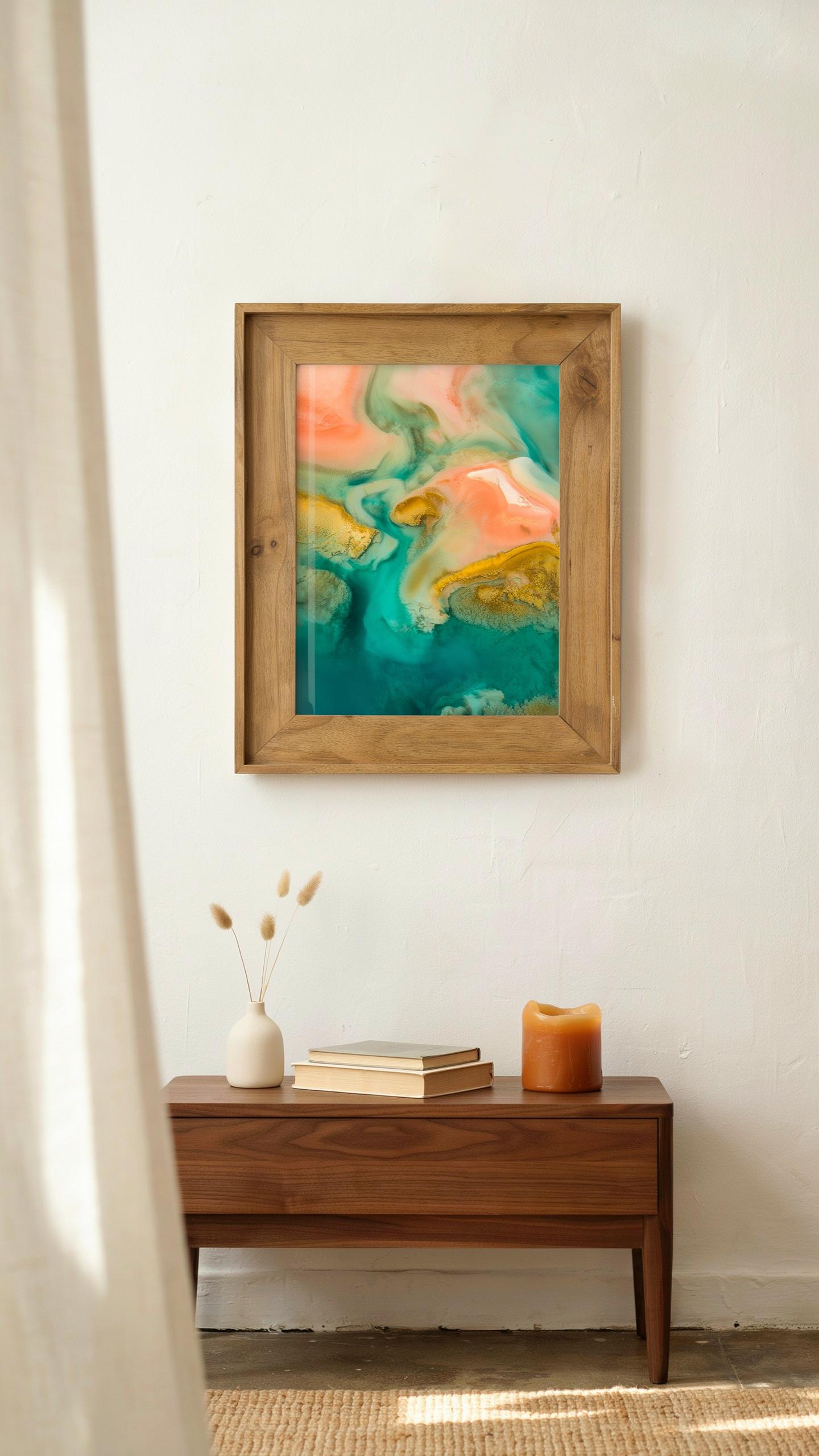
Black and white landscape prints work with dark-grained wooden frames because both share visual restraint. The frame’s grain patterns don’t compete with the image. Dark wood absorbs light rather than reflecting it, which lets the photograph command attention. This pairing suits reclaimed barn wood, walnut, and ebonized oak frames most effectively.
The tonal range in monochrome photography aligns with wood grain variation. Reclaimed frames typically show color shifts from weathering and age. These natural variations echo the grayscale spectrum in your print. The result is visual cohesion without monotony. Your eye moves through both elements as a unified composition.
Protecting Art Naturally
Acid-free matboards are essential inside reclaimed wooden casings because wood naturally releases acidic compounds over decades. Standard matboards accelerate photo deterioration through chemical transfer. Acid-free options create a barrier that stops this process. Family photographs demand this protection to survive intact for future generations.

Antique wooden casings hold moisture differently than modern materials. The wood’s age and density affect internal humidity levels. Acid-free matboards work with quality glass to regulate moisture exposure. Together, they preserve image integrity while the reclaimed frame adds authentic character. This combination keeps heritage photos safe and displayable.
A Guide To Crafting Cozy Displays With DIY Picture Frames

DIY Framing Steps
Converting barn timber into custom frames requires a methodical approach. You start with material assessment, then move through preparation, cutting, assembly, and finishing stages. Each step builds on the previous one. Skipping steps compromises the final product’s stability and appearance. The process takes between two to four hours per frame depending on complexity and your experience level.
- Material Assessment: Inspect salvaged wood for structural integrity, rot, and nail placement. Remove all nails and hardware before processing. Measure board thickness and width to determine frame dimensions and design possibilities.
- Cutting To Length: Use a miter saw set at 45-degree angles to cut four frame pieces. Accurate cuts ensure corners meet flush without gaps. Mark measurements twice before cutting to avoid waste on valuable reclaimed wood.
- Edge Preparation: Sand all surfaces to remove splinters and weathering. Work progressively from 80-grit to 150-grit sandpaper for smooth results. This preparation ensures clean joints and professional appearance.
- Frame Assembly: Apply wood glue to cut edges and clamp pieces into a square or rectangle. Use corner clamps or a frame jig to maintain 90-degree angles. Let glue cure for minimum eight hours before removing clamps.
- Backing And Glass Installation: Cut backing board and glass to fit frame opening precisely. Secure both with tabs or points from the rear. Install hanging hardware on the back upper edge for wall mounting.
Frame assembly quality determines durability and visual impact. Weak joints fail under the weight of glass and artwork. Proper curing time and clamping pressure prevent future separation and warping.
Essential Safety Gear
Working with reclaimed wood demands specific protective equipment because old materials harbor hidden hazards. Barn wood contains embedded nails, staples, and decades of accumulated dust. Inadequate protection leads to cuts, respiratory issues, and tool damage that derails projects.

Wear safety glasses to protect against wood splinters and dust particles that launch during cutting and sanding. A dust mask or respirator prevents inhalation of harmful particles and finishes. Use work gloves when handling rough timber and during sanding operations. Steel-toed boots protect feet from dropped boards and tools. Hearing protection becomes necessary when operating power tools like miter saws and sanders for extended periods.
Styling Spaces With Authentic Rustic Wood Picture Frames
Gallery Wall Dynamics
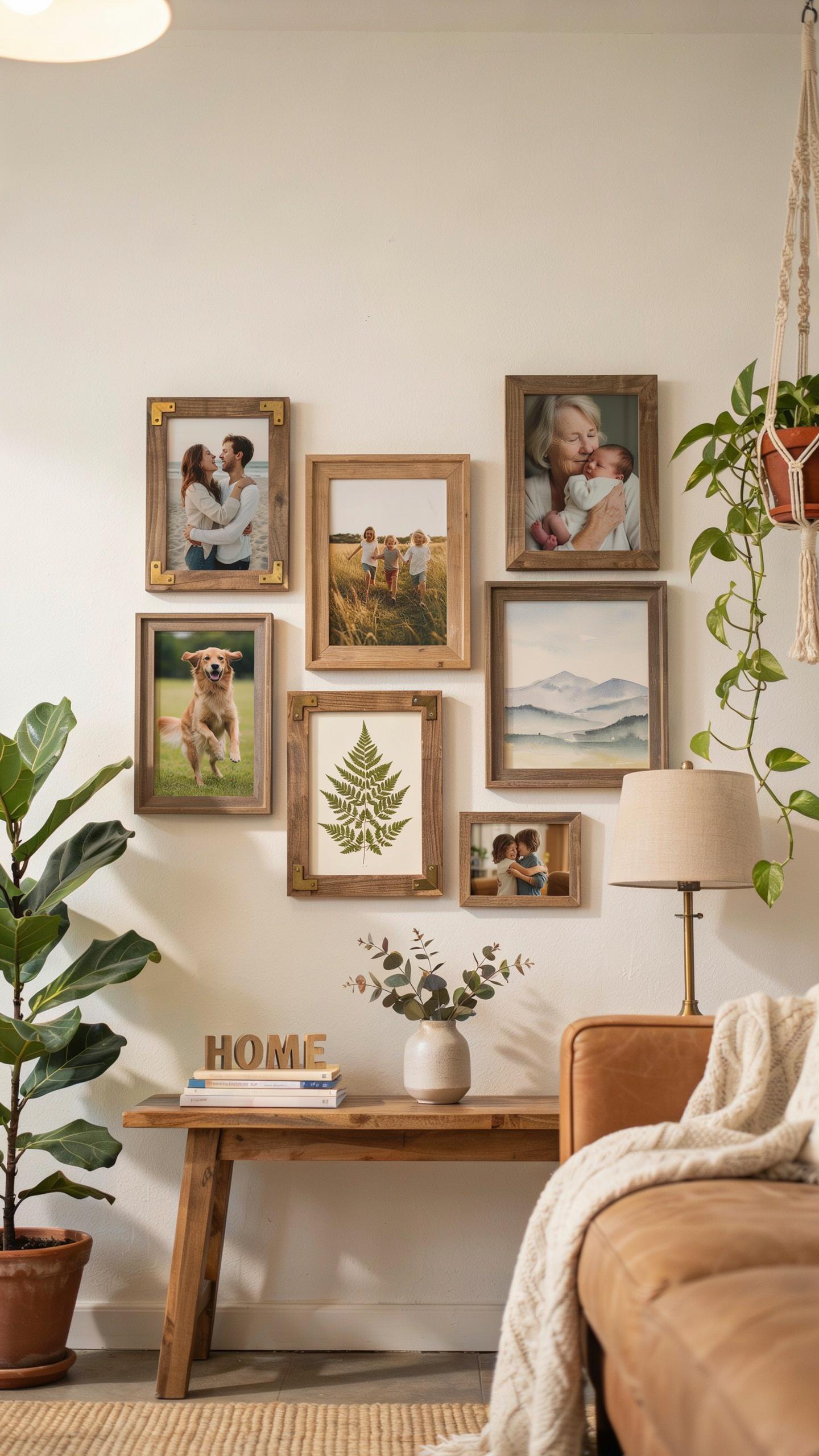
Mixing wood species in gallery walls works because each species brings distinct grain patterns and color depth. Reclaimed oak, pine, and barn wood create visual rhythm when you alternate frame types. The key is spacing. Position frames with consistent gaps between them, then vary the wood tones across the wall rather than clustering similar species together. This prevents the eye from seeing blocks of matching frames and keeps the display dynamic.
Texture variation matters more than matching. Reclaimed wood naturally shows saw marks, weathering, and knots that differ by species. Combine smooth-planed frames with rough-hewn borders. Add frames with visible nail holes or bark edges. Stack different frame widths on the same wall. The contrast between surfaces stops the eye and adds depth without requiring color coordination. This approach works because your eye processes texture before color.
Tonal Cohesion
Warm honey tones in reclaimed wood come from aged pine and weathered oak exposed to decades of sunlight. Cool ash tones emerge from weathered barn siding and gray-stained frames. The wall paint color determines which tones dominate. Against warm beige or cream walls, honey tones advance and feel welcoming. Against cool gray or blue walls, ash tones recede and add sophistication. Test frame placement before hanging to confirm the visual weight feels balanced.

Match frame tones to your wall undertone rather than its surface color. A warm beige wall with pink undertones pairs better with honey-wood frames. A gray wall with blue undertones works with ash-wood frames. Warm and cool frames can coexist on the same wall if your wall paint sits neutral. The paint acts as the mediator. This prevents the gallery wall from clashing with the room’s existing color scheme and keeps the space feeling intentional.
Why Natural Imperfections Define Rustic Picture Frames
Wabi Sabi Philosophy
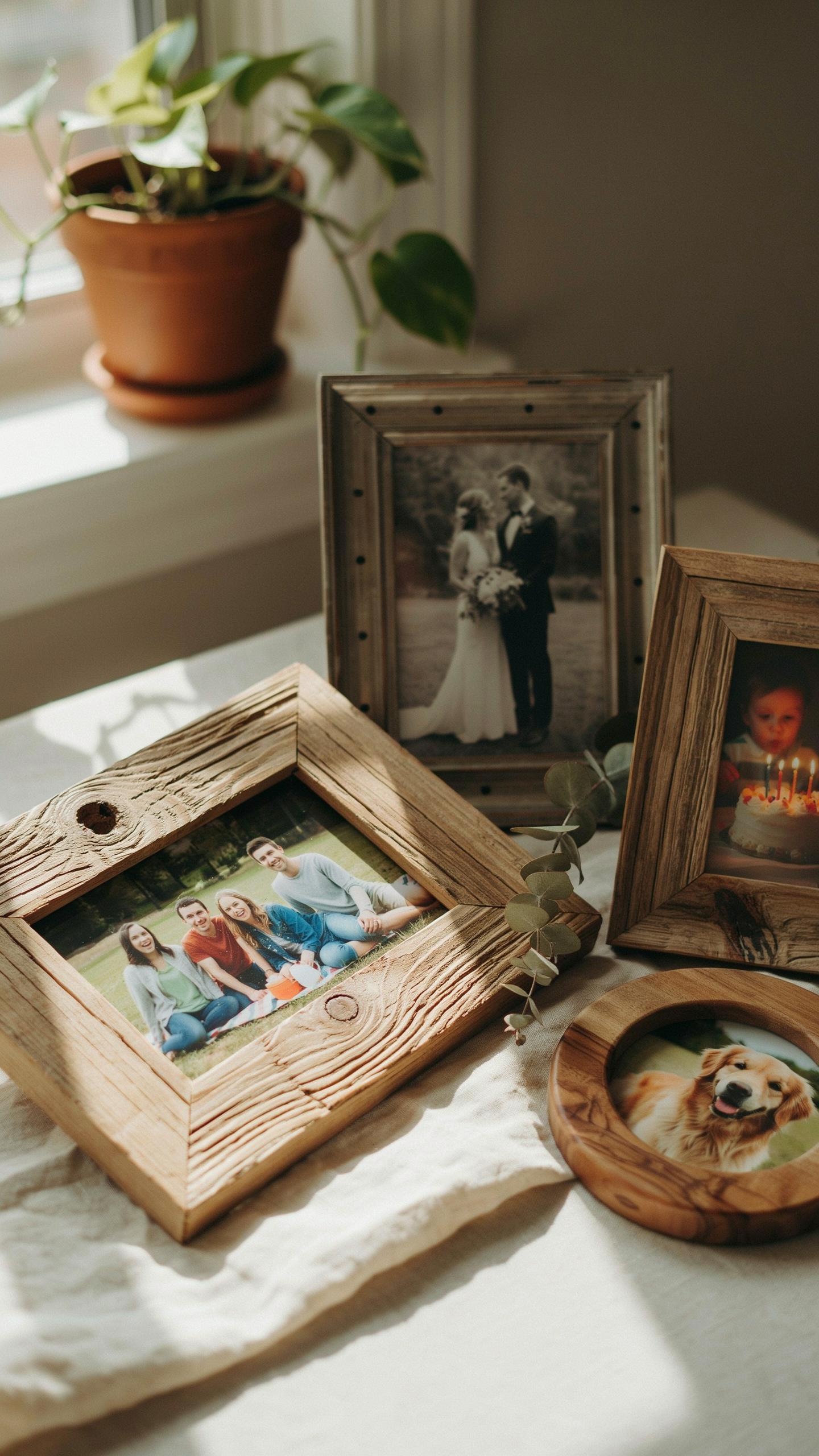
Wabi sabi emerged from Japanese aesthetics centuries ago. It values incompleteness, asymmetry, and the marks of time. Reclaimed material frames embody this philosophy directly. Weathered wood grain, uneven surfaces, and visible wear tell authentic stories. These imperfections create intentional contrast against polished, mass-produced alternatives. The philosophy rejects perfection as the design goal. Instead, it celebrates what remains after use and exposure.
This approach aligns with slow-living design movements gaining traction today. People actively reject disposable culture and fast furniture. Reclaimed frames signal intentional living and environmental awareness. The visible damage and patina become design features, not flaws. A cracked finish or weathered corner speaks to durability and history. Buyers choose these frames because imperfections prove authenticity. The frame stops being invisible background and becomes a focal point.
Timeless Interior Value
Reclaimed materials retain visual and functional value across decades. Solid wood frames from salvaged sources outlast particleboard alternatives by years. Real wood develops character through aging rather than degrading. Synthetic frames show wear as deterioration. Authentic wood shows wear as enhancement. This distinction matters when calculating long-term cost per use.

Organic elements transcend trend cycles that trap mass-produced frames. A reclaimed barn wood frame works in 2015 interiors and 2025 spaces equally. Synthetic materials often date quickly as manufacturing techniques evolve. Genuine wood adapts to changing color palettes and design movements. The frame investment protects against having to replace decor every few years. Structural integrity of reclaimed wood means the frame survives countless rehangings and moves.
Frequently Asked Questions

What are the benefits of using reclaimed frames in home styling?
Choosing reclaimed material decor picture frames adds immediate character and warmth to any room. Unlike mass-produced options, these pieces tell a unique story through natural weathering, nail holes, and original textures. They are an eco-friendly choice that reduces waste while providing a sophisticated, rustic aesthetic. By incorporating these sustainable accents, you create a cozy, curated atmosphere that feels personal and grounded rather than cold or commercial.
How do I clean and maintain frames made from salvaged wood?
Maintaining your reclaimed material decor picture frames is simple but requires a gentle touch to preserve their aged patina. Avoid harsh chemical cleaners that can strip away natural finishes. Instead, use a soft, lint-free cloth or a vacuum brush attachment to remove dust from deep grooves. If the wood appears dry, applying a small amount of clear beeswax or organic furniture oil will nourish the grain and keep your frames looking beautiful.
Can I find affordable reclaimed frames on a tight budget?
Absolutely! You can find budget-friendly options by scouting local thrift stores, antique malls, or specialized online marketplaces. If you are feeling creative, consider a DIY project by repurposing old lath or pallet wood into your own custom displays. Many artisans also offer smaller sizes at accessible price points, allowing you to gradually build a stunning gallery wall of authentic materials without a significant upfront investment.