Why A Container Garden For Herbs Is The Smartest Herb Garden Choice For Modern Outdoor Spaces
The Practical Appeal Of Growing Herbs In Containers Over Ground Planting
Containers offer total control over soil quality and drainage. Ground soil often contains heavy clay or rocky debris that stunts root growth. Herbs like rosemary and lavender require fast drainage to prevent root rot. Pots allow you to mix specific ratios of perlite, peat, and organic matter. This precision creates a localized environment that outperforms native soil conditions in most backyard settings.
Mobility is the primary tactical advantage of a container garden. You can move pots to follow the sun as seasons change. Most culinary herbs need six hours of direct light daily. Containers also prevent invasive species like mint from overtaking your yard. Keeping herbs in isolated vessels stops underground runners from spreading. This containment protects your landscape while providing a clean and easily accessible harvest.
How Container Herb Gardens Fit Seamlessly Into Contemporary Outdoor Aesthetics
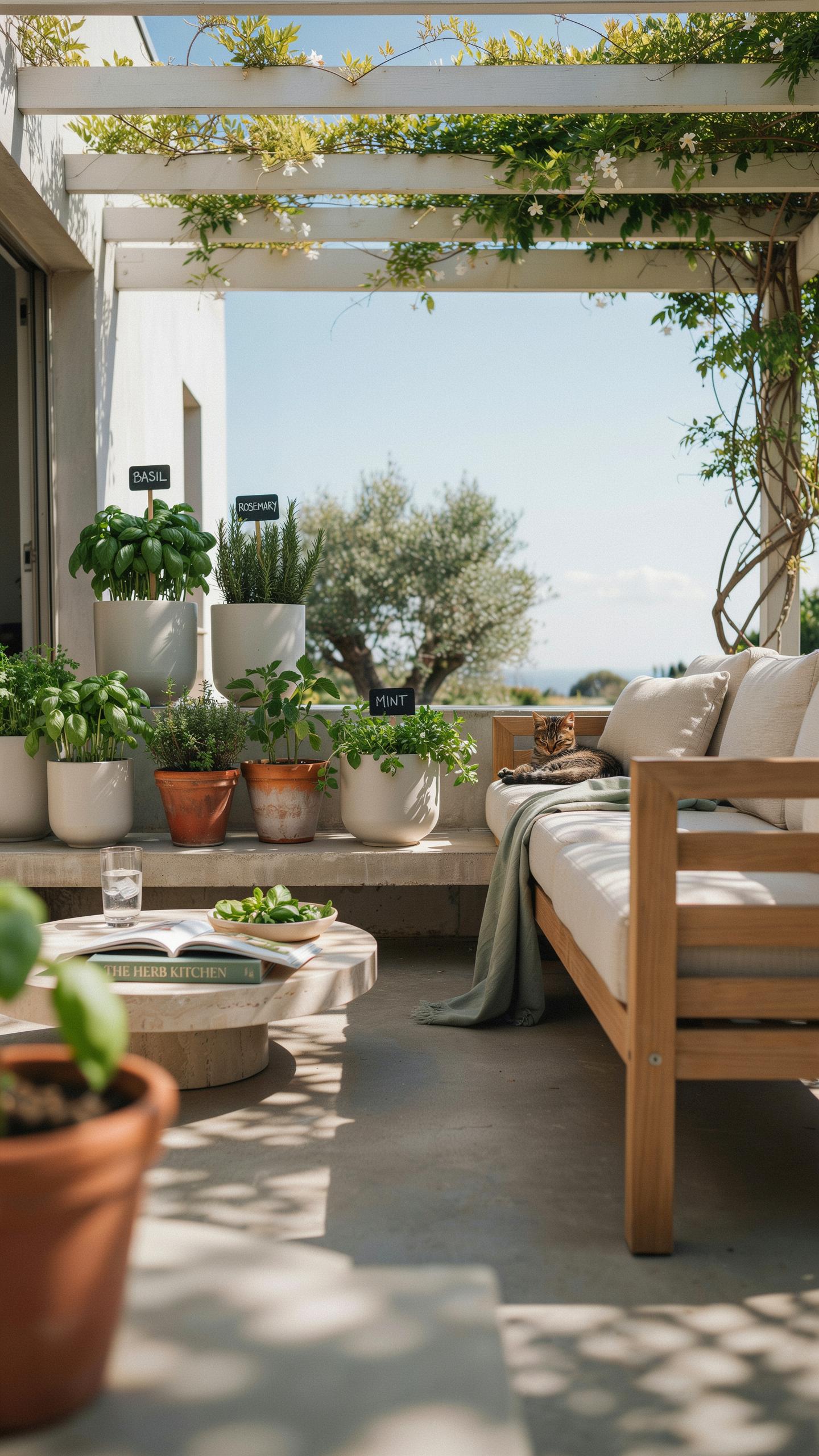
Modern outdoor design prioritizes clean lines and functional zones. Container gardens use geometric shapes to define these spaces without permanent construction. High-quality materials like terracotta, weathered steel, and concrete reflect industrial and mid-century modern influences. These vessels act as structural elements that complement architectural features. They provide a finished look that ground planting cannot achieve. Containers allow for vertical layering to maximize small footprints.
Strict minimalism avoids the visual clutter of traditional garden beds. Containers provide a sharp boundary between the plant and the living area. This separation keeps paths clear and reduces maintenance time. You can match pot colors to your patio furniture or home exterior for a unified look. This strategic approach turns food production into a deliberate design choice. It integrates nature into the built environment with professional precision.
Choosing The Right Herb Pots To Match Your Outdoor Style And Plant Needs
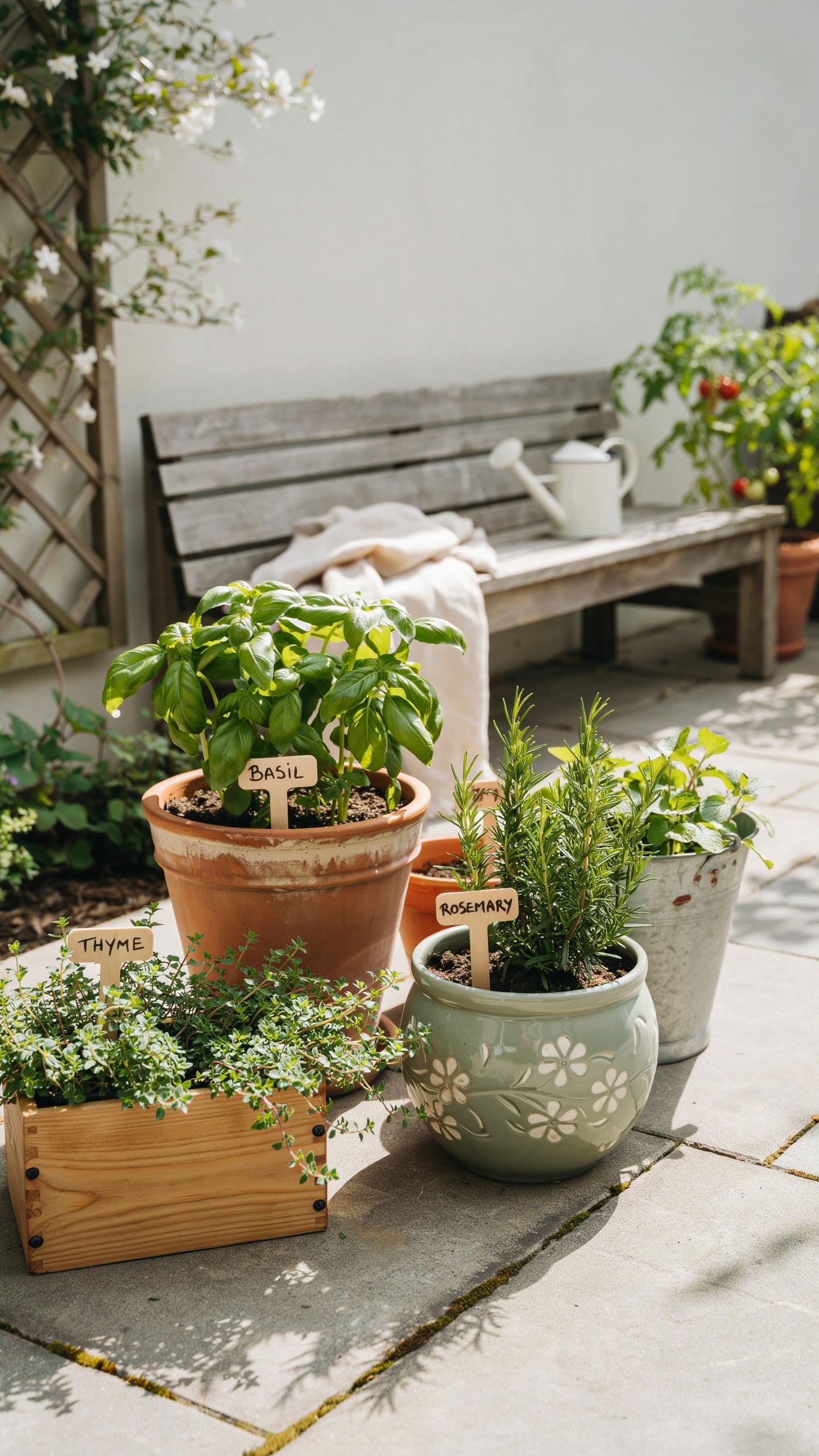
Materials Matter: Terracotta, Ceramic, Metal, And Wood Herb Pots Compared
Terracotta offers high porosity for Mediterranean herbs like rosemary and thyme. This clay material breathes and allows moisture to escape through the walls. It prevents root rot by keeping soil dry. Use terracotta in humid climates to balance soil moisture levels effectively. Historically, this material remains the standard for drainage efficiency. It fits rustic or traditional design styles.
Ceramic pots provide better water retention for moisture-loving herbs like mint or basil. Glazed finishes prevent evaporation and resist temperature shifts. Metal containers offer a sleek modern aesthetic but heat up rapidly in direct sun. High heat damages delicate root systems. Wooden planters insulate soil and look natural. Cedar and redwood naturally resist rot. Choose materials based on local climate and herb species.
Sizing Your Herb Pots Correctly To Support Healthy Root Growth And Plant Volume
Standard herb pots require a minimum depth of six to eight inches. Small pots restrict root expansion and cause plants to bolt or wilt. Large pots hold excess water that leads to fungal diseases. Match the pot diameter to the mature spread of the herb. Basil needs more space than upright chives. Proper volume ensures the plant accesses enough nutrients throughout the season.
Root bound plants cannot absorb water efficiently. Always check for drainage holes at the bottom of the container. Proper sizing reduces the frequency of watering and fertilizing. If a pot is too small, soil temperature fluctuates wildly. This stress stunts leaf production and reduces oil content. Select a pot that allows for two inches of growth on all sides. Tight spaces kill vigorous herbs.
Best Herbs For Growing Herbs In Containers Outdoors All Season Long
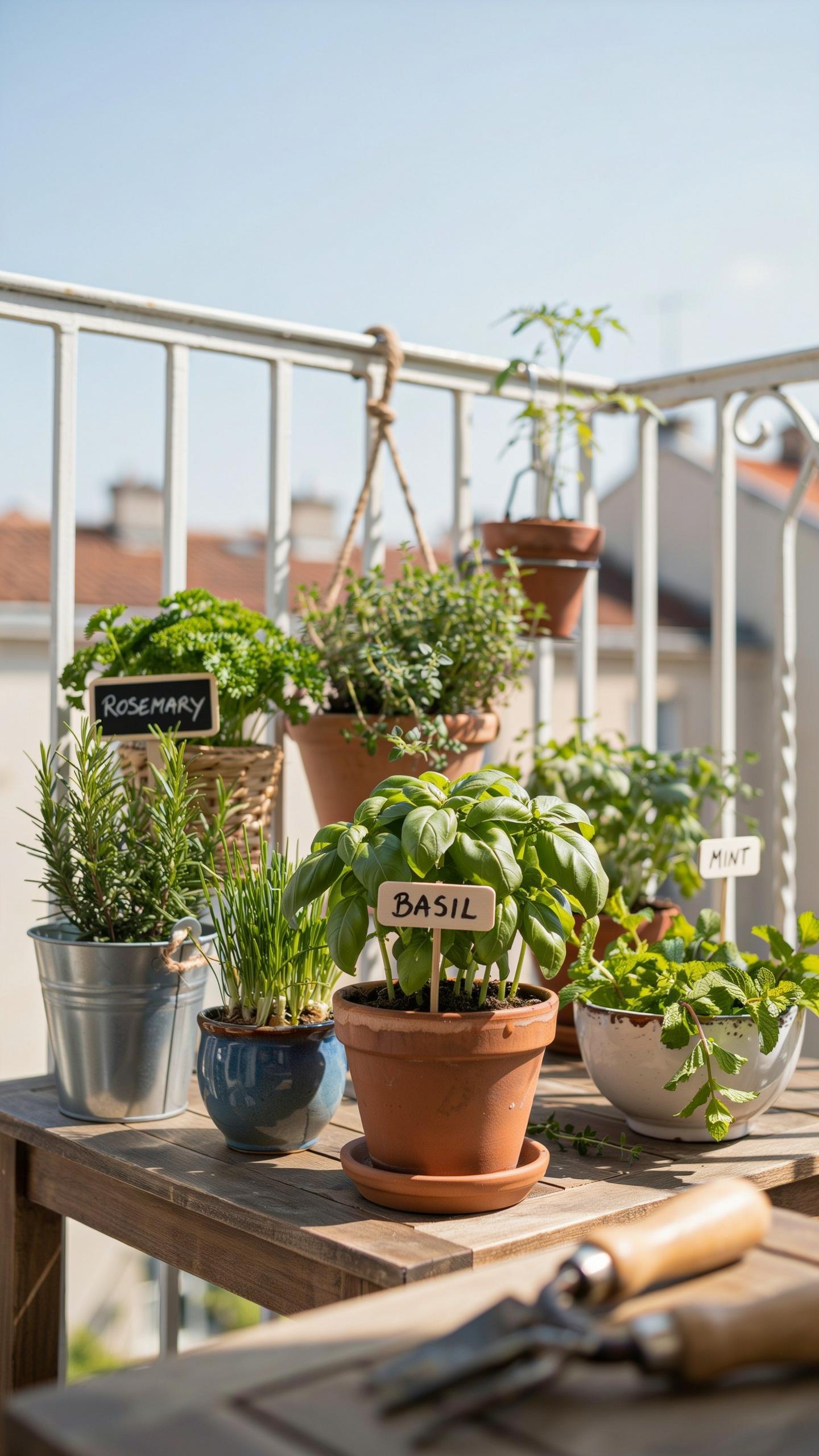
Sun Loving Herbs That Thrive Outdoors In Containers Such As Basil Rosemary And Thyme
Sun loving herbs require at least six hours of direct light daily to produce essential oils. Basil thrives in warm soil and requires consistent moisture to prevent wilting. You must pinch back the stems to stop flower production and keep the plant productive. This technique encourages lateral growth and prevents the leaves from becoming bitter. Use well draining potting soil to avoid root rot.
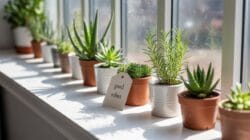
Rosemary and thyme feature woody stems and originate from Mediterranean regions. These species demand excellent drainage and can tolerate drier conditions between watering sessions. Terracotta pots work best because the porous material allows excess moisture to evaporate. Overwatering kills these plants faster than heat does. Place these containers in the brightest spot on your patio. Prune regularly to maintain shape and encourage new growth.
Shade Tolerant Herbs Like Mint Parsley And Chives That Adapt Well To Patio Conditions
Many herbs perform well in partial shade or dappled light environments. Mint grows aggressively and spreads through underground runners. You must plant it in its own container to prevent it from choking out other herbs. It prefers moist soil and cooler temperatures found in morning sun. Move the pot to a shaded area during the peak heat of the afternoon to protect the leaves.
Parsley and chives tolerate lower light levels than woody herbs. These plants require consistent nitrogen for healthy leaf production. Parsley is a biennial but grows best as an annual in containers. Chives are hardy perennials that return every year even after freezing temperatures. Use plastic or glazed ceramic pots to retain soil moisture. These herbs provide reliable harvests in kitchens with limited direct outdoor sunlight.
Garden In Pots Ideas That Blend Function And Visual Impact On Patios And Balconies
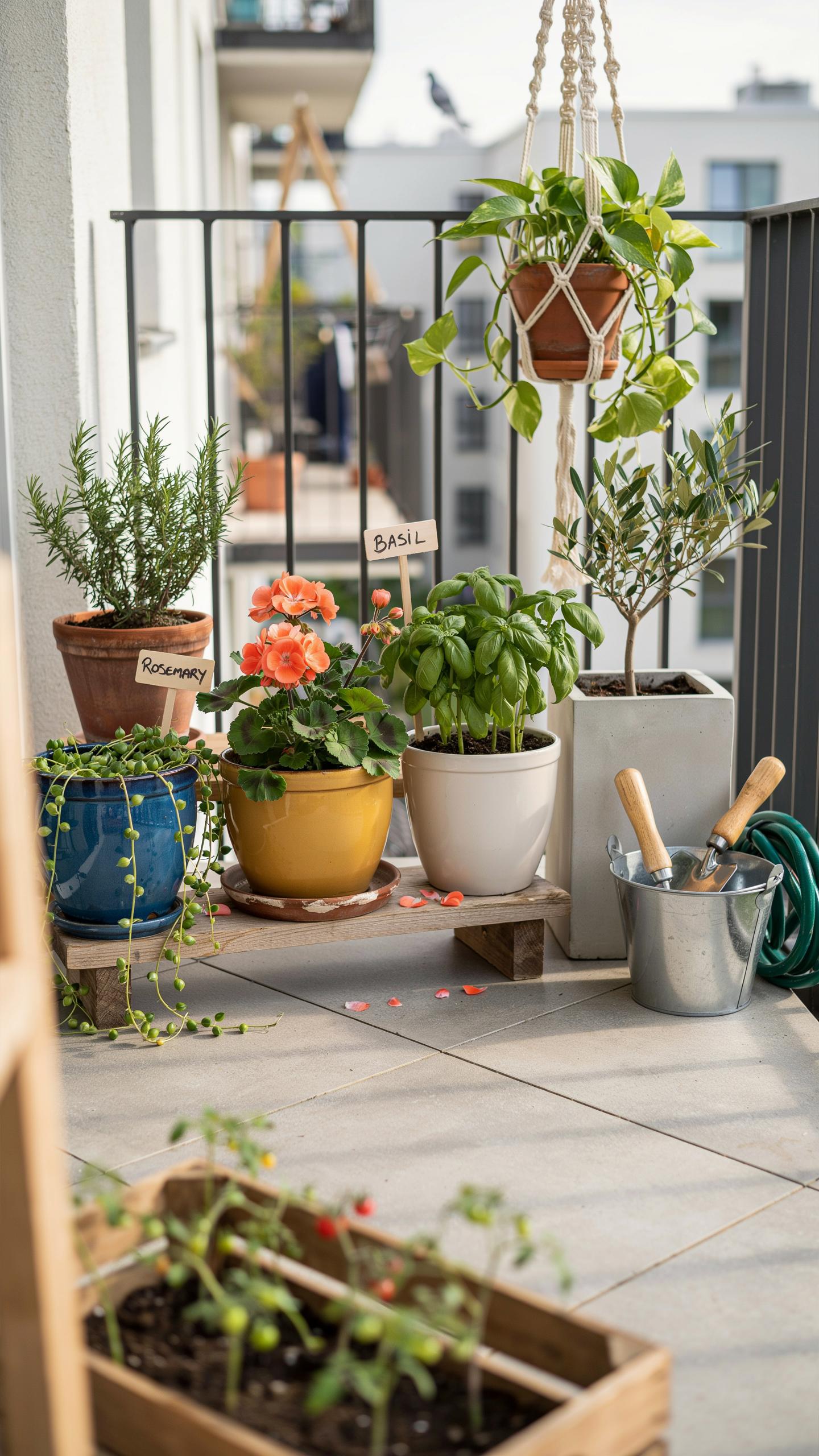
Grouping Containers By Height And Texture To Create A Layered Outdoor Display
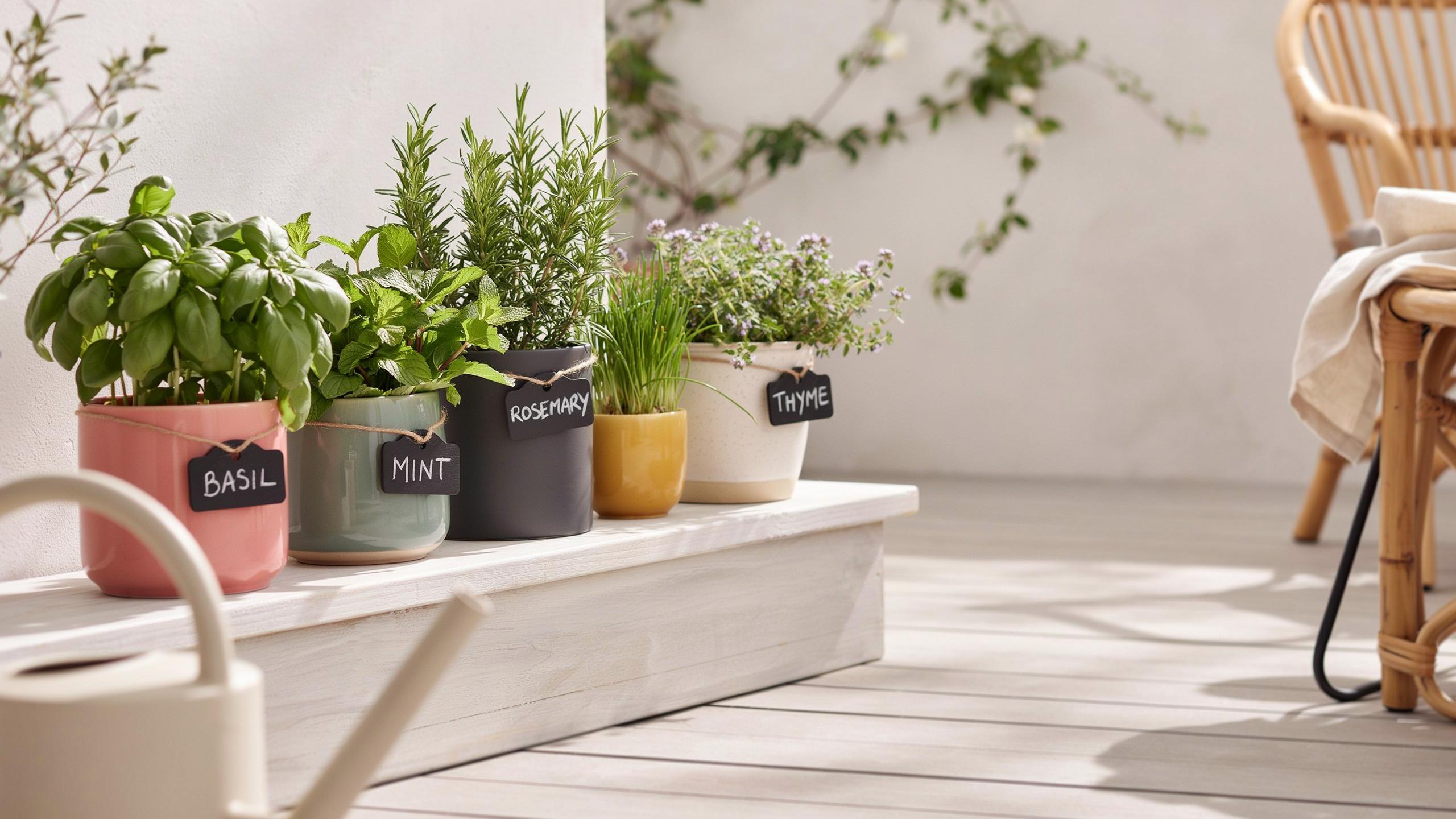
Effective herb grouping relies on vertical staggered positioning. Place tall woody perennials like rosemary and bay laurel at the rear. Position mounded herbs like parsley and basil in the center. Use trailing varieties such as creeping thyme or goldilocks oreganol in the front. This arrangement ensures every plant receives maximum sunlight. It creates a dense green wall that maximizes small footprints on balconies.
Varying pot textures adds depth without clutter. Use smooth glazed ceramics alongside rough terracotta or matte metal planters. Contrasting leaf shapes enhances this effect. Pair the fine needles of rosemary with the broad flat leaves of sage. This tactic creates visual interest through biological diversity. Systematic layering prevents the garden from looking flat. Proper height distribution also improves airflow between plants to reduce fungal disease.
Themed Pot Arrangements That Tell A Design Story In Small Outdoor Areas
Themed groupings simplify maintenance by pairing herbs with identical water and light needs. A Mediterranean cluster uses terracotta pots for lavender, oregano, and silver sage. These plants thrive in gritty soil and intense sun. Grouping them allows for a unified irrigation schedule. It creates a cohesive aesthetic based on regional ecology. This strategy prevents overwatering sensitive species in a mixed container garden.
Industrial themes utilize weathered steel or concrete troughs for a modern look. Pair these sharp materials with structural herbs like upright lemongrass or chives. This design movement focuses on clean lines and monochromatic palettes. It works well in urban environments with limited space. Use uniform pot colors to make the vibrant green of the herbs pop. Consistent themes reduce visual noise in tight outdoor living areas.
Low Planters As A Sleek Modern Solution For Your Container Herb Garden
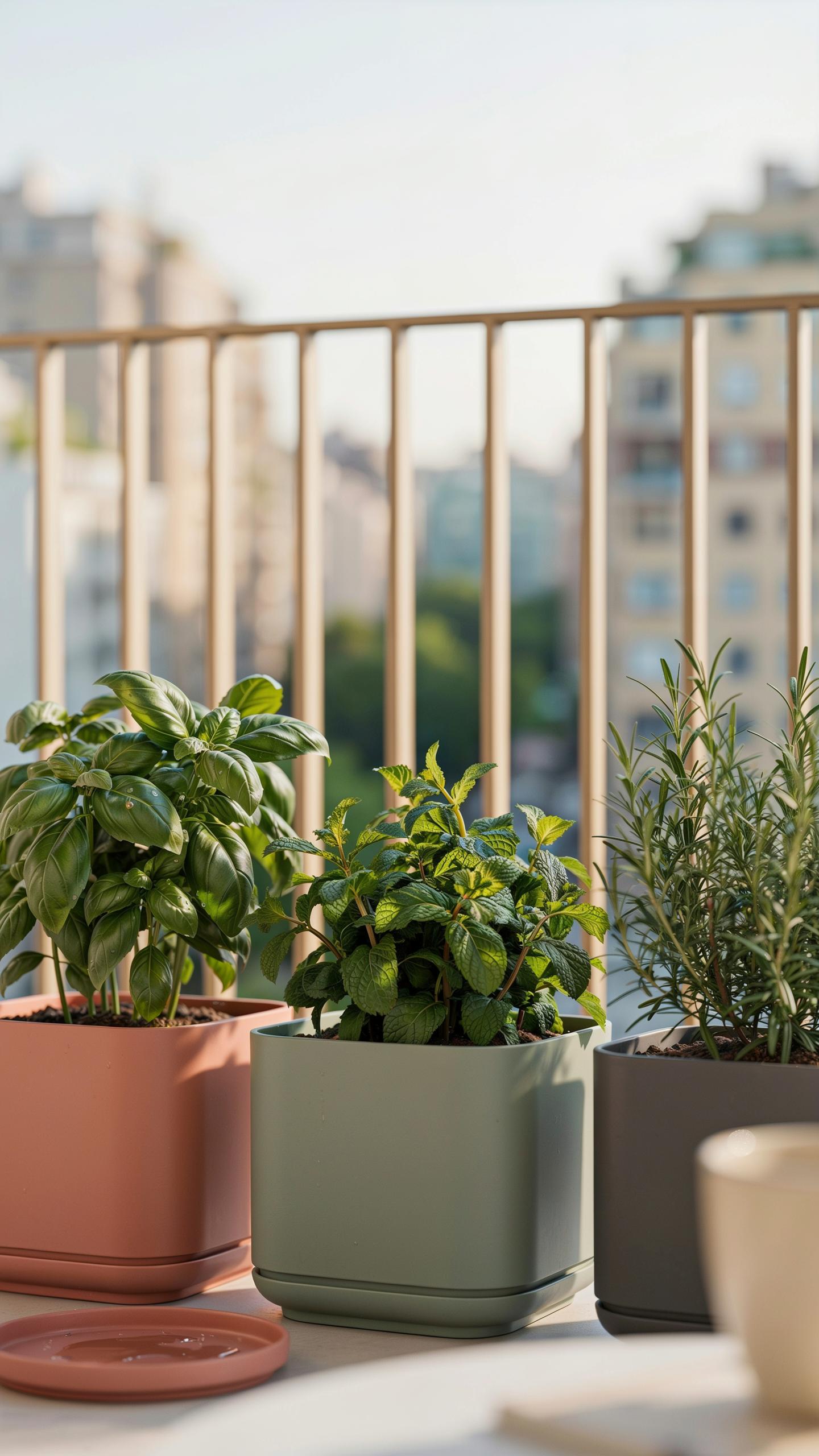 Why Low Planters Work Exceptionally Well For Spreading Herbs Like Oregano And Marjoram
Low planters provide the necessary horizontal surface area for rhizomatous and creeping herbs. Spreading plants like oregano and marjoram grow outward rather than upward. These species thrive when their stems make contact with soil to establish new roots. Shallow vessels mimic natural ground cover conditions. This growth habit prevents the root bound issues often found in tall, narrow pots. Wide basins offer better air circulation around the foliage.
Shallow soil profiles manage moisture levels more effectively for Mediterranean herbs. Large volumes of deep soil often hold excess water that leads to root rot in oregano. Low profile containers allow for faster evaporation and drainage. This environment creates the lean, well drained conditions these plants require. You get healthier plants with higher essential oil concentrations. More sun reaches the soil surface to keep the root crown dry and warm.
Design Tips For Using Low Planters To Create A Clean Minimalist Outdoor Look
Minimalist design relies on strong horizontal lines to create a sense of order. Use low planters to ground your outdoor space. Select vessels made from industrial materials like weathered steel or fiber cement. These materials offer sharp edges and neutral tones. Avoid decorative patterns or rounded lips. Position the planters along the edges of patios or walkways. This placement defines the architectural boundaries of your garden area.
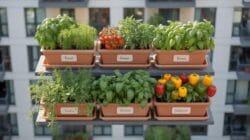
Group multiple low planters of varying widths to add visual interest without clutter. Keep the height consistent to maintain a streamlined profile. This approach follows the principles of mid century modern landscaping. Use a single herb species per container for a bold monochromatic effect. Mass plantings of marjoram create a lush carpet texture. This strategy hides the soil completely and emphasizes the shape of the planter. Focus on geometric precision for a professional finish.
Gardening In Pots Soil Drainage And Watering Fundamentals For Thriving Herbs
Selecting The Ideal Potting Mix To Support Nutrient Dense Herb Growth In Containers
Garden soil is too heavy for containers. It compacts and smothers herb roots. You must use a dedicated potting mix. These mixes use peat moss, coconut coir, or perlite to create air pockets. Porosity allows roots to breathe and expand. Good structure ensures nutrients reach the plant instead of washing away. Quality media supports the high metabolic needs of fast-growing Mediterranean and culinary herbs.
Nutrient density depends on the balance of organic matter. Mix compost into your potting medium to provide slow-release nitrogen. Avoid cheap fillers that lead to waterlogging. Modern growers often add vermiculite for moisture retention and aged pine bark for acidity control. This mimics the natural rocky terrain where many herbs thrive. Healthy soil reduces the need for synthetic fertilizers. It builds a resilient foundation for long-term growth.
Watering Schedules And Drainage Strategies To Prevent Root Rot In Outdoor Herb Pots
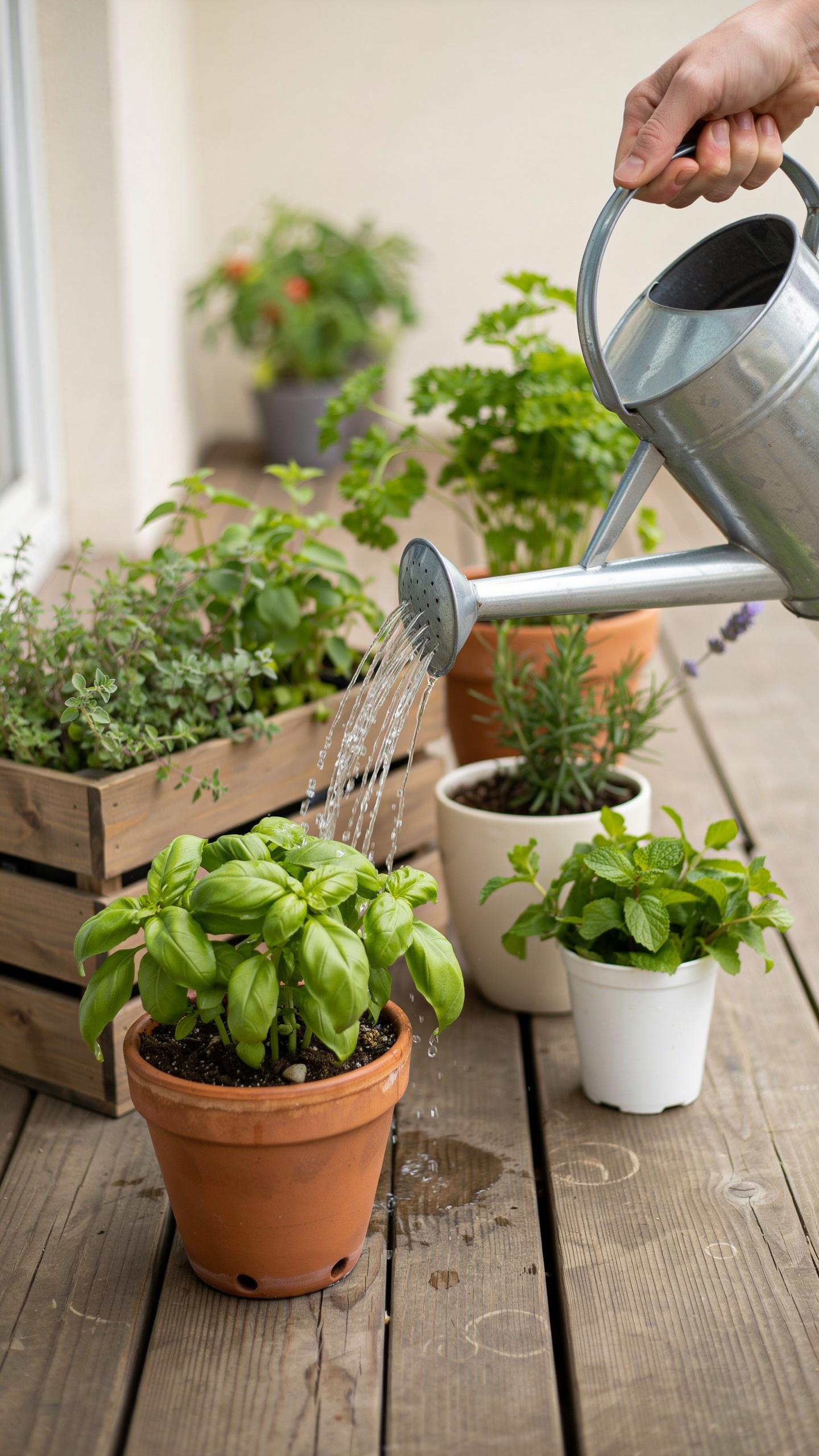
Root rot kills more container herbs than drought. You must ensure every pot has unobstructed drainage holes. Water must move through the soil and exit the bottom quickly. Standing water deprives roots of oxygen and invites fungal pathogens. Use pot feet or risers to lift containers off the ground. This prevents suction and allows air to circulate underneath the drainage point.
Test the soil moisture with your finger before adding water. Stick it two inches deep into the mix. If the soil feels dry, water until it runs out the bottom. If it feels damp, wait another day. Most herbs prefer a dry-down period between deep waterings. Overhead watering can cause leaf disease. Direct the flow at the base of the plant. Consistency prevents stress and keeps essential oils potent.
Expanding Into A Food Garden By Pairing Herbs With A Veggie Garden In Containers
Companion Planting Herbs And Vegetables Together In The Same Container Setup
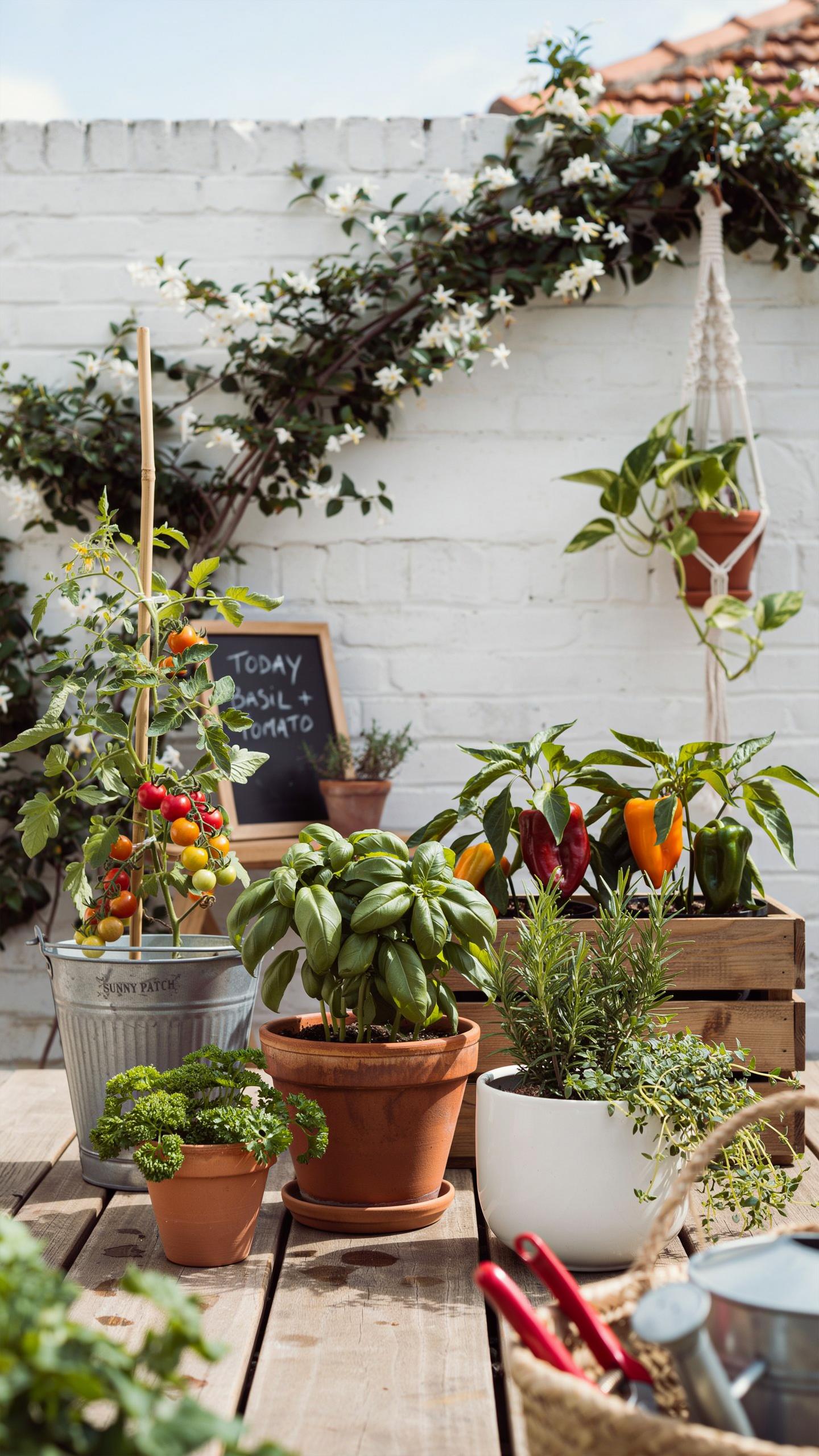
Successful container gardening requires pairing plants with identical light and water needs. Most culinary herbs thrive in the same well-draining soil and full sun conditions as popular summer vegetables. Strategy dictates placing tall vegetables in the center of the pot and low-growing herbs at the edges. This layered approach prevents competition for root space while creating a self-sustaining ecosystem within a single vessel.
- Basil and Tomatoes: This pairing is a classic horticultural technique. Basil thrives in the heat and moisture required by tomato plants. Research suggests basil may help repel pests like hornworms and flies that target tomato foliage.
- Dill and Cucumbers: Planting dill alongside cucumbers provides a tactical advantage for space. Dill attracts predatory insects that eat aphids. Its upright growth habit allows vines to sprawl around the base without blocking essential sunlight or airflow.
- Rosemary and Peppers: Both species demand high light levels and can tolerate slightly drier soil between watering cycles. The woody structure of rosemary provides a sturdy windbreak for the more brittle stems of bell peppers or chili varieties.
- Chives and Carrots: Chives serve as a biological deterrent against carrot rust flies. Their pungent scent masks the chemical signals emitted by the carrots. The shallow roots of chives do not interfere with the vertical development of the carrot taproot.
- Sage and Brassicas: Sage acts as a primary protector for kale or cabbage in large containers. The strong aroma of sage confuses the cabbage moth. This prevents the moth from laying eggs and stops larvae from destroying your leafy vegetable crop.
Integrating herbs into vegetable containers also improves pollination rates. Flowers from cilantro or oregano attract bees and hoverflies necessary for fruiting crops like eggplant or squash. You must ensure the container depth supports the vegetable root system. Use high-quality potting mix over garden soil to prevent compaction. Proper spacing between the herb and the vegetable prevents fungal diseases by allowing necessary air circulation.
How A Combined Herb And Veggie Container Garden Maximizes Small Outdoor Spaces
Vertical scaling is the most efficient way to use a small balcony or patio. Combining herbs and vegetables in one pot reduces the physical footprint of your garden. You get two types of harvests from the same square footage. Use deep pots to accommodate taproots of vegetables while herbs occupy the surface layer. This technique turns a standard corner into a high-yielding food production zone.
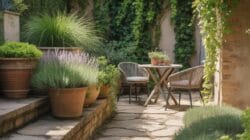
Strategic placement of these multi-crop containers creates a functional outdoor barrier. Taller vegetable plants provide privacy while herbs at the base offer immediate access for cooking. This density reduces weed growth by covering all exposed soil. It also stabilizes the microclimate around the plants. You save money on soil and fertilizer by concentrating your resources into fewer, higher-quality containers. Modern gardening relies on this maximum-output strategy.
Adding Plants With Flowers To Your Herb Container Garden For Color And Pollinator Support
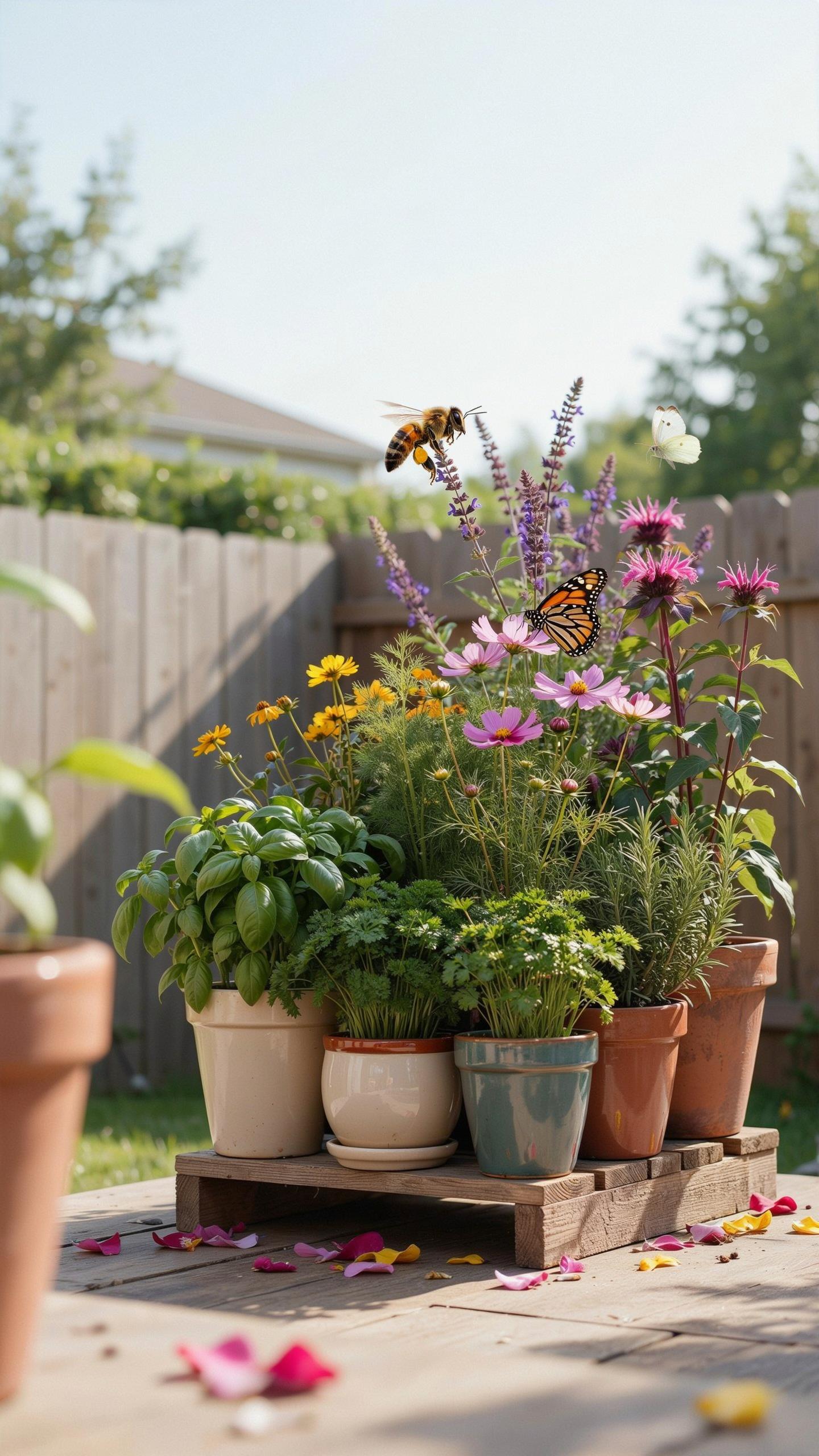
Flowering Herbs Like Lavender, Borage, And Chamomile That Double As Ornamental Plants
Lavender provides a structural foundation for herb containers. Its silver foliage and purple spikes offer high visual contrast against green leafy herbs. This plant requires well-drained soil and full sun to thrive. It mimics Mediterranean climates where drainage is critical. You must select English varieties for compact growth in small pots. French lavender works well in warmer zones with higher humidity levels.
Borage and chamomile offer softer textures and functional benefits. Borage produces bright blue star flowers that attract bees to your garden space. Its leaves taste like cucumber but the flowers provide the main visual impact. Chamomile serves as a low-growing ground cover in larger planters. It produces daisy-like blooms throughout the summer months. Both plants require consistent moisture but do not tolerate standing water.
By planting herbs in sleek vessels, we marry the timeless scent of our grandmother’s porch with the clean lines of today. It is the art of growing a fragrant legacy in a modern frame.
Mixing Ornamental Flowering Plants With Culinary Herbs For A Vibrant Outdoor Display
Integrate non-culinary flowers to increase the aesthetic value of your herb pots. Marigolds and nasturtiums provide bright oranges and yellows that repel certain pests. These plants occupy the edges of the container and spill over the sides. This technique uses vertical space efficiently. It creates a dense look that prevents soil evaporation. You must match the water needs of the flowers with your specific herbs.
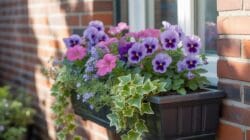
Group plants by their light and water requirements. Sage and rosemary pair well with drought-tolerant flowers like calendula. Basil and parsley thrive alongside moisture-loving blooms like pansies. Use high-quality potting mix to ensure nutrient availability for both species. Deadhead the flowers regularly to encourage continuous blooming through the season. This maintenance step keeps the container looking clean and professional while supporting a healthy ecosystem.
Seasonal Care And Maintenance Tips To Keep Your Outdoor Container Herb Garden Thriving Year Round
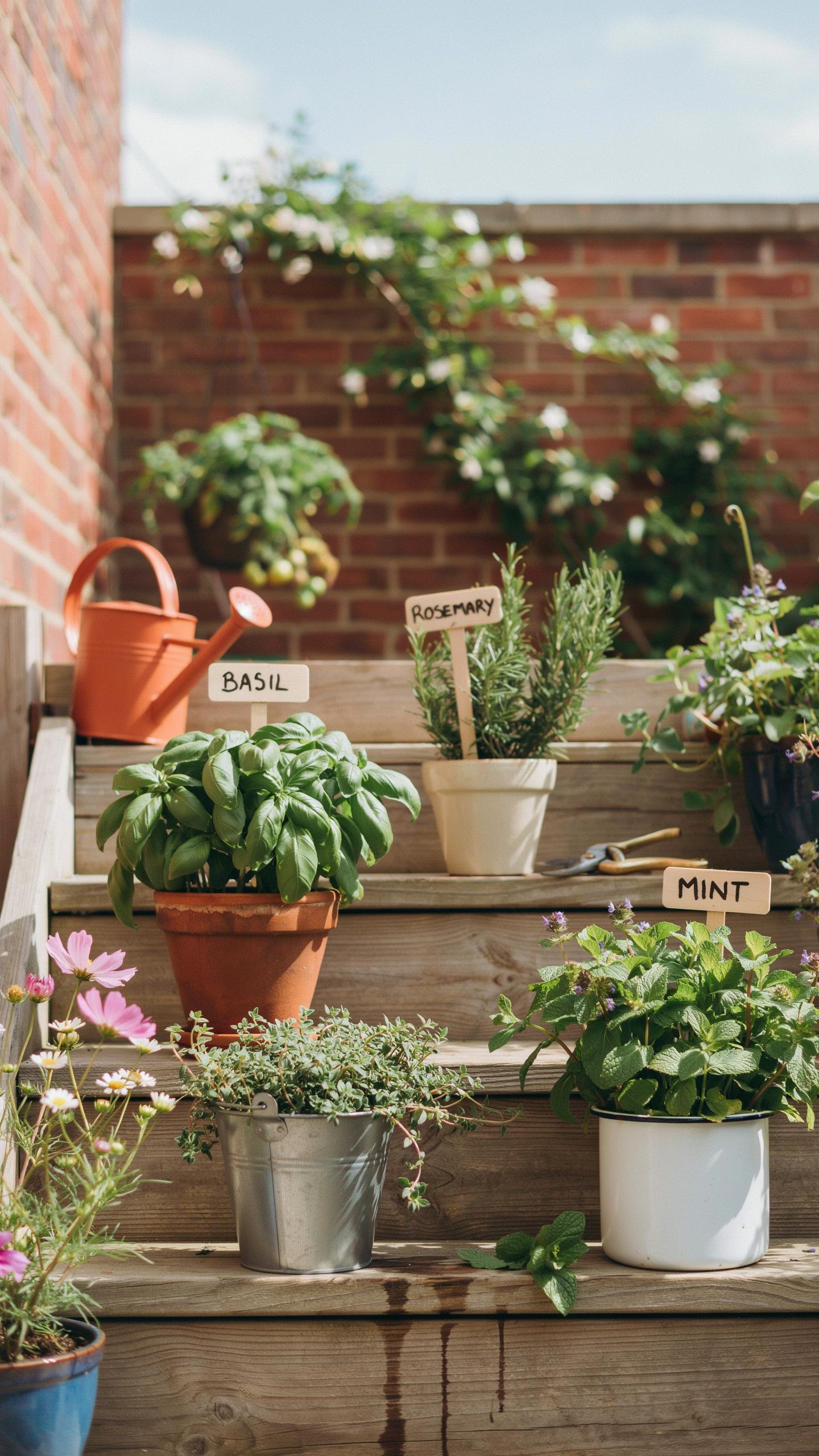
How To Transition And Protect Your Container Herbs Through Autumn And Winter Months
Autumn signals a shift in herb metabolism. You must monitor overnight temperatures daily. Move tender perennials like rosemary and bay laurel indoors when temperatures drop below 50 degrees Fahrenheit. Stop heavy nitrogen feeding in late summer. This prevents soft new growth that freezes easily. Reduce watering frequency as evaporative loss slows down. Plants in dormant states require oxygen at the root zone more than moisture.
Winter protection requires physical barriers for outdoor pots. Group containers together against south-facing walls to trap thermal mass. Wrap ceramic or terracotta pots in burlap or bubble wrap to prevent frost cracking. Use pot feet to lift containers off cold pavement. This improves drainage and prevents ice blocks from forming at the base. High-pitched wind dries out evergreen herbs quickly. Use windbreaks to stop desiccation during the coldest months.
Fertilizing, Pruning, And Repotting Routines That Extend The Life Of Your Herb Containers
Container environments deplete nutrients faster than ground soil. Use organic liquid seaweed or fish emulsion every three weeks during the peak growing season. Avoid synthetic fertilizers that cause salt buildup in small pots. Prune frequently to prevent woody stems and encourage lateral branching. This maintains the compact shape required for modern aesthetics. Replace 25 percent of the potting media annually to restore soil structure and aeration.
- Strategic Pruning: Remove the top third of soft-stemmed herbs like basil and mint regularly. This prevents the plant from flowering and setting seed. This process redirects energy into leaf production and extends the harvest window significantly.
- Root Pruning: Pull crowded plants from their pots every two years. Trim the outer inch of the root ball with sharp shears. This stimulates new root growth and prevents the plant from becoming root-bound and stunted in small vessels.
- Controlled Fertilization: Apply low-dosage organic fertilizers during the spring and summer months. Herbs like thyme and rosemary prefer lean soil. Over-fertilizing these Mediterranean varieties reduces the essential oil concentration and weakens the flavor profile of the leaves.
- Pot Rotation: Rotate your herb containers 180 degrees every week. This ensures all sides of the plant receive equal sunlight exposure. Constant rotation prevents lopsided growth and encourages a full, symmetrical appearance that fits modern design standards.
- Soil Refreshment: Scratch one inch of fresh compost into the top layer of soil every spring. This provides slow-release micronutrients and improves water retention. It bridges the gap between major repotting sessions and maintains a healthy biological environment inside the container.
Repotting is a tactical necessity when roots emerge from drainage holes. Move plants to a container only two inches wider than the previous one. Larger jumps in pot size lead to perched water tables and root rot. Ensure your new mix contains perlite or pumice for drainage. Firm the soil to remove large air pockets but do not compact it. Water thoroughly after repotting to settle the roots.
Inspiring Modern Container Garden Designs That Prove Style And Practicality Can Coexist Outdoors
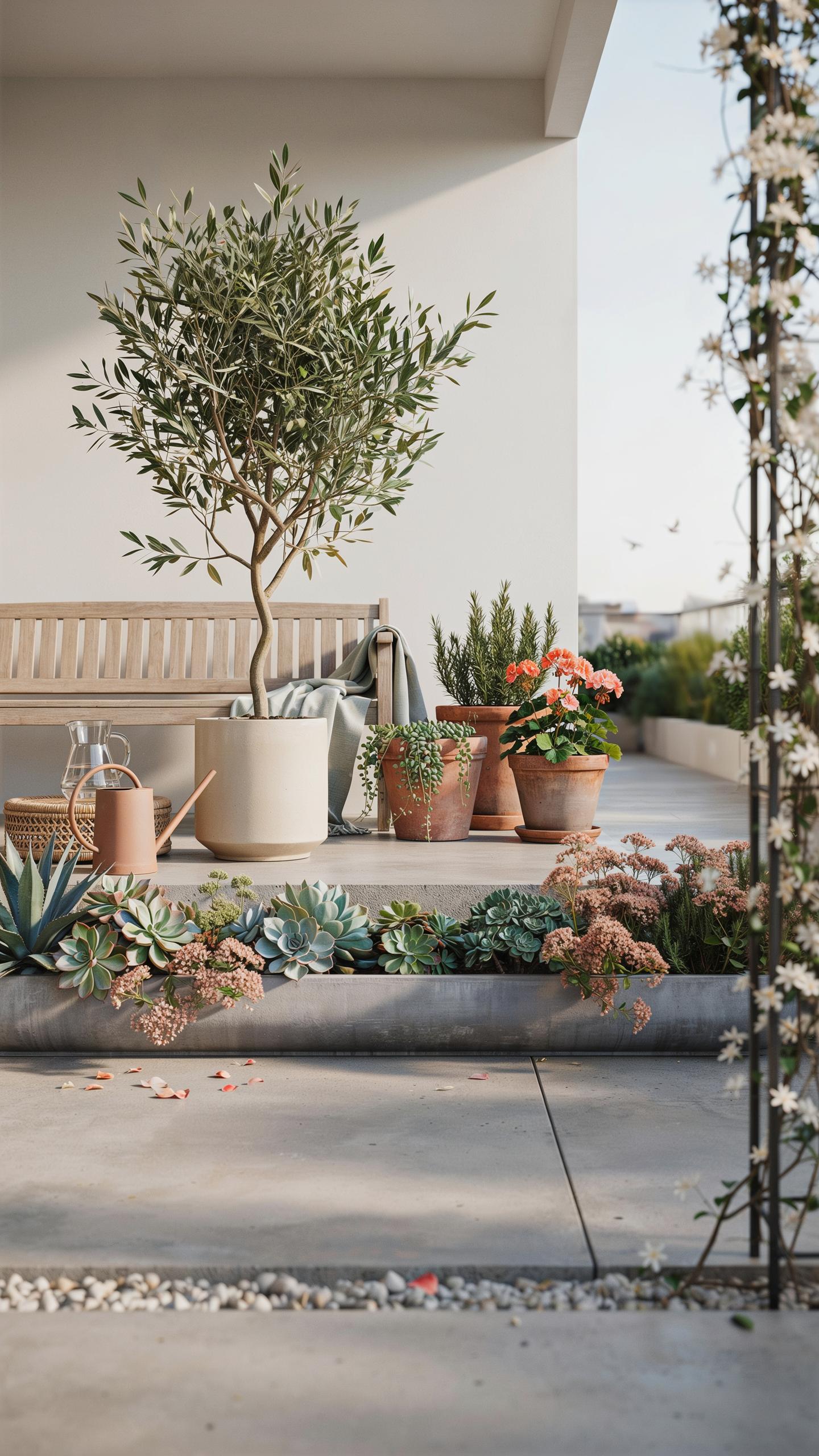
Urban Rooftop And Balcony Container Herb Garden Setups That Maximize Vertical Space
Urban environments demand efficient use of square footage. Vertical wall systems and tiered shelving allow gardeners to grow significant yields in small footprints. Use rail-mounted planters to keep floor space clear for movement. South-facing walls provide the necessary six to eight hours of direct sunlight many herbs require. Select lightweight materials like fiberglass or high-density plastic to stay within building load limits.
Irrigation is the primary challenge for elevated gardens. Wind speeds increase on rooftops and dry out soil quickly. Install a simple drip system connected to a timer to ensure consistent moisture. Group plants with similar water needs together. Mediterranean herbs like rosemary and thyme handle wind better than soft-leaf herbs like basil. Use heavy bottom weights on stands to prevent tipping during high wind events.
Rustic, Industrial, And Minimalist Container Garden Styles That Elevate Any Outdoor Setting
Industrial design relies on raw materials like weathered steel and concrete. Corten steel planters develop a protective rust layer that prevents deep corrosion. This material lasts decades and provides a sharp contrast against green foliage. Concrete vessels offer high thermal mass to protect roots from temperature swings. Use these heavy containers for permanent herb shrubs like bay laurel or large sage plants.
Minimalist styles focus on clean lines and monochromatic palettes. Use matte black or white ceramic pots to create a cohesive look across a patio. Stick to a single shape but vary the sizes for visual depth. Pair these sleek containers with gravel mulch to suppress weeds and retain moisture. This approach reduces visual clutter while focusing attention on the texture and scent of the herbs.
Frequently Asked Questions

What are the best herbs for a beginner to grow in a small outdoor space?
If you are new to gardening, start with resilient varieties like mint, basil, and rosemary. These plants are incredibly forgiving and adapt well to restricted root spaces. When starting your container garden for herbs, focus on these “indestructible” options first. They provide instant greenery for your patio and immediate flavor for your kitchen, giving you the confidence to expand into more delicate medicinal or decorative herbs as your experience grows.
How do I ensure proper drainage for my stylish herb containers?
Drainage is the most critical factor for a thriving container garden for herbs. Always choose pots with pre-drilled holes or use a masonry bit to add them yourself. To keep your outdoor area looking chic, place a layer of small stones at the bottom before adding high-quality potting mix. This prevents soil from clogging the holes and ensures excess water escapes, protecting your plants from root rot while maintaining a tidy appearance.
Can I create a modern herb garden on a limited budget?
Absolutely! You can achieve a high-end look without a designer price tag by upcycling everyday items. Look for galvanized buckets, wooden crates, or simple terracotta pots that you can unify with a coat of matte black or charcoal paint. Arranging these affordable vessels in clusters of three creates a sophisticated, intentional aesthetic. Focus your budget on premium soil and organic seeds, allowing the natural beauty of the plants to provide the luxury.