The Illusion Of Effortless Charm

Why Generic Looks Win By Default
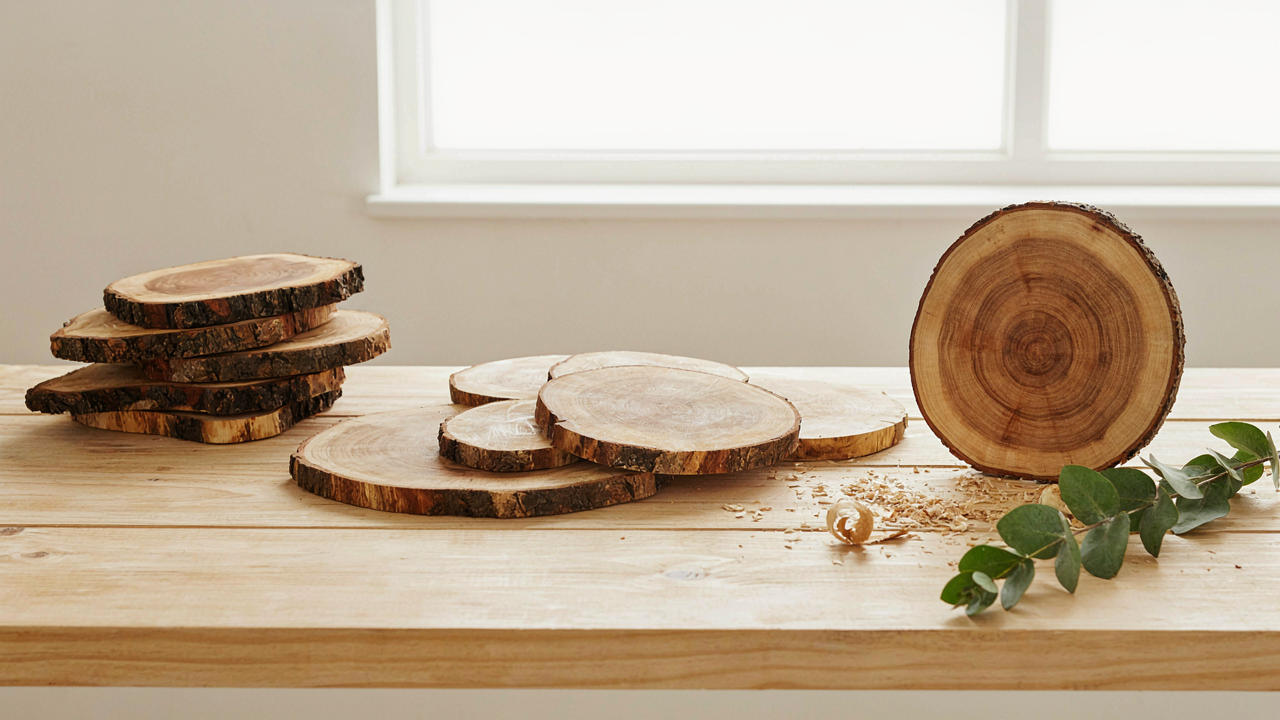
You want to believe a wood slice on your wall signals taste and intention. The mechanism is simpler: most people mistake consistency for authenticity. They buy pre-finished slices, mount them identically spaced, and call it done. The result reads as “I tried” rather than “I understand.” Mass-produced wood slices all share the same problem—uniform bark, identical thickness, and zero friction with the space they occupy. There’s no decision-making visible in the final piece, which is exactly why it feels hollow.
The consensus advice says wood slices are inherently charming. That’s wrong. Wood slices are inert material. Charm comes from constraint and intention meeting execution. A generic wood slice craft fails because it skips the constraint phase entirely. You inherit whatever the supplier decided instead of wrestling with the actual wood and its specific properties. That’s not craft. That’s assembly.
The Unseen Work Behind Natural Aesthetics
Industrial design teaches us about “affordances”—how an object signals its function through form alone. Wood slice crafts that work operate the same way. The piece itself must show evidence of deliberate choice: why this thickness, why this finish, why this mounting angle. A slice that’s been hand-sanded to a specific grit shows more restraint than one factory-treated. A piece left partially raw communicates more intention than one fully sealed. The work isn’t invisible—it’s deliberately visible in the material itself.
Most people don’t see this layer because they don’t cut their own wood. They don’t experience the grain variation, the moisture movement, the way thickness changes how light hits the surface. That blindness means they can’t identify authentic work when they see it. Start with raw slices from local sources where you can inspect the actual wood. Touch them. Notice the bark condition, the grain pattern, the natural variations. This selection phase is where the craft begins, not at the mounting stage.
Reclaiming Discarded Wood Slices: A Value Creation Protocol
Where To Find Wood Slices Before Everyone Else Does
You want cheap materials that look intentional, not salvaged. That’s the real driver here. The mechanism is simple: wood slices exist as waste byproducts everywhere, but most people don’t know where to look because they’re trained to shop retail.

Tree removal services are your primary source. Call local arborists and ask if they chip or sell logs. Many will give away cross-sections for free because disposal costs them money. Sawmills sell end cuts and seconds at bulk pricing. Visit during business hours and ask the manager directly. Lumber yards occasionally have offcut bins. Firewood suppliers have rounds they’d rather move than store. Visit these sources in person, not online. Relationships with suppliers beat algorithms every time.
Moisture Control And Structural Integrity
Borrowing from materials science, wood slices face the same expansion and contraction problem that makes or breaks bridges. Uncontrolled moisture movement causes checking, warping, and delamination in finished crafts.
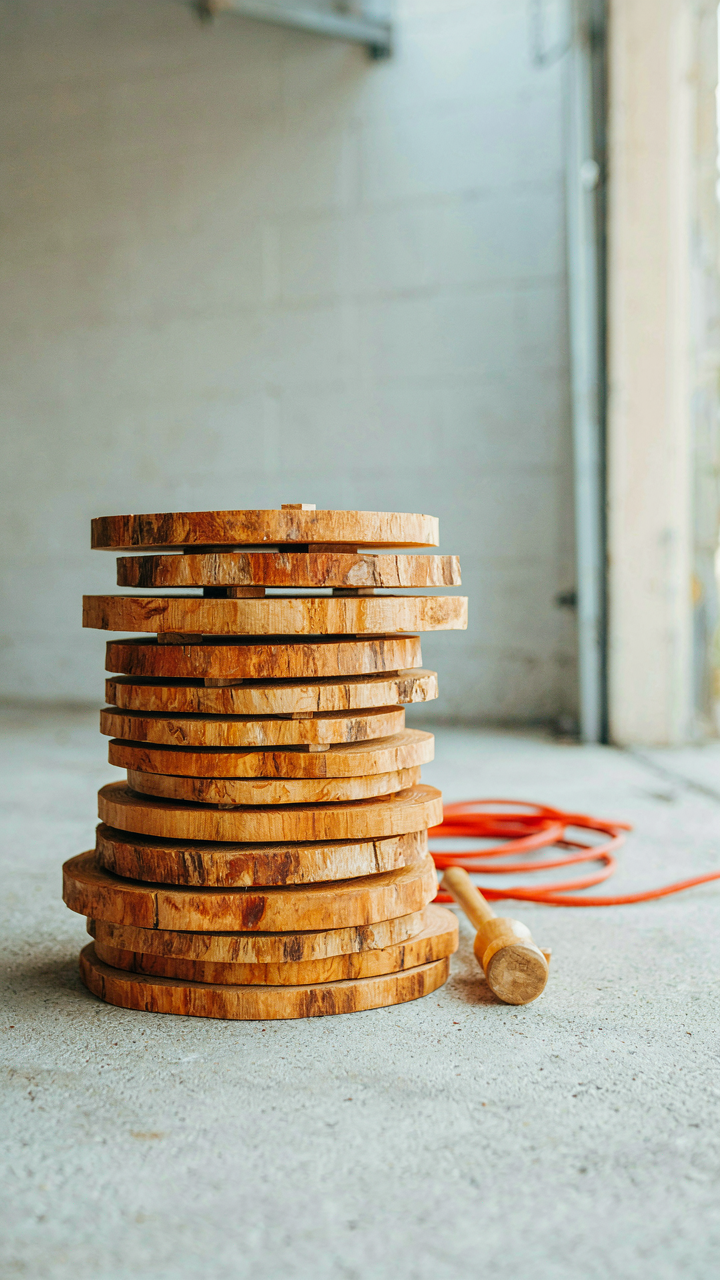
Air drying is slower than kiln drying but works without equipment. Stack slices with spacers between each layer to allow airflow. Orient them flat, not on edge. Target humidity is 12 to 15 percent for indoor display pieces. Seal the bark early or remove it entirely. Bark traps moisture underneath and accelerates rot. Use a penetrating sealant like linseed oil or polyurethane after drying to lock stability. The difference between a craft that lasts five years and one that lasts fifteen is this single step applied consistently.
The Limited Palette Principle For Wood Slice Christmas Crafts
Constraint Forces Real Problem Solving
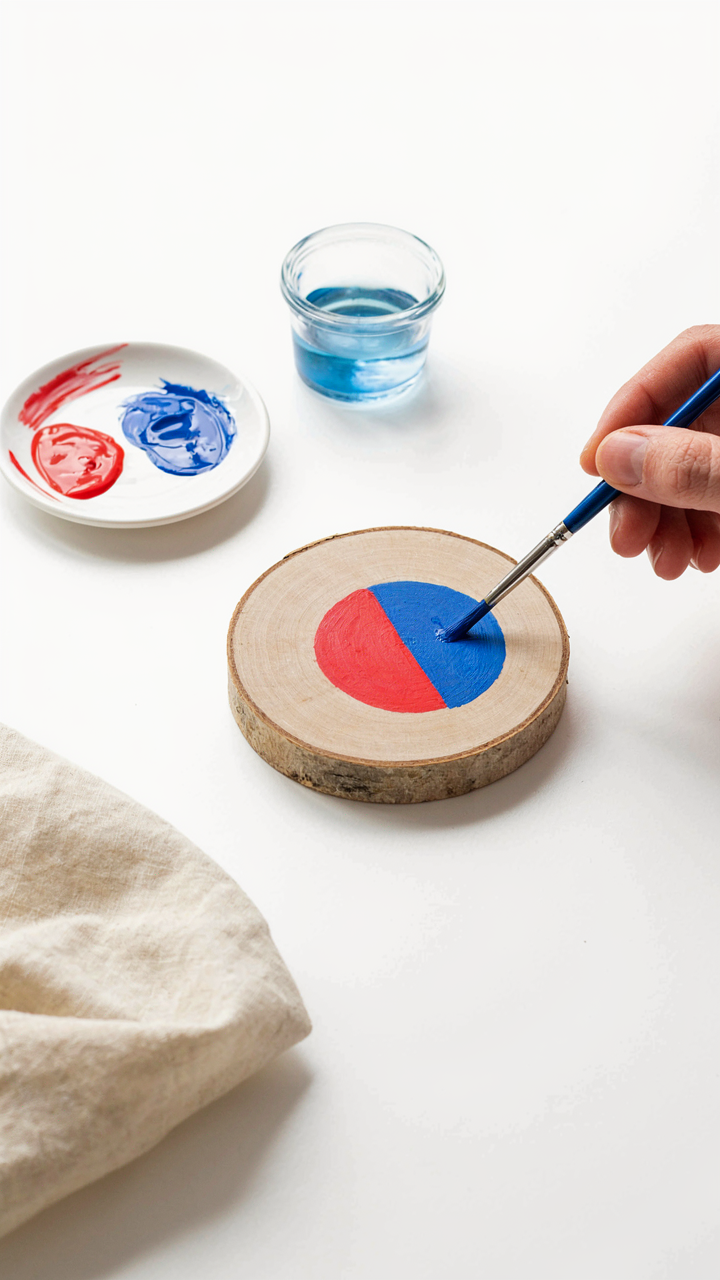
You want this to feel effortless, like you just grabbed materials and magic happened. That’s the lie. What actually happens is this: constraints kill the noise. When you limit yourself to wood slices, paint, and twine, you stop shopping for the next shiny thing and start thinking like a designer. Economics calls this scarcity pricing, but in craft it’s scarcity thinking. You make every element count because you have fewer options to hide behind.
The mechanism is pure. Two wood slices, white paint, and black marker create a cleaner Christmas ornament than two wood slices, three paint colors, four stain options, and six glue types. Fewer materials force specificity. You can’t fake depth with clutter. Instead, you refine what you have. The constraint becomes permission to obsess over execution instead of collection.
Precision Over Novelty
The common advice says “add texture” and “layer materials.” Wrong move. Those words describe distraction dressed as sophistication. What actually elevates a wood slice project is razor-sharp execution of a simple idea. A cleanly cut slice, perfectly sanded edges, and paint applied in one deliberate coat outperforms a chaotic five-material mashup every time.
Execution precision means three things: consistent hand pressure when painting, correct tool angles when engraving or carving, and patience between steps. A wood slice with a hand-painted two-color design takes real focus. You’re not hiding behind embellishment. The design either works or it doesn’t, and that accountability makes the work better. Master one technique fully before adding the next layer.
Beyond Ornaments: Wood Slice Crafts For Functional Impact

When Decoration Stops Being Enough
You want pieces that justify their space. Not just objects that sit there looking nice while serving zero purpose. Here’s the mechanism: wood slices bridge the gap between aesthetics and utility because they’re already structural. A tree ring is load-bearing geometry. That’s why coasters, trivets, and cutting boards made from wood slices feel right. They’re not pretending to be functional. They’re built to handle pressure and heat from the start.

Wood slices work as functional objects because their thickness and density naturally resist warping under stress. A quarter-inch slice won’t hold weight. A full cross-section two to three inches thick handles daily use without degrading. The grain patterns aren’t decoration added on top. They’re the proof the material can take force. This is why restaurants and craft workshops still use thick wooden rounds for service boards. The function came before the aesthetic appeal.
Building Pieces That Survive Actual Use
Most advice tells you to seal everything and hope. That’s incomplete. Real durability comes from wood selection and grain orientation, not just surface treatment. A wood slice from a hardwood like oak, maple, or walnut resists denting and moisture better than softwood. The grain direction matters too. Slices cut perpendicular to the grain (showing rings) are more stable than tangential cuts. You’re working with the wood’s natural stress lines, not against them.
The finish determines how long the piece stays functional in wet environments. Polyurethane, epoxy resin, or food-grade mineral oil each serve different purposes. Use mineral oil for cutting boards and serving pieces. Use polyurethane for coasters and trivets exposed to heat and spills. Epoxy resin works for pieces where you want to seal knots and cracks while maintaining the wood’s visibility. Apply these finishes in thin, even coats. Thick applications peel and crack under temperature changes. The goal is protection that moves with the wood, not against it.
The Bio Mimicry Method: Nature’s Design For Handmade Decorations

Study What Already Works In Nature
You want your wood slice craft to look effortless and valuable without knowing why some designs feel right and others feel forced. The mechanism is biomimicry, borrowed from biology: nature solves problems through iteration over millions of years, and the solutions it produces have structural integrity built in. When you copy those forms, you’re not being derivative. You’re stealing from the only design system that’s actually been tested.

Wood slice crafts succeed when they mirror patterns that already exist in trees themselves. The radial grain structure, the concentric rings, the natural edge irregularity, the color variation from heartwood to sapwood, the subtle cracks that form as wood dries. These aren’t flaws to hide. They’re the design language the material already speaks. Start by studying cross sections under bright light and sketching what you actually see, not what you think trees should look like.
Translate Ring Patterns Into Deliberate Layouts
Most people treat wood rings as decorative background noise. They’re actually a record of growth conditions that creates visual hierarchy without you having to add it. A dense ring pattern signals stress or slow growth, creating visual weight. Wider rings show fast growth and feel lighter. Use this contrast intentionally by positioning your wood slice so dense rings occupy one zone and open rings occupy another. The eye reads this as intentional composition, not accident.
The practical step: acquire wood slices from different species and different parts of the tree. Compare them side by side. A slice from a younger limb has tighter, more uniform rings. A slice from the main trunk has dramatic variation. Cut test pieces and arrange them in different configurations before committing to assembly. The pattern you select becomes the visual anchor that makes the entire piece feel designed rather than assembled.
Accelerating Skill: Easy Crafts Are A Trap
The Comfort Ceiling
You want to feel accomplished without the friction of actual learning. That’s the trap. Easy wood slice projects feel good because they require minimal problem-solving. You sand a slice, apply finish, mount it on a wall. Done. The mechanism is this: low friction creates the illusion of progress, but your hands never develop the calibration needed for harder work. You plateau immediately because there’s no resistance forcing adaptation.

Real skill in wood slice work comes from constraint, not comfort. Coasters and trivets train you in surface preparation and finish application, sure. But they don’t teach you grain direction, tool control under pressure, or how wood moves seasonally. You complete ten easy projects and still can’t execute a complex inlay or handle warped material. The moment you attempt something with actual stakes, your muscle memory fails because you never built any.
Building Real Progression
Skill development follows load progression, borrowed from strength training. In that field, you increase resistance gradually so adaptation compounds. In wood slice work, you begin with flat surfaces and simple geometry, then systematically increase difficulty: thicker slices, irregular grain patterns, multi-layer assembly, integrated hardware. This isn’t motivation. It’s mechanics.
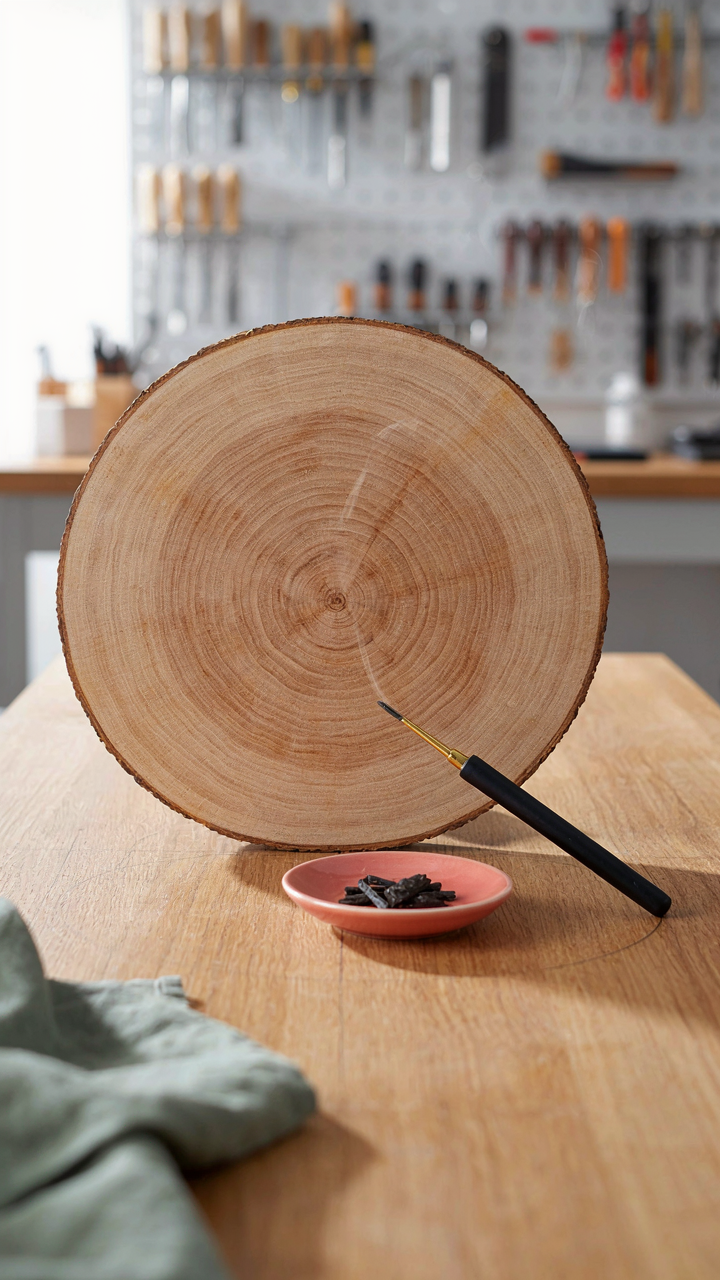
Start by mastering finish application on standard dried slices before moving to green wood or character marks. Then advance to dimensional accuracy work like creating matching pairs for symmetrical wall installations. Next, tackle edge treatment variations and surface techniques like pyrography or staining with grain consideration. Only after demonstrating consistency at each level attempt the high-difficulty work: hollow forms, integrated lighting, or structural load-bearing applications. Your progression path determines whether you build transferable competence or just accumulate craft debris.
Monetizing Your Craft: From Hobby To Handmade Enterprise

Where The Real Demand Lives
You want to know if you can actually make money doing this because the hobby phase feels like borrowed time. The mechanism is simple: markets don’t reward generalists. They reward people who solve a specific problem for a specific person willing to pay for that solution. Most wood slice crafts are decorative afterthoughts. You need to find where they’re functional or fill a genuine gap in someone’s purchase decisions.

Study the categories people already buy. Coasters with logos for corporate gifting. Pet name tags that don’t fall apart. Wedding favors with actual utility instead of decoration that gets thrown away. Laser-engraved address plaques for homes that reject plastic. The gap isn’t in the material itself. It’s in the specificity of the use case and the audience that already expects to spend money on it.
Setting Prices That Reflect Real Work
People underprice handmade because they’ve internalized the lie that time doesn’t matter. Wrong. Economics calls this the labor theory of value. In your case, the “price signal” isn’t determined by how much you enjoy the work. It’s determined by the cost to replace you. If a customer can’t get this product elsewhere, or the alternative costs more or takes longer, your price floor rises.
- Material cost plus 300 percent markup: Track every log, finish, tool wear, and packaging. Multiply by 3, then add labor at minimum 25 dollars per hour for setup and execution time.
- Comparison pricing: Research similar handmade items on Etsy, craft fairs, and local makers. Price at the 60th to 75th percentile, not the bottom. Cheap signals low quality.
- Seasonal and custom premiums: Engraved or personalized wood slices command 40 to 60 percent more. Holiday items sell at higher prices because demand compresses into a window.
- Wholesale to retail ratio: If selling to shops or resellers, your wholesale price should be 40 to 50 percent of retail. The retailer needs margin to survive.
- Bundle pricing psychology: Sell three coasters as a set for less than three sold individually, but more than the sum of one. Bundles increase transaction value and reduce perceived unit cost.
Price testing happens through action, not speculation. List at your calculated price for two weeks. Track inquiries and conversions. If you get zero interest, you’re either targeting the wrong audience or the category isn’t viable yet. Adjust variables one at a time: the price, the product type, the marketing channel. Stop adjusting and commit to one approach for four weeks minimum.
The Tool Minimalist’s Guide To Craft Materials
The Five Tools That Actually Matter
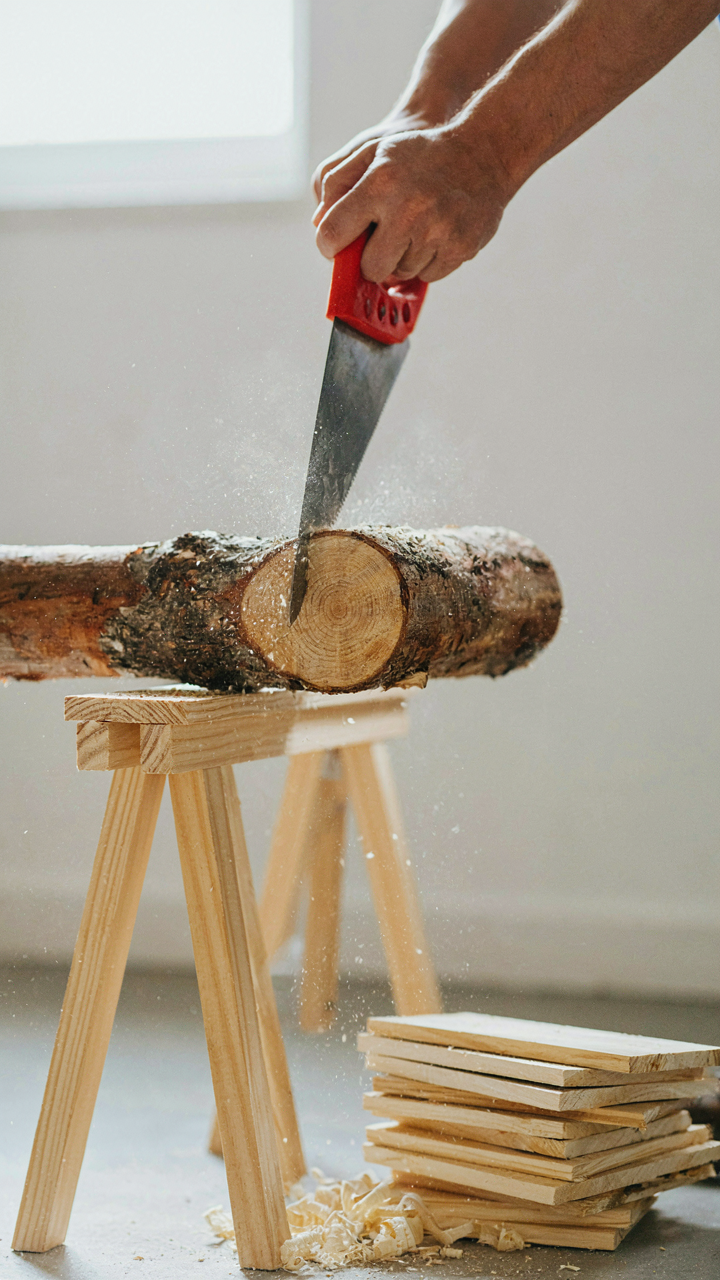
You want to believe you need less equipment because spending money feels irresponsible. The real mechanism is constraint forcing clarity. Woodworkers learned this decades ago: limitation breeds precision, not compromise. A sharp handsaw, a chisel, sandpaper in three grits, a pencil, and a measuring tape handle ninety percent of wood slice work. Everything else is comfort spending dressed up as professionalism. Start here before you touch a power tool.

The reason beginners stall isn’t missing tools—it’s too many options creating paralysis. A coping saw cuts curves. A drill makes holes. A sander smooths edges. Those three tasks cover most decorative wood slice projects: coasters, wall hangings, ornaments, trivets. Cheap versions work fine for occasional crafting. Buy quality only after you’ve proven you’ll use a tool repeatedly. This filters out wishful thinking before it becomes a cluttered garage.
Reclaimed Wood Over Freshly Milled Stock
Most craft advice treats all wood the same, which is lazy thinking. Reclaimed wood and fresh-cut wood demand opposite approaches. Reclaimed materials already have history, texture, and patina built in. That means you work with what exists instead of trying to create character that costs time and supplies. Fallen branches, old fence boards, and salvaged logs from demolition sites contain more design potential per dollar than pristine lumber from a big box store.
Fresh-milled wood requires finishing work to look intentional in a finished piece. Staining, sealing, aging techniques—all consume time and materials. Reclaimed wood shows its work already. The grain is visible, the surface has authentic wear, and the color variations are genuine, not applied. Your role becomes selection and assembly, not creation and treatment. Source systematically from one location so pieces maintain visual consistency across projects.
The Holiday DIY Deception: Beyond Generic Gifting
Why Mass Produced Gifts Fail
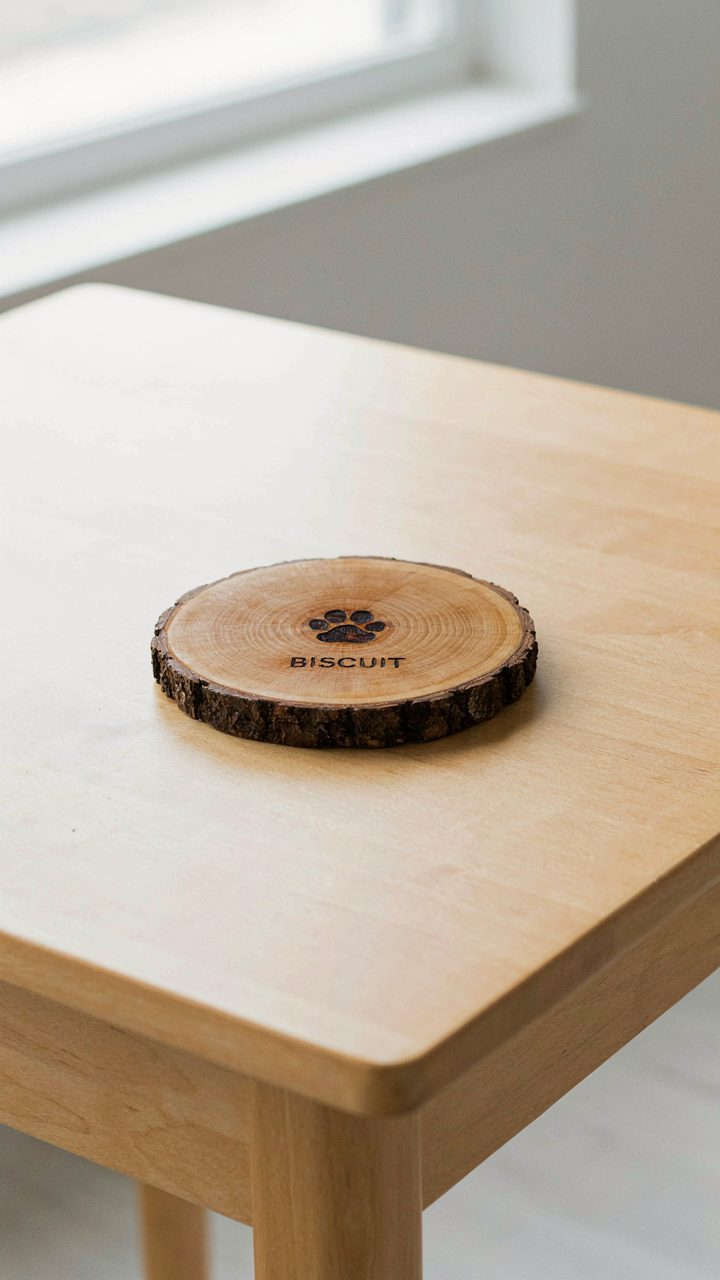
You want to feel like you tried without actually trying. That’s why mass-produced holiday gifts exist, and why they land with zero impact. The mechanism is simple: when something requires no decision, no labor, no risk, the recipient understands they required no thought. A store-bought item signals efficiency, not care. Wood slice crafts operate on the opposite principle. They demand you choose wood type, thickness, finish, and design. That friction is the signal.

Most people skip this step because it feels harder than clicking “buy now.” They mistake ease for kindness. The truth is harder: a gift’s perceived value correlates directly to the visible effort required to make it. When someone receives a hand-crafted wood slice coaster with their initials burned in, they’re not evaluating the object. They’re evaluating what you sacrificed to create it. That calculation happens instantly and never changes.
Designing Gifts That Stick
Stop making generic wood slice ornaments. The market is flooded with them, which means they’ve already lost their signal value. Real memorable gifts solve a specific problem or reference a specific moment only that person would recognize. A wood slice with coordinates of where you met. A cross-section with their favorite year burned into the rings. A pendant shaped like their dog’s silhouette, not a generic dog.
The difference between forgettable and unforgettable is specificity. Specificity requires you to know something about the recipient that matters to them. You gather that information through observation, not assumption. Then you translate it into the wood slice craft itself. Execution is secondary. The decision to make something personal instead of placating is primary. Start by identifying one true detail about the person. Build the entire craft around making that detail visible.
The Real Obstacle Isn’t Finding Wood Slices; It’s Overcoming The Mental Laziness That Prefers Buying Over Building
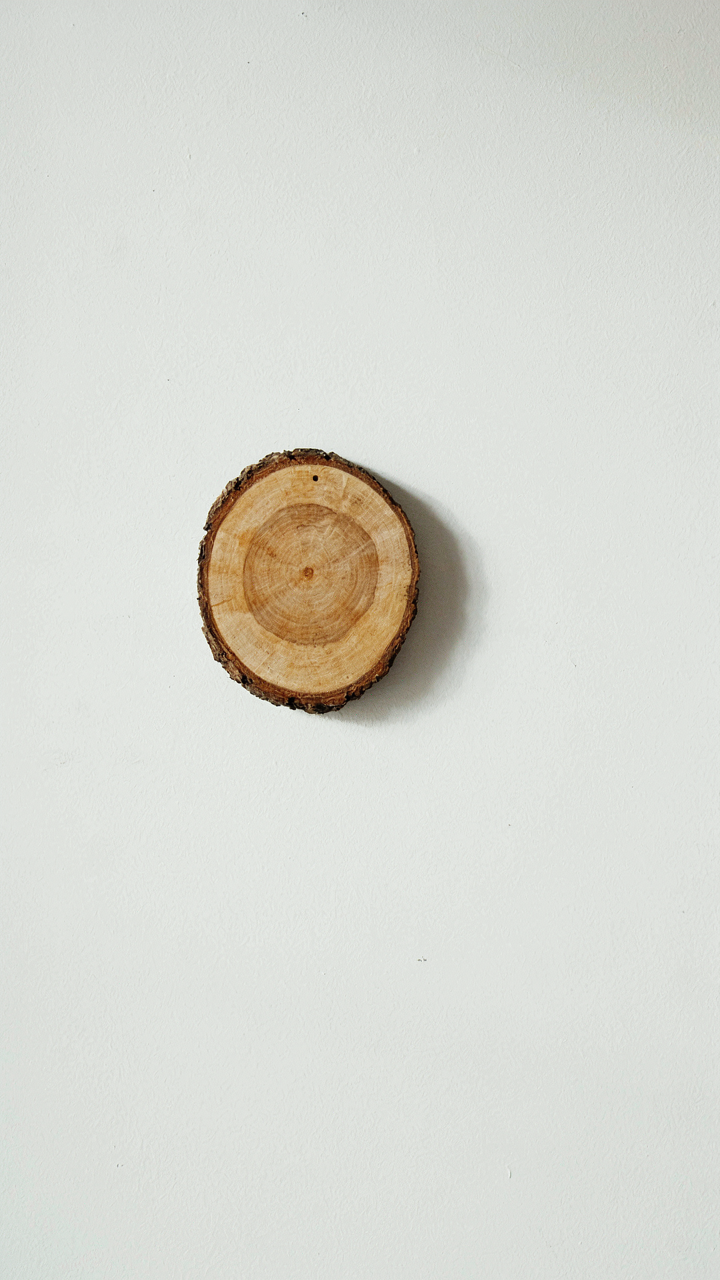
You already know wood slice crafts work. You’ve scrolled past enough examples. The gap between knowing and doing isn’t knowledge, it’s friction. Your brain prefers the convenience lie over the satisfaction truth. Today, find one fallen branch in your yard, cut it into three slices, and nail one to your wall. That single act breaks the pattern. Everything else follows momentum, not motivation. Build things instead of collecting them, and you stop being a consumer pretending to have taste.