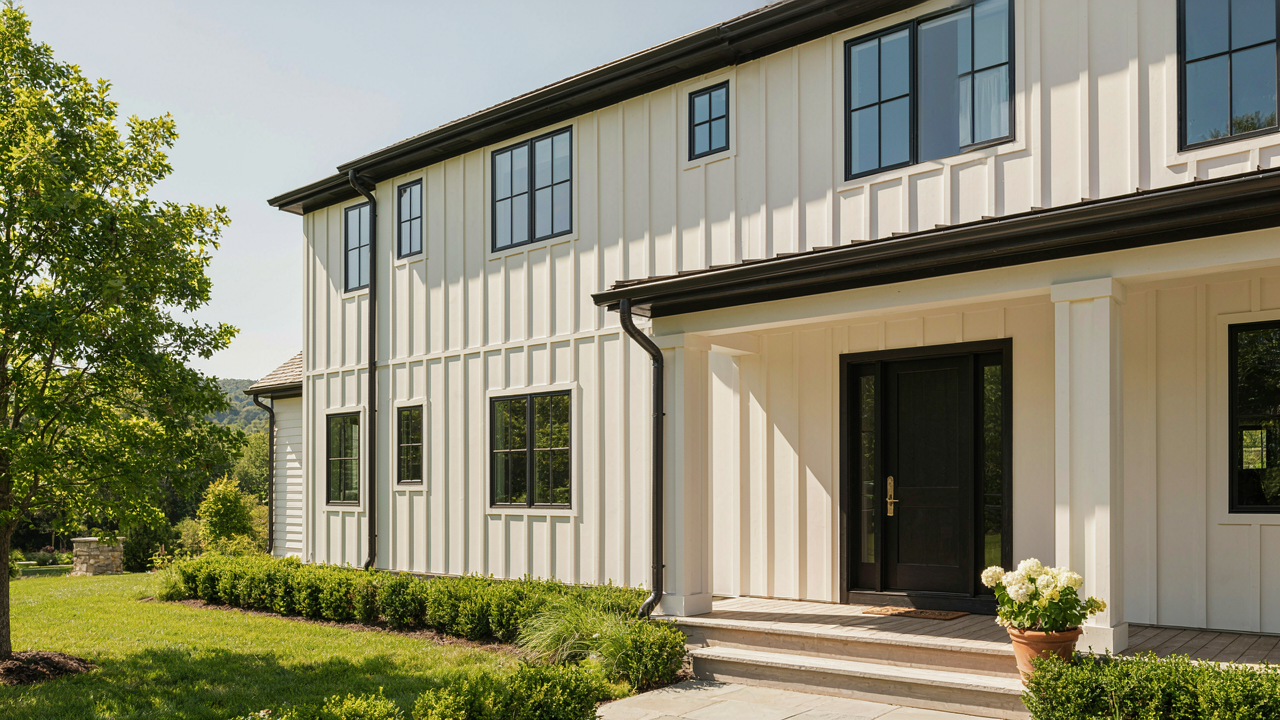
The Board And Batten Exterior Deception: Why “Classic Farmhouse” Is A Lie
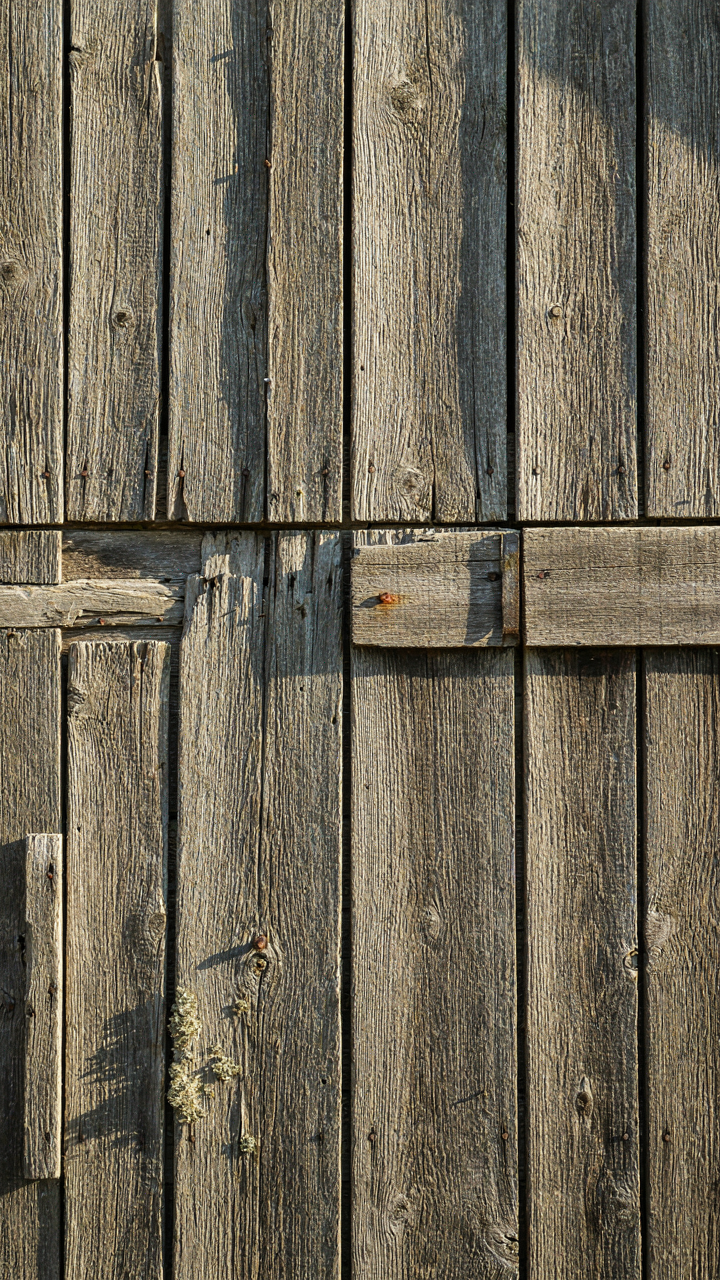
What “Classic Farmhouse” Actually Means
You want board and batten because you think it signals authenticity and heritage. The mechanism is status anxiety dressed as nostalgia. Board and batten wasn’t born from farmhouses at all—it emerged from industrial and commercial buildings in the nineteenth century as a practical response to material constraints and construction speed. Farmers didn’t choose it for aesthetic reasons. They chose it because it worked with whatever lumber was available and required minimal skill to install correctly.
The farmhouse mythology is a marketing invention from the last fifteen years. Design magazines and home builders packaged board and batten as “rustic charm” to move inventory in suburban developments. The actual historical use was pure function: vertical boards covered seams and gaps in rough-cut wood siding while battens provided weather resistance. Call it what it is—a utilitarian detail that became a trend, not a restoration of actual farm architecture.
The Real Reason Board And Batten Survives
Borrowing from material science, board and batten operates on a principle called differential movement. Wood expands and contracts with seasonal humidity shifts. Horizontal joints fail under this stress. Vertical boards minimize cross-grain expansion, and battens absorb the movement without cracking. This is why it still exists on commercial buildings in climates with temperature swings. It’s not pretty—it’s physically sound.
The aesthetic appeal followed the engineering, not the other way around. Most farmhouse exteriors historically used simple clapboard or log construction because they were cheaper and easier. Board and batten appeared on barns and utility structures, not homes. Its current popularity stems from a single decade of design trends, not centuries of rural tradition. If you’re using it, know why: because the vertical grain orientation handles moisture better than alternatives, or because you prefer the visual break pattern. Don’t confuse preference with heritage.
Beyond The Instagram Filter: Real Modern Farmhouse Exterior Principles

Why Your Choices Matter More Than The Aesthetic
You want the farmhouse look because it signals taste and stability, not because you actually understand why it works. Here’s the mechanism: board and batten succeeds because it solves a real problem, not because it photographs well. The vertical battens create shadow lines that break up wall planes, making structures appear less massive while the boards underneath provide legitimate weather protection. Early farmhouses used this system because it was cheap and functional, not decorative. Modern versions that ignore this dual purpose end up looking like a theme park version of rural architecture. Your choices matter because they determine whether your exterior actually performs or just performs for social media. Start by asking what problem each element solves on your specific house, not what it signals to neighbors.
The farmhouse aesthetic didn’t emerge from Pinterest. It came from builders solving real constraints: limited materials, extreme weather exposure, and the need to repair sections without replacing entire walls. When you strip away the styling, board and batten is a material strategy, not a mood. Every element you choose either reinforces this practical logic or betrays it. The weathered wood, the board spacing, the batten width, the finish—these are not style choices. They’re structural and protective decisions that happen to look good when they’re correct.
Material Selection Determines Everything
Economics dictates exterior durability more than aesthetics do. Choose materials based on what actually survives your climate, not what looks right in filtered photos. Board and batten exterior systems fail when homeowners prioritize appearance over substrate quality and material compatibility. Pine or cedar boards look authentic but require aggressive maintenance schedules in humid climates. Engineered wood products and fiber cement offer genuine durability advantages, though they read differently visually. The batten width determines water shedding capability and shadow depth—narrower battens shed faster but cast thinner shadows. Wider battens hold water longer but create dramatic shadow lines. Your climate zone should dictate this choice before your aesthetic preference enters the conversation.
Priming and finish selection controls lifespan more than wood type does. Most exterior failures happen at paint-wood interfaces, not in the wood itself. Premium exterior primers that block tannin bleed prevent staining that forces premature repainting. Single-coat systems fail faster than two-coat applications on batten edges where absorption is highest. Your material selection protocol: identify your climate zone’s primary threat (UV degradation, moisture cycling, or freeze-thaw), choose boards rated for that exposure, then select primer and topcoat products specifically tested for that substrate combination. Execute this before committing to any visual direction.
The Anti Generic Batten Board Siding: A Foundational Investment

Cost Per Year Matters More Than Sticker Price
You want to believe that cheap siding saves money. It doesn’t. The mechanism here is borrowed from economics: depreciation. Board and batten depreciates slower than composite alternatives because wood weathers predictably and remains repairable. Vinyl and engineered siding fail catastrophically—you replace the whole section or wall. Wood fails incrementally. You fix it incrementally.

The math becomes clear over fifteen years. A quality cedar or pine board and batten system costs more upfront but holds value through selective repairs rather than wholesale replacement. Homeowners who chose cheap alternatives spend twice as much replacing failed sections because they attempted to save on installation and material quality initially. Calculate cost per year lived in the home, not cost at purchase.
Design That Prevents Failure Before It Starts
The real maintenance problem isn’t the wood—it’s the detail. Poor construction causes rot, not the material. Board and batten succeeds when you eliminate water traps: beveled battens that shed rain, proper flashing around windows and doors, and adequate spacing between boards for seasonal movement. Most contractors skip these steps to save time on the job. That’s where maintenance debt accumulates.
Specify your details in writing before construction starts. Require flashing at all penetrations, ensure battens sit proud of boards to create a shed line, and demand that horizontal elements slope outward slightly. These aren’t cosmetic choices—they’re protocols that determine whether your siding requires repair in five years or fifteen. The material performs when the installation respects wood’s expansion and contraction cycle.
Vertical Board And Batten Siding: The Unseen Visual Engineering
How Proportions Rewire What You See
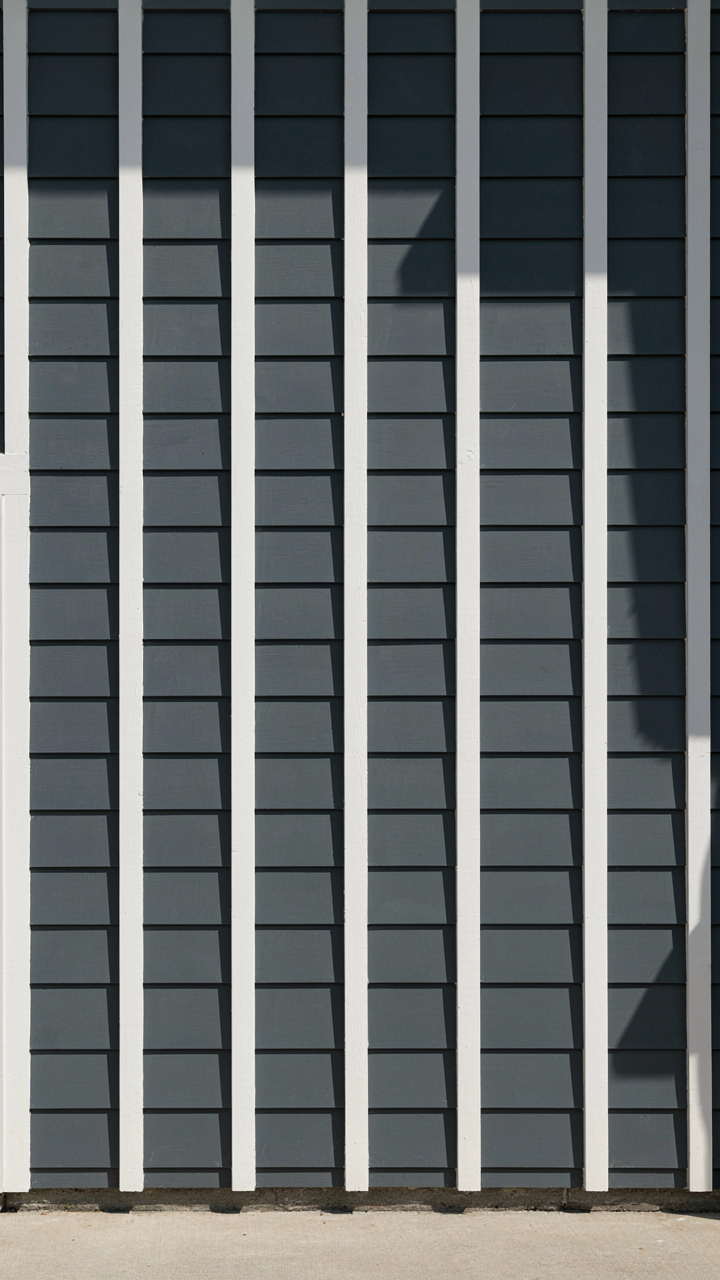
You care about this because a house that looks taller commands more respect and holds value better. Here’s the mechanism: vertical board and batten uses physics principles identical to how the eye tracks height. Thin battens create visual interruption points that break the wall into segments. Each segment reads as its own vertical unit rather than one flat plane. Stack enough segments and your brain accepts the illusion that the wall extends higher than it physically does. The proportion trick works because human perception weights vertical lines over horizontal ones. A wall with 6-inch boards and 2-inch battens running top to bottom triggers constant upward eye movement.

Spacing matters more than material. Battens placed every 16 to 24 inches create the visual stacking effect. Closer spacing amplifies height perception. Wider spacing weakens it. Early American farmhouses used this unintentionally before understanding why it worked. Modern builders either nail this or destroy it by using proportions that make walls feel squat. The distance from ground to eave should guide your spacing decision, not aesthetic preference alone.
The Architecture Of Shadow And Depth
Call it optical physics applied to surfaces. Board and batten creates relief through controlled shadow cast, the same principle that makes a cathedral ceiling feel grander than a flat one. The batten sits proud of the board face by 3/8 to 1/2 inch. This overhang catches light differently depending on time of day and sun angle. Morning light rakes the batten edge and deepens the shadow in the board gap. This shadow line becomes a permanent visual texture your eye reads as depth and dimension. The effect compounds across the entire facade because hundreds of these shadow lines work in concert.
Most design advice stops at “add dimension” without explaining the actual visual mechanism. The real play is this: shadow depth changes the perceived wall thickness. A flat painted board reads thin and modern. Board and batten reads thick and solid because shadows convince your eye the wall has mass. Paint color amplifies or kills this effect. Darker colors between boards increase shadow depth. Light colors flatten it. Installation protocol matters too. Battens must sit flush and plumb or the shadow play becomes inconsistent and cheap looking. Get the spacing and alignment right first, then choose color as a secondary refinement.
The 3 Leverage Protocol For Exterior Board And Batten Ideas
Color Theory Mastery
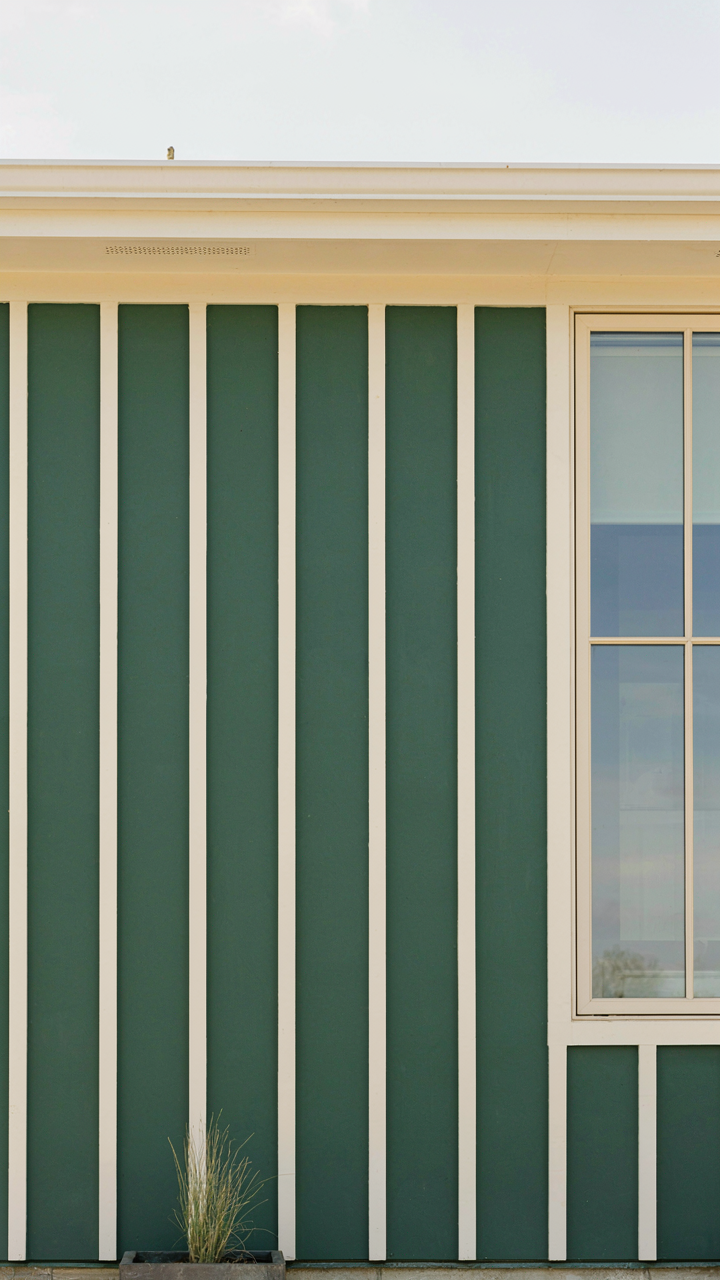
You want this to look intentional, not like you assembled it from a Pinterest board. Here’s what most people miss: color theory treats your board and batten system as a temperature anchor, not a decoration. In thermal language, your batten strips function as the “heat sink”—they absorb visual weight and direct the eye’s movement across the facade.

The mechanism is contrast ratio. Light battens on dark boards create visual separation and make the wall appear taller. Dark battens on light boards ground the composition and add weight at the base. Farmhouse exteriors work because they don’t fight this principle—they exploit it. Your color choice isn’t about preference. It’s about controlling where attention lands and how the eye moves through the architectural space.
Material Contrast Hierarchy
The common advice says mix textures to add interest. That’s incomplete. Material contrast hierarchy means you’re establishing a clear dominant-to-subordinate relationship, not just throwing different finishes at the wall.
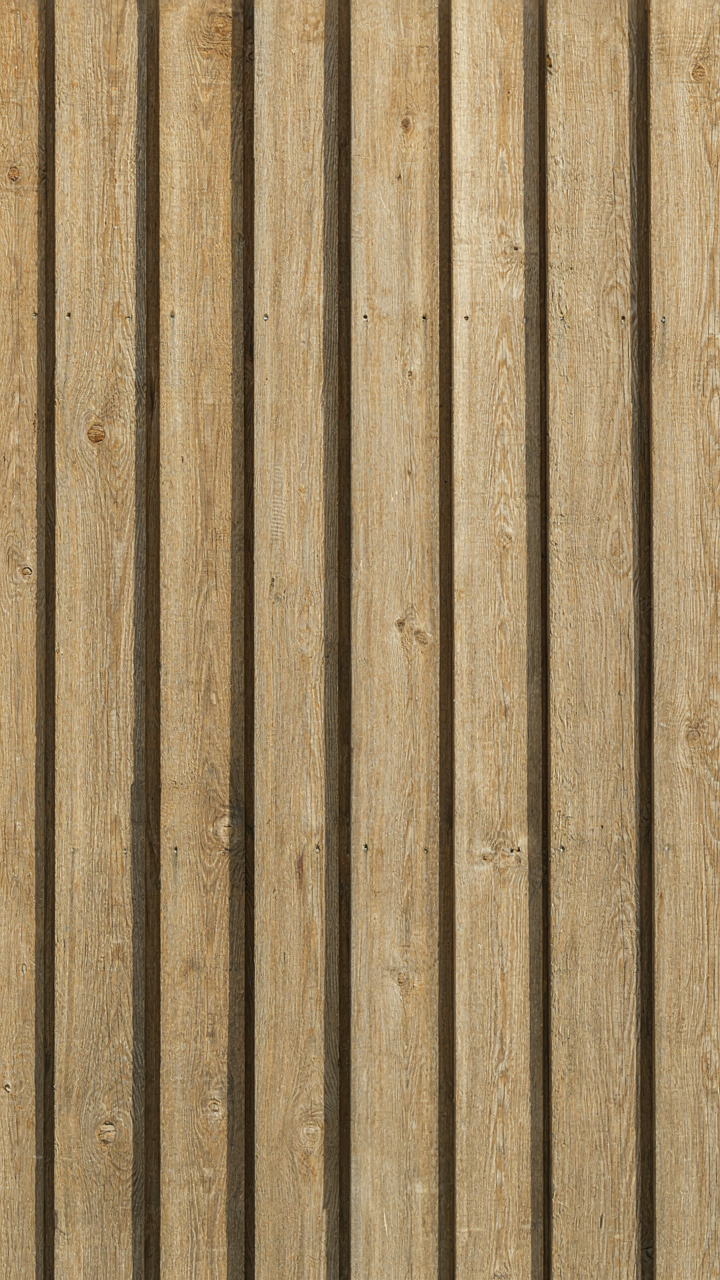
Rough-sawn cedar boards paired with smooth, paint-grade battens create intentional tension. The eye reads the board as primary (textured, authentic) and the batten as secondary (refined, functional). Reverse that hierarchy and your exterior feels confused—neither rustic nor polished. The farmhouse aesthetic survives because this hierarchy mirrors the original function: boards did the structural work, battens concealed the seams. Your material choices either reinforce that order or contradict it. Establish batten width at 5 to 7 inches and hold that ratio consistent across all elevations to lock the hierarchy in place.
Modern Board And Batten Siding: The Uncomfortable Truth About “Trends”
Timeless Design Versus Fleeting Fads
You’re worried you’ll pick the wrong style and lock yourself into something dated in five years. Here’s the mechanism nobody states: board and batten isn’t a trend. It’s a structural solution that became aesthetic. Vertical battens cover the gaps between boards as they expand and contract with temperature. The look persists because the engineering works. Farmhouses used it in the 1800s. It still functions identically today.
Most design advice treats board and batten as a aesthetic choice when it’s actually a material behavior first. The profile stayed consistent because the problem it solves didn’t change. Weather expands wood. Battens hide the resulting gaps. Call it classic, farmhouse, or modern. The core utility remains. You’re not chasing a trend when you use it. You’re employing a proven detail.
Personal Conviction Over Public Opinion
Stop looking for permission to choose what works for your property. The real trap is treating Instagram farmhouse aesthetics as design law instead of visual documentation of one approach. Your house doesn’t care about consensus. It cares about moisture management, thermal movement, and maintenance reality. Board and batten performs identically whether you paint it white, charcoal, or sage. The material mechanics stay constant.
Design conviction means choosing board and batten because you understand why it matters for your climate and maintenance capacity, not because you saw it on fifteen mood boards. This clarity cuts through the noise of what’s “in.” When you specify materials based on their actual performance rather than their Instagram frequency, you build something that ages well by function, not by accident. Install the batten spacing to match your local freeze-thaw cycles, and the rest becomes irrelevant to trend cycles.
Exterior Siding Options Board And Batten: The Game Theory Of Choice
Cost Versus Longevity Trade Off
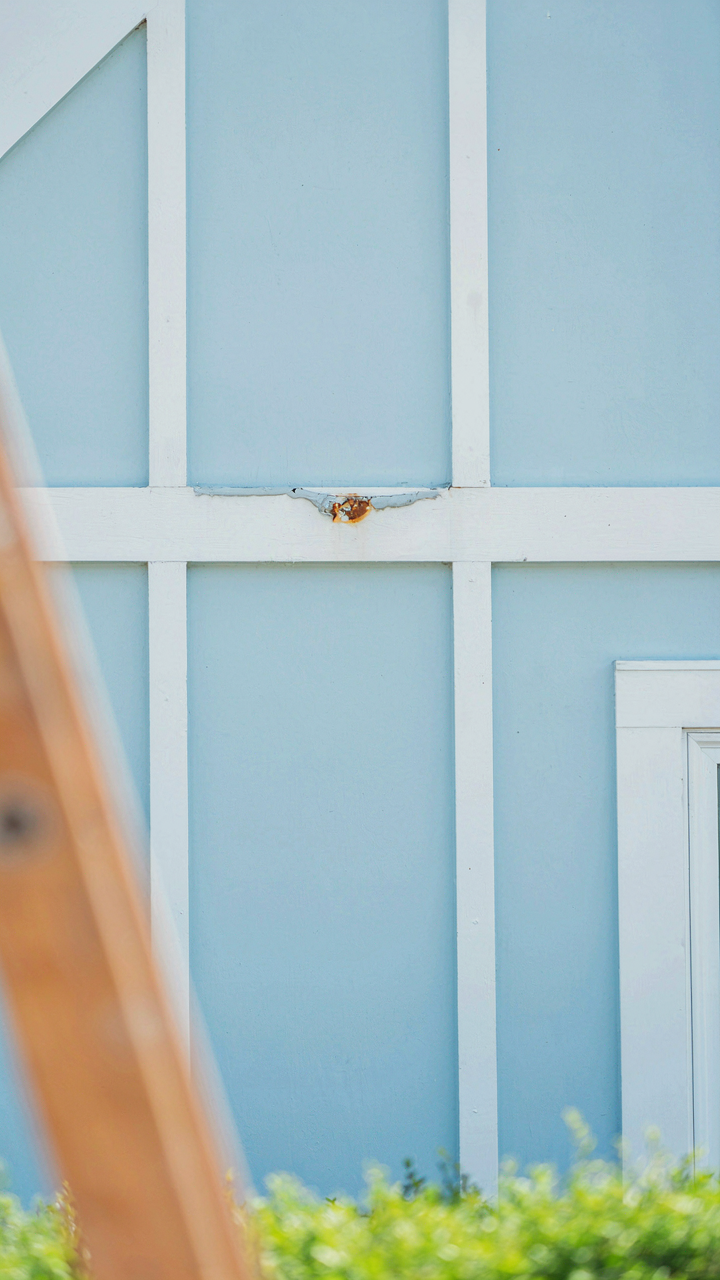
You’re hoping one material wins on both fronts so you don’t have to choose. It doesn’t work that way. Economics teaches us about opportunity cost: spending capital on one outcome means forgoing another. Board and batten siding forces this same calculus. Fiber cement costs more upfront but holds paint and resists rot for thirty years. Pine or spruce costs half as much but demands repainting every seven to ten years and fails faster in wet climates.

The mistake people make is calculating only the purchase price. Material cost is roughly thirty percent of the total siding expense. Labor, prep, disposal, and future maintenance dwarf that number. Real wood board and batten on a farmhouse requires consistent caulking and paint refresh cycles that compound over twenty years. Engineered alternatives frontload expense but remove the labor trap entirely.
Future Proofing Against Failure
Military strategists call this holding defensible ground: position yourself where the cost of change works in your favor, not against it. Board and batten exposes wood to weather at every joint and fastener head, making material choice the difference between a ten-year and a forty-year exterior. Pine looks period-correct but moisture wicks into grain and fastener holes. Cedar resists rot naturally but costs twice as much and still needs paint protection. Fiber cement and engineered wood eliminate the rot variable, shifting risk from material failure to fastener corrosion and caulk breakdown instead.
The real defensive move is choosing materials that fail gracefully and predictably. If your board and batten uses stainless steel or coated fasteners, failures happen slowly and visibly, giving you years of warning before structural damage. Galvanized fasteners in real wood fail suddenly when the coating breaches. Select materials where inspection and minor maintenance prevent catastrophic failure, not materials that promise perfection.
The Modern Exterior Board And Batten Blueprint: Beyond Superficiality

Where The Envelope Fails
You want board and batten because it looks intentional. The real reason you care is that most exteriors look like they were assembled by committee, and you don’t want yours to broadcast that weakness. Here’s the mechanism: board and batten works only when the assembly actually manages water and thermal stress, not just when it photographs well. Treating it as decoration first guarantees failure.

Building envelope science treats board and batten as a rain screen system, not a wall finish. The batten’s job isn’t visual rhythm—it’s pressure equalization. Behind the boards sits a gap where moisture condenses and needs somewhere to go. The batten covers the seam where boards meet, and that overlap forces water down and outward through gravity and capillary action, not into the sheathing. Get this backwards and you’re installing a moisture trap that will rot framing inside a year.
Gaps, Fasteners, And The Details Nobody Films
The common advice says measure twice, cut once. That’s incomplete and misses what actually kills board and batten installations.
- Gap sizing between boards: Maintain 1/8 to 3/16 inch spacing to allow wood movement without buckling. Ignore seasonal expansion and contraction, and boards will bow or split. This isn’t optional.
- Fastener placement and type: Use stainless steel ring-shank nails or trim-head screws. Space them 16 inches on center through boards into sheathing, never into studs. Wrong fasteners corrode and fail. Wrong spacing creates stress points.
- Batten fastening depth: Drive fasteners only through the batten and sheathing, never through both boards beneath. This allows independent board movement and prevents stress concentration at the seam.
- Sheathing preparation: Install house wrap or rigid foam before boards go up. This creates the rain screen cavity. Stapling wrap over bare sheathing defeats the entire system.
- Caulking protocol: Caulk the top of battens where they meet trim, and at corners where boards terminate. Leave board-to-board gaps open. Caulking those seams traps moisture and accelerates failure.
Installation precision determines longevity, not aesthetics. A properly spaced board with correct fasteners will outlast a visually perfect installation that violates these mechanics by decades. You execute this by checking gap spacing every fifth board with a feeler gauge, verifying fastener depth with a torpedo level laid flat against the surface, and remembering that consistency beats perfection.
The Cost Conundrum: Real Value Of Board And Batten Exterior

What You’re Actually Afraid Of
You want permission to spend more money and have it feel smart instead of wasteful. Here’s the mechanism: board and batten costs more upfront than vinyl siding, but the price difference exists because of labor complexity and material durability, not marketing. The common myth is that board and batten bleeds money. It doesn’t. It bleeds time during installation and maintenance decisions that most homeowners avoid thinking about until the bill arrives.

Material costs run higher because you’re buying solid wood or engineered boards with actual thickness, not hollow profiles. Labor costs spike because fastening patterns matter for wind load distribution and moisture management. You can’t rush the installation without creating failure points. Most budget comparisons ignore this and just stack material cost against material cost, which is deliberately incomplete analysis.
The Timeline Where Money Actually Recovers
Economics teaches sunk cost fallacy, but board and batten exterior operates on the opposite principle: delayed yield. You spend more now, but the asset appreciates through longevity instead of depreciating through replacement cycles. Vinyl siding requires full replacement every 20 to 30 years. Quality board and batten can operate for 40 to 60 years with periodic maintenance, which is fundamentally different math.
The ROI mechanism works like this: calculate total cost of ownership across 50 years, not sticker price. Board and batten painted or stained every 7 to 10 years costs less over time than replacing entire vinyl systems twice. Resale value also favors board and batten because buyers perceive it as higher-end construction and longevity, even in modest farmhouse applications. To measure your actual return, divide the cost difference by the extra years of lifespan you gain, not by the initial expense.
The Craft Of Board And Batten: A Mastery Mindset

Speed Kills The Result
You want to know the shortcut because shortcuts feel like efficiency. They’re not. Board and batten exterior work follows the economics principle of diminishing returns: rushing the installation phase creates exponential cost in the maintenance phase. The mechanism is simple: gaps widen, moisture penetrates, wood rots. You can’t compress the timeline without compressing the lifespan.
The real cost sits in the prep work. Sheathing must be flat and level before battens go on. Most installers skip this step or rush it, then blame the material. The boards and battens themselves don’t fail. The foundation does.
The Separators Between Careless And Competent
First paragraph here sets up the list.
- Batten Width Consistency: Battens must be uniform in width across the entire facade. Variation catches the eye immediately and signals poor craftsmanship, even if structural integrity isn’t compromised. Measure before cutting.
- Fastener Placement Strategy: Nails or screws go through the board into sheathing, not into battens. Battens float over boards to allow wood movement. One fastener every 16 inches, centered on the batten width, prevents splitting and manages seasonal wood expansion.
- Caulk Line Precision: The joint between board and batten should be tight before caulking. Caulk fills imperfections, not gaps. If you’re relying on caulk to bridge a gap, you’ve already lost the detail.
- Edge Treatment At Transitions: Where board and batten meets trim, corners, or siding transitions, the batten must terminate cleanly. J-channel or corner boards hide sloppy cuts. Master work doesn’t need to hide anything.
- Moisture Barrier Installation: Felt or house wrap goes behind the board, not just behind sheathing. This secondary defense stops water that penetrates the board-batten joint from reaching the structure beneath.
The masters don’t cut corners because corners are where failure lives. Board and batten exterior work rewards obsessive attention to the joints where pieces meet. Install your fasteners, check your lines, then verify them again before moving to the next section.
The Only True Obstacle To Timeless Design Is Your Willingness To Settle For Anything Less Than Intention

Most homeowners pick board and batten because it looks good in photos. You should pick it because you understand why it works. The vertical lines create movement. The rhythm creates calm. Every detail serves a purpose. Stop scrolling inspiration boards and start asking what your home actually needs to communicate. Pull reference images today. Study them. Write down exactly why each one stops you. That discipline separates timeless from trendy. Your exterior is the first argument your home makes about who lives inside it.