The Myth Of The Perfect Permaculture Garden Layout For Small Yards

Static Plans Fail Dynamic Systems
You want the blueprint. The one diagram that works. The certainty that if you just follow the layout, your small yard becomes productive and effortless. That’s not how living systems operate. A permaculture garden layout functions like an immune system, not a blueprint. Immune systems respond to threats in real time. Blueprints don’t. You plant zone one herbs near your kitchen because it makes sense on paper. Six months later, that spot floods during storms, or the afternoon sun shifts the microclimate entirely, or the soil depletes faster than you predicted. The layout assumed static conditions.
Most permaculture writing treats design as a front-loaded decision. You plan it, build it, done. This misses the core mechanism: permaculture gardens self-organize around feedback loops. Your layout isn’t permanent. It’s a starting hypothesis. Small yards demand this adaptive approach more than large ones because every placement compounds. One poor zone choice in a small space eliminates options downstream. You don’t discover this until you’re actively working the land and observing what actually happens, not what the diagram promised.
Embrace Adaptive Permaculture Design Layout
Real design decisions emerge from observation, not theory alone. Bill Mollison, permaculture’s founder, emphasized this plainly: design follows site characteristics revealed through months of watching. Most people skip this step. They want to plant immediately. An adaptive layout means you identify your microclimates first, then place elements. You observe water movement during rain. You track sun exposure across seasons. You note where wind hits hardest. You test soil. Only then do you position perennials, food production, and functional zones.
For small yards, adaptive design is non-negotiable because mistakes are expensive. You can’t waste a quarter of your space on a failed placement. The protocol: start with observation zones in your layout. Place fast-growing, low-commitment plants first—annuals, nitrogen fixers, temporary structures. Let them reveal what the land actually does. After one full growing season, you refine permanent placements based on real performance data. Move perennials. Adjust zones. Expand what works. This iteration cycle compresses in small spaces because you can monitor everything intimately. Adaptation becomes your competitive advantage over generic plans that assume universal conditions.
Beyond Aesthetics: Function First Permaculture Garden
Yield Over Instagram Moments
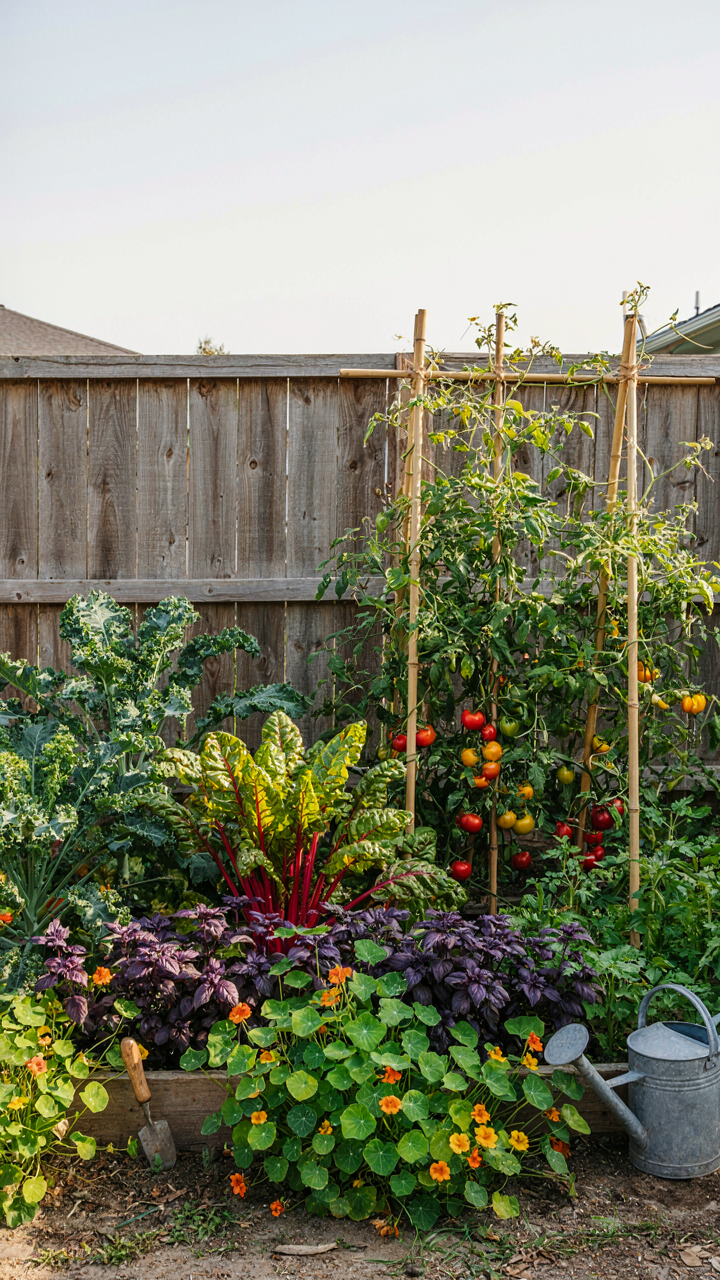
You want people to notice your garden and think you have your life together. That’s the real reason most small yard gardeners obsess over layout aesthetics. The mechanism is simple: a permaculture garden that produces nothing but looks manicured is just expensive landscaping with a buzzword attached. Function comes first because yield proves the system works. Every plant, path, and edge either contributes output or it wastes square footage. Small yards demand ruthless prioritization.

Most permaculture advice treats yield and aesthetics as compatible goals. They’re not in constrained spaces. A densely planted guild of nitrogen fixers, root crops, and canopy layers will look chaotic to someone trained on monoculture lawns. Accept this. A productive small yard layout prioritizes stacking outputs per square foot over visual harmony. Place your highest calorie density plants where you’ll see them most, not where they photograph best. Measure success by harvest weight and nutrient density, not Instagram engagement.
Stacking Functions In Tight Spaces
Industrial agriculture solved efficiency through monoculture scale. Permaculture solves it through vertical stacking and companion relationships. In a small yard, you don’t have the luxury of one function per zone. A single structure must handle water infiltration, microclimate modification, pest habitat, and food production simultaneously. The mechanism is structural coupling: every element performs multiple jobs or it shouldn’t occupy space.
Start with the perimeter. Trellises on south-facing fences grow vining crops while creating afternoon shade for understory herbs. Swales run along contours to slow water while their raised edges support nitrogen fixers. Woody shrubs provide canopy, wind break, and firewood simultaneously. Mulched pathways become compost production zones. The layout works because nothing exists in isolation. Each placement forces adjacency between elements that naturally benefit each other, turning constraint into design principle rather than limitation.
The Micro Food Forest Garden Protocol
Stacking Plants Into Vertical Space
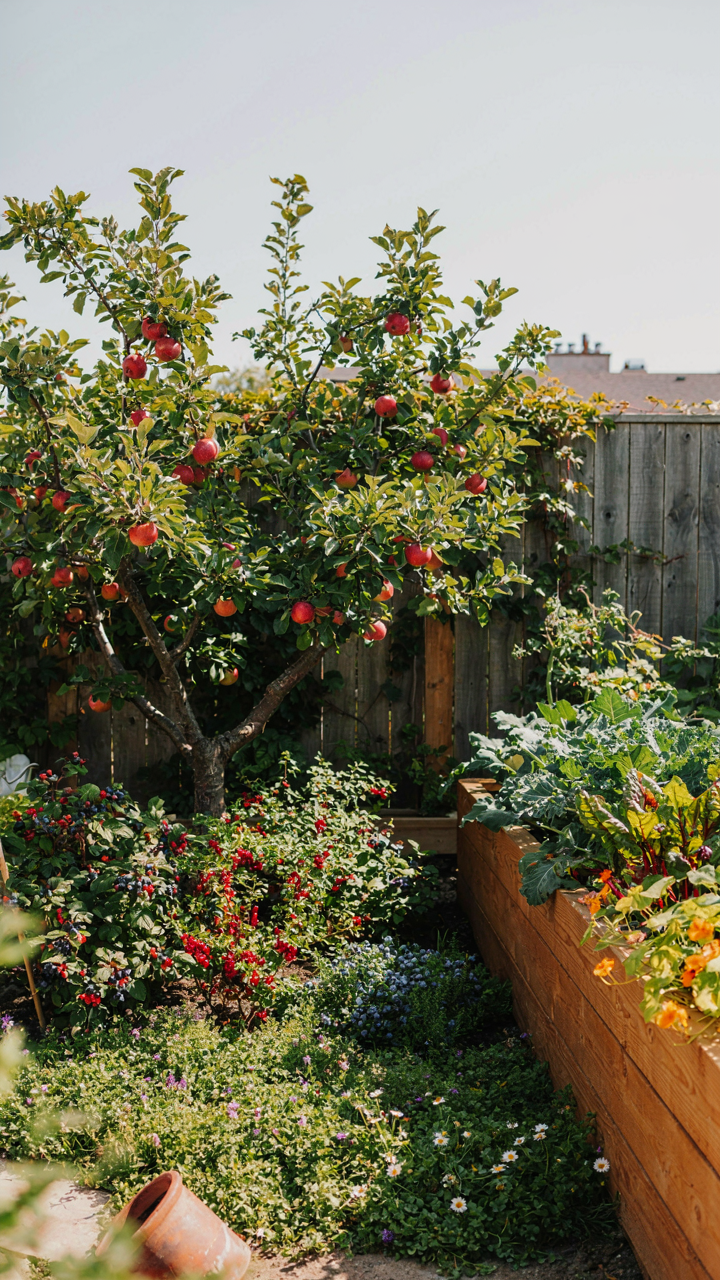
You want to feel like you’re doing something sophisticated without actually studying how plants compete for light and water. The real mechanism is borrowed from ecology: the concept of vertical stratification. Instead of thinking horizontally, think in layers that mimic forest structure. Each layer occupies a different height zone and different light intensity. This solves the actual problem small yards face: zero horizontal space means you must build upward or fail.

Most small-space gardeners stack plants randomly and wonder why everything struggles. The protocol is mechanical. Place canopy species (fruit or nut trees) at 30+ feet if mature size allows, or 15-20 feet if dwarfed. Below that, understory trees occupy 15-20 feet. Then shrub layer at 8-15 feet. Herbaceous layer at 2-8 feet. Ground covers and root crops below that. Each layer receives appropriate light based on what’s above it. This isn’t philosophy. It’s resource distribution.
Species That Actually Cooperate
The right species combination doesn’t eliminate competition between plants, it shifts who competes and how.
- Dwarf fruit trees with nitrogen-fixing understory shrubs: A semi-dwarf apple paired with nitrogen-fixing legume shrubs like autumn olive or goumi removes the need for external nitrogen inputs. The shrub feeds the tree through root association and leaf drop.
- Berry shrubs with dynamic accumulators: Plants like currants or gooseberries grow beneath fruit trees alongside comfrey or borage, which tap deep soil minerals and concentrate them in leaves for mulch, cycling nutrients back up.
- Ground covers that suppress weeds and retain moisture: Creeping thyme, wood sorrel, or clover beneath shrubs create living mulch. They reduce water evaporation from soil and block light from weed seeds without competing for vertical space with your productive layer.
- Perennial herbs in the herbaceous layer: Asparagus, rhubarb, and perennial herbs like oregano occupy the 2-8 foot zone without annual replanting. They establish root systems that prevent soil compaction and create consistent canopy density year to year.
- Root crops and bulbs in gaps: Garlic, onions, or root vegetables fill the ground layer in seasonal cycles without permanent competition. They harvest before the canopy fully densifies, using resources the upper layers haven’t claimed yet.
Real symbiosis in small yards isn’t mystical. It’s deliberate species selection where one plant’s output becomes another plant’s input. Place nitrogen fixers where your calorie crops need nitrogen. Place mineral accumulators where you need nutrient cycling. Place ground covers where bare soil creates losses. The protocol: identify your primary crop, then fill every other layer with species that support it rather than compete with it.
Water Harvesting As The Core Permaculture Garden Layout Principle
The Physics Of Where Water Stops Moving
You want a small yard that feeds itself without daily watering because you’re tired of the guilt and the water bill. Here’s the mechanism: water moves downhill until friction stops it. Permaculture borrows from hydrology the concept of “flow resistance”—obstacles that slow water’s descent, forcing it to infiltrate soil instead of running off. Your layout either captures this water or wastes it. Most suburban yards do the latter.

The difference between a productive small garden and a dry one is rarely plant choice. It’s position relative to water flow. Build your layout to intercept runoff before it leaves your property. Slope matters more than soil type. A 2% grade—barely noticeable to your eye—determines whether rain soaks in or streams away. Map your site’s high and low points first. Everything else follows from water’s path.
Channels, Swales, And Directing Every Drop To A Plant
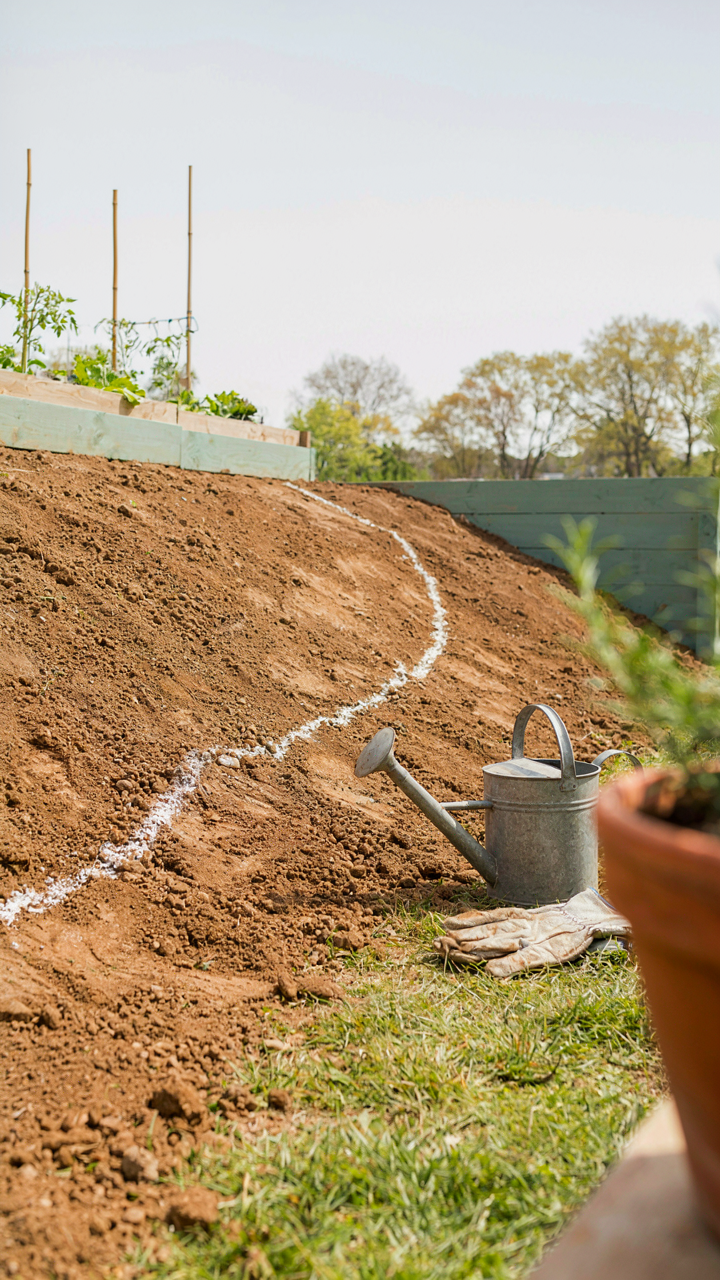
Channels and swales are berms and trenches that redirect water horizontally across a slope instead of letting it fall vertically. The common advice says dig a swale and plants will thrive. That’s incomplete. A swale only works if it’s positioned on contour—meaning every point along its length sits at the exact same elevation. A swale that dips or rises becomes a gutter that channels water past your plants instead of soaking it where they need it.
Run a string level across your yard to find true contour lines before you dig anything. Mark them with chalk or spray paint. Then dig your water channel along that line, keeping the depth consistent. The water pools momentarily, pressure increases slightly, and it percolates down into the root zone below. This is how you move from hand-watering daily to harvesting rain in a small space—by treating the yard as a series of horizontal interruptions to water’s natural downhill drift.
Maximizing Verticality: The Unseen Space In Your Permaculture Backyard
Espalier, Trellises, And Living Walls
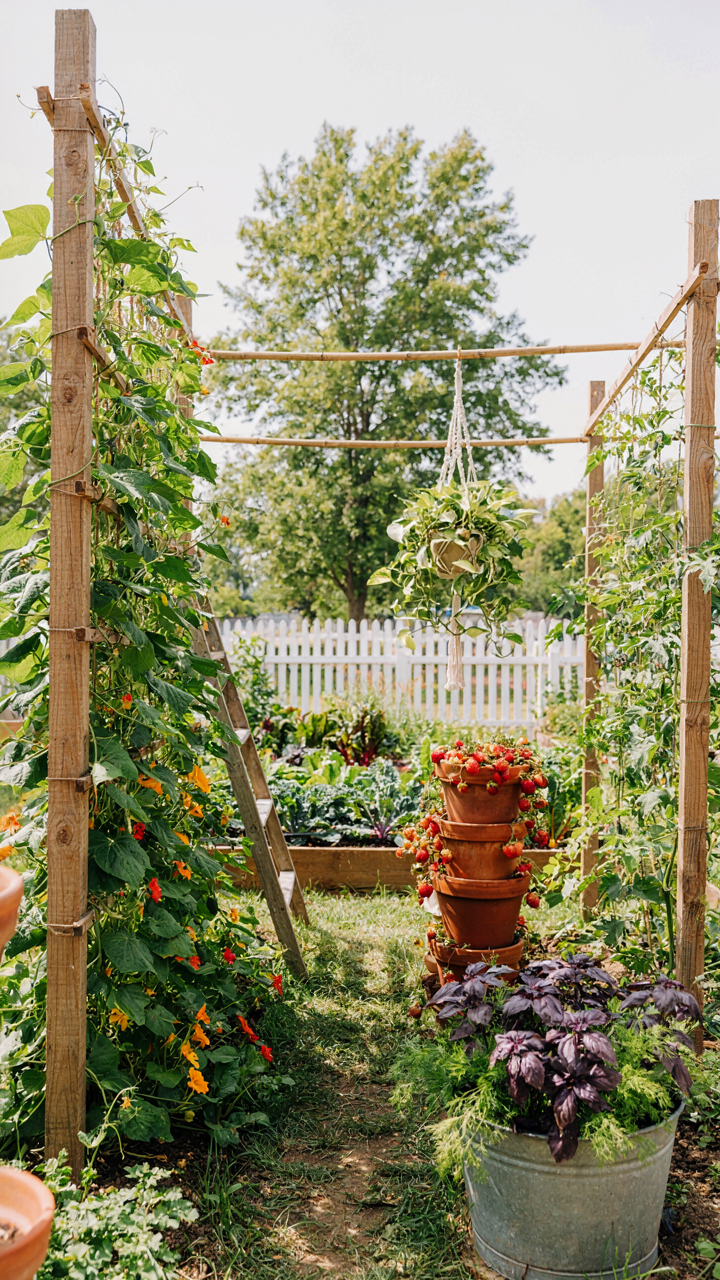
You want to look smart about land use without admitting you’re cramped. Here’s the mechanism: vertical growing isn’t clever—it’s basic geometry applied to plants. Most yards have unused airspace above ground level because people think in 2D. Espalier, the horticultural practice borrowed from formal European gardens, trains woody plants flat against a plane using deliberate pruning and framework. This isn’t decorative. It collapses the tree’s footprint while maintaining full sun exposure and harvest capacity. A single espalier apple or pear occupies the same ground area as a shrub but produces like a mature standard tree on half the square footage.

Trellises work the same principle for herbaceous climbers and vines. Beans, peas, cucumbers, and squash grow vertically when you provide structure, not horizontally across ground that could host root crops. Living walls, the dense vertical stacking of shallow-rooted plants in fabric pockets or tiered planters, capture marginal light on your property’s north side or fence line—space that produces nothing otherwise. The mechanism isn’t about aesthetics. It’s about forcing plants into the third dimension where sunlight already exists but your layout ignores it. Install trellises on the south and west faces of structures for afternoon shade in summer, then plant heat-sensitive crops like leafy greens in that shadowed zone behind the vine canopy.
Ground To Canopy Plant Integration
Stacking plants by mature height solves the real constraint: light competition. In permaculture design, this is zone optimization from ecology. Tall plants go north, shorter ones south, creating a tiered canopy that lets light reach multiple layers instead of killing understory growth through shade. Most backyard gardens fail because people plant randomly and then wonder why their shade-loving plants burn out or sun lovers languish. The sequence matters. Dwarf fruit trees or nitrogen-fixing shrubs occupy the 8 to 12-foot canopy layer. Herbaceous perennials and berry bushes fill the 3 to 8-foot layer. Ground covers and shallow-rooted annuals take the 0 to 3-foot zone. Soil-building plants like comfrey or nitrogen fixers like clover occupy dead space between cash crops.
A small yard with this system produces three distinct harvest layers from the same footprint. The spacing between plants changes too—you plant closer because you’re using vertical volume, not just ground area. Measure your mature plant heights before layout, not after. Situate the canopy layer first on your map, then work downward with the remaining species. This prevents the common mistake of crowding sun-worshippers under shade. Your placement protocol is directional (north-south sun angle) then vertical (height stacking) then density (spacing based on mature size). Skip these steps in order and your garden collapses into competition, not integration.
The Soil Is The System: Building Your Permaculture Garden’s Engine
No Dig Beds Build Fertility Without Digging
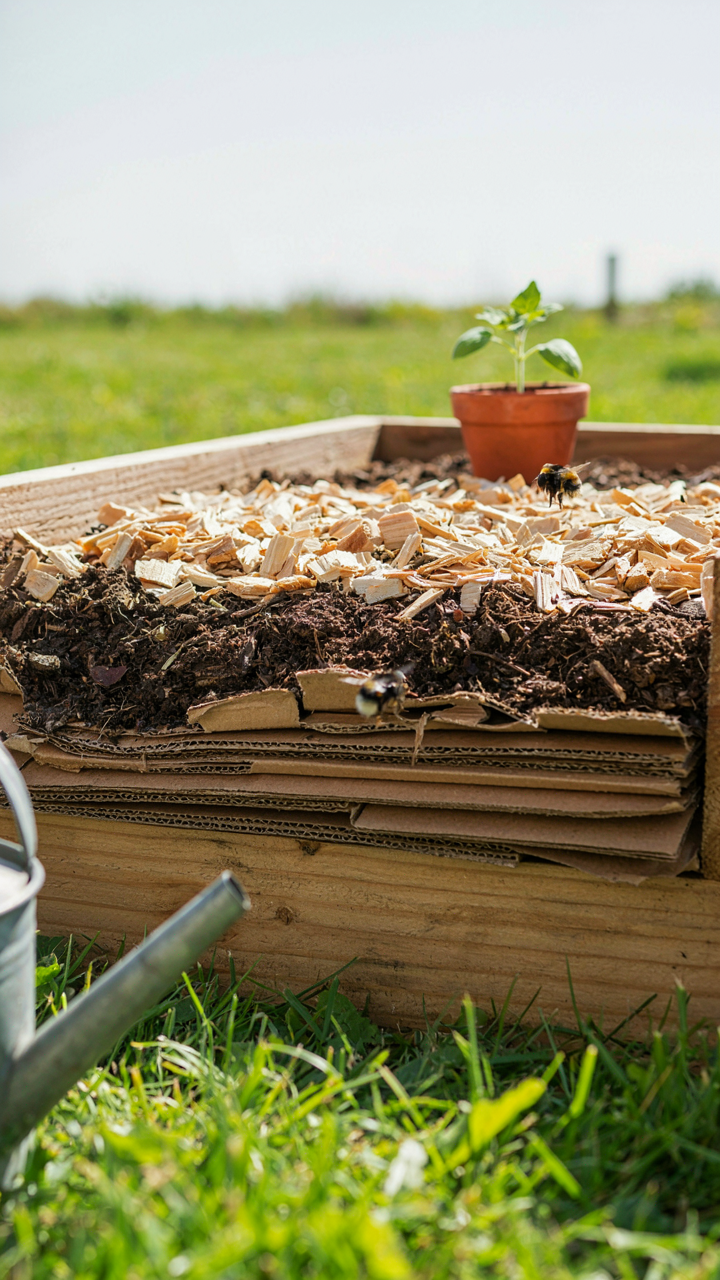
You want to skip the shovel work and still have rich soil. That’s the real reason this matters. No-dig relies on a borrowed concept from civil engineering: stratification. Just as geological layers build pressure and density, stacked organic materials compress into fertile substrate without turning the earth. You eliminate the disturbance that kills fungal networks and soil structure, so fertility compounds instead of resetting.

Build a no-dig bed by laying cardboard directly on existing soil or grass. Add aged compost, then leaf mold, then finished compost again. Each layer breaks down in sequence over weeks. Small yards benefit because no-dig beds need no tilling equipment and occupy minimal space. The bed reaches planting depth within a month and improves soil structure year after year without additional labor.
Microbes Create Nutrient Availability On Demand
The common advice says add compost and nutrients cycle. Wrong. Compost sits inert without the microbial workforce to break it down. Bacteria and fungi are the mechanism that converts stored nutrients into forms roots can actually absorb. A gram of healthy soil contains more organisms than humans on Earth. That density drives all fertility in a permaculture garden.
Protect microbial populations by never leaving soil bare, avoiding synthetic inputs, and feeding the biology through mulch and plant residues. Mycorrhizal fungi extend root reach in small spaces, meaning you grow more from less square footage. When microbes thrive, nutrient cycling accelerates, so your garden produces more from the same inputs each season. Layer compost, leave plant material to decompose in place, and let fungal networks establish without disruption.
Edge Effects: Amplifying Production In A Small Permaculture Garden
Boundary Maximization Through Strategic Design
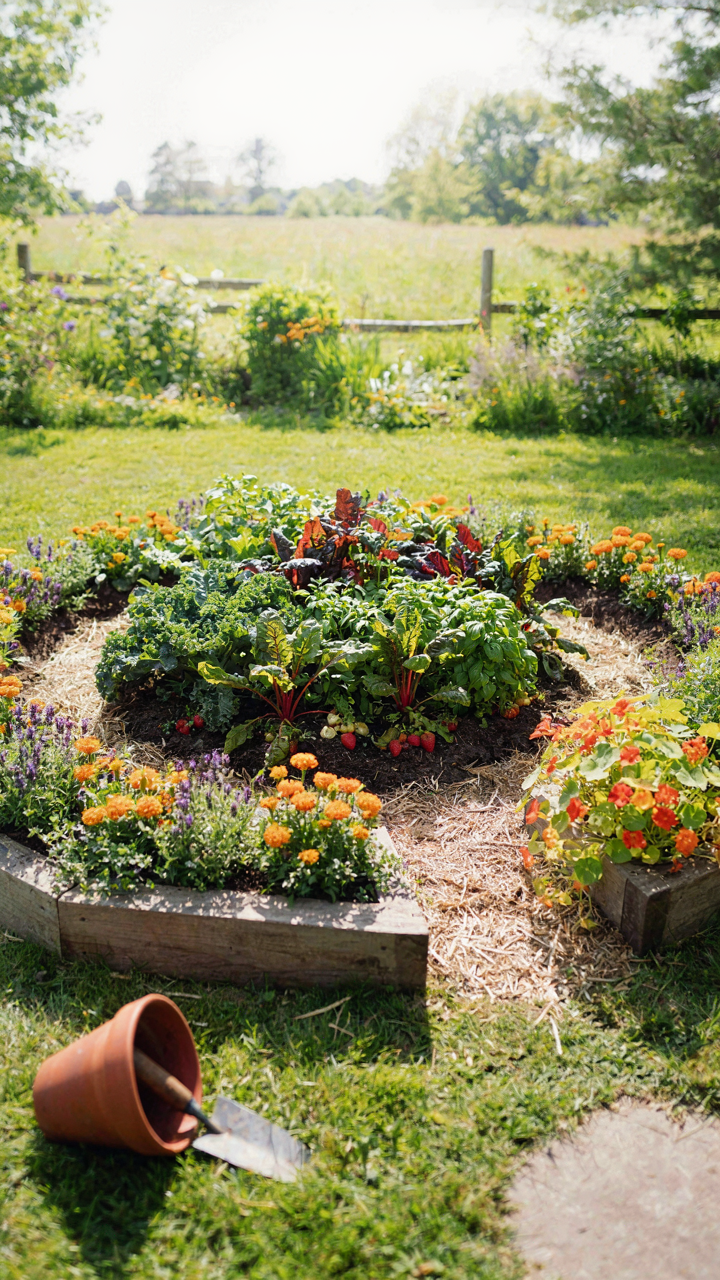
You want edge effects to sound like some natural phenomenon that happens to your garden. It’s not. You’re engineering perimeter density because you’re resource-constrained. Military strategy calls this “force multiplication”—doing more with less by concentrating leverage at decision points. In permaculture, edges are your decision points. A small yard’s boundary line is where you stack the most productive interventions per square foot.

The math is simple. A square garden loses efficiency because its interior sits far from any edge. A circular or rectilinear garden with perimeter extensions—peninsulas, keyhole beds, spiral layouts—increases edge length without adding much total area. This means more surface for trellises, shade structures, microclimates, and transitions between zones. Every additional linear foot of edge becomes usable production space if you design for it deliberately.
Creating Microclimates At Interfaces
Most advice treats microclimates as something you discover. Wrong. You construct them at boundaries by stacking thermal mass, windbreaks, and reflection. The interface between your house wall and garden perimeter creates a microclimate because of heat retention and wind deflection. A south-facing fence amplifies warmth. A north-facing edge becomes your shade zone. You’re not waiting for conditions to emerge—you’re choosing which edges get which functions and building the microclimate to match.
Placement at edges determines what thrives. Heat-loving plants against dark walls, shade-tolerant species on the north side, wind-sensitive crops behind structural barriers. Water retention happens differently at edges too. Mulch thickness, soil depth, and drainage patterns shift where you’re working with boundaries instead of open space. Measure your edges, identify their existing conditions, and assign species that turn those conditions into production. Don’t assign by preference. Assign by what the edge itself will support.
Waste As Resource: Closing Loops In Your Homestead Layout
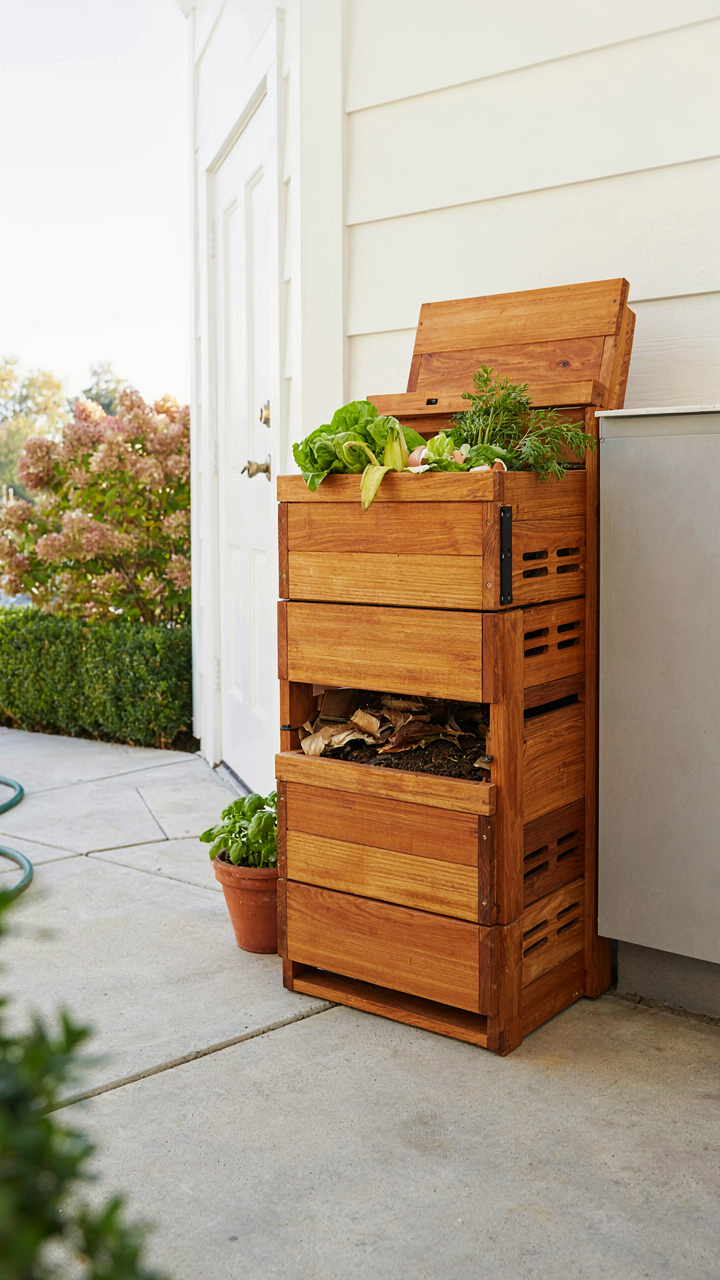
Composting And Vermiculture Integration
You want composting to feel like a win without actually changing your behavior. The real mechanism is material velocity. In thermodynamics, velocity determines energy transfer rate. In your garden layout, the physical distance between your waste source and decomposition site determines whether you’ll actually use the system. Close proximity wins.
- Three-bin wooden structure: Position within 10 feet of kitchen exit. Brown and green layers activate faster when you don’t cross a yard to reach it. Size each bin 3×3 feet minimum for adequate heat generation.
- Vermicompost tower: Stack 5-gallon food-grade buckets vertically near a shaded wall. Worms process kitchen scraps in 8-12 weeks. Stack height allows drainage between layers without excessive footprint.
- Hot compost windrow: Align perpendicular to prevailing wind for oxygen flow. Minimum 4x4x3 feet dimensions maintain internal temperature above 130 degrees Fahrenheit for pathogen kill.
- Trench composting: Dig 12-18 inches deep within planting beds. Bury kitchen waste directly where you’ll plant in 2-3 months. No structure needed, zero transport labor.
- Black soldier fly bin: Larvae convert waste to protein in 14 days. Position in full sun. Finished frass becomes direct soil amendment without screening.

Placement matters more than method. A compost pile thirty feet away gets ignored. A bin near your back door entrance gets fed. Integration into your daily foot traffic path determines output volume and consistency, which determines whether you break the dependency on external inputs.
Greywater And Nutrient Capture
The consensus approach treats greywater and nutrients as separate problems. They’re not. Greywater capture is nutrient delivery infrastructure disguised as water management. Your small yard layout must physically connect sink, shower, and laundry drainage to plants that need both water and the nitrogen, phosphorus, and potassium suspended in that water.
Simple branched greywater systems work. Route kitchen sink drain through a settling tank, then gravity-feed to perimeter plantings. Shower and washing machine lines need separate treatment since soap and lint require filtration. Mulch basins around trees and shrubs act as final filters while plants absorb nutrients. The key is eliminating pumps and electricity through slope and elevation difference. Your yard’s natural grade becomes the delivery mechanism. If you can’t slope your lines naturally, you either redesign the bed placement or accept that you’ll maintain a pump forever. Nutrient capture happens passively when water moves through soil biology over three to five days before reaching groundwater.
Beyond The Garden: Integrating Your Backyard Permaculture With Your Life

Design For Minimal Maintenance Input
You want this to work without becoming your second job. The real mechanism is this: most people confuse “permaculture” with “plant everything and nature handles it.” That’s not how it works. You’re actually designing for leverage, which means stacking functions so each element does multiple jobs simultaneously. A single tree provides shade, fruit, nitrogen fixation, and windbreak. A swale holds water and creates planting zones. When you stop thinking about individual plants and start thinking about systems that require fewer interventions, maintenance stops being friction and becomes observation.

The practical move is to eliminate the high-maintenance positions first. Don’t plant species that demand constant watering, pruning, or pest management in a small yard. Choose plants adapted to your climate, soil pH, and water availability. Place them where they naturally thrive, not where they barely survive. Zone your garden so water flows downhill through productive areas before leaving the property. This isn’t philosophy. It’s physics applied to garden layout.
Observation Skills For Continuous Adaptation
You think you need a perfect design before you start. You don’t. Permaculture borrows from adaptive management in ecology: feedback loops replace fixed plans. Walk your yard at different times of day and seasons. Note where water pools. Observe which plants thrive without intervention. Watch where sun hits in winter versus summer. Track pest populations and their predators. Document soil conditions. This isn’t busywork. You’re collecting the data your garden will need to optimize itself over time.
Continuous adaptation means you adjust based on what the system tells you, not on what you imagined. If a plant dies, don’t replant the same species. If an area stays wet, don’t drain it, design for wetland species. If pest pressure appears, introduce the predator instead of the pesticide. Mark your observations on a simple map or calendar. Review quarterly. Make one major change per growing season. The goal is responsiveness, not perfection on day one.
The Continuous Evolution Of Your Forest Garden

Succession Planting And Self Organization
You want your garden to run itself so you can feel like you’ve hacked nature. That’s not how it works. Succession in ecology means species move through predictable stages, each altering soil and light conditions for the next. In permaculture garden layout, you’re orchestrating this same sequence deliberately, stacking plants with different maturity timelines so one crop’s decline triggers another’s dominance without your constant input.
Most people think succession means planting spring vegetables, then summer vegetables, then fall vegetables in the same bed. That’s linear crop rotation, not succession. Real succession uses pioneer plants—fast-growing nitrogen fixers and soil builders—that create conditions for perennial understory plants, which then support longer-lived shrubs and trees. The garden self-organizes because you’ve staggered species that thrive in the changing microclimate each layer creates.
Embrace Imperfection And Constant Change
The garden you designed on paper dies the moment you plant it. Your garden will not match your layout. Weeds arrive. Pest populations spike unpredictably. Some plants outcompete others. Some die. This isn’t failure—this is the system working. Accept that your role shifts from designer to observer-adjuster. You’re managing a living system, not maintaining a blueprint.
The mistake is fighting this. Gardeners cling to their original plan, replanting failures in the same spot, resisting volunteer plants that might actually solve a problem you didn’t predict. Instead, observe for a full season before deciding what to move. Watch water flow. Note which plants thrive and which struggle in actual sunlight and soil conditions. Then edit. The garden that survives is always different from the one you intended.
Your Real Obstacle Isn’t Space; It’s Your Scarcity Mindset
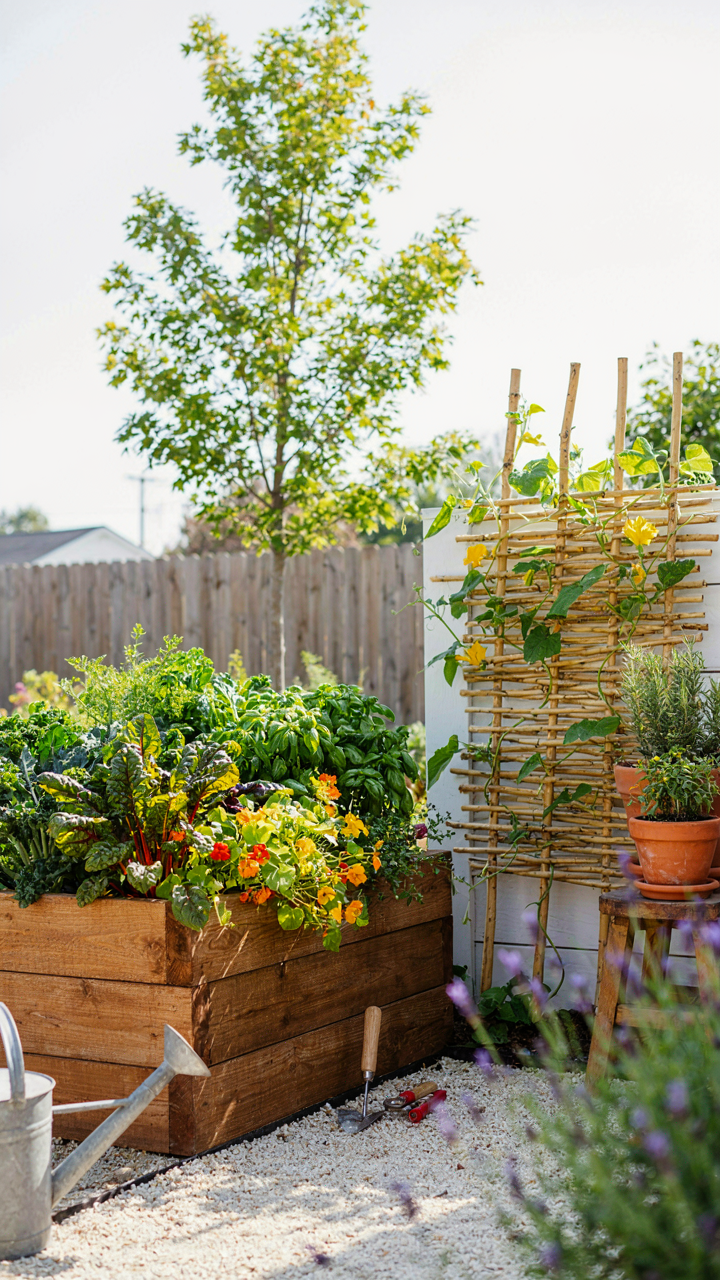
Most people see a small yard and think they’ve lost before starting. They haven’t. You’re actually sitting on an advantage. Constraints force you to design intentionally. Every inch matters. Every plant earns its place. Stop waiting for the perfect setup and map your first guild today: pick three plants that work together and place them in one corner. That ruthless focus is what separates people who garden from people who actually eat from their land.