
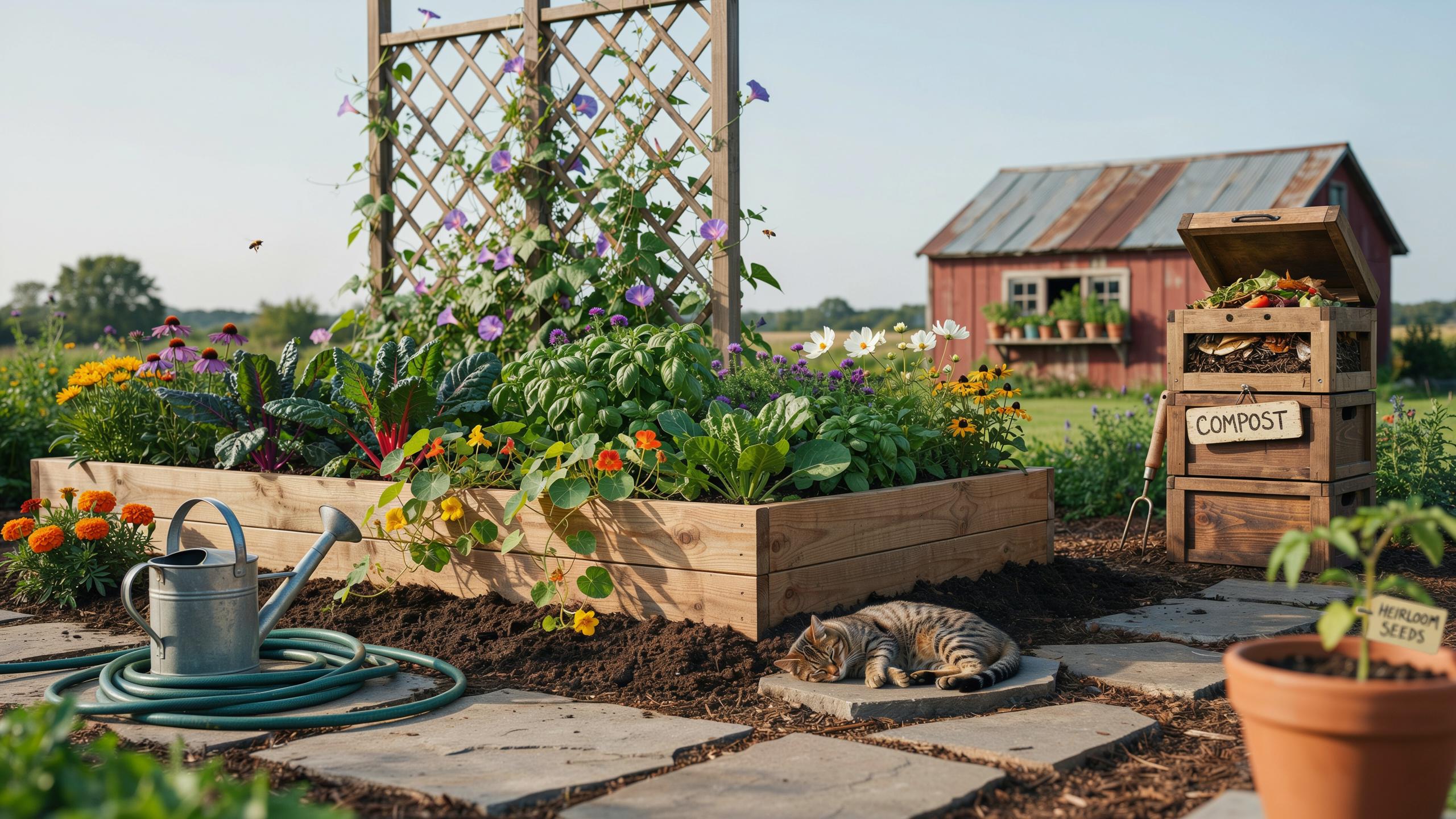
Understanding Soil Health In Your Garden
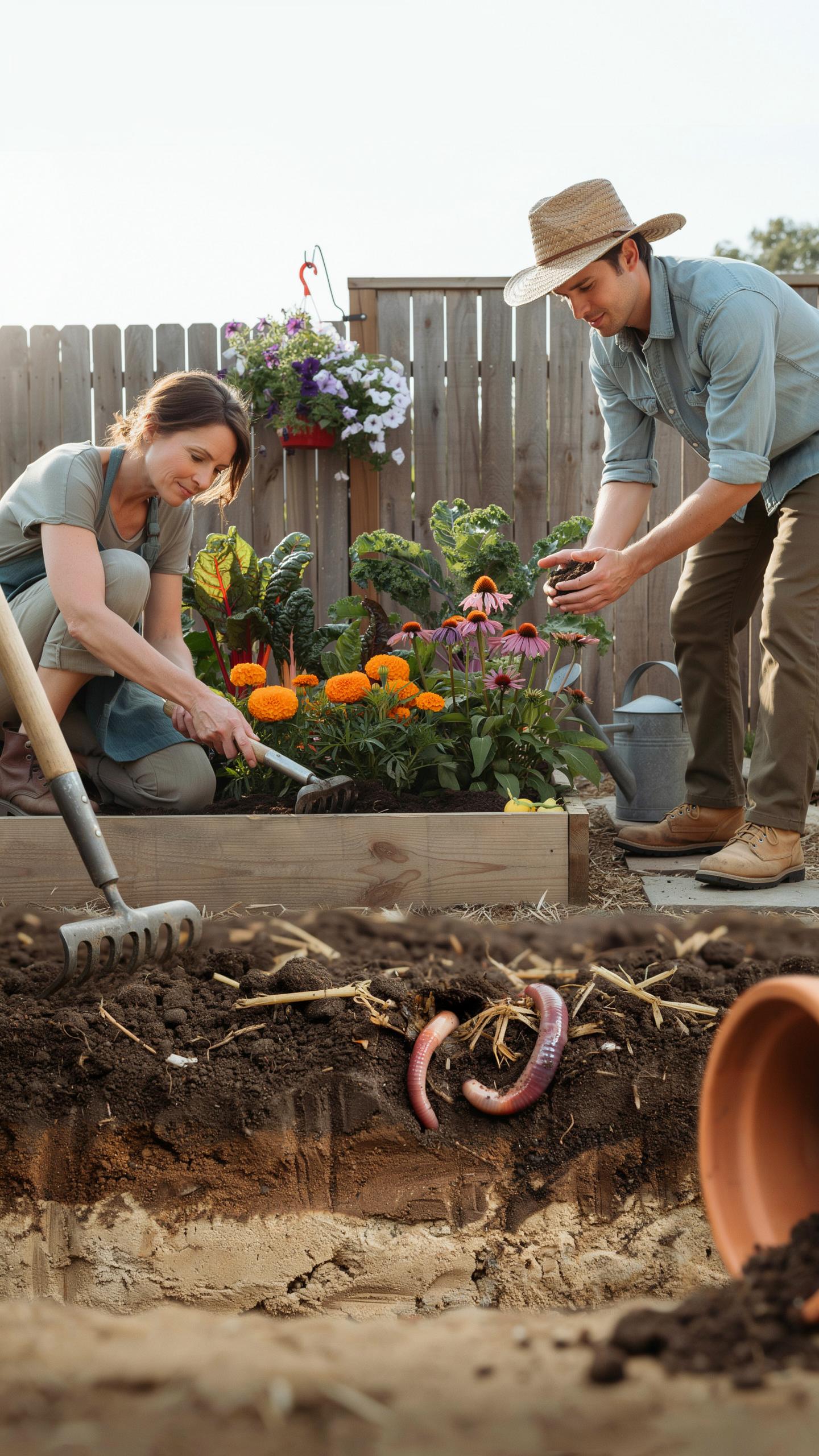
What Constitutes Living Soil
Healthy soil functions as a living ecosystem. Bacteria, fungi, protozoa, and earthworms break down organic matter into plant-available nutrients. This biological activity creates soil structure that allows water infiltration and root penetration. Without this microbial network, soil becomes inert and unable to support plant growth effectively.
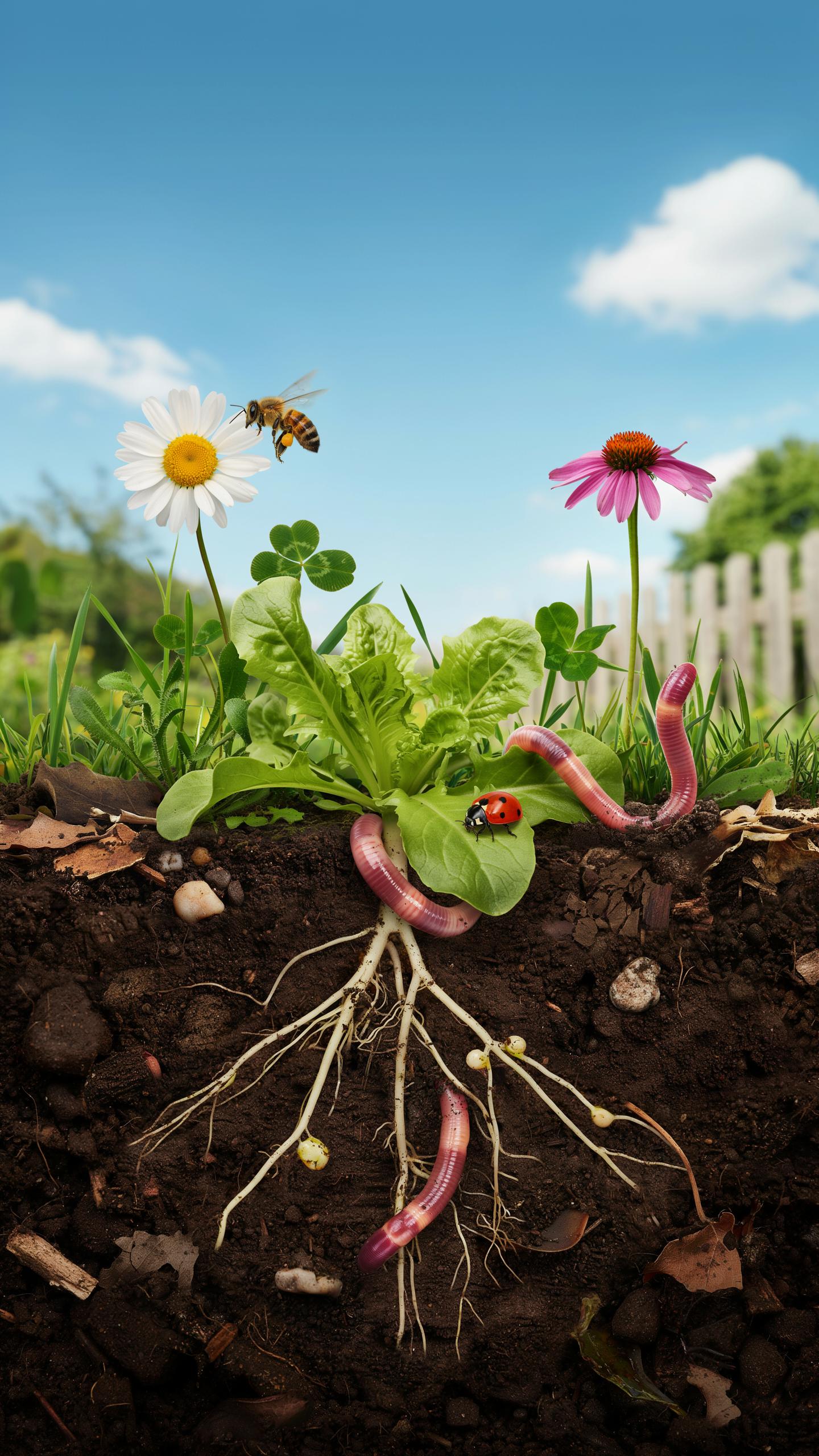
The organisms in soil serve specific functions. Bacteria fix nitrogen and decompose plant residue. Fungi form networks that improve nutrient uptake and water retention. Earthworms tunnel through soil, increasing aeration and mixing organic material throughout the profile. These interactions determine whether plants thrive or merely survive in your landscape.
Physical And Chemical Indicators
Soil texture directly impacts root development and water movement. Crumbly soil with balanced sand, silt, and clay particles allows roots to penetrate deeply while maintaining adequate moisture. You can test texture by feeling soil in your hand. Well-structured soil holds together loosely rather than forming hard clumps or falling apart completely.
pH and water retention capacity reveal soil’s chemical health. Most plants prefer slightly acidic to neutral soil between 6.0 and 7.0 pH. Water retention depends on organic matter content and soil structure. Soil that drains too quickly or stays waterlogged indicates structural problems that prevent proper root function and nutrient availability.

The Fundamental Importance Of Soil For Landscapes
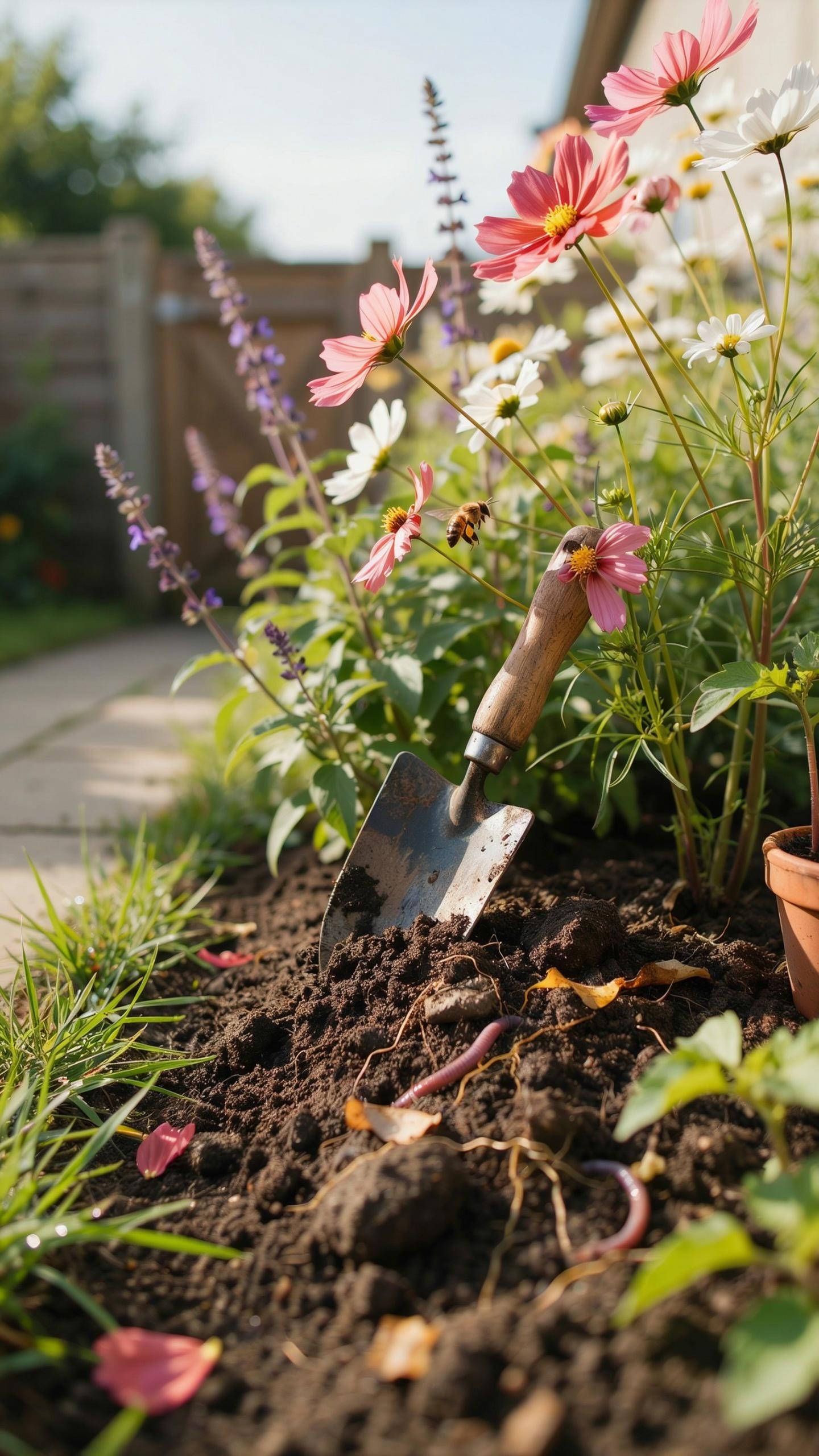
Supporting Plant Anchorage And Hydration
Soil provides the mechanical structure that secures plant roots in place. Root systems need resistance to stay stable against wind and weather. Without proper soil density and composition, trees and shrubs topple easily, especially during storms or when mature.
Soil functions as a water storage system between rainfall and irrigation events. Soil particles create pore spaces that hold water your plants access during dry periods. This buffering capacity reduces irrigation demands and keeps plants alive through drought stress without constant watering.
Fostering Biodiversity And Ecosystem Services
Soil hosts billions of microorganisms and arthropods that regulate pest populations naturally. Predatory nematodes, beneficial fungi, and ground beetles suppress harmful insects without chemical inputs. A thriving soil ecosystem becomes your pest management system, cutting maintenance costs and chemical dependency.

Soil stores carbon that would otherwise become atmospheric CO2. Organic matter in soil sequesters carbon for decades or centuries underground. This carbon storage capacity makes healthy soil a direct tool for climate mitigation while improving landscape resilience and nutrient availability for plants.
How To Cultivate Rich Soil Naturally
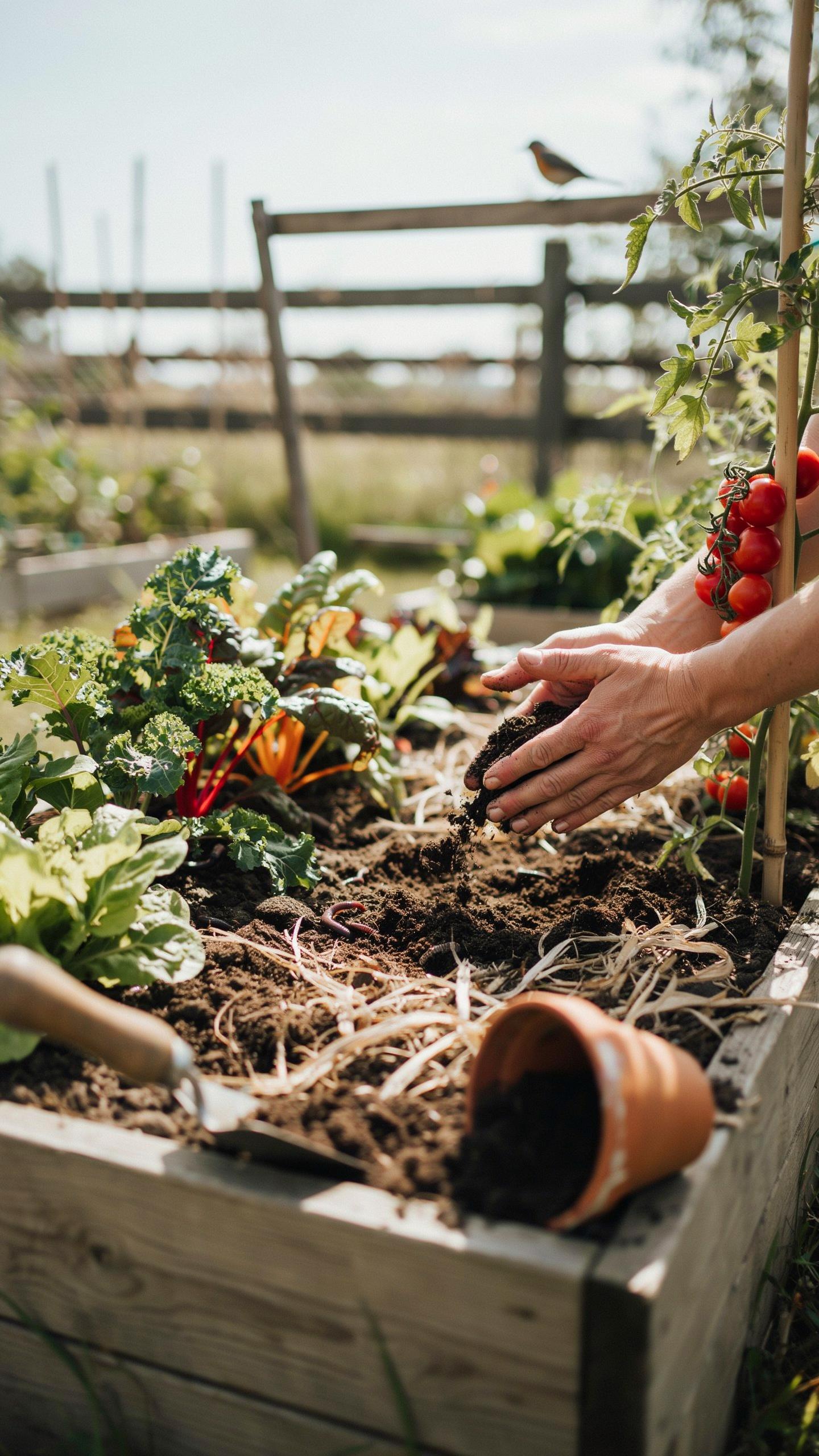
Essential Organic Soil Amendments
Building nutrient-dense soil requires introducing natural materials that work systematically to improve fertility and structure. These amendments break down over months and years, creating stable soil that holds nutrients and water while supporting microbial life. Start with materials that match your soil type and climate conditions.
- Compost: Finished compost adds stable organic matter and beneficial microorganisms. It improves both clay and sandy soils while providing slow-release nutrients over time.
- Aged Manure: Decomposed animal manure supplies nitrogen and organic matter. Age it at least six months to kill pathogens and weed seeds before incorporating into beds.
- Leaf Mold: Shredded leaves broken down over one to two years create crumbly, dark material. It improves soil structure and water retention without adding excess nitrogen.
- Biochar: Charred plant material retains water and nutrients while providing habitat for soil microbes. It persists in soil for decades, making it a long-term investment in soil health.
- Kelp Meal: Dried seaweed powder delivers trace minerals and potassium. It enhances soil microbial activity and improves nutrient availability to plant roots.
Apply these amendments at rates of one to three inches worked into the top six to eight inches of soil. Reapply annually as the organic matter breaks down and depletes. Test your soil regularly to track nutrient levels and adjust amendment choices accordingly.
The Power Of Cover Cropping
Cover crops occupy bare soil during off-season months when erosion risk peaks. Winter rye, clover, and other cover crops establish root systems that hold soil particles in place while preventing nutrient leaching. These plants also suppress weeds that would otherwise colonize empty beds.

Legume cover crops like clover fix atmospheric nitrogen through symbiotic relationships with soil bacteria. When you till these plants back into the soil in spring, they decompose and release nitrogen that your next crop uses directly. This reduces or eliminates the need for synthetic nitrogen inputs while building organic matter simultaneously.
Designing With Sustainable Landscaping Principles
Selecting Native And Drought Tolerant Plants
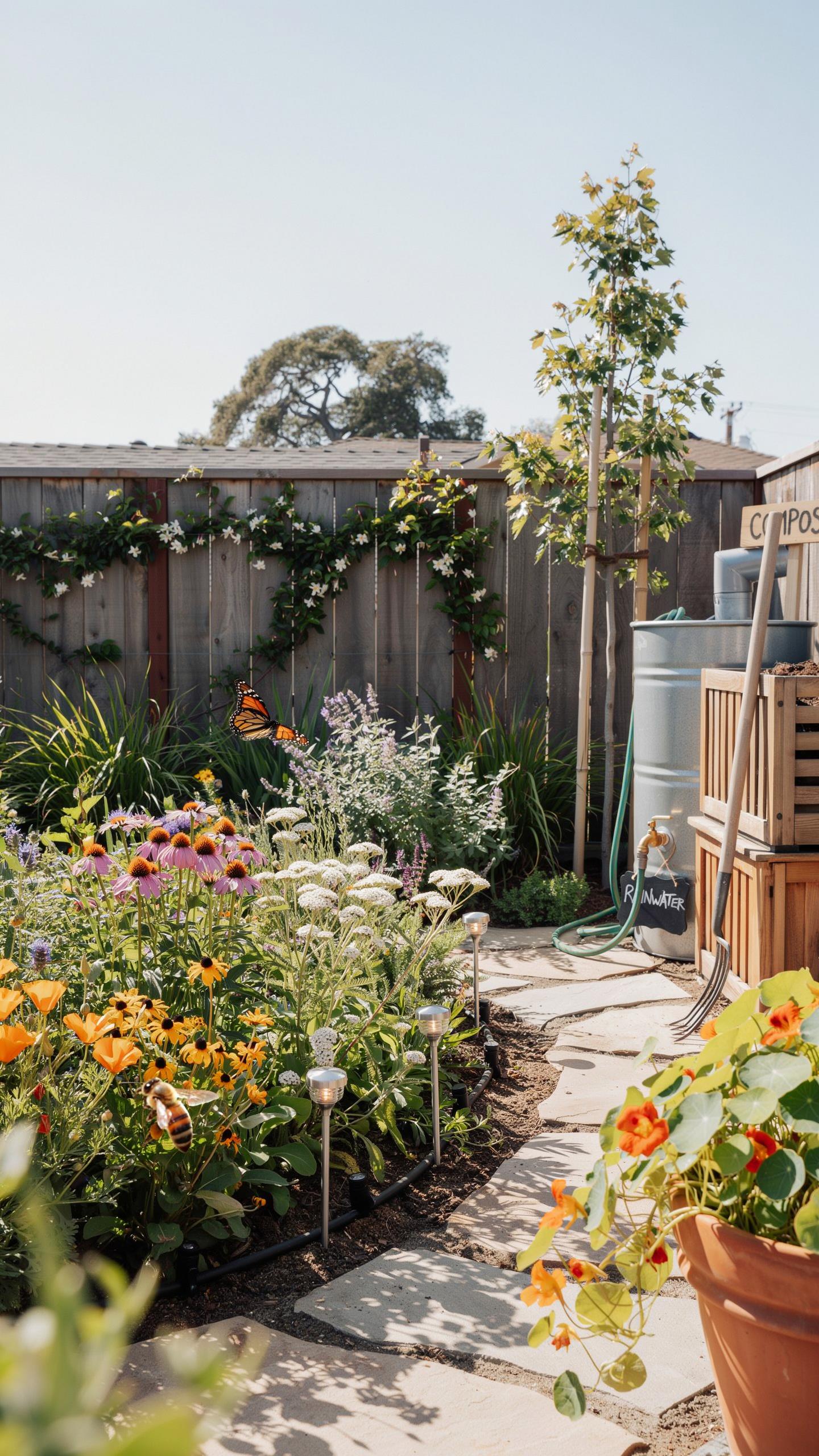
Native plants anchor sustainable landscapes because they require minimal intervention after establishment. These species evolved to survive local precipitation patterns, soil pH, and temperature ranges. They need less fertilizer, pesticide, and water than non-native alternatives. Native plants support local pollinators and wildlife that depend on them for food and habitat. This creates functional ecosystems rather than decorative monocultures requiring constant chemical inputs.
Drought-tolerant species extend your sustainable approach to water management. These plants survive on rainfall alone in most years, eliminating the need for supplemental irrigation during normal conditions. Their root systems penetrate deep into soil, accessing moisture at lower depths. Selecting appropriate species for your USDA hardiness zone ensures they thrive without artificial support. This reduces both your maintenance costs and your landscape’s environmental footprint.
Implementing Smart Water Conservation
Drip irrigation delivers water directly to plant root zones, eliminating waste through evaporation or runoff. This system uses 30 to 50 percent less water than conventional sprinklers while improving soil moisture consistency. Drip lines concentrate water where plants need it, reducing foliar diseases and nutrient leaching. Installing drip systems takes planning but pays immediate dividends in water savings and plant health. This approach transforms how water reaches your soil, making every application count.

Rain gardens and swales capture runoff from hardscapes and roofs, directing it into permeable zones where it infiltrates soil. These features recharge groundwater instead of overwhelming storm drains. They filter pollutants through soil layers, improving water quality before it reaches aquifers. Swales work on slopes to slow water movement, increasing infiltration time. Both systems prevent erosion while building soil moisture reserves for dry periods.
The Direct Link Between Sustainable Landscaping Soil Health
How Healthy Soil Reduces Maintenance Costs
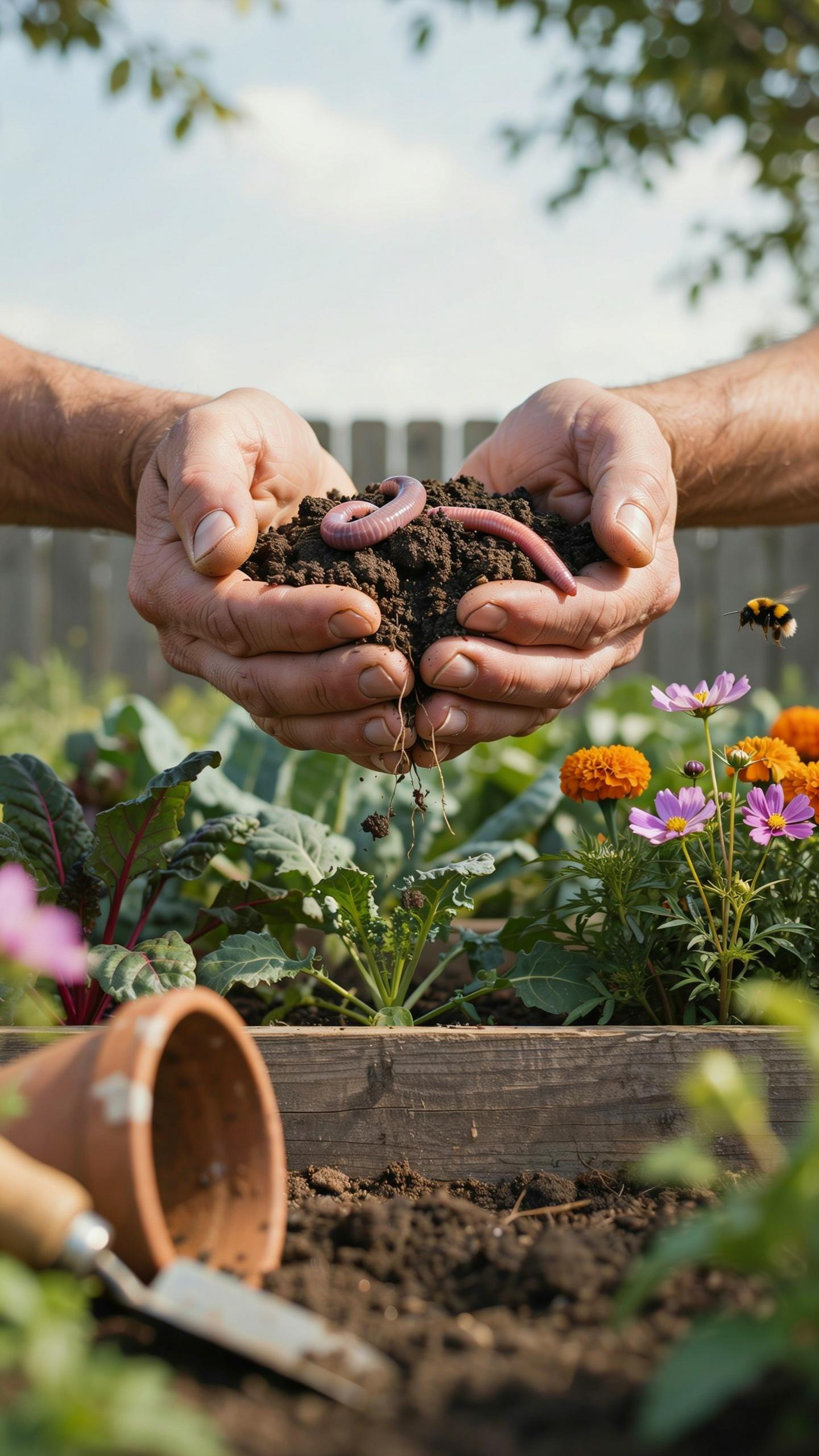
Healthy soil builds plant resilience from the ground up. When soil contains adequate organic matter and balanced microbial communities, plants develop stronger root systems and immune responses. These plants resist disease and pest pressure naturally, cutting your reliance on fungicides, pesticides, and herbicides that drain budgets year after year.
The math is straightforward. Fewer chemical applications mean lower material costs, reduced labor for treatments, and fewer callbacks for pest management. Over five to ten years, this compounds significantly. A landscape with degraded soil requires constant intervention. A landscape with healthy soil operates with minimal external inputs.
Creating Long Term Ecological Balance
Self-sustaining landscapes eliminate the feedback loop of decline and rescue. When plants drop leaves and organic matter naturally, soil organisms break it down into available nutrients. These nutrients feed the next generation of plants without supplemental fertilizer applications. The system feeds itself through basic ecological function.
This cycle reduces your operational workload and input costs permanently. You stop buying fertilizer, stop scheduling treatments, and stop managing crisis situations. Instead, you manage a functional ecosystem that handles its own nutrient cycling. This is the operational reality of sustainable landscaping soil health. It works because you leverage natural processes instead of fighting against degraded conditions.
Creating A Soil Management Practices Poster For Your Garden
Crucial Daily And Seasonal Maintenance Steps
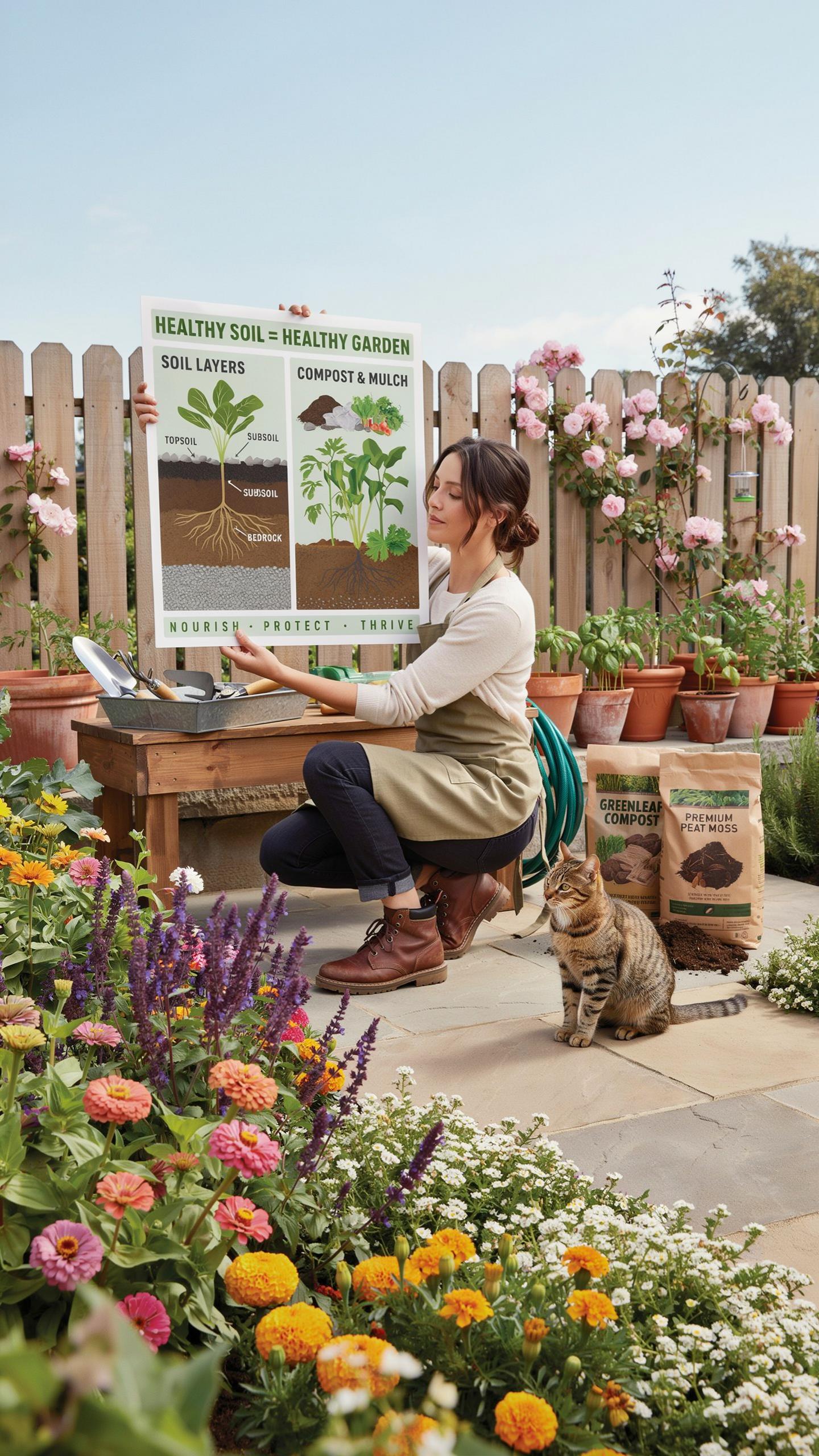
A visual checklist on your poster keeps soil management consistent year-round. Gardeners forget tasks without references. A poster in your workspace tracks what needs doing now. Post it where you work. Update it seasonally. This system prevents soil degradation and maintains nutrient cycles.
- Test soil pH annually: Check pH levels each spring before planting. Most vegetables prefer 6.0 to 7.0 pH. Testing reveals whether you need lime or sulfur amendments.
- Apply organic mulch: Spread 2 to 4 inches of mulch around plants. Mulch retains moisture, regulates soil temperature, and breaks down into organic matter over time.
- Minimize tilling: Reduce tillage to once yearly or less. Tilling destroys soil structure and kills beneficial microorganisms that support plant roots and nutrient cycling.
- Rotate annual plantings: Change crop locations each season across garden beds. Rotation prevents pest buildup and balances nutrient extraction from specific soil zones.
- Monitor compaction: Walk different paths through gardens to avoid repeated foot traffic. Compacted soil restricts root penetration and water infiltration, harming plant growth and microbial activity.
Post this checklist where you see it weekly. Reference it before each garden task. Consistency builds soil health faster than sporadic effort. Your poster becomes a working tool, not decoration.
Visualizing Soil Layers And Health Indicators
Soil diagrams on your poster show three main layers: topsoil, subsoil, and bedrock. Topsoil contains most organic matter and microorganisms. Subsoil holds minerals and water. Understanding depth prevents planting failures. Most vegetables need 8 to 12 inches of topsoil for root expansion.

Include health indicators on your diagram. Show dark color indicating high organic content. Display visible pores and aggregates representing good structure. Mark earthworm presence as a positive sign. Show compacted, pale soil as unhealthy. This visual comparison helps you identify your garden’s actual condition against the ideal state.
Integrating Outdoor Education Into Your Landscaping Projects
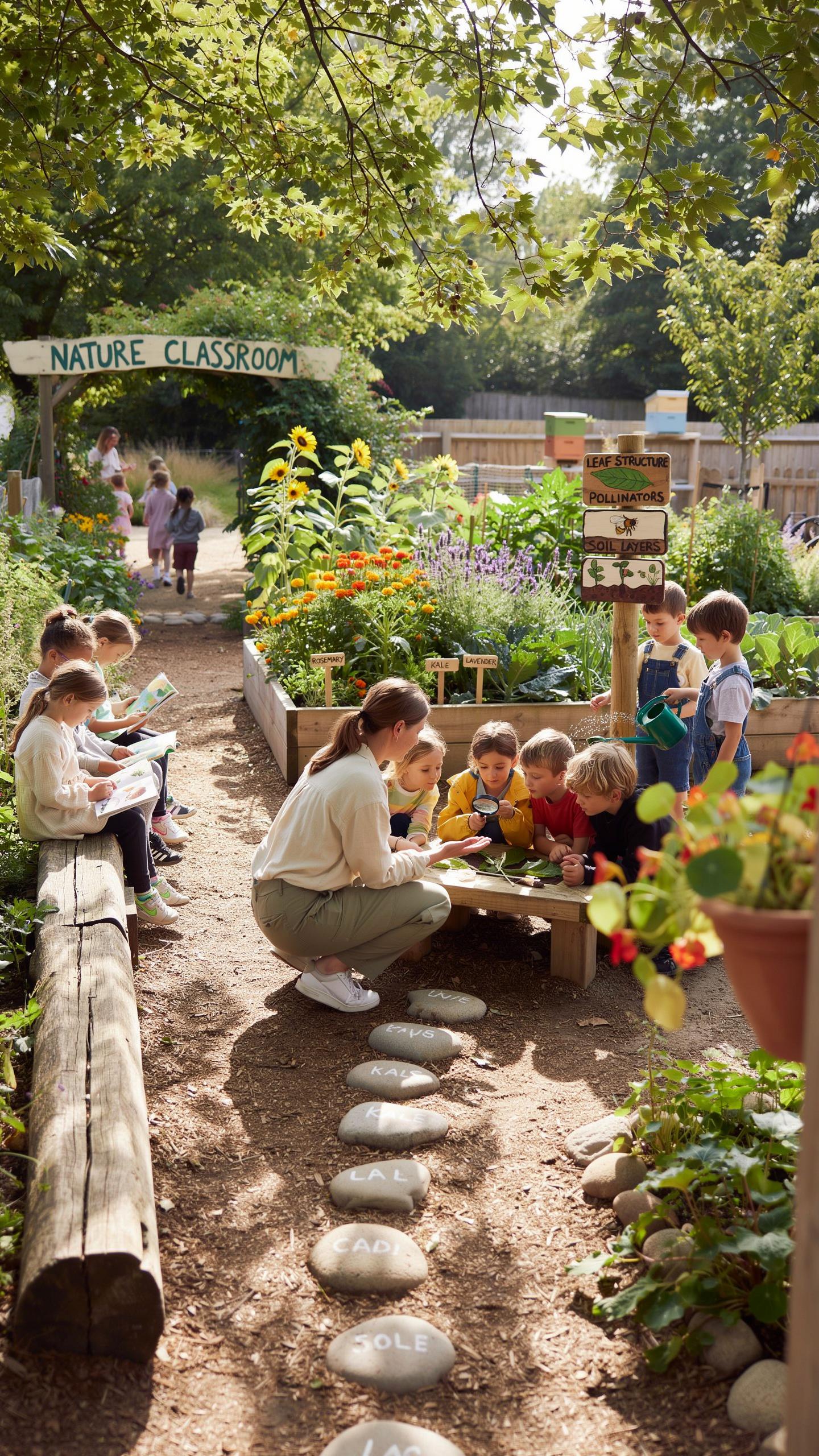
Teaching Future Generations About Conservation
Your backyard functions as a working classroom where children observe real ecological processes. Composting demonstrates decomposition and nutrient cycling. Planting cycles teach growth stages and seasonal timing. Watching insects reveals food webs and pollination mechanics. Hands-on work builds environmental awareness that sticks with kids into adulthood.
Soil-based learning creates lasting behavioral change. Children who participate in gardening develop stronger connections to food production and natural systems. They understand where nutrients originate and how organic matter cycles through ecosystems. This foundation often translates into lifelong conservation habits and informed environmental choices as adults.
The soil is the great connector of lives, the source and destination of all. To be whole, we must cherish the land and treat it with a gentle hand.
Setting Up Interactive Exploration Zones
Create designated garden areas for direct sensory learning and investigation. Worm composting bins show decomposition in real time. Magnifying stations reveal soil organisms and their roles. These zones invite questions and make abstract concepts tangible. Kids observe living systems that turn plant waste into fertile earth over weeks and months.

Interactive zones work because children learn through direct observation rather than instruction. They handle soil, identify organisms, and track changes. This engagement drives retention and curiosity about soil health mechanics. The zones require minimal setup but deliver measurable learning outcomes tied directly to sustainable landscaping practices.
The Vital Role And Importance Of Soil Health In The Environment
Mitigating Soil Degradation And Erosion
Global topsoil loss occurs at roughly 24 billion tons annually due to conventional tilling, monoculture farming, and bare soil exposure. This erosion strips away the nutrient-rich layer essential for plant growth and ecosystem stability. Prioritizing soil health in your landscape directly combats this trend by building structure that resists water and wind damage.
Healthy soil anchors vegetation root systems that stabilize earth during heavy rainfall and wind events. When you improve soil structure through organic matter incorporation and reduced disturbance, you preserve topsoil in place and maintain habitat corridors for soil organisms. This localized action prevents nutrient runoff while keeping your landscape productive and stable long term.
Improving Local Water Quality
Soil acts as a natural filter when its structure remains intact. Well-developed soil pores trap sediment, excess nitrogen, and phosphorus before they reach groundwater and surface water systems. Building robust soil structure through compost amendments and minimized compaction directly improves water clarity in nearby rivers and lakes while reducing pollution loads.

Healthy soil microbial communities break down pollutants and prevent agricultural chemicals from migrating into aquatic ecosystems. Dense root networks filter water as it percolates downward. By strengthening soil health in your landscape, you reduce contaminant transport, protect aquatic life from nutrient overload and chemical exposure, and contribute measurably to cleaner local water sources.
Frequently Asked Questions

Why is soil health so important for a sustainable garden?
Healthy soil serves as the foundation for any vibrant outdoor space. When you prioritize sustainable landscaping soil health, you create a self-sustaining ecosystem that retains moisture better and resists pests naturally. Rich, aerated soil full of organic matter allows plants to develop deep root systems, reducing the need for chemical fertilizers or excessive watering. By nurturing the ground first, you ensure your landscape remains beautiful and resilient for years to come.
How can I improve my soil quality using sustainable practices?
To boost sustainable landscaping soil health, start by adding organic amendments like compost or well-rotted manure to your beds. Avoid tilling, which can disrupt beneficial fungal networks and soil structure. Instead, practice “sheet mulching” by layering cardboard and organic debris to suppress weeds and build nutrients. Planting native cover crops can also fix nitrogen in the dirt naturally, providing a chemical-free way to refresh and revitalize your garden’s foundation.
Can I build healthy soil on a tight budget?
Absolutely! Improving your soil doesn’t require expensive store-bought bags. You can create “black gold” for free by starting a backyard compost pile using kitchen scraps, dried leaves, and grass clippings. Many municipalities also offer free wood chips or compost to residents. Using these recycled materials is an eco-friendly way to suppress weeds and retain moisture, making it possible to achieve a lush, professional-looking landscape without spending a fortune on synthetic treatments.