Evaluating Sustainable Landscaping Cost Savings For The Modern Homeowner
Long Term Resource Reduction Costs
Sustainable landscaping methods cut water usage and chemical inputs substantially. Native plants require less supplementary irrigation once established. Organic soil management reduces fertilizer purchases. These changes compound over years. A homeowner spending 1200 dollars annually on water and chemicals can recoup initial setup costs within three to five years through measurable reductions in both categories.
The financial calculation is straightforward. Water bills drop when landscapes match local climate conditions. Chemical treatments become unnecessary when soil biology improves and pest populations stabilize naturally. Over a decade, resource savings easily exceed 5000 dollars for a typical residential property. Initial investments of 2000 to 4000 dollars for site redesign and plant installation become profitable investments rather than expenses.
Minimizing Out Of Pocket Maintenance Expenditures
Low impact yard systems eliminate recurring maintenance tasks that drain budgets. Weekly mowing stops when turf reduces or vanishes entirely. Specialized fertilizer applications disappear. Pest control treatments become rare or unnecessary. Homeowners typically spend 1000 to 2500 dollars annually on professional landscaping services. Sustainable designs cut this burden significantly by reducing complexity and labor requirements.
Maintenance costs drop because the system works with natural processes instead of against them. Mulched beds suppress weeds without chemical herbicides. Native plantings attract beneficial insects that control pests. Reduced mowing frequency means fewer service calls and equipment wear. The shift from high maintenance to low maintenance yards produces direct savings in both labor hours and contractor fees within the first full growing season.

Eco Friendly Landscaping Ideas For Passive Irrigation And Water Conservation
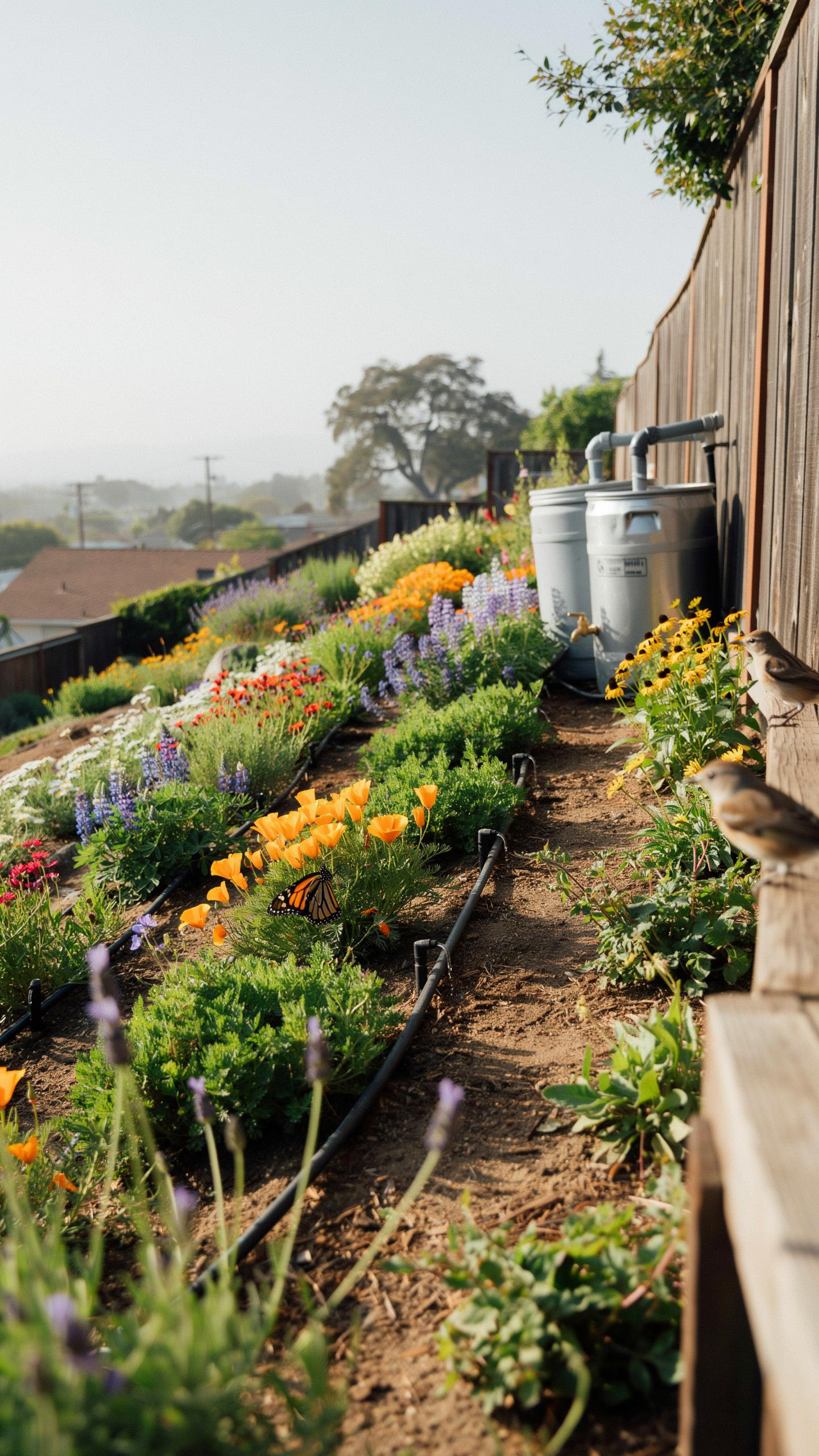
Implementing Efficient Rainwater Harvesting Systems
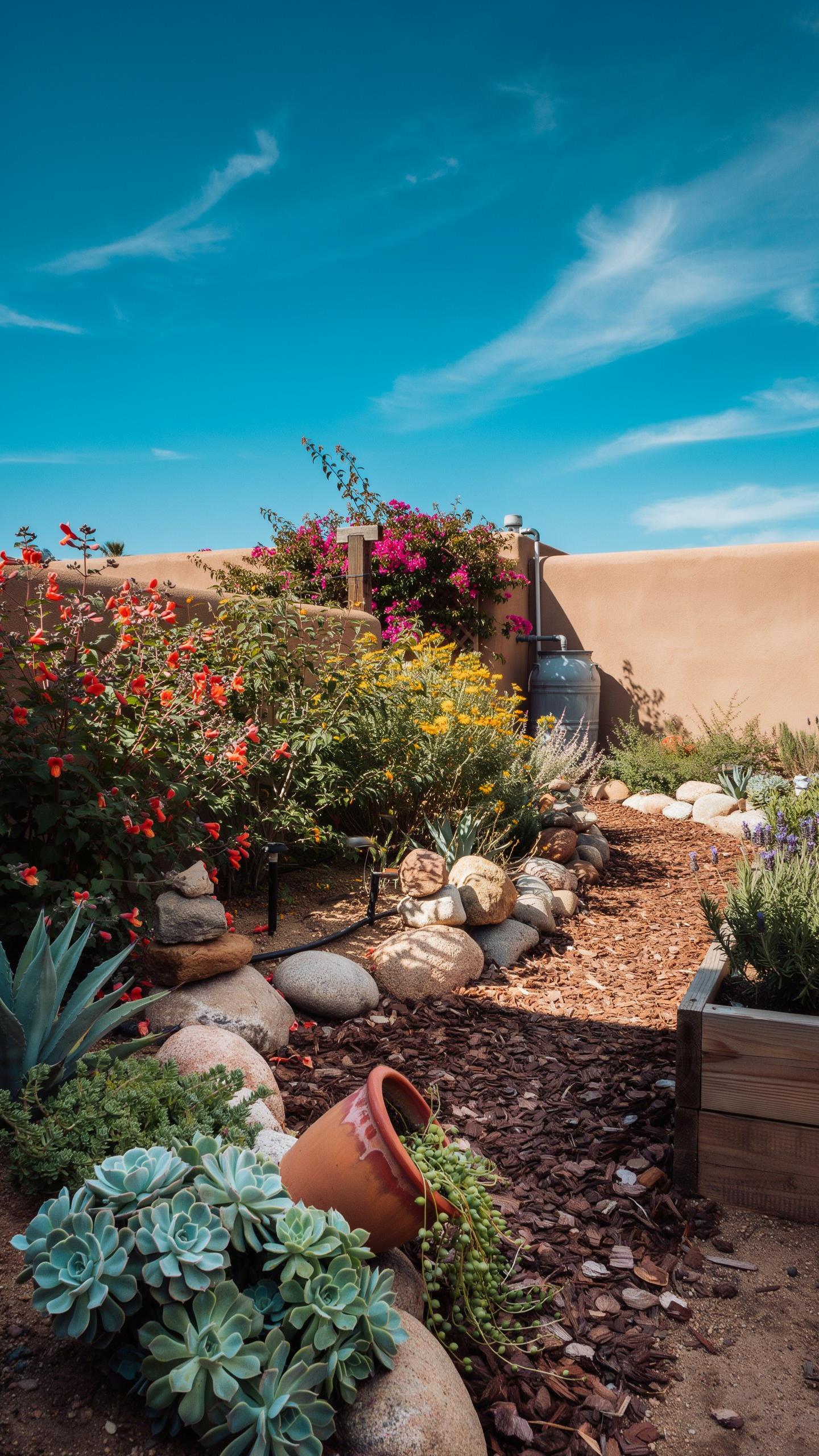
Capturing natural precipitation before it leaves your property remains one of the fastest ways to eliminate municipal water charges. Most properties waste 40 percent of rainfall through runoff. Deploy harvesting structures to redirect this water toward landscape irrigation and reduce dependency on city water supplies.
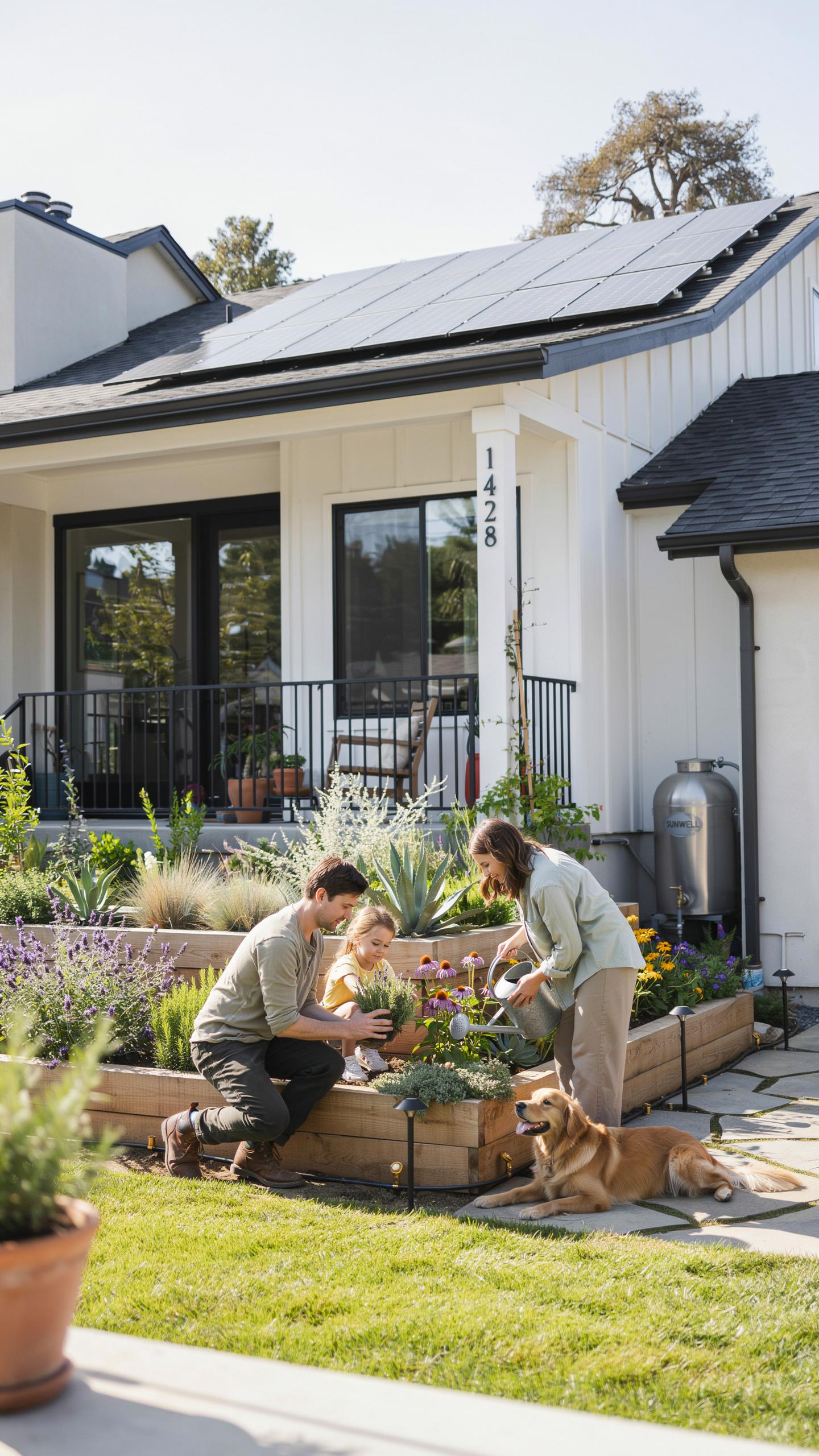
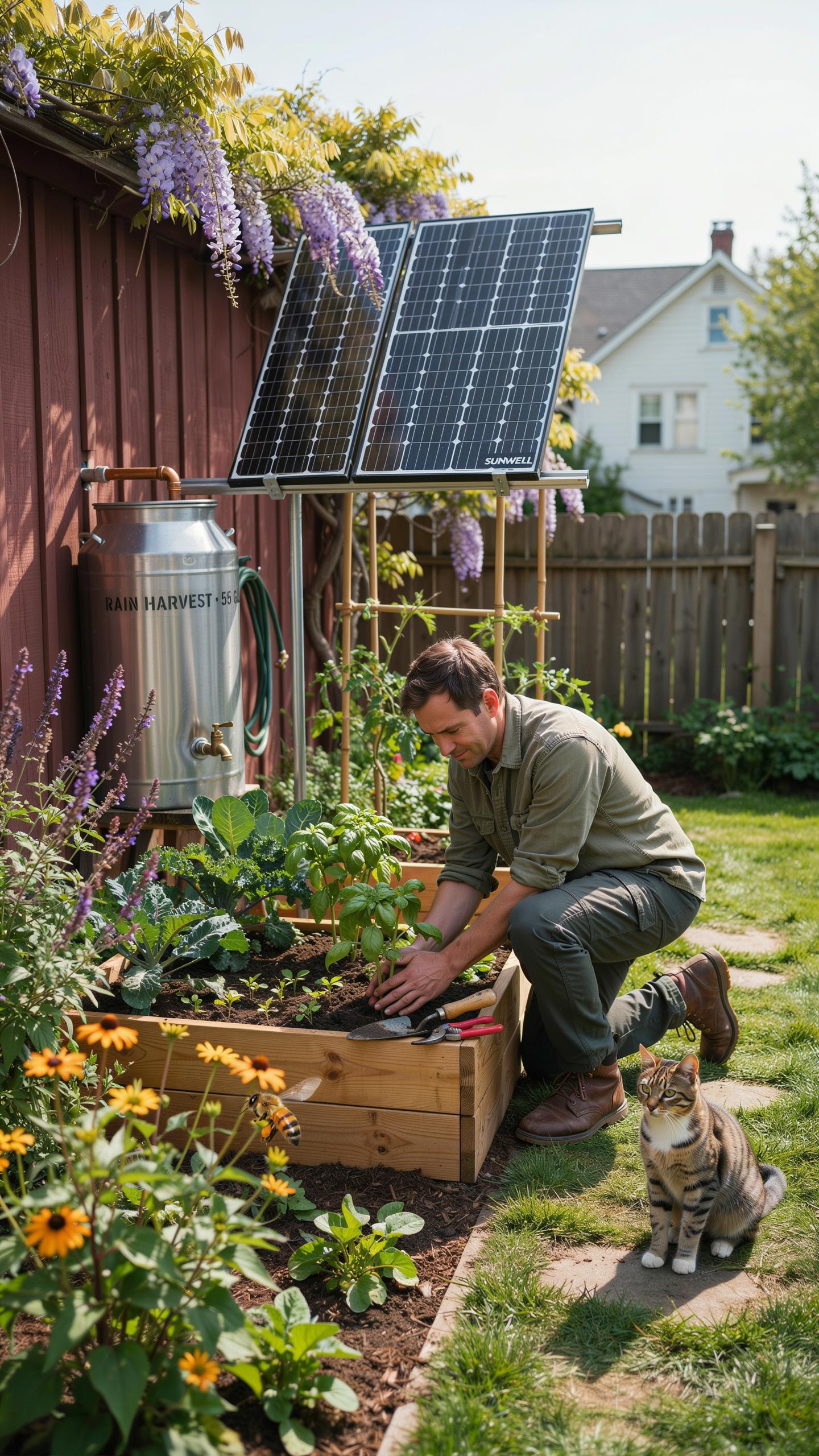
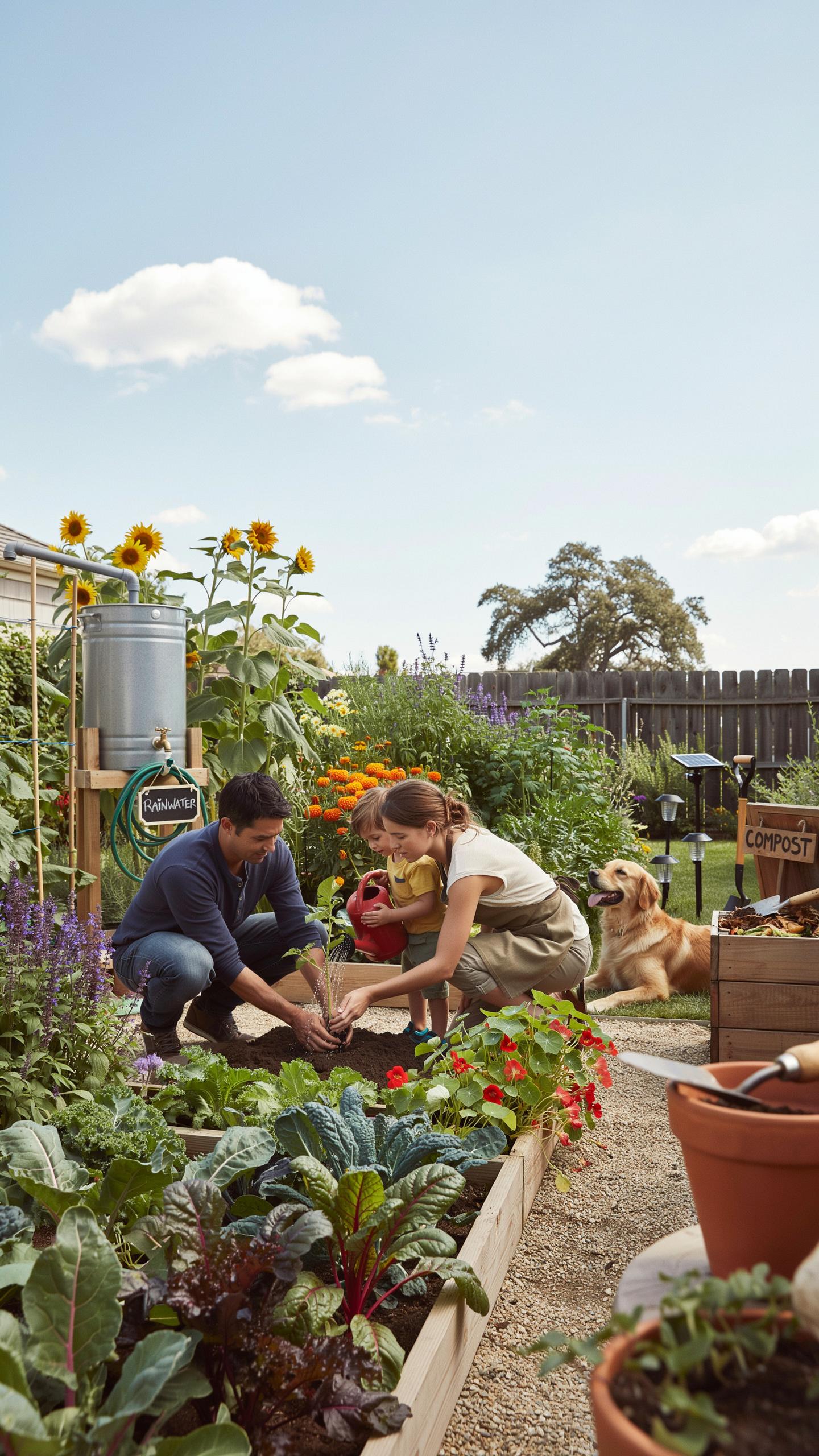
- Rain Barrels: Cylindrical containers positioned under downspouts collect roof runoff for direct garden watering. Typical 55-gallon barrels cost between 100 and 300 dollars installed.
- Cistern Systems: Underground or above-ground storage tanks hold 500 to 5,000 gallons. These serve as reserve supplies during dry periods and reduce peak-season irrigation demand.
- Permeable Paving: Install gravel or porous pavers over collection zones to channel runoff into underground storage rather than allowing surface evaporation.
- Gutters and Downspout Extensions: Extend gutter systems to direct water flow toward designated collection points instead of dispersing it across hardscape surfaces.
- First Flush Diverters: Automatic devices route initial roof runoff away from storage to prevent debris contamination in collected water supplies.
Harvested water reduces outdoor irrigation costs by 25 to 50 percent annually depending on local rainfall patterns and landscape size. Stored rainwater also eliminates chlorine treatments typical in municipal supplies, benefiting soil microbes and plant health. Property owners recoup installation costs within three to five years through reduced water bills.
Designing Contoured Bio Swales And Rain Gardens
Grading landscapes to redirect storm runoff into shallow, vegetated depressions allows moisture to slowly infiltrate the subterranean aquifer. This natural filtration process prevents structural erosion while naturally hydrating nearby deep-root plantings with minimal manual intervention. Bio-swales function as underground corridors that guide water through plant root zones before reaching the water table.
Rain gardens positioned 10 to 15 feet from building foundations capture roof and surface runoff without damaging foundations or creating standing water pools. Native plantings in these depressions tolerate periodic saturation while their root systems filter sediment and pollutants naturally. Homeowners eliminate supplemental irrigation for plants within bio-swale zones by routing seasonal moisture directly to root systems through grading alone.
Innovative Sustainable Yard Ideas To Reduce Turf Grass Coverage
Replacing Lawns With Drought Tolerant Native Groundcovers
Conventional turf grass requires consistent watering, weekly mowing, and chemical fertilizers to maintain appearance. Native groundcovers eliminate this dependency. They establish root systems adapted to your region’s rainfall patterns and soil composition. Once established, they spread naturally without reseeding or aggressive maintenance cycles.
The financial advantage is direct and measurable. You eliminate weekly mowing costs, seasonal fertilizer applications, and irrigation water bills. Native groundcovers like sedums, creeping thyme, and native fescues cost less to purchase than sod and require no ongoing replacement. A property with reduced lawn area sees immediate operational savings within the first growing season.
Integrating Permeable Hardscapes And Walkways
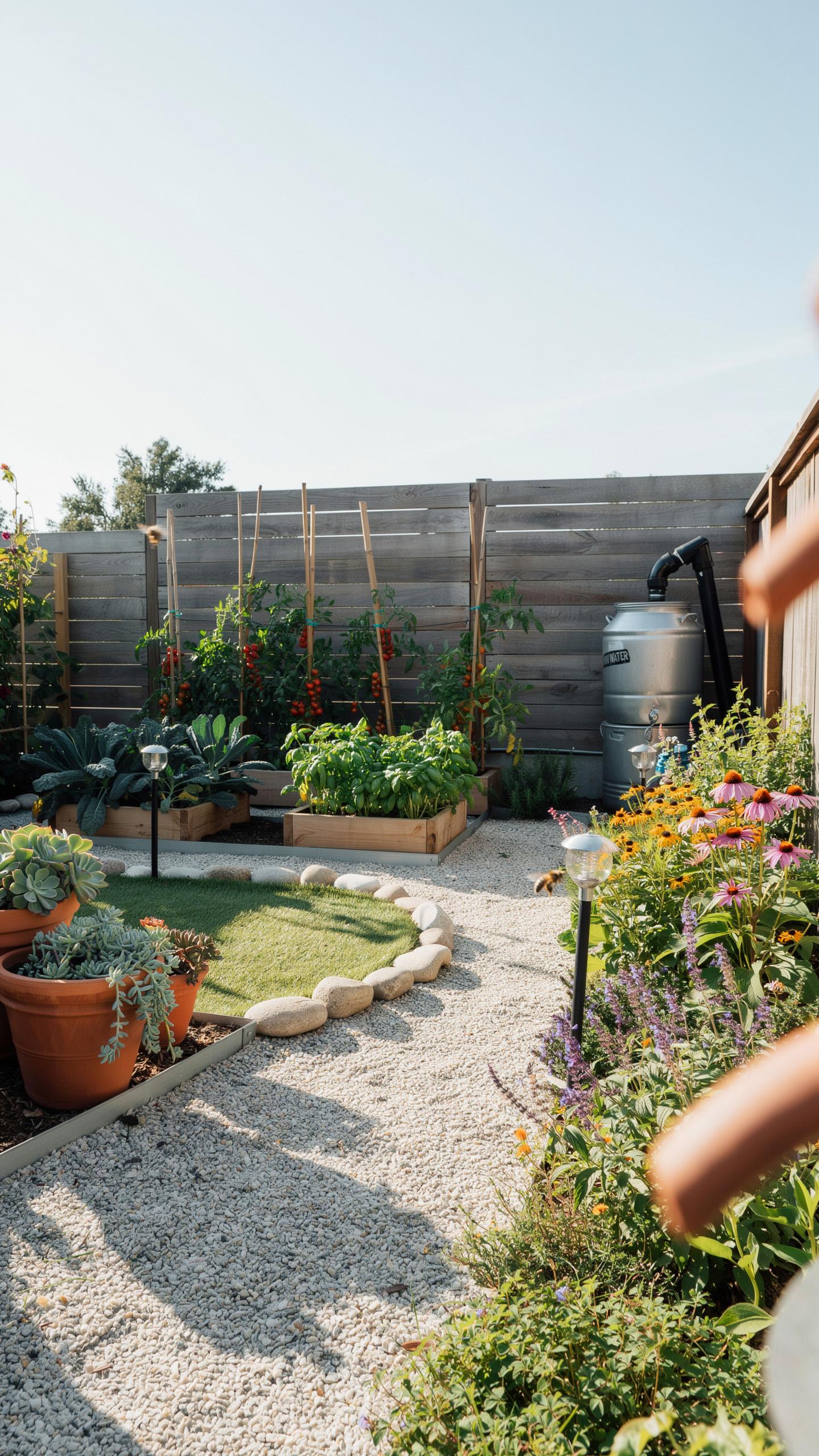
Permeable pathways direct rainfall into soil instead of creating runoff. Materials like gravel, decomposed granite, and dry laid stone accomplish this without chemical sealants or concrete installation costs. These surfaces reduce the total square footage demanding irrigation while managing water naturally on your property.
Installation expenses for permeable hardscapes are typically lower than poured concrete. Maintenance remains minimal since these materials require only occasional raking or topping. By replacing turf in high traffic areas with permeable walkways, you decrease irrigation demand, reduce mowing zones, and lower long term landscape maintenance expenses.
Eco Friendly Landscaping Utilizing Drought Tolerant Native Flora
The Botanical Resilience Of Indigenous Plant Species
Native plants evolved over thousands of years within specific geographic regions. They adapted to local rainfall patterns, soil composition, and temperature fluctuations. These plants developed deep root systems that access water sources other species cannot reach. You eliminate expensive irrigation infrastructure and constant watering schedules by planting regionally appropriate species.
Supplemental watering becomes unnecessary once native plants establish themselves. Their root networks tap into groundwater reserves during dry periods. This adaptation cuts water bills significantly compared to non-native ornamentals. Maintenance labor and equipment costs drop when you stop fighting against nature’s design.
Aesthetic And Ecological Adaptability Of Local Cultivars
Regional plant varieties bloom in natural succession throughout growing seasons. They provide food sources for native insects, birds, and pollinators without requiring synthetic interventions. These cultivars thrive in existing soil conditions without chemical amendments or specialty treatments. Your landscape becomes self-sustaining while generating visual interest across multiple seasons.

Eliminating chemical soil additives and protective winter coverings reduces annual expenses. Native plants support local ecosystems while requiring minimal intervention. You avoid purchasing fertilizers, pesticides, and specialized mulches that non-native species demand. The financial advantage compounds year after year as establishment costs are recouped through operational savings.
Smart Eco Friendly Landscaping Tips To Minimize Grid Dependency
Strategic Placement Of Deciduous Shade Trees
Deciduous trees reduce cooling costs by blocking summer solar heat before it reaches your building. Position them on the west and southwest sides where afternoon sun exposure peaks. Trees planted on these exposures lower interior temperatures by 2 to 8 degrees Fahrenheit, directly reducing air conditioning runtime and energy consumption during peak seasons.
- West-facing placement: Blocks intense afternoon sun when outdoor temperatures peak, preventing heat gain through windows and walls during the hottest hours of the day.
- Southwest exposure priority: Captures the most intense solar radiation angle, making this direction the highest-impact zone for shade tree installation and cooling benefit.
- Root zone clearance: Keep trees 10 to 15 feet from building foundations and utility lines to prevent infrastructure damage while allowing mature canopy development.
- Species selection for your climate: Choose native deciduous varieties suited to your USDA hardiness zone to ensure survival, growth rate, and seasonal leaf cycle reliability.
- Mature canopy density: Select species that develop dense foliage rather than sparse branching patterns to maximize shade coverage and heat reduction effectiveness year round.
Leaf-on periods typically last 5 to 7 months annually in temperate regions. Winter bare branches allow solar heat penetration when heating demand is high. This seasonal cycle creates a passive heating and cooling cycle without mechanical intervention or operational costs.
Deploying Smart Solar Powered Low Voltage Illumination
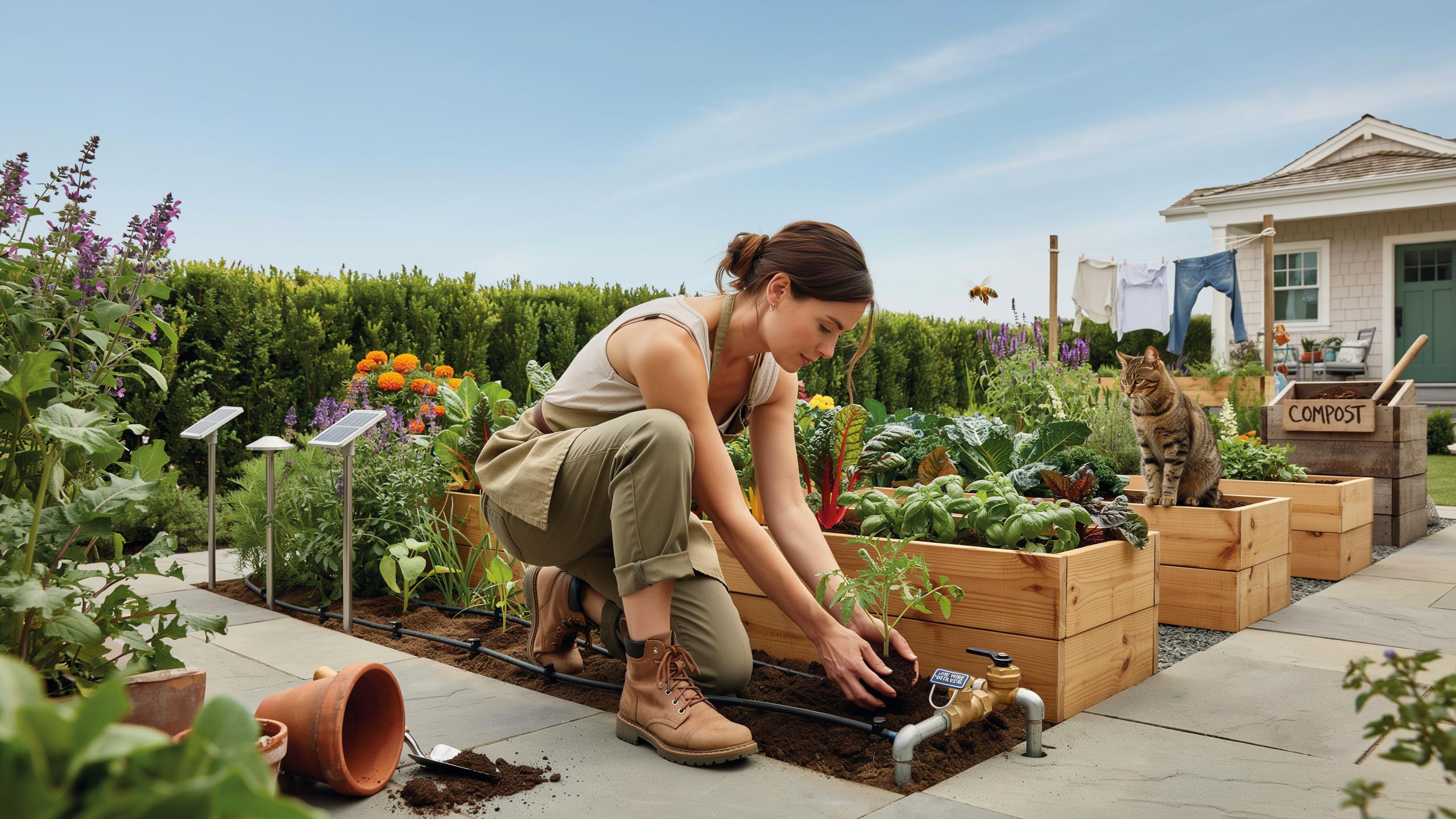
Solar powered pathway and accent lighting eliminates outdoor illumination from your electrical bill entirely. Individual fixtures integrate photovoltaic cells that charge during daylight hours and power LED lights throughout the night. Underground wiring costs disappear because each fixture operates independently without trenching or electrical connections to your main service panel.
Modern solar fixtures charge through LED technology that requires minimal power draw. Fixtures store energy in integrated batteries rated for 3 to 5 year lifespans before replacement. Installation takes hours instead of days because no licensed electrician involvement is required for the outdoor lighting system.
Eco Friendly Outdoor Landscaping Solutions For Pest And Weed Control
Implementing Integrated Pest Management Strategies
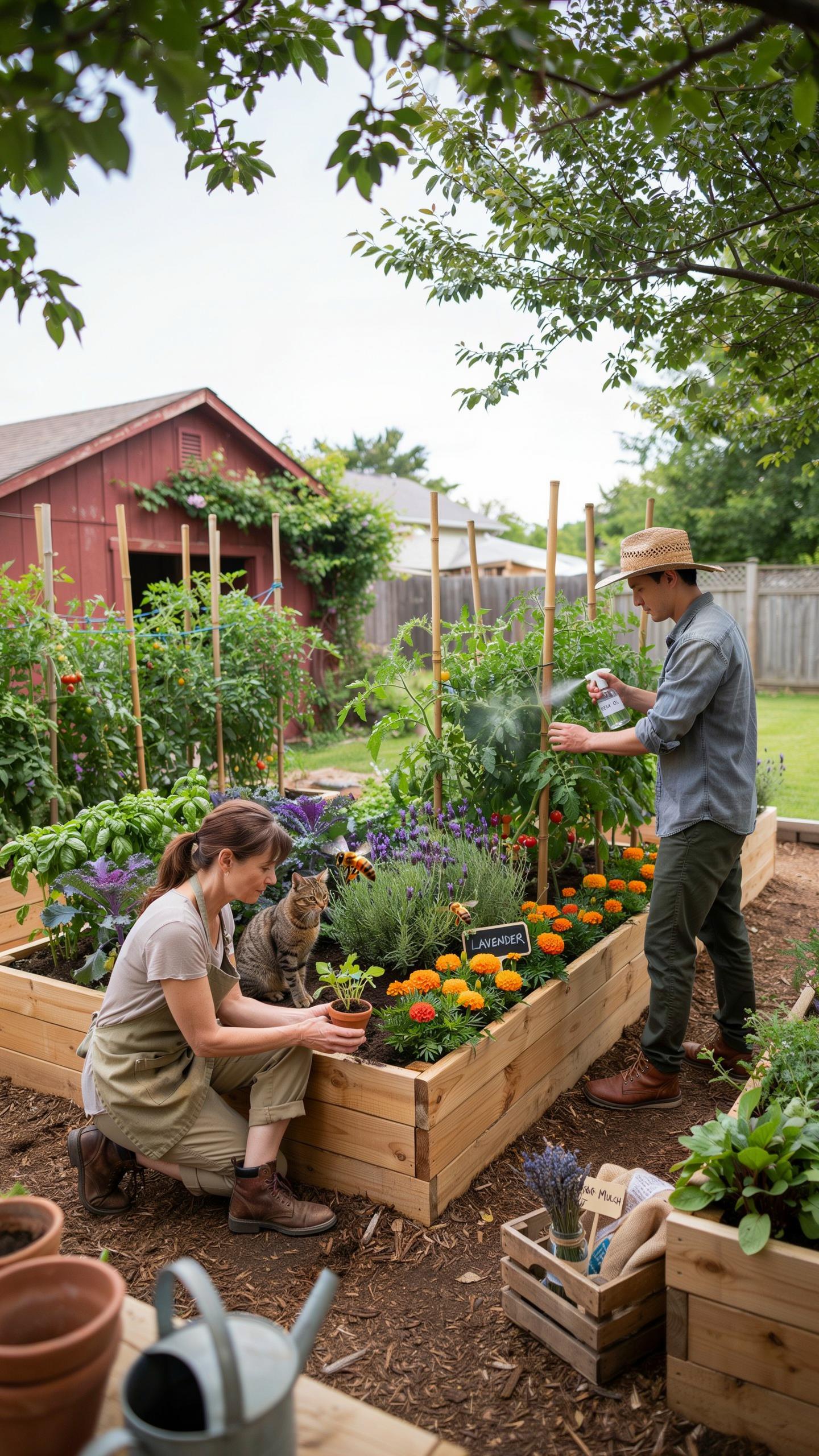
Integrated Pest Management (IPM) reduces reliance on broad spectrum synthetic pesticides by combining biological controls, cultural practices, and targeted interventions. Introducing beneficial insects like ladybugs and lacewings creates natural predator prey relationships that suppress pest populations. This approach cuts chemical costs while maintaining ecosystem balance and reducing toxin exposure to soil and groundwater systems.
IPM requires monitoring pest populations to determine treatment thresholds before applying controls. You document pest activity, identify problem species, and deploy solutions only when populations exceed economic damage levels. This data driven method prevents unnecessary treatments, lowering operational expenses while achieving equivalent or superior pest management outcomes compared to calendar based spray schedules.
Gardening with nature preserves the simple beauty of the earth while keeping our resources close to home. When we design for resilience, we find that the most enduring landscapes are those that cost us the least.
Utilizing Premium Organic Mulching Materials
Organic mulch suppresses weed germination by blocking light penetration and creating physical barriers against seed establishment. A three to four inch layer retains soil moisture, reducing irrigation frequency and associated water costs. As mulch decomposes, it adds organic matter to topsoil, improving nutrient retention and reducing mineral fertilizer demand over multiple seasons.

Applying organic mulch eliminates the need for frequent herbicide applications that target established weeds. You avoid repeated chemical costs while reducing labor hours spent on manual weeding. The continuous soil enrichment from decomposing mulch decreases long term fertilizer expenditures, making mulching a compounding cost reduction strategy over three to five year periods.
Eco Friendly Garden Ideas For Upcycling And Composting On Site
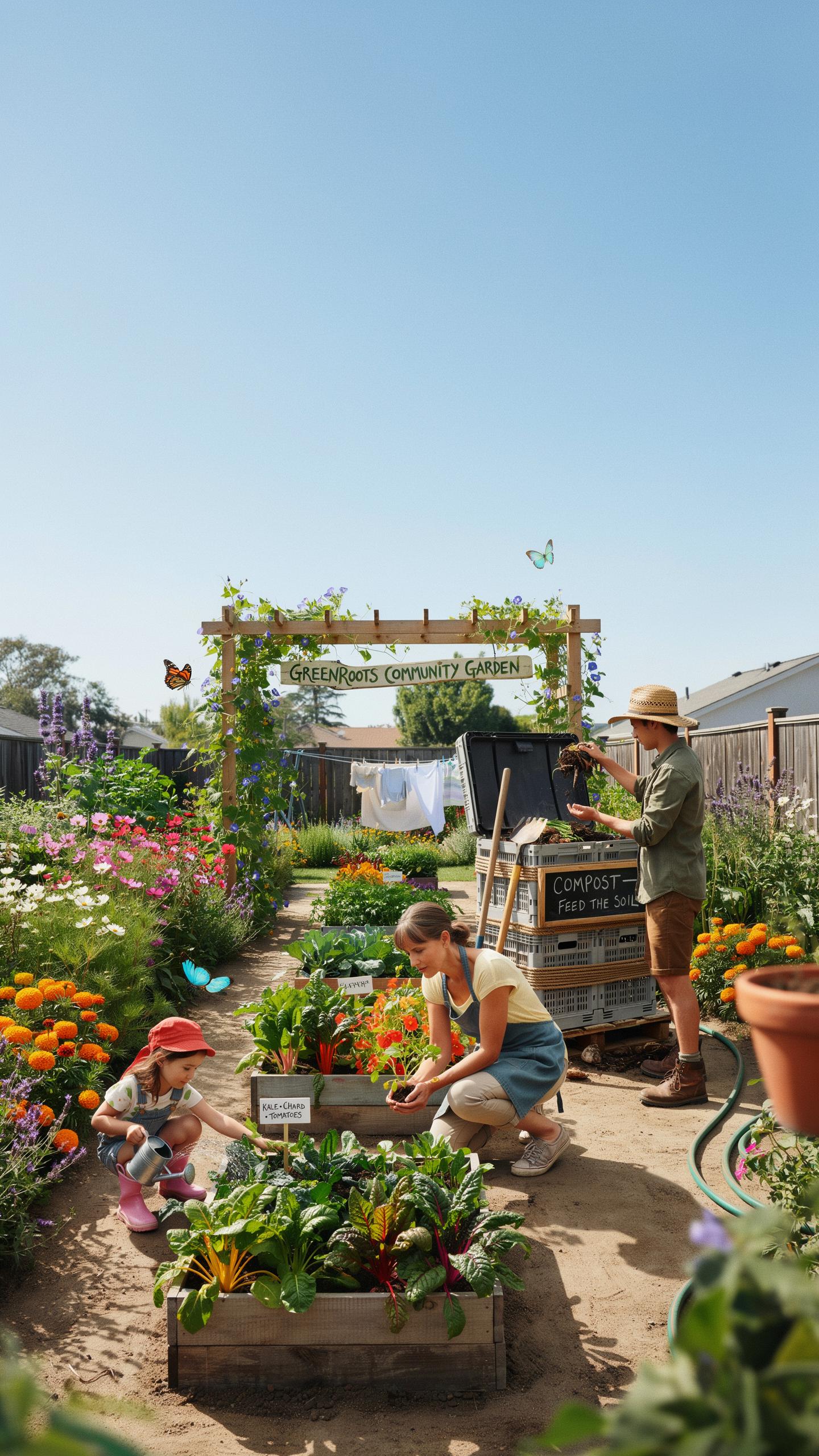
Establishing A High Yield Organic Composting System
On site composting converts waste into usable fertilizer without purchasing synthetic products. Kitchen scraps, fallen leaves, and grass clippings break down into nutrient rich humus within months. This eliminates monthly expenses on bagged fertilizers from garden centers. The decomposition process requires three elements: carbon materials, nitrogen materials, and moisture management. You control all variables and harvest finished compost year round for immediate application.
Compost bins occupy minimal space and require no special equipment beyond a containment structure. A three to four foot cube accommodates most residential yards and produces substantial output. Finished compost reduces your dependency on external fertilizer sources permanently. This single system creates measurable budget reduction over five to ten years of operation.
Repurposing Salvaged Hardscape And Planting Containers
Reclaimed materials like broken concrete, river rock, and discarded lumber serve as raised bed borders and planting containers. Local salvage yards and demolition sites supply these materials cheaply or free. Using salvaged hardscape eliminates manufacturing costs embedded in new materials. This approach diverts construction waste from regional landfills while reducing your material procurement budget significantly.
Salvaged wood creates rustic raised beds with immediate character and functionality. Broken concrete pieces stack into durable borders requiring no mortar or fasteners. River rock sourced locally cuts transportation costs compared to delivered landscaping stone. These material choices reduce setup expenses while establishing permanent landscape infrastructure that requires minimal replacement.
Modern Sustainable Landscape Design For Zoning And Xeriscaping
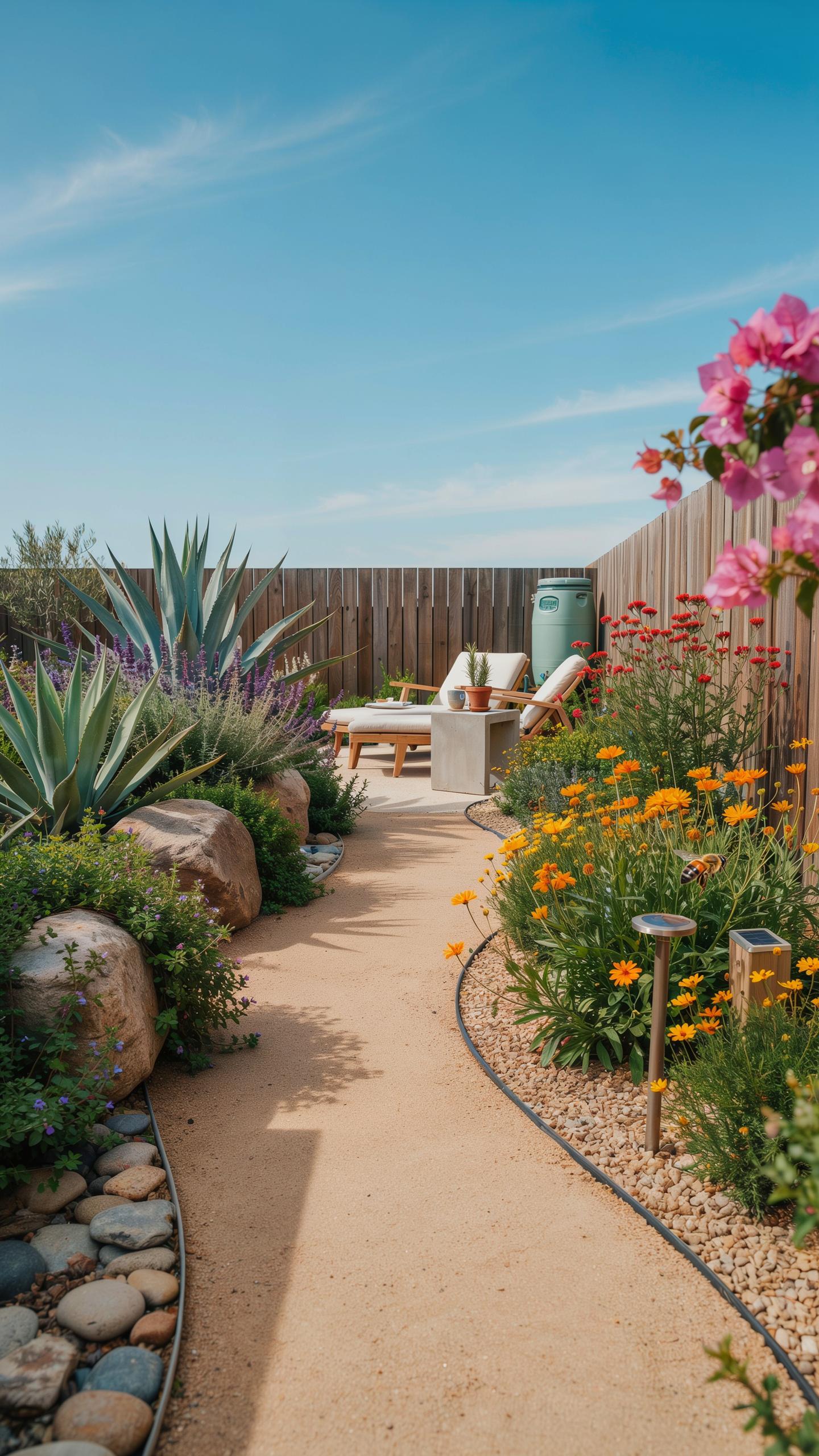
Grouping Flora Via Microclimatic Hydrozones
Water consumption drops when you group plants by their actual needs instead of spreading them randomly across the property. Hydrozoning clusters thirsty plants together and drought-tolerant species separately, allowing irrigation systems to deliver precise water amounts to each zone. This approach eliminates waste from overwatering dry areas or underwatering moisture-demanding plants.
The financial payoff comes through reduced water bills and lower maintenance labor. Most properties waste 20 to 50 percent of irrigation water through poor zoning. By mapping sun exposure, soil drainage, and plant water requirements before installation, you cut unnecessary irrigation days and shrink your seasonal water costs significantly.
Designing With Geometric Gravel Gardens And Ornamental Sedum
Gravel beds paired with hardy sedums create functional dry gardens that eliminate mowing and irrigation entirely. These plants tolerate heat stress and poor soil conditions that would kill traditional turf or high-maintenance perennials. The architectural geometry of gravel with sedum clusters produces visual interest while cutting ongoing maintenance to nearly zero.
Labor costs drop dramatically because you remove mowing equipment from the property equation. Sedums require no fertilizer applications and rarely need pruning. Once established, these gardens demand only occasional weeding and light debris removal, reducing annual maintenance expenses by 60 to 75 percent compared to conventional planted areas.
Value Add Benefits Of A Proactive Eco Friendly Garden Landscaping Tips Approach
Mitigating Structural Soil Erosion And Nutrient Runoff
Deep rooted plants stop topsoil from washing away during heavy rain. Native grasses and shrubs anchor soil in place, protecting your foundation from settling and damage. Stable ground covers reduce the need for expensive grading repairs after storms. This soil retention directly cuts your maintenance and repair costs over time.
Nutrient runoff damages both your landscape and local water systems. When soil erodes, nitrogen and phosphorus leave your property and pollute nearby waterways. Keeping soil intact means keeping nutrients where they belong. You save money by avoiding replanting efforts and contributing to environmental compliance in your region.
Boosting Real Estate Valuation With Sustainable Assets
Home buyers now expect lower maintenance requirements and reduced utility bills. A sustainable landscape with native plants and efficient irrigation systems appeals directly to this market demand. Low water designs cost less to maintain than traditional lawns. This functional appeal translates into measurable property value increases at resale.
Properties with established sustainable landscaping command stronger offers because buyers see immediate cost savings. Reduced lawn care needs mean fewer contractor visits and lower water bills from day one. Prospective buyers calculate these savings into their purchase decisions. Marketing your landscape as a cost reducing asset closes sales faster and often at higher prices.
Frequently Asked Questions

What are the primary benefits of switching to eco-friendly yard practices this year?
Switching to eco-friendly practices offers significant sustainable landscaping cost savings by reducing your monthly utility bills and maintenance expenses. By prioritizing native plants and efficient irrigation, you create a self-sustaining ecosystem that requires fewer expensive chemical fertilizers and less supplemental watering. This seasonal shift not only supports local biodiversity and improves soil health but also puts money back into your pocket through long-term resource conservation and increased property resilience.
How can I implement water-wise techniques to reduce my monthly maintenance bills?
To see immediate sustainable landscaping cost savings, start by replacing thirsty turf grass with drought-tolerant succulents or local wildflowers. Grouping plants with similar hydration needs, a method known as hydrozoning, ensures no water is wasted. Additionally, installing a smart drip irrigation system or rain barrels can drastically cut water consumption. These practical steps minimize waste while ensuring your garden remains lush and vibrant without the high cost of traditional upkeep.
Is it possible to create a sustainable landscape on a very tight initial budget?
Absolutely! You can achieve a beautiful green space without a massive upfront investment by starting small. Consider composting kitchen scraps to create free, nutrient-rich soil and harvesting seeds from your current plants for the next season. Many local communities even offer free mulch or plant exchanges. Focusing on perennial varieties ensures your garden returns year after year, providing an affordable way to enjoy nature while building a high-value, low-impact outdoor sanctuary.