
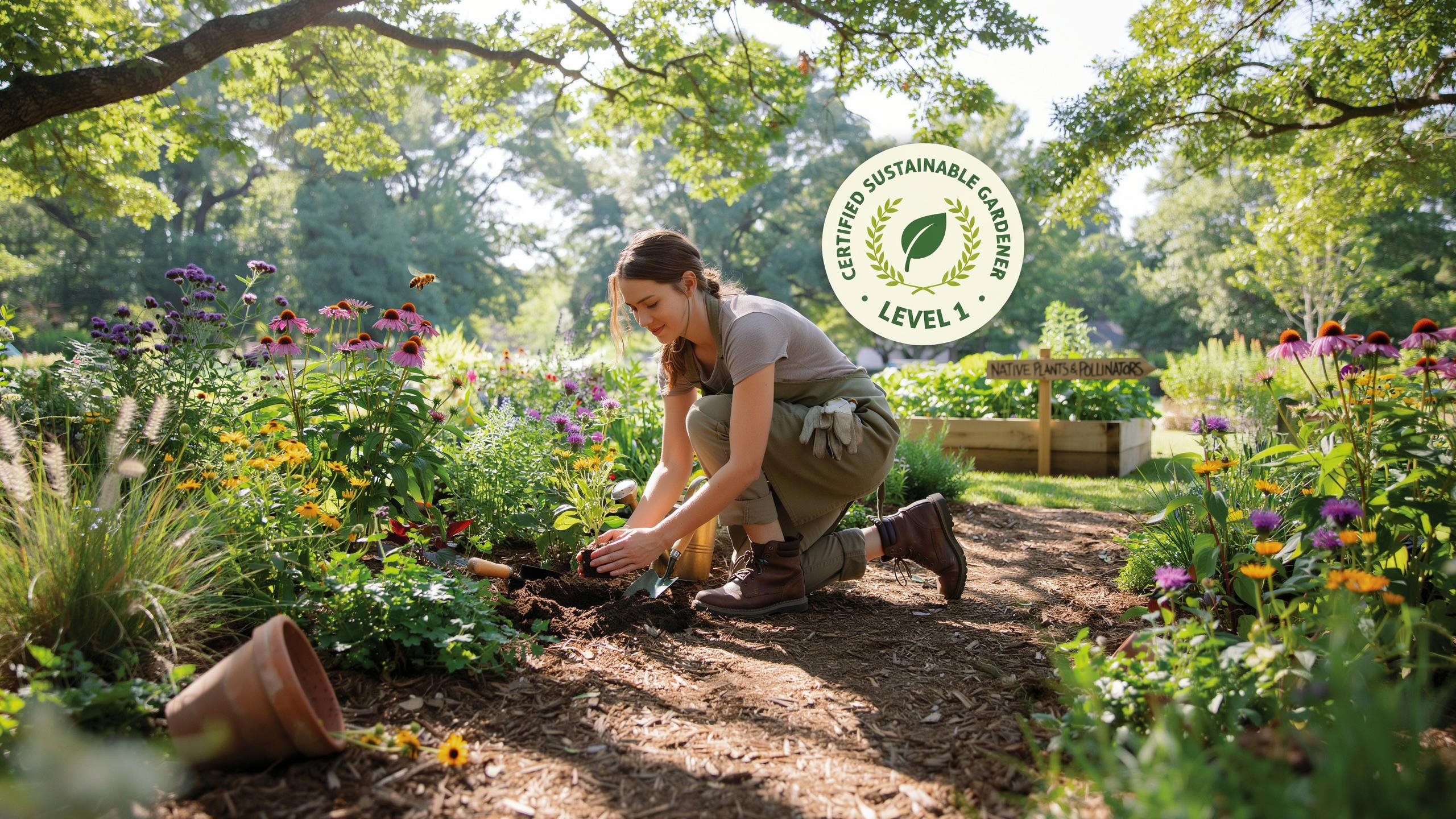
Understanding Sustainable Landscaping And Its Core Benefits
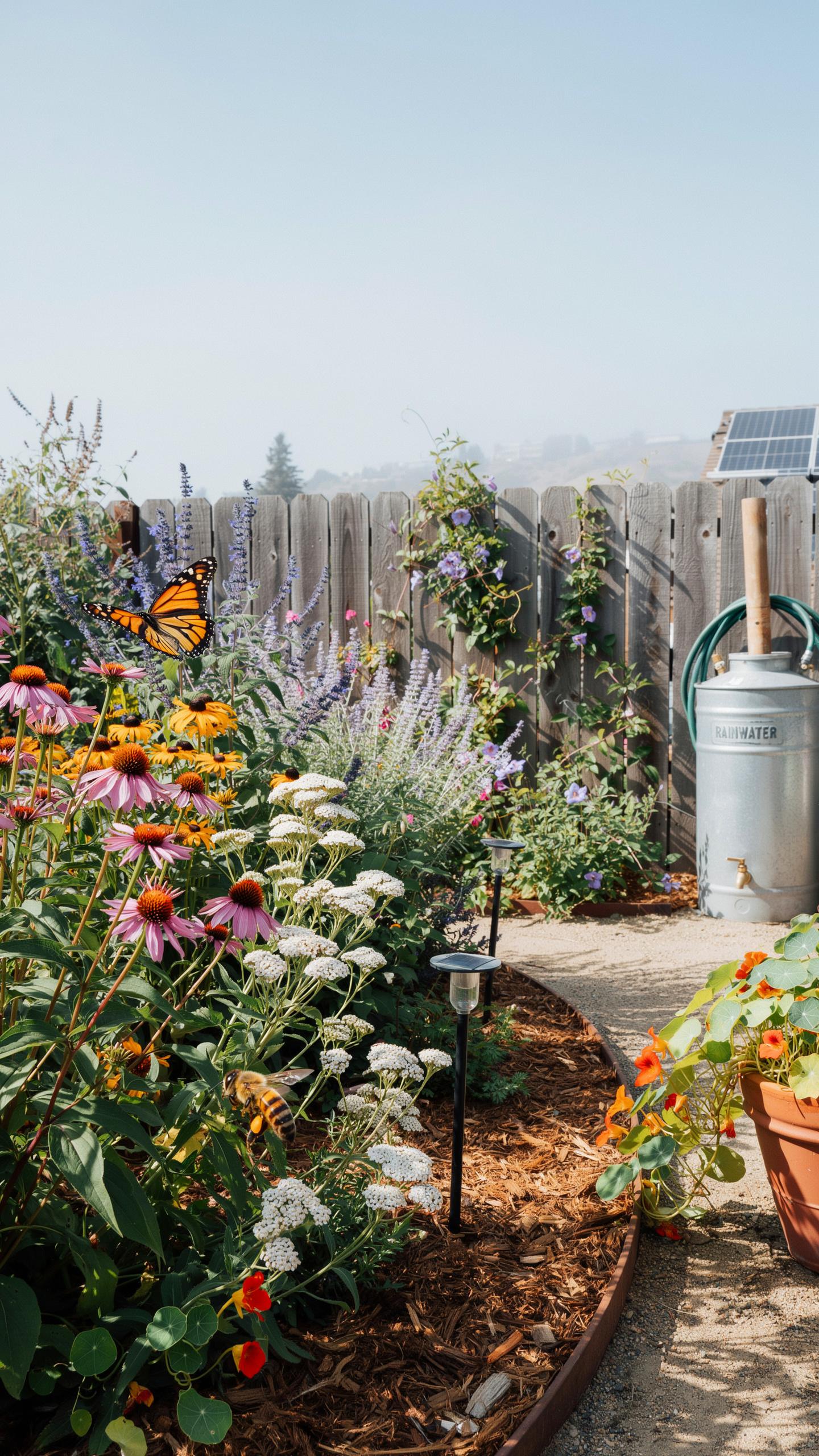
What Is Sustainable Landscaping?
Sustainable landscaping manages outdoor spaces to reduce resource consumption and environmental impact. The practice centers on three core mechanics: controlling water use through efficient irrigation and drainage, building soil health via organic matter and reduced chemical inputs, and selecting native plants adapted to local climate conditions. These strategies lower maintenance costs while decreasing dependency on external resources.
Native plants require less water, fertilizer, and pest management than non-native species. Healthy soil stores water more effectively and supports plant growth without synthetic amendments. Together, these elements create landscapes that function with minimal human intervention. Property owners and managers achieve lower utility bills, reduced labor, and measurable environmental gains through deliberate design choices.
Why Get Certified In Eco Friendly Design?
Certification provides formal recognition of your knowledge and commitment to ecological principles. Industry bodies and regional programs validate your understanding of sustainable practices. This credential differentiates you in a competitive market where clients increasingly demand green expertise. Employers and clients view certification as proof of competency rather than relying on unverified claims alone.
Professional certification opens doors to higher-paying projects and contracts. Many municipalities and commercial developers require certified practitioners for green building projects. You gain access to industry networks, continuing education, and updated standards. Certification demonstrates that you’ve met measurable standards, not just personal interpretations of sustainability.

Mastering Essential Landscaping Terms For Environmental Certifications
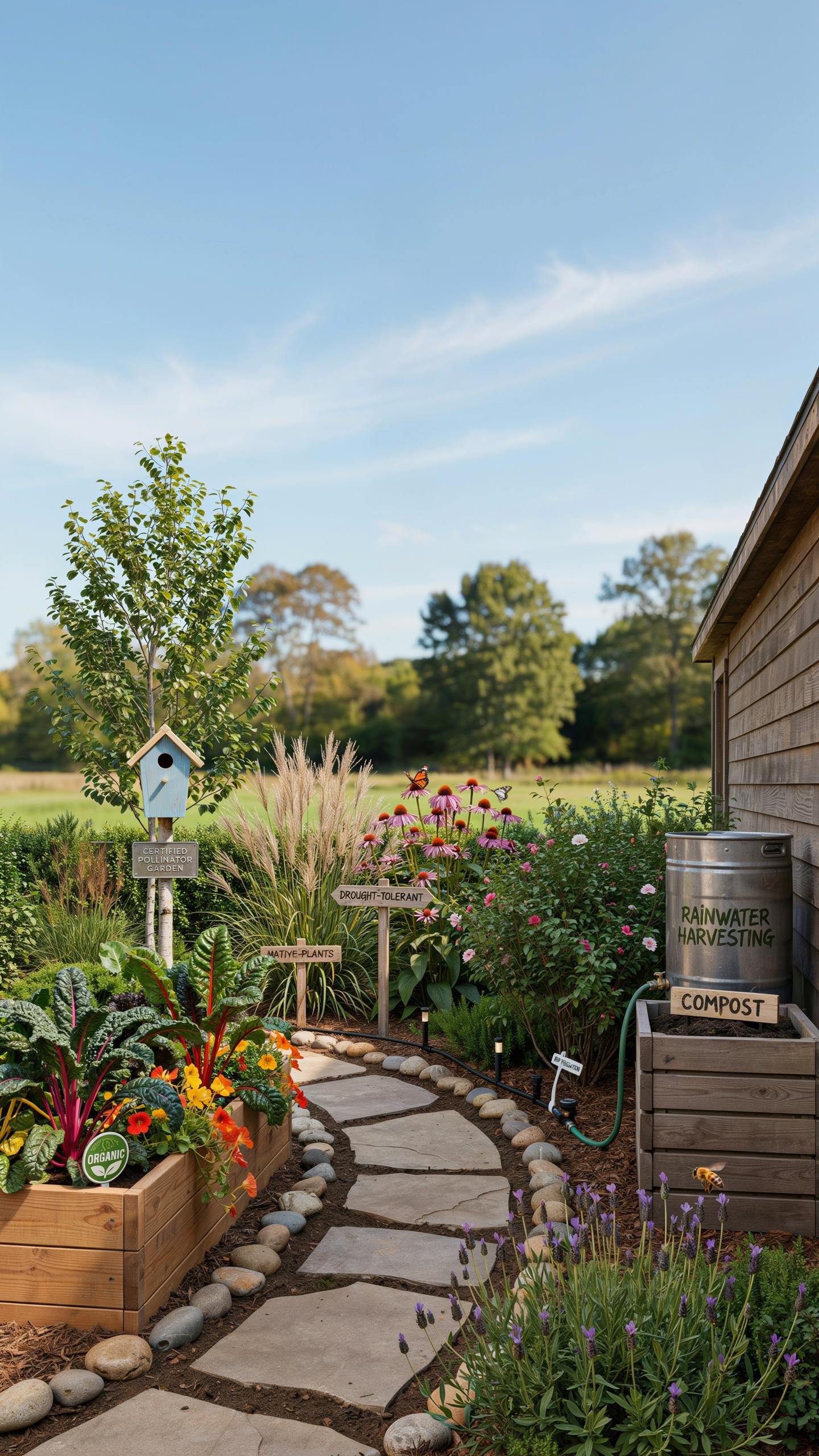
Key Ecological And Botanical Vocabulary
Xeriscaping refers to landscape design that reduces water consumption. This approach prioritizes drought tolerant plants, efficient irrigation, and hardscape materials to minimize environmental strain. Understanding xeriscaping demonstrates your ability to design for water scarcity. Microclimates are localized areas with distinct temperature and moisture conditions. They exist within larger climate zones due to terrain, vegetation, and structures. Recognizing microclimates allows you to place plants strategically for better survival rates.
Phytoremediation uses plants to remove contaminants from soil and groundwater. Certain plant species absorb heavy metals, excess nutrients, and other pollutants through their root systems. This term appears frequently on certification exams because it connects plant biology to environmental cleanup. Bio-retention systems capture and filter stormwater runoff through layered soil media and vegetation. These systems reduce flooding, filter pollutants, and recharge groundwater supplies. Mastering bio-retention terminology is critical because most sustainability certifications emphasize stormwater management.
Understanding Soil And Hydrology Nomenclature
Soil health depends on organic matter content, microbial activity, and structural integrity. Terms like soil aggregation, porosity, and bulk density describe how soil functions physically and biologically. You must understand these metrics to communicate with engineers and environmental consultants during projects. Composting terminology includes feedstock, carbon-to-nitrogen ratio, and curing time. Hot composting accelerates decomposition through active management. These processes convert waste into soil amendments while reducing landfill burden.

Infiltration rate measures how quickly water moves through soil layers into groundwater. Permeability and hydraulic conductivity describe the same concept with specific technical applications. Irrigation terminology includes drip systems, smart controllers, and soil moisture sensors. Low-irrigation design reduces water waste while maintaining plant health. Certification bodies test your ability to specify efficient irrigation methods and understand how soil properties affect water movement through landscapes.
A Beginner Guide To The Sustainable Landscaping Certification Process
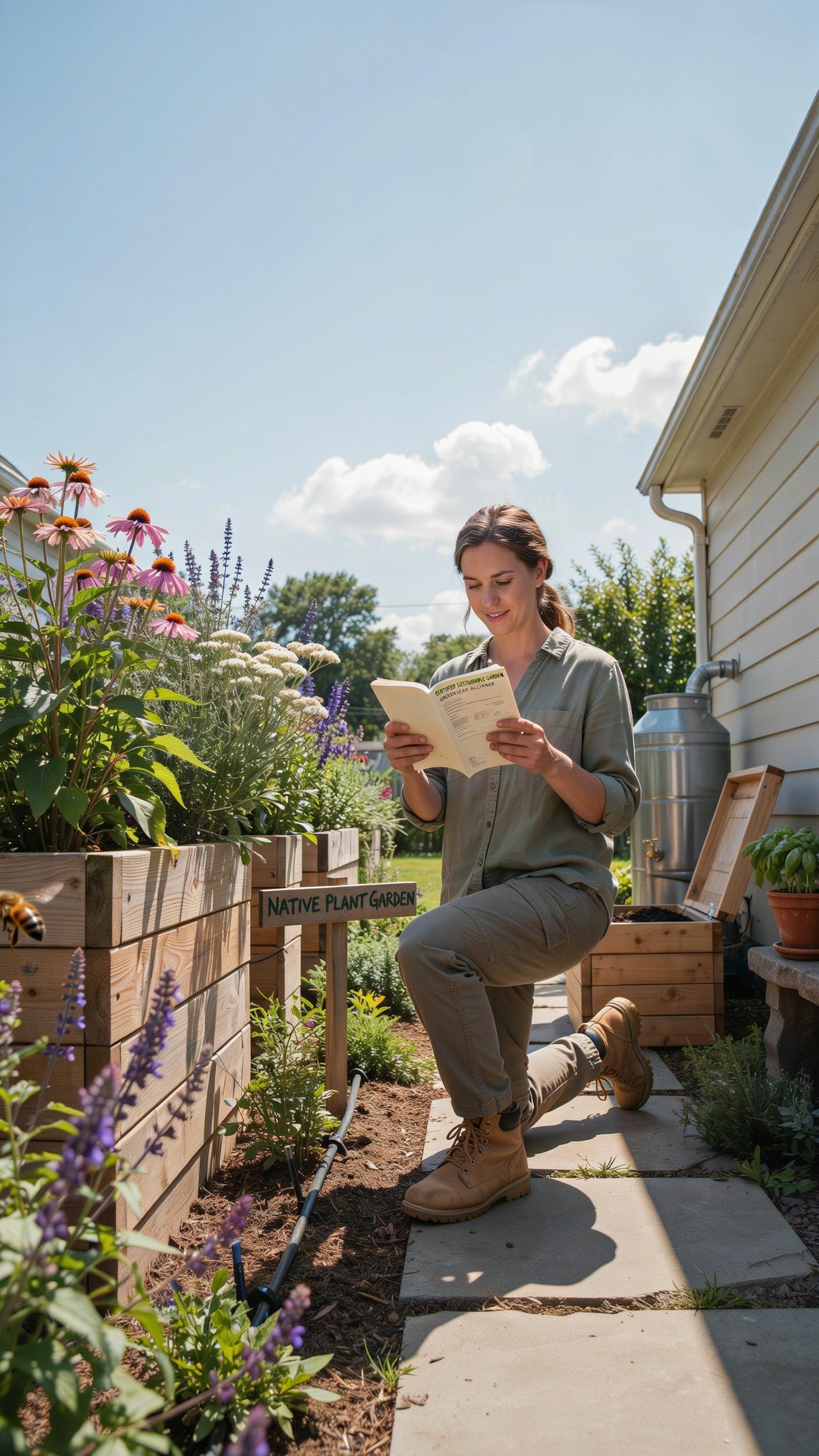
Step By Step Pathway To Professional Certification
Most certification programs require you to complete an application, verify your work experience, and pass eligibility screening. You’ll then access course materials, typically through online platforms or in-person workshops. Study guides focus on soil management, water conservation, native plants, and integrated pest management principles. You progress through modules before taking both written exams and practical field assessments.
Prerequisites vary by program but generally include basic landscaping knowledge or hands-on experience. Some programs require you to work under a certified professional for a set period before testing. You study recommended textbooks covering environmental science, horticulture, and landscape design. Field exams test your ability to identify plants, assess site conditions, and develop sustainable solutions on actual job sites.
Tending a small piece of earth with care is the most gentle way to honor the home we all share. Even a beginner’s garden, grown with heart, becomes a sanctuary for generations to come.
Top Certifications Map For Beginners
Entry level candidates should target credentials that build foundational knowledge without requiring extensive prior experience in the industry. National programs and state specific extensions offer flexible pathways depending on your location and career goals. These certifications establish credibility with clients and employers while opening doors to higher level designations later.
- NALP Green Landscape Certification: Offered by the National Association of Landscape Professionals, this credential covers sustainable practices across maintenance and design, available in most states with regional variation in requirements.
- State Extension Sustainable Landscaping Programs: Land grant universities offer certifications through cooperative extension services, focusing on native plants, soil health, and water management specific to regional ecosystems and climates.
- ISA Certified Arborist: The International Society of Arboriculture provides tree care certification combining classroom study with field experience, recognized nationwide and valuable for landscape specialists focusing on woody plants.
- Audubon Cooperative Sanctuary Program: This certification emphasizes habitat creation and wildlife support through sustainable landscaping practices, appealing to professionals working with ecological restoration and conservation focused projects.
- EPA Pesticide Applicator Certification: Required in most states, this credential covers integrated pest management and chemical safety, foundational for sustainable landscape professionals moving toward reduced chemical use approaches.

Begin by identifying which certification aligns with your location, budget, and career direction. Most programs charge between 300 and 1500 dollars for full certification including exam fees. Start with one credential, then layer additional certifications as your expertise and client demand increase over time.
Core Landscaping Principles For Designing Eco Friendly Spaces
Applying Balance And Functional Unity In Nature
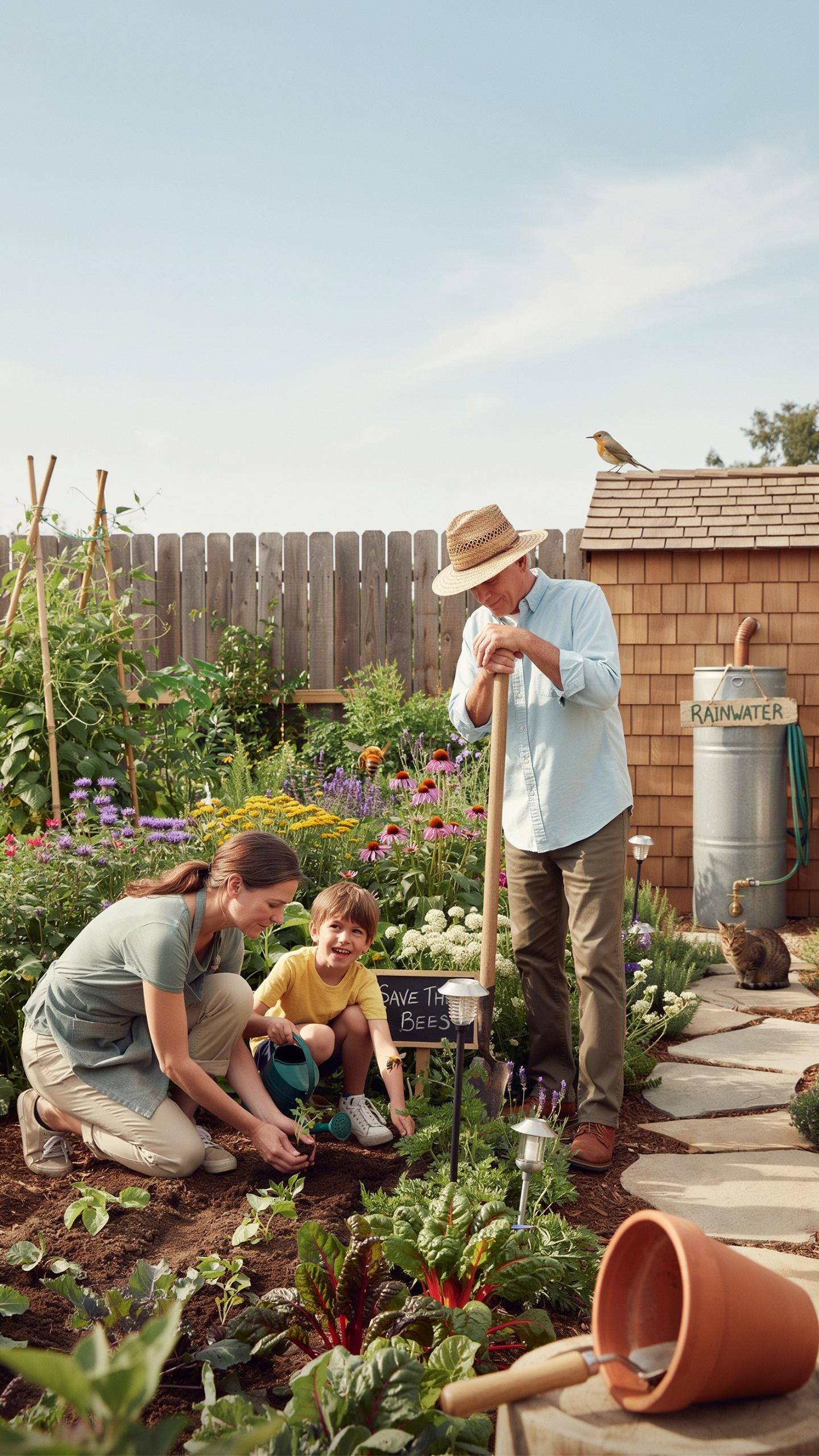
Balance in landscape design means distributing visual weight across your space without mirroring one side to the other. Asymmetrical balance feels more natural and requires less maintenance than formal symmetry. You place plants, hardscape elements, and focal points to create stability while allowing different areas to have distinct character. This approach reduces unnecessary additions and keeps focus on what actually functions in your climate.
Color repetition grounds a design by tying separate zones together visually. Repeat specific plant colors or materials three times across your landscape to establish unity. Scale matters because a single small accent plant disappears while three grouped together create impact. Plant diversity prevents pest outages and reduces chemical spraying since different species support different predators that manage pest populations naturally.
Prioritizing Biodiversity And Climate Resilience
Layering plants by height creates multiple habitat zones within one space. Tall trees provide canopy cover. Mid story shrubs offer nesting sites. Ground level plantings feed insects and small animals. This stacked approach mimics forest structure and supports more wildlife than single level designs. Native species adapted to your region require less water and fertilizer since they evolved in your local conditions.

Perennial plantings establish themselves over time and demand fewer resources than annuals replanted yearly. Trees provide long term structure and increase property value while stabilizing soil. This functional design reduces your maintenance burden and cuts chemical inputs significantly. Local wildlife like pollinators and birds control pests naturally, creating self regulating systems that cost less to manage over decades.
Harnessing Nature Based Solutions Landscape Architecture For Water And Soil
Developing Rain Gardens And Bioswales
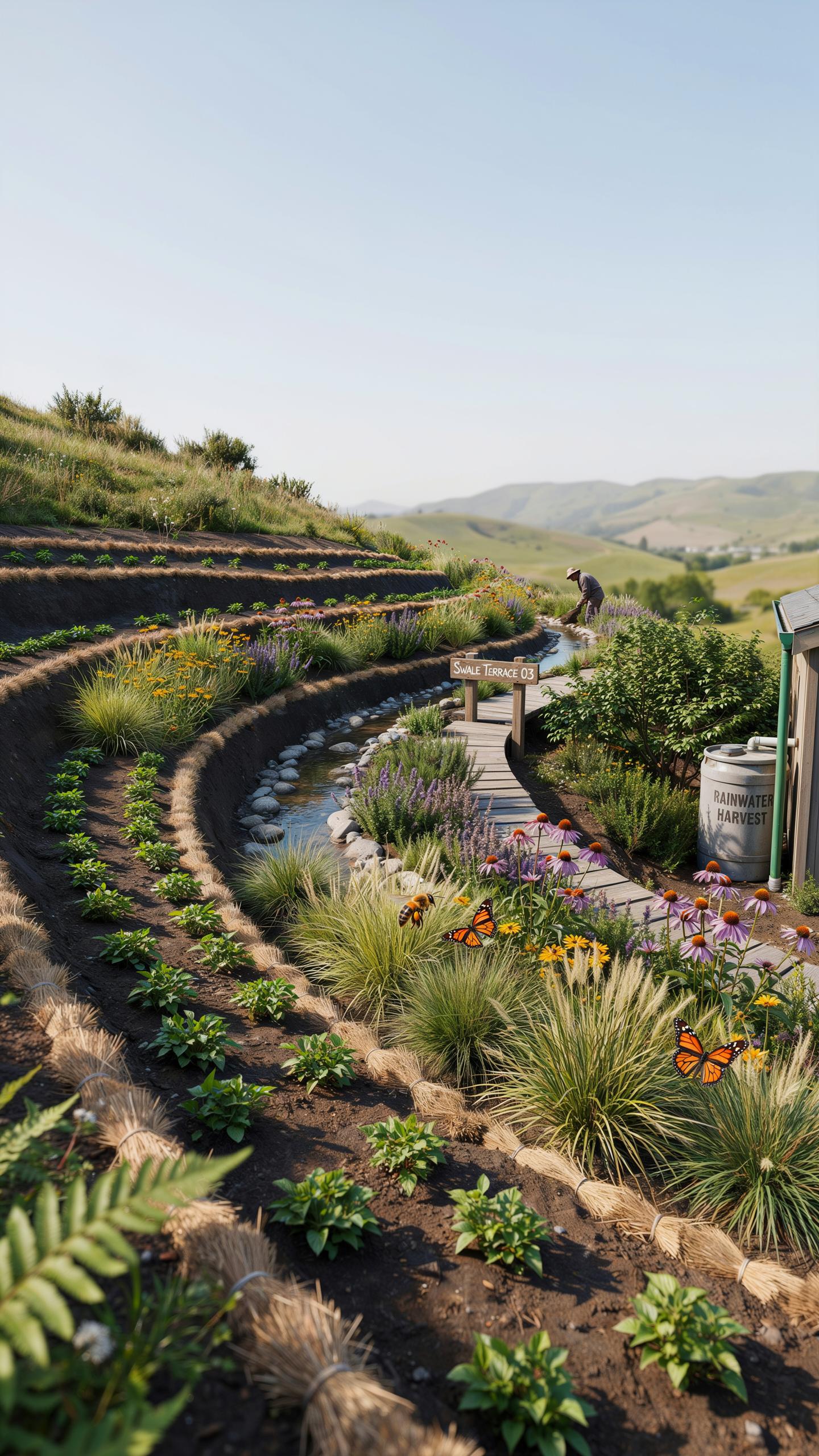
Rain gardens and bioswales capture stormwater runoff at the source before it reaches municipal sewer systems. These shallow, planted depressions filter water through soil layers while native plants absorb excess moisture. Strategic placement near roof downspouts, driveways, and hardscapes intercepts runoff and reduces strain on aging infrastructure.
Deep-rooted native grasses and perennials stabilize the soil structure within rain gardens and bioswales. Rock and sand layers beneath plantings create filtration zones that remove sediment and pollutants. This layered approach allows water to percolate slowly into groundwater reserves rather than overwhelming storm drains during heavy rainfall events.
Natural Erosion Control And Slope Stabilization
Organic materials and bio-engineering techniques restore soil structure while securing slopes without concrete or synthetic retainers. Cover crops establish root systems that bind soil particles together and prevent surface erosion. Native shrubs and trees add weight and structural support while reducing maintenance costs associated with mechanical systems.
Local soil amendments and strategic plantings address slope failures through natural processes instead of engineered barriers. Coir logs, erosion control blankets made from coconut fiber, and live stakes establish vegetation quickly on exposed banks. These methods restore depleted soils while creating functional landscapes that work with site conditions rather than fighting them.
Landscape Architecture Planning Tips For Site Assessment And Analysis

An Essential Guide To Site Mapping Checklist
Before you plant anything, map your site’s physical conditions. This determines plant survival rates and reduces maintenance costs. Document what exists on your property now. Record seasonal changes. Identify problem areas. Skip this step and you will replace dead plants repeatedly while wasting money and resources.
- Sun Exposure Patterns: Track direct sunlight hours throughout the day and across seasons. Morning sun differs from afternoon sun. Note shade cast by buildings and trees at different times of year.
- Water Drainage Flow: Identify where water moves during rain events. Mark low points where water pools. Trace natural flow lines across your property to prevent erosion and flooding.
- Existing Vegetation Inventory: Document all current plants, trees, and shrubs. Record their health status, size, and location. Determine which plants to retain or remove based on sustainability goals.
- Wind Direction And Speed: Note prevailing winds from season to season. Strong winds damage plants and increase water loss. Understanding wind patterns guides windbreak placement and plant selection.
- Soil Conditions: Observe soil color, texture, and compaction levels across the site. Check for erosion patterns. Note where water stands or drains quickly to identify problem zones.
A detailed site map becomes your project blueprint. Reference it during plant selection and layout phases. Accuracy here prevents costly redesigns later. Your certification auditor will require this documentation to verify baseline conditions and post-project changes.
Analyzing Soil Composition And Microbiomes
Test your soil before making any amendments. Conduct a simple texture test by rubbing moist soil between your fingers. Clay feels sticky. Sand feels gritty. Loam feels balanced with slight grittiness and slight stickiness. This quick assessment tells you how water and nutrients move through your soil.

Nutrient testing requires a soil sample sent to your local extension service or a private lab. They measure nitrogen, phosphorus, potassium, and pH levels. Results show what your soil lacks and what you have in excess. This data eliminates guesswork when choosing fertilizers or soil amendments. Plants thrive when soil chemistry matches their needs, reducing disease and pest pressure naturally.
Integrating A Nature Ecosystem Services Diagram Into Your Land Design
Mapping Out Local Ecosystem Benefits
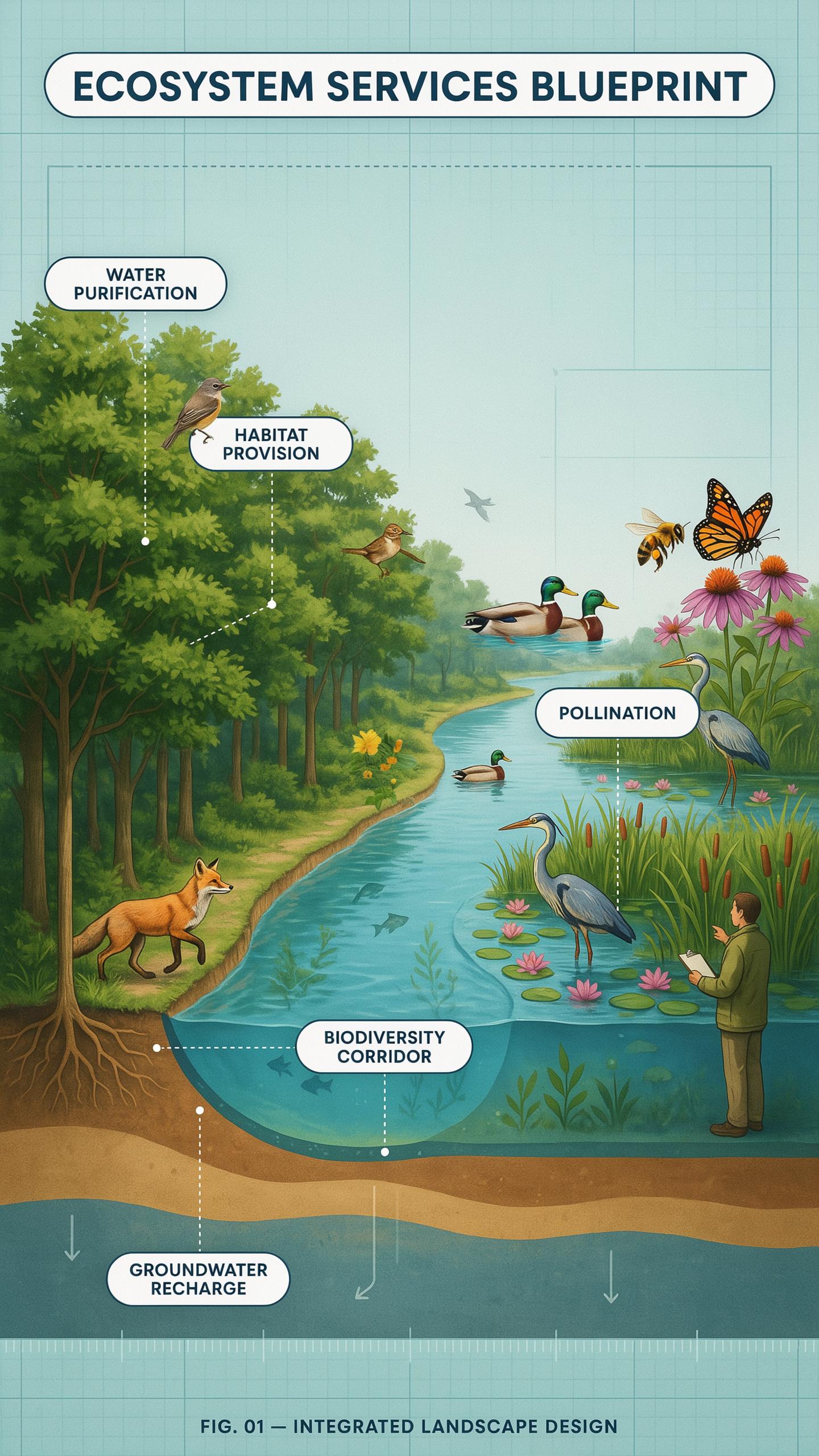
A Nature Ecosystem Services Diagram documents what your land actually produces. It maps carbon storage in soil and plants, identifies where temperature drops occur near vegetation clusters, tracks air filtration zones, and locates pollinator habitat patches. This diagram transforms abstract environmental benefits into measurable site features you can design around and verify during certification audits.
Build your diagram by walking the property and recording existing vegetation, water movement, and sun exposure. Mark areas where native plants concentrate. Note soil types and drainage patterns. Document seasonal pollinator activity. Photograph key zones. This data becomes your foundation for placing new plantings strategically. Certification bodies expect you to demonstrate that your design choices serve specific ecological functions, not just aesthetic preferences.
Translating Ecosystem Data Into Practical Project Layouts
Take your ecosystem diagram and overlay it onto physical site plans. Where your data shows poor air circulation, place deciduous trees to improve airflow. Where you identified pollinator gaps, cluster native flowering plants. Align rain gardens with watershed flow patterns you mapped. Position trees to create cooling corridors in hot zones. Every element serves a documented function tied to your ecosystem analysis.
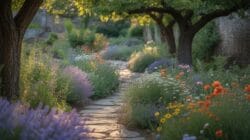
Certification programs require this connection between data and design. You must show that plant placement, water management, and soil amendments directly support the ecosystem services your diagram identified. Document before and after conditions. Photograph completed zones. Keep records of native species installed and their maintenance schedules. This evidence demonstrates you understood the site ecology and made deliberate choices to enhance it.
Using A Zoning Landscape Architecture Diagram For Functional Spatial Planning Zone Layouts
How Localized Zoning Coordinates Maximize Site Efficiency
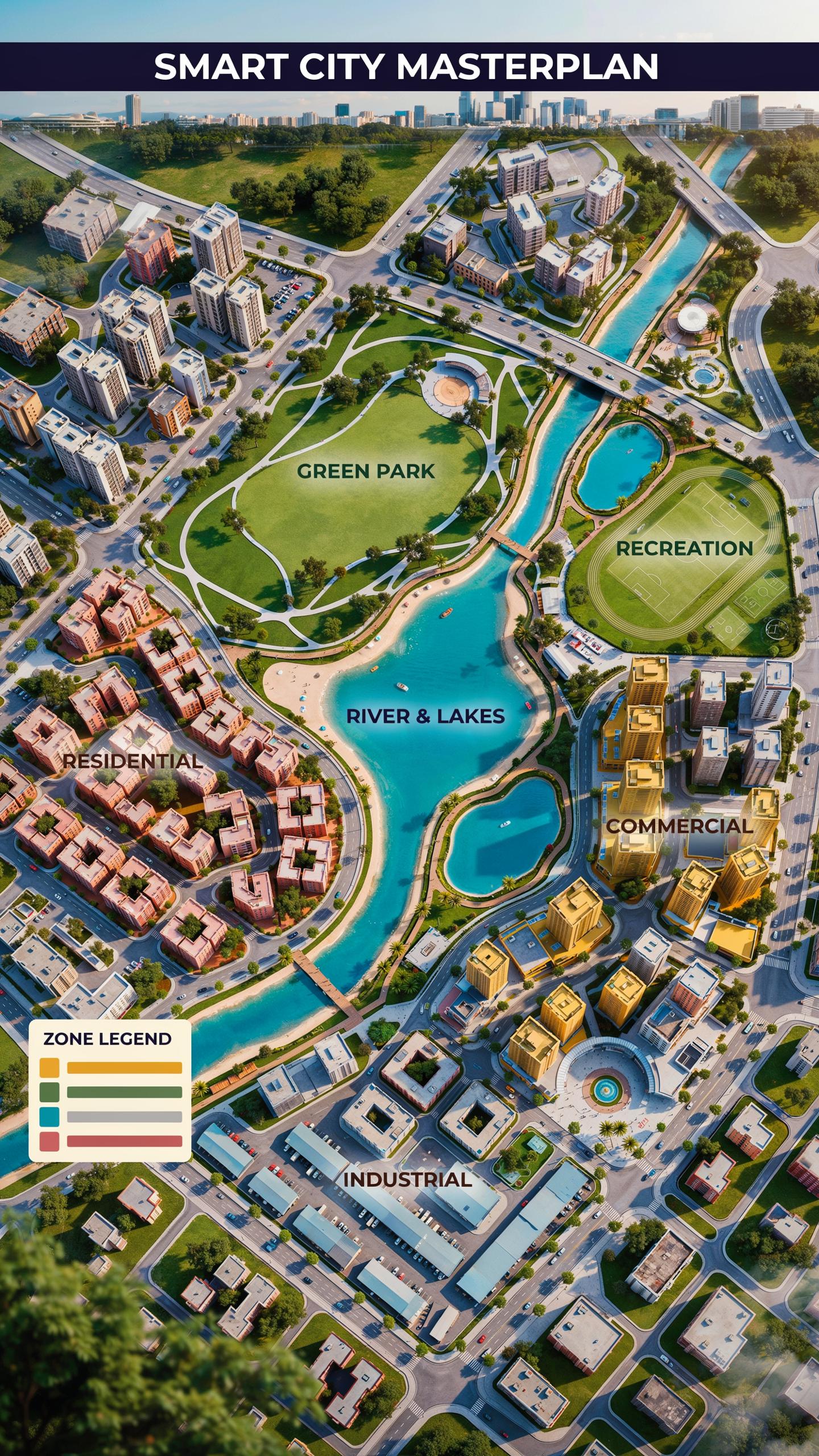
A zoning landscape architecture diagram divides your property into distinct functional areas based on measurable site conditions. You map solar exposure patterns, identify pedestrian pathways, determine privacy boundaries, and locate water delivery points. This systematic approach eliminates guesswork and prevents costly redesigns after installation. Each zone serves a specific purpose tied directly to your sustainability goals and site constraints.
Zoning creates efficiency by aligning human activity with environmental capacity. High-traffic areas concentrate near utilities and access points. Water-intensive plantings cluster in zones with adequate drainage and irrigation infrastructure. Native plant zones occupy areas with appropriate sun exposure and soil conditions. This coordination reduces water waste, cuts maintenance labor, and extends plant health. Your certification audit reviewers verify that zones reflect actual site conditions and performance data.
Balancing Built Hardscapes With Soft Eco Friendly Landscapes
Hardscape zones require strategic placement to minimize environmental impact while serving functional needs. Permeable pavement materials replace standard concrete, allowing water infiltration rather than runoff. Position patios, walkways, and seating areas in zones that experience heavy foot traffic. Surrounding softscape zones with native vegetation, rain gardens, or bioswales create natural buffers that filter runoff and protect habitat areas. This layout prevents compaction damage to soil and prevents sediment from reaching planted zones.

Transition zones between hardscapes and plantings determine overall site health. Design buffer strips with native shrubs and groundcovers that stabilize soil and absorb excess moisture. These areas act as ecological corridors for beneficial insects and wildlife movement. Your layout should show no direct runoff pathways from paved areas into sensitive plantings. Proper spacing and elevation changes prevent trampling and soil erosion. Certification standards require documented evidence that your zoning protects habitat integrity and ecosystem function.
Frequently Asked Questions

What exactly is sustainable landscaping certification for a residential property?
Sustainable landscaping certification is a formal recognition that your outdoor space meets specific environmental standards, such as water conservation, native planting, and soil health. By following a sustainable landscaping certification guide, beginners can transform their yards into eco-friendly sanctuaries. These programs provide a clear framework to help homeowners reduce their carbon footprint while creating a thriving habitat for local pollinators.
How do I begin the process of certifying my home garden or yard?
Getting started is simpler than most people think. First, research local or national programs like the National Wildlife Federation or Audubon Society. Use a sustainable landscaping certification guide to assess your current yard, then focus on adding native plants, removing invasive species, and implementing organic maintenance habits. Once you meet the specific criteria, you submit an application and photos for official review.
Is obtaining an eco-friendly landscape certification expensive for the average homeowner?
Not at all! Most residential certifications are very budget-friendly, often costing between $20 and $60 for the application and official signage. The real investment is in your plants and soil, which actually saves you money over time through reduced water bills and lower maintenance costs. Many local conservation districts even offer free resources and native seeds to help you achieve your goals affordably.