

Integrating Permeable Pavement Into Modern Sustainable Yard Layouts
Eco Friendly Benefits
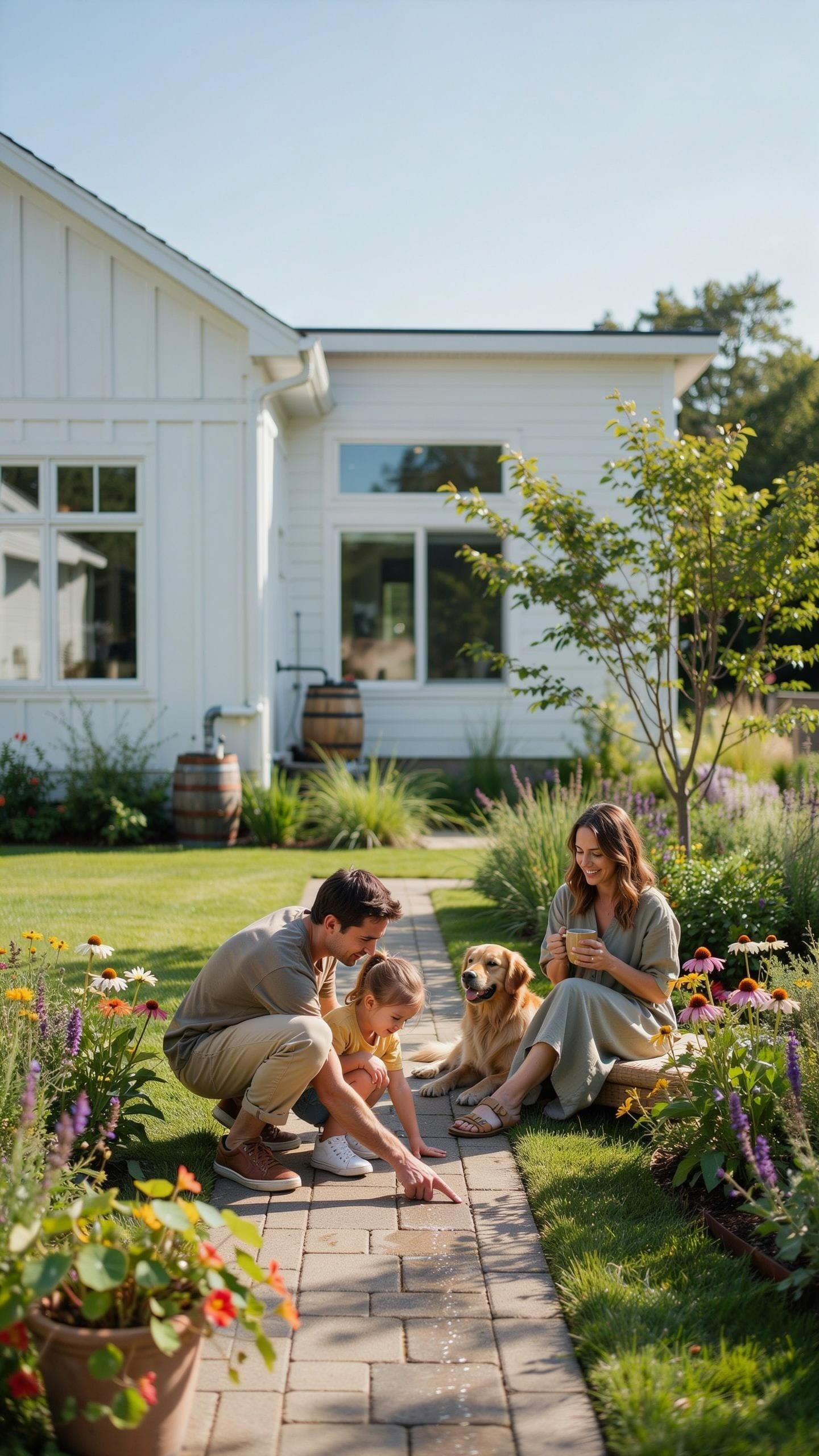
Permeable paving allows water to drain through the surface instead of pooling on top. This drainage reduces runoff that carries pollutants into storm sewers and local waterways. The water filters through the base layers, where soil naturally removes contaminants. This process recharges groundwater supplies that feed wells and springs. Your property’s soil gains better moisture retention and nutrient cycling.
Permeable surfaces prevent erosion by slowing water velocity as it moves downward. Plant roots access this filtered water more efficiently, promoting healthier vegetation. Reduced standing water eliminates breeding grounds for mosquitoes and other pests. The cooler soil temperature under permeable pavement benefits plant growth compared to solid asphalt. This filtration approach works across residential yards without requiring additional treatment systems.
Paving Materials Comparison
Permeable paving materials vary in durability, cost, and maintenance requirements. Your choice depends on foot traffic levels, climate conditions, and aesthetic preferences. Each material filters water at different rates and supports varying vegetation types. Understanding these differences helps you select the right solution for your specific site conditions.
- Pervious Concrete: Poured concrete with aggregate removed from the mix creates void spaces. Water drains through at rates of 3 to 8 inches per hour. Requires specialized installation but offers 20 to 30 year lifespan with proper maintenance.
- Permeable Asphalt: Open-graded asphalt allows drainage through its structure. Drainage rates range from 1 to 3 inches per hour depending on aggregate gradation. Needs regular vacuuming to prevent clogging from sediment accumulation.
- Permeable Pavers: Interlocking units with open joints filled with permeable material. Drainage rates vary from 2 to 6 inches per hour based on joint spacing. Individual pavers replace easily if damaged without affecting surrounding areas.
- Recycled Rubber and Plastic: Manufactured from reclaimed materials with inherent porosity. Drainage performance reaches 5 to 10 inches per hour typically. Lighter weight reduces installation labor costs compared to concrete alternatives.
- Aggregate Base Systems: Gravel, crushed stone, or recycled asphalt with no top binding layer. Drainage exceeds 10 inches per hour but requires more frequent raking and replenishment. Cost effective for low-traffic areas and temporary applications.
Material selection impacts long term maintenance schedules and replacement costs for your yard. Concrete and asphalt options suit high traffic zones with consistent use patterns. Pavers work well where you want design flexibility and partial replacement capability. Aggregate systems fit budget constraints but demand regular upkeep to maintain function.

The Basics Of Permeable Pavement Permeability And Engineered Drainage
Hydrology Explained
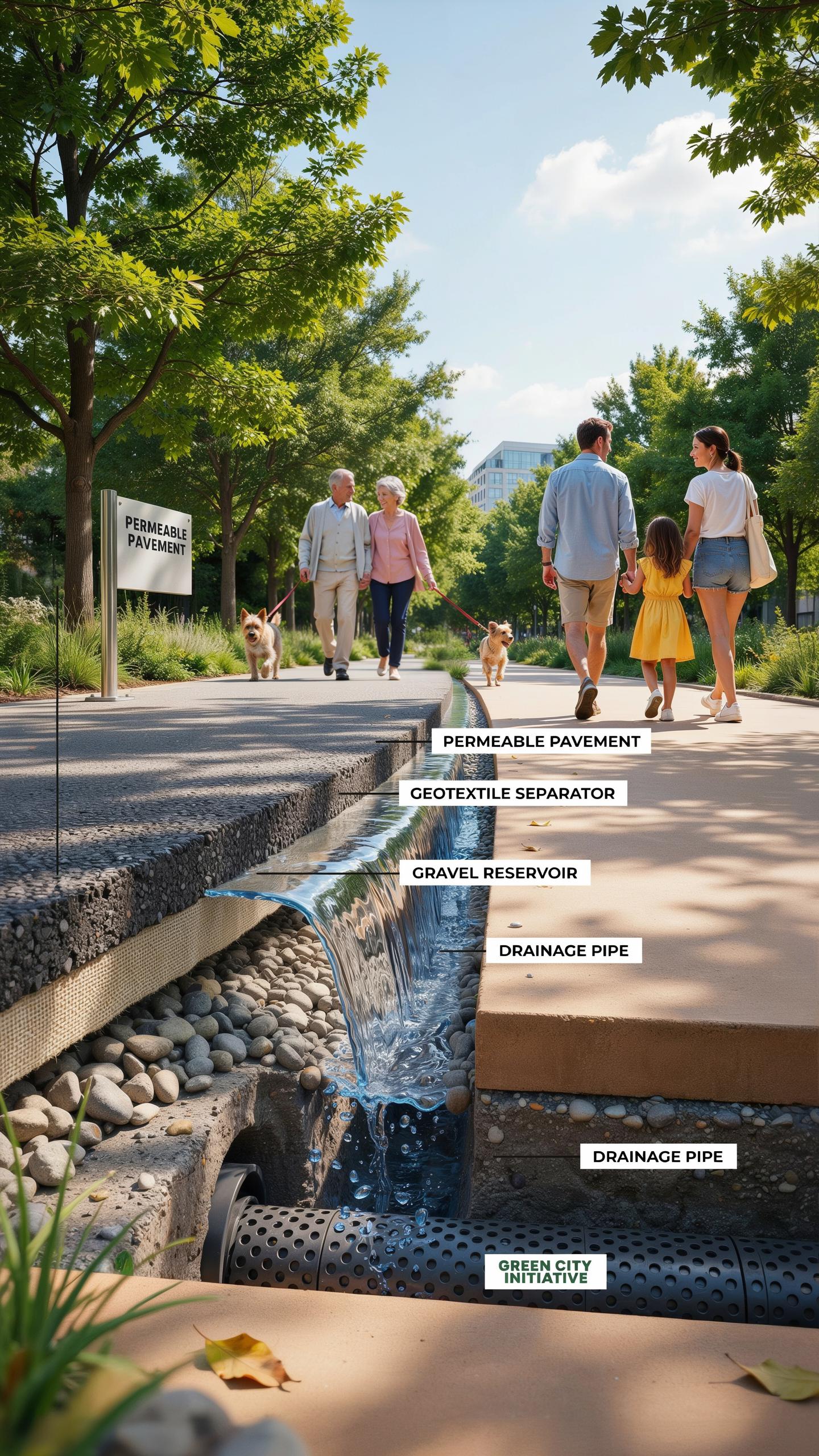
Permeable pavement systems function through layered sub-base aggregates that capture stormwater and filter it downward. These layers typically consist of open-graded stone, crushed rock, or recycled asphalt. Water moves through voids in the material, slowing its velocity and allowing sediment to settle out before the water reaches deeper soil layers or groundwater.
The sub-base aggregate acts as a temporary storage reservoir. Water held within the stone matrix gradually percolates into native soil below or discharges into existing drainage systems. This staged release reduces peak runoff rates and recharges local aquifers instead of overwhelming storm drains. The process mimics natural ground infiltration while managing the volume and speed of water movement across the site.
Maintenance Clogging Prevention
Routine vacuum sweeping prevents sediment from blocking the porous surface. Perform this every one to two months depending on site conditions and surrounding vegetation. Vacuum extraction removes fines and debris that accumulate in surface openings, maintaining the permeability rate of the top layer.

Power washing clears stubborn buildup but requires careful pressure control to avoid displacing sub-base material. Use low-pressure settings between 1500 and 2000 PSI to clean without damaging the pavement structure. Schedule power washing annually or when surface clogging becomes visible. Both techniques work together to keep drainage pathways open and extend the functional lifespan of your permeable paving system.
Innovative Paving Landscape Architecture For Sloped Urban Properties

Sculpting Slopes
Terraced retention barriers control water movement on steep sites by breaking the slope into manageable sections. Each terrace catches runoff and allows water to infiltrate the soil rather than accelerate downhill. This approach prevents erosion and reduces flooding in lower areas. Install barriers perpendicular to the slope using permeable materials like gravel-filled trenches or stone borders that support both function and drainage.
Gravity naturally pulls water downslope, making slope management critical for permeable paving systems. Terracing creates flat pockets where water pools momentarily, giving soil time to absorb moisture before it travels further. This staged approach protects hardscape surfaces and plant roots from water damage. Design each terrace level to handle the water volume from the area above it.
Integrating Hardscape Softscape
Natural stone borders define permeable paving zones while native ornamental grasses stabilize soil and filter runoff. Stone edges contain gravel or porous pavement within specific boundaries. Grasses like switchgrass or prairie blazing star establish root systems that prevent erosion and improve water infiltration. This combination creates clear visual separation while both materials serve water management functions.

The interaction between hardscape and softscape elements determines system performance. Stone provides structure and walkability. Grasses add infiltration capacity and prevent sediment displacement. Plant species selection matters based on local climate and soil conditions. Together they establish a functional landscape that handles water without requiring excessive maintenance or replacement.
Enhancing Your Property With Natural Paving Permeable Pavers

Aesthetic Appeal Natural Stone
Natural stone pavers deliver visual depth through color variation and texture that manufactured materials cannot replicate. Granite, sandstone, and slate offer inherent drainage capacity when properly installed. These materials weather predictably over time, developing patina rather than deteriorating. The rustic character comes from the stone’s natural grain patterns and mineral composition, not from design trends. Your property gains authenticity because the material itself defines the aesthetic.
Porous stone types like sandstone and permeable granite drain water faster than dense slate. Porosity ratings vary by stone origin and quality. Select materials tested for your climate zone to ensure durability. Locally sourced stone reduces cost and environmental impact while matching regional architectural standards. Stone density affects both water infiltration rates and structural longevity under load.
Structural Durability Standards
Aggregate bed depth determines how well your pavers survive freeze-thaw cycles common in most climates. Install a minimum 4-6 inch aggregate base layer beneath pavers to distribute weight and accommodate ground movement. Proper compaction of this base layer prevents settling and shifts that crack pavers. Angular stone compacts better than rounded gravel because edges lock together. This foundation work prevents the pavement failure that occurs when bases lack adequate depth.

Freeze-thaw cycles push and pull soil as water expands when frozen. Without sufficient aggregate depth, ice formation beneath pavers creates heaving and displacement. Your drainage system must prevent water pooling on the surface while allowing subsurface water movement. Sand joints between pavers allow water passage while maintaining structural integrity. Quality base preparation costs more upfront but eliminates expensive repairs from premature cracking and shifting.
Designing A Lush Garden Pavement Walkway Into Your Backyard Oasis
Low Traffic Garden Paths
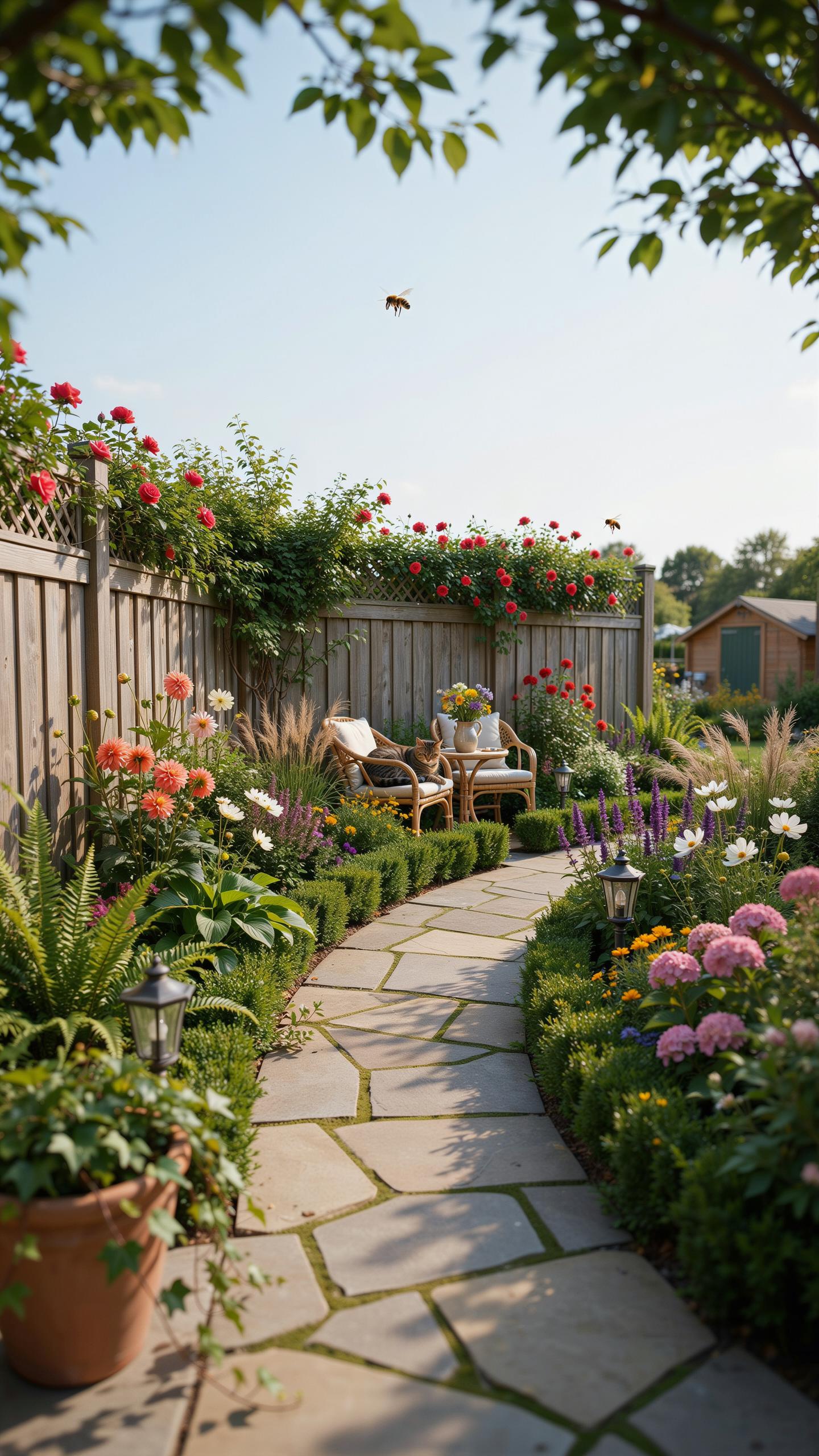
Turf grids work because they combine rigid structural support with open spaces for vegetation. The grid cells stabilize foot traffic while soil and plants fill the voids. This design handles occasional walking without compacting the ground beneath. Space grids on 12 to 18-inch centers depending on foot traffic patterns. Winding paths slow movement and reduce wear on any single area.
Plant low-growing species between grid cells to create seamless coverage. Sedums, creeping thyme, and ornamental grasses establish quickly in these conditions. Root systems anchor in stable soil while the grid prevents surface erosion. Maintenance involves occasional trimming to keep plants under control. This approach produces walkways that integrate vegetation rather than replace it.
Selecting Groundcover Plants
Resilient plants tolerate foot traffic and thrive in shallow soil conditions. Creeping thyme spreads horizontally and withstands repeated stepping. Sedums store water and require minimal nutrients. Moss varieties grow in shaded grid areas with limited soil depth. These species regenerate faster than lawn grass after disturbance. Select plants based on your site’s sun exposure and local climate zone.
Root depth matters more than plant height in grid systems. Shallow-rooted species establish stability with minimal soil volume. Sedums and mosses reach maturity in 6 to 8 weeks under good conditions. Avoid plants requiring deep roots or frequent watering. Test plant selection in one pathway section before scaling to your full design. This validates performance before committing resources to larger installations.
How Permeable Paving Landscape Architecture Protects Local Watersheds
Mitigating Heat Island Effects
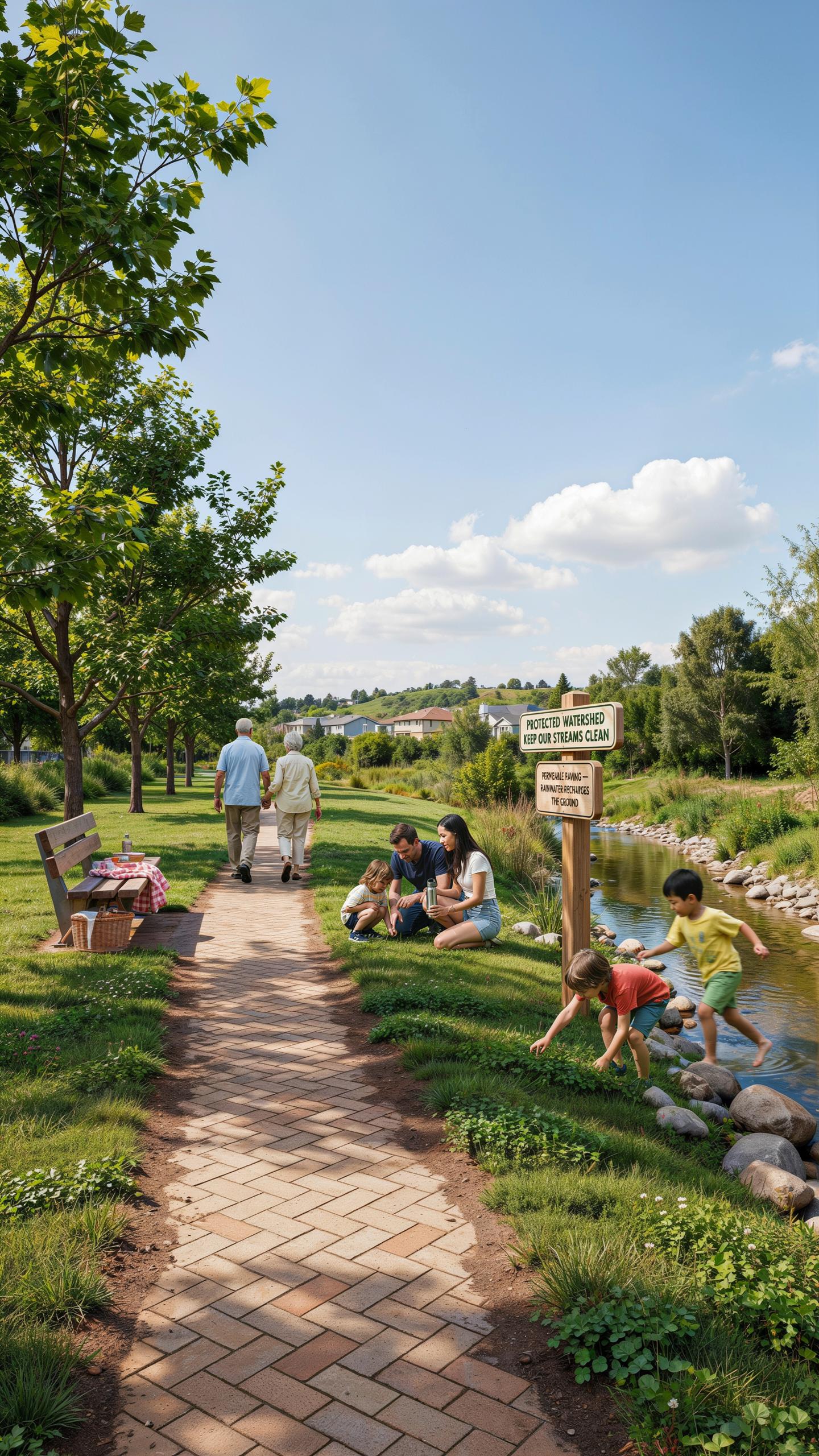
Permeable paving materials absorb and release less solar radiation than traditional impervious surfaces. Light-colored porous pavements reflect more sunlight back into the atmosphere rather than storing heat. This directly reduces ambient air temperatures in residential zones by two to five degrees Fahrenheit compared to conventional asphalt or concrete.
The cooling effect comes from water infiltration through the porous matrix. As water moves through the material, evaporative cooling occurs at the surface and subsurface levels. Neighborhoods with widespread permeable paving installation measurably lower surrounding temperatures, reducing cooling demands in adjacent buildings and improving pedestrian comfort during warm months.
To leave the world better than you found it is to plant a garden where even the rain finds a gentle path home.
Reducing Municipal Stormwater Load Rates
Permeable paving systems intercept rainfall at the source and allow water to infiltrate into the ground. This prevents residential runoff containing fertilizers, pesticides, and oils from flowing directly into storm drains and nearby waterways. On-site infiltration reduces the volume of contaminated water reaching municipal treatment systems and local rivers.

The base layers underneath permeable paving act as filtration zones. Sand, gravel, and aggregate materials trap sediments and pollutants while water percolates downward. Residential properties with permeable driveways and patios collectively reduce municipal stormwater overflow events, protecting downstream water quality and decreasing combined sewer overflows during heavy rainfall.
Modern Urban Driveway Design For Compact Streetfront Properties
Maximizing Small Parking Spaces
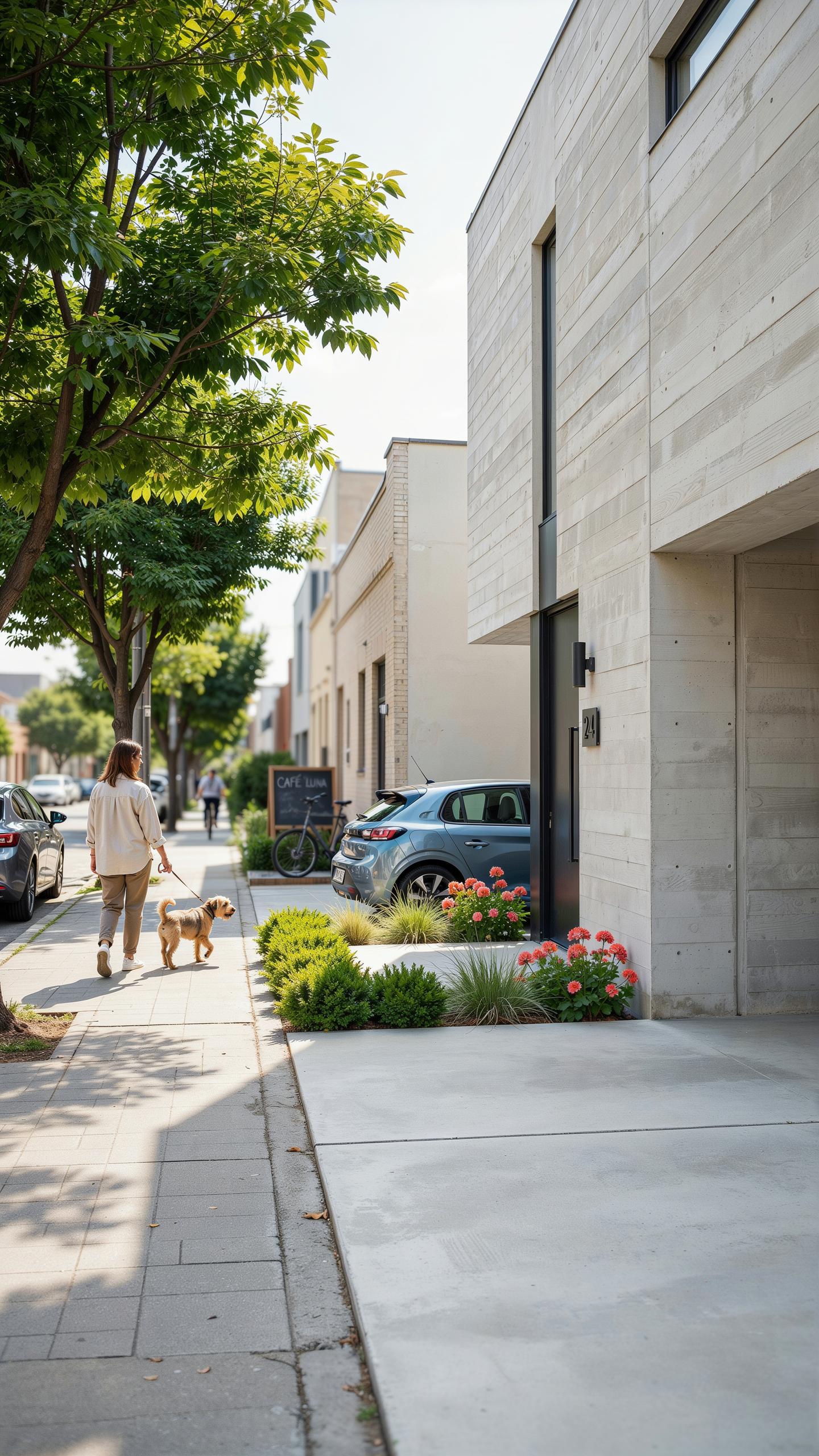
Grid-stabilized gravel systems work through rigid plastic or recycled composite grids that lock stone in place. These grids prevent gravel migration while maintaining full water infiltration. Install grids directly on compacted subgrade with landscape fabric beneath to block weed growth. The result is a clean parking lane that functions like pavement but drains completely. This approach eliminates the need for curbing and reduces site preparation costs significantly compared to asphalt.
Minimalist design here means straight lines and defined edges without decorative elements. Stack grids in a single row for single-car spaces or double rows for standard dimensions. Mark lanes with painted edges or discrete pavers at intervals to guide vehicle placement. The uniform grid pattern creates visual order on tight lots where every square foot matters. Vehicle weight distributes across the grid structure, preventing rutting even with repeated use on small properties.
Local Zoning Setback Compliance
Many municipalities require minimum green space percentages for new construction or renovation projects. Permeable driveways count toward green space ratios because they allow rainfall infiltration rather than surface runoff. Check your local zoning code for specific infiltration rate requirements and impervious surface caps. High-porosity paving systems like porous asphalt, pervious concrete, or permeable pavers help you meet these thresholds without sacrificing driveway functionality. This compliance strategy turns regulatory requirements into design advantages on constrained streetfront lots.

Calculate the infiltration rate of your chosen paving material against local rainfall patterns to confirm compliance. Many jurisdictions accept 4 to 8 inches per hour for standard residential applications. Document infiltration rates from material suppliers and include them in your zoning variance request or site plan. Permeable systems often exceed minimum requirements, providing buffer against future regulatory tightening. Use this performance advantage when negotiating with planning departments on properties where setback distances restrict driveway width.
Strategic Car Parking Landscape Design For Eco Conscious Commercial Properties

Heavy Load Subgrade Engineering
Parking areas demand structural integrity to prevent rutting and pavement failure under repeated vehicle loads. The subgrade foundation determines whether your permeable system lasts ten years or thirty. Most commercial parking requires vehicles exceeding 3000 pounds, necessitating engineered base layers that distribute weight across soil effectively.
- Subgrade Preparation: Compact native soil to 95 percent proctor density. Remove organic material and clay that retain water. This prevents pumping and differential settling that damages paving surfaces over time.
- Base Course Layer: Install 4 to 6 inches of crushed stone base. Use angular aggregate sized between 1.5 to 0.75 inches. Compact in 2-inch lifts to achieve proper density and load distribution.
- Permeable Geotextile: Place non-woven geotextile between subgrade and base course. This prevents soil migration into aggregate while allowing water infiltration. Typical weight ranges from 4 to 8 ounces per square yard.
- Bedding Layer: Use 1 to 1.5 inches of coarse sand as the wearing course bedding. This allows permeable pavers to settle uniformly and provides water transmission paths. Avoid fine sand that restricts drainage and causes ponding.
- Edge Restraint: Install rigid concrete or plastic edging around parking perimeters. This prevents lateral spreading of base materials and maintains structural integrity during freeze thaw cycles.
The total assembly from subgrade to paver surface typically reaches 7 to 9 inches deep for standard commercial vehicles. Proper sequencing prevents failure mechanisms like channelized erosion and accelerated base degradation. Structural adequacy directly impacts maintenance costs and system longevity.
Incorporating Bioswales And Rain Gardens
Parking overflow runoff carries sediment, oils, and thermal load that degrade water quality. Direct this discharge into bioretention cells positioned adjacent to parking bays. The vegetation and soil media filter pollutants while recharging groundwater instead of overwhelming municipal storm systems.

Position bioswales at low points between parking rows where water naturally collects. Grade the parking surface to slope 2 to 3 percent toward the bioswale perimeter. This captures sheet runoff from 80 to 95 percent of typical storm events without surface ponding on the parking lot itself. Rain gardens function as visible landscape features that demonstrate environmental commitment while serving functional drainage requirements. Stock them with native plants adapted to periodic inundation and drought conditions. Species selection depends on your regional climate and soil conditions, but native sedges, rushes, and small shrubs typically establish quickly and require minimal maintenance once established.
Frequently Asked Questions

What exactly is permeable paving landscaping and how does it work?
Permeable paving landscaping is an eco-friendly design approach that uses specialized materials to allow rainwater to seep through the surface into the ground below. Unlike traditional concrete or asphalt, which causes runoff and erosion, these porous systems use layers of aggregate to filter pollutants and recharge local groundwater. It is a stunning way to blend high-end aesthetics with environmental responsibility, helping to prevent puddles and flooding around your home.
How do I maintain a permeable paver driveway or patio to keep it functional?
Maintaining your permeable paving landscaping is simpler than you might think. To ensure optimal drainage, you should regularly sweep away debris, leaves, and sediment that could clog the joints between the pavers. Once or twice a year, use a shop vac or a stiff-bristled broom to clear out compacted dirt. If the specialized gravel between bricks settles over time, simply top it off to keep the surface stable and beautiful.
Is permeable paving more expensive than traditional hardscaping options?
Initially, the installation costs for permeable options can be 10% to 20% higher than standard concrete due to the specialized base layers required. However, it is a budget-smart long-term investment. By reducing the need for complex drainage pipes and significantly extending the lifespan of your surfaces through better freeze-thaw resilience, you save on repairs. Many municipalities also offer tax credits or rebates for homeowners who install sustainable drainage solutions.