Understanding The Benefits Of Sustainable Landscaping Mulch Options
Environmental Impact
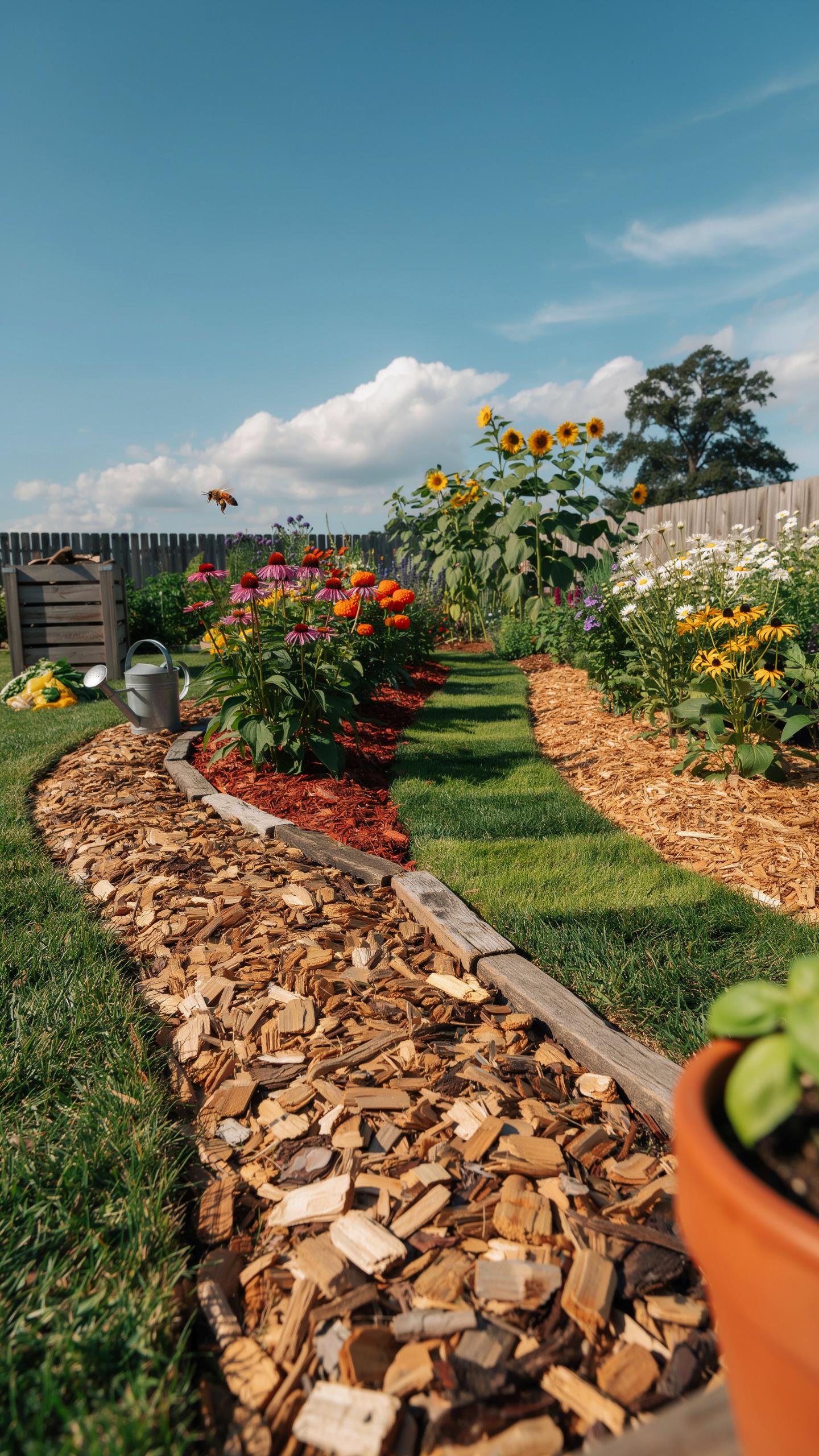
Eco-friendly mulches conserve soil moisture by reducing evaporation rates. Organic materials like wood chips, bark, and compost create a barrier that keeps water in the ground longer. This cuts watering needs significantly. Less water requirement means lower utility bills and reduced strain on local water supplies. Sustainable mulches also regulate soil temperature, protecting root systems from heat and cold extremes.
Sustainable mulches prevent soil erosion by stabilizing ground during heavy rain events. The material absorbs impact from water runoff and holds soil particles in place. Over time, organic mulches break down and improve soil structure. Better soil structure increases water infiltration and reduces compaction. This creates stronger root systems and healthier plant growth across your entire landscape.
Cost Efficiency Mulching
Choosing sustainable mulch options reduces long-term yard maintenance costs dramatically. Organic materials break down naturally and improve soil quality, eliminating the need for expensive chemical amendments. You spend less on fertilizers because decomposing mulch releases nutrients into the soil. One application lasts multiple seasons before needing replacement. Initial investment pays for itself within two to three years through reduced chemical purchases and labor.
Sustainable mulch reduces water bills by cutting irrigation frequency significantly. Retained soil moisture means you water less often while maintaining plant health. Lower water consumption also reduces stormwater runoff fees in many municipalities. You avoid costs associated with erosion damage and replanting dead vegetation. Fewer maintenance visits needed throughout the year drop overall landscape management expenses substantially.

Why Organic Mulch Is The Leading Choice For Eco Friendly Gardens
Organic Decomposition Benefits
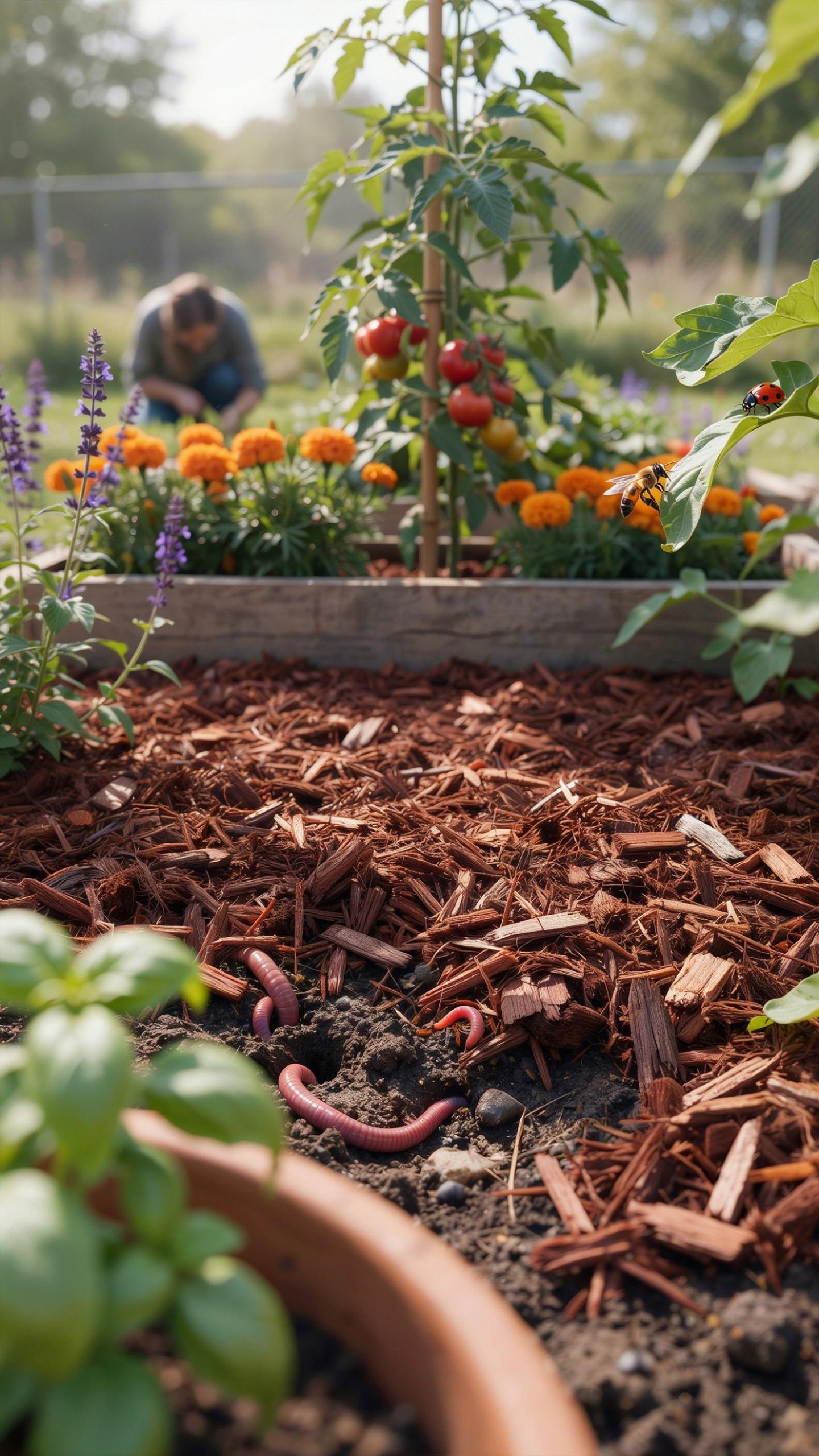
Organic mulch breaks down over time and feeds soil microbes directly. Earthworms move through decomposing material, consuming it and creating nutrient-rich castings. This process improves soil structure, increases water retention, and builds natural fertility without added chemicals. Gardeners replace mulch annually or biannually, but the decomposition work compounds year after year.
Soil biology accelerates when organic matter enters the ground. Bacteria and fungi colonize mulch layers, breaking complex materials into simple nutrients plants absorb. Earthworms thrive in this environment, aerating soil as they tunnel. This creates a self-sustaining cycle that reduces dependency on fertilizers and strengthens plant root systems over seasons.
Popular Organic Materials Overview
Wood chips decompose slowly, lasting two to four years depending on size and wood type. Hardwood chips persist longer than softwood. Bark mulch breaks down faster than whole wood chips but slower than leaves. Compost and aged manure decompose within months, delivering nutrients quickly but requiring frequent replacement. Straw decays rapidly, making it ideal for vegetable gardens needing quick nutrient turnover.
Material choice depends on your timeline and budget. Grass clippings and leaves offer free options but decompose in weeks to months, requiring constant reapplication. Pine needles persist longer and acidify soil gradually, beneficial for acid-loving plants. Shredded paper and cardboard break down in one to two years while suppressing weeds effectively. Mix materials to balance decomposition rates and extend mulch effectiveness throughout growing seasons.
A Deep Dive Into Garden Mulch Materials That Feed Your Soil
Compost As Mulch
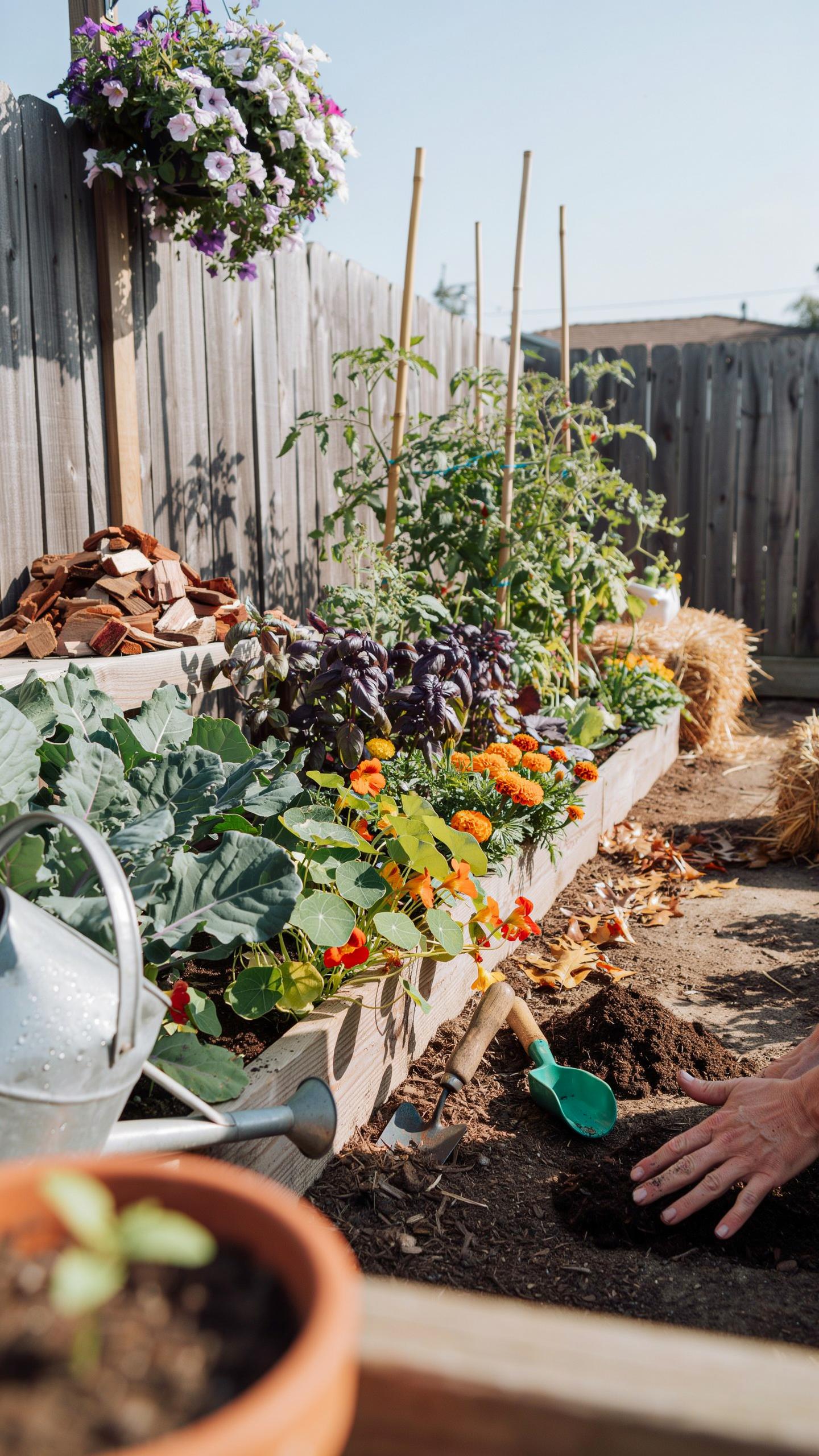
Homemade compost delivers nitrogen, phosphorus, and potassium directly to your soil as it breaks down. You build compost from kitchen scraps, grass clippings, and leaves. The microbial activity in finished compost improves soil structure and water retention. Apply two to three inches annually to maintain nutrient levels without buying fertilizer.
Compost mulch suppresses weeds while feeding plants simultaneously. Unlike wood chips or straw, compost integrates into soil rather than sitting on top. This dual function cuts your input costs and reduces the frequency of applications. Start a pile now and harvest finished material within four to six months depending on management.
Shredded Leaves Benefits
Autumn leaves cost nothing and shred easily with a standard mower or leaf vacuum. Shredded leaves decompose faster than whole leaves and pack less densely, allowing water and air penetration. One mowing pass over fallen leaves creates mulch material immediately available for garden beds. This material suppresses weeds effectively while adding organic matter to your soil structure.
Shredded leaves attract beneficial microbes and earthworms that improve soil health over time. The carbon-to-nitrogen ratio in leaves creates conditions for microbial populations to thrive. Reapply shredded leaves annually since they decompose within six to twelve months. Collect leaves in fall, shred them, and store in bags for spring and summer application.
How To Utilize Free Wood And Bark Mulch From Your Local Area
Arborist Wood Chips Access
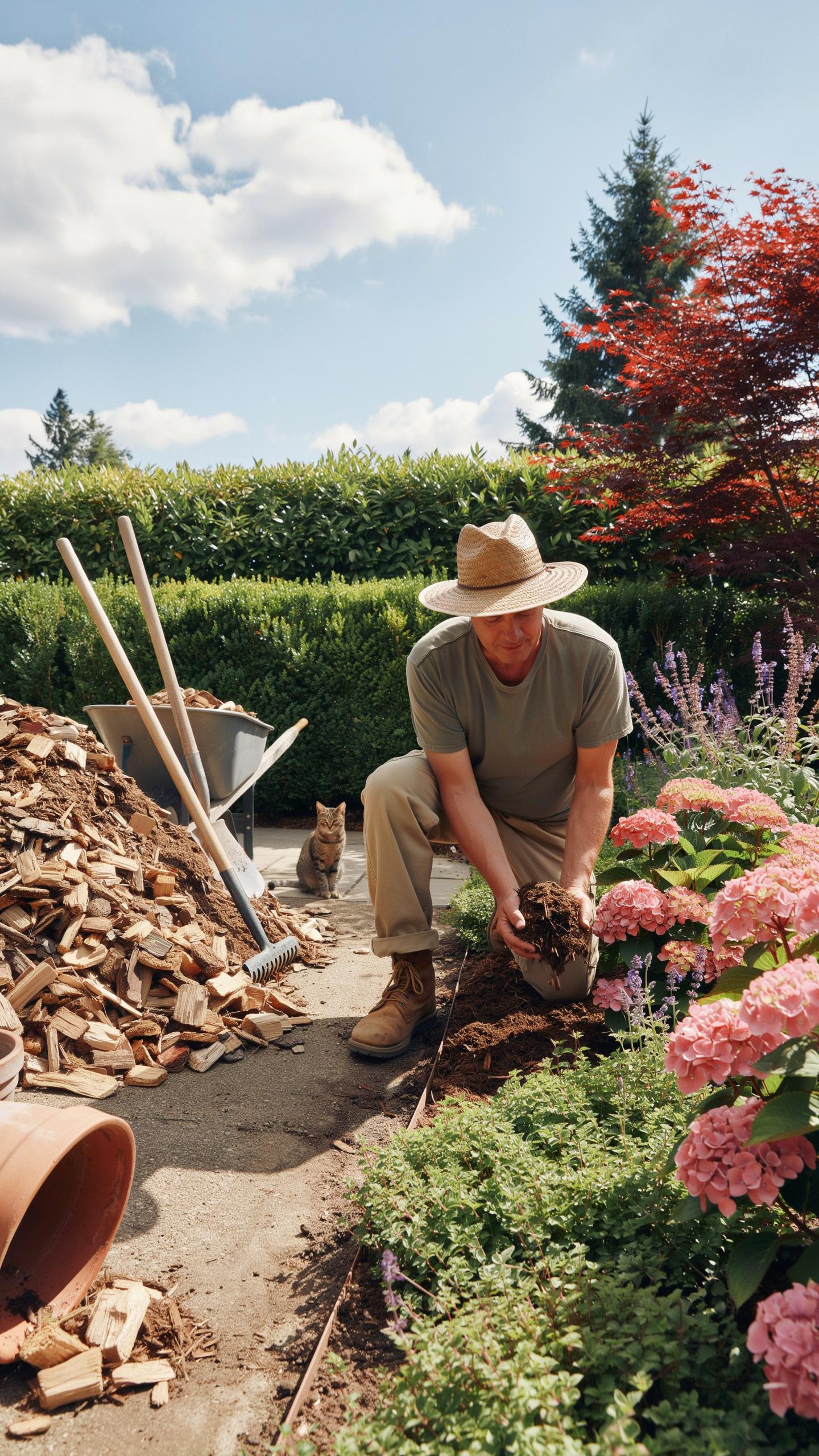
Tree service companies generate wood chips daily. They remove trees, grind branches, and need somewhere to dump the material. Most arborists and tree removal services charge customers for disposal. They welcome calls from homeowners willing to haul chips away. This eliminates their disposal cost. You save money. They save money. The transaction works.
Call local tree services and ask directly. Mention you want free wood chips for landscaping. Ask when they have material available and what volume they generate. Request their contact protocol for scheduling pickup. Some companies stockpile chips on site. Others deliver to specific locations. Get specifics before committing. Also contact your municipal utilities. They trim trees around power lines and generate substantial chip volumes. Many distribute free chips to residents through public programs.
Sourcing Free Woodchips List
Before accepting any wood chips, verify the source and condition. Contaminated material creates problems in your landscape. Chips from diseased trees spread pathogens. Chips treated with chemicals damage soil and plants. Inspect material thoroughly. Ask the source direct questions about what was chipped and how the material was handled. Never assume material is clean.
- Disease History: Ask if the chipped material came from diseased trees. Wood chips from diseased trees like oak wilt or elm disease contaminate your soil and spread problems to healthy plants in your landscape.
- Chemical Treatment: Confirm the trees were not treated with herbicides, pesticides, or fungicides before chipping. Chemical residues persist in wood chips and leach into soil, harming plants and microorganisms.
- Contamination Check: Inspect chips for plastic, nails, metal, or synthetic materials. Tree services sometimes chip storm debris that contains foreign objects. Remove contaminants before spreading mulch in planting areas.
- Freshness Assessment: Determine when chips were created. Fresh chips heat as they decompose and can damage young plants if applied directly. Aged chips are safer for immediate landscape use.
- Volume Verification: Confirm the actual volume available matches your needs. Tree services estimate differently. Request measurement details and visit the stockpile if possible before arranging transport.

Store chips in a designated area away from buildings and tree trunks. Chips generate heat during decomposition. Stored against wood structures, they create fire risk and moisture damage. Allow chips to age two to four weeks before application. This cooling period stabilizes the material. Once cooled, spread chips two to three inches deep in planting beds. This depth suppresses weeds and retains moisture without creating rot conditions around plant stems.
Maximizing Soil Improvement Through Proper Mulching Techniques
Soil Microbiome Activation Mulch
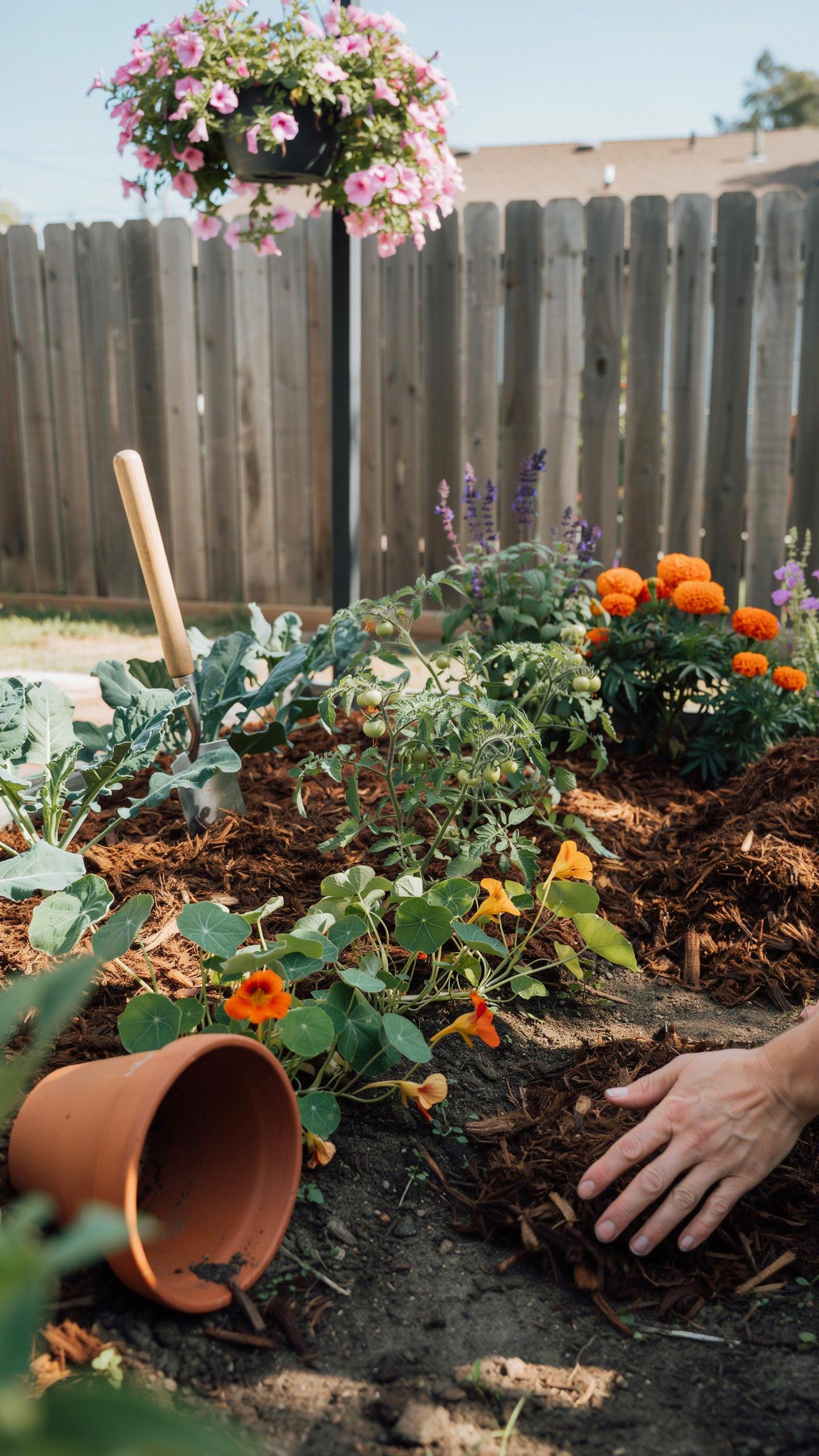
Mulch regulates soil temperature by creating an insulating layer that buffers extreme heat and cold. Soil organisms operate within specific temperature ranges. Wood chips, shredded leaves, and compost maintain soil warmth in winter and coolness in summer. This stability keeps beneficial bacteria, fungi, and microorganisms active longer throughout the year. Temperature consistency directly increases microbial activity and nutrient cycling efficiency in your soil.
Organic mulch materials decompose slowly, releasing carbon that feeds soil microbes. These organisms break down organic matter into plant-available nutrients. The decomposition process generates heat that supports microbial populations during cooler months. Active microbes improve soil structure, enhance water retention, and suppress disease-causing pathogens. Budget-friendly materials like grass clippings and yard waste deliver the same microbial benefits as expensive commercial products.
Preventing Soil Compaction
Heavy foot traffic and rainfall compress soil, reducing pore space where air and water move. Organic mulch absorbs impact from footsteps and rainfall, distributing force across a wider area. A 3 to 4 inch layer of wood chips or shredded bark significantly reduces soil compaction in high-traffic zones. This protective barrier maintains soil structure and prevents the need for expensive aeration later. Compacted soil restricts root growth and water infiltration, making mulch a practical preventative solution.
Rainfall compaction occurs when water droplets strike exposed soil with force, sealing the surface. Mulch breaks the impact of water droplets before they reach soil. This prevents surface crusting that blocks water infiltration and oxygen exchange. Free materials like leaves, straw, and grass clippings perform this function as effectively as purchased mulch. Regular mulch reapplication maintains compaction prevention as materials decompose and settle naturally.
Designing Your Yard Landscaping On A Tight Budget
Clean Edges And Defined Areas To Elevate Low Cost Projects
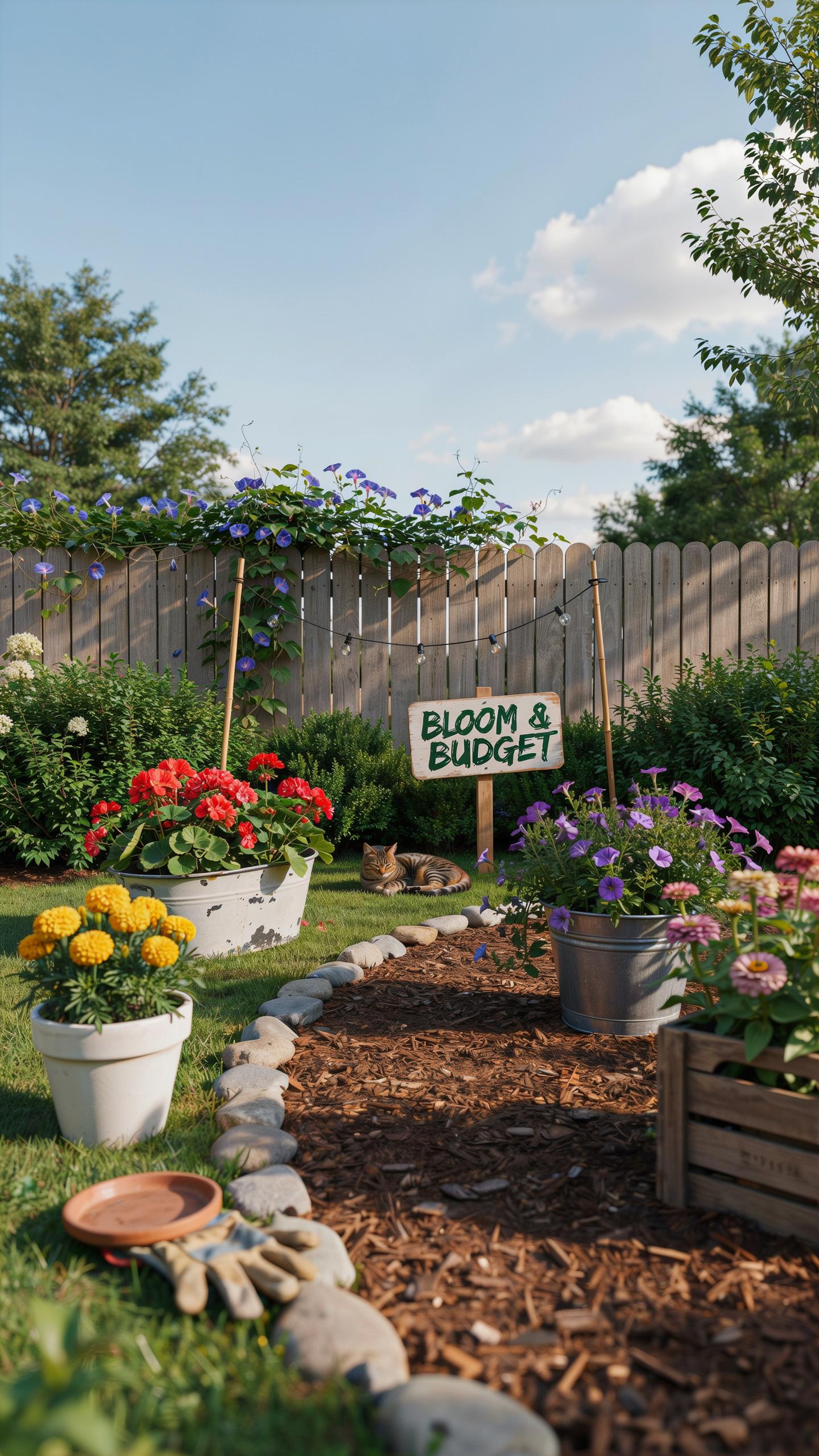
Defined edges separate mulched beds from turf and hardscape. This single detail makes budget projects look intentional rather than neglected. Use a flat spade to cut clean lines along bed perimeters. The investment takes two hours for a typical residential yard and costs nothing beyond tools you likely own.
Defined edges eliminate the fuzzy appearance that cheap installations develop. Turf creeps into mulch beds without barriers. Mulch spreads into walkways without containment. Steel or plastic edging runs 50 to 150 dollars for a full property. This small expense returns proportionally high visual impact and prevents ongoing maintenance problems.
To walk over the silent needles of the pine or the gold of fallen leaves is to rediscover the simple, generous wealth of the earth beneath our feet.
Strategic Application Techniques That Minimize Mulch Volume Requirements
Layering mulch by depth solves the budget problem directly. Apply two inches in high visibility zones and one inch in rear areas or under established shrubs. This approach cuts total mulch volume by 30 to 40 percent compared to uniform three inch applications. You achieve adequate moisture retention and weed suppression while stretching budget dollars.

Mulch settles and compacts over six months. Calculate your needs based on final settled depth, not initial loose depth. Wood mulch settles faster than shredded bark. Compost settles most dramatically. Order 20 percent more material than your calculated volume for wood mulch and 30 percent more for compost to account for settling. This prevents mid season shortfalls that force expensive emergency purchases.
Creative Ideas For Landscaping With Mulch And Low Cost Materials
Pathway Design Mulch
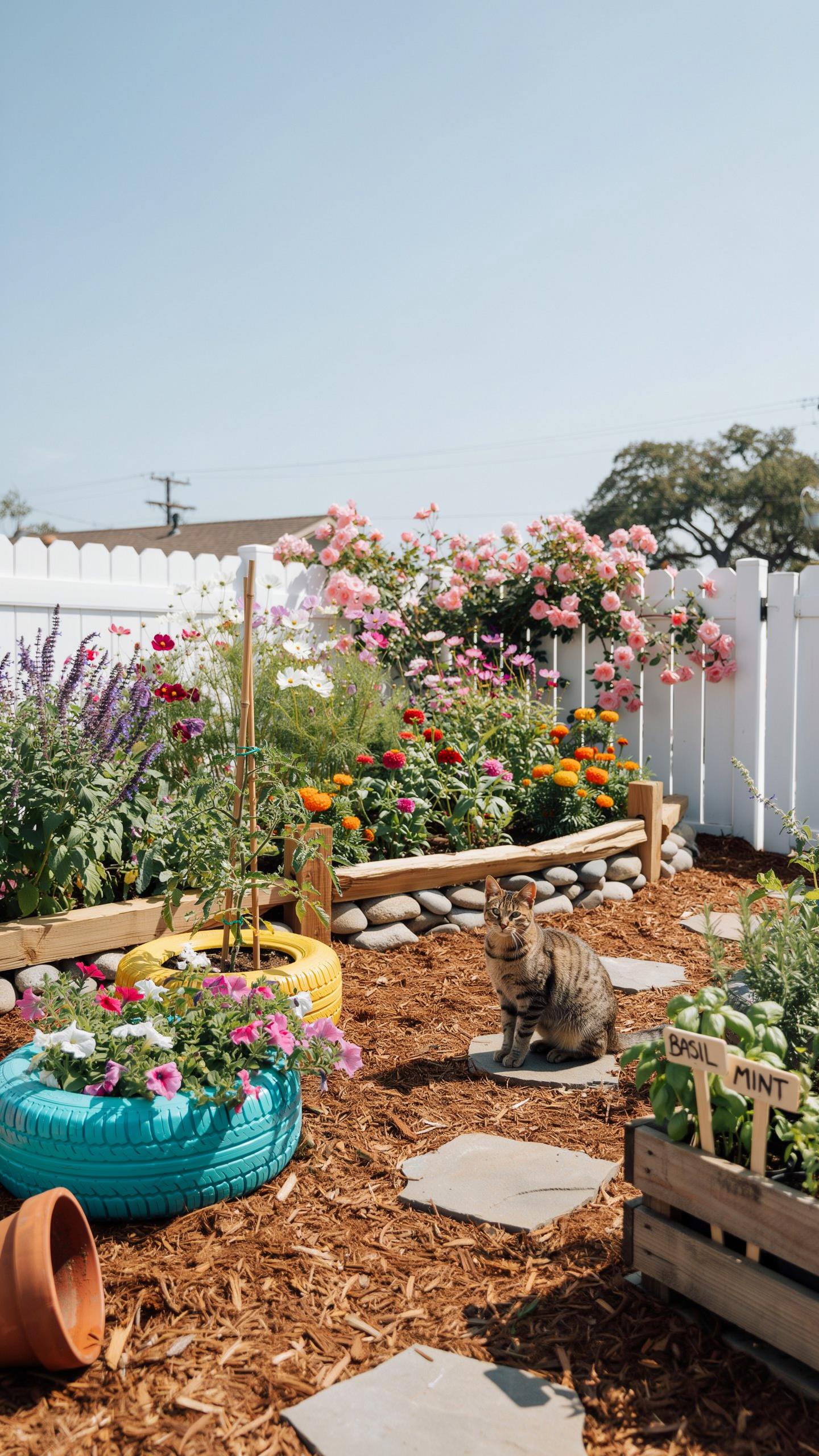
Pine needles work as a functional pathway material because they compact over time and naturally suppress weeds. They cost less than wood chips and break down slowly in acidic soils. Pine needles create a rustic appearance while improving drainage. Source them from local tree services or collect them from pine-heavy properties to eliminate disposal fees entirely.
Wood shavings from sawmills offer another low-cost option if you can access mill byproducts directly. These materials compact well underfoot and resist displacement during rain events. They break down faster than pine needles, requiring replacement every two to three years. Verify the source contains no chemical treatments before purchasing, as untreated wood shavings won’t harm soil chemistry.
Wood Chip Play Zones
Softwood chips from arborists create safe landing surfaces for children’s play equipment without the expense of engineered rubber mulch. Standard wood chips meet fall height safety standards when applied at proper depths between six to twelve inches, depending on equipment height. Contact local tree removal companies who often dispose of chips for free rather than paying landfill fees. This material needs topping up yearly as it breaks down naturally.
Installation requires proper drainage underneath the play zone to prevent water pooling and rot. Lay landscape fabric first to block weeds, then spread chips evenly. Monitor the material quarterly and rake it frequently to maintain consistent depth. Replace degraded chips annually to keep safety compliance and visual appeal intact. This approach costs substantially less than manufactured alternatives while supporting local waste diversion programs.
Choosing Aesthetic Mulch Colors Without Changing The Ecosystem
Natural Wood Tones Earthy Look
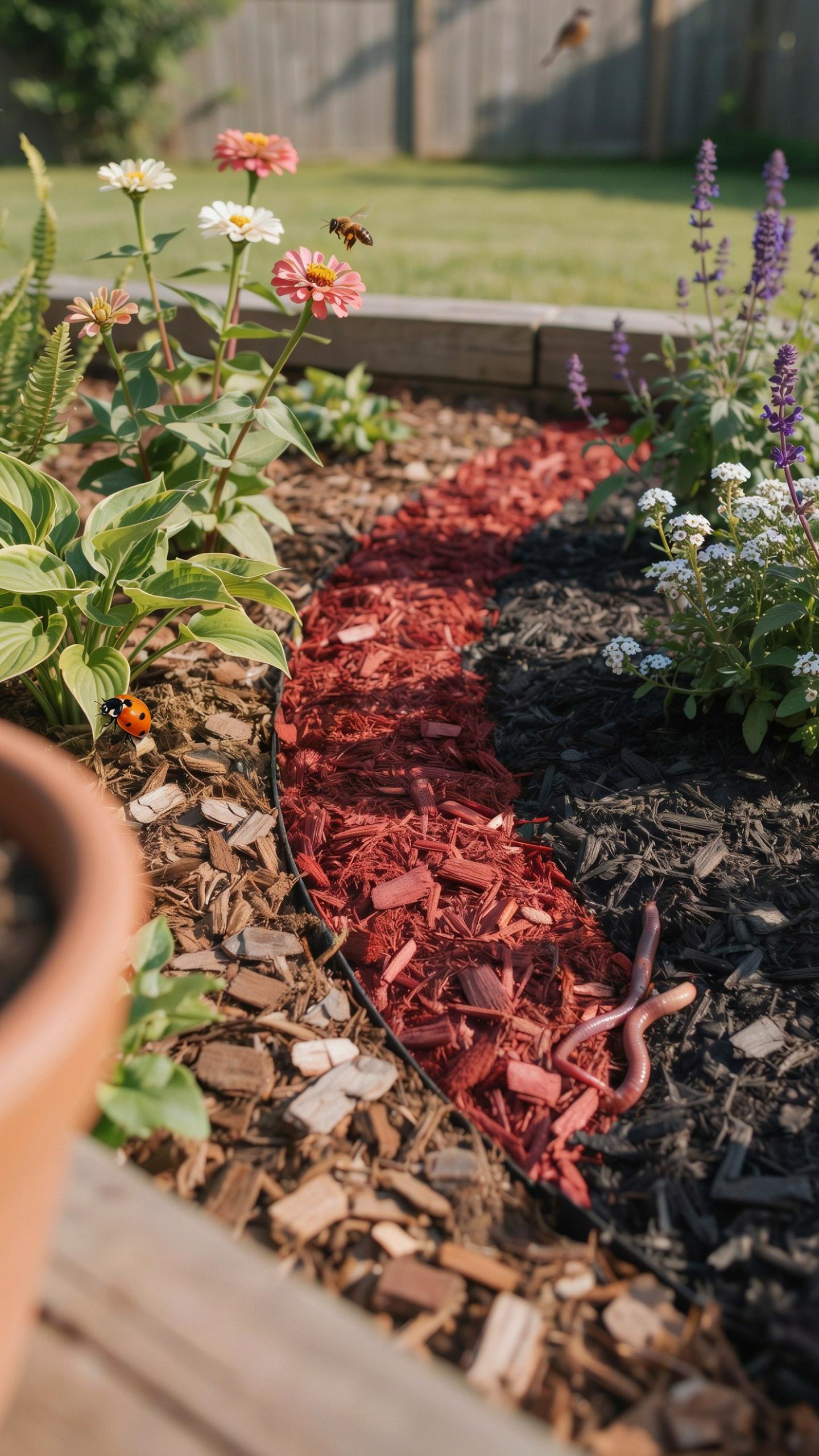
Untreated aged wood mulch delivers color through decomposition, not additives. As wood breaks down naturally, it shifts from tan to gray to silver. This process takes months to years depending on wood type and climate conditions. The color change reflects genuine material degradation, making it a reliable indicator of mulch age and soil enrichment progress.
Using untreated wood means no synthetic dyes or chemical treatments enter your soil. The soft brown tones fade gradually as UV exposure and moisture weathering progress. Gray and silver hues develop without interference. This approach works because wood’s natural tannins and lignin create color variation as they oxidize. Your landscape shifts tone seasonally and yearly, eliminating the need for recoloring.
Avoiding Toxic Dyes With Natural Pigments
Plant-based dyes exist but face practical limits in mulch applications. Cocoa hulls naturally contain brown pigments and add minimal soil toxicity compared to synthetic dyes. However, cocoa hulls cost significantly more than standard wood mulch and break down faster. Red cedar and other aromatic woods contain natural oils that provide color without added dyes, though availability varies by region.
Most commercially dyed mulch uses iron oxide pigments, which are mineral-based rather than plant-based. Iron oxides remain stable in soil and don’t leach harmful chemicals, making them safer than organic dyes which fade quickly under sunlight and water exposure. If you prioritize avoiding any dyes, stick with untreated wood mulch or cocoa hulls as your sustainable options. Accept that natural color variation is the cost of true chemical avoidance.
Using Decorative Mulch For Beautiful And Affordable Accent Zones
Pea Gravel River Rock Accents
Pea gravel and river rock serve distinct functional purposes in landscape design. Pea gravel compacts minimally, making it ideal for pathways and high-traffic zones. River rock stays in place better on slopes and requires less raking. Both materials suppress weeds effectively and drain water quickly, preventing root rot in plant beds.
Local stone sourcing cuts transportation costs and carbon footprint significantly. Check quarries and landscape suppliers within 50 miles of your property. Buying bulk quantities from regional sources reduces per-unit pricing by 20 to 40 percent compared to bagged materials. Stone sourced locally matches regional soil and aesthetic context naturally.
Accent Mulch Materials List
Different mulch materials deliver varying results based on climate, drainage needs, and design goals. Select materials that align with your specific yard conditions and maintenance capacity. Mixing accent materials creates visual depth while maintaining functional performance in plant beds and border zones.
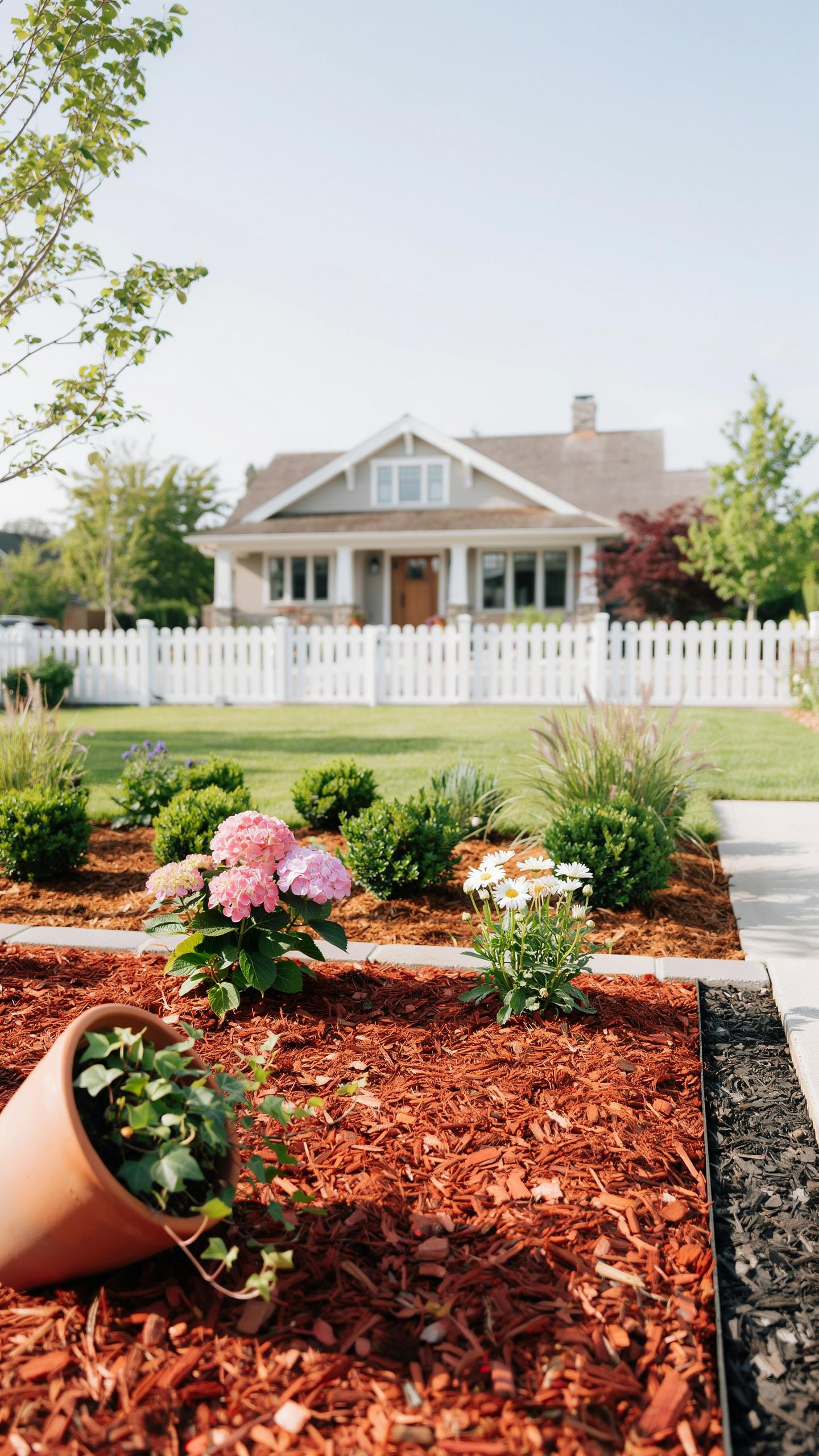
- Colored wood mulch: Dyed options retain color 18 to 24 months. Cedar and redwood chips cost more but resist decay and repel insects naturally. Choose non-toxic dyes if you grow edibles nearby.
- Aged bark chips: Break down slowly, requiring replacement every 3 to 5 years. Sourced from tree removal services or mills at minimal cost. Works well around shrubs and ornamental plants.
- Crushed granite: Lasts indefinitely without decomposition. Reflects heat, raising soil temperature in cool climates. Looks sharp around modern landscaping designs and low-water plants.
- Shredded hardwood: Breaks down faster than softwood options, enriching soil naturally. Costs less than specialty mulches. Best for flower beds requiring annual nutrient boost.
- Compost mulch blend: Combines mulch with finished compost for dual function. Feeds plants while suppressing weeds. Requires replacement annually but eliminates separate fertilizer applications.
Mixing two materials in border zones creates visual contrast without excessive spending. Apply materials 2 to 3 inches deep for weed suppression. Refresh accent zones every 18 to 36 months based on decomposition rates and local weather patterns.
Exploring The Best Alternative To Mulch For Low Maintenance Gardens
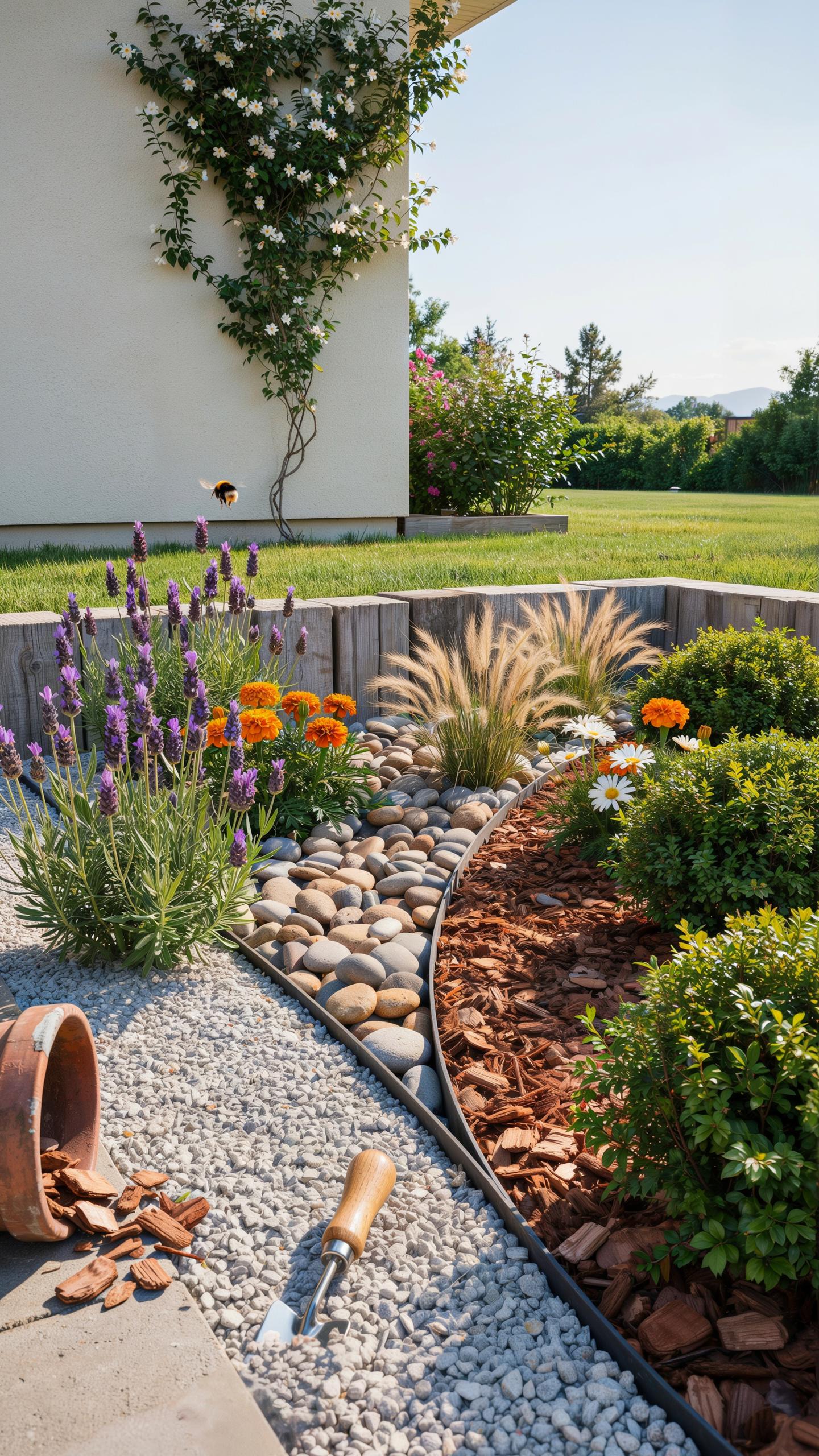
Living Mulches Groundcovers Creepers
Living mulches suppress weeds by occupying soil space and blocking sunlight. Fast-growing groundcovers like creeping thyme, sedum, and clover establish dense coverage within one growing season. They eliminate the need for mulch replacement every few years. Once established, these plants require minimal maintenance while continuously improving soil structure through organic matter accumulation.
Living groundcovers provide ecological benefits that static mulch cannot match. They prevent soil erosion, improve water infiltration, and support beneficial insects. Cost drops significantly after year one since you replant static mulch annually. The tradeoff is slower initial establishment and species selection based on your climate zone and sun exposure.
Cardboard Newspaper Soil Prep
Sheet mulching combines cardboard or newspaper layers with soil to suppress weeds while decomposing into organic matter. Lay cardboard directly over existing grass, overlap edges by six inches, wet thoroughly, and cover with two to three inches of topsoil or compost. This method eliminates tilling and accelerates soil improvement. Paper products decompose within six to twelve months depending on moisture and microbial activity.
Newspaper works equally well but requires more layers, typically three to five sheets thick. This approach costs significantly less than purchasing traditional mulch by the cubic yard. The decomposed paper enriches soil with carbon while the initial barrier kills existing vegetation. Start this process in fall for spring planting to allow maximum decomposition time.
Frequently Asked Questions

What exactly makes a mulch option sustainable for my garden?
Sustainable landscaping mulch options focus on using renewable, organic materials that improve soil health rather than depleting it. Unlike synthetic rubber or chemically treated chips, sustainable choices like pine needles, fallen leaves, or compostable wood chips break down over time. This natural decomposition returns vital nutrients to the earth, supports local biodiversity, and improves water retention, creating a healthy ecosystem that benefits both your plants and the environment.
How can I properly apply natural mulch to ensure my plants thrive?
To get the best results, start by clearing any invasive weeds from the area. Apply your chosen sustainable landscaping mulch options in a layer approximately two to three inches deep. It is crucial to keep the material a few inches away from plant stems and tree trunks to prevent rot. This strategic application helps regulate soil temperature, suppresses further weed growth, and conserves moisture without smothering your garden’s delicate root systems.
Where can I find affordable mulch materials if I am on a tight budget?
You can achieve a beautiful landscape without spending a fortune by sourcing materials right from your own backyard. Grass clippings, shredded autumn leaves, and even plain brown cardboard serve as excellent free alternatives to store-bought bags. Additionally, many local municipalities offer free wood chips from utility trimming. These accessible, budget-friendly sustainable landscaping mulch options allow you to reduce waste while significantly enhancing your curb appeal and soil quality for free.