Understanding Native Grass Lawn Alternatives For Modern Yards
What Controls Their Appeal
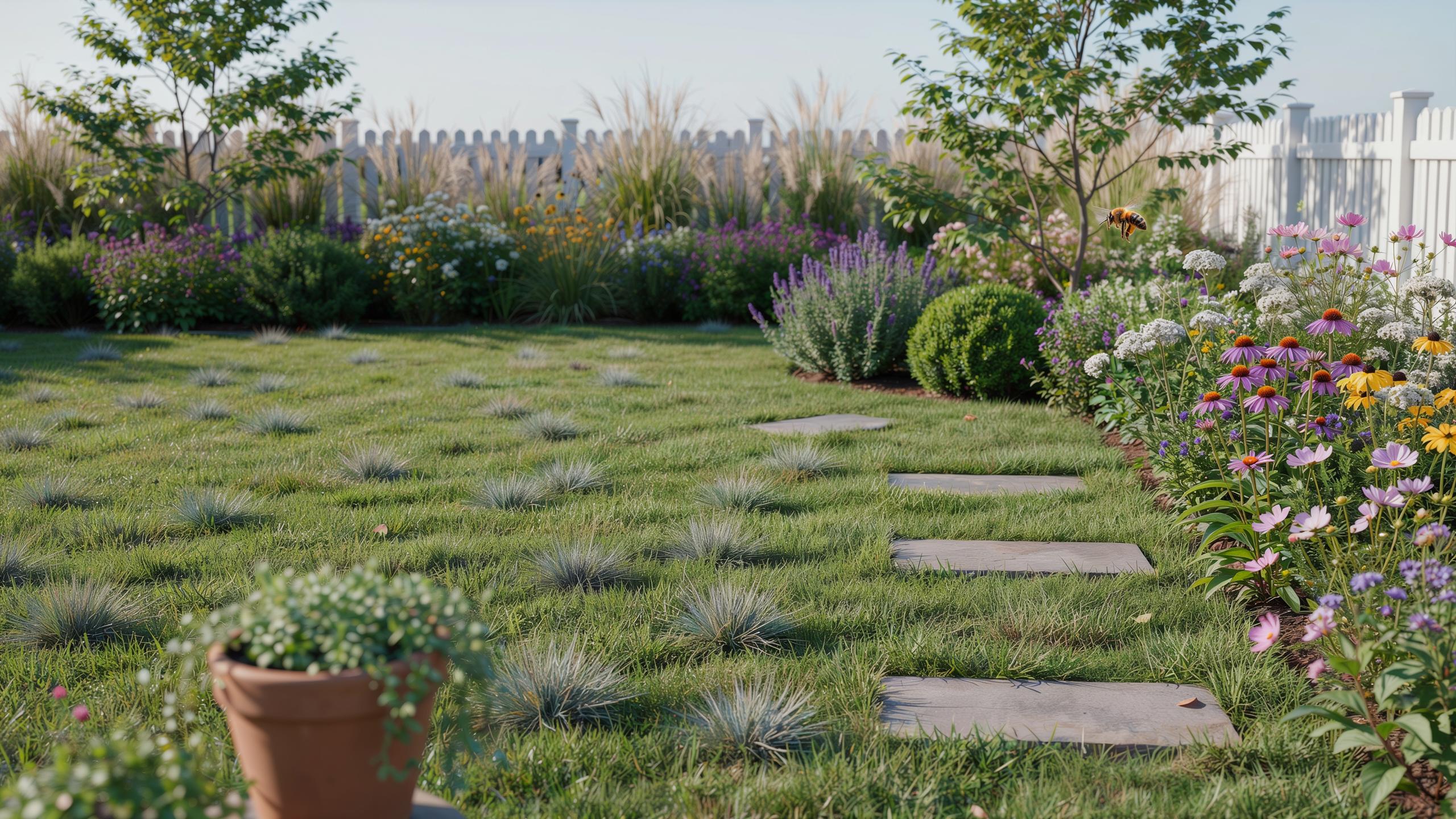
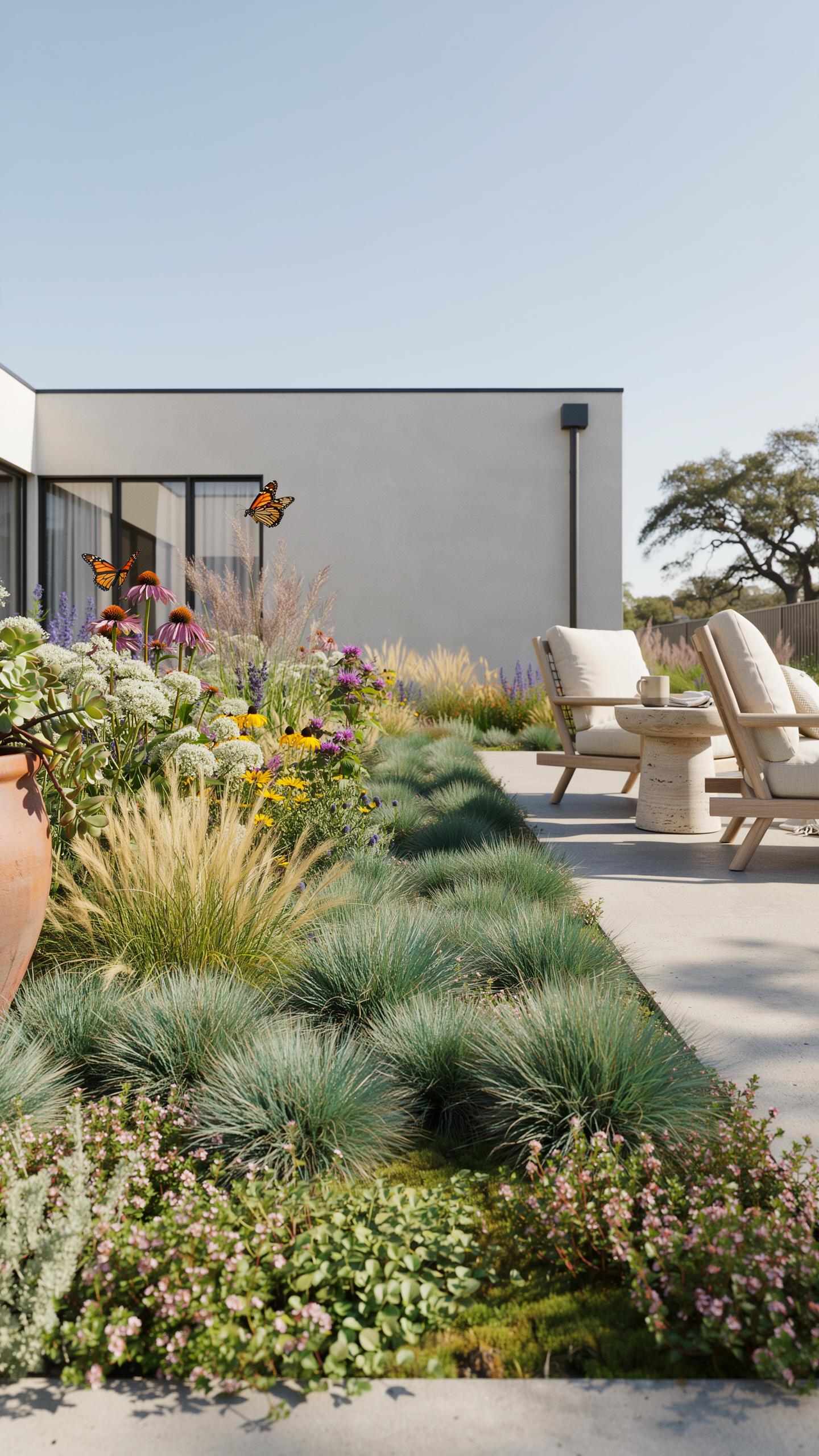
Native plants replace traditional turfgrass by matching regional climate and soil conditions. This alignment eliminates the constant inputs required to maintain non-native species. Water demand drops significantly because native plants evolved to thrive in local rainfall patterns. Songbirds and beneficial insects establish populations because native vegetation provides food sources and habitat they recognize. The shift addresses ecological function while reducing yard management overhead.
Homeowners adopt native alternatives for practical reasons. Maintenance schedules shrink when you remove the need for supplemental watering, mowing, and chemical applications. Property owners recognize that native plantings lower operational costs year over year. Local wildlife populations respond quickly to native plant establishment. The transition delivers measurable returns through reduced labor and resource expenditure.
Benefits Of Going Native
Native species develop deep root systems that penetrate soil layers and stabilize topsoil structure. These root networks access moisture during dry periods without supplemental irrigation. The soil beneath native plantings retains better moisture retention than compacted turf areas. This root architecture prevents erosion while building soil health over multiple growing seasons. The mechanical stability reduces the need for intervention during weather extremes.
Native plants eliminate the dependency on synthetic fertilizers and chemical pesticides. Soil organisms and natural pest predators establish in native plantings, creating self-regulating ecosystems. Nutrient cycling improves as plant material decomposes and rebuilds soil composition. The removal of chemical inputs protects groundwater and reduces contamination pathways. Property owners transition to landscapes that function without external chemical additions or regular applications.
Designing A No Lawn Landscaping System With Groundcovers
Aesthetic Groundcover Selection
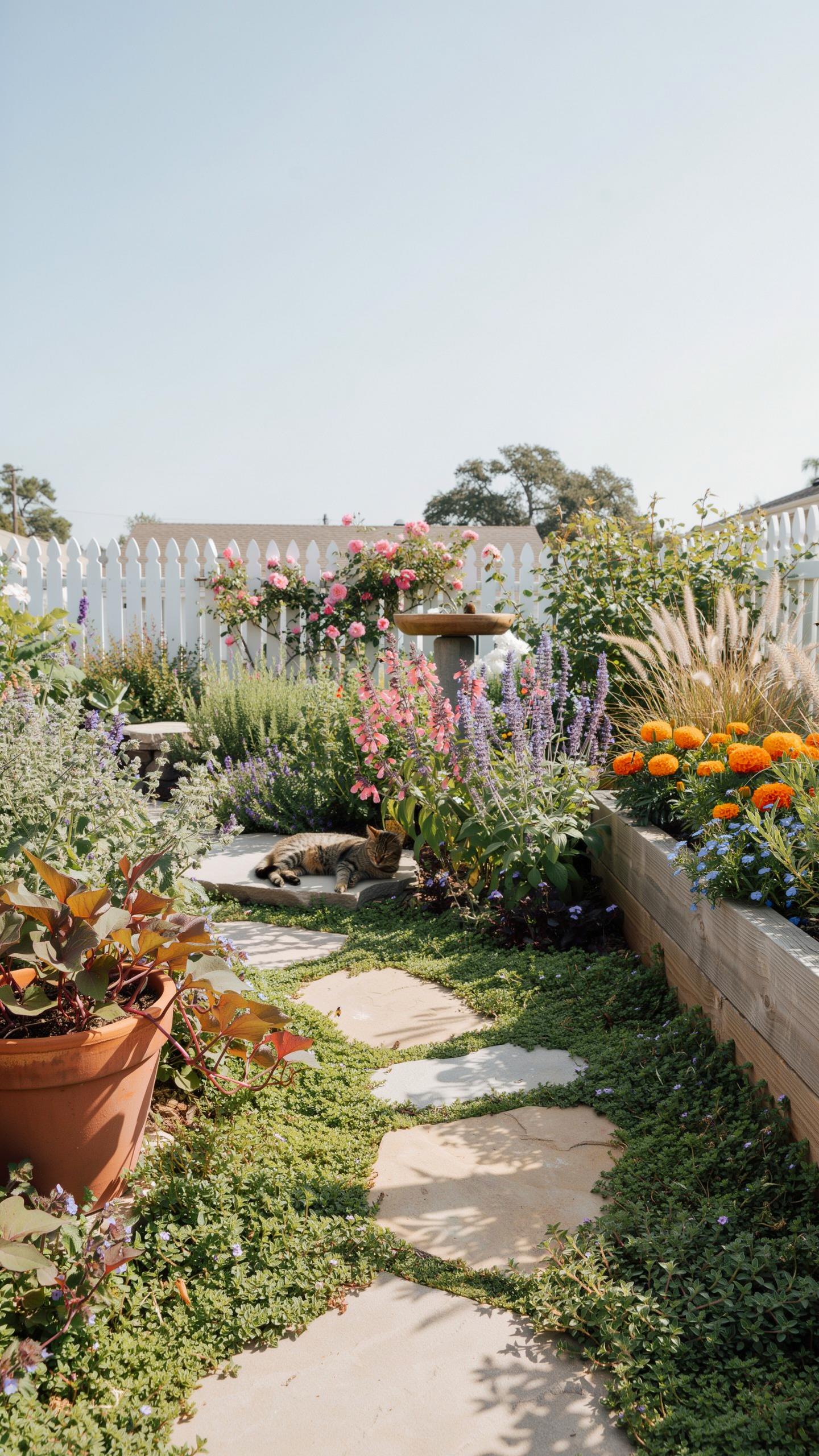
Groundcovers replace turf by creating dense plant layers that block sunlight from reaching weed seeds. Native creeping perennials like sedums, native milkweed species, and low-growing shrubs establish faster than seeded lawns and require fewer inputs once established. Select plants that thrive in your specific hardiness zone and light conditions. Seasonal color comes from flowering groundcovers that bloom at different times, creating visual interest without maintenance overhead.
Mix textures and heights within your groundcover palette to prevent monotony. Some gardeners combine mat-forming plants in foreground areas with slightly taller shrubs at 12 to 24 inches for layered depth. Native groundcovers suppress weeds more effectively than monoculture plantings because their root systems occupy soil space and their foliage blocks light. This approach eliminates reliance on herbicides and reduces labor costs over time.
Steps To Prepare Your Soil
Remove existing turf by cutting it into sections and either composting it or flipping it upside down on site. Sheet mulching involves layering cardboard or newspaper over the cut area, then adding compost and mulch on top. This method kills existing vegetation while building soil organic matter. The cardboard breaks down over weeks, allowing new roots to penetrate into native soil below without tilling or disrupting beneficial microorganisms.
Wait two to four weeks after sheet mulching before planting groundcovers into the prepared beds. This timing allows the cardboard to soften and settle. Install plants through the mulch layer directly into the compost and soil beneath. Water the newly planted groundcovers regularly during the first growing season until roots establish in the native soil, then reduce watering frequency as the system matures.
Planning A Tapestry Lawn For Continuous Texture And Color
Combining Plant Species
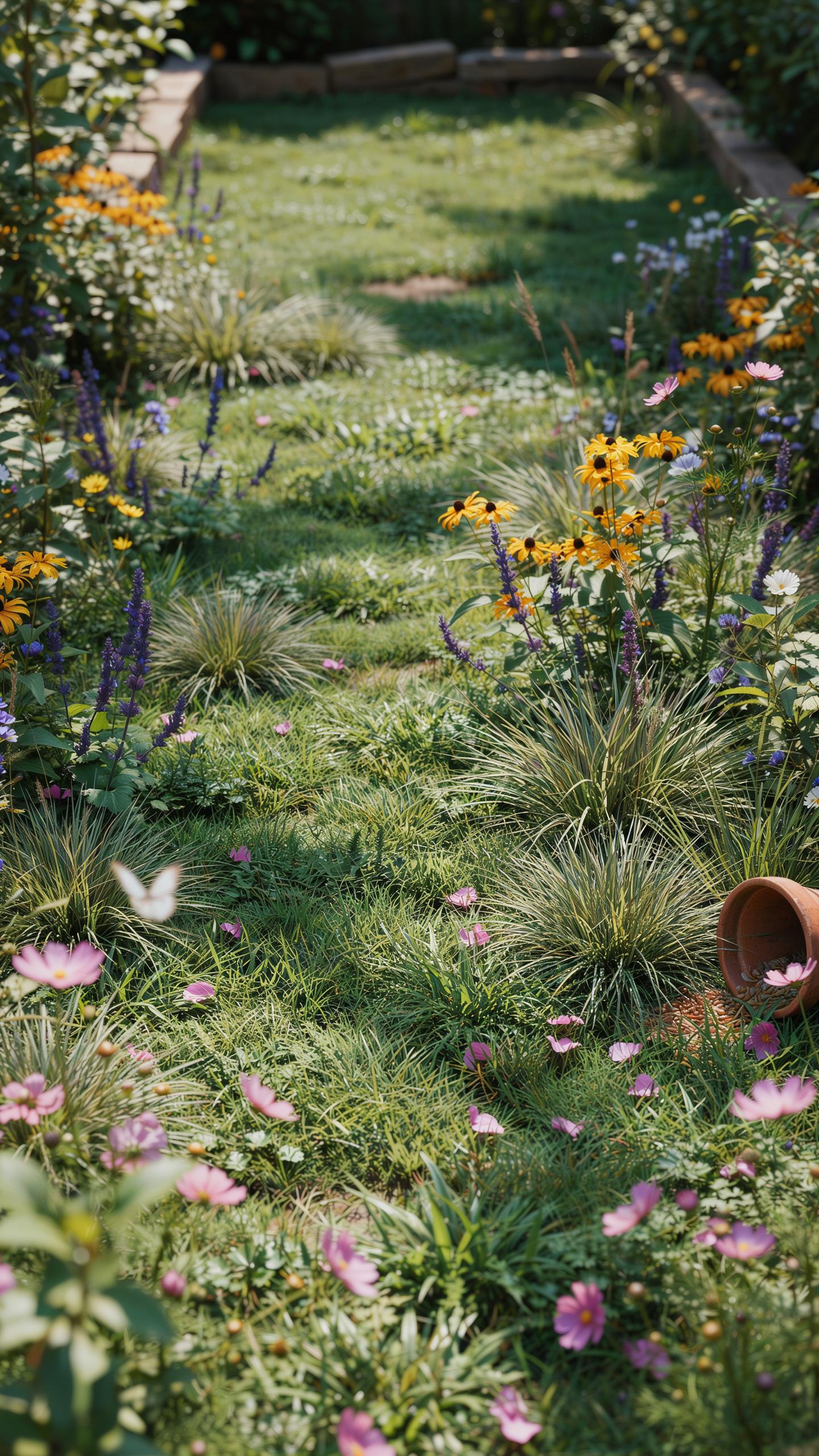
Select low-growing flowering herbs and evergreen groundcovers that tolerate foot traffic and local soil conditions. Mix species with different bloom times to maintain visual interest across seasons. Combine plants with varying heights, textures, and root depths to create a dense, stable matrix. Space plants appropriately so they mature into a cohesive coverage without excessive gaps or overlaps.
Layer your selection strategically. Use groundcovers as structural anchors, flowering herbs as focal points, and mat-forming species as fillers. Match plant choices to your region’s climate and rainfall patterns. This approach reduces maintenance while preventing bare patches that invite weeds. The result is a functional landscape, not a garden display.
Managing Growth And Spreading
Establish clear boundaries between planted areas and hardscape using physical barriers or depth changes in soil elevation. Monitor aggressive spreaders like mint varieties or creeping sedums quarterly. Trim back encroaching stems before dominant plants shade out slower growers. Target individual species that exceed their designated footprint, cutting them back to their original perimeter.
Implement a seasonal review schedule to catch overgrowth early. Use hand tools for precision work rather than full mowing, which destroys desirable structure. Remove debris and dead material to maintain airflow and prevent fungal issues. This selective management keeps the tapestry balanced and prevents any single species from monopolizing space.
Selecting A Lawn Substitute That Tolerates Foot Traffic
Choosing Resilient Varieties
Creeping thyme, Roman chamomile, and miniature stonecrop handle foot traffic without dying back. These ground covers spread horizontally and recover quickly from being stepped on. Creeping thyme tolerates compacted soil and releases aromatic oils when crushed underfoot. Roman chamomile performs similarly in temperate zones. Miniature stonecrop works in drier climates where water conservation matters. All three establish within one to two growing seasons under proper conditions.
Test foot traffic tolerance before committing large areas. Walk the same path repeatedly over several weeks and observe recovery rates. Ground covers with shallow root systems struggle more than those with deeper anchors. Thyme and chamomile root deeper than many alternatives, making them practical choices for walkways and high-use zones. Plant density affects performance too. Space plants closer together in areas you know will receive heavy use.
Creating Hardscape Pathways
Stepping stones, pea gravel, and flagstone pavers redirect foot traffic away from delicate vegetation. These materials protect ground covers by concentrating wear on durable surfaces instead of plants. Stepping stones should sit flush or slightly raised to prevent tripping. Space them at natural walking stride intervals, roughly 24 to 30 inches apart. This setup works in any climate and requires minimal maintenance once installed.
Pea gravel and flagstone each serve different purposes. Pea gravel costs less and drains quickly but requires raking every season. Flagstone lasts longer and needs no maintenance but costs significantly more upfront. Combine materials strategically. Use flagstone in high-traffic zones and pea gravel in secondary paths. This hybrid approach balances durability, cost, and visual consistency throughout your landscape.
Designing Lawn Alternatives Front Yard Spaces For Curb Appeal
Creating A Welcoming Entrance
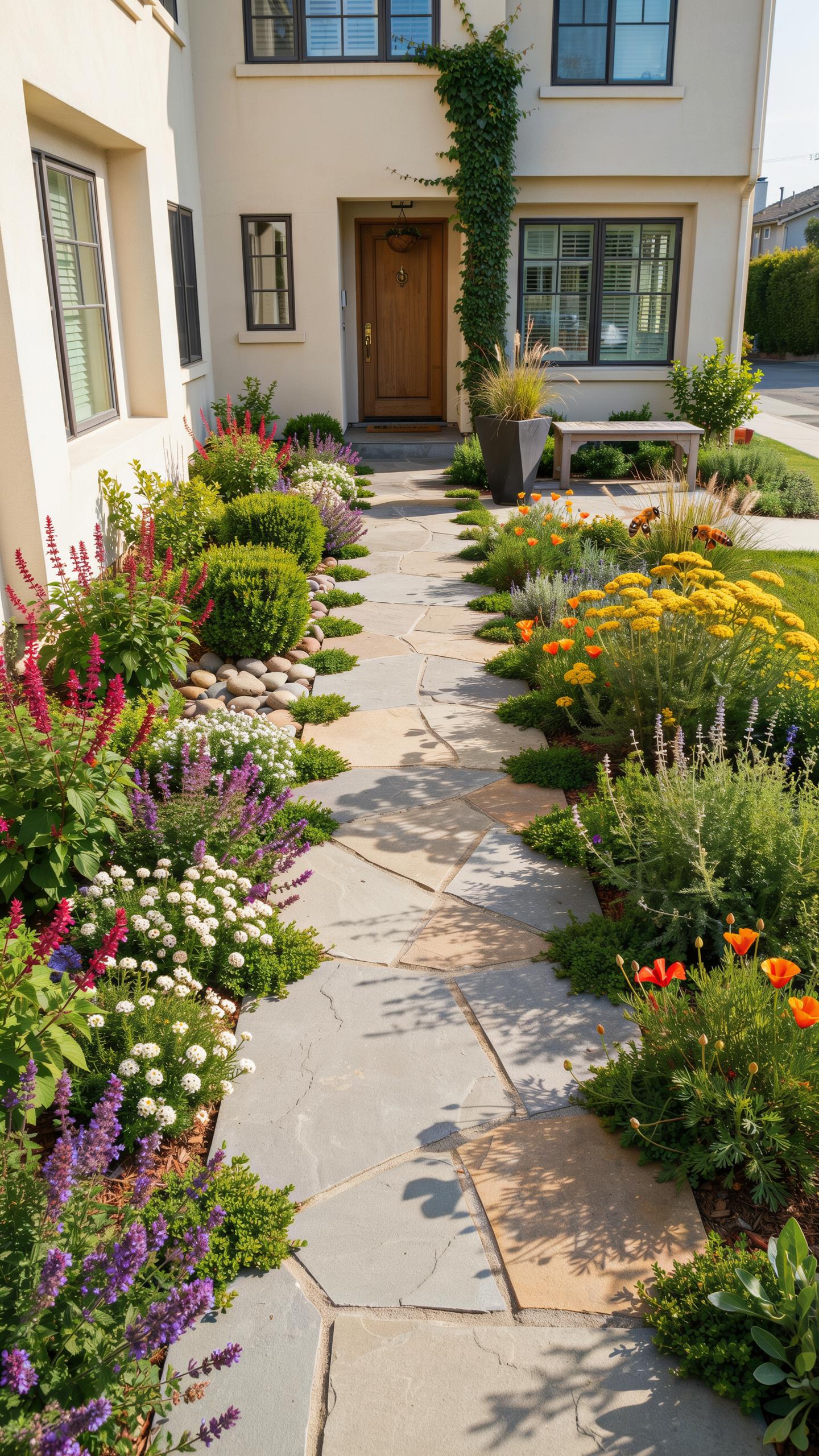
Native ornamental grasses anchor front entries through strategic placement. Position taller varieties like panicum or miscanthus behind shorter perennials to create depth without blocking sightlines. Use structural shrubs such as serviceberry or ninebark as visual anchors. Arrange plants in odd-numbered groupings—three or five specimens create balance. Define pathways with clean edges using hardscape materials. This layered approach guides foot traffic while maintaining a composed appearance that reads as intentional rather than wild.
Perennial borders require defined boundaries to stay polished. Use metal or stone edging along planting beds to separate native plants from hardscape. Group complementary species by mature height and bloom time. Native grasses like little bluestem and switchgrass pair effectively with coneflowers and black-eyed Susans. Regular deadheading and selective pruning maintain shape. These maintenance actions keep the entrance looking managed, not neglected. The result communicates care and design purpose to visitors approaching your home.
The wild beauty of native grasses returns us to the gentle grace of a meadow while keeping the garden perfectly refined. Let us plant what belongs and find a quiet elegance that asks for nothing but our admiration.
Maintaining Neighborhood Standards
Mulch pathways serve dual functions: they organize planting beds and reduce visible soil. Spread 2 to 3 inches of wood chips or shredded bark between plant groupings. Use decorative rock in foreground beds to establish visual weight and define plant clusters. Arrange rocks in groupings rather than scattering them randomly. This intentional placement signals design rather than accident. Clean borders between hardscape and planting areas reinforce a manicured impression. These tactical choices demonstrate that native alternatives require comparable care to traditional lawns.
Spacing determines how polished your landscape reads from the street. Plant native ornamentals with enough room for mature spread without overcrowding. Dense plantings appear chaotic and undermine curb appeal. Use groundcovers like native sedums or carex species to fill gaps while plants establish. Repeat plant species across the front to create rhythm and cohesion. This repetition strengthens the design narrative visible to neighbors. Consistent maintenance schedules keep plants healthy and visually uniform throughout the growing season.
Establishing A Sustainable Lawn With Low Water Perennials
Drought Tolerant Species Selection
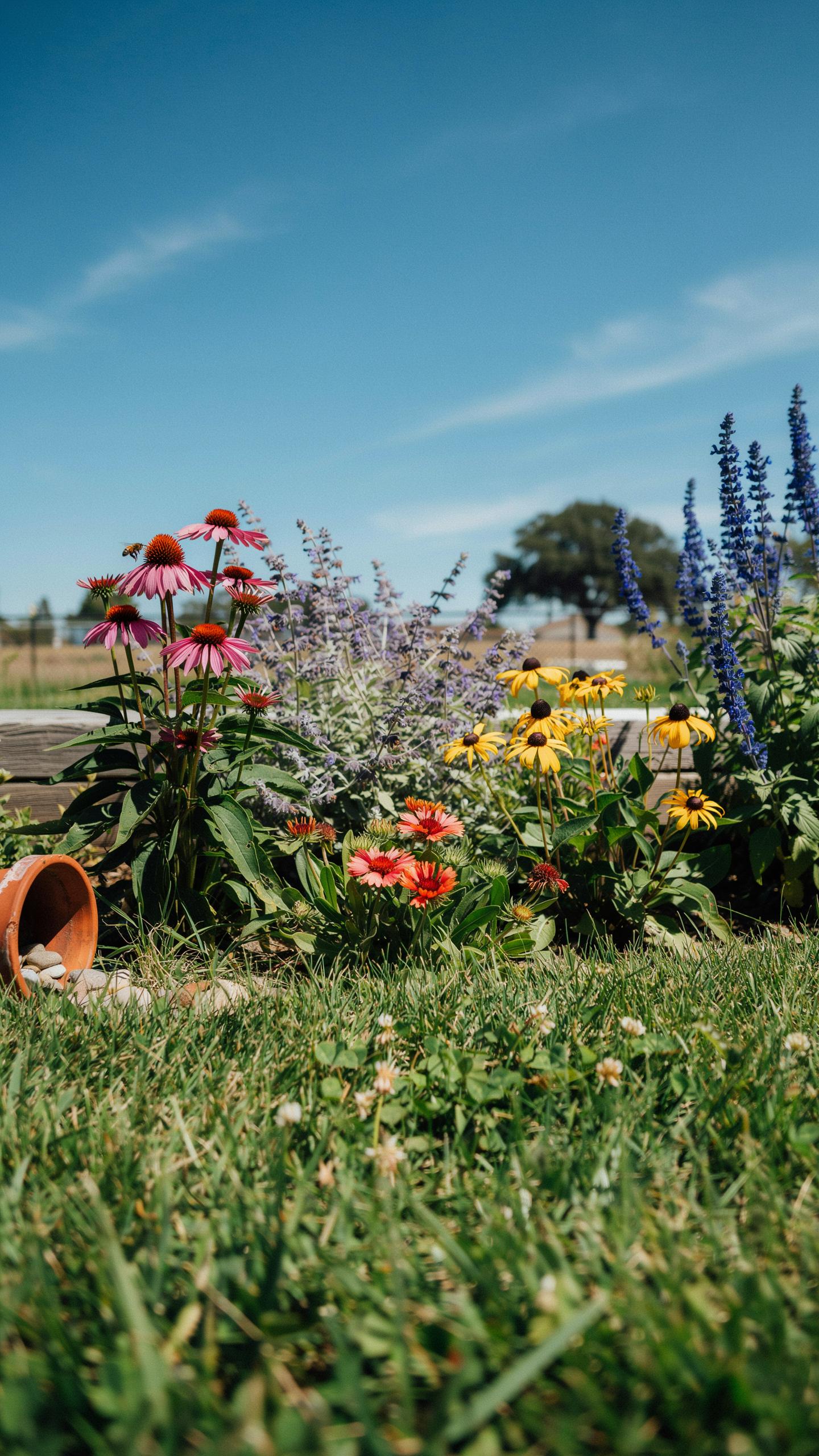
Native perennials survive on rainfall patterns native to your region without supplemental watering. Yarrow handles poor soil and spreads predictably. Sedges grow in shade or sun depending on species. Native clover fixes nitrogen, eliminating fertilizer needs. These plants establish deep root systems that access moisture conventional turf cannot reach.
Select species matching your USDA hardiness zone and existing soil conditions. Yarrow tolerates pH ranges from 4.0 to 8.0. Sedges perform in wet or dry soils depending on cultivar. Native clover outcompetes weeds as it spreads. This approach cuts municipal water consumption by 50 percent or more once established.
Essential Eco Friendly Irrigation Tips
Drip irrigation delivers water directly to soil, reducing evaporation losses. Rain sensors shut off systems during precipitation, preventing waste. Rainwater harvesting barrels capture roof runoff for summer use. These methods target critical dry months when rainfall drops.
- Drip Irrigation Systems: Deliver water at soil level rather than overhead, reducing evaporation by 30 to 50 percent and preventing fungal diseases from wet foliage.
- Rain Sensor Controllers: Automatically pause irrigation when precipitation occurs, preventing unnecessary watering and cutting water waste significantly.
- Rainwater Harvesting Barrels: Capture roof runoff to store for drought periods, reducing reliance on municipal water during summer months.
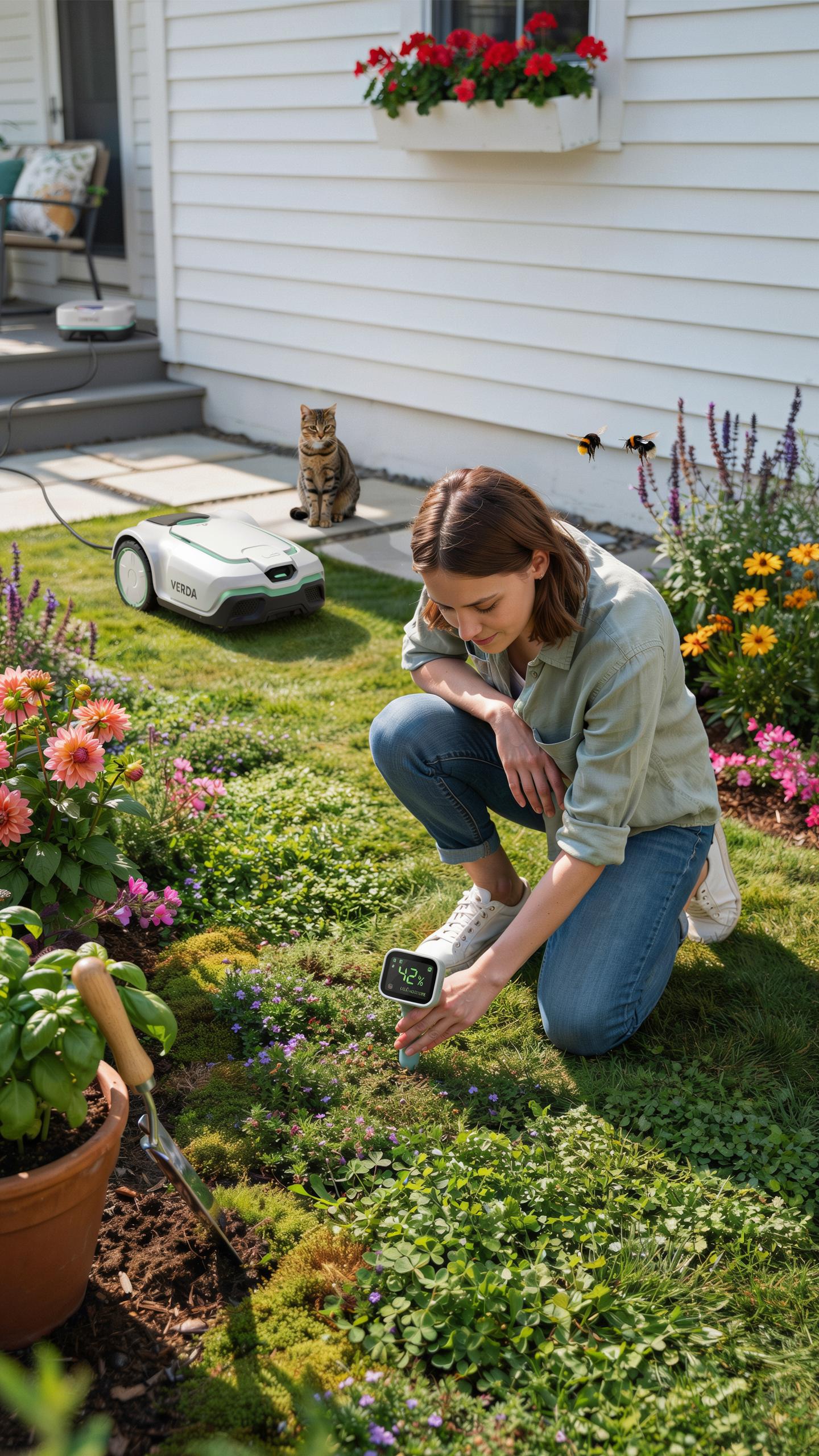
- Soil Moisture Monitoring: Install moisture sensors to trigger irrigation only when soil dries to specific depths, eliminating guesswork and overwatering.
- Mulch Layers: Apply 2 to 3 inches of wood chips around perennials to retain soil moisture and reduce irrigation frequency by 25 to 40 percent.

Install these systems during initial site preparation for maximum efficiency. Combine multiple methods to adapt to seasonal variations. Drip systems paired with rain sensors and mulch reduce irrigation needs by 60 percent compared to conventional sprinklers.
Transitioning To A No Mow Grass Yard Using Sedge And Fine Fescues
Sedge And Fescue Benefits
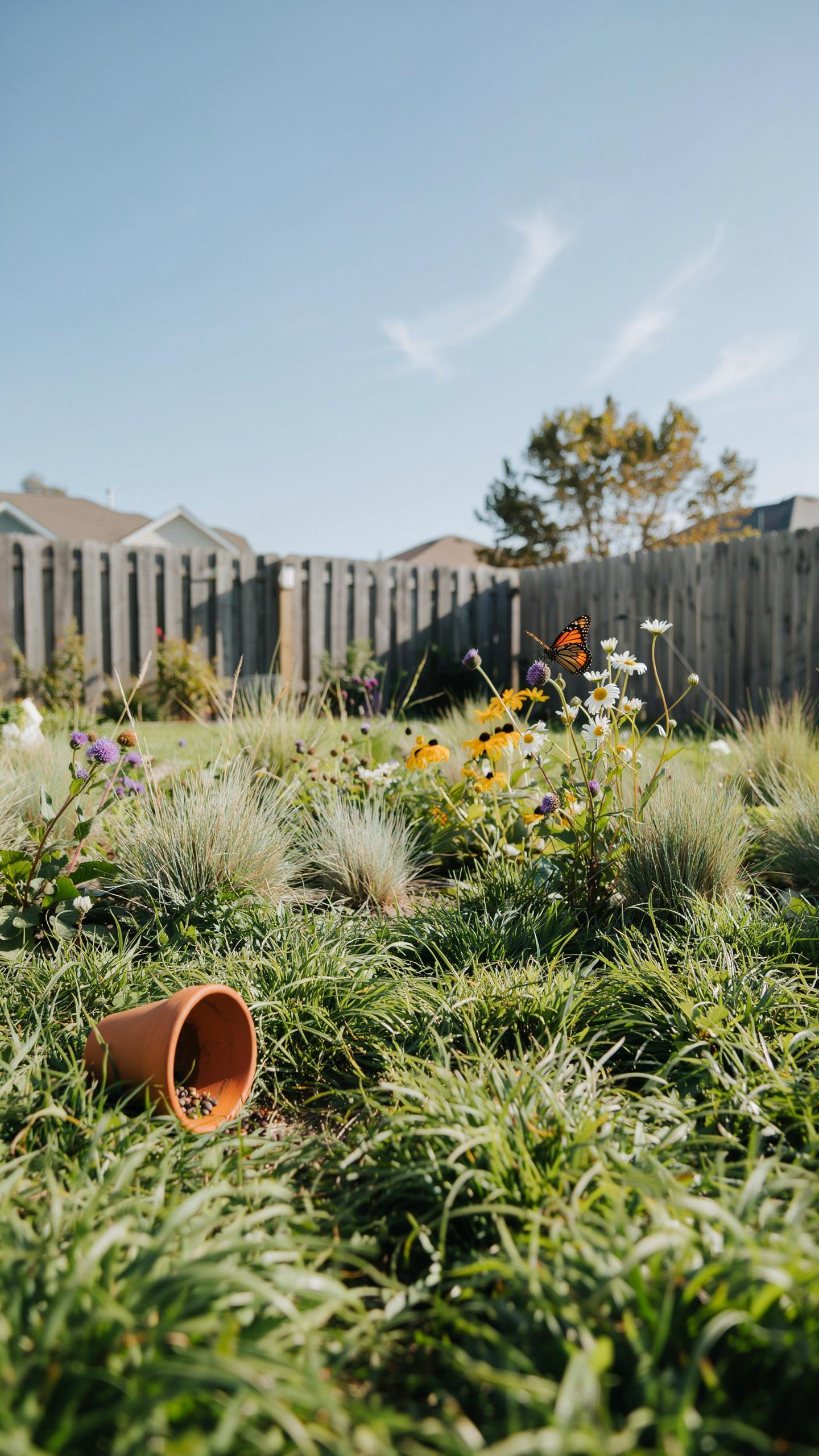
Sedges and fine fescues grow slower than turf grass, reducing mowing frequency to once or twice yearly. Sedges arch naturally as they mature, creating texture without aggressive growth. Fine fescues like creeping red fescue and chewings fescue tolerate shade and poor soil better than Kentucky bluegrass. Both establish dense root systems that suppress weeds through competition rather than chemical intervention.
These grasses handle foot traffic adequately while requiring minimal fertilizer or water after establishment. They perform well in regions with moderate rainfall and cooler temperatures. Fine fescues struggle in hot, humid climates where disease pressure increases. Sedges thrive in wetter conditions and handle compacted soil where other grasses fail. Choose based on your climate zone and existing soil drainage patterns.
Seeding And Plugs Establishment
Seeds cost less upfront and cover large areas quickly, but take longer to establish density. Seed germination depends on consistent moisture for 3 to 4 weeks after application. You’ll see initial growth within 2 to 3 weeks, but full coverage requires 8 to 12 weeks. Bare spots remain vulnerable to weed invasion during this extended timeline.
Plugs establish faster, typically achieving usable coverage in 6 to 8 weeks. You plant plugs 6 to 12 inches apart depending on species and budget. Higher plug density crowds out weeds immediately and reaches mowing stage sooner. Plugs cost 3 to 5 times more than seed but eliminate the establishment window where weeds gain advantage. Combine both methods by seeding between plugs to balance cost and timeline efficiency.
Creating A Grass Free Lawn With Organic Mulches And Stone
Hardscape And Gravel Integration
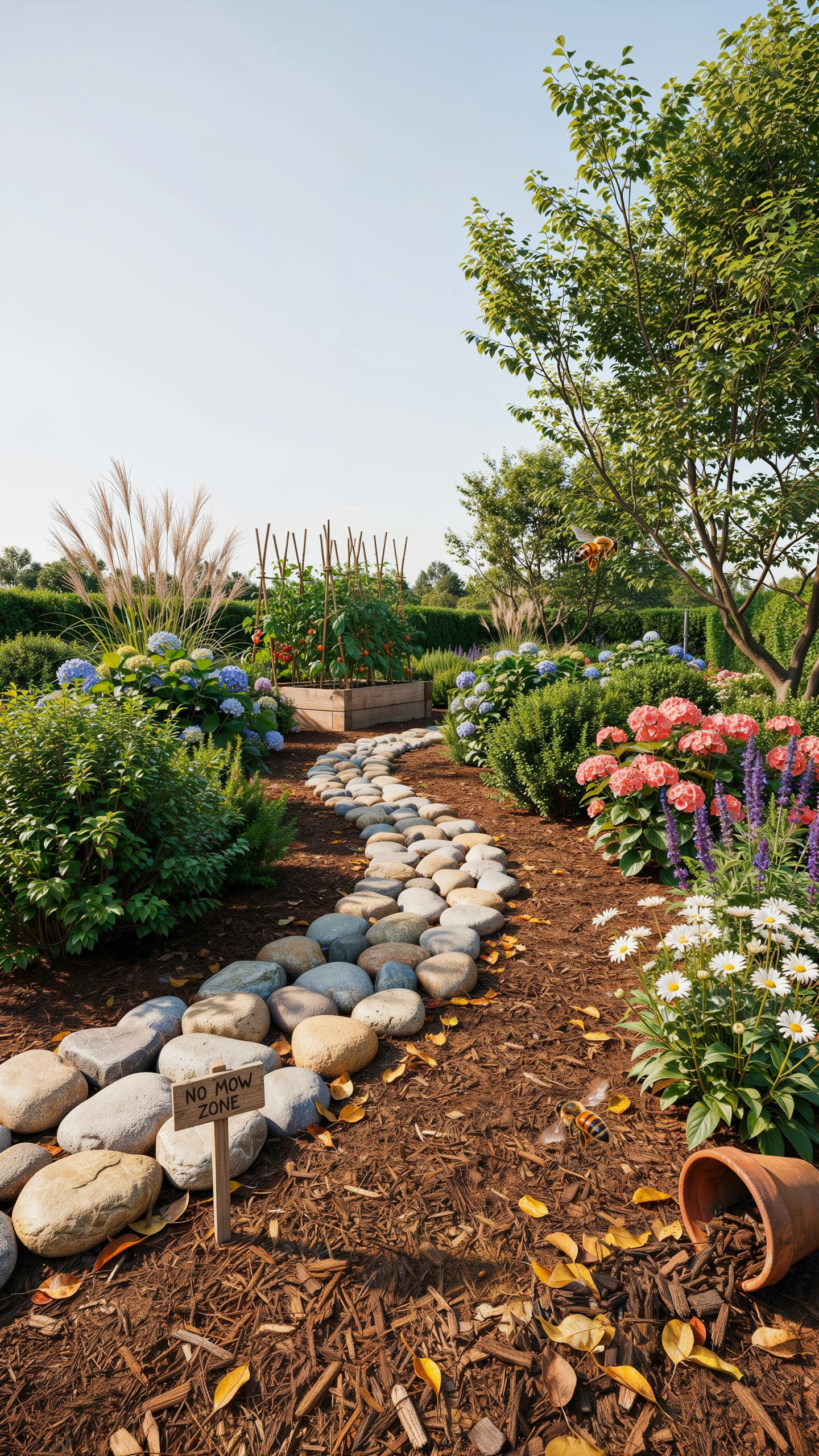
River rocks, decorative pebbles, and shredded bark mulch create functional outdoor spaces without grass. These materials serve specific purposes. River rocks drain water efficiently and resist breakdown. Pebbles come in varied sizes and colors for design flexibility. Shredded bark adds organic matter while defining spaces visually. Layer materials strategically to control water flow and establish clear zones.
Combine hardscape elements to build texture and structure. Arrange materials by size and function to direct foot traffic and frame planting areas. Use gravel in pathways and around plant beds. Position larger rocks as focal points or edging. This approach eliminates mowing entirely while creating defined outdoor living zones that require minimal maintenance.
Weed Prevention Strategies
Professional-grade geotextile barriers stop weed seeds from reaching soil and germinating. These breathable fabrics allow water and air penetration while blocking sunlight. Apply barriers directly over existing grass or bare soil before adding mulch layers. Deep organic wood chip layers amplify this effect by creating an additional light barrier. Combine both methods for maximum suppression.
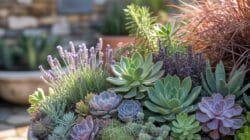
Wood chips applied four to six inches deep create an environment hostile to weed germination. The thickness blocks light entirely while decomposing slowly over time. Geotextile underneath prevents seeds from penetrating to soil below. Inspect mulch annually and replenish depleted areas. This dual-layer system maintains weed control for multiple seasons without chemical herbicides.
Smart Maintenance For Natural Lawn Alternatives
Annual Clean Up Checklist
Native grass lawns require systematic seasonal maintenance to function properly. Spring and fall cleanups prevent dead material from smothering new growth and blocking water infiltration. Clear timing and consistent effort keep your landscape functional rather than overgrown or degraded.
- Cut back dormant grasses in early spring: Remove dead growth from the previous year before new shoots emerge, typically in March or April depending on your region.
- Rake and remove leaf litter: Accumulated leaves block sunlight and create conditions for fungal issues. Complete this task after leaves have fallen in autumn.
- Replenish mulch layers: Add 2 to 3 inches of mulch around planted areas annually to suppress weeds and retain soil moisture.
- Remove invasive seedlings: Pull out woody plants and non-native species that establish in bare spots before they spread.
- Inspect and repair erosion areas: Identify spots where water runoff has exposed soil and add native plugs or seeds to restore coverage.
These tasks take one to three weekends depending on lot size. Scheduling them the same time each year creates routine that prevents problems from compounding. Most work you can do without specialized equipment.
Seasonal Weed Control Methods
Hand weeding works best during peak growing seasons when soil moisture makes removal easier. Grab weeds at the base and pull firmly to extract roots. This method targets problem plants without affecting beneficial native species around them.
Organic horticultural vinegar containing acetic acid kills broadleaf weeds on contact. Spot spray directly on weeds on dry, calm days to prevent drift. Target spraying protects surrounding plants and wildlife compared to broadcast applications. Repeat treatments may be necessary for deep-rooted perennial weeds. Test on a small area first to confirm your native plants tolerate any spray product you use.
Frequently Asked Questions

What are the benefits of switching to native grass lawn alternatives?
Making the switch to native grass lawn alternatives offers a sustainable way to achieve a lush, polished yard without the constant chemical fertilizers or heavy watering required by traditional turf. These regional plants are naturally adapted to your local climate and soil, which means they are significantly more resistant to pests and drought. Beyond saving you time on maintenance, they provide essential habitats for local pollinators like bees and butterflies.
How do I successfully replace my existing turf with these native options?
To transition your landscape, start by removing your current grass using sheet mulching or a sod cutter to ensure invasive roots are gone. Once the soil is clear, plant your chosen native grass lawn alternatives during their primary growing season, typically spring or fall. Ensure you water them consistently during the first few months to establish strong root systems. Once matured, these low-maintenance plants will require very minimal mowing to stay beautiful.
Are native lawn replacements more expensive to install than traditional grass?
While the initial cost of seeds or plugs can be slightly higher than standard turf seed, you will save a significant amount of money over time. You’ll see immediate reductions in your water bill and eliminate the need for expensive seasonal fertilizers and pesticides. Many homeowners also find that the long-term durability of native species prevents the costly cycle of reseeding patchy areas every year, making them a very budget-friendly investment.