Understanding Xeriscape Garden Design Principles And Planning
Core Principles Of Low Water Landscaping For Sustainable, Low Maintenance Home Environments
Xeriscape design reduces water consumption by matching plants to your climate and soil conditions. The approach eliminates reliance on frequent irrigation through strategic plant selection, soil amendment, and proper spacing. Native and drought-tolerant species thrive with minimal supplemental water once established. This method cuts your water bill significantly while reducing maintenance time spent on watering schedules.
Low-water landscaping works because it aligns plant needs with what your environment naturally provides. You choose species adapted to local rainfall patterns, temperature swings, and soil composition. Amended soil retains moisture longer, reducing runoff waste. This system creates a self-sustaining garden that functions with less intervention from you over time.
How Thoughtful Layout Reduces Water Runoff, Controls Erosion, And Enhances Property Aesthetics
Strategic garden layout directs water where it matters most. Contouring the land slows water movement across slopes, allowing soil to absorb moisture rather than lose it to runoff. Mulched beds capture rainfall and reduce evaporation from exposed soil. Proper grading prevents water pooling in low spots while channeling it away from your home’s foundation.
Erosion control happens through deliberate plant placement and ground coverage. Deep-rooted plants stabilize soil on slopes and prevent sediment loss during heavy rain. Layered plantings from groundcovers to shrubs to trees create visual depth while anchoring soil. This layering also improves property value by transforming bare or eroded areas into defined landscape spaces with clear design intent.

Essential Xeriscape Gardening Tips For Long Term Success
Soil Preparation Techniques And Organic Amendments That Maximize Moisture Retention For Root Systems
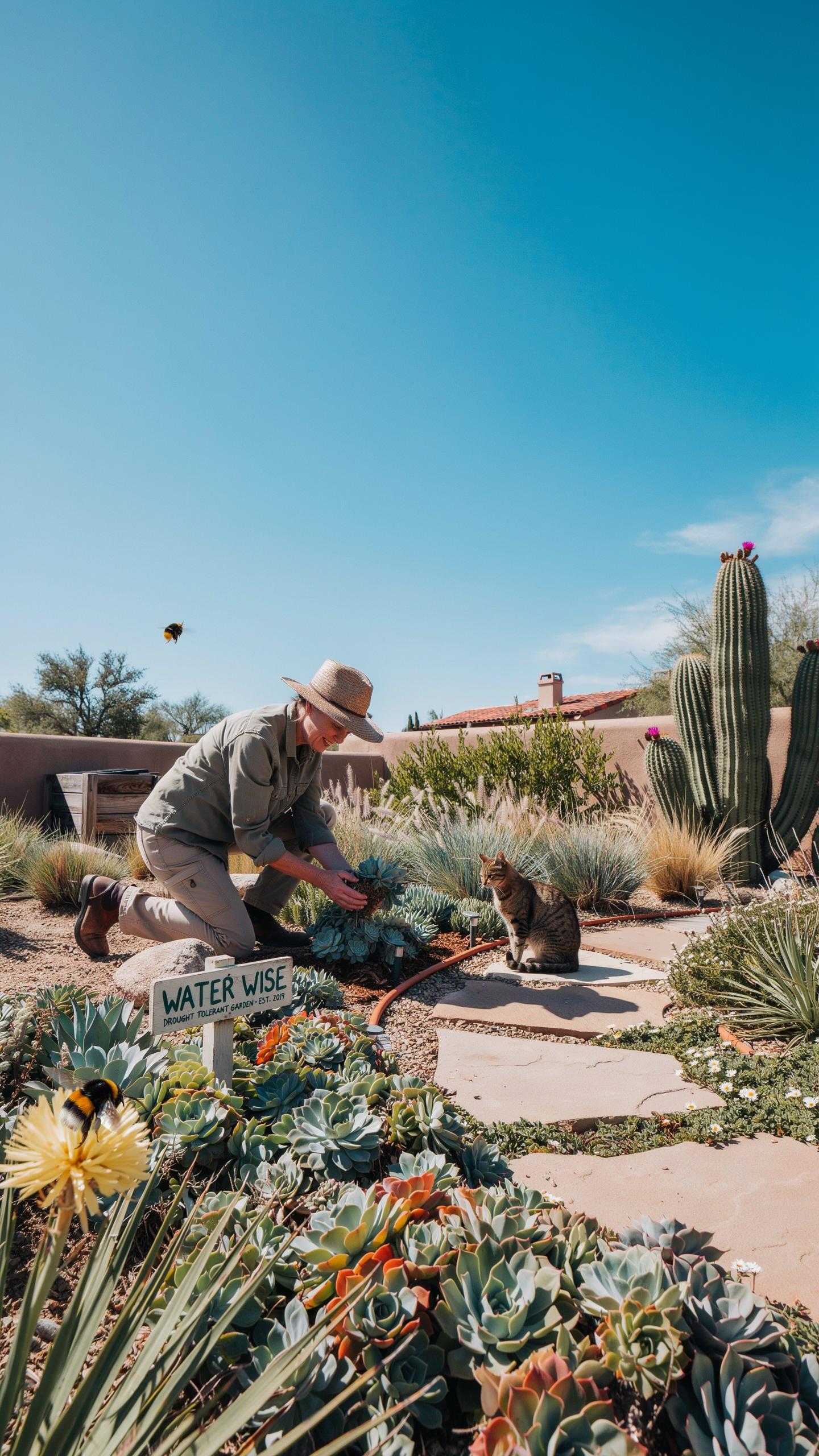
Xeriscape success starts with soil structure. Most xeriscaping fails because people don’t amend soil properly before planting. Add 2 to 3 inches of compost into the top 12 inches of existing soil. This improves water-holding capacity without creating a waterlogged environment. Organic matter works as a sponge that releases moisture slowly to roots over time.
Drainage matters as much as retention. Heavy clay soils need coarse sand and perlite mixed in to prevent root rot during occasional deep watering. Sandy soils need more compost to hold available water longer. Test your soil before amending. Once amended correctly, your root systems access stored moisture during dry periods, reducing overall water dependency by 30 to 50 percent compared to unamended soil.
Best Watering Practices Including Drip Irrigation Scheduling And Seasonal Deep Watering Guidelines
Drip irrigation delivers water directly to root zones where plants need it. Surface watering wastes 40 to 60 percent of water through evaporation and runoff. Install drip lines 2 to 4 inches below soil surface or use surface drip tubing with emitters spaced according to plant spacing. Set timers for early morning watering between 5 and 7 AM to minimize evaporation.
- Spring establishment phase: Water newly planted xeriscapes weekly for the first 4 to 6 weeks. Established root systems need this consistency before transitioning to drought cycles.
- Summer deep watering: Apply 1 to 1.5 inches of water every 2 to 3 weeks instead of frequent shallow watering. Deep watering encourages roots to extend downward into stable moisture zones.
- Fall transition period: Reduce watering frequency by 30 to 40 percent as temperatures drop and plant growth slows naturally.
- Winter dormancy: Most xeriscaping plants need minimal water in winter months. Water only during extended drought periods or when soil is bone dry.
- Seasonal adjustment protocol: Check soil moisture 4 inches deep with a moisture meter before each watering cycle. Adjust schedules based on rainfall received that week.

Seasonal schedules prevent overwatering while maintaining plant vigor. Monitor soil moisture consistently rather than following fixed calendars. Plants die from too much water far more often than from drought in xeriscape gardens.
A Curated Xeriscape Plants List For Year Round Appeal
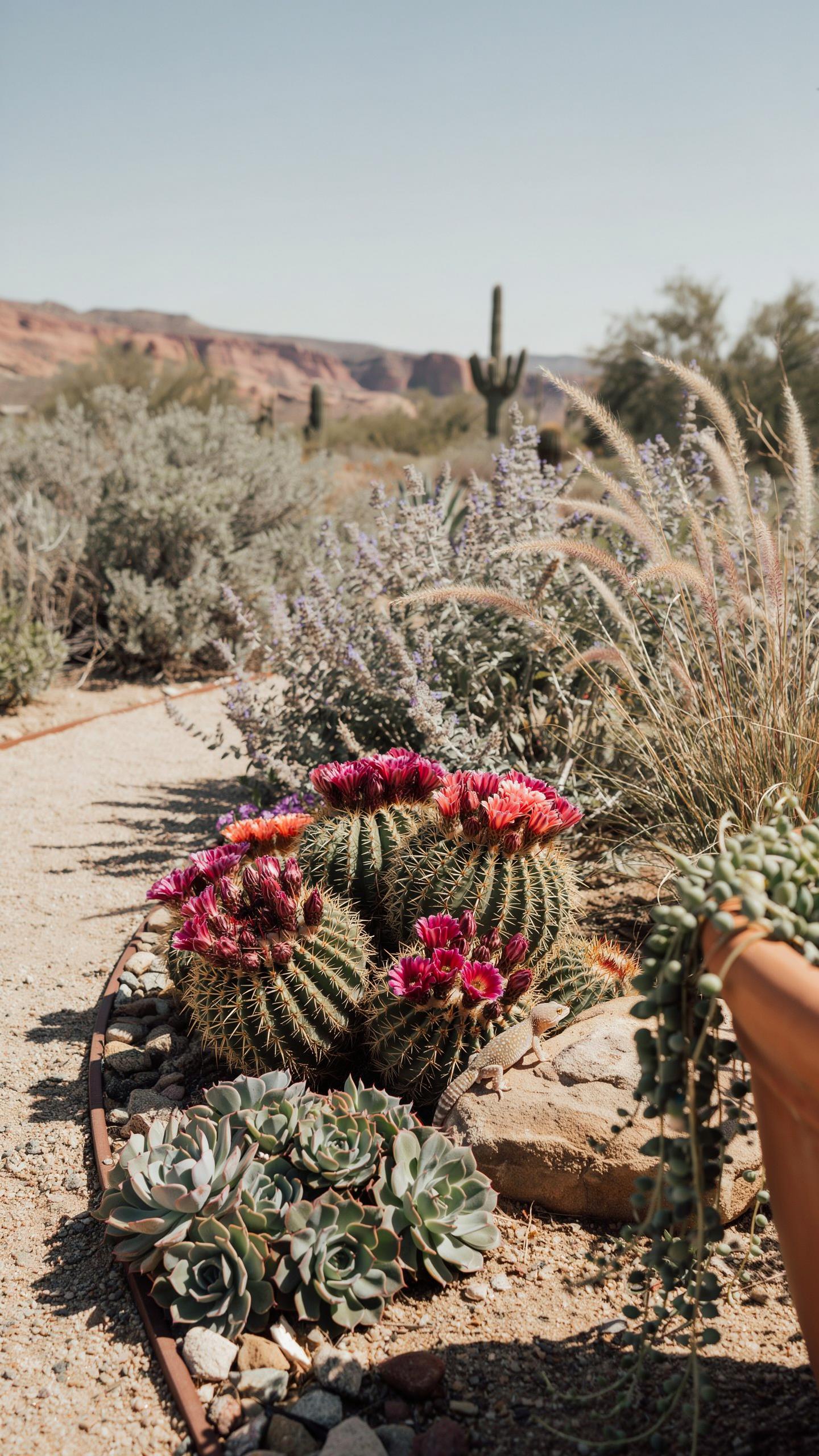
Resilient Drought Tolerant Shrubs And Structural Ornamental Grasses To Define Your Borders
Shrubs anchor xeriscape gardens by providing structure and reducing maintenance cycles. They establish permanent frameworks that require minimal watering once established. Choose species that tolerate poor soil and thrive in your climate zone. This approach eliminates constant replanting and protects against seasonal fluctuations.
Ornamental grasses deliver visual interest and functional density without demanding rich soil or frequent irrigation. They filter wind, prevent erosion, and create natural privacy screens. Grasses like blue fescue and feather reed grass establish quickly and require only annual cutting. Their movement and texture reduce the need for flowering plants to create visual appeal.
To garden is to be patient and to trust that beauty can bloom in harmony with the earth’s own quiet strength. In the warmth of a drought-tolerant sanctuary, we find a timeless peace that asks for nothing but our presence.
A Selection Of Colorful Flowering Perennials And Evergreen Groundcovers That Require Minimal Moisture
Flowering perennials add seasonal color while maintaining xeriscape principles through low water needs and multi year lifecycles. Select varieties adapted to your hardiness zone that bloom at different times. Evergreen groundcovers eliminate bare soil, suppress weeds, and stabilize slopes without supplemental watering once roots establish.
- Blanket Flower: Produces orange and red blooms mid summer through fall. Tolerates poor soil and full sun. Establishes quickly and spreads via seeds or division.
- Desert Marigold: Yellow daisy like flowers bloom year round in mild climates. Requires full sun and excellent drainage. Native to southwestern regions and highly drought tolerant.
- Creeping Sedum: Evergreen groundcover with fleshy leaves that change color seasonally. Grows in tight mats requiring minimal maintenance. Tolerates poor soil and partial shade effectively.
- Russian Sage: Purple blue flowers on tall stems bloom mid summer through frost. Attracts pollinators and resists pests naturally. Thrives in hot, dry conditions with minimal care.
- Woolly Thyme: Fine textured groundcover with tiny leaves and pink flowers. Handles foot traffic and poor soil conditions. Requires zero supplemental watering in most climates.

These perennials and groundcovers form the visual foundation of functional xeriscape gardens. They eliminate the cost and labor of constant watering while delivering consistent performance across seasons. Combine them with structural shrubs and grasses for complete landscape definition without ongoing resource demands.
Cozy Xeriscape Plans For Backyard Relaxation Areas
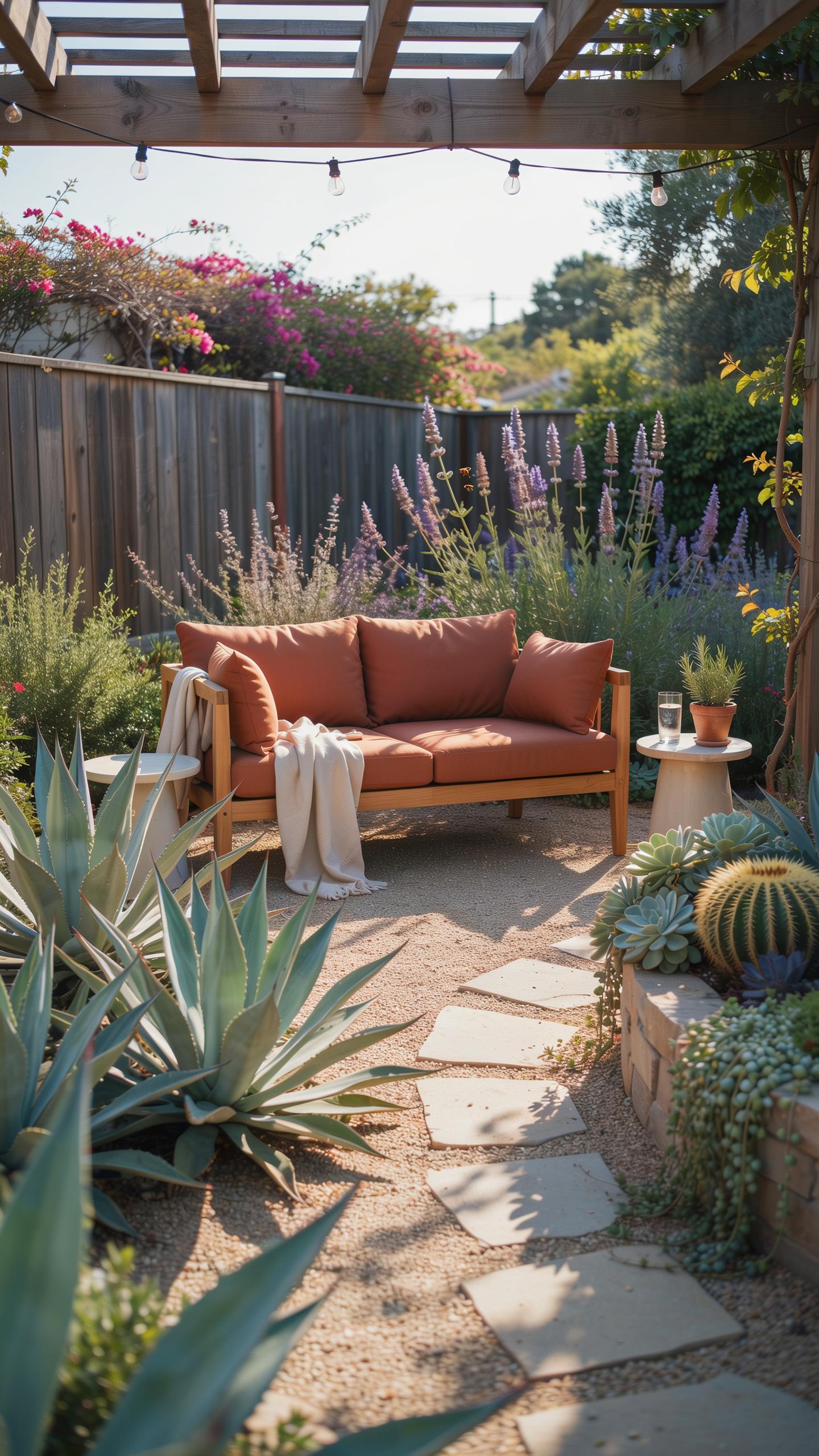
Creating Intimate Seating Nooks Surrounded By Soft Textured Low Irrigation Plantings
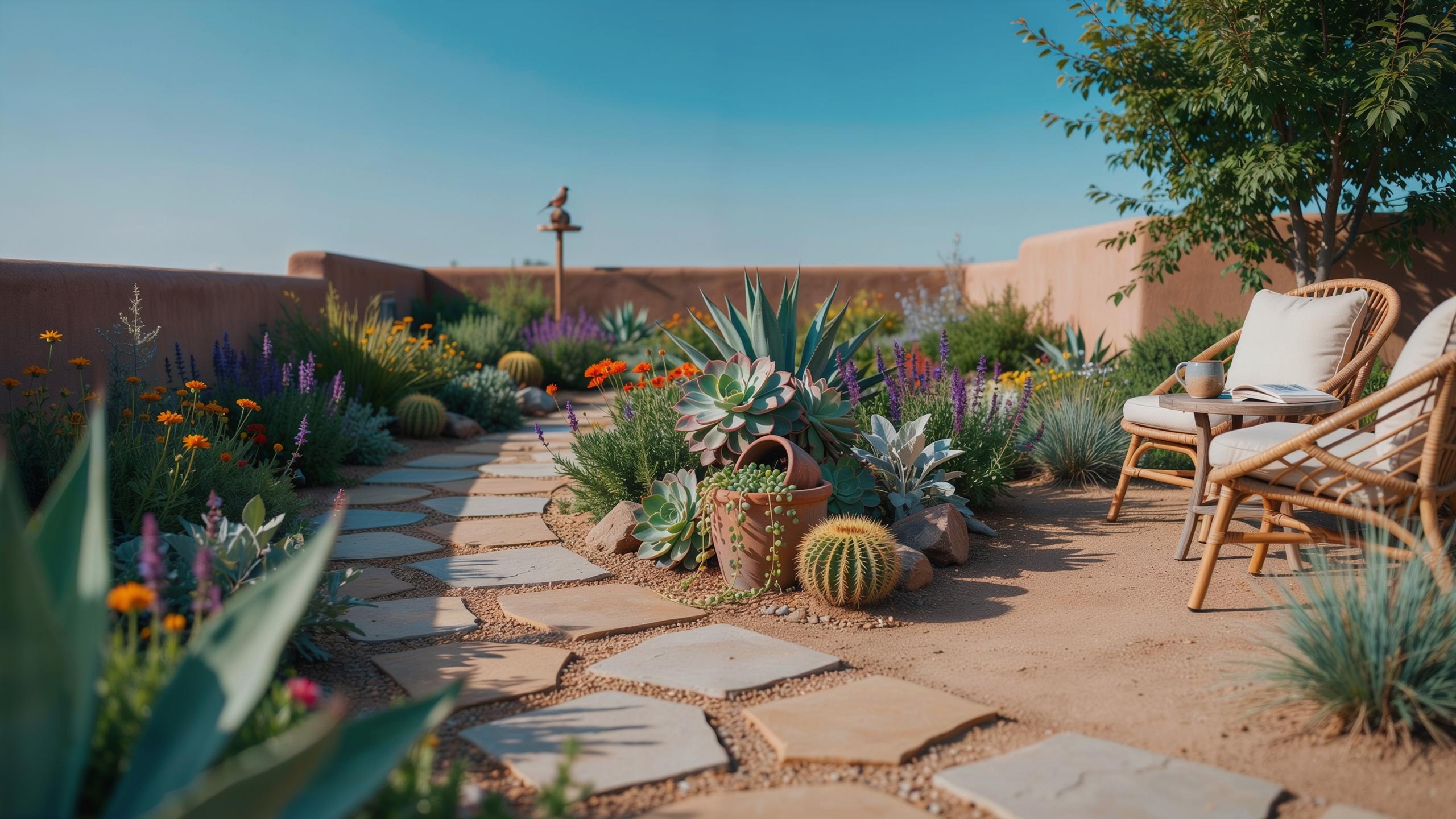
Position seating areas in corners or alcoves bounded by drought-tolerant shrubs. Use plants like Texas privet, fragrant sumac, or buckwheat to create natural privacy screens. These species mature to 3-6 feet and require minimal water after establishment. Orient seating toward focal points like water features or specimen plants. The surrounding vegetation reduces wind exposure and creates a contained outdoor room.
Select ground-level plants to soften the seating zone without blocking sightlines. Creeping thyme, sedums, and native bunch grasses work effectively at 12-18 inches tall. These plants suppress weeds, reduce maintenance, and provide visual texture. Space plants 18-36 inches apart based on mature width to allow air circulation. Group plants by water needs so irrigation systems reach only what requires regular watering.
Integrating Natural Stone And Gravel Pathways To Seamlessly Connect Outdoor Living Spaces
Lay pathways using locally sourced stone or decomposed granite to minimize cost and environmental impact. Stone materials drain quickly, preventing water pooling and root rot around nearby plantings. Pathways should measure 24-36 inches wide for comfortable single-file movement. Edging with steel or composite materials keeps gravel contained and reduces maintenance spread.

Connect seating areas with consistent pathway widths and grades to improve accessibility. Use uniform materials throughout the garden to create visual continuity. Gravel pathways require raking quarterly to maintain appearance. Stone pathways demand occasional weeding between joints but offer durability lasting 15-20 years. Both options support xeriscape principles by allowing water drainage and minimizing hardscape heat retention.
Xeriscape Front Yard Plans To Enhance Curb Appeal
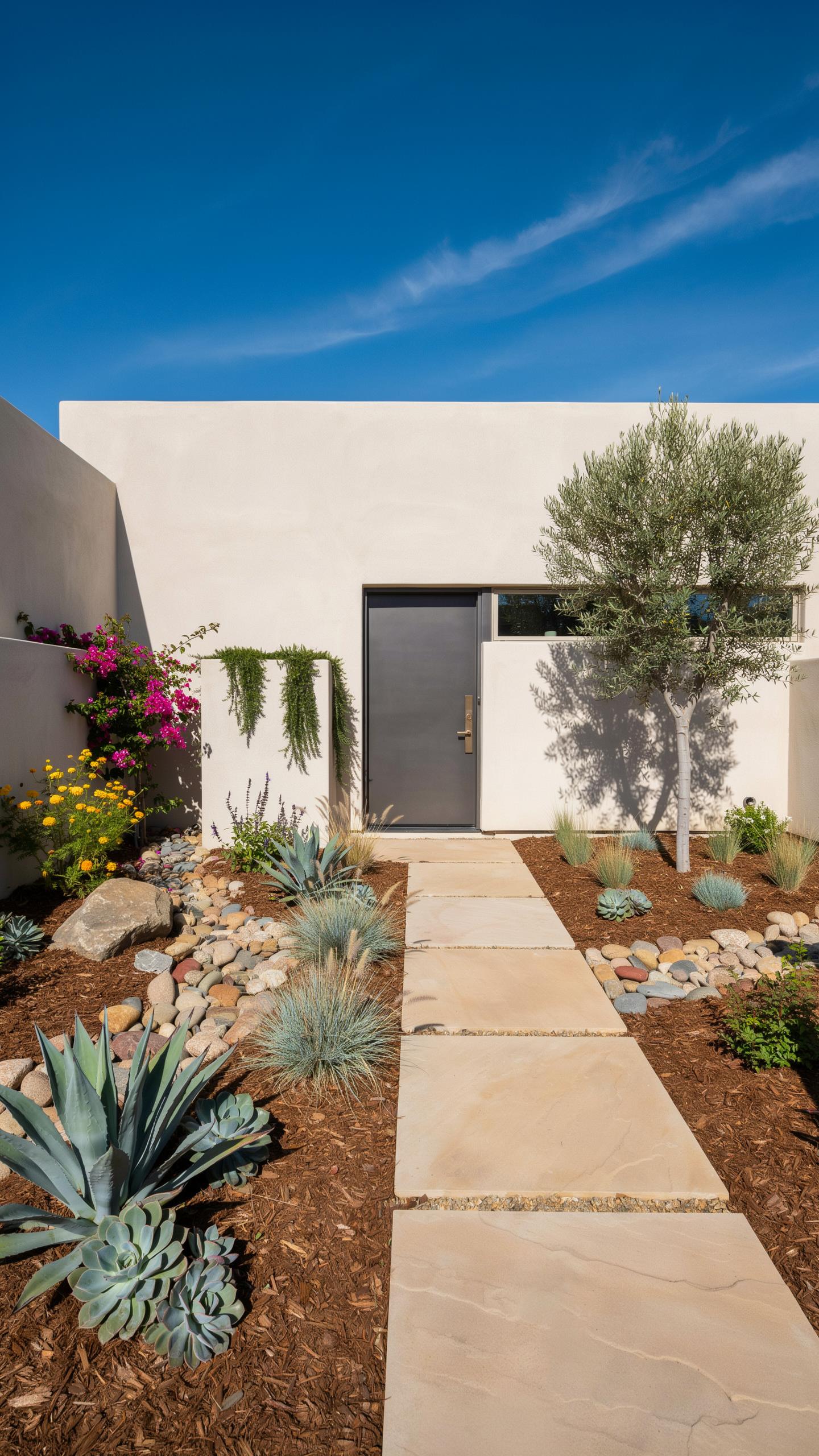
Replacing Thirsty Turf Grass With Striking Architectural Succulents And Structural Boulders
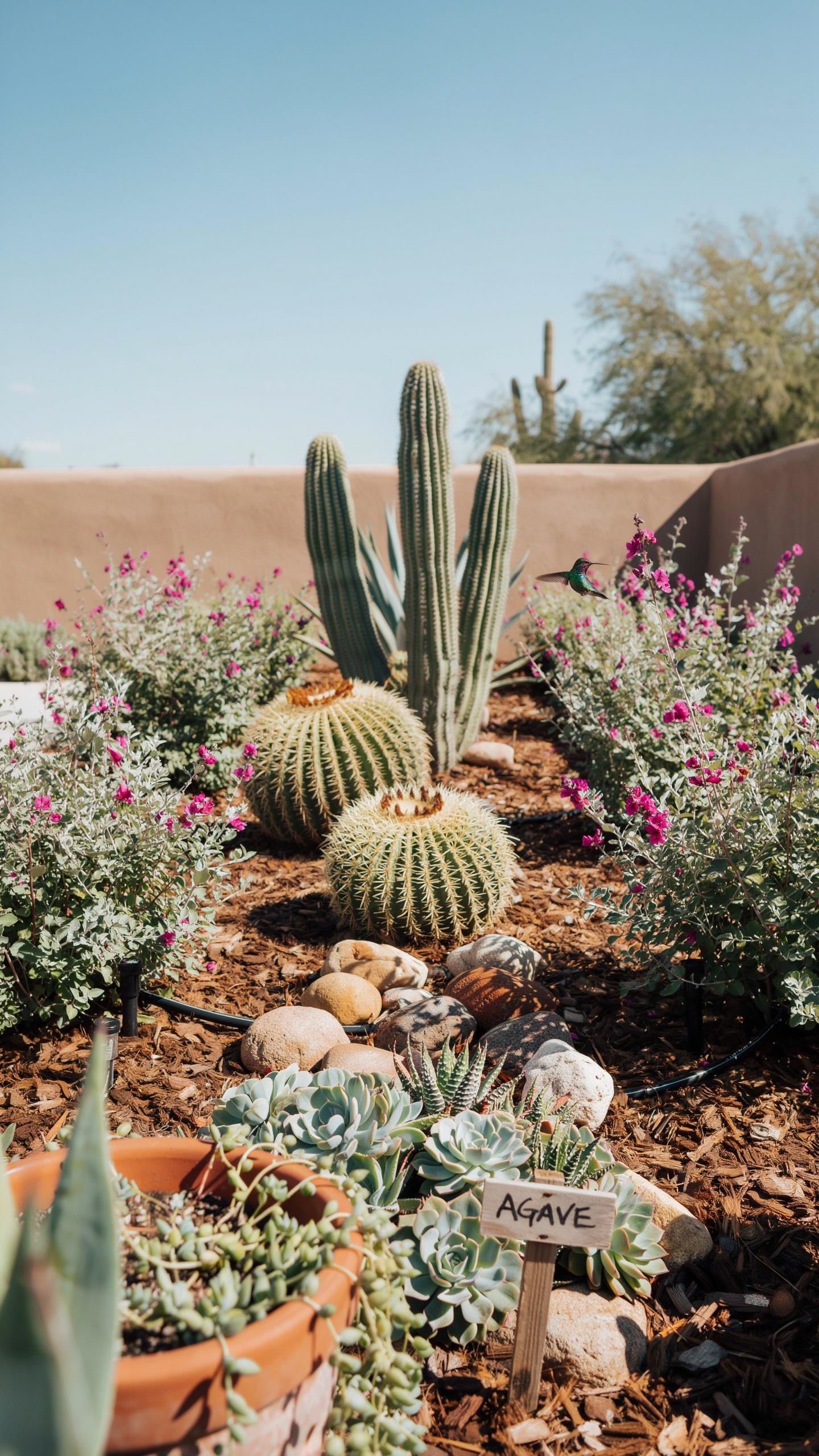
Turf grass demands consistent water, fertilizer, and mowing. Removing it cuts maintenance by 50% or more. Succulents store water in leaves and require watering only every two to three weeks. Architectural varieties like agave, aloe, and yucca create visual interest through form and texture. Their height and spread define space without effort.
Boulders anchor the design and reduce erosion. Position them to frame planting beds and create focal points. Use rocks native to your region for authentic integration. Boulder placement also breaks up visual monotony and provides natural seating. The combination of bold plant shapes and stone structures transforms a yard from high-maintenance to self-sufficient.
Designing Welcoming Entryways With Tiered Heights Using Native Drought Tolerant Species
Tiered plantings guide visitors toward your entry. Start with ground-level species at the perimeter and increase height toward the door. This layering creates depth and makes entrances feel intentional. Native plants adapted to your climate require no supplemental watering once established. Examples include desert marigold, desert broom, and Apache plume depending on your zone.
Group plants by water needs within each tier. Position the thirstiest plants nearest the entry where runoff collects. Place drought-extreme species at the outer edges where water drains fastest. This strategy maximizes survival rates and eliminates failed plantings. Strong entry gardens communicate intent and reduce establishment costs by matching plants to site conditions.
Creative Xeriscaping Ideas For Diverse Small Spaces
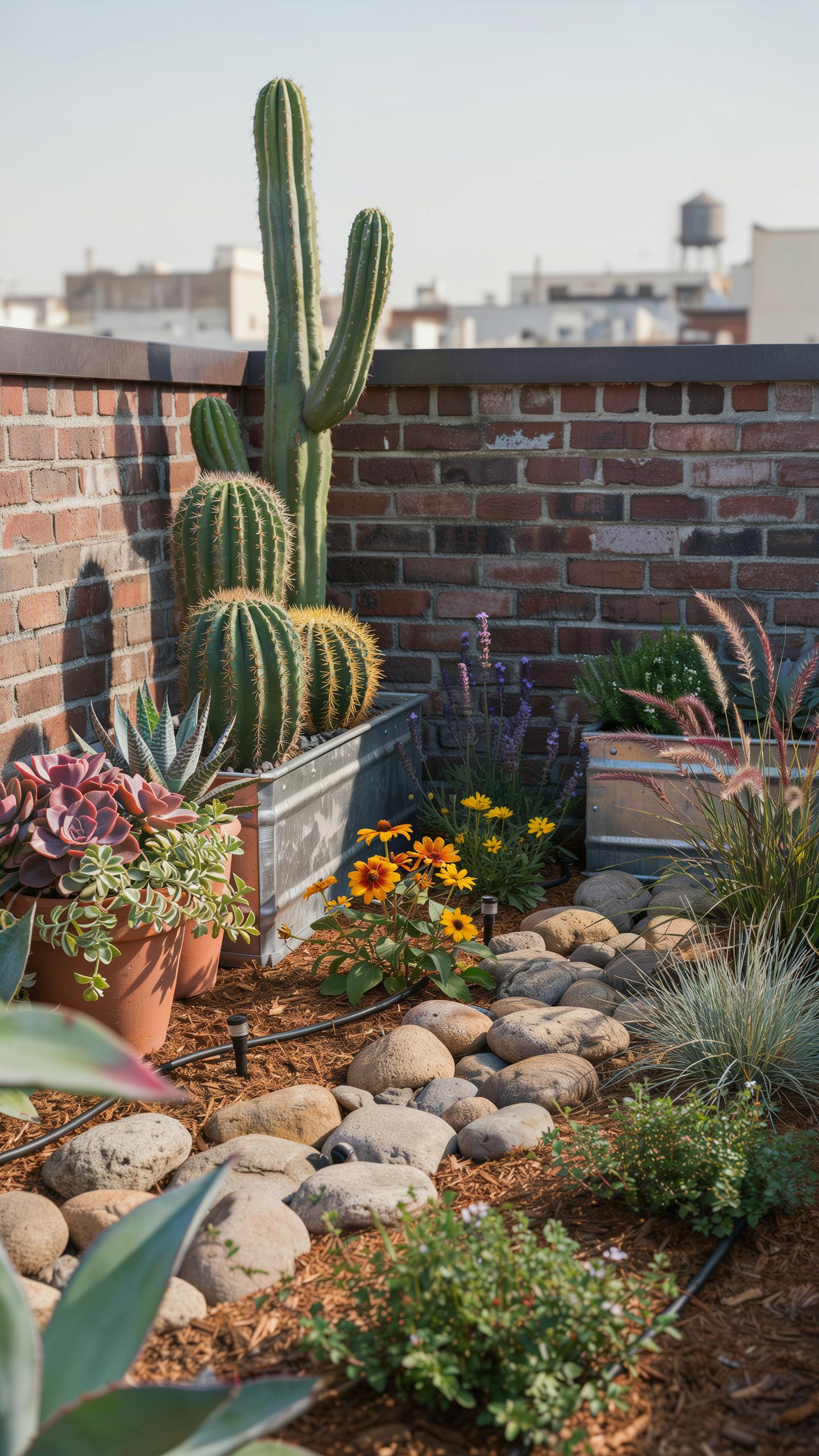
Utilizing Potted Container Gardens For Flexibility On Patios, Decks, And Balconies
Container gardening solves the space constraint problem directly. You control soil composition, drainage, and plant placement without permanent installation. Move pots seasonally to optimize sun exposure. Containers work on concrete surfaces where ground planting is impossible. This approach gives you the freedom to experiment with plant combinations and relocate underperforming setups fast.
Select containers with drainage holes to prevent root rot in drought tolerant plants. Pot size matters: smaller containers dry faster, while larger ones retain moisture longer. Use quality potting soil designed for containers, not garden soil. Group pots together to create microclimates that reduce individual plant stress. This clustering technique lowers water loss through evaporation and creates visual impact in tight spaces.
Vertical Planting Strategies And Trellis Options To Maximize Small Urban Footprints
Vertical growing expands usable garden space without taking ground real estate. Trellises, wall-mounted planters, and living walls transform blank surfaces into functional growing areas. This approach works especially well in urban settings where horizontal space is scarce. Vertical systems reduce pest pressure and improve air circulation around plants. They also make maintenance and harvesting easier by bringing plants to eye level.

Install trellises against south-facing or west-facing walls to capture maximum sun hours. Use lightweight materials like bamboo, metal, or recycled plastic for easy installation and adjustments. Climbing drought-tolerant plants like Texas privet and bougainvillea thrive on vertical structures. Wall-mounted pockets and shelving units stack multiple plants efficiently. This method produces visible results in confined spaces like balconies and patios.
Functional Xeriscape Design Plans To Match Your Local Climate
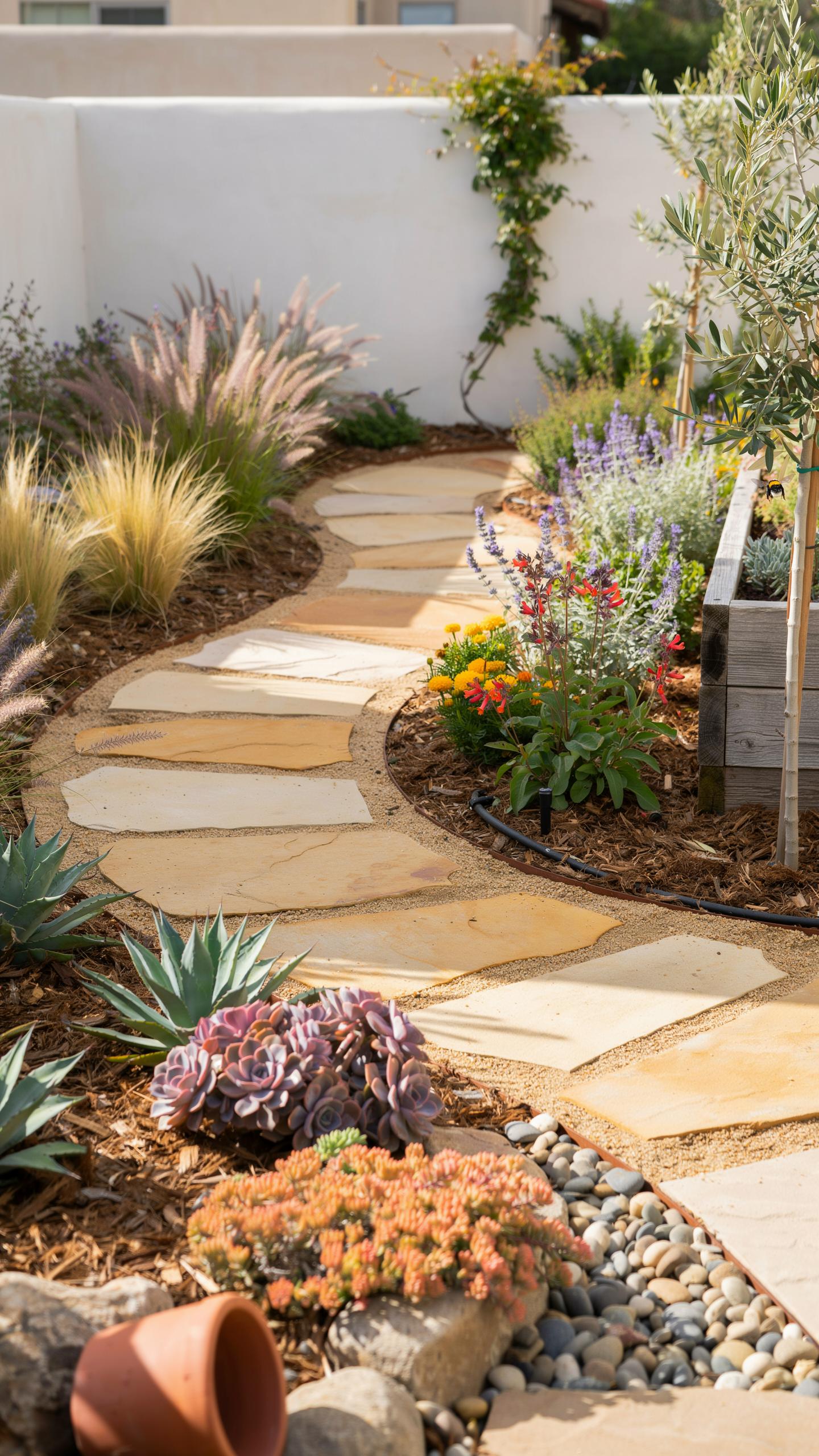
Adapting Your Layout To Regional Microclimates Typical Wind Patterns And Native Soil Types
Start by mapping your yard’s microclimates. South-facing slopes dry faster than north-facing areas. Low spots collect water and stay wet longer. Wind tunnels between structures accelerate evaporation. Identify these zones before placing plants. Test your soil composition with a simple jar test. Sand drains fast. Clay holds water. Loam balances both. This baseline determines which plants survive without constant watering.
Regional climate data drives everything else. Check your USDA hardiness zone and annual rainfall averages. Understand your frost dates and temperature extremes. Local native plants evolved to handle these conditions. They require minimal amendment once established. Consult your regional extension office for soil pH and nutrient profiles specific to your area. This intelligence prevents costly plant failures.
Zoning Your Yard Into Hydrozones To Ensure Plants With Similar Water Needs Are Grouped Together
Hydrozoning separates plants by water requirements. Group high water needs together. Group low water needs together. Keep them geographically separated in your landscape. This prevents overwatering drought tolerant plants and underwatering thirsty ones. Install irrigation systems that match each zone’s schedule. This approach cuts water waste and reduces maintenance time significantly.
Create physical boundaries between zones using hardscape features. Pathways, mulch transitions, or elevation changes work well. Place thirsty plants near downspouts or runoff areas. Position drought tolerant plants on slopes and exposed locations. These boundaries make irrigation scheduling straightforward. They also simplify maintenance routines. You water each zone once, efficiently, based on actual plant needs rather than guessing.
Pragmatic Solutions For Dry Climate Landscaping Challenges
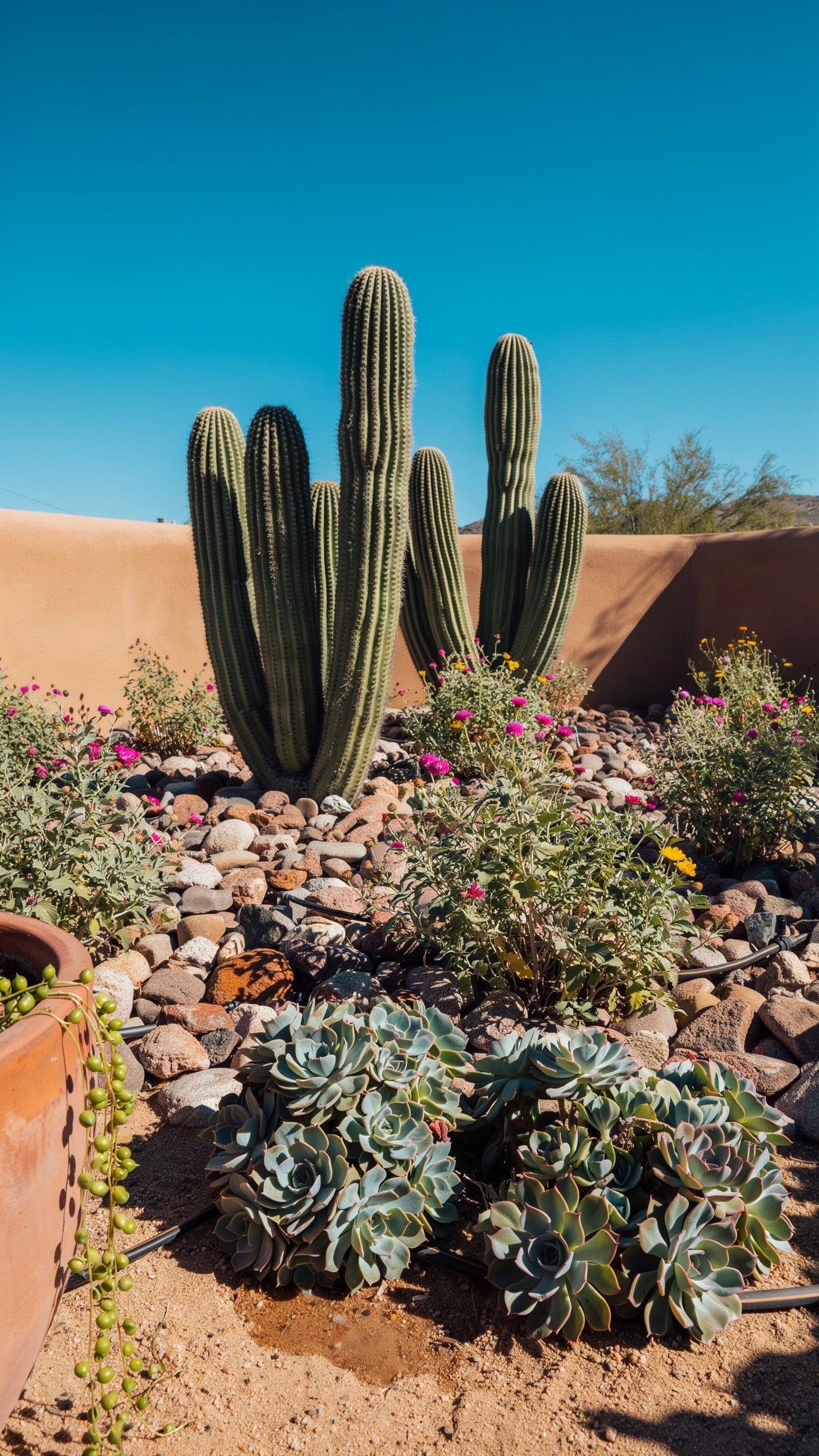
Mitigating Intense Heat And Prolonged Dry Spells Using Organic Mulch And Natural Shade Structures
Organic mulch reduces soil temperature by 10 to 15 degrees Fahrenheit and cuts water evaporation by up to 70 percent. Apply 2 to 4 inches of wood chips, bark, or compost around plants. Keep mulch 6 inches away from plant stems to prevent rot. Replenish mulch annually as it breaks down and enriches soil.
Natural shade structures lower ground temperature and reduce plant stress during peak heat hours. Install shade cloth, pergolas, or lattice on the west and south sides of gardens. These structures block direct sun while allowing air circulation. Position them to shade heat-sensitive plants during afternoon hours when temperatures peak.
Selecting Micro Climate Tolerant Species That Survive Chilly Mountain Nights And Scorching Days
Temperature swings in mountainous terrain demand plants that handle both freezing nights and hot days. Desert marigold, rabbitbrush, and Apache plume tolerate 30-degree temperature fluctuations within 12 hours. Check local hardiness zones and select plants rated 1 to 2 zones colder than your area. This buffer protects plants during unexpected cold snaps.
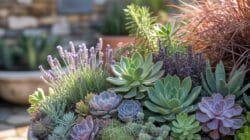
Succulent plants store water in leaves and stems, enabling survival through extreme conditions. Sedums, echeveria, and yucca handle intense solar radiation and rapid moisture loss. Plant heat-tolerant species on south-facing slopes and cold-hardy species on north-facing areas. This placement strategy maximizes plant performance across varying micro climates within your garden.
Frequently Asked Questions

What exactly is xeriscaping and how can it create a cozy garden atmosphere?
Xeriscaping is a landscaping method focused on water conservation through the use of drought-tolerant plants. While some fear it looks stark, you can create an inviting sanctuary by selecting soft textures and warm colors. Reference a xeriscaping garden ideas plant list that features lavender, ornamental grasses, and succulents to transform a dry yard into a lush, relaxed outdoor living space that requires very little maintenance throughout the year.
How do I choose the best layout for a low-maintenance xeriscape garden?
Start by grouping plants with similar water needs together, a technique known as hydrozoning. To maximize comfort, layer your taller shrubs at the perimeter for privacy and use creeping groundcovers near seating areas. Consulting a comprehensive xeriscape garden ideas plant list allows you to select varied heights and textures, ensuring your garden feels intentional and balanced rather than sparse, while significantly reducing your weekly irrigation chores and weeding time.
Is it possible to design a beautiful drought-tolerant garden on a tight budget?
Absolutely! Xeriscaping is incredibly budget-friendly because it emphasizes local, native species that thrive without expensive fertilizers. You can save money by purchasing smaller “starter” plants or swapping cuttings with neighbors. Focus on using affordable organic mulches or local pea gravel to define pathways. By following a curated plant list, you can invest in a few high-impact perennial focal points that grow larger and more beautiful every single season.