Introduction
Yard landscaping is a key way to improve how your backyard looks and feels. It includes designing and arranging plants, paths, and other elements in your yard to make it a pleasant space. With backyard garden design and good inspiration, you can create a yard that suits your needs and style. This article gives you clear steps and ideas to do just that.
You will learn about hardscape and softscape features, why each matters, and how to plan your landscaping. We will cover tools and materials, common challenges, and examples. By the end, you’ll have useful tips to start or improve your yard landscaping project confidently.
Practical Yard Landscaping Basics
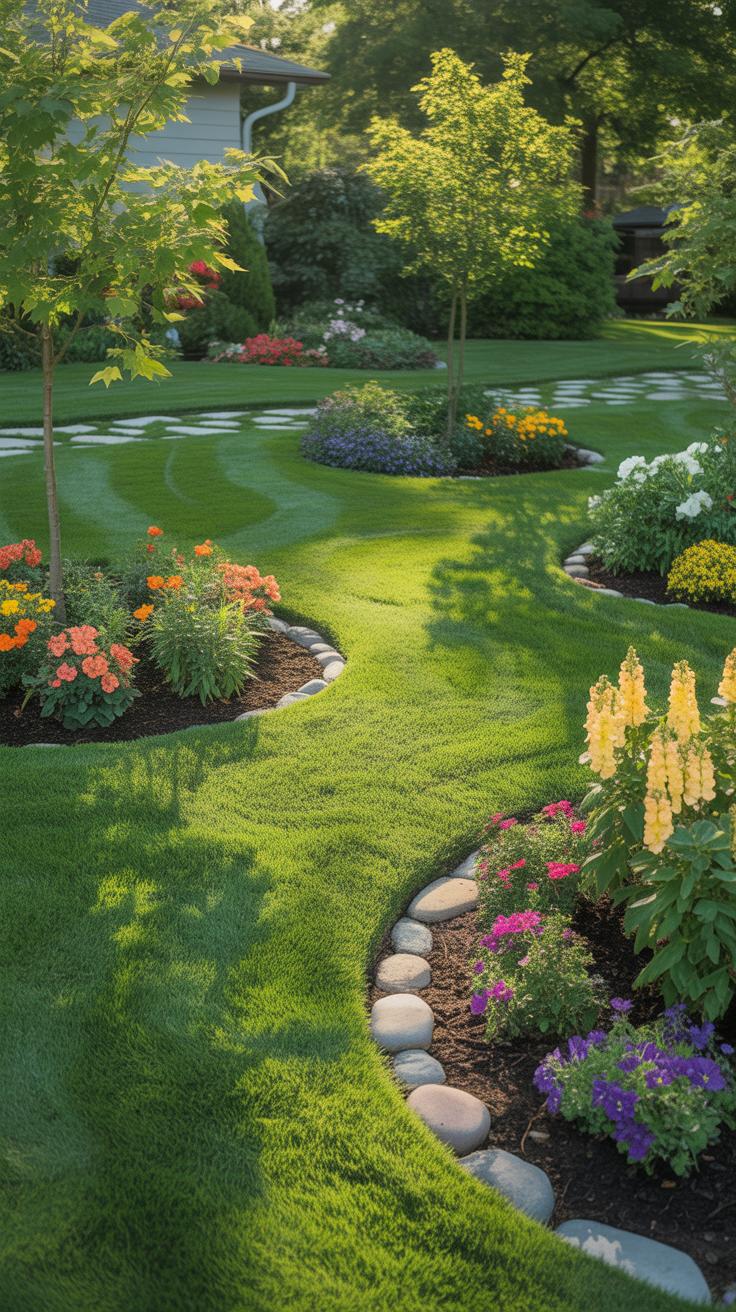
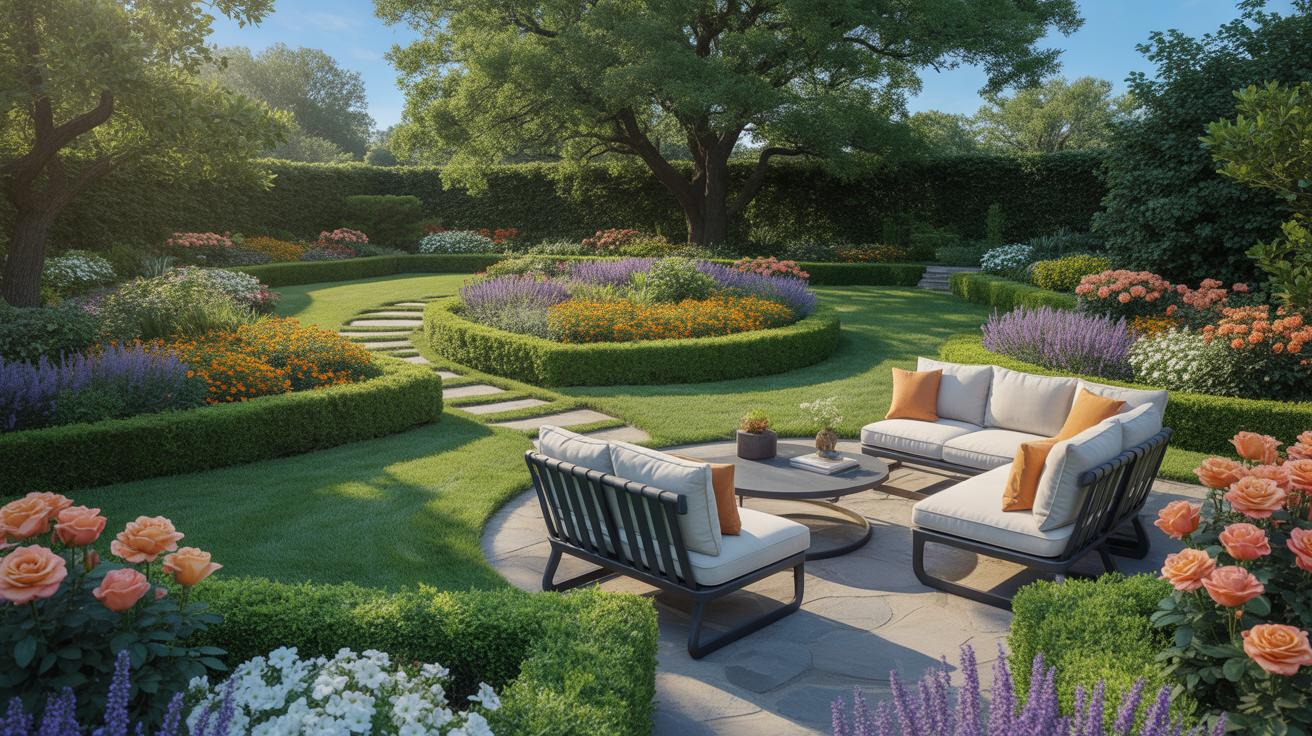
Yard landscaping is essentially the process of shaping and organizing the outdoor space around your home to make it functional and pleasant. It involves two main components: hardscape and softscape. Hardscape elements are the non-living parts, like paths, patios, and retaining walls made from materials like wood, stone, or concrete. These provide structure and support to your yard. For example, a stone path can guide visitors through your garden, while a wooden deck offers space for seating or dining.
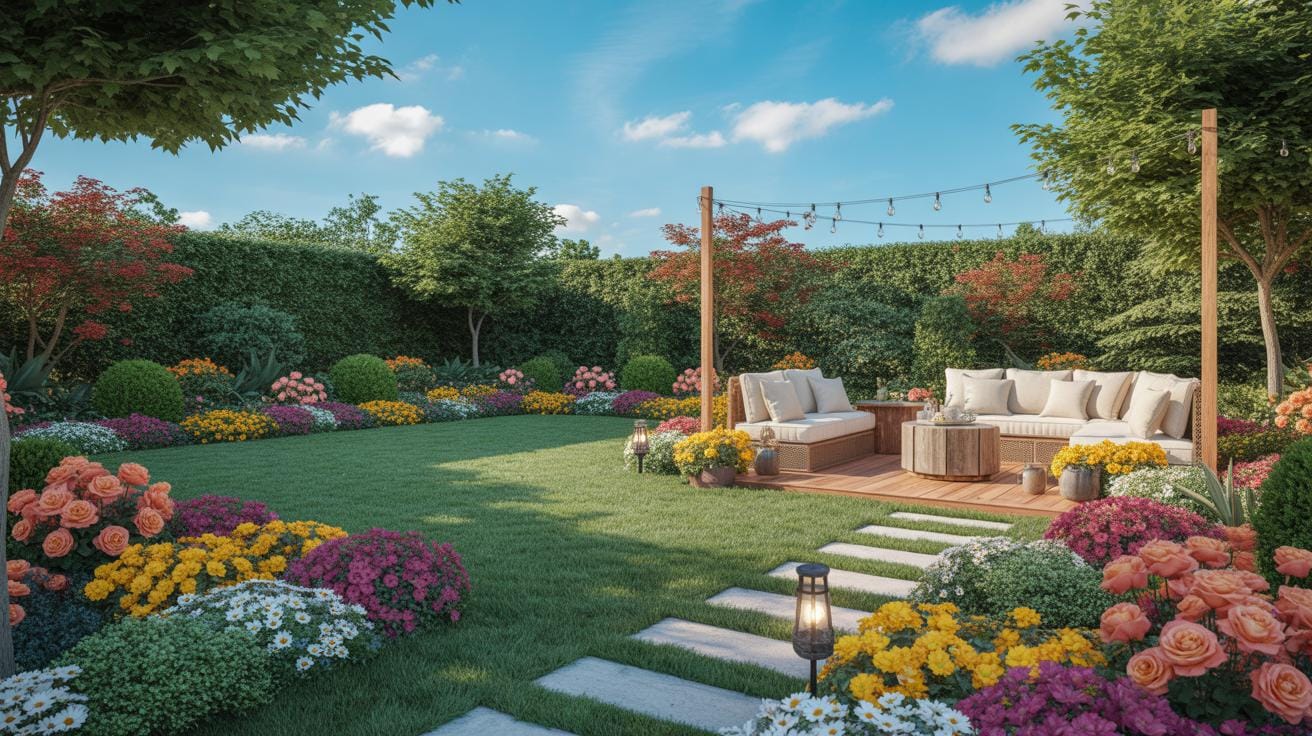
Softscape, on the other hand, refers to the living elements such as plants, trees, shrubs, and lawns. These bring life, color, and texture to your yard. You could have flowering shrubs to attract butterflies, or trees that provide shade and privacy. The relationship between hardscape and softscape is quite practical—usually, you start by installing hardscape since it creates the framework, then fill in with softscape to soften and beautify the space.
Thinking about your yard in these two categories helps simplify the planning process. While hardscape gives you a solid foundation for pathways and seating areas, softscape adds variety and comfort. Both are essential to a good backyard setup, but it’s worth remembering that the balance between the two depends on your personal needs and the natural conditions of your yard.
Understand Hardscape And Softscape Components
Hardscape components include things like patios where you might set up outdoor furniture, walkways that help move around the yard without trampling plants, and walls or fences for privacy or to manage different ground levels. They’re often made from durable materials such as stone, brick, wood, or concrete. These are important to arrange before planting because they establish the spatial design and control movement and drainage in your yard.
Softscape elements, meanwhile, are your trees, lawns, flower beds, and shrubs. These are what bring your garden to life. Trees offer shade and a sense of height, plants add color and scent, and lawns provide a soft, open space. Softscape is more flexible and can evolve over time as plants grow or seasons change.
Benefits Of Well Planned Yard Landscaping
Good yard landscaping does more than just make your space look better. One clear benefit is water management—it can help direct rainwater away from your house or towards plants that need it. It also increases how much you can use your yard by adding comfortable spaces like patios or shaded areas.
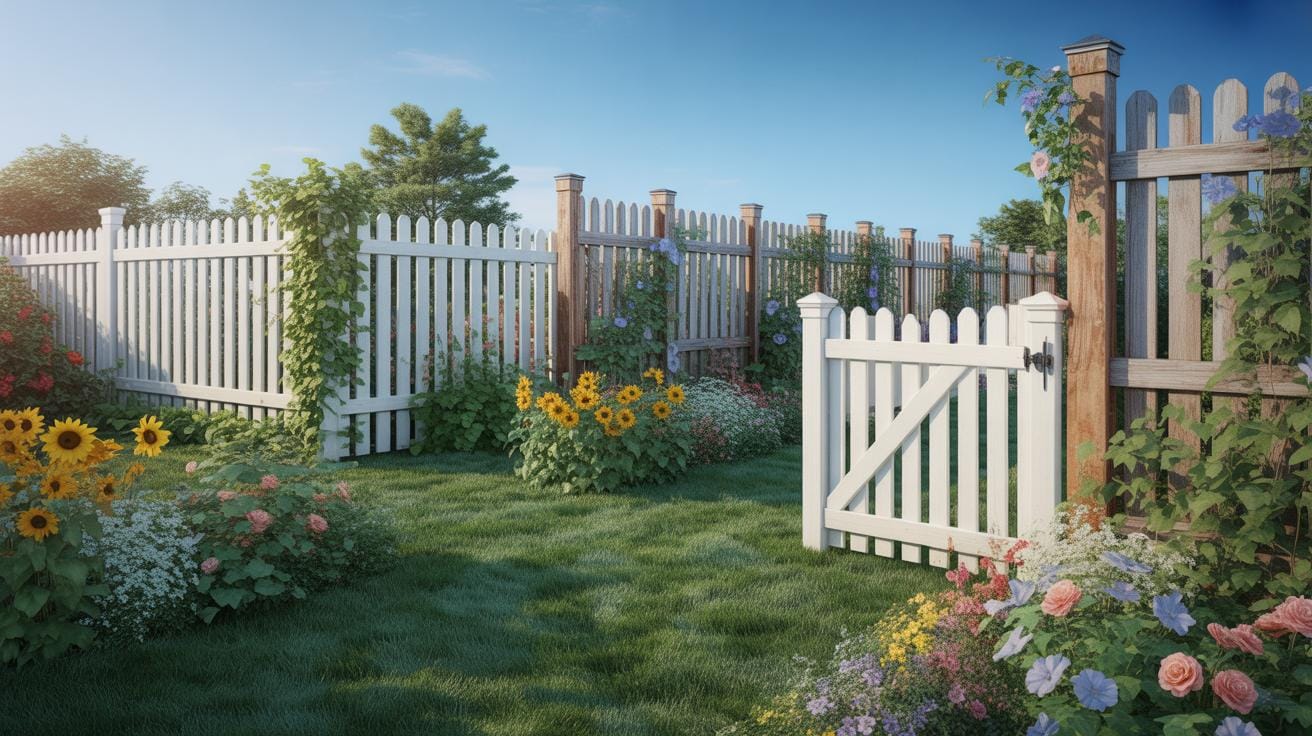
When you combine hardscape and softscape thoughtfully, it improves your home’s curb appeal, makes outdoor activities more enjoyable, and can even boost your property’s value. Simple changes like a small path or a couple of trees might seem minor, but over time they change how you interact with your yard. Have you thought about where you want to sit in your yard or how you move through it? Planning these out can make a big difference.
How To Design Your Backyard Garden
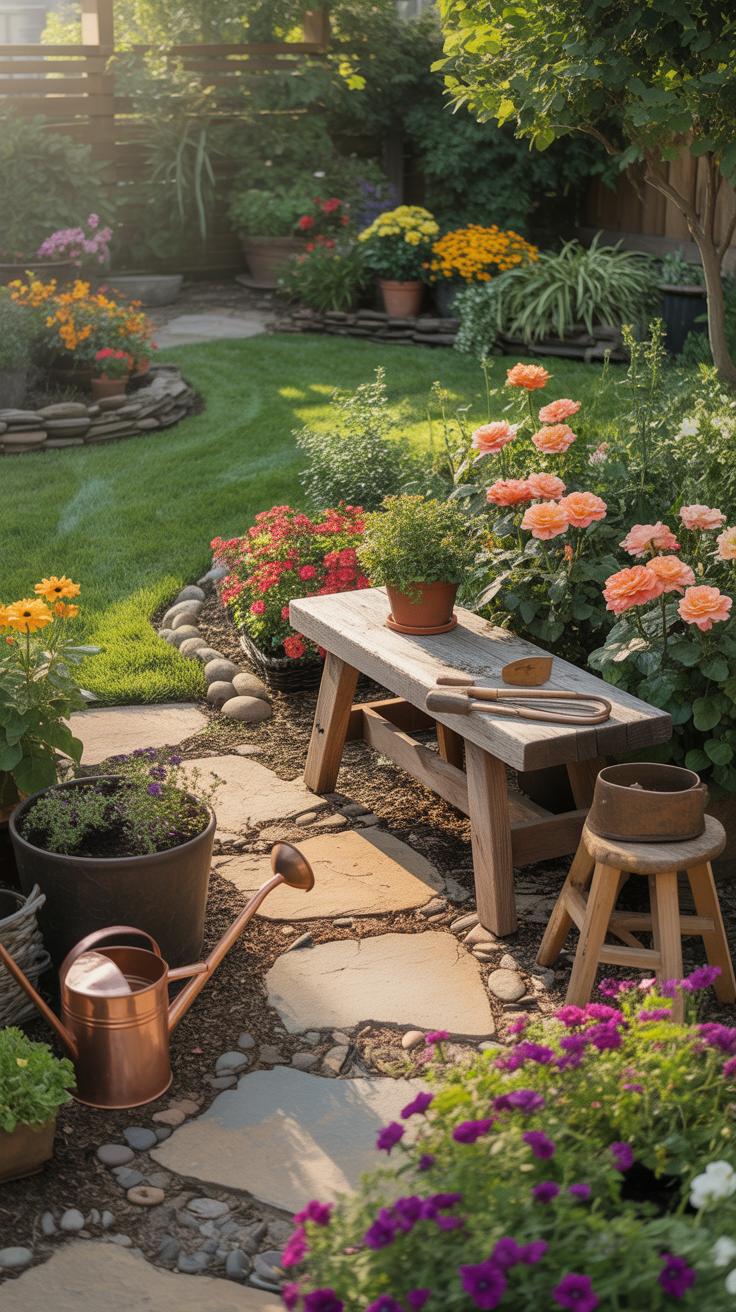
Designing a backyard garden starts with setting clear goals. Think about what you want most out of the space. Do you need an area for children to play, a quiet spot to unwind, or maybe a place to grow vegetables? Your answer guides every other decision.
Next, choose a style that feels right for you. Are you drawn to modern simplicity with clean lines, or does a more natural, relaxed look suit your taste? Your style choice will help you pick plants and hardscape materials, making sure everything fits together naturally.
When it comes to features, consider what you want to include. Paths, seating areas, garden beds—each adds something different. Think about how these elements can work together to support your goals while keeping the layout practical.
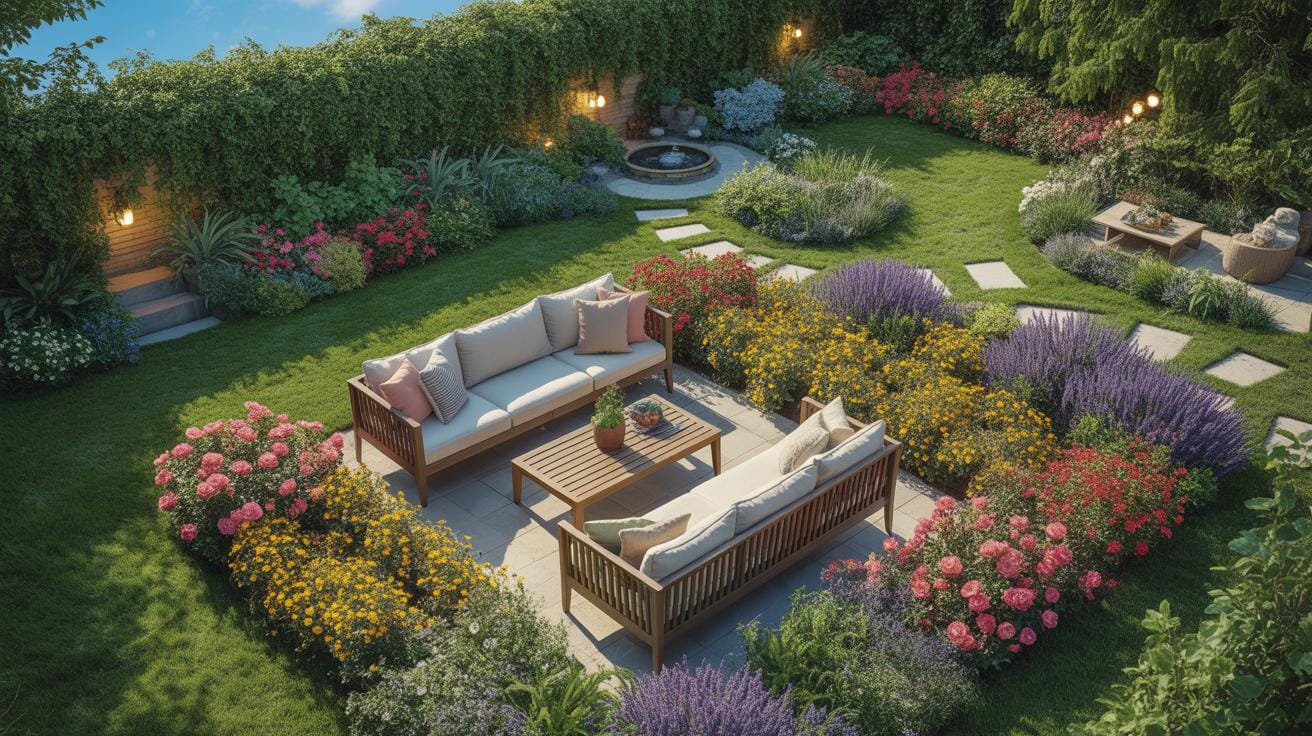
Planning a layout isn’t just about placing things evenly. It’s often better to start by sketching the size of your yard and marking focal points or activity zones. Remember, a garden isn’t a static design; it should flow and invite use.
One thing I’ve learned is not to rush the plant selection. Combining tall shrubs with lower flowers can create layers, but balance them with hardscape elements like stone paths or wooden benches to avoid the area looking either too soft or too stark.
Questions to consider: Will your garden be a single look or a mix of styles? How much maintenance are you willing to commit to? Sometimes less is more, and other times a splash of color or texture makes all the difference.
Common Yard Landscaping Tools And Materials
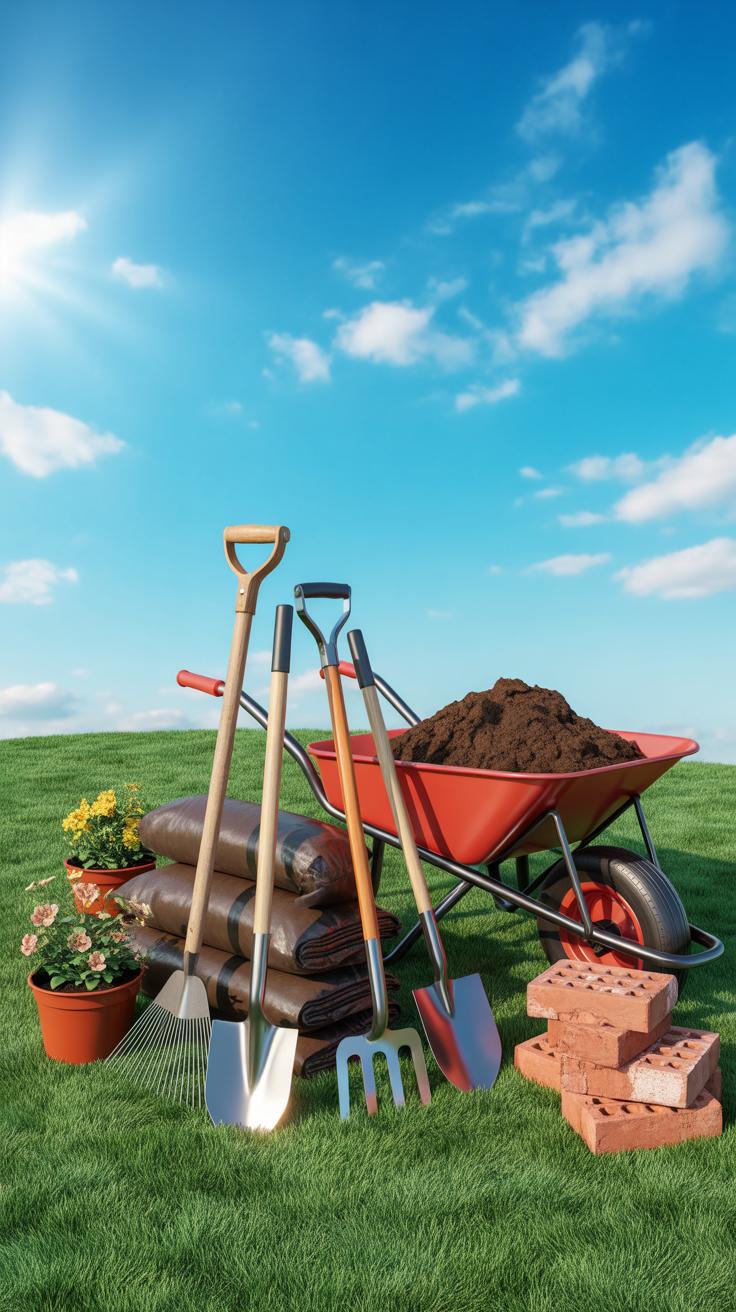
When you’re tackling yard landscaping, having the right tools is half the battle. A few hand tools you’ll find yourself reaching for often include shovels—both pointed for digging and flat for scooping—rakes for gathering debris and leveling soil, and trowels for detailed planting and small excavations. Wheelbarrows come in handy to haul heavy dirt or mulch, easing the strain on your back.
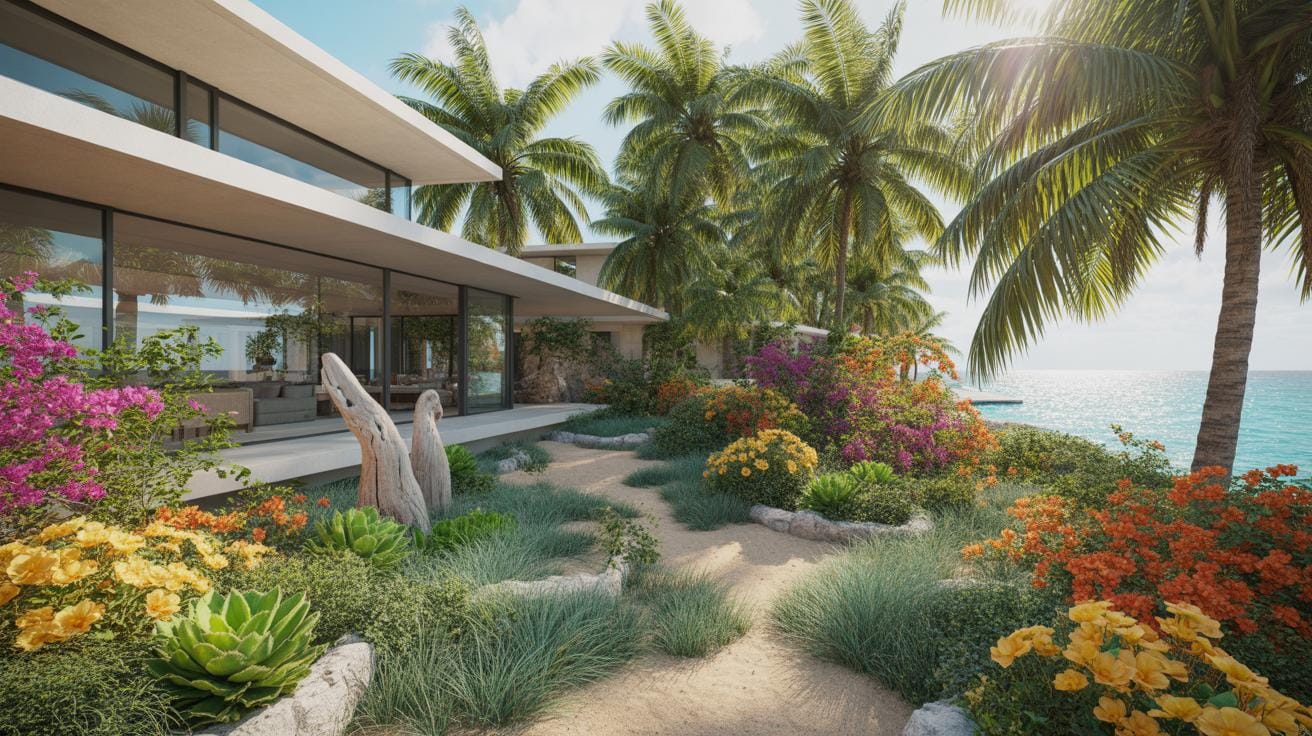
Power tools can make things quicker—think leaf blowers to clear fallen foliage or a tiller to turn over soil efficiently. For those hardscape jobs, specialized tools like paver lifters simplify moving those heavy blocks, while tampers help compact the ground or gravel for stable bases.
Choosing materials is another story. Stone offers a long-lasting, classic look for patios and walls but can vary widely in cost depending on type. Wood, while warm and inviting, needs treatment to withstand weathering. Concrete is versatile and generally cheaper but less natural in appearance. Mixing these smartly depends on your yard’s style and budget.
Don’t forget softscape elements—soil type affects what plants thrive. A sandy soil calls for drought-tolerant varieties, whereas clay-rich earth holds moisture longer, suiting water-loving plants better. You’ll want to consider these factors to make your garden beds healthy and sustainable.
Problems To Avoid In Yard Landscaping
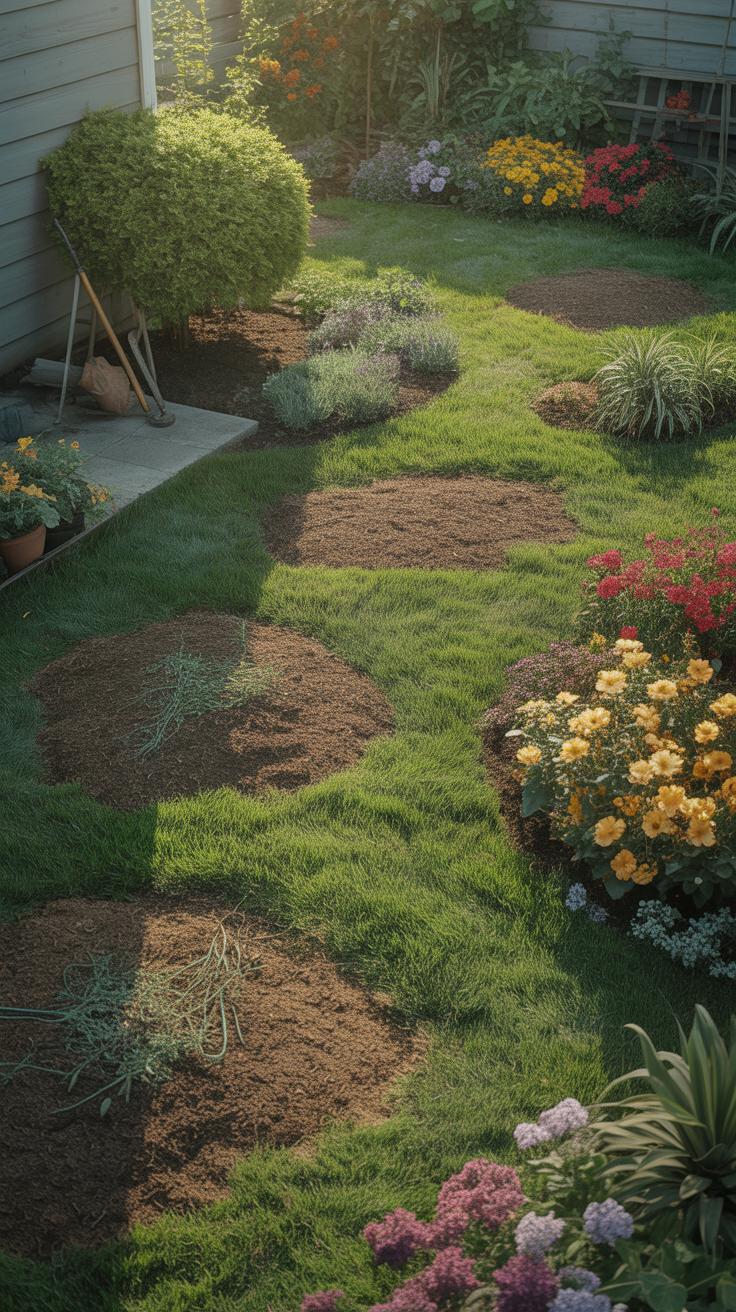
When you start shaping your yard, some challenges tend to pop up more than others. Water drainage issues often sneak in and cause all sorts of trouble — think standing puddles or soggy patches that stick around long after a rain. This isn’t just annoying; it can drown your plants or even damage patios and walkways.
Soil erosion is another headache. You might notice bare spots where soil has washed away, especially on slopes. Erosion can rob your plants of nutrients and make your yard look patchy and uneven.
And then there’s picking plants that just don’t vibe well with your environment. Sometimes it’s tempting to choose anything pretty, but plants that don’t suit your soil, sunlight, or local climate often struggle and demand more care than they should.
You’ll know there might be drainage trouble if you see puddles, muddy soil that doesn’t dry, or if plants look wilted despite regular watering. To tackle this, you might start with a simple test: dig a small hole and fill it with water to see how quickly it drains. Slow drainage means you may need to amend soil with sand or organic matter, or consider installing drainage channels.
For erosion, think about adding ground covers or mulch to hold soil together. Avoid disturbing slopes too much without reinforcement.
When choosing plants, match them to your site’s specific dirt type and light exposure. A sun-loving flower in a shady spot will barely hang on. Being realistic here can save you hours of frustration and extra watering.
Step By Step Yard Landscaping Process
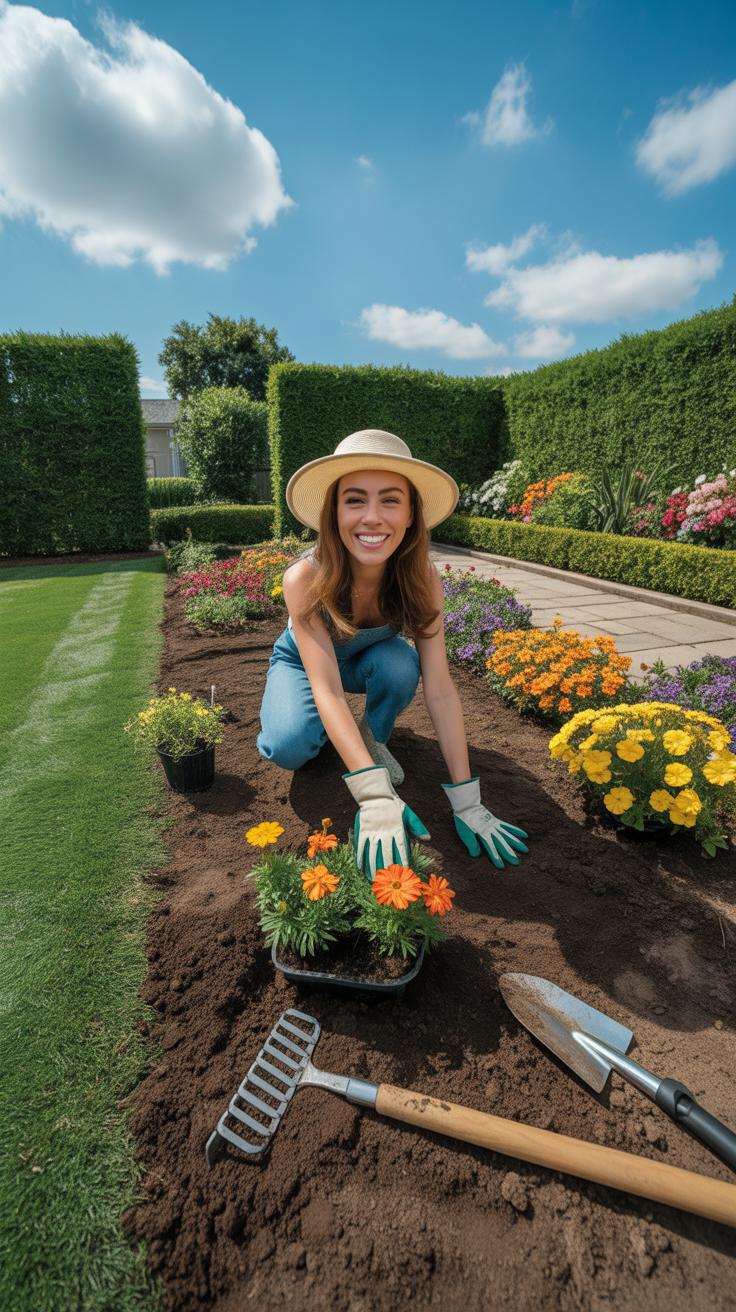
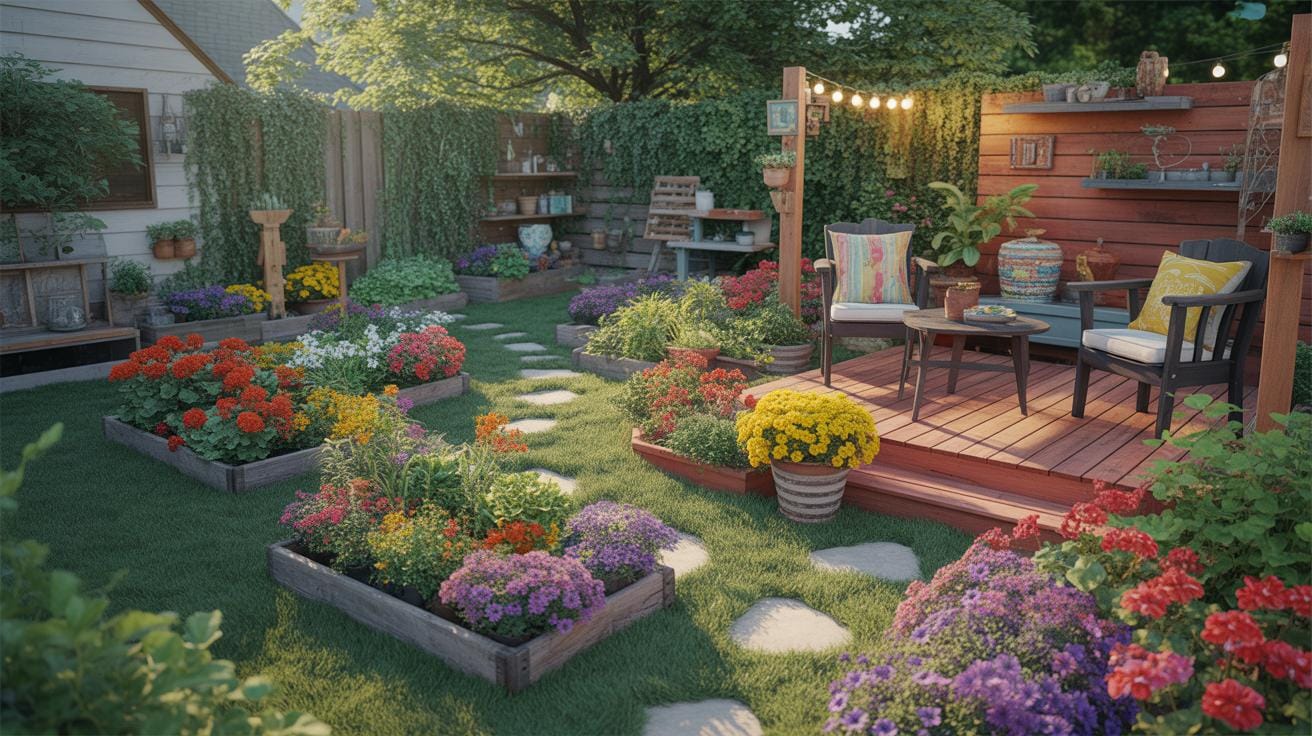
Breaking down your yard landscaping into manageable steps can make a big difference in the outcome. Start with site preparation, which involves clearing debris, leveling the ground, and removing any unwanted plants. This step sets the stage for everything else; skipping it could lead to uneven surfaces or drainage problems later.
Next, focus on hardscape installation. Put in elements like patios, retaining walls, and pathways before you even think about planting. This sequence helps avoid damage to delicate plants and provides a sturdy framework for your yard. Also, these structural components influence water flow and soil stability, which are crucial for plant health.
Once the hardscape is in place, move on to planting. Choose plants suited to your climate and soil, and think about layering them for depth and interest. The final step — maintenance setup — is often overlooked but essential. Plan irrigation, mulching, and regular care to keep your yard thriving. A simple timeline might look like this:
- Week 1-2: Site preparation
- Week 3-4: Install hardscape features
- Week 5-6: Planting
- Ongoing: Set up and follow maintenance routine
Take your time during each phase. Rushing can mean costly corrections later. Consider how each step builds on the last — a strong foundation leads to a yard you can really enjoy.
Preparing Your Yard For Landscaping Work
Preparing your yard properly is a crucial yet often underestimated step. Begin by clearing the area thoroughly — remove rocks, debris, and vegetation that won’t fit your design. Level the soil to prevent uneven water accumulation, which can cause problems for new plants and structures.
Removing unwanted plants also matters. Some might be invasive or simply unsuitable for your vision. Planning your irrigation system at this stage is wise too. Think about where water will flow, how you’ll water different areas, and how to avoid water pooling or runoff damage. Good preparation helps avoid surprises. You might think you can skip some of it, but trust me, that usually backfires.
Installing Hardscape Before Softscaping
Hardscape installation should come first because it fundamentally shapes your yard. Building patios, walls, and pathways before planting protects your green spaces from damage during construction. Imagine planting first only to have heavy equipment crush delicate roots or soil compacted off balance.
Hard surfaces give your yard structure and durability. They help manage water by directing it away from plants and foundations, preventing erosion or soggy soil. Installing these features first also allows you to assign spaces for each plant, thinking ahead about sunlight, shade, and growth patterns. This approach supports both the health and aesthetic of your yard over time.
Cost Factors And Budgeting For Landscaping
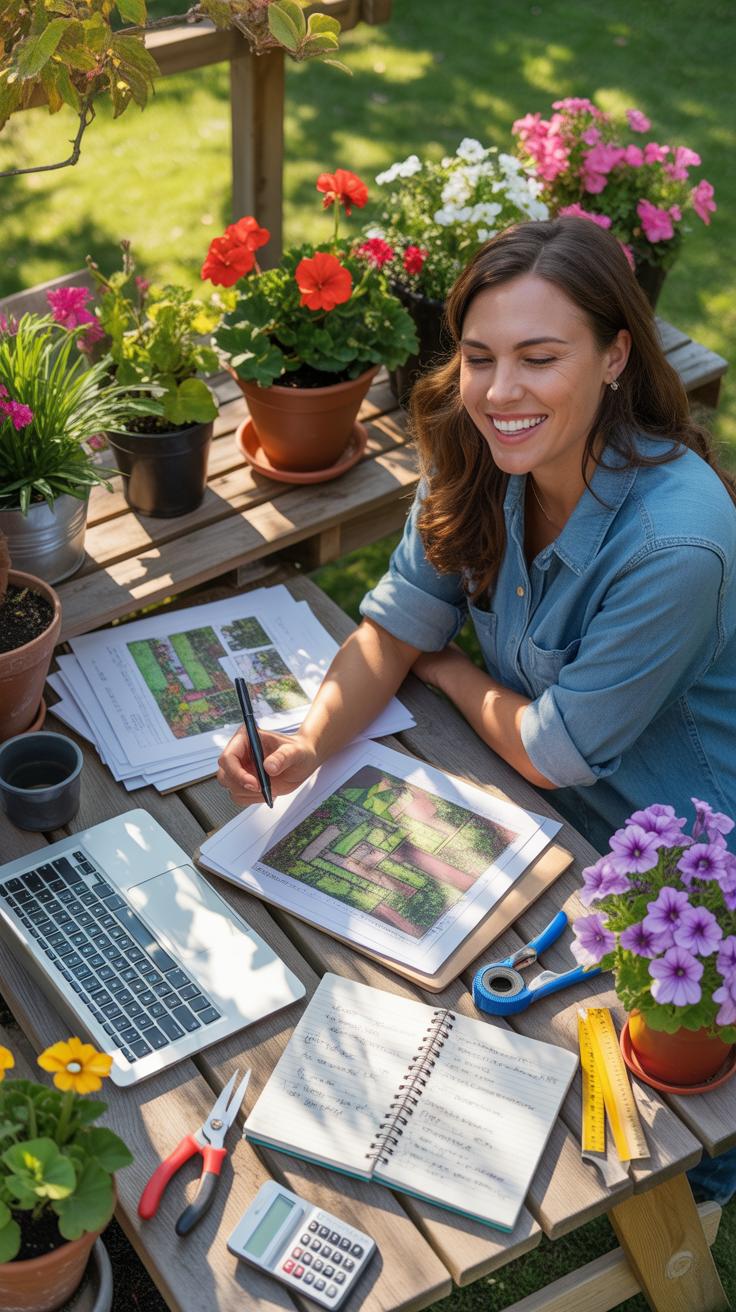
When you start thinking about yard landscaping, the costs can be a bit surprising. Materials alone can take a big chunk of your budget. For example, stone for pathways or retaining walls might run anywhere from $3 to $10 per square foot depending on the type and source. Wood elements, like decking or fences, vary widely but expect to pay at least $15 per square foot for decent quality. Tools can add up too; renting specialty equipment such as a compactor or a trencher isn’t cheap, usually around $50-$100 per day.

Labor often pushes the total cost higher, especially if you’re hiring pros for complicated parts like hardscaping or irrigation. A landscaping crew can charge $50-$100 an hour. It’s tempting to hire for everything, but mixing in some DIY can really help balance the books.
Ongoing care is another angle that sometimes gets overlooked. Maintaining your yard with regular watering, fertilizing, and pruning adds both time and money over the years.
Breaking Down Landscaping Costs Clearly
Let’s break it down into typical expenses:
- Materials: Stone, wood, soil, mulch, plants, seeds
- Tools: Shovels, rakes, wheelbarrows, plus rentals like compactors
- Labor: Professional installation for fencing, paving, planting
- Maintenance: Watering systems, fertilizers, pest controls
Knowing these categories helps you spot where your money is going. Sometimes, the cost of stone or wood depends as much on your location as on the quality. Same goes for labor—rates vary a lot from place to place.
Ways To Save Money While Maintaining Quality
Can you cut costs but keep things looking nice? Yeah, though it’s a balancing act. Here are some ideas:
- Do smaller jobs yourself — plant some flowers or lay down mulch.
- Buy materials in bulk or off-season, especially plants to get better pricing.
- Pick native plants that thrive locally and need less ongoing care.
- Reuse existing materials when possible — old bricks or wood can be repurposed creatively.
- Focus on key features rather than trying to do everything at once to spread costs.
Quality shouldn’t be sacrificed for savings. Cheap materials often mean more replacements or repairs later. It’s best to balance immediate savings with long-term value. So maybe try a mix: do the labor you can handle, invest in durable materials, and hire pros for tricky bits like hardscape installation or electrical work for lighting.
Examples Of Successful Yard Landscaping
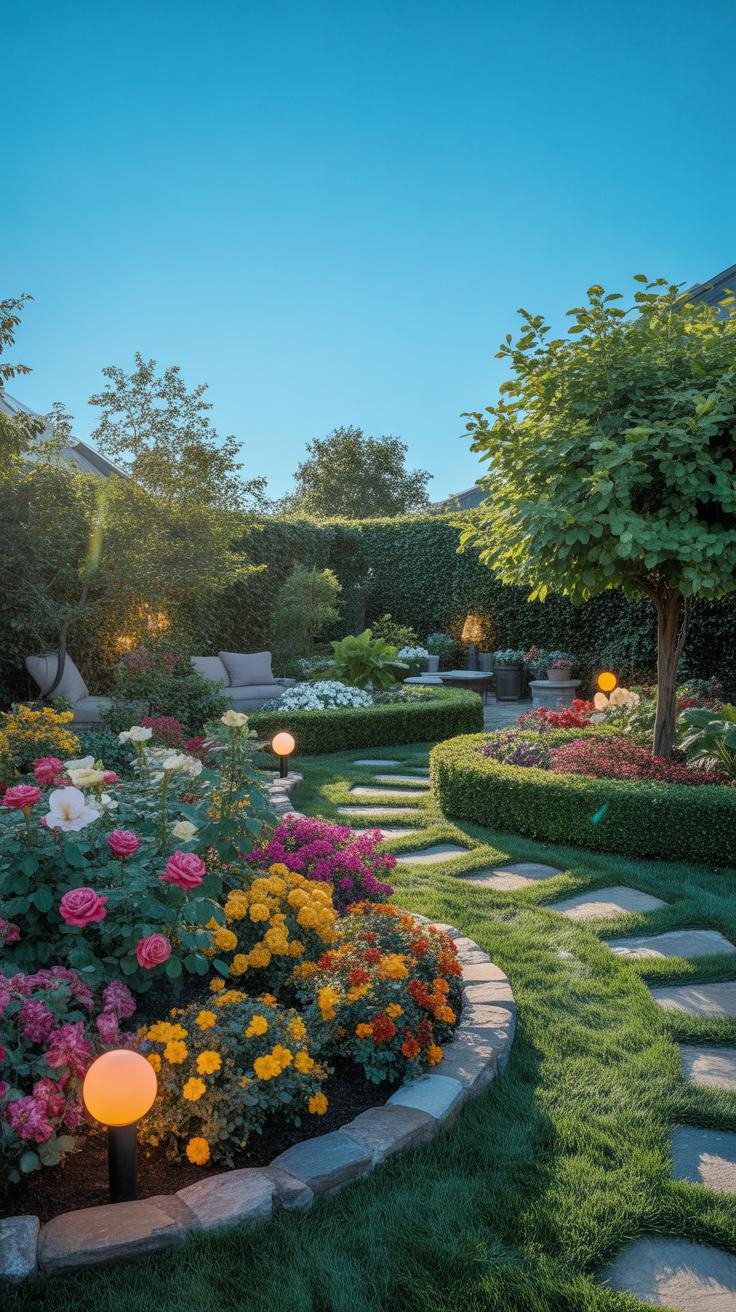
When you look at yard landscaping projects that really work, you often find variety in styles and features. One garden might lean into native plants to keep maintenance low—like natural landscaping using local species that thrive without much intervention. Another might focus on structured outdoor living spaces with patios and fire pits, creating a balance of beauty and function.
What often makes these projects successful? Clear objectives combined with a grounding in what the space naturally offers. You also see lessons: for instance, overplanting a yard can lead to crowding later on, or choosing wrong-sized plants for the space might choke out sunlight and growth.
Example Of A Small Backyard Garden Design
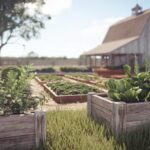
Small yards pose a unique challenge but also a chance to be creative with minimalism. Imagine a backyard that’s only a few hundred square feet. Here, simple hardscaping like a small paved corner or gravel bed pairs with compact plants—think dwarf shrubs or succulents. Clever use of vertical space, like wall-mounted planters, can also add greenery without consuming ground area.
It’s interesting how precise planning can transform such a tight spot into an inviting nook. Walking through a tiny garden doesn’t feel claustrophobic if the layout guides your movement and the plants offer textural contrast without bulk. This is why many small backyard projects start with a detailed scaling and zoning plan before any planting begins.
Case Study Of A Large Family Yard Makeover
On the flip side, larger family yards can handle ambitious changes—think dividing the space into zones: a play area for kids, a patio for adults, and lush gardens for relaxation. An example is a suburban family yard where all these elements were added in phases, not all at once. This staged approach lets the family live in and test each part before moving on.
Setting clear goals at the start was vital—knowing they wanted a safe play space, room for entertaining, and a garden didn’t mean cramming everything together. Breaking it down helped preserve flow and usability. I suppose the main takeaway is that bigger doesn’t equal better without structure; the design’s clarity makes the difference.
Maintaining Your Yard Landscaping Over Time
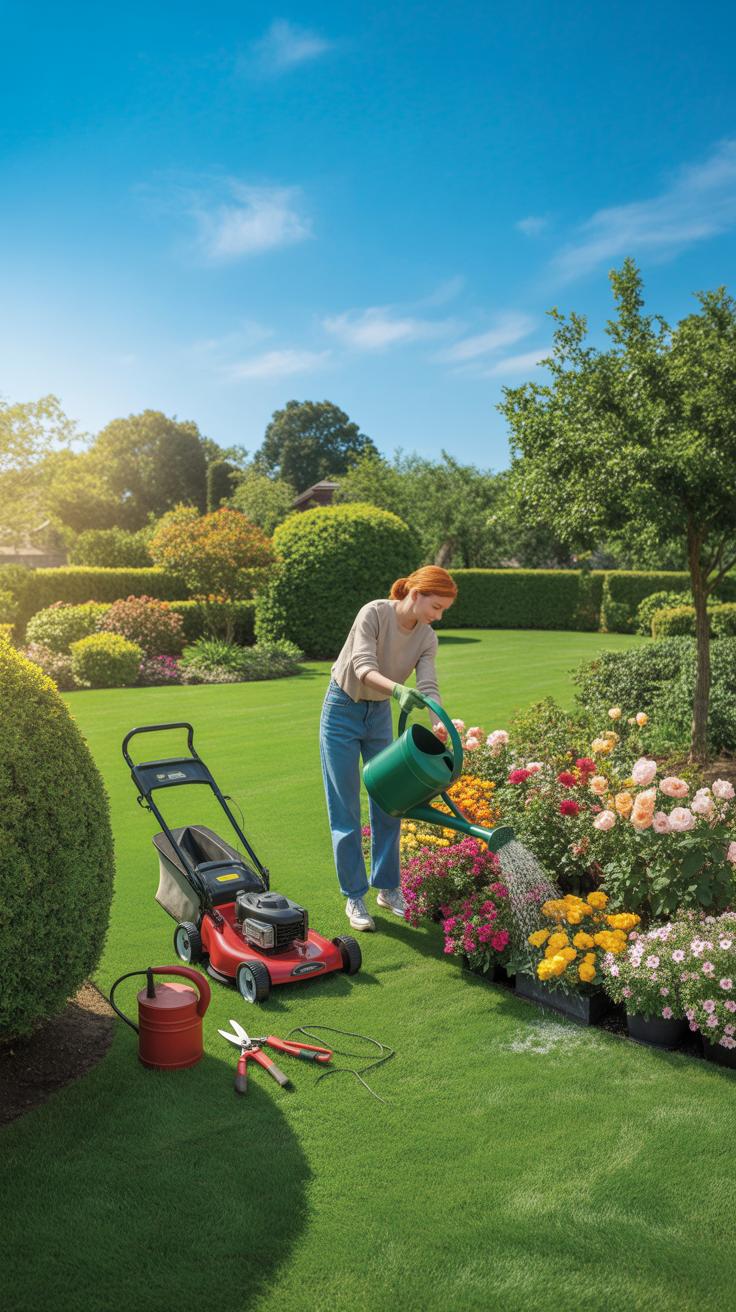
Once your yard landscaping is installed, caring for it is an ongoing task that demands attention and some effort. Watering needs depend on the plants and your local climate. Usually, early morning watering works best, allowing soil to absorb moisture before the heat of the day. You might find that certain plants need more frequent watering, while others thrive with less. So, keeping an eye on soil moisture is key.
Pruning isn’t just for aesthetics. It helps plants stay healthy by removing dead or overgrown branches. But, knowing when and how much to prune can be tricky. You don’t want to overdo it and stress your plants, yet neglect can lead to a messy look or even disease. Simple hand pruners or loppers work well for most tasks.
For hardscape features like paths and patios, regular cleaning keeps them safe and visually pleasing. Sweeping away debris or washing surfaces with water prevents buildup that can become slippery or degrade materials. Tools like a stiff broom, garden hose, or even a power washer for tougher dirt are handy here.
Don’t forget seasonal checks. Winters might require protecting sensitive plants with mulch or covers, while spring is the time to plant new additions and clean leftover debris. In fall, clearing fallen leaves and checking drainage helps prevent problems in colder months. Sticking to these routines, even if they seem small, makes a big difference in keeping your yard attractive and safe over time.
Conclusions
Good yard landscaping needs planning and the right choices for your space. Using both hardscape and softscape elements can make your yard useful and attractive. Knowing the basics of materials and design helps you avoid common problems and make the right decisions for your garden.
With this knowledge, you can design a yard that fits your lifestyle, budget, and environment. Your backyard can become a welcoming and enjoyable place for family, friends, and yourself.