

Introduction
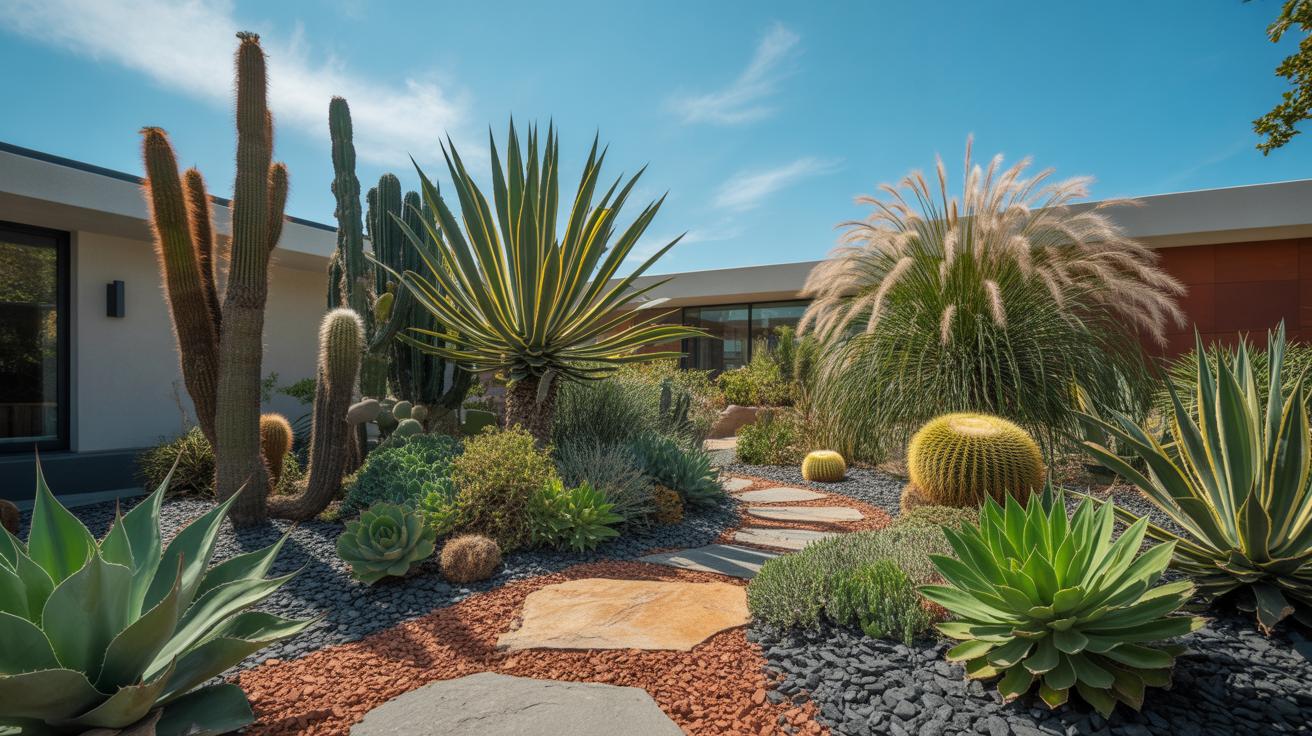
Xeriscape Front Yard Design Ideas With Drought Resistant Plants offer a practical way to create a beautiful outdoor space while saving water. Xeriscaping is a landscaping method that reduces the need for irrigation by using plants adapted to dry climates. This approach suits many regions, especially where water conservation is important.
By selecting drought-resistant plants that naturally thrive with less water, you can have a front yard that looks lively and vibrant without requiring constant care. This article covers essential tips on plants to choose, design methods, and maintenance for a xeriscape front yard that you can implement easily.
Basics Of Xeriscape Front Yard
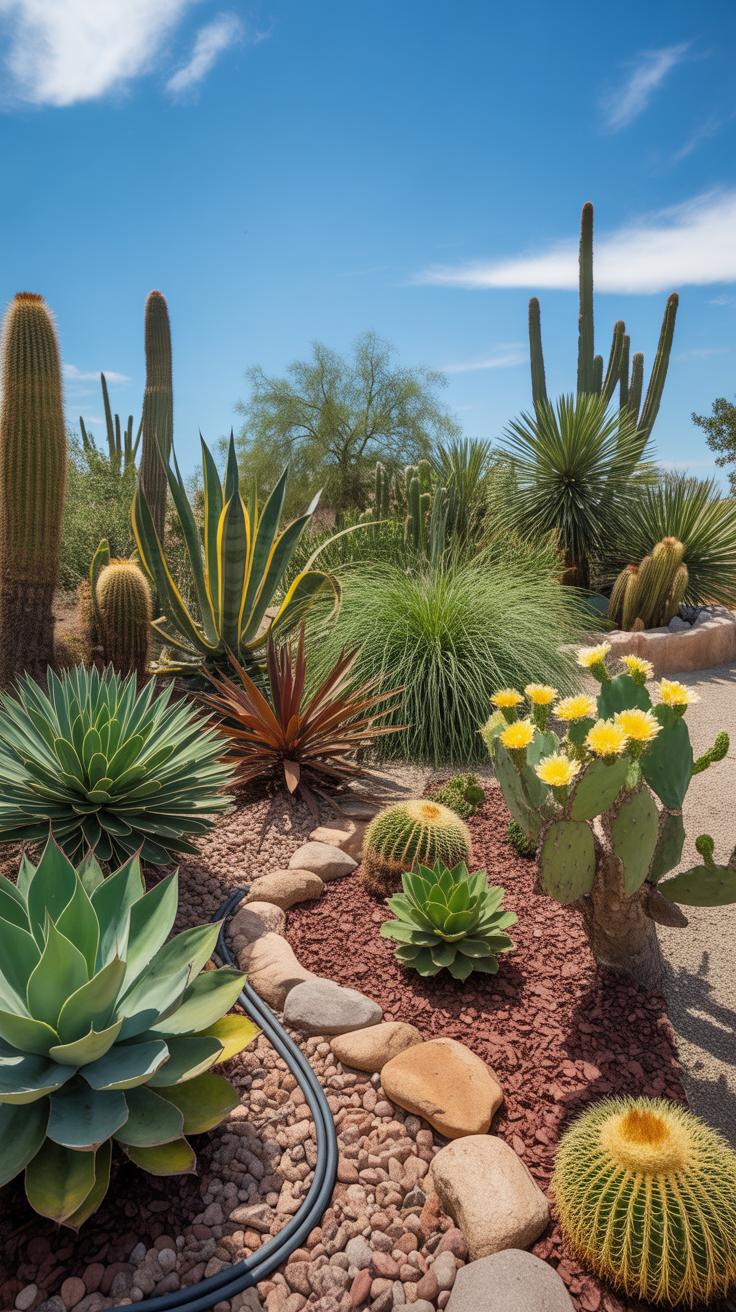
Xeriscaping is a landscaping approach focused on reducing or entirely eliminating irrigation needs by using plants suited to the local climate. It works well for front yards because it balances water conservation with curb appeal, something many homeowners want but find difficult to achieve. Instead of traditional lawns demanding constant watering, xeriscaping encourages planting drought-resistant species that thrive with little water.
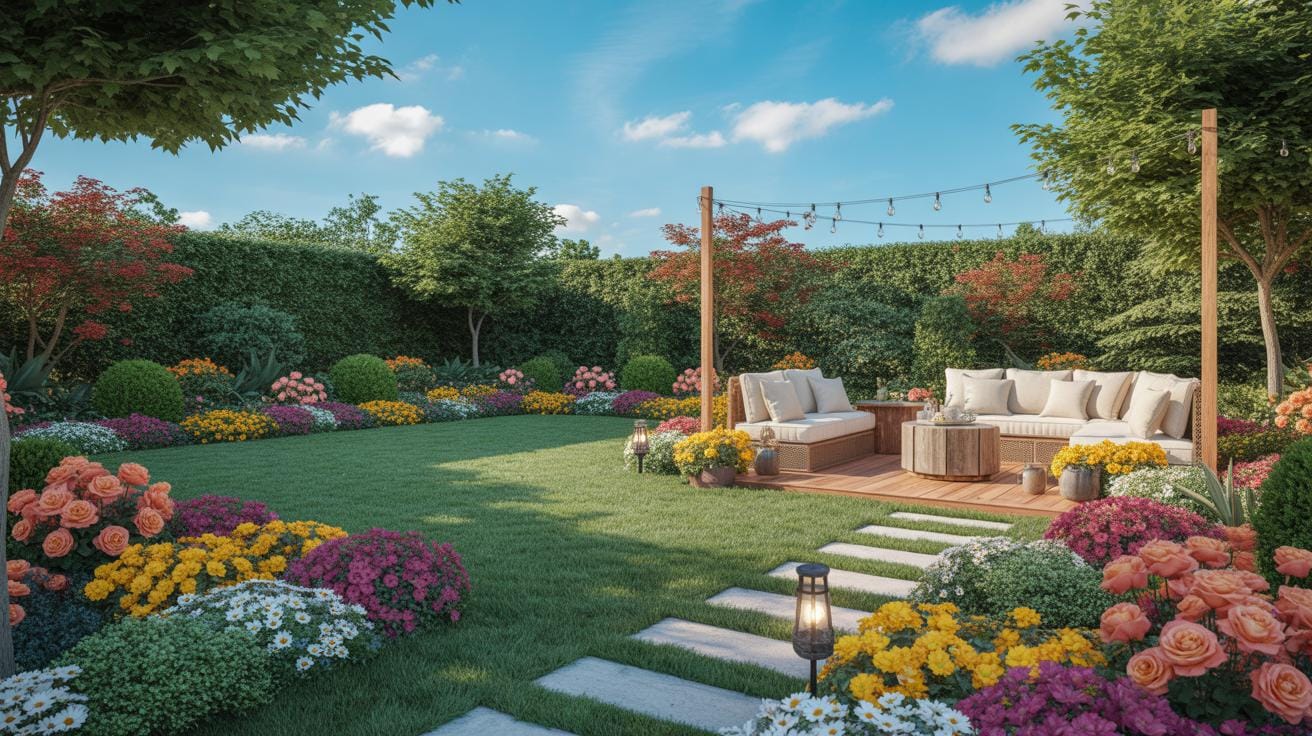
The aim is clear: cut down on water use and upkeep without compromising how the yard looks. This means fewer trips with the sprinkler or hose and less time spent mowing or treating plants. At the same time, your front yard remains inviting and pleasant to look at, which might surprise those who imagine xeriscaping as merely rocks and cacti. By picking the right plants and materials, you create a neat, garden-like setting that’s both smart and resilient.
Water Conservation Explained
Xeriscaping saves water by swapping out thirsty grassy lawns for plants naturally adapted to dry environments. These plants need less frequent watering because they’ve evolved to survive with scarce rainfall. This change reduces irrigation demands profoundly, which directly saves water and cuts down on runoff that might carry fertilizers and chemicals into nearby drains. It’s a practical way to protect local water supplies and avoid waste.
Replacing traditional turf with xeriscape-friendly species means your irrigation system doesn’t have to work overtime. This not only helps water conservation but also helps prevent problems related to overwatering, such as erosion or pooling water, which can attract pests.
Benefits For Homeowners
There are solid, everyday reasons to consider a xeriscape front yard. For one, water bills often drop because you’re simply using less water outdoors. Additionally, drought-resistant plants tend to be hardier, needing less fertilizer and fewer pesticides, which means less time and money spent on maintenance. Plus, the landscapes tend to be tougher against harsh weather and pests.
Many homeowners appreciate that once established, xeriscape yards demand much less physical labor. Less mowing, less watering, and fewer treatments make for more free time or less stress about daily yard work. Also, because these landscapes rely on plants suited to local conditions, they’re often more sustainable and can even boost local biodiversity.
It might seem challenging at first to shift away from traditional lawn norms, but the practical rewards are clear. Have you thought about how much time you spend on yard upkeep currently? Could less upkeep make your mornings or weekends easier?
Selecting Drought Resistant Plants

When you’re setting out to choose plants for a xeriscape front yard, the key is to focus on those that can flourish without demanding much water. It’s not just about picking any drought-resistant plant, but also about knowing the types that adapt well to your specific climate. For example, succulents are popular because they store water in their thick leaves—easy to spot and pretty reliable across many regions. Then there are native plants, which have evolved naturally with your local environment; they tend to need less fuss and are often tough against pests. Xerophytes, plants adapted to dry habitats like deserts, bring an interesting variety too, though they might require a bit more care initially.
Thinking about your yard, it’s a bit like putting together a puzzle with pieces that hardly need water. It’s tempting to pick all succulents or just go native, but mixing these groups can actually give you a yard that’s both attractive and sustainable. Plus, certainty about plant types can sometimes be elusive because microclimates even within your own front yard might need different considerations. So, it might be smart to experiment on a small scale before committing fully.
Popular Plant Options
There’s a decent variety when it comes to drought-tolerant plants for your front yard. Some favorites that many gardeners swear by include:
- Agave: Sharp leaves, architectural form, and really low water needs.
- Lavender: Lovely fragrance plus pretty blooms that invite pollinators.
- Yucca: Tough leaves and a striking look, very low maintenance.
- Russian Sage: Airy, purple flowers that tolerate drought well.
- Red Yucca: Slim, graceful spikes with color variations that bring life.
- California Poppy: A native wildflower that, once established, keeps on growing with little water.

These plants usually don’t complain much if you forget to water once in a while. But, keep in mind, “low water” doesn’t mean “no water” ever—there’s a balance to find.
Plant Placement Tips
How you place your drought-resistant plants can make all the difference. Sunlight is a big factor: most xeric plants love full sun but some prefer partial shade, especially in regions with intense heat. For example, succulents and agaves typically bask in sunlight while certain natives might do better where they get some afternoon relief.
Spacing is also crucial. If plants are packed too tightly, they compete for water and nutrients, which isn’t ideal. Giving them room to spread out lets air circulate and reduces disease risk. Plus, it helps your xeriscape look more natural instead of cluttered.
Grouping plants by water needs might seem a little obvious, but it’s easy to overlook. Putting thirsty plants next to drought lovers can lead to inefficient watering. A good approach is to place similar water users together so you’re not overwatering some and underwatering others.
Ultimately, creating a healthy xeriscape front yard is about observation and adjustment. Watch how plants respond through seasons. You might discover some unexpected companions or new tricks to keep your yard thriving with little water.
Preparing Your Front Yard Soil


Getting your soil right is, well, the foundation of xeriscaping that often gets overlooked. When you prepare your soil properly, you help drought-resistant plants take root—literally—and thrive despite limited water. If the soil is compacted or drains poorly, your plants could struggle or even fail, no matter how drought-tolerant they are.
So, what should you really be doing? Start by testing your soil’s drainage. Dig a small hole, fill it with water, and see how long it takes to drain. If it lingers too long, drainage needs help. You can mix in coarse sand or fine gravel to loosen it up. Conversely, if water vanishes too fast, adding organic material like compost can help hold moisture a bit longer, but do be careful not to create sogginess.
Speaking of organic matter, it’s not just about water retention. Compost also provides nutrients and supports a healthy soil ecosystem. Even inorganic amendments, such as perlite or vermiculite, can enhance soil structure without weighing it down. The trick is balancing these elements so water neither drowns the roots nor deserts them too quickly.
And while soil texture feels like a technical detail, it really isn’t just for experts. You might notice sandy soil feeling gritty, clay soil sticky, and loamy soil somewhere in between. Each type responds differently to amendments. Testing your soil isn’t complicated; simple kits or just a little sensory inspection can guide what your front yard really needs for supporting its tough, thirsty plants.
Xeriscape Front Yard
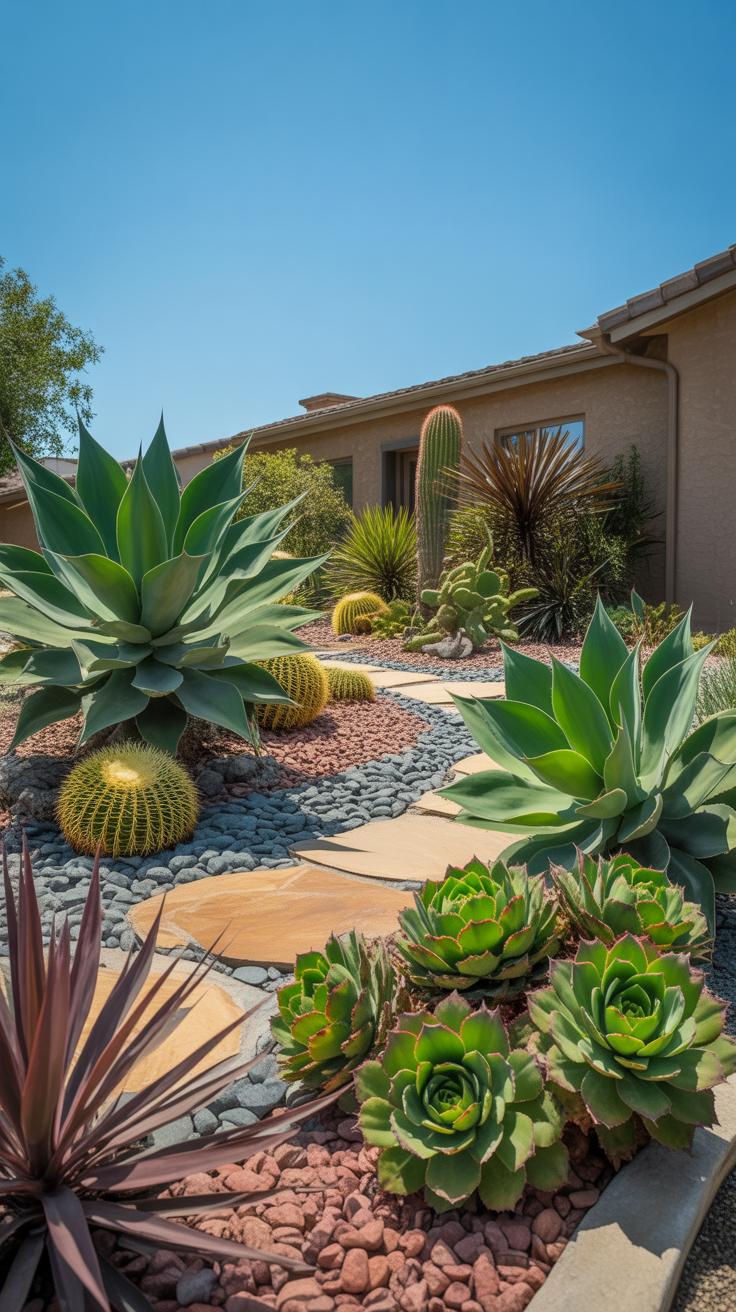

When thinking about your xeriscape front yard, it’s about more than just dumping dry-looking plants around. It’s a deliberate process to create a space that feels welcoming but doesn’t guzzle water. One thing I’ve noticed after trying it myself is the subtle balance between aesthetic appeal and practical water usage. The layout should consider sun exposure, prevailing winds, and natural shade, so your plants thrive without constant intervention.
Plants in xeriscape yards aren’t randomly placed. Grouping them meaningfully by their drought tolerance and watering requirements makes the yard easier to maintain and more sustainable over time. This grouping also encourages a harmonious look that feels intentional rather than haphazard. And there’s something to be said about how hardscaping—like gravel, pavers, or even well-placed rocks—adds texture and breaks up the greenery. It’s not all green leaves everywhere; incorporating hardscape elements can make the yard feel grounded and more structured without demanding extra water.
Shade plays a key part too. Planting trees or installing structures that provide shade protects more delicate plants and reduces soil evaporation. Sometimes, I wonder if people underestimate how much even a small pergola or a well-positioned shrub can affect the microclimate in your yard. Shade is a simple, effective way to conserve water and create a comfortable outdoor space.
Does your yard have diverse zones? For instance, sunny spots packed with succulents contrasted with shadier areas hosting different species. This strategy not only helps your plants flourish but also keeps watering efficient. Choosing suitable plants and arranging them thoughtfully creates a self-sustaining oasis that surprises visitors, who may expect xeriscape to mean ‘barren’ or ‘empty.’ It’s far from that—there’s real life and even a kind of quiet charm in a well-designed xeriscape front yard.
Irrigation Management Techniques

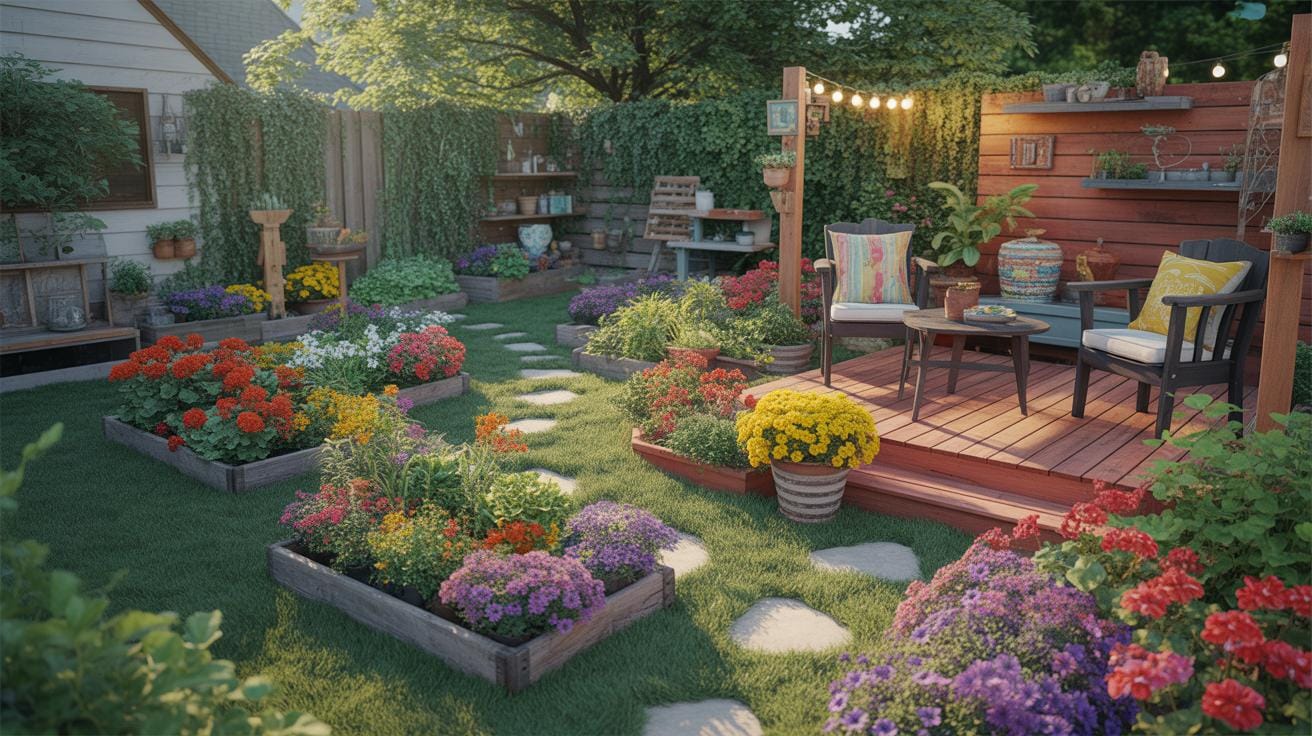
When it comes to watering your xeriscape front yard, the goal is to keep things simple but effective. The best method involves watering deeply but not often. Many people, myself included at first, tend to overwater because it feels like plants need constant attention. But drought-resistant plants are tough—they thrive with less frequent watering that reaches deep into their root zone.
Drip irrigation systems stand out here. These setups deliver water right at the base of your plants, directly to the roots—where it really counts. You avoid the common sprinkler issue of watering the air or evaporating moisture too quickly. It’s a quieter, slower, and more controlled process than spraying everything around.
Here’s a quick way to think about watering schedules for xeriscape front yards:
- Early morning watering is best—before the heat of the day, so less water evaporates.
- Water deeply to encourage roots to grow downward rather than shallow and weak.
- Space out watering intervals; many drought-tolerant plants do well with every two weeks or even monthly, depending on your climate and soil.
You might feel tempted to check soil moisture daily, but over time, you’ll get a sense of how your plants respond. It’s a balance—too much water can be as damaging as too little. I remember adjusting my schedule based on observing newer plants; some needed a bit more attention initially, then settled into a less frequent routine.
Maintenance Tasks For Xeriscape Yards

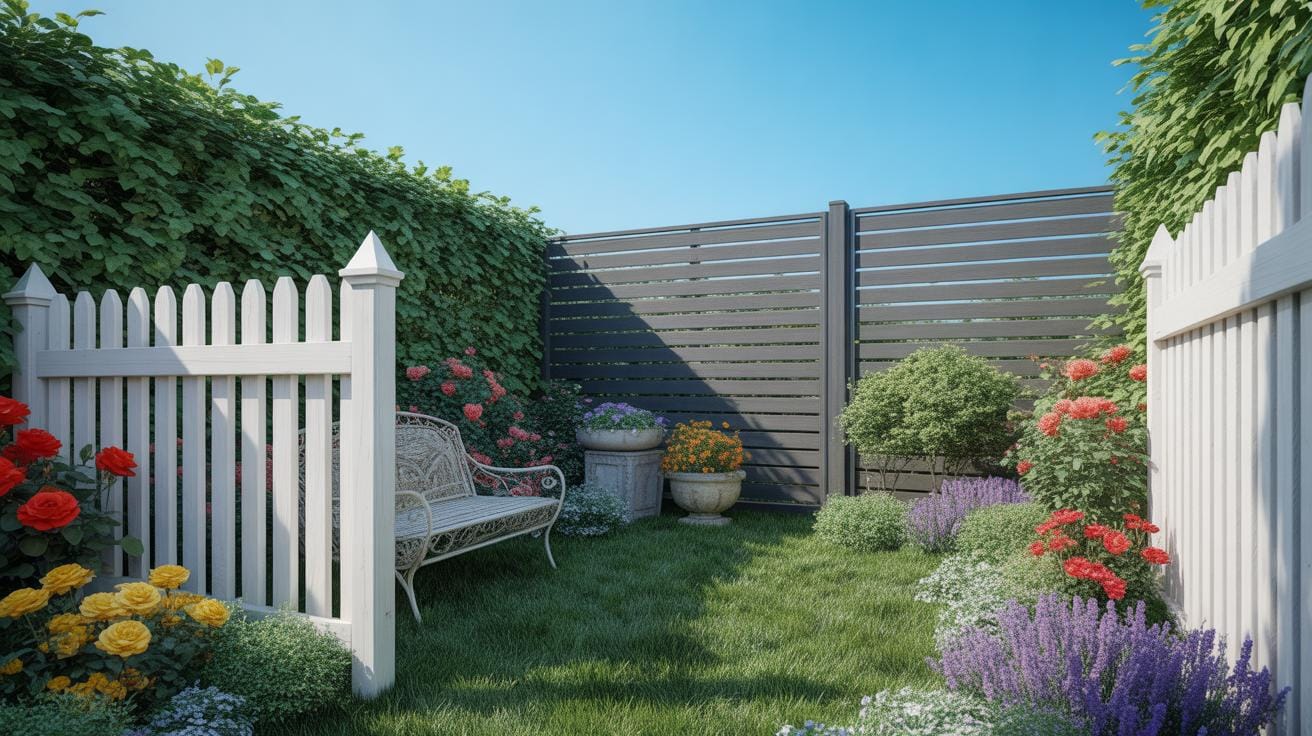
Keeping your xeriscape front yard looking good involves some regular upkeep, but it’s not as intense as traditional gardening. You’ll want to routinely prune, weed, and refresh mulch to maintain tidiness and support plant health. These tasks might sound basic, but they play a big role in helping drought-resistant plants thrive.
Pruning And Deadheading
Pruning isn’t just for shaping plants; it encourages stronger growth by removing old, dead, or overgrown parts. Deadheading—removing spent flowers—boosts the plant’s energy, often leading to more blooms. Imagine picking away faded flowers every few weeks; it keeps things neat and signals the plant to focus on new growth. You might find yourself surprised how much tidier the yard looks with this simple step done regularly. Sometimes it feels a bit tedious, but that small effort pays off in plant vigor and curb appeal.
Weed And Pest Control
Weeds compete fiercely for water and nutrients—things your xeriscape plants rely on. Simply pulling weeds by hand or using a hoe gently can keep unwanted growth at bay without harming your drought-tolerant plants. For pests, natural remedies such as introducing beneficial insects or spraying mild soapy water can keep populations down without resorting to harsh chemicals. It’s a bit of a balancing act because you want to protect your plants but also avoid creating an overly sterile environment. Observing the yard often helps; you can catch issues early before they become a bigger problem.
Xeriscape Front Yard
Xeriscape front yards focus on reducing water use by choosing plants adapted to dry conditions. This means opting for drought-resistant species that can survive with little irrigation. The goal is to create attractive, functional spaces without the usual fuss over watering schedules. It’s quite a shift from the lush, green lawns many are used to.
In xeriscape yards, you’ll often find a mix of rocks, mulch, and carefully spaced plants that don’t compete for water. The arrangement isn’t random. Each plant plays a role, helping the yard stay healthy with minimal input. You might see cacti, succulents, and native shrubs combined creatively to form a front yard that still feels lively but doesn’t demand much.

Yet, some people worry xeriscape looks “bare” or “harsh.” I can understand that first impression—it’s different from the soft, continuous greenery of traditional grass. But with careful planning, it can be striking in a subtle way, emphasizing texture and color that change through the seasons. It’s about rethinking what a yard can be and accepting that a lower-water landscape can be just as charming.
Would it surprise you to know many xeriscape yards actually attract wildlife? Bees, butterflies, even birds find these spaces hospitable. That’s a definite plus if you appreciate a bit of life around your home but don’t want to increase your water bill drastically. In short, xeriscape front yards invite you to rethink beauty and practicality side by side.
Checklist For Xeriscape Front Yard Setup
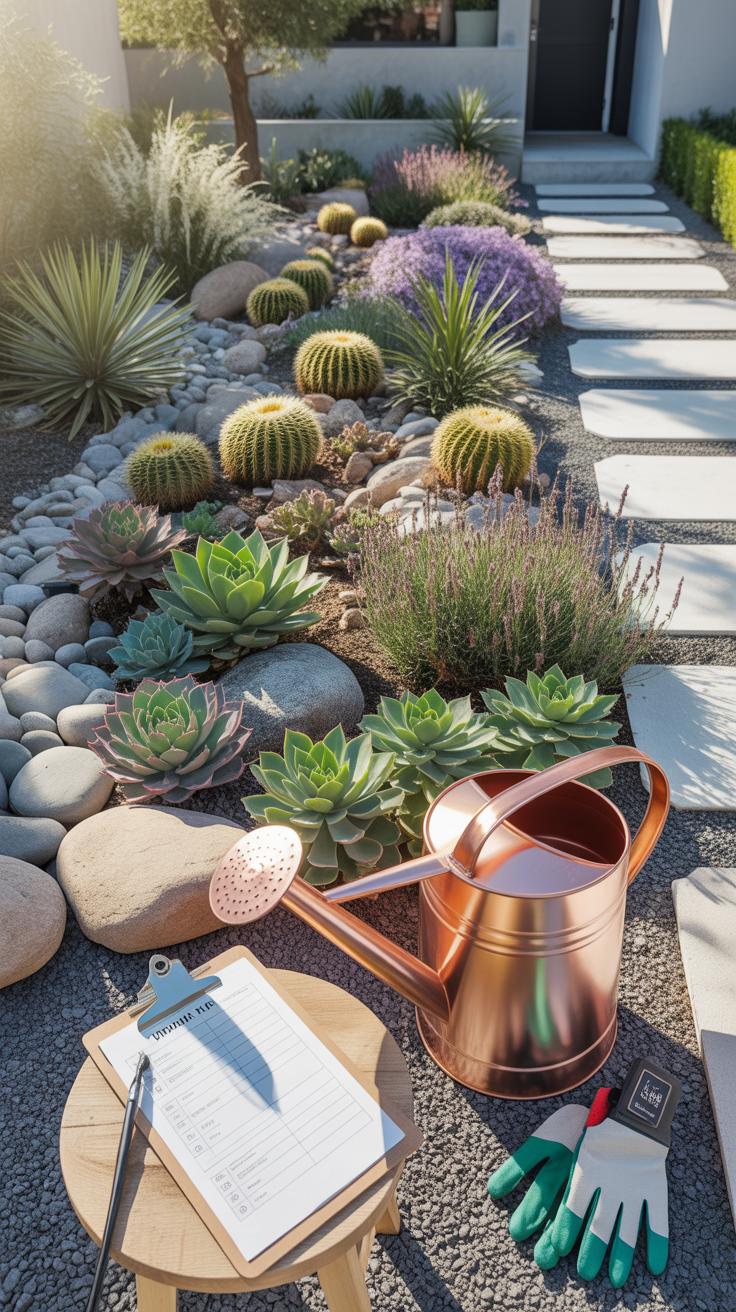
You might find yourself a bit overwhelmed when starting a xeriscape front yard. To keep things manageable, here’s a step-by-step checklist that could help guide your project smoothly from start to finish.
Planning And Design Steps
Begin with research—look up drought-resistant plants suited to your climate. Spend some time sketching a rough plan of your yard; this doesn’t have to be perfect but should outline where plants, pathways, and other elements might go. Budgeting naturally follows, but don’t be too rigid—it’s okay to adjust as you find better plant options or materials. Consider sun exposure and soil type; these affect choices significantly.
Installation And Follow-up
Prepare the soil by removing weeds and adding compost or other organic matter, which can help plants establish better. Plant your selections according to the plan but be flexible—you might discover spots that need tweaking. Mulching is essential here, as it conserves moisture and suppresses weeds. After planting, remember that your yard will need ongoing care, especially watering regularly in the first few weeks until plants settle in. Don’t be discouraged if adjustments are necessary; this is normal and part of the process.
Xeriscape Yard Examples To Inspire You
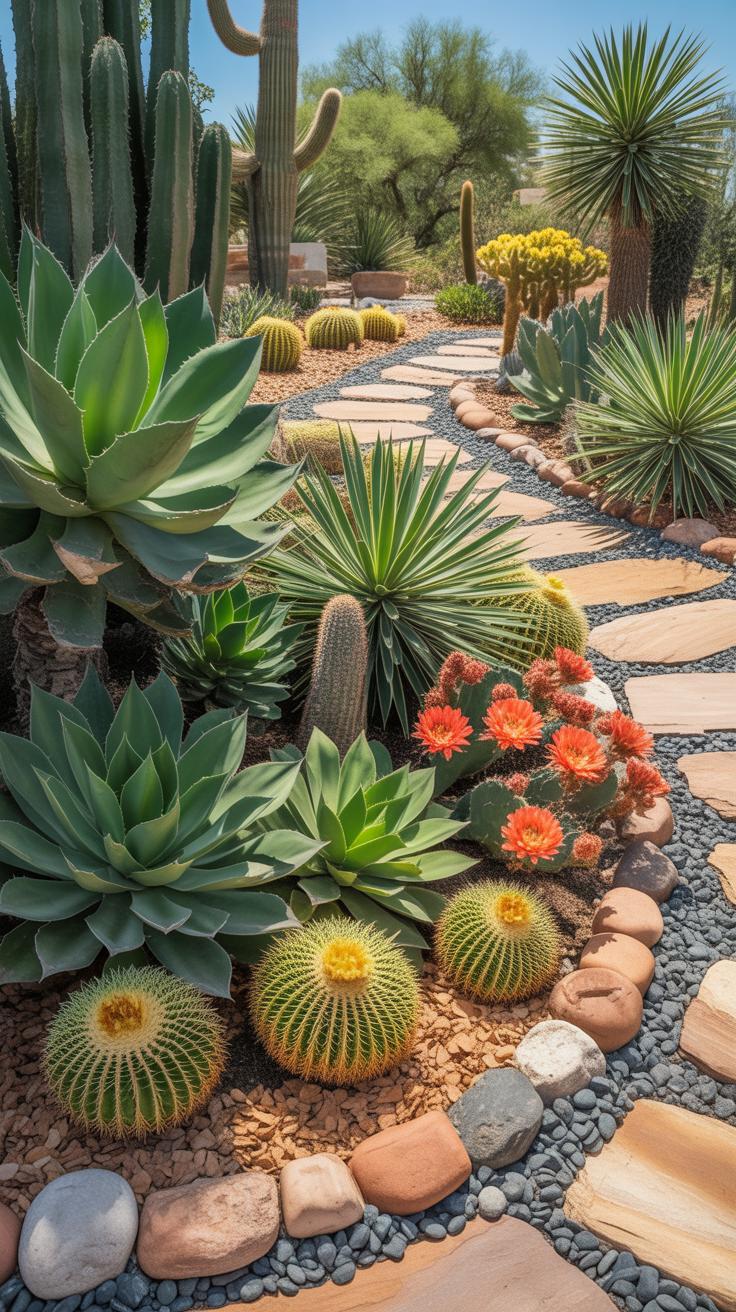
Real xeriscape yards demonstrate how water-wise gardening doesn’t need to be dull or barren. Take a simple low-water front yard, for example: it often combines rocks, succulents, and mulch to form a tidy, almost minimalist setting. The rocks act like a frame, holding in moisture and reducing weed growth. Succulents thrive with little water, their thick leaves storing what they need. Mulch keeps soil cool and prevents evaporation. The whole setup looks clean—no thirsty grass here—making it easy to maintain.
Now, switch to a colorful native plant garden. Here, the focus is less on minimalism and more on bringing life and vibrancy without heavy watering. Native plants have evolved to thrive locally, so they rarely need irrigation once established. Many bloom with bright, appealing colors that naturally attract pollinators like bees and butterflies. Imagine spot after spot of purples, yellows, and pinks—each patch supporting local biodiversity while conserving water. It’s a balance between beauty and practicality.
Both examples prove xeriscaping doesn’t mean sacrificing curb appeal. Instead, it encourages thoughtful planting choices. Sometimes, simple rocks and succulents suffice, other times native blooms bring a splash of color. Which approach suits your taste might depend on your neighborhood, climate, or even your patience for regular upkeep.
Common Mistakes To Avoid

When designing your xeriscape front yard, some errors sneak in more often than you’d expect. One thing I’ve noticed is people sometimes get a little carried away with watering, thinking more is better. But in xeriscaping, overwatering does more harm than good—it wastes the precious water we’re trying to conserve and can actually harm drought-tolerant plants.
Choosing the wrong plants is another pitfall. It’s tempting to pick plants that look appealing but aren’t suited to your local climate. Those choices might not survive or could demand more water, which defeats the purpose of xeriscaping.
Another slip-up happens when folks overlook the soil makeup or the sun exposure. Plants have specific needs for both soil and sunlight. Placing a sun-loving plant in a shady spot or ignoring soil drainage can stunt growth or kill plants. It’s worth taking time to understand your yard’s conditions before planting.
Little details like these can make or break your xeriscape experience. It’s not just about picking any drought-resistant plant but matching those plants to your environment and care habits.
Conclusions
Xeriscape front yards help you save water and reduce yard maintenance by using drought-resistant plants suited to your local climate. Planning your landscape with water efficiency in mind ensures a greener environment while lowering your water bills. By carefully choosing the right plants and designing your yard smartly, you create a lasting outdoor space that fits your lifestyle.
Building your xeriscape front yard is straightforward when you follow simple steps like preparing the soil, planning plant placement, and using mulch. Embracing xeriscape design provides an opportunity to enjoy a beautiful yard while protecting natural resources. Take these ideas and start your water-wise yard transformation today.