

Introduction
Succulent Garden Design With Creative Pots And Planters presents a fresh way to create unique and low-maintenance gardens. Succulents are ideal plants for those wanting green spaces that need little water but offer great style and texture. This article guides you in combining succulent plants with innovative pots and planters to enhance your garden’s look and functionality.
You’ll learn how to select suitable containers and arrange your succulents in ways that maximize their beauty and health. The article breaks down practical tips, design examples, and easy steps to build a garden that satisfies both your aesthetic and gardening needs.
Identifying Ideal Pots For Succulents
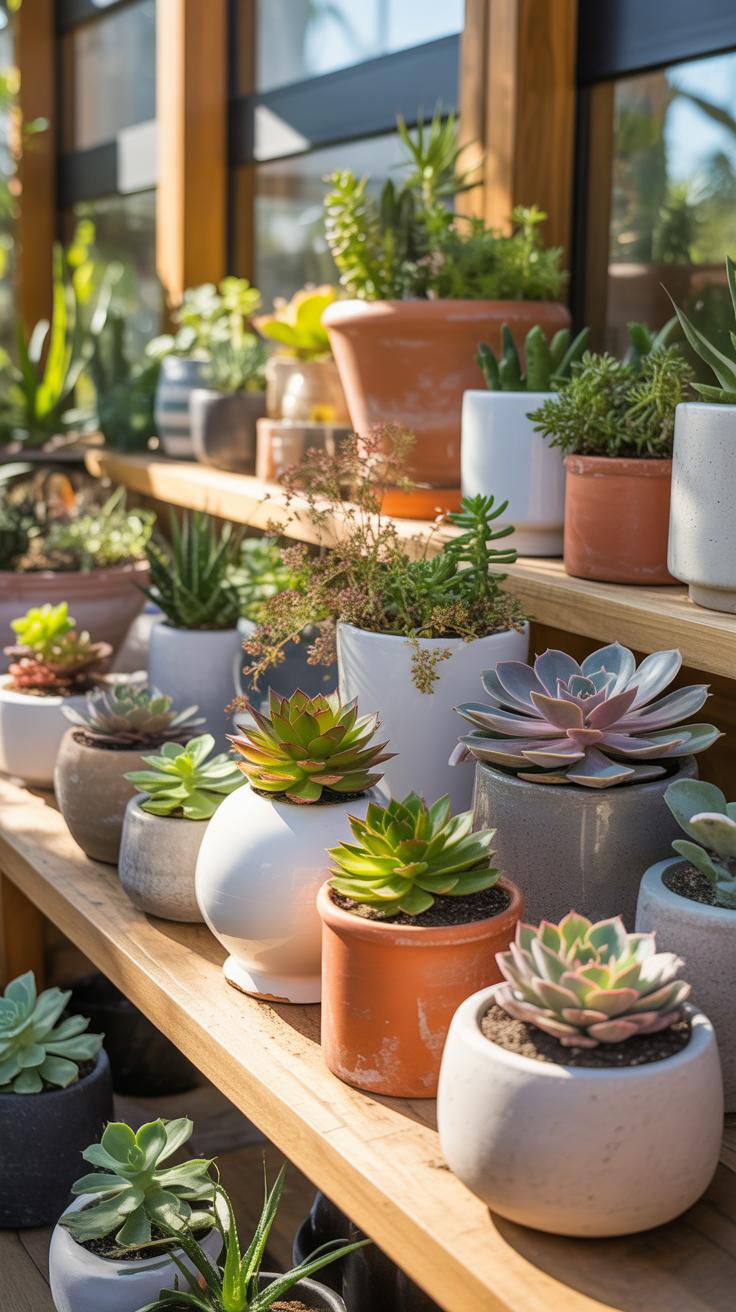
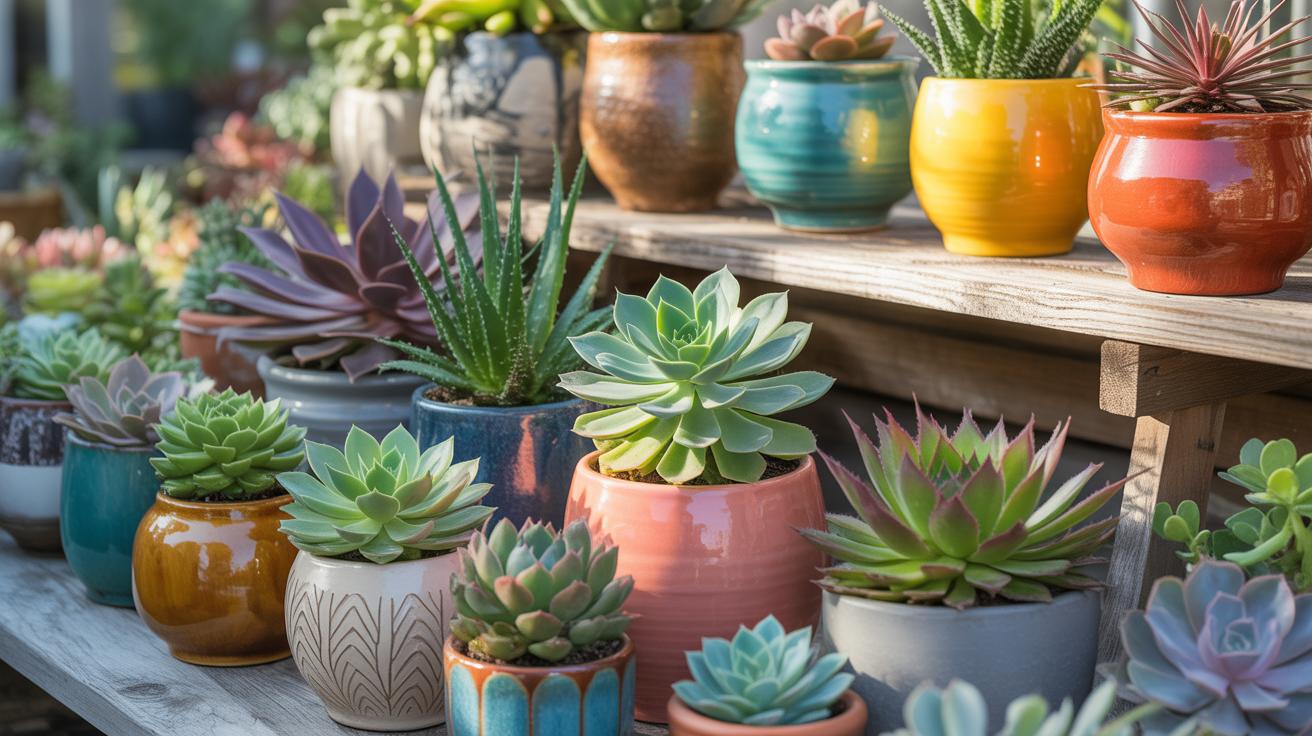
Choosing pots for succulents is more nuanced than it might seem. The material plays a huge role—terracotta, for instance, is often recommended because it’s porous, allowing air and moisture to pass through. This supports healthy roots by preventing water from lingering too long, which succulents don’t like. But, ceramic pots can look appealing and retain moisture longer, which might be good or bad depending on your climate and watering habits. Plastic pots are lightweight and affordable but tend to retain more moisture, which may cause root rot if you’re not careful.
Drainage holes are a must. Without them, water can easily pool at the bottom and lead to root problems. Sometimes, you might find pots without drainage that look beautiful, but you’ll have to be extra cautious about watering if you use them.
Materials That Support Healthy Growth
Terracotta is popular because it’s breathable and helps soil dry out faster. It’s a classic choice but can break easily and might dry out the soil too quickly for some succulents.
Ceramic pots, glazed or unglazed, hold water longer. They look nice but can sometimes cause overwatering issues if you don’t adjust. Plastic pots retain moisture more consistently but lack breathability. That can either help or hurt depending on your environment.
Each material influences moisture levels differently. Maybe try mixing them up to see what your plants prefer. Over time, you might notice which pots suit your watering style best.
How Pot Size Affects Plant Health
A pot that’s too big can hold excess water, which succulents generally despise. Too small, and they might become root-bound or dry out quickly.
Succulent species differ in how much room they need. Smaller ones might thrive snugly in tiny pots, while larger plants need extra space for root growth. It’s tempting to buy bigger pots for future growth, but that can backfire if soil stays too soggy inside.
Perhaps, when picking pots, think about the plant’s adult size and watering needs. It’s a bit of trial and error. Sometimes, you find a perfect size by watching how your succulent responds rather than just guessing.
Planning Garden Layout With Planters
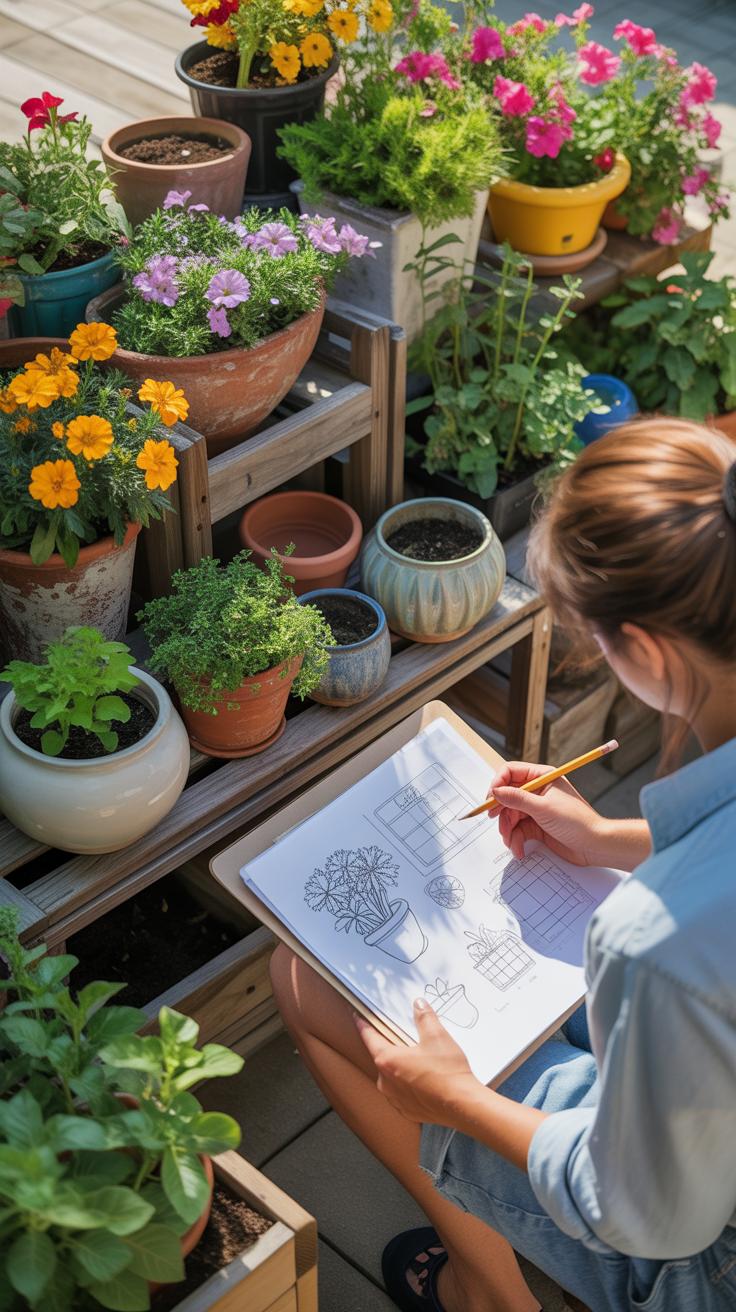
When laying out your succulent garden, think beyond just putting pots randomly. The selection of planters—whether tall, short, narrow, or wide—can shape how your garden feels and functions. Using a mix of ceramic, terracotta, or reclaimed wood pots adds layers of charm. But it’s not just about looks. Mixing sizes and shapes allows you to fit succulents snugly where they thrive best, while visually breaking up space.
Combining different heights and textures really changes the game. Imagine pairing tall, spiky agaves with round, plump echeverias close by. This blend keeps your eyes moving, maintains interest, and avoids a flat, boring setup. The contrast in succulent leaf shapes and sizes naturally draws attention and can even highlight lesser-known plant varieties you might overlook otherwise. It’s like each planter tells its own little story.

Arranging planters for growth means paying close attention to light and airflow—two things succulents rely on a lot. Place pots where they catch morning sun but are shaded from harsh afternoon rays. Too much sun can roast them; too little slows growth. Also, give each pot room to breathe. Don’t cram them tight against each other or walls, as poor circulation can lead to rot or pests. Setting planters slightly apart helps ensure every plant gets what it needs.
Succulent Garden Design
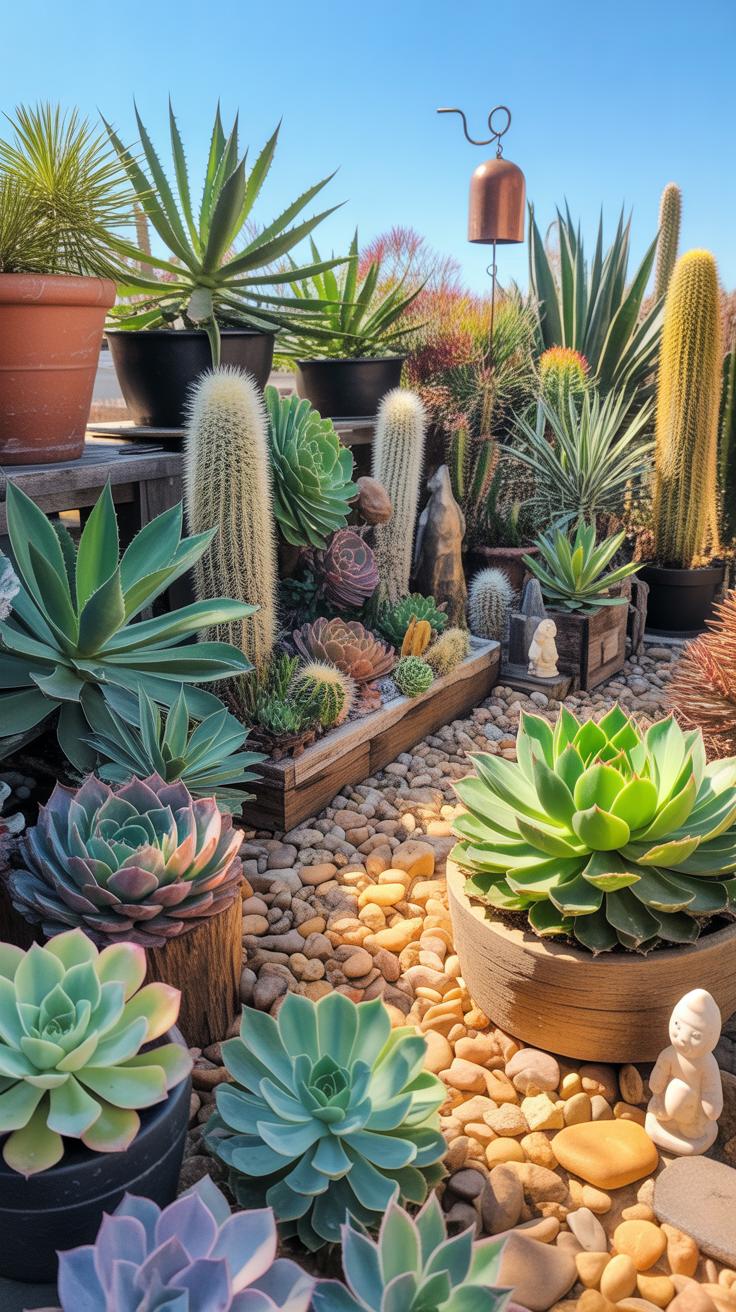
Designing your succulent garden means more than just picking the right plants. Whether you’re planting indoors or outdoors, the environment shapes how your succulents grow and thrive. Succulents have particular light needs that you should really pay attention to. Outdoors, they often receive direct sunlight, sometimes for several hours a day, which many succulents tolerate well. Indoors, though, light is less intense and more diffuse. You’ll want to place your plants near windows that get bright, indirect light for much of the day. This difference alone affects what species you might choose and where you position your pots.
Speaking of pots, outdoor succulent gardens need containers built for tough conditions. Look for options made from materials like terracotta, ceramic with good glazing, or thick plastic. These materials can handle temperature swings, moisture, and sun exposure better than more fragile pots. Also, drainage is crucial outdoors because succulents hate “wet feet.” Make sure any pot you pick has drainage holes.
Outdoors, your garden is subjected to wind, rain, and sometimes pests. Indoors, these threats are minimal but watch for dry air and less consistent watering. Both settings have pros and cons. You might find that certain succulents flourish more robustly under the varying outdoor conditions, while others prefer the stable environment indoors. So, design your garden with flexibility, knowing that both indoor and outdoor spaces have their peculiar challenges and delights. What kind of space do you have? The answer really influences your whole approach.
Step By Step Succulent Planting Process
Preparing Soil And Containers
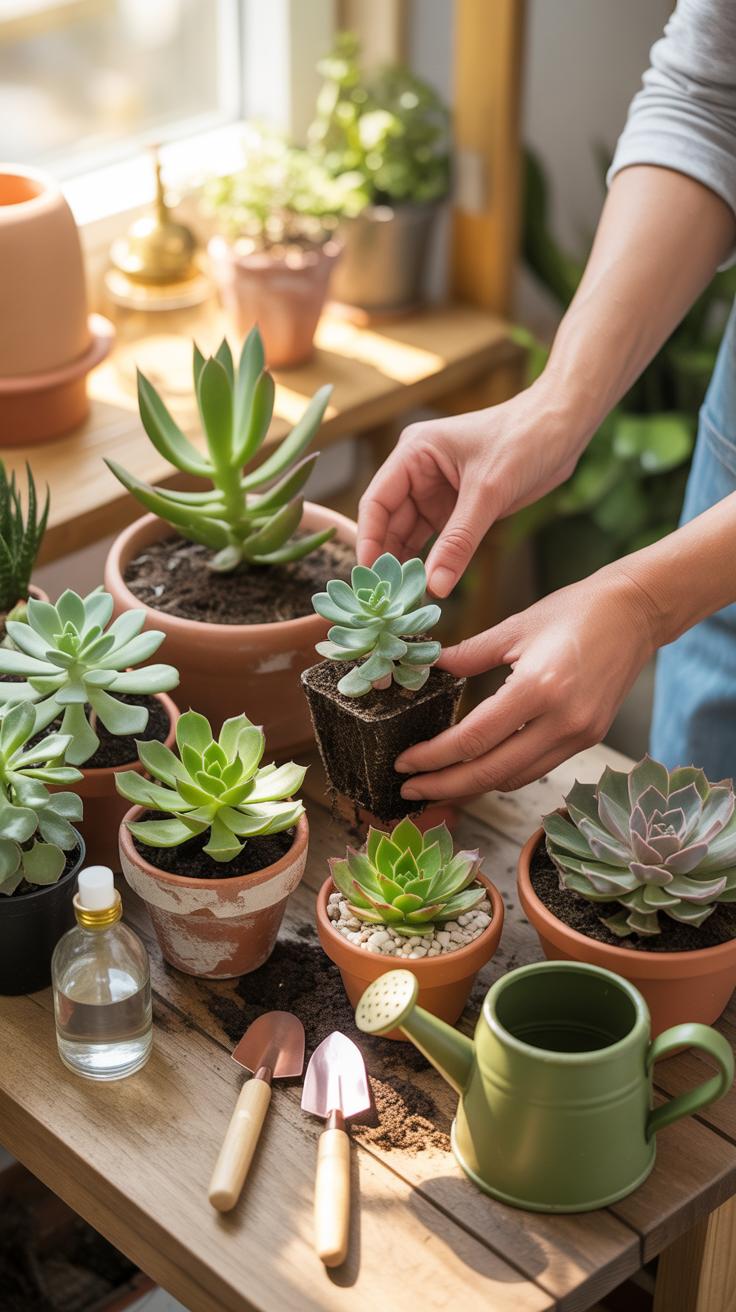
Before you even think about placing your succulent in a pot, preparing the soil and container is crucial. Succulents need soil that drains quickly to avoid root rot. A typical succulent soil mix has a combination of organic material like peat moss or coconut coir mixed with inorganic materials such as perlite or coarse sand.

When using creative pots or planters, ensure they have drainage holes. If they don’t, consider drilling some or layer the bottom with small stones; this helps water escape rather than sit at the roots. I once planted succulents in a decorative ceramic pot without drainage and lost several plants over time despite careful watering—it was a lesson learned the hard way.
Planting And Watering Basics
Plant succulents at a depth just enough to cover their roots. Don’t bury them too deep, as this can cause stress and rot. The top of the root crown should be just at or slightly above the soil surface. After planting, resist the urge to water immediately—give them a day or two to settle.
Watering succulents is a delicate balance. Generally, they prefer a thorough soak followed by letting the soil dry out completely before watering again. This mimics their native arid environments. Depending on your climate and the season, watering every 1-2 weeks usually works. Watch the leaves; if they become shriveled, it’s time to water—even if it’s a bit early according to schedule.
Fixing Common Planting Mistakes
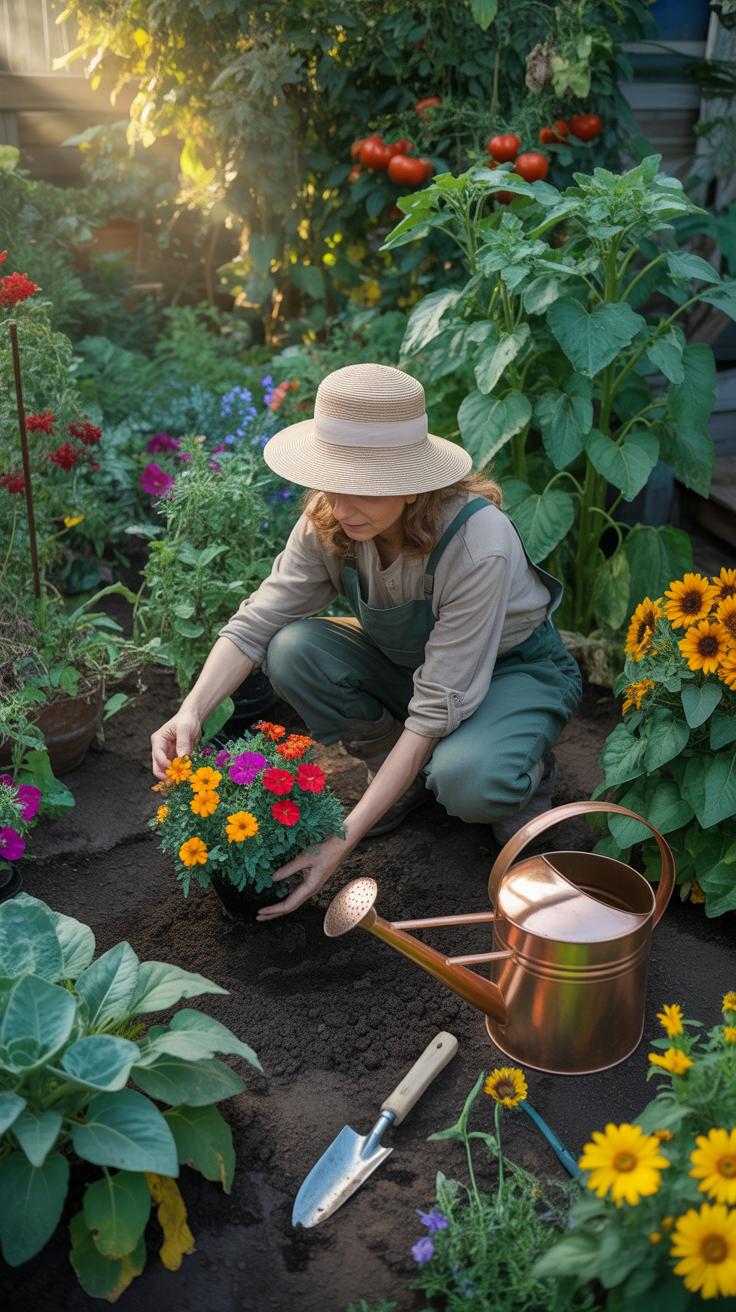
When designing your succulent garden, some mistakes tend to pop up more often than you might expect. For starters, planting succulents too close together is a frequent slip-up. It seems tempting to fit in as many as possible, but overcrowding restricts airflow and can cause problems later on. Giving your plants room to grow helps them breathe and stay healthy.
Another common issue is using soil that retains too much moisture. Unlike many garden plants, succulents prefer fast-draining soil. Using a regular potting mix or garden soil without amending it usually leads to soggy roots and stressed plants. You want a soil that dries out quickly between waterings.
Also, watch out for insufficient sunlight. Succulents need bright light to thrive—part shade won’t cut it. If you notice your plants stretching out or losing their vibrant colors, it’s a sign they want more sun. Try moving them closer to a sunny window or outdoors if conditions allow.
Avoiding Overwatering Issues
Watering succulents too often is probably the number one cause of trouble. These plants have evolved to store water in their leaves and stems, so they survive long dry periods. Giving them plenty of water beyond their needs fills the cells until they burst or leads to root damage.
Instead of sticking to a strict watering schedule, try checking the soil first. If it feels dry several inches down, it’s time to water. When you do, soak the soil evenly until water drains from the pot’s bottom. Let it dry out fully before the next watering session.
Preventing Root Rot In Containers
Root rot happens when roots sit in waterlogged soil for too long. Succulent pots without drainage holes or heavy containers that don’t allow excess water to escape are prime candidates for this problem. The roots suffocate and eventually decay, killing the plant.
To avoid root rot, pick containers with ample drainage holes. Make sure the potting mix is gritty and porous—ideally a cactus or succulent mix with sand or perlite added. And don’t be shy about elevating pots on small feet or placing a layer of gravel beneath the soil for better drainage.
Have you ever had a succulent mysteriously collapse despite every effort? Sometimes it’s these subtle factors in design and care making the difference. Planting thoughtfully, watering only when needed, and ensuring good drainage keeps your succulent garden vibrant and thriving.
Optimizing Succulent Growth Conditions
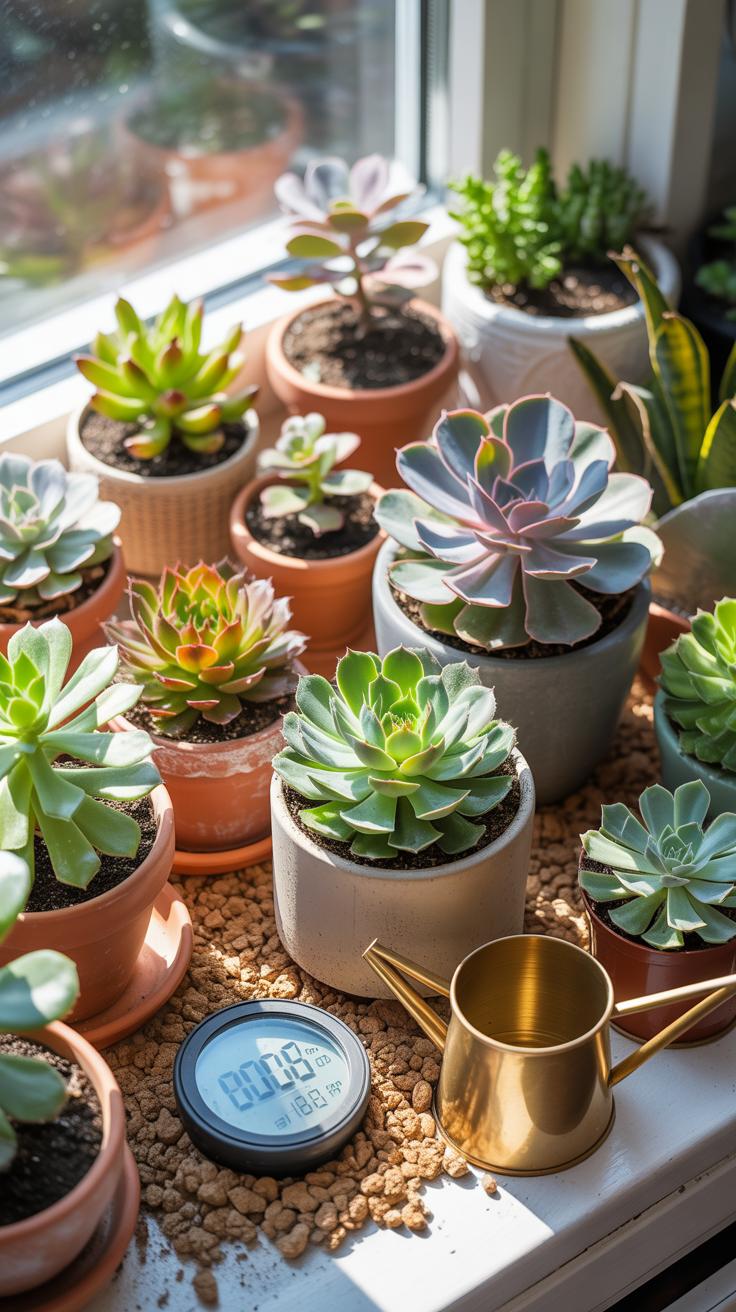
When it comes to growing succulents, the details of their environment play a larger role than you might expect. You need to keep a close eye on a few key factors that influence how well your garden thrives.
First, it’s crucial to understand the balance of sunlight and shade. Succulents generally love bright light, but too much harsh, direct sun can scorch their leaves. Moving pots throughout the day or choosing spots that get morning sun but afternoon shade can work well.
Temperature and humidity levels also matter. Most succulents prefer moderate warmth, typically between 60 and 80 degrees Fahrenheit. Colder conditions might stress them, but extreme heat without enough airflow can be equally damaging. Keeping humidity low is usually best since succulents originate from arid climates. But don’t fret if your area feels humid—it’s about managing airflow and choosing resistant species.
To sum up, optimizing your succulent garden often means adjusting your garden’s layout over time. Notice where your plants do best, shift pots accordingly, and try to replicate those conditions consistently. It’s less about rigid rules and more about tuning in to what your plants show you.
Ideas For Creative Planter Designs
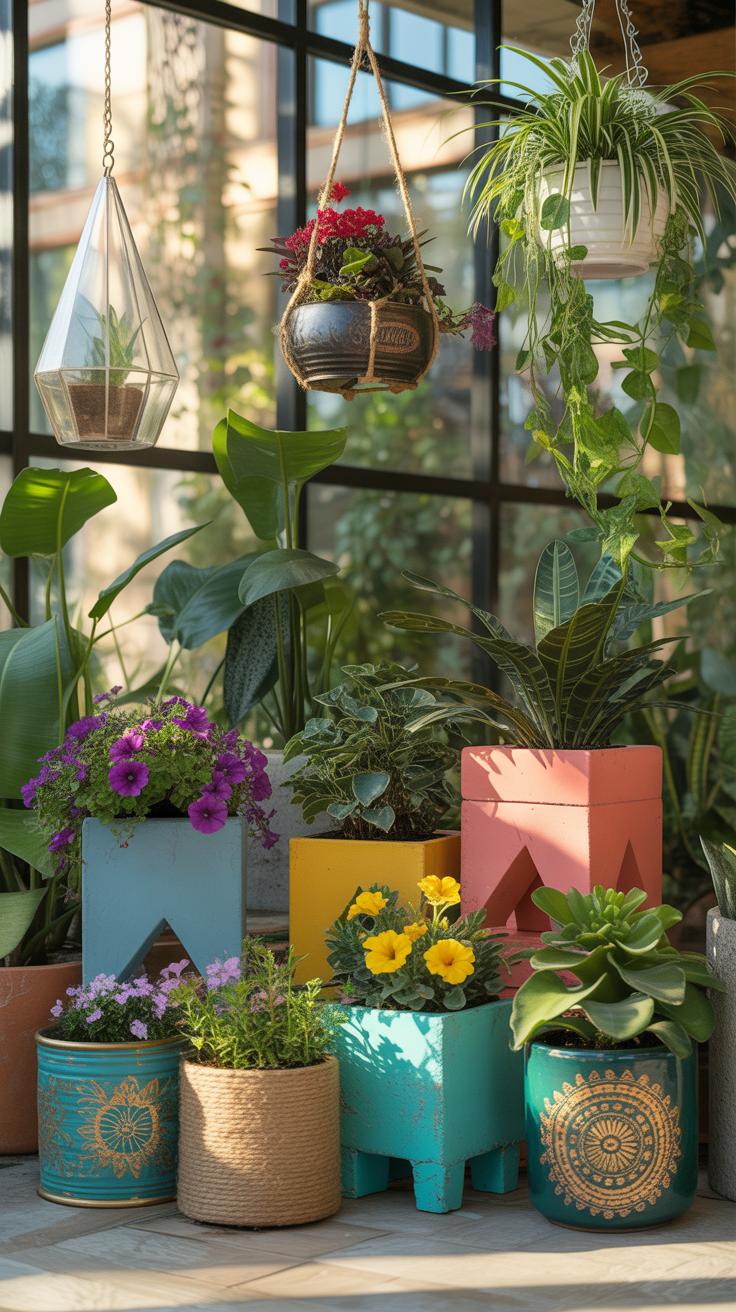
When it comes to designing your succulent garden, the containers you choose can make a big difference. Think about stepping away from the usual pots and trying something less expected. For example, shallow wooden boxes filled with succulents can bring a natural, rustic vibe that feels grounded and simple at the same time. Or, consider incorporating sleek metal planters that reflect light and add a modern twist. Even plain clay pots can become interesting with the right texture or a bit of paint.
You might have a little fun mixing materials as well. A planter made from a wooden frame with metal accents can create an appealing contrast—rough yet polished. The clay brings earthy tones, the metal provides sharp lines, and wood offers warmth. This mix doesn’t just look good; it can also be practical, as each material contributes to durability or drainage in different ways. It’s worth trying out combinations to find what fits your space and style. Sometimes the results surprise you.
Using Repurposed Household Items
It’s easy to fall into the trap of buying new pots, but using things you already have can inject personality into your garden and keep costs down. Old teapots, worn shoes, or even broken colanders work well as quirky succulent containers. I once used a vintage wooden drawer with dividers to create a curated succulent display—each section holding a different plant. It wasn’t perfect; some plants got a bit cramped, but it added a story to my garden.
Other ideas include:
- Mason jars or glass bottles, letting you observe roots and soil layers.
- Rusty tins and buckets, which add a weathered charm.
- Unused kitchenware like cups or pans, for a unique, eclectic look.
These choices don’t have to be fancy or flawless. Imperfections in the containers often give succulents more character. As you experiment, ask yourself if the planter complements the plant’s shape and color. If it adds a bit of surprise or whimsy, you might be onto something worth trying again.
Evaluating Costs And Budget Options

Setting up a succulent garden can vary widely in cost, depending on the materials you choose and whether you opt for store-bought or handmade planters. Pots alone can range from just a few dollars for basic plastic ones to more than $50 for artistic ceramic or concrete styles. Soil is another factor; a well-draining succulent or cactus mix typically costs between $10 and $25 per bag, depending on brand and quantity.
If budget is a concern, consider some DIY approaches. Making your own planters can save money and add personal flair. For example, old teacups, tins, or wooden crates can become charming containers. With just some basic tools, you can turn inexpensive materials like concrete or clay into durable pots. This approach not only cuts costs but also lets you customize sizes and shapes to fit your space perfectly.
Another way to reduce expenses involves sourcing soil components separately—mixing your own blend of potting soil, sand, and perlite can be cheaper than pre-packaged options. While it requires a bit more effort, it can also give you better control over soil quality. Have you ever tried mixing your own soil? It might be worth testing out before buying in bulk.
Maintaining Your Succulent Garden Year Round
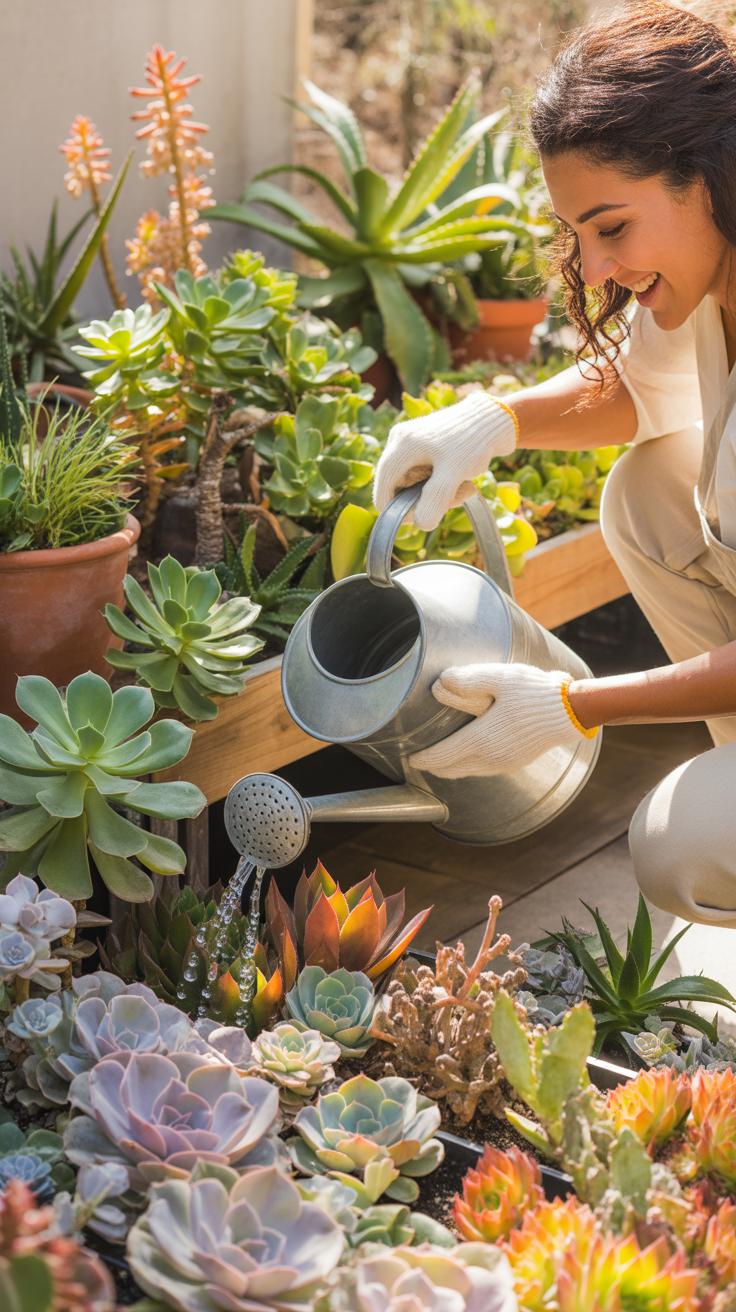
Keeping your succulent garden looking good all year is trickier than it seems at first glance. Succulents need different care in winter than in summer, and you’ll find yourself adjusting routines as seasons shift. For example, watering should be less frequent during colder months because succulents enter a semi-dormant state and use less water. But in spring and summer, when growth picks up, they’ll appreciate a more regular soak—though overwatering remains the biggest risk.
Fertilizing is another aspect to tweak. A light feeding in the growing season supports healthy development, but skip heavy feeding when plants slow down. I usually use a diluted balanced fertilizer every few weeks from spring to early fall. Sometimes I wonder if I’m overdoing it, but the succulents don’t complain.
Regular inspection for pests and damage keeps your garden resilient. Checking for mealybugs, spider mites, or scale insects is vital, and early detection means easier treatment. If you see brown spots or shriveled leaves, dig deeper to find the cause—whether it’s pests, too much sun, or inconsistent watering. I like to gently wipe off bugs with a cotton swab dipped in rubbing alcohol first, then consider neem oil treatments if the problem persists. The key is vigilance without freaking out at every little imperfection—succulents are tough but not invincible.
Conclusions
Creative pots and planters are key to successful succulent gardens. They influence not only the garden’s appearance but also the plants’ health. Choosing containers with proper drainage, size, and material will help your succulents thrive in diverse environments.
By carefully designing your succulent garden layout, you can create appealing, low-maintenance green spaces. This approach allows you to make the most of limited space while expressing your style. Use these tips to start or improve your succulent garden with confidence.