Introduction
Small front yard landscaping offers a way to enhance your home’s curb appeal without demanding too much upkeep. By choosing the right plants and materials, you can create a welcoming space that looks good all year long. This article takes you through simple ideas that make your front yard attractive and easy to manage.
We will look at plant choices, layout ideas, and ways to blend natural and man-made features. Each section aims to help you transform your small front yard into a charming and care-friendly area that makes your home stand out.
Plant Selection For Small Yards
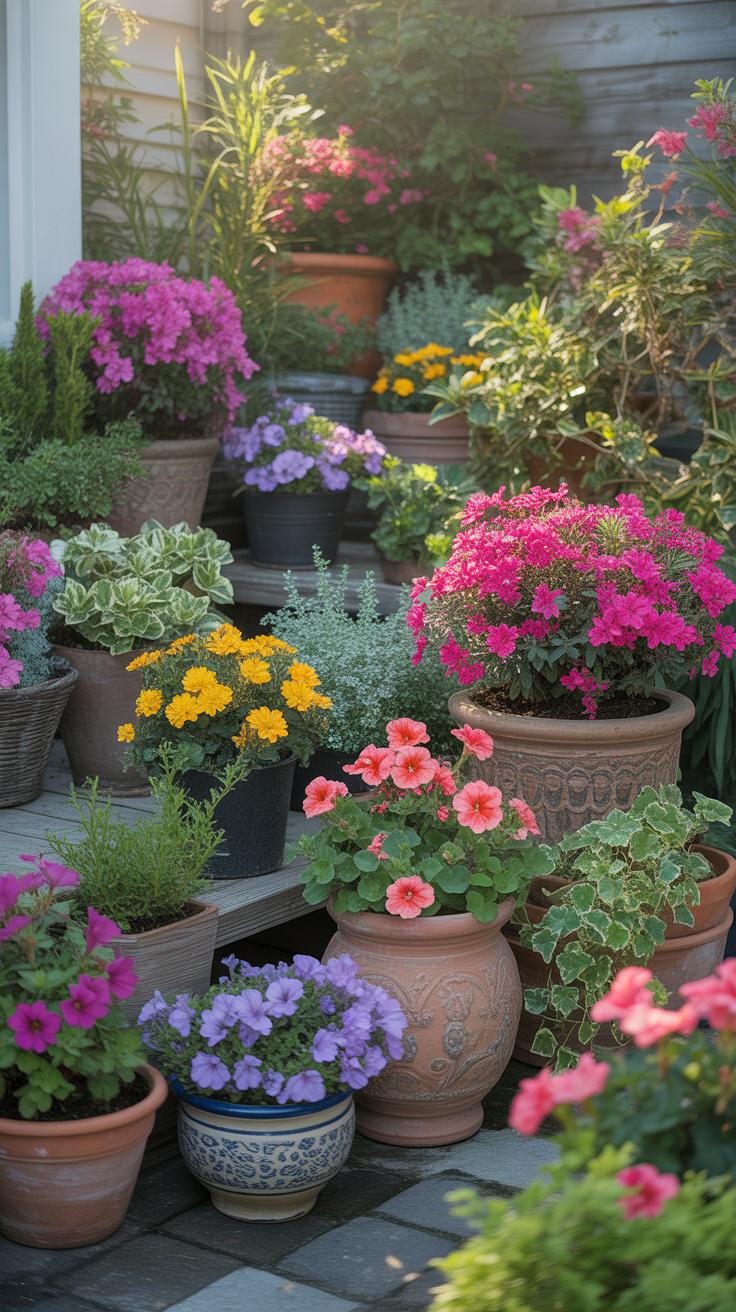
Picking the right plants for a small front yard can be a bit tricky. You want something manageable, not sprawling and wild. The key is to consider plants with slower growth rates or compact habits so they don’t crowd your limited space. Small evergreens, dwarf shrubs, or columnar trees often work well since they keep shape without needing too much pruning.
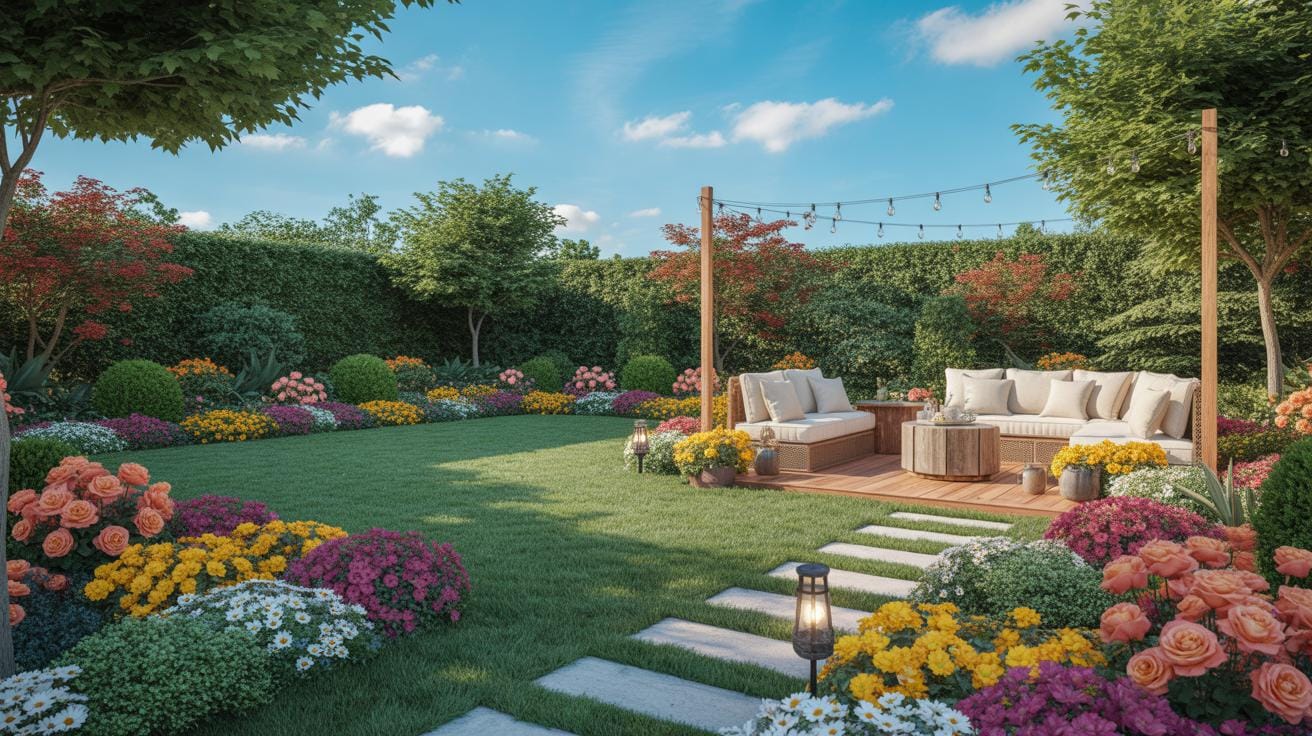
Plants that fit well in small yards usually offer easy care, which means less time trimming or fussing with pests. Think about perennials that come back year after year and don’t demand constant attention. Their growth habits should be predictable—nothing that suddenly shoots up or spreads aggressively.
Choosing Plants That Require Less Care
Some types of low-maintenance plants fit better in small yards simply because they don’t require frequent watering or pruning. Drought-tolerant shrubs like juniper or lavender save water and hold their shape over time. Perennials such as coneflowers and sedum come back reliably year after year without much intervention.
Ground covers like creeping thyme or creeping juniper are excellent for filling in spaces, preventing weeds, and cutting down on watering. These plants don’t need fancy fertilizers or daily care. Just plant them and only occasionally check to keep them tidy.
Care tips are often straightforward: prune only once or twice a year, water sparingly once established, and avoid over-fertilizing, which can cause excess growth that leads to more work.
Using Hardscaping To Reduce Maintenance
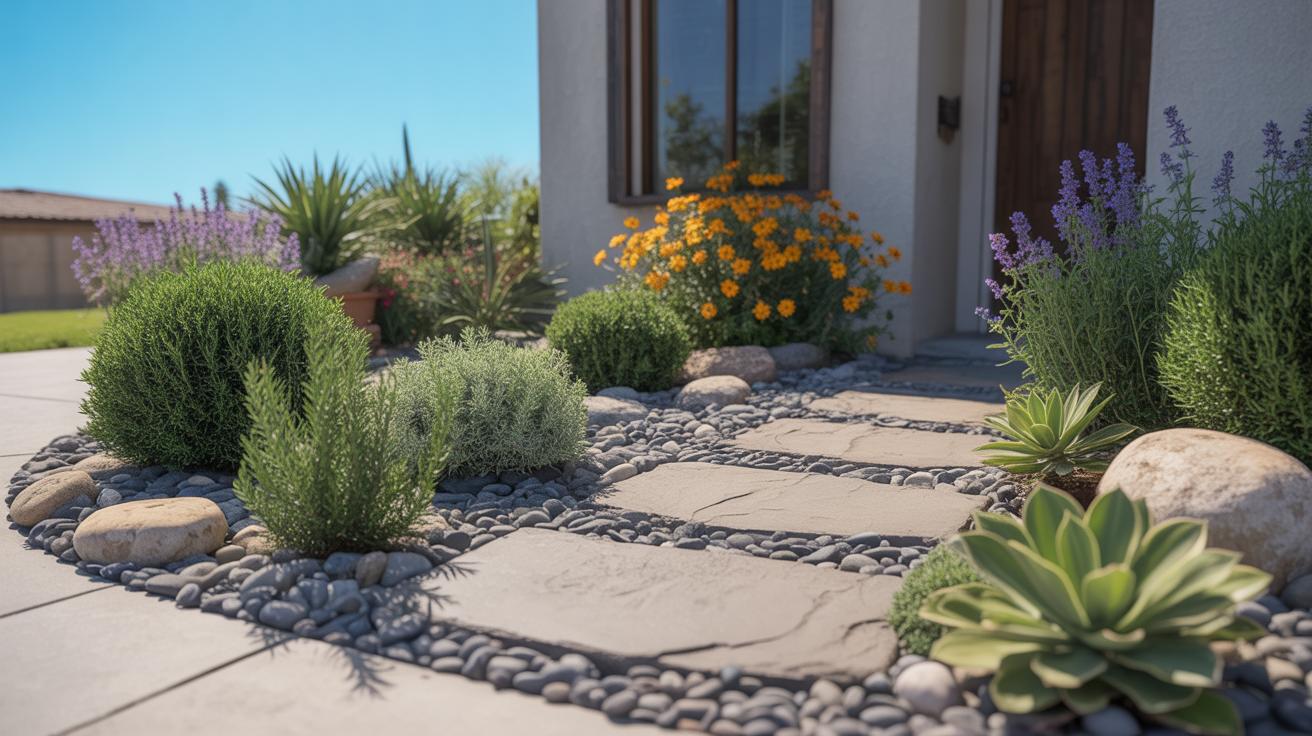
Hardscape elements can really lighten your workload. Adding gravel beds or stone paths carves out space where plants don’t have to grow. This means less watering, trimming, or weeding. Mulch areas, especially with organic mulch, not only keep weeds down but also lock moisture into the soil, so your plants need less watering.
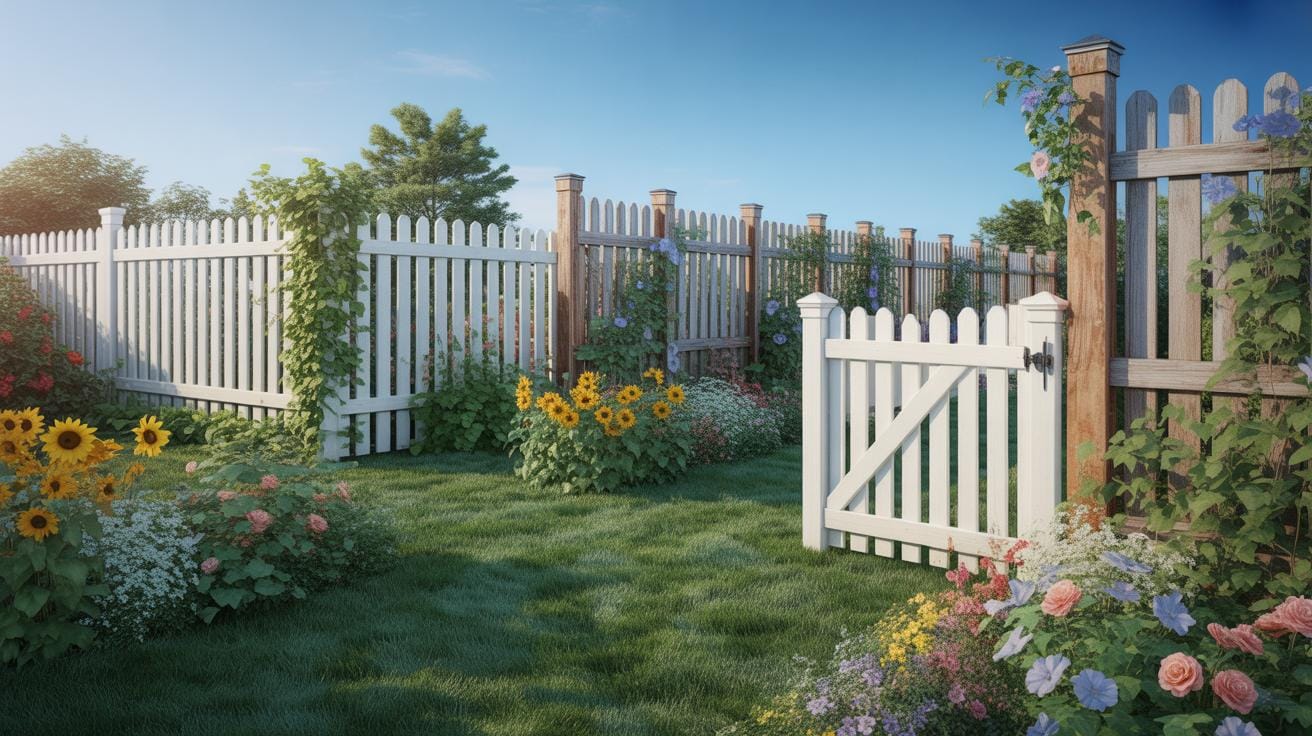
These features break up the space visually and practically. You get less plant maintenance and a cleaner, more modern look. Plus, stone or gravel won’t wilt or die—so less upkeep in those spots.
In some ways, it’s a balancing act—enough plants for greenery and color without overcrowding, and enough hardscape to simplify care. It might feel like you’re deciding against a lush garden, but that extra breathing room can really save time and effort in the long run.
Design Principles For Tiny Spaces
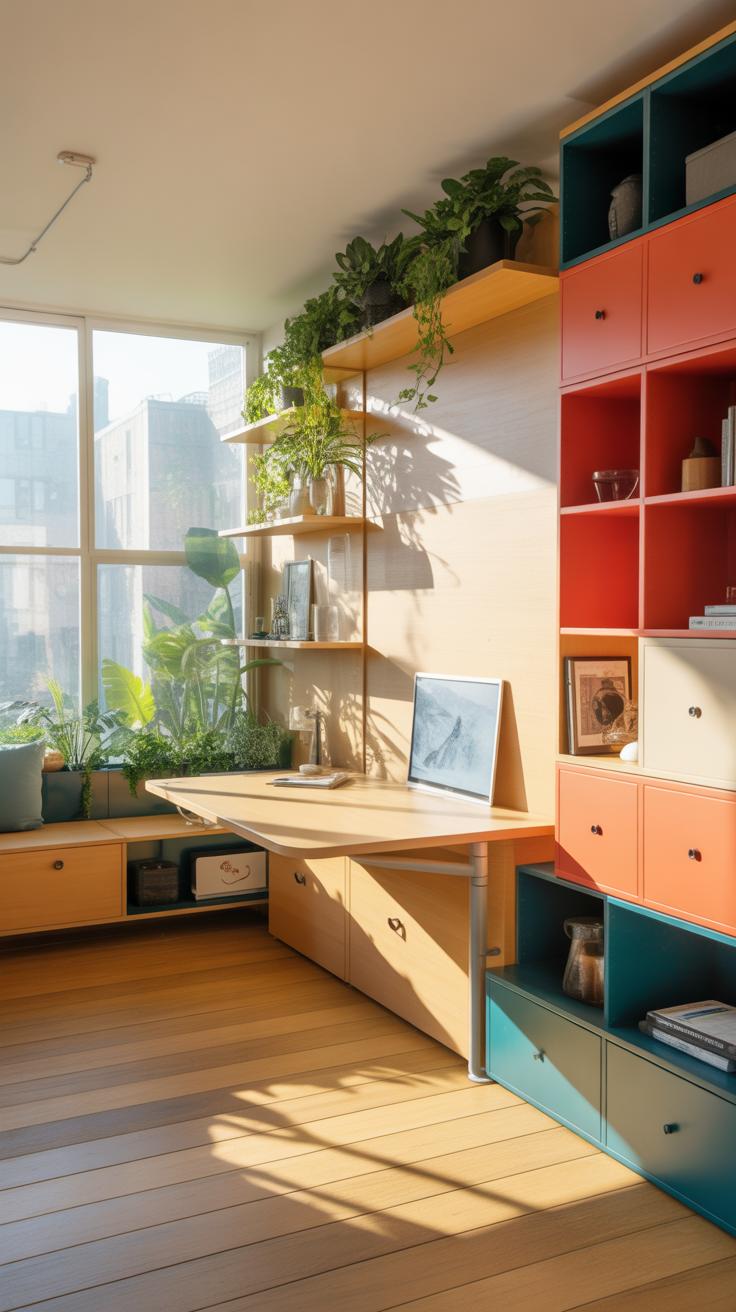
When working with small front yards, design needs a different approach than larger spaces. The trick is creating a depth and fullness without overwhelming the limited area. I think a key strategy is layering plants effectively. Place taller, more vertical plants towards the back or along the sides, so they form a backdrop. Then bring smaller, bushier plants into the front. This layering creates a sense of space and sets up interesting visual planes.
Another technique to explore is mixing textures. Combining plants with various leaf shapes, sizes, and surfaces can widen the feel of the space. Think rough, smooth, broad, and narrow leaves together. The contrast tricks your eyes into perceiving more diversity, even if the number of plants is small. This texture balance can make a small yard feel richer and more inviting.
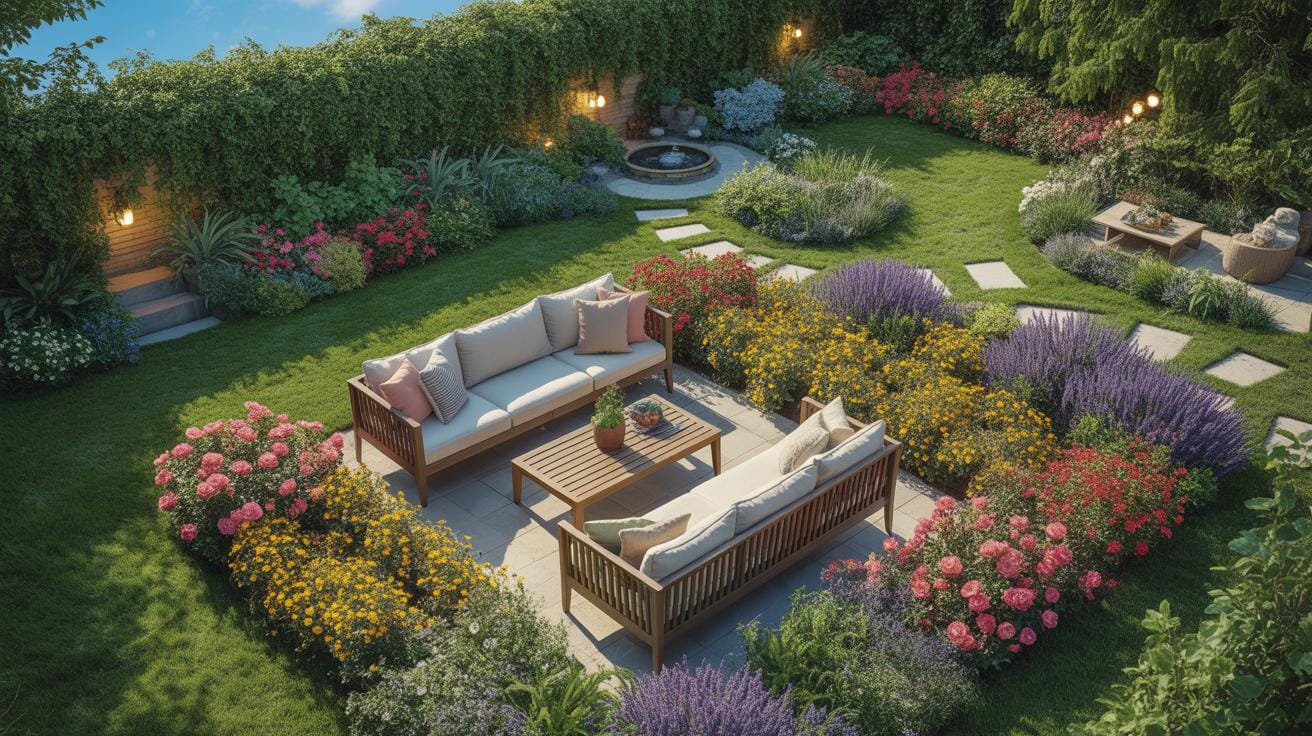
So, when planning, consider the following:
- Arrange plants in tiers, from tallest at the back to shortest at the front.
- Use plants with distinct leaf arrangements to create contrast.
- Balance shapes—round leaves against spiky ones or fine foliage.
- Don’t shy away from repeated textures; they can unify the space if used carefully.
You might overlook texture in favor of color or flower size, but for small yards, texture often plays a bigger role in making the environment feel less cramped. It’s a subtle detail that can really transform your front yard into a cozy yet visually engaging space. Have you tried layering or mixing textures in your garden before? It might push your design in new directions.
WaterWise Landscaping Benefits
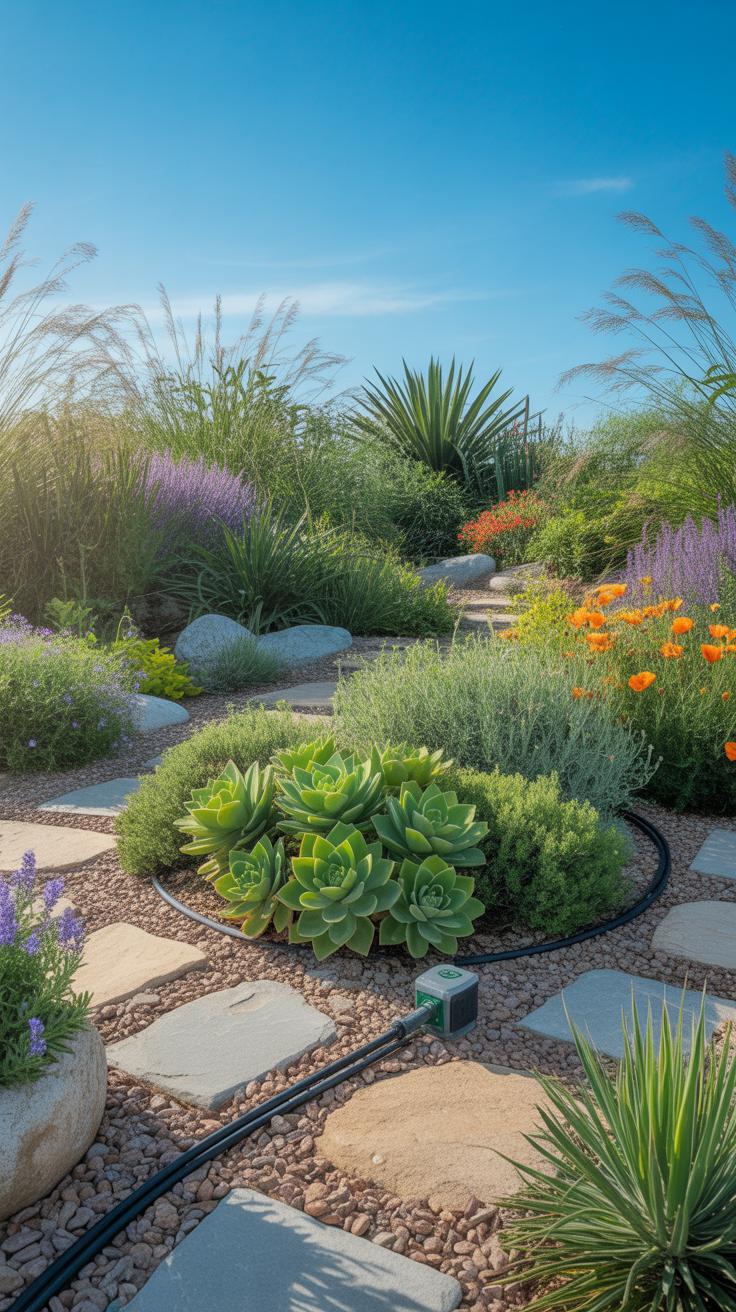
Low-water landscaping brings distinct advantages, especially for small front yards. For one, it can significantly trim down your water bills. It’s not just about money, though. Supporting the local environment is a real plus. When you avoid excessive watering, you help maintain the natural balance of your area’s ecosystem.
The idea is to use plants and materials suited to your climate’s natural water availability. This means saving a resource that’s often overlooked. Plus, less watering leads to less work for you—no need to haul hoses or schedule sprinklers as often. It feels a bit like giving your yard a break from constant attention.
Drought-Resistant Plant Options
Choosing the right plants is crucial. Some thrive on very little water, making them perfect for small spaces where overwatering is both tempting and wasteful. Look for plants like lavender, sedum, or agave. These species have evolved to endure dry conditions, needing minimal care once established.
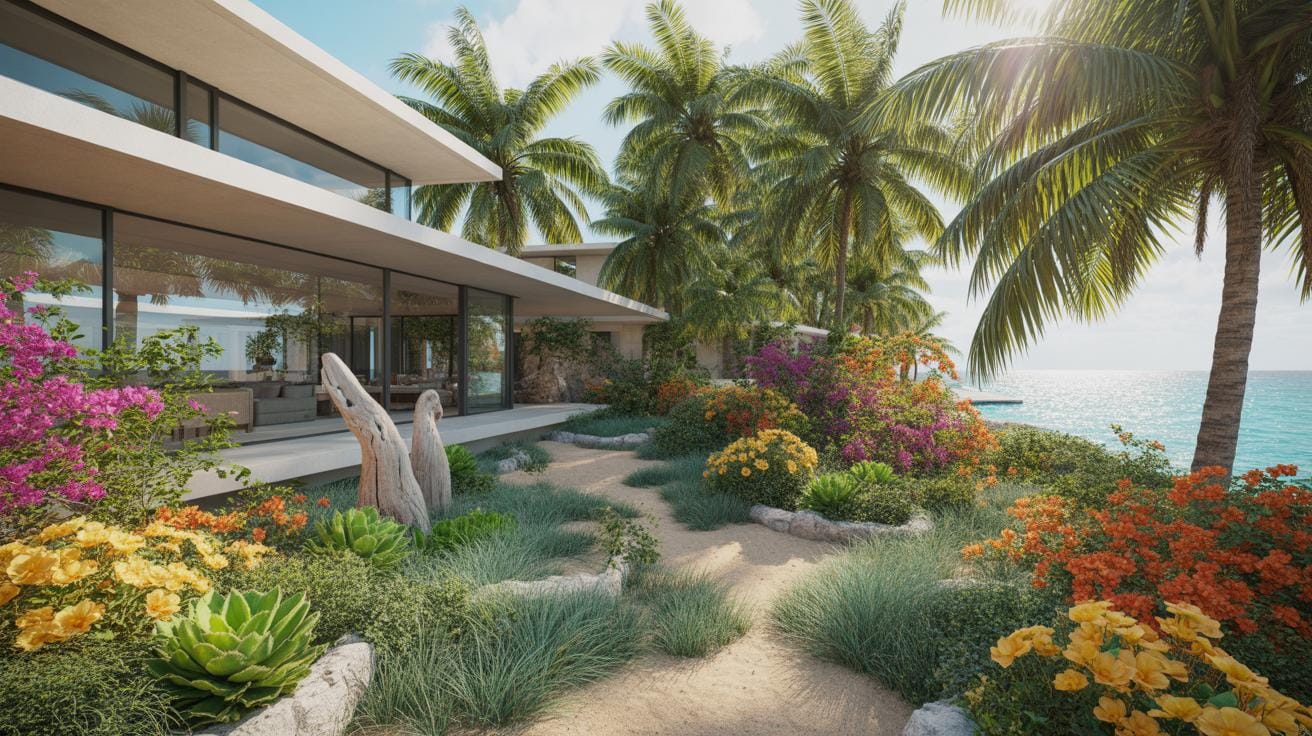
Using such plants means you avoid the pitfall of a thirsty garden that’s out of scale for a small yard. They add character without demanding too much. Also, they suit front yards because they often stay compact and neat, fitting the limited space well.
Efficient Watering Systems
Managing water smartly matters as much as plant choice. Drip irrigation systems deliver water directly at plant roots. This limits evaporation and runoff. If you’re someone who likes tech, rain sensor setups can adjust watering automatically based on whether it’s rained recently. This avoids unnecessary watering, which can sneakily waste a lot of water over time.
Installing these systems might feel like extra work upfront, but it often pays off. Less water waste and easier maintenance mean your small front yard stays healthy without taking up too much of your time or resources.
Small Yard Landscaping Cost Breakdown
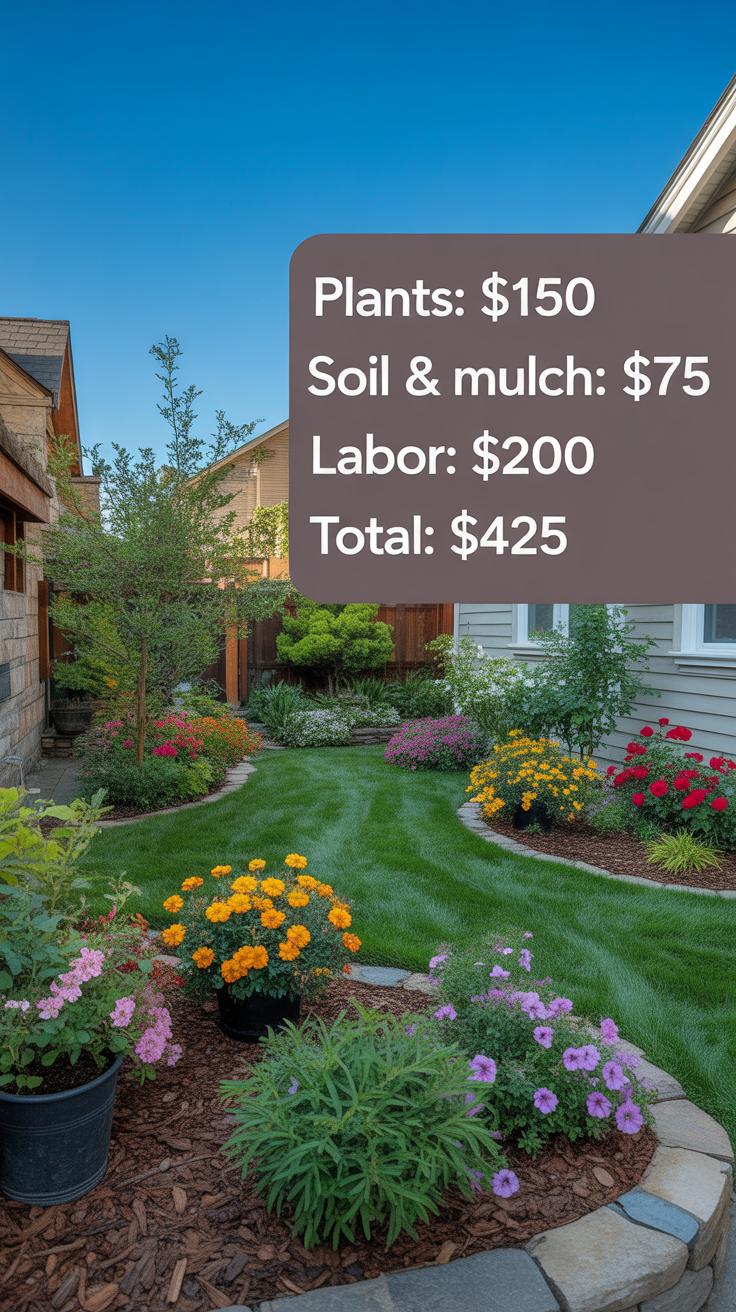
When planning small front yard landscaping, figuring out the costs can feel somewhat tricky. You might be surprised how expenses vary—even with similar designs. Typically, projects break down into materials, plants, and labor.
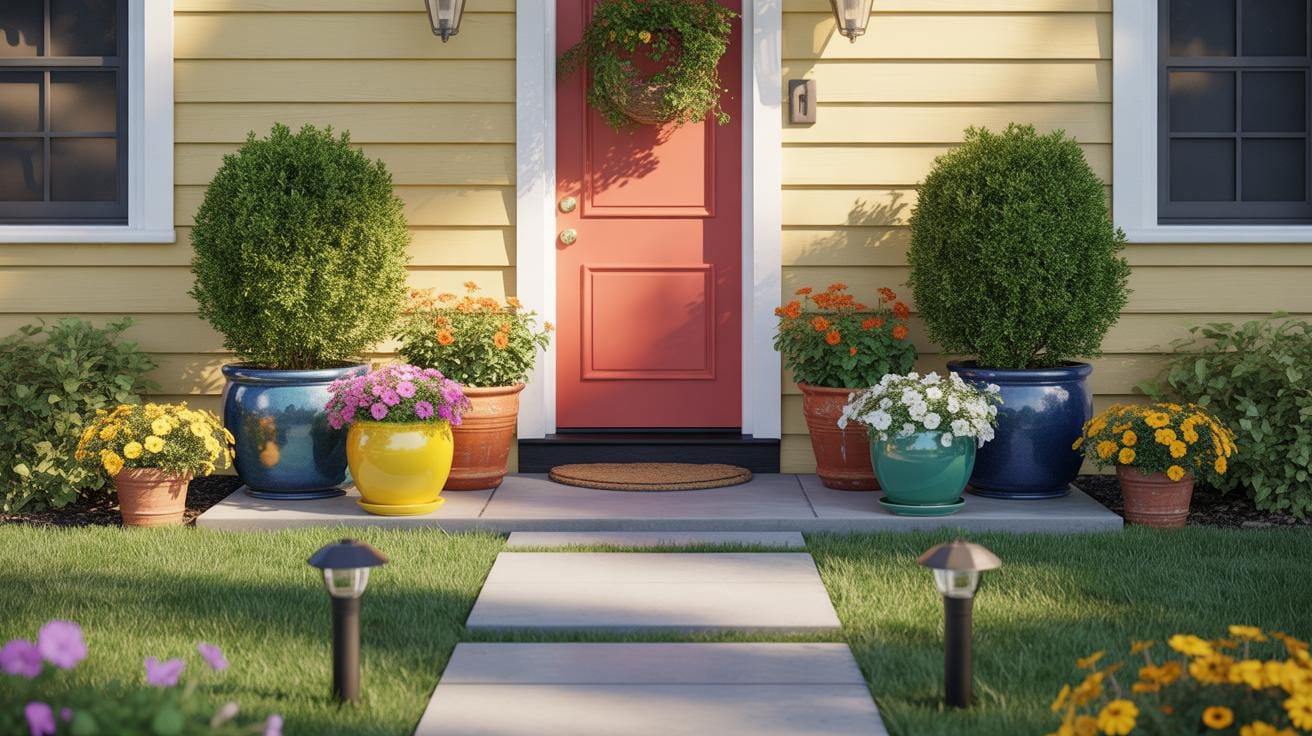
For materials and plants, prices can range widely. Basic soil amendments or mulch could cost around $30 to $50 for small quantities, while quality topsoil or specialty soil blends might push that number higher. Plants themselves vary drastically in price: some common varieties like hostas or ferns could be just a few dollars each, but ornamental shrubs or dwarf trees may run $50 or more. Hardscaping elements like pavers or edging typically start around $3 to $10 per square foot, depending on material choice.
You could expect to spend under $500 for a modest setup with mostly DIY labor, but upscale choices including professional installation and premium materials might easily jump into the $2,000 to $5,000 range. Labor costs are often the wildcard. Hiring a pro might cost $40 to $100 per hour depending on region and expertise, while doing it yourself trims the budget but demands time and effort. DIY isn’t always cheaper, though, if mistakes lead to replacements or repairs.
Sometimes, a small yard means small budgets; sometimes it just means careful choices to stretch every dollar. What price point fits your needs? That question only you can answer as you weigh what’s needed against what you want.
Avoiding Common Yard Design Mistakes
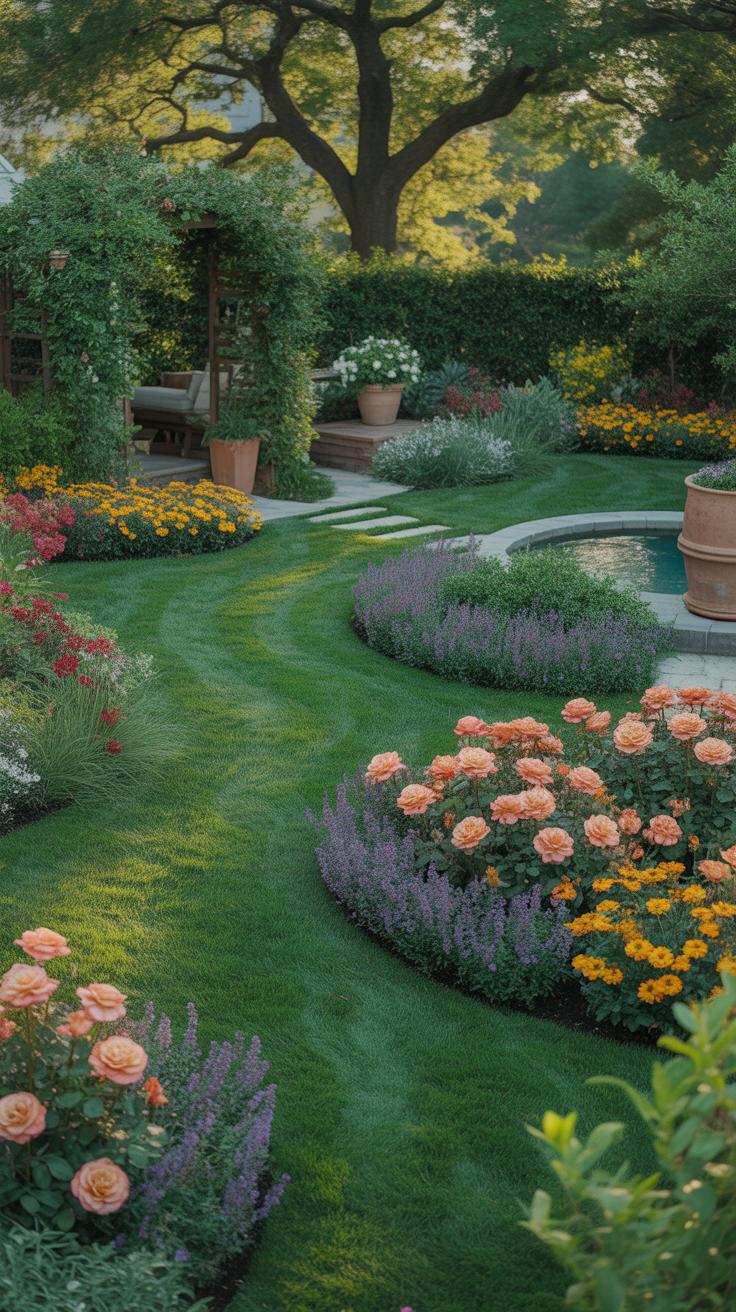
When working with a small front yard, one frequent mistake is choosing oversized plants or features. It’s easy to get carried away by how big or dramatic a bush or garden statue looks in a nursery. But here’s the thing: in a confined space, large elements can quite quickly dominate and create clutter. You might find that what seemed like a good idea at first ends up making your yard feel cramped and less inviting. So, try to think small scale—select compact plants that can still offer color and texture without overwhelming the area.
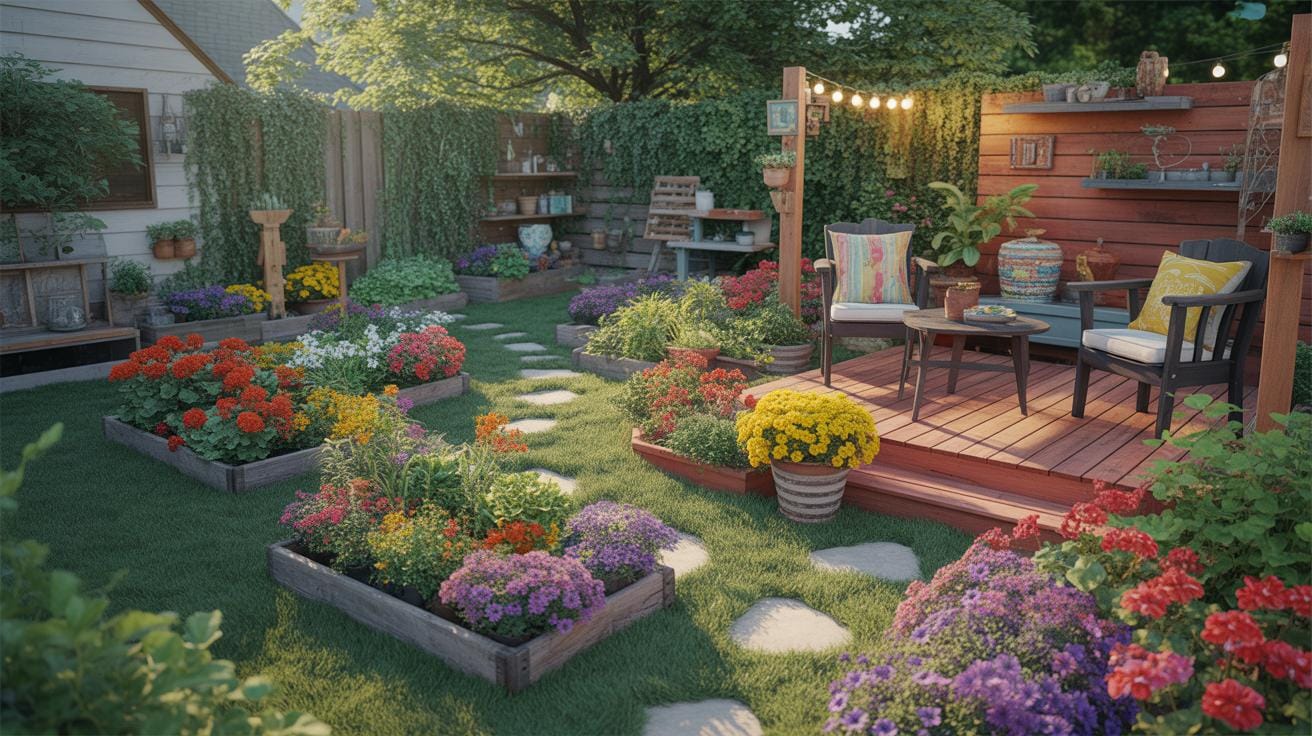
Another issue that often slips under the radar is neglecting soil and drainage. A small yard still needs proper soil prep and effective drainage solutions. Without these, even well-chosen plants struggle to thrive. Poor drainage can cause water to pool, damaging roots and creating a soggy mess. Preparing the soil with the right amendments and making sure water flows away from your planting beds prevents a lot of headaches down the road. It might not be the most exciting part of landscaping, but it’s one you probably don’t want to skip.
Step By Step Yard Setup Checklist
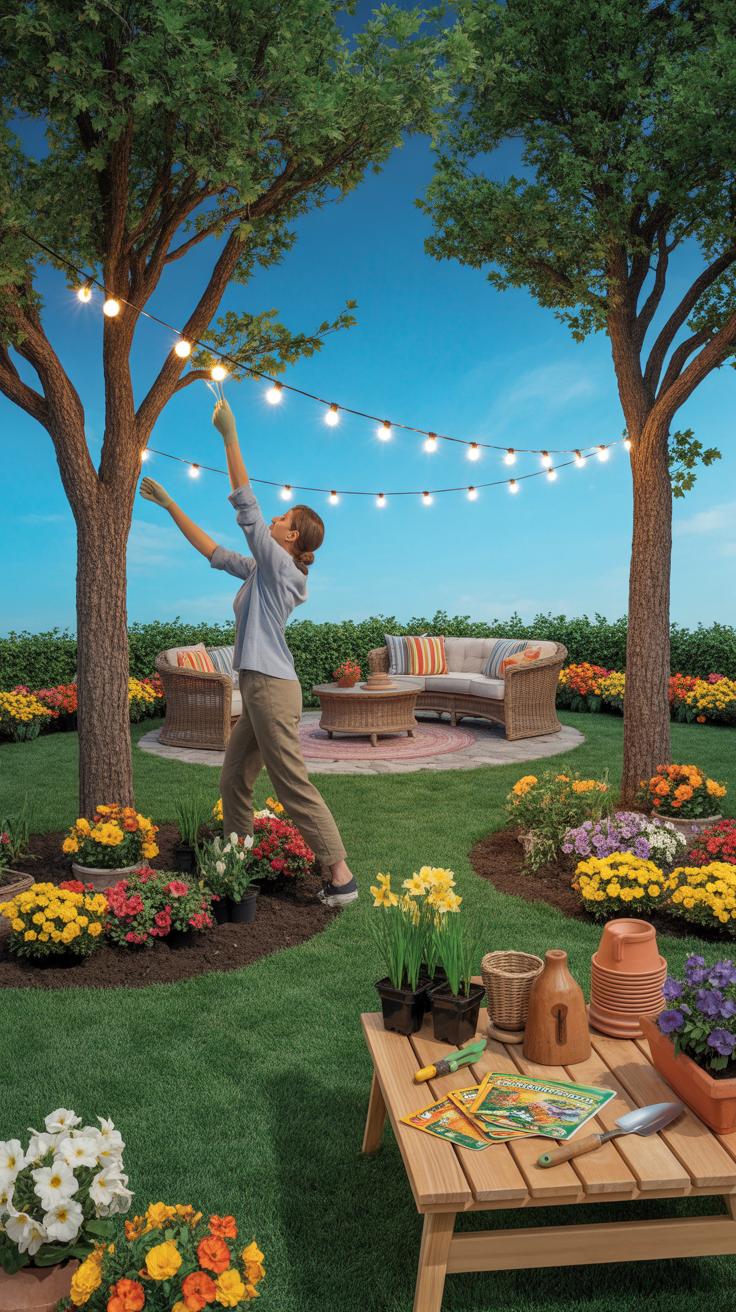
Setting up your small front yard can feel overwhelming, but breaking it down into clear steps makes it manageable. First, start with measuring your yard carefully. Get a tape measure or use an app to note all dimensions—the length, width, and any quirky corners or slopes. This is crucial because your entire plan hinges on the actual space you have. Sometimes, our mental image of the yard is a bit off.
Next, think about the style you want. Do you prefer a modern look, something classic, or maybe a cottage vibe? This helps guide your choices later—and, honestly, it might take a few tries to pick the right one. Don’t rush this part. While at it, set your budget. It doesn’t need to be exact, but having a ballpark figure helps keep your planting and hardscape options realistic.
When you move to planting, pick plants that suit your yard’s sunlight and soil. Lay them out first, kind of like a dress rehearsal, before digging holes. For hardscapes like paths or edging, dry-fit materials to see how they look and fit. Then, install them step-by-step, starting with any digging or leveling. With patience and these steps, your small front yard will start to take shape without leaving you frustrated.
Comparing Natural Versus Artificial Elements
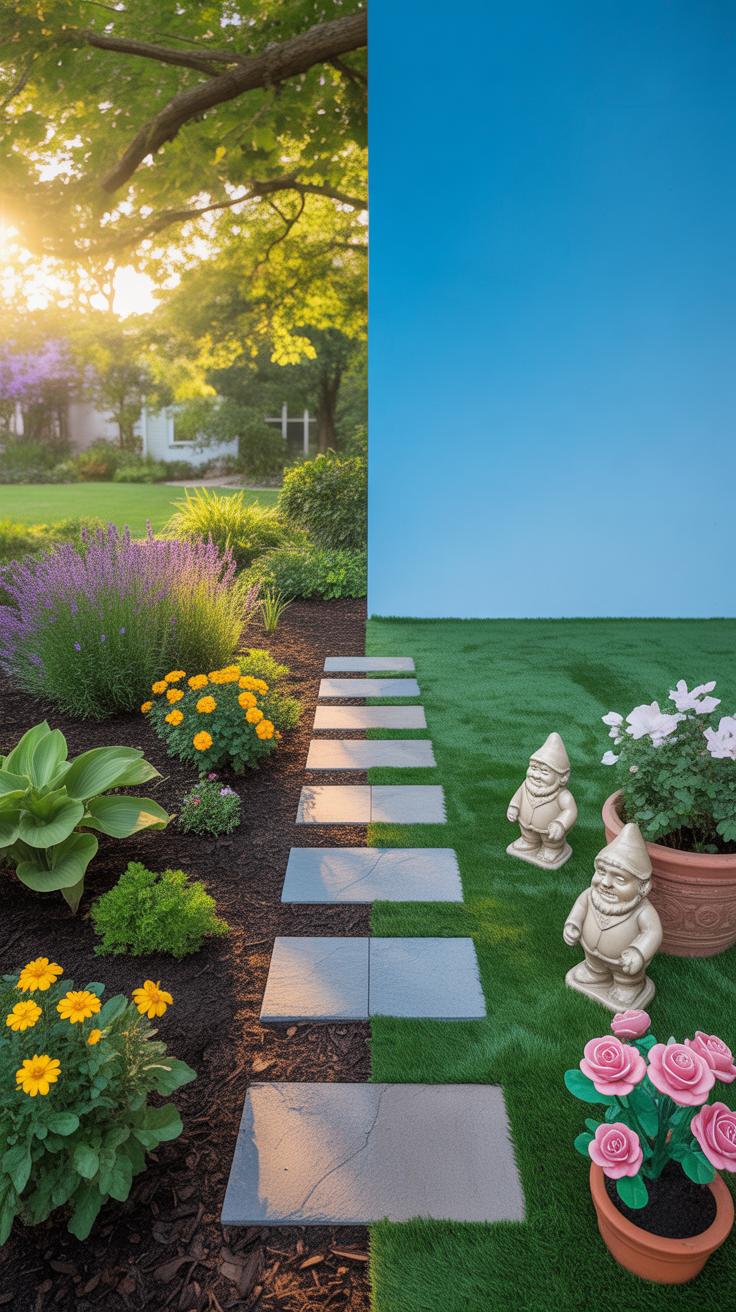
Natural Plants Benefits And Challenges
Using natural plants in your small front yard brings ecological benefits you might not think about immediately. Native plants, for example, adapt well to local climate and soil. They support local wildlife like birds and pollinators, creating a mini ecosystem right in front of your house. The air quality and even soil health get subtle boosts. Yet natural plants aren’t without their quirks. They need some ongoing care — watering, pruning, maybe protection against occasional pests. If you like a truly low-maintenance yard, that might feel like a bit of a commitment. You might also find that urban soil or shade conditions don’t always match their ideal growing environment, which can be frustrating.
Artificial Materials Ideal Use Cases
Artificial turf or decorative elements step in when you want the look of greenery with less effort. These materials don’t need watering or trimming, perfect if you’re short on time or water. Plus, they stay green year-round, which keeps your curb appeal consistent even in dry seasons. That said, artificial options lack the ecological perks of living plants. They don’t support wildlife or improve air quality. Also, they can get hot under the sun and occasionally look less natural if not chosen carefully. So, they’re best for spots where nature struggles or where you prefer a more controlled, decorative approach over a living landscape.
Simple Yard Examples For Inspiration
Minimalist Shrub And Rock Garden
Imagine a small front yard where simplicity leads to striking appeal. A handful of carefully selected shrubs, spaced with intention, offer subtle greenery. These plants, chosen for their drought tolerance and slow growth, reduce the need for constant pruning or watering. Surrounding the shrubs are beds of rocks and mulch—both provide texture and suppress weeds, cutting down yard work significantly. The contrast between the smooth stones and the natural greenery creates a calming effect without overwhelming the senses or the space.
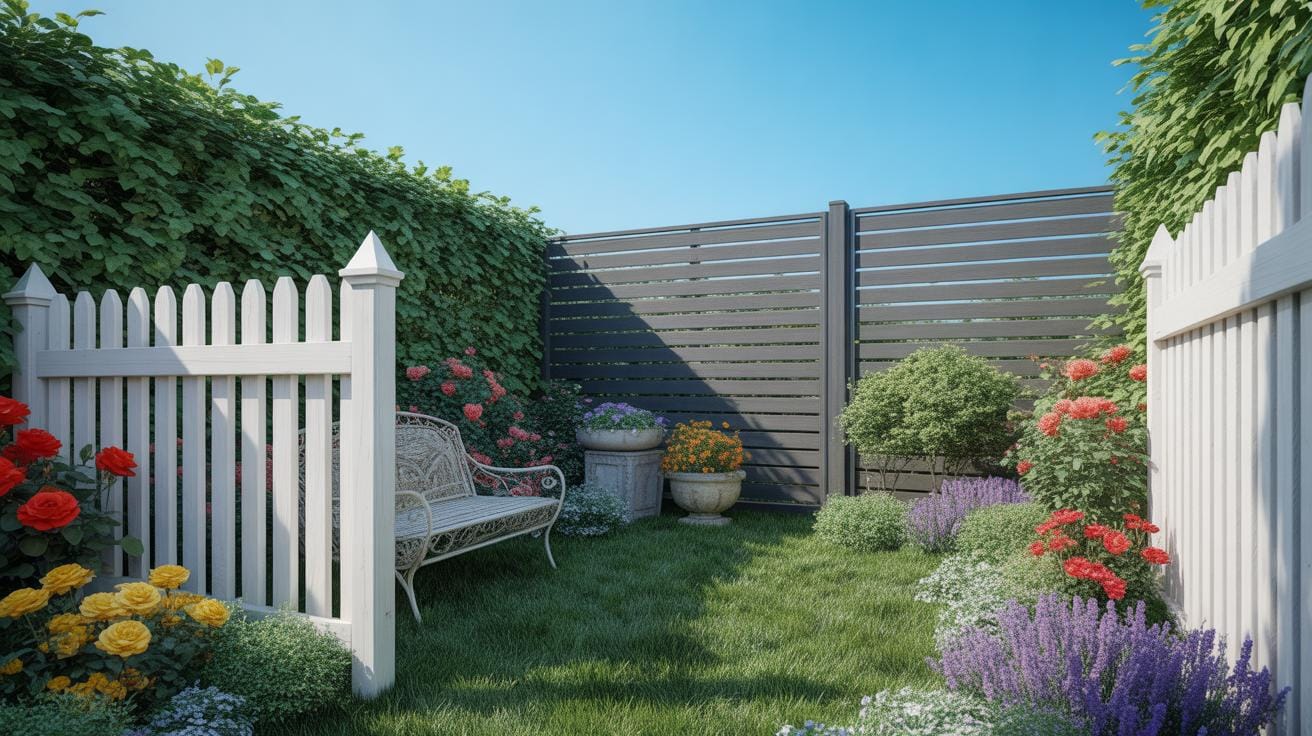
This design isn’t about busy patterns or an overload of colors. It’s a quiet statement. If you’re someone who wants a neat, clean look but isn’t into gardening as a hobby, this could be a good fit. It mostly requires occasional weeding and topping off mulch, leaving you time for other things.
Flower Bed And Decorative Pathway Layout
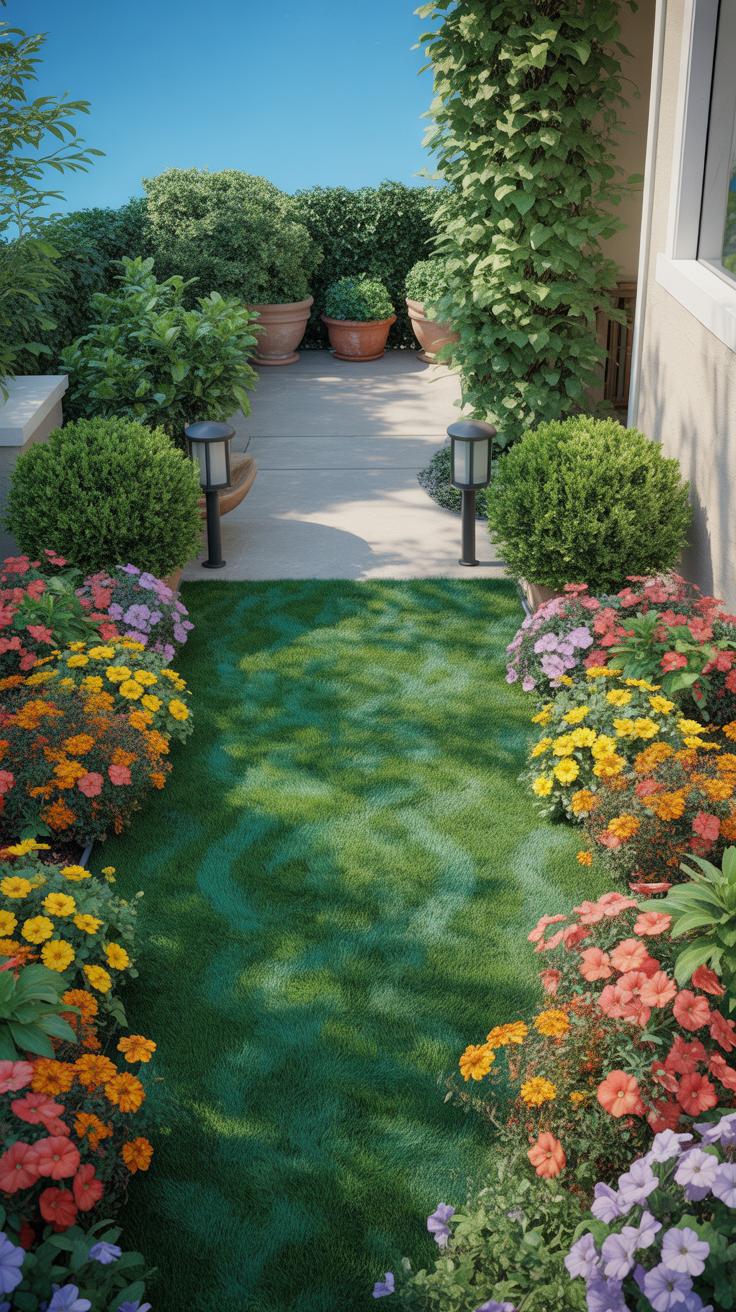
Now, consider another approach: a small paved path weaving through a cheerful mix of perennial flowers. This setup invites visitors in with a hint of color and a tactile experience underfoot. Think about perennials that bloom reliably year after year like coneflowers, lavender, or black-eyed Susans—low fuss plants that add pops of brightness without demanding constant care.
The pathway itself serves more than a practical purpose; it’s decorative, guiding someone’s eye and footsteps alike. You don’t need a grand entryway—just a modest, well-laid path that contrasts nicely with the flower beds. Adding a few small accent stones or bricks along the edges can keep maintenance simple and the design tidy.
Both examples show ways you can have curb appeal without feeling trapped by endless upkeep. They ask you to think about what’s practical in your life, but also what feels welcoming at your doorstep. Ever considered which one fits your rhythm better? It’s a bit of a personal call, no perfect answer exists.
Conclusions
Good small front yard landscaping balances beauty and ease. Selecting low-maintenance plants and including paths or stones can make your space neat and inviting without much effort. Planning with both looks and function in mind helps keep your yard pleasant throughout seasons.
With these ideas, you can create a thoughtful front yard that fits your lifestyle. Taking small steps and choosing smart solutions make landscaping manageable for any homeowner. Enjoy the benefit of a tidy and attractive yard that adds value and pride to your home.