
Introduction
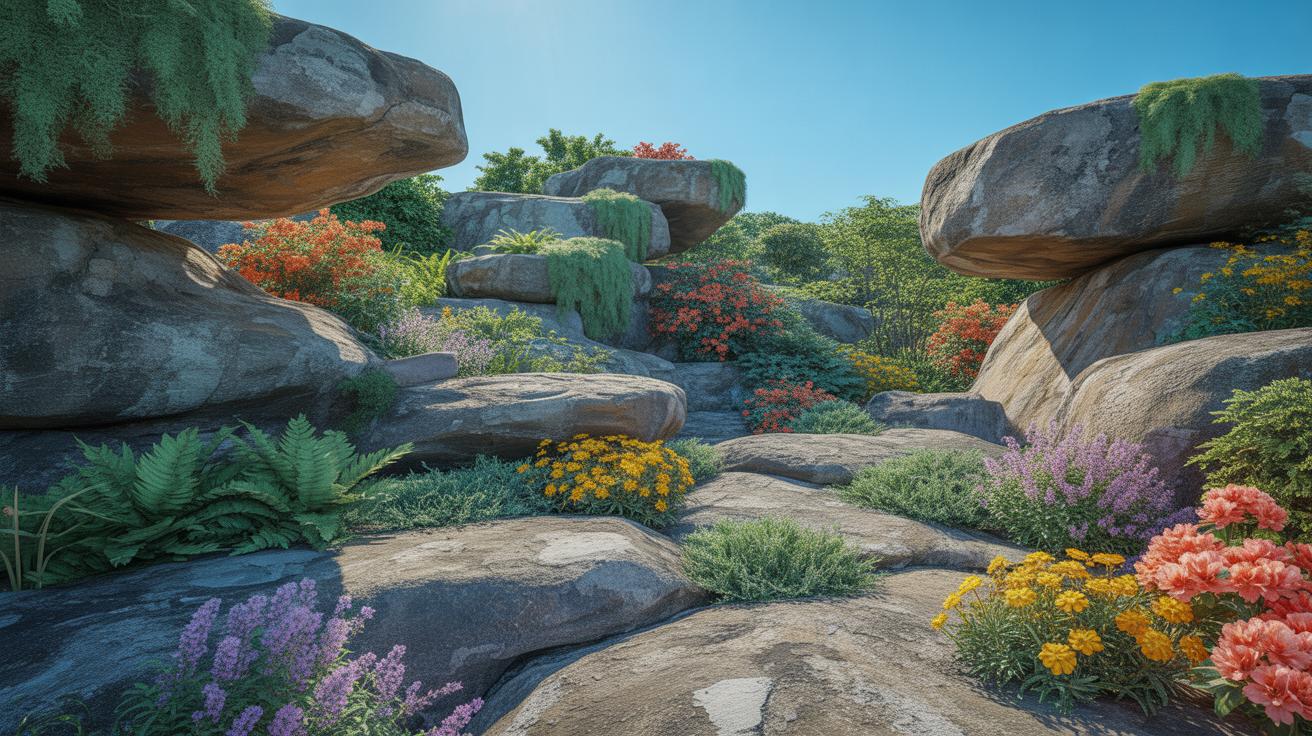
A rockery garden blends rocks, boulders, stones, and specific plants to craft a natural outdoor space. Using boulders acts as the foundation, providing structure and a focal point, while the carefully chosen alpine or drought-tolerant plants add life and color with minimal soil needs. This article reviews methods and tips on integrating boulders in rockery gardens to enrich your yard.
This guide covers key steps. You will learn how to select suitable boulders, pick plants that thrive in rock gardens, arrange your garden for aesthetics and function, and maintain it. Each point targets practical advice to help you assemble your stunning rockery garden that enhances outdoor spaces.
Choosing Boulders For Rockery Gardens
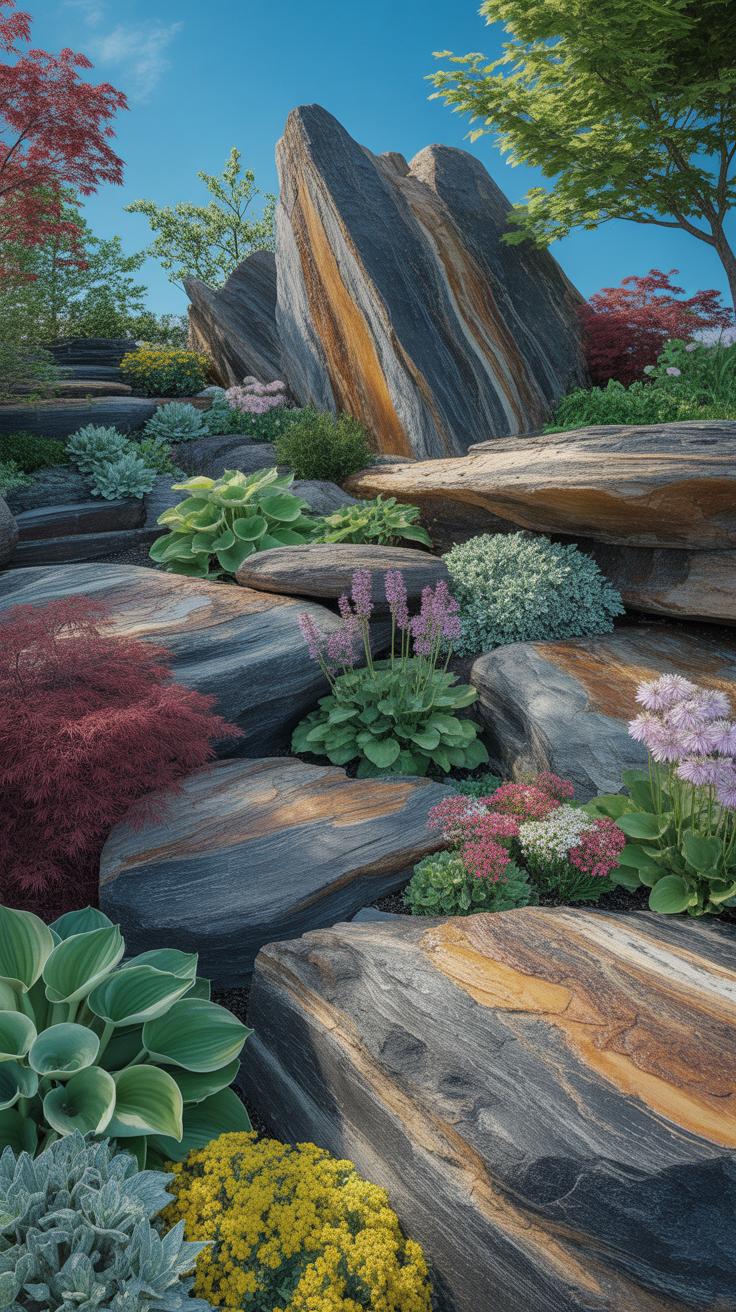
When selecting boulders for your rockery garden, there are several factors to consider beyond just picking large stones. The type of stone matters — each has its own texture and tone that impacts the garden’s mood. Limestone, granite, and sandstone are common choices because they blend well with natural surroundings. Granite is tough and weather-resistant, making it suitable for harsher climates, while limestone offers a softer, mostly pale color palette but might be more prone to erosion.
Size and shape are crucial. A variety of sizes creates a more organic feel, mimicking nature where no two rocks are identical or evenly spaced. Too many large boulders can overwhelm smaller plants, making everything feel out of proportion. Conversely, only small stones might lack the visual weight to anchor a space. Rounded shapes soften the look, but jagged edges add rugged contrast.
Durability is key. You want boulders that endure rainfall, freeze-thaw cycles, and sun exposure without crumbling. Granite scores highly on this, while some softer limestones might chip or weather faster. It’s a bit of a balancing act: choosing stones that suit your climate and garden’s style, but also ones that last without constant upkeep.
Types Of Stones Suitable For Rockeries
Limestone stands out as a popular option in rockery gardens, largely due to its subtle colors—mostly white to gray—and interesting textures which often include fossils. It’s easier to shape and easily supports moss and some plants, yet it might weather more with time, especially in wetter environments.
Granite, in contrast, is a hard, dense stone usually speckled with shades of pink, gray, and black. Its durability makes it a favorite where longevity in tough weather is a must. It’s less porous, so it resists water damage better.
Sandstone offers a warm palette of reds, yellows, or browns and tends to have a grainier surface. Despite being softer than granite, sandstone ages well in drier climates and adds a rustic charm to garden settings. Still, it may require occasional care in wetter regions.
Size And Shape Impact On Garden Design
The scale and contour of your boulders influence how your garden feels. Larger boulders can become focal points or natural seating areas, while smaller ones fill gaps and add texture. Mixing shapes—round with angular—creates interest, avoiding a staged or artificial look.
Think about sightlines too. Does a particular boulder block a view or guide the eye naturally? Sometimes a well-placed big stone can anchor a sloping garden, or a cluster of smaller ones can mimic natural rock formations. Don’t overthink it; sometimes imperfection creates the best effect.
In practice, I found using a mix of medium size rough granite with a scattering of smooth limestone worked well to balance texture and color. The key is restraint—too much of one size or shape feels off. Instead, think layering your garden with stones like layers of nature itself.
Plant Choices For Rockery Gardens
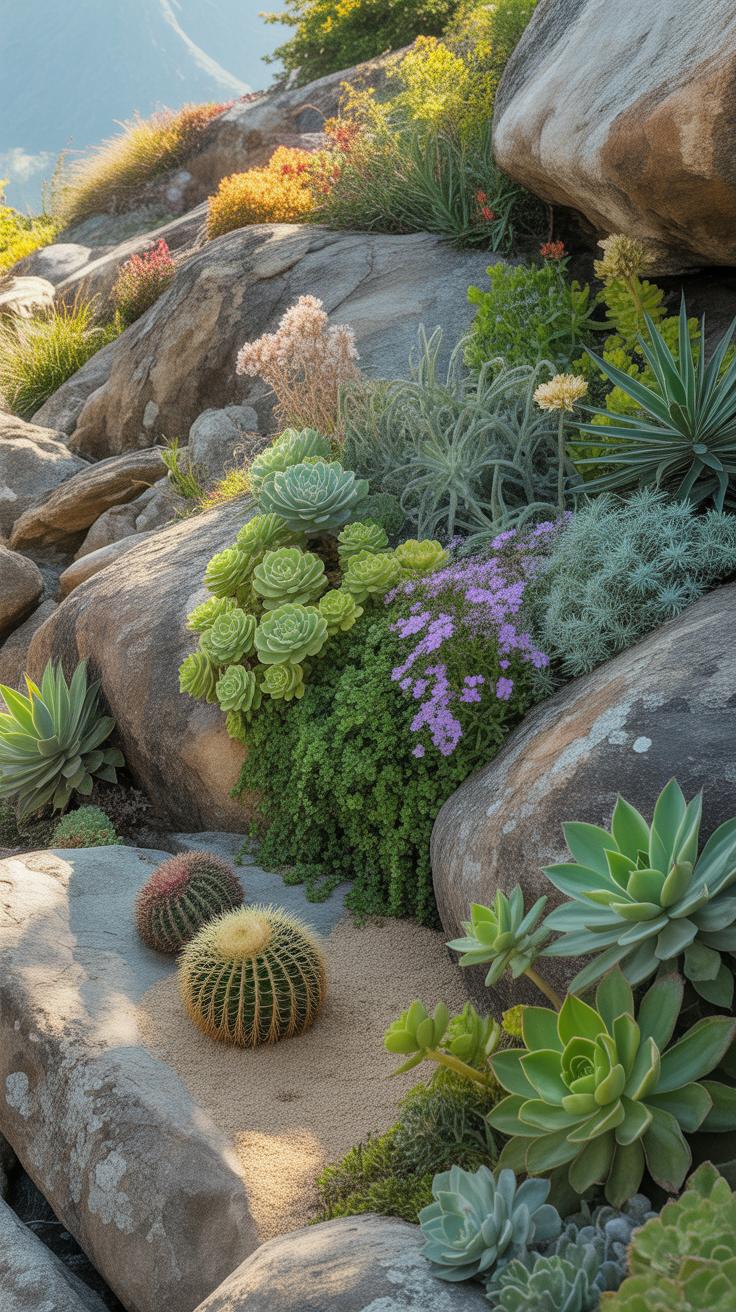
Picking the right plants for rockery gardens is a bit of a balancing act, especially because these gardens have minimal soil and are dominated by boulders. Alpine plants and succulents often make the cut because they adapt well to these tough conditions. They don’t demand rich soil or constant watering like many garden plants. Their minimal needs mean they don’t overwhelm the design but rather complement the rugged naturalness of the boulders.
When you choose plants that naturally thrive in rocky or shallow soil, they not only survive but enhance your stone arrangements. The plants fill gaps, soften hard edges, and add color without requiring much intervention. This way, your rockery keeps looking natural and alive, not forced or overly manicured. You might notice some species flourish while others stall, so observing and adapting is key. It’s a subtle dance—in rockery gardening, patience mostly pays off.
Alpine Plants For Rocky Soils
Alpine plants are tough—used to high elevations where the soil’s thin and the air is cool. Examples you can consider include saxifrages, alpines like edelweiss, and certain sedums. These plants handle shallow soils, intense sunlight, and cold snaps better than many others. For growth, they generally prefer well-drained soil and partial to full sun exposure.
Care is straightforward but crucial: avoid overwatering, especially in winter, and ensure good drainage around the boulders to prevent root rot. Their slow growth rate means they don’t spread aggressively, so don’t expect rapid coverage. But their compact and resilient nature makes them ideal for creating that mountain-like effect in your garden. Alpine plants add interesting textures and tiny blossoms that surprise among stones, especially if you’re patient for them to settle in.
Low Maintenance Succulents And Groundcovers
Succulents are probably your best friends when it comes to low-maintenance, drought-tolerant plant choices. Plants like hens-and-chicks (Sempervivum), sedum varieties, and stonecrops thrive in rocky soils and store water in their leaves, which means they survive dry spells with minimal fuss. Groundcovers like creeping thyme or certain low-growing sedums can fill spaces between rocks, suppress weeds, and add subtle colors.
They’re not just practical; they bring seasonal interest with flowers and unusual leaf shapes. Because they require very little water and care, succulents and groundcovers let you enjoy a colorful garden without the usual maintenance grind. Still, don’t forget some occasional trimming or clearing old growth to keep the layout clean. And yes, some succulents might spread more than expected—so a little monitoring goes a long way.
Plan Your Rockery Garden Layout
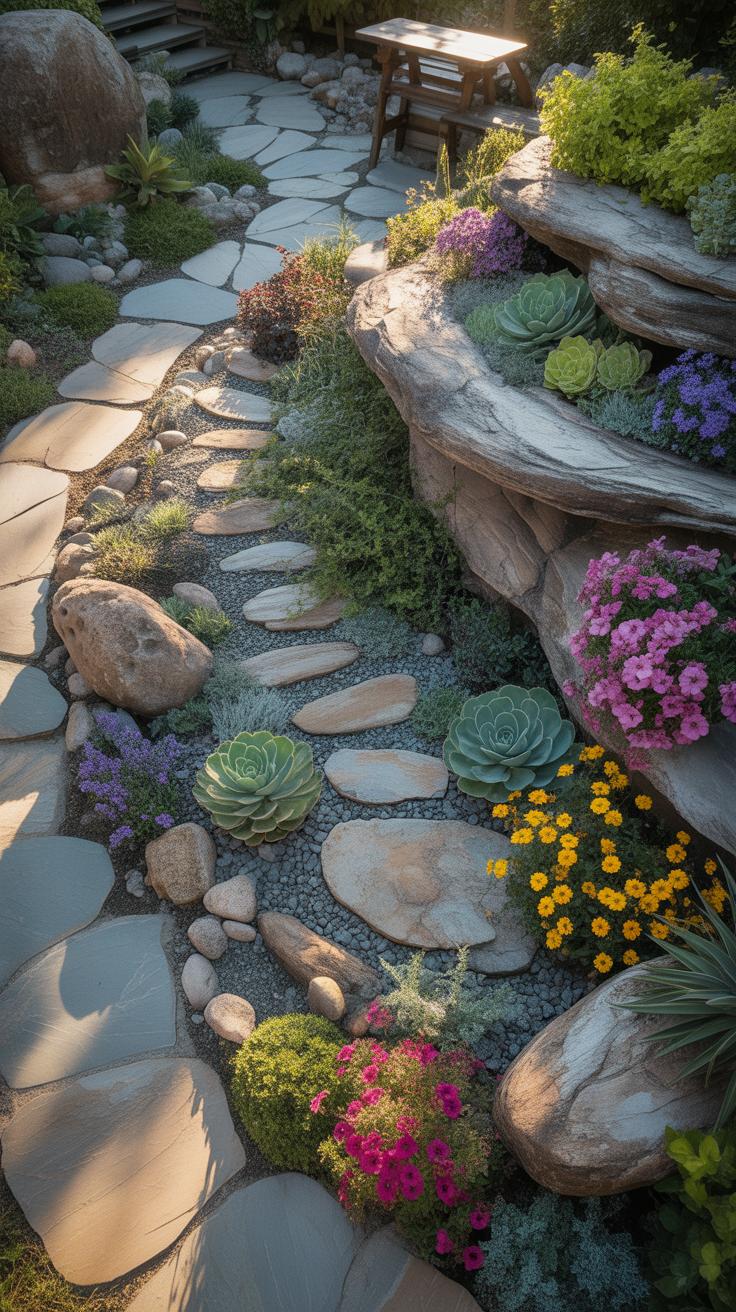
When you set out to create a rockery garden, start by visualizing a natural scene—think rocky outcrops you might stumble upon in nature. The goal is not perfect symmetry, but rather an irregular, authentic look. Place the largest boulders first; they act as the foundation. Then, pepper in medium rocks around them, layering some partially buried or tilted to avoid a staged appearance.
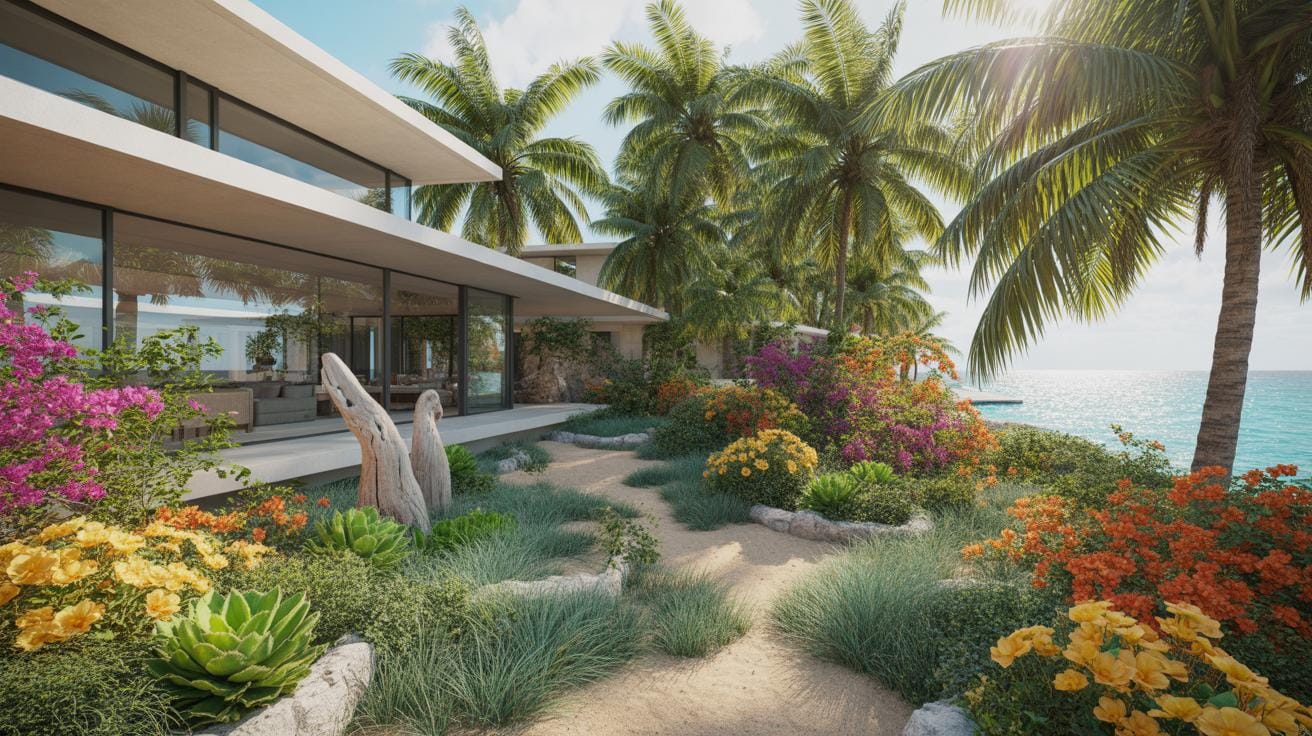
Don’t forget the spaces in between. These are ideal spots for planting. Pick species that thrive in rocky conditions—small alpine or drought-resistant plants usually work well. Arrange them so they spill over or nestle snugly between stones, mimicking how plants cling to cracks in real rock formations. This planting not only softens the hard edges but also gives a sense of life emerging from stone.
It’s tempting to position everything neatly, but try to embrace imperfection—that random group of three boulders, or that one plant breaking free from its usual spot, adds to the natural feel. You want visitors to feel like they’ve discovered a secret rocky nook, not a showroom display.
Arranging Boulders For Natural Look
When stacking and placing boulders, ask yourself how nature would have shaped these stones over time. Avoid piling them in neat piles—rocks naturally settle unevenly. Lean larger boulders slightly, and let smaller ones fill gaps or peek out as if nudged by weather and gravity.
Try to recreate the horizontal layers or bedding planes of stones if you can. This means aligning the boulders along subtle lines, but not too mechanically. Some stones might jut out a bit, others form mini caves or crevices. This variation is what gives a convincing natural appearance. Also, think about scale—varying sizes close to each other feel more organic.
Balancing Plants And Rocks Visually
Plants should soften stone edges without overwhelming them. Place plants with different heights and textures to add visual interest. Trailing varieties can drape over rocks, hiding sharp lines. Conversely, upright plants provide contrast and structure near flatter stone surfaces.
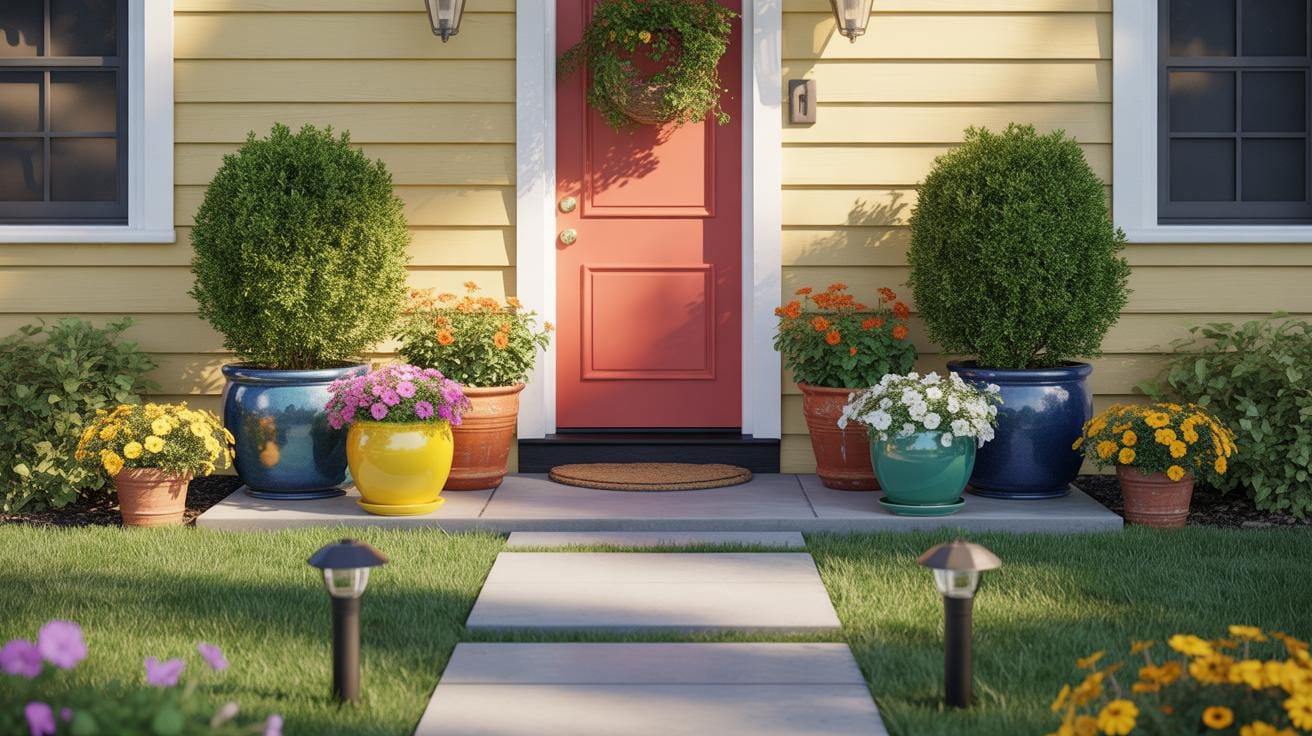
Fill gaps thoughtfully with mosses or low ground covers to create a seamless transition between stone and soil. Avoid clustering plants too densely; let some bare rock show through. This balance keeps the rockery from looking too crowded and maintains the rugged charm you’re aiming for.
When you pause and look at your layout from different angles and distances, you’ll spot areas that feel too empty or too busy. Adjust accordingly. Sometimes it’s less about filling all gaps and more about providing spots for the eye to rest. Your rockery garden is a living piece of art that benefits from subtle irregularities and thoughtful arrangement.
Soil And Drainage Requirements
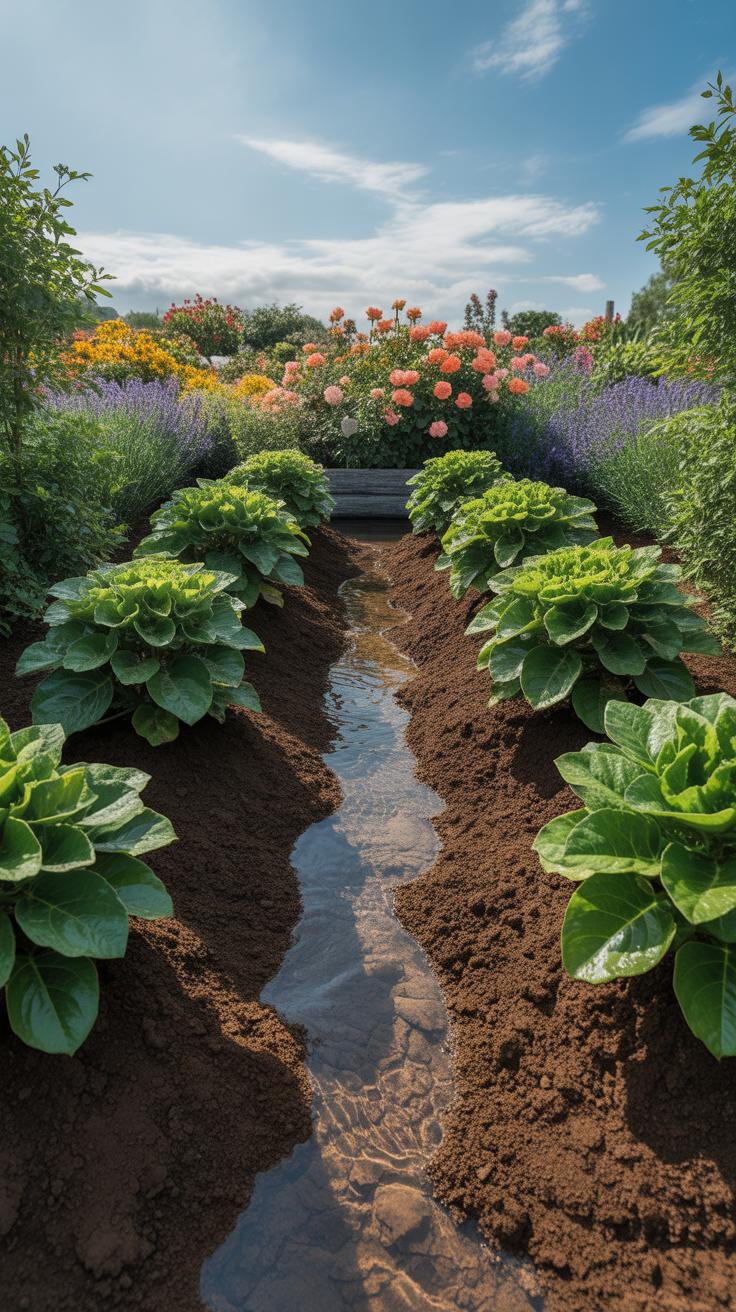
When preparing soil for a rockery garden, the type of soil and its drainage capacity really stand out as key factors. Rockery gardens thrive with soil that drains well; water stagnation around roots can harm plants adapted to this terrain. Ideally, the soil should be loose and gritty rather than heavy and clayey. This allows water to pass through quickly, which matches the natural conditions many rockery plants prefer.
To improve drainage, you might mix in coarse sand, gravel, or fine grit. These amendments lighten the soil and prevent compaction, which often traps water. Organic matter is useful but in moderation—too much can hold excess moisture, which is not what most rockery plants tolerate. It’s a bit of a balancing act, and you may want to test your soil’s drainage by pouring water on it and observing how fast it seeps down.
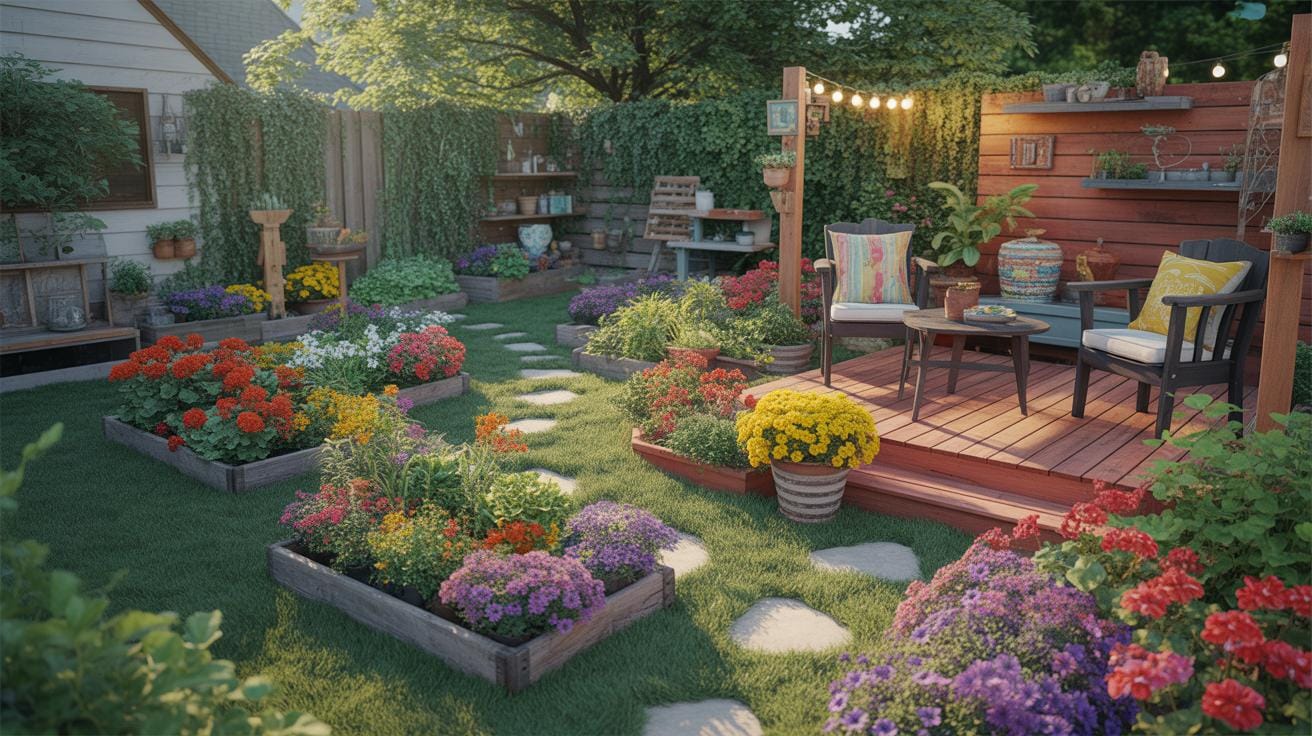
Another practical trick is to elevate your rockery beds slightly or create gentle slopes. This natural tilt encourages water to flow away from plant roots. And don’t forget, the choice of plants plays a role. Selecting species that prefer drier, rocky soil conditions helps align your garden’s drainage needs with its inhabitants’ preferences.
Preparing Rocky And Sandy Soil Mixes
Creating soil mixes that mimic rocky, sandy environments involves blending materials to achieve good drainage while still offering nutrient support. Typically, you’d start with garden soil and add sand or small gravel in roughly equal parts. The sandy particles open up the soil structure and let water move more freely.
This mix suits plants accustomed to poor, rocky conditions—think succulents, alpine species, or Mediterranean herbs. But it’s not just about drainage; the soil must retain enough moisture without becoming soggy. I recall once trying a mix that was too sandy, and plants suffered from drought stress despite regular watering. So, adjusting proportions based on your climate and plant choices is wise.
Peat or compost additions can help retain some moisture, but just a small amount—usually no more than 10-15% of the total mix. It’s a give-and-take, really. Experimentation helps in finding the sweet spot between dryness and moisture retention that your rockery demands.
Preventing Waterlogging With Proper Drainage
Waterlogging can seriously undermine your rockery’s health. Standing water swamps roots, depriving them of oxygen and inviting rot. To avoid this, start by ensuring the ground beneath your rockery is not compacted. Sometimes, loosening the subsoil or adding a layer of coarse gravel below the planting zone promotes better drainage.
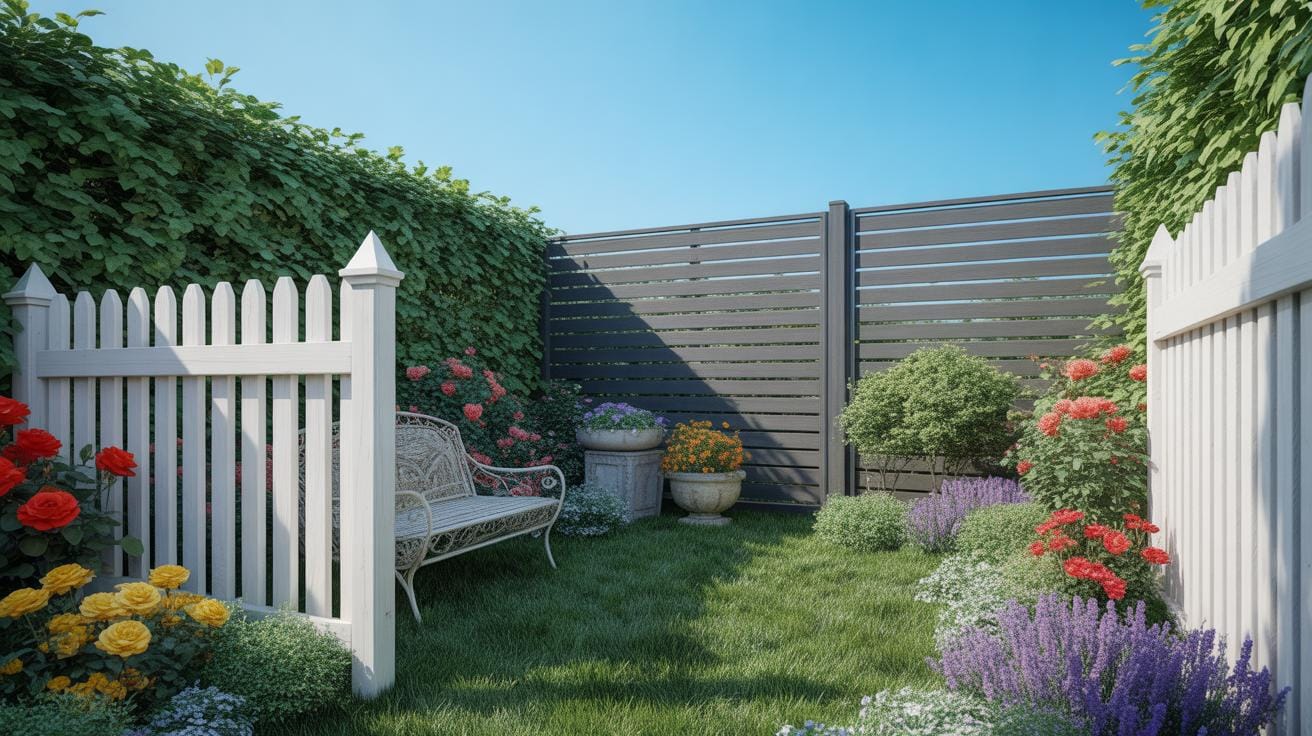
Using raised beds or mounding soil also helps water run off instead of pooling around roots. Proper positioning—with a slight incline or on slopes—facilitates natural drainage too. In cases of heavy clay soils, installing drainage pipes or French drains might even be required, though many home gardeners won’t need to go that far.
Lastly, pay attention to watering routines. Overwatering is a classic pitfall, especially if rainfall is frequent. Plants suited for rockeries generally need less water once established. Observing soil moisture carefully ensures you don’t inadvertently cause waterlogged conditions.
Watering Practices For Rockery Gardens
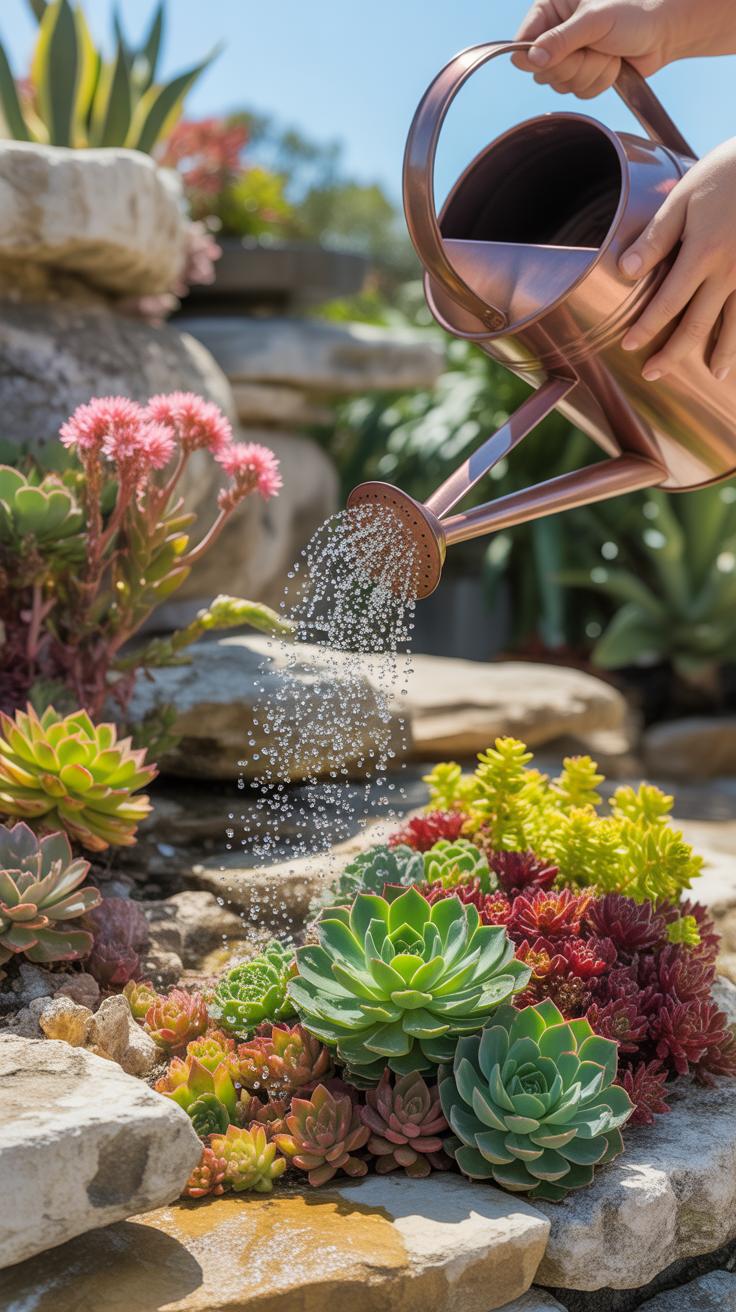
When it comes to watering rockery gardens, the first thing to keep in mind is the type of plants you have and their drought tolerance. Many plants suited for rockeries, like alpine species or certain succulents, thrive on less frequent watering. You don’t want to flood them—too much moisture can cause root problems.
It’s better to water less often but deeply, encouraging roots to grow down and seek moisture. A rule of thumb might be watering once every week or two in warm months, but the specific frequency depends on your climate and soil. Observing the plants is key—do the leaves look tired or withered? That might signal the need for more water.
Using drip irrigation or soaker hoses can be useful—they deliver water slowly and directly to the soil, avoiding wetting foliage unnecessarily. Sprinklers can cool the plants but might increase the risk of fungal diseases if overused. Also, watering early in the day gives plants time to dry off.
It’s always a bit of a balancing act. You want to keep moisture consistent without overwhelming drought-tolerant species. Watching your garden’s response to watering will guide you better than strict schedules.
Watering Alpine Plants Effectively
Alpine plants have adapted to harsher environments; their roots often sit in rocky, well-drained soil. They need moisture but don’t like standing water. When you water, it’s better to keep the soil moist but never soggy.
Try giving them a good soak when the top inch of soil feels dry. Overwatering can be tempting since the plants look dry, but it can quickly lead to rot. These plants are used to swift drying between rains, so don’t fear letting the soil dry out a little before watering again.
Using mulch made from gravel or small stones helps reduce evaporation and maintains a steady moisture level without trapping too much water.
Irrigation Tips For Succulents
Succulents hold water in their leaves and stems, so their watering needs differ from many rockery companions. Too much regular water is problematic—root rot is their enemy.
A good approach is “soak and dry”: soak the soil thoroughly when watering, then wait until it is completely dry before watering again. This cycle mimics their natural arid environment.
Watering in the morning allows excess moisture to evaporate. Avoid misting leaves, which can cause fungal issues. Succulents generally prefer water reaching their roots. Experiment with your specific succulents; some might need even less water.
Overall, watering rockery gardens, alpine plants, and succulents is about finding the right balance—not too much, not too little—and paying close attention to how your plants react. It’s a little trial and error, but rewarding once you get it right.
Maintenance Tasks For Rockery Gardens
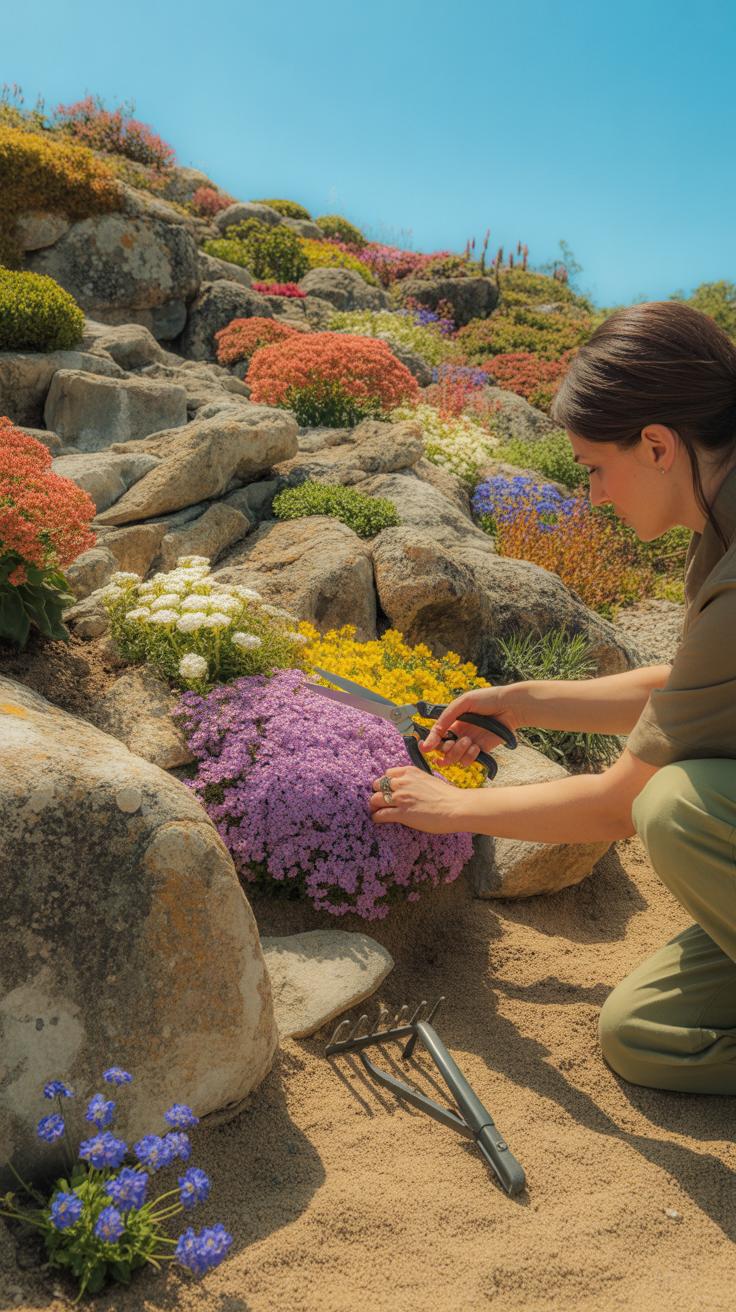
Maintaining a rockery garden involves several routine tasks to keep it looking tidy and inviting. You’ll want to regularly weed, trim plants, and inspect the stones for any shifts or damage. These tasks might seem straightforward, but there’s a rhythm to them that varies throughout the year.
Weeding between rocks deserves special attention; weeds grow stubbornly in those crevices. Using a small hand tool or even a toothpick can help dig them out thoroughly without disturbing the stones. Some gardeners swear by carefully applying a vinegar solution to target weeds without harming plants, but you might want to test this in a small area first to be sure it won’t backfire.
Trimming plants in a rockery is about balance. You’ll want to prune them before they become too wild, usually in late winter or early spring. This keeps the shapes clean, but also avoids shocking the plants during growing season. Some plants benefit from light summer trims too, but it’s best to observe your specific species — one size hardly fits all.
Stone inspection is often overlooked but important. Check for any shifting rocks after heavy rains or freezes. You might need to reposition or stabilize stones to keep your layout safe and visually appealing. Seasonal changes can also affect soil moisture levels, influencing how stones settle.
As each season changes, adjust your care approach slightly. In wetter months, watch for moss or algae growth on stones which might make them slippery or less visually crisp. During drier months, plants might need more watering than you’d expect since rocky soil drains quickly.
Common Mistakes To Avoid In Rockeries
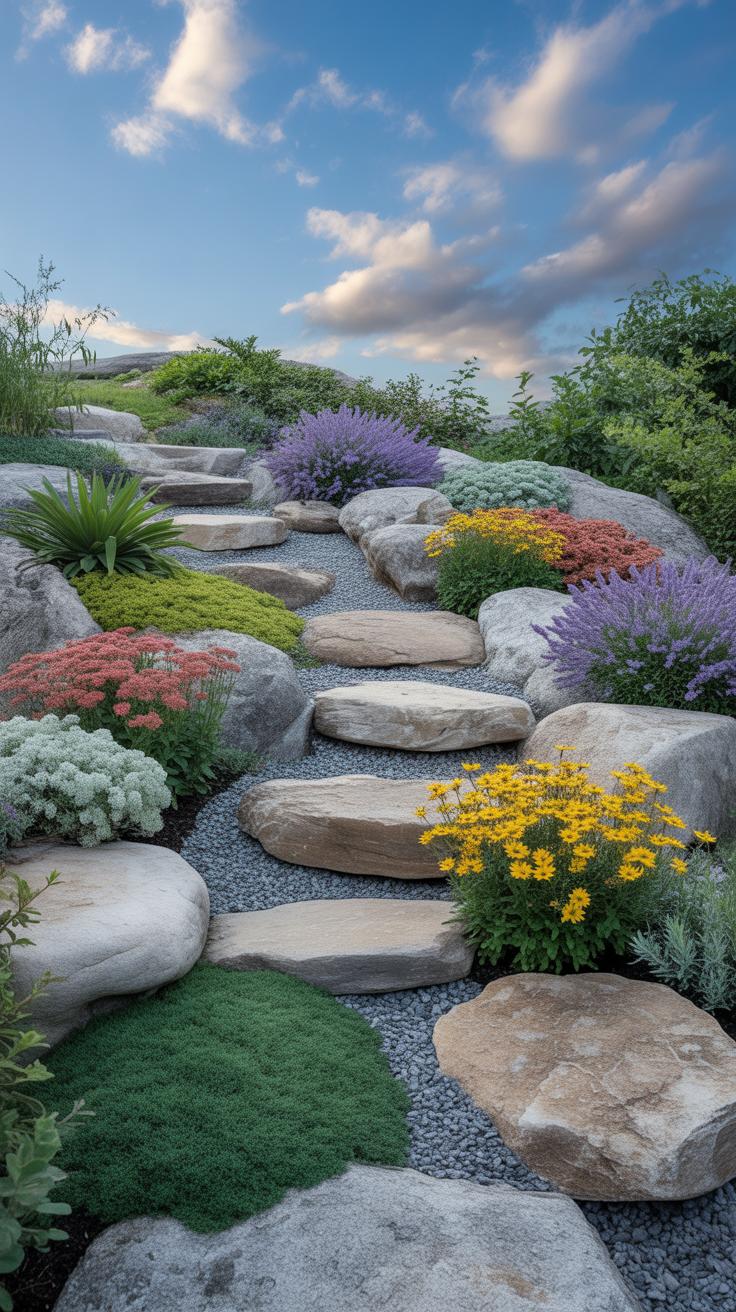
When creating a rockery garden, you might think placing boulders randomly is fine, but poor boulder placement can cause a garden to look awkward or even unstable. Unsteady rocks might shift over time, risking damage or injuries. Have you ever spotted a rock pile that seemed like it could topple any second? That’s exactly what you want to avoid.
Choosing the wrong plants is another frequent error. Some species demand deep, nutrient-rich soil or lots of water, which goes against the natural dry, rocky environment a rockery thrives in. If you plant inappropriate species, they may struggle or even die, ruining your garden’s balance. You might be tempted to include your favorite florals, but think twice about their needs.
Neglecting drainage is a subtle yet critical mistake. Rocks can trap water if not placed thoughtfully, leading to soggy soil and root rot. This issue often goes unnoticed until plants start wilting or the soil smells damp. Ensuring proper water flow around and beneath boulders preserves plant health and prevents erosion.
Cost Overview Of Building A Rockery
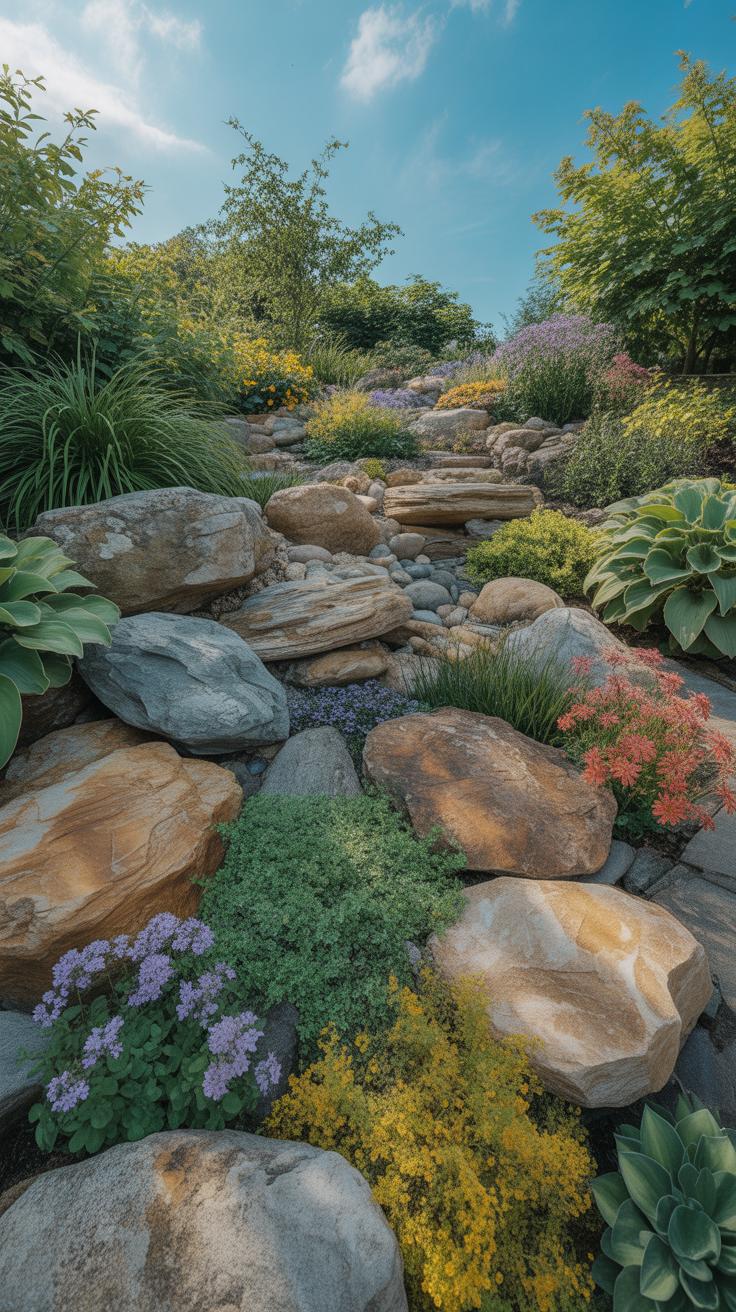
When you’re planning a rockery garden, the expenses can vary quite a bit depending on what you choose and where you source materials. The main costs you’ll face include buying boulders, soil amendments to improve drainage and fertility, plants suited to rocky environments, and the tools to get the job done. Sometimes, people underestimate just how much these add up, but it doesn’t have to break the bank.
Boulders tend to be the priciest element. Their cost depends on size and type. Smaller stones might cost under $50 each, whereas large natural boulders can run well into the hundreds or even thousands. Plant choices also influence the budget—succulents like sedums and groundcovers are affordable, while specialty alpine plants might be pricier. Soil improvements like compost or sand are usually inexpensive but necessary.
For tools, you can often use what you already have like shovels or wheelbarrows. If new tools are needed, basic hand tools suffice for small projects, keeping costs low. Renting bigger equipment can help too.
Tips for keeping costs down include buying local stones, propagating plants yourself from cuttings, and starting small to spread expenses over time. DIY projects naturally save money but take some patience and planning. So, how might you balance quality with budget without compromising your vision? That question lingers, I think, for every gardener stepping into rockery creation.
Examples Of Rockery Gardens
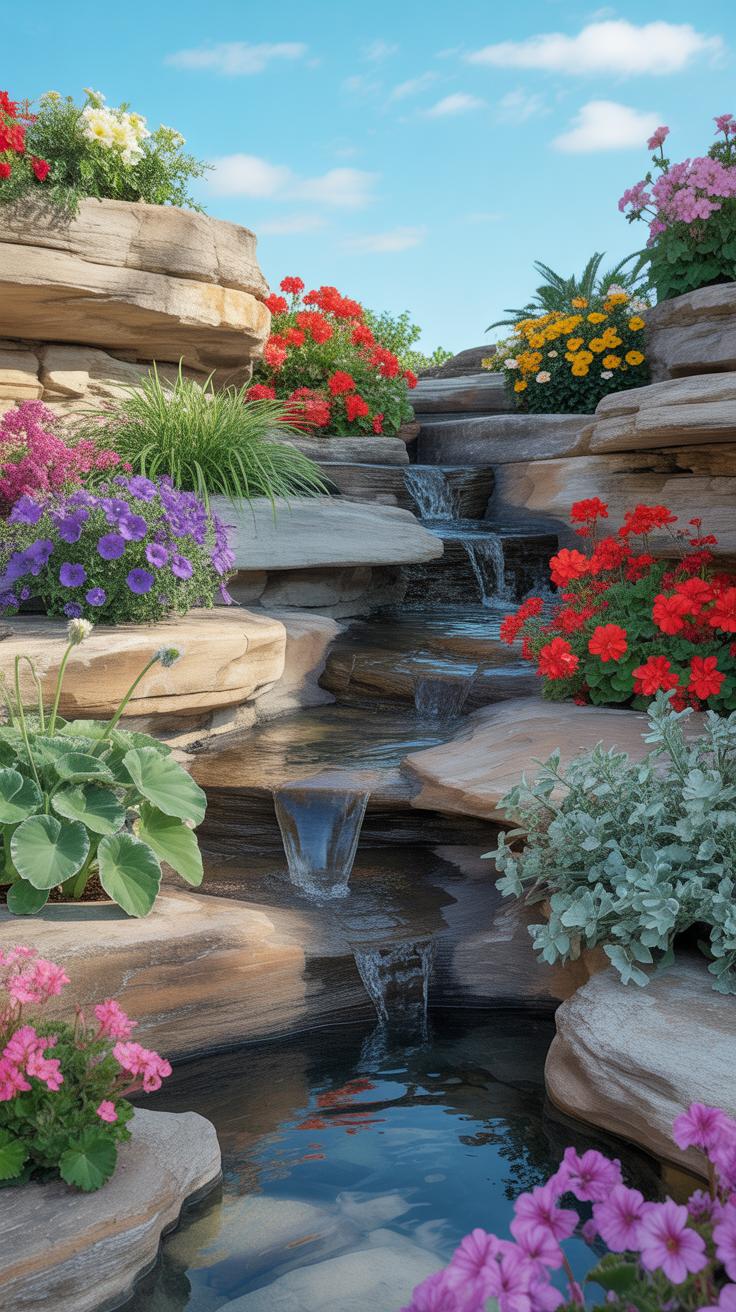
Rockery gardens come in many shapes and sizes, adapting to the space available and the style you envision. You could think of them in at least two broad categories that struck me as quite different yet interesting.
Small Urban Rockery Garden Case
Imagine a small city yard or even a balcony where space is tight. Here, the rockery is more compact but no less charming. You often see a handful of carefully placed boulders — not too big, just enough to make an impact without crowding the space. These stones form a kind of natural sculpture against your walls or fences.
Plant choices tend toward small, low-maintenance types, like succulents or tiny alpine plants. These require little soil and water, fitting perfectly between and around the rocks. The setup is perfect if you want something low fuss but still naturally beautiful—think of it as a serene nook tailored to limited space.
Large Backyard Boulder Rockery
Now, on the flip side, a big backyard opens up lots of possibilities for a boulder rockery. This is a chance to be bold, using large stones that dominate the scene. You can group these boulders to create natural-looking outcrops or mini-hills. It feels almost like a miniature mountain or wilderness right in your backyard.
The planting here is more diverse. You can mix shrubs, ornamental grasses, and flowering perennials that love rocky conditions. Some people add small trees or water features, blending textures and heights to give a dynamic, layered feel. The scale makes it a statement, but it’s also about crafting an inviting space to explore.
Both types of rockeries share a sense of careful balance—between stones and plants, between form and function. But they also leave room for your own interpretation, whether it’s a cozy city corner or a sprawling garden retreat. What kind of rockery might fit your life?
Tools Required For Rockery Garden Setup
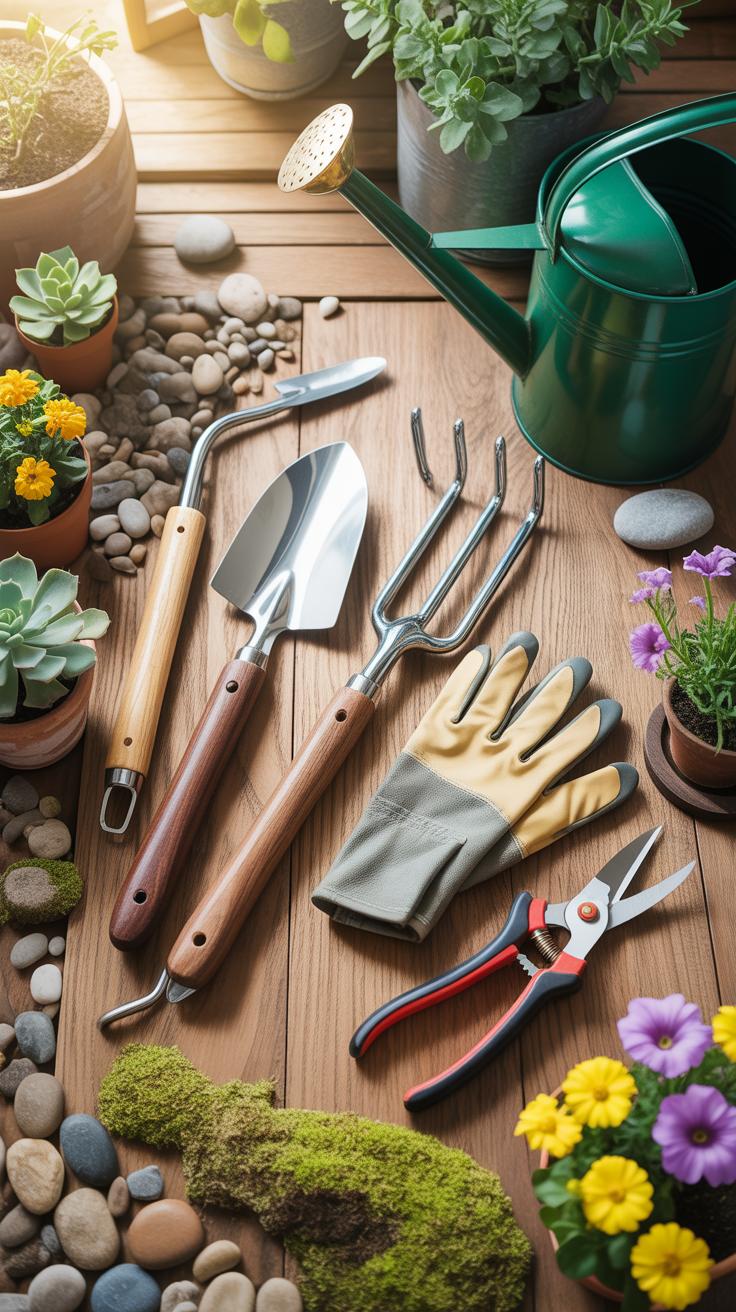
Setting up a rockery garden calls for a mix of both heavy-duty and fine gardening tools. You’ll find that moving and placing sizable boulders isn’t just about muscle but also about having the right equipment. Heavy machinery like a skid steer loader or small excavator really helps in safely lifting and positioning large stones without risking injury or damaging your landscape. If you’re working on a smaller scale, lever bars and hand trucks designed for stone moving can be quite useful too. It’s not always obvious, but these tools make what could be a backbreaking task much more manageable.
When it comes to planting and soil shaping, the approach is different. You’ll want shovels and spades for digging, along with garden forks to loosen compacted soil around the rocks. A wheelbarrow is almost indispensable for carrying soil or mulch. Sometimes, an edging tool comes in handy to clearly define your rockery’s borders and keep it looking tidy. While the heavier gear gets your stones in place, these smaller tools let you refine the garden’s texture and ensure plants thrive around the rocks.
For ongoing care, smaller hand tools really come into play. Trowels, pruners, and hand forks allow you to tend to the delicate plants nestled into crevices between stones. Watering cans with narrow nozzles help you reach plants without disturbing the layout. You might not think of it initially, but a sturdy brush or rake can clean up debris or fallen leaves without uprooting anything. Each of these tools serves a purpose, balancing the grand scale of boulder placement with the finer details of plant care. Have you considered which tools suit your own space best? Sometimes, you start with heavy machinery and finish with something as simple as a hand rake, bridging the gap between construction and gardening.
Conclusions
Building a rockery garden with boulders creates unique and low-maintenance outdoor spaces. Boulders provide strong visual structure and contrast with natural plants adapted for rocky settings. Well-chosen plants add color and texture, complementing the firm surfaces of stones. Proper planning and careful placement help you design a garden that balances beauty with durability.
Maintenance is straightforward with suitable plant species and rock arrangement, avoiding excess watering and soil issues. This approach transforms your outdoor area into a serene, attractive environment. Consider the boulder types and plant options that best match your space and climate for a lasting rockery garden.