
Introduction
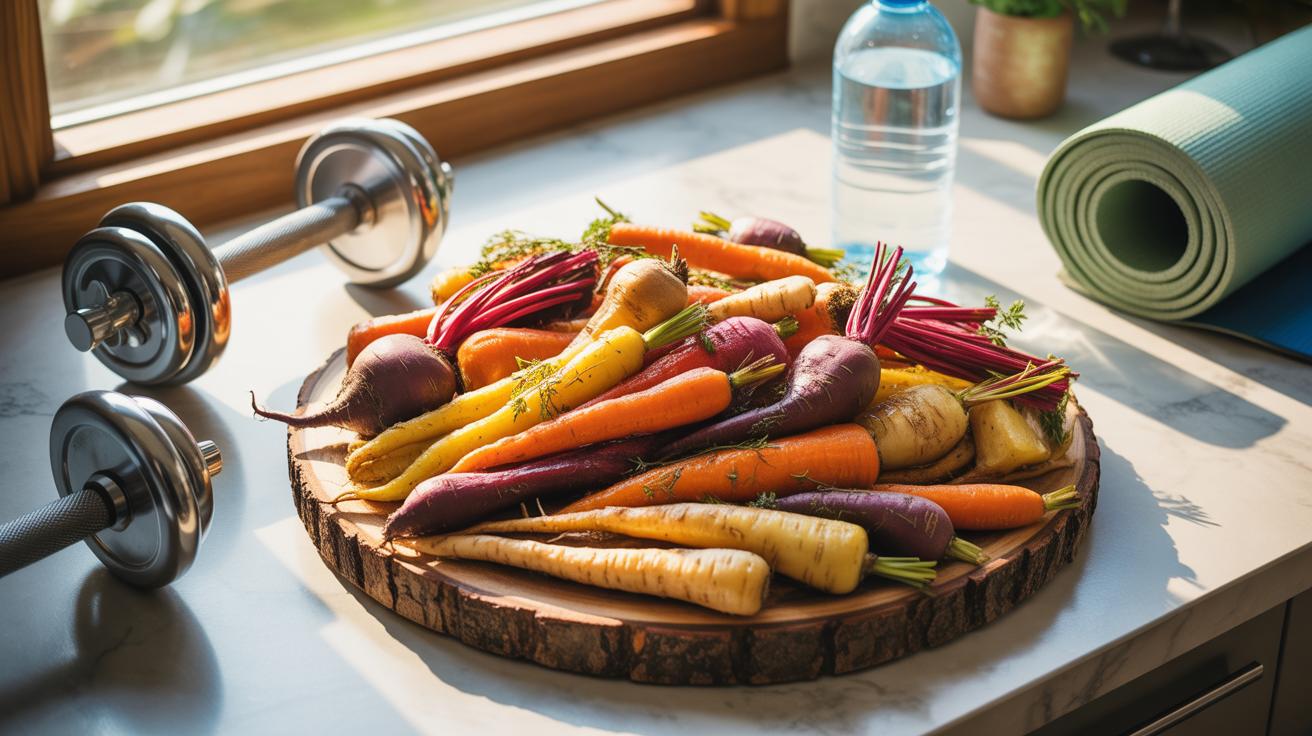
Roasted root vegetables are a popular choice for fitness enthusiasts looking to add nutritious and flavorful options to their diet. These vegetables, which include carrots, beets, parsnips, and sweet potatoes, offer a variety of vitamins, minerals, and antioxidants that support overall health and physical performance. The roasting process enhances their natural flavors while maintaining their valuable nutrients, making them a smart addition to meals.
This article explains the core health benefits of roasted root vegetables for those engaged in fitness activities. You will learn about their nutritional profile, how to prepare them effectively, and the ways in which they support muscle recovery, energy levels, and digestive health.
Nutritional Values Of Roasted Root Vegetables
Key Nutrients In Root Vegetables
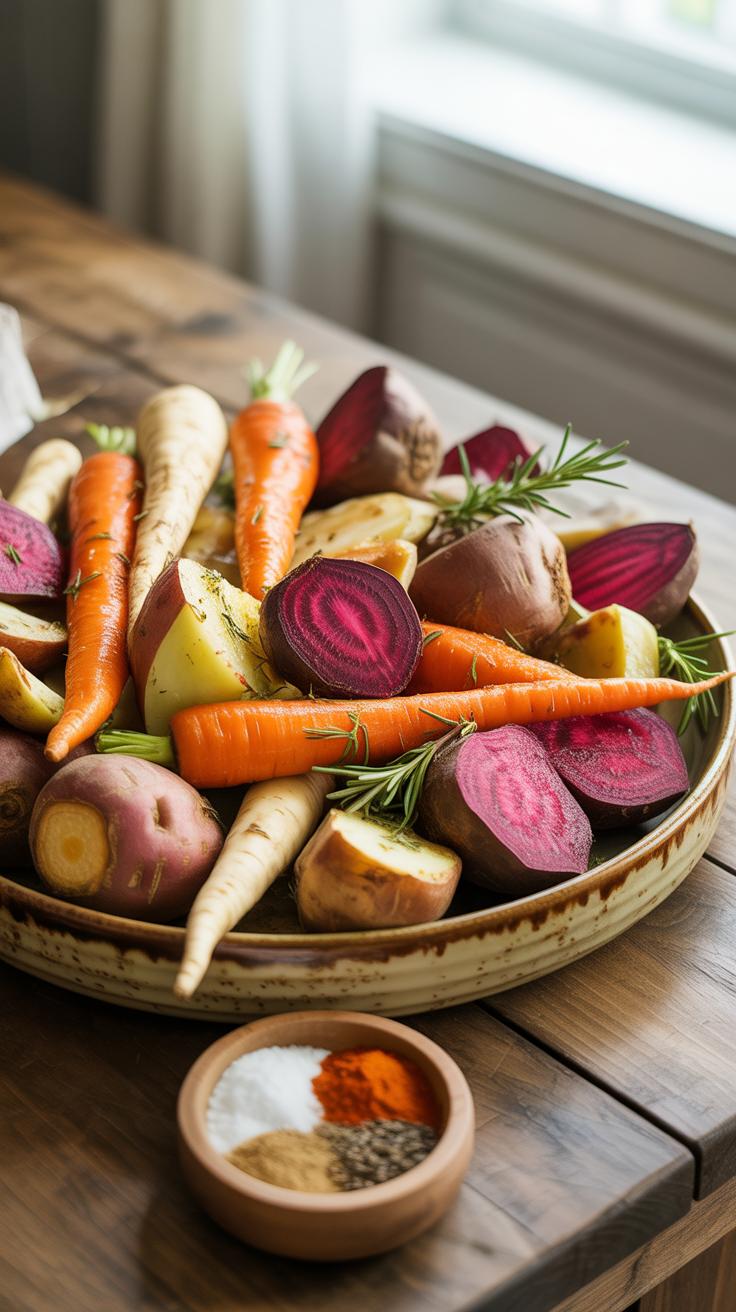
Carrots, beets, and sweet potatoes all bring different nutrients to the table. Carrots are rich in vitamin A, mostly in the form of beta-carotene. This helps your vision and immune system, which can matter more when you’re working out often.
Beets provide antioxidants that support recovery by reducing inflammation. They also offer potassium, which helps prevent muscle cramps. Sweet potatoes stand out for their complex carbs, giving you slow energy release and fiber that promotes digestion.
Carbohydrates in these veggies fuel your muscles during workouts. Fiber keeps your gut happy, helping you avoid bloating or discomfort. Vitamins like A and C help with cell repair and immune health. Potassium and antioxidants are handy for muscle function and reducing oxidative stress.
How Roasting Affects Nutritional Content
Roasting root vegetables changes their nutrient profile a bit. Vitamin C usually drops because it’s sensitive to heat, so roasted beets or carrots might have less than their raw forms. But minerals like potassium tend to stick around, which is good since those are key for hydration and muscle work.
I find roasting also breaks down tough fibers, making the vegetables easier on digestion. Plus, it deepens their natural sweetness, which might encourage you to eat more. Still, if you’re after max vitamin C, roasting isn’t ideal—but for steady energy and mineral intake, it’s solid.
Overall, roasted root vegetables keep much of their nutritional value and have added benefits for taste and digestion. You might wonder if they lose too much—sometimes yes, sometimes no. It depends on the temperature and cooking time, but in many cases, roasting offers a good balance.
Why Roasted Root Vegetables Support Fitness

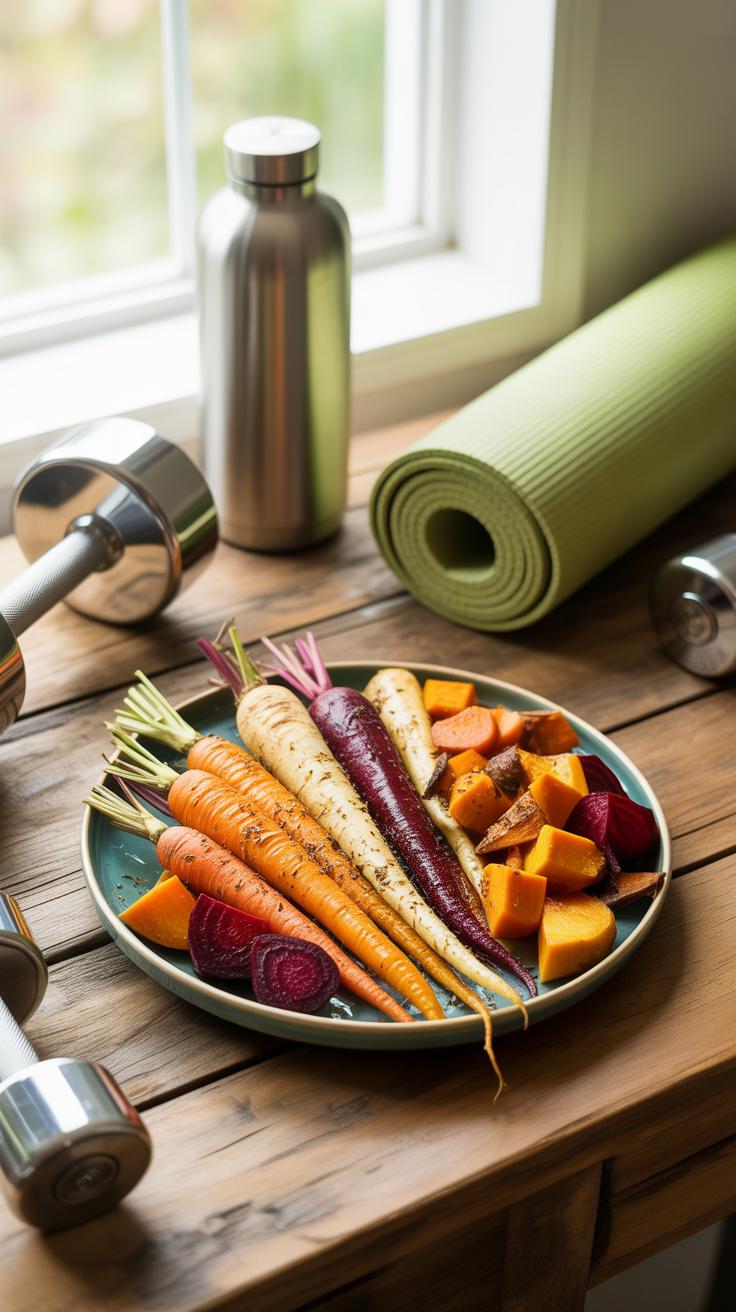
If you exercise regularly, you might underestimate how much roasted root vegetables can do for your body. These humble foods pack a surprising punch when it comes to boosting energy, aiding muscle repair, and supporting your immune system. For one, the carbs in root vegetables provide a steady source of fuel. Unlike simple sugars, these carbs break down gradually, which means you get sustained energy during workouts without that sudden crash afterward.
Potassium is another component worth paying attention to. Roasted carrots, beets, and sweet potatoes all offer healthy amounts of potassium, a mineral vital for muscle contraction and nerve function. If you’ve ever felt unexpected muscle cramps mid-workout or afterward, it might be linked to low potassium levels. Eating these veggies can help reduce those unpleasant spasms and help your muscles bounce back faster.
The antioxidants in root vegetables also matter more than you might think. Exercise induces inflammation, which can slow recovery and weaken immunity over time. The pigments that give root vegetables their color—like beta-carotene and anthocyanins—work as antioxidants to fight this inflammation. Including them in your diet might mean fewer sick days and better overall resilience.
Thinking about the connection between what you eat and how you perform, roasted root vegetables offer a blend of nutrients that supports your fitness journey in subtle but meaningful ways. Have you ever noticed that days you eat roasted roots feel better for recovery? Maybe it’s not just in your head after all.
Which Root Vegetables To Roast For Fitness

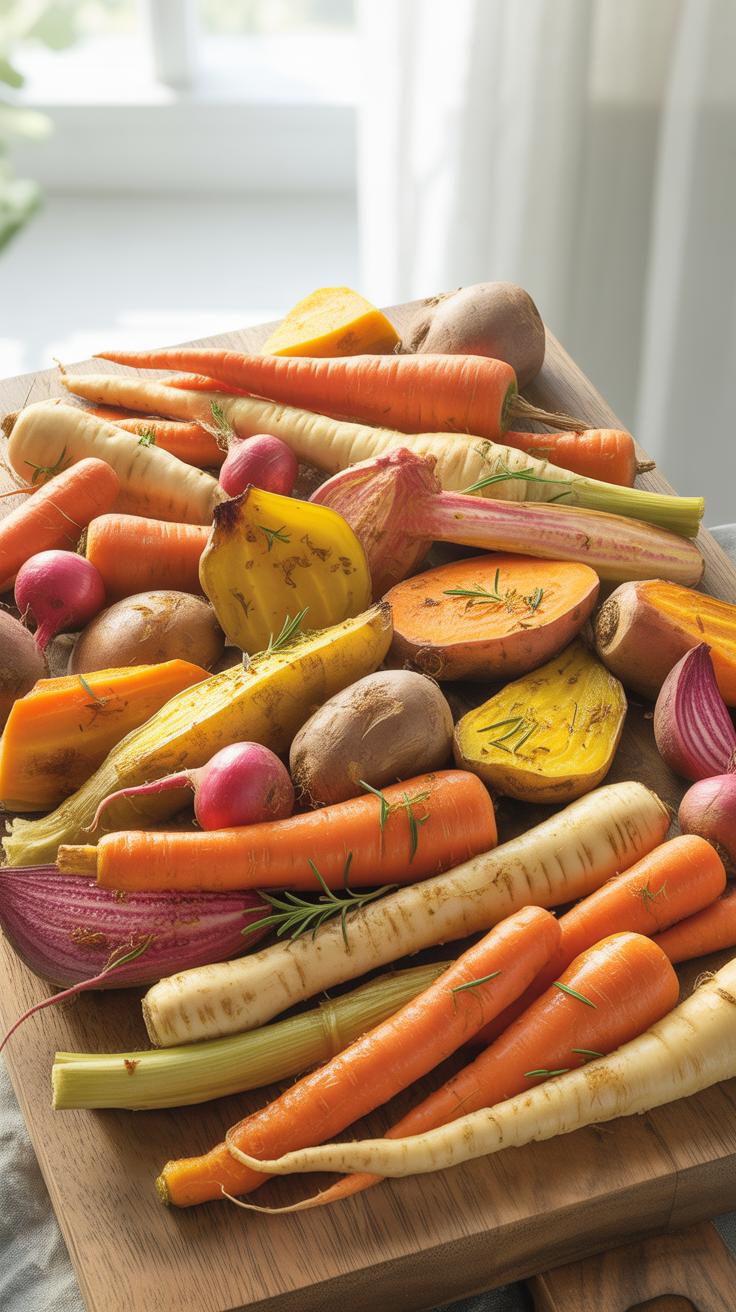
If you’re thinking about roasting root vegetables for your fitness diet, some options tend to work better than others. Carrots, beets, sweet potatoes, parsnips, and turnips often top that list. Each has its own nutritional quirks and flavors that can add variety without complicating your meal planning.
Carrots provide a good dose of beta-carotene and fiber, with a natural sweetness that intensifies when roasted. Beets offer nitrates, which may help with endurance by improving blood flow. Their earthy flavor can be a bit strong but balances well with a hint of sweetness.
Sweet potatoes stand out with complex carbohydrates and vitamin A, plus they’re quite filling. Their creamy texture and mild sweetness make them easy to pair with proteins. Parsnips bring plenty of vitamin C and potassium to the table, plus a slightly nutty taste that becomes buttery with roasting.
Turnips are lower in calories but rich in vitamin C and fiber. They have a somewhat peppery edge that mellows as they cook. If you’re unsure which to try first, maybe start with sweet potatoes and carrots—they’re familiar and hard to mess up.
Popular Vegetables And Their Benefits

Here’s a quick snapshot of some common roasted root vegetables:
- Carrots: High in beta-carotene and fiber. Taste: sweet and tender when roasted.
- Beets: Good source of nitrates, folate, and antioxidants. Taste: earthy with natural sweetness.
- Sweet Potatoes: Rich in complex carbs, vitamin A, and potassium. Taste: creamy, sweet.
- Parsnips: Contain vitamin C, folate, and potassium. Taste: nutty and slightly sweet.
- Turnips: Low calorie, high fiber and vitamin C. Taste: mildly peppery, softens when roasted.
Each offers a little something different depending on what your body might need that day—or just what you’re in the mood for. Their flavors shift quite a bit after roasting, so don’t be afraid to experiment. You might prefer the earthiness of beets some days but want the comfort of sweet potatoes on others.
Examples Of Fitness Meals With Root Vegetables
Roasted root vegetables fit well into many simple, fitness-friendly meals. For instance, toss a mix of sweet potatoes, carrots, and parsnips with olive oil and herbs. Roast until tender, then add to a bowl of quinoa and grilled chicken for a balanced, hearty dinner.
Another idea: slice beets and turnips thin, roast until caramelized, then layer on top of a leafy green salad with walnuts and goat cheese. It’s a satisfying post-workout option that’s rich in antioxidants and protein.
You could also blend roasted root vegetables into a warm soup with lentils for a filling meal that slowly fuels recovery. Or simply serve a colorful medley alongside salmon and steamed veggies. These meals aren’t complicated but hit the right notes for fueling active lifestyles.
How To Roast Root Vegetables Perfectly
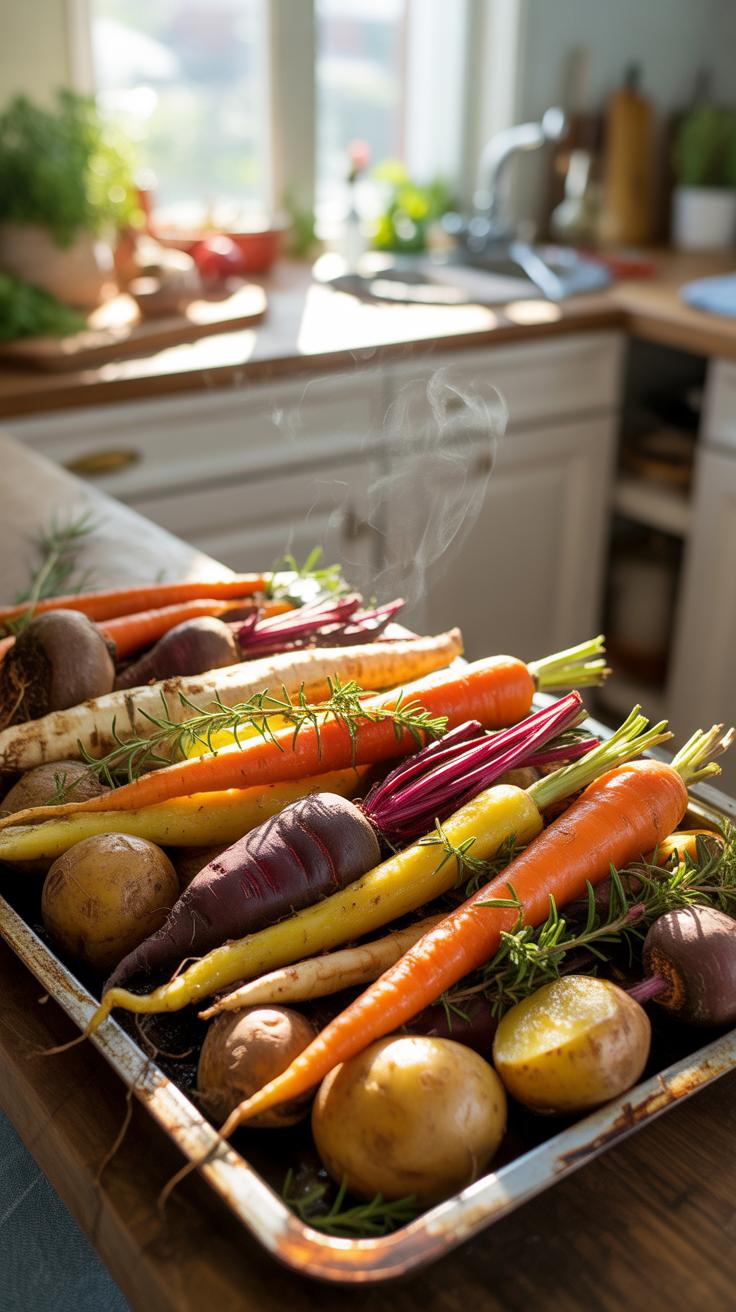
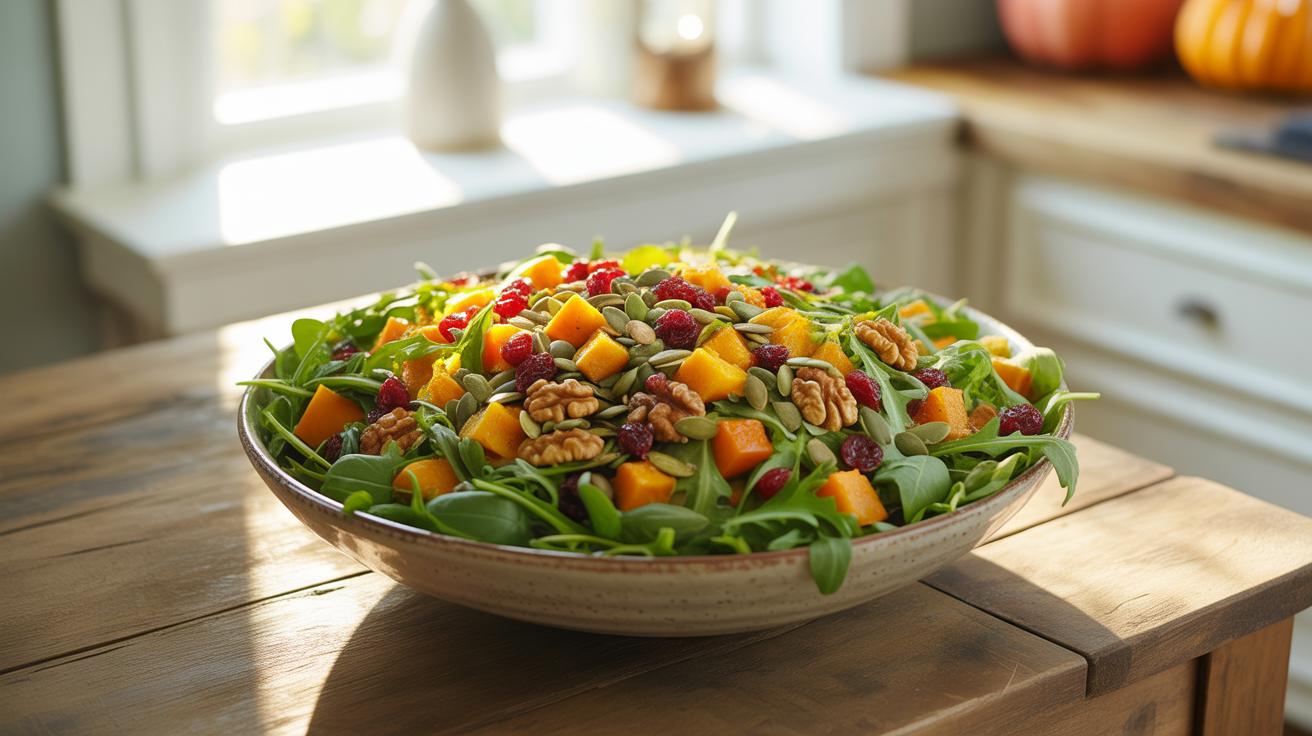
Roasting root vegetables is a straightforward process, but getting the texture and flavor just right takes a bit of attention. Start by washing your vegetables thoroughly to remove any dirt—some earthy bits can cling stubbornly, especially on carrots and beets. Peeling is optional, depending on your preference and the vegetable’s skin thickness. For example, sweet potatoes brown nicely with the skin on, while parsnips usually roast better peeled.
Cutting the vegetables into uniform pieces matters a lot. Smaller chunks roast faster and get crispier edges, but if you cut too tiny, they might dry out. I usually go for about 1 to 1.5 inches. Tossing in a bowl with oil—olive oil works well—helps with caramelization. Season with salt and pepper, then maybe a sprinkle of herbs like rosemary or thyme. A little garlic powder or paprika can add a nice touch, but keep it simple to let the veggies shine.
Preheat your oven to around 400°F (200°C). This temperature hits the sweet spot—hot enough to brown without burning. Roasting times vary: carrots and parsnips take about 25-30 minutes, beets closer to 35-40, because they’re denser. Stirring halfway through encourages even cooking, but if you like those crispy edges, leave them undisturbed a bit longer. Check tenderness by poking with a fork. If it slides in easily, you’re done.
One trick I’ve found useful: spread the pieces out on the tray without crowding. Overlapping leads to steaming, and the veggies lose that roasted character. Also, a brief sprinkle of coarse salt right before serving can elevate the flavors without overwhelming.
Preparation And Seasoning Checklist
- Wash all root vegetables thoroughly to remove dirt.
- Peel vegetables where skins are tough or undesired.
- Cut into similarly sized pieces, about 1 to 1.5 inches.
- Toss in olive oil or preferred roasting oil to coat evenly.
- Season with salt, pepper, and optionally herbs or spices.
- Spread in a single layer on a baking sheet; avoid crowding.
Roasting Times And Temperature Guide
- Carrots: 400°F for 25-30 minutes; tender with caramelized edges.
- Parsnips: 400°F for 25-30 minutes; soft inside with crisp outside.
- Beets: 400°F for 35-40 minutes; dense and tender texture.
- Sweet potatoes: 400°F for 30-35 minutes; creamy center, slightly crispy skin.
- Turnips: 400°F for 25 minutes; tender and mildly sweet.
You might wonder if a lower temperature or longer roast time works better—sometimes it does, especially for sweeter flavor, but the texture risks getting mushy. Faster roasting keeps edges crisp but demands more attention. Finding your personal balance is part of the process, and that’s okay.
What Makes Roasting Better Than Boiling
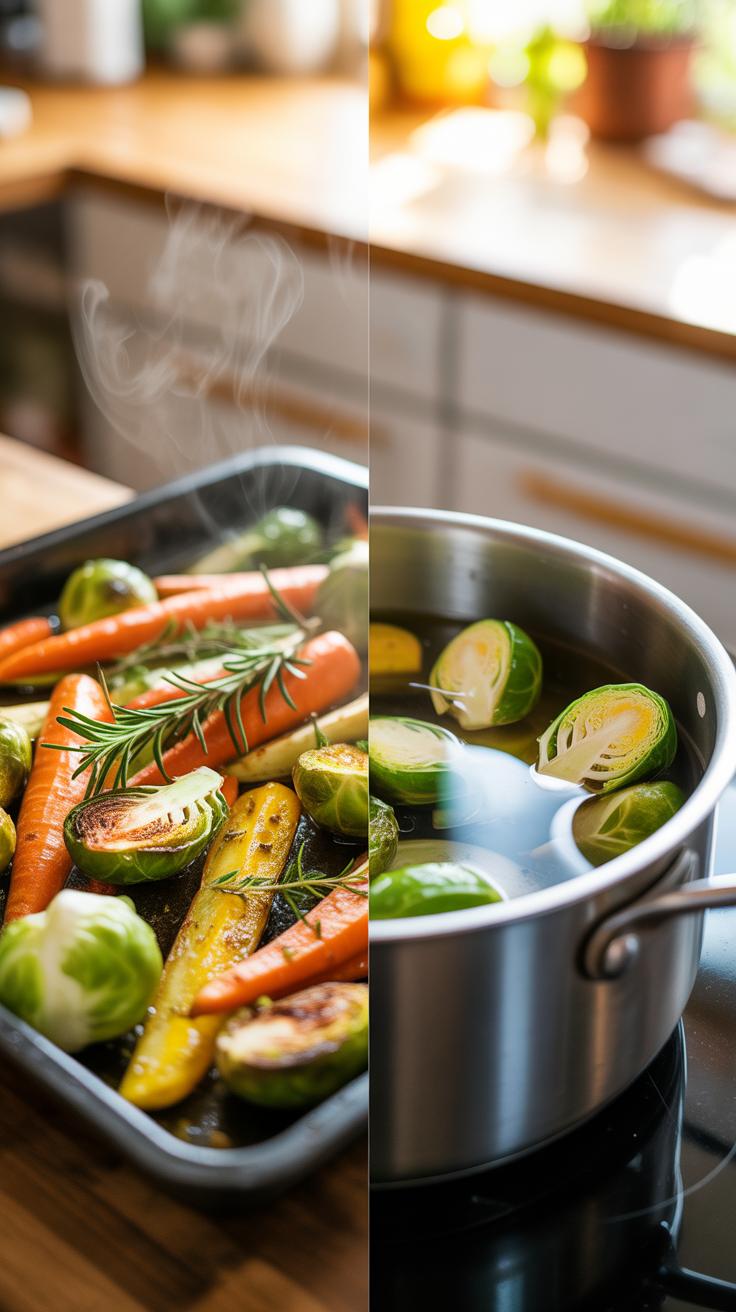

When it comes to preparing root vegetables, roasting and boiling are both common methods, but they lead to different outcomes in your meal’s nutrition and experience. Roasting tends to preserve more nutrients, especially vitamins that dissolve in water, which boiling can easily wash away. For instance, vitamin C and many B vitamins often leach out into boiling water, leaving behind less nutrient-rich vegetables. Roasting, on the other hand, keeps these vitamins more intact because the veggies aren’t submerged, just surrounded by dry heat.
Fiber is another area where roasting has an edge. Because root vegetables keep their structure during roasting, the fiber stays more effective in your digestive system. Boiled veggies become soft and can feel lumpier, almost mushy sometimes, which might reduce the satisfying bite and possibly how much fiber you feel like you’re getting.
Roasting also brings out a deeper flavor. The dry heat encourages caramelization—sugars in the vegetables brown and turn just a bit sweeter and nuttier. This makes a big difference if you want to enjoy your meal without relying on sauces or extras. Texture is firmer with roasting too, giving a slight crispness on the outside, while boiling typically creates a softer, sometimes soggy result. That firmness can be more appealing, especially after a long workout when you want a meal that feels substantial.
Fitness meals often favor roasting because it combines flavor, texture, and nutrient preservation so well. Roasted root vegetables not only deliver a taste boost but also support your body with more of the good stuff intact. So, if you’re making meals to fuel your workouts, roasting might just be the smarter choice—you get more out of the same vegetables, and the eating experience is frankly more enjoyable.
When To Include Roasted Root Vegetables
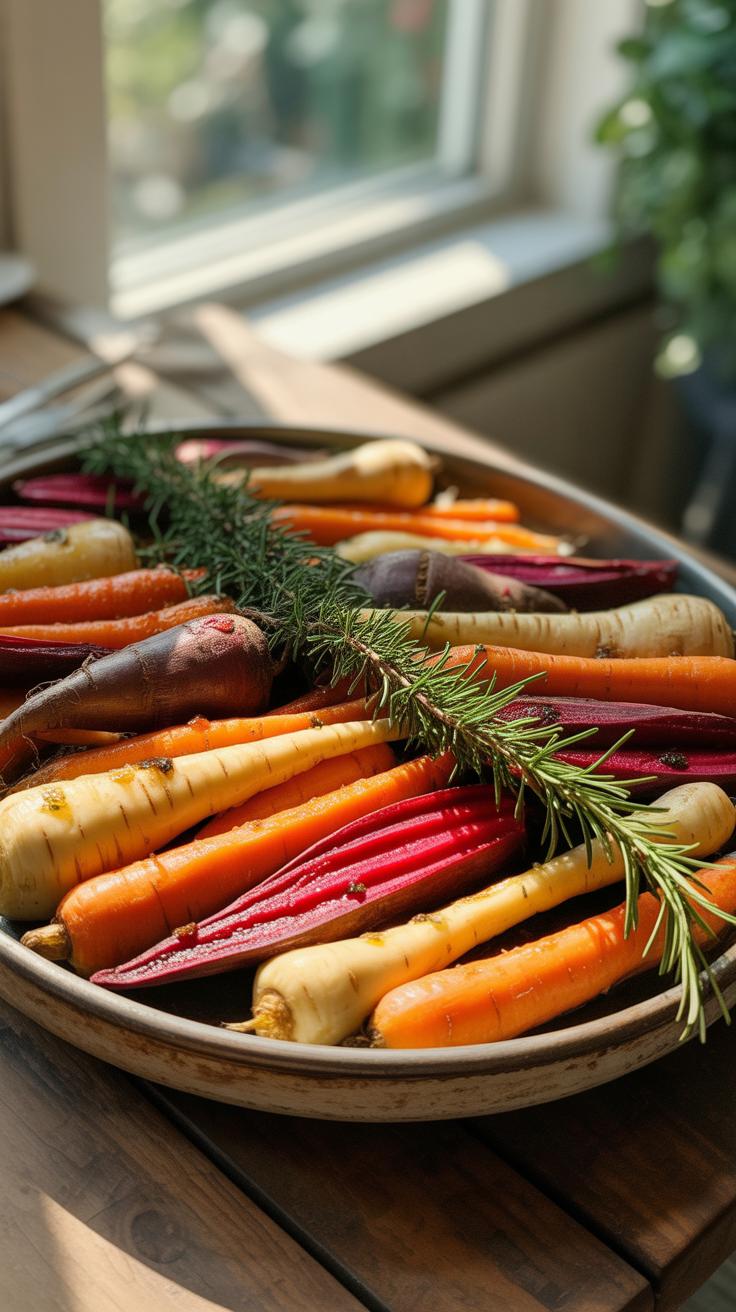

Figuring out when to eat roasted root vegetables can sometimes feel tricky, especially if you’re trying to sync your meals with workouts. You might wonder if they’re better before or after exercise—or just as a regular part of your daily diet. Well, roasted root vegetables can fit into all those slots, but the timing may shift based on what you want to get out of them.
Before working out, their complex carbs provide steady energy. Think about sweet potatoes or carrots slowly delivering fuel without spikes or crashes. That’s crucial if you’re into endurance or long sessions. Then, after training, these vegetables help replenish glycogen, restoring what you spent during exercise. They also bring minerals like potassium, which might ease muscle soreness—or maybe just feel nice when you’re tired.
In daily meal planning, roasted root vegetables act like a solid foundation for balanced nutrition. Pair them with protein and healthy fats, and you get meals that satisfy without feeling heavy. You can roast a batch early in the week and add them to salads, bowls, or even wraps. It’s simple, and kind of comforting, to rely on their natural flavors as a steady part of your routine.
- Pre-workout: provides slow-burning energy
- Post-workout: aids glycogen restoration and recovery
- Daily meals: adds fiber, vitamins, and minerals for balance
- Batch cooking: keeps your routine flexible and less stressful
Would shifting your meals around your activity times change how you feel during workouts? Maybe. Experimenting with roasted root vegetables at different times might reveal what clicks best for your energy and recovery needs.
Making Roasted Root Vegetables Tasty And Varied
Seasonings And Herbs To Use
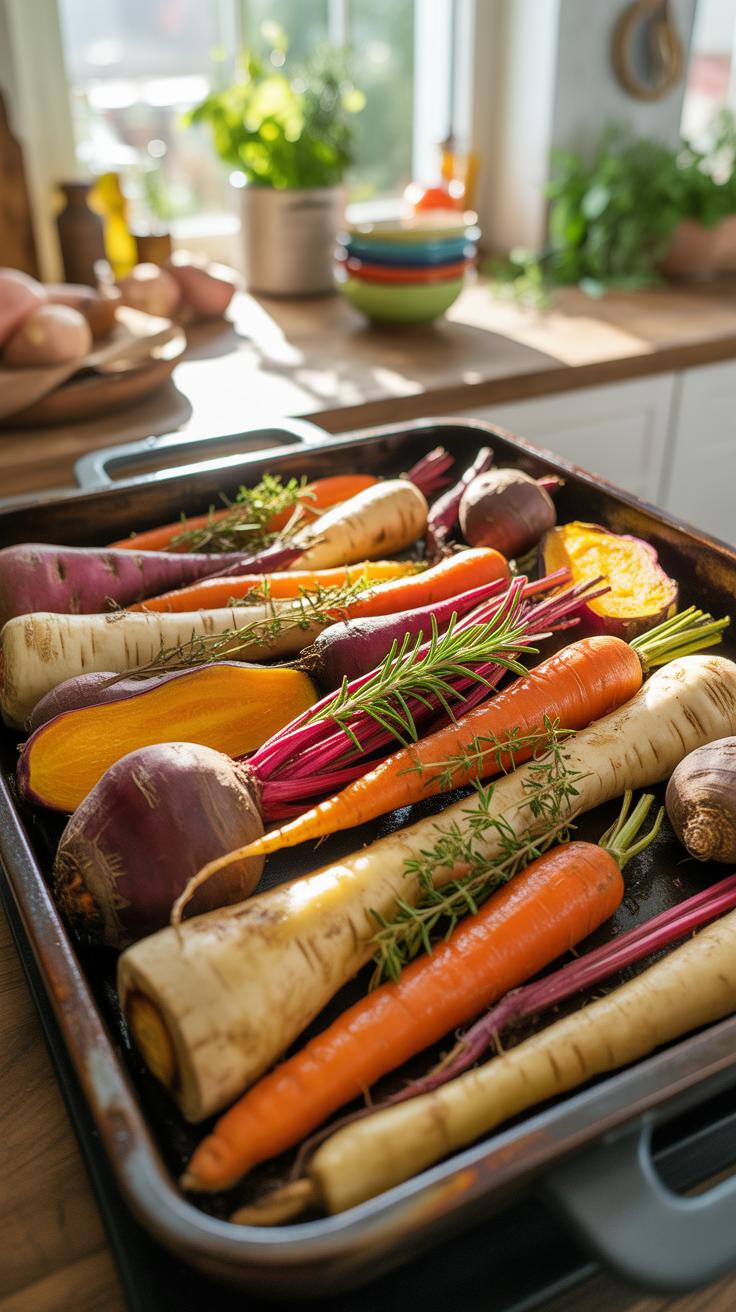
Roasted root vegetables can get boring if you just use salt and pepper every time. You might want to experiment with some spices that bring out their natural sweetness without adding calories. For example, a pinch of smoked paprika adds a subtle warmth, while cumin gives a bit of earthiness that pairs well with carrots or parsnips. Rosemary and thyme are classic herbs that hold up well to roasting; their piney, slightly bitter notes contrast the sweetness nicely. If you want something fresh, sprinkle chopped parsley or chives after roasting instead of before—it keeps the flavor bright.
About oils—using just a little olive oil or avocado oil is enough to help seasonings stick and create that golden crust. You don’t need a lot, but a tiny drizzle makes a difference in flavor and texture.
Combining With Proteins And Sides
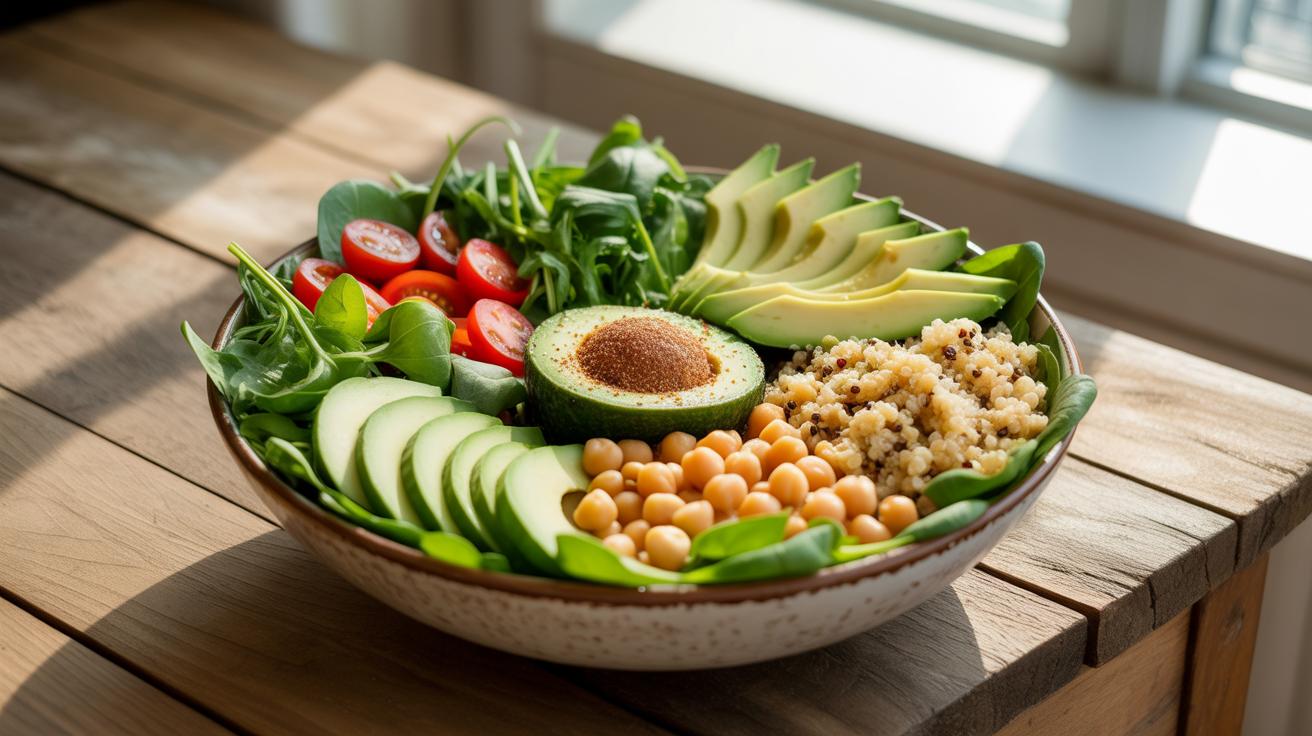
Roasted root vegetables are versatile enough to team up with many proteins. They complement grilled chicken or turkey particularly well, balancing those lean flavors. For plant-based folks, lentils or chickpeas roasted with a similar blend of spices make for a satisfying match. Think about fish like salmon too—the richness of the fish is nicely offset by the earthy vegetables.
As for sides, a leafy green salad tossed with a light vinaigrette or steamed broccoli can round out the meal. Grains like quinoa or farro add some chew and bulk, keeping things interesting. Don’t shy away from mixing textures; crunchy nuts or seeds sprinkled on top can add a satisfying bite.
Honestly, varying how you season and pair these vegetables lets you avoid mealtime monotony. Have you tried mixing sweet potatoes, beets, and rutabagas with a touch of cinnamon and ground coriander? It sounds odd at first, but it works surprisingly well. You might find yourself coming back to the oven more often just to try new combos.
Common Mistakes And How To Avoid Them

When roasting root vegetables, one of the most frequent mistakes is not cutting them uniformly. Uneven pieces cook at different rates—some end up mushy, others stay tough. That inconsistency can mess with the whole dish, especially if you’re aiming for a certain texture.
Spacing is another issue. Crowding the baking sheet traps steam, which keeps vegetables soggy instead of crispy. I’ve learned the hard way that giving each piece room to breathe really makes a difference. It’s not always obvious, but those little details change the final taste and mouthfeel.
Temperature control tends to trip people up, too. Too low and vegetables dry out or take forever to cook. Too high, and they blacken outside while remaining raw inside. Testing for doneness by poking with a fork helps, but timing and adjustments come down to experience—and sometimes a bit of guesswork.
Try these tips to avoid trouble:
- Cut vegetables into even chunks, roughly the same size, so they roast evenly.
- Spread them out on the sheet—half an inch apart if possible, to avoid steaming.
- Preheat your oven well, aiming for around 400°F (200°C) as a good middle ground.
- Check tenderness by piercing the thickest piece with a fork after 20-25 minutes.
- If edges start to darken too fast, lower the temperature or remove the sheet briefly.
Sometimes it feels like roasting root vegetables needs a touch of trial and error, which can be frustrating. Still, once you hone in on these points, the results become much more reliable. Have you noticed how varying ripeness or size affects cooking times? It’s tricky but manageable with patience.
Conclusions
Roasted root vegetables provide important nutrients that benefit fitness enthusiasts by supporting energy production, muscle repair, and immune function. Their carbohydrate content offers a steady energy source, while their antioxidants help reduce inflammation from exercise. Including these vegetables in your diet can improve your physical well-being.
Preparing root vegetables by roasting enhances their flavor and preserves many nutrients, making them appealing and practical. By varying your vegetable choices and cooking methods, you create balanced meals that complement your fitness goals. Consider adding roasted root vegetables regularly for better nutrition and taste in your active lifestyle.