

Introduction
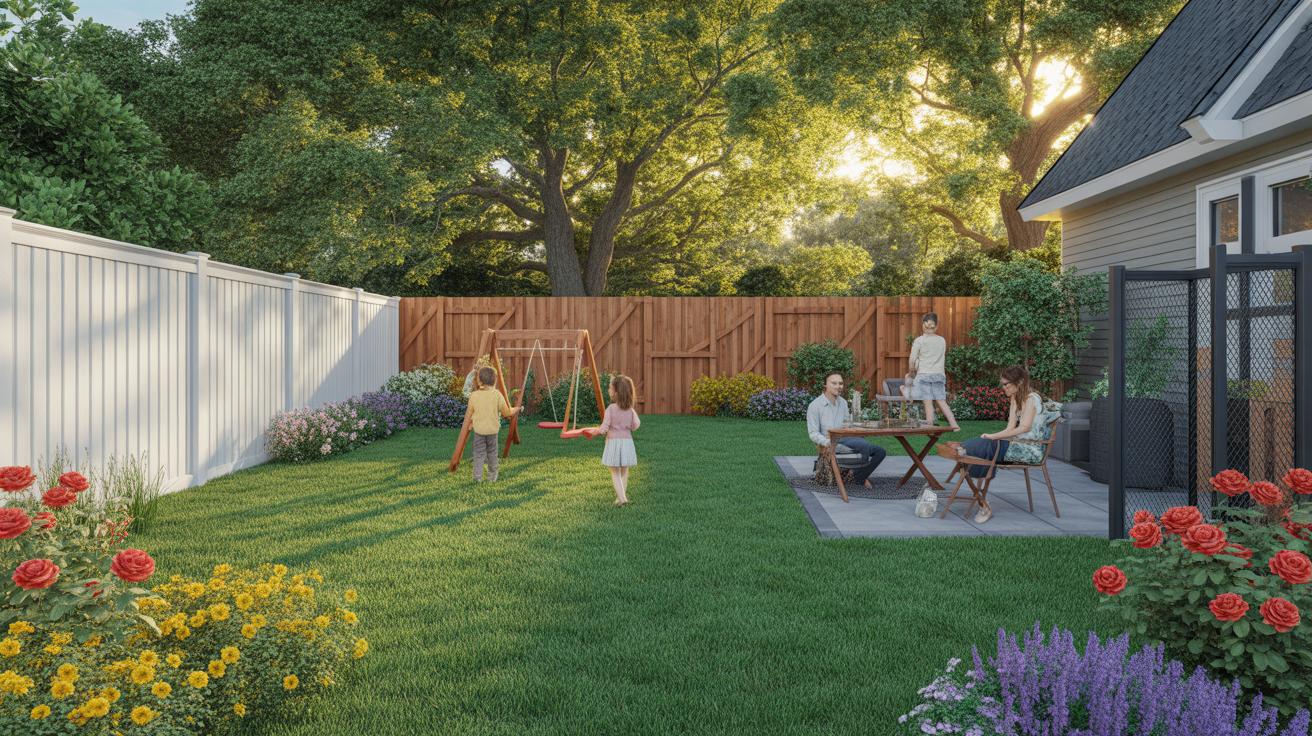
A privacy fence provides more than just a boundary around your property. It gives you control over your outdoor space by creating a personal and secure area. Privacy fences also improve the look of your home and can boost property value. There are several types and styles to consider, each offering unique benefits and suited for different needs.
This article will guide you through various fence ideas specifically aimed at privacy, including benefits and popular styles. You will understand material choices, construction methods, and the practical advantages of installing a privacy fence, helping you make informed decisions for your home or property.
Types Of Privacy Fences
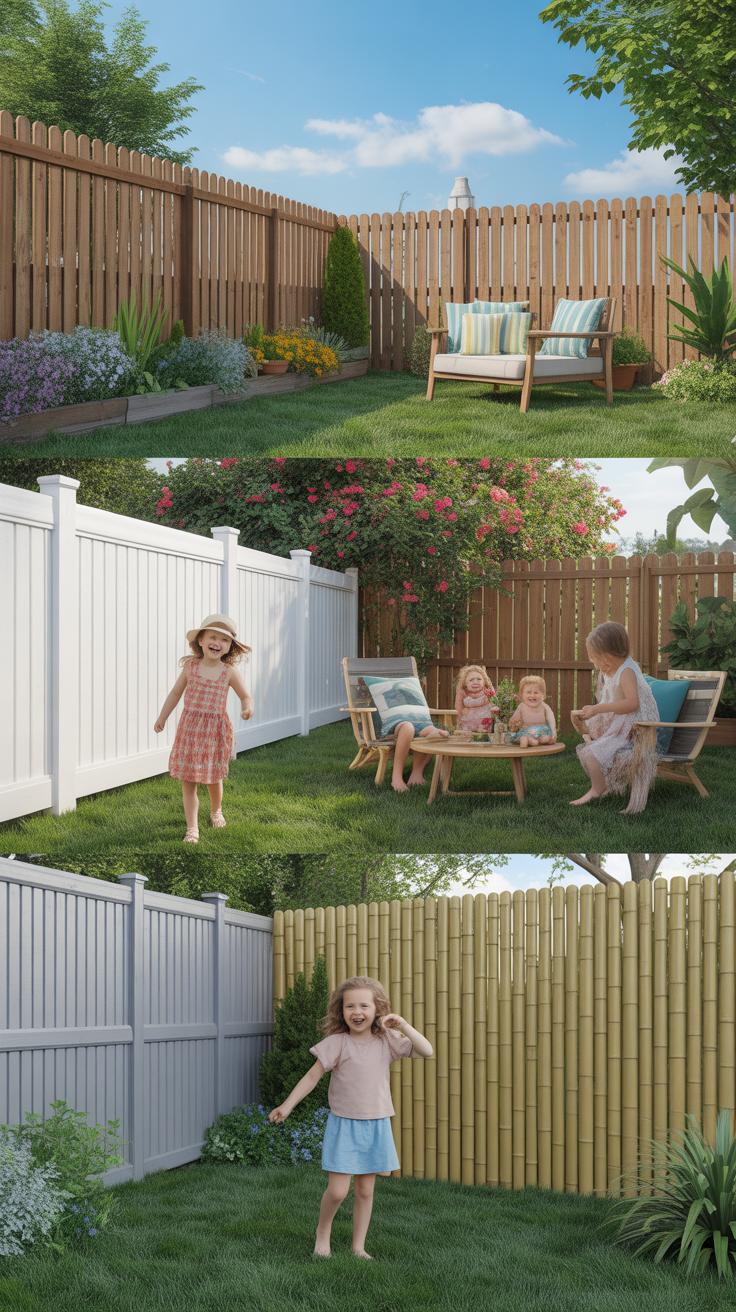
When it comes to privacy fences, there’s quite a range to choose from, each with its own traits and quirks. Among the most common are wood, vinyl, aluminum, and composite fences. Each type offers privacy in different ways and suits various needs.
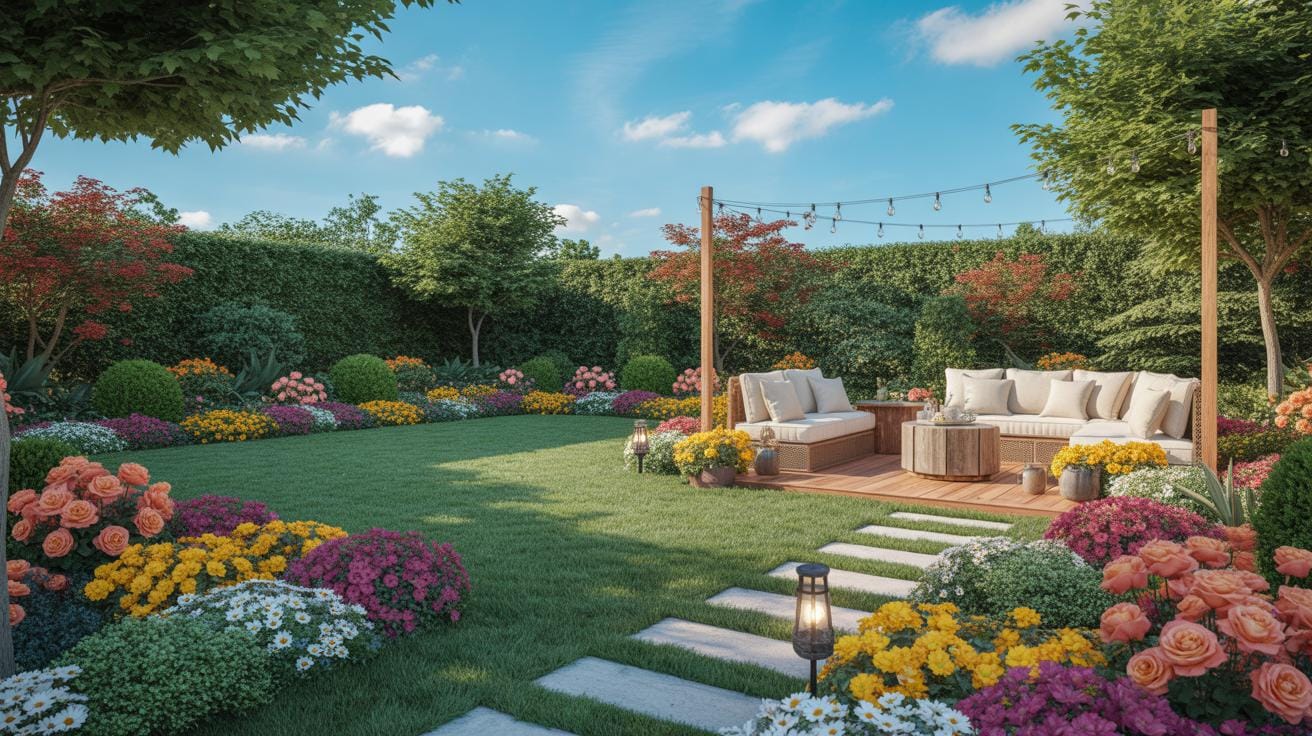
Wood fences are the classic choice. They block view effectively thanks to their solid boards, creating a natural barrier. Wood works great if you want a warm, traditional look. But you might need to care for it regularly to avoid rot or warping.
Vinyl fences provide a clean, low-maintenance alternative. Their solid panels also ensure privacy, but unlike wood, they resist weather without much upkeep. Expect a more modern appearance that stays consistent longer.
Aluminum privacy fences, while less common, can be designed with privacy slats or panels. They’re known for weather resistance and a variety of styles, which makes them fit for both residential and commercial settings.
Composite fences blend wood fibers and plastic, offering a sturdier option that mimics wood but lasts longer with minimal care. They provide solid privacy and often appeal to those wanting durability without intensive maintenance.
Depending on your property — and what kind of look or upkeep level you prefer — any of these privacy fences might be suitable. It’s about matching characteristics to your priorities.
Wood Versus Vinyl Privacy Fences
Wood and vinyl fences both offer solid privacy but differ significantly in a few key areas. Wood can be beautiful and authentic, with natural textures and colors. Yet it demands regular staining or sealing and can suffer from weather damage over time.
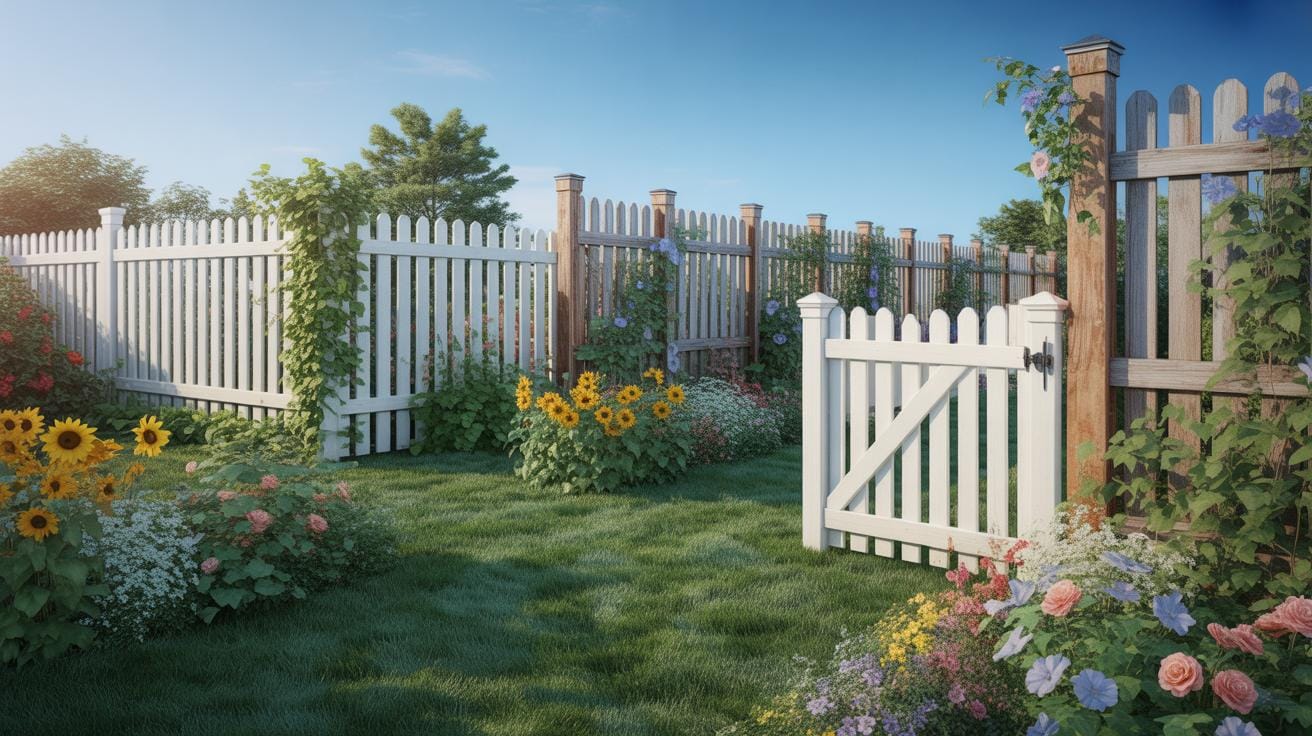
Vinyl, conversely, is mostly maintenance-free. It won’t rot or peel and never needs painting. That’s handy if you want a “set it and forget it” fence. Cost-wise, wood usually starts cheaper, but long-term upkeep can add up, tilting value towards vinyl eventually.
Picture a suburban yard where natural charm is prized; wood might be ideal. But for a busy household wanting ease, vinyl often wins out.
Benefits Of Aluminum Privacy Fencing
Aluminum fences bring a unique mix of benefits. Their metal frame withstands harsh weather without rusting, which definitely cuts down on maintenance. Plus, a powder coating keeps colors fresh over years. Various styles are available, from modern to more ornate designs.
This type fits well with homes or businesses near coastal areas where corrosion is a concern or places seeking a stylish, durable boundary. Unlike wood or vinyl, aluminum may not offer complete visual block by itself but can be customized with panels for solid privacy.
In short, aluminum’s strength and low upkeep make it a versatile pick, especially if you want a fence that combines function with a neat appearance.
Planning Your Privacy Fence
Measuring And Fence Height Guidelines
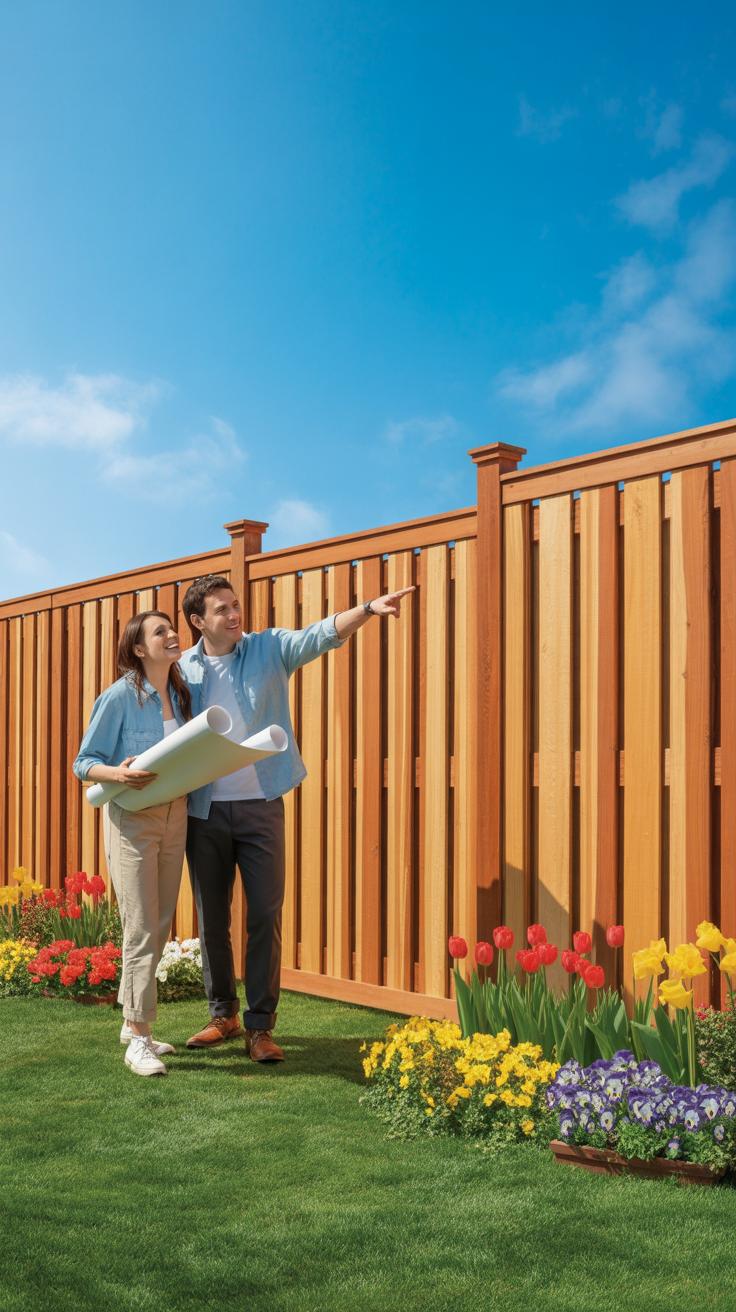
First, you want to get a clear idea of your property lines. It might seem obvious, but accurate measurement is key—you don’t want to build on your neighbor’s land by mistake. Using a tape measure or even a surveyor’s service can help. Once you know the boundaries, the tricky part is deciding the fence height. Most privacy fences range between 6 to 8 feet tall. You might think taller is always better for privacy, but local rules sometimes limit heights to avoid blocking neighbors’ views or light. You’ll also want the height to suit your needs. Maybe 6 feet is enough for quiet, or 8 feet for complete seclusion. Remember, taller fences can cast longer shadows and might attract attention from authorities.
Local Regulations And Permits
Speaking of local rules, every place has its own zoning laws about fences. Some towns require permits before you start building; others might have no restrictions at all. It’s easy to overlook this step until you receive a notice or worse, a fine. Trust me, checking with your local building department saves a lot of headaches. They can tell you about height limits, required setbacks from property lines, and approved materials. This step might feel bureaucratic, but it ensures your fence won’t have to come down later. Plus, you might discover neat design tips that align with community standards. So yes, it’s a bit of a hassle, but an important one before you start your project.
Cost Breakdown Of Privacy Fencing
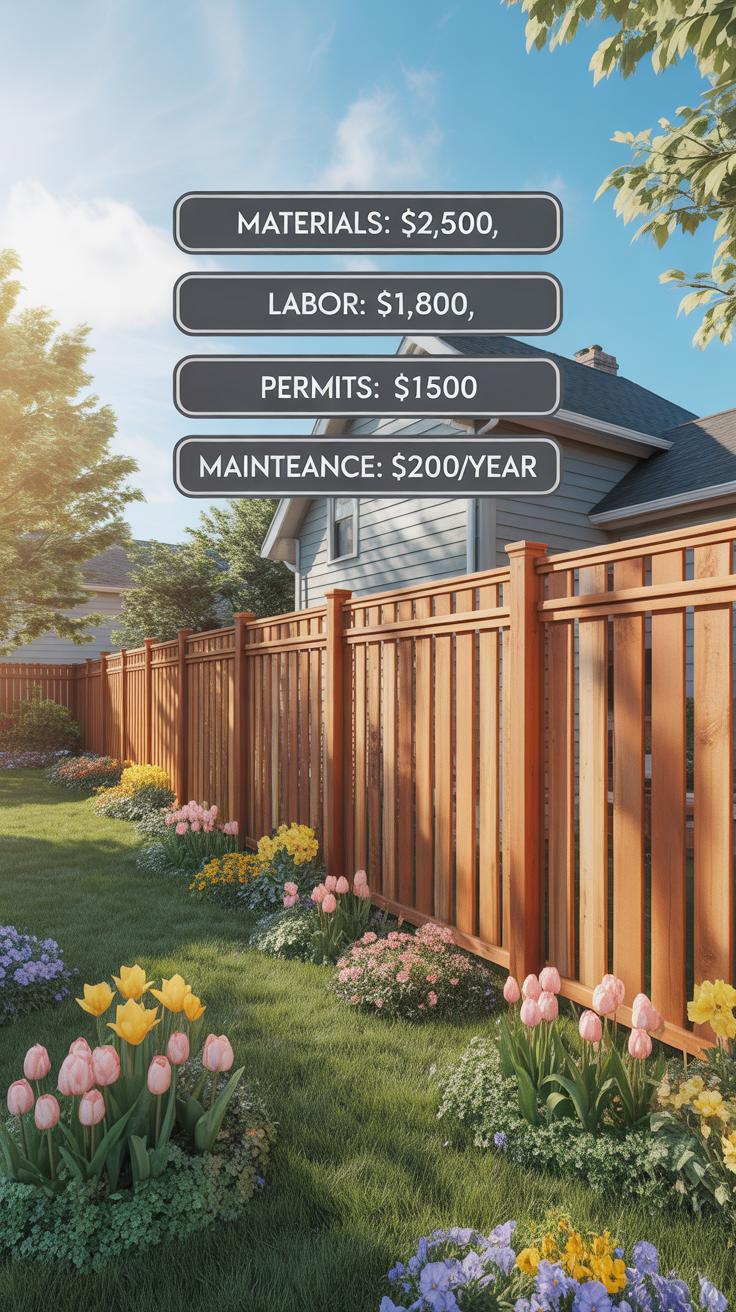
When thinking about installing a privacy fence, costs can vary quite a bit, and it’s easy to get overwhelmed. Typically, your expenses break down into materials, labor, permits, and ongoing upkeep. Each piece plays a role in the final price tag, but some might surprise you.
Materials often take the largest chunk. Wood, vinyl, and aluminum are popular choices, but their prices depend on more than just the type. Height plays a part; a taller fence means more material and sometimes sturdier posts. Panel style matters too—some patterns require extra cuts or custom fitting.
Labor costs depend on complexity and location. If your yard has slopes or obstacles, installers may charge more. Permits vary greatly by municipality, so checking early can save you a headache—and unexpected fees.
Maintenance isn’t just about money but time and effort. Wood fences need regular staining or sealing, which can add up. Vinyl often needs just soap and water, while aluminum might require occasional rust checks.
To keep costs manageable, consider prepping the site yourself or mixing materials. Sometimes a wood frame with vinyl panels offers a good balance. Asking neighbors about their experiences can reveal hidden costs or savings you might overlook.
Fence Styles For Privacy
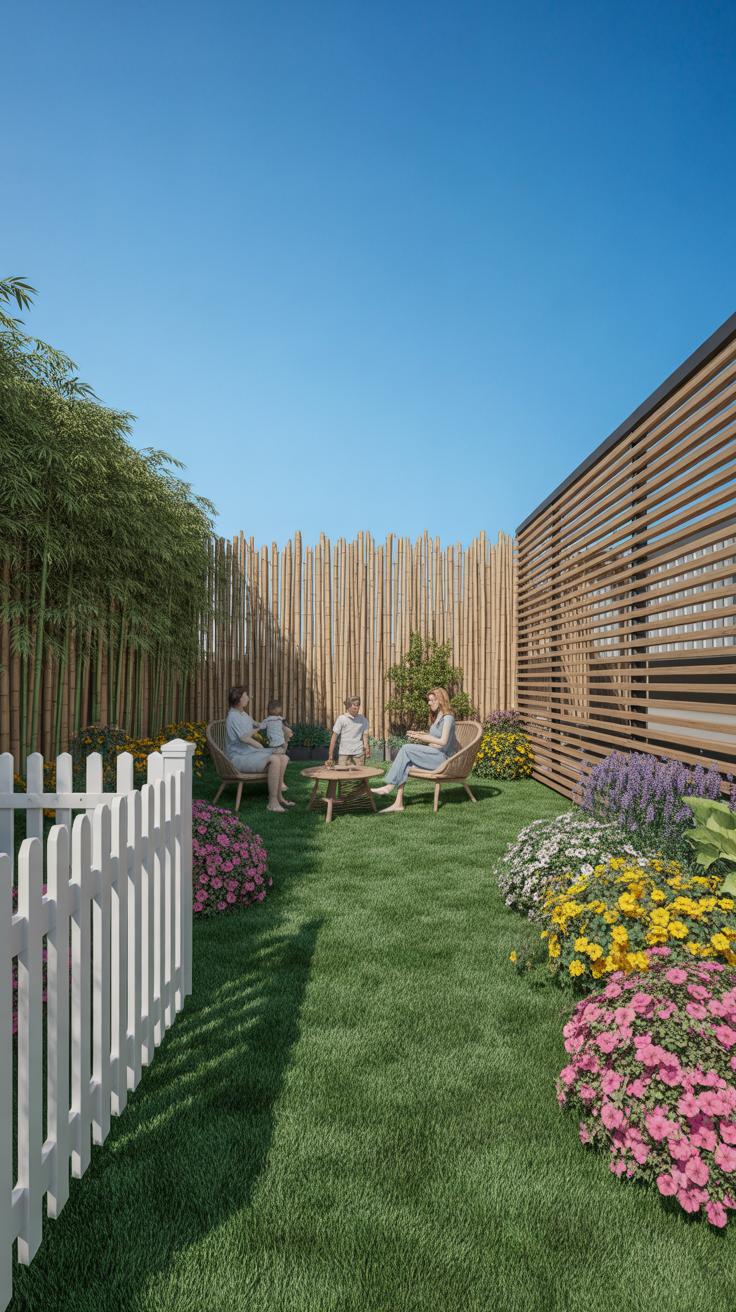

When thinking about privacy fences, several styles come to mind—each with its own level of privacy and visual character. The solid panel fence often leads the pack for privacy because it blocks views entirely. Imagine standing behind a tall, unbroken wall of wood or vinyl. You get a true sense of seclusion here, but it might feel a bit imposing or heavy visually. Solid panels commonly use materials like cedar, pine, and vinyl, chosen for durability and clean surface.
Then there’s the lattice top style, which adds a twist. It combines a solid base with a decorative lattice upper section—think of it as privacy with a little breathing room. The lattice allows light and air through, which softens the fence’s impact. With these, you can still keep prying eyes out, though not as thoroughly as a full solid panel fence. Plus, they bring some aesthetic flair, especially when climbing plants are involved.
Board on board fences offer a layered approach: overlapping boards create a staggered, tight pattern that offers decent privacy but with depth and texture. It’s not a flat wall—it feels more dynamic. This style also tends to stand out because of its rhythm and shadows that shift over the day. It might not block every glance, but it does maintain privacy without completely shutting off the yard.
Choosing a style depends on what’s more important to you—pure privacy or a balance between privacy and charm. How much do you want to see or be seen? Even the material choice can tweak this. Wood, vinyl, aluminum—all bring different impressions and upkeep. I found that sometimes you want a fence that just feels right in the environment, not just one that’s the most private.
Installation Process Checklist
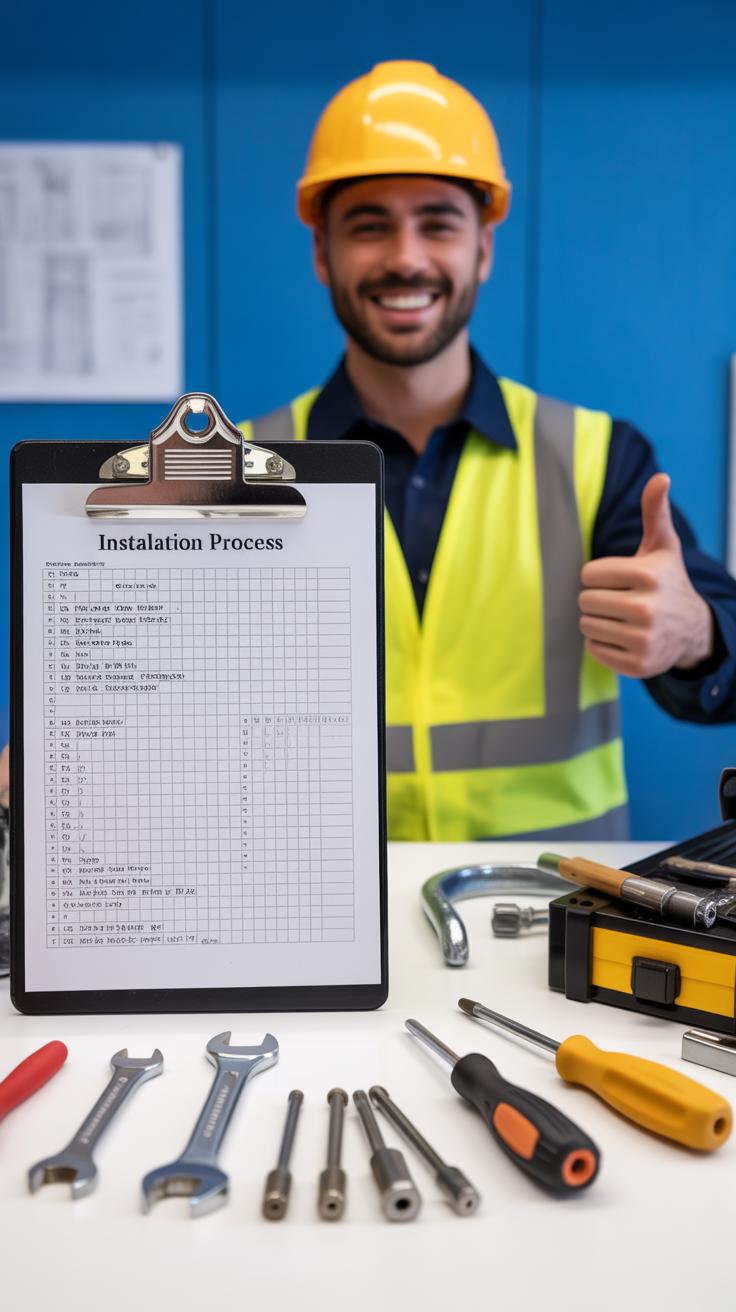
Starting a privacy fence project might feel overwhelming, but breaking it down helps. Think of it like a checklist you’d jot down for any big task. Groundwork comes first. You want to clear debris, rocks, roots – anything that could get in the way. Then, mark exactly where your fence will run. This isn’t just measuring; walk the line, make sure it feels right. Level ground matters; an uneven base shows up later.
Next, setting posts is key. Dig holes deep enough — about a third of the post’s length. Use concrete if you like, for extra hold, though some folks prefer tamped dirt; either works, just make sure posts don’t wobble. Wait for posts to settle before putting up panels. Attach them securely, screw by screw. Panels should fit snug, no gaps that compromise privacy or stability.
Finally, a thorough inspection helps. Look for loose screws, uneven boards, or anything out of place. Walk the whole fence. Does it stand firm? Does it block views as you’d hoped? It might feel tedious, but a strong finish saves hassle later. This checklist isn’t rigid; adjust steps based on your space or materials. Just keep in mind stability and privacy are your main goals.
Preparing The Fence Site
Preparing your site goes beyond clearing the obvious. First, remove plants that won’t survive the fence placement — roots can disrupt posts later. Mark your fence line with stakes and string, checking measurements twice or thrice. Trust me, a bit of extra care here prevents regrets.
Level ground means more than just eyeballing. Use a level tool or even a long board with a level on top. Sometimes, slight slopes require digging or adding soil to keep the fence uniform. Uneven terrain tempting you to skip this? Don’t; it shows in the fence’s final look and strength. That said, if your yard slopes, you might consider stepped fence panels.
Post Setting And Panel Attachment
Posts are your fence’s backbone. You don’t want them shifting or leaning even a little. Dig holes roughly 8-12 inches wide, and about 2 feet deep for an average 6-foot fence. Setting posts too shallow is a common mistake. Concrete helps, but if it’s not your preference, tamp the soil firmly around them.
Once posts are firm, panel attachment comes next. Some panels come pre-built; others you build onsite. Align each with care, attaching with screws rather than nails for stronger connections. Over time, nails might loosen. Don’t forget to maintain a slight gap at the bottom in some areas to prevent wood rot if moisture is common in your region.
Remember, the goal isn’t just a neat fence but one that lasts and keeps your space private. If you notice panels bowing or posts shifting, address it quickly, don’t wait until the whole structure weakens.
Common Problems And Solutions

Preventing Wood Rot And Damage
Wood rot happens when moisture lingers too long in your fence. It’s caused by fungi that feed on the wood, breaking down its structure. I’ve seen fences that looked fine one season and crumbled the next as the wood rotted from within. One way to slow this process is to choose rot-resistant wood types like cedar or redwood—they naturally fend off fungi better. But even the best wood needs help. Sealing your fence with a water-repellent finish is key. It’s not just about slapping on paint—using a quality sealant that penetrates deeply can keep water out longer, which means less chance for rot. Remember to reapply every few years if weather wears it down. A bit of upkeep at this stage saves you from a total fence redo later.
Fixing Gaps And Fence Stability
Gaps show up in fences mostly because wood shrinks or nails loosen over time. Gaps can not only ruin your fence’s privacy but also let animals sneak in or kids get out, which can be a pain. Fixing them isn’t always tough if you catch them early. Sometimes, just adding a new plank or shim to fill the space can do the trick. Other times, tightening or replacing nails or screws is enough. If the entire panel feels wobbly, reinforcing posts with concrete or adding metal brackets can help stabilize the fence. I once had a neighbor whose fence constantly swayed – small reinforcements stopped it almost immediately. A steady fence means your privacy stays intact without constant worry.
Privacy Fence Maintenance Tips
Cleaning And Sealing Wood Fences
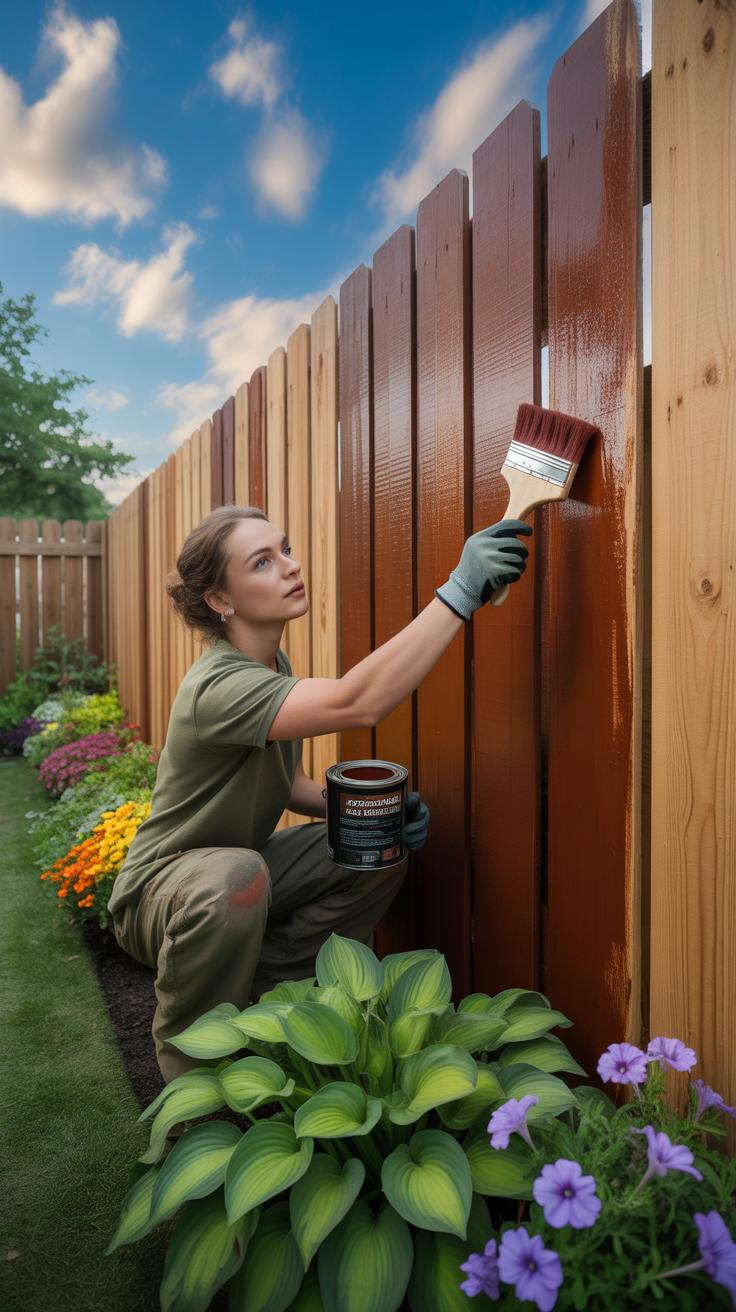
Wood fences have a charm, but they do need some care to keep that charm intact. Cleaning is key. You might try using a gentle detergent mixed with water and scrub with a brush to lift grime and mildew. Rinse well afterward. Sealing is a step some forget but it matters a lot; it protects wood from moisture and sun damage but must be done every few years. You could go for a clear sealant to keep the natural look or tinted for extra UV defense. If you see any chipped paint or rough spots, a light sand and reseal will improve both look and durability. It’s a bit of effort but can save you bigger repairs down the road.
Maintaining Vinyl And Aluminum Fences
Vinyl and aluminum fences are often praised for low upkeep, but they’re not completely hands-off. Regular cleaning with soap and water keeps vinyl fences bright and avoids buildup of dirt. For aluminum, rinsing with water and occasionally wiping it down prevents corrosion spots, especially in coastal areas. Inspections matter here too; check joints and posts to ensure none are loose or bent. You might find small dents or scratches on aluminum that, if ignored, can worsen. Little fixes now prevent big headaches later. You could set a reminder to do these checks once or twice a year. These fences don’t need painting, but keeping them clean goes a long way in sustaining their neat appearance.
Privacy Fence Cost Versus Benefits
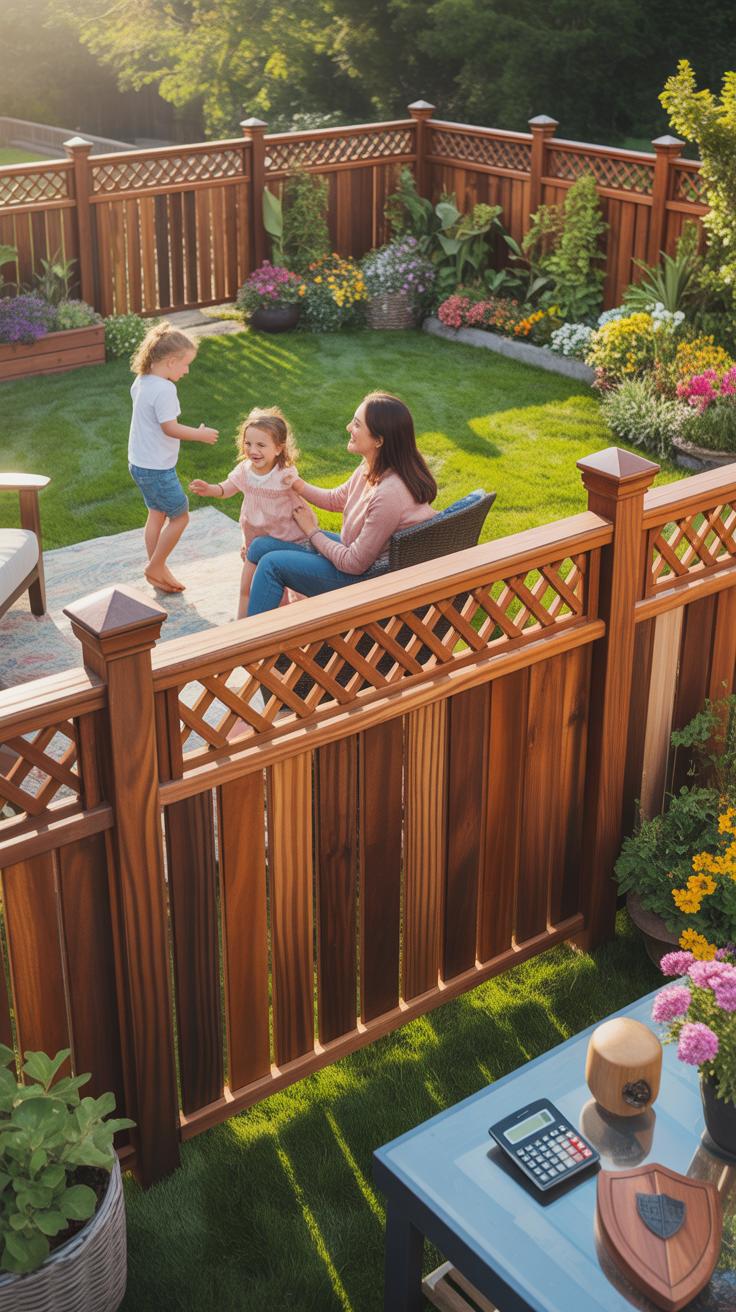
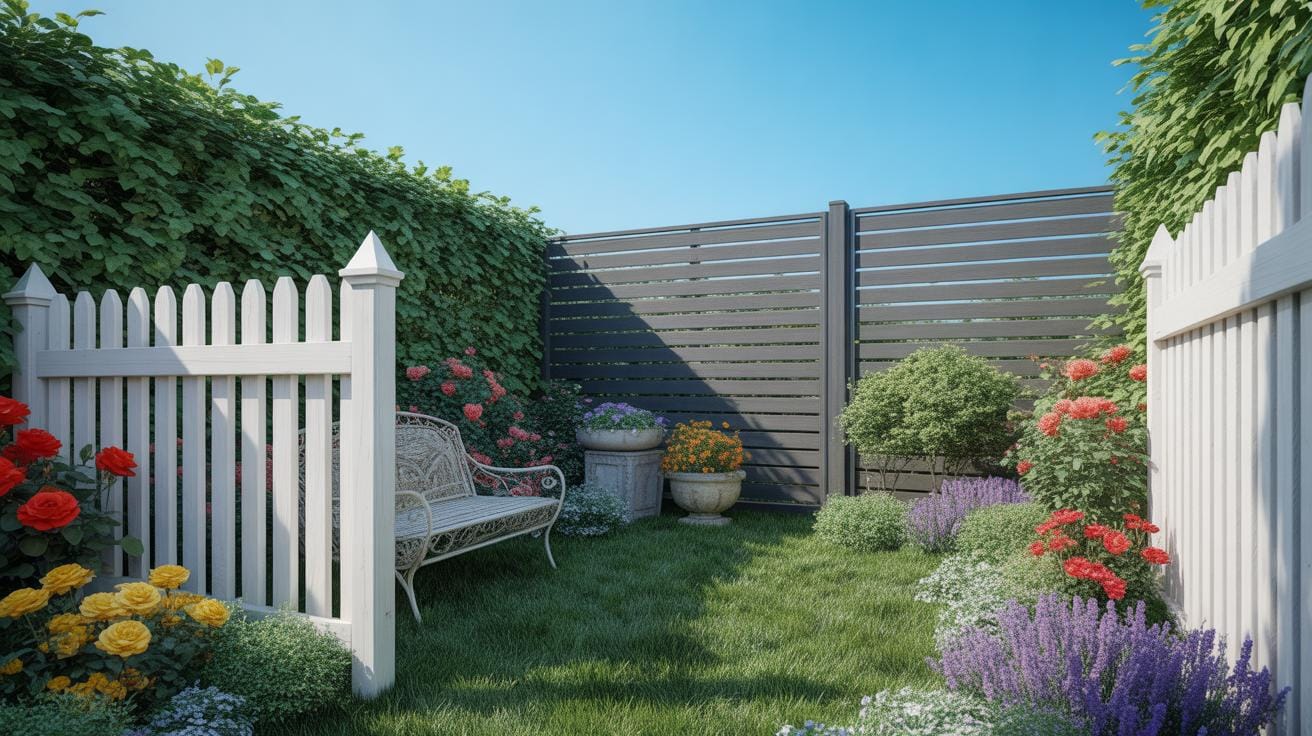
When you think about installing a privacy fence, cost is often the first concern. It can be a bit daunting, I admit. But then, there’s the return you get—sometimes not just in dollars, but in peace of mind. For instance, a solid fence might feel like a shield, providing personal security. Imagine your kids playing safely without your constant worry about passersby or pets wandering off.
Comfort is another gain, though it might feel intangible. Sitting in your backyard without the prying eyes of neighbors or strangers? It’s something many of us take for granted until we lose it. Privacy fences create a personal bubble where you can relax, entertain, or just be yourself without an audience.
Then there is property value. A fence that blends well with your home and neighborhood can enhance curb appeal, making your property more attractive to potential buyers. It might even speed up a sale or raise your asking price, which often balances out the initial expense over time.
Evaluating Security And Privacy Gains
Privacy fences do more than block views; they set boundaries. If you’ve ever felt uncomfortable with strangers peering into your yard or pets slipping out unnoticed, you get the point. Even something as simple as a tall wooden fence can discourage trespassers and reduce noise.
Examples abound: a friend once told me how a new fence around her pool gave her a sense of security, especially when the kids were playing. It’s not just about stopping intruders but creating a clear personal space where you can control what happens inside.
Increasing Property Value With Fences
A well-chosen fence can do more than just keep things out—it can add style and character to your property. Buyers often notice fences that are in good condition and match the home’s design. It gives an impression that the house has been well cared for.

Think about your own neighborhood. Properties without fences sometimes feel less defined and, frankly, a bit neglected. On the other hand, a tasteful fence might suggest pride in homeownership. That can translate into actual monetary value, making your fence a smart investment beyond mere aesthetics.
Example Privacy Fence Projects
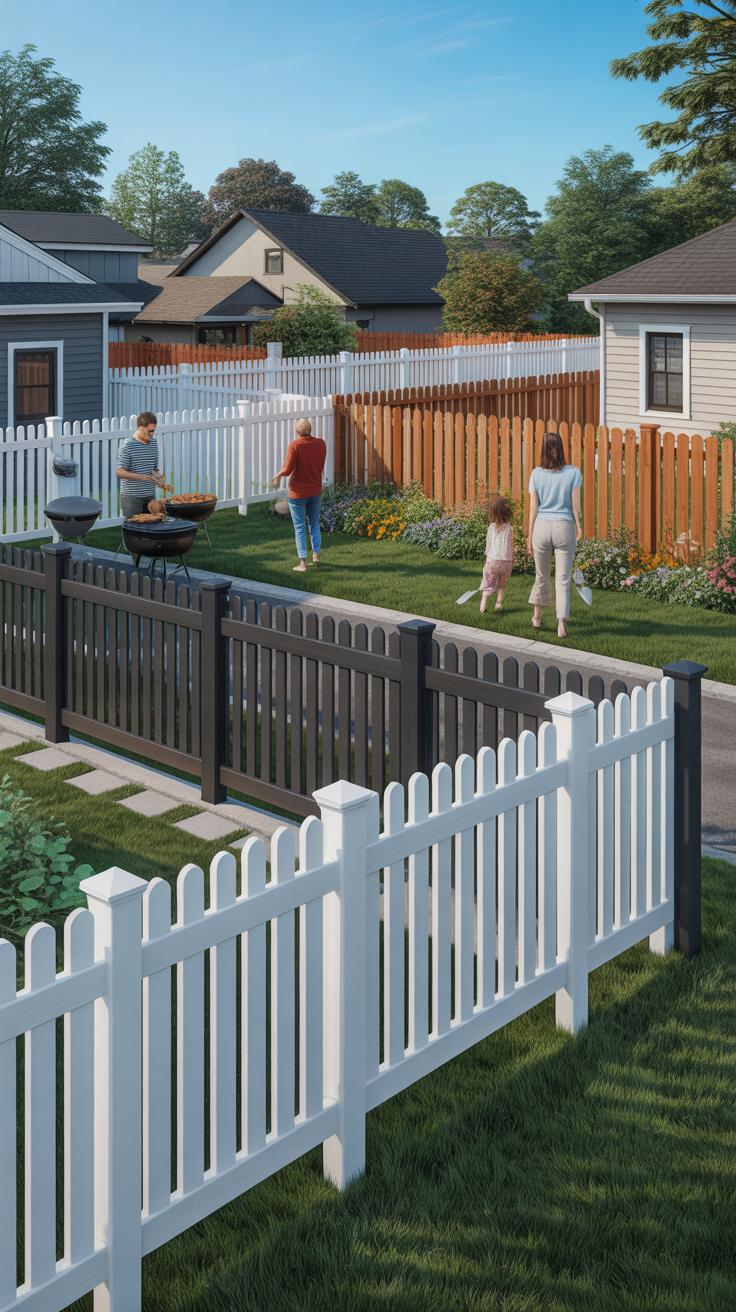
Case Study Residential Privacy Fence
There’s this one residential project that comes to mind—it used cedar wood for the fence material, chosen for its natural resistance to decay and appealing look. The style was a classic board-on-board design, which stacked vertical boards slightly overlapping on both sides of each post, giving decent sound reduction and total visual privacy. The homeowner mentioned the fence transformed their backyard into a quiet retreat, especially appreciated during summer barbecues when neighborhood noise usually creeps in.
Fitting the fence wasn’t perfectly straightforward. The lot was sloped, making each panel installation a bit tricky. Plus, letting the wood expand and contract with humidity needed careful planning, so spacing and post setting were crucial. While not the cheapest option, the end result had a warm natural look that blended well with the garden, and the homeowner noted it ended up being a worthwhile investment in privacy and property value.
Commercial Privacy Fence Example
A commercial example involved a chain-link privacy fence with vinyl slats inserted to block views and enhance security for a warehouse. The primary goal was to deter theft and limit public access while maintaining some visibility for security cameras. This fence combined toughness with a semi-private design, which seemed like a practical middle ground.
Security was major here: the posts were concreted deeply and topped with angled arms to support barbed wire. The design wasn’t just about function; the gray vinyl slats complemented the industrial building’s facade and kept the exterior tidy. Although the fence created a barrier, it didn’t feel oppressive, which was important for nearby office workers. Installation faced some delays due to permits and underground utility checks, but once done, the client appreciated the heightened security and cleaner site appearance.
Conclusions
Choosing the right privacy fence depends on your specific needs, such as security, aesthetic preferences, and maintenance. Consider material options carefully, such as aluminum for durability and low upkeep or wood for a classic feel. Properly installed fences can enhance your property’s security and appeal.
Privacy fences also bring peace by hiding your activities from the outside world. Think about your local environment, budget, and regulations before making a final choice. Well-planned privacy fences add function and style to your property.