

Introduction
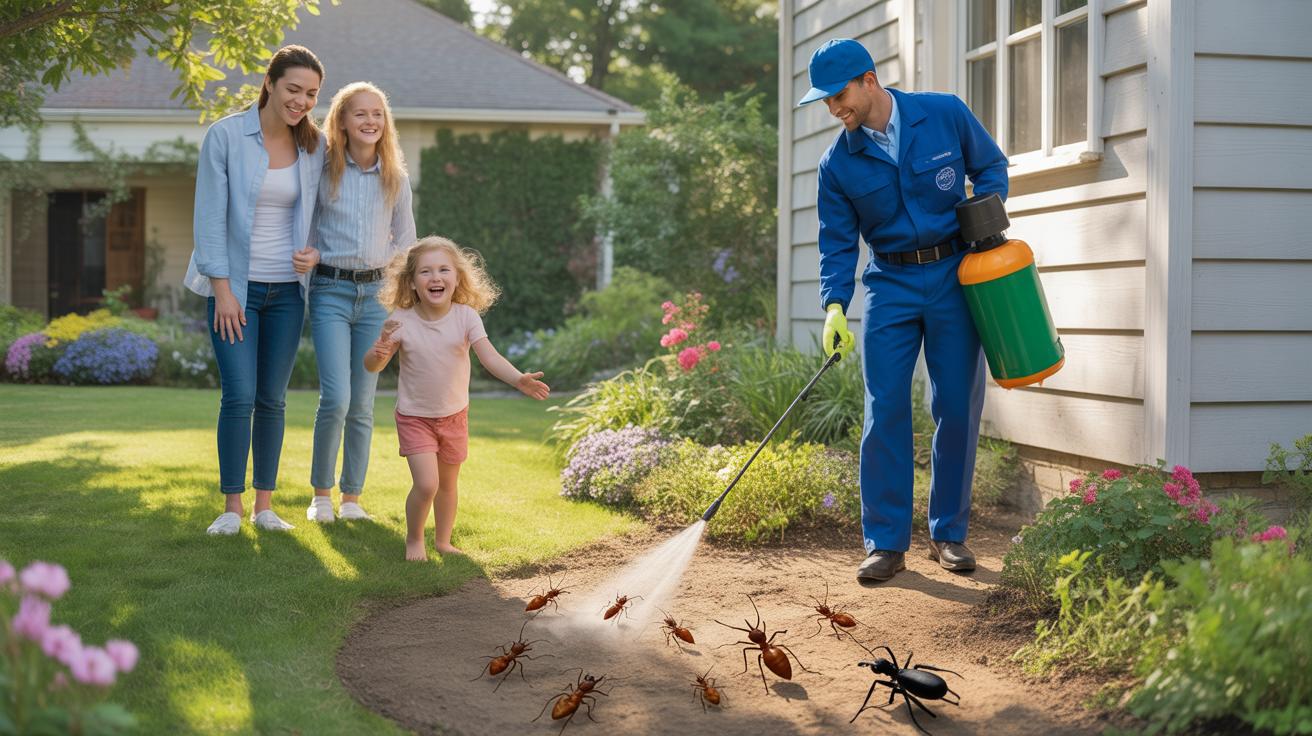
Effective pest control services contribute directly to a healthy home environment. Pests like rodents, insects, and other unwanted creatures can damage your property, spread diseases, and reduce your quality of life. Managing pests carefully helps keep your home safe and comfortable.
You will learn about important pest control strategies, including integrated pest management, and understand which pests are commonly found in homes. This article will guide you through practical steps, benefits, and examples to improve your home environment using pest control services.
Basics Of Pest Control
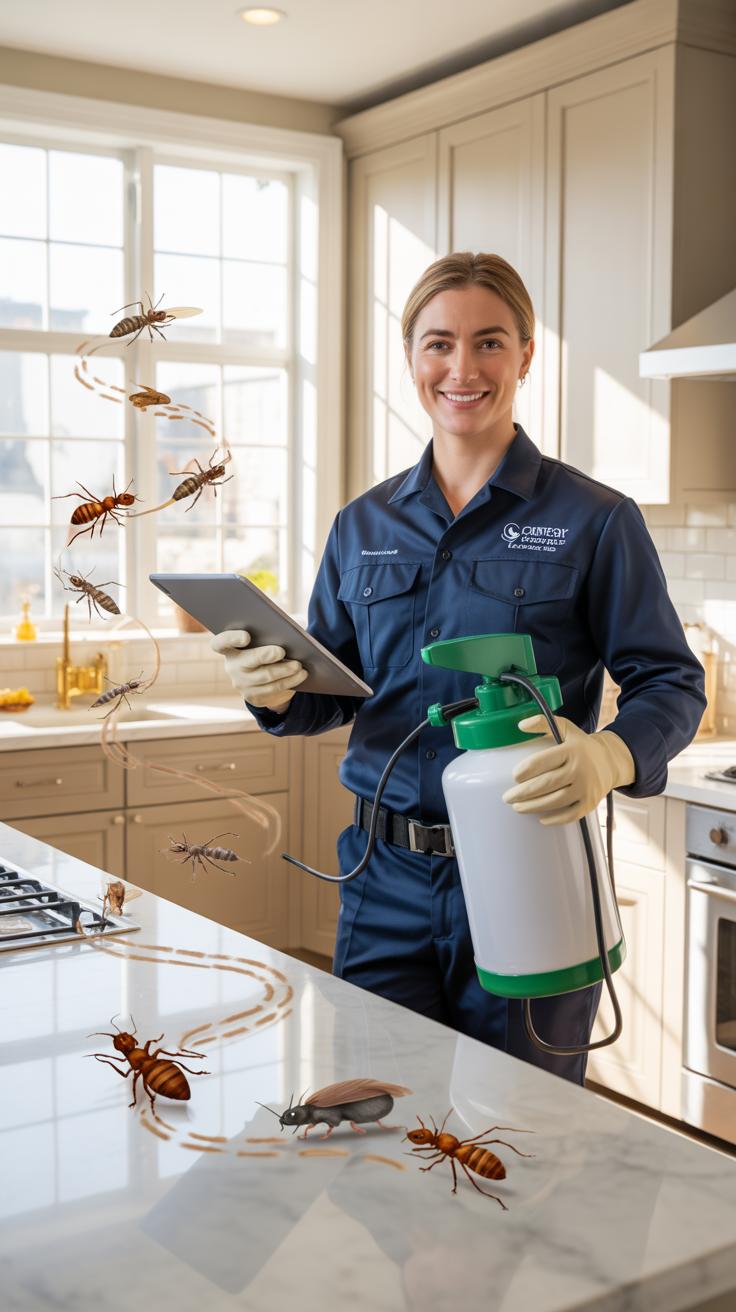
Pest control means managing or getting rid of unwanted creatures that invade your living space. These creatures—pests—can be anything from insects like ants or cockroaches to rodents like mice or rats. It matters because pests can disrupt the comfort and safety of your home. You might think some are harmless, but many carry risks you don’t always see at first glance.

There are different ways to control pests, not just one simple approach. For example, some people use traps to catch rodents, while others might apply sprays or baits to target insects. Sometimes, changing your environment helps—like sealing cracks or keeping food sealed away. So, pest control mixes practical tactics with chemical or natural measures. Each method works differently depending on what you’re dealing with.
Thinking about pest control this way makes you realize it’s not just about killing pests—it’s also about prevention and ongoing care. It’s a continuous process more than a one-time setup.
Pests That Affect Homes
Some pests appear more often than others in homes. Rodents such as mice and rats are common—they gnaw on wires and furniture, which can lead to serious damage or even fire hazards. Then there are insects like cockroaches, ants, and termites. Termites particularly cause structural damage by eating through wood.
Bed bugs are another pest that’s tough—while they don’t spread diseases, their bites cause itching and discomfort, which affects sleep and wellbeing. Flies and mosquitoes bring risks too; mosquitoes can carry diseases like West Nile virus or dengue fever, so they aren’t just annoying, they’re a health concern. Even spiders, though fewer in number, can become a problem if venomous types settle indoors.
These pests don’t just damage property—they impact your daily life in ways you might overlook until the problem grows bigger.
Why Control Is Needed

Pests cause harm beyond mere annoyance. Imagine a rat chewing through your electrical wiring or termites silently weakening your home’s foundation over time—these situations can lead to costly repairs. Then consider the health risks; many rodents and insects carry germs that cause diseases like salmonella, hantavirus, or allergic reactions from cockroach droppings.
Statistics show that cockroaches can trigger asthma attacks, especially in children, which suggests pest control may sometimes prevent medical issues. Besides health, pests make living spaces uncomfortable—nobody enjoys waking up to a bed bug bite or sharing a kitchen with ants crawling over food.
So, pest control is not just about keeping your house clean—it’s about protecting your family’s wellbeing and preserving your property’s value. Without some effort to manage pests, problems tend to worsen over time.
Explaining Integrated Pest Management

What is Integrated Pest Management?
Integrated Pest Management, or IPM, is a way to control pests by mixing several methods instead of relying on just one. Think of it as using a blend of strategies—biological, mechanical, chemical, and cultural—to keep pest problems in check, but in a safer and smarter way. For example, instead of just spraying insecticide, you might introduce natural predators like ladybugs, physically block pests with traps or barriers, tidy up your garden to make it less inviting for bugs, and only use chemicals when really necessary.
Steps in IPM
With IPM, you don’t just jump in and treat right away. First, you monitor pests by regularly checking your home or garden for signs—like spotting ants near the kitchen or small holes in plants. This helps you track how many pests are around. Then, you set a threshold—that’s the level where pests become more than a minor nuisance and need control. If you see just one ant, maybe it’s okay to wait. But if the number grows, it’s time to act.

Next, you apply targeted controls suited to the situation. Say you find a few aphids on your houseplants, you might first wash them off or encourage ladybugs to eat them. Only if the problem worsens, you’d consider a chemical treatment. This step-by-step approach keeps pest management precise, not a shot in the dark.
Why Choose IPM?
Using IPM feels safer than just grabbing pesticides every time. It cuts down on chemicals in your home, which can be better for your family’s health and the environment. Plus, it helps protect the “good guys” like spiders or beneficial insects that naturally keep pests in control. You might think that chemicals get rid of everything fast, but overdoing them could actually lead to problems, like resistant pests or harming harmless insects.
That balance is tricky, I guess, but IPM tries to find it. It’s not a perfect solution, but it often keeps your home healthier, cleaner, and less dependent on harsh treatments.
Identifying Pest Entry Points

Pests don’t just appear out of nowhere. They sneak inside through tiny gaps, cracks, or even cluttered spaces you might overlook. Sometimes it’s a barely visible crack at the base of a wall or a narrow gap around a window frame. Other times, pests exploit piles of clutter in basements or garages as launchpads to invade your living area. Have you ever noticed a draft near your door? That could be a welcome sign for unwelcome guests.

Finding these entry points means really getting down to it—getting close to walls, floors, and hidden corners. Use a flashlight to spot shadows and cracks, or even try gently blowing out smoke to see if it escapes in certain spots. Sealing these openings can be straightforward. You might grab caulk for the cracks, or better yet, clear clutter regularly. Doing this prevents pests from gaining easy access and cuts down the chances of an infestation before it even starts.
Common Sources Of Entry
There are some usual suspects when it comes to pest entry points. Doors, especially those that don’t close tightly, act like revolving doors for bugs. Windows with torn or missing screens offer open invitations. Vents, which often get ignored, provide perfect hidden pathways, as do gaps where pipes or cables enter your walls.
Regular inspections help catch problems early. Check door seals monthly—sometimes weatherstripping gets damaged or loose. Window screens should be intact and well-fitted; even a small tear is enough. Vents can collect debris or lose their covers, so make it a habit to look at them every few weeks. Pipes and cables need caulking where they penetrate walls. You don’t have to be an expert, just a careful observer to spot these common weak links.
Methods To Seal Entry
Sealing pest entry points doesn’t require special skills. Caulking is perfect for cracks and small holes. A good, flexible silicone caulk holds up over time and is easy to apply. Door sweeps help close the gap under doors. Just slide one onto the bottom edge, and it stops pests slipping beneath.
Installing screens over vents and windows works well too. You can buy various mesh sizes — finer mesh blocks mosquitoes and flies, coarser ones might be enough for larger pests. When installing, be mindful of ventilation needs. You don’t want to block airflow entirely. Use materials labeled for outdoor use so they resist weather damage.
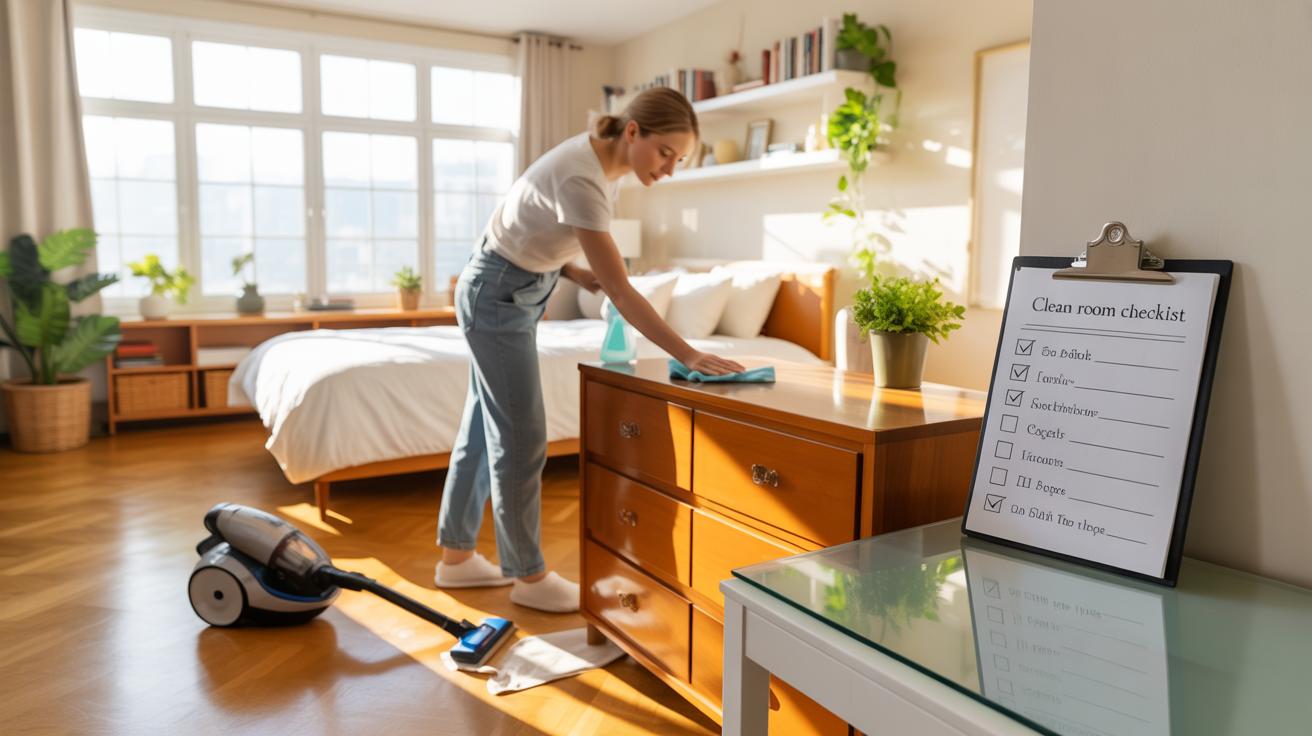
Safety-wise, wear gloves when applying caulk or handling materials. Read product labels carefully. Some sealants can irritate skin or eyes. These simple fixes might seem small, but they add up. The tricky part is staying consistent. Maybe start with the worst spots first, then gradually tackle the rest. It’s a bit of work, but worth it for keeping your home pest-free over time.
Daily Home Pest Prevention
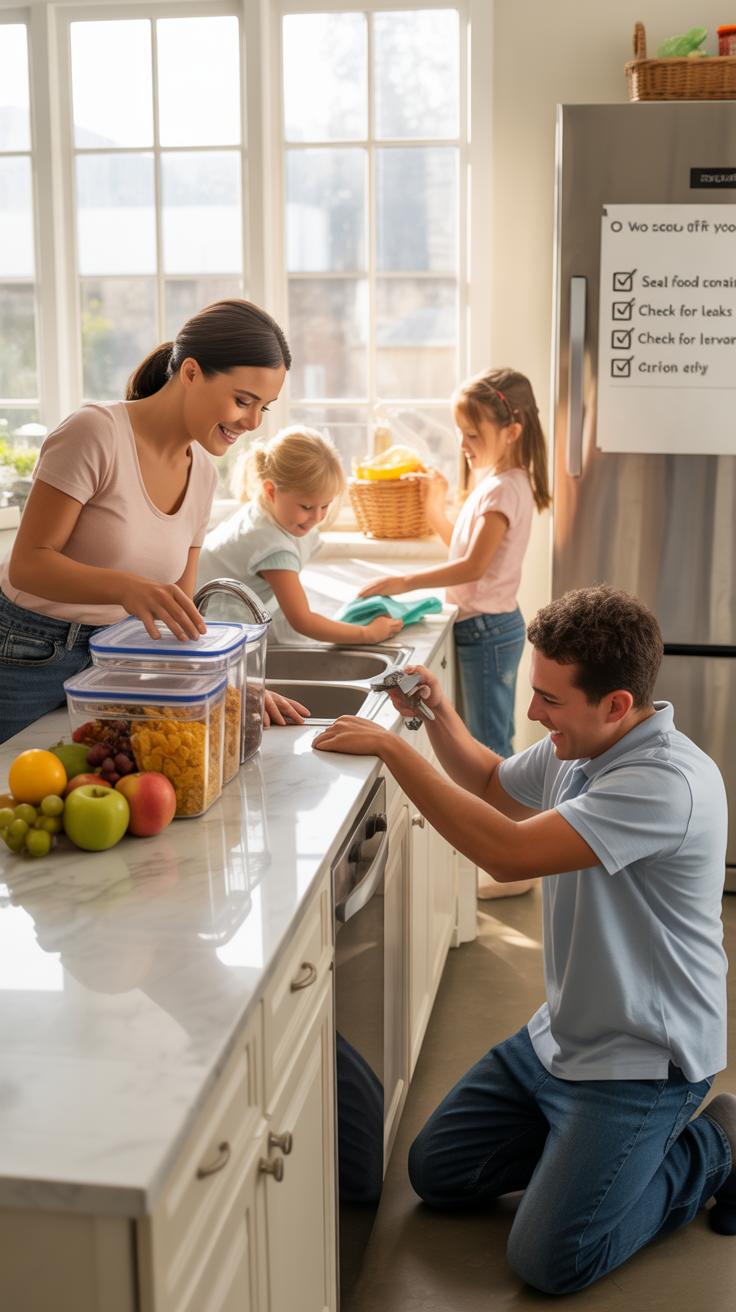
Keeping pests away starts long before calling a professional. You’d be surprised how a few small daily habits can make a big difference in whether your home feels inviting to unwanted visitors or not. It’s not about perfection, really, but consistent effort.
Here’s a daily checklist that might help you stay ahead:
- Wipe down kitchen counters and dining areas after meals — crumbs don’t stand a chance.
- Store food in sealed containers; this applies to pet food too, which often gets overlooked.
- Empty trash bins regularly, especially if they hold food waste; pests love garbage that sits too long.
- Check under sinks and around pipes for leaks or puddles—moisture draws in bugs more than you think.
- Sweep or vacuum high-traffic areas daily to remove dirt and debris that pests feed on.
- Reduce clutter where pests can hide — boxes, magazines, and bags left out too long become perfect nests.
Even small actions add up. Perhaps keep a sticky note on your fridge or set an alarm — whatever helps you remember these tasks daily.
Removing Food And Water Sources

Pests don’t usually come out of nowhere. They sniff out food crumbs, spills, and even pet bowls left unattended. Imagine how a simple smear on the counter or a dropped piece of cereal invites ants almost immediately. Standing water—like a slow drip or a damp sponge—is equally attractive. It might seem harmless, but to a cockroach or even mosquitoes, it’s a jackpot.
To control these sources, try these tips:
- Clean up spills right away. Don’t let sticky residues linger.
- Store everything edible in airtight containers—even snacks on the counter can lure pests.
- Pick up pet food bowls after feeding times instead of leaving them out all day.
- Fix leaks quickly and avoid leaving water standing in trays or buckets.
Some people find that drying dishcloths and sponges daily surprisingly helps, though it might sound odd—still worth a try.
Maintaining Cleanliness
Pests thrive in messy spaces. The truth is, even a little mess can mean a big invitation for bugs and rodents. Regular cleaning is one of the easiest yet often neglected ways to discourage them.
Don’t just think about the kitchen. Places like basements, laundry rooms, and storage areas need attention too. Sweep floors where crumbs fall, tighten trash bags and take out garbage often. If clutter piles up, pests find it perfect to settle in.
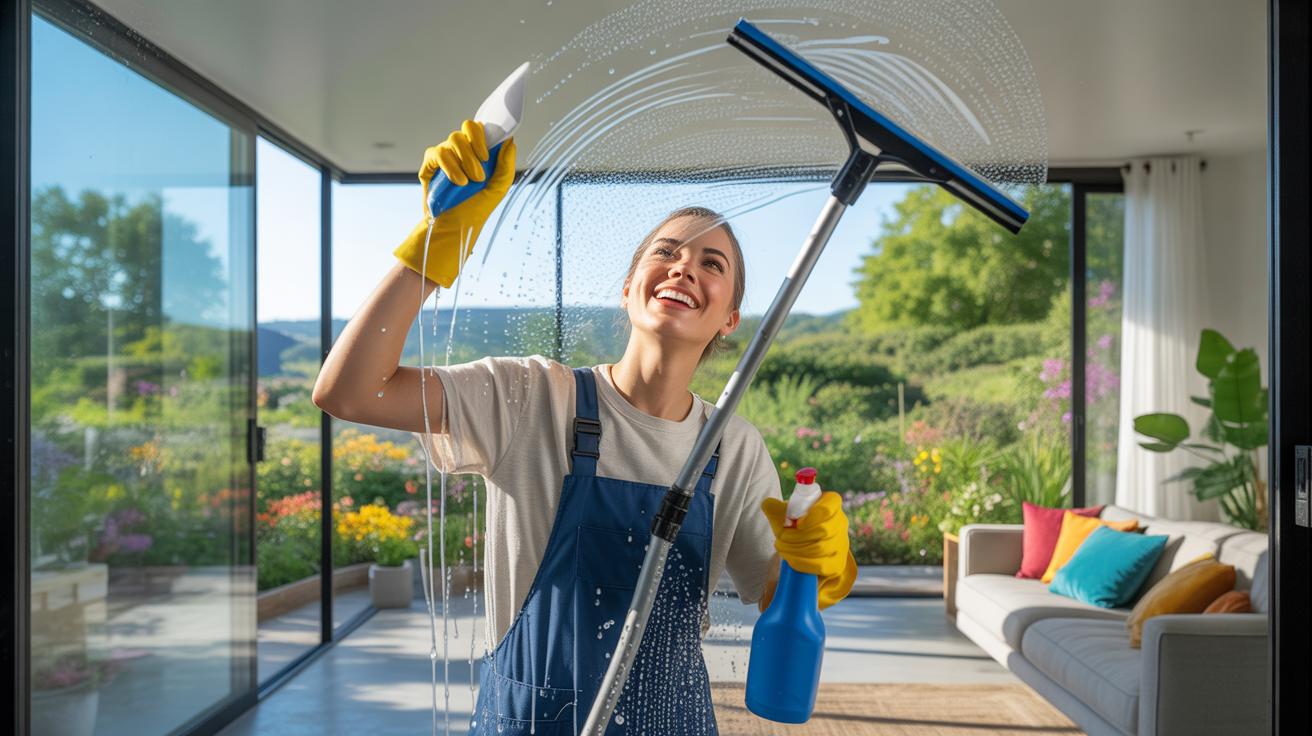
Try to:
- Vacuum and sweep floors daily or every other day, focusing on corners where dirt accumulates.
- Remove cardboard boxes or paper stacks that can serve as shelter.
- Keep closets and cabinets organized and aired out.
Sometimes it feels like a lot. But a bit of cleaning each day can stop pests before they start multiplying. Are you already noticing small pest signs? Maybe it’s time to give these tasks a closer look.
Choosing Pest Control Products 
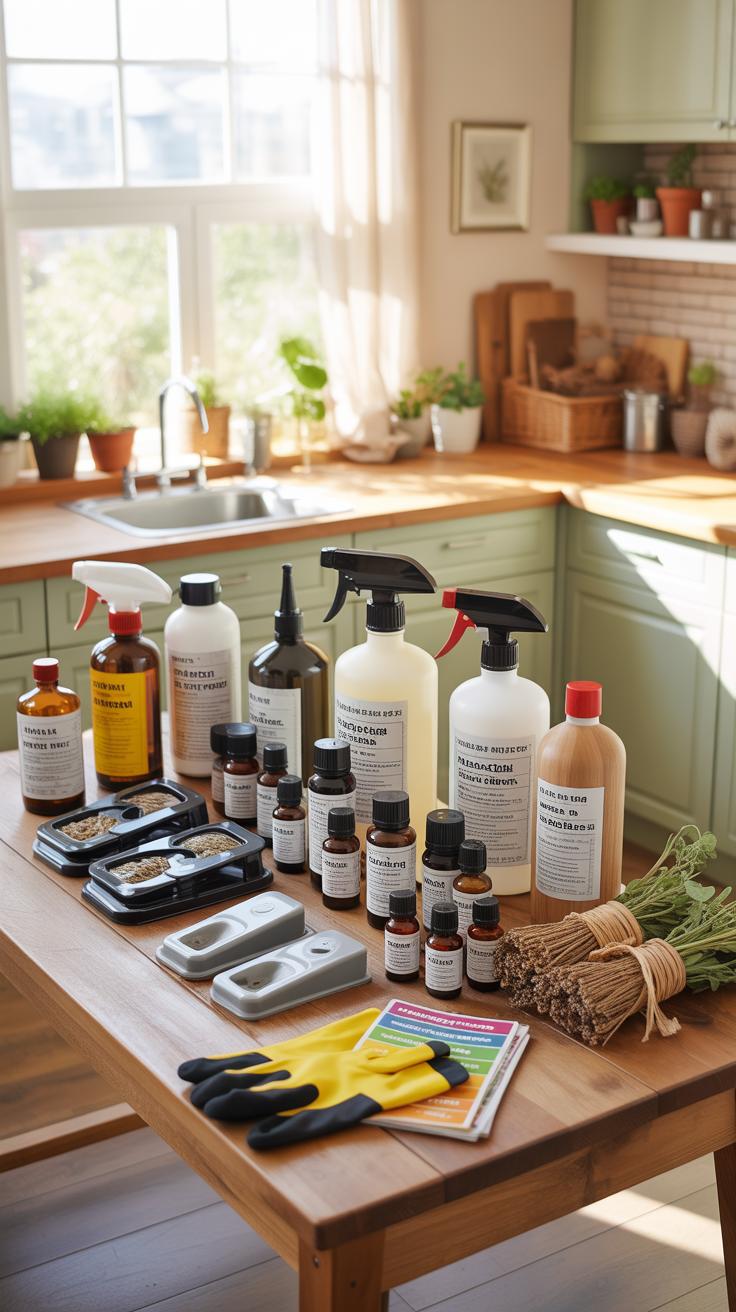
When it comes to pest control products for your home, the options can feel overwhelming. You have traps, baits, sprays, and even natural remedies to consider. Each one fits a different scenario and pest type—no single method works perfectly everywhere.
Traps, like sticky traps or snap traps, are great for monitoring pest activity or catching small critters like mice. They work best when placed near signs of pest activity, but they don’t prevent infestations by themselves.
Baits lure pests with poison inside, usually for ants or cockroaches. They’re slow-acting, which means pests carry the poison back to their nests, but you need to keep bait stations out of reach from kids and pets. It’s not something you just scatter around randomly.
Sprays offer quick knockdown of bugs on contact, but they rarely solve a deeper infestation. Plus, spraying indoors can irritate your respiratory system if you don’t ventilate well afterward.
Natural options include diatomaceous earth, essential oils, or homemade sprays. They’re appealing because they sound safer, but they require patience and consistent application. For example, essential oils might repel insects but rarely kill them outright.
To avoid mistakes, read product labels carefully and use the right product in the right way. For instance, don’t spray ants directly indoors if your product isn’t intended for indoor use. Safety comes first. It’s tempting to use everything at once, but that can backfire.
Chemical Vs Natural Solutions
Chemical pesticides can provide quick relief. They usually kill pests on contact or shortly after exposure, making them effective in severe infestations. But they might come with risks—chemical residues linger, and some cause allergic reactions or harm beneficial insects.
Natural alternatives like diatomaceous earth (DE) work differently. DE scratches pests’ exteriors, leading to dehydration. It’s non-toxic to people and pets but takes days to work and loses its effect when wet. Essential oils repel some insects and smell better than chemicals, but their effects are often limited and temporary.
One thing to keep in mind: chemicals feel more powerful but may lead to resistance if overused. Natural products feel gentler but might not manage serious problems alone. So, you might find yourself switching between both approaches depending on how things evolve.
Safety Tips For Product Use
Handling pest control products requires care. Store all products in locked cabinets or high shelves to keep them away from children and pets. Never leave containers open or out where curious hands or paws can reach.
When applying sprays or baits, follow the instructions precisely and wear protective gloves if the label recommends it. Ventilate indoor spaces well afterward to avoid irritation. Also, avoid using sprays near food prep areas unless specified safe.
Disposing of unused or empty containers can be tricky. Don’t just dump leftovers down sinks or trash bins. Many communities have special disposal programs—check with local waste authorities. Improper disposal can harm the environment or wildlife.
Finally, watch your pets closely after treatments. Sometimes invisible residues or baits can cause harm. If you notice unusual behavior, contact your vet promptly. It’s easy to forget how sensitive some animals are.
When To Call Pest Professionals
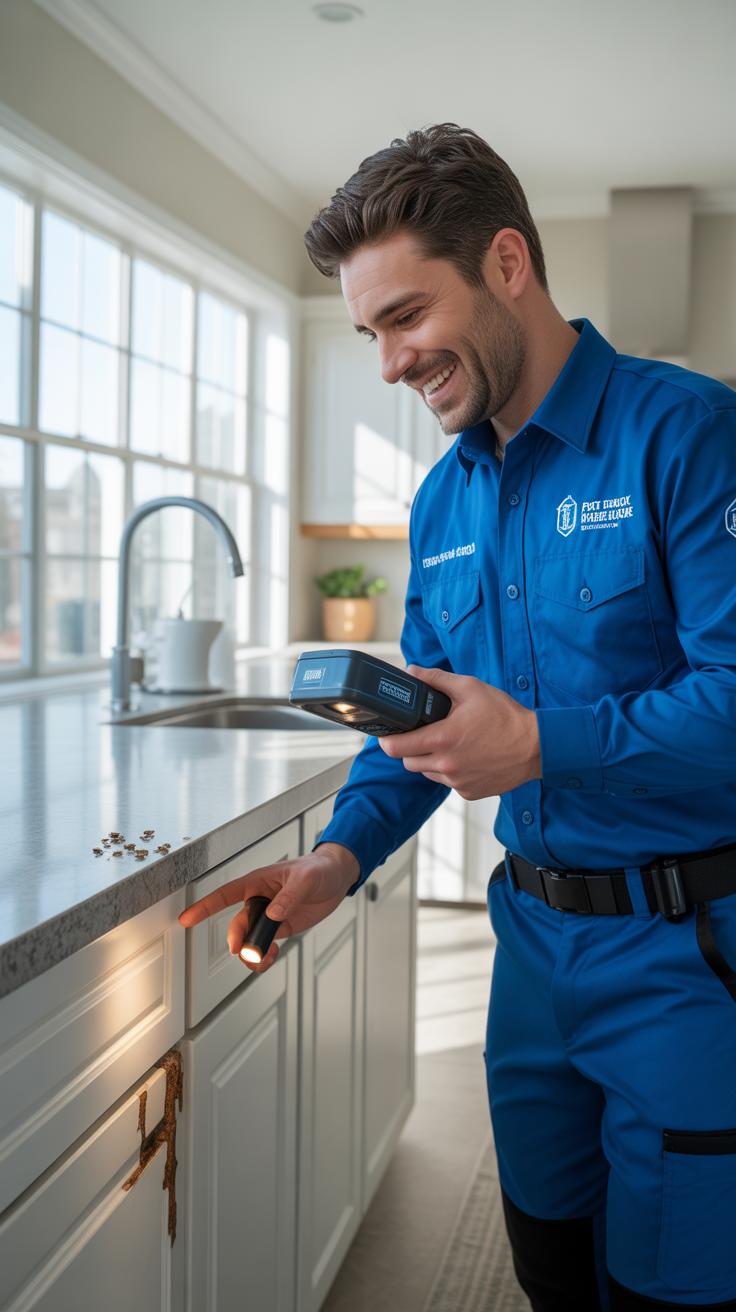
Pest issues can sometimes feel manageable at first, maybe a couple of ants here or a sporadic noise in the attic. But, when does it cross the line into something you shouldn’t handle yourself? Honestly, if you notice more persistent signs—like droppings in multiple rooms, damage that’s spreading, or nests in hidden places—it might be time to get an expert involved.
Professionals don’t just spray and leave; they start with a thorough inspection to understand the pest’s habits and the extent of the infestation. This isn’t guesswork—they use tools like moisture meters, infrared cameras, and even specialized traps to detect what’s going on behind walls or beneath floors.
Once they assess the situation, treatment plans tend to be more targeted. They apply the right methods—whether baits, barriers, or eco-friendly sprays—and schedule follow-ups to check progress. This ongoing attention helps prevent the pest problem from circling back, something DIY often overlooks.
Cost Factors In Pest Control Services
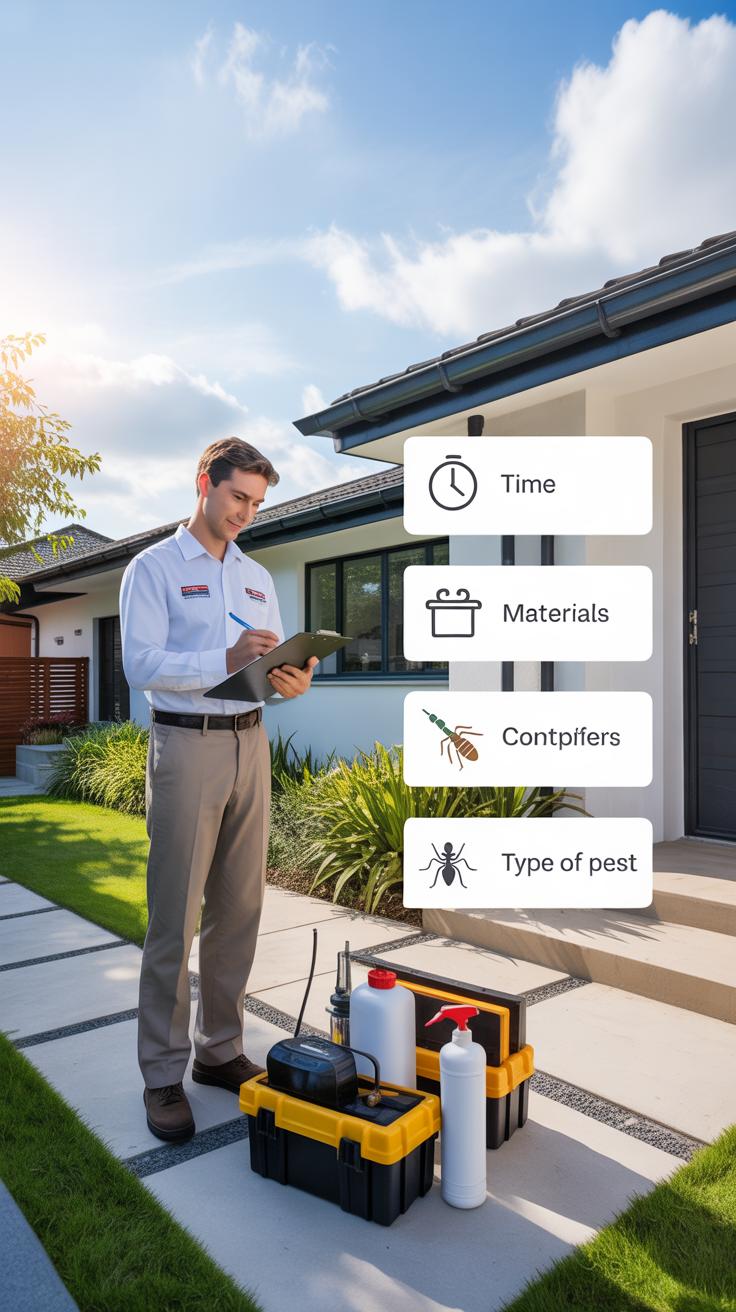
Pest control pricing isn’t quite straightforward. The cost you pay depends on several things, and it can vary significantly from one situation to another. For example, what kind of pest you’re dealing with makes a big difference. Termites or bed bugs might require more intensive, repeated treatments than ants or spiders.
Then there’s the size of your home. Larger homes naturally take more time and resources to treat. Sometimes, it’s not just about square footage—multi-story houses or properties with many hidden entry points can add to the complexity.
Treatment complexity plays a role too. If the infestation has spread through walls or to hard-to-reach areas, controlling it really demands more effort and specialized equipment. You might notice this reflected in your bill.
Price can also be influenced by the region you live in and the specific regulations pest control companies must follow locally. So even two identical houses with the same pest problems might see different quotes.
Understanding Service Pricing
Pest control companies often use different pricing models. Some charge flat fees for a single treatment, which can be easier to budget but might not cover follow-ups if pests persist.
Other services charge per visit. This might seem cheaper upfront, but if multiple visits are needed, costs can add up faster than you expect. Then there are contracts—these usually involve regular treatments over a year or more, often at a reduced rate per visit.
When you ask for price quotes, try to get clear answers on what’s included. Ask about the number of visits, what happens if pests return, and if there are any extra charges for special treatments or inspections. Knowing these details can save you from surprise bills later.
Balancing Cost And Quality
It’s tempting to go for the cheapest option, but low prices don’t always mean good value. Sometimes cheaper services use products that are less effective or not as safe for your family and pets. On the other hand, the most expensive service isn’t necessarily the best either.
Look for companies with positive reviews and clear records of success. Ask about the methods they use and whether they tailor treatments to your specific needs. Sometimes spending a bit more upfront means you avoid ongoing problems and extra costs down the line.
Think about your priorities. Are you okay with occasional follow-ups if needed, or do you want thorough, one-time solutions? Finding the right balance might take some questions, a few calls, and a bit of patience—but it’s worth it for your peace of mind.
Evaluating Pest Control Outcomes

Monitoring your pest control efforts isn’t just about waiting and hoping for the best. You need some way to tell if things are actually improving—or if the problem lingers beneath the surface, masked for now. One of the simplest ways to track progress is by keeping a pest sighting log. Write down every encounter you or anyone in your household has with pests, noting dates, locations, and types. Before treatments, this log might look pretty busy; after, it should quiet down. But if those pesky sightings keep cropping up, even occasionally, it’s a signal to rethink your approach or maybe check if treatments were applied thoroughly.
Besides sightings, inspecting damaged areas gives clues about how effective your control is. Look closely at furniture edges, walls, and food storage units. Are holes, chew marks, or stains less obvious than before? If you notice fewer new marks and a slower rate of wear, that’s a good sign pests are retreating. Yet sometimes damage may seem to persist, even if pests are fewer. Old damage stays visible, which can make it tricky to judge progress without patience and a keen eye.
Try these simple checkpoints to evaluate pest control results:
- Keep a dated log of pest sightings before and after treatments.
- Check furniture, walls, and pantry areas for new or worsening damage.
- Note any decrease in pest droppings or chew marks.
- Compare your findings every week to spot trends.
Do you find it difficult to stay consistent with logging? I’ve noticed many people start strong but lose track. Still, even a rough record is better than none at all. Sometimes, recognizing subtle improvements means looking past immediate frustrations. The key is staying observant, curious, and patient as you watch your home’s condition slowly shift.
Case Examples Of Effective Control

Rodent Control Success Story
A family noticed signs of rodents early—scurrying noises at night, small droppings along kitchen corners. They tried traps here and there without much success. What really turned things around was focusing on sealing every potential entry point. Cracks along the foundation, gaps around pipes, and tiny holes near vents—all these spots were carefully closed off with steel wool and caulk. Traps baited with peanut butter were placed strategically where activity was highest.
The process wasn’t instant. It took a few weeks of persistence and adjusting trap locations once new signs appeared. But slowly, the rodents stopped showing up. This approach—blocking entry and targeted trapping—worked better than poisoning, which they wanted to avoid because of pets. The lesson? Don’t underestimate the value of thorough sealing combined with simple traps. It’s not flashy, but it’s effective.
Controlling Cockroach Infestation
Another household struggled with cockroaches, especially in their kitchen and bathroom. At first, they tried store-bought sprays but found the roaches came back quickly. What shifted the outcome was a strong focus on sanitation: cleaning food spills immediately, sealing garbage tightly, and fixing a leaking pipe that kept the area damp.
Alongside these habits, they applied a targeted pesticide gel in cracks and behind appliances—not everywhere, just where cockroaches usually hide. It seemed more focused and less wasteful. Over a couple of months, sightings of these pests dropped sharply. It felt tricky at times to keep up with cleaning, and sometimes the gel needed reapplication.
Still, this combined approach turned the house into a less hospitable place for the cockroaches without relying on constant spraying. It showed that controlling pests often depends on tackling their environment, not just the pests themselves. Would this work for every home? Maybe not exactly the same way, but the principle is clear.
Conclusions
Keeping your home free from pests requires practical, consistent pest control strategies. Choosing the right approach, such as integrated pest management, helps reduce risks without unnecessary chemical use. You can protect your health and belongings by identifying common pests early and applying the right control methods.
Engage with professional pest control services when needed, and use the guidance provided here to maintain a healthy, pest-free home. Regular monitoring and appropriate actions will improve your living space and prevent future pest problems effectively.