Introduction
Modern front yard landscaping and modern backyard landscaping both play a key role in defining the look and feel of your home’s outdoor spaces. Each area offers unique opportunities and challenges, and the costs to design and maintain them can differ significantly. This article will focus on the expenses involved in modern front yard landscaping as compared to modern backyard landscaping.
You will learn what factors influence these costs, what elements typically differentiate front and backyard projects, and how to plan your landscaping budget effectively. Whether you want to curb appeal your front yard or create a relaxing backyard retreat, understanding these cost aspects will help you make informed decisions.
Overview of Modern Front Yard Landscaping
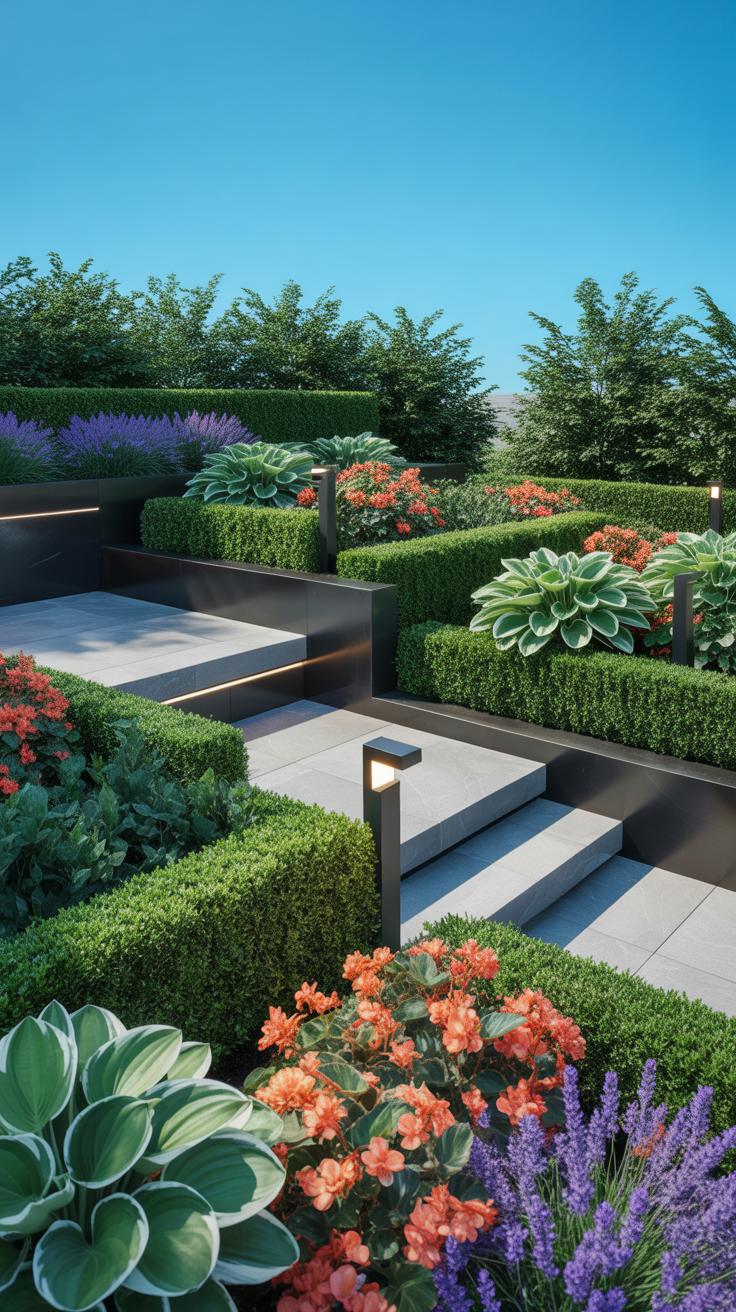
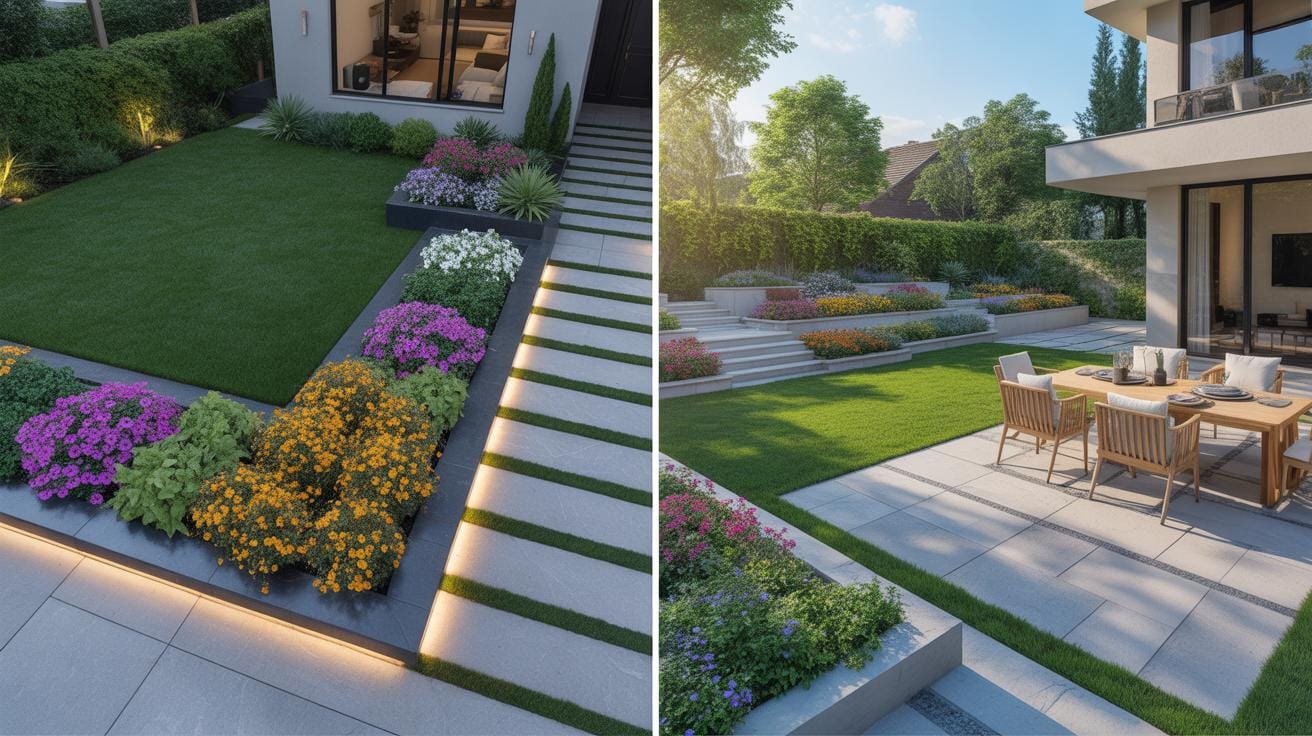
Modern front yard landscaping often focuses on creating a clear, inviting impression from the street. It typically involves a mix of greenery—like lawns and flower beds—and hardscape elements such as walkways and lighting. The goal is to boost curb appeal while maintaining visibility and access to the home. It’s interesting how the front yard serves both as a personal space and a public showcase, making the design a balance of privacy and presentation.
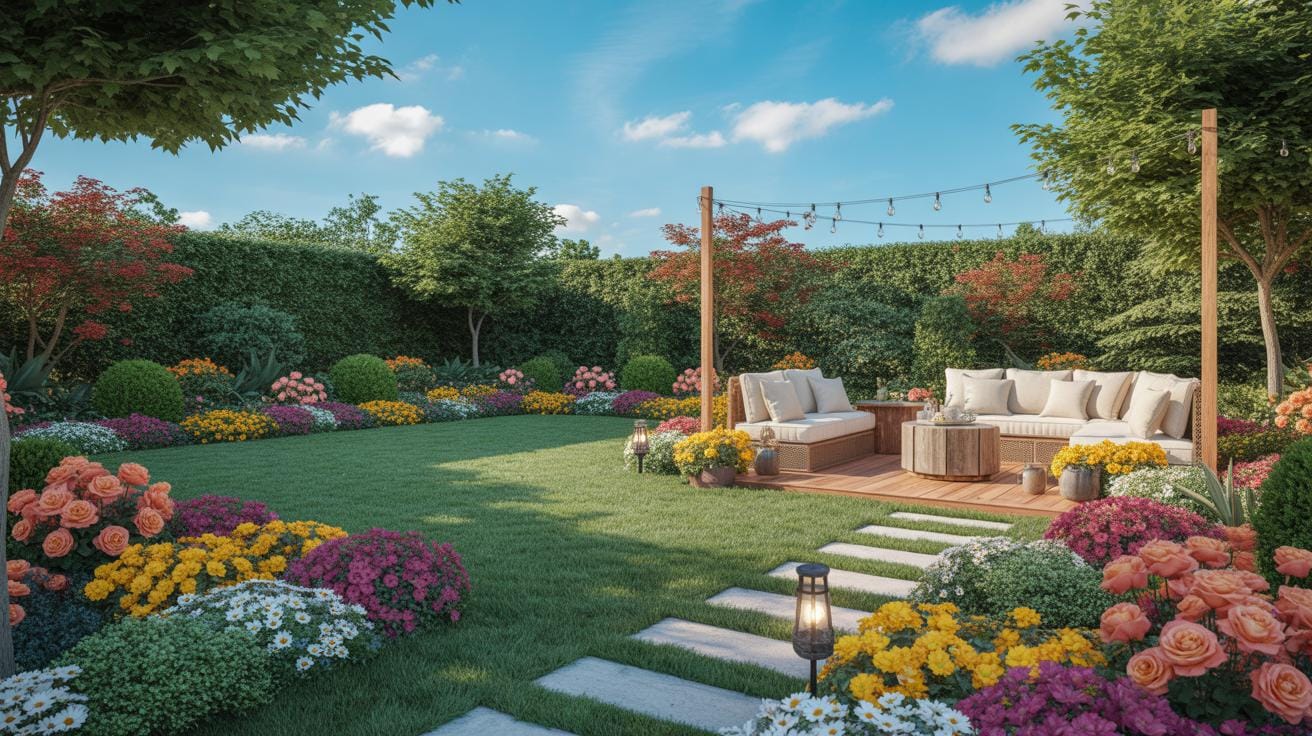
Materials commonly used include concrete, natural stone, gravel, and various plants that suit the local climate and style of the home. The design usually aims to be visually balanced but not overly complicated. Many people I’ve spoken with mention that their front yard is meant to express a sense of order and welcome, without feeling too formal or impersonal. This might explain the popularity of neat lawns combined with more relaxed flower beds or shrubs.
One thing worth noting is that modern front yards tend to feature minimalist decoration — not the cluttered look of garden gnomes or excessive ornaments. Instead, the emphasis is on clean lines and purposeful placement. The overall feel is both practical and attractive, designed to catch the eye but also be easy to maintain.
Common Features in A Modern Front Yard
The features you find in modern front yards often include:
- Well-manicured lawns, but sometimes replaced or supplemented by drought-resistant plants or ground covers.
- Flower beds that add seasonal color, often using native or low-maintenance plants.
- Walkways, usually made from concrete, stone, or pavers, guiding visitors to the front door.
- Outdoor lighting to enhance safety and highlight key features at night.
- Decorative elements that are subtle and contemporary, such as simple sculptures or modern planters.
Materials are chosen with durability and aesthetics in mind. Stone and concrete are common, but wood elements sometimes appear in fences or seating areas. Design principles here typically revolve around balance and contrast—dark stones alongside light gravel, for example, or sharp lines in paths balanced by soft curves in greenery.
Purpose And Benefits Of Front Yard Design
Front yards serve as the first visual impression for visitors and neighbors. Their design influences curb appeal, which can subtly increase property value. You might think of the front yard as a kind of intro to the home itself—it tells a story about the residents, their taste, and how well they maintain their property.
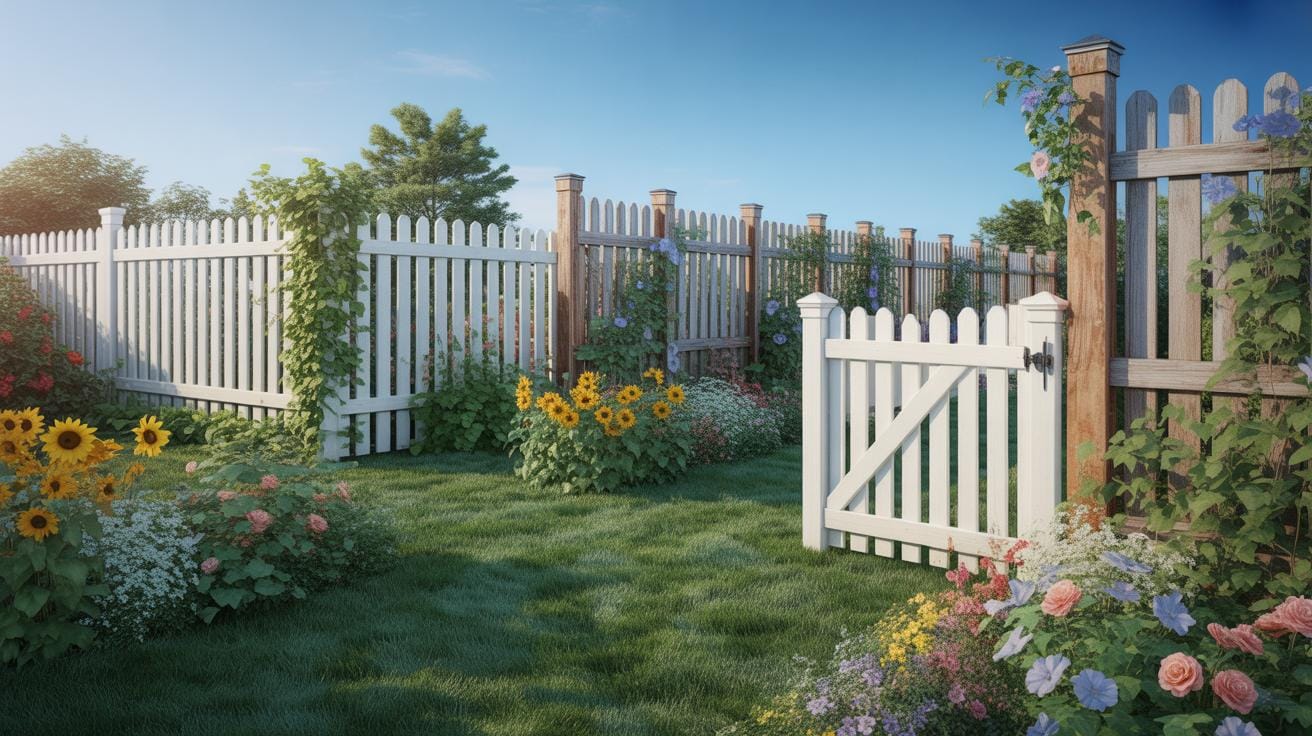
Beyond aesthetics, a well-designed front yard encourages community pride and can even foster neighborly interactions. People tend to take better care of their surroundings when the front yard feels welcoming and attractive. There’s also a practical benefit: a clear, well-lit path and visible entrance improve safety.
In my experience, investing thought and resources into front yard design often pays off in satisfaction—not just financially, but in daily enjoyment and neighborhood goodwill. It’s a small space but with an outsized role in shaping your home’s character and standing in the community.
Modern Front Yard
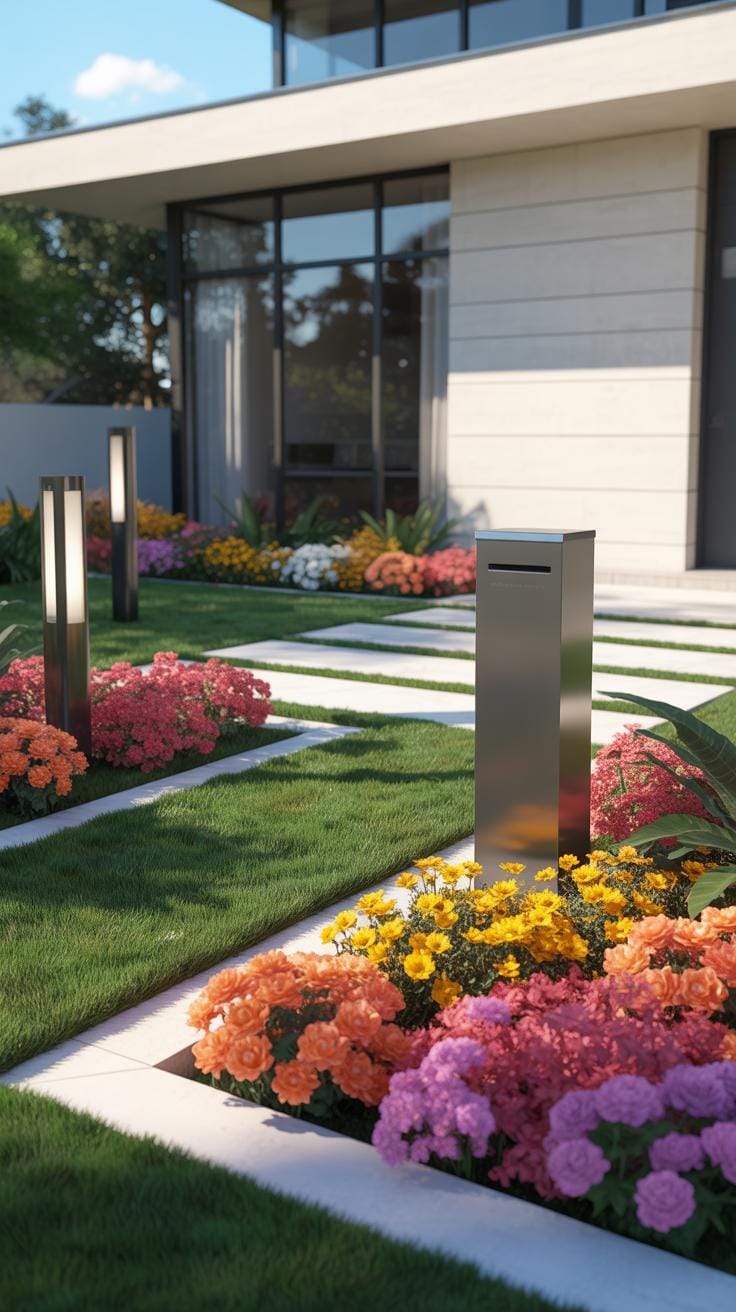
The modern front yard is quite different from the backyard in its purpose and design priorities. It’s typically the face of your home, meant to welcome guests and create curb appeal. You might expect to see a lawn, flower beds, or ornamental shrubs, but these days front yards often include paved walkways, minimalistic planting, or hardscapes that don’t overwhelm the view.
Compared to backyards, front yards usually have fewer features focused on privacy or recreation. For example, you’re unlikely to find a patio or play area in the front; instead, there might be a small sitting bench or a path leading to the entry. The costs here often concentrate on the aesthetics visible from the street—like planting trees, managing the lawn, or adding lighting.
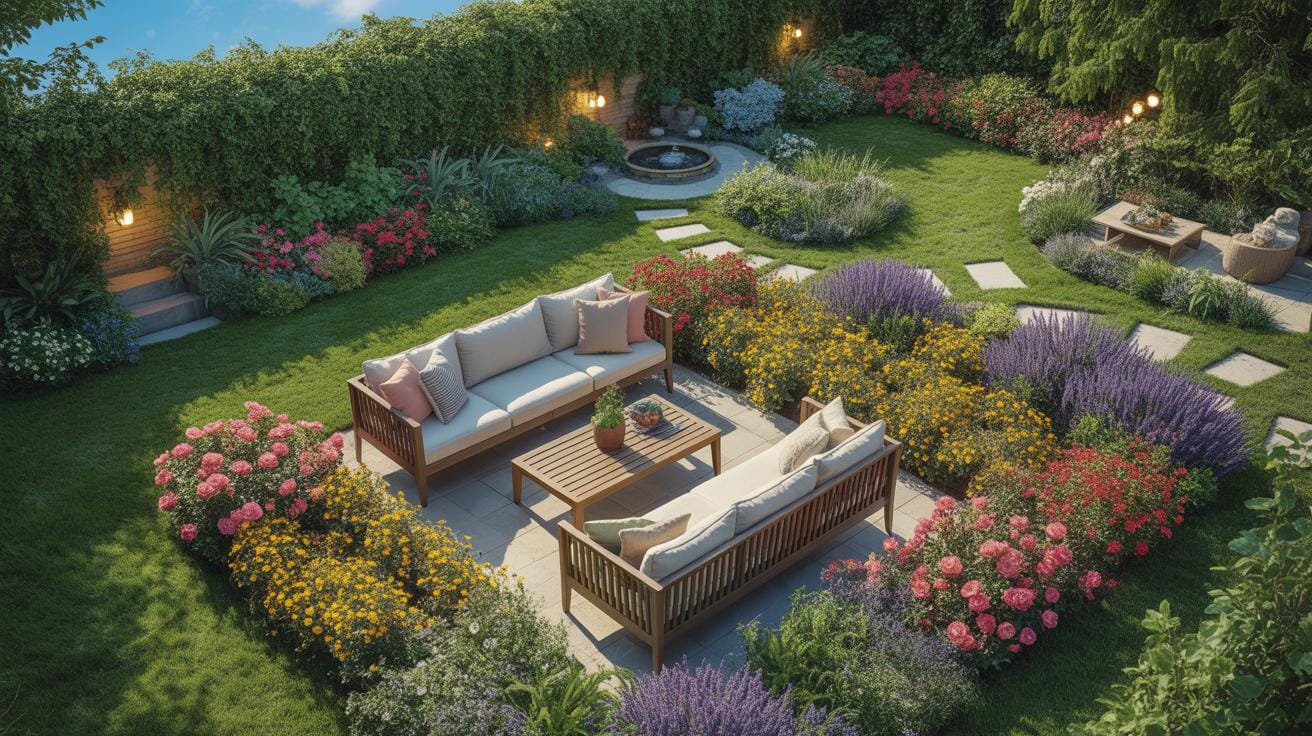
Interestingly, front yards don’t often require fencing or tall screens, especially in neighborhoods where open front yards are the norm. This might reduce costs but also limits privacy enhancements you might add in the backyard. So, while front yards can be simpler in layout, they still need careful design to harmonize with the home’s architecture and the street view. Sometimes, just the planting choices and material selections can make the difference in cost—even if the area is smaller than the backyard.
Material Choices Impact On Landscaping Costs Modern Front Yard
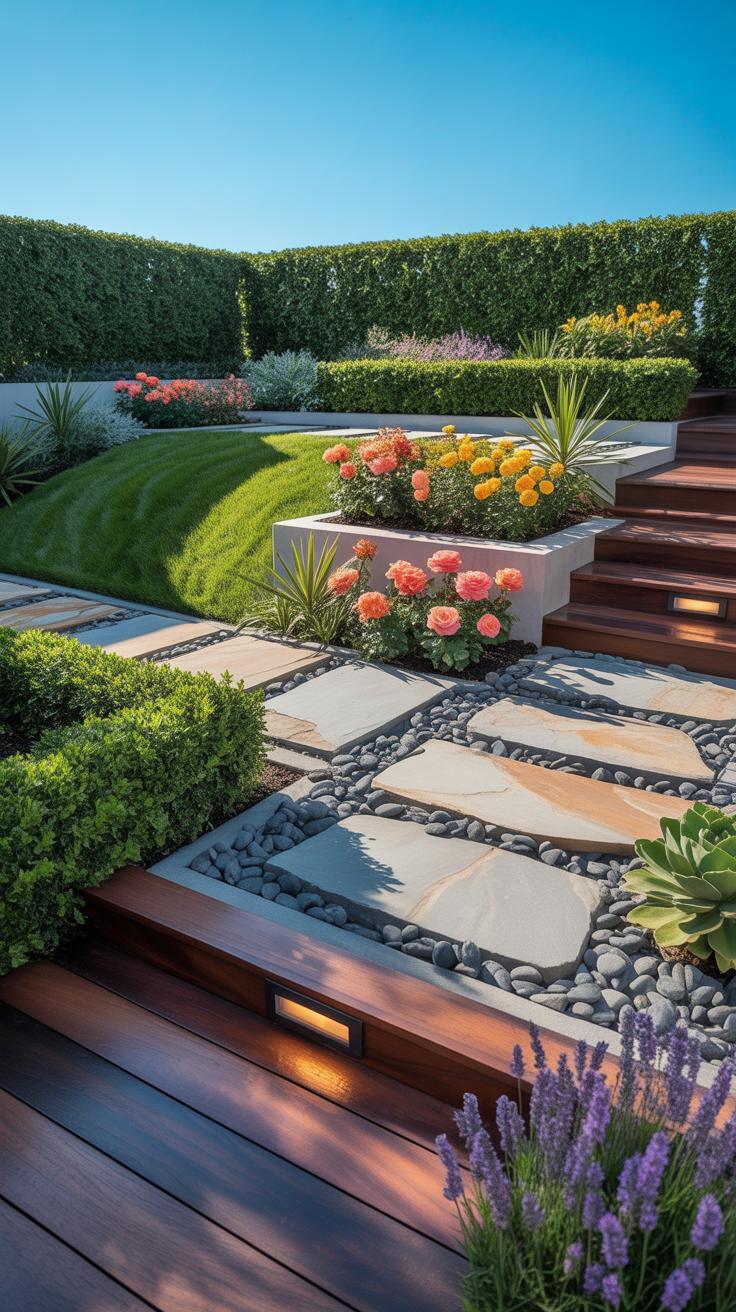
The materials you pick for your front yard can shape not only the look but also the cost in meaningful ways. Front yards often emphasize curb appeal, so choices tend to lean towards materials that marry aesthetics with durability. Natural stone, concrete, and grass make frequent appearances here, though each carries a different price tag.
Natural stone, like slate or flagstone, gives an elegant, timeless feel but comes at a higher upfront cost. Maintenance isn’t too demanding if installed well, but repairs can be pricey. Concrete offers a budget-friendly option, versatile for paths and driveways, yet it lacks the charm stone brings. Grass—well, it’s classic and less expensive initially, but it does demand ongoing maintenance like mowing and watering, which can add up over time.
Mulch and plants add texture and color, and their prices vary widely based on choice. Mulch is generally affordable and helps soil retain moisture, keeping plant care costs down. Plants range from hardy shrubs needing little fuss to more delicate varieties that might bump up watering and replacement costs. Front yards almost always require materials that can endure foot traffic and weather, so durability is key.
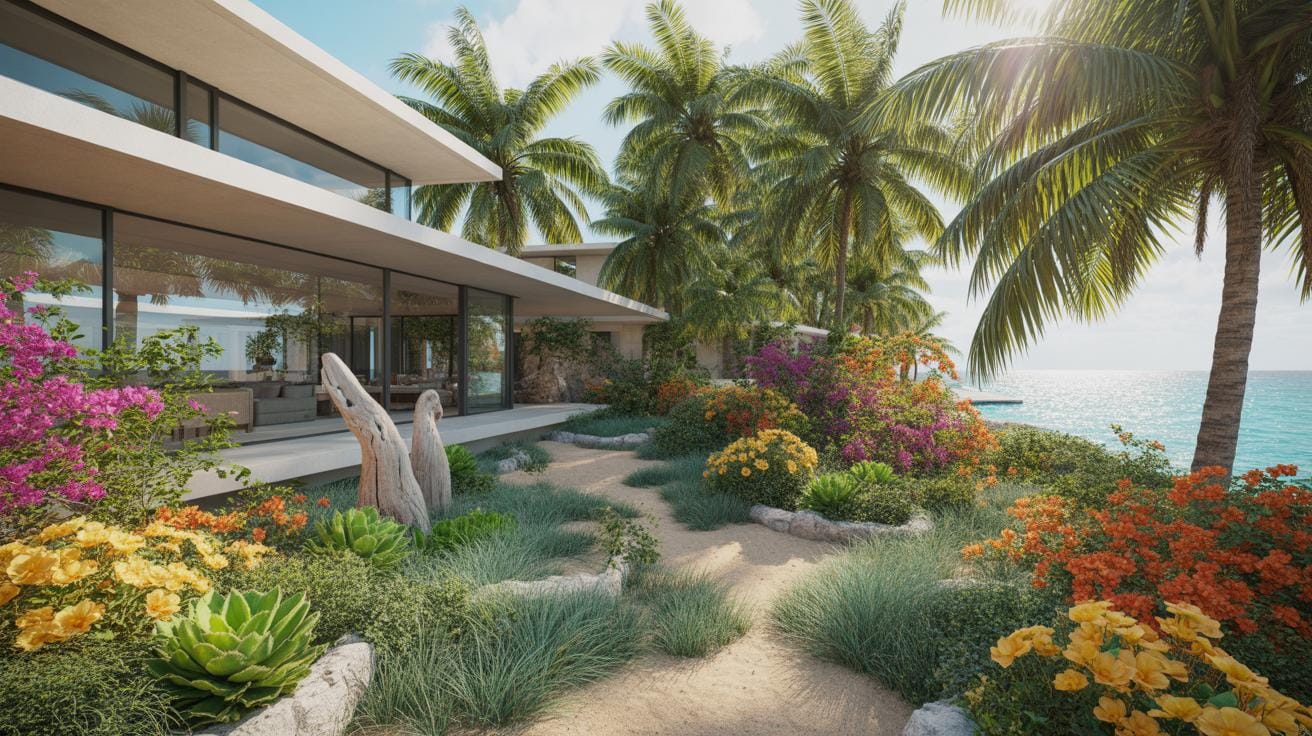
Thinking about your front yard, do you want something low-maintenance or are you willing to invest time for looks? The choices can sway your budget big time, so weigh durability against style and upkeep before deciding.
Labor And Installation Cost Breakdown
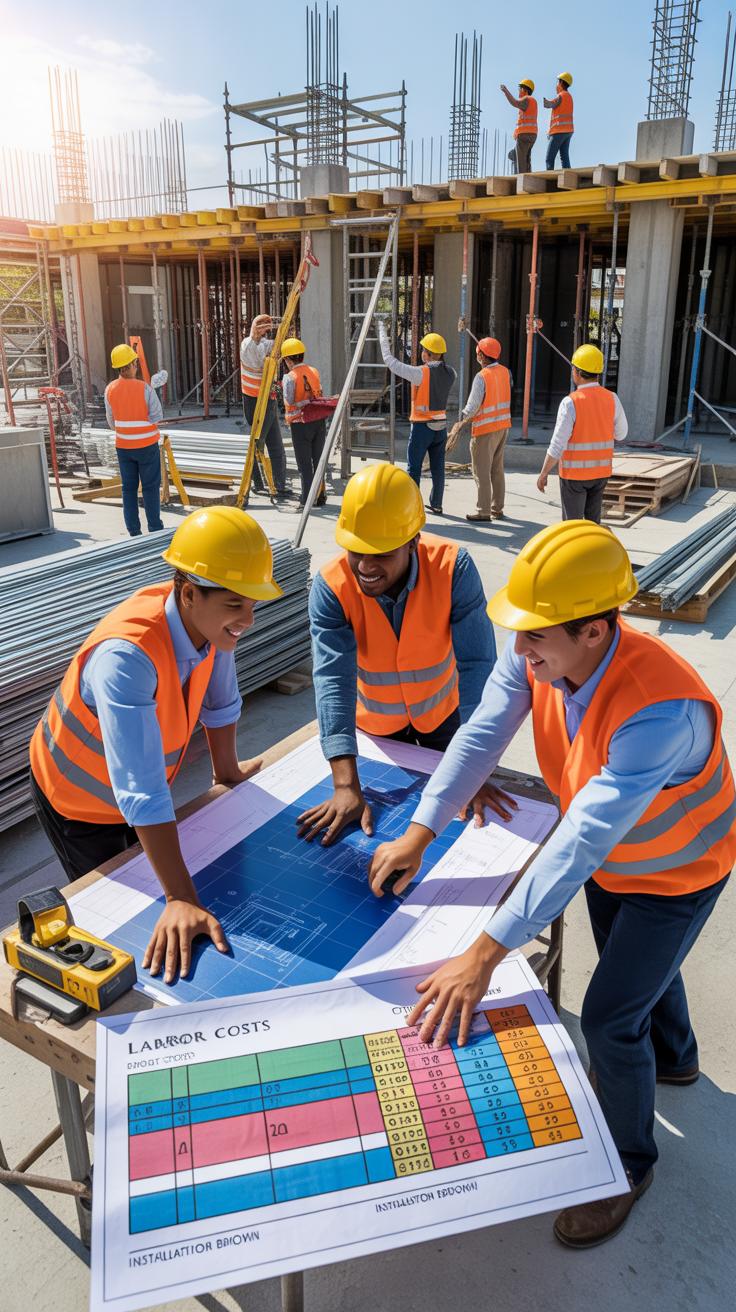
Labor Costs For Front Yard Projects
Labor for modern front yard landscaping generally involves careful planting, precise hardscaping, and sometimes installation of lighting or water features. Due to the visibility and curb appeal factor, there’s often a need for detailed workmanship, which can raise labor costs a bit. For instance, planting carefully chosen shrubs and trees that complement the architecture might take more time than just throwing in quick greenery—and laborers must be skilled enough to handle these delicacies. Hardscaping features such as walkways or low retaining walls also contribute with a fair chunk of labor hours. Front yards tend to be smaller in scale than backyards, which means the labor might be less overall, but don’t assume it’s always cheaper—complex designs and high-end materials can push prices up unexpectedly. On average, labor could range from medium to high depending on how intricate the design is and the quality of materials used.
Labor Costs For Backyard Landscapes
Backyard projects often involve different kinds of tasks—think patios, decks, fences, and sometimes play areas or outdoor kitchens. These typically demand more extensive groundwork and structural work compared to front yards. Labor here can be heavier and sometimes more costly, especially when dealing with larger spaces or elaborate features. For example, building a deck requires carpentry skills and more man-hours than planting or laying pavers in front yards. But backyard labor costs could also be lower in some cases, depending on project scope. For a simple lawn renovation, it may take less time and expertise than a high-design front yard. Complexity and size are consistent factors—larger or more complex backyards naturally call for more labor, but simple front yard projects can be surprisingly labor-intensive too. So, it’s a mixed bag and depends a lot on your personal project specs.
Planning Your Landscaping Budget Effectively Modern Front Yard
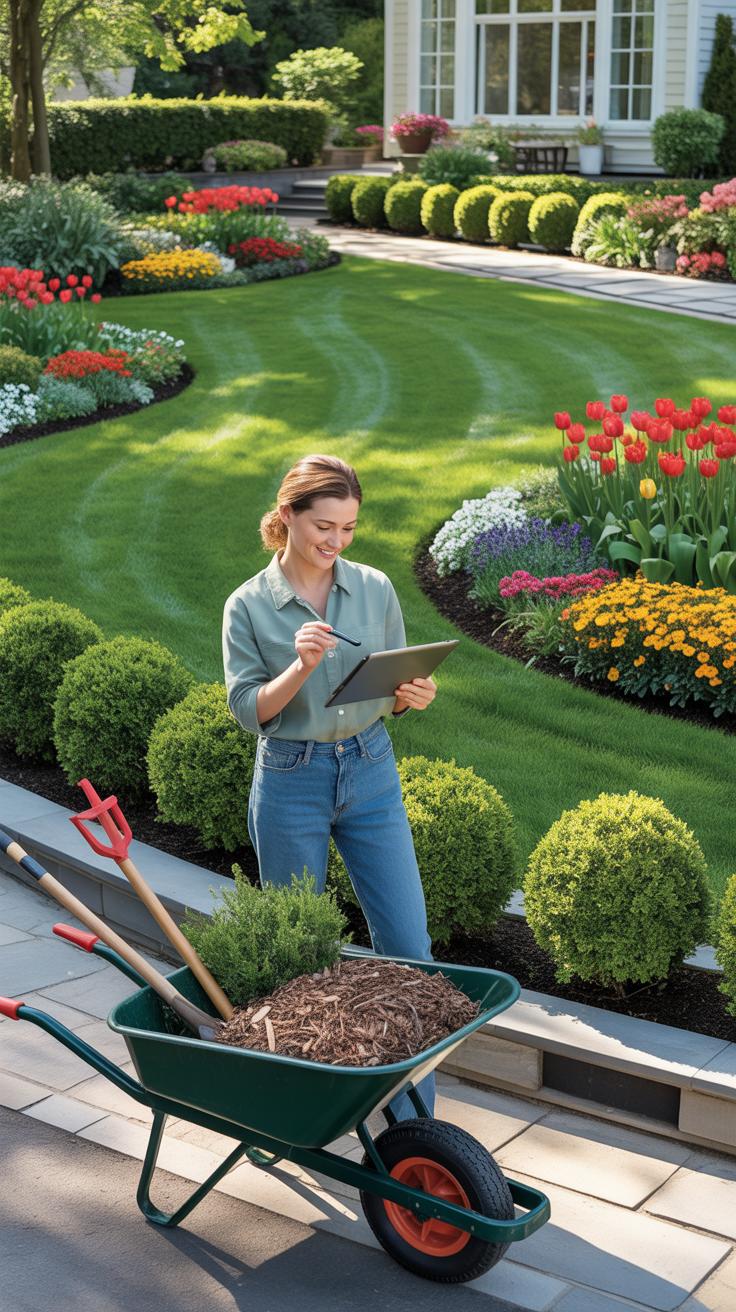
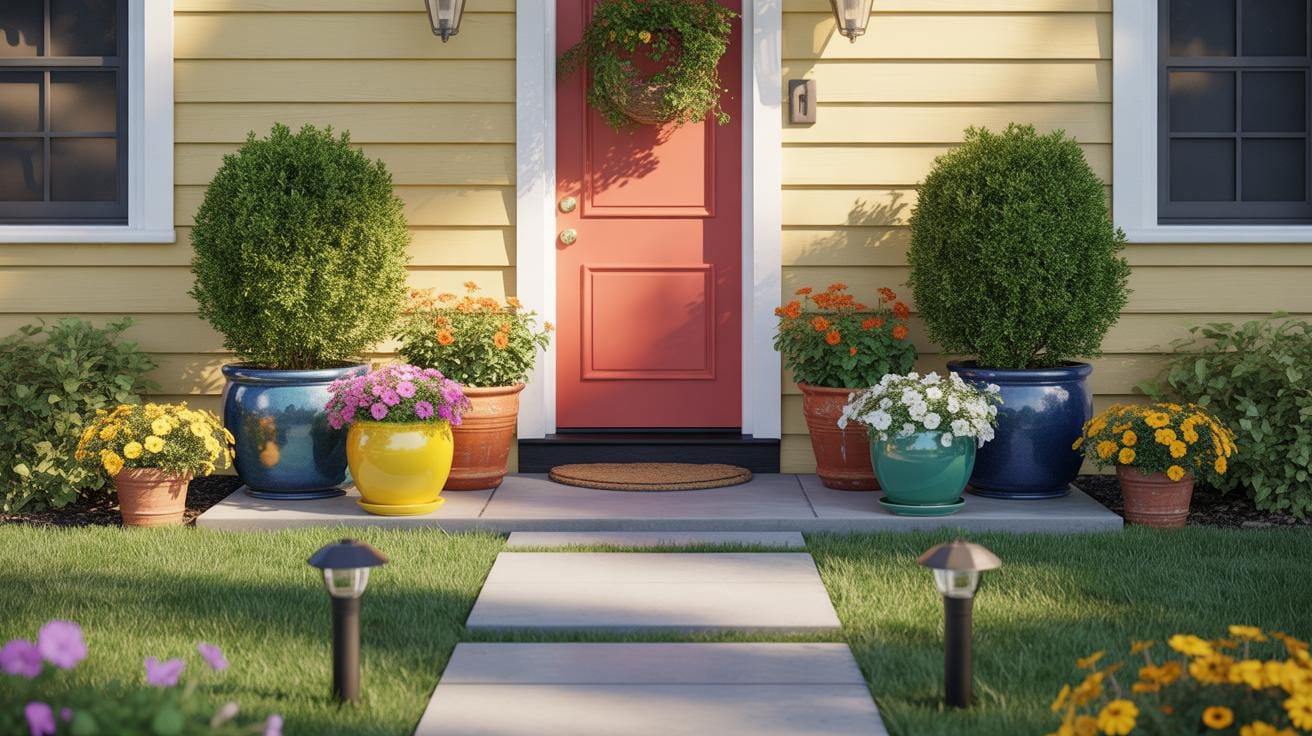
When considering your landscaping budget for the front yard, keep in mind this space often serves as the first impression of your home. It typically combines decorative elements with functional areas like driveways or footpaths. So, it’s worth prioritizing features that enhance curb appeal without breaking the bank. For instance, investing in a neat lawn or a few well-chosen shrubs can do wonders, while extravagant statues or elaborate flower beds might add unexpected costs.
You might want to think about how much time—and money—you’re willing to spend on maintenance. Front yards generally demand regular lawn mows and trimming hedges; these tasks will add up over time. On top of that, if your neighborhood has certain standards, you may feel pressured to keep the front tidy, which means ongoing expenses.
Consider also the layout: a large paved driveway or complex planting might ramp up initial costs, and don’t forget drainage or irrigation systems which sometimes sneak in unexpectedly. It’s a balancing act. You want charm, but you also need to align it with practical upkeep and long-term costs. How do you weigh aesthetics against maintenance? It’s a question that doesn’t always have a straightforward answer.
Basically, be ready for the reality that front yard landscaping involves a blend of upfront investment and continual care—both requiring budget foresight. Probably start small, prioritize essential elements, and leave room for adjustments as your tastes and needs evolve.
Comparing Modern Front Yard And Backyard Projects
Common Front Yard Project Examples
Your modern front yard usually acts like the face of your whole property. People focus on curb appeal here. Common projects include adding a clean lawn area, planting flower beds, installing walkways, or creating a minimalist rock garden. For example, a simple front yard update might involve new turf, stone stepping paths, and low planting beds around $3,000 to $6,000. The goal? Make the home inviting, stylish, and neat, often improving resale value subtly.
Now, some front yards include additional hardscape features like modern lighting or small water fountains. These can pause at a cost around $7,000 to $12,000, depending on materials used. While they’re generally less about private use and more about aesthetics, it’s tricky — too complex or flashy, and it might feel off-putting or expensive to maintain. Balancing looks with practicality here is crucial but often underestimated.
Sample Backyard Landscaping Tasks
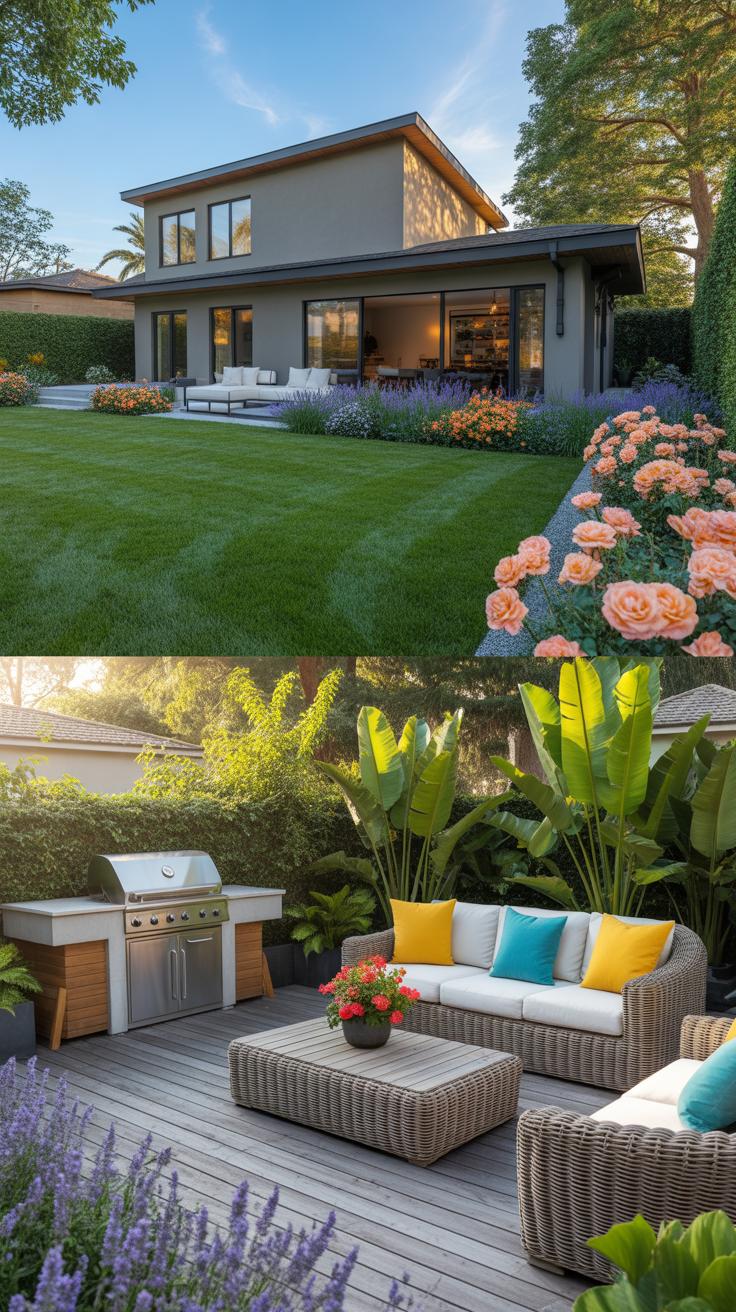
Backyards, in contrast, tend to be the private playgrounds. Projects there often involve creating spaces for relaxation or entertainment. Think patios, decks, outdoor kitchens, even small pools or fire pits. These can range from $8,000 for basic patios to $20,000 or more if you want a full setup with seating and cooking areas.
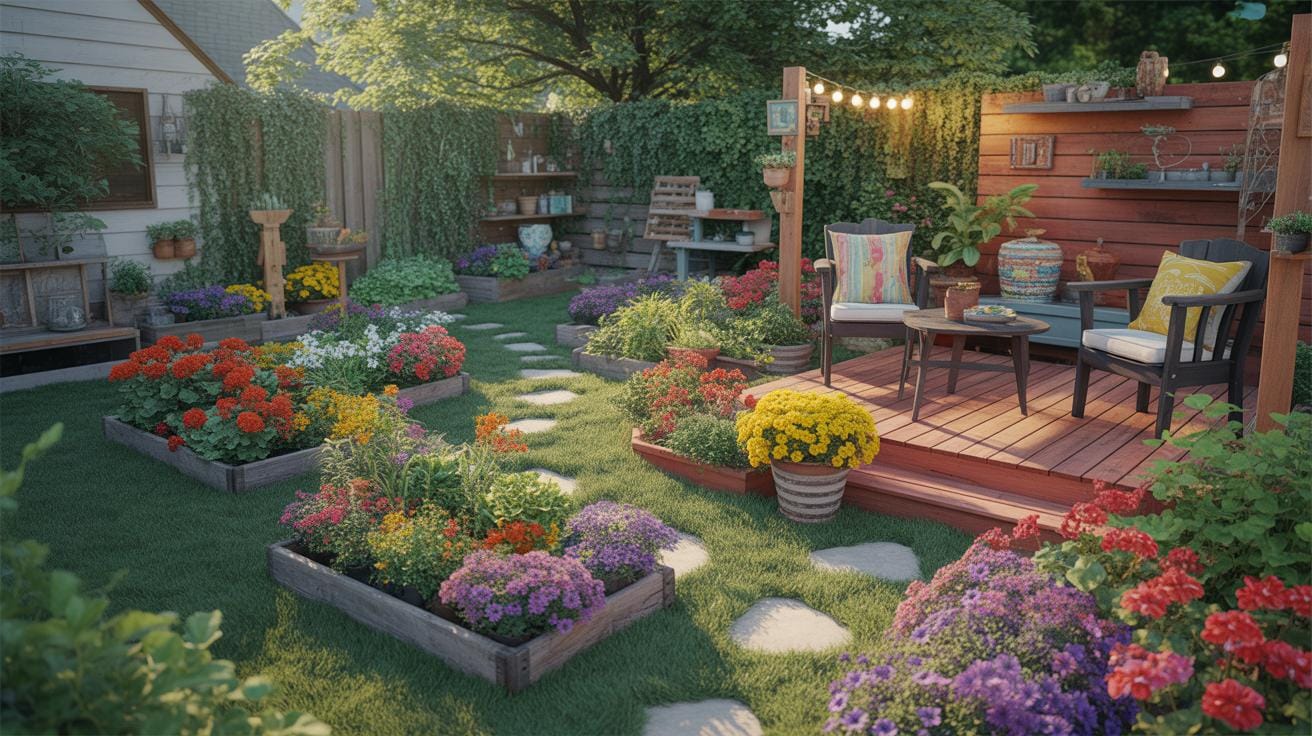
Gardening in the backyard might include raised vegetable beds or privacy screens, adding both function and comfort. It’s a place to experiment more, but with the potential for higher costs and maintenance. You might question — is investing heavily in backyard comfort worth it if you rarely use it? On the flip side, front yard projects usually require less upkeep but offer limited enjoyment for the homeowner.
Comparing both, you see that front yard projects lean more towards enhancing visual appeal at moderate cost, while backyard endeavors focus on personal enjoyment but can quickly ramp up budgets and maintenance needs. Each choice carries its own set of challenges and benefits worth considering carefully before diving in.
Avoiding Costly Landscaping Mistakes Common Pitfalls in Modern Front Yard Landscaping
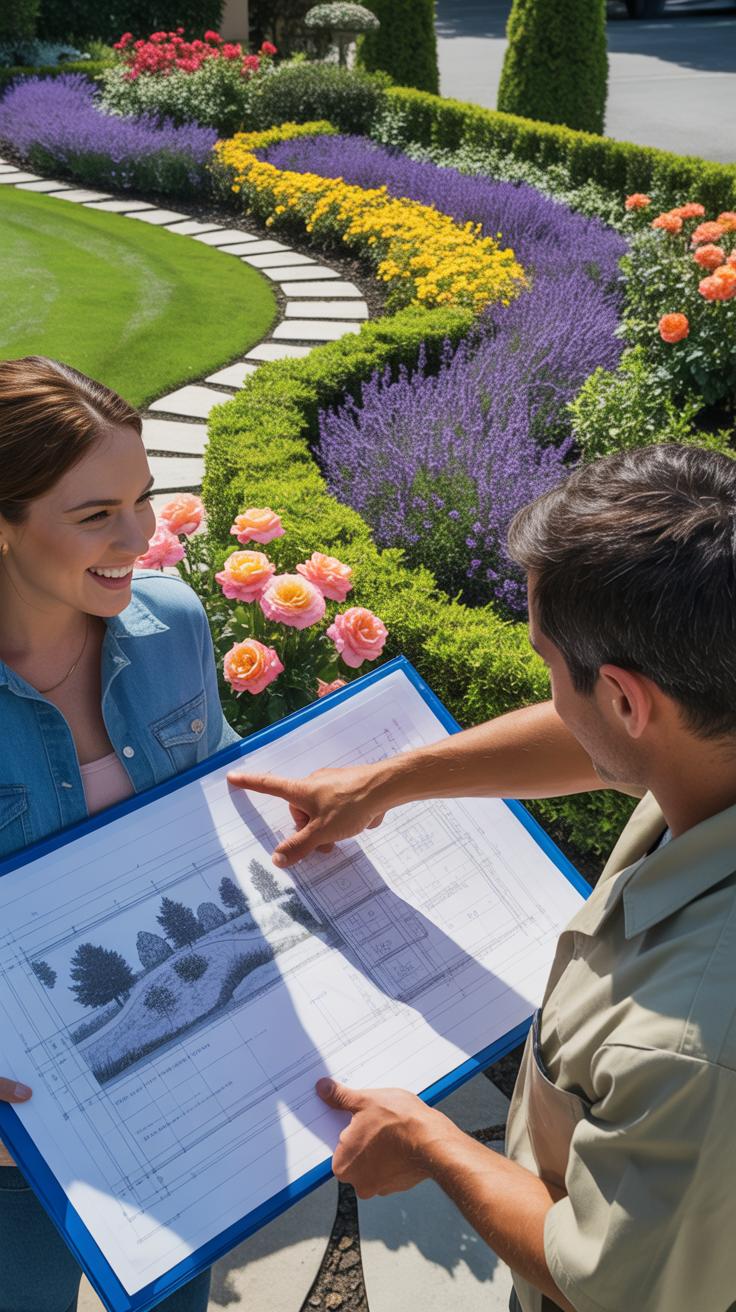
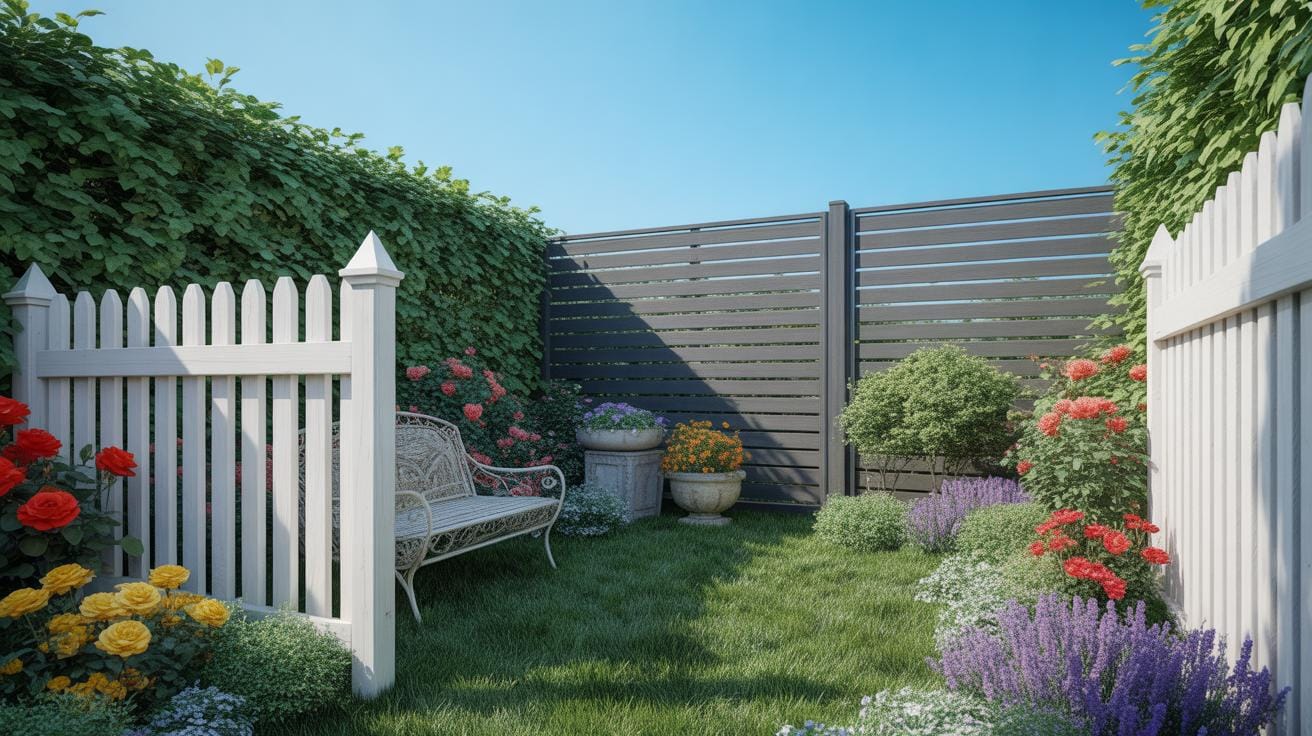
When planning your modern front yard, it’s easy to underestimate how quickly costs add up — often because of simple but common errors in budgeting and design. One frequent mistake is not accounting for the scale of materials and labor needed to match your desired look. For example, you might plan for a few shrubs but end up wanting a full planting bed, which bumps up expenses unexpectedly.
Another trap lies in overlooking the practical function of your front yard. Sometimes, homeowners focus too much on aesthetics and forget about access paths or driveways, which can lead to expensive rework. Have you thought about sunlight patterns or how different plants will grow over time? Ignoring these might require costly adjustments later.
Material choices also affect your budget significantly. Picking trendy but unsuitable materials for your climate — like delicate hardwoods or high-maintenance plants — can generate ongoing costs. Installation errors, such as improper soil preparation or faulty irrigation systems, waste money and effort. Getting it right the first time means investing in sturdy, climate-appropriate materials and skilled installers.
In short, thorough upfront planning that balances form and function, smart material selections suited to your environment, and hiring experienced installers will nip potential cost overruns in the bud. Maybe it’s worth asking yourself: “Am I ready to tweak my plans as I go, or should I invest more time and care in detailed pre-planning?” It’s a difficult choice, but one that can save you considerable money and heartache.
Steps To Start Your Modern Front Yard Project
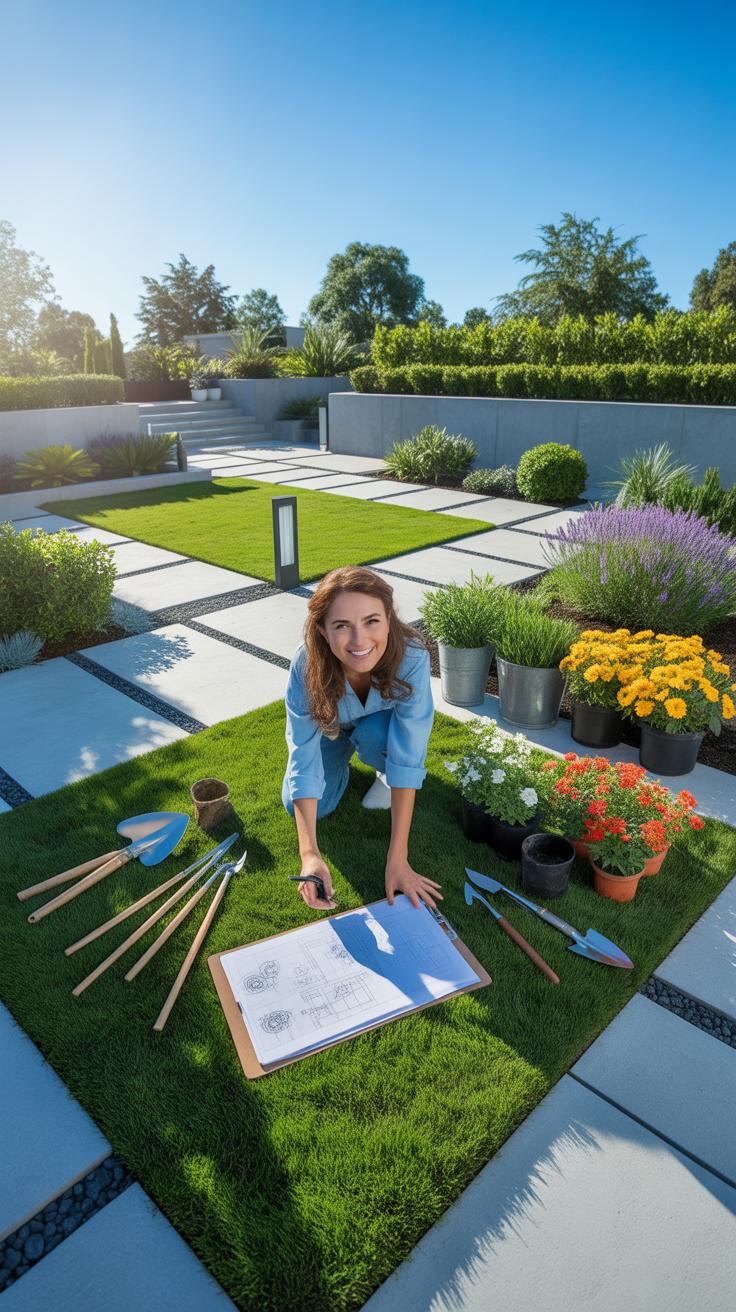
Initial Site Assessment And Inspiration
When you start a modern front yard project, looking carefully at the space you have is key. Measure boundaries, note slopes or drainage issues, and take note of existing plants or trees. This step isn’t just about facts—it’s about feeling the space too. Walk around it at different times of day. What catches your eye? Light patterns, shadows, and views all matter.

Next, draw inspiration from your home’s style and what you like personally. For example, if your house has clean lines and neutral colors, a minimalist front yard with geometric planting might feel right. Or if you prefer something softer, you might lean toward rounded shapes and mixed textures. Looking through magazines or websites can help, but don’t be afraid to mix ideas. A little experimentation here can spark something unique.
Budget Planning And Hiring Professionals
Setting a budget early helps keep things realistic. Decide how much you want to spend overall, but also think about priorities. Maybe new hardscaping matters more than plants initially, or vice versa. It’s normal for costs to shift as you move along.
Once you have a rough budget, look for landscaping professionals who fit your style and needs. Interview several, check references, and ask about experience with modern designs. Remember, the cheapest option isn’t usually the best. You want someone who understands your vision and can work within your budget. Don’t hesitate to ask for a detailed estimate and timeline to avoid surprises later.
Conclusions
Choosing between modern front yard and backyard landscaping involves understanding the unique costs and benefits of each. Front yard projects often focus on curb appeal and visibility, which can mean different materials and design elements compared to backyard spaces designed for privacy and recreation.
By knowing what drives the costs in each area, you can allocate your budget effectively and create the outdoor space you want. Both front and backyard landscaping can add value and enjoyment to your home when planned with attention to cost and design.