

Introduction
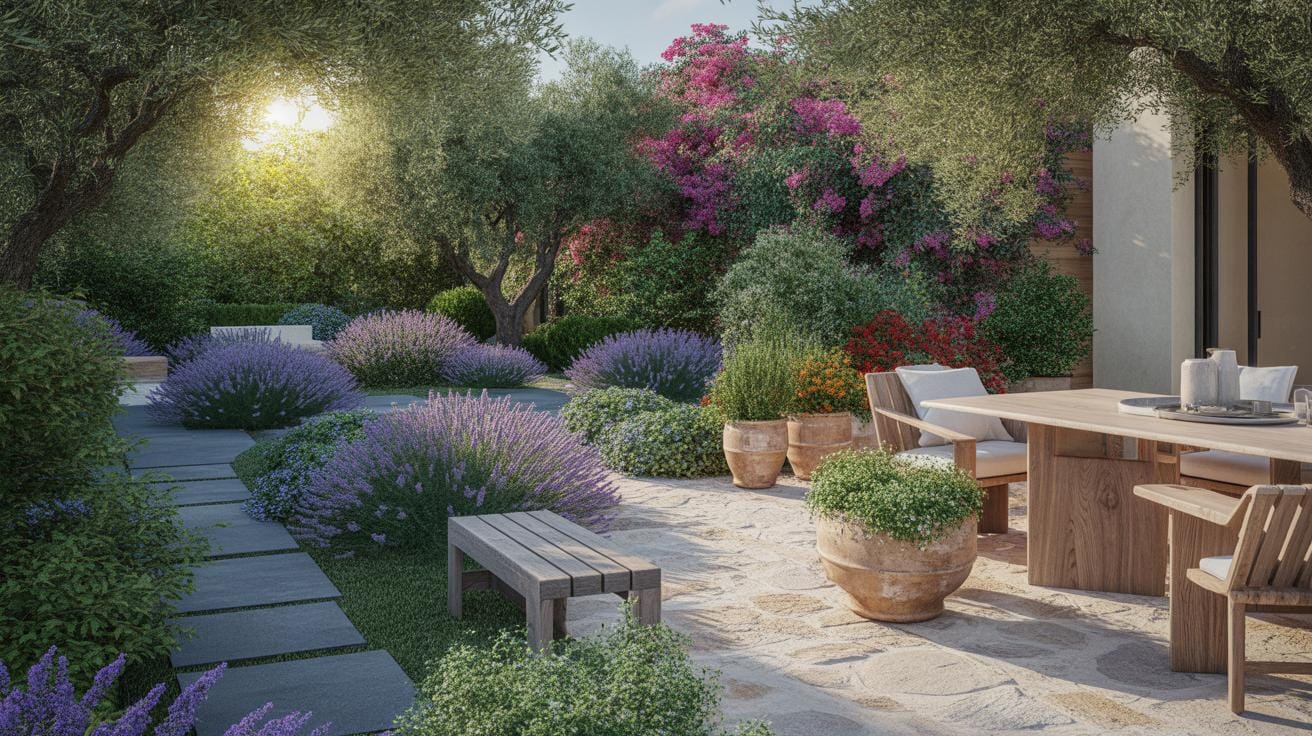
Mediterranean garden design draws from the historic and distinctive gardens of the Mediterranean region, known for their dry summers and mild winters. These gardens blend practicality with beauty by using plants that thrive in similar climates and incorporating elements like stone pathways and shaded areas. This style offers inspiration for creating modern home landscapes that are both attractive and sustainable.
In this article, you will learn about essential Mediterranean garden design principles, the plants best suited to this style, how to plan your garden layout effectively, and examples of how to successfully integrate Mediterranean themes into your outdoor space.
Key Plants For Mediterranean Gardens
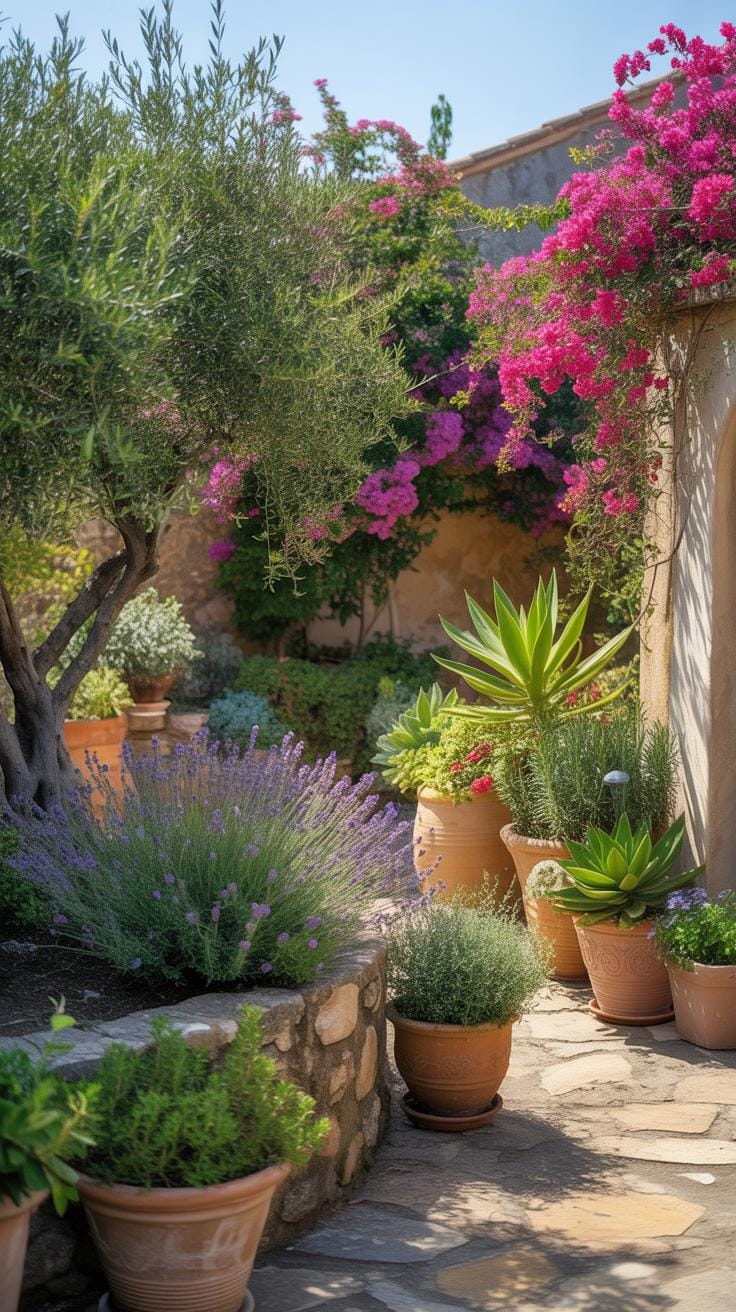
When it comes to Mediterranean garden design, the plants you choose really shape the whole space. Native and drought-tolerant species like lavender, olive trees, rosemary, and sage fit perfectly. These plants have adjusted over centuries to thrive in the Mediterranean climate, which features dry summers and wet winters. They store water and resist heat, making them low-maintenance in harsh conditions.
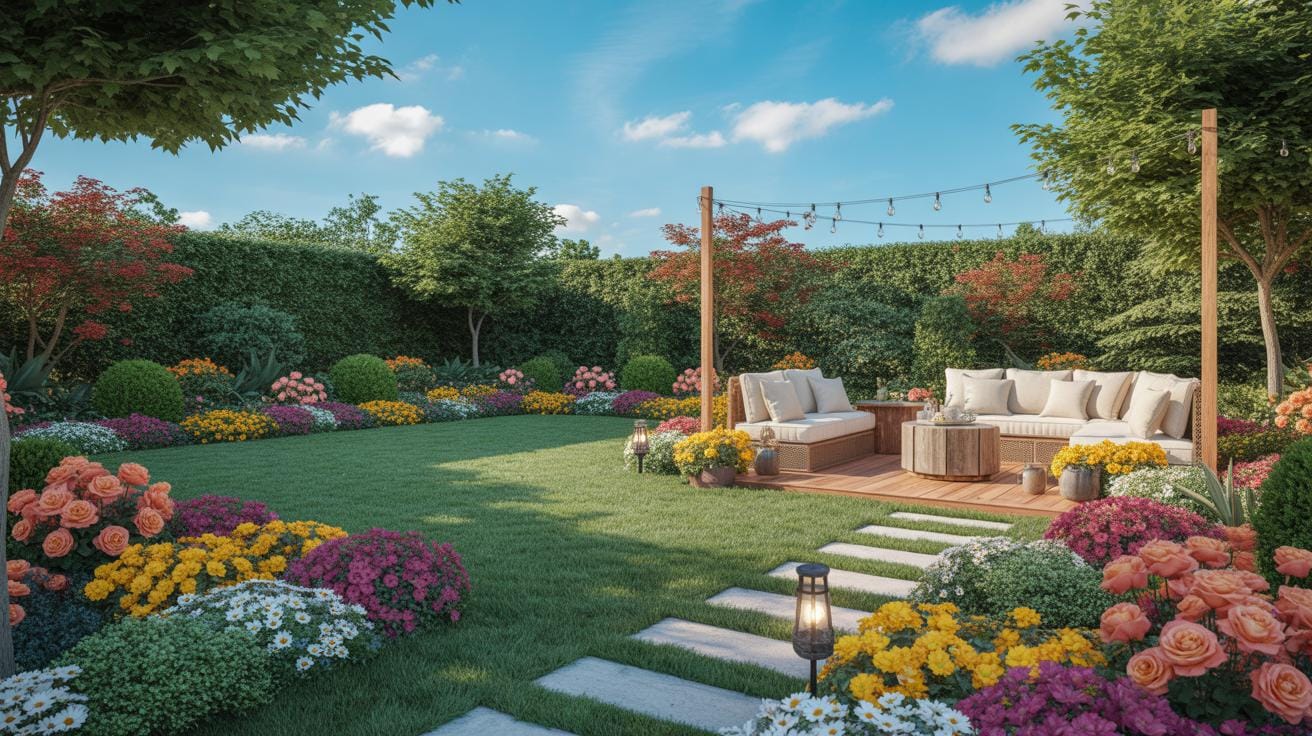
Lavender’s fragrant purple blooms and resilience make it a garden favorite. Olive trees offer a timeless look with their silvery leaves and are iconic in Mediterranean gardens. Rosemary’s robust scent and evergreen nature add structure and aroma, while sage excels with its soft foliage and drought resistance.
Choosing Drought Tolerant Species
Selecting drought-tolerant plants isn’t just smart; it’s essential. They help conserve water and endure dry spells without needing constant care. Besides lavender and rosemary, you might consider thyme, oleander, and rockrose. These plants reduce irrigation needs, making them practical choices for sustainable gardens. This approach aligns with Mediterranean conditions, where water can be scarce in summer.
Planting Native Trees And Shrubs
Native trees and shrubs bring benefits beyond beauty. Olive and cypress trees are staples in Mediterranean gardens. Olives, while slow-growing, require little pruning and adapt well to poor soils. Cypress trees create vertical accents and windbreaks, requiring moderate upkeep. Both species shed leaves seasonally but maintain their character year-round. Their deep roots help them access water far below the surface, thriving during dry months without fuss.
Water Features And Layout Ideas
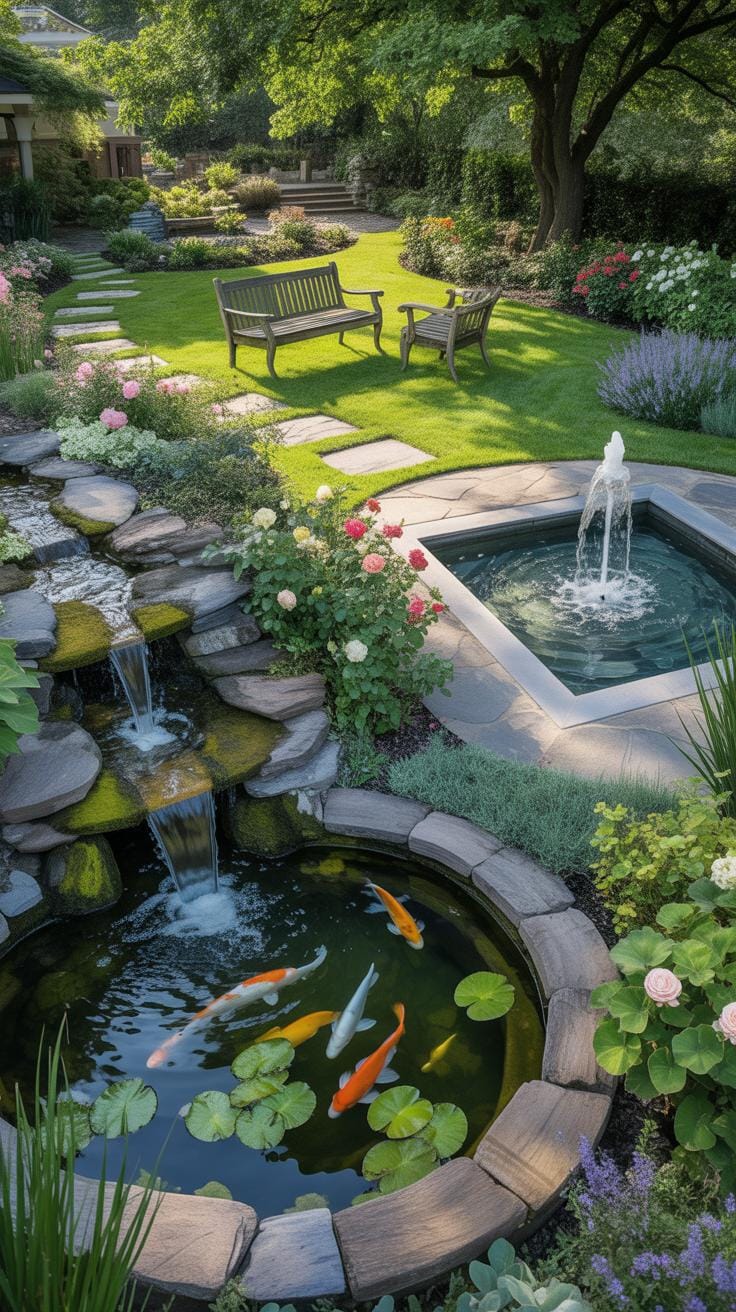
Incorporating water features into a Mediterranean garden brings a layer of calm that’s hard to find otherwise. Think fountains, ponds, or those narrow channels called rills, flowing gently through the design. These elements aren’t just decorative; they also help cool the air, a practical benefit in hot, dry Mediterranean climates. Inspired by the old Persian paradise gardens, where water symbolized life and serenity, today’s gardens can replicate that soothing effect even on a small scale.
One way to start is placing a fountain at a focal point, where the sound of moving water invites a moment of pause. Or, if space allows, a small pond can reflect sunlight and attract birds, making your garden feel alive and fresh. Rills can weave between pathways or beds, creating a subtle but continuous presence of water that invigorates the senses. It’s like weaving nature’s own air-conditioning into your outdoor space.
Historical Inspirations For Water Design
The Persian paradise garden, originally a four-fold design with water channels dividing the space symmetrically, set the standard centuries ago. These gardens featured fountains, reflecting pools, and carefully channeled water paths, all within walls that preserved a microclimate. This layout wasn’t just about beauty but about creating a retreat from harsh conditions.
Adapting these ideas to a modern small garden means scaling down but keeping the essentials: a geometric water feature, perhaps a tiled basin or a recirculating fountain, framed by drought-tolerant plants. Even a simple rill can echo the ancient waterways, providing a surprising element of depth and sound that breathes life into a compact space.
Planning Efficient Water Use
Water doesn’t have to be a drain. Mediterranean garden design often includes smart irrigation—drip systems that deliver moisture directly to roots—and recycling water where possible. You might install a rain barrel or create a small reservoir to capture runoff from your roof. These measures keep your garden hydrated without waste.
- Choose water-efficient plants to reduce irrigation needs.
- Use mulches to retain soil moisture and cut evaporation.
- Design water features with recirculation pumps to limit fresh water use.
- Position water elements in shaded areas to slow evaporation.
In the end, the goal is balance. Combining the timeless tranquility of water with mindful use of resources can make your Mediterranean garden both peaceful and practical. You might find that this approach not only cools your garden but also deepens your appreciation for the subtle art of garden design.
Planning Your Mediterranean Garden Layout
Assessing Your Space And Soil
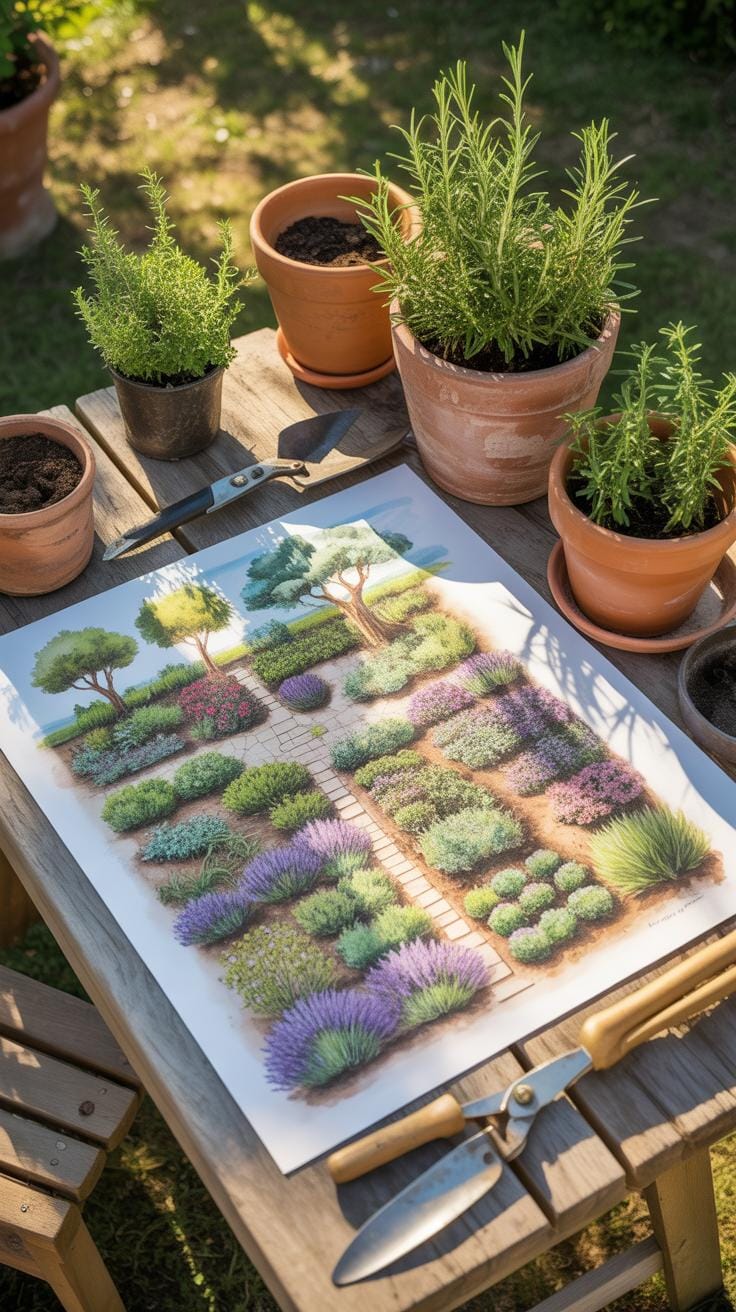
Start by really looking at the space you have. How much sun does it get during the day? Mediterranean plants generally thrive in full sun, so pinpoint those sunnier spots. Soil is equally important. Mediterranean gardens often prefer well-draining, slightly alkaline soil, but if your soil is heavy clay or too acidic, consider amending it or using raised beds.
Don’t rush this step. I once hastily planted without checking soil and ended up moving most plants later. Take your time to understand your garden’s unique conditions before picking your plants and layout.
Creating Functional Garden Zones
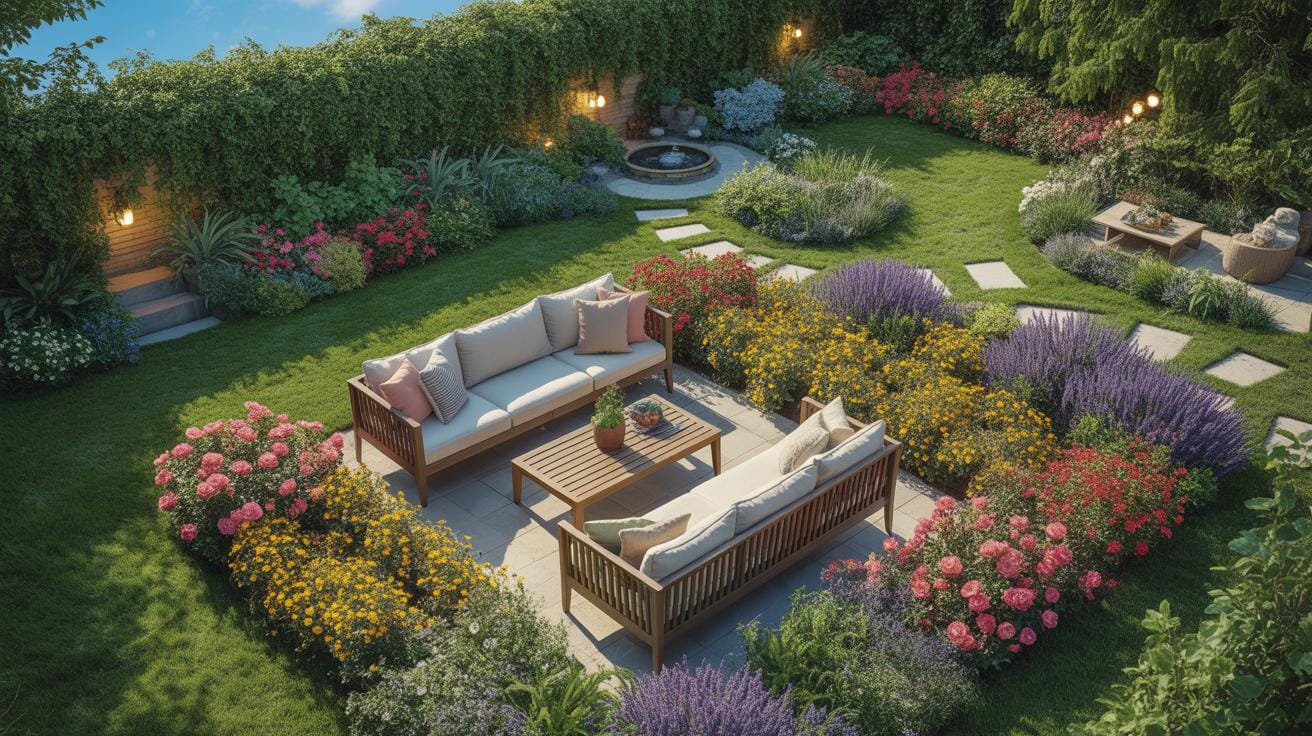
Divide your garden into zones based on what you want to do. For example, a seating area for relaxation should be in a spot with some shade, maybe near fragrant herbs or flowers. Pathways should connect these zones logically, allowing easy movement without disturbing plants. Planting beds can be arranged to catch the sun and make watering easier.
A small vegetable or herb patch fits well close to the kitchen door for easy harvesting. Meanwhile, an open space with a fountain or sculpture can be the garden’s visual focus, enhancing aesthetics. Zones don’t have to be rigid, though—overlapping uses can create a natural flow that feels more inviting and less formal.
Checklist for Designing Your Mediterranean Garden
- Map out sun and shade areas throughout the day
- Test and improve soil drainage and pH if needed
- Outline garden zones: relaxation, gardening, ornamental
- Plan pathways to connect zones seamlessly
- Choose plants suited to each zone’s light and soil conditions
- Think about water sources and efficient irrigation
- Consider layering plants for texture and shade
Thinking through these steps, you can start piecing together a Mediterranean garden that not only looks good but feels right for you. Sometimes, flexibility in your plan allows the garden to evolve naturally, responding to your lifestyle and weather changes. So, perhaps don’t overthink it—planting and adjusting along the way can be part of the fun.
Mediterranean Garden Versus Other Styles
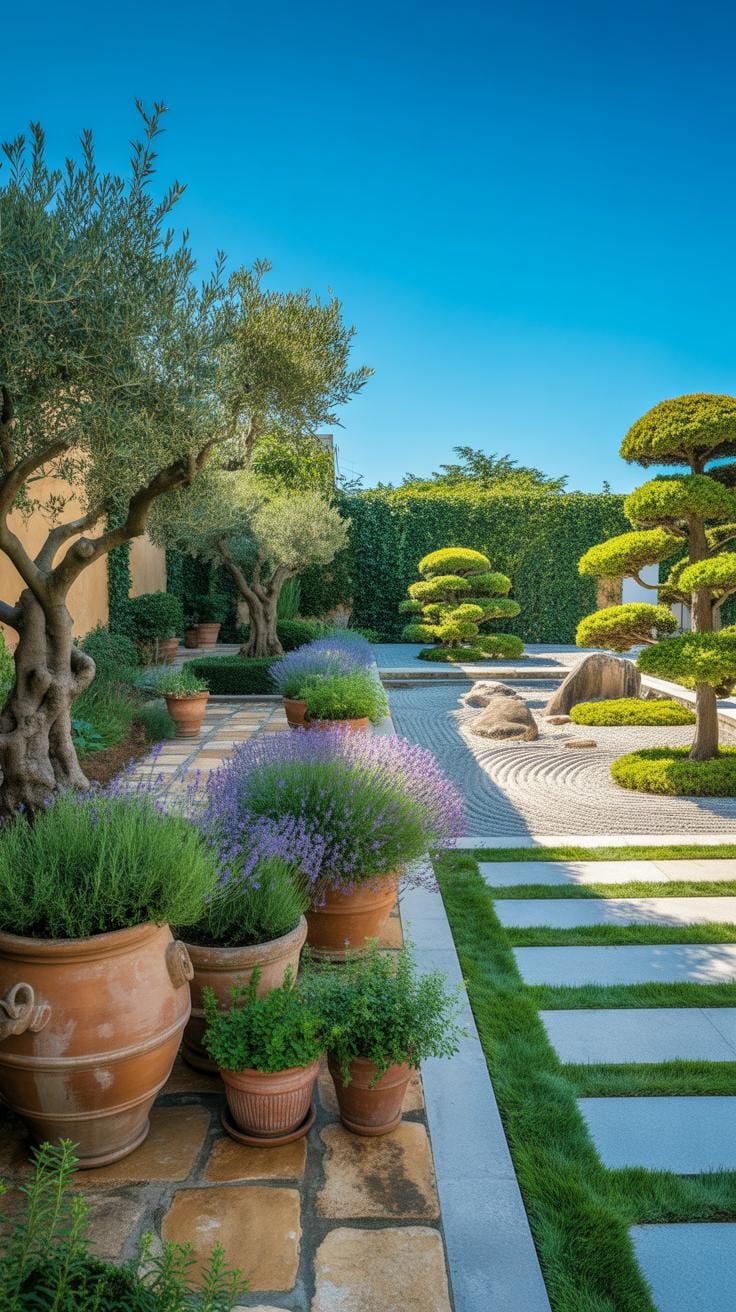
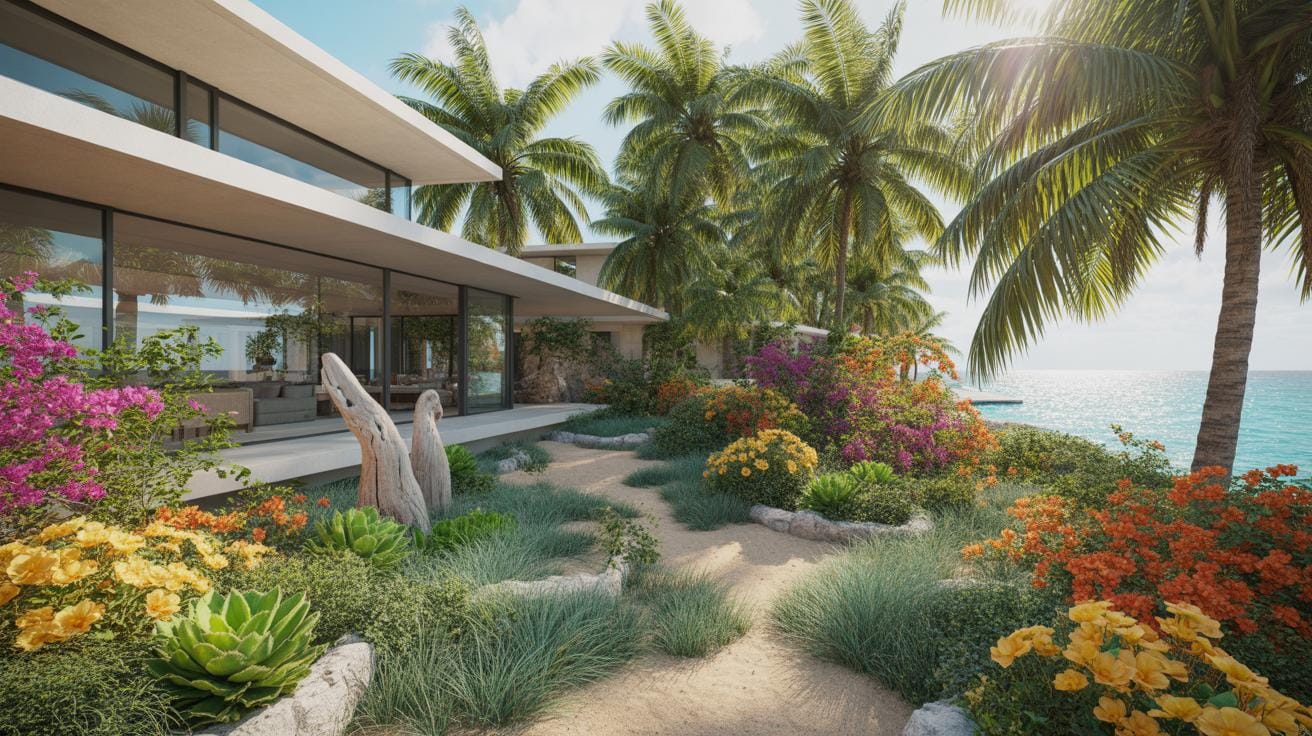
When you consider Mediterranean garden design alongside English cottage and tropical gardens, the differences are quite tangible. The Mediterranean style centers on plants adapted to hot, dry summers and mild, wet winters—think olive trees, lavender, and rosemary. These plants have tough, waxy leaves or silvery foliage to reduce water loss. English cottage gardens, on the other hand, favor dense, lush plantings with many flowers like roses, hollyhocks, and foxgloves. These gardens thrive in cooler, damper climates and often boast a more whimsical, slightly untamed charm. Tropical gardens are a whole other world, with broad-leafed plants and bright blooms, needing constant moisture and warmth.
Maintenance-wise, Mediterranean gardens generally ask for less fuss. Their native plants cope well in dry, poor soils and require less watering and feeding. Comparatively, English cottage gardens might demand more regular watering, pruning, and pest control to keep their dense blooms in check. Tropical gardens? They tend to be high-maintenance, needing humid conditions, regular watering, and sometimes protection from cooler weather.
Water Use Comparison
If water conservation is on your mind, Mediterranean gardens offer some clear advantages. These gardens inherently use less water than tropical or English cottage styles. The plants are drought-tolerant and designed to survive with minimal irrigation, making them suitable for regions prone to dry spells or water restrictions. English cottage gardens typically need more consistent watering to maintain their lush and varied blooms. Tropical gardens, with their large leaves and need for humidity, often require the most water and careful irrigation management. So, if drought or water bills concern you, Mediterranean plants might be the smarter, more sustainable choice.
Maintenance Requirements
Living with a garden means balancing beauty and effort. Mediterranean gardens are often lower-maintenance because of their hardy plants and simpler compositions. You’ll still need to prune, especially woody herbs and trees, but you avoid constant deadheading or the pest vigilance common in other styles. Cottage gardens can be fun but demand more attention—regular weeding, deadheading, and sometimes plant replacements when blooms fade. Tropical gardens generally take the most time: monitoring soil moisture, protecting from frost, dealing with pests, and possibly managing fertilizers to keep plants healthy.
It really boils down to what suits your daily rhythm and local conditions. Are you looking for a garden that can handle drought while offering structure and scent? Mediterranean design leans into that. Prefer more floral abundance and don’t mind a bit of upkeep? Cottage or tropical might appeal, though with noticeably different water and labor investments.
Case Examples Of Mediterranean Gardens
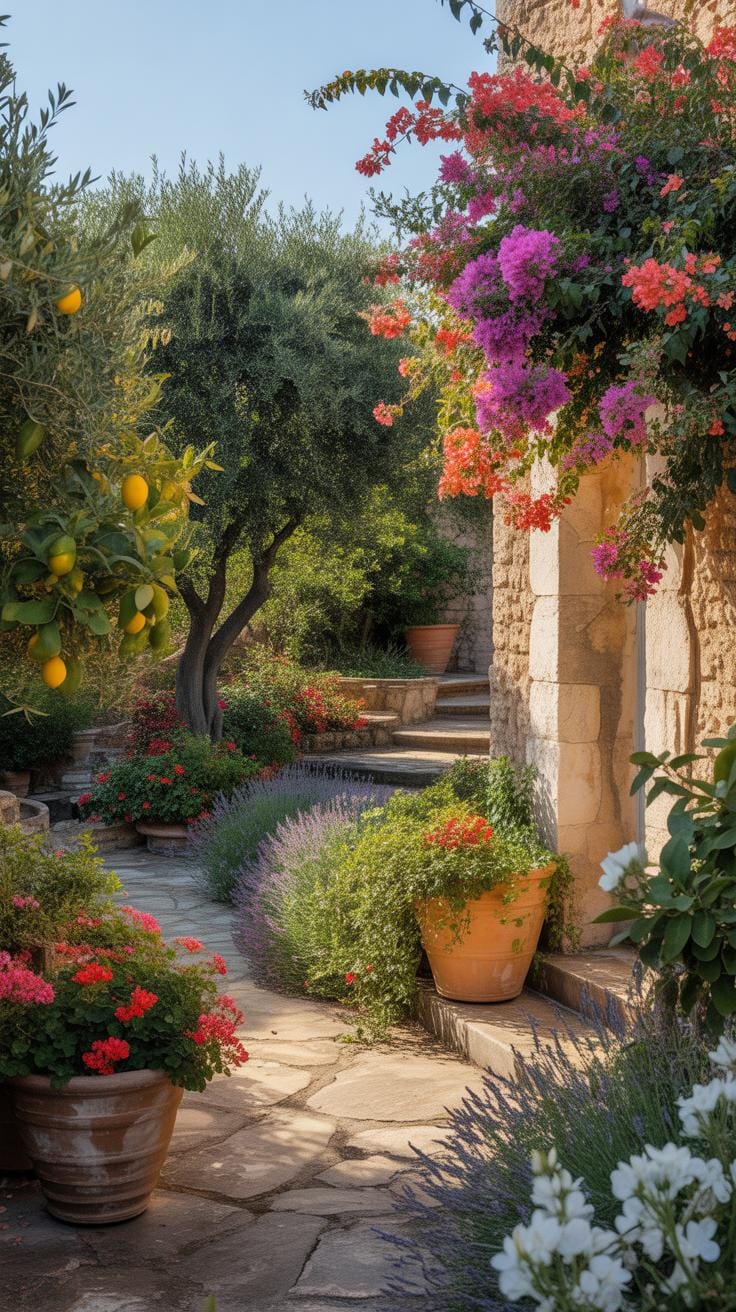
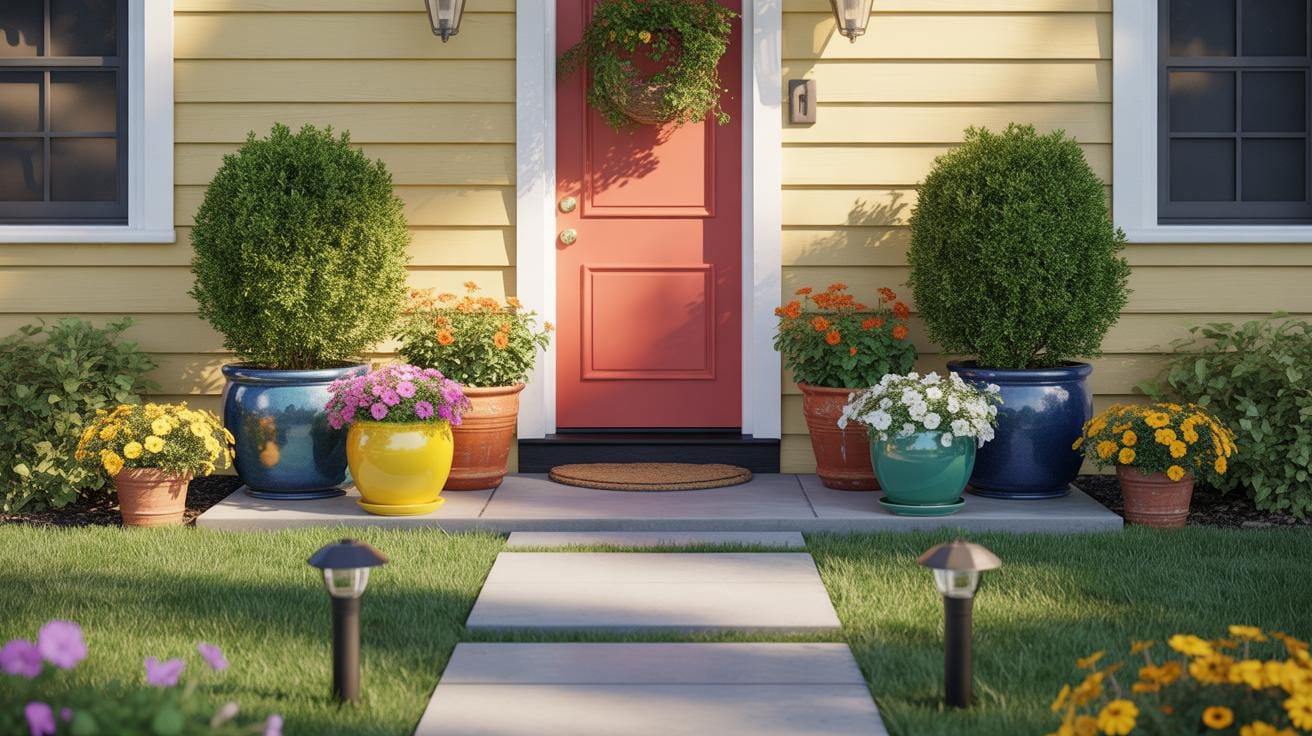
When you think about Mediterranean garden designs, what comes to mind isn’t just one fixed style but rather a rich spectrum shaped by climate, culture, and available space. This flexibility is what makes Mediterranean gardens feasible almost anywhere, even if your backyard is modest or your land is extensive.
Small Home Garden Example
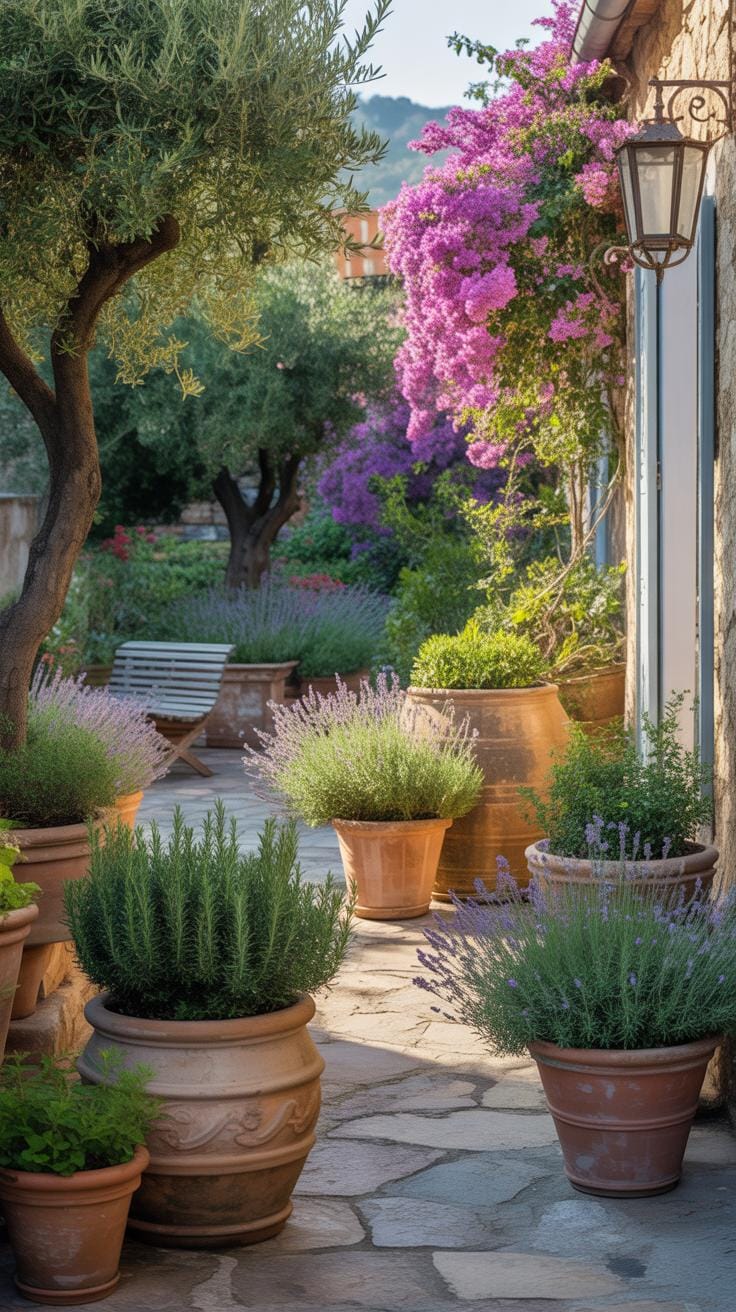
Consider a compact garden in a busy urban setting. The key with limited space is to prioritize plant choices and layout carefully. Opt for drought-resistant species like lavender, rosemary, and small olive trees. Their textures and scents pack a punch without needing much room. A simple gravel pathway winding through terracotta pots can create that classic Mediterranean feel without crowding the space. Using vertical elements, like wall-mounted planters or trellises for climbing vines, stretches the garden vertically and gives illusion of more area. The layout tends to be cozy but still functional, balancing shade and sun. It’s about what to keep, what to leave out — which is surprisingly tricky.
Large Property Mediterranean Garden
On a larger scale, Mediterranean gardens offer room to include features like pergolas and water elements, which turn the garden into a multi-sensory retreat. Imagine stone pergolas draped in grapevines offering shade and a cool spot to relax. Water fountains or small pools, inspired by traditional chahar bagh designs, provide soothing sounds and a sense of calm. Flowering shrubs and fruit trees, arranged with thoughtful symmetry yet some natural spontaneity, create pockets of intimate spaces within an expansive whole. Bigger gardens can support diverse plantings and offer various vantage points, but designing them means maintaining balance between wild and cultivated — which can be surprisingly difficult.
Mediterranean Garden Setup Checklist
Preparing Soil And Beds
Start by testing your soil to understand its composition and pH. Mediterranean plants generally prefer well-drained soil, so if your soil is heavy clay or too dense, you might want to amend it with sand or organic matter like compost. This helps avoid water retention that Mediterranean plants dislike. Next, create raised beds or mounded soil to improve drainage and airflow around roots. This step is crucial, as many Mediterranean species struggle in soggy conditions. Loosen the soil to at least 12 inches deep, breaking up any clumps or rocks. It might feel like a lot of work, but proper soil prep will pay off.
Installing Irrigation Systems
Opt for a drip irrigation system instead of traditional sprinklers; it directs water exactly to the roots and minimizes evaporation. Consider installing a timer to control watering schedules—usually early morning or late evening is best. Mediterranean gardens thrive on less water, so too much irrigation can be counterproductive. When setting up your system, keep an eye on hose placement to ensure every plant gets adequate moisture without oversaturation. Rainwater capture systems can also complement irrigation, though their setup requires extra planning.
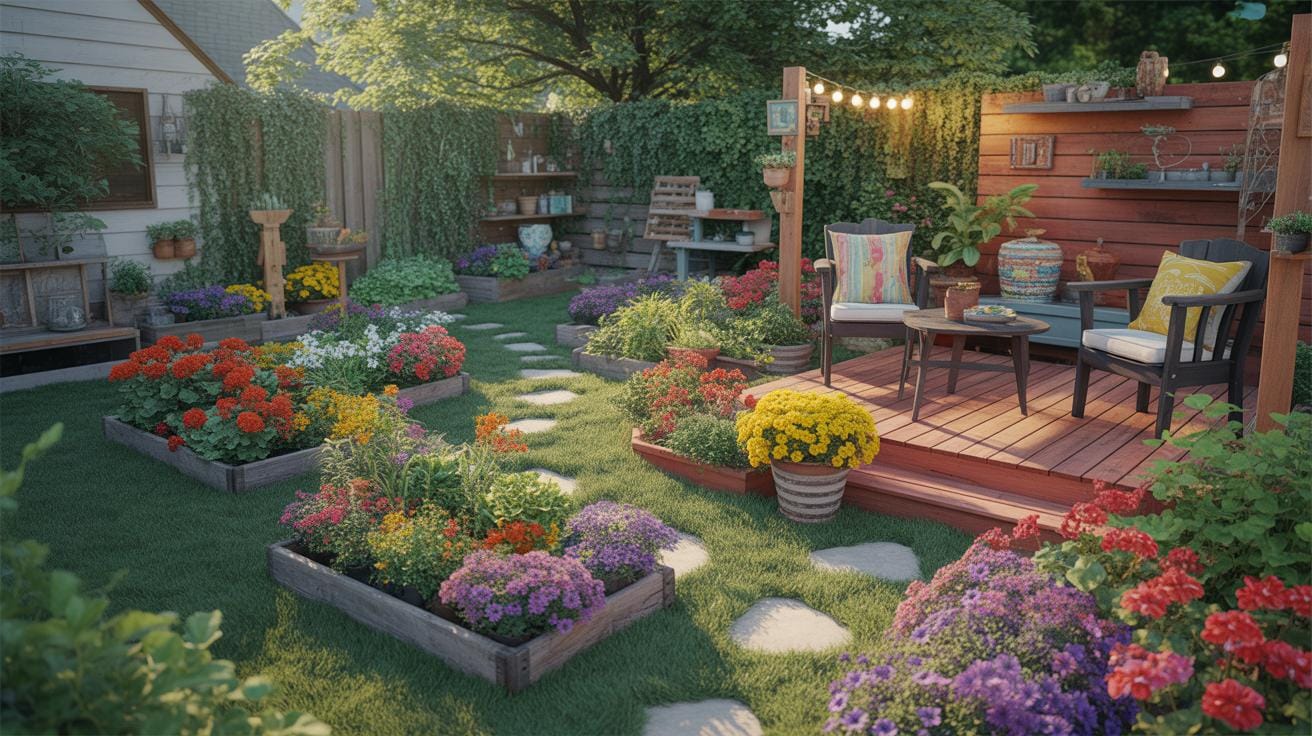
By following these steps, you create a foundation that supports drought-resistant plants typical of Mediterranean gardens. It might take some trial and error to balance watering and soil conditions perfectly, but that’s part of the learning curve that makes gardening rewarding. What types of plants are you thinking about? Their water needs will guide your irrigation settings more specifically.
Common Mediterranean Gardening Pitfalls
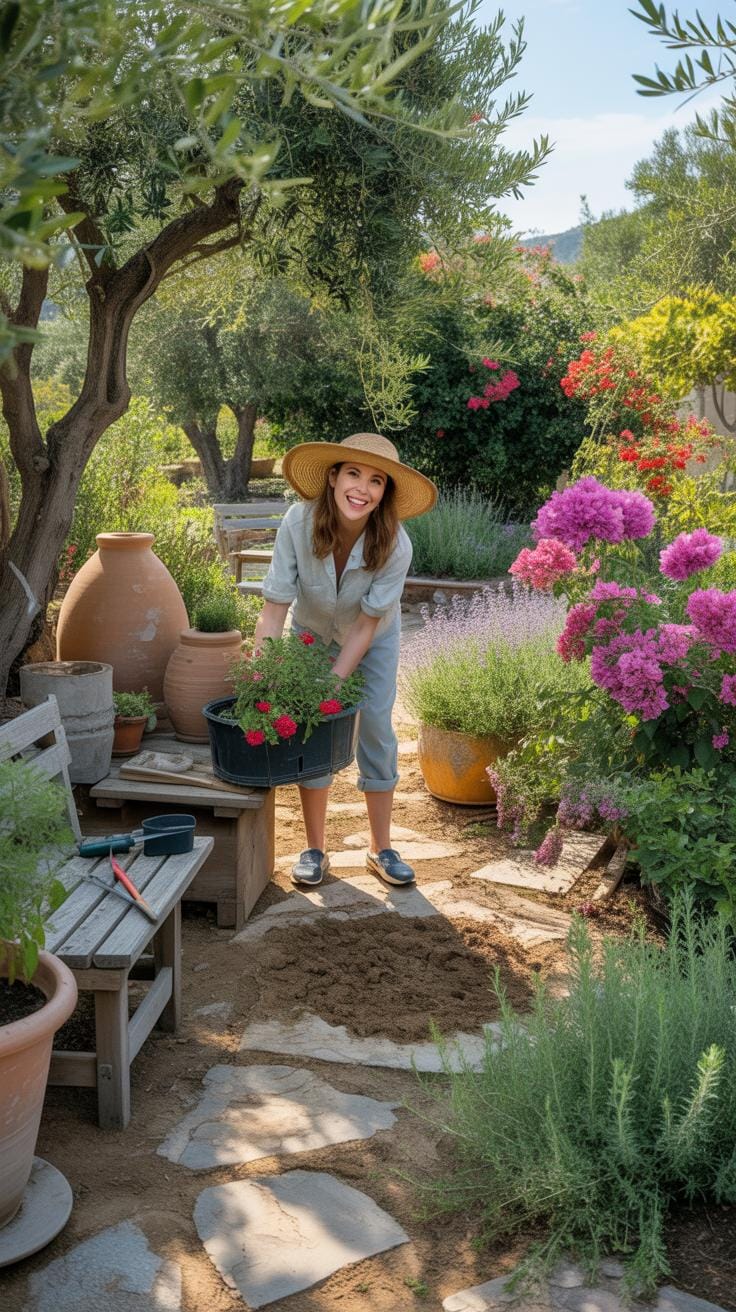
Mediterranean gardens often face several unique challenges. Some frequent mistakes include overwatering, selecting plants ill-suited to the region, and neglecting the specific soil needs. Such missteps can lead to lackluster growth or even the loss of plants you carefully chose.
Avoiding Overwatering
It’s easy to think that watering more means better growth, but Mediterranean plants actually suffer when they get too much water. Their natural habitats are typically dry, so excess moisture can cause root rot and other issues. You might notice yellowing leaves or wilting despite ample watering—these are signs of trouble. To prevent this, water deeply but infrequently, allowing the soil to dry out between sessions. Using well-draining soil and mulch can also help keep roots healthy.
Choosing Adapted Plants
Picking plants that thrive in Mediterranean climates means considering heat tolerance, drought resistance, and soil preferences. Opting for species native or naturalized to these regions reduces the risk of poor growth. For example, lavender, olive trees, and rosemary often do well. Avoid plants needing rich or constantly moist soil if your garden tends to be dry. Sometimes, gardeners get tempted by exotic species that look attractive but don’t cope well with the local conditions. It’s better to stick close to the climate’s demands for lasting success.
Tools For Maintaining Mediterranean Gardens
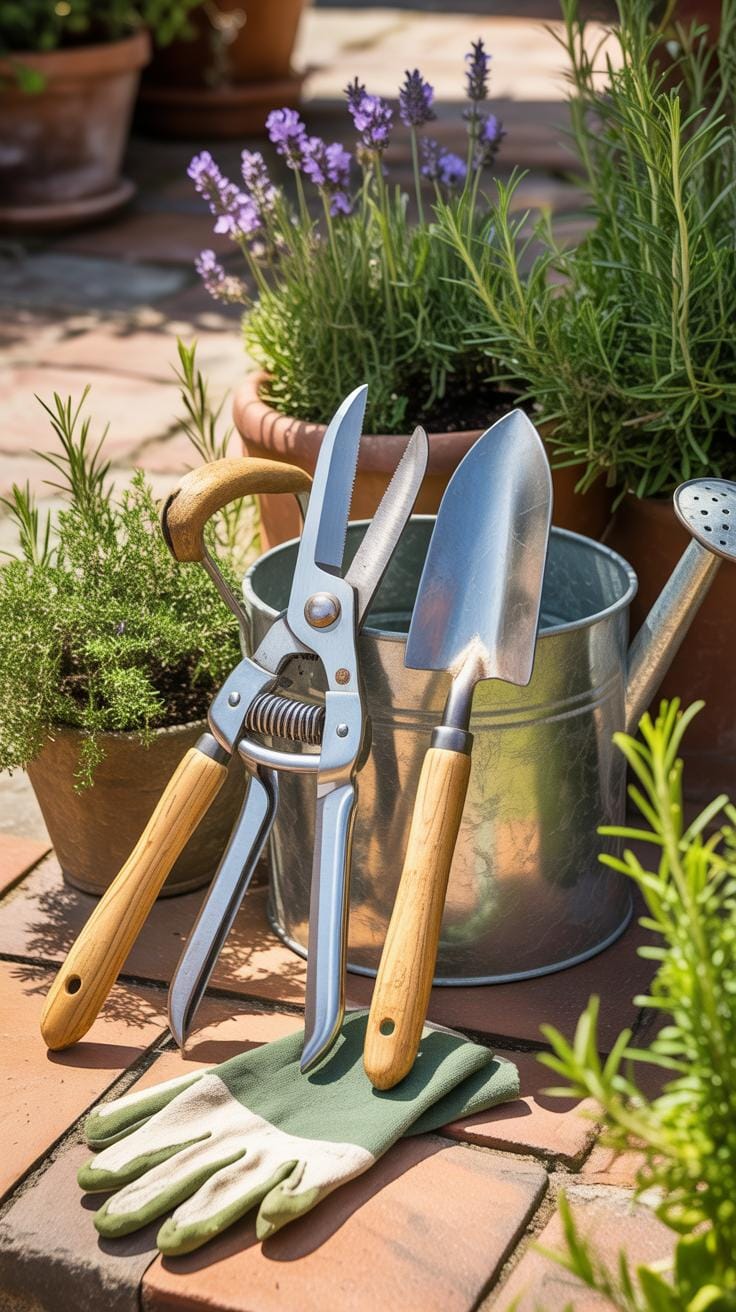
Keeping a Mediterranean garden looking its best calls for a specific set of tools and equipment—perhaps more so than other garden styles due to the unique nature of the plants.
For pruning and cutting, you need sharp and reliable tools to maintain the structured look of olive trees, lavender, and rosemary. Think bypass pruners for close cuts, loppers for thicker branches, and a pruning saw for the occasional big limb. These plants respond well to precise trimming, so dull tools just won’t cut it—quite literally.
When it comes to irrigation, managing water in a Mediterranean garden is a bit delicate. Timers that control watering schedules are invaluable. They take the guesswork out of watering times—especially when drought tolerance is a big part of the garden’s success. Even better are moisture sensors, which can detect when the soil actually needs water, sparing both plant stress and wasted water.
Don’t forget sturdy gardening gloves, essential for handling thornier plants and rough branches without scrapes. They also aid in comfort during long sessions outdoors.
So, could upgrading your watering system or fine-tuning your pruning tools transform how your garden thrives? It’s worth pondering—sometimes the right tool makes all the difference.
Costs And Timelines For Mediterranean Gardens
Budgeting For Garden Setup
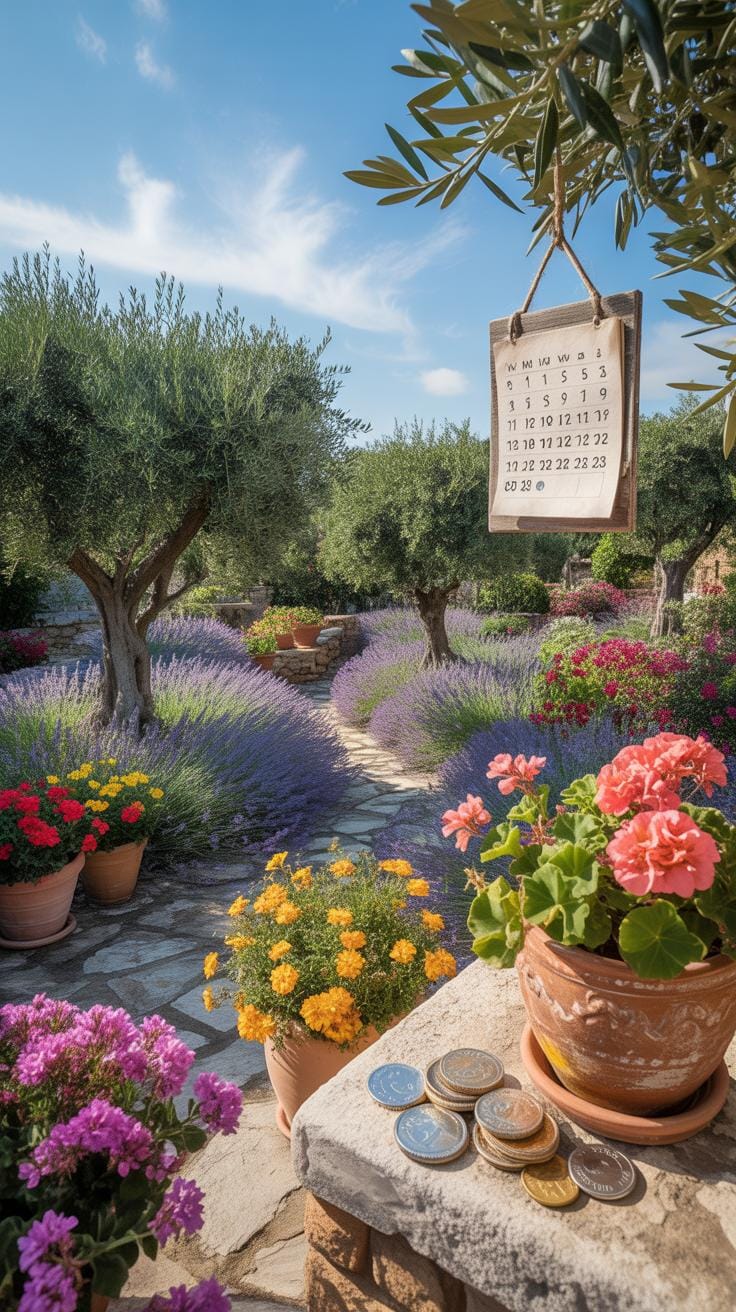
Setting up a Mediterranean garden involves several costs you’ll want to keep in mind, starting with soil preparation. Depending on your existing soil, amending it with gravel, sand, or organic matter can vary widely – often between $200 to $1,000 for a medium-sized garden. Plants tend to be a major expense. You’ll pay more for mature olives, citrus, or lavender, but younger plants cost less and take time to grow. Budget around $500 to $1,500 here.

Water features—like fountains or small ponds—can quickly push costs beyond your initial plan. Expect $300 to $2,000, depending on scale and complexity. Lastly, tools and materials: investing in quality shovels, pruning shears, and irrigation systems might set you back $200 to $600. Having reliable tools definitely pays off later.
Establishment And Growth Timeline
Once planted, Mediterranean garden plants can take time to settle in and reach their design potential. Often, it takes between 1 to 3 years for shrubs like rosemary or lavender to look established. Trees, like olive or cypress, might need 5 to 10 years for significant growth. Patience becomes key. It’s a bit like watching a slow unfolding.
During this period, regular watering and pruning will help speed growth, especially in hotter climates. You might wonder if rushing with mature plants is better. It can be, but sometimes younger plants adapt more sturdily. Keep in mind that full garden maturity is often a 5- to 10-year project – worth contemplating as you plan your space and budget.
Conclusions
A Mediterranean garden design brings together practical plant choices and thoughtful layout to create beautiful and resilient landscapes. By focusing on native and drought-resistant plants, as well as leveraging efficient water use, you can enjoy a vibrant outdoor area that requires less maintenance.
Incorporating features like water elements and comfortable seating enhances the space’s appeal. Using the principles and tips shared in this article can help you design a Mediterranean-inspired garden that complements your modern home and thrives in your local climate.