

Introduction
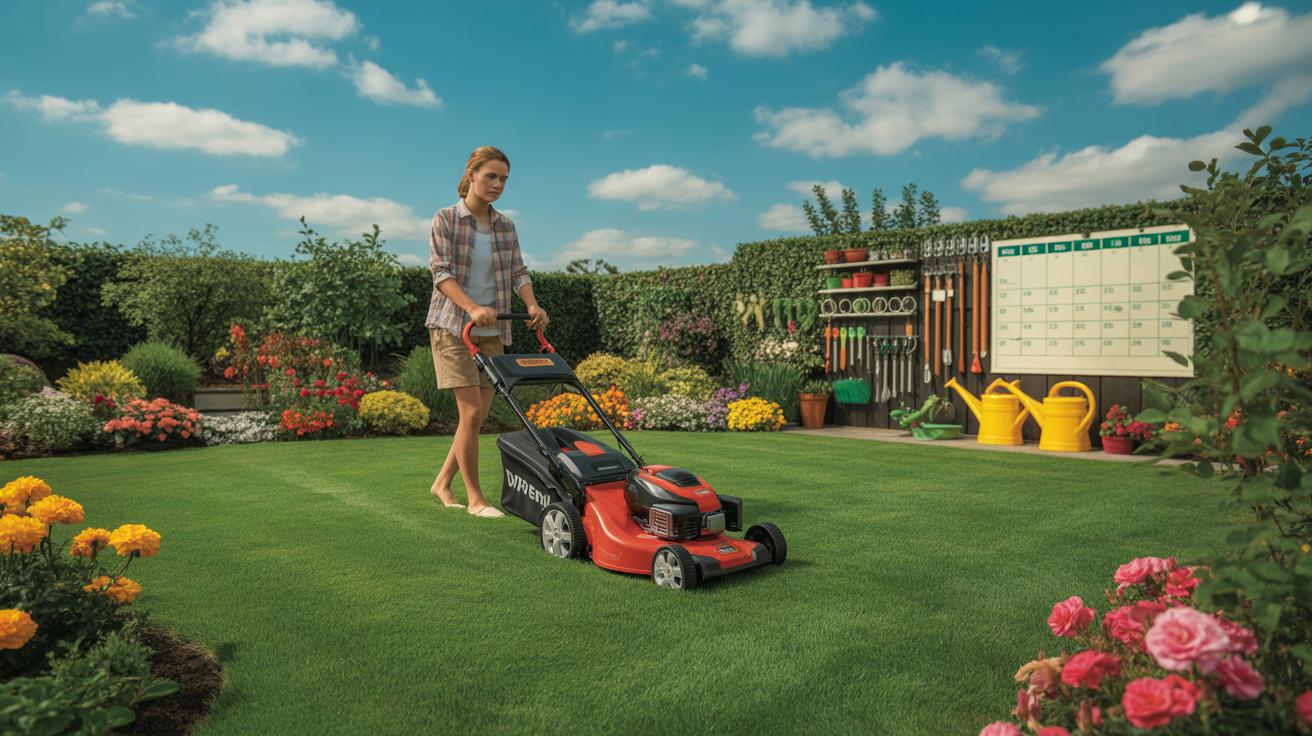
Lawn Care Schedule For Consistent Healthy Green Grass is a practical approach to keep your lawn green and healthy throughout the year. Knowing when and how to take care of your lawn helps prevent common problems like patchy grass and weeds. This schedule serves as a guide to follow tasks that promote lawn health, from watering to fertilizing.
This article breaks down key actions to take across different seasons. It covers watering routines, mowing tips, fertilizing schedules, and more. You will find easy-to-follow steps you can do yourself to keep your lawn vibrant and enjoyable.
Importance Of Scheduling Lawn Care Tasks

Scheduling lawn care tasks isn’t just about keeping track of chores—it really shapes how your lawn grows and stays healthy. When you stick to a regular routine, your grass adapts and thrives in a predictable rhythm. Without that consistency, stressed grass struggles to recover, making it more vulnerable to disease and pests.

For example, skipping timely mowing can cause grass to grow unevenly, leading to weak patches where fungi might take hold. Or take watering: too infrequent, and roots dry out; too much, and mold or grubs can appear. When I started setting up a simple calendar for mowing and watering, I noticed fewer brown spots and less weed invasion. It makes you wonder why keeping a schedule sometimes feels like such a chore, even though the benefits are clear.
How A Schedule Benefits Your Lawn Health
Your lawn’s health relies on some key tasks done at the right times. Watering, for instance, works best early in the day before heat causes evaporation. Fertilizing during growing seasons—spring and early fall—boosts grass strength just when it needs it most. And mowing at the right height regularly helps the grass develop thicker blades and discourages weeds.
Seasons really change the game. In summer, the grass might need more water but less fertilizer. Come fall, it’s a chance to repair damage by feeding the roots. This seasonal timing isn’t some strict rule but more of a helpful guide. Sometimes, you might miss a week or two, and the lawn still bounces back, but a pattern helps keep all these efforts from slipping through the cracks. I think it’s a balance between discipline and flexibility.
Common Lawn Issues From Neglect
When you let lawn care slide, a few common problems usually show up: weeds overrun the space, bare or patchy spots appear, and pests begin to take hold. Weeds. They thrive because the grass isn’t dense or healthy enough to compete. Patchy spots often come from inconsistent watering or irregular mowing, which stresses the grass unevenly.
Pests like grubs or chinch bugs might appear when the lawn can’t defend itself—usually due to poor root systems or lack of nutrients. It’s a simple chain reaction: neglect invites problems. I remember once leaving watering on the back burner for a couple weeks; spots went from green to brown quickly. It was frustrating but drove home why keeping at it matters even if you don’t feel like it every day.
Creating Your Yearly Lawn Care Plan


Crafting a yearly lawn care plan might feel overwhelming at first, but it’s really about keeping things simple and tracking a few key actions throughout the year. Think of it as a basic rhythm: water, mow, feed, and aerate spread across months or seasons. This way, you ensure your grass gets exactly what it needs when it needs it—no more, no less.
Start by marking your calendar with watering schedules. Spring and summer usually call for more frequent watering—maybe two or three times a week if rainfall is low. In fall, reduce watering as the grass slows down. Winter might mean almost none, depending on your climate.
Mowing comes next. The height of the cut should change with the seasons. For example, raise it in summer to preserve moisture, then lower it gradually as cooler weather approaches. Feeding is another puzzle piece—early spring and fall are prime times for fertilizer. Aeration usually fits in spring or fall to relieve soil compaction and promote root growth, but the exact timing depends on your lawn type and local weather.
Putting all this on a simple chart or app helps you keep track. If you live where winters are mild, don’t stop watering entirely. Hot, dry climates might need extra care in summer. Tailor the plan to what feels practical for you and your grass. After all, the best plan is one you’ll actually follow.
Monthly Lawn Care Checklist

Lawn care shifts from month to month, and a checklist can keep you on track. Here’s one way to break it down:
- January–February: In colder climates, rest is key. In warmer areas, mow lightly and reduce watering.
- March–April: Begin feeding with a balanced fertilizer; aerate if the soil’s compact. Start mowing regularly but don’t scalp the grass.
- May–June: Increase watering as temperatures rise. Adjust mowing height higher during hot spells.
- July–August: This is often the toughest time. Water deeply but less often to encourage deep roots. Avoid fertilizing if it’s very hot.
- September–October: Feed again to prepare the lawn for winter. Aerate if you didn’t in spring. Start lowering mower height gradually.
- November–December: Reduce mowing frequency and watering, depending on weather.
If you’re in a cooler region, some months might be too cold for growth, while in warmer zones, the lawn might grow year-round. So adjust accordingly.
Adjusting Care For Different Seasons
Seasons change not just temperature but what your lawn needs. In spring, the grass wakes up thirsty and hungry. It’s the prime time to feed and aerate, encouraging growth.
Summer can be tricky—water wisely. Too much can drown roots; too little stresses the grass. Raise mower blades a bit to provide shade and reduce evaporation. Feeding should be lighter or skipped, depending on how hot it gets.
Fall is the lawn’s chance to recover and stock up for winter. Feeding now helps roots strengthen. Mower height can come down as growth slows, but not too much—leaves may fall, and a slightly taller turf can shield it.
Winter care differs by climate. In colder zones, mowing and watering almost stop, but in mild areas, you might need to keep an eye on watering and cut occasionally.

Adjusting these care elements with the seasons might seem like juggling, but over time it becomes natural. Maybe, like me, you’ll forget a step now and then—but that doesn’t ruin things entirely. The lawn mostly forgives occasional slip-ups as long as the core routine stays steady.
Watering Lawn Efficiently And Correctly
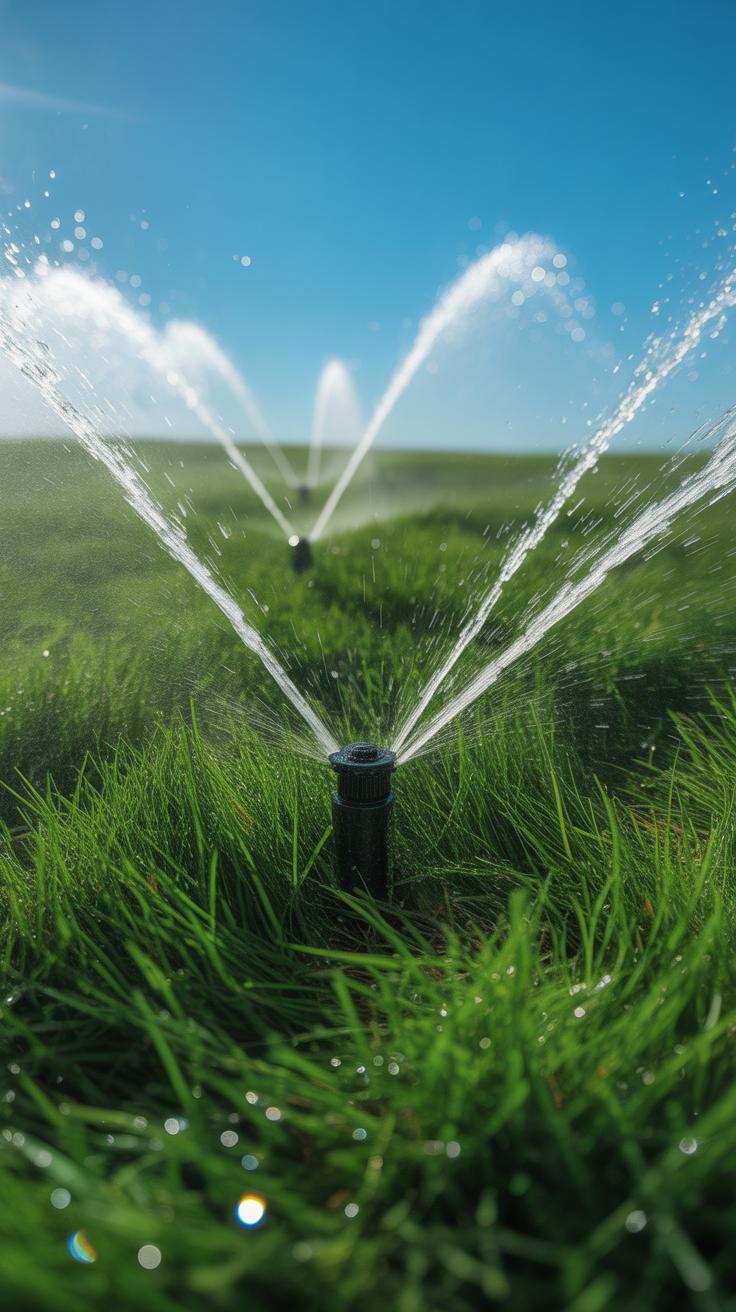
Getting your lawn the right amount of water isn’t just about turning the hose on and hoping for the best. It’s a bit more precise than that, and honestly, you might need to experiment a little to find what works for your yard. Typically, watering early in the morning, just before or around sunrise, works best. The air is cooler, so less water evaporates before it seeps into the soil. Late evenings might seem convenient, but wetter grass overnight can encourage fungus—something to think about.
When it comes to how much water your lawn actually needs, keep this in mind: grass generally likes about one inch of water per week. Not all soils hold water the same way, though. Sandy soil drains faster, so it might demand more frequent watering than clay, which retains moisture longer. A simple method to check is placing a few straight-sided containers around and timing how long your sprinkler takes to fill them an inch deep. It’s straightforward but effective.
Adjust the frequency based on weather too. After a heavy rain, your lawn will likely be fine without extra water for days. During hotter stretches, you might need to water more often. Are you sure your watering routine is helping rather than hindering? It’s a question worth revisiting regularly.
Mowing Techniques For Healthy Grass

Mowing isn’t just a chore; it shapes the health of your lawn more than you might think. Getting the height right plays a big role in how dense and strong the grass becomes. Cut too short and the grass can struggle, exposing roots to stress. Leave it too tall and your lawn may get patchy or prone to pests. So, fine-tuning the height makes a real difference.
Patterns matter, too. Try changing your mowing direction each time you mow. It prevents soil compaction and helps the grass grow upright. I’ve noticed my lawn looks fuller when I don’t mow the same way all the time. It feels like the grass gets less “tired.”
Correct Mowing Height For Grass Types
Different grasses need different heights. For cool-season grasses like fescue or Kentucky bluegrass, trimming to about 2.5 to 3.5 inches works well. These grasses rely on leaf area to photosynthesize during cooler weather. Warm-season grasses like Bermuda or zoysia prefer shorter cuts, around 1 to 2 inches, because they grow faster and spread low to the ground.
Why does height matter so much? Taller grass shades the soil, reducing evaporation and limiting weeds. But each grass type has its sweet spot, so a one-size-fits-all approach won’t work. Have you experimented with cutting your grass higher or lower? Sometimes you need to adjust through the seasons, too.
How Often Should You Mow

The frequency depends mostly on how fast your grass grows — which changes with temperature and season. In spring and early summer, weekly mowing is usually necessary to keep up with rapid growth. Late summer and fall slow down, so mowing every 10 to 14 days may be enough.
Cutting too often can stress the grass, especially if it’s dry outside. On the flip side, letting it get too long before mowing could shock the lawn when trimmed sharply. I tend to check the height and growth rate every few days, especially during unsettled weather, rather than sticking strictly to a schedule.
Does your lawn ever seem to grow unevenly? Adjusting mowing frequency might help, especially if some areas get more sun or water. It’s not perfect science—you just have to keep an eye and be willing to adapt a bit.
Fertilizing Your Lawn Right
Choosing The Best Fertilizer For Your Lawn
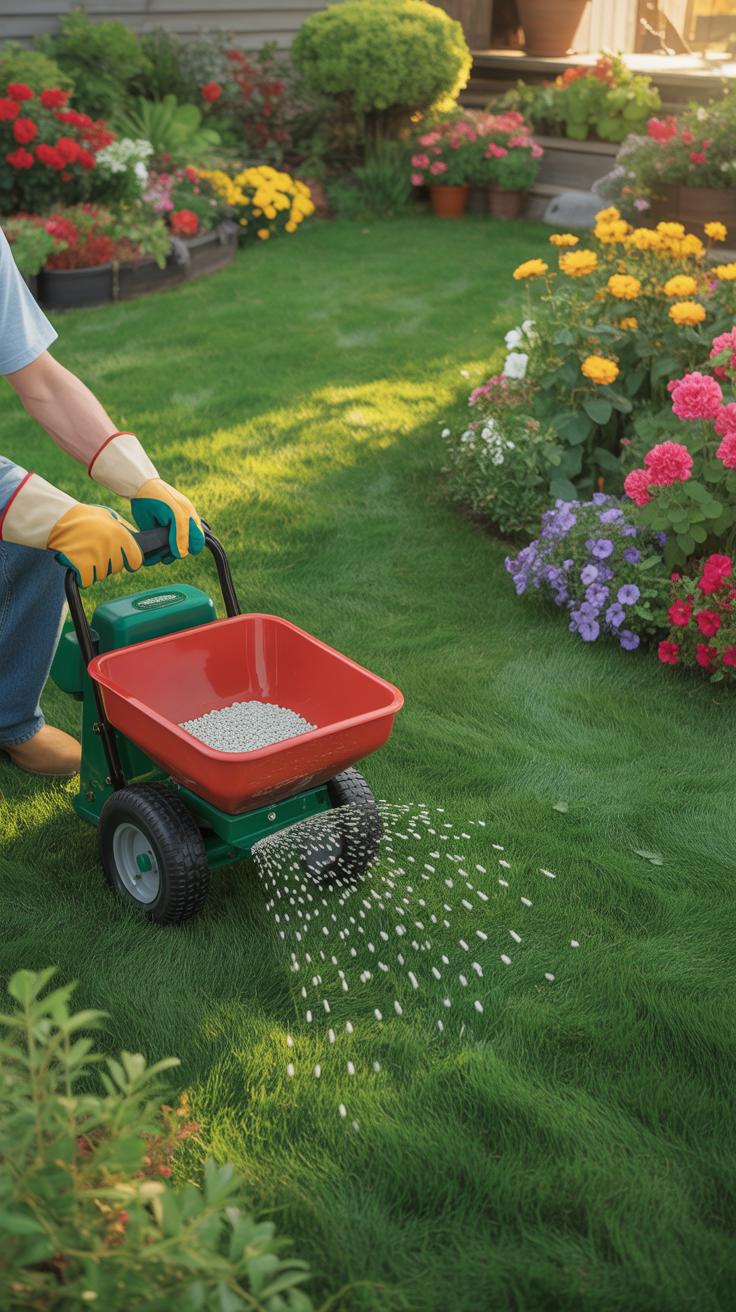
Picking the right fertilizer isn’t always straightforward. You’ve got options: granular, liquid, slow-release, quick-acting. Each serves different needs and situations. Granular fertilizers release nutrients over time, which is great if you want less frequent feeding. Liquid fertilizers act fast but need more regular application. Slow-release types help prevent burn but might be less effective if your lawn desperately lacks nutrients.

Your soil and grass type influence your choice more than many realize. For example, a sandy soil usually drains nutrients quickly, so a slow-release or split feeding approach might be better to avoid loss. On the other hand, clay-heavy areas hold nutrients longer but risk buildup, so a lighter dose works best. If you’re unsure, a simple soil test is probably the smartest step before buying anything.
Remember, the N-P-K ratio—nitrogen, phosphorus, potassium—is crucial. Nitrogen promotes green, leafy growth; phosphorus aids roots; potassium improves disease resistance. A typical lawn fertilizer might be 20-5-10, but your lawn’s actual needs can differ. Do you really need more phosphorus if your soil is already rich in it? Probably not, and too much can even cause problems.
Timing And Amounts For Fertilizing
When to fertilize? Most lawns benefit from feeding in early spring, when growth kicks in, and again in early fall to prepare for winter. Some folks add a mid-summer application, but it depends on your grass type and climate. Overdoing it can cause problems like thatch buildup or stress the lawn.
How much to apply? Follow the instructions on your fertilizer package closely—though I admit, it feels tempting to throw on more, hoping for faster results. Resist that urge. Over-fertilizing can actually harm your grass and increase runoff into local waterways. I’ve seen lawns turn patchy after too much fertilizer, a reminder that sometimes less really is more.
To keep it practical, try something like this: apply about 1 pound of nitrogen per 1,000 square feet per feeding. If you’re using slow-release fertilizer, space treatments out to avoid nutrient overload. Always water your lawn after fertilizing—it helps nutrients soak in and reduces the chance of burning. Does your lawn need more feeding? If it’s still pale or thinning after a few weeks, maybe—but patience plays a bigger role than many realize.
Controlling Lawn Weeds And Pests
Identifying Common Lawn Weeds
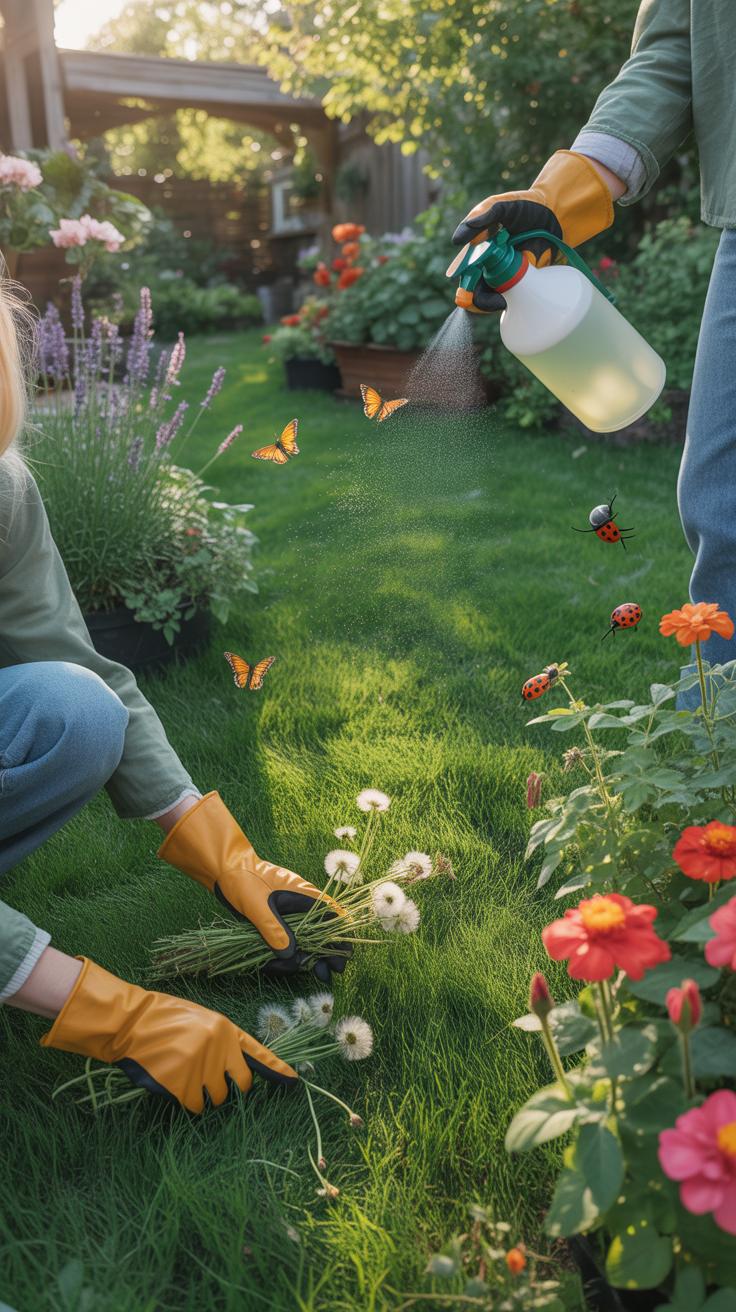
Knowing what’s invading your lawn is the first step. Common weeds like dandelions pop up with bright yellow flowers and jagged leaves. Clover appears as small, round leaves, often in clusters. Crabgrass spreads low and wide, sometimes mistaken for grass until you look closer. Then there’s chickweed, with tiny white flowers and thin stems that seem to creep everywhere.
Each weed has unique features—some have deep roots that resist pulling, others spread by seed quickly. Can you tell a broadleaf from grassy weeds? Broadleaf types have wider leaves often with noticeable veins, while grassy ones look and feel more like your lawn grass but grow in clumps or patches. Spotting these early helps stop problems before they spread.
Pest Control Options For Lawns
Keeping pests in check can feel tricky. Sometimes, tiny insects like grubs or chinch bugs sneak under the surface, damaging roots before you notice. You might see brown patches or thinning grass—signs your lawn is under attack.
Starting with non-chemical methods often works well. Aerating your soil, improving drainage, and mowing at the right height make your lawn less inviting to pests. Beneficial nematodes and natural predators like ladybugs can reduce harmful insect populations without chemicals.
When pest problems persist, chemical controls might come into play. Spot-treating affected areas limits exposure and avoids harming beneficial insects. Choosing products labeled specifically for your pest type is key. But you might wonder—does chemical use risk more harm than good? It’s a balance, and sometimes patience with non-chemical methods pays off.
What’s your experience with managing lawn pests? Do you prefer gentle approaches or faster fixes? Each lawn reacts differently, so watching and adjusting is part of the process.
Aerating Your Lawn Benefits And How To Do It
What Is Lawn Aeration And When Should You Do It?
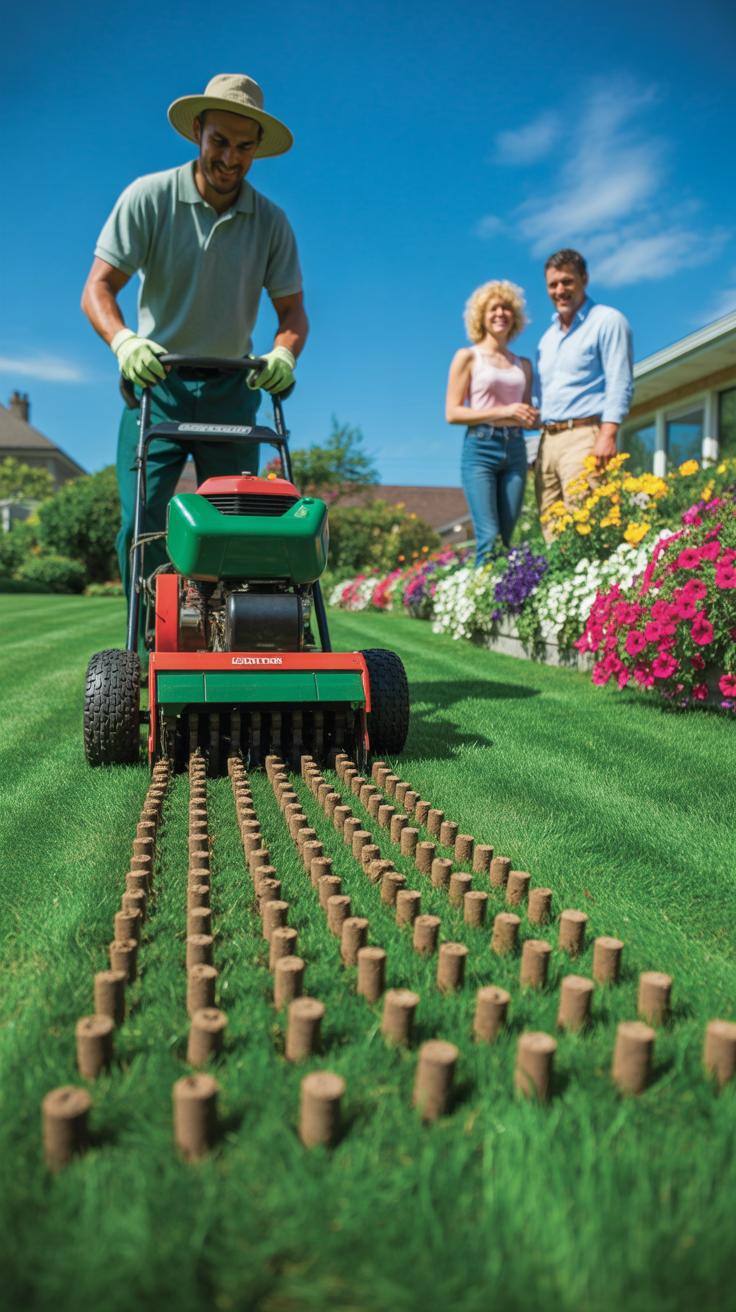
Lawn aeration means poking small holes in your soil to let air, water, and nutrients reach deeper roots. Think of it as giving your grass a chance to breathe. Usually, people aerate once a year, often in the early fall or spring, when the grass is actively growing. It depends a bit on your soil type and climate, though—so you might want to observe your lawn’s condition first.
Maybe you’ve noticed water pooling after rain or your grass looking tired despite watering—that’s often a sign you could try aeration.
Step By Step Lawn Aeration Process
Here’s a simple way you can aerate your lawn yourself:
- Start by mowing your grass shorter than usual, but don’t scalp it.
- Water the lawn thoroughly a day before aerating, so the soil is soft but not muddy.
- Use a lawn aerator—either a manual tool like a spike or plug aerator or rent a machine for larger spaces.
- Walk evenly across the lawn to cover every part, making holes about 3 inches apart.
- If using a plug aerator, leave the soil plugs on the lawn—they break down and add nutrients back.
- After aeration, give your lawn a light fertilizing and water it well.
It’s straightforward once you get the hang of it, though it might seem slow if you have a big yard.
How Aeration Helps Lawn Growth
Aeration is really good at loosening compact soil. When soil compacts, roots can’t spread well, and water struggles to penetrate deeply. This leads to shallow root systems and stressed grass during dry spells. By creating holes, you reduce compaction and encourage roots to grow thicker and deeper.
More oxygen reaches the roots, which supports better nutrient uptake. You might notice your grass looks greener and feels stronger not long after aerating. Still, results can vary—it’s not a magic fix, but rather a step in improving lawn resilience over time.
Tracking Lawn Care Progress And Adjustments

Watching your lawn over time gives you clues about what it really needs, but it’s not always obvious at first glance. You might notice the grass color shifting subtly or patches thinning out. These signs tell you a lot. So, what should you keep an eye on?
Lawn Health Metrics To Watch
Start with the basics: color, thickness, and weeds. A rich green color usually means the lawn is doing well, but if it leans toward yellow or brown, something’s off—maybe watering or nutrients. Thickness matters, too; thin or patchy areas often admit weeds or stress. Speaking of weeds, their presence can suggest your lawn is struggling to compete, often due to soil or care issues. Watch closely during seasonal shifts, because issues can appear suddenly after hot spells or rain.
How To Change Care Based On Lawn Needs
If the grass looks stressed, tweak your routine. Dry spots often need more watering—but maybe less at once and more frequently, so roots grow deeper. Overwatered lawns might need a break from irrigation. If your mower clippings are heavy, try raising the blade height a notch to avoid scalping. Fertilizing also depends on what the grass shows; pale green can benefit from a boost, but dark, lush lawns might not need much feeding. You may find that these small adjustments matter more than a fixed schedule. Have you noticed something that made you rethink your usual routine? It’s worth testing a change or two and watching closely afterward.
Conclusions
Following a set Lawn Care Schedule helps ensure your grass stays healthy and green for months. Regular watering, mowing, and feeding are simple routines that make a big difference in lawn appearance and longevity.
Adjust your lawn care habits as the seasons change. Keep track of your lawn’s needs and address issues early. A good schedule keeps your lawn looking its best and creates a pleasant outdoor space for you and your family.