
Introduction
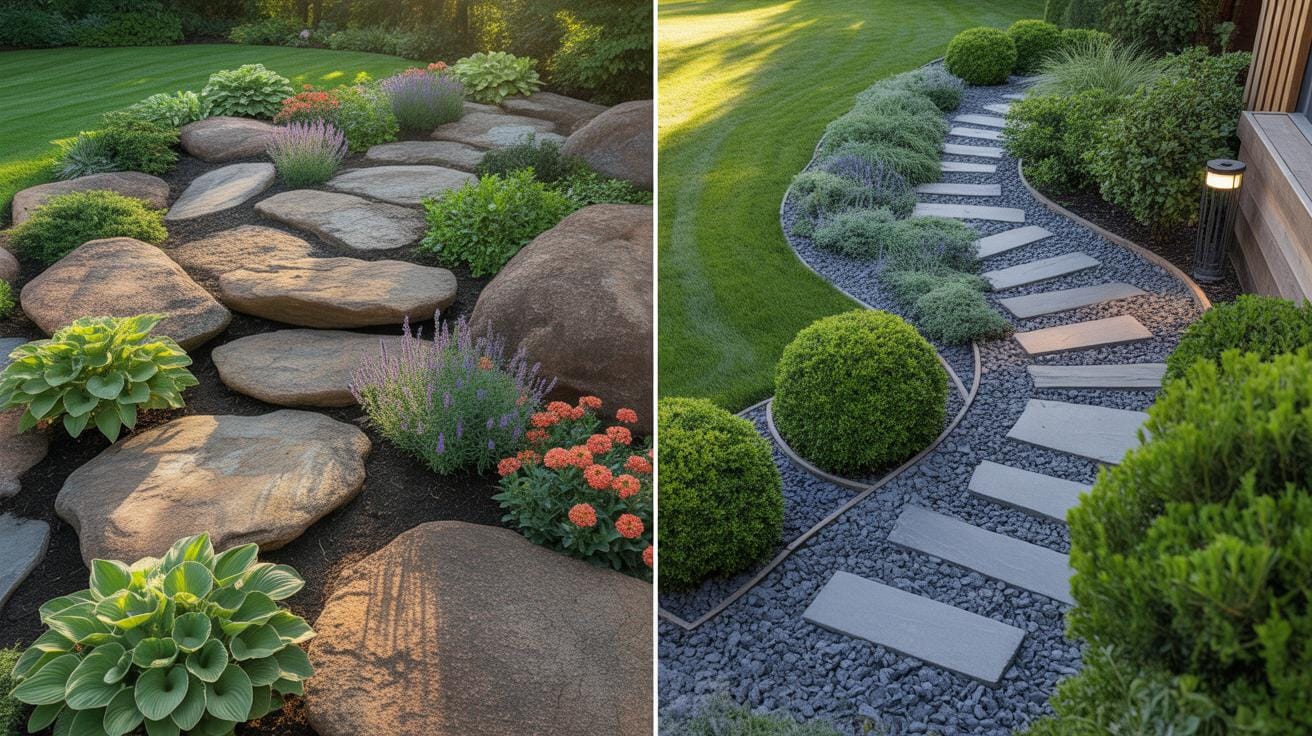
Landscaping with large rocks and using gravel are popular choices for outdoor design. Both methods offer different aesthetics and practical benefits. Choosing between them depends largely on cost considerations and the benefits you want to achieve with your yard or garden.
This article covers the cost differences and benefits of landscaping with large rocks versus gravel. You will learn about what each option involves, how the costs stack up, and what benefits they bring to your outdoor space.
Cost Comparison Of Rock And Gravel
Materials Cost Differences
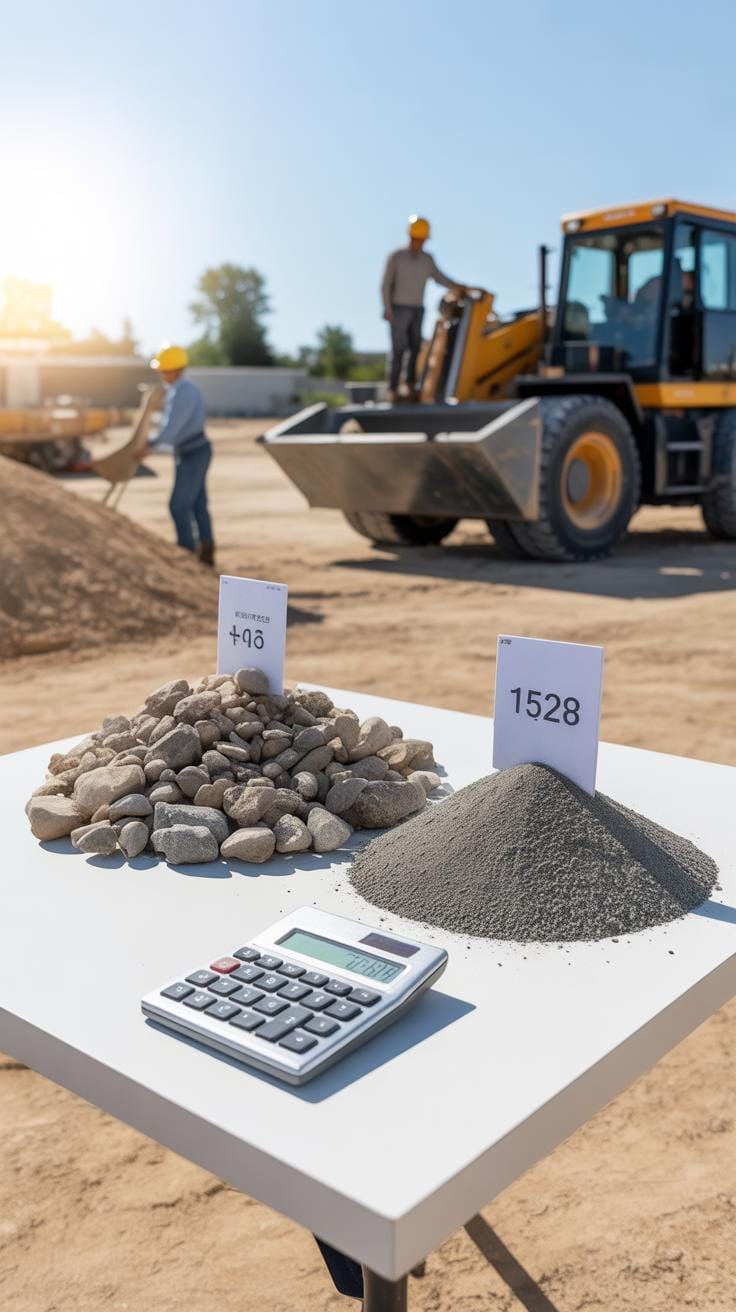
Large rocks generally come at a higher price point than gravel. For instance, common landscaping boulders that measure around 12 to 24 inches in diameter can cost anywhere from $50 to $150 each, depending on the type of stone and your location. On the other hand, gravel—depending on size and type—typically costs between $20 and $60 per ton. While gravel is sold by weight, large rocks are priced individually, which can make budgeting a bit tricky.
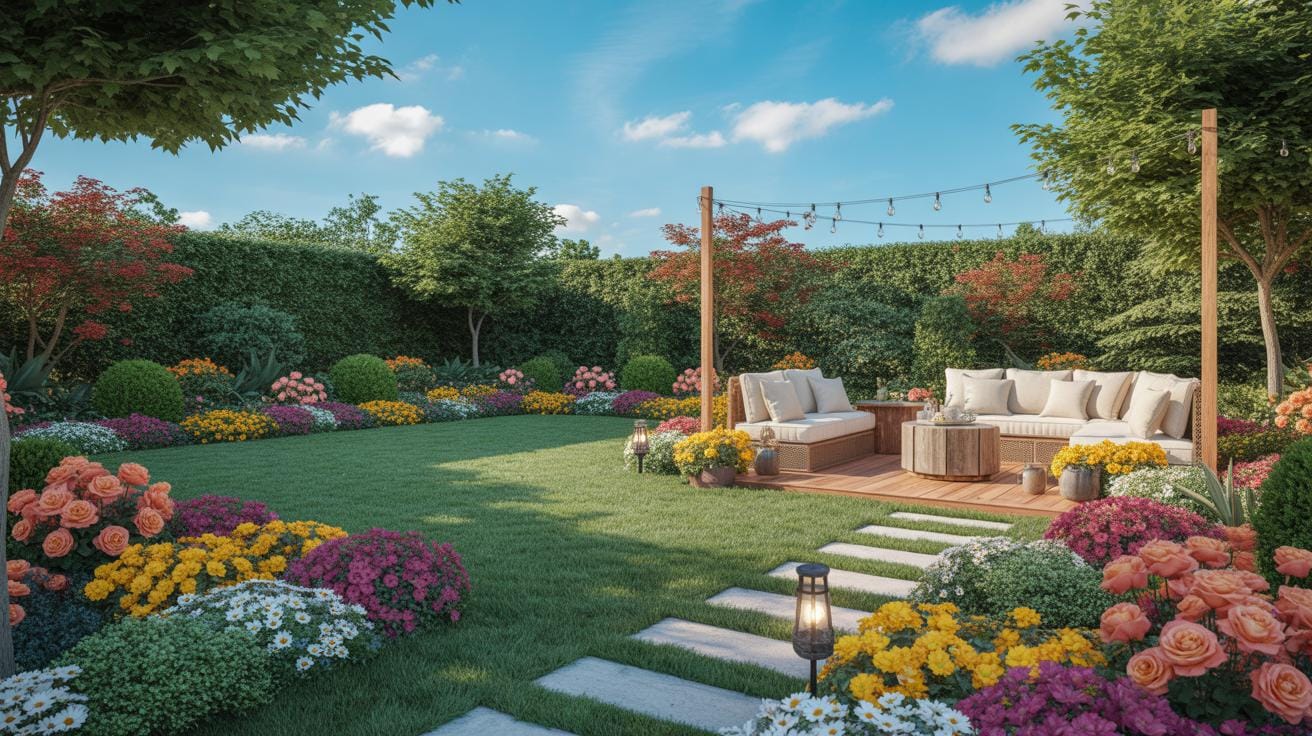
When you consider the volume needed to cover an area, gravel can be a more cost-effective choice material-wise, especially for larger projects. Still, if you want a few statement pieces that draw the eye, large rocks have that unique appeal but a heftier upfront price tag.
Installation And Maintenance Expenses
Installing large rocks usually demands more labor and equipment. Often, heavy machinery or special tools are necessary to place them correctly, which adds to the costs. Gravel, in contrast, is easier to spread out and level by hand or with simpler tools.
Maintenance-wise, rocks are relatively low-maintenance but do require occasional repositioning as weather or settling shifts them. Gravel, however, might need more frequent refreshing—such as topping up and weeding, since gravel beds can invite undesired plants over time.
Overall, the installation of large rocks can strain your budget upfront, yet maintenance is often less demanding compared to gravel’s ongoing upkeep. Deciding between the two often depends on your specific goals and how much you’re willing to invest—not just now, but over the long haul.
Benefits Of Large Rocks In Landscaping
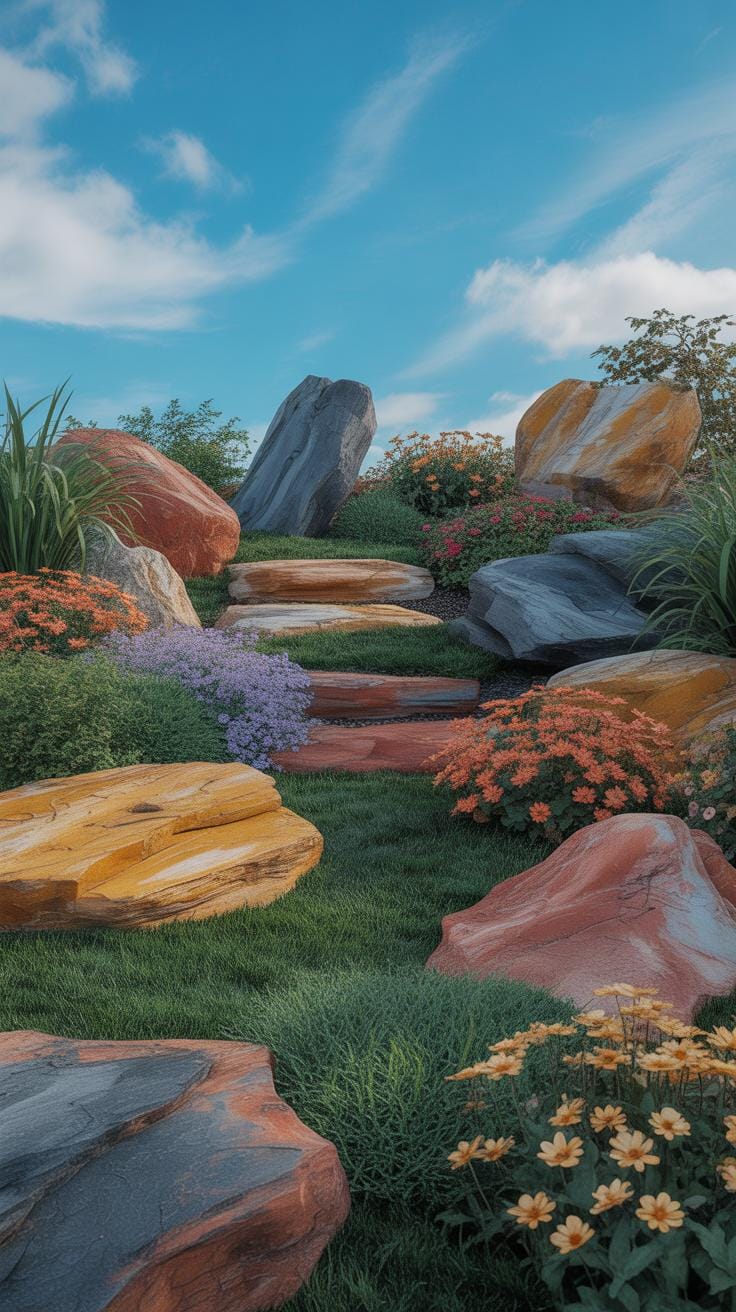
You might find it surprising how well large rocks hold up in landscaping over the years. Unlike wood chips or mulch that need regular replacement, these stones endure harsh weather conditions without much fuss. They don’t rot, fade, or get easily displaced by wind or rain. So, when you invest in large rocks, you’re essentially choosing materials that stay put for a long time, saving you ongoing maintenance efforts.
Another advantage that’s not always obvious is water conservation. Large rocks help stabilize soil and cut down on evaporation—a bit like nature’s own moisture guard. This can be a big deal if you’re trying to keep water use low, especially in drier climates. By reducing soil erosion and holding moisture in, large rocks support healthier plants with less frequent watering.
And let’s not forget the visual impact. Large rocks aren’t just functional; they add a unique texture and definition to your outdoor space. They can create natural focal points or subtle borders without the need for complicated installations. Whether placed strategically or scattered more casually, these rocks bring an organic feel that many find appealing.
How To Landscape With Large Rocks
Planning Your Rock Layout
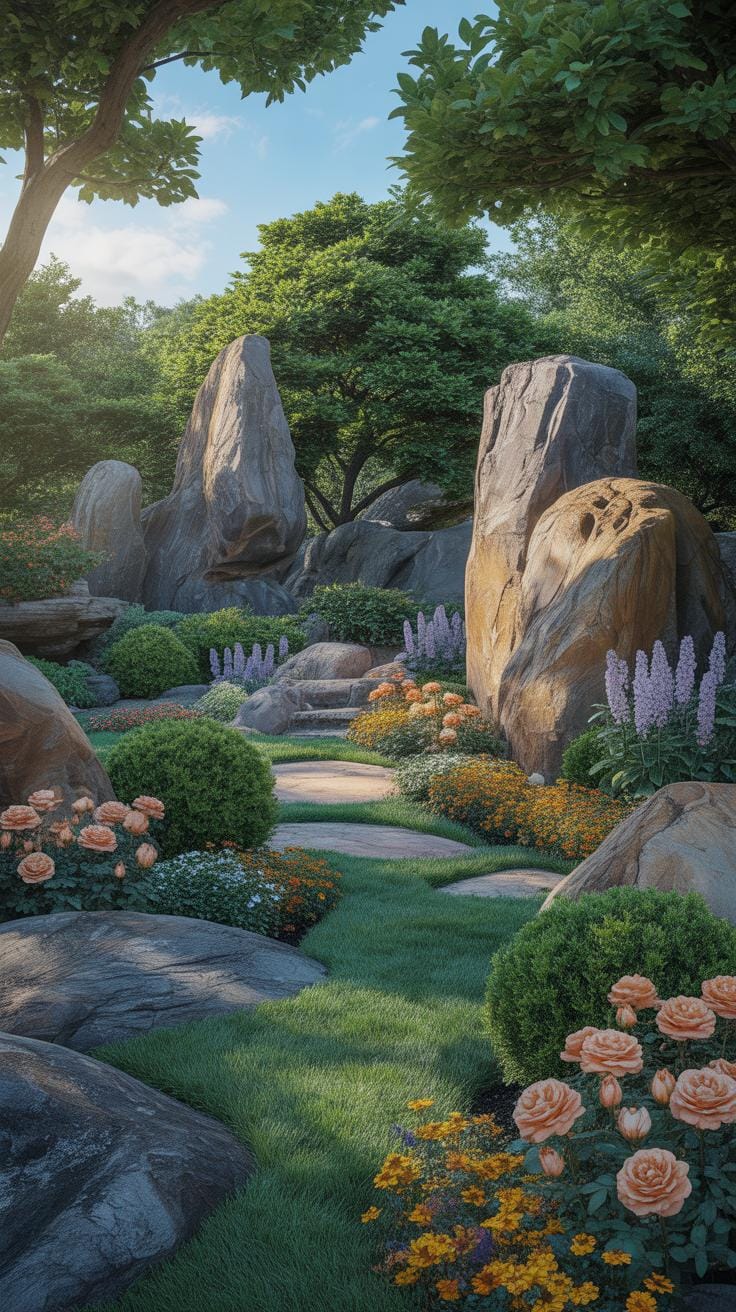
When you start planning with large rocks, think about more than just size. Shape matters too—round boulders feel different from jagged ones, and each shapes a different vibe. You want to consider where the sun hits and how the rocks interact with pathways or plants around them.
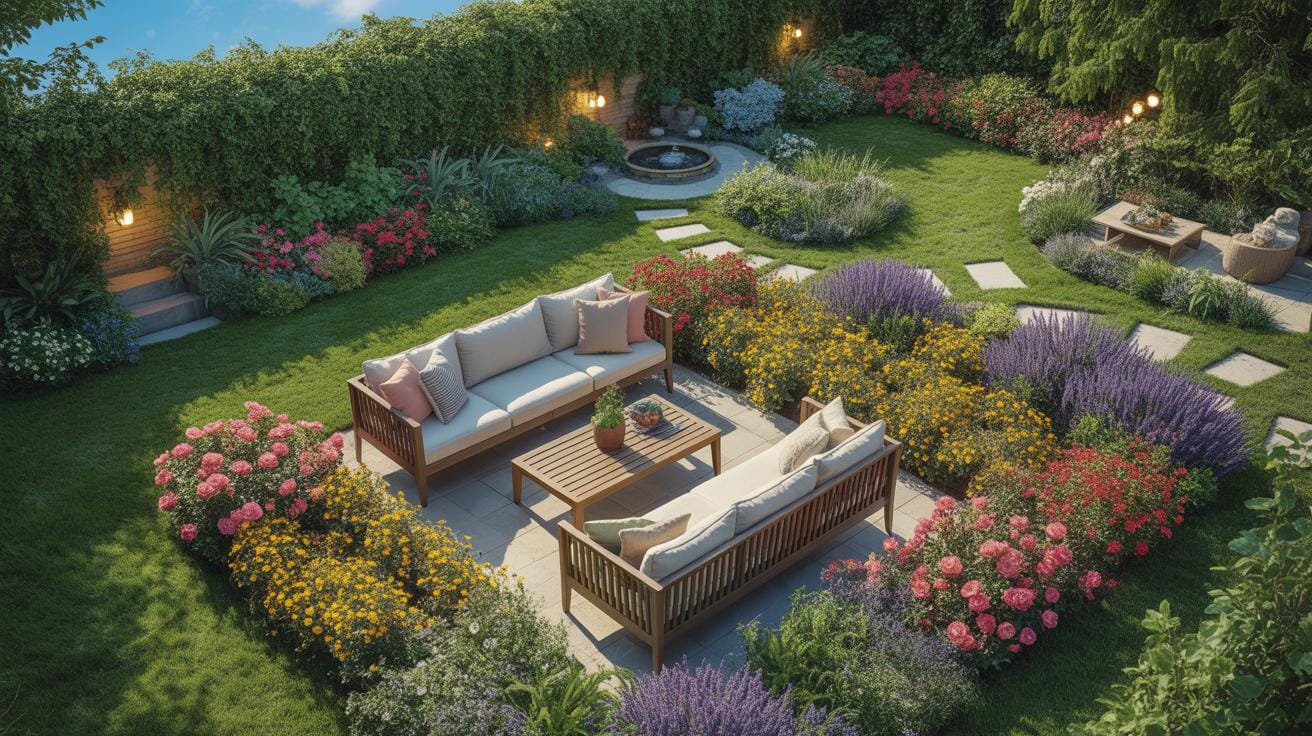
Here’s a simple approach to planning:
- Lay out a rough sketch of your yard or the space you’re working with.
- Mark key spots where focal points or functional features should be, like near seating areas or entrances.
- Choose rocks of varying sizes to avoid a flat, boring look—layer heights with smaller stones around larger boulders.
- Avoid placing too many rocks close together—give each piece room to stand out.
- Consider natural groupings, like clusters or lines, to channel visual interest and guide movement.
Visual balance is tricky. Sometimes an off-center rock looks better than a perfectly symmetrical set-up. Don’t be afraid to experiment a bit before digging in.
Installing And Arranging Rocks
Placing large rocks is more physical than you might expect. Getting them into position safely means planning how you’ll move them—renting equipment or asking for help might be necessary.
Once they’re where you want them, make sure they’re stable. Dig out a shallow bed to sit the rock in, then pack soil or smaller gravel underneath to keep it steady. Rocks that wobble quickly lose their appeal and can even be a hazard.
Think about layering textures around your rocks. Surrounding them with gravel, mulch, or low-growing plants can soften their edges and integrate them better with other elements outside.
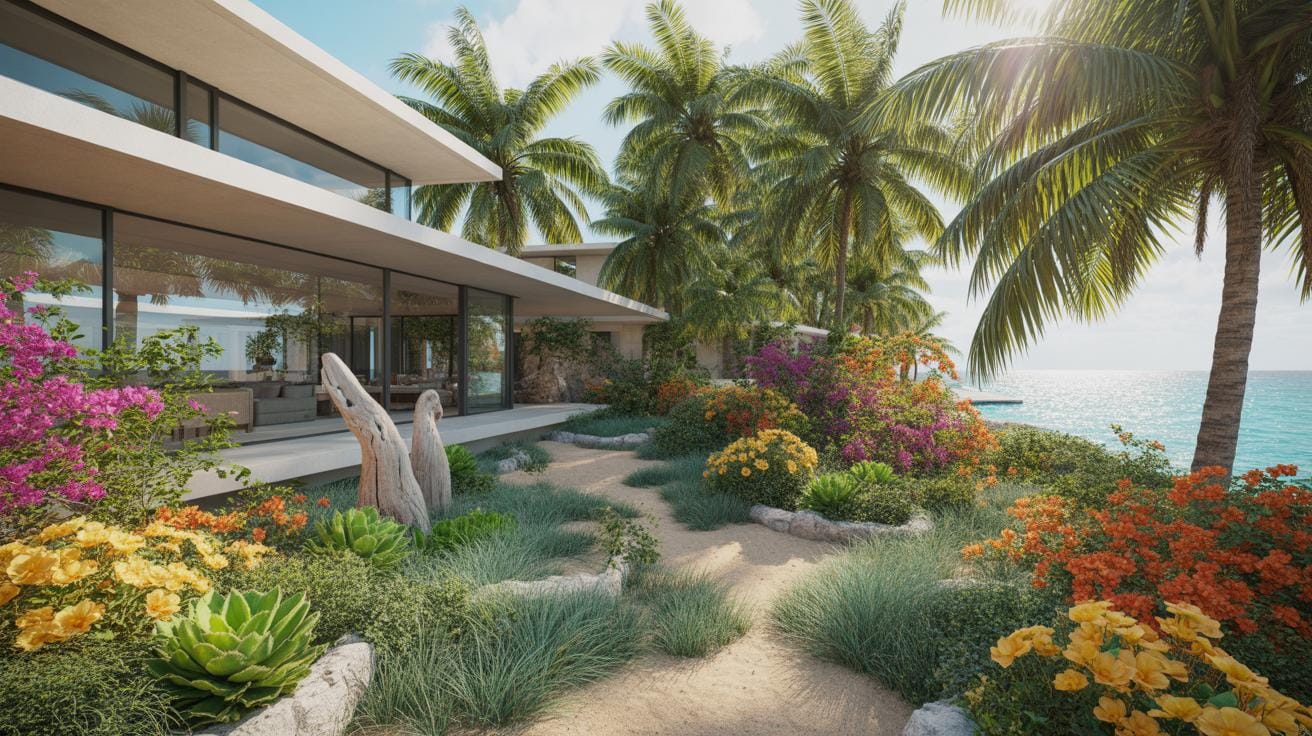
And remember, large rocks don’t have to be isolated—they can be combined with water features or used as natural seating. How you use them changes the feel of your outdoor space.
Landscaping With Large Rocks
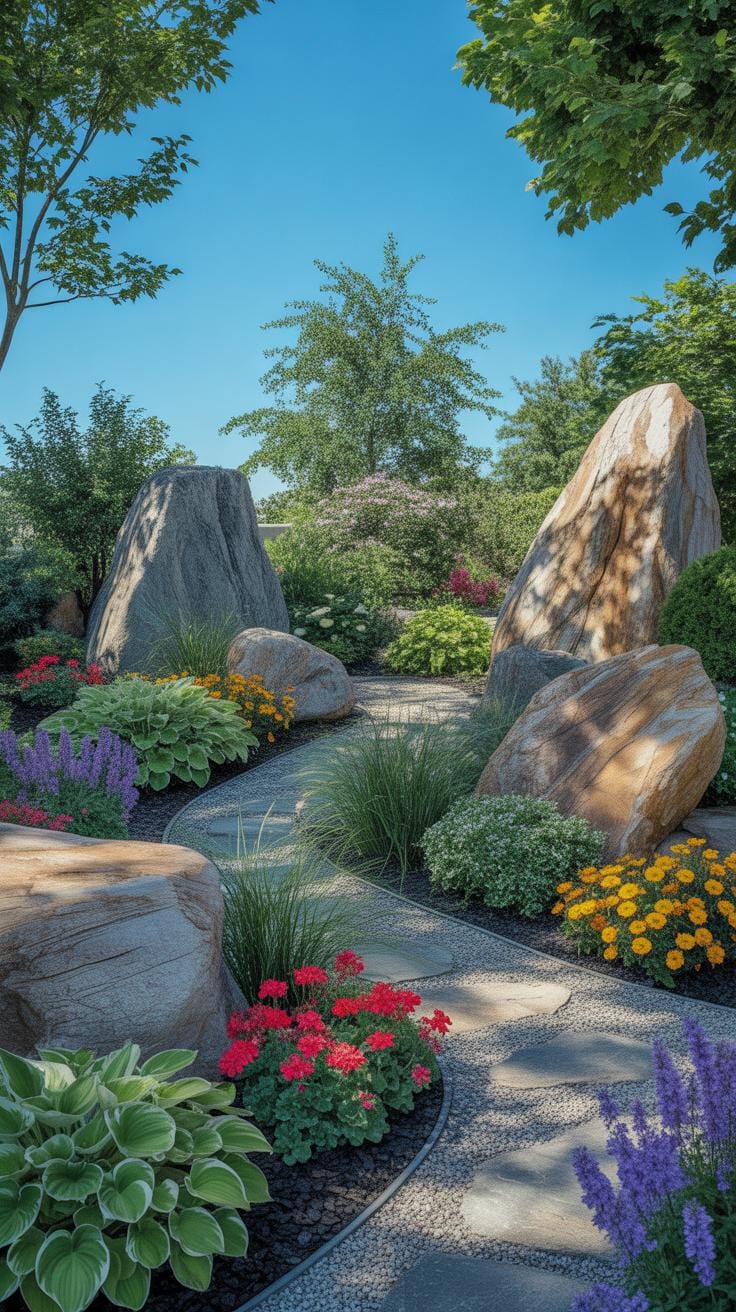
Using large rocks in your yard can create a bold statement and introduce a sense of permanence. These rocks are not just ornamental; they serve practical purposes like acting as barriers or defining areas without the need for fencing or walls. You might think of boulders as a simple addition, but placing them well takes some thought and time—they don’t just get dumped randomly.
These stones vary widely in size and shape, offering textures and colors that can complement natural surroundings or modern designs. Ever notice how they anchor the feel of a garden or a slope? That’s because their solid mass stabilizes soil and helps with erosion control, especially on hills or uneven ground.
Large rocks require minimal maintenance. So if you’re not up for constant upkeep, they could be better than frequent lawn care or mulch replacement. Yet, their installation usually demands extra effort—often a small excavator or professional help is needed, and that might bump up costs quickly.
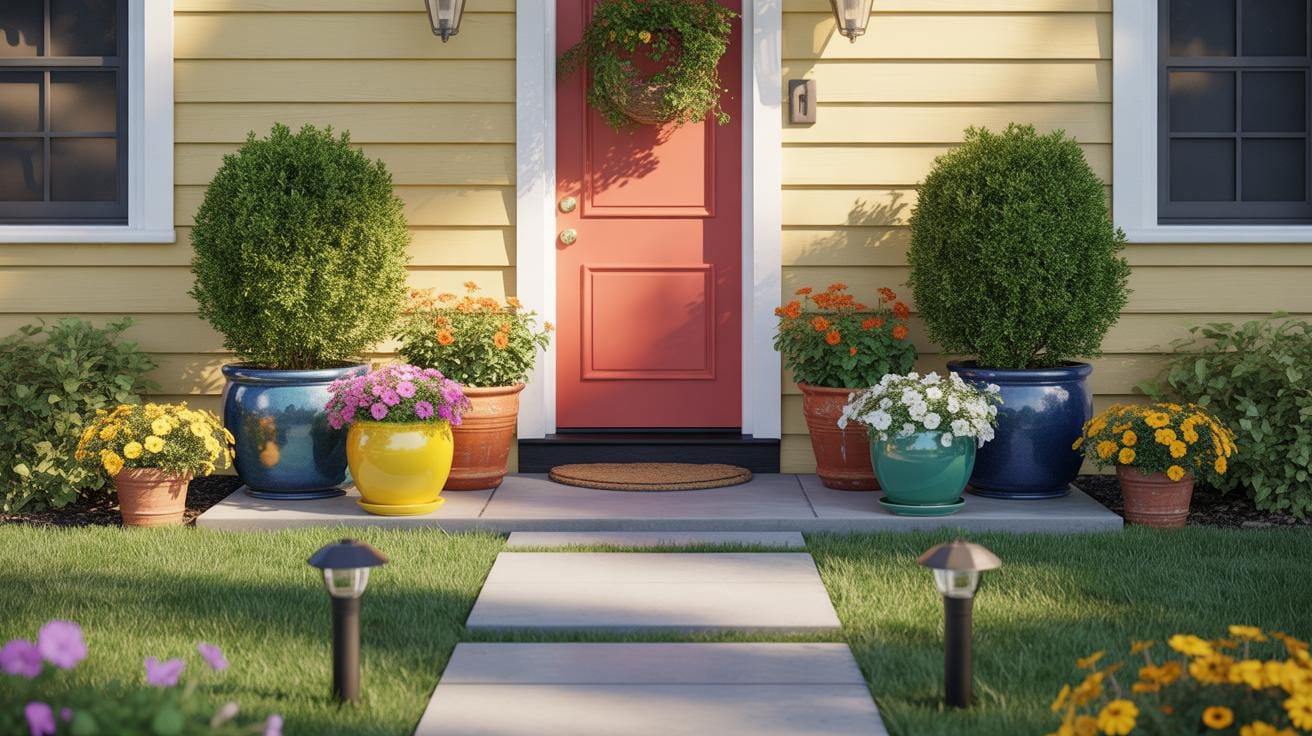
Another aspect to consider is how they influence water flow around your plants. Unlike gravel, which absorbs and disperses water, big rocks can create dry pockets beneath them, affecting nearby vegetation. Some find this helpful for creating microclimates suited to drought-tolerant plants, but it might not suit every yard.
In the end, large rocks offer durability and a distinct look, but you need careful placement and maybe a bit of patience. And though they might seem costly upfront, their longevity and low maintenance might make you reconsider other options in the long run.
Landscaping With Large Rocks
Using large rocks in your landscaping can create a bold, natural look that stands out. These stones serve as more than just decoration—they can form retaining walls, define garden beds, or create focal points that draw the eye. You might find the presence of large rocks lends a sense of permanence and structure to an outdoor space, which gravel sometimes lacks.
Large rocks tend to require more effort and money initially. Moving and placing them is labor-intensive, often needing machinery or several people. But once positioned, they need little maintenance beyond occasional cleaning or repositioning if they settle. That permanence can be a relief—you won’t find them shifting with every rain like gravel might.
One trick, though, is making sure they sit well with the rest of your yard. Improper placement can make your landscape feel heavy or cluttered. Yet, placed thoughtfully, they can complement plants or water features nicely. And don’t underestimate their durability; these rocks resist weathering over decades, potentially outlasting other materials you might consider.
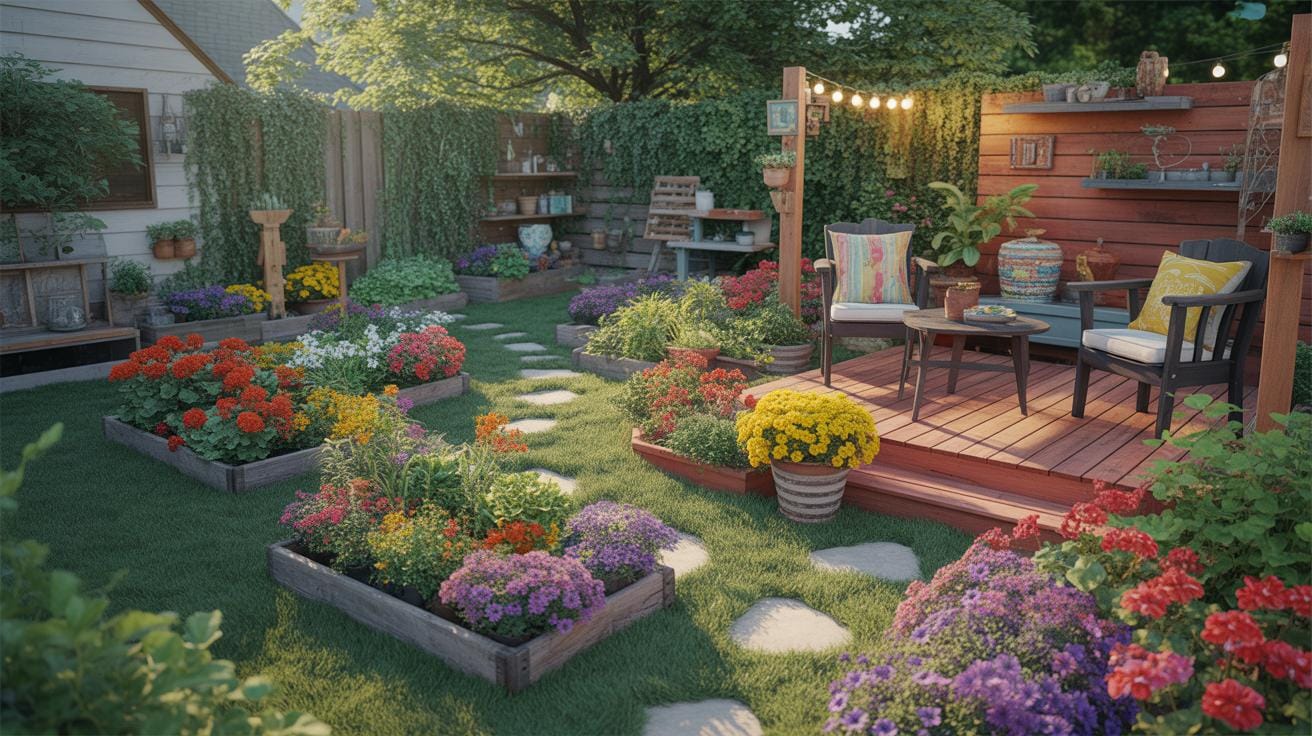
Still, their size and weight limit flexibility. If you like changing your garden frequently, large rocks might feel restrictive. A mix of sizes and textures, including smaller stones or gravel, could offer balance. So, when deciding, ask yourself: do you want a landscape that evolves or one that stays bold and grounded?
Landscaping With Large Rocks
When you think about large rocks in your yard, you’re dealing with more than just a material; it’s about shaping space and making a bold statement. Large rocks serve several functional roles. They can mark borders, create focal points, or help with erosion control on sloped areas. In fact, placing big stones strategically can cut down on soil loss during heavy rains.
Cost-wise, large rocks often come with a higher upfront price compared to gravel. This stems not only from the rock’s intrinsic value but also from delivery and installation challenges—you might need machinery or a professional’s help. That said, once they’re in place, maintenance is surprisingly low. There’s no need to replenish or rake them frequently, unlike gravel.
Visually, large rocks shape the yard in a way gravel just can’t. They bring a sense of permanence and structure. But watch out—they can limit usability in certain areas. Sitting or walking over large rocks isn’t comfortable. So, if your yard is meant to be highly functional, it might require careful planning to balance aesthetics and practicality.
Overall, opting for large rocks means investing in long-lasting features that shape your outdoor space with strength and character. Just keep in mind the trade-offs in cost and how the space will be used day-to-day.
Tools Required For Rock Landscaping
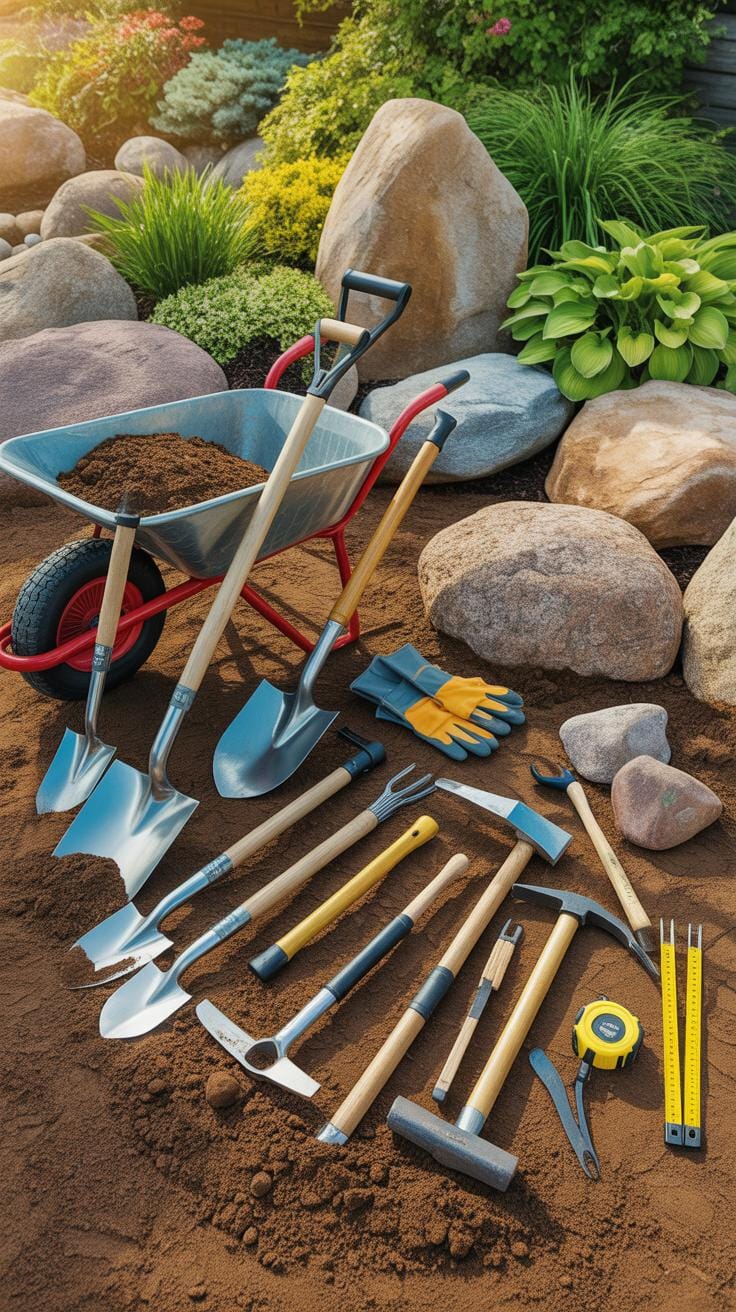
Heavy Lifting And Placement Tools
Working with large rocks in your landscaping project isn’t as simple as just picking them up. You’ll need some serious tools to move and place them safely. Things like a heavy-duty wheelbarrow can help for smaller boulders, but often you’ll want a rock dolly or hand truck built for rugged use.
For the really hefty ones, a skid-steer loader or a small crane can be indispensable. It might seem like overkill for some, but trust me, trying to move a rock that weighs several hundred pounds without mechanical help is asking for trouble. Even just repositioning a big stone requires leverage tools like crowbars or pry bars designed for this kind of work.
Sometimes you may find simple tools, like straps or slings, useful to secure rocks during lifting or shifting. These help avoid slippage and give you some control over awkward angles. Honestly, a bit of improvisation helps here. The right combination of tools makes a big difference, especially for safety.
Safety Gear And Preparation Tools
When dealing with big rocks, safety gear isn’t optional. Gloves that offer good grip and protect your hands from sharp edges are a must. Heavy-duty work boots help prevent injuries if a rock slips or drops on your foot.
Eye protection is often overlooked but shouldn’t be. Rocks can chip or throw dust during movement, and even a small chip can hurt your eyes badly. Wearing safety glasses or goggles is wise.
On the preparation side, tools like shovels and mattocks are helpful to clear a working space or loosen soil around a rock. Sometimes, you’ll need to level the ground for proper placement, and a tamping tool can ensure a stable base. You might not think about groundwork tools much, but trust me, preparing the site well can save loads of hassle later.

Overall, having the right equipment isn’t just about making the job easier—it’s about doing it right and staying safe. It can feel a bit like a lot at first, but as you get used to moving and placing rocks, these tools become second nature. Have you considered what might be most practical for your specific project? It’s a question worth asking.
Tips For Maintaining Rock And Gravel Landscapes
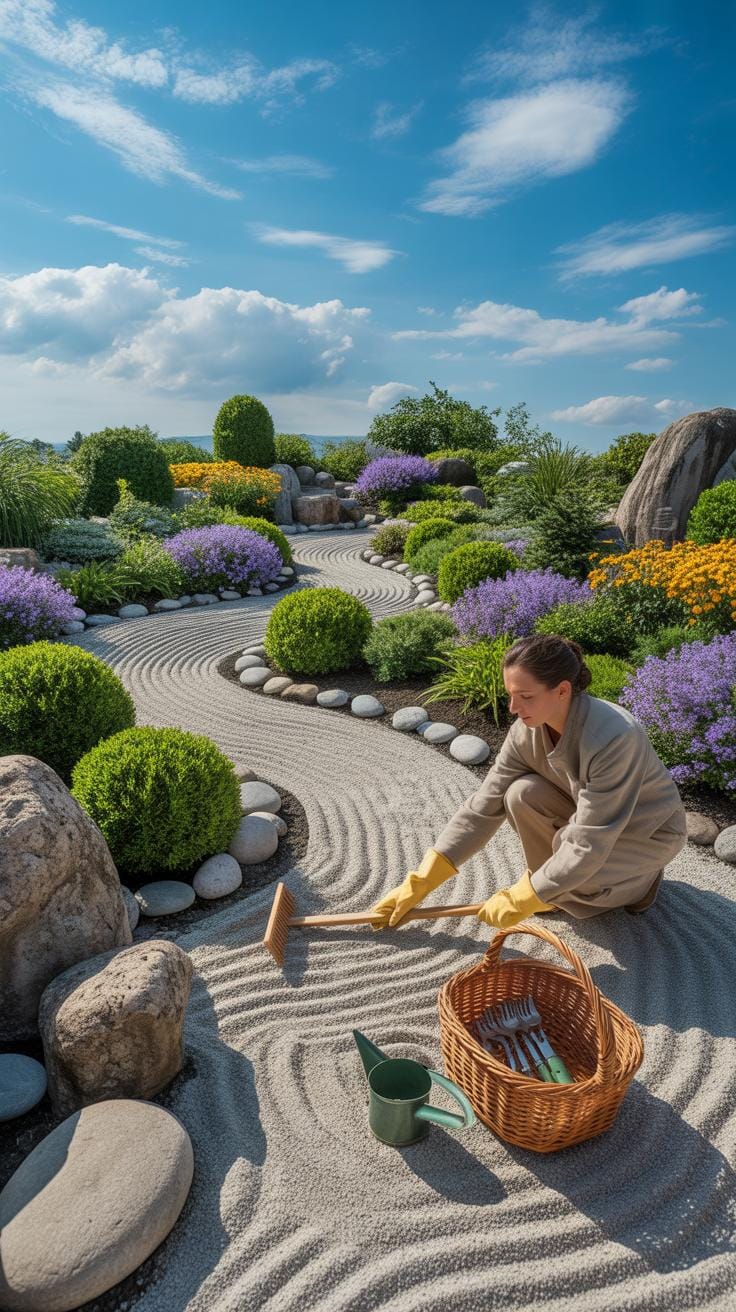
Caring for large rocks and gravel areas may seem straightforward, yet there are some nuances worth noting. You might find yourself wondering how often you really need to adjust those rocks or clean the gravel—well, it’s not a fixed rule but more of a “check as you go” approach.
Cleaning And Weed Control
One effective way to keep debris out is simply using a leaf blower on low power—it’s gentle but productive. I’ve also found that a quick rinse with a garden hose clears dust better than sweeping, especially when the gravel is fine. Weeds are a particular challenge, and tossing in a weed barrier fabric below gravel can save effort later. If weeds do pop up, pulling by hand often beats chemicals since rocks and plants can coexist with little disturbance.
Replacing And Adjusting Materials
Gravel shifts over time—maybe due to wind or foot traffic—so try to spot bald patches early and top them off with small amounts. Large rocks sometimes settle or tilt; you may want to nudge them back or re-level their base yearly. Checking stability isn’t just about safety; it can prevent erosion or damage to nearby elements. When adding gravel, blending sizes can help fill gaps and improve overall cohesion, but… do you want to keep that precise look or embrace its natural randomness? It’s a personal call.
Conclusions
Choosing between landscaping with large rocks and using gravel depends on your budget and the benefits you want. Large rocks provide strong visual impact and durability but come at a higher cost. Gravel is generally cheaper and easier to install but may require more upkeep over time.
Consider your yard’s needs and your style preferences carefully. Using large rocks can create striking, long-lasting designs. Gravel offers flexible, budget-friendly options. Both can enhance your outdoor space effectively if planned well.