

Introduction
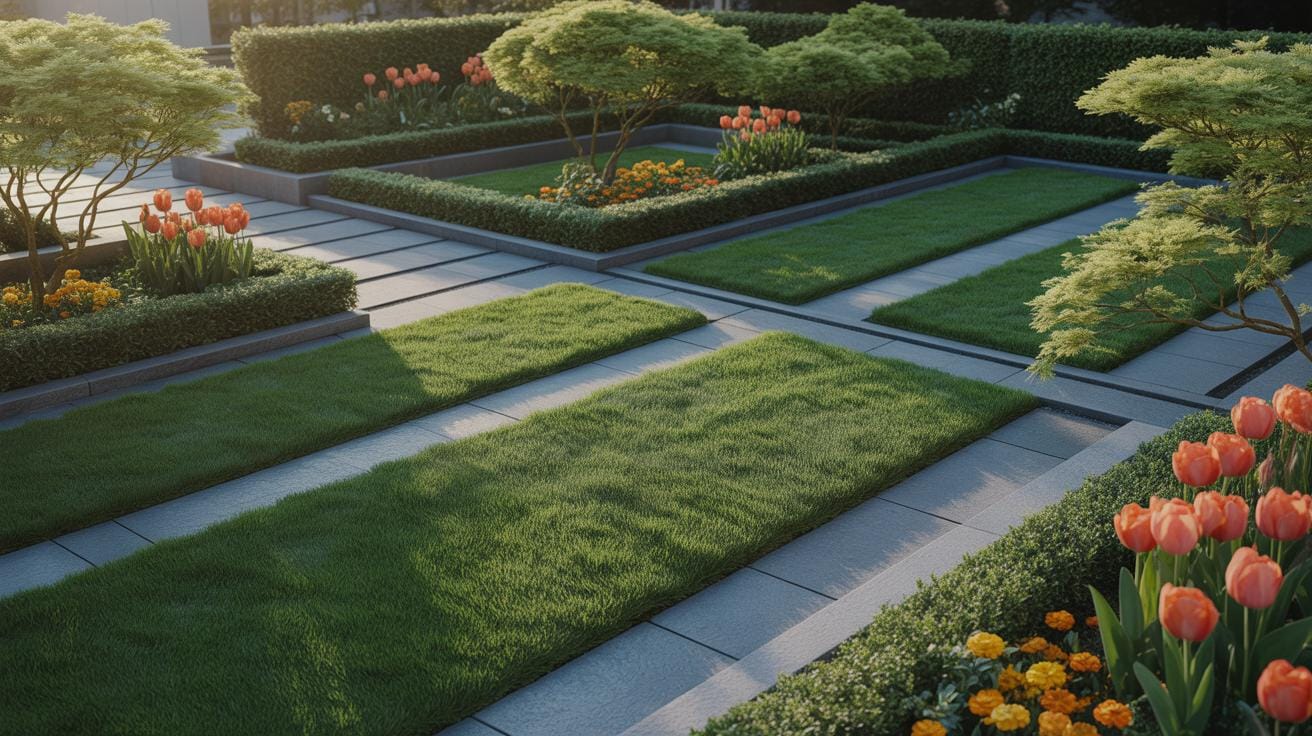
Minimalist landscaping has gained popularity for its clean lines, simple designs, and ease of maintenance. This style reduces your garden to essential elements, making the space feel organized and peaceful. With minimalist landscaping, you can enhance your landscape design ideas by focusing on fewer, well-chosen plants and features that create harmony.
In this article, you will find practical ideas and tips to create a minimalist landscape. We will cover the large and small aspects of this approach. Whether you want to streamline your outdoor space or add modern touches, these ideas will give you clear steps to improve your garden efficiently.
Basic Principles Of Minimalist Landscaping
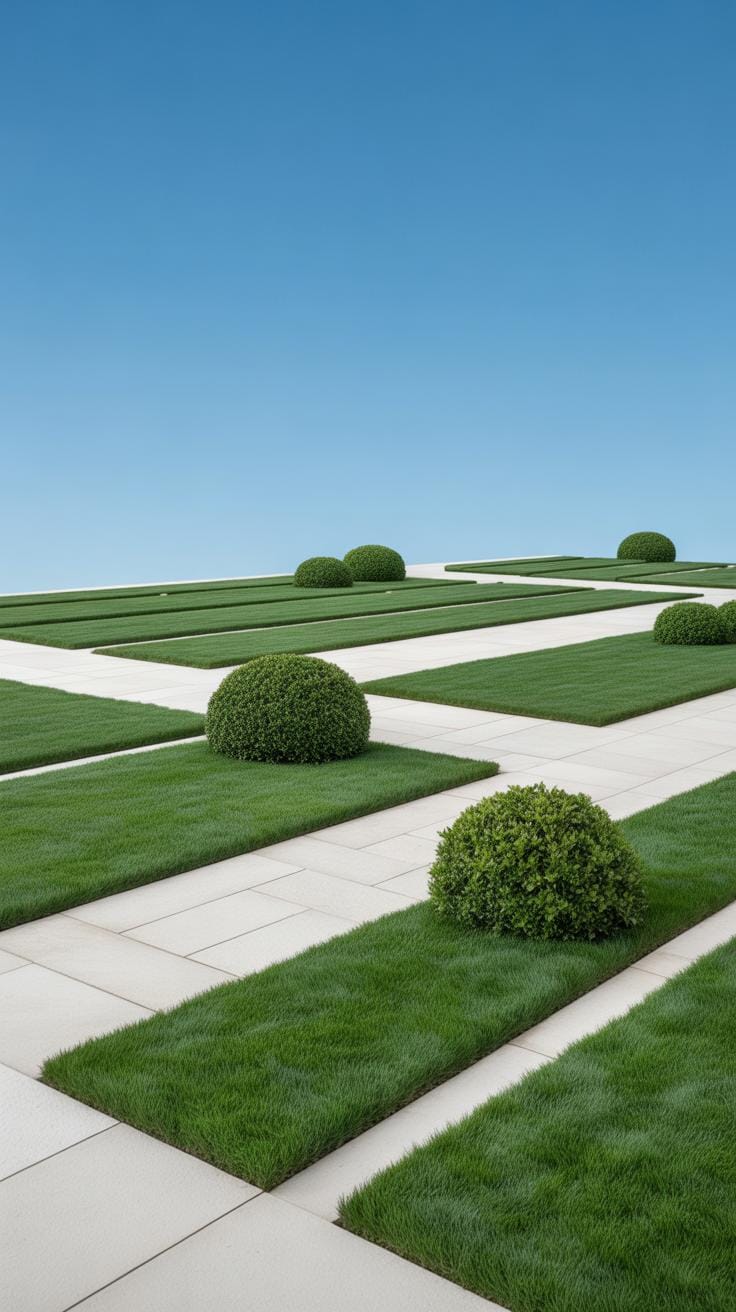
Minimalist landscaping rests on core ideas: simplicity, balance, and space. Simplifying the garden means stripping away the unnecessary. You keep only the elements that truly matter. This approach helps highlight natural forms without distraction. Balance doesn’t mean everything has to match perfectly; it’s more about creating a sense of harmony. Some parts can feel light, others heavier—yet it somehow comes together. Space plays a big role too. Open areas invite the eye to rest and give breathing room to the plants or features you choose. There’s less noise, so each part stands out more clearly.
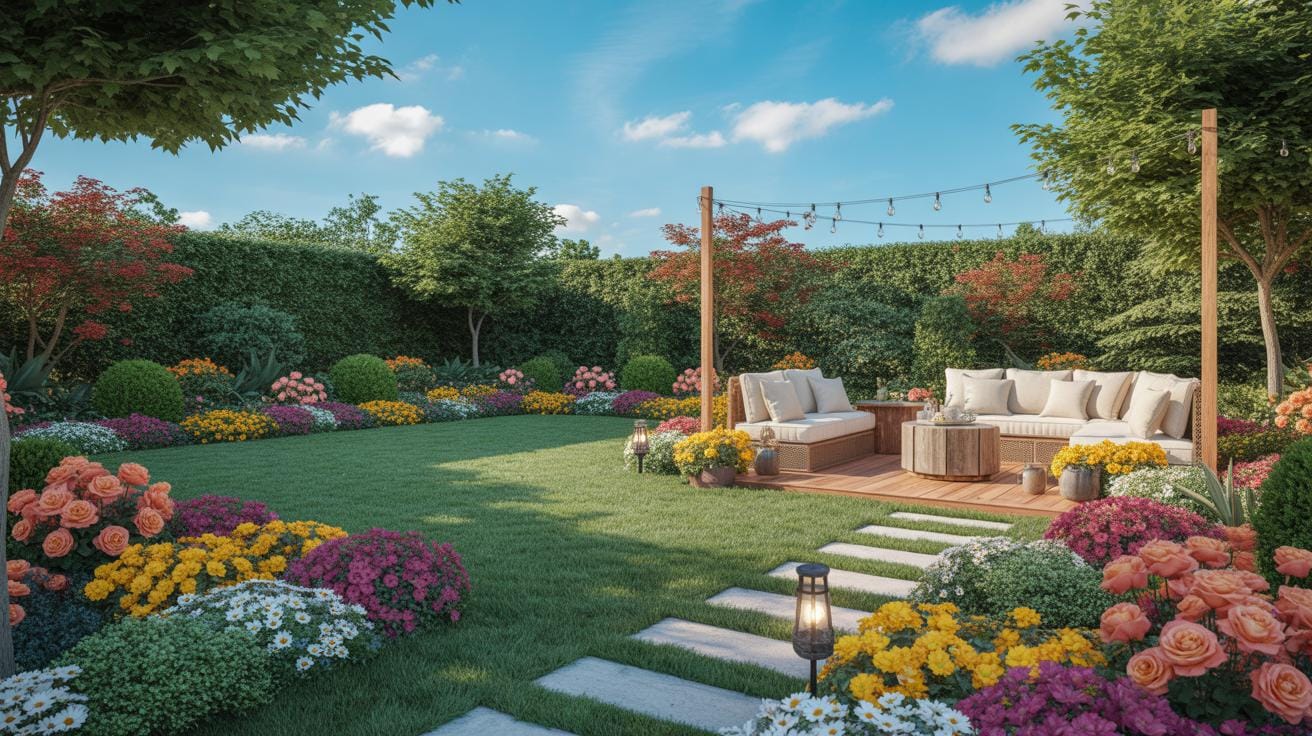
Reducing elements in a garden often works better than piling on ideas. Having fewer things prevents the scene from feeling chaotic or cluttered. It’s easier to maintain, too — fewer plants to tend, less confusion about what goes where. When you cut down the elements, you might notice details you hadn’t before: a single tree’s bark texture or the curve of a pathway become focal points rather than background noise.
Why Minimalism Suits Outdoor Spaces
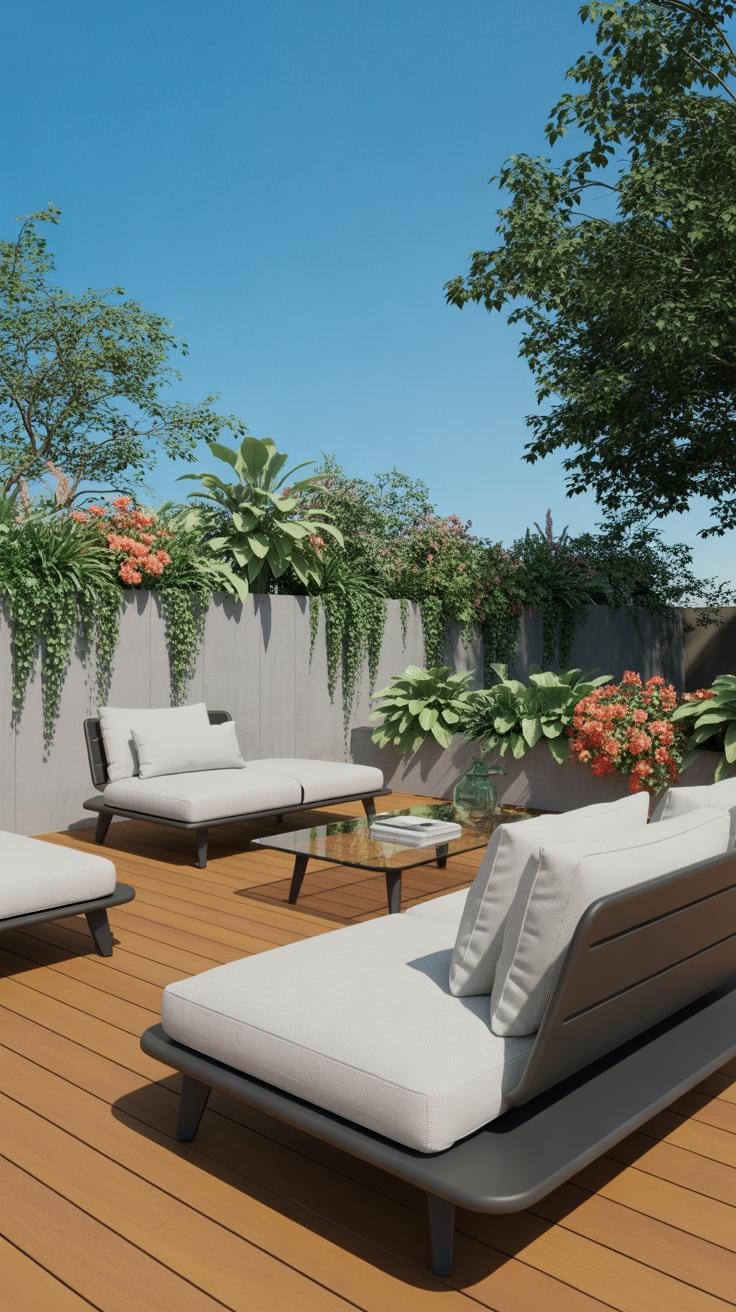
Minimalism tends to fit garden spaces well for several reasons. One is ease of care. With fewer plants and features, maintaining the garden feels less like a chore. You don’t have to keep track of dozens of different species or constantly trim overgrown bushes. There’s a certain calmness that comes from this scale of simplicity. When your garden isn’t crowded with competing elements, the whole area feels quieter, visually and emotionally.
Outdoor spaces invite you to slow down. Minimalist gardens encourage this too. By removing visual clutter, they offer a subtle invitation to pause and appreciate what’s there. Sometimes, I find that these spaces even make me rethink what “full” means. A garden with less can still feel complete, maybe even more so.
How To Use Space Effectively
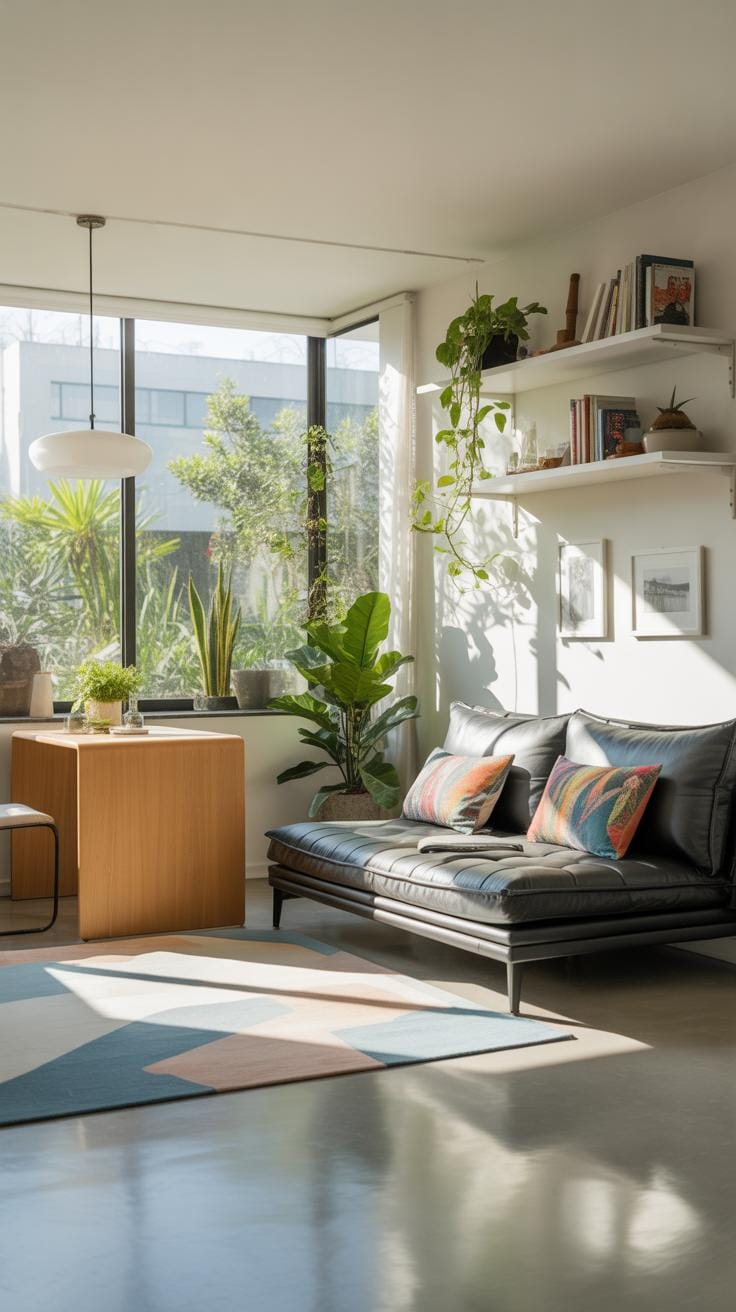
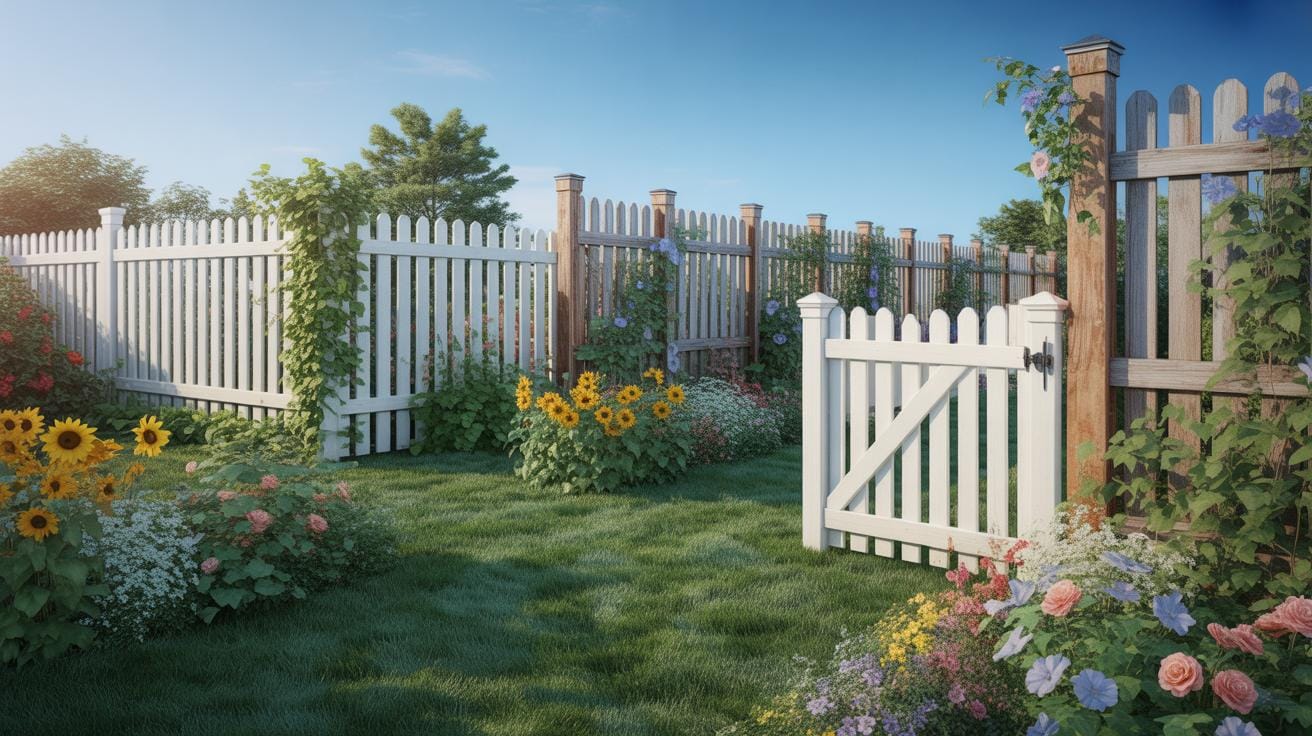
Using space well is key to minimalist landscaping. Open areas aren’t just empty—they’re active parts of the design. Think of them as a stage where plants and features can stand out. Grouping elements thoughtfully helps too. Instead of scattering plants randomly, try clumping similar kinds together. This creates clean lines and patterns that feel organized without being stiff.
When arranging the garden, consider how you move through it. Open spaces can guide your steps, making the experience more deliberate. A few well-chosen plants grouped in one corner can balance a large, empty lawn, for example. But be careful not to overfill those spaces; the power of minimalism often lies in that awkward tension between presence and absence. You might wonder if something else is missing or simply enjoy the spaciousness.
Selecting Plants For Minimalist Gardens
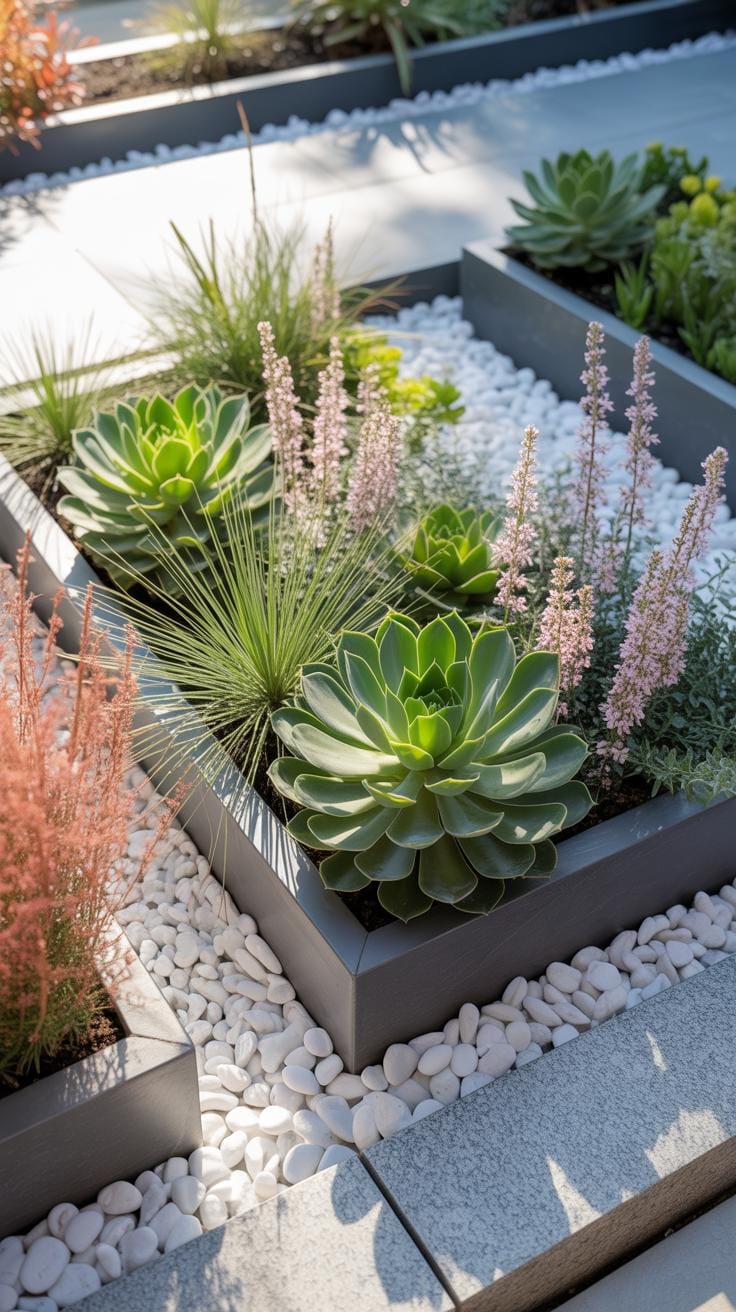
When you’re picking plants for a minimalist garden, the goal is to keep things simple — but not dull. Choosing plants with straightforward shapes and clean lines helps maintain that uncluttered vibe. Think about plants that naturally grow into tidy forms — maybe a rounded shrub or a spiky grass. These shapes act like natural sculptures in your garden and reduce the need for constant trimming.
Low-maintenance plants are also key for keeping your garden easy to care for. Succulents, ornamental grasses, and herbs like lavender or rosemary excel here. They generally need little water or fuss, which feels quite freeing if you’re not a fan of gardening chores. From my own experience, a small patch of lavender perked up the space without demanding much attention at all.
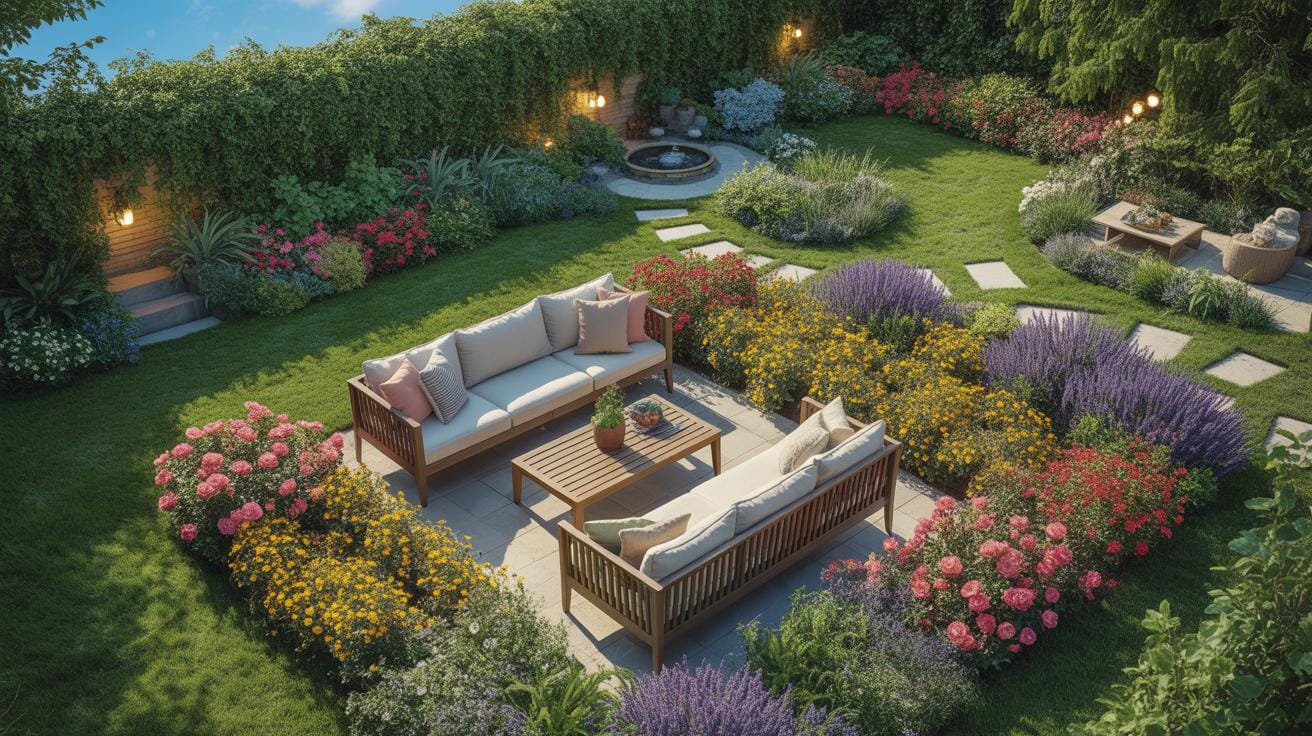
Color choices should be deliberate but limited — sticking to one or two hues creates a unified, calm atmosphere. For example, pairing silvery-grey foliage with deep green leaves can simplify your palette while still offering contrast. This selective use of color helps the eye rest and prevents the garden from feeling chaotic or overwhelming.
- Opt for plants with clear, defined shapes. Rounded boxwoods or upright yuccas work well.
- Choose drought-tolerant, low-fuss species. Succulents like agave or sedum require minimal watering.
- Limit color diversity. Stick to greens with maybe one accent color for harmony.
Do you ever wonder if too much choice complicates the design? Sometimes, cutting back on options leads to more satisfaction with the final look. Minimalist plant choices don’t mean minimal interest, just thoughtful restraint.
Hardscape Elements In Minimal Designs
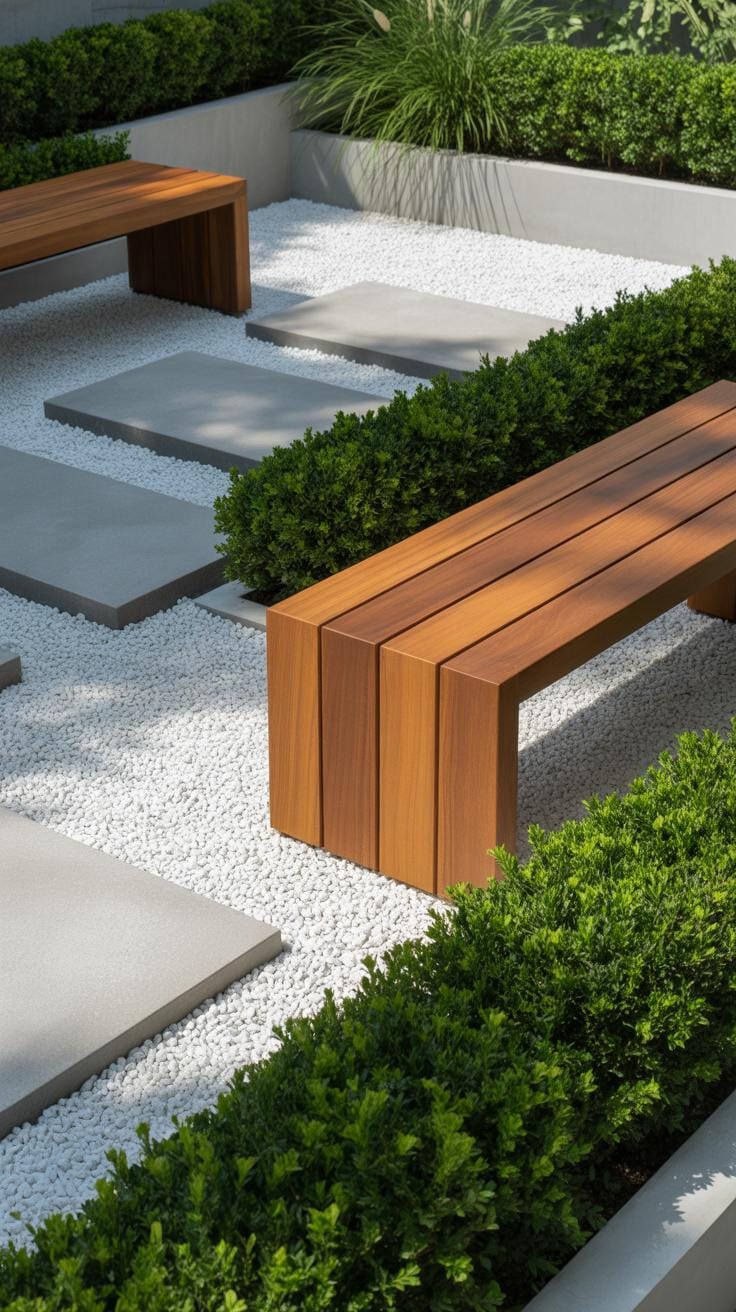
Hardscape plays a foundational role in minimalist gardens, shaping how spaces feel and function. Think paths, stones, and walls—they create structure without overwhelming the design. Sometimes, you’d focus so much on plants that you’d forget how impactful a simple stone path can be. Paths guide movement but also define space, breaking the garden into parts that feel open yet intentional.
Choosing materials is a balance. You want materials that look natural, not flashy. Simple, like concrete or natural stone, often works best. I once saw a garden where coarse gravel was perfectly paired with smooth slabs—unexpected, but somehow fitting. Look for materials that don’t compete with the greenery but support it subtly. And durability matters—minimalism is timeless, and your materials should be too.
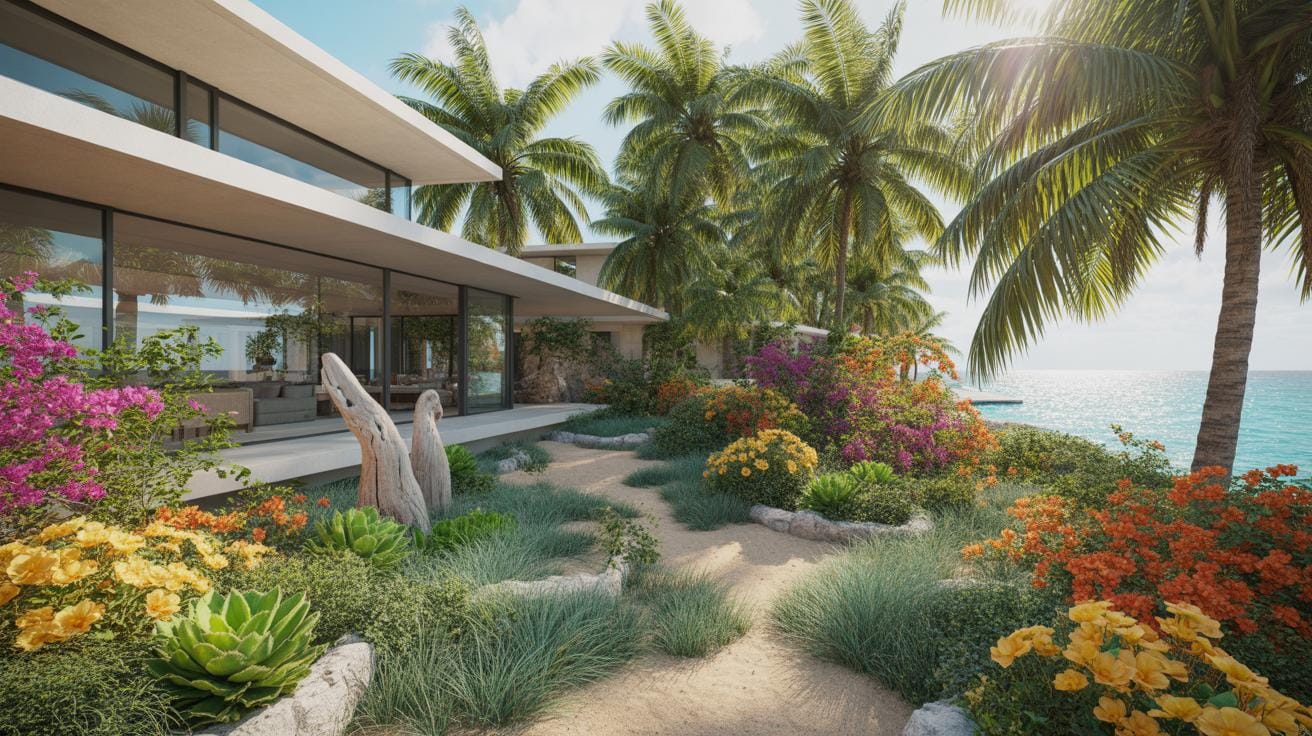
When arranging hardscape elements, you can’t go wrong with clean lines. Straight paths highlight order, while gentle curves soften the look and add flow. I find curved lines invite a relaxed wandering rather than direct walking—each style fits different moods and spaces. Try laying out patterns with repetition but leave small variations. Perfection feels too rigid, and minimalism benefits from a touch of human imperfection.
Water Features That Match Minimalist Style
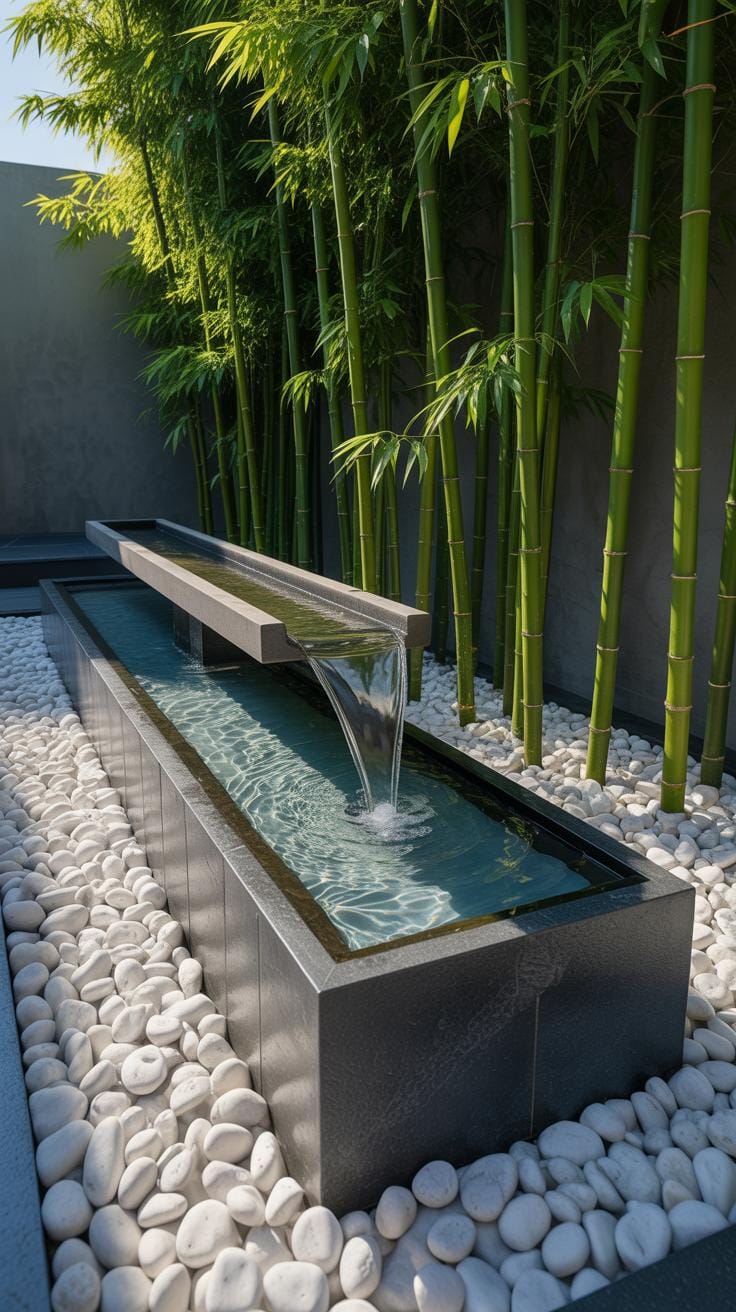
In minimalist landscapes, water features can add a unique sense of calm without overwhelming the space. Simple designs are key. You want the water to draw attention gently, not demand it. Sometimes, a subtle ripple or still surface speaks louder than a complex installation.
Think about how water can create a feeling of quiet reflection. Minimalist water features often embrace clean lines and understated materials. This way, they blend naturally into the surroundings instead of sticking out. It’s a delicate balance—adding interest without cluttering.
Small Ponds And Reflecting Pools
Small ponds and reflecting pools serve as excellent focal points in minimalist outdoor areas. Their compact size keeps the design crisp and intentional. Imagine a shallow pool bordered by stone or concrete, perfectly still, mirroring the sky or nearby plants.
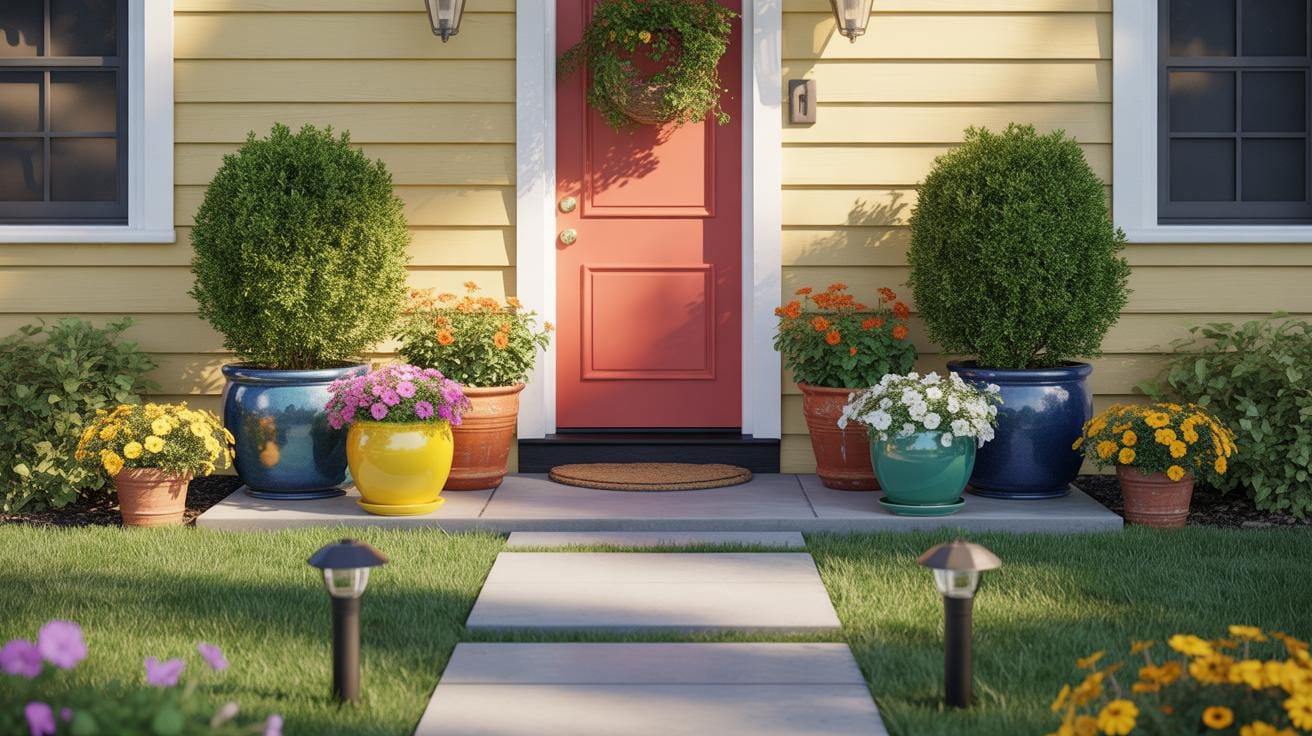
These water features maintain simplicity but invite a pause—encouraging you to stop and look, maybe listen to the quiet trickle of water. They don’t need elaborate edges or plantings to work well. Just the right placement and proportion can make a small pond feel like the centerpiece.
Modern Fountains Without Overdesign
Modern fountains in minimal gardens tend to avoid excessive decoration. Instead, they focus on sleek shapes and smooth surfaces that complement the overall design. Simple jets or gentle cascades can create calming movement without drawing too much attention.
Choosing a fountain style that stays low-profile matters here. Perhaps a narrow column of water or a thin sheet flowing over a flat surface. These elements emphasize form and function without showing off. The sound of water becomes a quiet background score rather than a headline act.
So, if you want to add water features to your minimalist outdoor space, think small and simple. Let the water’s quiet presence bring calm without complicating the aesthetic. It’s a subtle touch that can shift the mood entirely, inviting a moment of stillness in a busy world.
Minimalist Garden Lighting Tips
Using Soft Lighting For Effect
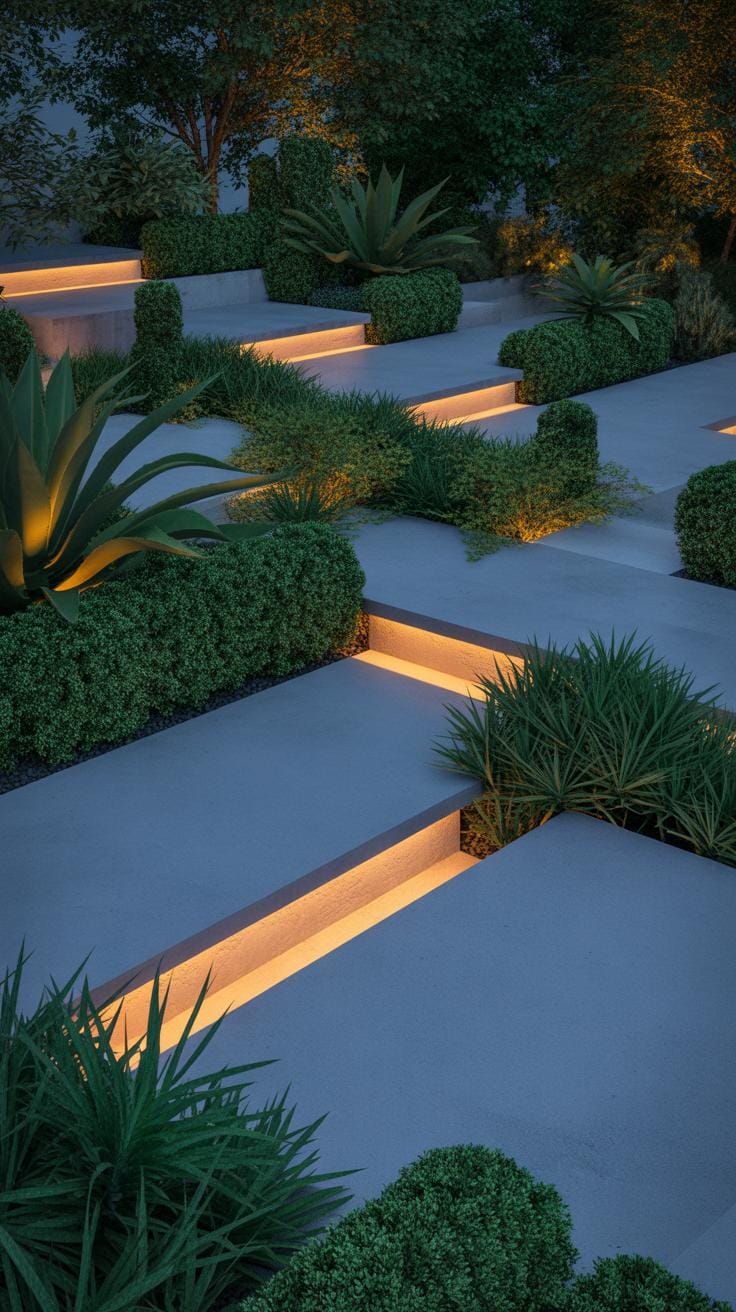
Soft lighting can subtly transform a minimal garden after dusk. Instead of bright floodlights, try smaller, low-intensity fixtures aimed gently at key plants or along pathways. This creates a calm, inviting atmosphere without overwhelming the simplicity of the garden’s lines and shapes. I remember once walking through a garden where tiny LED lights softly illuminated the bases of sculptural grasses—it was like the plants quietly glowed rather than shouted for attention.
The key is restraint. Low wattage bulbs or warm bulbs help preserve the understated mood. Spotlights with dimmers or stake lights placed discretely can highlight textures and forms without crowding the space. It’s enough to guide the eye and allow safe passage, but no need to flood the area with light.
Avoiding Excessive Fixtures
Minimalism thrives on ‘less is more.’ Using too many fixtures risks cluttering the visual calm you’ve worked to create. Fewer lights prevent visual noise and keep your garden feeling open and uncluttered even after dark. Think about quality and placement rather than quantity—choose a handful of well-placed lights to achieve the desired effect.
Choosing fixtures that blend with the environment helps as well. Small, discreet designs that disappear into the background—like thin black stakes or flush ground lights—keep the focus on your garden elements, not the hardware. It might feel counterintuitive to install fewer lights, but the subtlety is what ultimately enhances the minimalist aesthetic.
Minimalism Versus Traditional Landscape

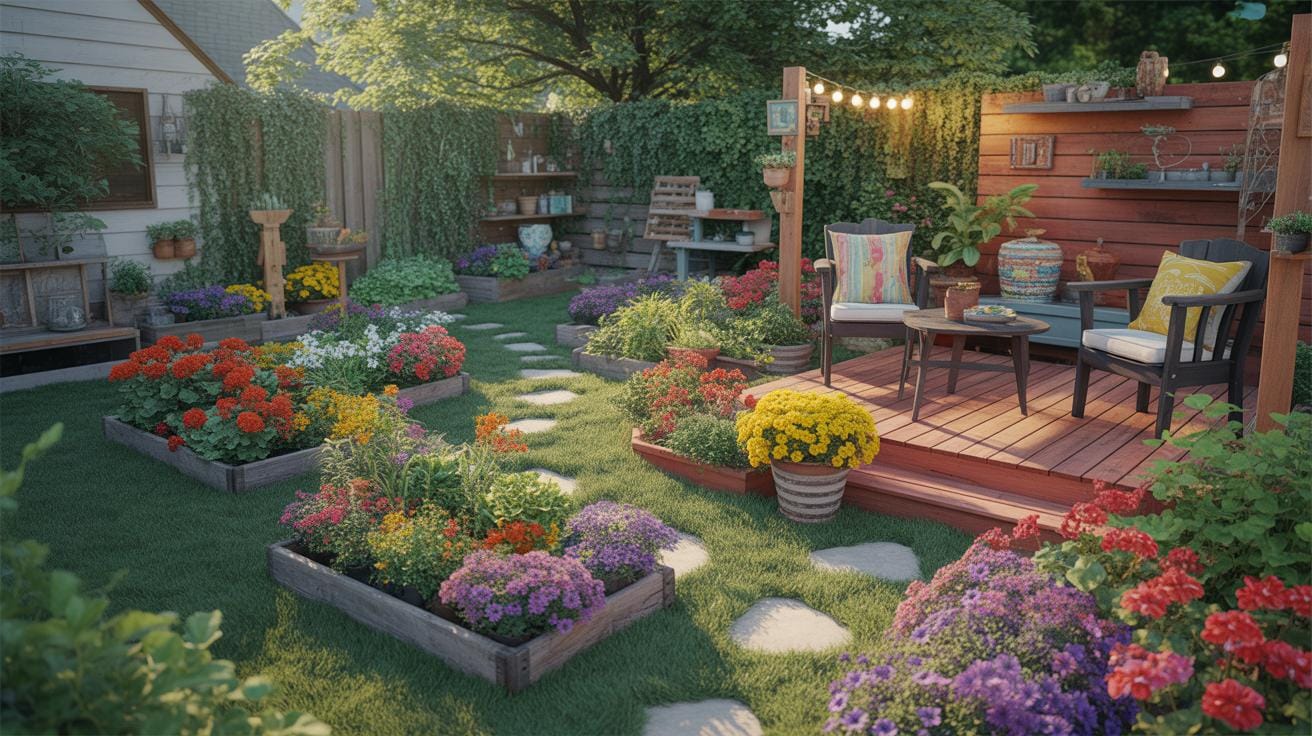
When you look at minimalist landscaping and traditional garden styles, the difference feels pretty clear, yet it’s worth digging deeper. Minimalist landscaping pares down design complexity, focusing on simplicity and space. It often highlights individual elements with clean lines and fewer components. Traditional gardens, in contrast, tend to embrace complexity—layered plantings, varied textures, and ornamental details that invite the eye to linger longer.
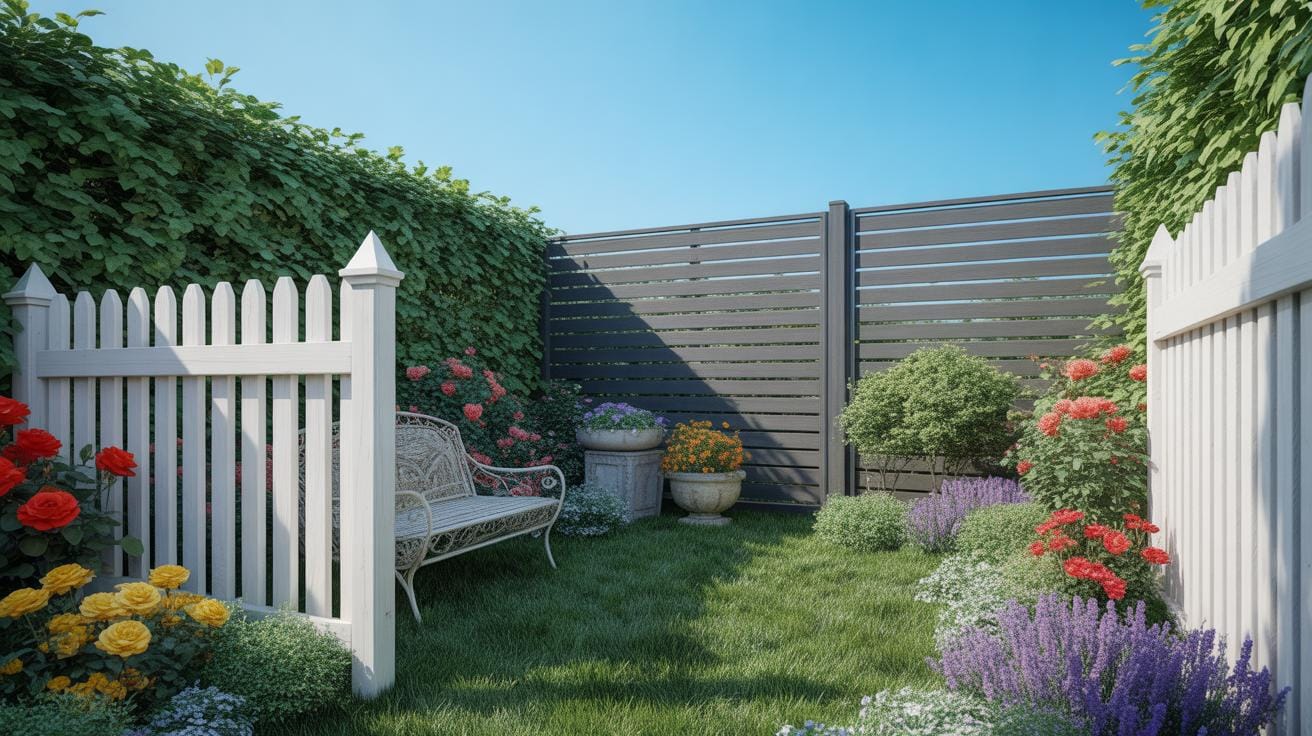
The care required reflects this contrast. Minimalist gardens often call for less ongoing attention—pruning, weeding, and upkeep are streamlined. Traditional gardens demand more frequent maintenance to manage the lush, dense plantings and maintain their intricate designs. It’s not just about aesthetics; it’s about how much time you want to spend outdoors tending to your garden.
Differences In Plant Selection And Layout
Plant choices tell a story about the garden’s philosophy. Minimalist landscapes prefer restrained plant selections—fewer species, repeated for consistency. Think of architectural plants, succulents, or grasses used sparingly to create rhythm and focus.
Traditional gardens fun itself in variety—not just species, but densities too. These gardens are often fuller, mixing flowers, shrubs, and trees. Arrangements may feel less regimented, even somewhat spontaneous, with an intent to create a natural yet curated look. Minimalism favors open spaces and clear lines; traditional styles lean into richness and layered complexity.
Maintenance Effort Comparison
Maintenance—you can’t avoid thinking about it. Minimalist gardens generally require less effort; simple layouts mean fewer tasks, and plant choices often include hardy, drought-tolerant varieties. This reduces watering, deadheading, and pruning chores.
Traditional gardens, by contrast, demand commitment. Dense planting calls for frequent weeding, trimming, and seasonal cleanups. There’s a constant push to keep the garden looking lush and orderly. If you’re someone who enjoys a weekly gardening ritual, traditional may suit you better. But if minimal fuss is your goal, minimalist landscaping offers a quieter, lower-maintenance path.
Step By Step Planning Process

Planning a minimalist garden is a bit like solving a puzzle—except the pieces are your space, needs, and a limited palette of plants and materials. You start by assessing your space carefully. What kind of light does your yard get? Which areas stay dry or get soggy after rain? Think about the soil too—rocky, sandy, clay?
The next question is critical: what do you want from your garden? Is it a quiet retreat? A place for kids to play or for entertaining guests? Maybe a visual escape with minimal upkeep? These answers will guide what features you include.
Sketch a simple layout next. Don’t stress about perfection. Lay down rough shapes where paths, seating, and planting beds will go. Keep forms simple and clean, maybe squares or gentle curves rather than complex patterns.
Finally, create a plant list. Choose species that suit your climate and soil. Less variety works better—pick a few plants with different textures or shades but lean towards evergreens or low-maintenance perennials. Remember, minimalist doesn’t mean empty; it means thoughtful selection.
Site Assessment And Needs
Take time observing your yard through different seasons. Does shade shift dramatically? Are there cold winds to block? Understanding these subtle details affects plant survival and feature placement. Look around for existing elements to keep or remove.
Write down what you want your garden to do. Consider practical needs—privacy, drainage, sun, or wind break—and emotional goals—calmness, simplicity, visual flow. This mix guides decisions and keeps your design honest to your lifestyle.
Creating A Layout And Plant List
Draw your garden outline on graph paper or use simple software. Mark existing trees, patios, or other permanent features. Sketch the main zones—maybe a lawn spot, a seating nook, and a path connecting them.
When picking plants, aim for consistency in height and color tone to keep visual calm. Group plants in odd numbers for natural appeal. Experiment with texture—grasses, smooth-leaved shrubs, or rough bark can add interest without clutter.
Think about maintenance too. Drought-tolerant plants might be less demanding. Are you ready to prune regularly, or should the garden mostly take care of itself?
Common Mistakes And How To Avoid Them

Too Much Clutter And Detail
One frequent mistake in minimalist landscaping is adding too many features. It may seem tempting to include every plant or decorative item you like. But doing so interrupts the minimalism goal — simplicity. It crowds the space and steals from the clean, calm effect you’re aiming for.
Removing excess elements can feel tough because each piece feels personal or important. A good fix? Step back and ask yourself: “Does this add real value to the design or just fill space?” If it’s the latter, consider removing or combining items. Group plants or use fewer types to reduce visual noise. The goal is not emptiness but thoughtful selection.
Ignoring Scale And Proportion
Scale often gets overlooked but it shapes how elegant your outdoor space looks. Too large or too tight spacing disturbs the balance and creates awkwardness. For example, a massive boulder in a small garden may dominate and clutter the scene instead of enhancing it.
To fix this, measure your area and choose plants, paths, and features that fit comfortably without jarring contrasts. Space elements evenly, but don’t be afraid of slight irregularities; natural slight imbalances can feel more organic.
- Keep plant heights in a gradual flow to avoid abrupt jumps.
- Use repetition in spacing for rhythm but allow room to breathe.
- Match materials’ scale — tiny pebbles next to huge slabs can feel off.
Getting the right proportions creates a serene flow that truly feels minimal yet engaging. It’s a careful balance — too plain seems empty, too crowded feels chaotic.
Case Examples Of Minimalist Gardens
Small Urban Yard Example
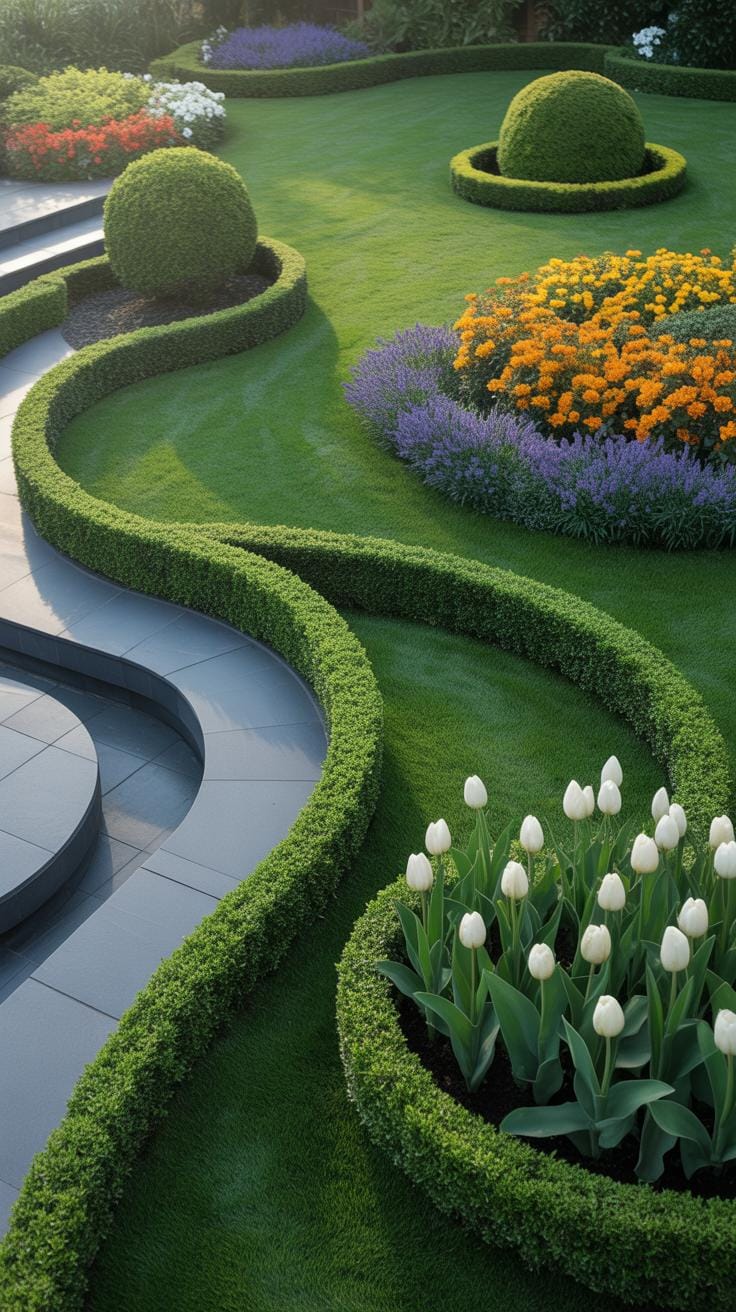
You might find it surprising how a tiny city yard can embody the essence of minimalism so convincingly. One example I recently came across had a very limited footprint but managed to feel remarkably spacious and serene. The design relied on straightforward elements: a clean, geometric patio made of large concrete slabs, a couple of slender bamboo plants, and a small water feature — nothing overwhelming.
The key here was the restraint in plant selection and use of natural materials, which helped eliminate any visual clutter. There were no additional decorative objects crowding the space. It really gives a sense of calm when you step into it. The garden’s simplicity encourages you to pause and enjoy the few elements at work, which is perhaps the real magic of minimalism in a confined urban setting.
Large Minimalist Home Garden
In contrast, a more expansive garden can also embrace minimalism by focusing on clear, bold lines and few, purposeful plants. I recall reading about a large home garden where operators created a sense of order with linear pathways and open gravel beds framed by tall ornamental grasses. Instead of overwhelming variety, the garden depended on repetition of select plants and consistent textures across surfaces.
Here, minimalism meant designing with intention—each plant was chosen not only for appearance but also for how it contributed to the overall balance. Low-maintenance ground cover and sculptural succulents anchored the look. It feels less about filling space and more about carefully crafting it, creating a visual rhythm that feels more like an art installation than a traditional garden. Though the scale was grand, the approach was refreshingly muted and focused.
Maintaining Your Minimalist Garden
Regular Pruning And Cleaning
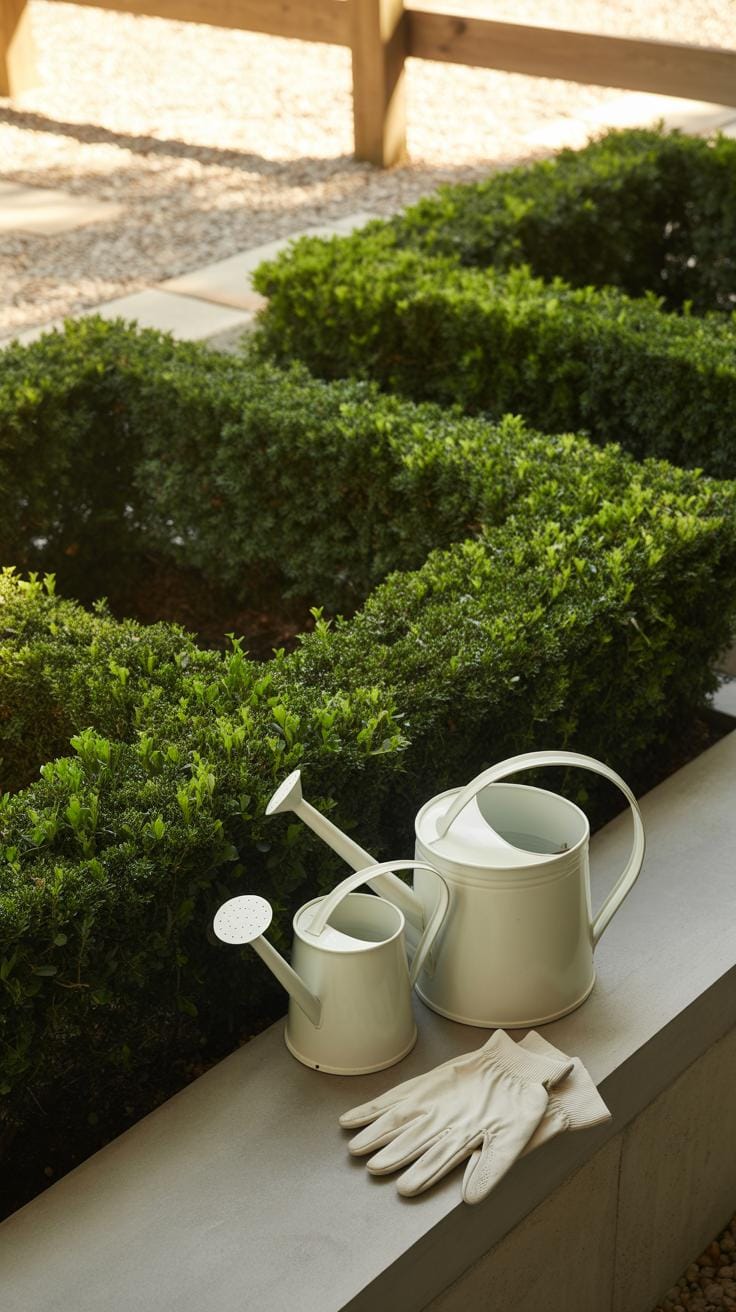
Pruning might sound like extra work, but with minimalist gardens, it’s more about precision than volume. You don’t need to trim everything constantly, just keep an eye on wayward branches or leaves that disrupt the clean lines or clutter the open space. Think of pruning as a gentle sculpting—removing dead or overgrown sections to keep shapes clear. I’d suggest investing in a good pair of pruning shears that feel right in your hand, whether bypass or anvil style depending on your plants.
Also, don’t overlook clearing debris like fallen leaves or stray twigs. It doesn’t take long and can really transform the look from a bit neglected to crisp and cared-for. A simple sweep or use of a blower on a low setting can save time. The key is routine—perhaps once a week or fortnight—so it doesn’t pile up and feel overwhelming.
Seasonal Adjustments And Care
Minimalist gardens still need to adjust with the seasons, but the process doesn’t have to be complicated. For instance, when fall comes, removing fallen leaves is crucial to prevent mold and keep the garden neat. You might want to prepare tender plants for winter by covering them or moving pots indoors if possible.
Come spring, it’s time to re-assess what’s thrived and what hasn’t. Minimalist design thrives on simplicity, so consider replacing any plants that look tired or overgrown rather than trying to over-manage them. Sometimes, less is more, and in some cases, leaving parts of your garden to rest can be fine too.
Watering schedules may also need adjusting. During hotter months, watering deeply but less frequently encourages stronger roots, while damp seasons require less intervention. It’s a fine balancing act, one that might involve some trial and error depending on your local climate and soil.
Conclusions
Minimalist landscaping is about choosing purposefully and keeping your garden uncluttered. This approach saves time on upkeep while creating a sleek and inviting outdoor space you can enjoy daily. The focus on simple shapes and fewer plants can bring calm to your yard and highlight the beauty of each element.
By following these minimalist ideas, you will have a structured plan and clear vision for your landscape design. Use the tips to select plants, design layouts, and maintain balance in your garden. Minimalist landscaping can fit many styles and make your outdoor area feel fresh and organized.