

Introduction
Creating a dream house means designing rooms that fit your lifestyle and adding spaces that invite comfort and beauty. Cozy garden spaces are becoming a popular choice to make homes feel warmer and more connected to nature. A well-thought-out garden area can enhance your home’s atmosphere and bring peace to your daily routine.
This article will guide you through practical ideas for house rooms and garden spaces. From selecting the right room layouts to choosing garden features that complement your home, you will learn how to create a space that meets your needs. Let’s start building your dream house with comfortable rooms and inviting outdoor areas.
Choosing Rooms For Your Dream House
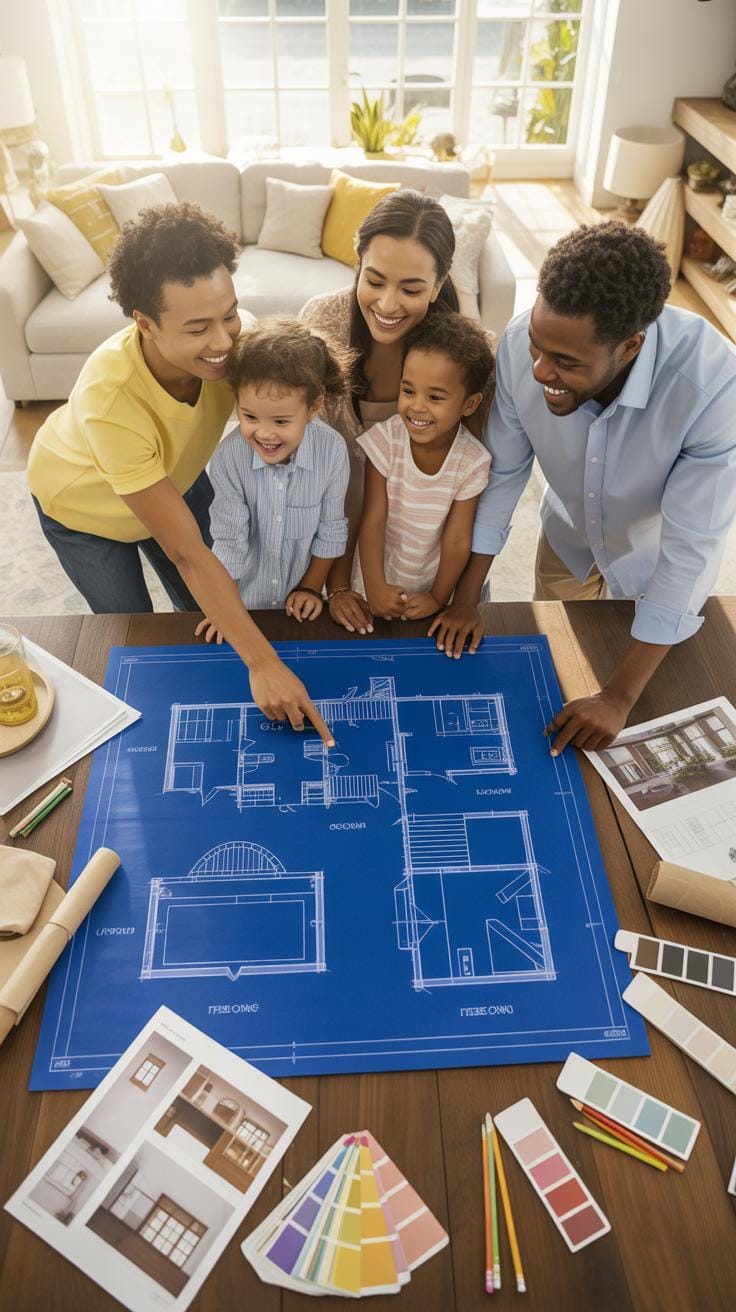
When you’re deciding on rooms for your dream house, it’s really about matching the space to how you live. Think about who you’ll be living with and what daily life looks like. For example, a family with kids might need multiple bedrooms, but someone who works from home might prioritize a dedicated office space. It’s not just about bedrooms and kitchens—multipurpose rooms can be a real asset. A room that serves as a guest bedroom and hobby space can save space and add flexibility.
Don’t overlook how common areas fit in. A living room designed for conversation might be different from a space focused on media or casual lounging. Kitchens—well, everyone knows the kitchen is more than a cooking spot; it’s often the heart of the home. But depending on your routine, maybe an open-plan kitchen and dining area works better, or maybe you want a separate, cozy kitchen nook.
It’s a bit of a balancing act—what you want versus what fits—and you might find yourself rethinking as you go along. Maybe you don’t need a formal dining room after all, or perhaps a small library nook ends up being essential.
Room Function Checklist
To figure out what rooms your home needs, consider these points:
- How many people live in your household? Kids? Older family members?
- Do you or anyone work from home? You might need a quiet office or studio.
- What hobbies do you have that need space? Could be a craft room, gym, or music practice area.
- How often do you have guests? Do you need a guest bedroom or just a convertible sofa?
- Are you looking for flexible spaces that can change as needs evolve?
- Consider storage needs—closets, pantries, or maybe a mudroom for outdoor gear.
Make a list, write down what really matters daily, and see what emerges as your essentials. I once skipped a home office but ended up working from the kitchen table and missing that quiet space.
Layout Examples For Common Rooms
Simple layout tweaks can make a big difference. In living rooms, arranging seating to face each other encourages conversation rather than just facing a TV screen. In kitchens, placing work areas—sink, stove, and fridge—in a triangle can make cooking flow better, but if you love to entertain, an island with stools might be a better fit. Bedrooms benefit from placing the bed away from doors and windows where noise or light could disturb you, but sometimes you want a bedroom flooded with morning light, so it’s a personal call.
Think about traffic flow—rooms should feel natural to move through without bumping into furniture—and how natural light fills the space. You might want a nook for reading in the corner of the living room or a small desk in the bedroom if space is tight.
Design Tips For Cozy Garden Spaces
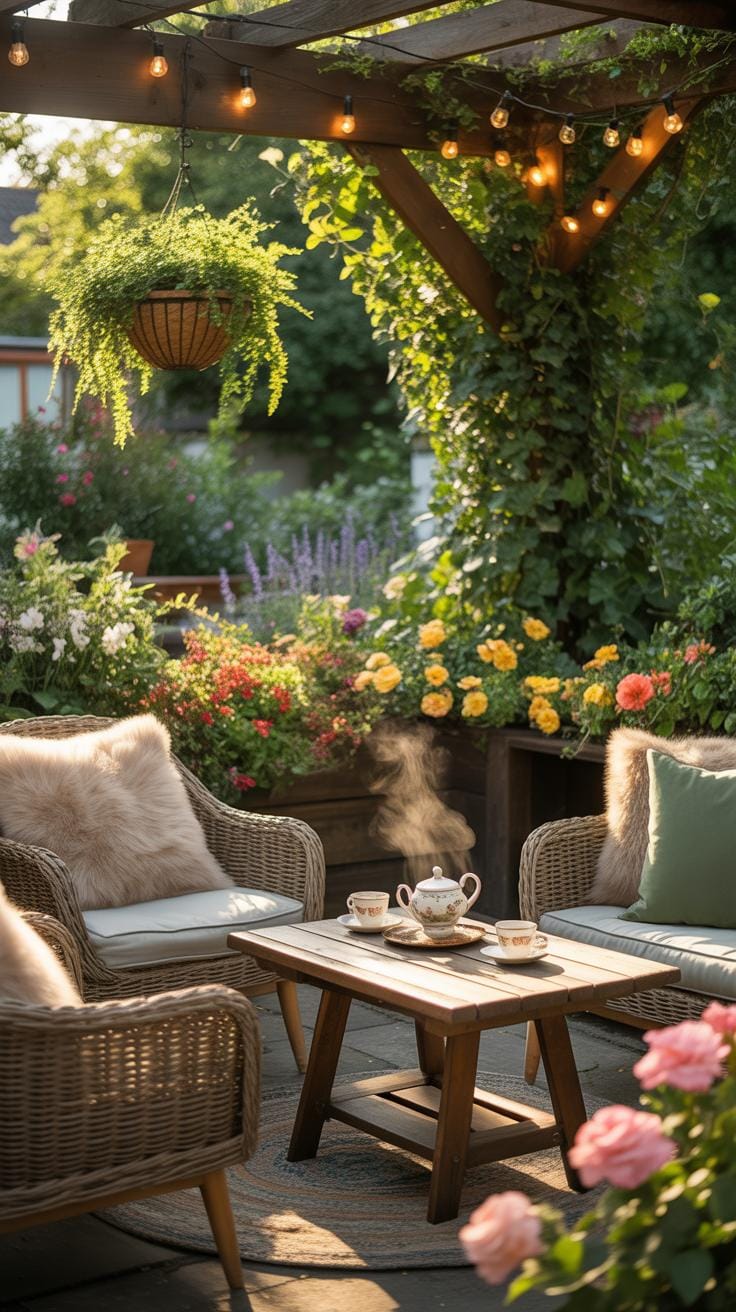
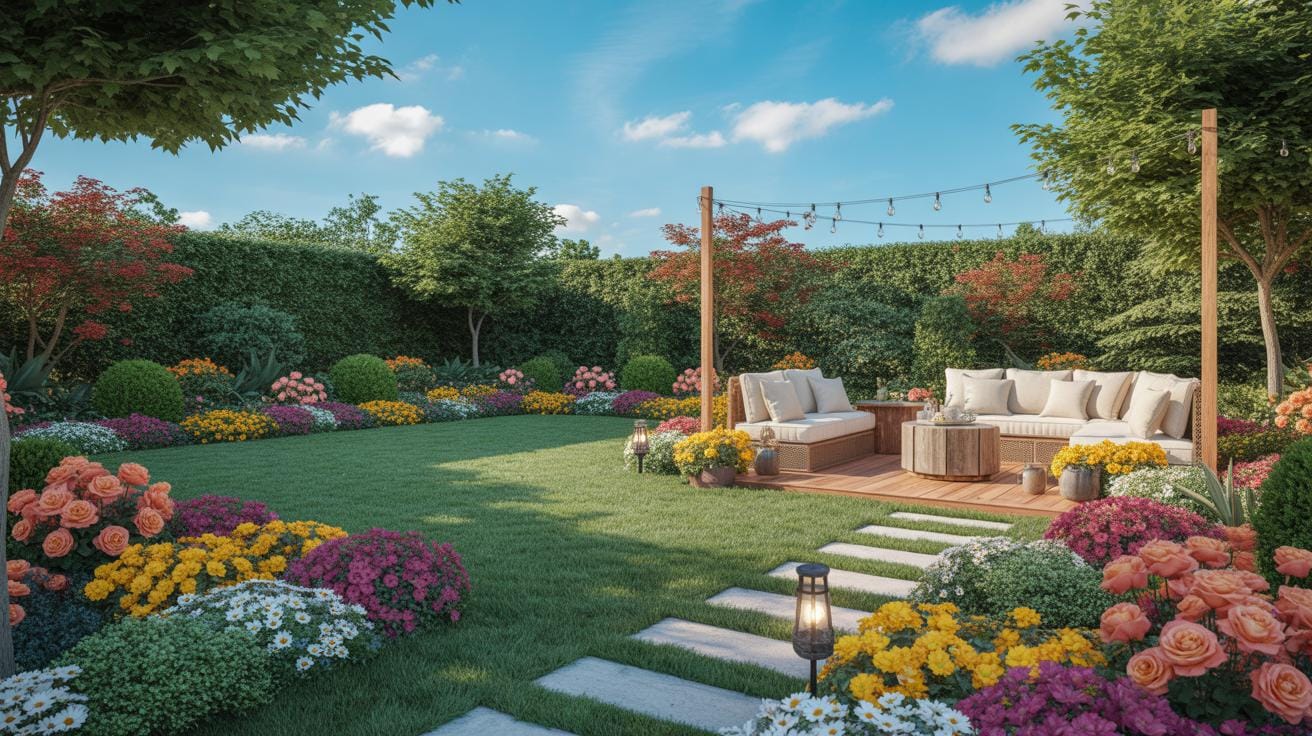
Creating a cozy garden space starts with thoughtful design choices that invite comfort and relaxation. Seating is crucial—opt for cushioned benches, hammocks, or a cluster of chairs that encourages lingering and conversation. It’s okay if your seating doesn’t match perfectly; a bit of variety adds charm.
Lighting plays a subtle yet vital role. Solar-powered lanterns, string lights, or small path lights work well to soften the evening glow without overwhelming the senses. Consider layering the light sources—for instance, combined overhead lights and ground-level illuminations can make the space feel both intimate and safe.
Pathways guide movement and define areas in your garden. Natural stone, gravel, or reclaimed wood create texture and visual interest. Uneven, slightly winding paths feel less formal—better for a casual, cozy vibe. Don’t hesitate to mix materials, but be sure the textures feel cohesive underfoot.
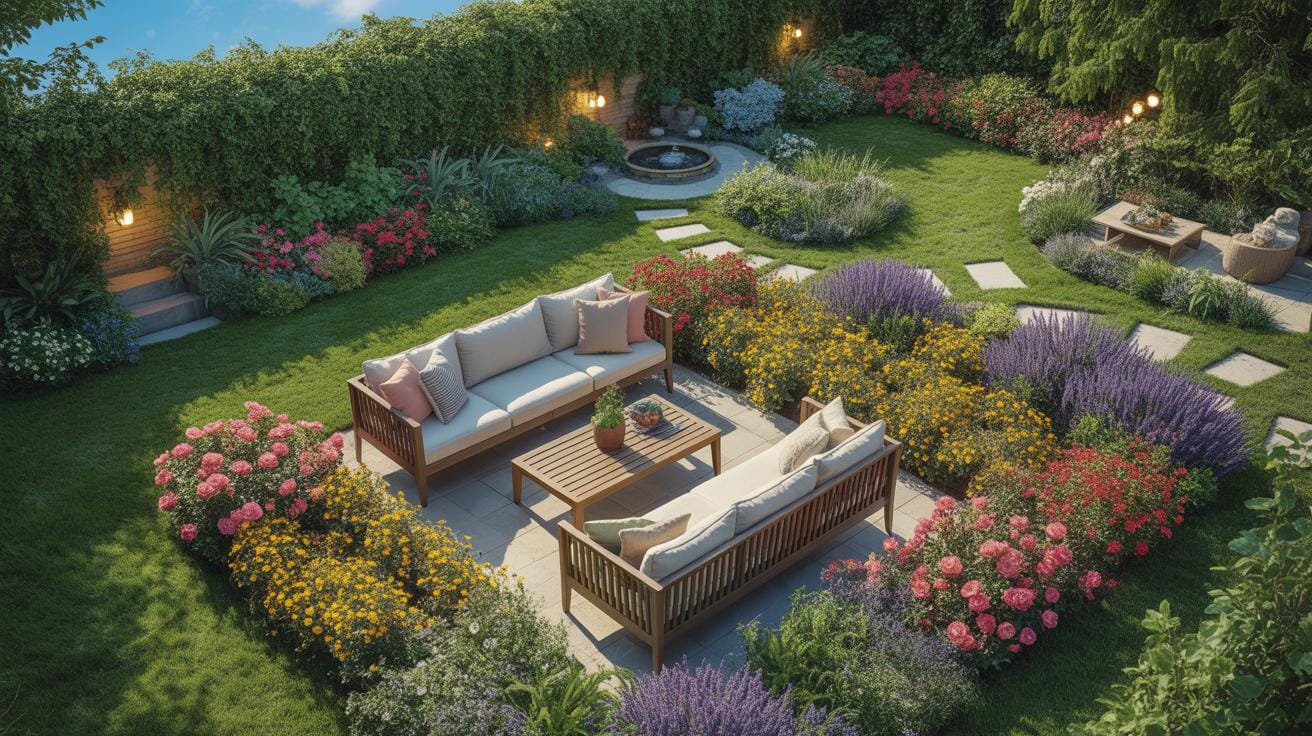
Plant selection should complement the feel you’re crafting. Shrubs and flowering plants with soft foliage can soften hard edges while adding seasonal color and scent. Think about your sensory experience here; plants like lavender and rosemary contribute fragrance and are practical for everyday use too.
Have you noticed how some spaces pull you in while others feel cold and distant? The difference is often in how these design elements come together—seating, lighting, plants, and paths each pull their weight to create that cozy, lived-in sense.
How To Blend Indoor And Outdoor Living
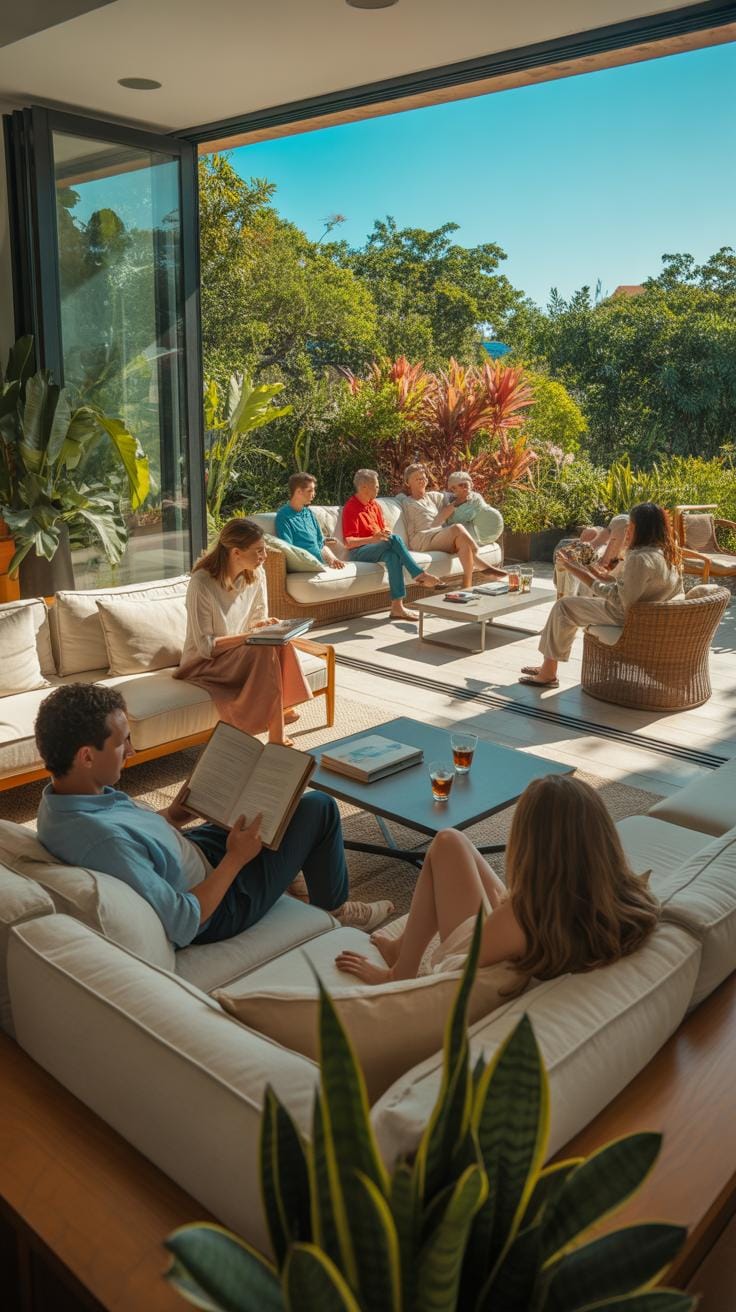
Connecting your indoor rooms with your garden space can totally change how you live at home. You want to create a flow that makes it easy to move between the indoors and outdoors without really thinking about it. One way is to have similar flooring materials or colors that carry through both areas — it kind of tricks the eye into seeing them as one extended space. Another smart move is to align seating areas inside with those outside; for example, a cozy armchair near a garden-facing window matched with a comfy chair on your patio. Suddenly, it feels like one big room.
Plants inside can help blur the lines, too. Maybe some potted herbs on a windowsill or hanging planters near the doorway. These little touches pull some nature indoors and complement your garden outside. And lighting matters. Outdoor lanterns combined with soft indoor lamps make the transition smooth when the sun goes down. It’s about nudging your living and garden spaces to talk to each other rather than compete.
Doors And Windows For Garden Views
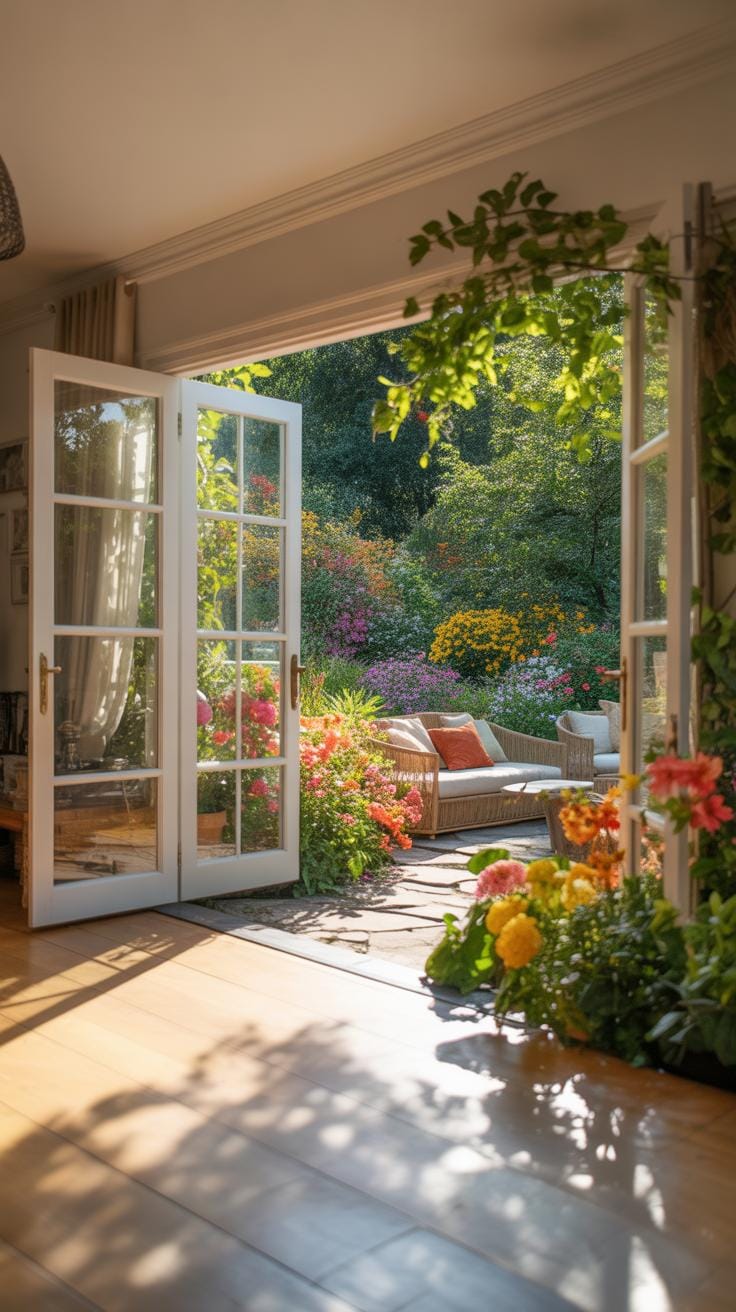
Glass doors and large windows that open to your garden do more than just let in light. They give your home a sense of openness you wouldn’t get otherwise. Imagine sliding doors that disappear into the wall or French doors wide enough to let the breeze in; it’s like the garden becomes part of your room. Plus, there’s something about being able to look out at flowers and greenery that can cheer you up or calm your mind, even when you’re indoors. I find I tend to linger longer in spots with good views.

It’s not always just about the size of the window—it’s how they open. Windows that you can push wide open or doors that fold back completely grant easy access that feels natural. They make it effortless to step outside for some fresh air or to bring plants, chairs, and snacks back inside. Over time, rooms with these views often feel larger and more inviting, without needing extra square footage.
Patio And Deck Ideas
A patio or deck acts like a stepping stone between your indoor living space and your garden. Think of them as outdoor rooms where you can lounge, eat, or entertain without having to be strictly inside or fully outside. A simple paved stone patio right outside a kitchen with a small table can turn cooking from indoors-only to an airy experience.
Decks made of wood or composite materials add warmth and contrast to green spaces. They can slope gently or have built-in benches and planters that invite lingering. I once saw a narrow deck lined with herbs where people could grab fresh sprigs while cooking inside, which felt surprisingly practical. Roofed patios or pergolas provide shelter so you can stay outdoors even if the weather’s less cooperative. Lighting, rugs, and outdoor furniture all help these areas feel less like a bare spot outside and more like an extension of your home.
So, when planning, ask yourself where you want to spend your time and how best to make those transitions easy and comfortable. It’s about bending the limits of traditional indoor and outdoor separation without making things complicated or fussy.
Furniture Selection For Comfort And Style
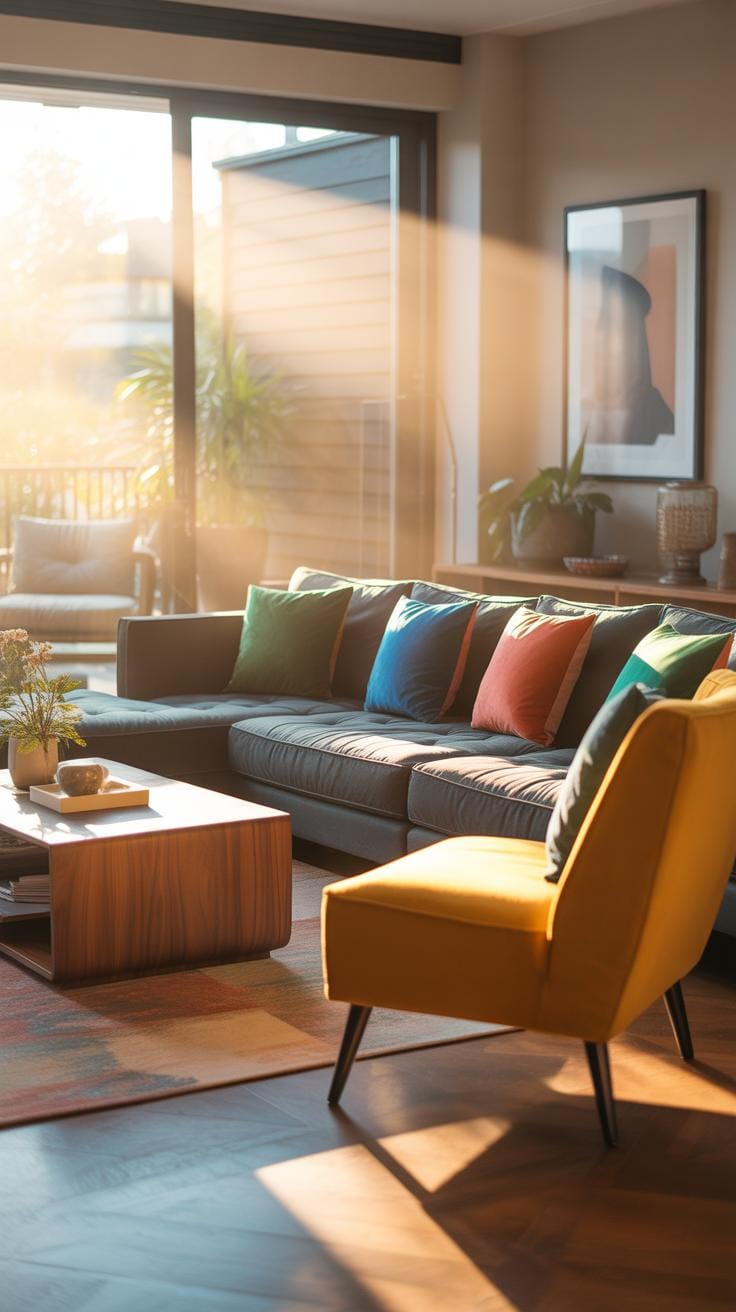
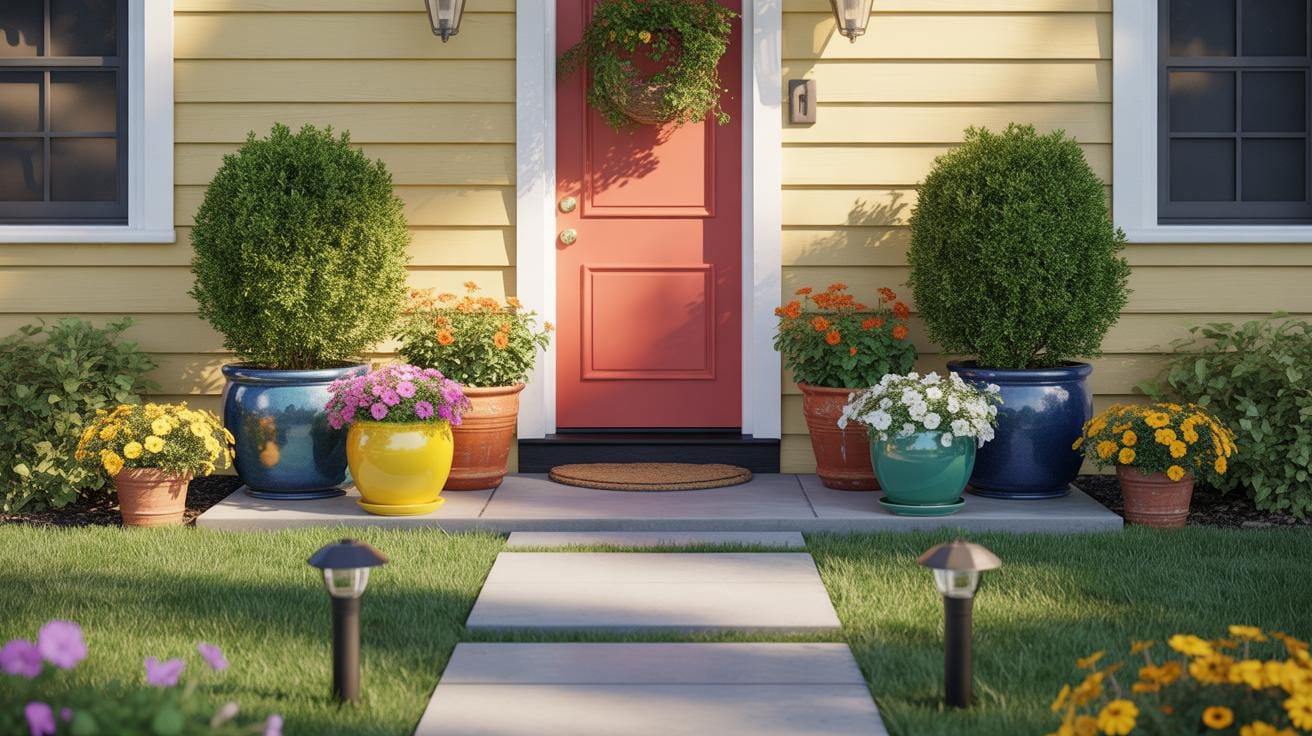
Choosing furniture that balances comfort and style is key to making your house rooms and garden spaces inviting. You want pieces that feel good to use but also blend well with your overall decor. This can be tricky, as indoor and outdoor settings often call for different considerations.
Indoor Furniture Tips
When picking indoor furniture, comfort should be your top priority — think plush cushions and supportive seating. But size matters too. Bulky furniture might overwhelm a smaller room, so measure your space carefully before buying. Style coordination often means picking a consistent color scheme or material to tie rooms together. For example, wood tones in the living room can complement garden views if echoed in your outdoor setup.
- Assess the room’s purpose: Lounging, working, dining?
- Size the furniture to fit without crowding.
- Mix textures and finishes for visual interest.
- Test comfort personally; what feels right to others may differ for you.
Garden Furniture Materials
Outdoor furniture must withstand the elements while looking pleasant. Materials like teak wood stand up well to weather and resist decay naturally, a good choice if you want a warm, natural look. Wicker, originally made from palm stems and now often crafted from synthetic resin, offers flexibility in design but should be durable enough to endure sun and rain. Metals such as aluminium are popular for being rust-proof and lightweight, though they can get hot under direct sun.
- Teak: weather-resistant, ages gracefully but requires some upkeep.
- Synthetic wicker: mimics natural look while improving durability.
- Aluminium: rust-proof, sturdy yet easy to move.
- Consider cushions with weatherproof fabric, even if furniture isn’t fully protected.
Choosing the right furniture involves weighing comfort, durability, and how well it fits your style. Sometimes you may lean towards what lasts longer over what’s trendy, or vice versa. Either way, imagine how you’ll use each space daily — and make those pieces work for you.
Cost Breakdown For Room And Garden Projects
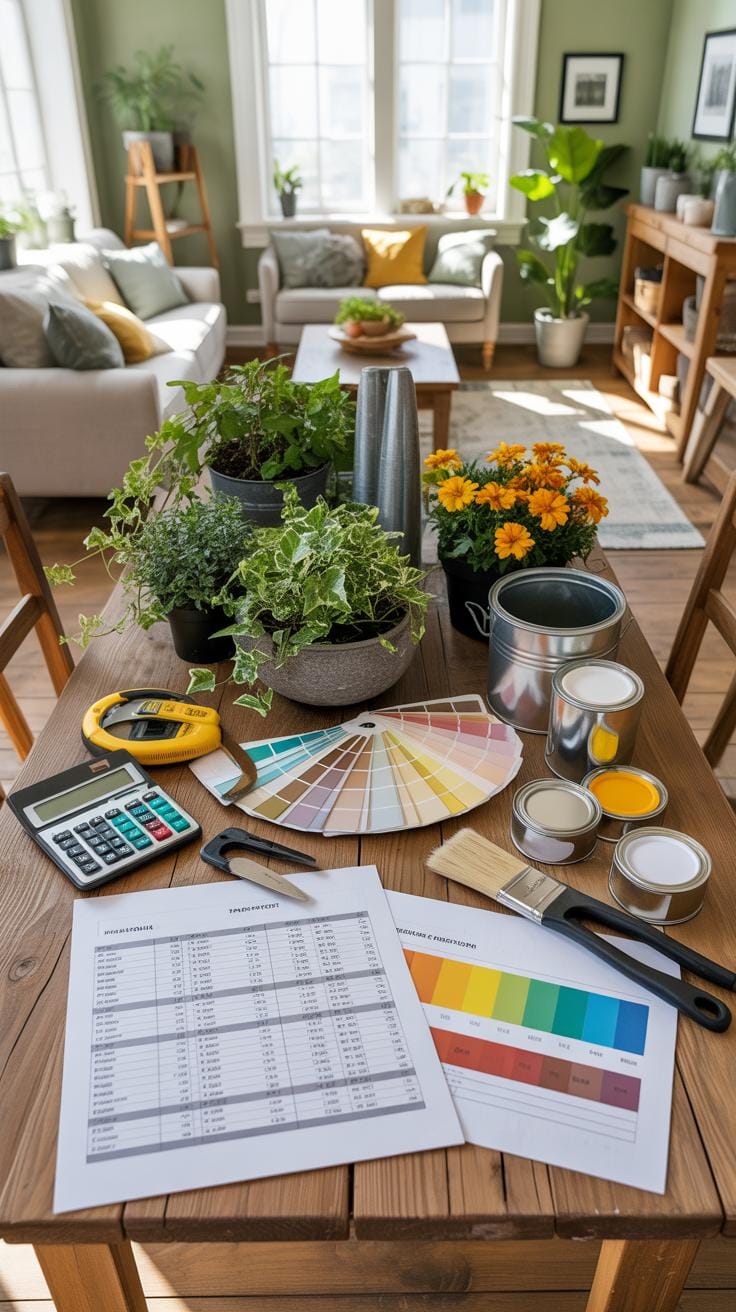
Tackling room renovations or creating a cozy garden space involves several cost elements that you might want to consider carefully. When updating or adding rooms, you’ll typically encounter expenses like labor charges, the cost of materials, and furnishings. Labor can take a big chunk of your budget depending on the complexity and duration of the work. Materials include everything from flooring and paint to fixtures and insulation, which can vary widely in price based on quality and style. Furnishings are no small part either—choosing comfortable and functional furniture can sway costs up or down quite a bit.
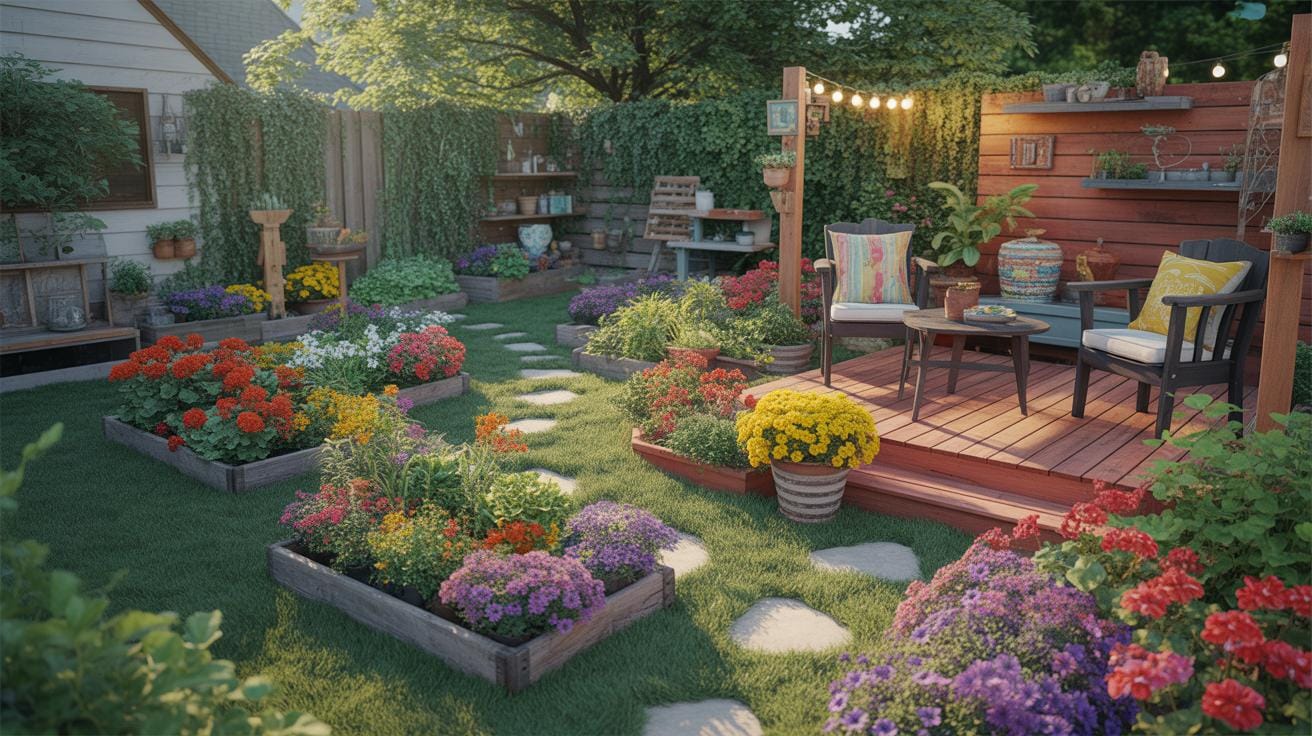
Garden projects bring their own set of costs. Planning is the first step, often requiring some professional advice or significant your own research time. Plants and greenery range in price from inexpensive seeds to more costly mature shrubs or trees. Garden furniture you pick should balance comfort and durability, impacting your budget accordingly. Outdoor lighting is another factor—functional and decorative lighting adds charm but comes with installation and energy expenses. It’s important to weigh these elements against how you want to use your garden space. You might wonder, is it better to splurge on a few high-quality pieces or to invest in several modest elements that combine for a cozy atmosphere?
Breaking down these costs early on helps keep the project manageable and less stressful. You might find yourself adjusting plans as you see which areas demand more investment. It’s a process with no perfect formula—just what fits your home, your garden, and your budget the best.
Common Pitfalls To Avoid In Home Design
Avoid Overcrowding Rooms
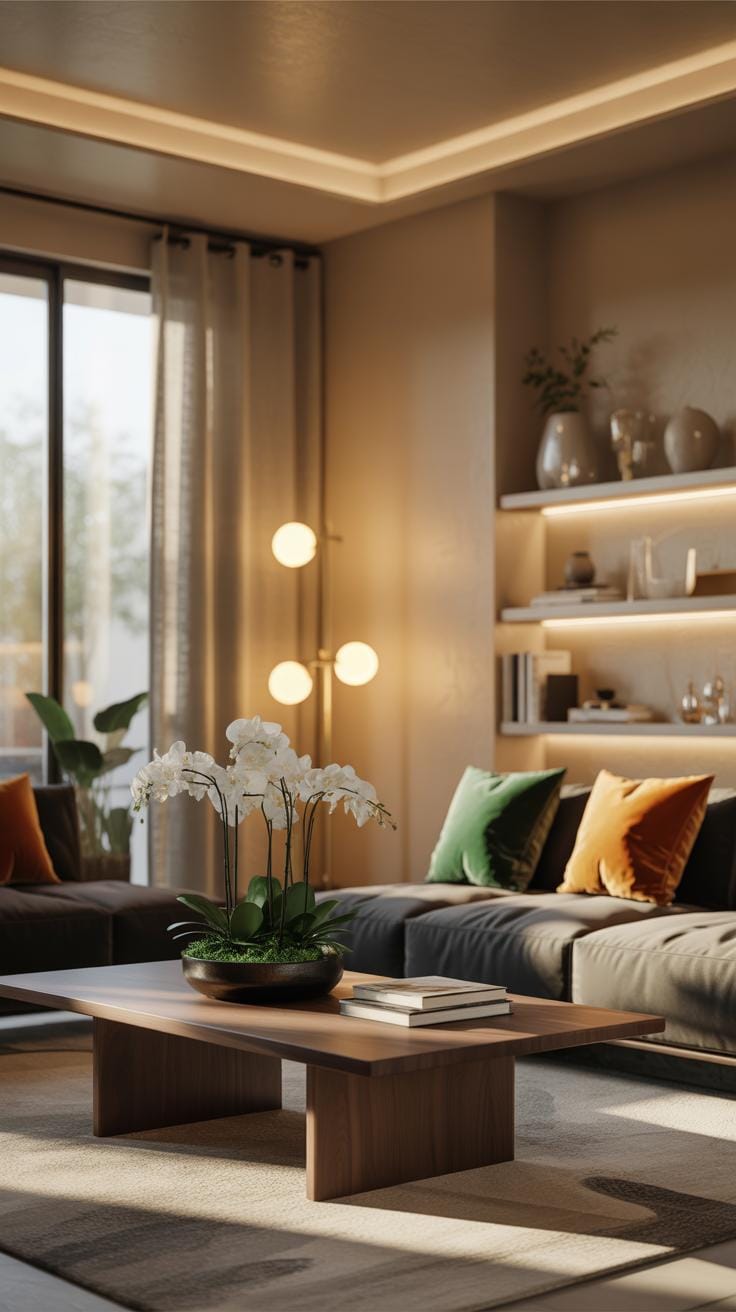
Overcrowding a room often squeezes out the comfort that makes a space livable. When too much furniture or decor fills the area, it can feel cramped and chaotic – not cozy at all. You want to leave enough empty space for easy movement and breathing room for your eyes.
Think about how you actually use the room. Do you need every chair or table you envision? Sometimes less really is more. Measure your space carefully and consider furniture that scales well without overwhelming.
Planning layout beforehand, even sketching it out, can save trouble later. Leaving breathing room around pieces makes the room feel inviting, not cluttered.
Prevent Garden Maintenance Hassles
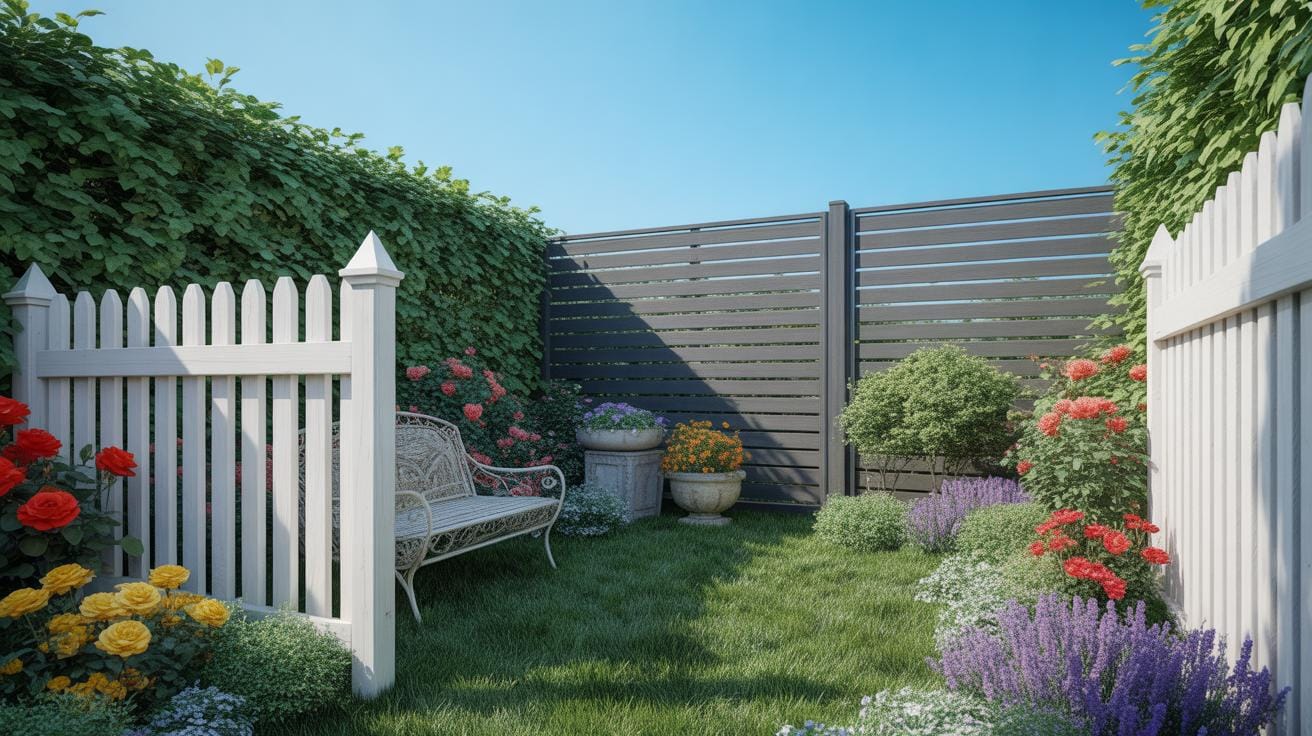
A common mistake in garden design is choosing plants and features that demand endless attention. Not everyone has time or interest in constant upkeep, so picking low-maintenance plants can be a game-changer.
Opt for native species or drought-resistant plants, as they typically thrive with minimal watering and care. Think about how fast plants grow and space them to avoid frequent trimming.
Also, simplify your garden’s hardscape. Paths and mulching reduce weeds and soil erosion, cutting down your workload. It’s tempting to include elaborate water features or rare plants, but they might become burdens instead of pleasures unless you’re truly prepared for the maintenance challenge.
Step By Step Room Planning Process

Assess Your Room Needs
Before diving into design choices, take a breath and consider what each room really needs to do for you. Does your bedroom serve as a quiet retreat, or is it more of a multi-purpose space for work and rest? Do you crave a lively dining area, or something more casual? Think about daily routines and how the space supports them. Maybe you need ample storage in the kitchen or a cozy corner in the living room to curl up with a book. These needs may shift over time, so stay flexible in your thinking. It might help to jot down what you expect from each room, even if it feels a bit obvious at first.
Sketch Layouts And Test Use
Once you have a rough idea of what each room should accomplish, sketching layouts can be surprisingly revealing. You don’t have to be an artist—simple outlines work. Try placing furniture in different spots to see how flow and function change. Resist the urge to settle on the first layout that feels “okay.” You might find that shifting the sofa or repositioning a desk changes everything about how the space feels and works. If possible, use tape on the floor to mark where pieces go, then walk through the room. Does it feel spacious or cramped? Can you move freely? Play with arrangements until something just clicks, but remember, there’s rarely a perfect answer. It’s okay to experiment and even revisit your choices later.
Examples Of Successful Garden And Room Combos
Case Study Family Home
Think of a family home where indoor privacy meets outdoor freedom. In such layouts, private spaces like bedrooms and study areas are separate from lively garden zones. The garden isn’t just an extension but a true part of daily life.

Picture a living room with large windows opening onto a shaded patio, perfect for family dinners or quiet reading. Nearby, a safe, grassy area invites children to play, close enough for parents to keep watch. The kitchen might also open directly to an herb garden, blending utility and leisure.
This balance supports both retreat and togetherness without feeling cramped. The garden acts as a sensory break from indoor routines, providing natural light, fresh air, and a visual escape. Such homes show how outdoor and indoor spaces can coexist, enriching family life with calm and energy.
Example Urban Cottage
Urban living often means making the most of limited space. Imagine a small cottage where every inch counts—rooms designed to feel bigger with light colors and clever storage. Windows face a compact garden that feels like a secret sanctuary amid the city buzz.
The garden might have a vertical herb planter or a small table for morning coffee. Indoors, rooms open fluidly to the outside, maybe with sliding glass doors that let the garden in. Even a tiny green patch changes the feel of the home.
This setup shows how urban houses don’t need sprawling yards to feel cozy. Smart design blurs indoors and outdoors. It’s about creating pockets of nature that offer peace without requiring acres. The result is a garden room that’s both practical and inviting, a little oasis in the heart of the city.
Conclusions
Your dream house grows from rooms that serve you well and garden spaces that invite relaxation. Thoughtful designs bring function and style together to make your home a place where you want to spend time. By focusing on specific ideas for rooms and outdoor spaces, you can shape a house that fits your life.
Consider what each room needs and how your garden can extend your living area. Use the tips shared here to plan practical, cozy, and beautiful spaces that make your home unique. Enjoy turning your house into a dream home with comfortable rooms and peaceful garden spots.