

Introduction
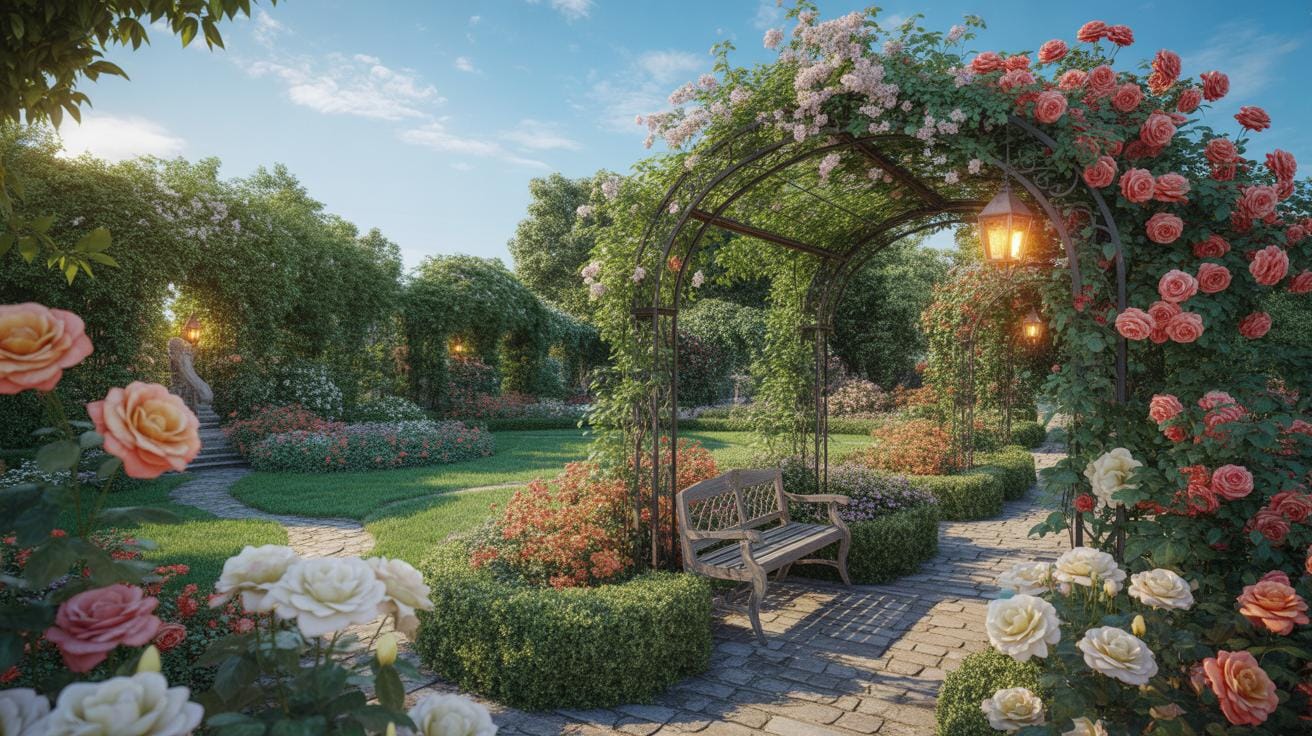
A house garden can be much more than just a patch of green outside your door. It can serve as a peaceful retreat, a lively play area, or even a romantic escape. This article will show you ideas that bring romance and inspiration to your home garden through thoughtful landscaping. The goal is to give your garden a sense of charm and warmth that makes every time spent there special.
Romantic landscaping combines natural beauty with emotional design. It creates spaces that invite feelings of love and comfort. We will cover how to use plants, layout, and accessories to craft your ideal house garden. You will find practical tips and examples that help make your garden a place where nature and romance meet beautifully.
Basics Of Romantic Garden Design
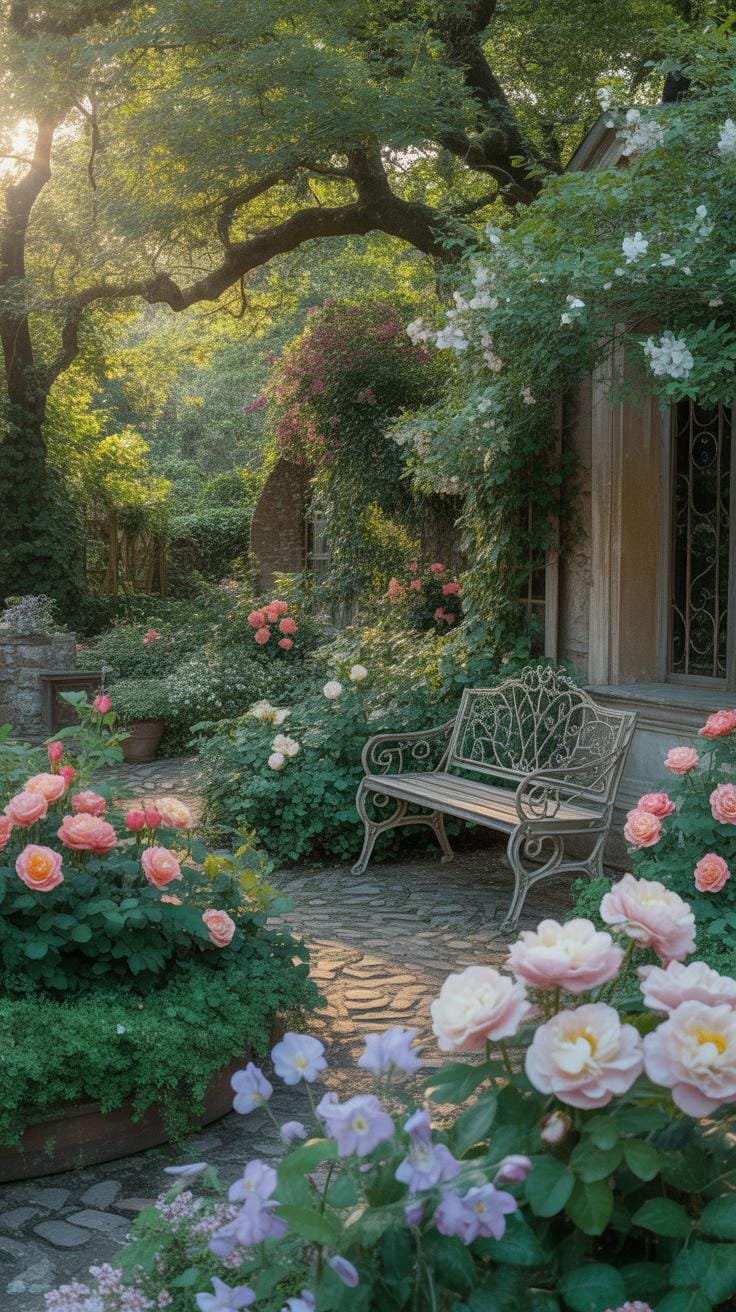
When thinking about romantic garden design, the basics revolve around creating a personal, intimate space that feels both inviting and charming. The layout matters a great deal—tiny winding paths that don’t rush you, cozy seating tucked away under flowering arches, and charming focal points such as a softly bubbling fountain or a well-placed sculpture. These elements help break up the space just enough so you feel like the garden is your own little retreat, rather than an open, formal area.
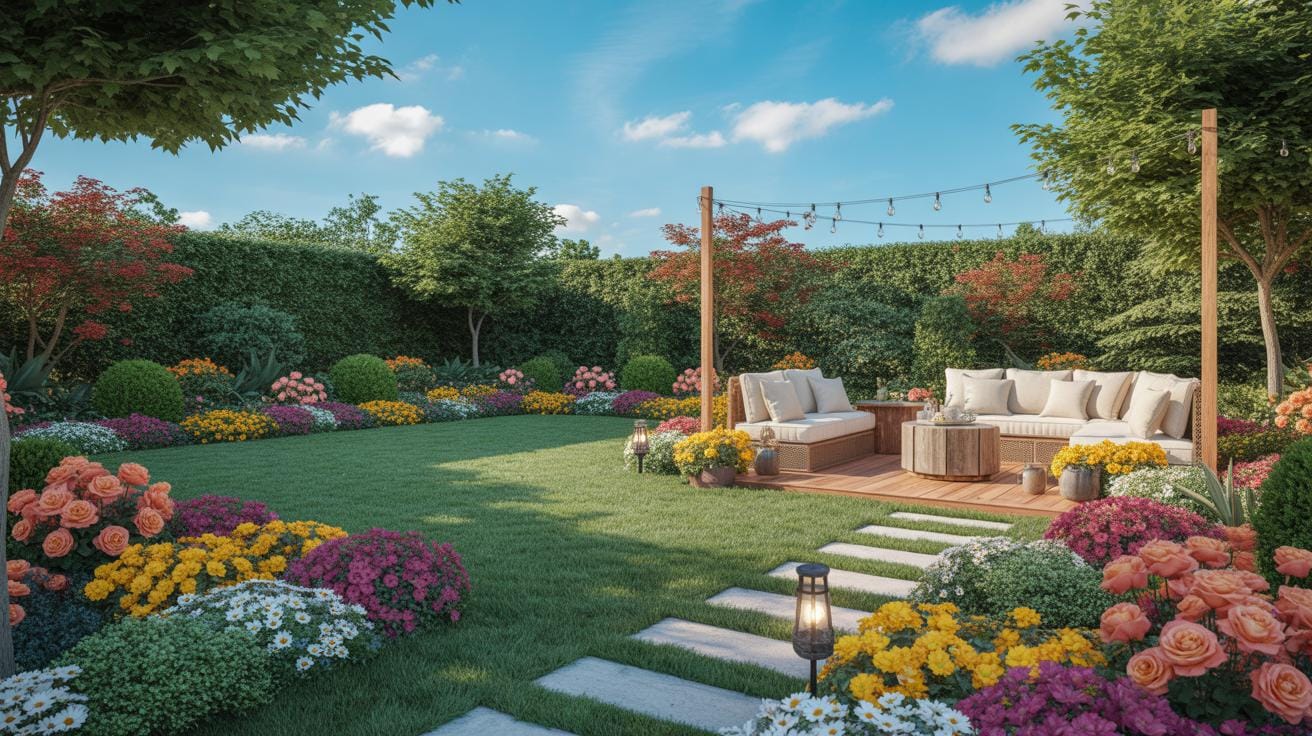
Colors play a key role too. Soft pastels, like blush pinks or creamy whites, tend to evoke calm and tenderness. But if you want a bit more passion in your garden, splashes of deep reds or rich purples can stir emotions. The colors you choose will subtly shift how you feel in the space—whether that’s calm, energized, or nostalgic.
It’s easy to forget the atmosphere. Gentle lighting, the scent of flowers, even rustling leaves create a sensory environment that carries you away. Sound, scent, and sight work together to create that unmistakable feeling of romance. So, your garden isn’t just about what you see—it’s about how you experience the space holistically.
Choosing A Welcoming Layout
When designing your garden’s layout, think about how you want to use the space. Paths that curve gently rather than cutting straight lines make a garden feel softer, more relaxed. Seating areas can be small and tucked away—maybe a bench under a rose trellis or a set of chairs beside a quiet pond. These spots encourage lingering, comforting conversations, not hurried visits.
Focal points are crucial for drawing attention and creating a pause in the garden. This could be as simple as a stone birdbath or a cluster of blooming flowers framed by greenery. It’s worth trying out different placements to see what feels natural and calming. Sometimes, less structure and a touch of randomness make a place feel more welcoming.
Colors That Enhance Mood
Colors in romantic gardens aren’t just about beauty—they’re about mood. Soft, muted tones like lavender, pale pink, or cream create a dreamy, gentle backdrop that calms the mind. These colors feel safe and calming, maybe even a bit nostalgic. Yet, brighter reds and purples introduce a sense of warmth and passion, giving life to the garden in a way that’s more dramatic.
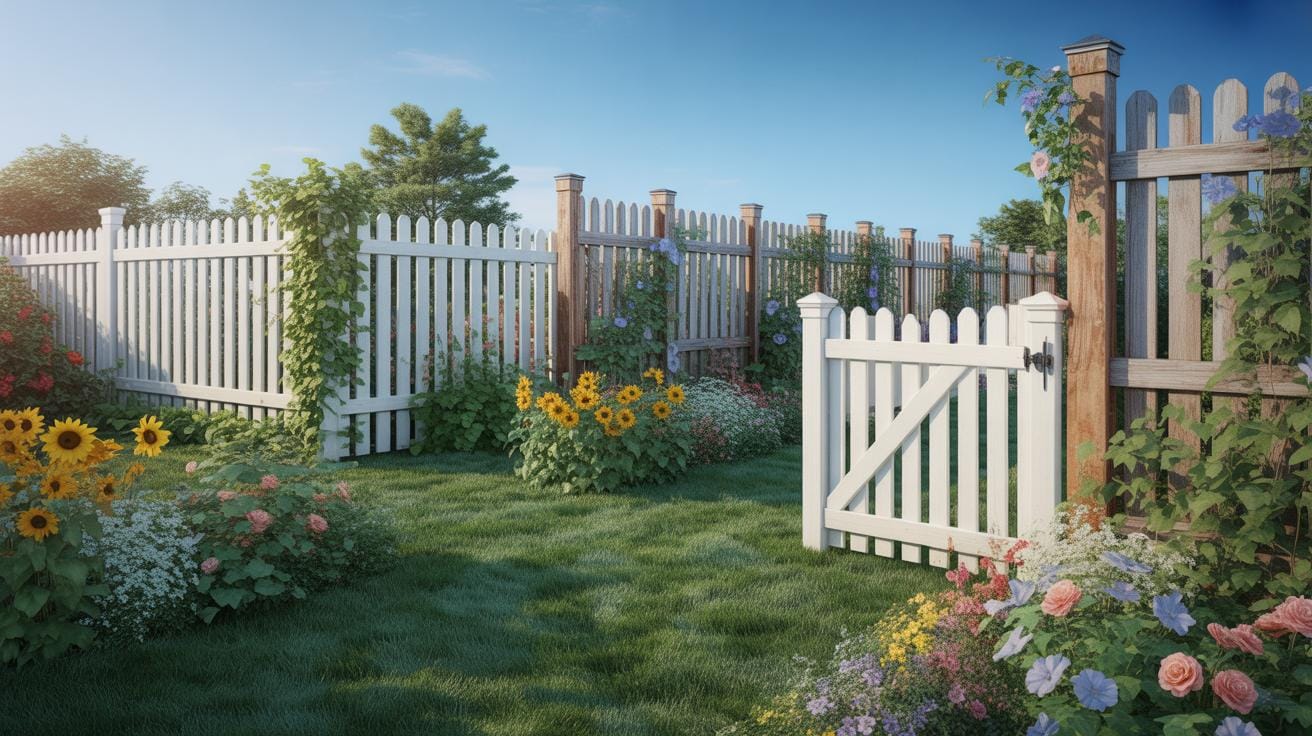
Mixing colors can be tricky but rewarding. A gentle pastel garden with unexpected pops of deep red flowers can create contrast without overwhelming the senses. It’s about balance, not perfect symmetry—sometimes the offbeat splash of color is what makes a garden feel truly alive and inviting. And as your garden changes through seasons, the evolving palette keeps the romance fresh, always giving something new to discover.
Plants That Bring Romance
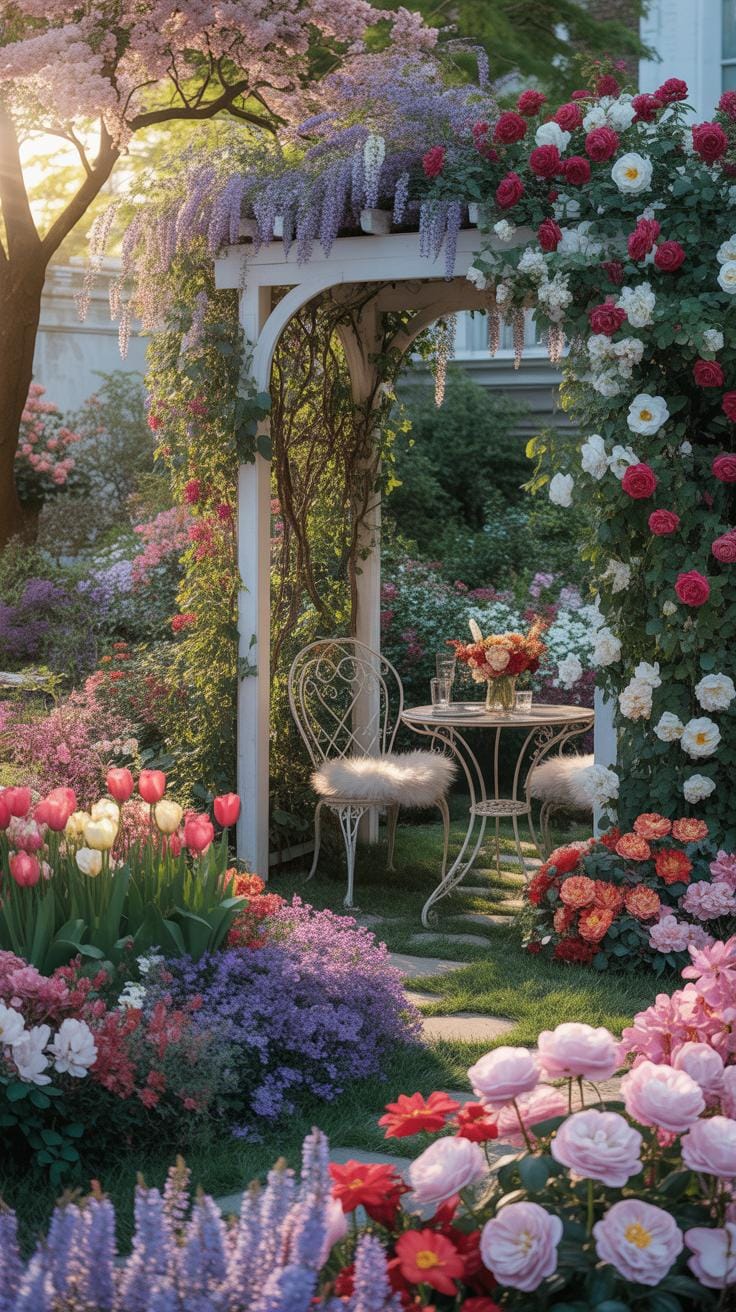
Choosing plants that evoke a romantic mood isn’t just about picking pretty flowers; it’s about how those plants interact with your space and senses throughout the year. You might want to start with climbers like clematis or jasmine—these can drape over trellises or garden arches, creating intimate enclaves. Their natural softness and delicate blooms set a gentle tone, don’t you agree?
Perennials like peonies, with their lush and full flowers, add a kind of old-fashioned charm. And if you mix in some flowering shrubs, such as hydrangeas, you get volume and texture that help keep the garden appealing even when other blooms have faded.
When arranging, consider layering plants by height and bloom times. Early spring bulbs (think tulips or daffodils) can brighten the garden after winter, while summer-flowering plants ensure the romance lingers into the warmer months. Don’t forget some evergreens or plants with interesting foliage for structure during the quieter seasons. It’s a subtle orchestration of growth and bloom, one that might require a bit of trial and error as you see what works best in your garden environment.
Top Romantic Flowers To Plant
Roses often steal the spotlight in romantic gardens, their layered petals and deep scents hard to beat. But which varieties? Maybe go for the classic red for passion, or soft pinks for gentleness. Growing them demands patience—plenty of sunlight, well-drained soil, and pruning to keep the shape elegant.
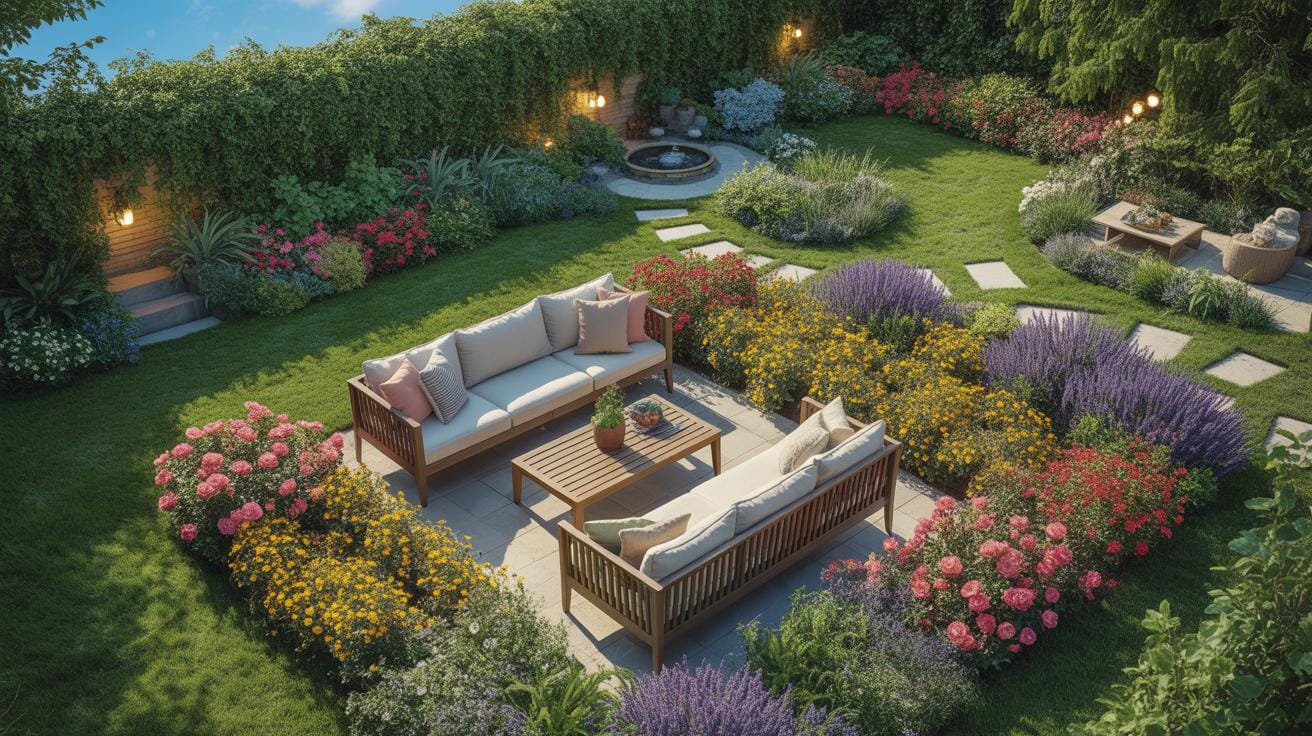
Lavender brings a subtler romance. Its dusty purple flowers and soothing aroma invite calm and reflection. It’s relatively low-maintenance but thrives best where it gets good sun exposure and well-drained soil. Plant it in clusters or borders to keep its scent close to pathways or seating areas.
Don’t overlook foxgloves or gardenias, both with alluring blossoms and a sense of old-world romance. Surround them with softer greenery to let their colors pop. Arranging these flowers so they complement rather than compete can create a delicate visual balance, constantly inviting a closer look.
Using Fragrance In Gardens
Fragrance in a garden triggers emotions—memories even—and plays a big role in creating that romantic vibe. Think about planting sweet peas near a bench or walkway where their scent can be appreciated up close. Jasmine, with its intense evening fragrance, can transform a simple garden into something almost magical at dusk.
Aromatic herbs like rosemary, thyme, and mint add unexpected layers to the garden’s scent profile—not only do they smell wonderful, but they’re useful in cooking, too. Consider pots or borders filled with these herbs around seating areas so you can brush against them and release their scents.
Mixing fragrant flowers and herbs needs some thought. Some scents can overpower others, and temperature or humidity can also affect how smells carry. You might find that the sweet intensity of gardenias clashes with the fresh sharpness of herbs if planted too close. Experimenting with placement is key—you want the fragrance to invite, not overwhelm.
Decor Elements To Add Charm
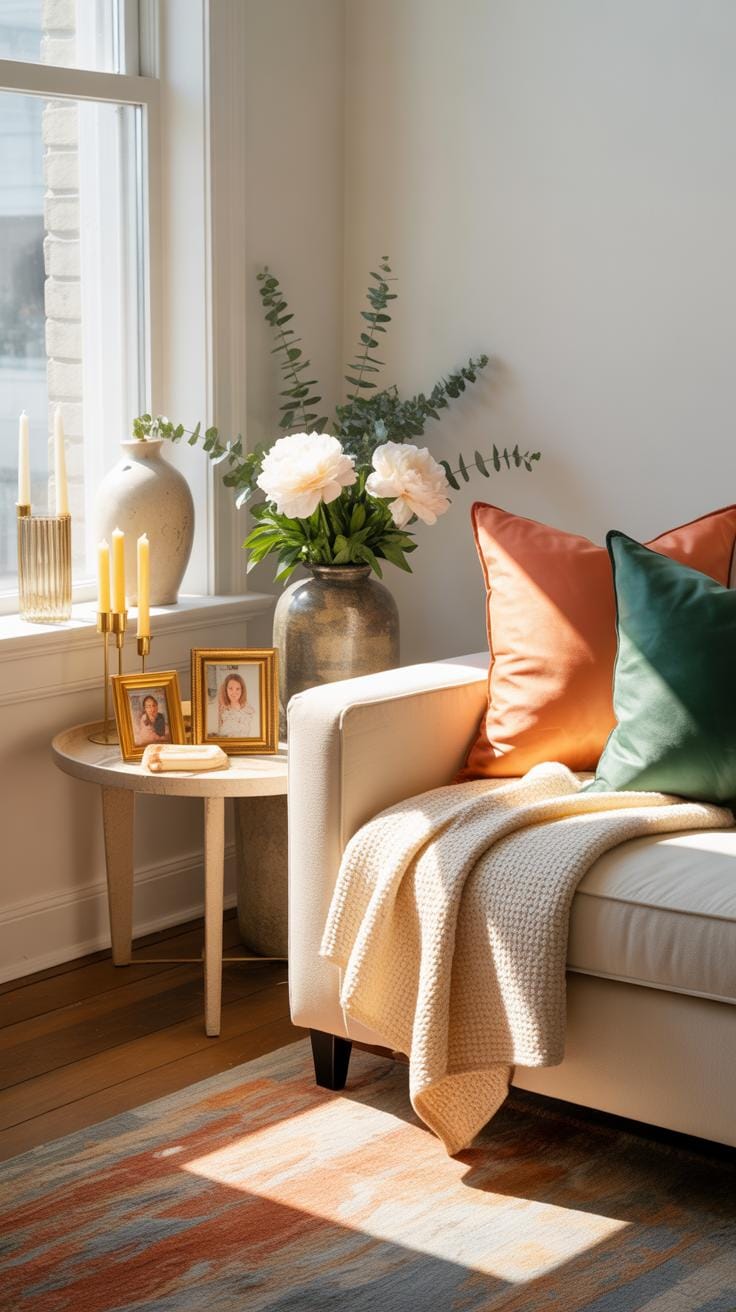

When you think about transforming your garden into a romantic retreat, decor plays a huge role. Furniture designed for outdoor use brings not just functionality but an atmosphere. For instance, wrought iron benches and teak tables add subtle elegance. They last through changing weather yet retain a classic vibe. I’ve found that wicker or rattan furniture offers a softer, natural feel—perfect if you want to keep things light and airy.
Ornaments like birdbaths or delicate statues can add a personal touch, but don’t overcrowd the area. Instead, let a few well-chosen items speak quietly. In terms of lighting, fairy lights strung between trees or soft lanterns on tables work magic. They create pockets of warm light without overwhelming the senses.
Selecting Cozy Seating Options
Choosing the right seating is tricky. You want something that invites lingering conversations and shared moments. Benches are reliable; they encourage closeness without making you feel confined. Swings bring a playful, nostalgic note—though perhaps not suitable for every garden size. Adirondack chairs, with their laid-back design, create a casual vibe and are surprisingly comfortable for quiet reading or daydreaming. You might want to mix these options for variety, depending on your garden’s layout.
Mood Lighting Ideas For Evenings
Lighting often makes or breaks the romantic tone after sunset. Fairy lights mimic stars and have that whimsical appeal. Lanterns, either hanging or placed on pathways, provide gentle illumination and can be quite charming. Candles, of course, are classic—they add a flickering warmth that no electric light can replicate. But don’t overlook solar-powered options if you’re concerned about upkeep.
Sometimes, combining different lighting types adds complexity. You might use candlelight for a dinner table but line walkways with fairy lights. What’s your preference? Do you lean toward subtle and subtle only, or do you want areas with more glow? It’s a delicate balance, but when done right, the effect can be captivating well into the night.
Water Features Versus Fire Elements
Benefits Of Water Features
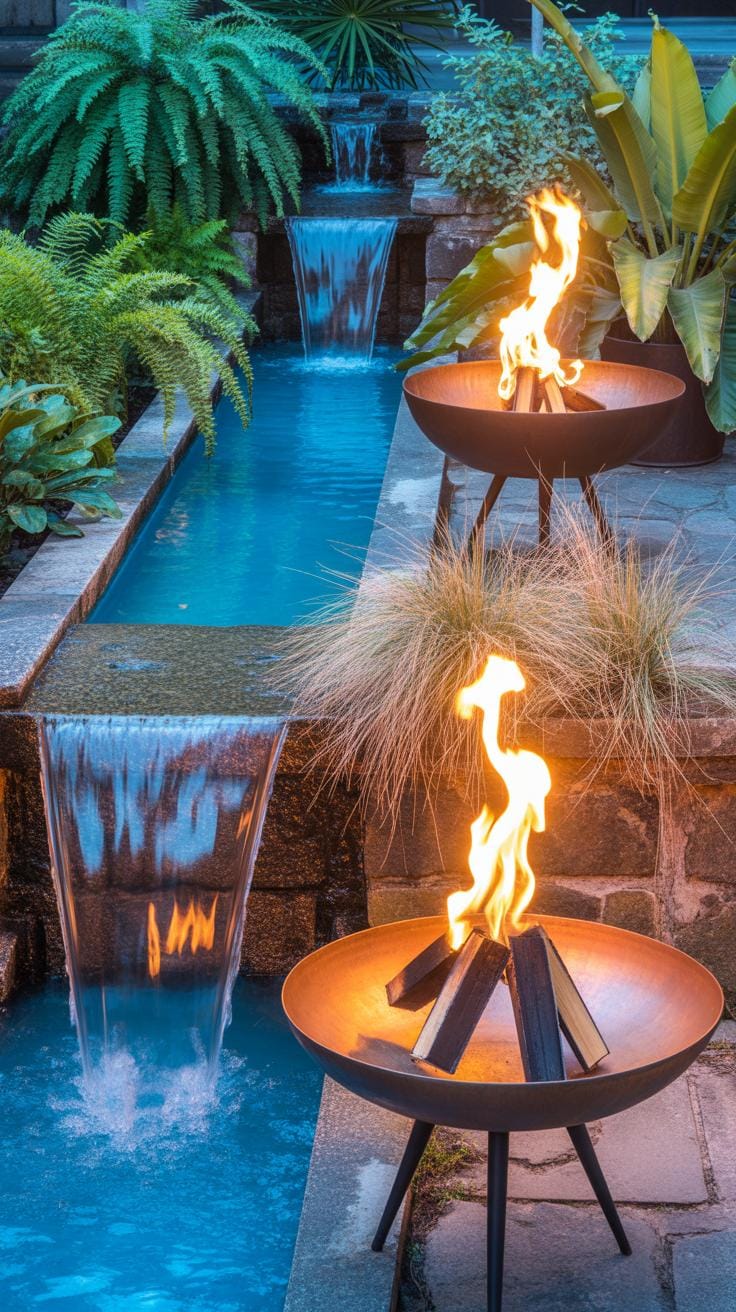
Water features like ponds, fountains, or small waterfalls do bring a calming presence to your garden. Watching the gentle movement of water can be hypnotic. It invites you to pause, breathe, maybe even reflect. The sound of flowing water—think of a quiet fountain or a small cascading waterfall—softens the noise of the outside world and adds a soothing soundtrack to your outdoor space.
Besides the sensory appeal, water features also enhance the garden’s atmosphere. They attract birds and sometimes even fish, which adds life and movement. But, fair warning: maintaining them requires some effort. You’ll want to monitor water quality, avoid algae build-up, and ensure pumps keep running smoothly. If you enjoy a bit of hands-on care, water features might become a rewarding part of your garden’s romance.
Using Fire Elements For Warmth
Fire pits and torches do more than just bring warmth outside. There’s something compelling about fire—the flicker of flames draws people in and encourages gathering. They create a cozy focal point where stories are swapped or quiet moments are shared.
Fire elements tend to demand less frequent maintenance compared to water features, but they come with their own considerations. You have to keep an eye on safety factors and fuel supplies, like wood or gas. Still, they offer a straightforward way to extend your garden’s usability into cooler evenings.
If you picture your outdoor space as a haven, deciding between water and fire might come down to the kind of mood you want. Do you want to listen and watch, with the fresh scent of water nearby? Or feel the radiant warmth and watch dancing flames? Both have their place, sometimes balancing each other, sometimes standing alone. Which one feels right to you tonight?
Planning Seasonal Interest
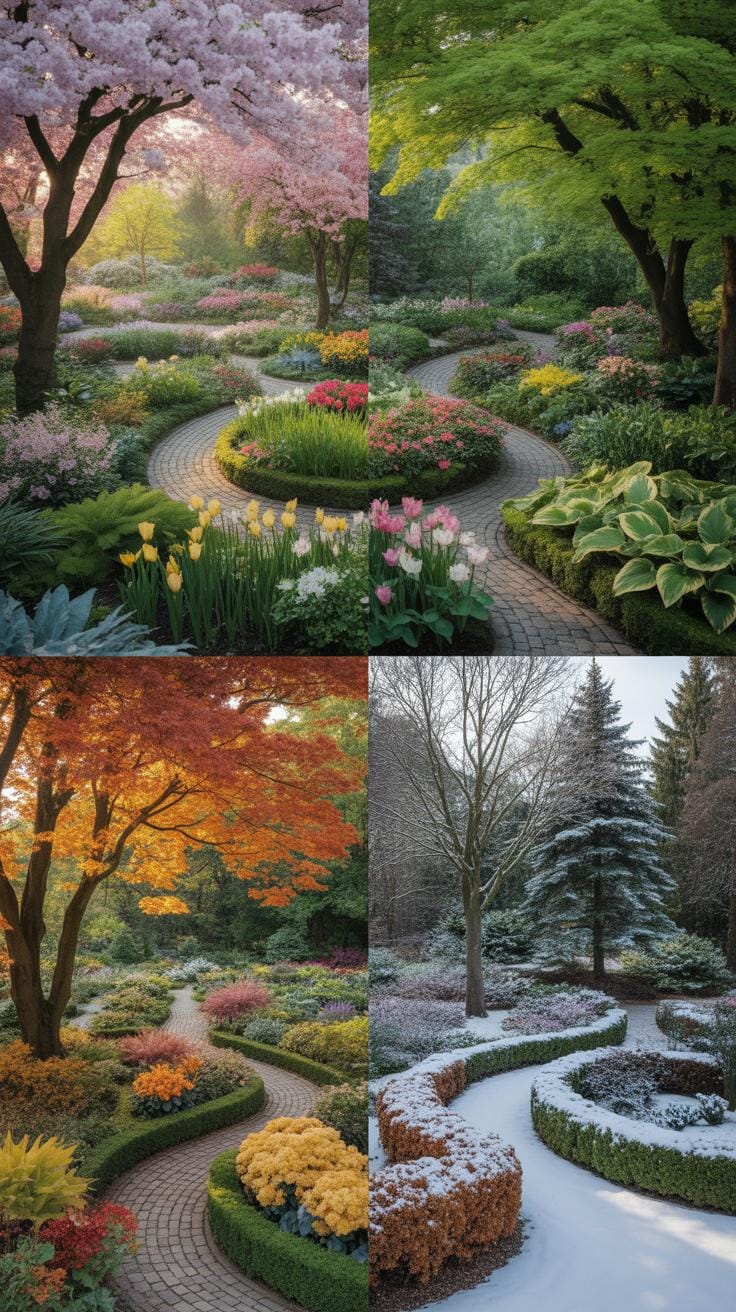
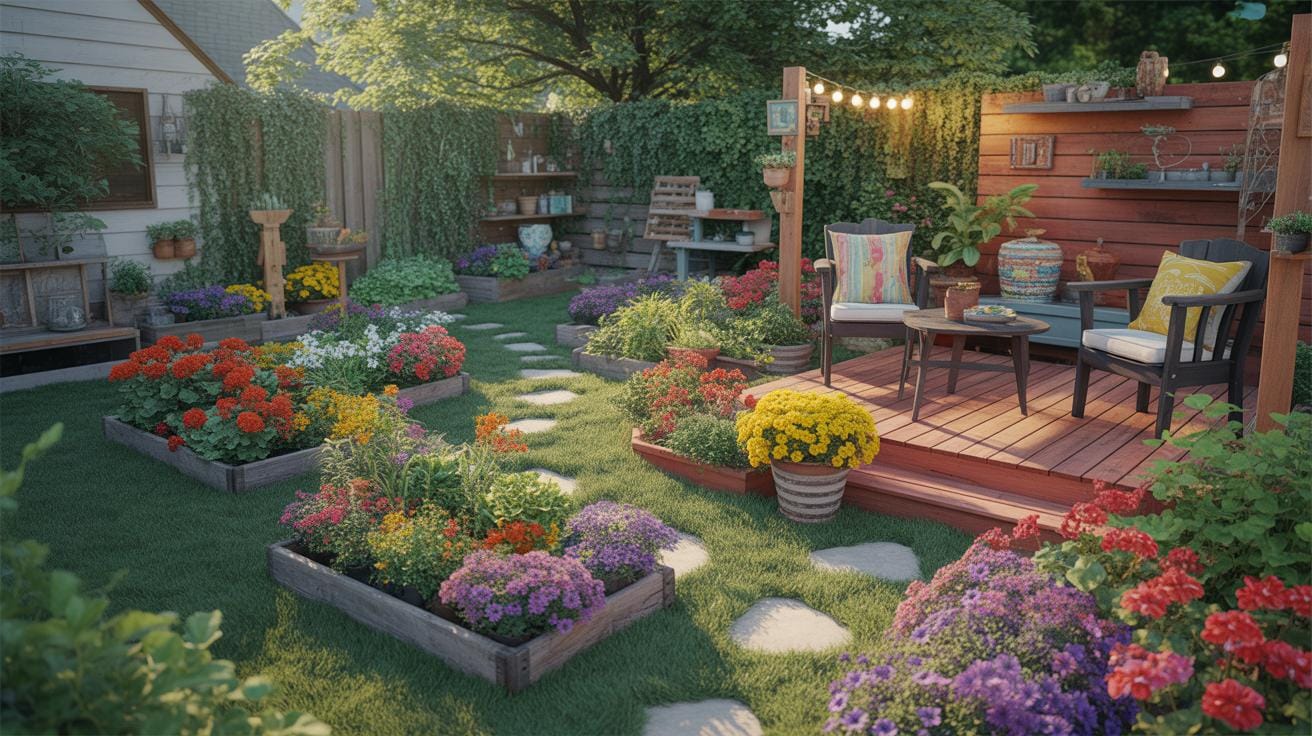
Planning a garden that holds a romantic allure throughout the year might feel like a puzzle. How do you keep the charm alive when the seasons shift? The key lies in thoughtful choices, blending evergreens with seasonal blooms that bring fresh surprises at the right times.
Choosing Evergreen And Perennials
Evergreens form the backbone of a garden’s year-round appeal. They hold their foliage, often lush and calming, even through cold or dry spells. Consider conifers like pine or fir for structure and dark green hues, or broad-leaved evergreens such as holly and rhododendrons—they add texture and gentle color at a time when many plants fade.
Perennials are a safer bet for a garden that doesn’t want to be static. Plants like peonies, foxgloves, or hostas often come back with strength year after year, providing a familiar backdrop to your romantic hideaway. It’s almost like welcoming old friends with each new season.
Incorporating Seasonal Blooms
Interspersing your evergreens and perennials with flowers that bloom in different seasons can add delightful shifts in mood and tone. Spring bulbs like tulips and daffodils bring brightness and a sense of renewal. Summer’s romance could be deepened with roses, lavender, or hydrangeas, all of which offer lasting fragrance or eye-catching petals. As autumn arrives, think of chrysanthemums or asters that sustain the garden’s heartbeat when others fade.
- Will you choose early blooming crocuses or wait months for late-season witch hazel’s unexpected glow?
- Could a subtle layering of blooms keep your outdoor space alive, no matter the month?
- Perhaps embracing some unpredictability by mixing plants that thrive differently each year might add another layer to the story your garden tells.
There’s a subtle tension in striving for seasonal interest—too much planning risks a sterile predictability, yet a touch of randomness keeps the charm authentic. After all, nature itself rarely follows a strict script.
Creating Private Garden Areas
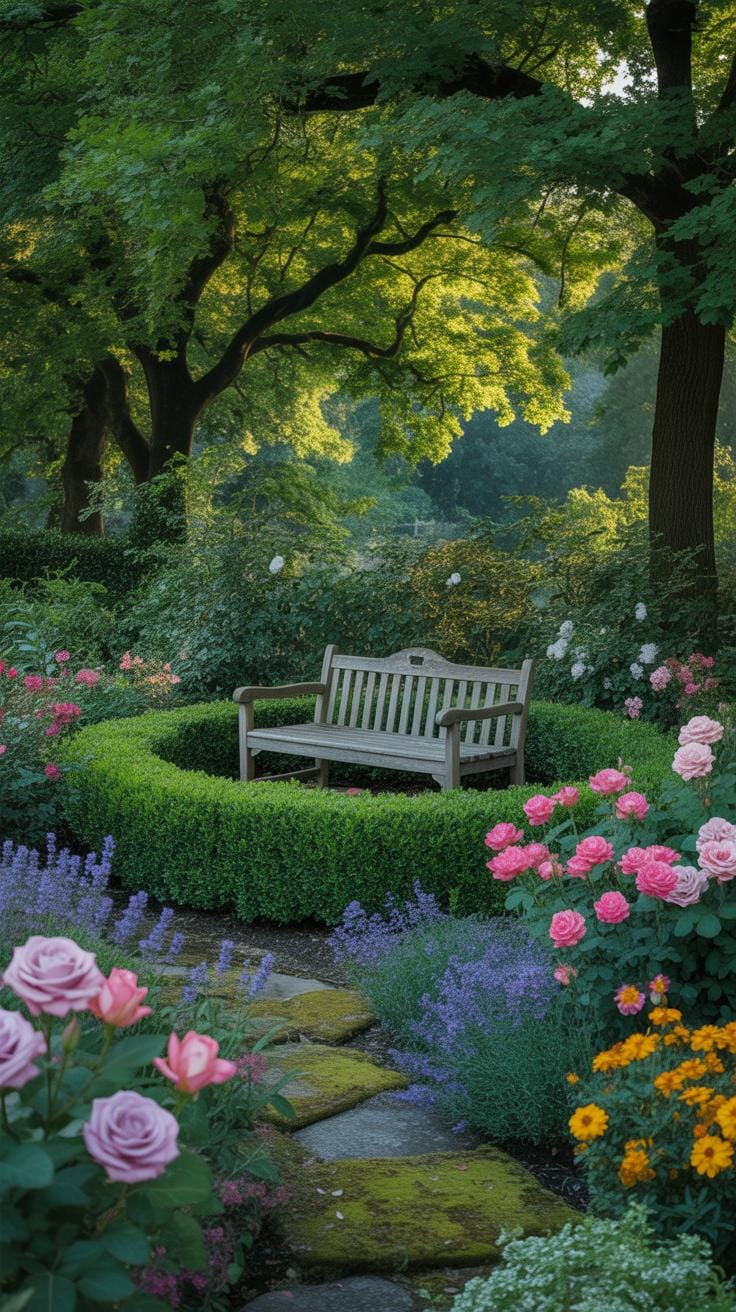
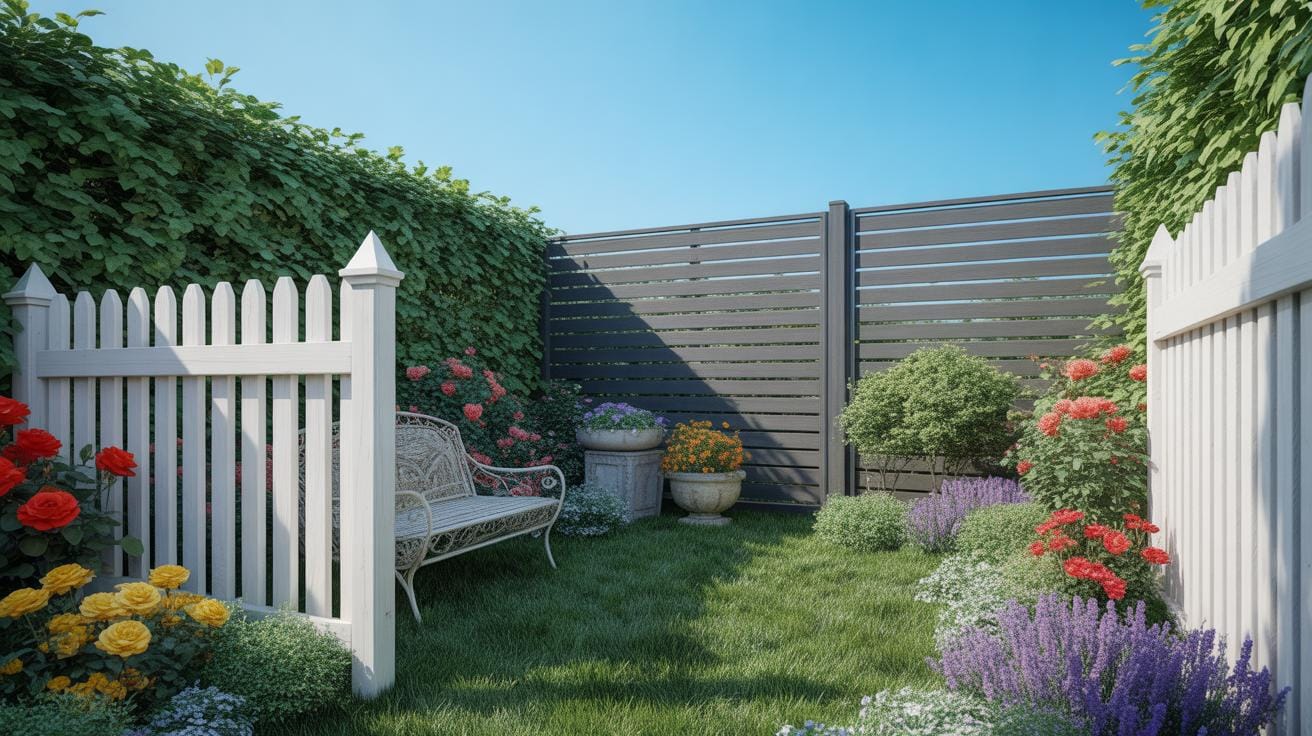
Designing a private, secluded spot inside your garden can transform it into a quiet retreat or a romantic hideaway. Think about carving out corners that feel like little secrets—places where noise, sightlines, and interruptions fade away. You might wonder where to start. Should you focus more on plant choices or layout? The answer is often a mix.
For example, use a winding path that leads to a tucked-away bench or a small seating area surrounded by flowering shrubs. The curve creates anticipation and keeps the spot hidden until you’re nearly there. You might also consider elevating parts of the garden slightly or sinking seating areas to add a sense of enclosure naturally.
Adding subtle barriers like lush shrubs can muffle sounds from the outside world. Even low walls or gentle slopes contribute to that sense of privacy without feeling heavy or confining. Sometimes, it’s less about building big structures and more about how you play with space and vegetation.
Using Hedges And Screens
Hedges have been used for centuries as natural boundaries, and they remain a favorite for privacy in gardens. Thick, closely planted shrubs can block unwelcome views, act as windbreaks, and even add a sense of calm with their greenery. You might consider trusty plants like hawthorn, holly, or beech for denser coverage.
Screens provide another option. While many think of artificial screens as less natural, modern designs use materials that blend well with garden aesthetics. Bamboo screens, wooden lattices, or woven panels can support climbing plants, creating green walls within months. These solutions give flexibility—whether you want permanent privacy or something seasonal that moves with your needs.
Building Small Garden Rooms
Small garden rooms separate your outdoor area into distinct zones, almost like rooms inside a house but under the open sky. This approach works well if you enjoy multifunctional spaces—reading nooks, dining spots, or meditation corners each get their own atmospheres.
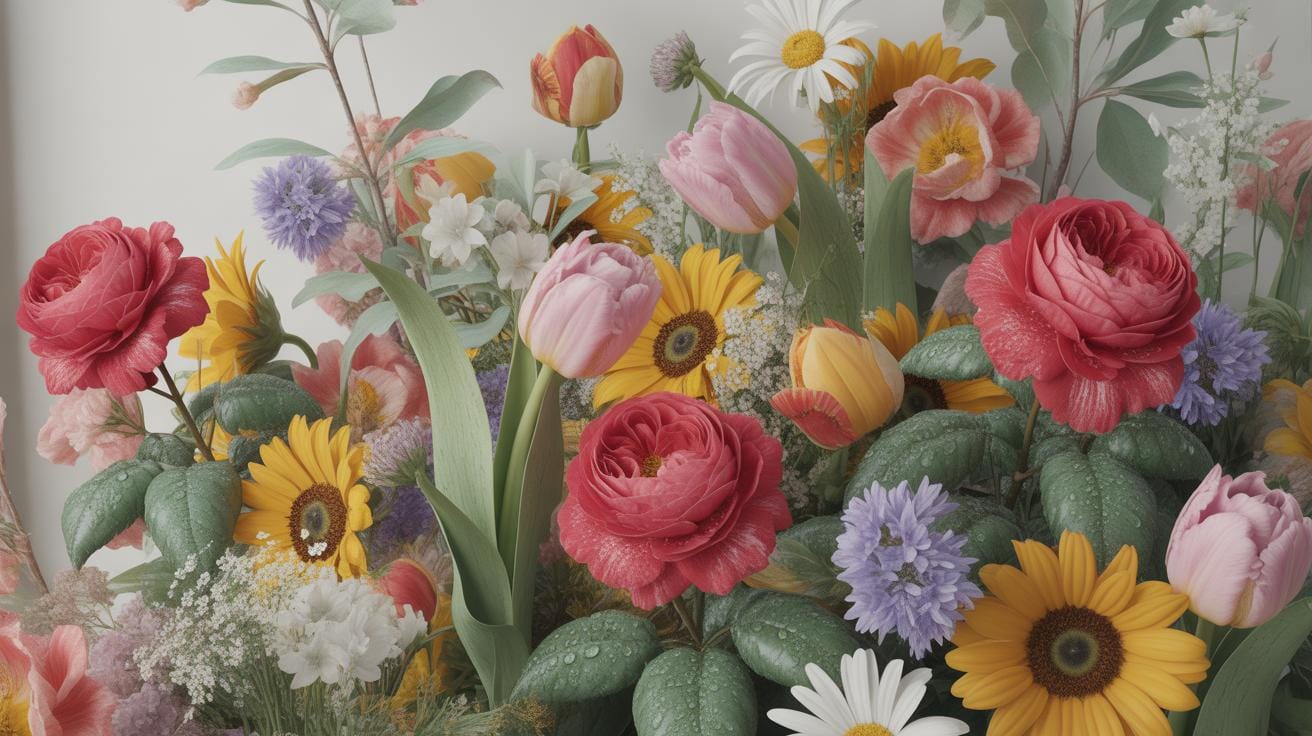
To create these spaces, you can use a combination of planting and garden structures. Tall plants or rows of bushes act as soft walls. Pergolas, gazebos, or trellises add overhead definition and sometimes shade. Even a simple archway at the entrance helps the mind register that you’re stepping into a different ‘room.’
When done thoughtfully, each garden room feels cozy yet open—perfect for quiet moments or sharing time together. You may find yourself wandering through these rooms without planning, simply exploring your garden’s intimacy in new ways.
Gardening Techniques For Durability
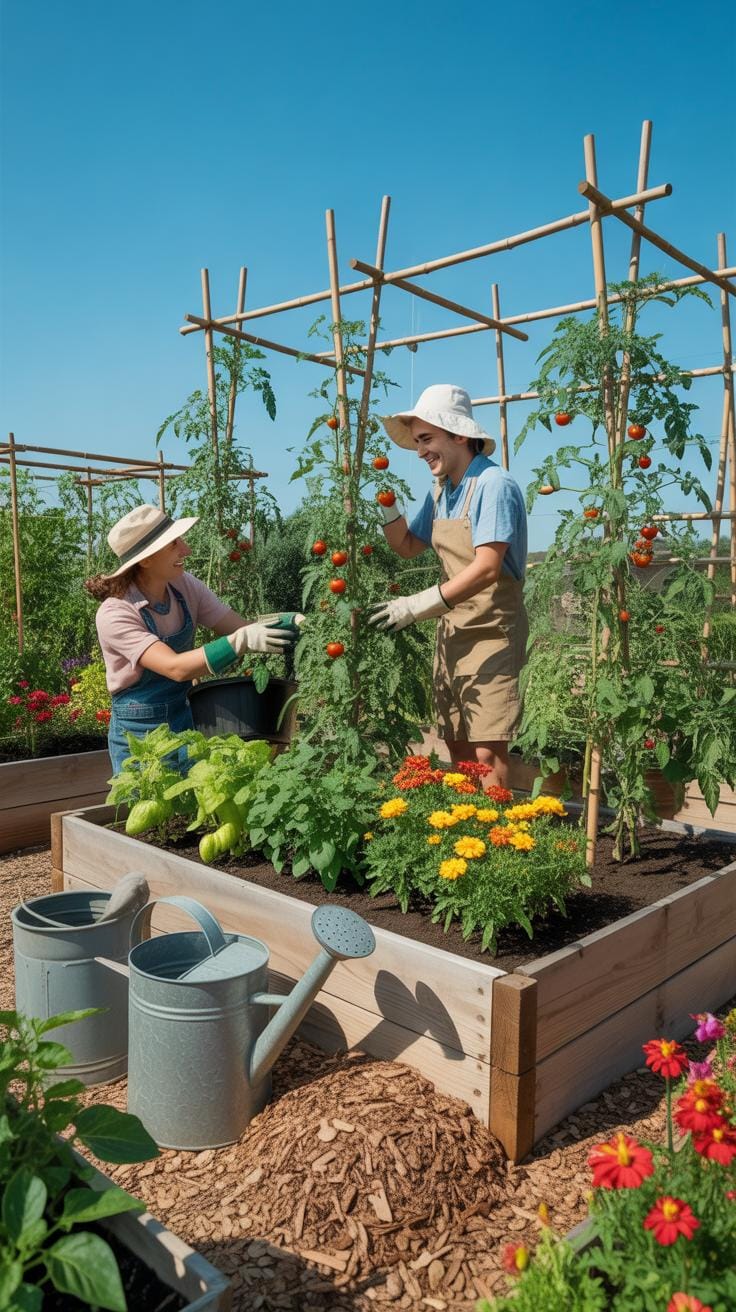
Creating a romantic garden that stays beautiful over time takes more than just planting the right flowers. It calls for steady care and some thoughtful techniques. One of the basics is soil preparation. Start by testing your soil to understand its pH and nutrient levels, then gently loosen it up. Adding organic compost or well-rotted manure can give plants a solid foundation to grow strong and healthy. Good soil means your garden won’t just look good today, but will stay rich and nurturing.
Pruning is another essential practice. It might seem tedious, but trimming back spent blooms and unruly branches actually helps shape your garden and encourages fresh growth. Seasonal pruning keeps plants from getting leggy or overcrowded. You might find it a little tricky at first to know exactly when and how much to prune—there’s a bit of an art to it, really.
Then there’s pest control, which is unavoidable if you want your plants to thrive. Instead of reaching immediately for chemicals, consider natural methods. Introducing beneficial insects like ladybugs or making simple homemade sprays can keep harmful bugs at bay. Sometimes, though, pests can surprise you. Observing your garden closely can help spot issues early before they snowball.
These techniques combined help maintain a romantic outdoor space that feels effortless but thrives with care. Have you noticed how a well-prepped soil or a careful pruning session noticeably changes plant vitality? Small steps often make the biggest difference over time.
Cost Planning For Your Garden
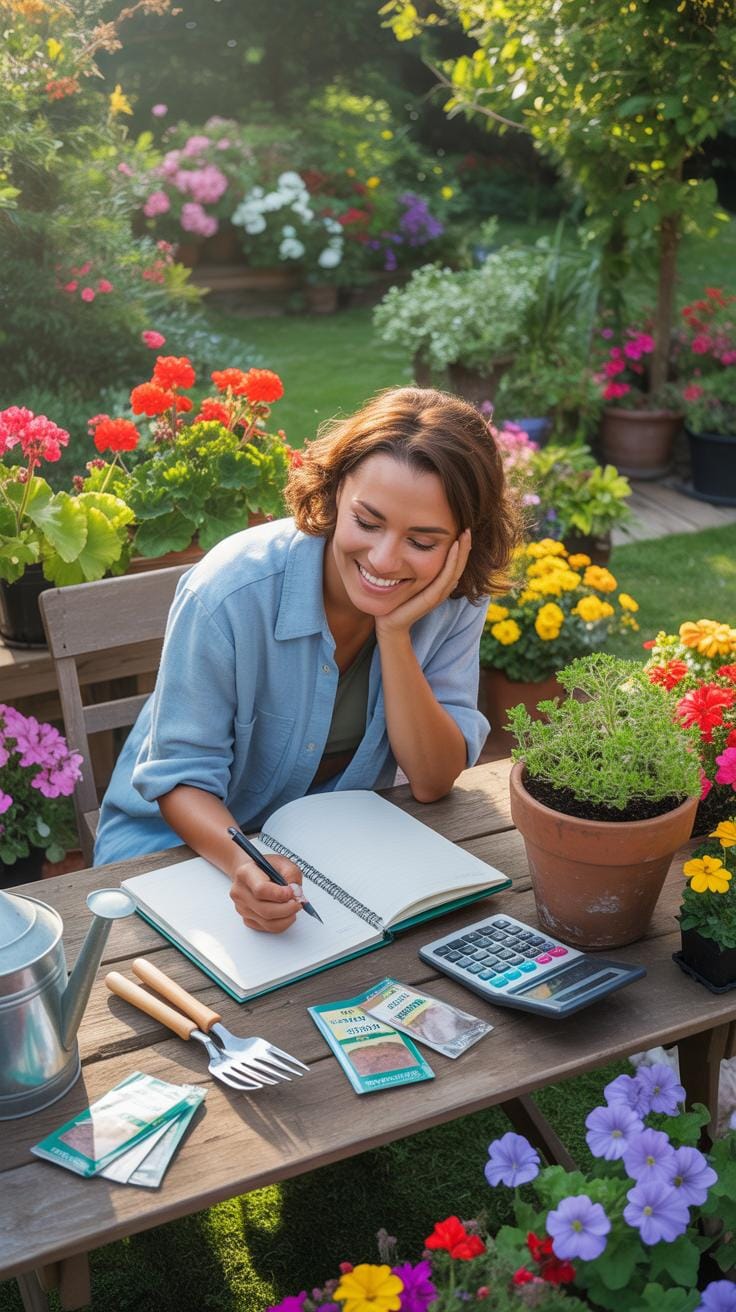
When thinking about creating a romantic house garden, the costs can vary quite a bit—more than you might first expect. You probably want to start with estimating expenses for plants, materials like soil or mulch, and perhaps labor if you’re hiring help. Don’t forget smaller but essential items like seeds, fertilizers, and decorative features, which can add up fast.
Setting a realistic budget means giving yourself some wiggle room. Buy a few pricier plants or ornamentals but balance them with less costly, easy-care greenery. Labor costs, if you can’t do everything yourself, could be the biggest chunk. So, ask around for quotes and be clear about your priorities.
To save money, consider starting plants from seeds or cuttings. DIY projects—like building your own trellis from scrap wood—often cut expenses. Sometimes, visiting plant exchanges or sales can snag good deals. And hey, it’s okay to let the garden evolve slowly. A romantic feel doesn’t have to happen overnight. What’s your plan for balancing costs without losing the charm you want?
Common Mistakes In Romantic Gardens
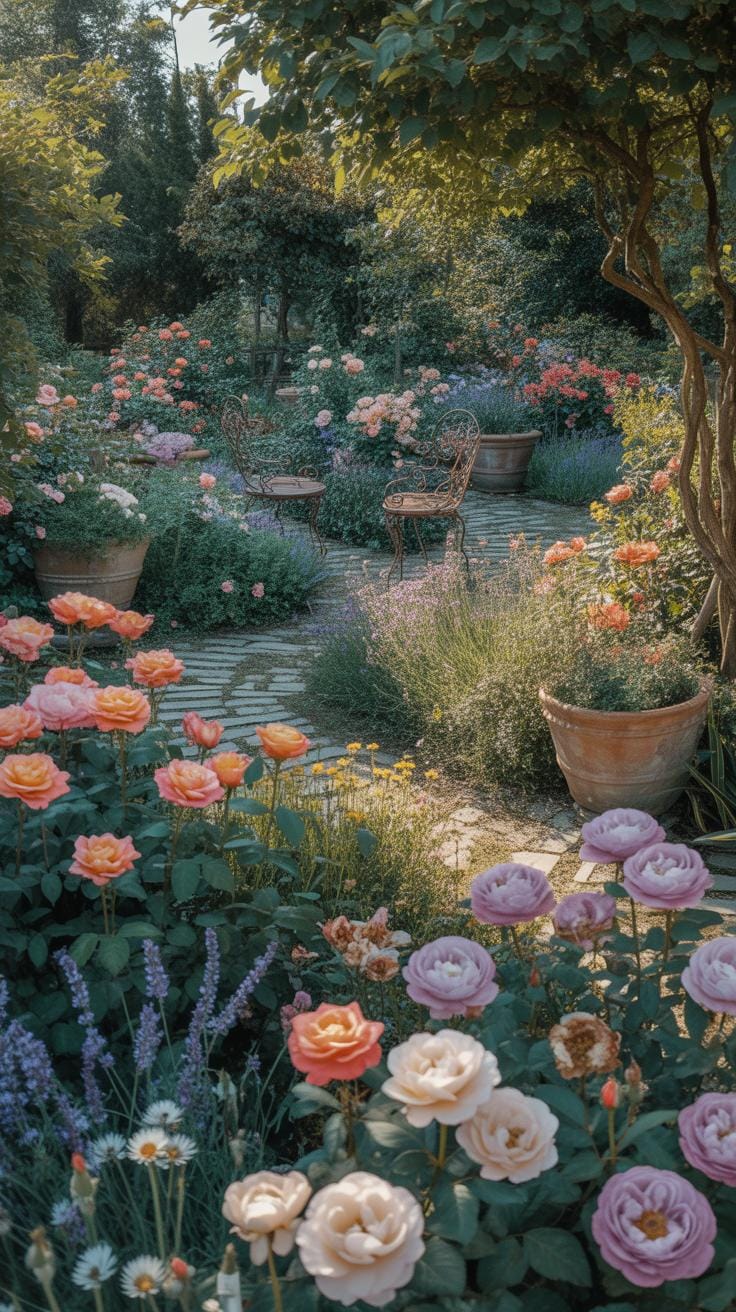
Overcrowding With Plants
It’s tempting to pack a romantic garden with all sorts of blooms and greenery, thinking more is better. But, actually, overcrowding can backfire. When plants are too close together, they compete for sunlight, water, and nutrients. This stress not only weakens individual plants but also makes the whole garden look messy and chaotic instead of charming. Plus, tight spaces encourage pests and diseases to spread more easily—something you definitely want to avoid in a romantic setting.
Give your garden some breathing room. Select a few key plants that evoke the romantic vibe you’re after and space them thoughtfully. Remember, empty space isn’t wasted. It lets each plant shine and makes your garden feel more inviting rather than overwhelming. It’s a bit like conversation—sometimes silence speaks just as loudly as words.
Ignoring Maintenance Needs
A romantic garden isn’t a “set it and forget it” project. Without regular care, even the most thoughtfully designed space will lose its charm. I’ve seen beautiful gardens turn into tangled jungles because maintenance was neglected—pruning missed, weeds left unchecked, and flowers faded. Neglect disrupts the harmony and can quickly spoil the peaceful, intimate atmosphere you want to create.
Think of maintenance as part of the romance—it’s the ongoing effort that keeps the space alive and responsive. Watering at the right times, trimming to encourage bloom, and removing spent flowers all contribute to a garden that looks loved. It’s a bit of work, yes, but I find that connection deepens when you nurture your garden daily. What’s a romantic space without a little care?
Examples Of Romantic Gardens To Inspire
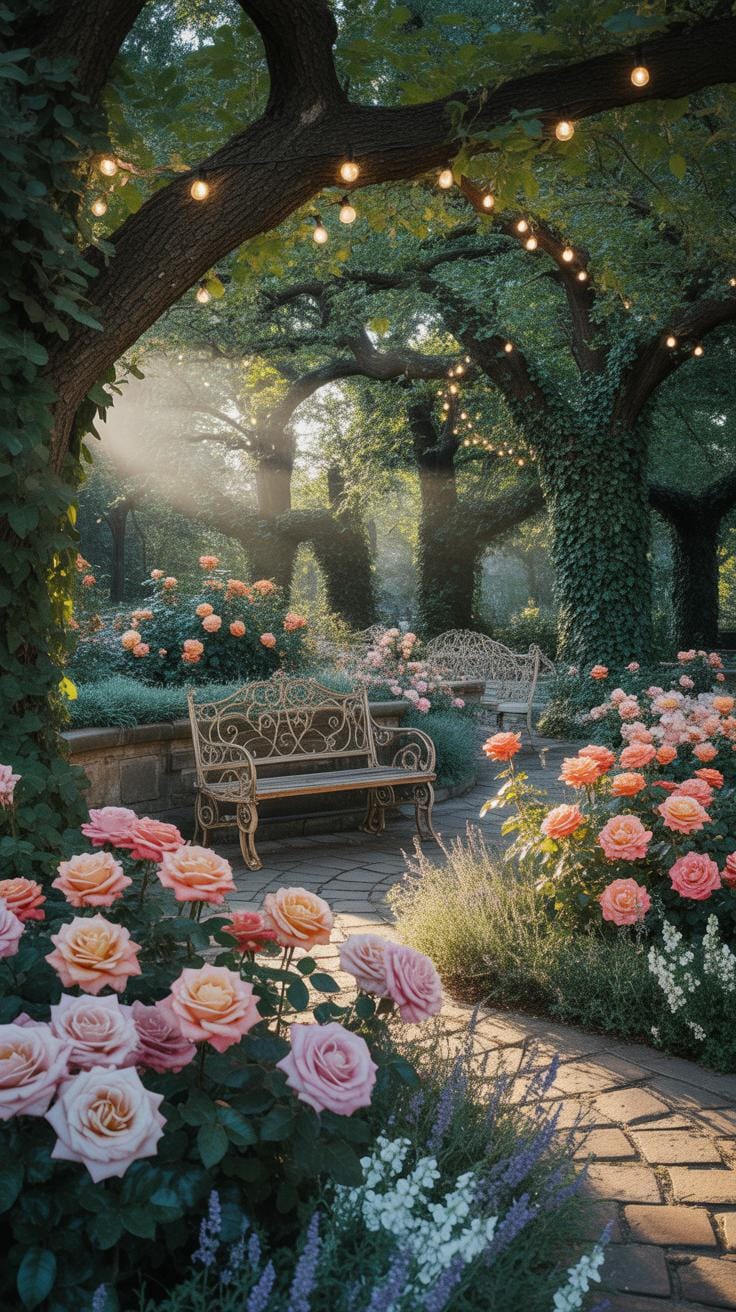
Classic English Garden
The Classic English Garden is, well, quite something. It grew out of a desire to break free from rigid, formal garden designs. Imagine gentle rolling lawns blending softly into clusters of trees, with peaceful lakes reflecting the sky. The charm lies in a careful blend of nature and artifice — classical temples, Gothic ruins, and quaint bridges scatter across the landscape. These features create a sense of discovery and timelessness, making the garden feel like a private escape.
A hallmark of this style is its natural, flowing layout. Instead of strict symmetry, paths meander leisurely, inviting you to wander aimlessly. This sense of freedom and surprise often stirs quiet emotions, a sort of soft romanticism grounded in the idealized countryside.
If you stroll through such a garden, you might catch brief glimpses of a statue behind a hedge or a distant pavilion framed by trees. These intentional reveals add an air of mystery. Perhaps this is why the Classic English Garden still resonates, offering a blend of comfort, elegance, and a touch of the unexpected.
Modern Minimalist Romantic Garden
On the flip side, there’s the Modern Minimalist Romantic Garden. It’s almost the opposite — stripped down, uncluttered, yet deeply expressive. Here, simplicity is the main player. Clean lines, a limited palette of plants, and open spaces work together to create a calm, intimate vibe. It’s less about grandeur or surprise; more about feeling and presence.
Imagine a smooth stone patio bordered by soft grasses, a single slender tree arching overhead, or perhaps a simple water feature murmuring quietly. This style embraces the idea that less can truly be more. It invites you to slow down and appreciate small, subtle details.
What’s interesting is that these gardens are not just about aesthetics but about evoking gentle, personal emotions. They challenge the idea that romance must be elaborate or ornate. Instead, they suggest that emotional connection can arise from quiet, clean spaces thoughtfully curated.
Conclusions
Designing a romantic house garden is about more than just plants. It’s about creating a space that feels special to you and those who visit. By using natural elements, colors, and thoughtful details, you can make your outdoor area inviting and full of charm. Small changes like adding flower beds or cozy seating can transform the atmosphere.
When planning your garden, consider your style and the mood you want to set. The right choices in landscaping can enhance your home’s beauty and add value to your property. Take the time to design a garden that you enjoy every day and that tells your personal story through its romantic appeal.