
Introduction
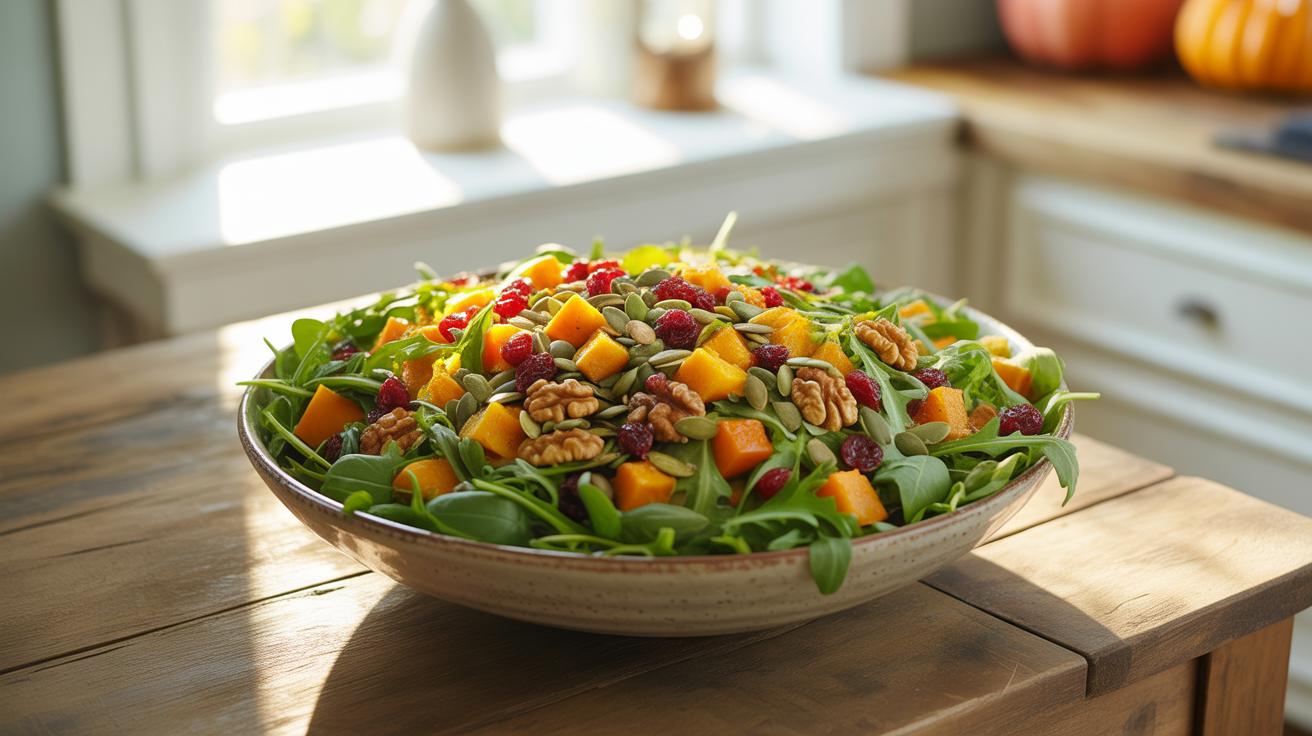
Harvest salad combines a variety of fresh vegetables, fruits, nuts, and sometimes cheese or other proteins to offer a rich source of nutrients. This dish is a vibrant example of how food can be both wholesome and satisfying. By mixing seasonal ingredients, the salad receives natural flavors along with essential vitamins and minerals.
Understanding the nutritional benefits of a harvest salad helps you make healthier eating choices. Eating this salad can support your general well-being by providing antioxidants, fiber, and proteins. In this article, you will learn what makes harvest salad a beneficial addition to your diet and practical ways to enjoy it.
Why Choose Harvest Salad
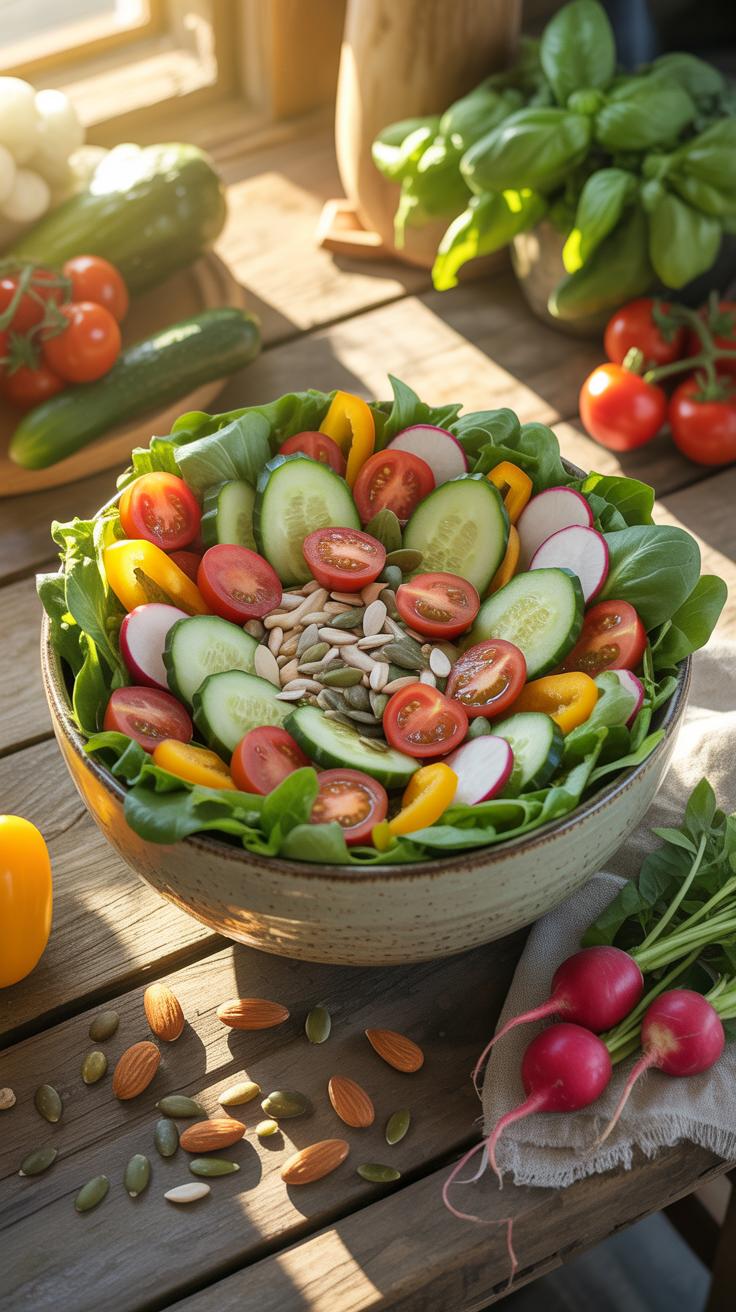
Picking a harvest salad means inviting fresh, seasonal ingredients onto your plate. You might notice that the vibrant colors—from deep greens and bright oranges to purples and reds—don’t just make the salad look appealing. Each hue often represents different nutrients, so mixing them up is a simple way to cover more nutritional ground without much fuss.
Textures also play a surprising role. Crunchy nuts, tender greens, chewy roasted squash—all these add variety that makes eating more satisfying. It’s not just about taste; the feel of food influences how much you enjoy it and how well you digest it. Ever thought about that? Probably not.
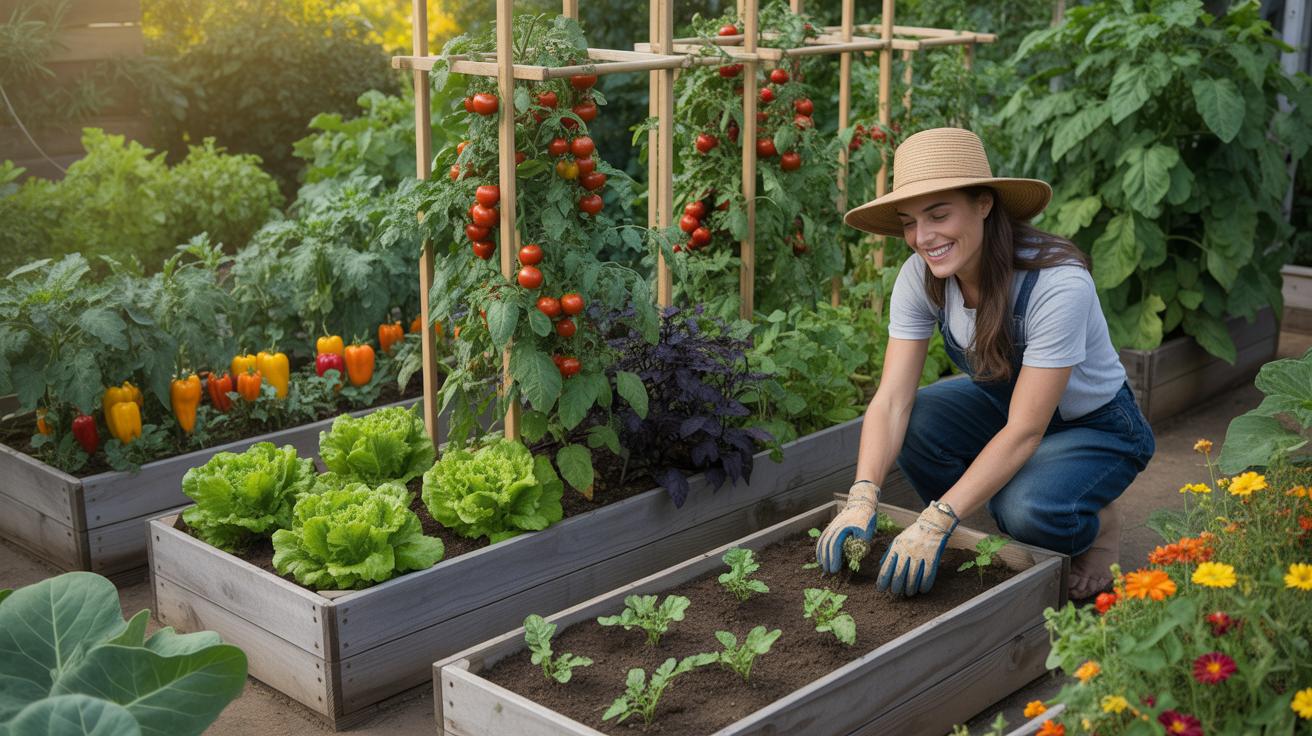
Seasonal produce tends to be fresher and less processed. This means fewer preservatives and more natural flavors. Plus, using what’s in season might encourage diversity in your diet. Eating the same vegetables every week can get dull, and maybe less healthy if you miss out on other key nutrients.
So why choose a harvest salad? Because it’s a simple, tasty way to bring in a range of nutrients naturally. Plus, the variety in color and texture supports balanced nutrition without needing complex meal planning. It’s an easy choice, but not quite as obvious to everyone as it should be.
Nutritional Components Of Harvest Salad
Typical harvest salads usually combine leafy greens, roasted root vegetables, nuts, seeds, maybe some cheese or beans. Each of these offers a mix of vitamins, minerals, fiber, and proteins but in different amounts. For example:
Vitamin A from carrots or sweet potatoes helps with vision and immune function.
Leafy greens provide vitamin K, which your body uses to clot blood and strengthen bones.
Fiber from veggies and nuts promotes gut health and helps regulate blood sugar.
Protein can come from cheese, beans, or nuts, essential for muscle repair and enzymatic processes.
Minerals like magnesium from seeds play roles in energy production and nerve function.

The beauty of the harvest salad lies in how these nutrients come naturally packed within food, not isolated into pills or powders. Eating whole ingredients means you get the nutrients alongside other compounds that might improve absorption or work together in unknown ways. This seems more—and maybe even less complicated—than relying on supplements.
Health Benefits Linked To Ingredients

Many ingredients in harvest salads come with clear health perks. Take the antioxidants in vegetables like kale and beets. These compounds fight oxidative stress, which—if unchecked—can contribute to aging and chronic disease. You might not notice the effects day to day but think of it as quiet protection.
Nuts and seeds add healthy fats, such as omega-3s, which support heart health and brain function. Cheese brings in protein and calcium, important for muscle maintenance and bone strength. Some cheeses also provide probiotics, aiding digestion, but that depends on the type.
Roasted vegetables add a comforting warmth and may increase certain nutrients’ bioavailability—meaning you absorb and use them better. Combining all these ingredients in one bowl creates a kind of nutritional synergy, boosting your intake in manageable portions.
Have you thought about how these components might affect your energy or mood? If not, it could be worth paying attention. The nutrients in a harvest salad do more than fill your stomach; they support your body’s complex needs in subtle yet important ways.
How To Prepare A Harvest Salad
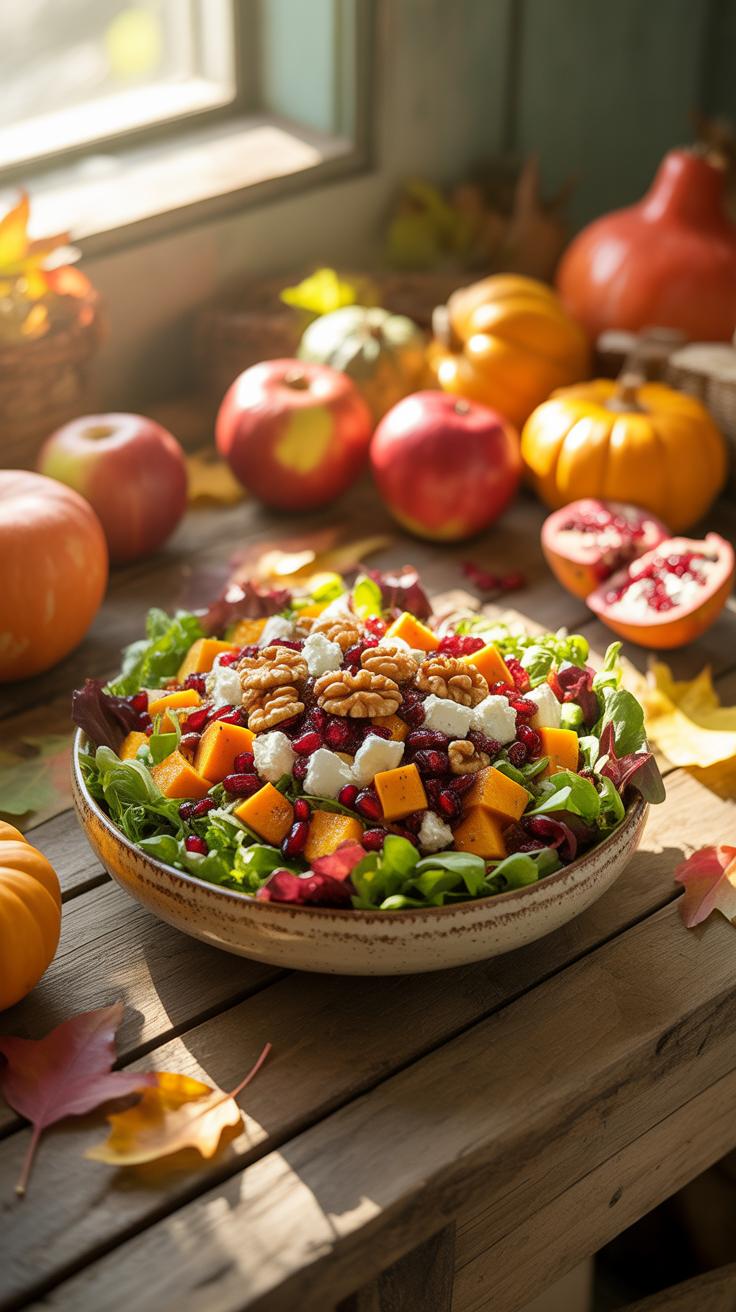
Selecting Fresh And Seasonal Ingredients
When it comes to building a harvest salad, the key starts at the market—or wherever you shop for your produce. You want to look for vegetables and fruits that feel firm and heavy for their size, not soft or wrinkled. That often means choosing what’s in season locally, since those items spend less time in transit and retain more nutrients.

Visiting a farmers’ market can be a great way to find these fresh, seasonal picks. Think crisp apples, crunchy carrots, sweet potatoes, or sturdy kale. If you’re unsure what’s truly fresh, check for vibrant colors and firm textures rather than relying only on appearance. Sometimes produce looks good but feels dull or overly soft inside.
Mixing Ingredients For Flavor And Nutrition
Creating a great-tasting harvest salad is about balance. Combine crunchy nuts like toasted pecans or walnuts with soft roasted vegetables or sweet fruit slices—maybe a few chunks of pear or apple. This contrast adds interest both to texture and flavor.
Protein can come from beans, grilled chicken, or cheese, depending on what you have on hand. Layering colors is helpful too—deep greens against bright oranges or reds make the salad more appealing, and that often means a wider variety of nutrients. A handful of dried cranberries might seem like a small touch, but it adds a surprising pop.
Don’t shy away from olive oil and vinegar dressings gently tossed in at the end; they bring out flavors without overwhelming the ingredients. Although, some prefer a squeeze of lemon juice or mustard-based vinaigrette to brighten everything up. It’s okay to experiment a bit.
Harvest Salad Versus Other Salads
Differences In Ingredient Variety

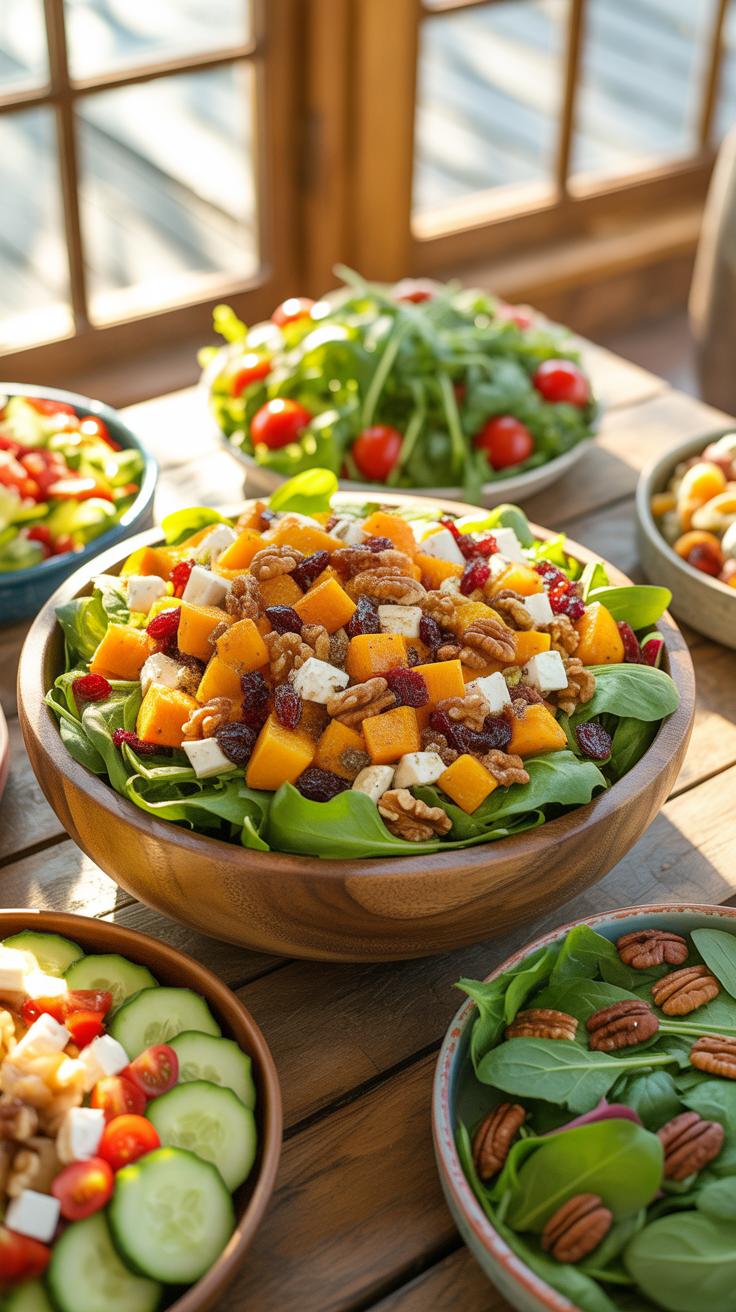
When you compare harvest salad to something like a garden or Caesar salad, the differences in ingredients stand out pretty clearly. Garden salads mostly focus on leafy greens like lettuce, cucumbers, tomatoes, and a few raw veggies. Caesar salad is often simpler—romaine lettuce, croutons, parmesan, and a creamy dressing. Harvest salad, though, tends to mix in a wider spectrum of ingredients—think roasted squash, apples, nuts, dried cranberries, and whole grains like quinoa or farro. This variety delivers more complex flavors and textures, but more importantly, it brings a broader range of nutrients.
These additions mean harvest salads have richer nutrient density. They provide fiber from whole grains and fruits, heart-healthy fats from nuts or seeds, and a mix of vitamins and antioxidants that other salads just don’t offer as much. So, in terms of ingredient diversity, harvest salad often breaks the mold—it doesn’t just stick to leaves and a simple topping.
Health Impact Comparison
In terms of health effects, it’s easy to see why harvest salad might be a better pick if you’re aiming for balanced nutrition. That extra fiber from grains and fruit helps digestion and keeps you full longer, which isn’t always the case with the lighter garden or Caesar salads. Plus, the nuts offer healthy fats and protein, supporting heart and brain health.
You notice the vitamin and mineral profiles shift too. For example, roasted squash and apples add potassium and vitamin C, which aren’t common in basic salad mixes. That’s a plus if you want to boost immunity or hydration. On the other hand, Caesar salad can be higher in sodium and saturated fats because of the dressing and cheese, which might not suit everyone’s diet goals.
Still, nobody’s saying garden or Caesar salads are bad—they’re just simpler. Harvest salad edges ahead by packing in diverse nutrients that contribute to sustained energy and overall wellness over time. Maybe next time you prepare a salad, you’ll consider mixing those hearty, natural ingredients to get more out of your meal.
Common Mistakes When Making Harvest Salad
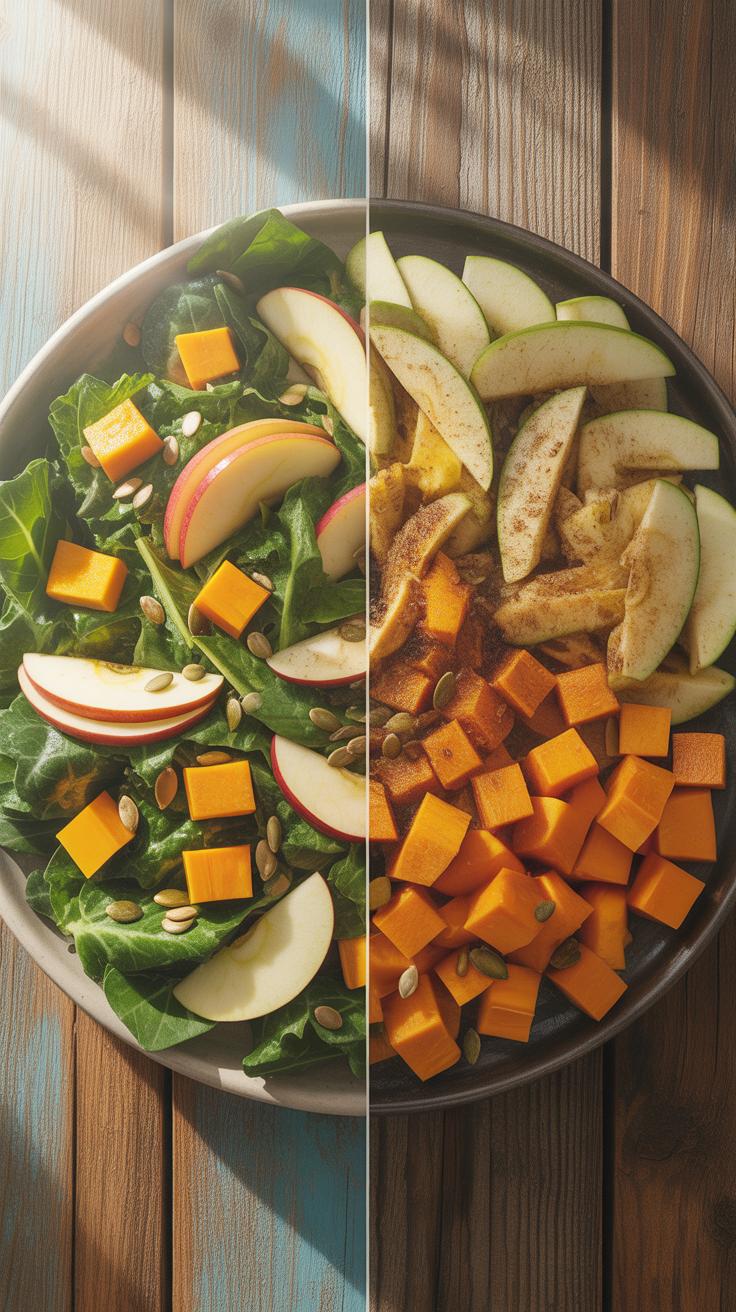

When making a harvest salad, some slip-ups happen more often than you might expect. One big one is using ingredients that aren’t fresh. Maybe you’ve grabbed veggies that look fine but have been sitting in the fridge too long. That wilted lettuce or soft squash won’t just ruin the texture—it’ll dull the flavors and drain nutrients.
A simple fix? Check your produce closely: firm squash, crisp greens, and bright colors usually mean freshness. And don’t hesitate to give your vegetables a sniff or gentle squeeze. If something feels off, it probably is.
Another common problem is definitely going overboard with dressing. It’s easy to pour on the oil or creamy dressings thinking it makes the salad tastier, but often it hides the true taste of your vegetables and adds lots of calories you might not need. Instead, try using a spoon to lightly drizzle or mix it in little by little. You could even use a spray bottle for more control.
Finally, some people pack the salad with too many heavy ingredients, overshadowing the lighter, fresher elements. It’s about balance, really—letting the natural harvest flavors shine without hiding them under too much richness or salt.
Tools For Making Harvest Salad
Essential Kitchen Tools
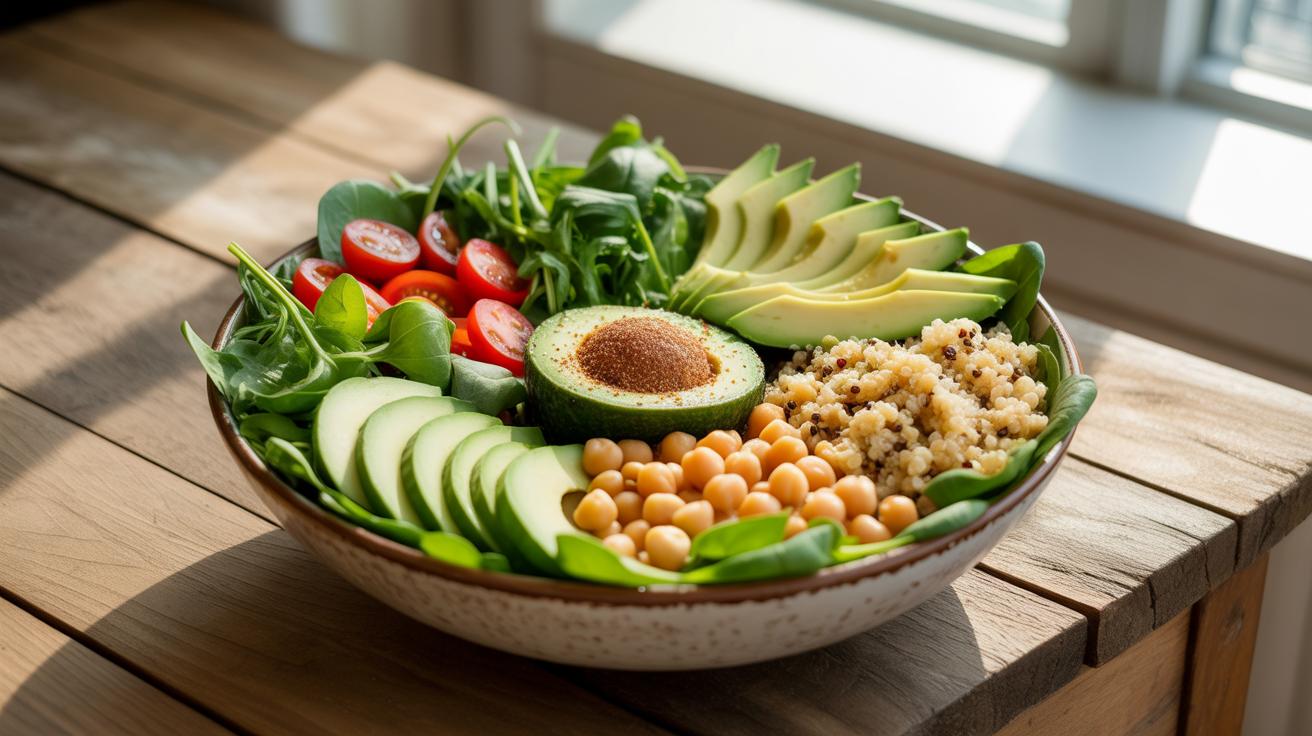
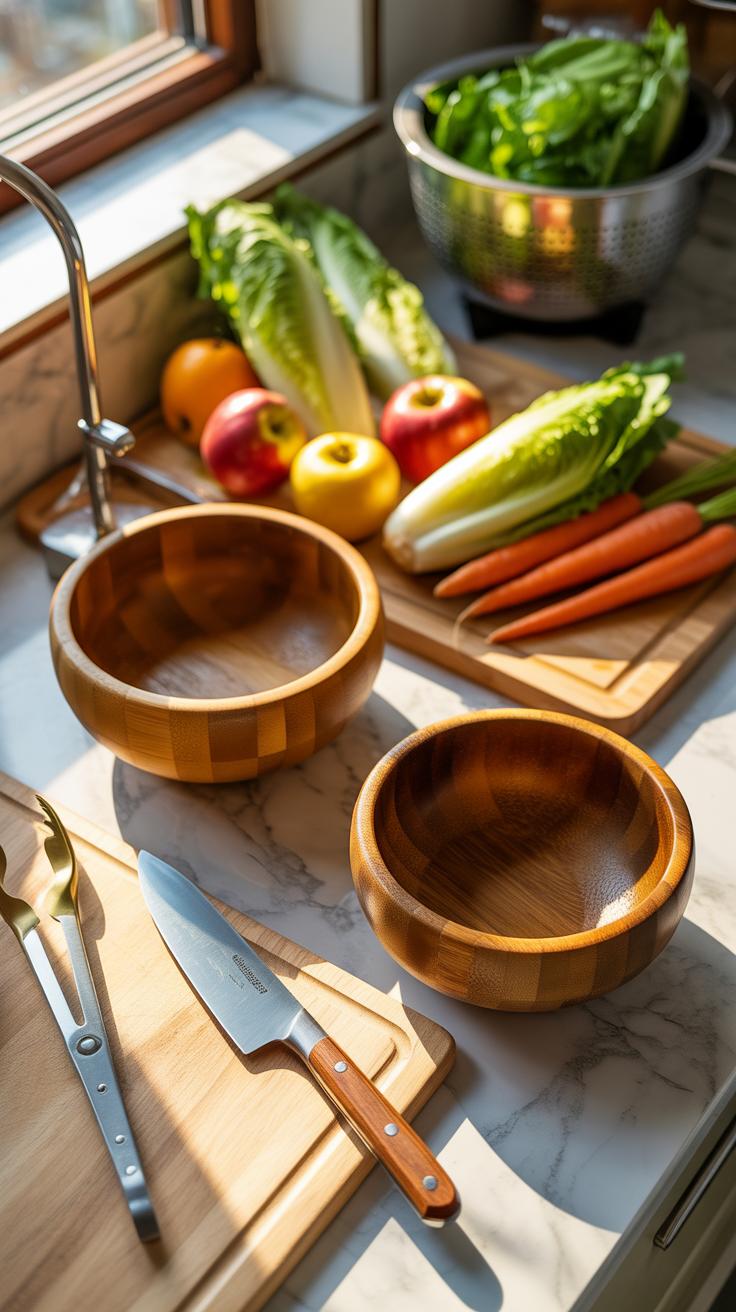
You don’t need a fancy setup, but a few key tools do make a big difference when preparing harvest salad. A sharp chef’s knife is a must—it lets you chop nuts, apples, and squash precisely without bruising or crushing delicate greens. If you have a serrated knife, that works well for softer ingredients too, though it’s not always ideal for tougher textures.
A large mixing bowl is another staple. It gives enough room to combine ingredients without spilling, helping you toss everything evenly. Some prefer glass or stainless steel bowls because they don’t absorb odors, but even a sturdy plastic bowl will do the trick.
Don’t overlook the salad spinner. It saves time and effort drying leafy greens thoroughly, which keeps dressings from getting watered down. I’ve found that using a spinner helps maintain a crisp texture, especially for kale or mixed greens often found in harvest salads.
Tips For Efficient Salad Preparation
One little trick: prep ingredients in advance, and store them in separate containers. You can quickly assemble the salad when hunger strikes. Use your knife for consistent slices—uniform pieces not only look better but also make each bite more balanced. Also, dry greens well before mixing; a damp salad feels off.
Don’t crowd the bowl when tossing ingredients. Give everything space so the dressing coats evenly. When it’s time to serve, using tongs or salad servers helps portion salad without smashing delicate bits.

Ever thought about multitasking? While washing your greens in the spinner, chop the other veggies. It’s a small thing that saves minutes and keeps things fresh.
Harvest Salad For Weight Management
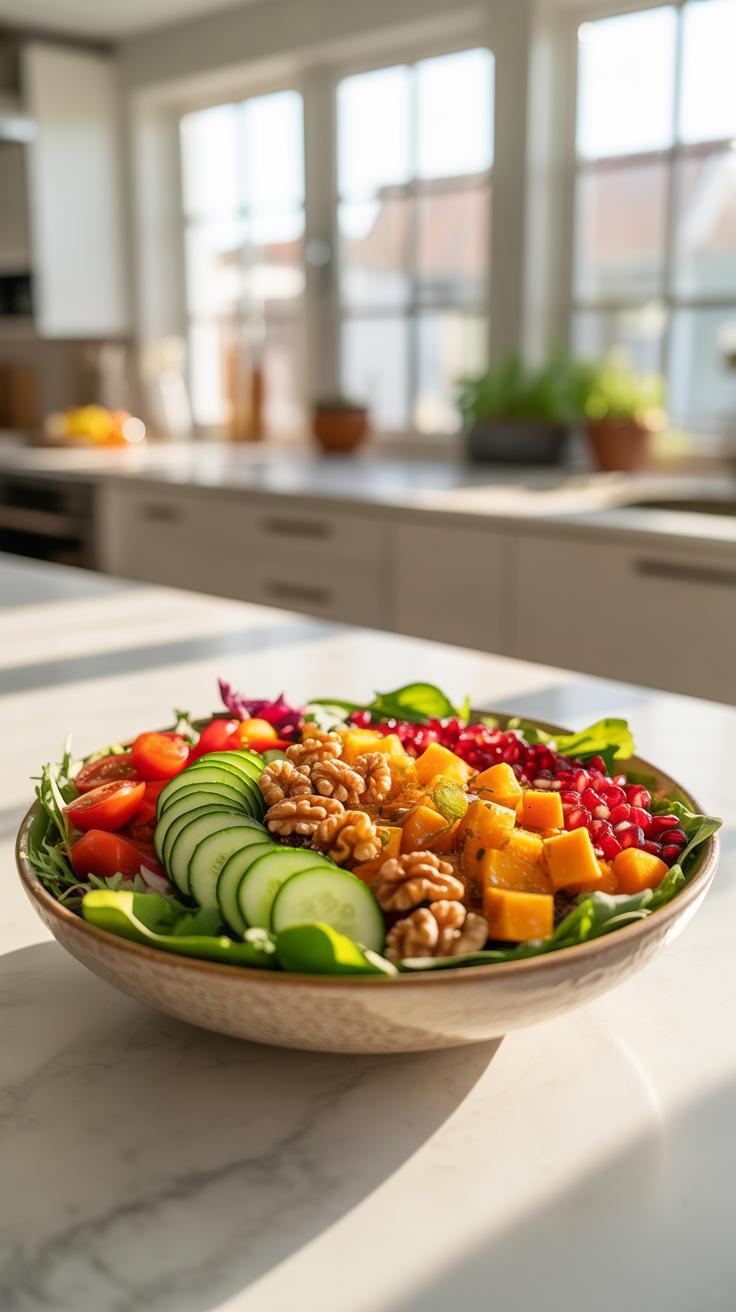
Harvest salad offers a sensible way to support your weight management efforts without feeling deprived. It’s low in calories, meaning you can enjoy a generous portion without worrying too much about overeating. The key lies in its high fiber content, which slows digestion and helps keep you feeling full longer. That’s something I’ve noticed firsthand—after a good harvest salad meal, the usual afternoon cravings seem less urgent.
This kind of salad also fits well into balanced meals. Pairing it with lean proteins or a small serving of whole grains can keep your energy steady throughout the day. But it’s not just about what’s in the salad; what you leave out matters too. Choosing vegetables over calorie-dense toppings keeps things lighter.
Calorie Control Through Salad Choices
You can actually control calories by picking specific ingredients. For example, focusing on leafy greens, roasted root vegetables, and a sprinkle of nuts adds flavor and texture without piling on calories. Avoiding heavy dressings or creamy extras makes a big difference too. Instead, a bit of vinaigrette or lemon juice can brighten flavors without excess fat.
Sometimes I get tempted to add cheese or croutons, but then I remind myself that these extras, while tasty, tend to push calorie counts higher than intended. It’s a balancing act—what’s worth it for you might differ, but being mindful helps maintain your goals.
Fiber And Satiety Effects
Fiber is a major reason why harvest salads feel so satisfying. It bulks up the meal and slows down digestion, which helps control hunger between meals. When you eat fiber-rich foods, your stomach signals fullness more clearly. That effect has saved me from reaching for snacks I didn’t really need.
Also, fiber benefits digestion overall. Sometimes, when meals lack enough fiber, you might feel hungry sooner or experience energy dips. A harvest salad’s mix of vegetables, seeds, or legumes usually provides enough fiber to mitigate these issues. So, it’s not just about weight control but also about how you feel day to day.
Have you ever noticed how certain meals just keep you going longer? Maybe it’s the fiber helping, or maybe it’s the balance of flavors and textures. Either way, that fullness factor is a key part of why harvest salad earns a spot in many weight-conscious meal plans.
Seasonal Variations In Harvest Salad
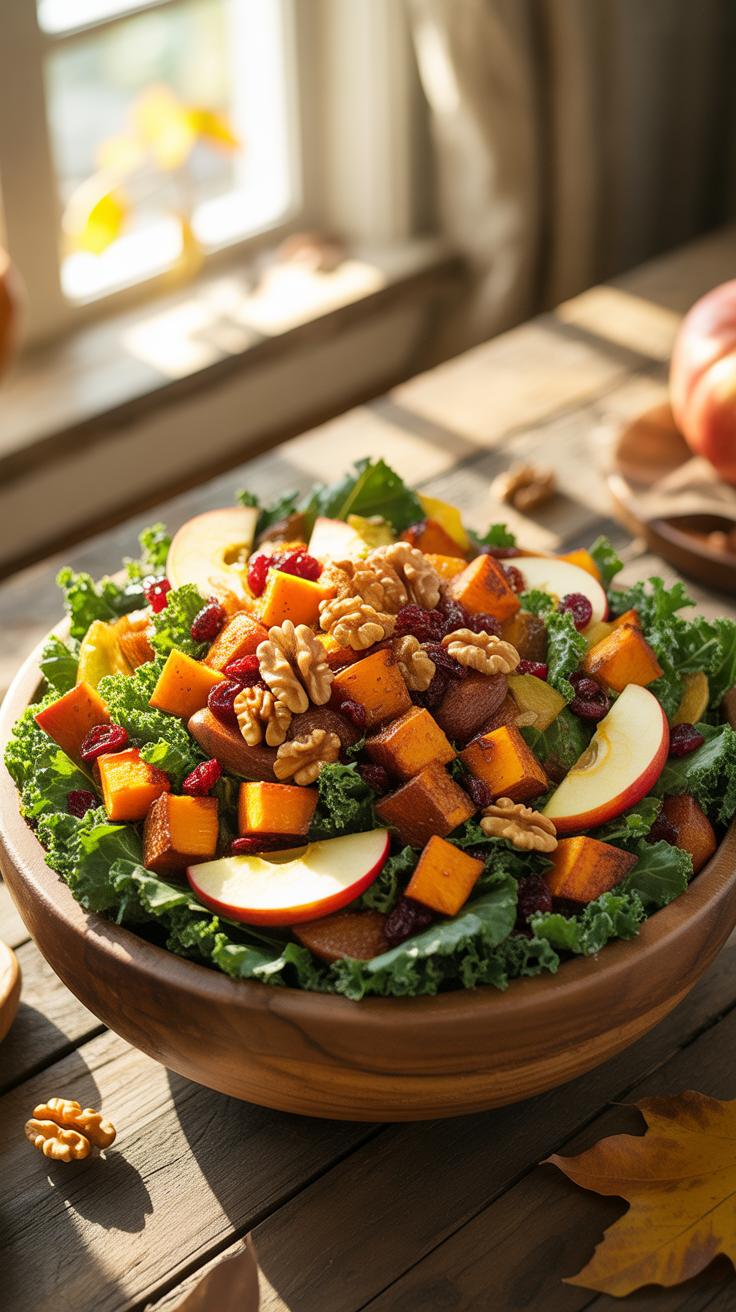
Harvest salad truly evolves with the seasons—its ingredients shift as the year turns, keeping the dish both interesting and nourishing. Think about crisp apples and crunchy carrots in autumn, then swap in fresh peas or spring greens when the warmer months arrive. Each season offers unique flavors and nutrients, which can refresh your salad routine and maybe even surprise your taste buds.
For instance, in fall you might bring in roasted butternut squash or sweet potatoes—both rich in vitamins A and C—while winter calls for hearty kale or Brussels sprouts, packed with fiber and antioxidants. Come spring, baby spinach and radishes brighten things up with vitamin K and a peppery kick.
Adapting Ingredients For Season
Here’s a rough guide you can try:
- Spring: Asparagus, peas, radishes, baby spinach—good sources of folate and vitamin C.
- Summer: Tomatoes, cucumbers, bell peppers—hydrating and full of vitamin A and lycopene.
- Fall: Apples, carrots, roasted squash—offer fiber, vitamin A, and natural sweetness.
- Winter: Root vegetables, kale, Brussels sprouts—heavy on vitamin K, calcium, and antioxidants.
Adjusting what you include not only taps into peak freshness but also helps you mix nutrients naturally instead of relying on supplements or processed options.
Maintaining Nutrient Intake Year Round
Changing ingredients with the season isn’t just about flavor—it’s a way to balance key nutrients. For example, when vitamin C-rich produce like strawberries disappear after summer, you can compensate with winter greens that still offer a punch.
Have you noticed how swapping sweet potatoes for regular potatoes adds more fiber and vitamin C? Sometimes, these small switches keep your body guessing and your diet well-rounded.
Plus, you avoid monotony, keeping your meals enjoyable rather than a chore.
So next time you make a harvest salad, consider what’s freshest and what your body might need most. It’s a habit that can quietly improve your eating without much extra effort at all.
Example Harvest Salad Recipes
Basic Harvest Salad Recipe
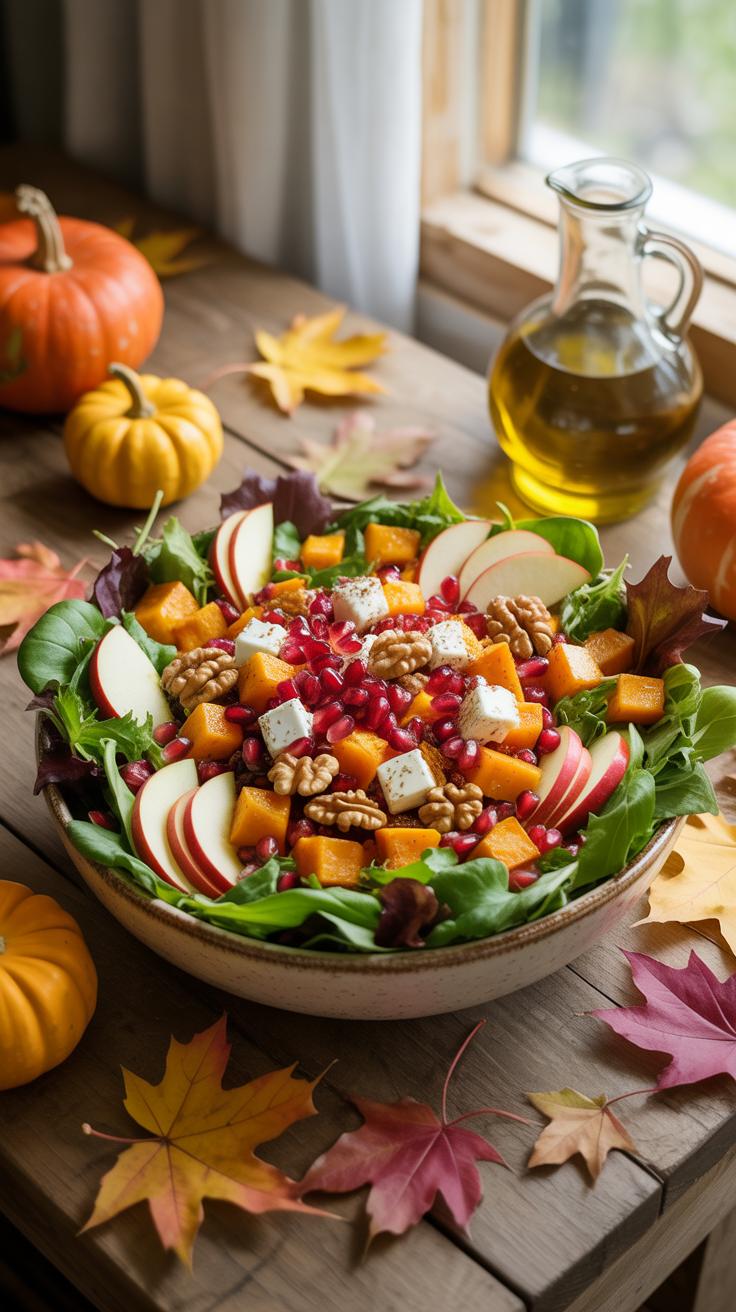
Start with a base of mixed greens—spinach and kale work well together. Then, add chopped apples and roasted butternut squash for a sweet, earthy contrast. Toss in some dried cranberries for a burst of tartness and a handful of toasted pumpkin seeds for crunch. For the dressing, whisk together olive oil, apple cider vinegar, a little honey, and Dijon mustard. Combine everything gently and sprinkle with a pinch of salt and pepper.
It’s pretty straightforward, but the balance of flavors makes the salad feel complete. If you want, swap the butternut squash with roasted sweet potatoes, or try pears instead of apples. This flexibility lets you adjust to what’s fresh or what you prefer, which I think is part of the appeal.
Protein-Rich Salad Variation
To boost the protein, start with the basic recipe and then add crumbled goat cheese or feta. Both bring a creamy tang that works well with the sweeter ingredients. Next, include a quarter cup of chopped walnuts or pecans—roasted if you like a deeper flavor. If nuts aren’t your thing, sliced grilled chicken or chickpeas can do the trick as well.
Try a lemon-tahini dressing instead of the basic one to complement the added richness. Sometimes, when I make this version, I find the nuts and cheese make it feel more like a full meal rather than just a side salad. It’s a bit more filling and satisfying that way, especially on busy days.
Checklist For Harvest Salad Preparation
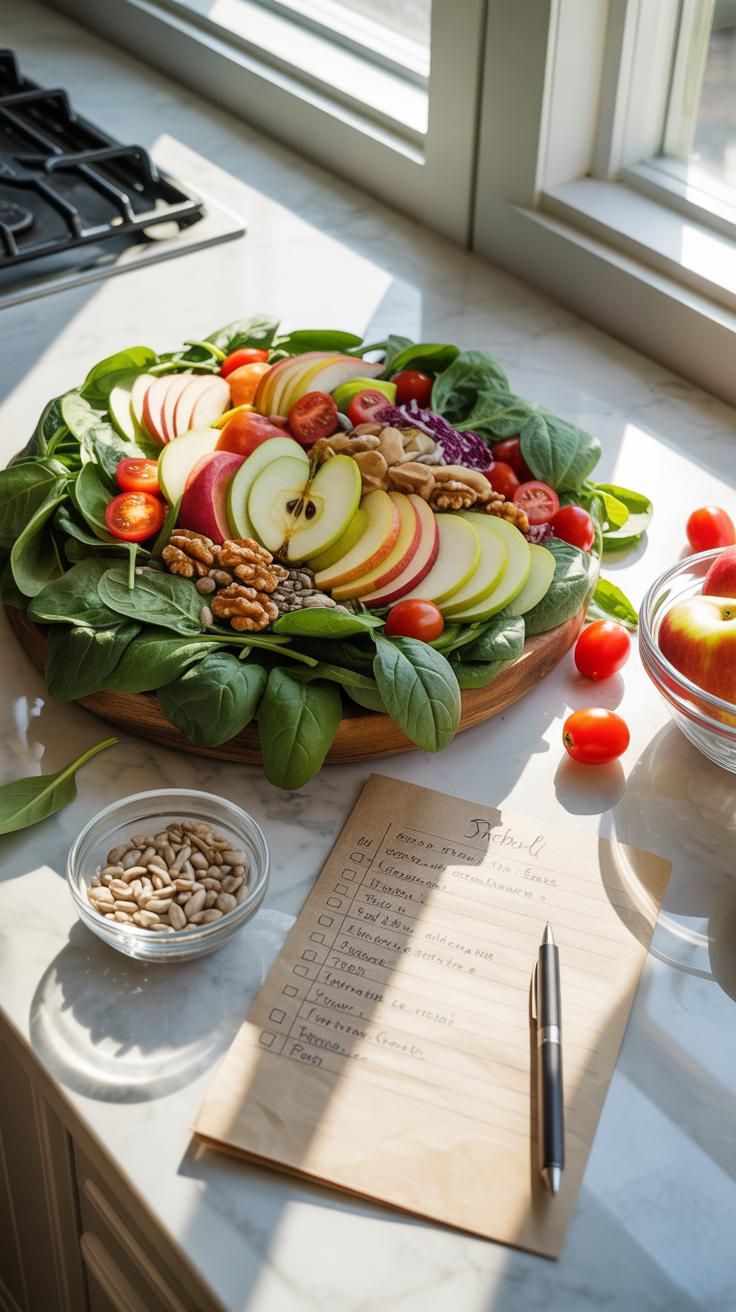
Shopping And Ingredient Selection
Start by focusing on freshness—the crispness of leaves and firmness of veggies really make a difference. Pick a mix of colors and textures: something like kale, butternut squash, apples, and maybe some nuts or seeds for crunch. It’s tempting to grab whatever looks good, but try to avoid limp greens or bruised fruits, as they can dull the overall salad.
Don’t forget variety. The balance between sweet, savory, and earthy ingredients can turn a simple salad into something memorable. Think seasonal produce—you might want some roasted root vegetables or a handful of dried cranberries. Remember, your selection affects not just taste but nutrition too.
Sometimes you’ll wonder if fresh is always better—frozen butternut squash, for example, can work if fresh isn’t available. Still, if you have the chance, fresh usually wins.
Preparation And Serving Steps
Begin with washing all produce thoroughly. It might feel tedious, but clean greens and fruits are non-negotiable. Next, drying is crucial—wet leaves don’t hold dressing well, and you end up with a soggy mess. A salad spinner or clean kitchen towels work fine here.
Cut ingredients into bite-sized pieces. Some chunks should be generous, like roasted squash cubes, while leafy greens can be torn by hand to avoid bruising. Mixing is next—gently toss, not shovel—so everything combines but nothing gets crushed.
Finally, dress the salad just before serving. Too early and the leaves wilt, which, honestly, ruins the experience. You might want to experiment with dressings, but even a simple vinaigrette works well. Serve immediately to keep textures fresh. Does it sound like a lot to juggle? Maybe, but these steps really make the difference in taste and appearance.
Conclusions
Harvest salad presents a convenient and tasty way to improve your diet with fresh, nutrient-rich ingredients. It offers a balance of fiber, vitamins, and proteins that contribute to overall health. Each component of the salad plays a role in supporting your body’s functions and reinforcing a strong immune system.
Choosing harvest salad regularly can help maintain energy levels and support digestive health. This dish is easy to customize with available seasonal produce, making it accessible year-round. Incorporate it into your meals to enjoy its benefits and keep your eating habits balanced and enjoyable.