
Introduction
Front garden landscaping offers a way to add charm and curb appeal to your home while making the most out of a small front yard. This article focuses on practical ideas for small front yard landscaping that you can apply to create a neat and attractive front garden.
You will learn how to plan your garden, select suitable plants, and implement design tips to make your small space look great without much hassle. Whether you want a green space or something low maintenance, these ideas will suit your needs.
Planning Your Small Front Garden
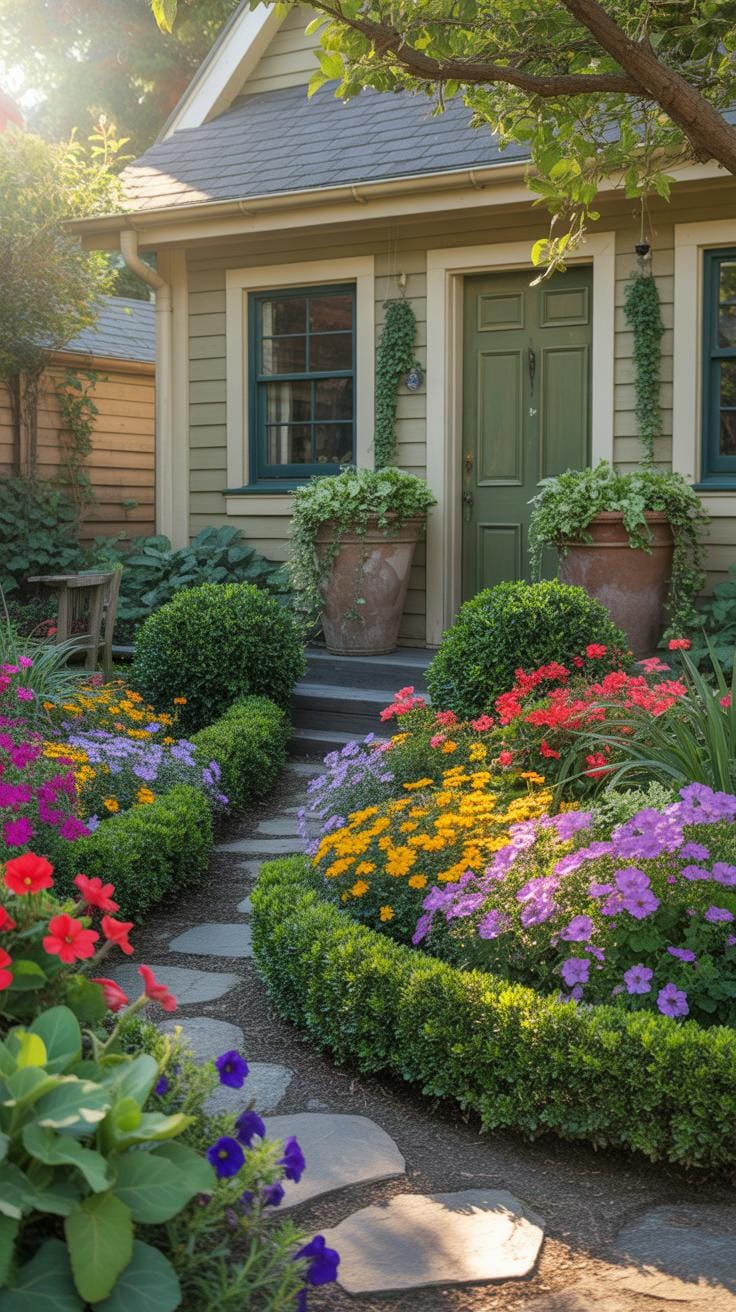
When approaching the planning of your small front garden, take a step back and assess the space carefully. Start by measuring the area—you want exact dimensions because every square foot counts here. This isn’t just about length and width; consider any oddly shaped corners or slopes that might affect your design.
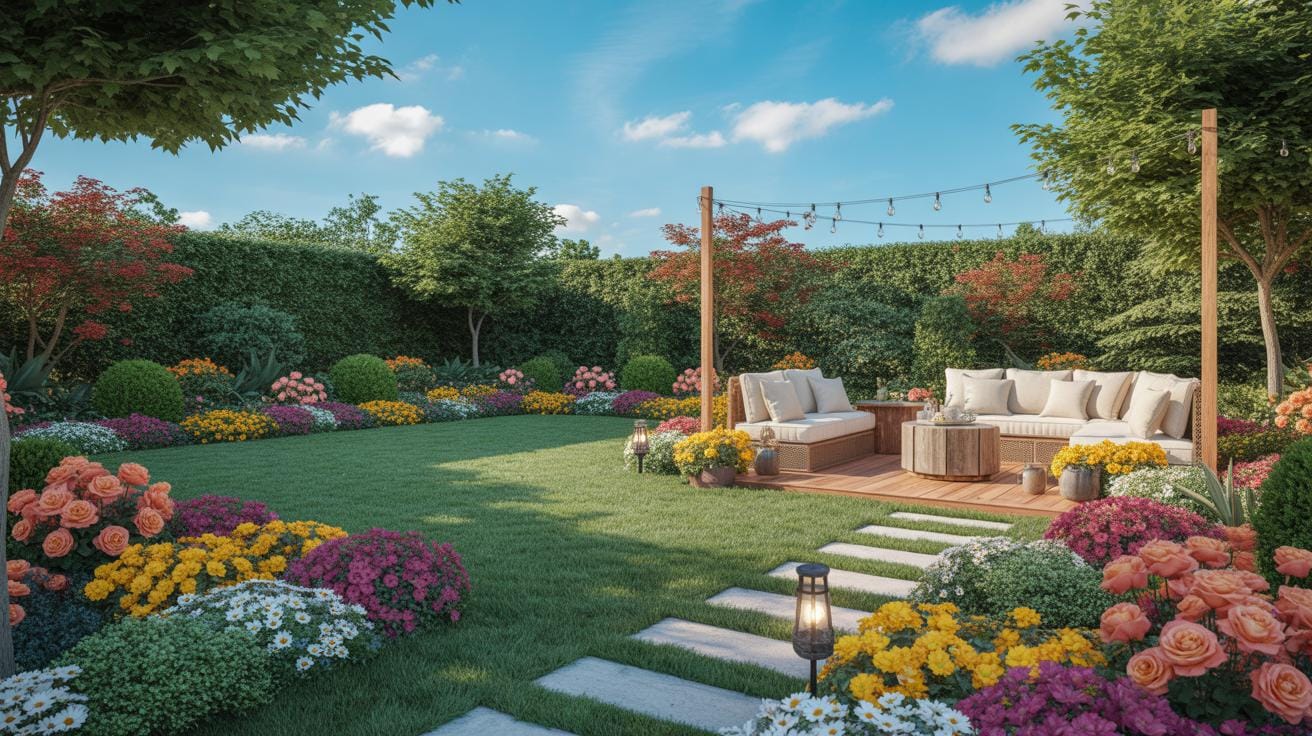
Next, observe how sunlight moves through the space throughout the day. Is it mostly shaded or bathed in sun? This influences which plants will thrive and where you can place seating or decorative elements.
The soil type underneath your garden is often overlooked but crucial. Check if it’s sandy, clay, or loam. This will determine how well plants grow and whether you need to improve the soil before planting.
Lastly, ask yourself what you want from this garden. Is it purely for curb appeal? Or maybe a quiet spot to enjoy morning coffee? Defining its purpose early helps guide every other decision.
Choosing Plants That Fit Your Space
Small front gardens require careful plant selection. You want species that stay relatively compact and match the maintenance you can handle. Consider dwarf shrubs or slow-growing perennials that won’t outgrow the space quickly.
Plants with year-round interest, like evergreens or those with vibrant foliage, can keep your garden visually appealing even in dull seasons. And thinking about texture and color is just as important as size.
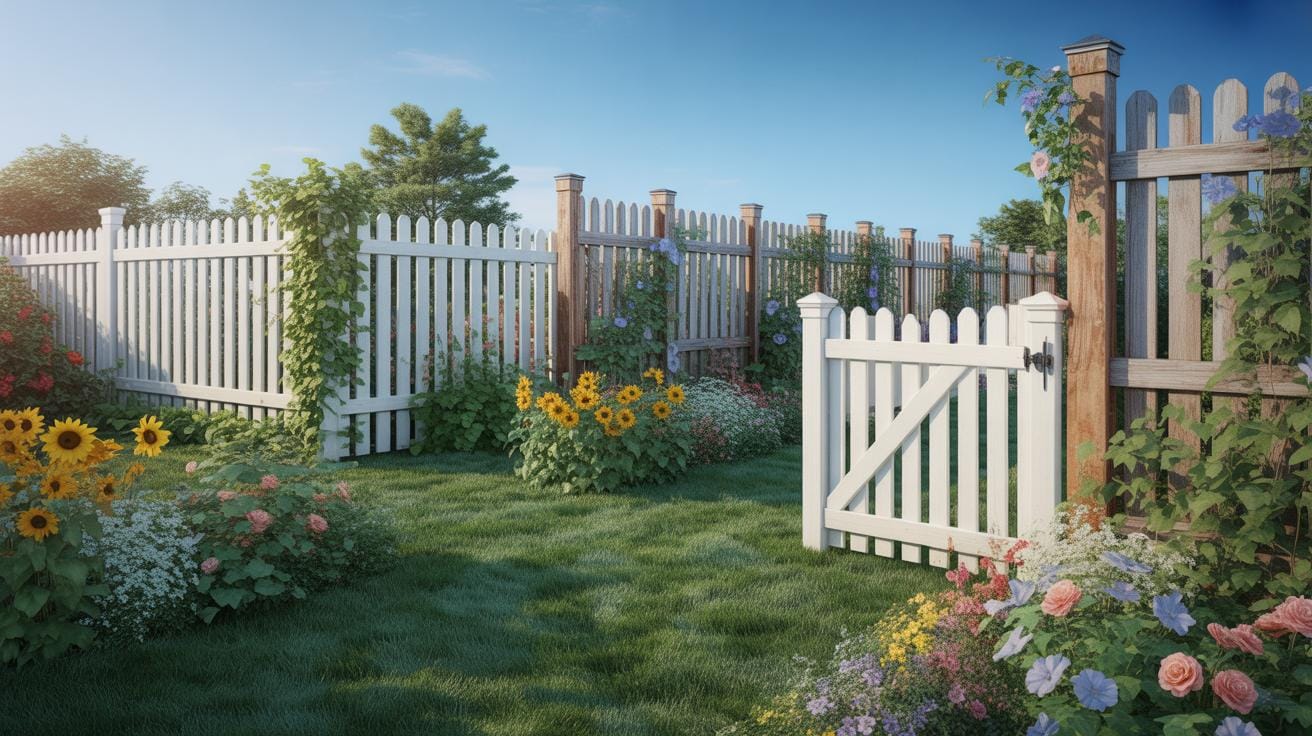
Remember, fewer plants with a strong presence often look better than overcrowding the area with many small ones. You might try a handful of favorites for a neat, cohesive look.
Design Tips To Maximize Small Areas
Designing in a limited area means making the space feel larger and more organized. One useful tactic is layering plants: place taller ones at the back and gradually smaller species toward the front. This adds depth and stops the garden from looking flat.
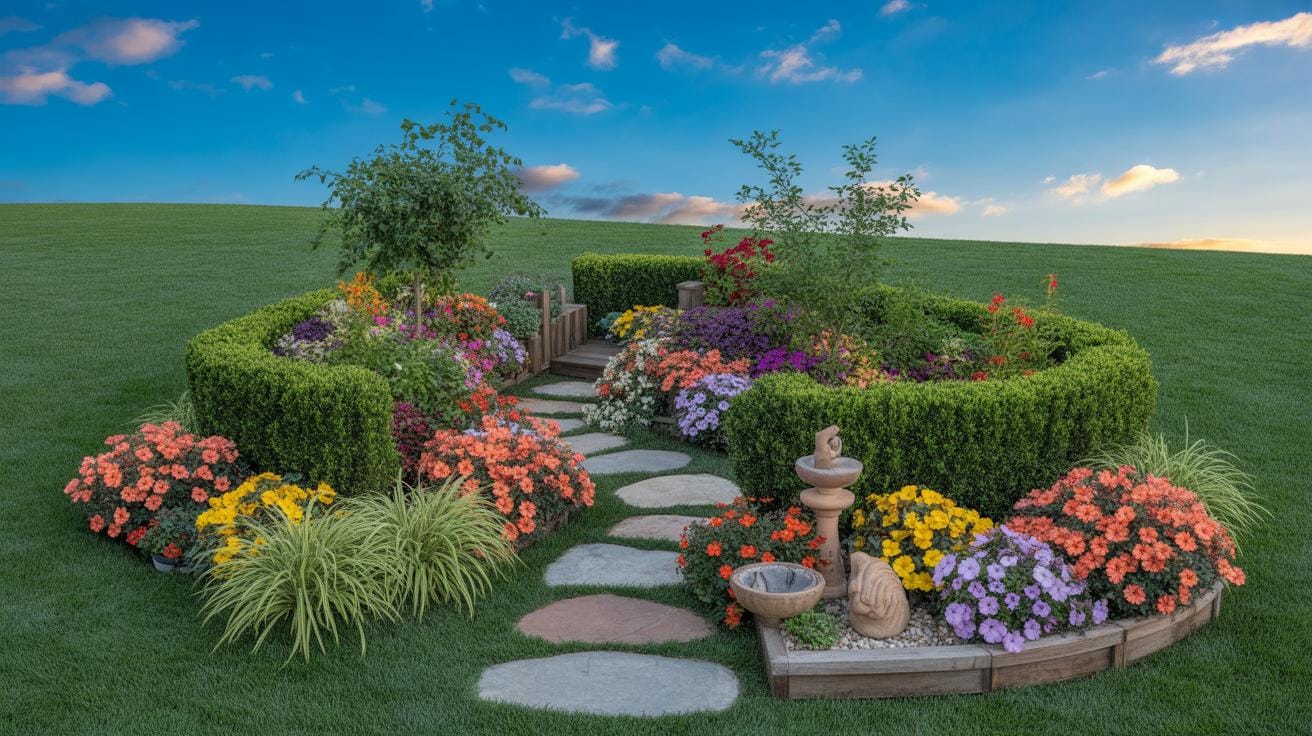
Paths, no matter how narrow, can guide the eye and invite visitors in. Even a simple stepping-stone path can create a sense of journey and structure.
Don’t underestimate the value of focal points, like a sculptural plant or an elegant bench. They add interest and draw attention away from the garden’s smaller size. Sometimes, a single showpiece is all you need for impact.
How To Create A Low Maintenance Front Garden
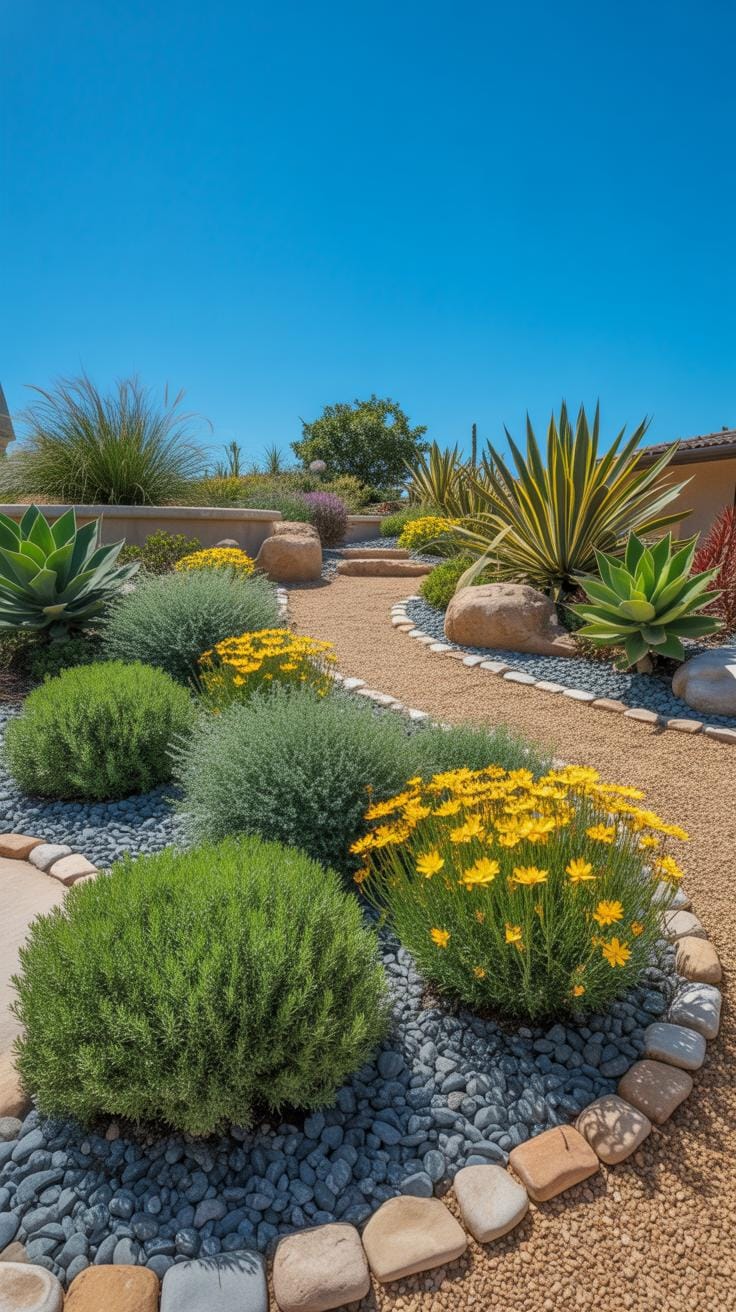
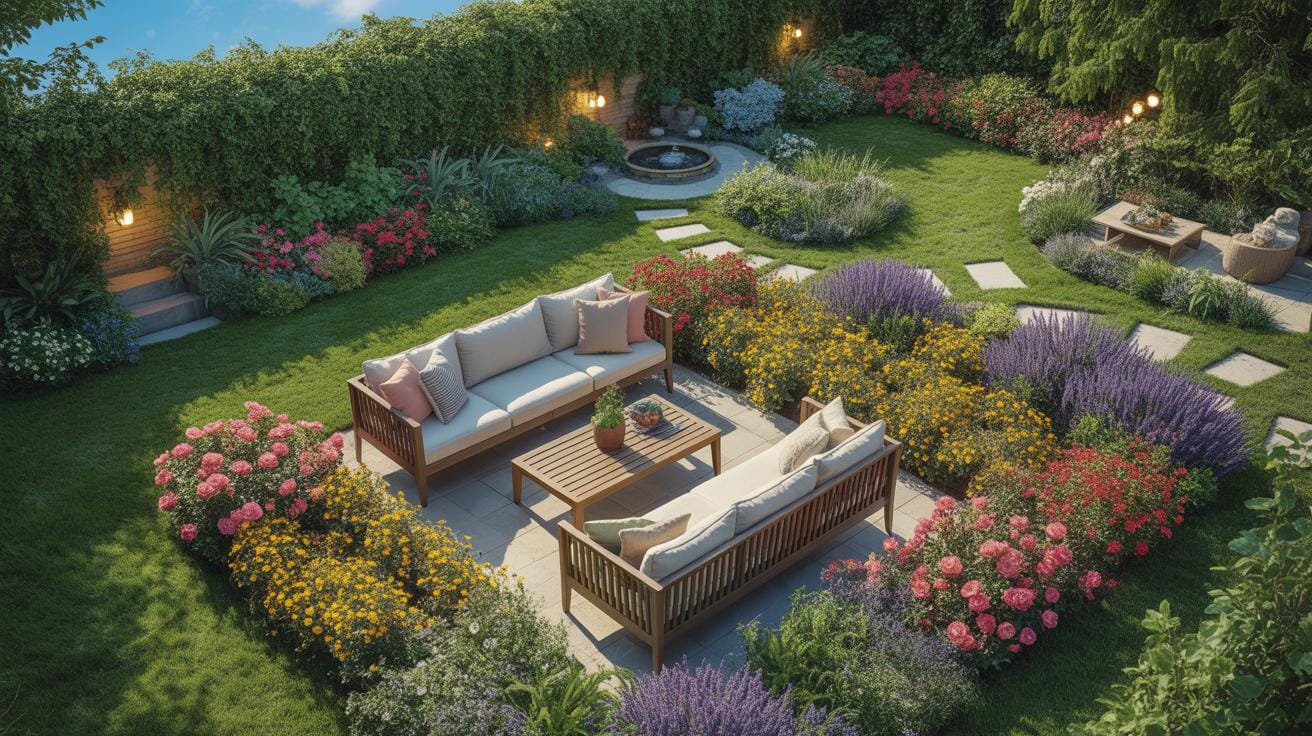
Designing a front garden that needs minimal care and watering calls for thoughtful steps. First, focus on plants that don’t demand much attention. Drought-resistant options often fit this bill, reducing the need for frequent watering. You might hesitate to eliminate all delicate plants, but mixing hardy varieties with some less demanding ones works well.
Mulching plays a key role too. A thick layer of mulch shields soil from drying out fast, keeps weed growth down, and helps retain moisture. Organic mulches like bark or wood chips gradually improve soil quality as they break down, which is an added benefit you might not see immediately but appreciate over time.
When it comes to irrigation, simple methods are surprisingly effective. Drip irrigation and soaker hoses provide water directly to plant roots, minimizing waste. Installing a timer can take away the guesswork, ensuring your garden gets just enough water, even when you forget.
Selecting Drought Resistant Plants
Some plants thrive naturally in dry conditions, which makes them great for small front yards aimed at low maintenance. Examples include lavender, which offers lovely fragrance and color; sedum, a succulent that stores water in its leaves; and ornamental grasses like blue fescue. You might also consider rosemary—not just aromatic but tough against drought. These plants don’t just survive with less water; many bring texture and greenery all year.
Irrigation Methods For Efficiency
Efficiency in watering doesn’t have to be complicated or costly. Drip irrigation lays out tubes with tiny emitters that slowly deliver water to the soil near each plant. It’s targeted, which means less evaporation and runoff. Alternatively, soaker hoses are easy to install around plant bases and seep water out along their length. Both methods reduce watering time and conserve water—something small yards can benefit from, especially in warmer months.
Common Mistakes In Small Yard Landscaping
Overcrowding Plants
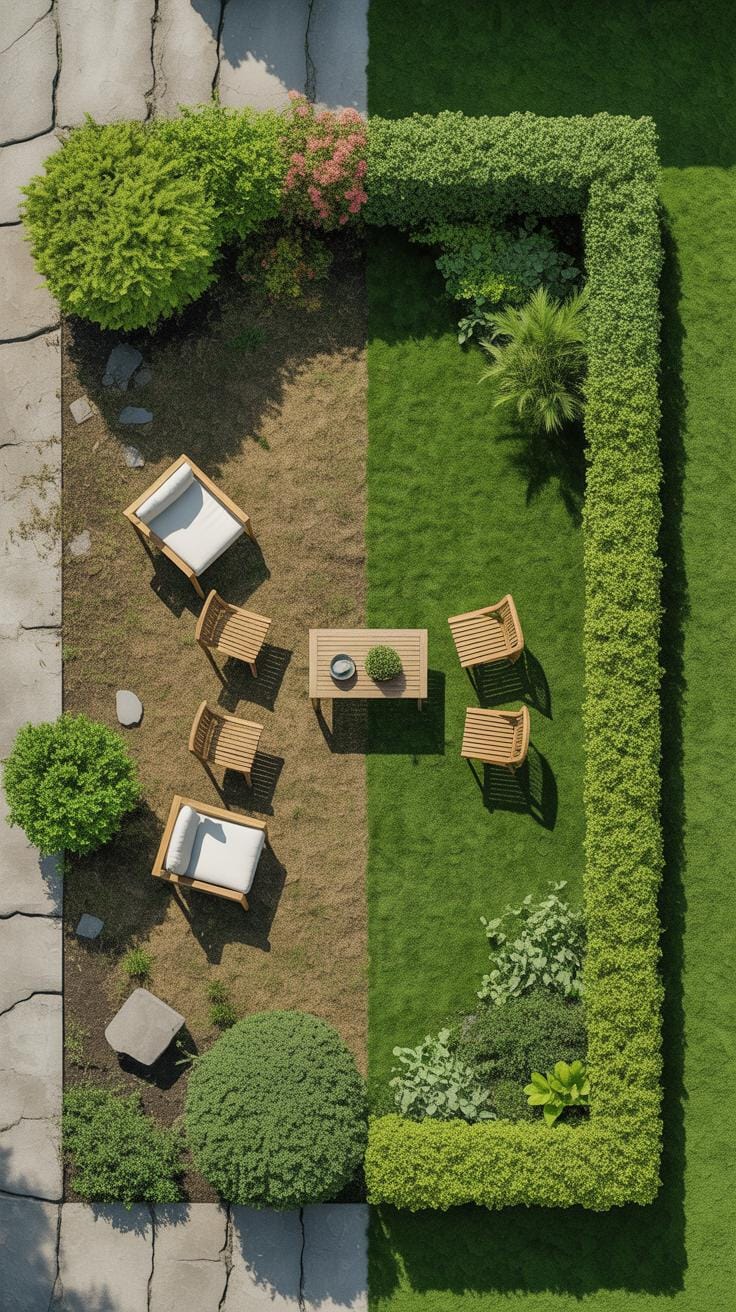
One common mistake in small front yard landscaping is overcrowding plants. When plants are placed too close together, they compete for sunlight, nutrients, and water, which can weaken them over time. The garden can quickly look cluttered and chaotic rather than neat and inviting. It’s tempting to fit as many plants as possible into a small space — I get that, especially when you’re excited about your garden — but this usually backfires.
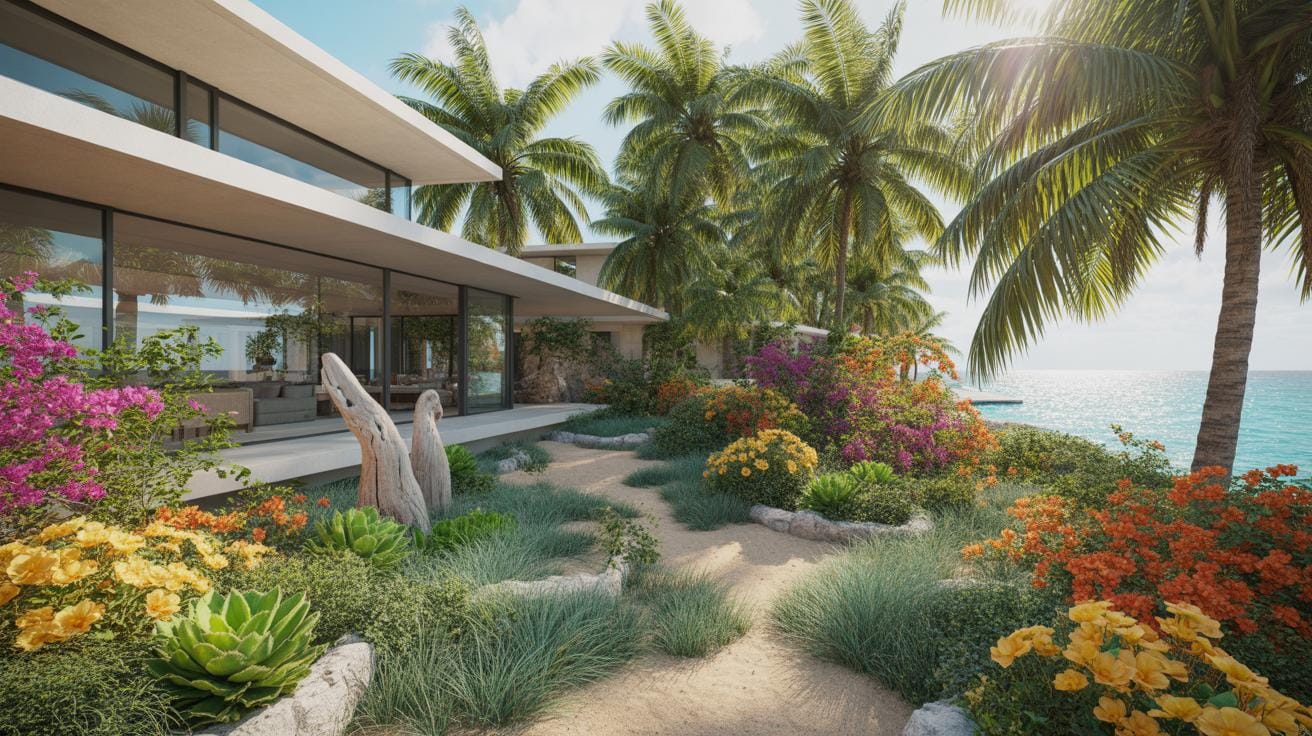
Try to follow spacing guidelines for each plant type. For example, small shrubs generally need at least 2 to 3 feet between them, while tiny flowers might only need 6 to 12 inches. If you’re unsure, it’s better to plant a little farther apart and allow room for growth. You want air circulation to reduce disease risks, too.
Ignoring Maintenance Needs
Another pitfall is ignoring garden upkeep. A small garden might look manageable at first glance, but if you overlook regular care, weeds take over, plants get stressed, and the space loses charm. Maintenance isn’t just a chore; it directly impacts how healthy and beautiful your garden stays. From personal experience, skipping one or two weeks of basic care can make a noticeable difference.
Simple routines can help keep things in check:
- Water early in the morning or late in the evening to minimize evaporation.
- Prune dead or diseased branches promptly to encourage growth.
- Remove weeds weekly before they spread seeds.
- Mulch around plants to retain moisture and suppress weeds.
- Check soil moisture and adjust watering as needed to avoid over or under-watering.
Ask yourself: How much time can you realistically dedicate each week? A little effort regularly eases heavy work later and keeps your front garden inviting.
Using Hardscapes For Small Front Gardens
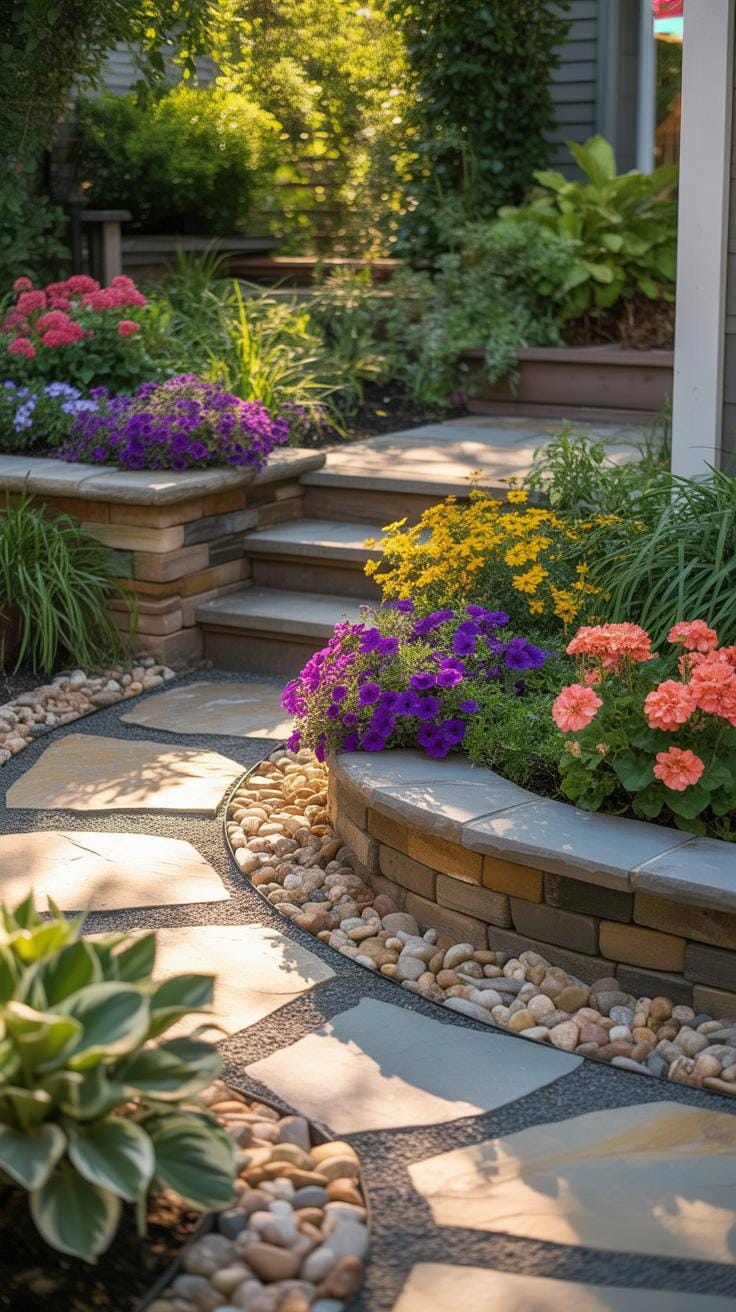
Hardscapes can really shape the feel of a small front garden. Paths, rocks, and walls are more than just decorative — they create structure and give the space a sense of order, which small yards especially benefit from.
Path Placement And Materials
When planning paths, think about the natural flow from the sidewalk to your door. Short, direct paths often work best in tight spaces; winding trails might take up too much room. Materials matter too — gravel, flagstones, or bricks have very different vibes. Gravel can feel casual and light, while brick or stone adds a touch of formality and texture. You might want to mix materials for contrast, but avoid clutter. Simplicity often wins in small spaces.
Adding Rock Features And Walls
Rocks and low walls serve multiple purposes beyond looks. A cluster of rocks can act as a focal point or define zones without fencing. Walls, especially if low and natural-colored, add an intimate feel, almost like mini terraces, while helping with soil retention on any slope. They also offer a chance to play with textures, balancing plants with rugged surfaces. But don’t overdo it — too many hard elements can make your front yard feel stiff, not welcoming.
Comparing Natural Plants Vs Artificial Greens
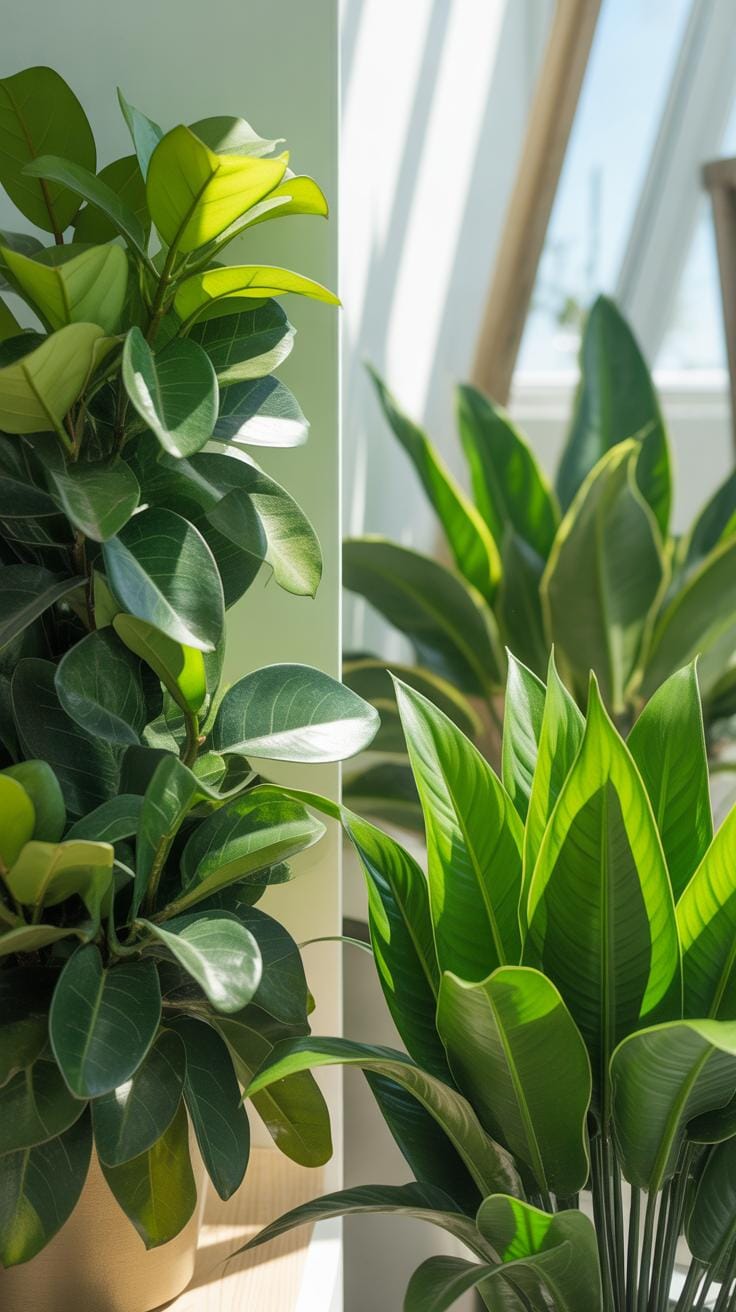
When thinking about front garden landscaping in a small yard, the choice between natural plants and artificial greens is not always straightforward. Natural plants can be stunning, creating a lush vibe, but they need ongoing care and can sometimes be a bit of a gamble depending on your local climate. Artificial plants, by contrast, require little maintenance and look neat all year round, but there’s something about them that can feel, well, just a little too perfect or even fake.
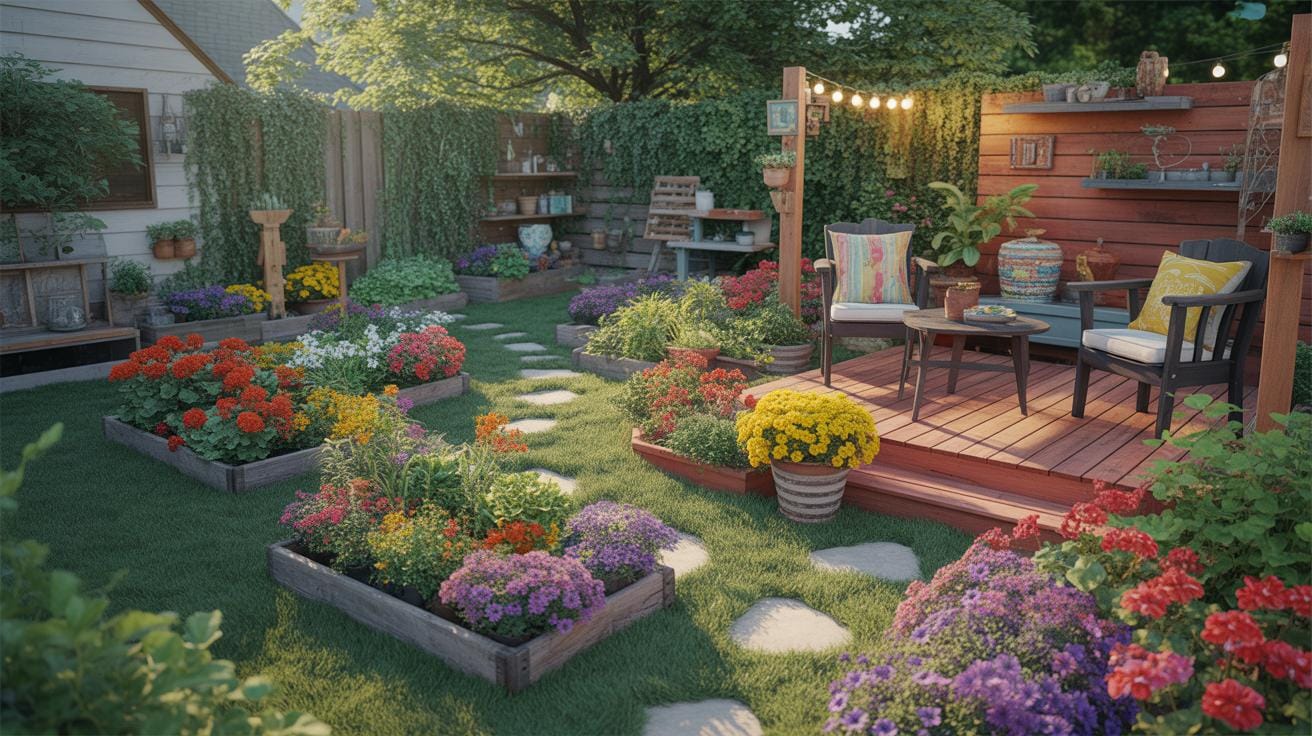
Natural plants have their clear benefits. They improve air quality, promote local biodiversity by attracting pollinators, and evolve with the seasons, adding dynamic beauty. Artificial plants save water and don’t demand regular watering or feeding—making them good for areas with water restrictions or if you just don’t have the time to tend a garden.
Cost is another factor. Initially, natural plants might be cheaper, but over time the needed care, replacements, and garden supplies add up. Artificial greens come at a higher upfront price, but they last longer without the extra fuss and expense. Appearance is subjective; some may prefer the authentic feel of real leaves, while others might prioritize a consistently neat look that artificial plants provide.
Benefits Of Natural Plants
There’s more to natural plants than just their look. They enrich the environment and help sustain life around your home. Some perks include:
- Producing oxygen and filtering pollutants.
- Supporting local wildlife like bees, butterflies, and birds.
- Offering natural scents and a texture that changes with the weather.
- Creating a sense of calm and connection to nature that’s hard to replicate.
- Possibility of harvesting herbs, fruits, or flowers for your use.
All these little advantages tend to make a front garden feel alive, though they come with the responsibility to nurture and sometimes troubleshoot.
When To Choose Artificial Plants
Artificial plants may be your best bet in some situations. For example, if you have a very shaded front yard where real plants struggle, or if you’re frequently away from home and can’t water regularly, artificial options might keep your garden looking good without stress. They’re also useful in places where pests tend to ruin live plants or in homes with allergy sufferers.
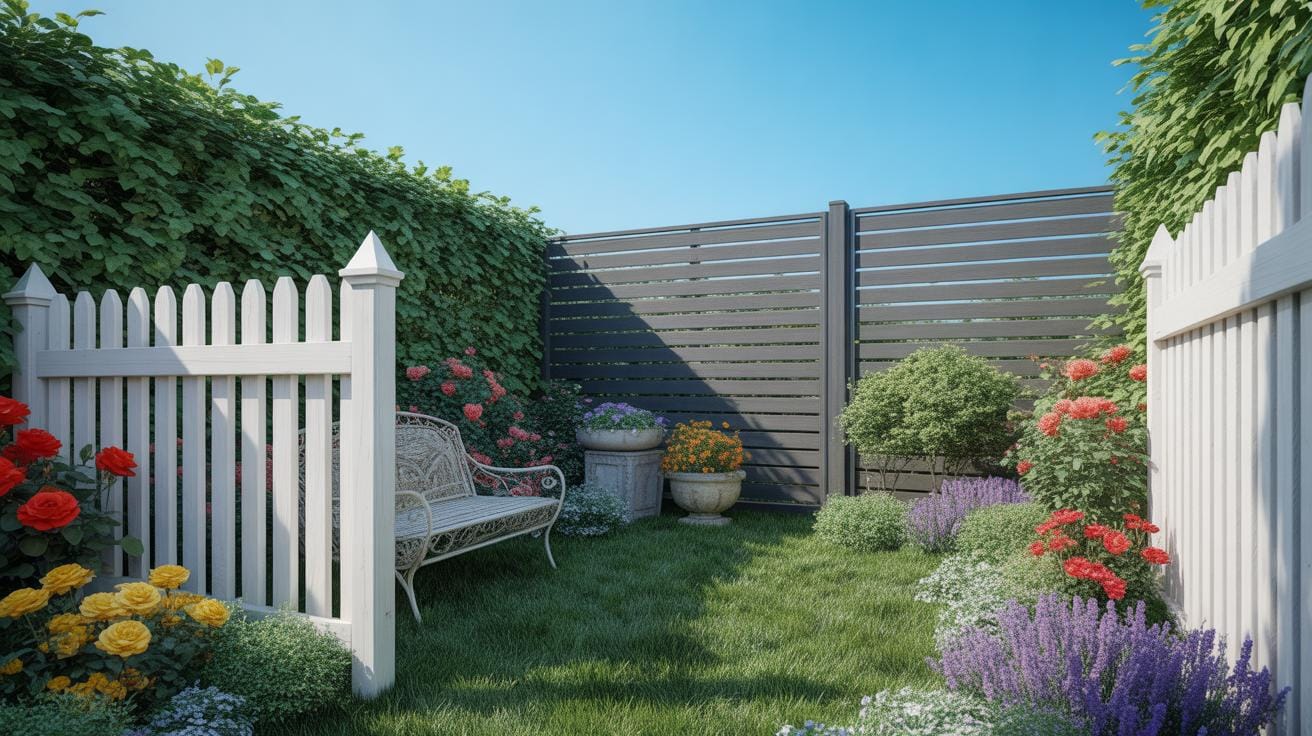
You might also consider artificial greenery if you want bold, exotic looks that are hard to maintain naturally or if you prefer a clean, minimalistic style that requires less natural variation. While they lack the scent and ecological benefits of real plants, they are low maintenance and durable.
Step By Step Setup Checklist For Small Gardens
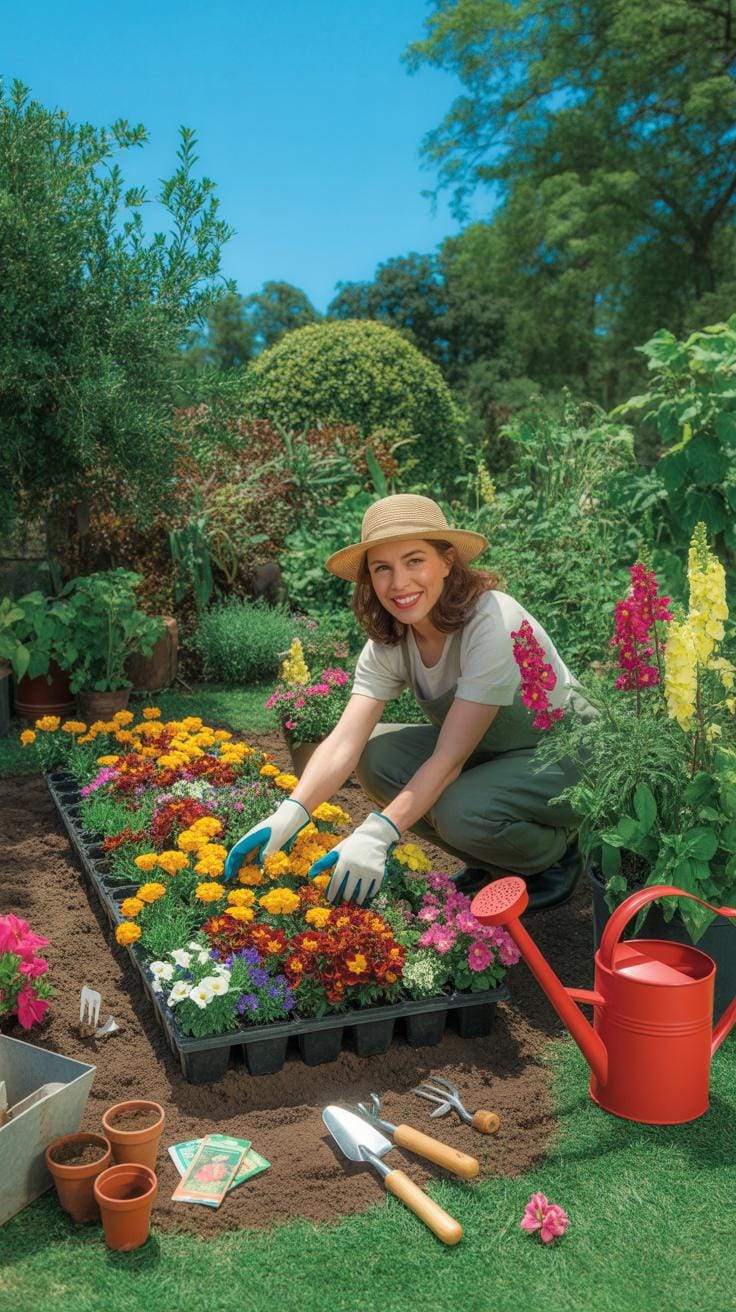
Preparing The Soil
Before planting anything, clear the area of debris, old roots, and weeds. You want a clean slate. Next, check your soil’s condition. Testing kits are available and easy to use; they tell you about the soil’s pH and nutrient levels. If your soil feels heavy and compacted, mix in organic matter—like compost or well-rotted manure—to loosen it and add nutrients. Sandy soils may need extra clay or compost to hold moisture better. Sometimes, soil amendments need a few days to blend in, so prepare early if you can. Don’t be shy about getting your hands dirty; it’s worth the effort to create a healthy base for your plants.
Planting And Decorating
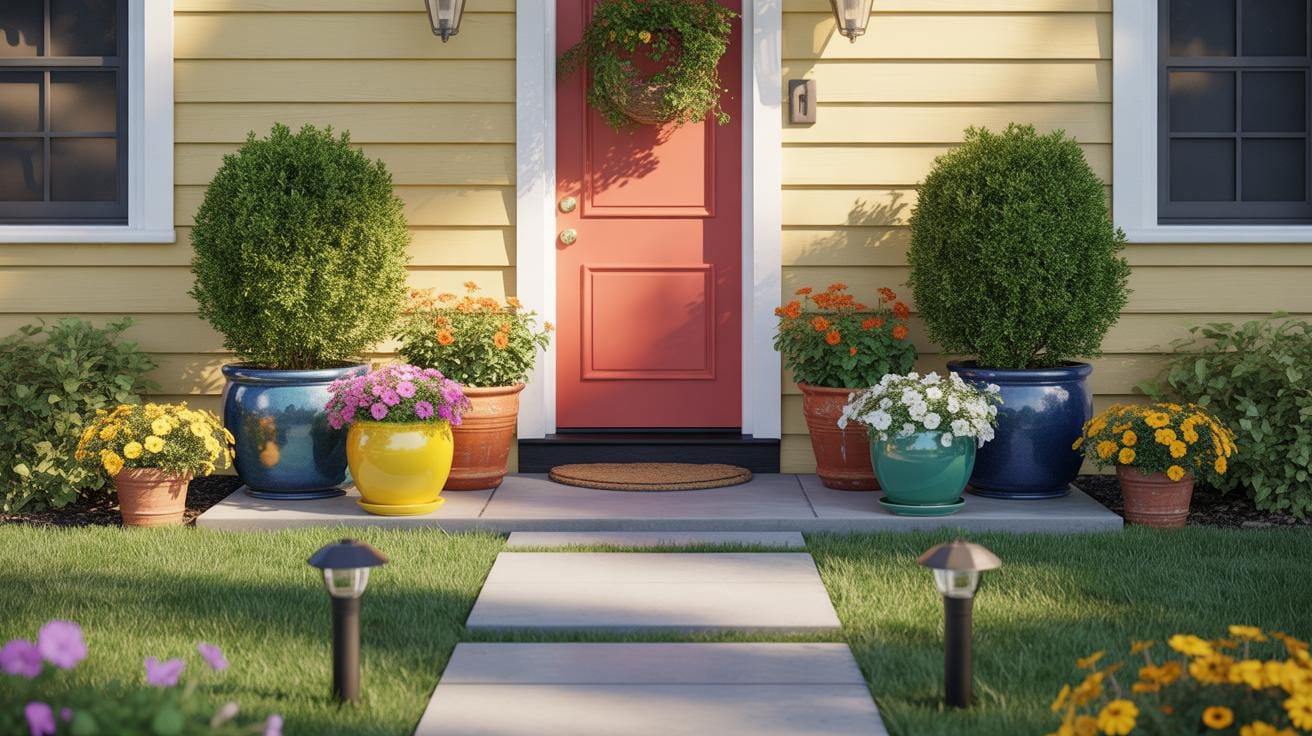
Start with your plants—choose species that suit your climate and soil, but also consider scale. Smaller plants or dwarf varieties work best for tight spaces. Arrange them loosely first to see how they fit, then dig holes slightly bigger than the roots. Water gently after planting. Next, think about decorations: simple pots, solar lights, or small statues can personalize the garden. Position lights to highlight key plants or pathways. Remember—you don’t need a lot of trinkets; sometimes less is more, but a few well-placed items can really enhance the mood. Does your garden feel balanced visually? Try stepping back periodically and adjusting as needed.
Examples Of Small Front Garden Styles
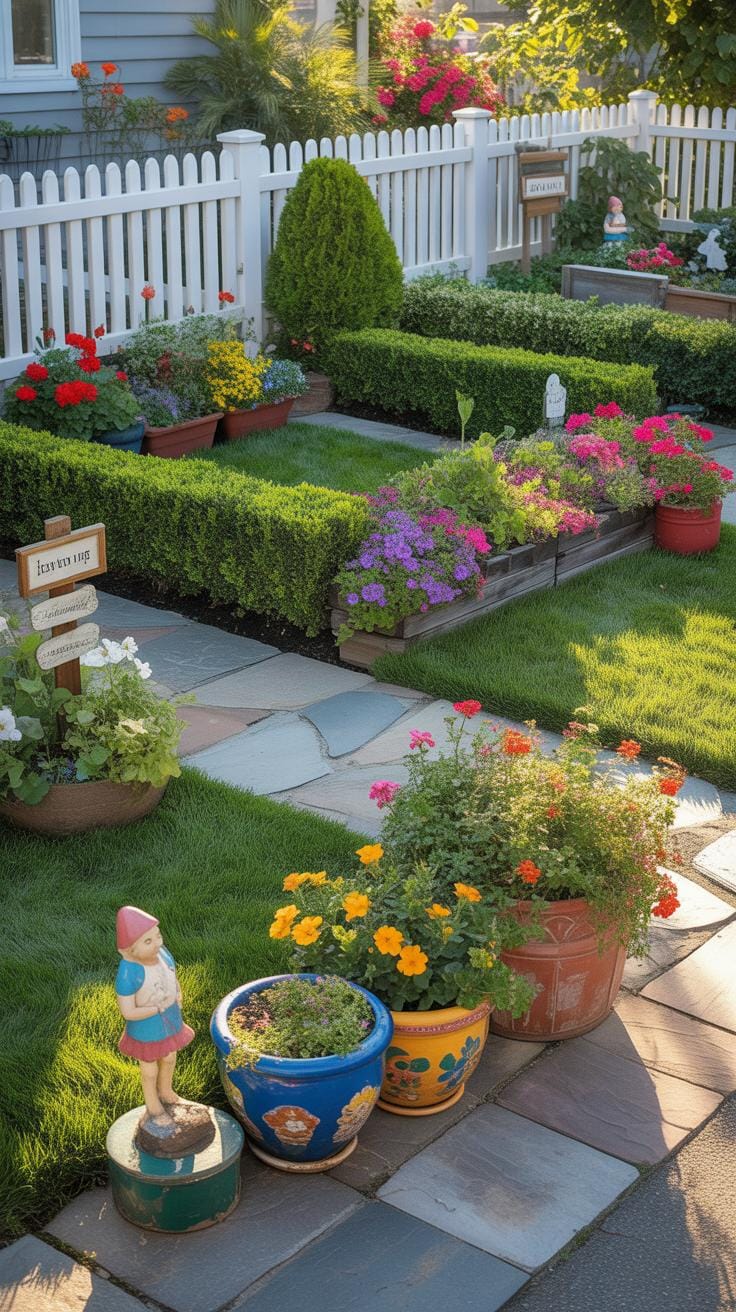
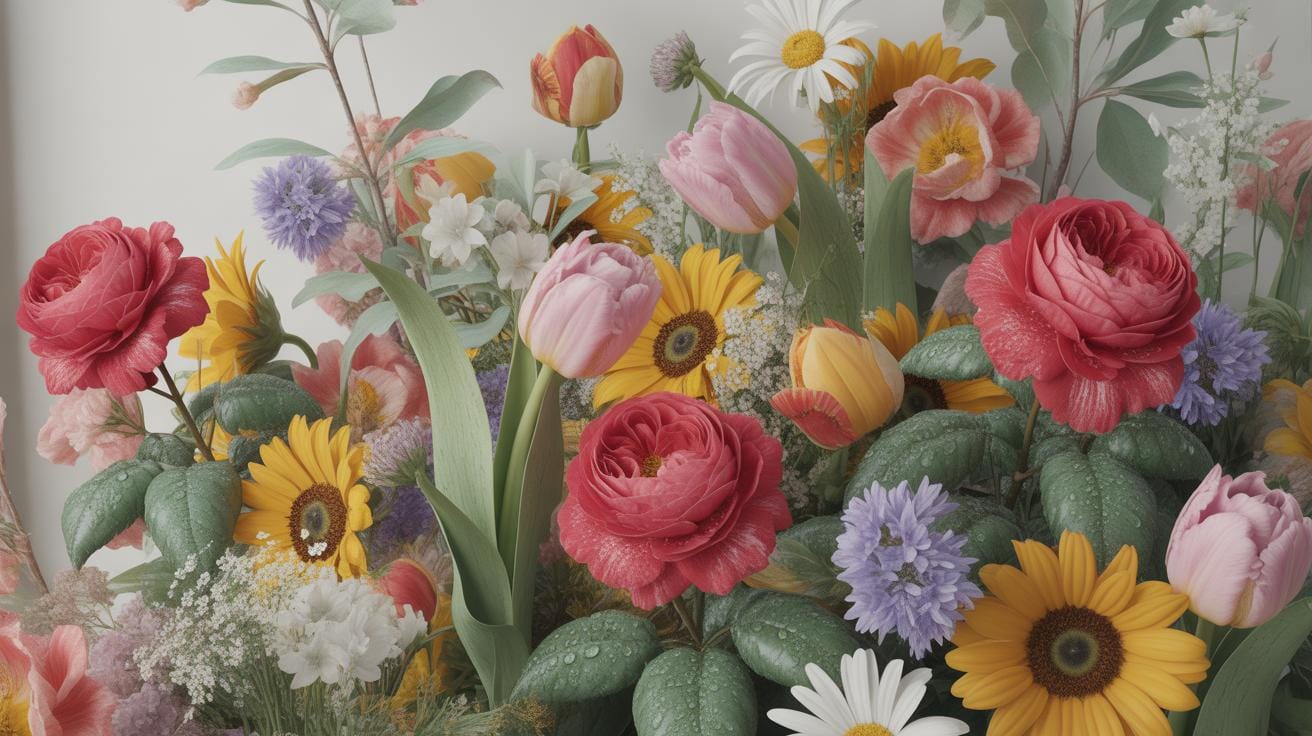
When you think about small front gardens, several styles come to mind, each offering a unique way to make the most out of limited space. Let’s look at a few popular approaches: minimalist, cottage, modern, and succulent gardens. Each has its own charm and practical benefits, so you might find that one suits your taste and yard better than others.
Minimalist Garden Design
Minimalist gardens aim to keep things simple, focusing on clean lines and open spaces. This style works well with small yards because it avoids clutter and distractions. You often see a limited palette of plants—almost architectural in their placement—and plenty of negative space. For example, a few well-chosen shrubs combined with gravel pathways can create a calm, orderly atmosphere. The simplicity helps the garden feel larger than it is. If you prefer neatness and a sense of calm in your outdoor area, minimalist design might really appeal to you.
Using Succulents And Rocks
Succulent gardens with rocks can be a great choice if you want something low-care. Succulents store water in their leaves, so they need less frequent watering—that’s a real bonus if you’re busy or not fond of intensive gardening. Adding rocks creates texture and interest without crowding the space. This style encourages you to think beyond traditional lawns and flower beds. It can look striking with the right plant arrangement, and it’s practical, too. You might ask yourself how to mix colors and sizes of succulents without making the garden feel small or chaotic. A thoughtful layout can make all the difference.
Cost Breakdown For Small Front Yard Landscaping
When planning your small front yard, understanding typical costs is key to keeping expenses manageable. Plants, materials, and tools each come with their own price tags, which can add up surprisingly fast if you’re not paying attention.
Plants usually take the biggest chunk of the budget. For small gardens, expect to pay anywhere from a few dollars for smaller shrubs or perennials to higher prices for larger or specialty plants. But—choosing affordable, low-maintenance plants can help keep ongoing costs down. Think tough perennials, ground covers, or even herbs.
Materials like mulch, soil, edging, and decorative stone are often overlooked in budgeting but can quickly inflate costs. Look for recycled or local materials—sometimes they’re just as good and much cheaper. Tools don’t need to be fancy; well-made basics will do. Instead of buying everything new, maybe borrow or buy used to save.
Budgeting tips? Start small and add in phases. Prioritize essential elements first. And ask yourself—do you really need that decorative feature right now, or can it wait? This approach helps you spread out costs and reduces the risk of overspending.
Affordable Plant Options
There are plenty of budget-friendly plants that thrive in front gardens without requiring an ongoing investment.
- Native grasses and wildflowers tend to be both resilient and inexpensive.
- Succulents often cost little and demand minimal watering or fertilizing.
- Perennials like lavender, coneflowers, or rudbeckia can return year after year, making them economical choices.
- Ground covers like creeping thyme prevent weeds and fill space cheaply.
By focusing on plants that do well in your climate and soil, you’ll avoid costly replacements and treatments. I guess sometimes sticking to the basics isn’t so basic after all.
Saving On Materials And Tools
Quality is important, but it doesn’t mean you have to pay top dollar. Here are some practical ways to save:
- Look for clearance sales or end-of-season discounts at garden centers for plants and materials.
- Consider repurposing materials like bricks, stones, or wood found around your home or salvage yards.
- Invest in durable tools that suit your specific needs rather than fancy multi-tools you might rarely use.
- Borrow tools from friends or neighbors for one-off tasks instead of buying new ones.
These practical steps can add up to significant savings, and the satisfaction of finding a bargain is a nice bonus. Still, while cutting costs, be mindful not to skimp too much on durability—some things are worth the spend.
Maintaining Your Front Garden Throughout The Year
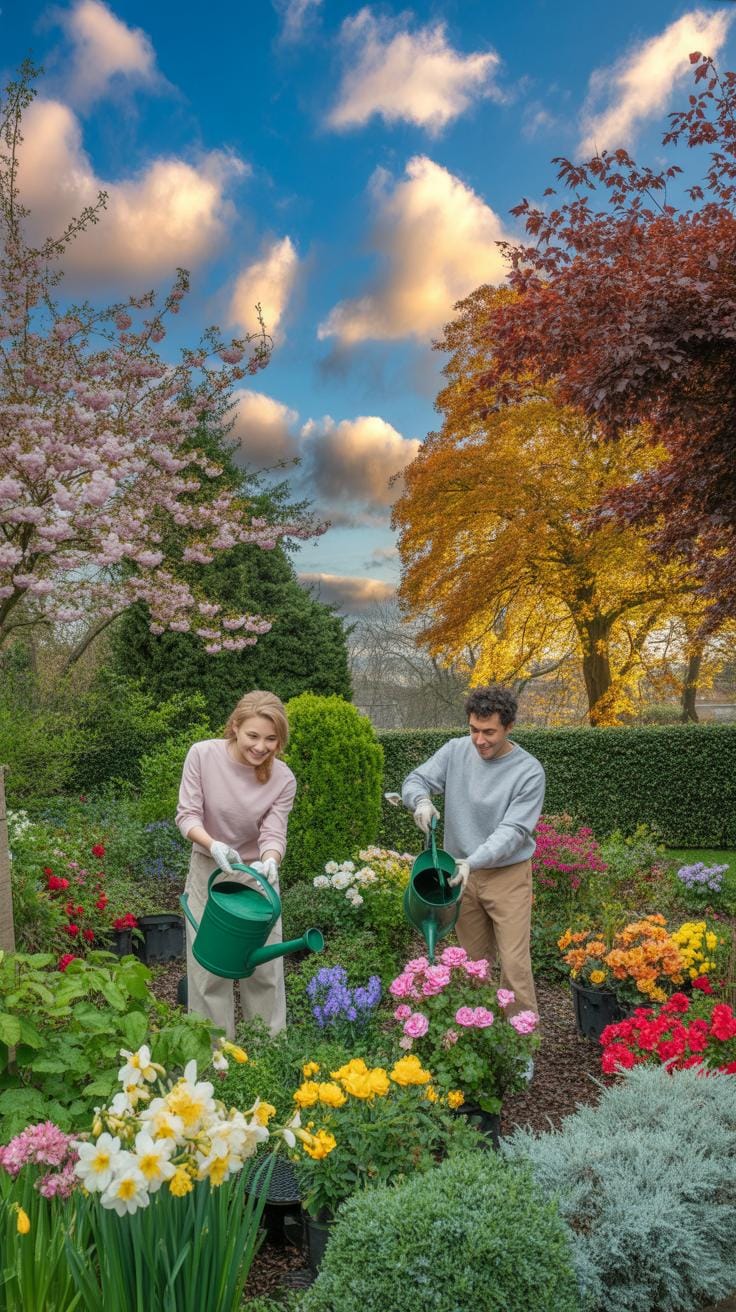
Keeping a small front garden looking its best means tailoring your care to the changing seasons. You might think maintaining a compact space is simpler, but it does call for attention throughout the year—different things matter as the months shift.
Seasonal Watering And Fertilizing
Water needs in spring and autumn can be quite different from summer. Early spring might demand a nurturing hand after winter’s chill, but by midsummer, your plants could thirst more often, especially in direct sun. Come autumn, allow the rain to do some work, but don’t assume it’s enough for evergreens or newly planted shrubs.
Fertilizing follows a gentle rhythm too. In spring, a balanced, moderate feed encourages growth, but that same boost in late summer might encourage unwanted leafy abundance when plants are ready to slow down. You might want to ease back and choose a fertilizer designed for blooming or hardening off.
Pruning And Pest Control
Pruning often feels like a chore, yet timing is almost everything. Late winter pruning of certain shrubs sparks fresh shoots, while others prefer a light trim in summer to keep tidy. You’ll find that leaving some stems longer can help protect plants from cold winds, though it’s tempting to cut back everything evenly.
Pests are tricky — a natural approach could mean inviting beneficial insects or using homemade sprays rather than chemicals. It’s a bit trial and error, really. Watch your plants closely: some pests only appear in warm months, others linger unnoticed until damage shows. Dealing with them early makes a difference, yet sometimes it’s okay to let nature sort itself out a little.
Conclusions
Small front yard landscaping can create a welcoming entrance to your home. By choosing the right plants and designing your space carefully, you can make even a compact garden look beautiful and inviting.
Focus on simple layouts and plants that need little care to keep your garden tidy. With good planning, you can enjoy a front garden that enhances your home’s look while fitting into your busy lifestyle.