
Introduction
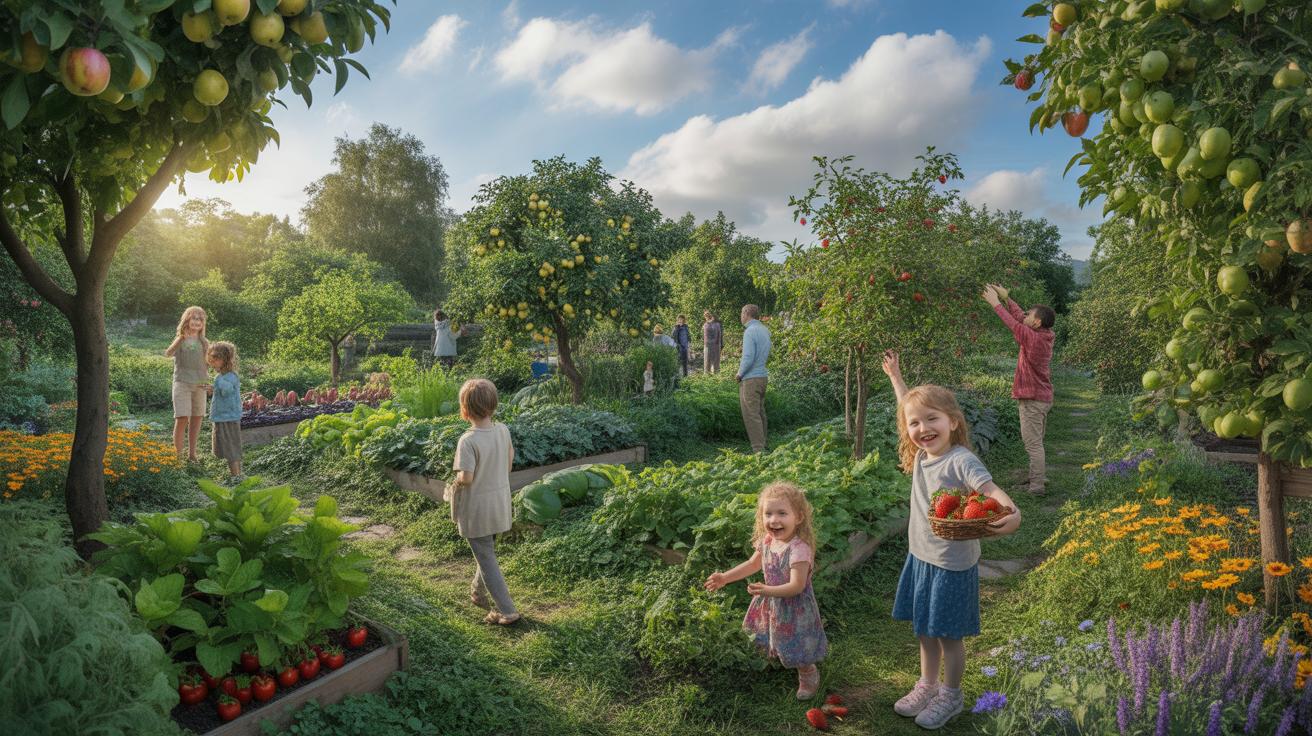
Food forest garden design offers numerous benefits for health and wellness. This method integrates trees, shrubs, and plants to create a sustainable and self-sufficient ecosystem that provides nutritious food, clean air, and a calming natural environment.
In this article, you will learn about the key health advantages of food forests, why they matter, and how to create and maintain your own food forest garden to enhance your overall well-being.
Food Forest Basics And Setup Checklist
A food forest is essentially a garden designed to mimic a natural forest but focused on edible plants. Think of it as a layered system that grows fruits, nuts, herbs, and vegetables together, creating a self-sustaining ecosystem. These gardens can work in tiny backyard corners or spread out across larger fields. What’s interesting is how the different plants support each other, reducing the need for constant care, though it still takes some planning.
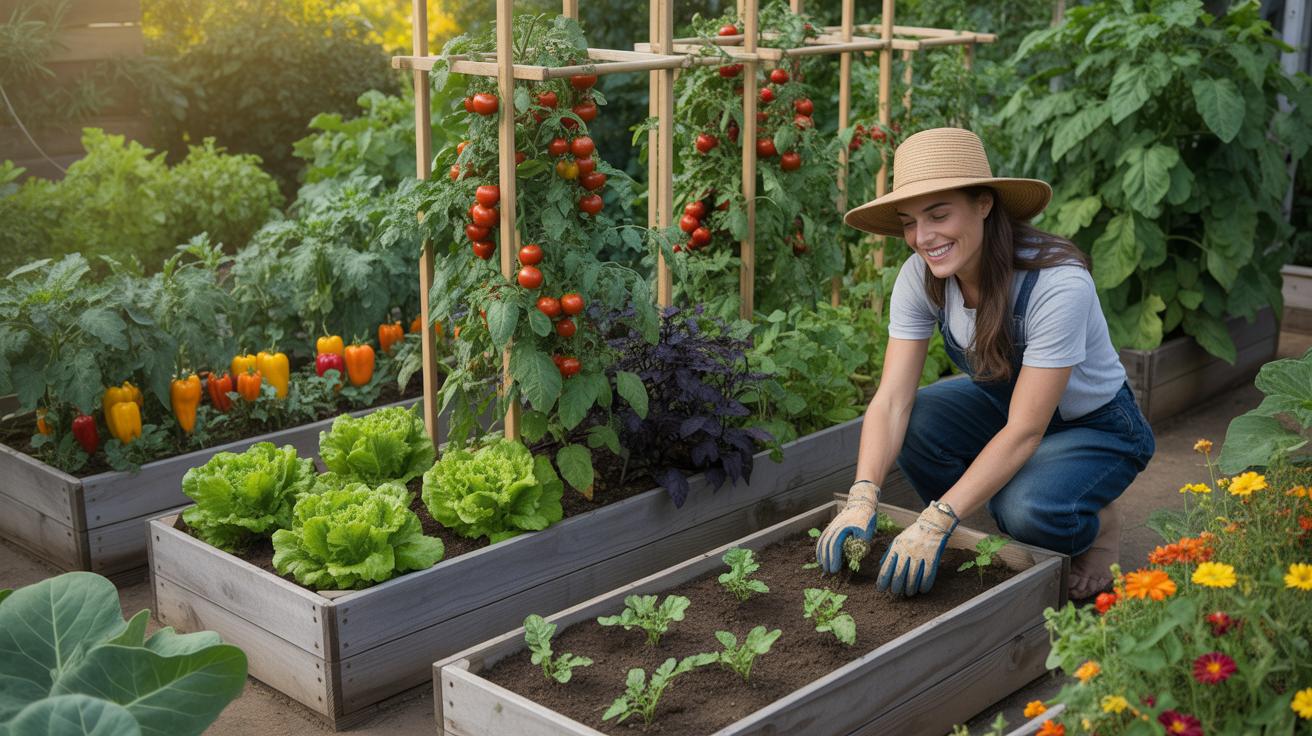
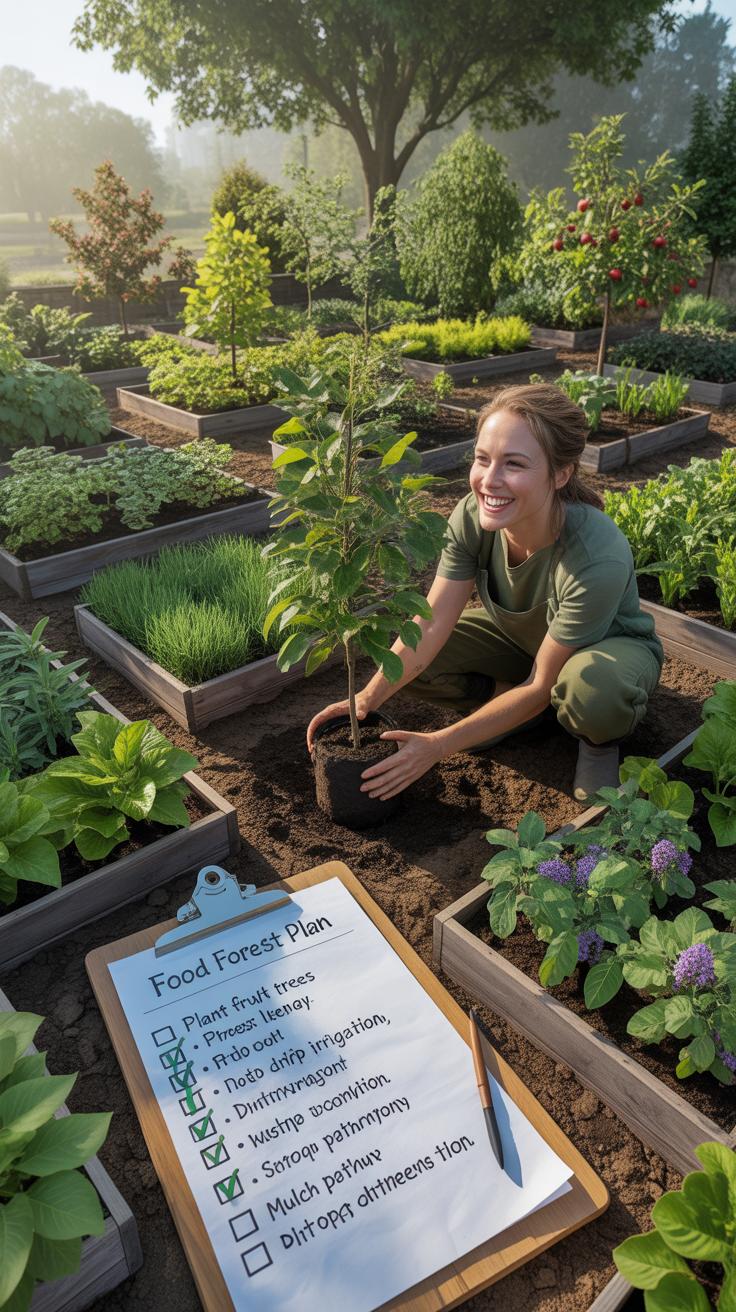
Here’s a basic checklist to start your food forest, whether you have a small patch or something more ambitious:
- Identify your available space and sunlight patterns.
- Map out water sources and drainage.
- Choose plants suited to your climate and soil.
- Start with the layers: tall canopy trees, smaller trees or shrubs, ground covers, root crops.
- Prepare your soil by loosening and adding organic matter if needed.
- Plant nitrogen-fixing species early to help feed the soil.
- Add mulch to protect the soil and retain moisture.
- Begin planting in phases, starting with canopy and understory layers.
- Observe and adjust as plants grow; food forests evolve over time.
Each step feels simple until you start digging in. It’s okay to adjust the plan as you go along. I found that my own patch felt chaotic at first but settled nicely after a couple of seasons.
Key Plants And Layers In Food Forests
Food forests rely on a hierarchy of plants, each playing a role. The tallest layer is the canopy, filled with large fruit or nut trees—apple trees or chestnuts, for example. Beneath them, smaller fruit trees or shrubs like blueberries or elderberries thrive. These are the understory layers.
Closer to the ground, you’ll find herbaceous plants and ground covers like strawberries or mint. These help suppress weeds and protect the soil. Root crops, such as carrots or garlic, grow underground, completing the picture by taking up nutrients from deeper layers. Sometimes, climbing plants like beans use trees as support, adding another dimension.
Each layer provides food, habitat, or soil improvement. Some overlap and compete, so finding a good balance is a bit of trial and error. You might replace one shrub after noticing it crowds out a nearby plant, or discover a wild herb that unexpectedly thrives.
Site Selection And Preparation Steps

Choosing where to plant your food forest sets the foundation. Look for a spot with good sun exposure but some shade too. Access to water matters, yet overly wet areas can cause trouble. I once planted near a low spot that collected too much runoff—roots didn’t like it.
Next, clear the area gently. Remove invasive weeds but keep beneficial plants if possible. You don’t always need to dig deeply. Often, loosening the soil and adding compost can kickstart growth. Testing the soil can help—sometimes you’ll need to adjust pH or add nutrients.
Consider wind protection and proximity to other plants. You want your food forest to feel connected to the broader ecosystem but not overwhelmed by trees that dominate the space. Preparing the site could take a few days or weeks, depending on size and condition. Patience here pays off.
Health Reasons To Grow Food Forests
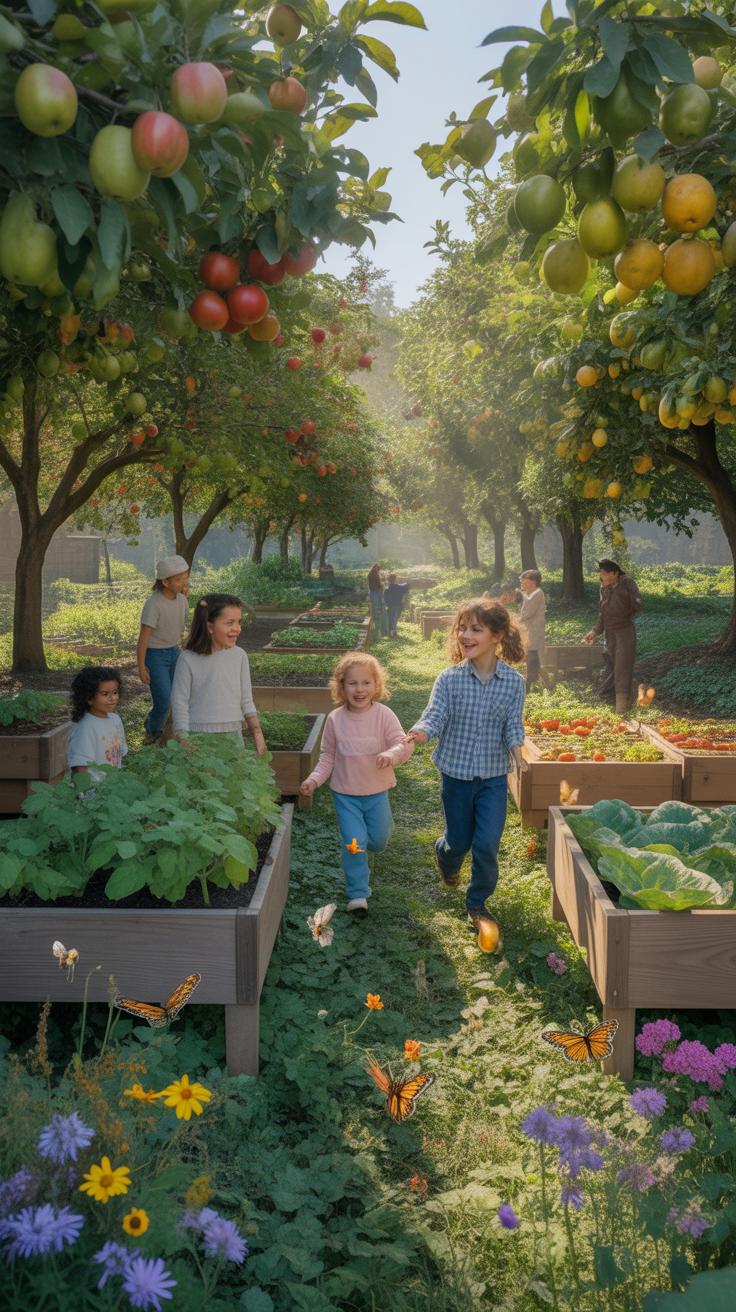
When you think about why someone might start a food forest, health often comes to mind. There’s more going on than just growing food. Food forests can affect your body and mind in ways that might surprise you.
First, physically working in a food forest means lots of movement—planting, harvesting, and maintaining multiple layers of plants. This kind of low-impact exercise can improve strength, flexibility, and endurance. It’s not like a gym workout; it feels more natural. Many gardeners say they feel steadier on their feet and less stiff after tending to their forest.

On top of that, food forests encourage eating fresh, whole foods that avoid typical store-bought processing. When you pick fruits, nuts, and herbs directly from your trees and bushes, you’re closer to the source. You might find that your body feels, well, lighter or more nourished. Are there fewer inflammation problems? Some say yes, though it’s hard to separate other lifestyle factors. Still, the connection is there.
Mentally, the green space can be a quiet refuge. Spending hours among diverse plants seems to lower blood pressure and ease anxiety. Some people report clearer thinking after simply sitting in their food forest or walking through its paths. That break from screens or city noise can really calm the mind. But this isn’t consistent for everyone. Some folks find the work stressful, especially early on. So, it might depend on your approach and expectations.
Overall, food forests offer a blend of physical activity, fresh nutrient sources, and a calming environment. They can be a personal retreat and a way to invite better health into daily living—if you let them.
How To Design Food Forest Layout
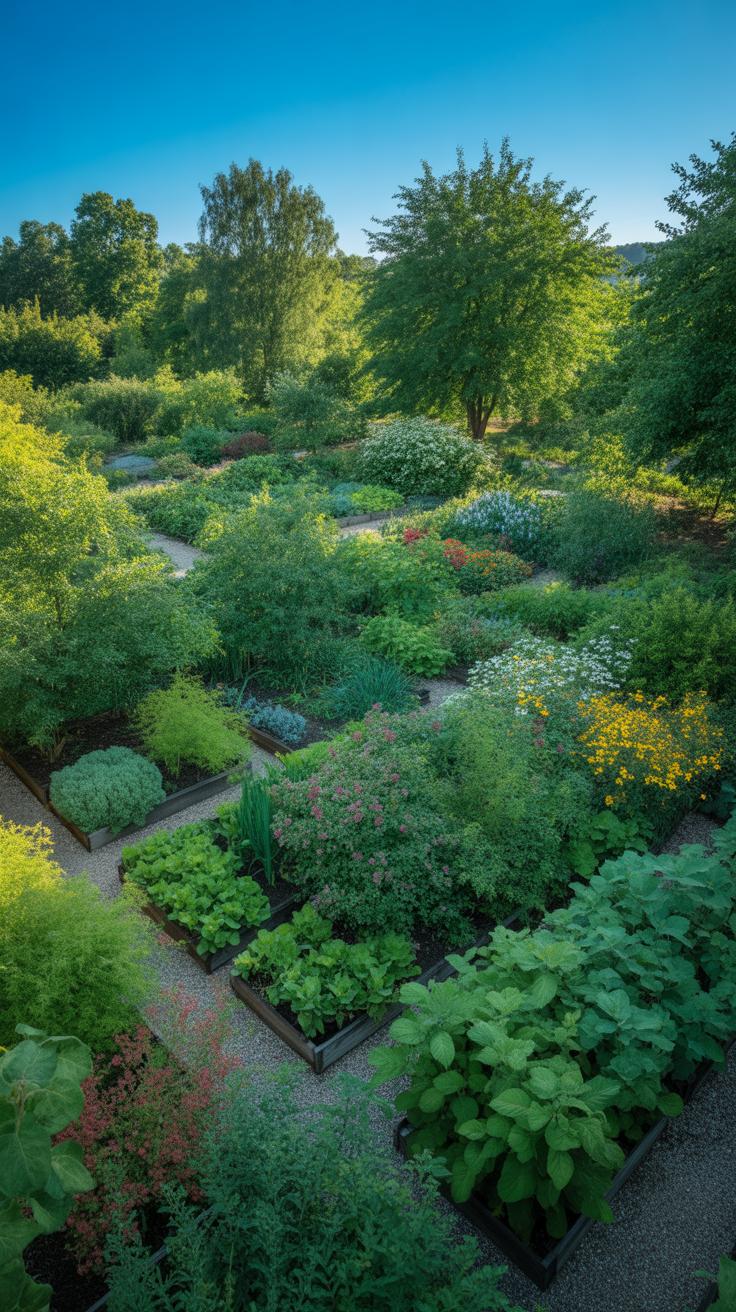
When designing a food forest layout, start by thinking about sunlight patterns throughout the year. Plants need different amounts of light, and placing taller trees where they cast long shadows can block sun from smaller plants nearby. So, sketch out the sun’s path and try to keep sun-loving species in the brightest spots. A rough idea, not perfect, works well enough.
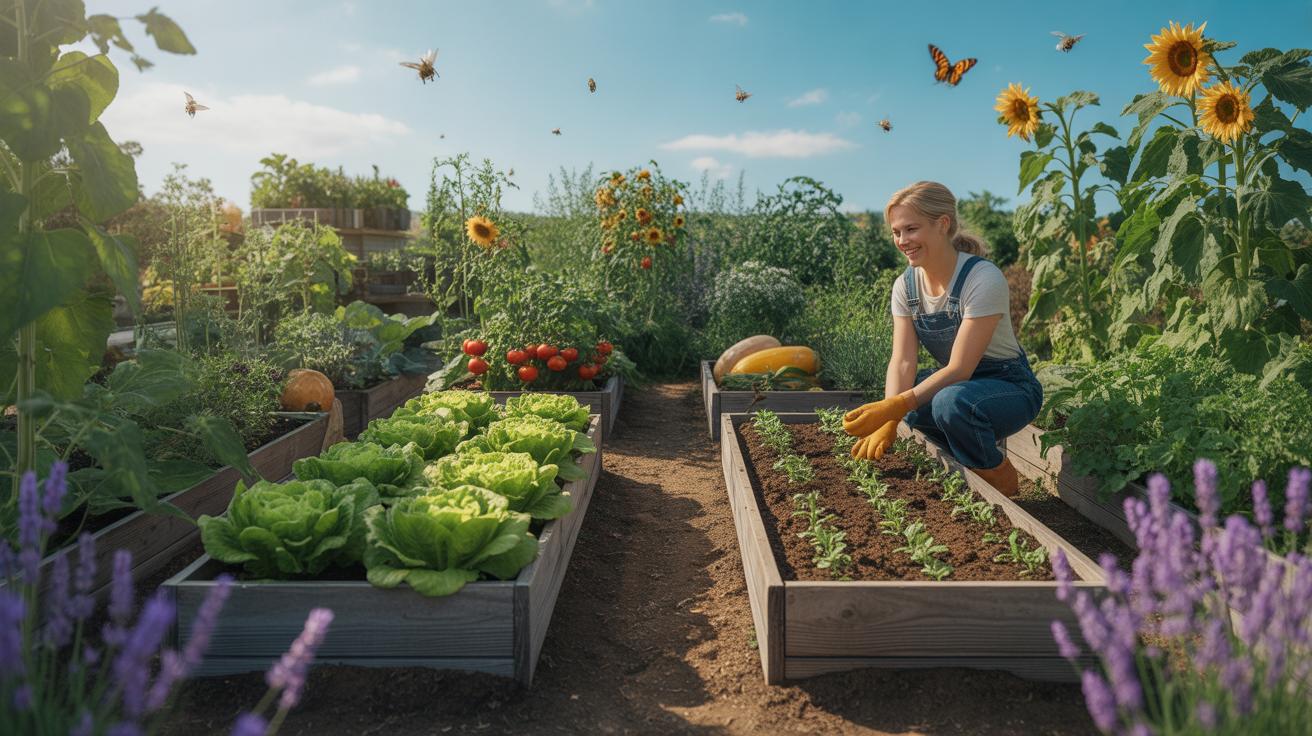
Space is another factor to weigh. Food forests focus on layering—from canopy to ground cover—so leaving room for each plant’s mature size prevents overcrowding. That said, sometimes a bit of crowding promotes beneficial interactions, like shade-loving herbs under bigger shrubs. It’s a balance, and experimenting helps.
Think about how plants interact beyond just light. Some boost soil health, others deter pests, and some provide windbreaks. Arranging them so these benefits are shared can improve overall health. You might pair nitrogen-fixing plants near heavy feeders, for example, or mix various roots to avoid soil fatigue.
Planning Plant Placement For Maximum Yield
Height matters beyond shadows—taller trees should form the outer layers, while shorter shrubs and herbs fill the inside. This way, you get upward and downward use of space. Deep-rooted plants can sit next to shallow-rooted ones without competing for nutrients. That layering can really boost total yield.
When placing plants, consider their growth speed and harvest time too. Some fruit early but don’t last long, while others mature slowly. You might want to plant quick-yielding crops near longer-term trees to keep food coming steadily. Companion planting also helps—a marigold near tomatoes, say, can reduce pests and improve taste.
Water Management In Food Forest Design
Good water management can’t be overlooked. Start by observing natural water flow on your land; slope, drainage, and soak zones guide where you place water-sensitive plants. Swales—shallow trenches—can capture rainwater and keep it from washing away soil.
Mulching around plants slows evaporation, so a thicker mulch layer means less frequent watering. If possible, catch rainwater from roofs or paved areas, directing it to key zones with a simple channel or barrel. You don’t have to install complicated systems—nature does a lot of the work for you.

Think also about how plants themselves manage water. Some species store moisture or create shade that reduces ground drying. Group these in drier parts of your plot. Over time, your food forest may require less extra watering as it settles into its own balance.
Common Mistakes In Food Forest Creation
Planting Without Considering Growth Needs
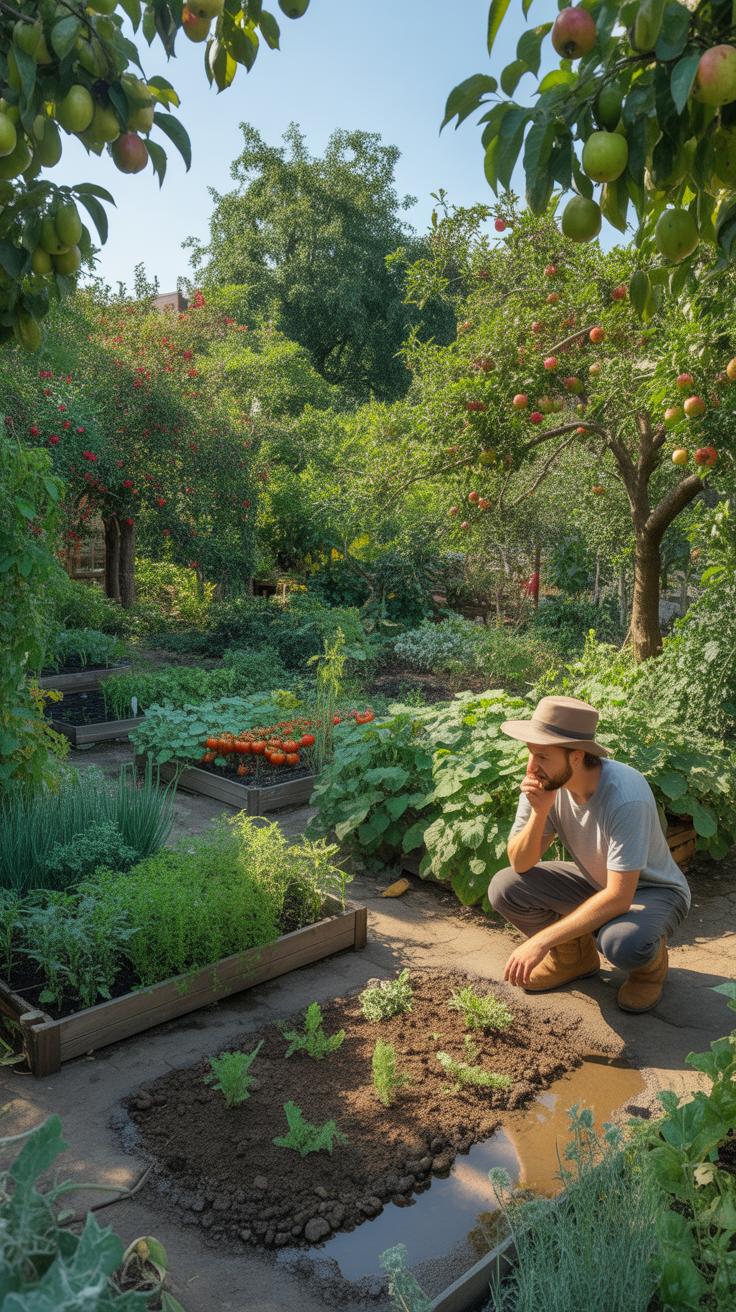
One of the most frequent mistakes when starting a food forest is planting without thinking about how much space each plant actually needs. It might seem okay at first to cram different species close together. After all, the idea is to mimic nature’s density. But when trees or bushes start growing, they compete fiercely for sunlight and room. Slowly, you realize your carefully arranged garden is struggling—some plants get shaded out, while others can’t spread their roots properly.
Sunlight plays a critical role. If you place sun-loving plants in shady spots, they will never thrive. Conversely, plants that prefer shade might scorch in open sun. Sometimes, gardeners forget to check the mature size of their trees. A sapling doesn’t look big now, but in a few years, it might block light from smaller understory plants.
To avoid these pitfalls, take time to map out your garden with growth in mind. Ask yourself: how tall will this tree get? Does this shrub tolerate direct sun? Think of your food forest as a moving puzzle, where empty spaces now will fill in later. Ignoring growth needs often leads to uneven growth and even the loss of plants you were hoping to nurture.
Neglecting Soil Health And Fertility

Soil is the foundation of any garden, especially a food forest, but it’s easy to overlook its condition when you’re excited about planting. Neglecting soil health means your plants may struggle silently at first. Over time, poor soil can stunt growth, reduce yields, and even invite pests or disease.
Many beginners skip soil testing and just plant directly or add random compost without understanding what the soil actually needs. This can cause imbalances—too much nitrogen, not enough phosphorus or organic matter. Also, compacted or poorly drained soils create tough conditions for roots, restricting access to water and nutrients.
Building healthy soil takes patience and care. Regularly adding mulch, compost, and organic matter supports a thriving soil ecosystem. Rotating ground covers or planting nitrogen-fixing species help too. If you ignore soil fertility, your food forest might look okay on the surface but will never reach its full potential.
So, before you plant, get to know your soil a bit better. What’s missing? How does it feel? The answers here can guide you toward a stronger, healthier garden. Would your food forest survive without healthy soil? Probably not, at least not for long.
Food Forest Maintenance Schedule
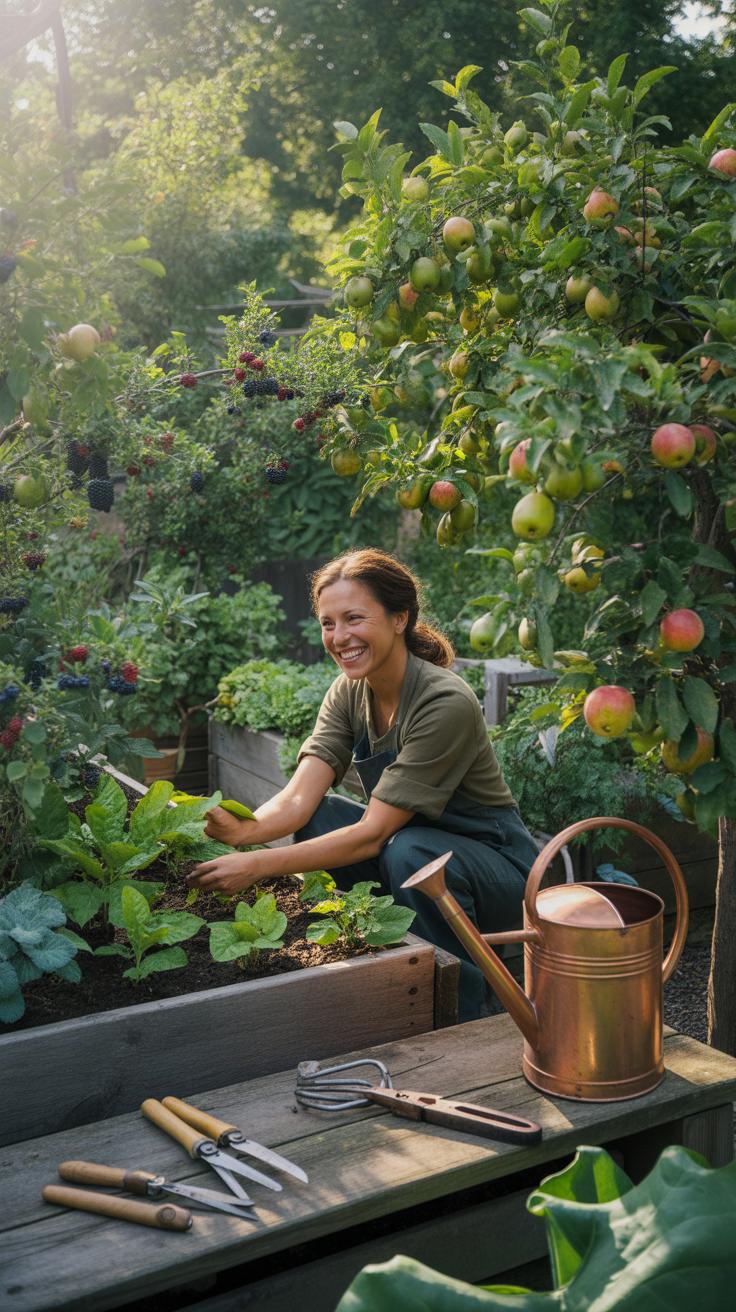

Maintaining a food forest means paying attention throughout the year, but not every month demands the same effort. A seasonal approach works best, breaking tasks into manageable chunks that help keep your forest healthy and productive.
Seasonal Tasks For Plant Care
Spring calls for pruning to open up branches and encourage new growth. It’s also a time to add mulches or organic compost around plants to boost soil health. Summer, with its heat, requires monitoring irrigation and watching for stressed plants. Fertilizing summer crops lightly can help sustain yield but overdoing it might cause more harm.
In autumn, focus on clearing fallen leaves and dead branches to reduce disease pressure. Planting some cover crops or nitrogen fixers now can replenish soil nutrients before winter. Winter is mostly about observation — check for damaged branches, prepare for frost, and avoid heavy pruning that can stress plants.
Pest And Disease Management Tips
Preventive care beats reactive treatment here. Encouraging natural predators like ladybugs or birds can keep pest populations down without chemicals. Companion planting works well—marigolds, for example, can repel certain insects. If pests do show up, handpicking or using neem oil sprays can be effective if applied early. Fungus problems often stem from poor air circulation, so pruning and removing infected parts quickly helps contain outbreaks.
Sometimes, you might wonder if it’s all worth the fuss when a pest returns. But keeping a diverse ecosystem discourages any one problem from taking over. It’s a balance, not perfection.
Nutrition Comparison Food Forest Vs Garden

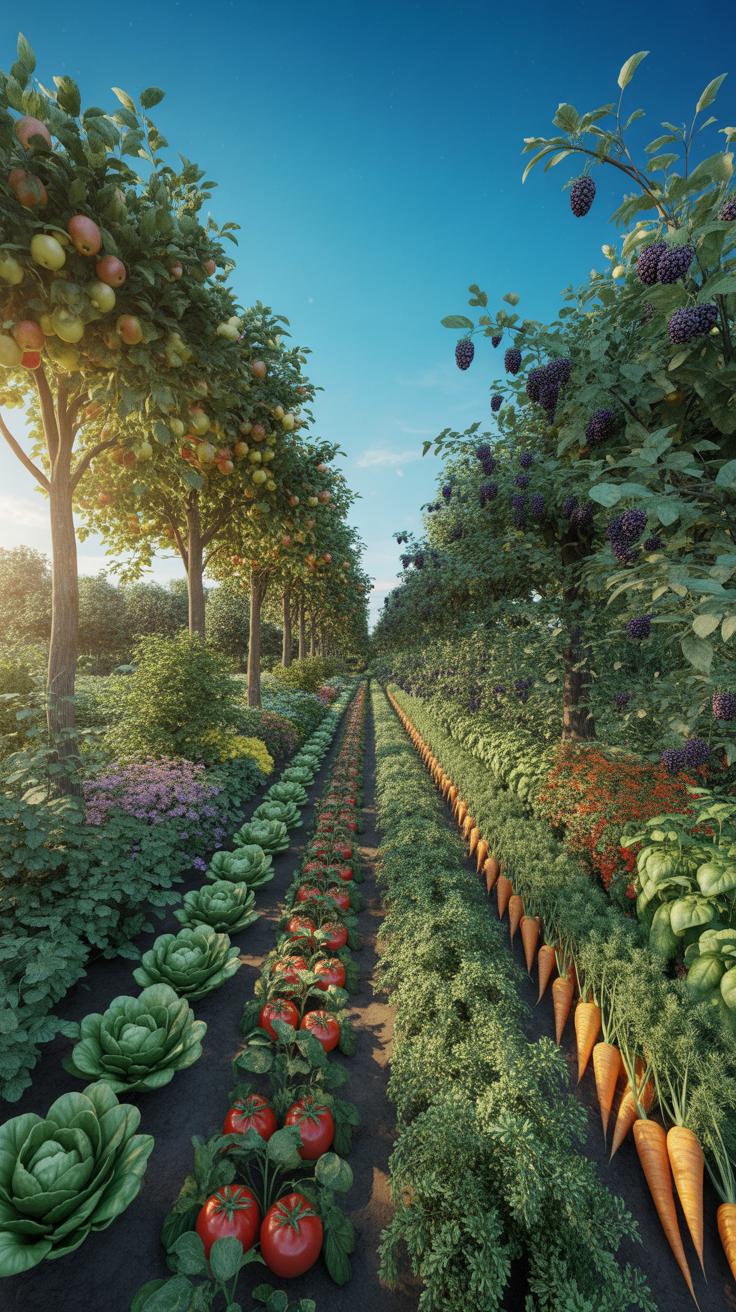
When comparing the nutritional benefits of food from food forests and traditional gardens, one key difference stands out: variety. Food forests naturally encourage a wider range of plants growing together—trees, shrubs, herbs, vines—all sharing space. On the other hand, gardens often focus on single crops or rows of vegetables, which can limit diversity.
This diversity in food forests usually means a greater mix of vitamins, minerals, and antioxidants in your diet. Plants in food forests tend to grow more naturally, with less intensive soil disturbance, which may help maintain or even boost nutrient density. I’ve noticed that leafy greens from my small forest patch seem richer in flavor and perhaps nutrients, though this could be subjective.
Food forests often include nutrient-packed foods like elderberries rich in vitamin C, wild plums, black walnuts high in omega-3 fatty acids, and medicinal herbs such as echinacea. These are less common in regular gardens but offer strong health value.
So, why might food forests offer more advantages? The complex interactions between plants can enhance nutrient uptake and soil health over time, resulting in food that’s often more diverse and potentially more nourishing. Still, it’s worth considering your own access and maintenance skills—gardens might be simpler but perhaps less rich in variety.
Checklist To Start Your Food Forest
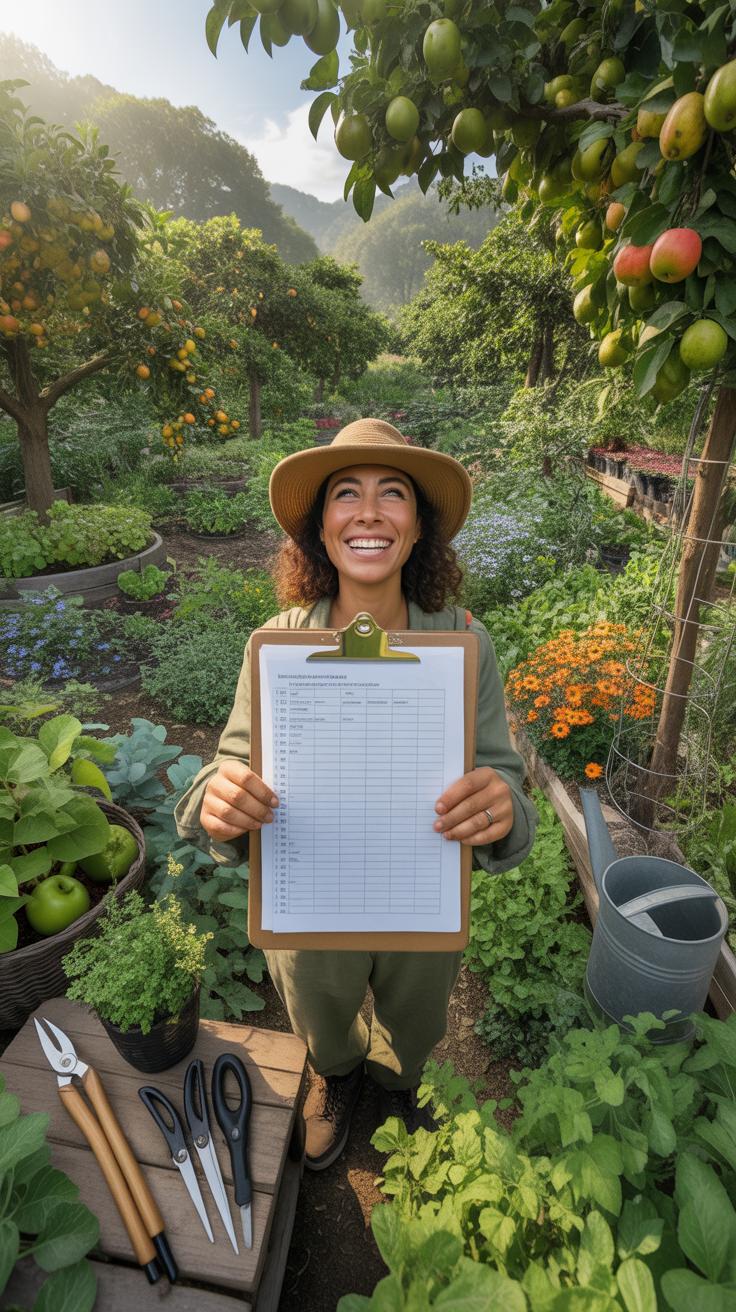
Starting a food forest can feel overwhelming, but breaking it down into clear steps helps. First, gathering the right tools makes a difference. Think about basics like a good spade, pruning shears, gloves, and a watering can. You might also want a wheelbarrow for moving soil and mulch. It’s tempting to buy everything at once, but starting simple works just fine.
Next, consider what plants you want. For beginners, hardy plants that don’t demand constant care are best. Apples, pears, and plums tend to cope well, while herbs like mint or chives spread easily and provide quick returns. Sometimes it’s worth picking a few local, native species too—they tend to fit the environment naturally.
Before planting, prepare your soil by removing weeds and loosening the ground. Think about layering—adding compost, mulch, or leaves to keep moisture and support microbes. It’s a slow process, but patience pays off.
Finally, outline a maintenance plan. Regularly check moisture, watch for pests, and prune to encourage growth. You don’t need to do everything at once, but keeping an eye on your food forest as it grows helps avoid surprises.
How Food Forests Support Wellness
Physical Benefits From Gardening Activity
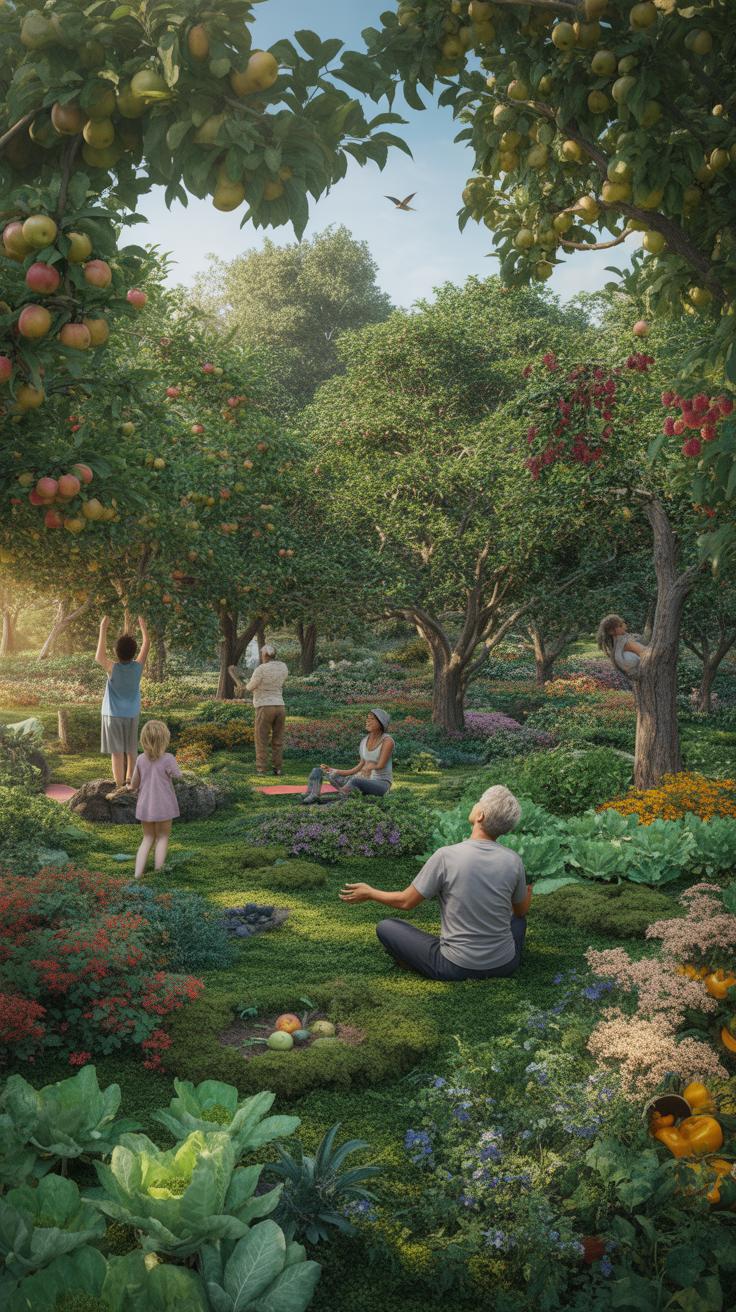
Spending time in a food forest means more than just harvesting fresh food—it’s an unexpected workout. When you dig, plant, prune, or weed, you’re engaging muscles gently but consistently. It’s not gym-level intensity, but the steady movement can improve strength and flexibility over time.
These activities help with mobility, especially for older adults or those recovering from injury. I’ve seen people who thought they wouldn’t be able to squat or bend properly again rediscover those motions while tending their plants. You might be surprised how a few hours of gardening stretch your body and keep joints loose.
Even the simple act of walking through the forest, carrying tools or baskets of produce, adds up. It keeps you moving in ways that don’t feel forced. Sometimes it’s hard to separate “exercise” from the joy of being outdoors and nurturing life.
Social And Community Wellness Effects
Food forests naturally bring people together. Shared work and shared harvests create connections that go beyond casual greetings. You might find yourself exchanging tips with neighbors or organizing group plantings without even planning it.
This kind of interaction can soften social isolation. There’s something about working toward a common goal—growing food—that fosters a quiet sense of belonging. I’ve seen people who were initially shy start to open up just by spending time in the food forest.
Plus, community food forests often become hubs for local events or workshops. That creates a ripple effect, encouraging people to take part in other neighborhood activities. So, it’s not just about the trees or the bushes. It’s about building a healthier social fabric, often without anyone announcing it explicitly.
Food Forest Success Stories And Results
Family Garden Health Improvements
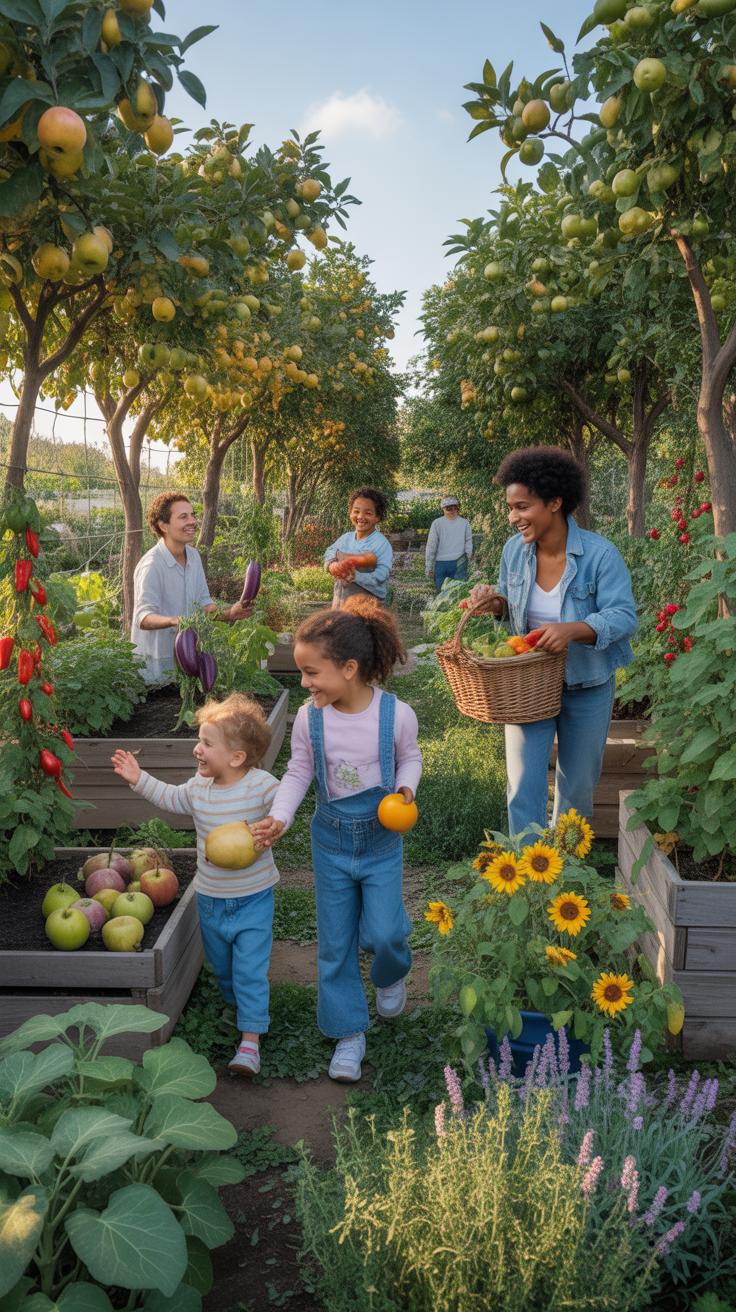
There’s something almost tangible in watching a family’s diet shift after planting a food forest in their backyard. Take the Johnsons, for instance. Before starting their garden, they rarely ate fresh vegetables or fruits. Now, their meals often feature what they’ve grown themselves—berries, leafy greens, even nuts. They noticed not just better nutrition, but also fewer trips to the doctor for common colds or stomach issues. The kids became more interested in helping out, which led to more balanced meals and less processed food.
Of course, it’s not a magic cure. Some weeks they still rely on convenience foods. But the availability of fresh, accessible produce made a visible difference in their energy levels and mood. You might wonder if it’s mostly a psychological boost—that connection to the food source—but the Johnsons swear by the tangible health perks.
Community Food Forest Projects
Look at the Maplewood neighborhood’s community food forest. Once a neglected patch of land, it now feeds dozens of families. People gather there often—not just to harvest, but to share knowledge, recipes, and sometimes just stories. The garden helped reduce local food insecurity, especially for elderly residents who find it harder to shop regularly. There’s a quieter benefit too: increased social interaction and a sense of shared responsibility.
Environmental effects matter here as well. The food forest helps with local cooling and biodiversity, making the area healthier overall. You can’t ignore how much better the air feels when you spend time there. Still, some community members question the long-term upkeep and whether such projects can scale. But right now, the growing number of hands involved says something important about the role food forests can play beyond just growing food.
Tools And Resources For Food Forests
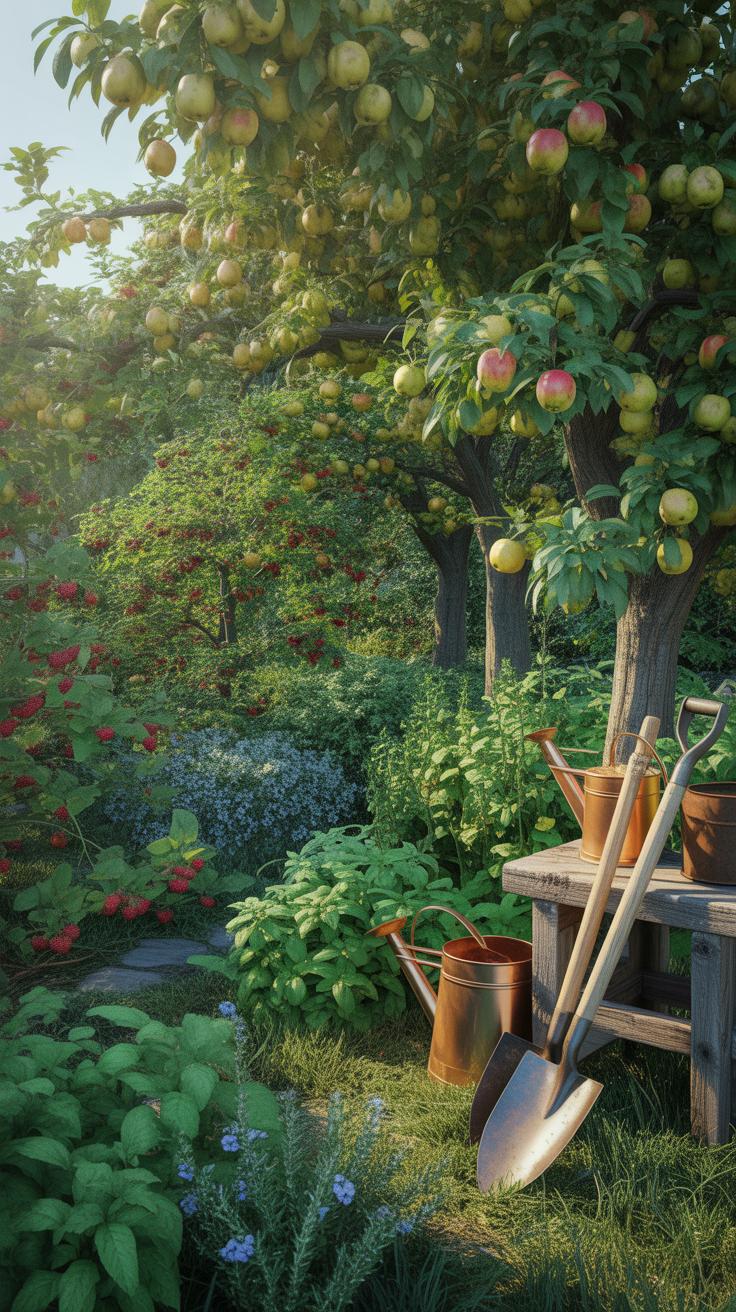
When you begin working on a food forest, having the right tools can make a huge difference. Some tools are surprisingly simple but essential, while others you might not have considered. For planting and maintaining diverse layers of plants, digging tools like a sturdy spade or a broadfork help loosen soil without disrupting the ecosystem beneath. You’ll also want pruning shears with sharp, clean blades to manage branches and encourage healthy growth without tearing.
Rakes and hoes come in handy for clearing debris and managing ground covers, though you might find yourself using them less as your forest matures. Soil testing kits are worth having, too, especially when you want to track nutrient changes over time — it’s easy to forget how much the soil can shift with different plants and compost inputs.
As for knowledge, starting with classics like “Edible Forest Gardens” by Dave Jacke and Eric Toensmeier often feels overwhelming initially but grows clearer the more you experiment. “Gaia’s Garden” by Toby Hemenway offers a more accessible introduction with practical examples. Websites like Permies.com provide forums full of real-world advice, where you can ask questions and see what others have tried. The Food Forest Blog and the Regen Network also post updates and tips if you want to keep learning on the fly.
It’s tricky to say which resource is the “best” because your needs might shift as your food forest does. Perhaps you’ll start with a simple tool kit and a couple of books, then later find yourself drawn into online communities for specific challenges. Give yourself room to explore—sometimes a little trial and error feels like part of the process too.
Conclusions
Food forest gardens provide a natural way to improve your health and wellness through fresh food production, physical activity, and a connection to nature. They support biodiversity and help the environment.
By investing time in planning and caring for a food forest, you cultivate a space that nurtures your body and mind. Consider starting a food forest garden to enjoy lasting health benefits and contribute to a healthier planet.