

Introduction
Creating a stylish garden starts with choosing the right fences. Backyard fences offer privacy, security, and define your outdoor space. They also add character and style to your garden. This article covers various fence ideas that enhance garden landscaping while providing practical solutions for your backyard.
From traditional wood to modern composite options, the right backyard fence complements your home and garden design. We will explore fence types, benefits, design tips, maintenance, and cost considerations to help you make informed decisions.
Different Backyard Fence Types
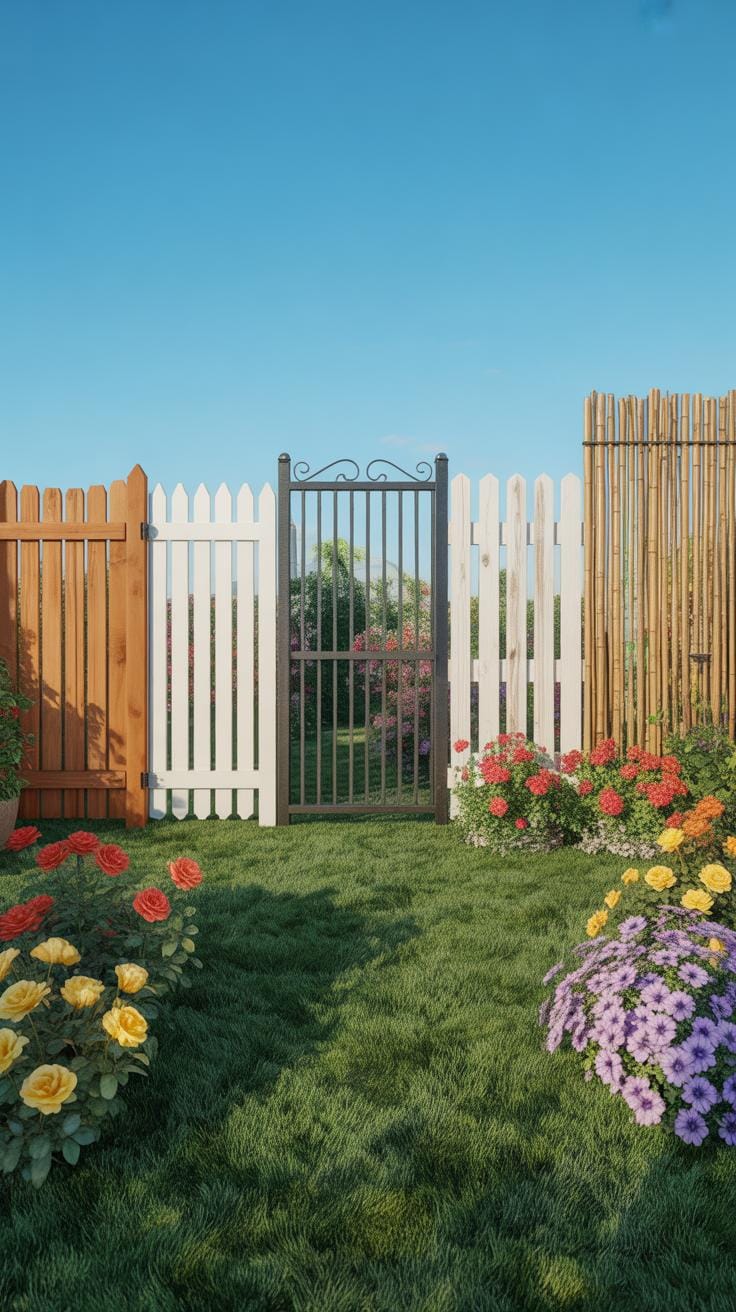
When thinking about fences for your backyard, there’s quite a range to consider. Wood fences are classic and offer a natural look—you’ve got everything from picket to close-boarded styles. Then there’s composite fencing, which blends recycled wood fibers and plastic. It sort of looks like wood but lasts longer and needs less upkeep.
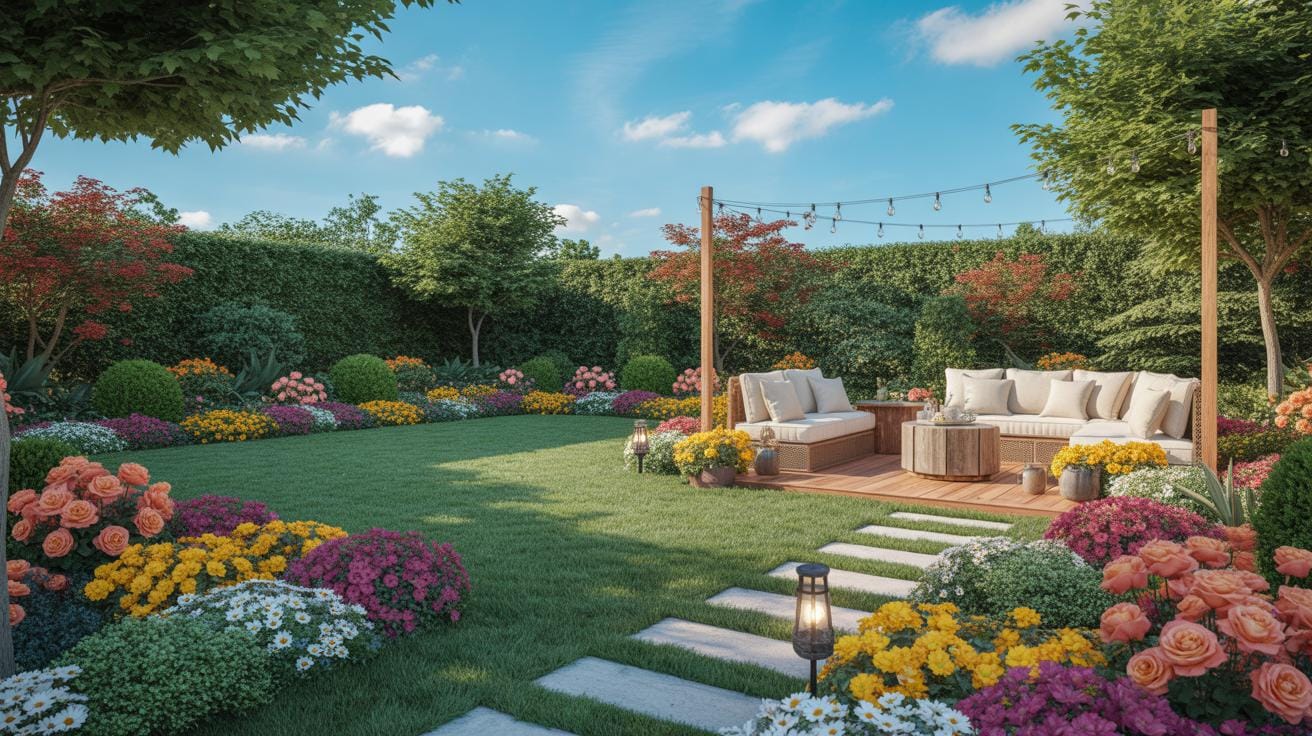
Metal fences, like wrought iron or aluminum, are sturdy and can create clean, modern lines. They let you see through, so they don’t isolate your garden fully. On the other hand, live fences—made from hedges or shrubs—use plants to form a boundary, which adds privacy and green texture. Each type has unique features and fits different needs. For example, if privacy topped your list, a close-boarded wood fence or thick hedge could work well. But if durability and low maintenance matter more, composite or metal might be what you want.
Common Wood Fence Designs
Wood fences come in several popular styles with distinct vibes. The picket fence is probably the most iconic, often painted white, with evenly spaced vertical boards. It’s charming but more about decoration than privacy.
Split-rail fences give a rustic feel and are typically used around larger properties or gardens where containment isn’t the main goal—for instance, to keep pets from wandering too far rather than blocking views. Close-boarded fences, made of vertical boards placed tightly together, are more solid and soundproof, offering stronger privacy and security. They look straightforward and can be stained or painted to your preference. Each style suits different garden aesthetics and practical goals, so it’s worth considering what matters most to you.
Benefits of Composite Over Wood
Composite fencing often strikes people as a smarter long-term investment compared to traditional wood. It stands up better to weather—resisting rot, warping, and insect damage. Wood, as much as some love its natural smell and texture, tends to degrade unless you’re diligent about treatments and repairs.
Maintenance is different too. Composite fences generally just need a simple wash occasionally, while wooden ones may call for sanding, re-staining, or sealing every few years—a chore, really. Costs can be higher upfront for composite, but you might save money and effort in the long haul. That said, some folks still prefer wood’s genuine warmth and sometimes lower initial price. If budget is tight or you want a traditional look, wood can still be a good option—you just need to plan for upkeep.
Fence Ideas
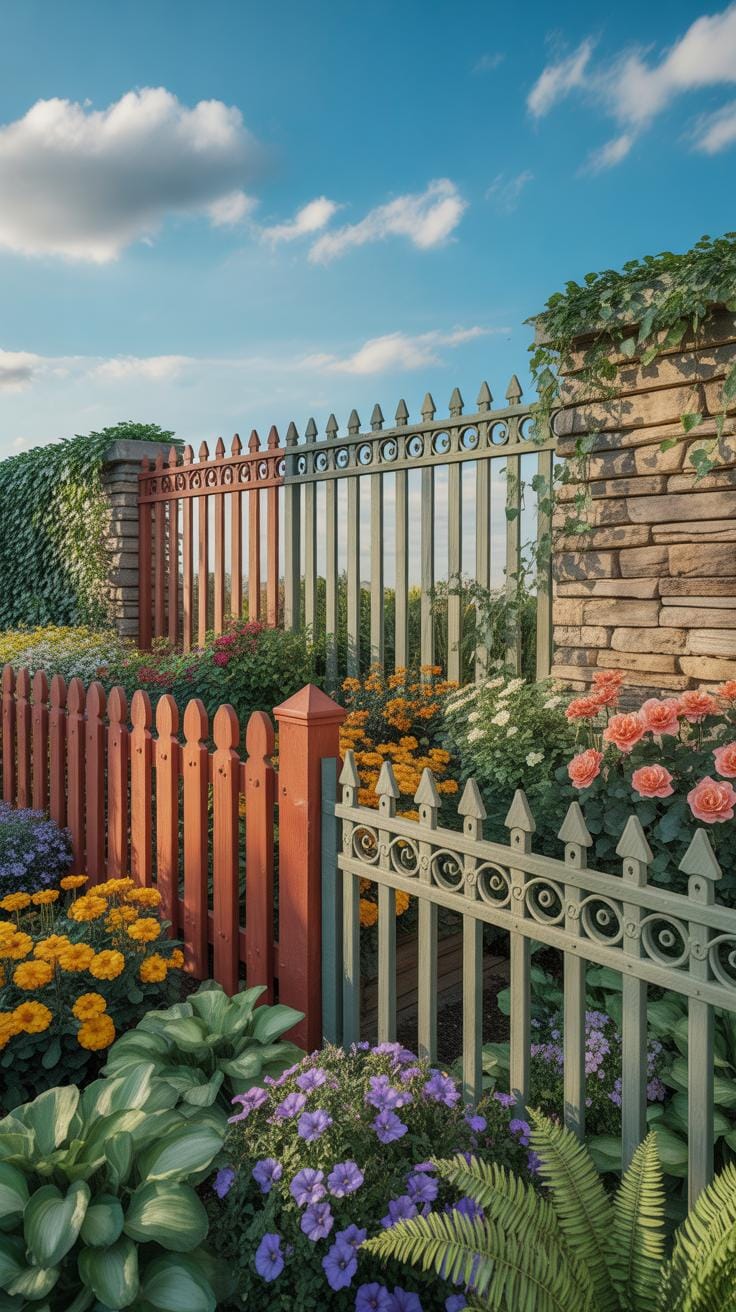
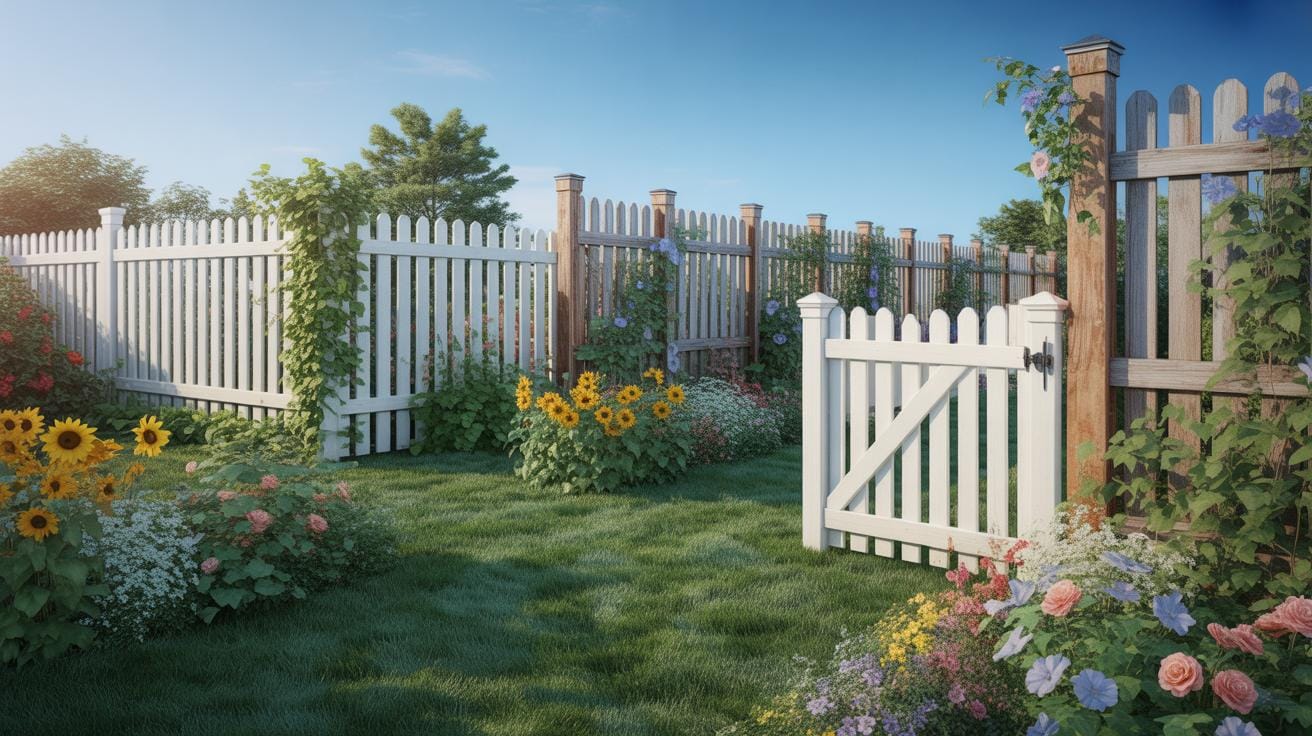
When considering fence ideas for your garden, there’s a lot more variety and purpose than just the usual wooden panel fence. You might want a fence that feels more like an extension of your garden rather than an interruption. Take for example, lattice fences. They’re not just about creating a boundary—they can support climbing plants, adding a vertical layer to your garden. This way, the fence becomes part of the greenery, not just a divider.
Metal fences, like wrought iron, offer a very different vibe. They add an element of elegance or even a historic feel to the garden, while keeping the line between open and enclosed pretty balanced. But think about privacy too—metal fences with wide gaps may not do the job if you’re after that.
Another idea is using hedges or mixed-material fences—combining stone or brick bases with wooden panels, for example. It creates a sturdy look while playing with textures. Plus, if you’re into DIY, you could personalize fences with paint or outdoor decorations, bringing something uniquely yours to your garden space.
Have you ever wondered if fences could become a focal point in your garden design? Some do, with interesting shapes, colors, or even built-in seating. So, when choosing your fence ideas, think beyond just function—how can your fence reflect what you want your garden to feel like?
Fence Ideas
When it comes to backyard fences, the options can be surprisingly broad. You might think a simple wooden fence is the default, but there’s more variety than you’d expect. A fence can do more than mark boundaries; it can set a tone, offer privacy, or become a striking design element.
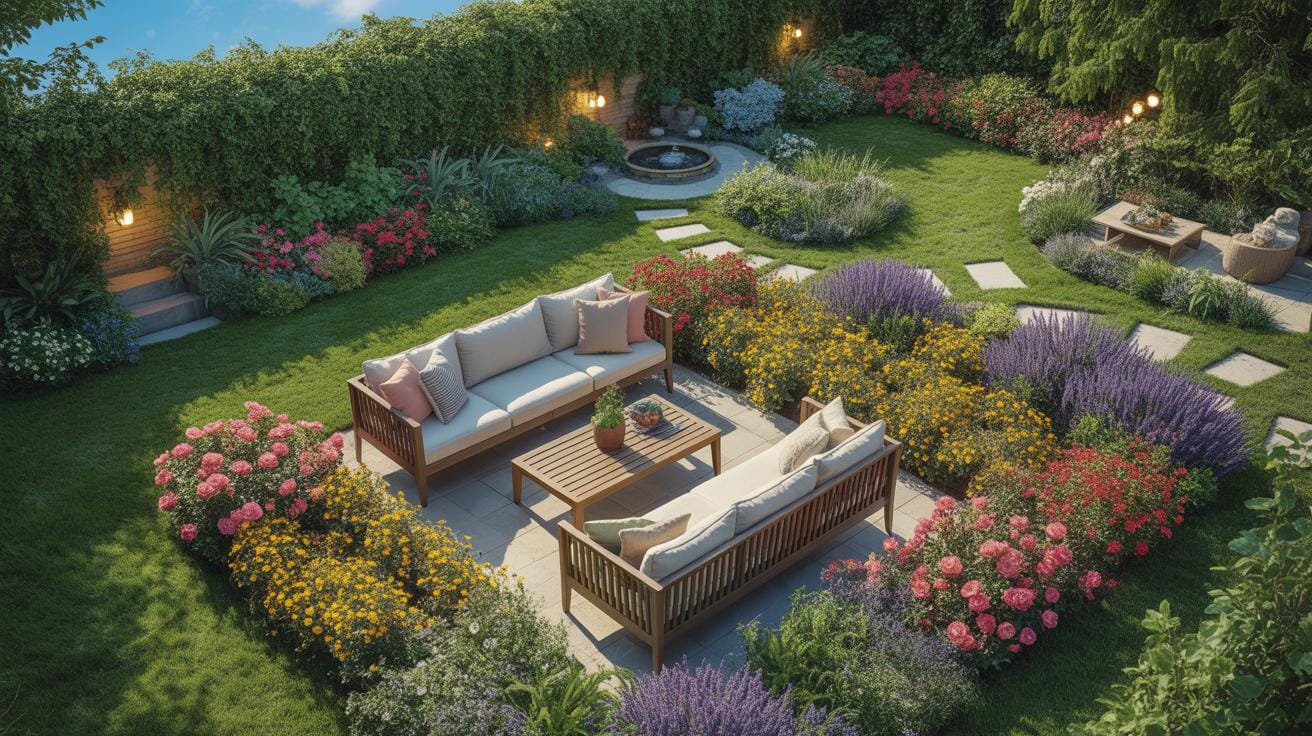
Consider the style of your home and garden first. A classic picket fence suits a quaint, traditional yard, while horizontal slats can feel fresh and modern. Metal fences, like wrought iron, bring a touch of elegance but might require more upkeep.
Materials play a big role. Wood is warm and natural, but vinyl offers durability without the need for much maintenance. Stone or brick fences can be permanent and solid but might feel heavy or formal, which might not fit every backyard vibe.
Think also about height and spacing. Taller fences give privacy but can close in a space visually. Slatted designs with gaps can create interesting light patterns and feel less confining. Some fences even mix materials, like wood posts with metal panels – giving both warmth and sturdiness.
Have you noticed how some fences double as garden trellises? You could train climbing plants along them to soften the look and add greenery. Or, use a fence to frame a particular view or garden section, guiding the eye cleverly within your outdoor space.
It’s tempting to replicate what neighbors have, but personalizing your fence to fit your yard’s personality means it can feel less like a boundary and more like an extension of your home. Which idea feels right for you? Sometimes, walking around your space and imagining different fence types in place can spark the best inspiration.
Fence Ideas
When it comes to fence ideas for a stylish garden or backyard, you might find yourself torn between options. There’s no one-size-fits-all solution, and honestly, your choice depends a lot on your needs, style, and even the environment where you live. You might consider classic wooden fences for a natural look. They give warmth and charm, though they do require upkeep.

For something that demands less maintenance, maybe composite fences could catch your eye. They mimic wood but resist weathering. Then there’s metal – like wrought iron or aluminum – which can bring a touch of elegance and durability, though the upfront cost might make you hesitate.
Or think about adding a living fence with shrubs or tall grasses for privacy that feels organic. Of course, mixing materials is possible too, like wood posts with metal panels.
Some practical tips when choosing fence ideas are:
- Consider how much privacy or security you need.
- Think about how well your choice will withstand your local climate.
- Ask if you want something that will blend with your home’s architecture.
- Remember that fences can be decorative and functional, but sometimes one comes first.
For instance, a picket fence might suit a quaint cottage garden, but if your backyard feels more modern, clean lines with horizontal slats could work better. You might want to ask yourself, do you want your fence to be noticed, or do you prefer it to fade into the background?
There’s no rush in deciding. Maybe mull it over, look around your neighborhood for inspiration, or even consider consulting a local fencing expert. What’s clear is that the right fence can add a lot to your outdoor space – but it’s worth weighing the options carefully with your particular garden in mind.
Comparing Fence Materials
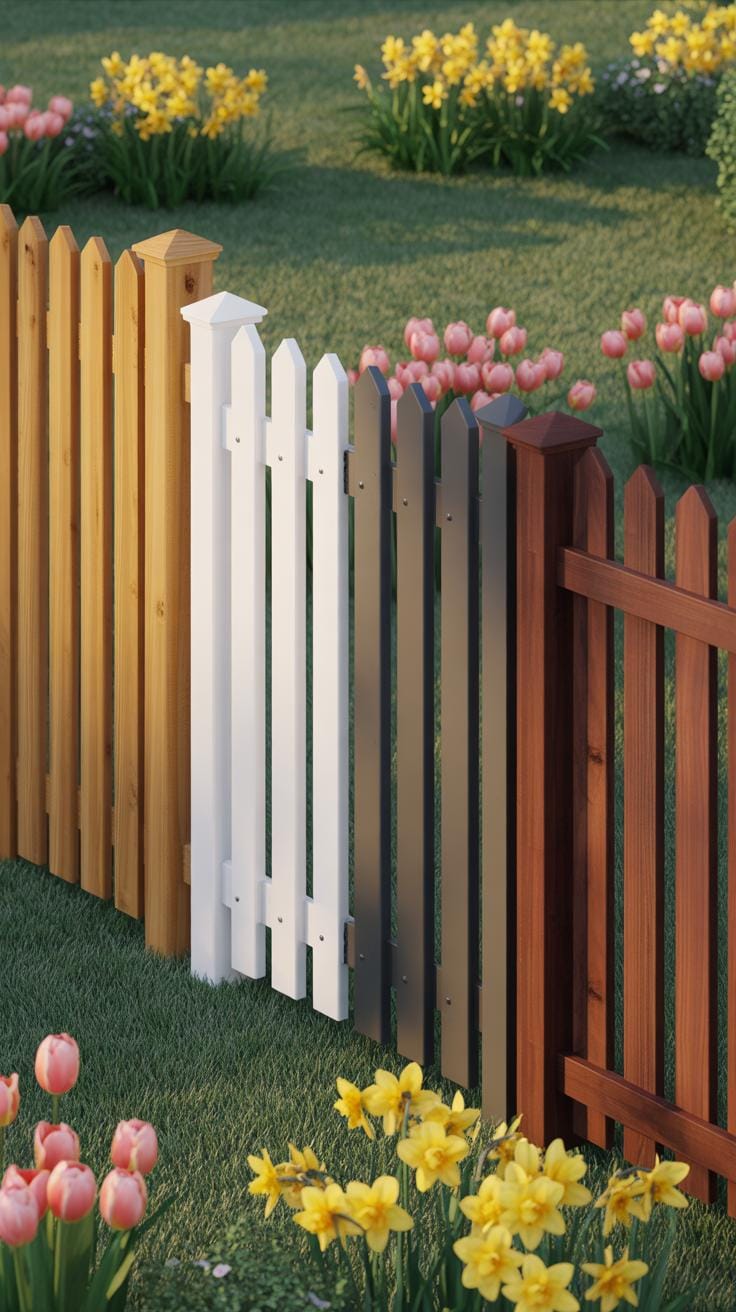
When choosing a fence, material plays a huge role. Wood fences offer warmth and classic appeal, but they require upkeep. You’ll need to treat or paint them regularly to keep them from rotting or warping. Cost-wise, wood can be reasonable upfront, but maintenance adds up.
Metal fences, especially wrought iron or aluminum, stand out for strength and longevity. They resist weather, though rust can be an issue if not properly coated. Metal tends to cost more initially, but often lasts longer than wood without constant care.
Vinyl is popular for low-maintenance needs. It doesn’t warp, rot, or need painting, which is great if you want hassle-free style. However, vinyl can look less natural and might crack in extreme temperatures, so consider your climate.
Composite fencing combines recycled wood and plastic, aiming to blend wood’s look with vinyl’s durability. It’s sturdier against weather but typically pricier, and sometimes harder to repair if damaged.
Wood Vs Metal Fence Advantages
Wood fences feel natural and can be customized easily. You can paint or stain to match your garden style. Yet, they demand regular upkeep, which might deter some.
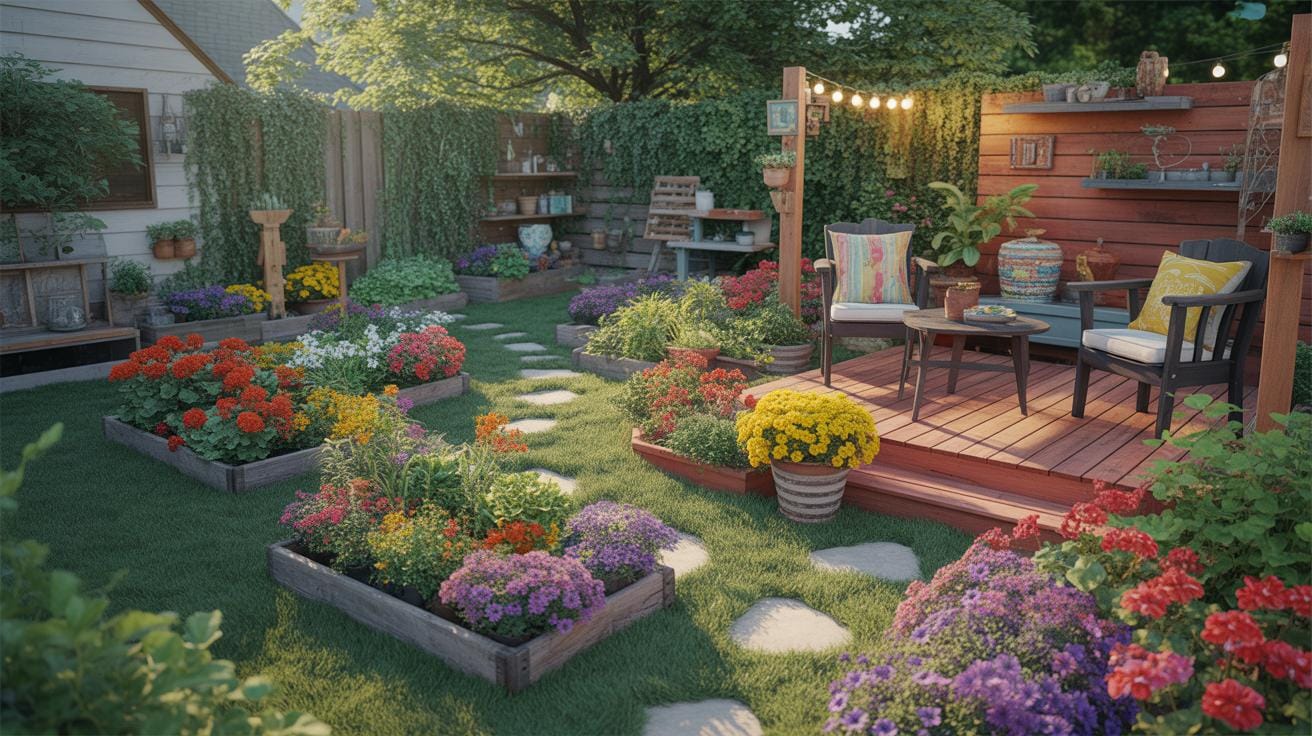
Metal fences offer more security and last longer with less maintenance. They can be designed with intricate, eye-catching patterns but might feel colder or less inviting than wood.
Choosing between them depends on what matters more: warmth and customization or durability and minimal upkeep.
Vinyl As An Alternative Fence Material
Vinyl fences are a solid choice if you dislike maintenance. They resist pests, don’t peel or crack easily, and cleaning is usually just soap and water. Though sometimes vinyl fences can feel a bit plastic or mass-produced, many people appreciate the consistent look.
They’re often sold in panels, so installation can be quick. The question is whether you prioritize convenience over that handcrafted look wood or metal might bring.
Popular Fence Styles Explained
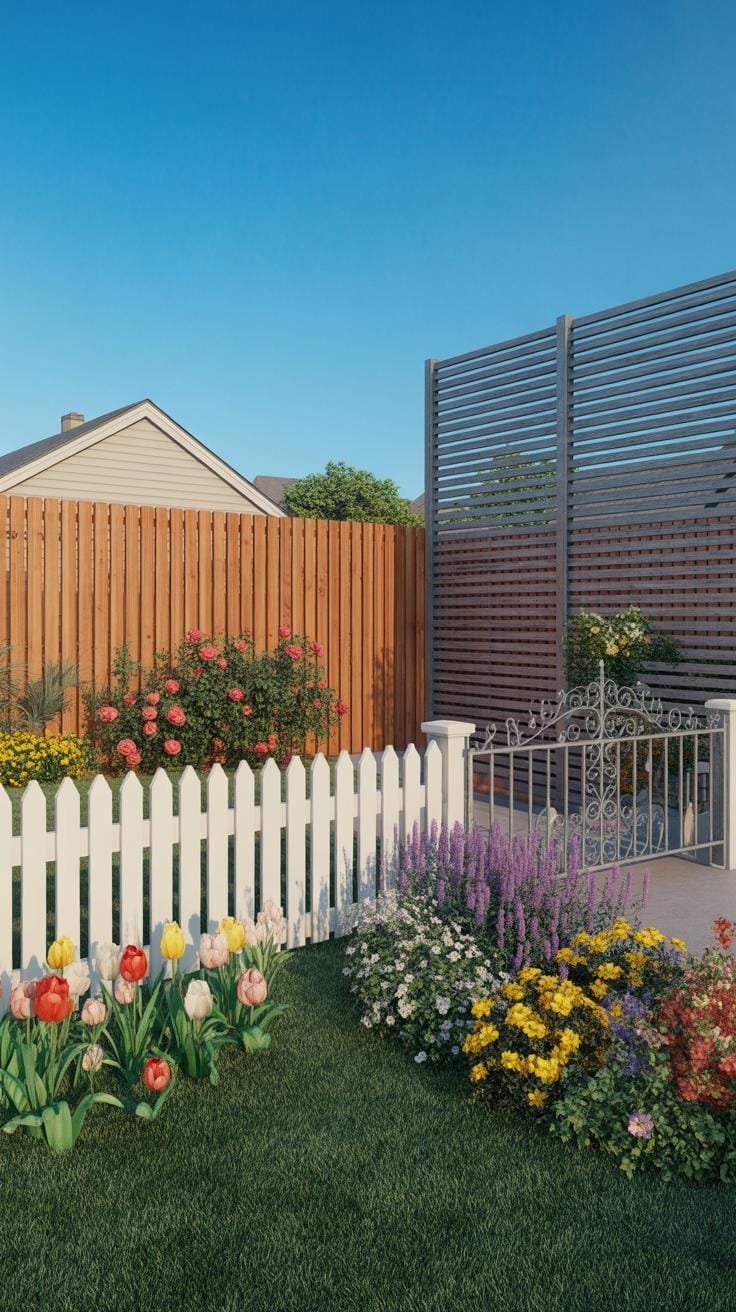

When you’re considering fences, a few styles usually pop up—picket, palisade, lattice, and the curious ha-ha. Each has its own visual effect and purpose, which honestly can shape your garden’s vibe quite a bit.
Picket fences are probably the most familiar. Those upright boards with pointed tops spaced out evenly create a friendly, approachable feel. They let you see through the fence so your garden stays open to view but well-defined. Pickets suit more traditional or cottage-style homes, giving a light, airy boundary.
Then there’s the palisade fence—sort of a row of pointed stakes driven firmly into the ground. The look is more solid and protective, often used where security or privacy matters. Think rustic or medieval styles; they turn your fence into a visual statement of strength and protection, often somewhat less ornamental but very effective.
Lattice fencing is intriguing because it combines function with an open, patterned surface. It’s like a grid of crisscrossed wood strips, which adds texture and can support climbing plants beautifully. This type is great if you want a semi-private space—partial shade, filtered light—but with decorative appeal.
And the ha-ha fence is quite different. It’s not really a fence you see at eye level but a ditch or sunken wall that acts as a hidden boundary. The design keeps your view uninterrupted—no barriers blocking your sightlines from the garden to the wider landscape beyond. It’s subtle and clever, especially in larger grounds where the look of endless space is desired without letting animals wander in.
What Is A Ha Ha Fence
The ha-ha fence, quite fascinating, is a recessed barrier that stops animals or intruders but isn’t noticeable from a distance. Originating centuries ago, this sunken trench with a vertical retaining wall creates a visual illusion—people walking nearby might not even realize there’s a fence there. Because of its design, it allows an uninterrupted view from your garden or home, merging your outdoor space seamlessly with the countryside or other surroundings.
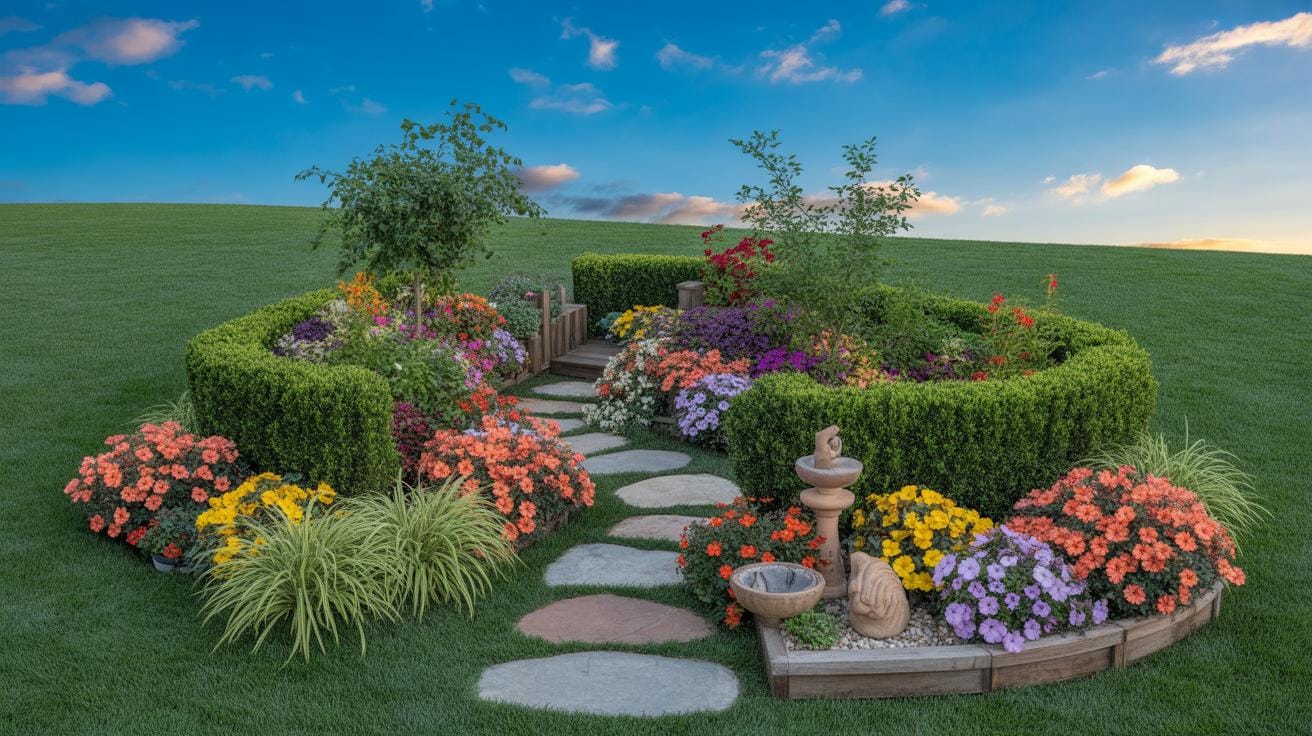
This type is perfect for properties where preserving landscape views is a priority. Perhaps it suits you if you don’t want a fence to disrupt the beauty of your surroundings, yet you need a practical boundary. It’s not the easiest for DIY installation, but its charm lies in that almost invisible functionality.
Decorative Fence Style Examples
Beyond function, fences can be whimsical and add genuine charm to your garden. Some decorative styles that caught my eye include:
- Ornate wrought iron fences with intricate scrollwork—they draw attention without overwhelming your garden’s aesthetics.
- Shadowbox fences, offering a layered look with alternating pickets—good for privacy and style combined.
- Semi-transparent bamboo or reed fencing—natural, eco-friendly, and a subtle way to define space.
- Decorative panels with cut-out patterns or motifs—these create intriguing shadows and a personalized feel to your yard.
Decorative fences can make your garden feel lived in and loved, a feature to admire rather than just a boundary. They might be more costly or require upkeep, but you get aesthetic benefit that sometimes feels worth every penny.
So, when you think about your fence design, consider not just what it looks like but how it will shape your outdoor experience. Which style do you see fitting your space? Which one matches your garden’s story? It’s more than a boundary; it’s part of your outdoor room.
How To Choose Fence Height And Design
Privacy Needs And Fence Height Options
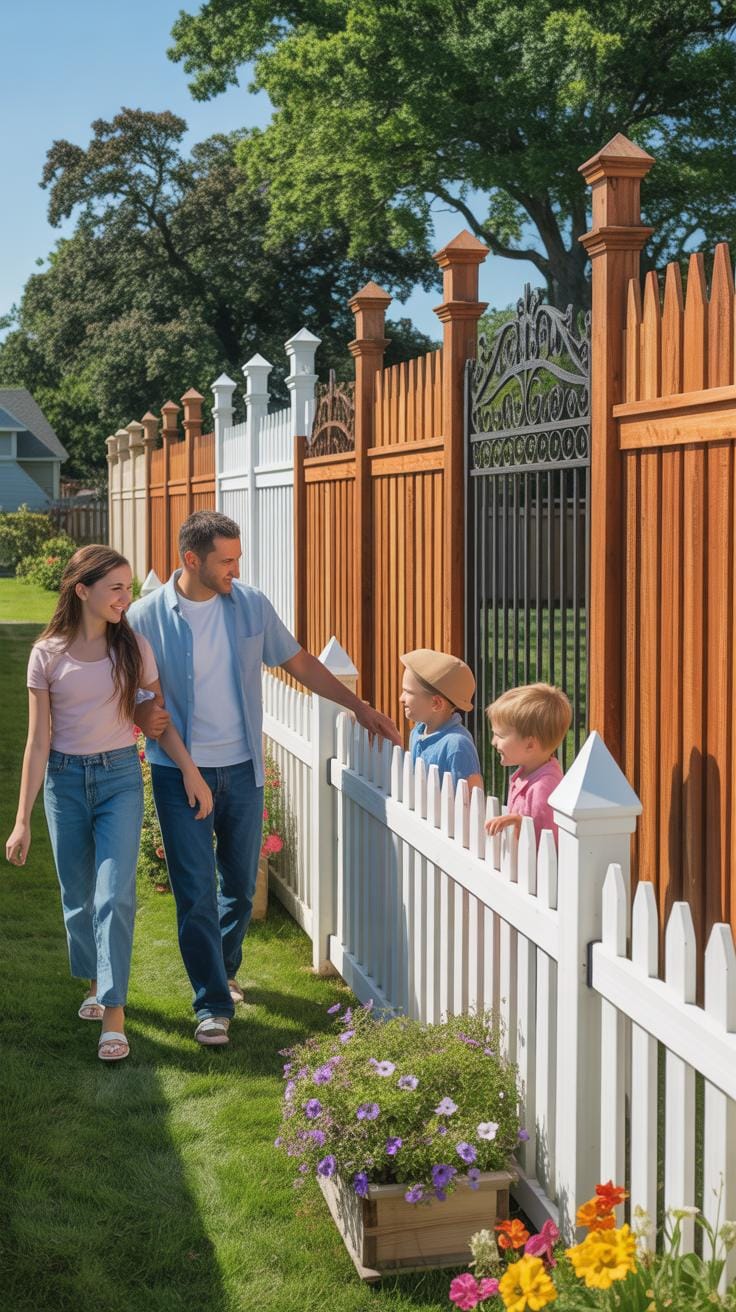
Choosing the right fence height mostly depends on how much privacy you want. If you’re aiming to keep neighbors or passersby from seeing in, taller fences—say six feet or more—are often preferred. But if you enjoy an open feel, lower fences around three to four feet might be enough to define your space without blocking views.
There’s also the delicate balance between feeling enclosed and feeling confined. Sometimes, a four-foot fence with dense shrubbery can give surprising privacy while still letting in light and air.
Don’t forget to check local regulations before deciding. Many communities limit fence heights, especially in front yards, so your ideal might not be allowed—or you may need a permit. It’s an awkward step, but necessary.
Matching Fence Design To Garden Theme
Your fence should feel like it belongs with your garden, but how exactly? Think about the style of your garden first. A formal garden with neat rows might suit a crisp picket or wrought iron fence. Rustic or natural gardens lean well into wood or stone fences with irregular lines.
Consider material choices too. Wooden fences add warmth and blend well with flower beds, while metal fences can create an elegant borderline without overwhelming the greenery. And don’t shy away from color; sometimes, paint or stain can tie the fence beautifully into the broader palette of your garden.
Still, your preferences and quirks matter—maybe you want a fence that surprises visitors or one that’s barely noticeable. It’s your space. The point is to find a design that feels right at home without making your garden look forced or out of sync.
Legal And Safety Fence Considerations
Fence Permit Requirements
When it comes to building a fence, you might think you can just go ahead and start pounding in posts. But hold up—often there are rules about permits. Many local governments require a permit for fence construction, especially if the fence is higher than a certain height or if it’s along a street-facing property line. This isn’t always obvious, and skipping the permit can lead to fines or even having to take the fence down later. So, it pays to check with your local building department before ordering materials or calling a contractor. Even if you’re just putting up something simple, a quick call or visit can save headaches. Sometimes permits involve inspections, so you’re covered on safety and boundary rules.
Safety Measures For Pool And Pet Fences
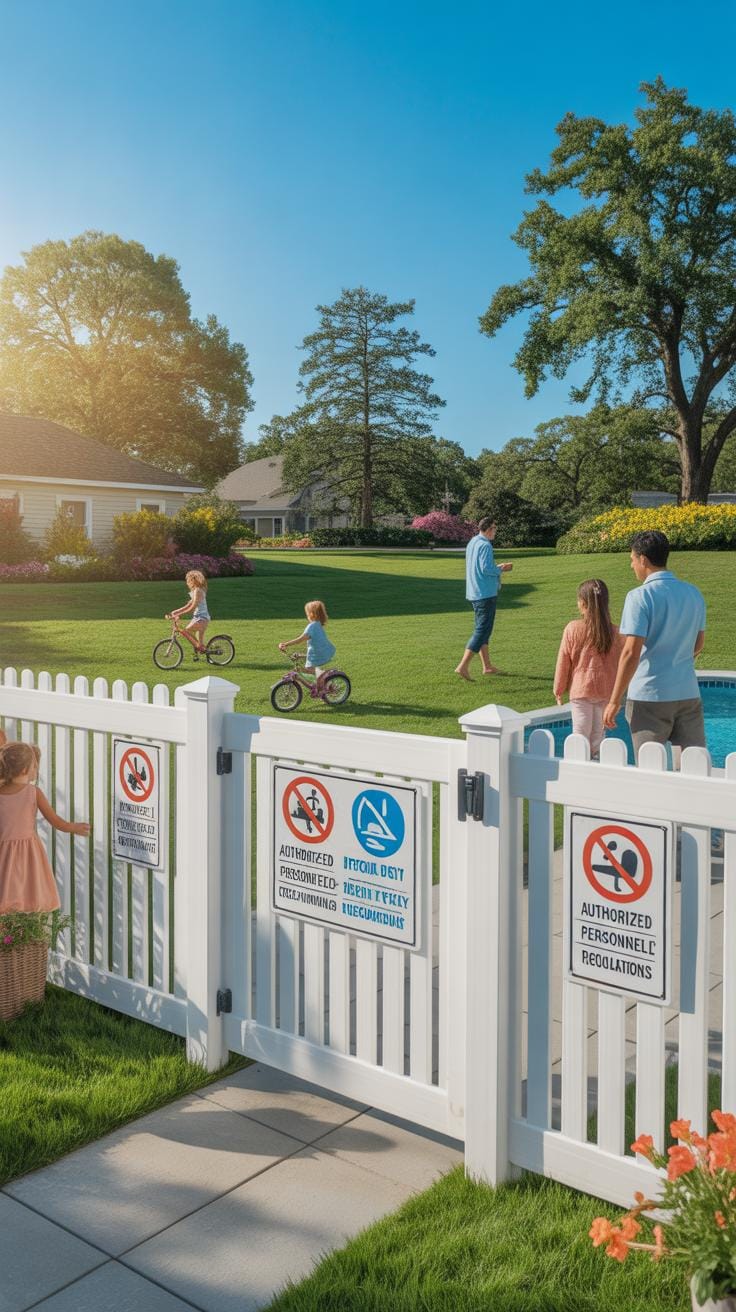
Fences around pools and pets need special attention. Pools, especially, have strict safety guidelines to prevent accidental drowning. A common safety feature is a self-closing, self-latching gate that’s hard for small children to open. The fence’s height and gaps should keep kids from slipping through or climbing over. With pets, it’s tempting to think a tall fence is enough, but that’s not always true. Some pets, like certain dogs, can jump or dig under fences, so consider extra features like a buried barrier or inward-angled tops. Also, without proper visibility, pets can be easily trapped or stressed inside a yard. Clear sightlines through the fence help supervise them easily. Safety isn’t just about keeping things in; it’s about peace of mind for the whole family.
Creative Fence Ideas For Gardens
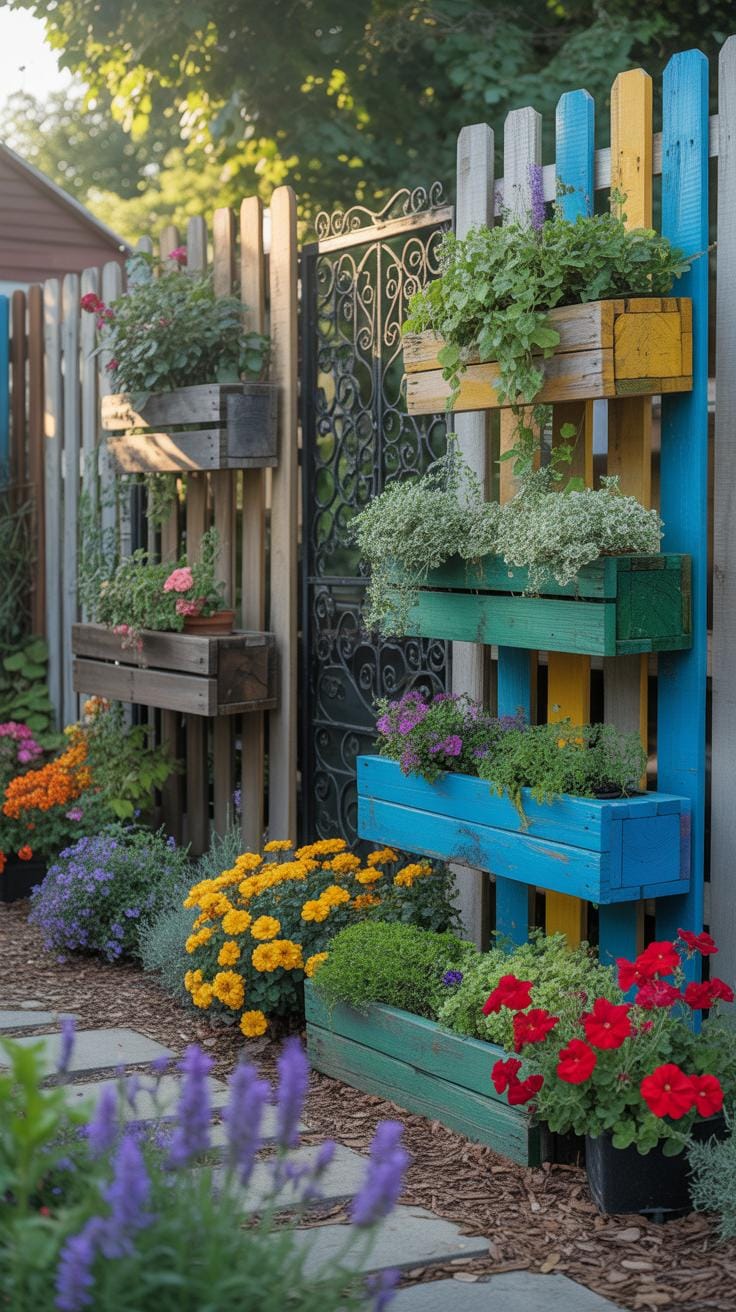
When you think about garden fences, it’s easy to picture plain wooden panels or standard metal grids. But why settle for the ordinary? There are many ways to make your garden fence more than just a boundary—it can become a statement piece that reflects your personality.
One idea I’ve been fond of lately involves integrating planters directly into the fence. Imagine a fence where small pots or boxes are built into the structure, allowing you to add flowers or even herbs. This not only brightens the fence but also brings an immersive garden feel right to the barrier. You can use wooden crates or metal holders to create varying shapes and sizes, giving depth and creativity to your fence setup.
Another approach that caught my eye is using paint and texture to add character. Different colors don’t merely protect the wood; they can dramatically alter the mood of your garden space. Pastels can create a soft, vintage feeling, while bold hues give a modern, energetic vibe. Textured finishes, like rough wood or corrugated metal sheets, add another layer of interest and catch the light in unique ways. You could try stripes, geometric patterns, or even simple brush marks for a personal touch.
Mixing materials might seem a bit risky at first, but it offers some unexpected benefits. Combining wood with metal or glass inserts can be surprising and effective. It changes the look from traditional to eclectic without shouting for attention. And of course, it helps you adapt to the climate or maintenance preferences you have—that old fence doesn’t have to dictate your style forever.
Have you ever thought about your fence as a canvas? You might be surprised how small tweaks can turn it into a delightful focal point rather than just a garden boundary. What feelings or themes would you want your fence to express? It’s these little choices that, I believe, make garden fencing more than just functional—they make it part of your living space.
Conclusions
Selecting the right fence can transform your backyard into a beautiful, private, and secure space. Consider the fence’s purpose, style, and material to match your garden and lifestyle. Each option, from wood to composite, carries unique benefits to suit various needs and budgets.
Install fences thoughtfully for lasting impact and ease of upkeep. Use these ideas to create a backyard that reflects your taste and meets practical demands. With the right fences, you enhance outdoor living and garden appeal.