
Introduction
Many people want to improve their outdoor spaces but feel unsure where to begin. Garden Yard Ideas and DIY Backyard Landscaping For Simple Transformations offer a guide to change your backyard into a place you enjoy without needing expert help. This article provides straightforward steps and ideas that fit most budgets and spaces.
You will learn what you need to do first, the tools that help you, and how to avoid common mistakes. Whether you want a calm garden, a play area for kids, or a colorful spot, this guide shows you how to plan and create a backyard that suits your life.
Planning Your Backyard Space
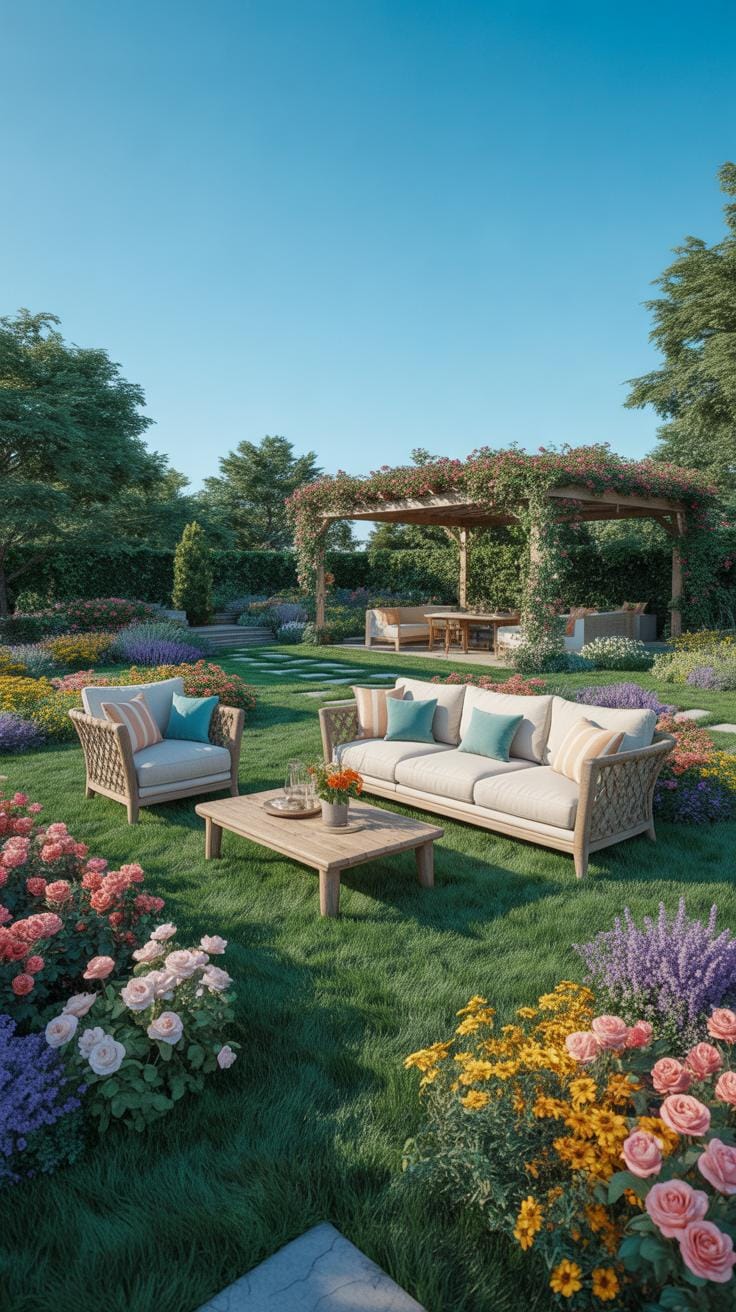
Start with a close look at what you already have out there. Walk around and take in the sunlight patterns — where does the sun hit hardest? When? Notice any existing plants that you want to keep or perhaps reshape around. Space matters too. How much room is really available? Sometimes it feels bigger or smaller depending on the fence or the shape of the land. Make notes; jot down what you observe.
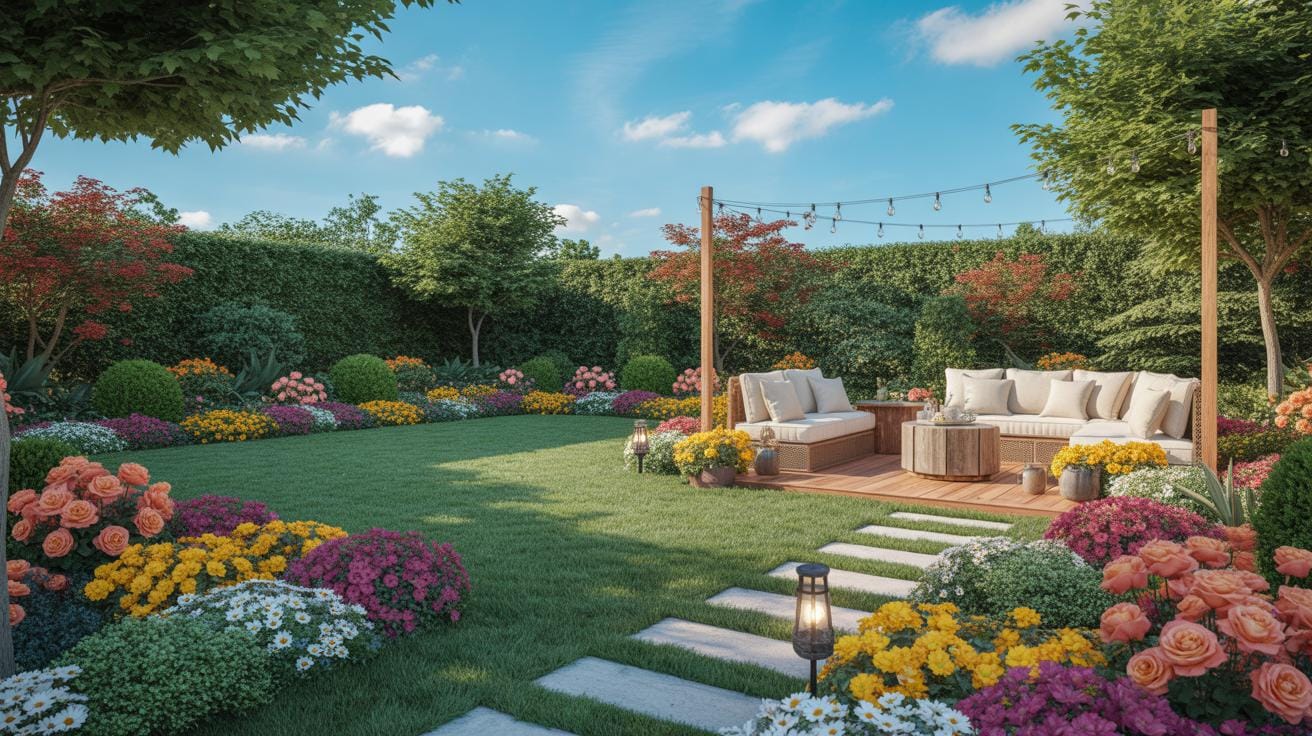
Next, think about what this space should do for you. Is it a quiet spot to relax with a book? Or is it where the kids need room to run and play? Maybe both, but you might want to prioritize. Trying to fit everything in can make things feel cramped. So settling on a main goal feels like the first real step—figure out what will be most meaningful for your family.
Measuring And Mapping Your Yard
Grab a tape measure and take the time to measure your entire backyard. Don’t guess—accurate numbers make the rest easier. Measure all the edges, and don’t forget paths, trees, or fixed features. Then draw a simple map on paper. You don’t need to be an artist; straight lines and approximate scales are fine. This map becomes the foundation of your planning.
Label key points: sunniest spots, shaded areas, anything structural. This visual helps you picture where things might go and avoid surprises later. When I did this for my own yard, seeing everything laid out made it clear which spot was perfect for a small herb garden and which was better left open.
Setting Priorities For The Space
Deciding what to include isn’t always straightforward. Think about your daily routine—what matters most? If kids play outside a lot, giving them safe room might top the list. Or if you prefer quiet mornings with a cup of coffee, a small seating nook could be your focus. Make a list of “must-haves” versus nice-to-haves. This helps keep your design practical.
Consider who uses the space and for what. Your family’s needs might change over time, which is okay. It’s fine if the priorities shift later; just keep that flexibility in mind as you go. For example, a vegetable patch might be vital now but less so in a few years. Being honest about current needs will save headaches down the road.
Choosing Simple Backyard Garden Ideas
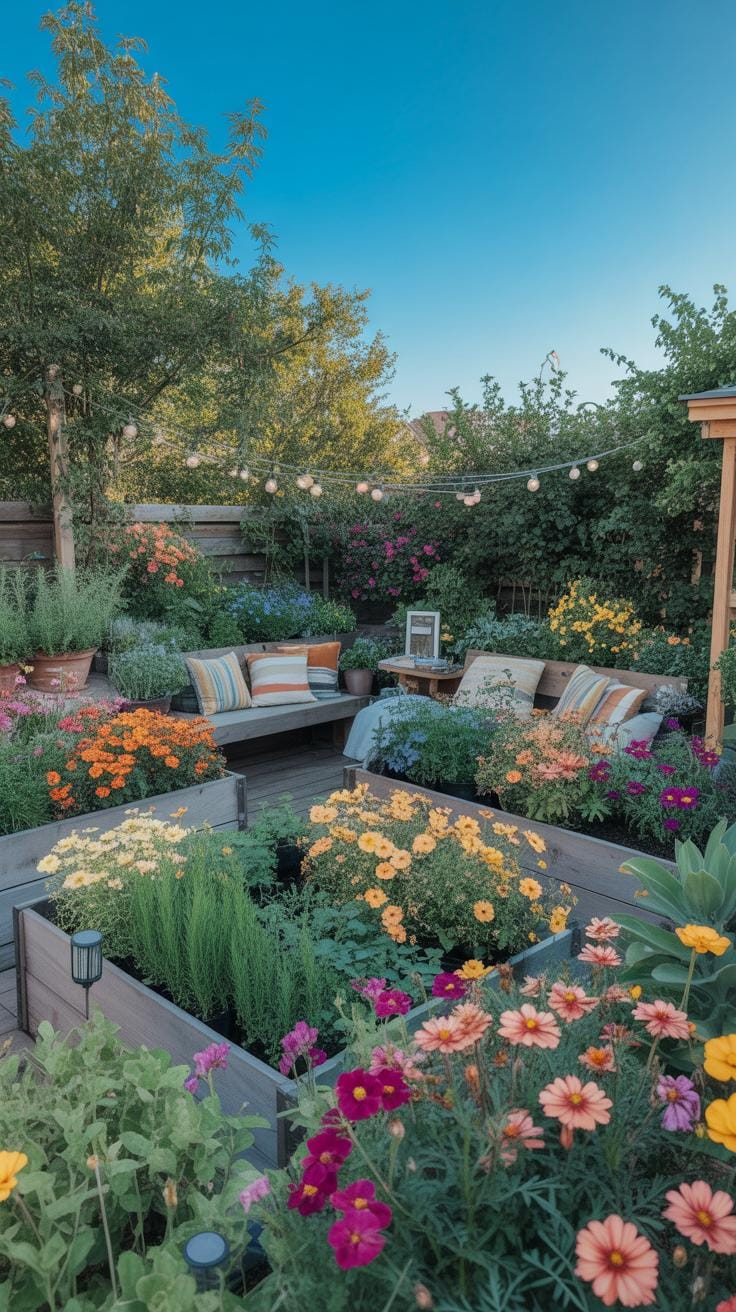
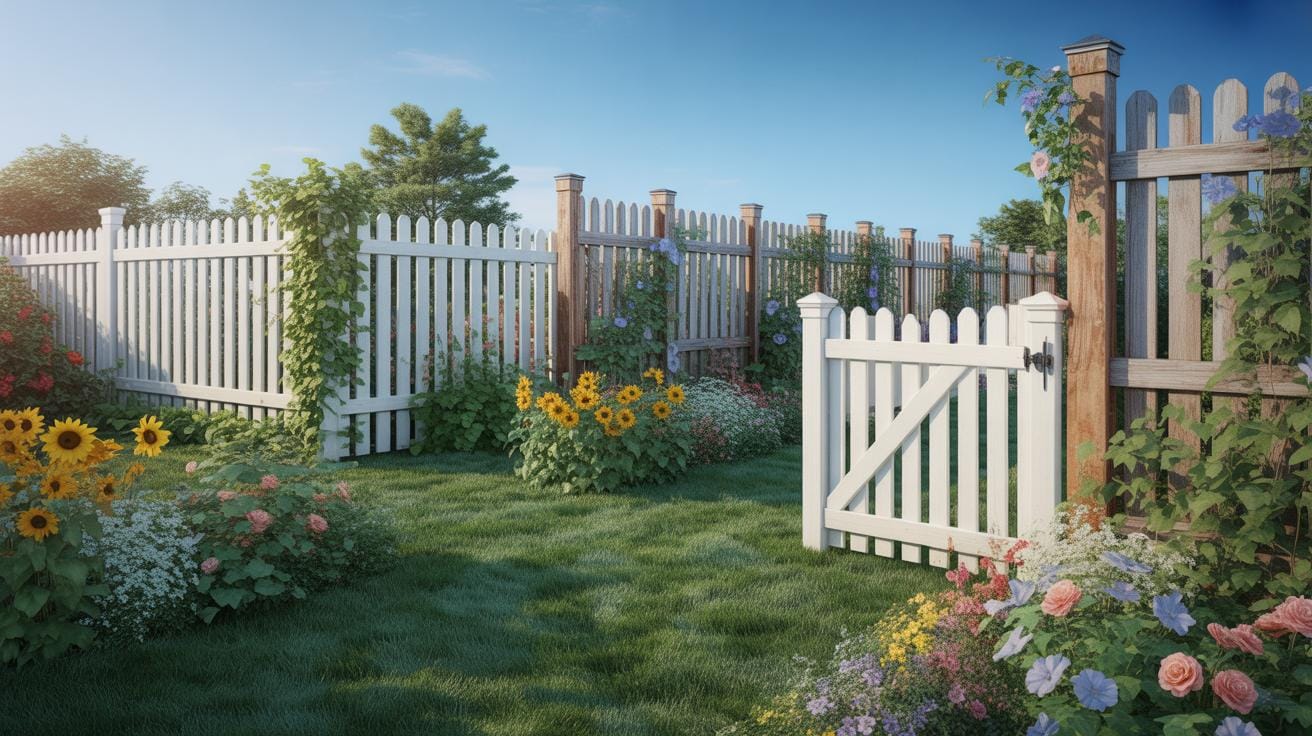
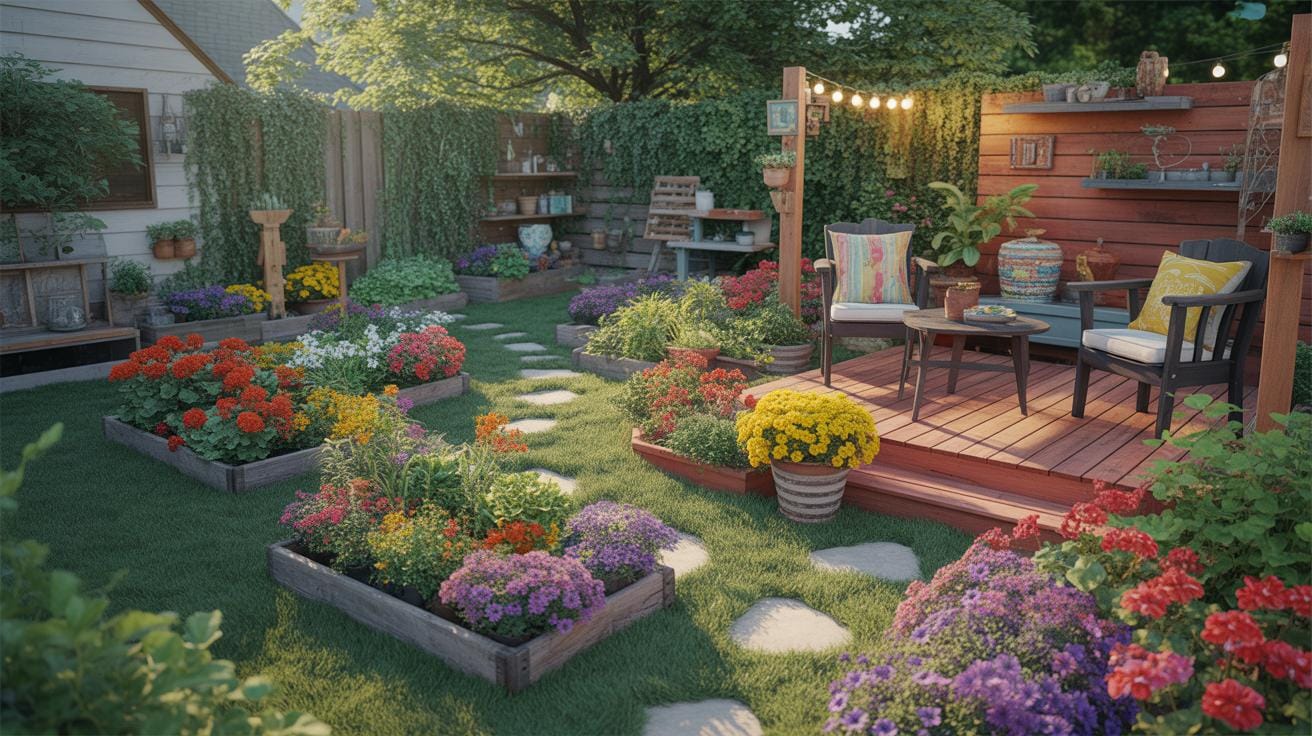
When thinking about easy backyard garden ideas that bring color and life, it helps to keep things simple. You could start with flower beds that are manageable and bright. Consider planting perennials that don’t need much fuss but still offer a variety of shades through the seasons. It’s not about an explosion of flowers everywhere, but more about thoughtful touches in specific spots.
Small vegetable patches also work well if you want something practical. You don’t need to dedicate endless space—just a corner can do. Even container plants can add charm and interest without a full garden layout. Pots can be moved around to find the best light or to change up your yard’s look easily.
Flower Beds And Borders
Starting a flower bed might sound complicated, but really, it comes down to picking plants that handle your backyard conditions without too much trouble. For most backyards, plants like marigolds, pansies, or coneflowers are decent bets. They’re hardy and flower for long stretches. Think about defining a small border area – maybe along a pathway or near your patio – and introduce a mix of these plants. It’s a small, neat project that quickly delivers visible results.
Vegetable Patch Basics
Vegetables don’t have to be intimidating. For beginners, growing lettuce, radishes, or bush beans is often rewarding because these vegetables grow relatively fast and don’t ask for much. Preparing the soil beforehand is worth spending some time on. Mixing compost into your soil adds nutrients and improves texture. You want a loose, well-draining soil so your veggies don’t struggle to take root.
Could you imagine picking fresh greens from your own backyard? That’s part of the satisfaction here. Getting your hands dirty, watching the plants grow, then harvesting—it’s a rewarding process, even if sometimes a bit unpredictable.
DIY Backyard Landscaping Tools List
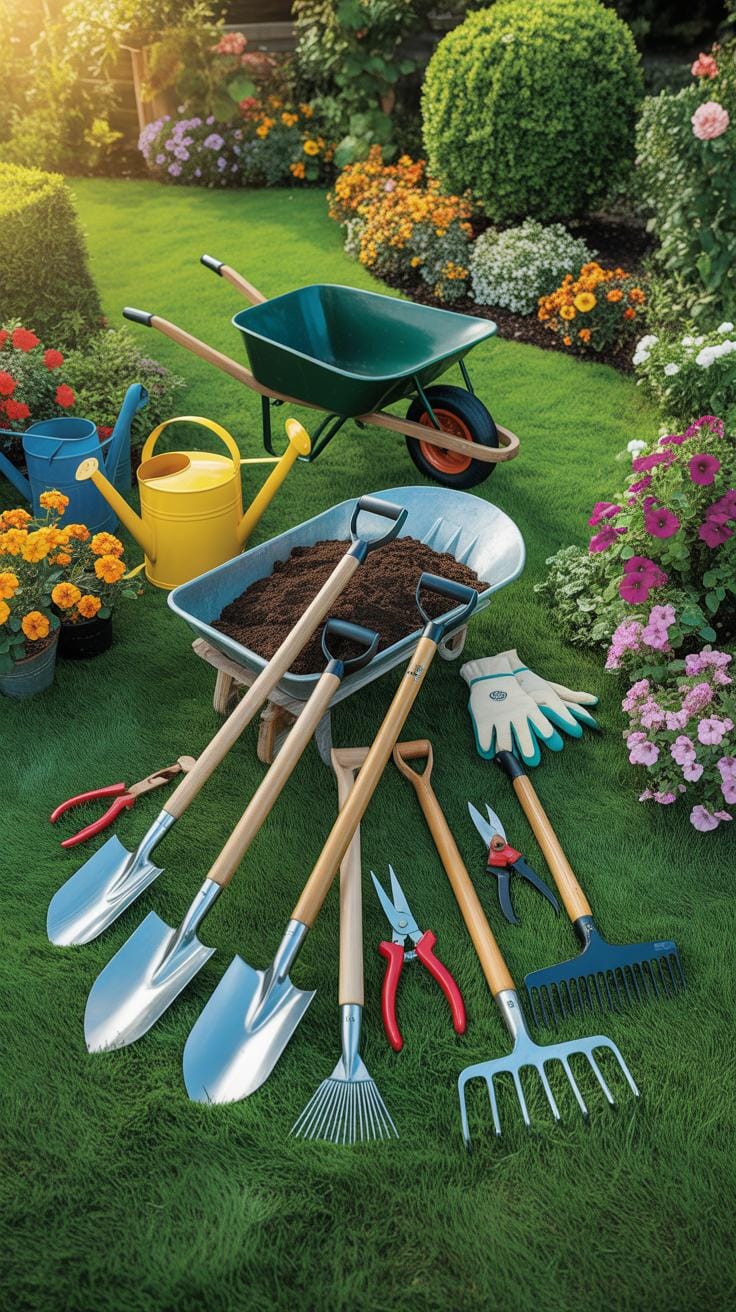
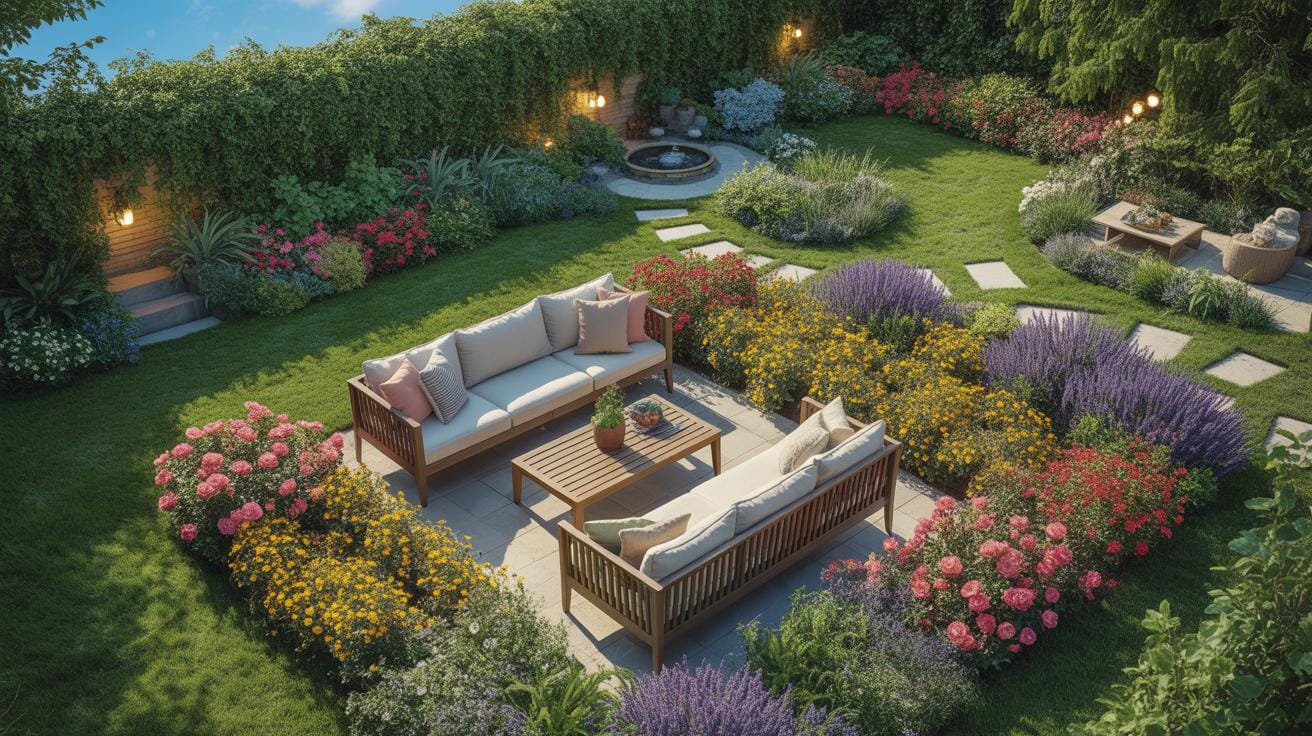
When you dive into DIY backyard landscaping, picking the right tools can really make a difference. Shovels are your go-to for digging holes or turning soil. Rakes help smooth out dirt or gather leaves, although sometimes they just scatter what you’re trying to collect. Gloves? Absolutely necessary to protect your hands from blisters or pokey plants.
Wheelbarrows pull double duty: they carry heavy mulch, soil, or plants, saving your back quite a bit of strain. Maybe you have a smaller space; even then, having reliable hand tools makes the work less tedious.
Basic Gardening Tools To Use
Some tools are almost always handy in your backyard tool kit. Spades are a step up from shovels, offering a flat blade perfect for edging beds or slicing through roots. Trowels—those tiny hand shovels—seem insignificant but are vital for precise tasks like planting bulbs or small plants.
Pruning shears trim small branches and shape bushes; they’re handy when your greenery starts looking unruly. Ever struggled with getting a clean cut on stubborn stems? A sharp pair of pruning shears makes all the difference, even if the first few tries feel clumsy.
Additional Equipment For Larger Projects
When your backyard plans grow bigger, consider tools beyond basics. A wheelbarrow is invaluable for moving bulky materials—without it, you’ll resort to laborious trips holding heavy bags. A garden hose is a workhorse, keeping newly planted areas well-watered and fresh. Maybe you’ll want a long hose or an adjustable spray nozzle to cover awkward spots more easily.
It’s true—initially, these tools might seem like extra costs, but they save time and energy. Think of the smooth workflow when you have the right gear at hand. If you start without a wheelbarrow, you might quickly realize just how often you need one, especially hauling soil or compost.
Steps To Prepare Your Backyard
Clearing And Cleaning The Area
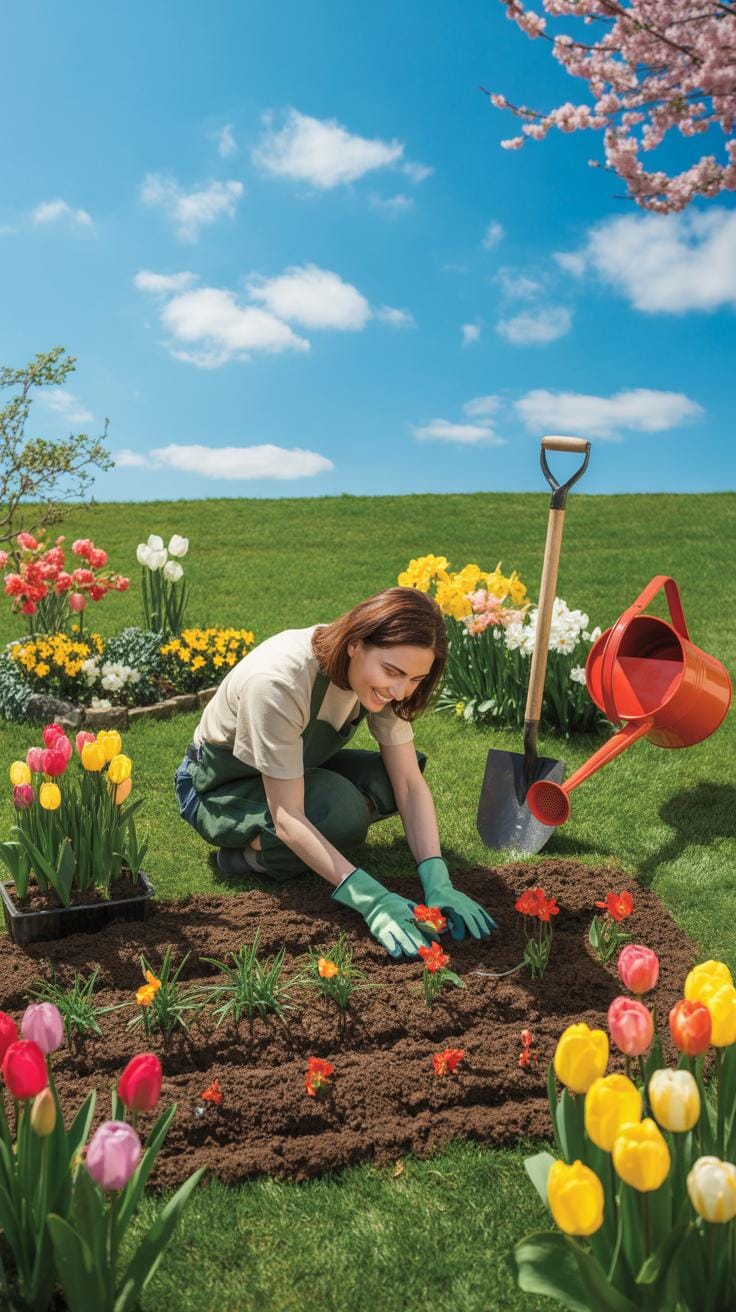
Start by removing any unwanted plants. This includes old grass patches, persistent weeds, and debris like fallen branches or trash. You might find that pulling weeds manually works best for small areas, but using a hoe or garden fork can make the job easier when dealing with larger spaces. For old grass and stubborn roots, consider renting a sod cutter or using a sharp spade to lift them out. It’s tempting to rush this step, but patience here saves trouble later on.
Once cleared, rake the area thoroughly. This simple step helps spot hidden debris you may have missed initially, like stones or bits of plastic. Clearing your backyard isn’t just about tidiness—it creates a clean slate for your plants to thrive.
Checking Soil And Drainage
Next, test your soil to understand its type and nutrient content. You can do a quick texture test at home by feeling the moisture and grit between your fingers—sand feels gritty, clay is sticky, and loam is soft and crumbly. For a more precise analysis, take soil samples to a local extension service or garden center. Knowing your soil’s pH and nutrient levels can inform what plants will flourish and if you need amendments.
Drainage is another crucial factor. Observe after rain or watering—does water pool or drain quickly? Poor drainage can choke roots and harm plants. If drainage is slow, you may need to install drainage systems or improve soil aeration with organic matter or sand. It’s a bit trial-and-error; sometimes what seems like too much water is just uneven soil that needs leveling.
Planting And Layout Strategies
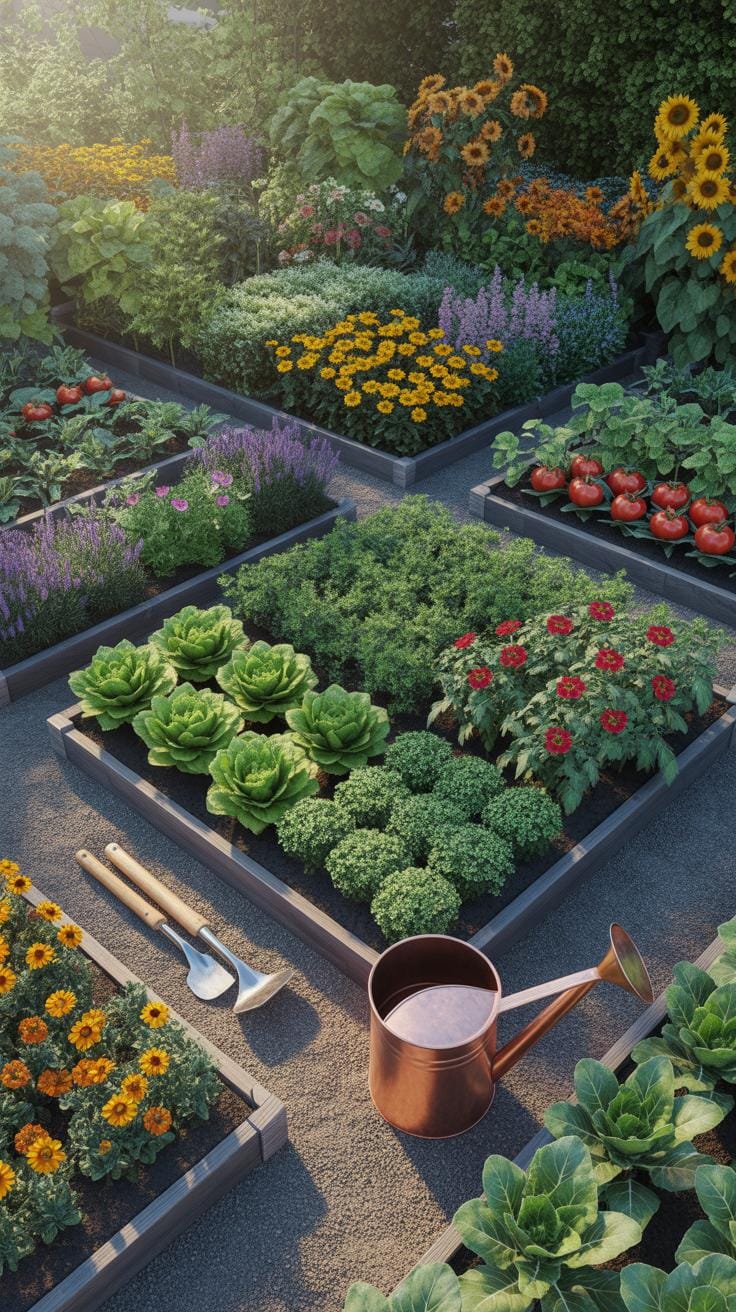
Planning the layout of your garden is more about understanding your space than just filling it up. Think about where the sun hits at different times of the day—morning light and afternoon shade can make a big difference for many plants. Maybe you’ve noticed how some spots stay moist longer or breeze through faster; take that into account too.
Start by sketching a rough map of your backyard. Mark sunny areas, shady patches, and wetter zones. Place taller plants where they won’t block sun from shorter ones, often at the back or center depending on viewing angles. Group plants with similar water needs together; it saves on watering effort and keeps them happy.
Introducing paths doesn’t need to be elaborate. Even simple stone or gravel walkways help define garden sections and keep feet dry. Borders made of wood, bricks, or plants distinguish spaces, creating an orderly look that kind of nudges you to keep things tidy. Paths invite exploration, while borders can prevent overgrowth creeping where it’s not wanted.
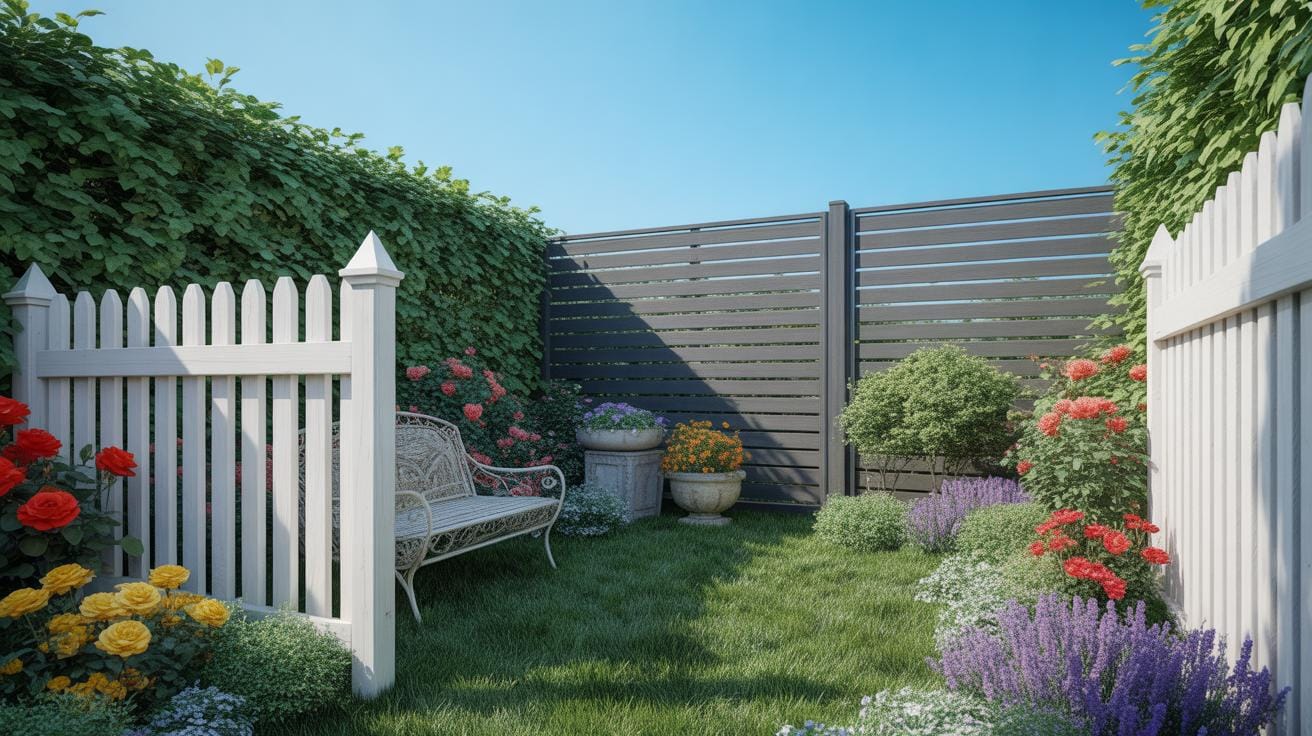
When setting paths and borders, consider where you want to walk daily versus areas best left for occasional visits. It’s a blend of practicality and aesthetics. Perhaps experiment with curved paths—they can soften rigid layouts and encourage a slower stroll to appreciate the plants.
Common Mistakes In DIY Backyard Projects
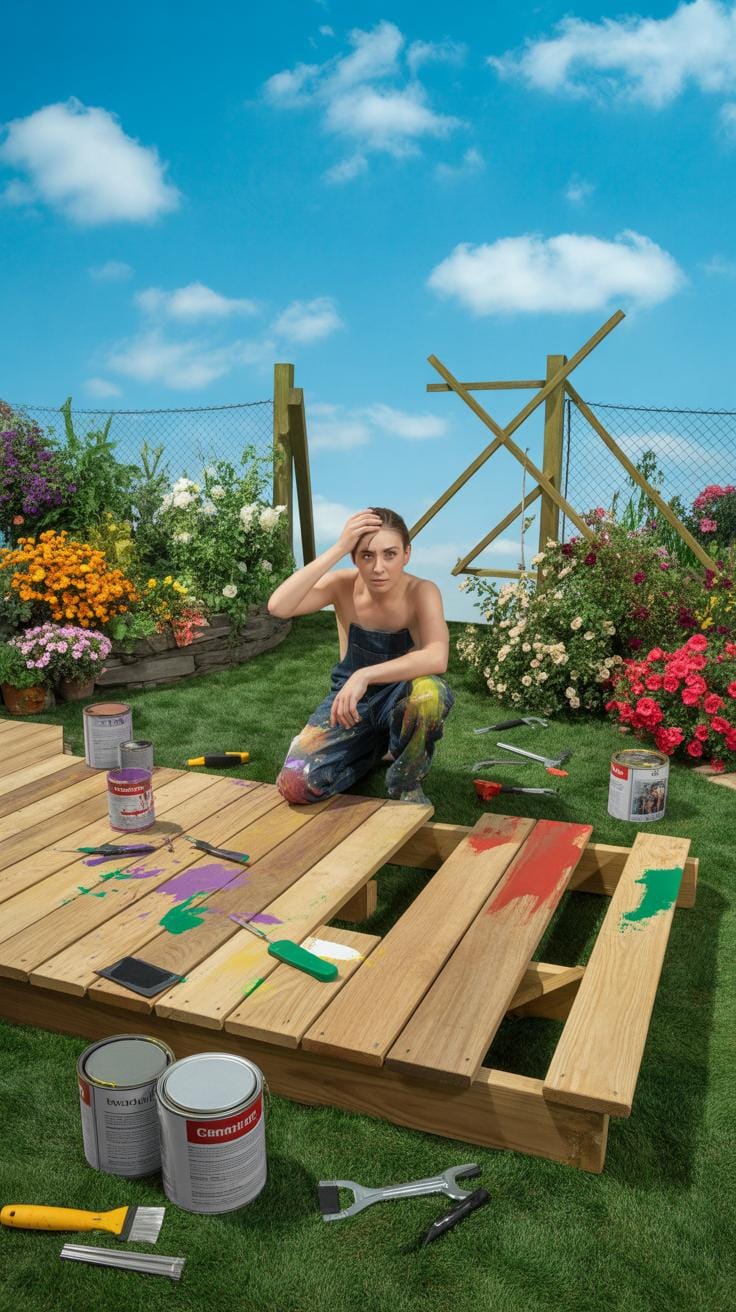
Planning Without Considering Climate
You might think any plant will do, but climate matters—big time. Imagine spending hours planting only to watch everything wilt because you chose the wrong species. I’ve seen people pick tropical plants in colder zones, and it’s heartbreaking when they don’t survive the winter. It’s not just about temperature; rainfall patterns, wind, even seasonal changes influence what can thrive. When planning, take time to research your climate zone, like USDA Hardiness Zones or similar standards used elsewhere. This knowledge saves money and effort. Don’t just guess or pick based on appearance alone.
Ignoring Maintenance Needs
It’s tempting to think a garden can take care of itself once planted. Sadly, that’s rarely true. Skipping regular care like watering, pruning, and pest control leads to a wild, overgrown mess or sickly plants. I once thought mulch lasts forever—only to find out it breaks down and needs replenishing yearly. Maintenance demands vary by plant and climate, so plan realistically. Ask yourself: will you remember to water daily in summer? Can you manage seasonal pruning? Without maintenance, even the best designs can fail.
How To Maintain Your Backyard
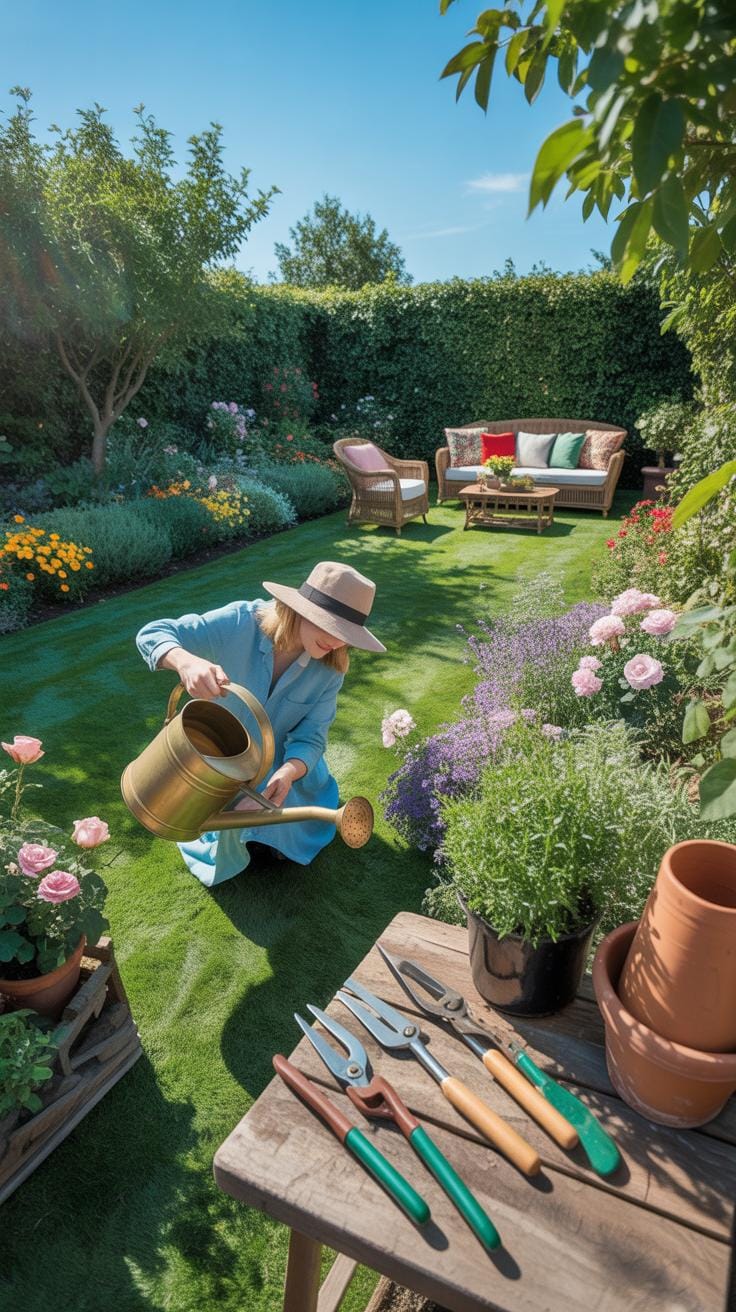

Keeping your backyard in good shape doesn’t require a complicated schedule. You can focus on a few basic routines that, over time, make a big difference. For starters, aim to water your plants early in the morning or late in the evening. It helps reduce evaporation, so your plants actually get the moisture they need. Maybe try sticking to a set day or two in the week, but keep an eye out—if the soil feels dry, a little extra watering might be needed.
Weeding can feel like a never-ending battle. Try to pull weeds when the soil is moist—it’s easier, and you get the roots out better. A hand tool can help you get into tight spots. You might think that pesticides are the only way, but some simple methods like mulching and companion planting can discourage pests naturally.
About soil care: once every season or so, loosen the soil around plants. This helps air and water reach the roots better. You may also want to mix in some compost now and then; it enriches the soil without overwhelming the plants. It’s a bit like giving your garden a light meal instead of a feast.
Watering Tips For Healthy Plants
Different plants have different needs, which can be a little confusing. Generally, leafy greens and flowers like their soil moist but not soggy, so shallow watering frequently works well. On the other side, succulents and drought-tolerant plants prefer deeper watering less often. For example, tomatoes might enjoy a thorough soak once or twice a week, while lawn grass often benefits from more frequent, lighter waterings.
When you water, try to focus on the base of the plants rather than the leaves; wet leaves can invite disease. And don’t forget to adjust depending on the season—plants usually need less water when temperatures drop. It might seem fussy, but tuning into these cues helps your plants thrive.
Weeding And Pest Control Basics
Weeds can steal nutrients and water from your plants, so regular removal is key. You could create a habit of inspecting your yard briefly each week and pulling out any weeds you spot early. It saves lots of hassle later.
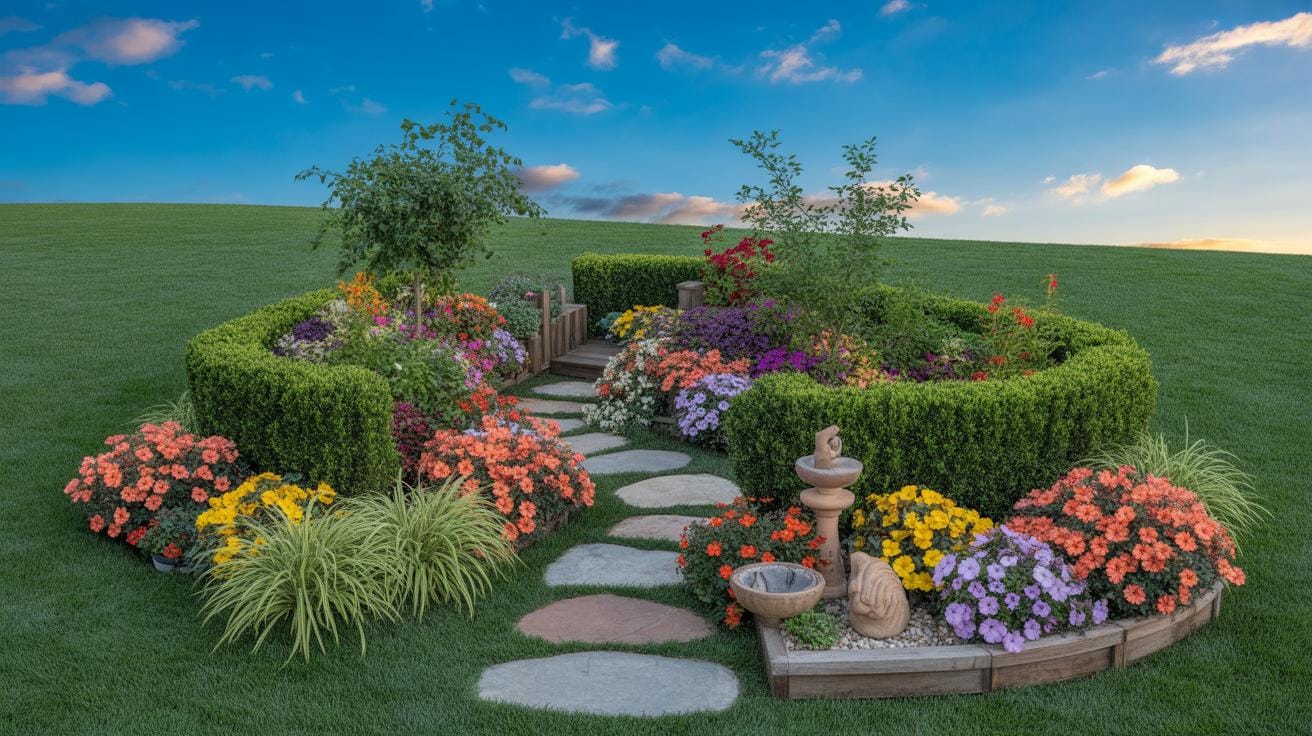
When it comes to pests, try starting with non-chemical options. For example:
- Using natural predators like ladybugs for aphids.
- Spraying a mix of water and a bit of dish soap to get rid of certain insects.
- Planting herbs like basil or mint nearby to deter unwanted bugs.
These methods might need patience and repetition, but they often keep your backyard healthier without harsh chemicals. And honestly, isn’t it nice to know what’s being sprayed around your home?
Examples Of Successful DIY Backyards
Small Urban Backyard Transformation
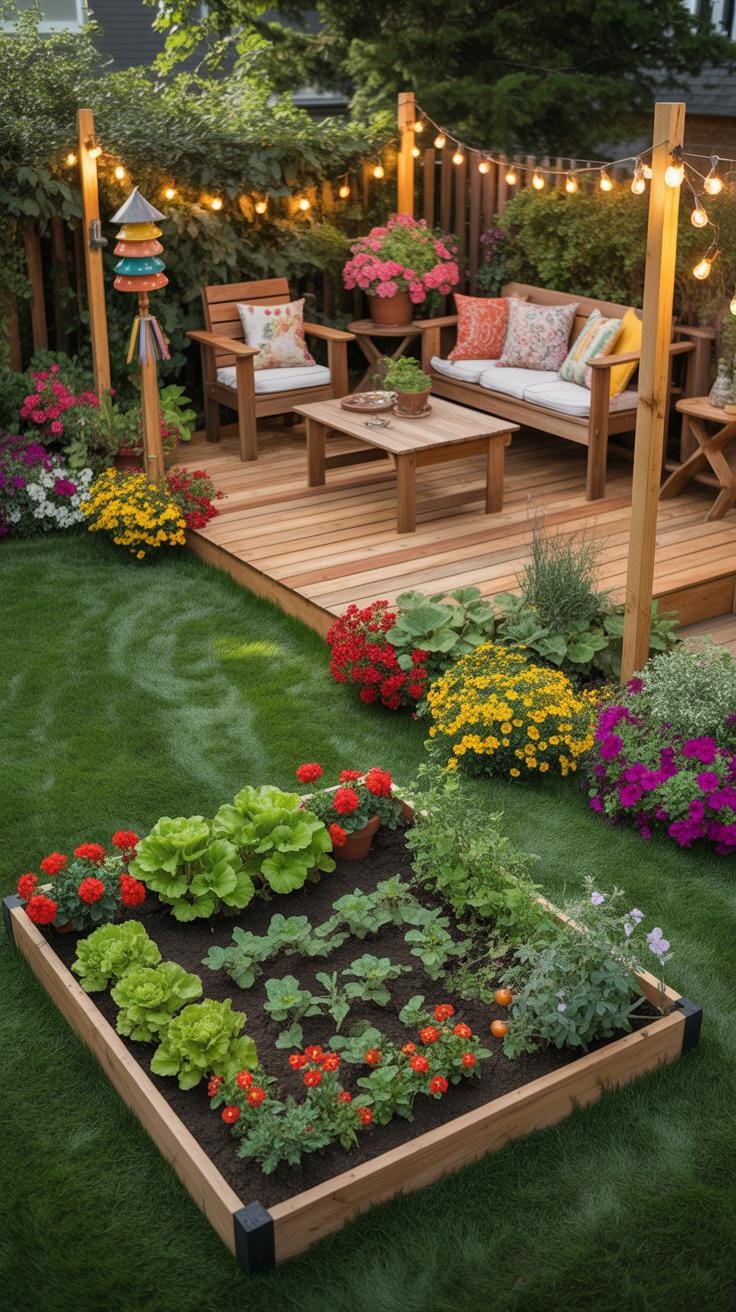
Take a small city yard, often overlooked for its lack of space or charm. With some effort, it can turn into a thriving garden. There was a modest project in Berkeley, California, where an old urban house with a tiny backyard became a self-sufficient space. The owners embraced simple, practical ideas: composting, container planting, solar energy, and even keeping chickens. It wasn’t about fancy landscaping or costly renovations but about creating a healthy, functional garden that fit the urban setting. The key was using what was already there and enhancing it. It made me wonder, how much of our own small spaces could we reframe like that?
Simple raised beds, vertical gardening, and creating zones for different plants made a big difference. You don’t need overwhelming changes; just focus on livability and utility. Even limited sunlight or soil can be managed if you choose the right plants and containers. The modesty of the space didn’t hold back the satisfaction it brought to the family.
Family Friendly Backyard Setup
Imagine your backyard designed so that everyone gets something out of it—kids have safe zones to play, and adults find spots to relax. There’s an example where a couple reshaped their backyard by dividing it into distinct areas: soft grass play zones for their children, a simple, low-maintenance garden for mom to enjoy, and a cozy deck with comfortable seating for evening chats. Safety was a priority, so fences and soft edges were added. Yet, it remained appealing and functional without overcomplication.
What stands out here is how straightforward ideas can cover many needs. A sandbox, a small climbing structure, and some shade trees created a playful space. At the same time, adults appreciated a fire pit corner and a small herb garden close to the kitchen door. It’s a reminder that DIY doesn’t mean cutting corners but tailoring spaces to what suits your family best.
How Costs Affect Your Backyard Plans
Budgeting For Materials And Plants
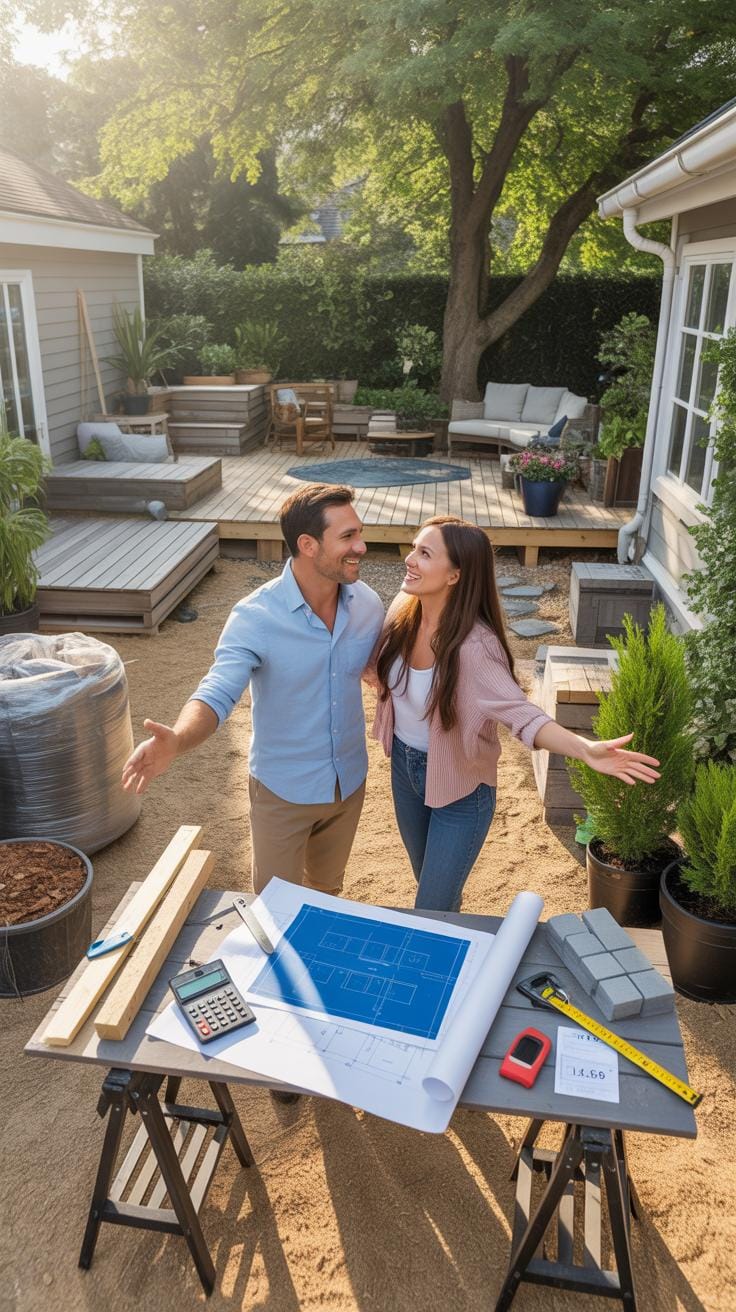
When estimating costs for your backyard projects, start by listing all the materials and plants you’ll need. Plants often vary widely in price depending on their size, type, and rarity. For example, younger plants can be cheaper but take longer to grow into the look you want. Conversely, mature plants give instant impact but can be pricey.
Materials like soil, mulch, stones, or wood each have a spectrum of prices, so choose carefully. Sometimes less popular, local materials offer great savings without compromising quality or appearance. It’s tempting to splurge on high-end products, but less expensive alternatives might work just as well—think patio pavers from a local supplier instead of a fancy garden store.
Saving Money With DIY Methods
Taking on work yourself is one of the easiest ways to stretch your budget. Excavation, planting, and building small features like flower beds or a simple fence can all be manageable tasks with time and effort. Plus, there’s a sense of satisfaction that comes when you look around and see what you achieved firsthand.
Recycling materials is another practical approach. Old bricks, reclaimed wood, even broken pots can find new life in your backyard designs. For instance, stacking old bricks creates charming borders, saving on buying new edging stones. It’s an approach that demands creativity, sure, but not necessarily more money.
Keep in mind that some tools are worth borrowing or renting instead of buying, especially if you only need them once or twice. It’s easy to underestimate tool costs, which can quietly add up. Have you thought about what you’ll need and where to get it affordably?
Conclusions
This guide has covered how to plan and carry out backyard landscaping using easy steps. By starting with a clear plan, choosing simple designs, and using the right tools, you can make your garden space better. Taking the time to prepare and understand your yard helps avoid problems later on.
Remember, landscaping your backyard can be fun and rewarding. With patience and care, your backyard will become a place for relaxing and enjoying nature. Small efforts now will lead to big changes you will appreciate for years.