

Introduction
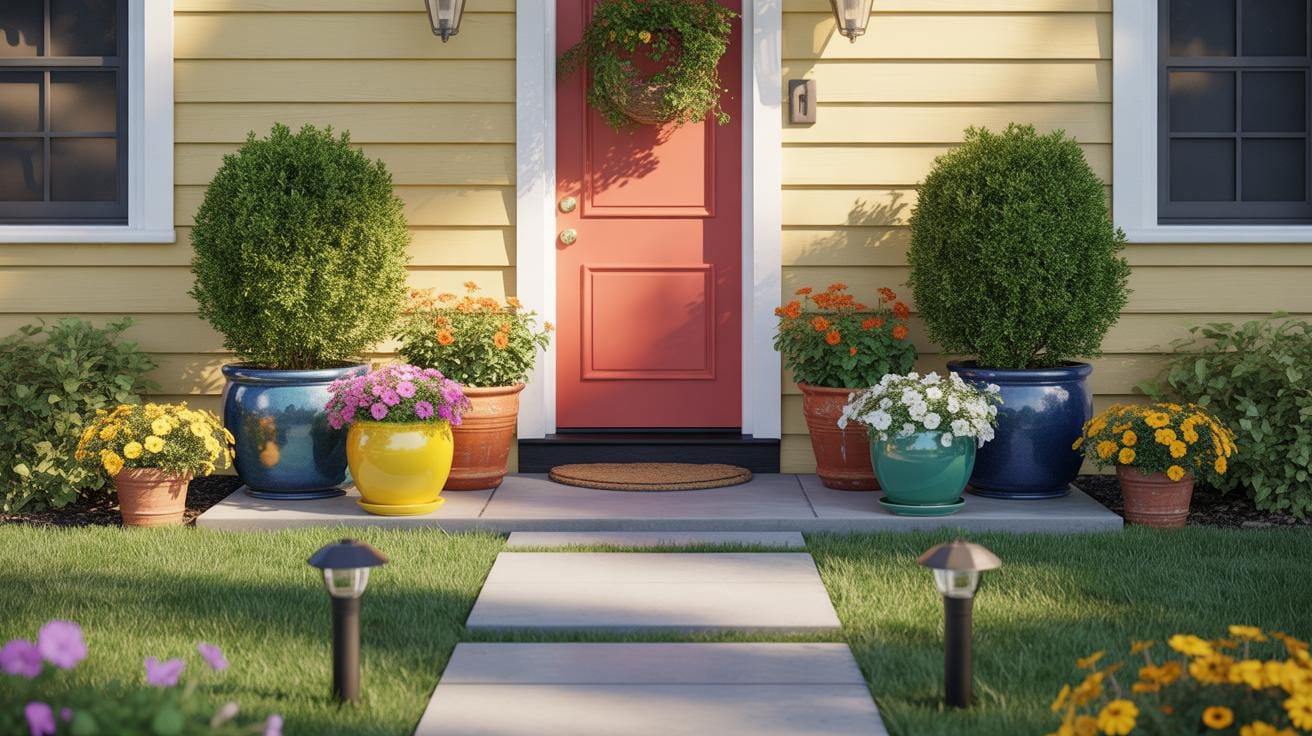
Curb appeal is how your home’s exterior looks from the street. Even small homes can look special with some simple, low-cost changes. This article shows you budget-friendly ideas to make your small house’s outside look better. These tips can help you enjoy your home more and might even raise its value.
We will cover easy ways to improve your home’s front view. You’ll learn about painting, planting, fixing, and arranging things around your house. The goal is to find useful ideas that you can do yourself without spending a lot.
Planning Your Budget Friendly Updates

When you’re facing the task of improving your small home’s curb appeal without breaking the bank, the first step is to get a clear plan. It’s more than just deciding to spruce up the front yard or paint the door; it involves setting a budget that won’t stretch your finances too thin.
Start by listing all potential fixes and then prioritize. What could be done quickly that might make a noticeable difference? Maybe the mailbox looks old or the walkway needs some tidying. These small touches often pack a punch visually without high costs.
Ask yourself: Which changes will deliver the biggest wow effect? For instance, a fresh coat of paint on the front door or adding bright flowers by the steps can dramatically lift the look. Meanwhile, expensive structural changes might be better saved for later or skipped.
How To Set A Spending Limit
Setting a reasonable spending limit means knowing what you can comfortably afford. Look over your finances more closely than you might usually—check if you can redirect some funds from non-essentials or household savings.
Don’t forget to hunt for deals on materials. Clearance paint, second-hand planters, or using cuttings from friends’ gardens can trim costs. It pays to be patient and open to alternatives here, even if that means delaying until the right deal comes along.
Choosing Changes That Matter Most
Picking updates that yield noticeable improvements means zeroing in on those that enhance the first impression. Fresh paint often tops the list because it instantly brightens and refreshes.
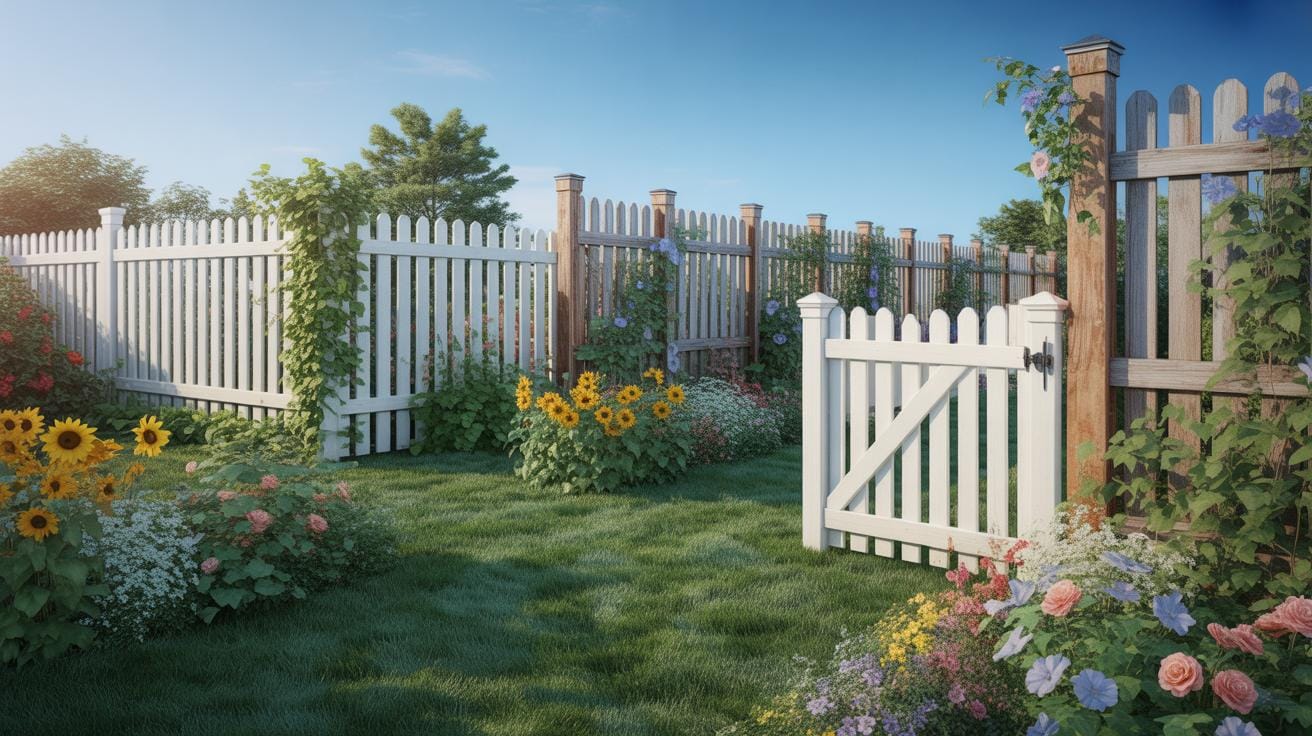
Planting flowers isn’t just about aesthetics; vibrant colors invite positive attention and soften harsh edges of a small home’s exterior. Fixing loose or damaged siding or cleaning windows can also surprisingly boost the overall appearance.
Try to see your home through the eyes of someone visiting for the first time. What’s the first thing they’ll notice? That’s your starting point.
Low Cost Painting Tricks For Fresh Look
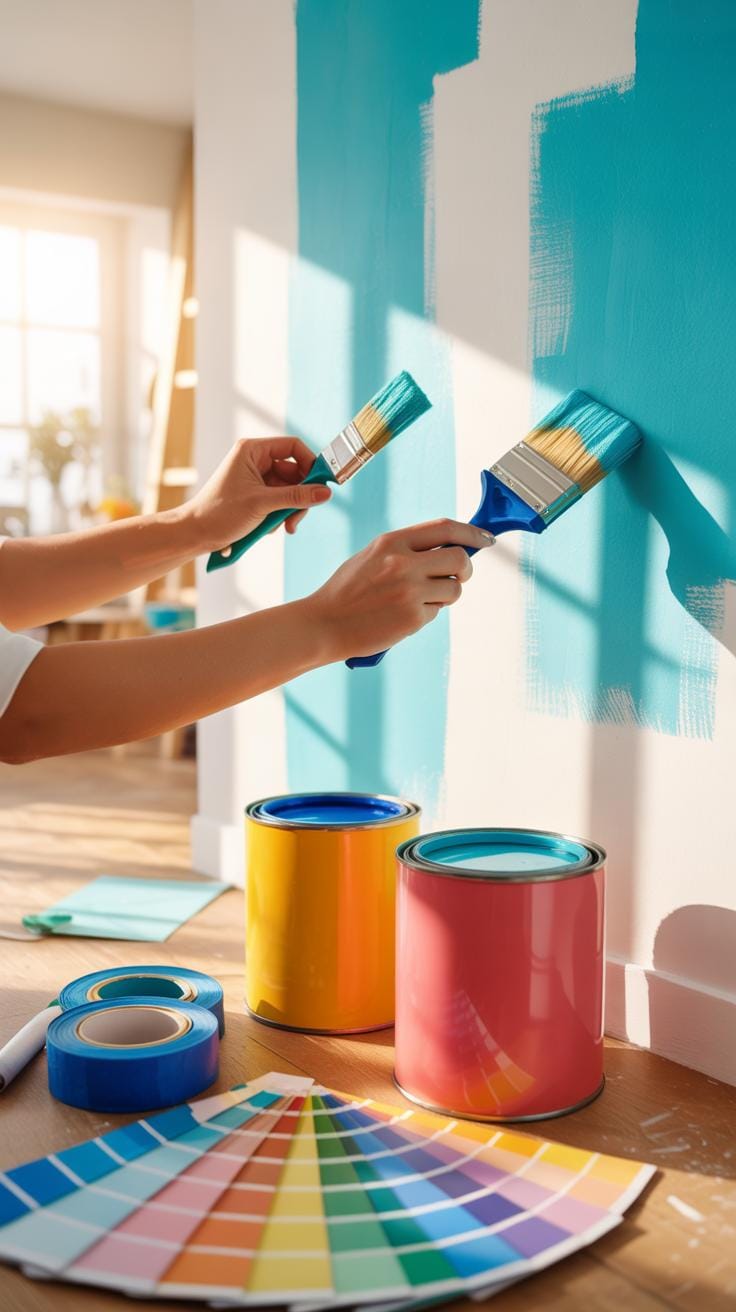
Giving the exterior of your small home a fresh coat of paint is one of the most cost-effective ways to boost curb appeal. You don’t need to spend a fortune on professional painters—DIY approaches can work just fine, even for beginners. Investing some time in prepping surfaces, like washing off dirt and scraping flaky paint, goes a long way in achieving a smooth finish.
When selecting colors, keep in mind that lighter shades can make your home seem larger, while bold hues add personality. A fresh color always grabs attention, so picking something that contrasts nicely with your roof and landscaping can lift the entire look. But, it’s a bit tricky since trends come and go; you might want to stick with safe, classic colors if longevity is your goal.
Best Areas To Paint For Quick Impact
Focusing your painting efforts where it matters most can really maximize curb appeal without overwhelming your budget. The front door is an obvious choice—it’s like the home’s welcome mat, telling visitors what to expect inside. A brightly painted door can create an instant focal point.

Don’t overlook shutters, window trim, and porch railings either. These smaller elements frame your house and add charm. Even just repainting these details can make your home feel updated. Sometimes, just refreshing these accents makes the entire home look cleaner and better cared for.
Affordable Paint Types And Tools
You don’t have to spend a lot to find quality exterior paint. Brands like Behr, Glidden, and Valspar offer affordable paints that hold up well to the elements. These options often come in various finishes, such as satin or semi-gloss, both good for exterior durability.
On tools, basic brushes and rollers are enough for most jobs. Consider buying reusable painter’s tape and a sturdy drop cloth to protect your landscaping. If budget allows, a paint sprayer can speed up large surfaces, but it’s not necessary and might end up more complex than helpful for small homes.
One thing I learned trying these projects? Sometimes a simple change in paint can feel like a mini-reinvention of your home’s personality. It’s not just about color; it’s about the sense of care and pride your home projects when well-kept and fresh.
Planting Ideas For Small Spaces
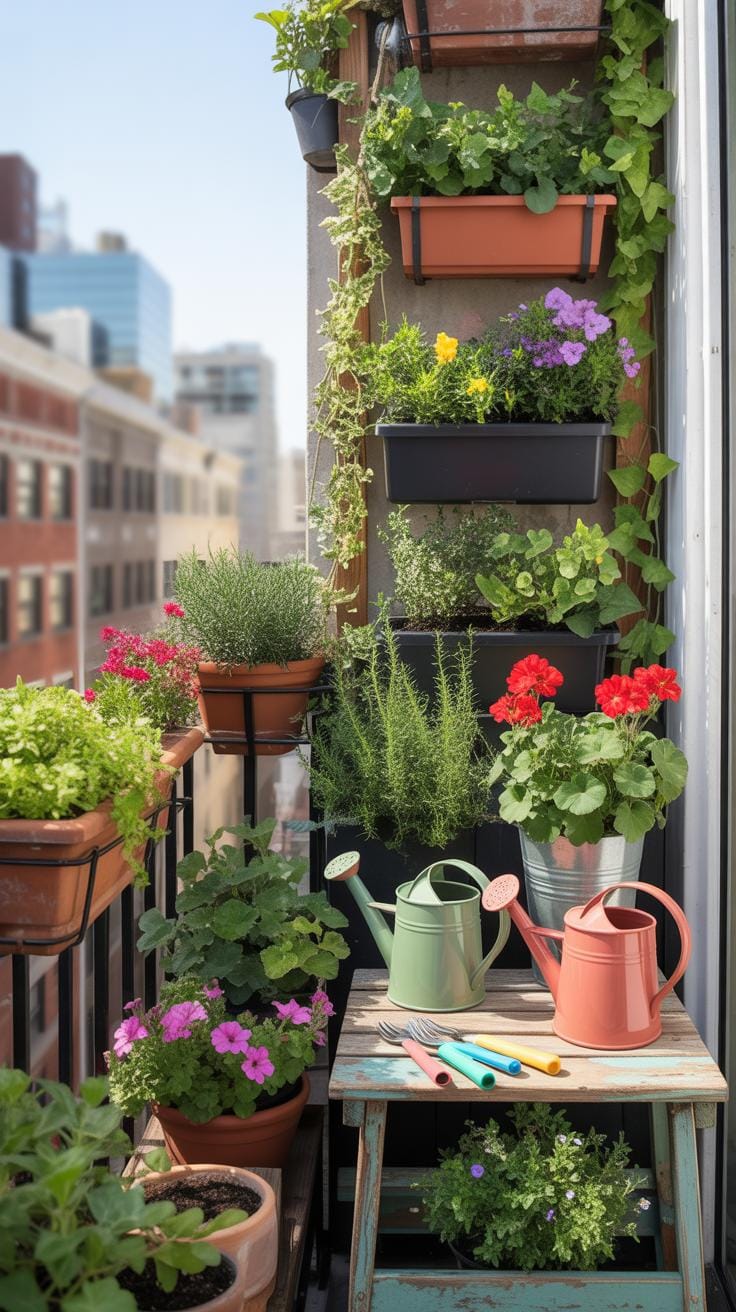

When it comes to planting in small spaces around your home, it’s tempting to cram in as much as possible. But really, less can be more. Trying to fit a jungle into a tiny front yard often backfires—it looks messy and requires constant upkeep. Instead, think about a few well-chosen plants that bring some life without overwhelming the space.
Consider these easy, low-cost plants that work well in small exteriors:
- Succulents – they don’t need much water and stay compact.
- Lavender – adds color and scent, plus it’s pretty tough.
- Hostas – good for shaded spots and have nice broad leaves.
- Boxwood shrubs – small, neat, and easily shaped with a little trimming.
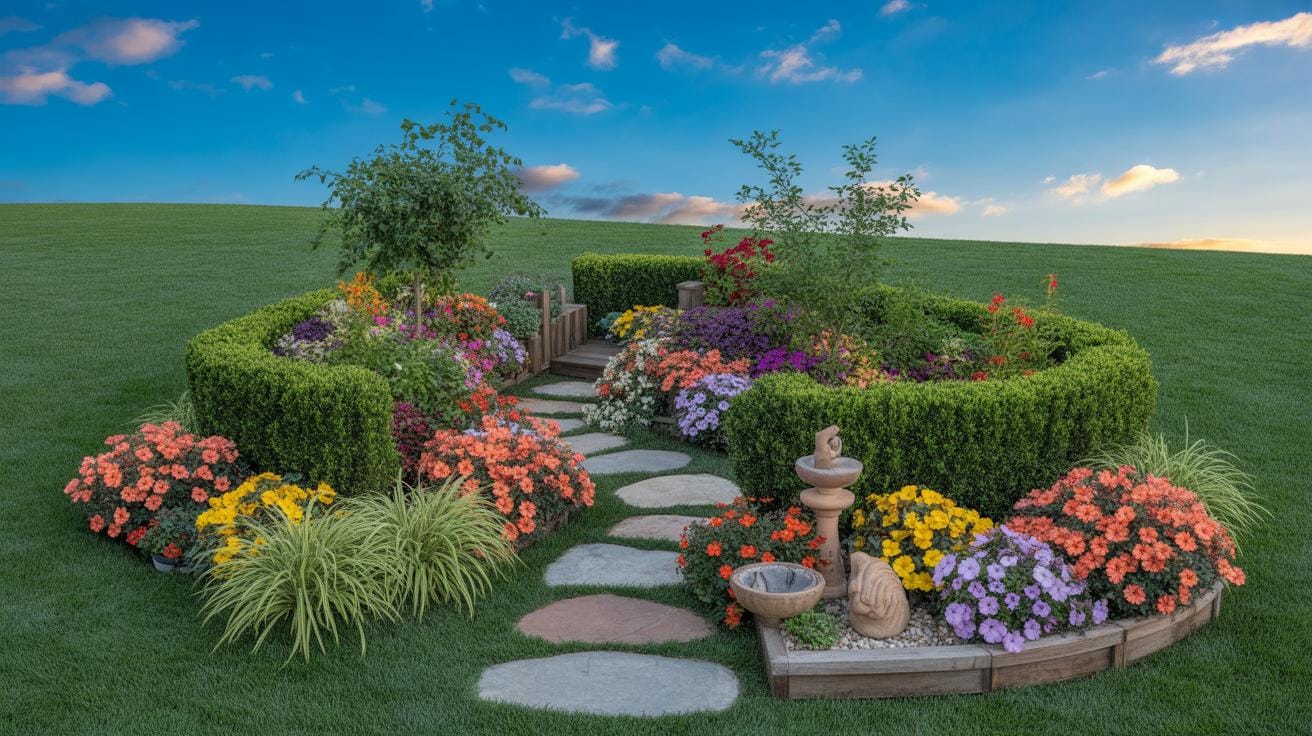
Simple landscaping techniques help too. You might try planting in small raised beds or containers. Vertical gardens on walls can save ground space and still offer greenery. Keeping a consistent theme or color palette also helps the area feel intentional rather than cramped. Sometimes, a well-placed pot can change the whole vibe. It’s worth playing around a bit before deciding.
Choosing Plants That Fit Small Spaces
It’s easy to be drawn to big, flashy plants when you want more curb appeal. But for tiny fronts or narrow beds, the wrong choice becomes a headache. Your plants need to stay neat without too much fuss, and that means focusing on size and growth habits more than anything else.
Some thoughts to guide your choices:
- Pick slow-growing or dwarf varieties – they take up less room over time.
- Opt for evergreens for year-round structure, mixing in simple seasonal blooms.
- Think about the height too—starters at the back or center, trailing or ground covers in front.
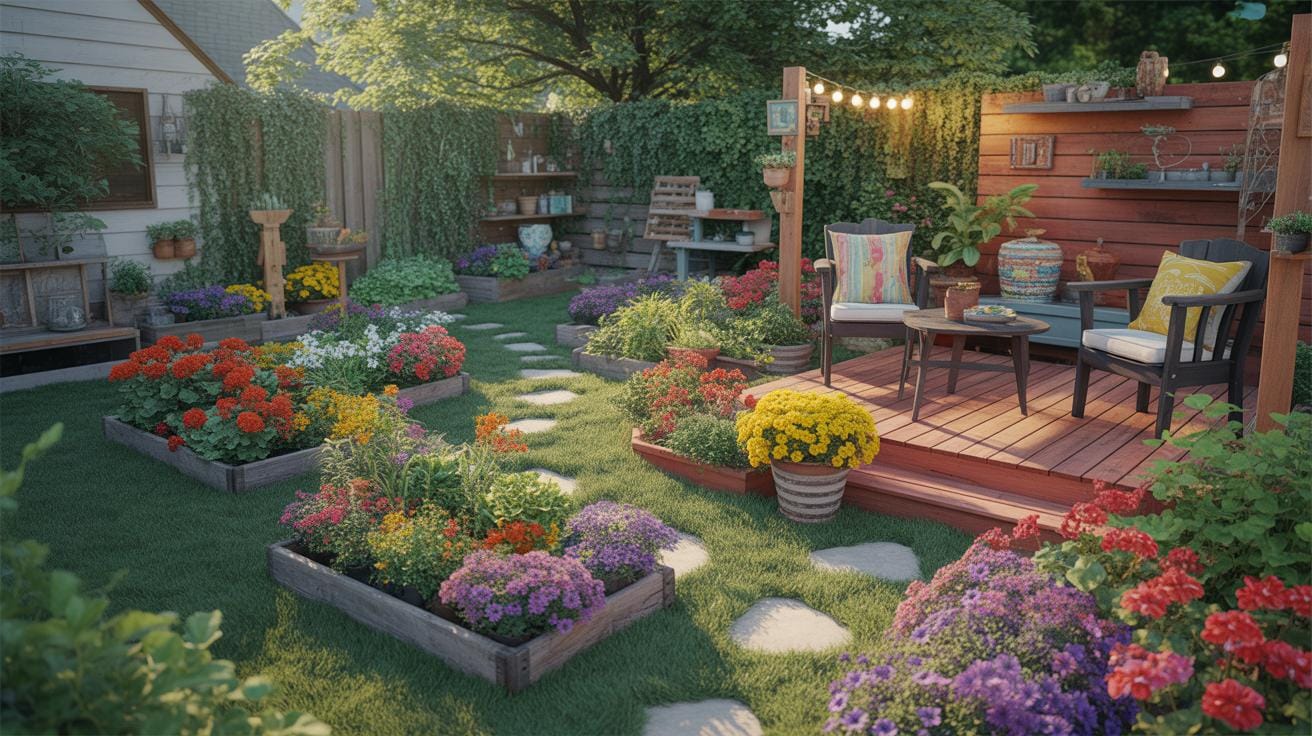
Have you noticed how some plants just seem to want to take over? Avoid those in tight spaces, unless you fancy always trimming back. A little patience with choosing these plants saves lots of effort down the road. Remember, the goal is adding personality without overcrowding.
Simple Garden Layouts That Look Neat
Designing a garden in a confined space can feel tricky, but it doesn’t need to be complicated. Often, straight lines and clear edges make a small garden seem larger and easier to maintain. That said, a strict grid pattern can feel too formal or dull.
Try these simple layout ideas:
- Group plants in odd numbers, like threes or fives, for a natural balance.
- Create narrow curving paths or borders rather than square blocks.
- Mix hard surfaces with greenery—like stone stepping stones beside low shrubs.
Most importantly, leave enough space to walk, so the area doesn’t feel cramped. It’s easy to want to fill every inch, but allowing some breathing room keeps things visually appealing. Sometimes neatness comes from what you leave out, not just what you include.
Fixes That Make A Noticeable Difference
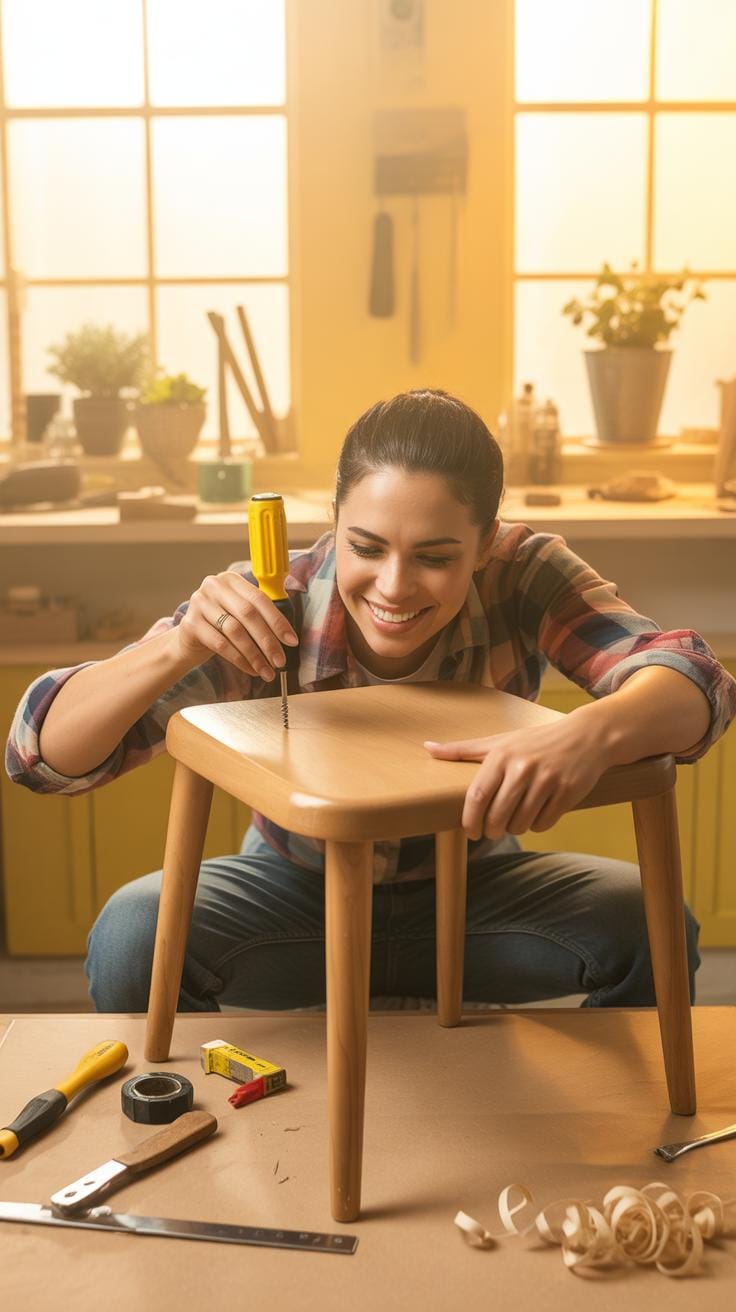
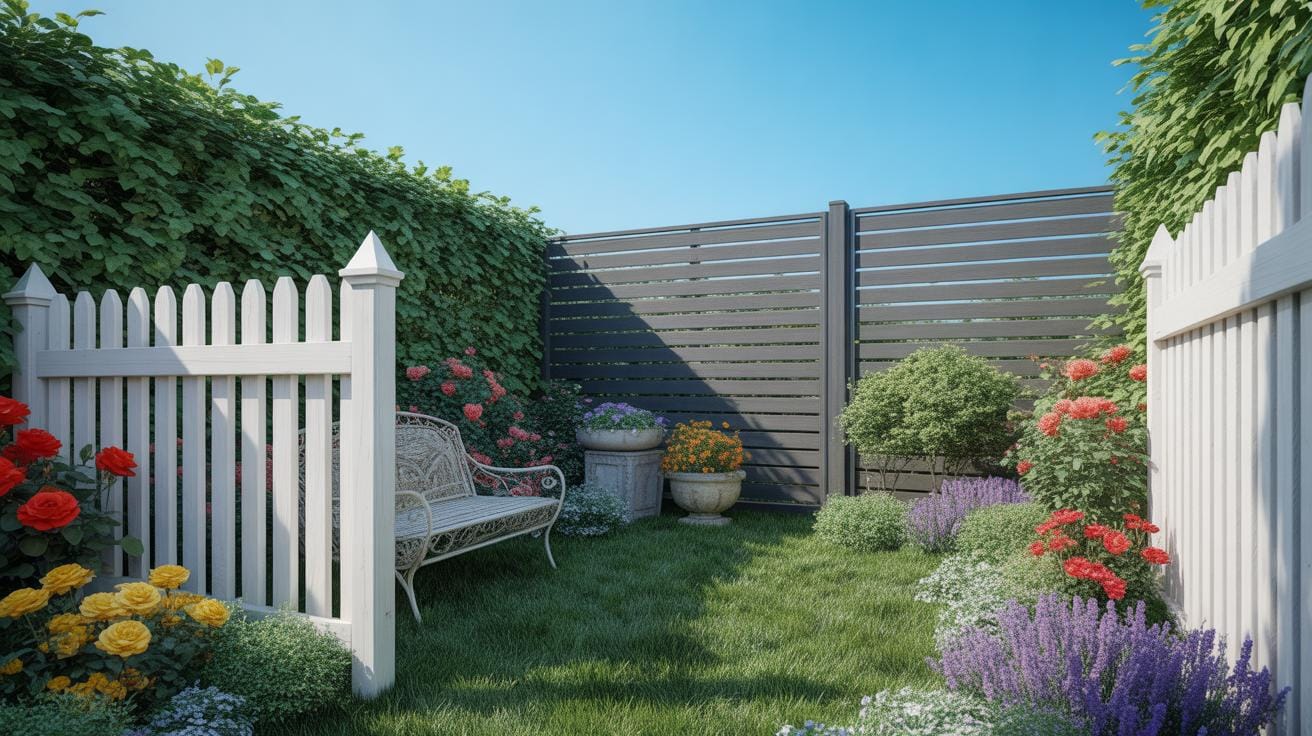
Sometimes, the smallest repairs can change how your home looks on the outside a lot more than you’d expect. A quick glance at your gutters—are they clogged or sagging? Cleaning them out not only helps with curb appeal but also prevents water damage over time. Is your fence leaning or chipped? Fixing or repainting it can sharpen your home’s outline. Walkways often get overlooked, but sealing cracks or replacing a few stones can make the path inviting again. Here’s a checklist that might help:
- Clear leaves and debris from gutters and downspouts
- Mend any broken fence posts or replace worn boards
- Repair cracks or uneven sections in walkways or driveways
- Touch-up peeling paint on doors, shutters, or trim
- Clean exterior windows and doors for a polished look
Even small efforts like these suggest care and upkeep, which instantly give your home a fresher face.
Tackling Common Exterior Repairs
You don’t need to be a pro to handle many small fixes outside your home. Take that fence post, for example. Remove the damaged one, dig a new hole, and use quick-setting concrete to keep a new post steady. For walkways, mixing a patching compound right from the store and filling cracks is straightforward work. It’s a little mixing, a little smoothing, then letting it dry. Cleaning gutters? Just use gloves, a scoop, and a hose to flush out debris. The key? Take your time. These fixes might be simple, but rushing can mean redoing.
Tools You Need For Quick Fixes
Before you jump into repairs, make sure your toolbox is ready because even the simplest tasks need the right tools. At the very least, you might need:
- Gloves for protection
- A hammer and nails for fence repairs
- A screwdriver or drill for tightening loose parts
- A putty knife for filling cracks in walkways or walls
- A bucket and sponge for cleaning gutters
- Sandpaper or a wire brush for prepping surfaces before painting
Having these tools handy makes repairs less frustrating and speeds up the process. It’s a bit like cooking: if you’ve got all ingredients ready, things run smoother.
Creative Decorative Touches Affordable Ways to Boost Your Small Homes Exterior
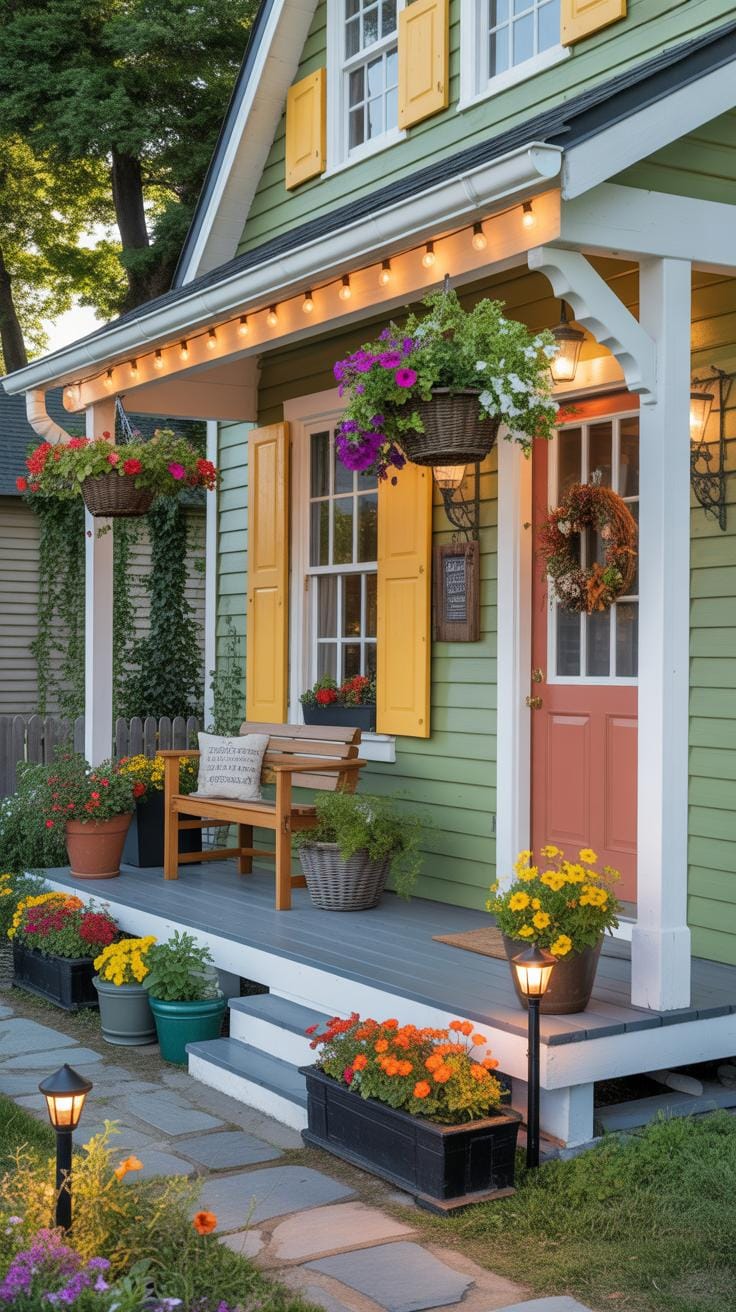

Adding decorative elements can be surprisingly budget-friendly, and small details often pack a stronger punch than big, costly projects. Consider the charm of a crisp welcome mat; it’s practical yet inviting, creating an instant sense of warmth without demanding much spend.
For instance, custom or stylish house numbers are not just functional—they can also serve as subtle art, expressing your home’s personality. You don’t need something flashy; even carefully painted or uniquely mounted numbers can turn heads.
Outdoor lighting provides more than just safety. String lights or solar-powered fixtures bring a soft glow that highlights architectural features or landscaping, making your home feel friendlier during evenings. It’s worth playing around with light placements—some spots catch the eye better than others.
When choosing decorations, you want them to harmonize with your home’s style. A coastal cottage vibe calls for different touches than a modern minimalist. Ask yourself: does this piece feel like it belongs here, or does it stick out oddly? Sometimes, simple choices work best; overdecorating can overwhelm small spaces and dilute the overall effect.
Position matters. Placing decorations near windows, around the front door, or lining a pathway can guide visitors’ eyes and make the most of your small exterior. Think about natural focal points or spots that catch daylight. Play with heights and layering to create dimension. It might feel trial-and-error, but that’s part of the fun—what looks good on paper might not quite translate in real life.
Smart Lighting Options Under Budget

Lighting can make a significant difference to your home’s exterior, especially at night, but it doesn’t have to break the bank. One of the simplest ways to enhance visibility and appeal is by installing solar lights along walkways. These lights work by collecting sunlight during the day through small panels and then using that stored energy to glow softly after dark. This means no wiring or electricity costs, which can be quite freeing for a budget-conscious homeowner. Plus, they tend to gently highlight the path, making it safer and a bit more inviting.
When it comes to affordable fixtures that add a touch of charm, modest spotlights or lantern-style lights clipped to your porch can work wonders. They don’t have to be flashy or expensive — even small LED fixtures aimed at your house’s architectural features or garden plants provide subtle yet noticeable accents. It’s surprising how a little light in the right spot can cast intriguing shadows or draw the eye to details you hadn’t even noticed before.
Sometimes, less is more. You might not want your whole house glowing like a lighthouse but strategically placed lights, whether solar or LED, can turn the ordinary into something quite pleasant. Giving some thought to position and style could mean a big boost for your home without spending a lot — just a bit of planning and experimentation.
Maintaining Your New Curb Appeal
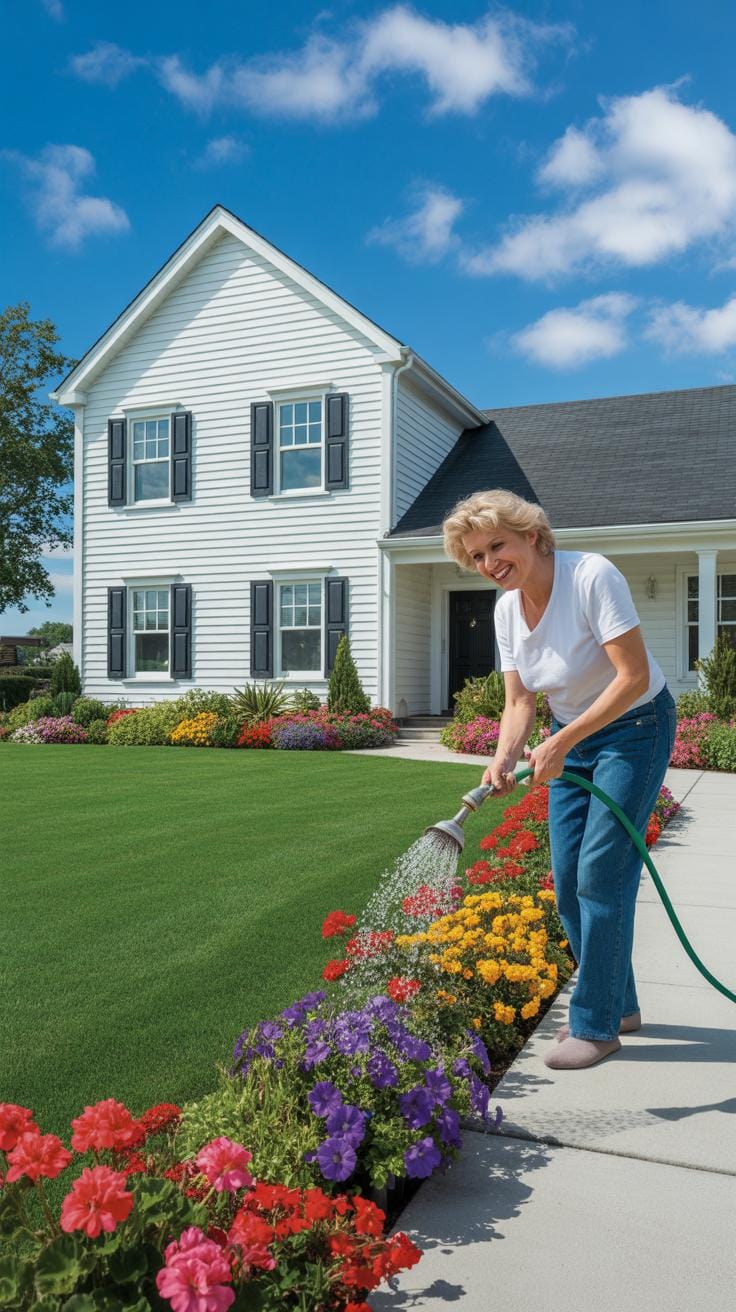
Keeping your home looking good after you’ve made updates doesn’t have to be a chore. A simple routine can go a long way—like watering plants just enough so they stay healthy but not overwatered. I mean, it’s easy to forget, but a little consistent attention makes a big difference. Cleaning surfaces like windows, porch railings, and walkways once in a while helps prevent grime buildup that dulls everything down. Seasonal checks, such as clearing gutters in fall or inspecting paint in spring, help catch problems early. The routine doesn’t have to be perfect—sometimes you skip a day or two—and that’s okay too.
Daily And Weekly Upkeep Tasks
Think about doing these quick jobs regularly. They stop wear and tear from showing too much:
- Wiping down door handles and light fixtures to keep them bright and welcoming.
- Brushing off dirt and debris from the porch and steps.
- Snipping dead flowers or leaves from plants—this one’s satisfying, you get immediate results.
- Checking for spider webs or insect nests around the doorway or windows.
- Regularly sweeping the driveway and sidewalks.
These little habits prevent your exterior from slipping into a neglected look. It’s easy to overlook outdoor clutter—sometimes just picking up stray leaves makes the whole place feel fresher.
Seasonal Checks To Stay Prepared
Every season brings its quirks that can affect your home’s face. For example, after winter melts, checking for cracks in walkways or peeling paint can save you from expensive fixes later on. In spring, examine trees and shrubbery for overgrowth or branches that might damage siding in storms. Fall is the time for gutter cleaning to stop water from pooling near your foundation. If you live somewhere hot, summer might demand extra watering routines or shading plants.
Doing these seasonal tasks might seem like extra work, but they actually help avoid bigger headaches. It’s a bit like preventive maintenance—not glamorous, but you’ll notice if you skip it. Sometimes it feels like a guessing game which task matters most, but if you keep a rough schedule, your home’s charm will hold through the year, no question.
Comparing DIY Versus Hiring Help
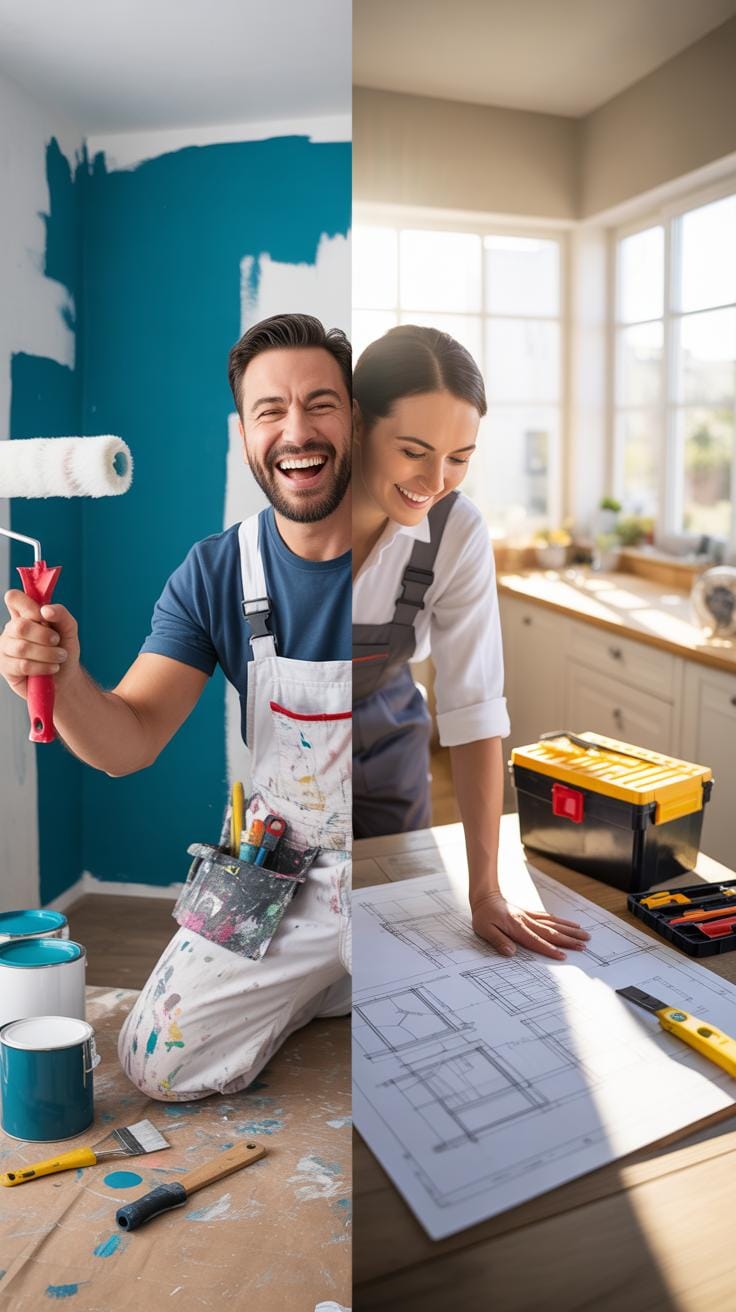
When it comes to curb appeal, deciding whether to tackle projects yourself or hire a professional can be tricky. You might save money by doing simple tasks on your own, but sometimes the cost of fixing mistakes later can outweigh those initial savings. Basic projects that require just a few tools—like planting flowers, painting shutters, or cleaning walkways—can be handled by most homeowners. These are the kind of jobs where you build skills as you go, maybe even mess up once or twice, but gain a sense of accomplishment.
On the other hand, more involved work, such as installing new siding, major landscaping, or electrical lighting, often calls for an expert’s touch. Professionals have the know-how to avoid costly errors and can often finish faster. Still, it’s not always black and white. For instance, if a project looks overwhelming but you have some DIY experience and time, you might manage it safely. However, if mistakes could damage your home or become dangerous, it’s usually smart to hire help.
Ultimately, the choice depends on your confidence, budget, and what the job involves. Asking yourself if the project requires special skills or permits can guide that decision. Some things look simple but require a steady hand and knowledge, so give it some thought before grabbing the hammer or dialing a contractor.
Simple Projects You Can Do Yourself
There are lots of curb appeal fixes that don’t need professional tools or experience. Here are a few you might consider if you feel handy:
- Painting your front door or window trim to add a fresh pop of color
- Adding potted plants or fresh mulch around your porch
- Power washing the driveway, siding, or walkways to brighten things up
- Installing house numbers or a new mailbox to improve curb charm
- Replacing outdoor light bulbs or adding solar path lights for a welcoming glow
These jobs almost always just need standard tools like brushes, a drill, or a hose. They’re relatively low-risk, and you can spread them out over a weekend or even smaller chunks of time, no rush.
When To Call A Professional
Signs that a job is best left to professionals tend to show up in the form of complexity or risk. If you’re dealing with:
- Electrical work that connects outdoor lighting or security cameras
- Structural changes, like building or fixing a porch or deck
- Extensive electrical, plumbing, or gas-related outdoor installations
- Major landscaping involving tree removal, grading, or drainage solutions
- Projects needing permits or local code inspections
Trying to do these yourself can backfire quickly. It might seem cheaper upfront to try, but mistakes here can lead to safety concerns or costly repairs. Professionals bring not just skill but also experience negotiating codes and using specialized tools. Sometimes, it’s about peace of mind—and yes, that alone can be worth the extra money.
You might feel tempted to dive in, but if you stop and ask, “Could I really handle this well? What if something goes wrong?” you might find the answer leans toward hiring. In the end, curb appeal is about pride in your home—and sometimes, knowing when to call a pro is part of that.
Conclusions
Improving your home’s curb appeal on a budget is possible with a few smart moves. You don’t need to spend a lot, just focus on small changes that look neat and fresh. Pay attention to the paint, plants, and tidy up your yard and walkway. These steps make a strong first impression to visitors and buyers.
You can pick ideas that suit your time and money. Remember to avoid common mistakes like over-cluttering or ignoring maintenance. These changes can make you proud of how your home looks every day.