


Introduction
Coastal Gardens Design Ideas For Stunning Beach House Garden focus on creating beautiful, functional outdoor spaces by the sea. Coastal gardens face unique challenges like salty air, strong winds, and sandy soil. This article will guide you through practical steps to build a durable and attractive garden in such conditions.
You will learn how to select appropriate plants, arrange the garden layout, and incorporate features that complement a beach house setting. Applying these ideas will make your coastal garden a pleasant extension of your home where you can enjoy nature and relax.
Identifying Coastal Garden Challenges
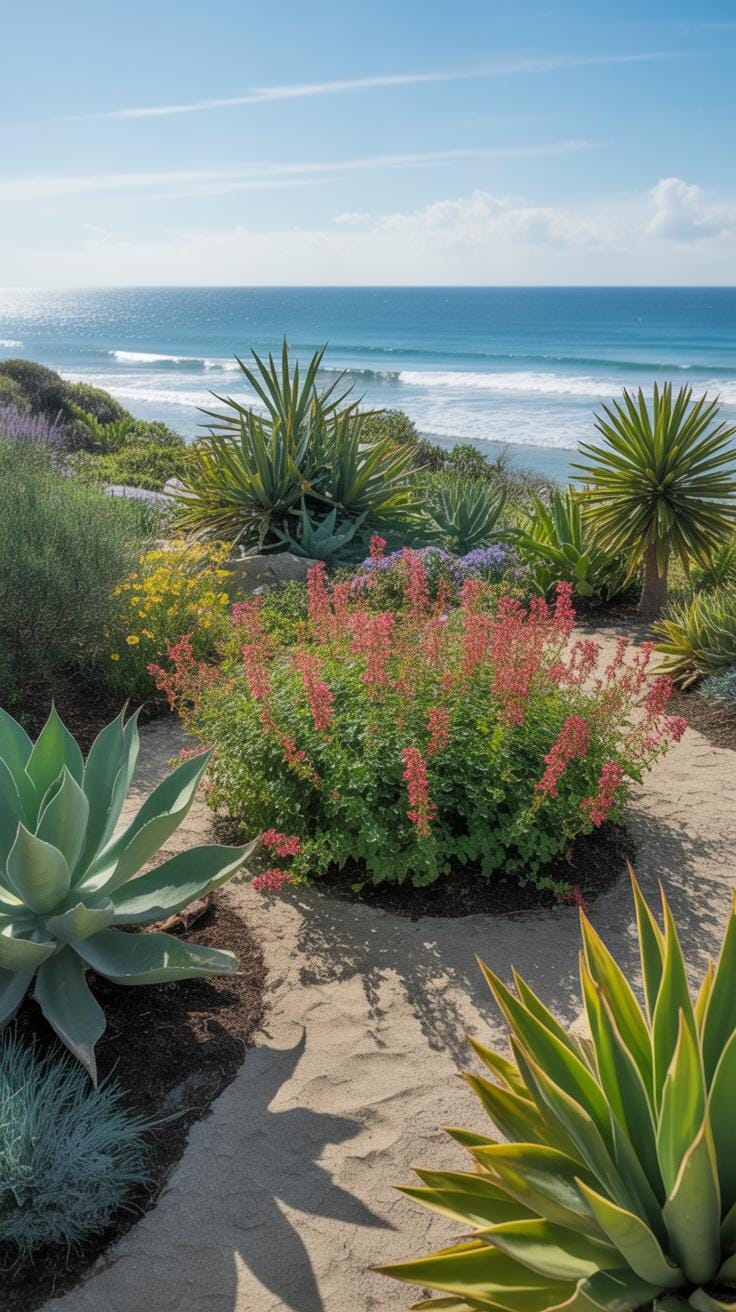
Coastal gardens present unique challenges that you might not face elsewhere. Salt spray from the sea is relentless, settling on leaves and soil, often causing damage to plants sensitive to salt. Then, there’s the wind—sometimes steady, sometimes gusty—that can lead to physical damage and increased evaporation, making water management tricky. The soil? Often sandy and nutrient-poor, it drains quickly and struggles to hold onto essential moisture and minerals.

These factors combine in ways that can be tough to manage. You might wonder, can typical garden plants survive here? The answer, often, is no. Dealing with salt, wind, and poor soil means your plant choices and garden design need to reflect these realities, or else you’ll spend more time repairing than enjoying.
How Salt Air Affects Plants
Salt in the air and water can cause several issues for your coastal garden plants. The salt crystals settle on leaves, drawing moisture out and leading to dehydration. This results in leaf scorch, browning, and sometimes even death of susceptible plants. The salt also affects root growth by changing the soil’s chemical balance, making it harder for plants to absorb water efficiently.
Some plants cope better than others because they’ve adapted to use or tolerate salt. For example, those with waxy leaves or hairy surfaces can deflect salt particles, while others may have cellular mechanisms to deal with salt internally. Choosing these salt-tolerant species makes a big difference. Keep in mind that tolerance varies widely, and what works in one coastal location might struggle in another.
Managing Sandy Soil Limitations
Sandy soil is typical near coasts but it poses several challenges for gardeners. Its large particles mean water and nutrients drain away quickly before plant roots can use them. This often leads to dry soil conditions and nutrient deficiencies. Sandy soil also tends to be low in organic matter, which is essential for plant health.
Improving sandy soil involves adding organic materials like compost or well-rotted manure to increase water retention and nutrient content. Mulching helps reduce evaporation and protect roots. You might also consider using soil conditioners such as biochar or incorporating materials that improve structure without causing compaction. This can feel like a constant effort, but it pays off by stabilizing your garden’s foundation.
Choosing Coastal Resistant Plants
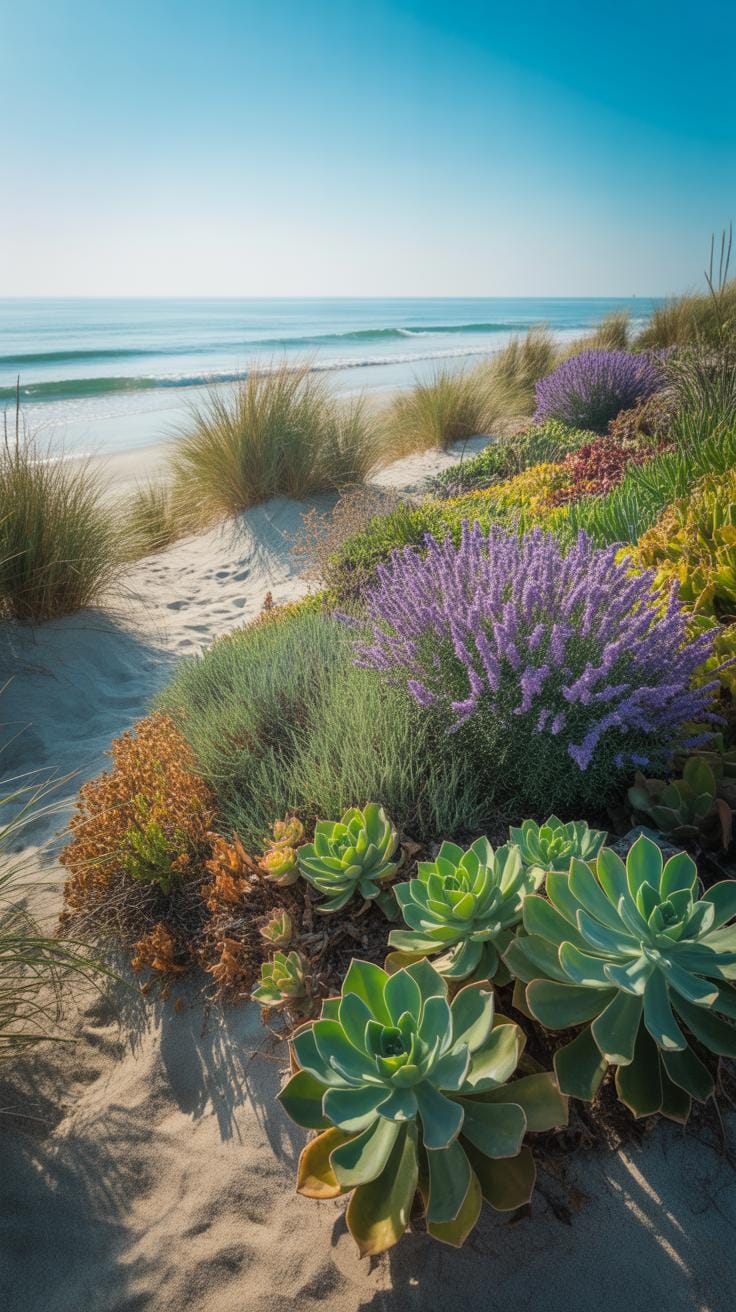
When designing a coastal garden, picking the right plants is crucial. You want species that can handle salt spray, strong winds, sandy soils, and sometimes drought. Native and salt-tolerant plants usually do best because they’ve adapted over time to these tough conditions. Here’s a quick list you might consider:
- Sea lavender (Limonium spp.) – Tough and tolerates salty air well.
- Beach grass (Ammophila spp.) – Great for stabilizing sand and giving texture.
- Seaside goldenrod (Solidago sempervirens) – Adds color and attracts pollinators.
- Saltbush (Atriplex spp.) – A hardy shrub with silvery foliage.
- Ice plant (Carpobrotus spp.) – A groundcover that thrives on dry, salty soils.
Native coastal plants have evolved where you live. For example, coast live oak in California or bayberry on the East Coast do really well in local coastal conditions. They usually have deep roots or waxy leaves to reduce water loss. Plus, they support local wildlife, which might be a bonus for your garden ecosystem.
Popular Native Coastal Plants
Some of the native plants you might already know or want are worth a second look. California’s coast, for instance, favors species like the robust coast redwood or the shore pine. These tend to resist salt and wind damage and can become striking garden highlights. Their growth habits range from towering trees to dense shrubs—good for privacy or shelter.
Then there’s the seaside daisy or beach pea, which don’t grow massive but add cheerful color and texture. You might wonder if smaller plants are worth it; I think they bring a lot of life without demanding too much care. They settle well into the natural looking waves of a coastal garden.
Using Salt Tolerant Shrubs And Grasses
Shrubs and grasses that resist salt are often foundation plants for a coastal garden. They create structure and can handle the harsh conditions better than many flowers. Ornamental grasses like muhly grass and salt-tolerant shrubs such as wax myrtle or bayberry can endure salt spray and wind while adding movement and softness to the garden.

Why are these really beneficial? Well, they act as buffers, shielding less hardy plants and soil from erosion. Salt-tolerant plants also save you effort; they don’t need much watering or fertilizer. Plus, many provide seeds and berries that support birds and insects. You could be surprised by how these resilient plants quietly build a balanced ecosystem in your garden.
Design Elements For Coastal Gardens
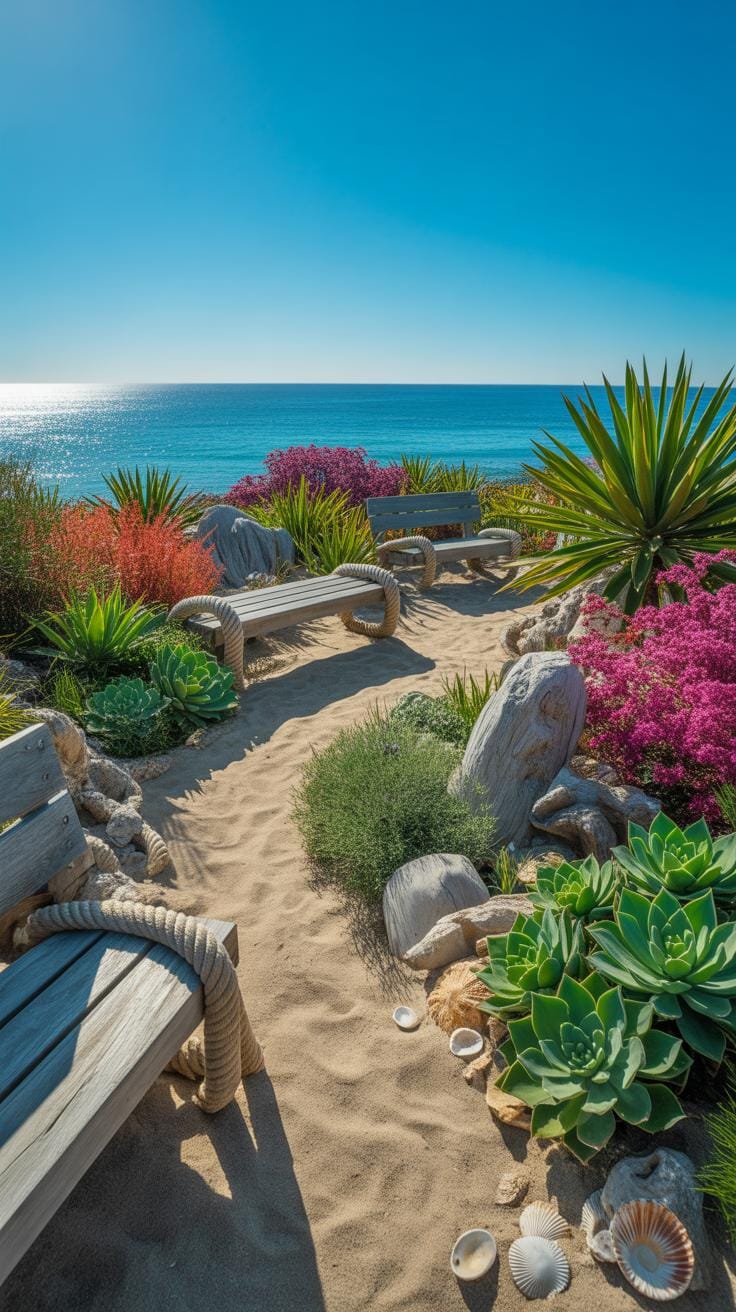
Coastal gardens offer a unique opportunity to blend landscaping with natural surroundings. When planning your garden, think carefully about how local features—like sandy soil, rocks, and salt spray—interact with your plants. You might find that the coastline itself suggests pathways or seating areas that embrace the view or even the shape of the land.
Wind is a constant factor, often strong and persistent. Designing around wind patterns isn’t just for comfort—it can mean the difference between plant survival and setback. Orient your garden spaces to capture pleasant breezes without exposing delicate plants to harsh gusts.
Sunlight plays its part too. Beaches can offer full sun to partial shade depending on nearby structures or natural elevations. Maybe some spots get dappled light through coastal pines or are shaded by dunes. Observing your garden at different times’ll help you place plants where they thrive best. Do you really want sun-loving succulents baking all day, or would they fare better tucked in as ground cover under a shrub’s shade?
Creating Windbreaks With Trees And Fences
The relentless coastal wind challenges gardeners to protect their plants while not blocking views or airflow completely. One solution is strategic placement of trees, choosing species that withstand salty air and poor soil but grow dense enough to act as wind buffers. Evergreens like Monterey cypress or certain pines work well, but don’t just plant a wall. A staggered, layered approach—taller trees with mid-height shrubs and ground cover—breaks the wind gradually and creates habitats for local wildlife.
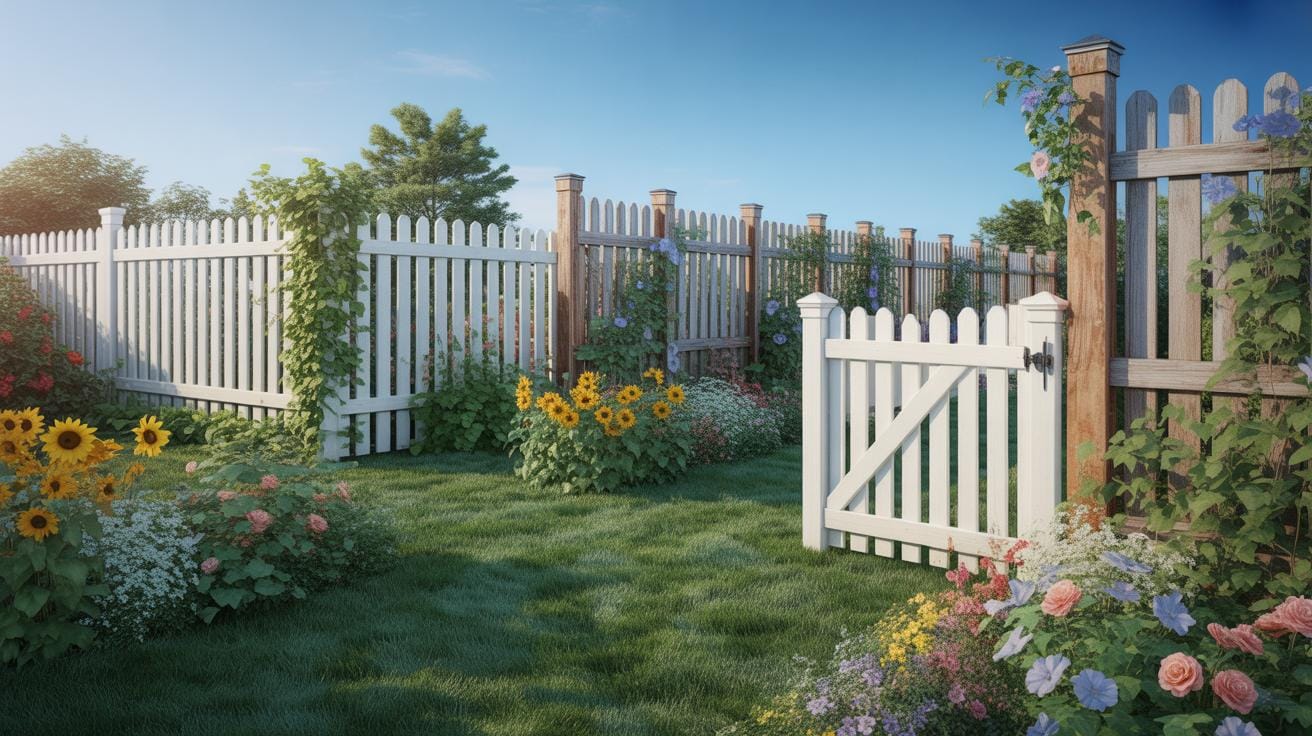
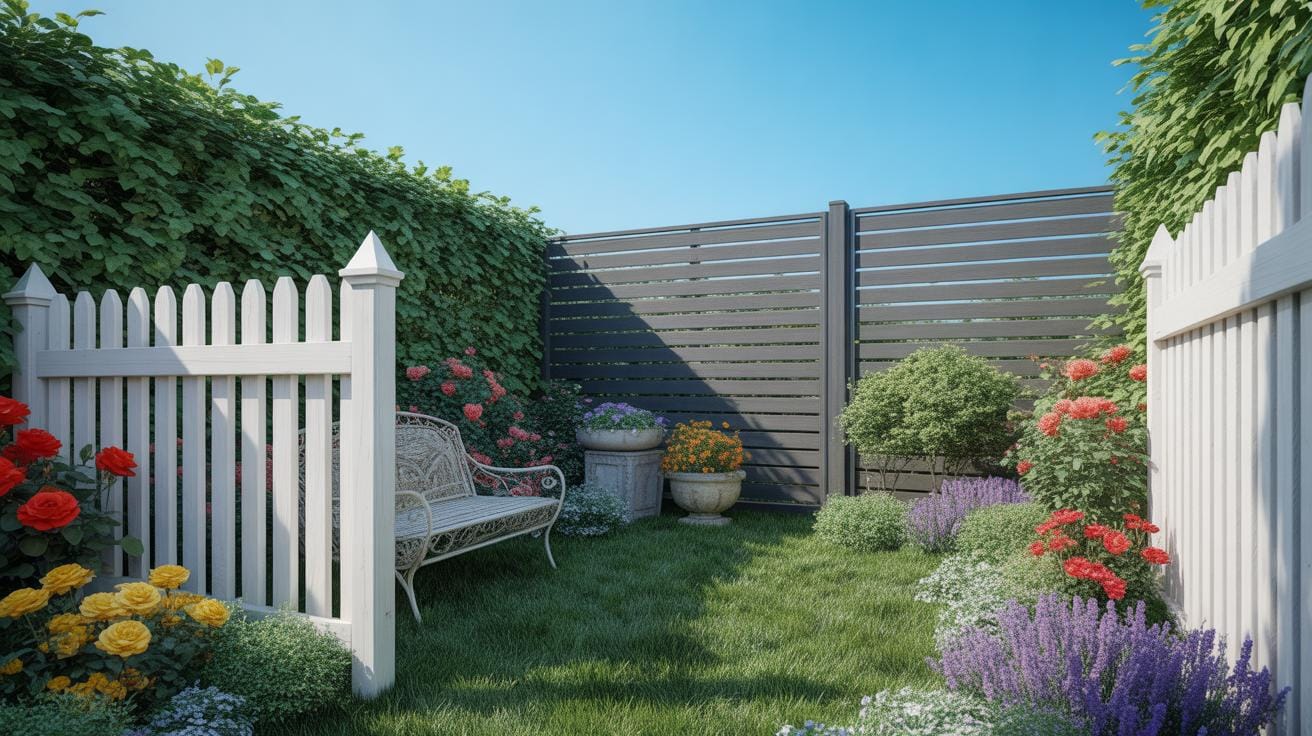
Fences serve as another line of defense. A solid fence can block wind but may create turbulent eddies, which may damage plants behind it. Using latticed or semi-permeable fencing softens wind flow and prevents these strong backdrafts. Combining fences with climbing plants adds texture and extra protection, but watch for vigorous growers that might overwhelm neighboring species. Have you considered how a simple white picket fence could blend function with charm without overwhelming the natural coastal vibe?
Arranging Plants For Sun Exposure
Sun exposure dictates plant health more than something straightforward like soil type. You’ll want to map your garden, noting where the sun hits most intensely from morning to evening. Position sun-loving plants—like beach grasses or lavender—in these zones to encourage blooms and drought tolerance.
Plants with moderate light needs, perhaps rosemary or certain fuchsias, can be placed in semi-shaded spots, maybe under partial shelter of trees or taller shrubs. Shade-loving plants are a bit limited by coastal light but can find refuge where structural elements or natural dunes block direct sun.
When you plan heights and spacing, think about how taller plants will cast shadows and how these shadows move with the sun. Sometimes a spot bathed in sun one hour becomes shaded the next. This movement offers microclimates to experiment with, sometimes to surprising effect. Did you ever notice that a plant struggling in one spot thrives just a few feet away? That’s nature’s subtle way of telling you something’s off.
Setting Up Irrigation Systems
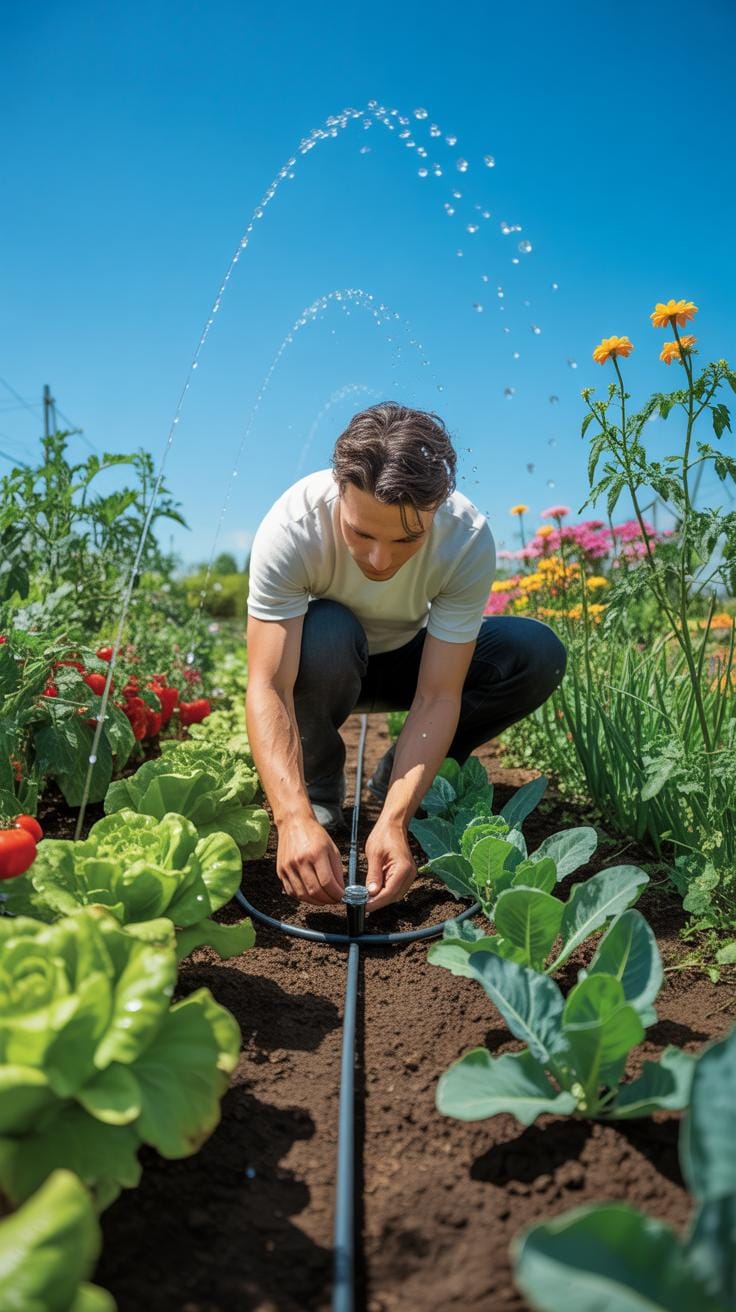
Watering a coastal garden calls for a bit of thought. Salt in the air and sandy soils can make regular watering unreliable for keeping plants happily hydrated. You might want a system that gives water directly where it’s needed, while not wasting too much. One approach that often works well is targeted watering—avoiding broad spraying, instead focusing on the base of each plant. This helps reduce evaporation, which can be quite high near the coast thanks to wind and sun.
Sometimes, the idea of efficient watering sounds complicated, but it doesn’t have to be. You could choose to water manually at times, maybe early mornings or late evenings to curb evaporation. But if you think about it, automating a system can save a lot of hassle and water long-term—if set up thoughtfully, of course.
Installing Drip Irrigation
Drip irrigation might be the go-to for your beach garden. Unlike sprinklers, it delivers water slowly and directly to the plant roots, which is what coastal plants really need. This system uses tubes and small emitters that drip water, keeping the soil nice and moist without drowning the plants or washing away nutrients.
Setting it up is fairly straightforward—you run the main line along your garden beds, attaching smaller drip lines to each plant or group. The emitters control the flow, so you can adjust how much water each plant gets based on its needs. Plus, runoff reduces a lot since the water is absorbed slowly. This is good news for conserving water, but also means less salt buildup, which is a common concern near saltwater.
One thing to keep in mind: filtration is key. Coastal areas can have gritty, sandy water that might clog emitters. Installing a simple filter before the drip lines can save you maintenance headaches.
Watering Schedule Tips For Coastal Plants
Figuring out when and how much to water coastal plants depends on many factors: plant species, soil type, season, and weather conditions. For instance, succulents and drought-tolerant plants generally need less frequent watering. You could try watering them deeply once every two weeks, letting the soil dry out in between.
More water-dependent plants, like some types of grasses or flowering shrubs, might benefit from a weekly soak. Early mornings or late evenings are best to minimize evaporation. It’s surprising how much timing matters—watering midday on a windy beach often means most of your effort just vanishes.
Overall, listening to your garden is key. Watch how plants respond, check the soil moisture with your fingers, and adjust watering accordingly. Over time, you might realize your plants prefer a different routine than usual advice suggests, which is perfectly fine. After all, coastal gardening isn’t one-size-fits-all, and part of the fun is figuring out what works best for your unique environment.
Building Soil For Coastal Gardens
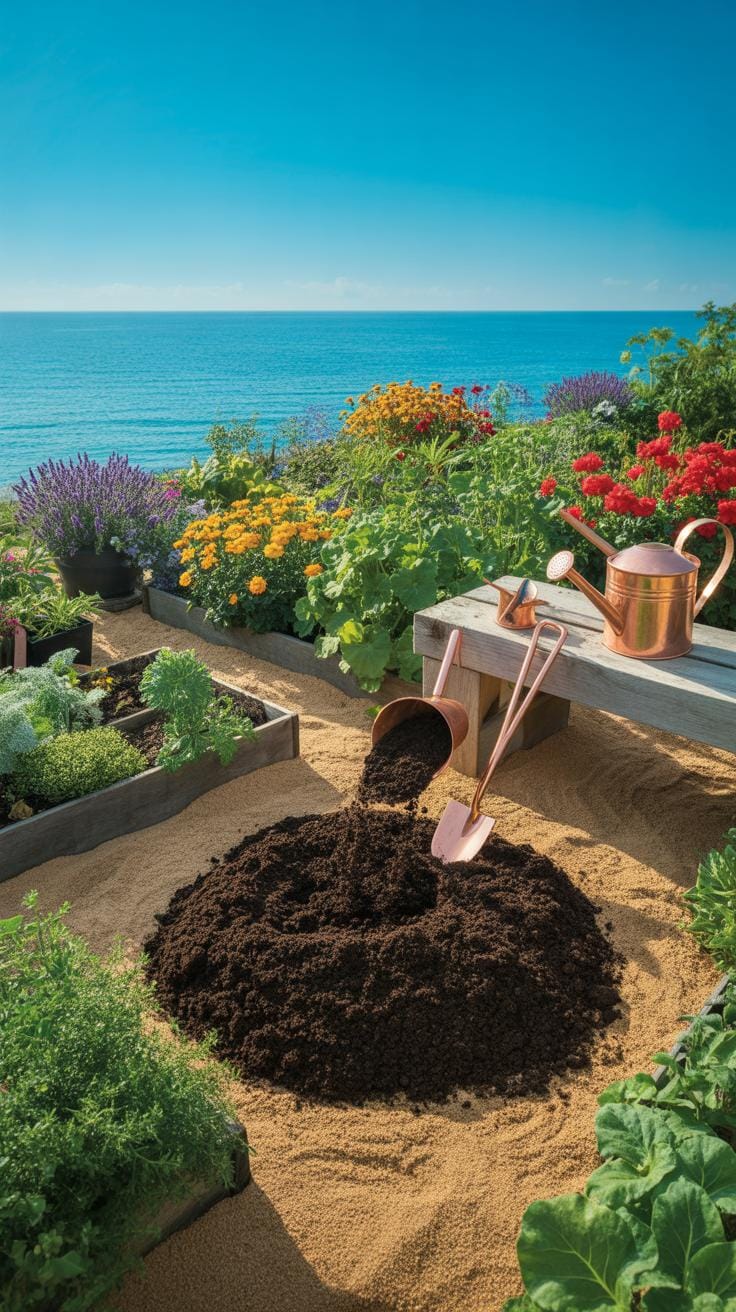
Coastal gardens often have sandy soil, which can be a challenge because sand drains quickly and tends not to hold nutrients well. Improving this kind of soil takes a bit of patience and effort, but it’s definitely doable.
Start by loosening the sand to create better structure. You can do this by turning the soil gently with a garden fork or spade but avoid heavy tilling, which might break down soil aggregates.

Then focus on adding organic material. This is key because organic matter helps sandy soil retain moisture and nutrients. Things like compost, leaf mold, or well-rotted manure work well.
Mix these into the top 6-8 inches of soil. It might seem like a lot of work upfront, but your plants will thank you later with stronger growth and better resilience to salty air and wind.
Adding Organic Matter And Compost
Adding organic matter to sandy soil isn’t just about feeding plants; it’s about improving the soil’s ability to hold water. Compost is like a sponge for your garden soil. It stores moisture while providing essential nutrients.
To do this, spread a 2 to 3-inch layer of good-quality compost over your garden bed and gently work it into the top layer of soil. Don’t forget to add organic materials regularly—it’s not a one-time fix.
Grass clippings, kitchen scraps if composted properly, or shredded leaves can also be added, but be cautious about balancing nitrogen and carbon sources. You want to avoid adding too much of one type, which could throw off the decomposition process.
Using Mulch To Retain Moisture
Mulching is another practical step to keep your coastal garden soil moist and cool. Mulch acts like a protective blanket that reduces evaporation, which is especially important near the coast where wind and sun can dry soil quickly.
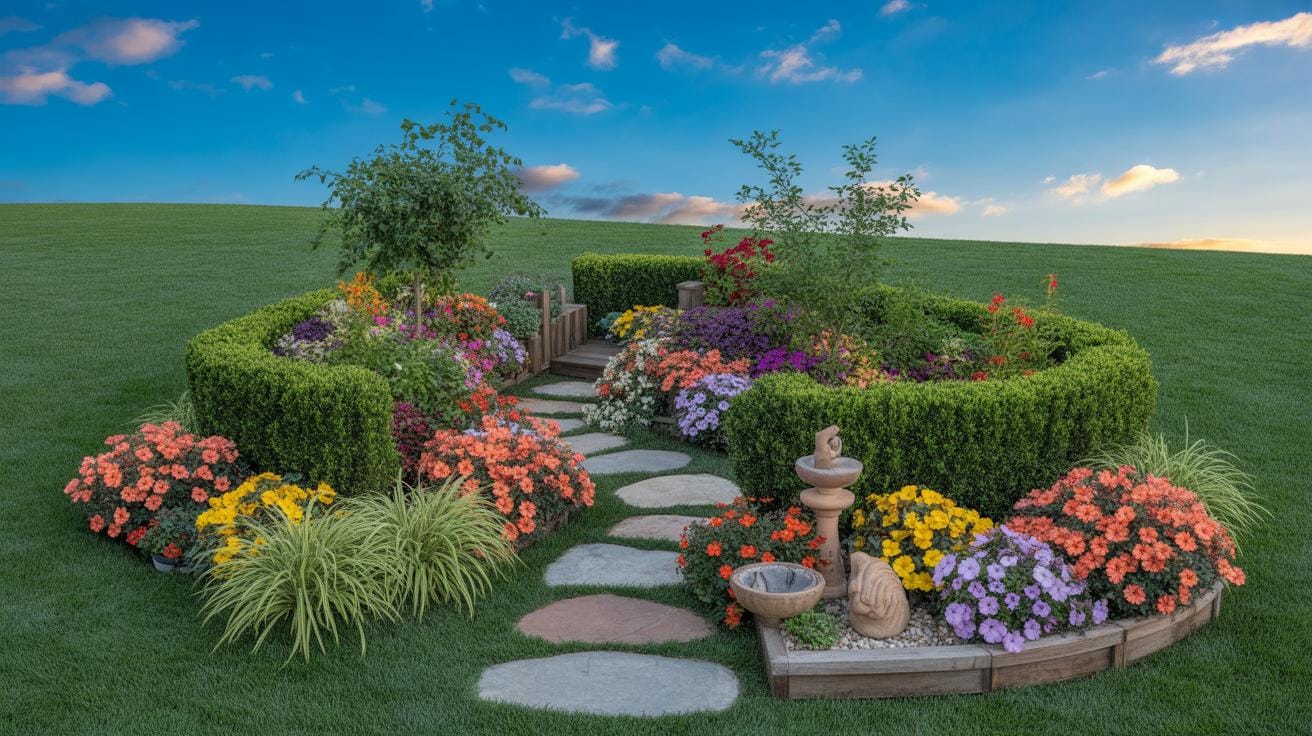
Wood chips, shredded bark, pine needles, or straw are common choices for mulch. Each has its own benefits and drawbacks. For example, bark mulches break down slowly, so they don’t need to be replaced often, but they can be a bit acidic. Straw is lightweight and good for vegetable beds but might blow away in strong coastal winds.
Applying a 2 to 4-inch layer of mulch around plants, but not touching stems or trunks, can help reduce temperature fluctuations in the soil and limit weed growth too. It’s a simple practice but quite effective in keeping your coastal garden thriving.
Maintaining Your Coastal Garden
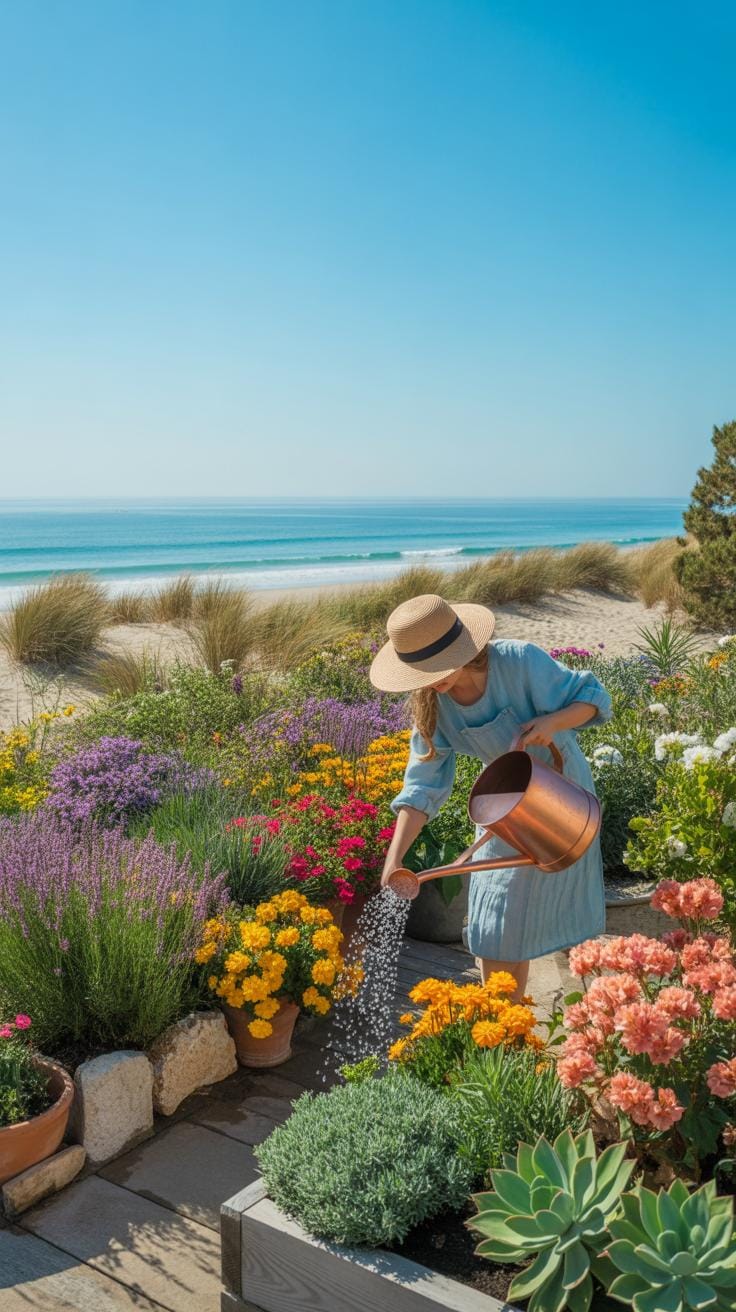
Tending to a coastal garden brings unique challenges, so ongoing care requires a bit of patience and some specific know-how. Coastal plants often face strong winds, salty air, and sandy soil, which means their pruning and pest management techniques need to be a little different than usual.
Pruning Techniques For Coastal Shrubs
Pruning coastal shrubs is about balance — you want to keep them healthy without stripping them back too harshly. Most coastal shrubs benefit from light, regular pruning rather than heavy cuts all at once. Trim new growth to keep the shape tidy, but avoid cutting back into old wood too deeply, as some species struggle to regrow there. It’s often best to prune in late winter or early spring when the plant is less vulnerable.
For example, coastal rosemary or saltbush respond well to shaping but don’t tolerate heavy pruning. If you’re unsure where to cut, follow the natural form of the shrub rather than forcing a rigid shape.
Managing Pests Without Harsh Chemicals
Dealing with pests naturally seems more challenging in coastal gardens, yet some simple methods work well and avoid chemicals that might harm sensitive coastal ecosystems. Neem oil, insecticidal soaps, or introducing beneficial insects like ladybugs can manage aphids and scale without harsh effects. Sometimes, morning hose-downs rinse away pests and salt buildup at the same time.
Rotating plants and encouraging a diversity of species can also disrupt pest cycles. Experienced gardeners swear by companion planting — like pairing marigolds or garlic near vulnerable plants. It doesn’t guarantee pest-free plants, but it often reduces the severity.
Do you find some pests more aggressive in salty coastal air? It’s tricky, but patience and a gentle approach generally pay off in the long run.
Comparing Natural Vs Artificial Coastal Elements
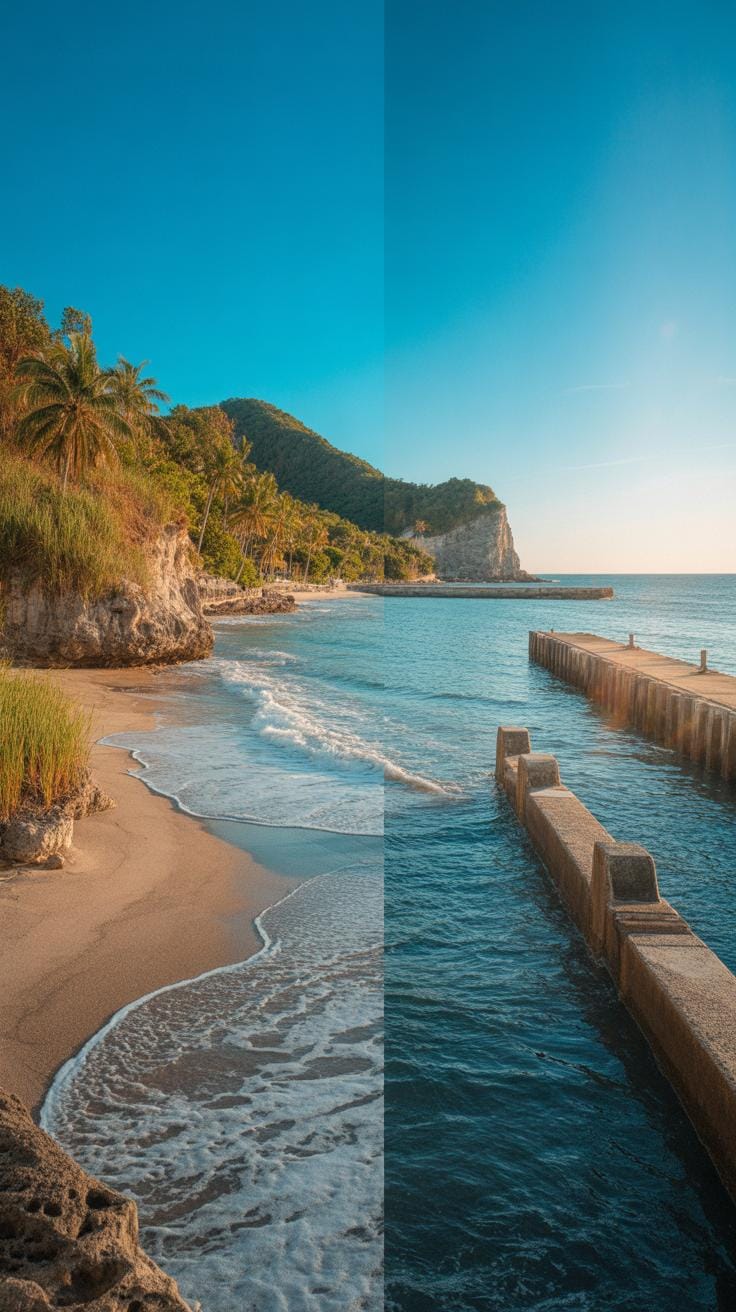
When you’re planning a coastal garden, deciding between natural and artificial elements isn’t always straightforward. Natural features—say, rugged rocks or sandy dunes—bring a raw, unpolished feel that fits naturally with the beach environment. They tend to weather time and the salty air in ways that synthetic decorations can only hope for. And then you have artificial items, which can be tailored for very specific purposes, from decorative pieces that might add unexpected color or form, to sturdy barriers designed for protection against wind or erosion.
Natural garden features often blend seamlessly into the landscape—they feel like they’ve belonged there forever. Artificial elements might stand out sharply or even clash with that organic vibe, but they can be more uniform or cleaner in appearance. There’s a subtle difference in how these choices affect the overall mood of your garden and its relationship with the natural surroundings. It’s not simply a matter of what looks better; it’s also what functions better for your goals.
Benefits Of Natural Features
Natural elements come with perks you might not immediately think about:
- They support local wildlife by providing habitat and food sources.
- The textures and colors constantly change with light, weather, and seasons, keeping the garden visually interesting.
- They often require less upkeep since they’re adapted to the coastal climate.
- Natural features can help stabilize the soil and reduce erosion naturally, unlike some artificial barriers.
- They tend to age gracefully without needing replacement—rocks don’t suddenly go out of style.
I remember walking through a beach garden with natural driftwood sculptures that were rough and worn but still evocative. That authenticity added something no plastic ornamental piece could match.
When To Use Artificial Accessories
That said, there are definitely times where artificial elements serve you better. For instance, if you want to create a very controlled, neat look that nature just can’t deliver, artificial decorations let you do that with precision. Also, if you’re concerned about practical issues like shoreline protection, synthetic barriers and fencing might offer stronger, quicker solutions.
Sometimes, your site conditions don’t lend themselves well to natural materials—for example, if the natural stones available aren’t suitable for the landscaping aesthetic or climate resilience. Artificial plants can add greenery where real plants struggle to survive. And certain decorative features, like weather-resistant sculptures, bring in an element of style and personality that can’t be “naturally” replicated.
You might wonder if mixing the two makes sense. It often does—blending natural and artificial elements allows you to enjoy benefits from both worlds, but striking that balance is less about rules and more about feeling the space and your goals for it.
Cost Breakdown For Coastal Garden Setup
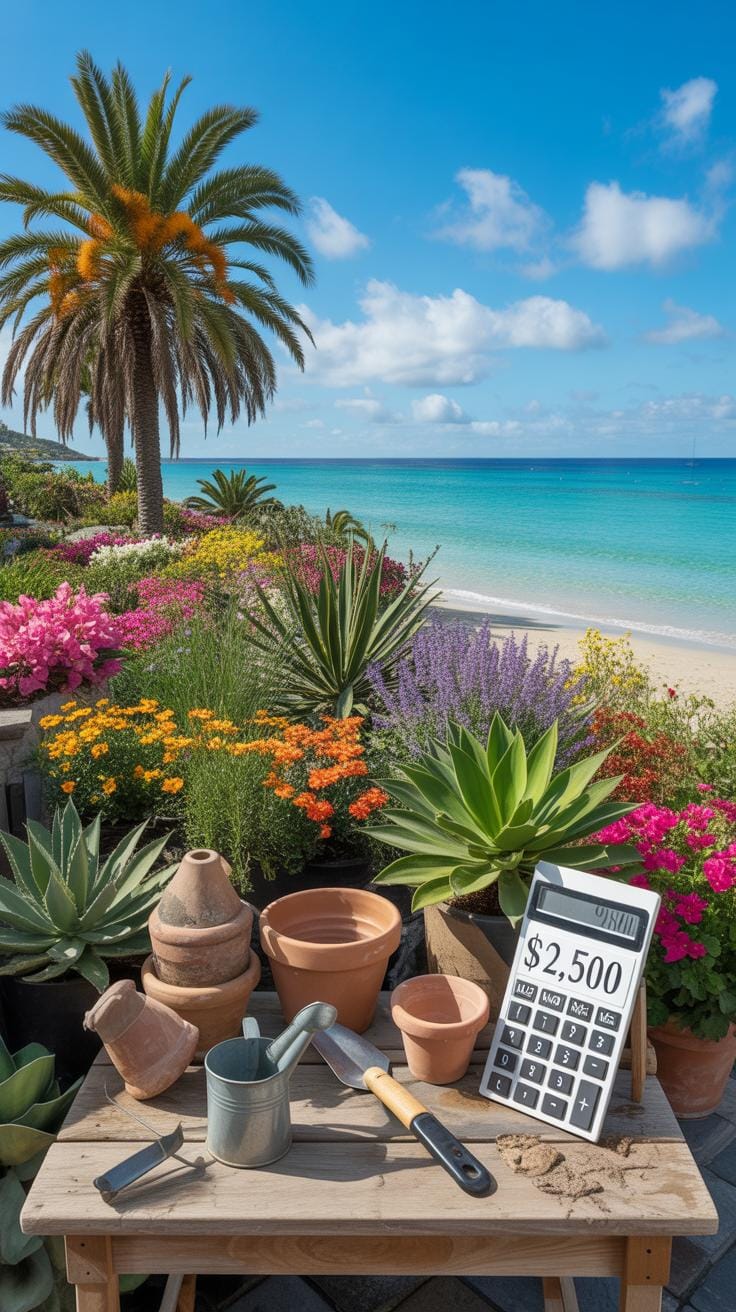
When you’re setting up a coastal garden, the costs can vary quite a bit depending on your choices. For plants, expect to spend around $10 to $50 per plant for popular coastal species like sea lavender, beach grass, or coastal succulents. If you’re going for mature plants, prices can jump significantly. Some bulk-buy options might reduce costs, but quality and suitability are crucial here.
Materials like sand, mulch, and rocks for coastal-themed landscaping typically add up to a few hundred dollars, maybe more if you want specialty items. Irrigation systems, which you might need to handle the salty and windy conditions, will also add to the total.
Estimating Plant And Material Costs
Think about the types of plants you want — native options reduce risk and ongoing costs. Small shrubs, grasses, and ground covers can be affordable, but larger palms or specimen trees might cost upwards of $100 each. Add in landscaping fabric, soil amendments, and erosion control materials. A basic setup might cost anywhere from $1,000 to $5,000 just in plants and hardscaping supplies, but you can scale it up from there.
Labor And Maintenance Expenses
Labor costs depend a lot on the complexity of your design. A straightforward planting job might cost $30 to $50 per hour, while intricate designs with terraces or retaining walls could push costs higher. Ongoing maintenance is another story. Coastal gardens often need pruning, salt damage control, and frequent watering early on. Expect to spend a few hundred dollars annually if you hire help, or considerable time yourself if you do it personally.
So, when budgeting, consider initial outlays for robust plants and materials suited to salty, wind-exposed sites. But plan for labor and consistent upkeep, or the garden might not thrive the way you hope. It’s a balancing act — weighing cost against the quality and endurance of your garden’s coastal charm.
Step By Step Coastal Garden Setup Checklist
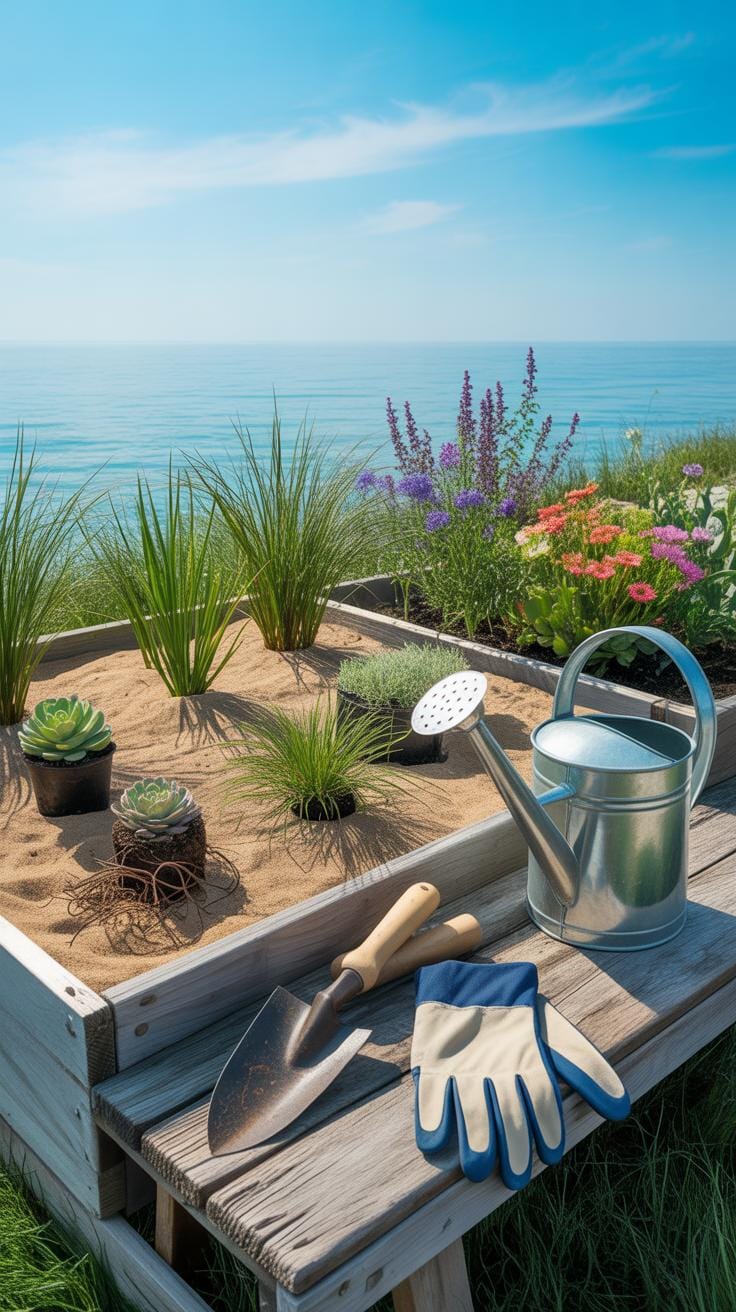
Initial Planning And Site Preparation
Start by thoroughly surveying your coastal site. Observe sun patterns, wind direction, and salt spray levels. These factors really shape what plants will thrive. Consider soil texture and drainage too—coastal soils can be sandy or salty, which might need some amendment. Maybe test your soil’s pH or nutrient content if you want to be precise; it might help guide your choices.
Next, clear the area of debris and unwanted vegetation. Preparing the soil could involve adding compost or organic matter to boost fertility and moisture retention. It’s tempting to rush here, but taking time to improve soil structure can make a huge difference later on. You might also think about installing windbreaks if your site is exposed, which can protect young plants during their early growth.
Planting And First Month Care
When it’s time to plant, pick hardy, salt-tolerant species adapted for coastal conditions. Plant on a calm day, if possible, and water thoroughly right after planting. Mulching is your friend here; it helps retain moisture and keeps weeds down.
During the first month, keep an eye out for watering needs — coastal winds and sun can dry soil surprisingly fast. Regularly check plants for signs of stress or disease, but don’t over-fertilize; too much can harm them early on. And while it might feel excessive, some gentle pruning might be needed to encourage healthy growth and remove damaged leaves.
Remember, coastal garden setup doesn’t end after planting. Watching closely and adjusting as the plants settle is key. Ask yourself: Are there spots where wind or salt is stronger? Could some plants use extra shelter or support? These small observations help your garden gradually find its footing in a challenging environment.
Examples Of Successful Coastal Gardens
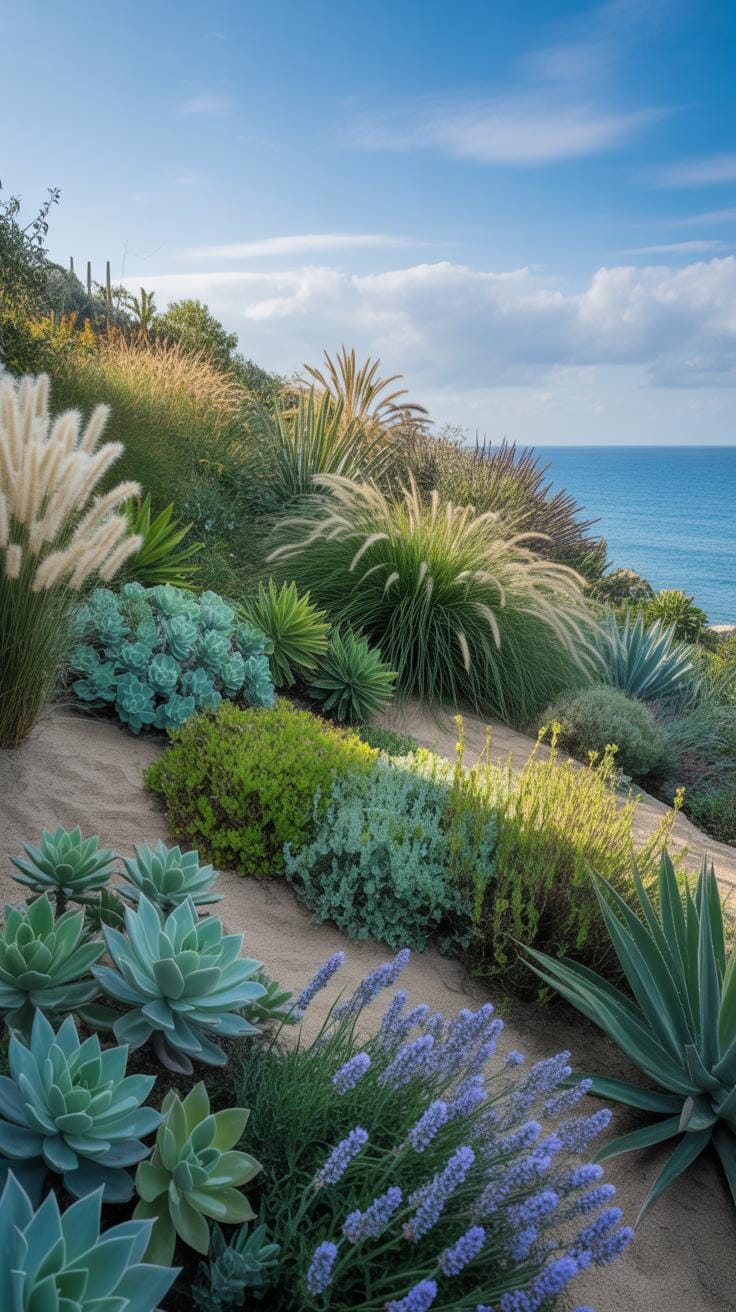
When thinking about coastal gardens, the question often lingers: what really works? Sometimes, reading about a concept isn’t quite enough until you see it in action. That’s why exploring successful examples can offer invaluable insights—showing how stability and beauty can coexist in tough seaside conditions.
Consider the Coastal Maine Botanical Gardens, for example. It’s more than just a garden; it’s a sprawling effort that tamed coastal challenges with careful plant selections and design. Native species thrive here, perfectly adapted to the salt-spray, wind, and sometimes poor soil conditions. Their approach isn’t about fighting nature but working with it. Mulching and terraces help manage water runoff and prevent erosion. It’s a reminder that patience and thoughtful planning matter most.
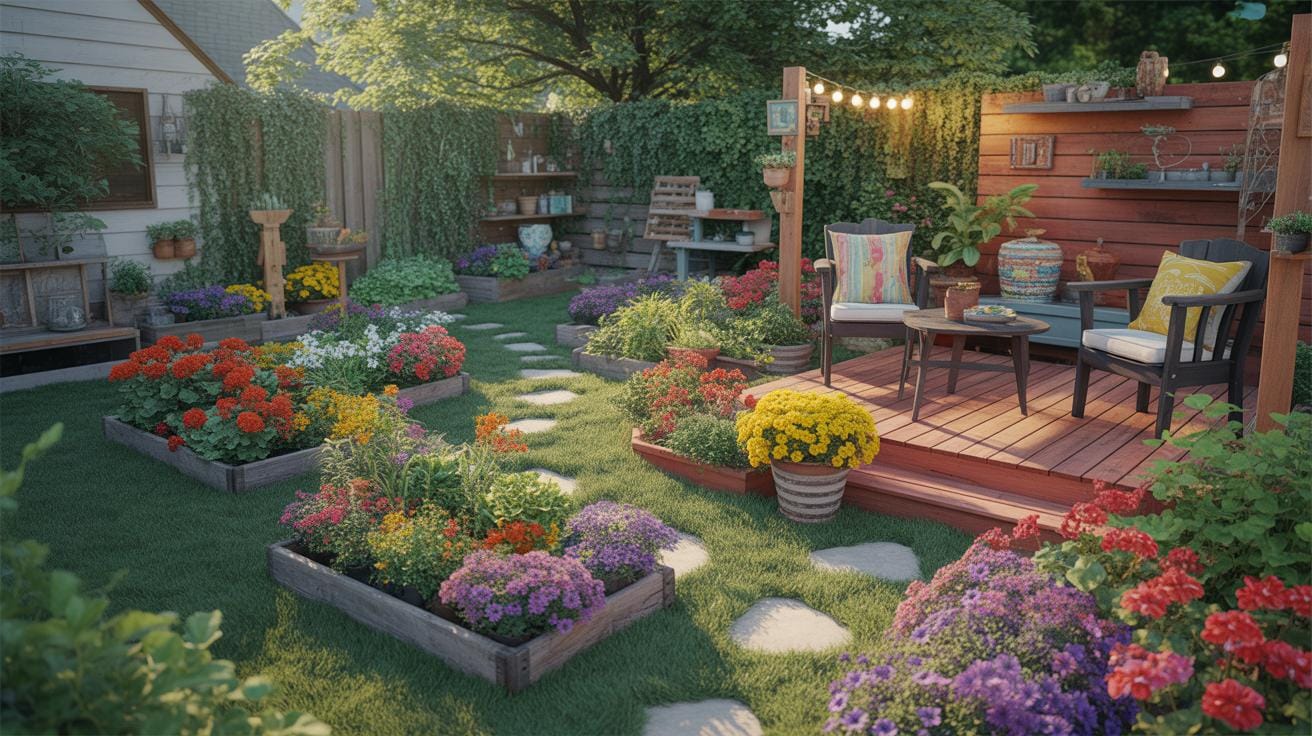
On a smaller scale, private beach house gardens reveal the same principles. One garden I recall used local dune grasses, hardy succulents, and maritime shrubs—plants that stand up to salty winds and occasional sand blow. Simple stone pathways and raised beds kept things tidy yet natural. The owner managed to create a calm, inviting space using mostly native plants, and that ease of maintenance is key. Perhaps you don’t need extravagant landscaping to achieve a coastal garden’s charm and resilience.
These examples suggest that coastal gardens don’t have to be wild or rigid. It’s often a balance of the two—something you can learn by watching how others manage their seaside plots.
Conclusions
Creating a well-designed coastal garden requires thoughtful plant choices and practical layout decisions. These elements help your garden withstand coastal weather and thrive in sandy soil. By following suggested strategies, you can develop a garden that enhances your beach house and invites outdoor enjoyment.
Use what you’ve learned to plan, plant, and maintain a coastal garden space that fits your lifestyle. With care and attention, your garden will remain a lasting beautiful feature connected to your coastal environment.