

Introduction
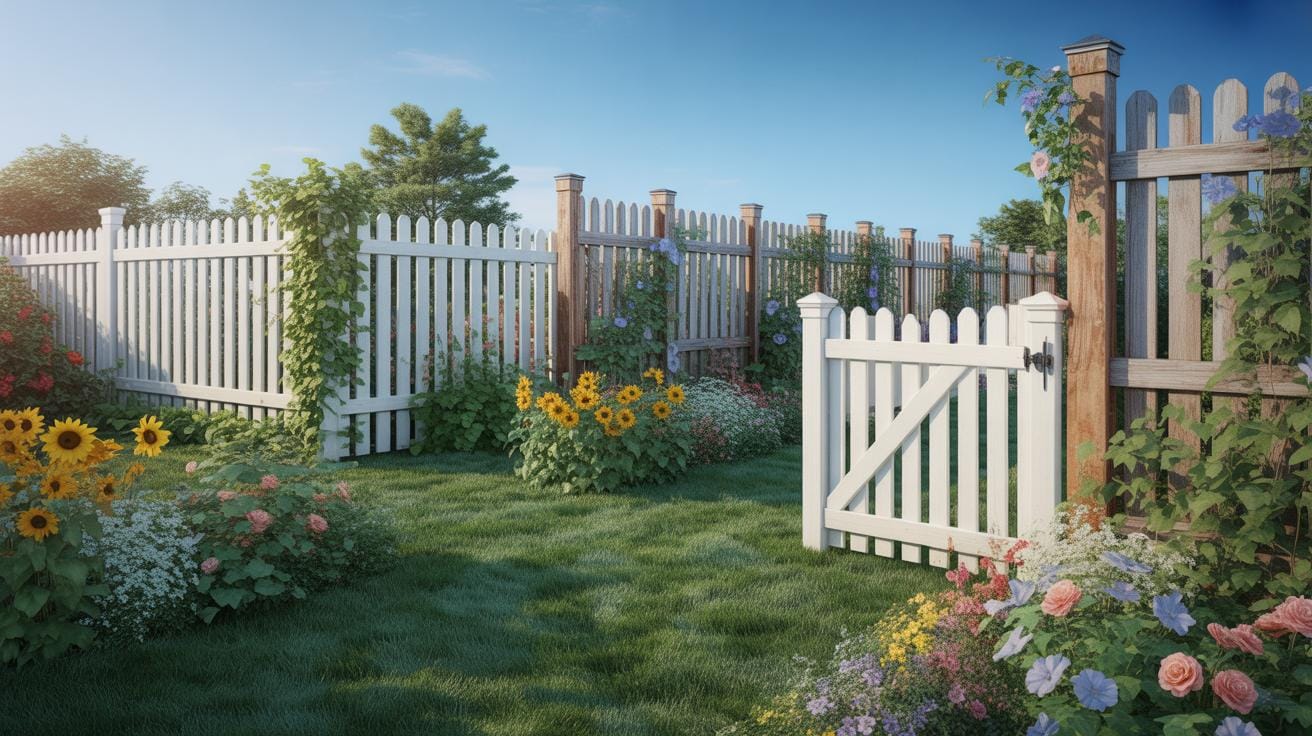
Backyard fence ideas with farm privacy fence styles for gardens combine functionality and style to help you create a private and charming outdoor space. A good fence can mark your boundary, keep animals in or out, and add visual appeal to your garden.
This article will guide you through common fence types suitable for farm and garden use, explain their benefits, and provide practical tips to help you choose and install the right fence for your backyard. Whether you want privacy, safety, or decoration, this will help you plan your fence project.
Fence Options For Privacy And Farms
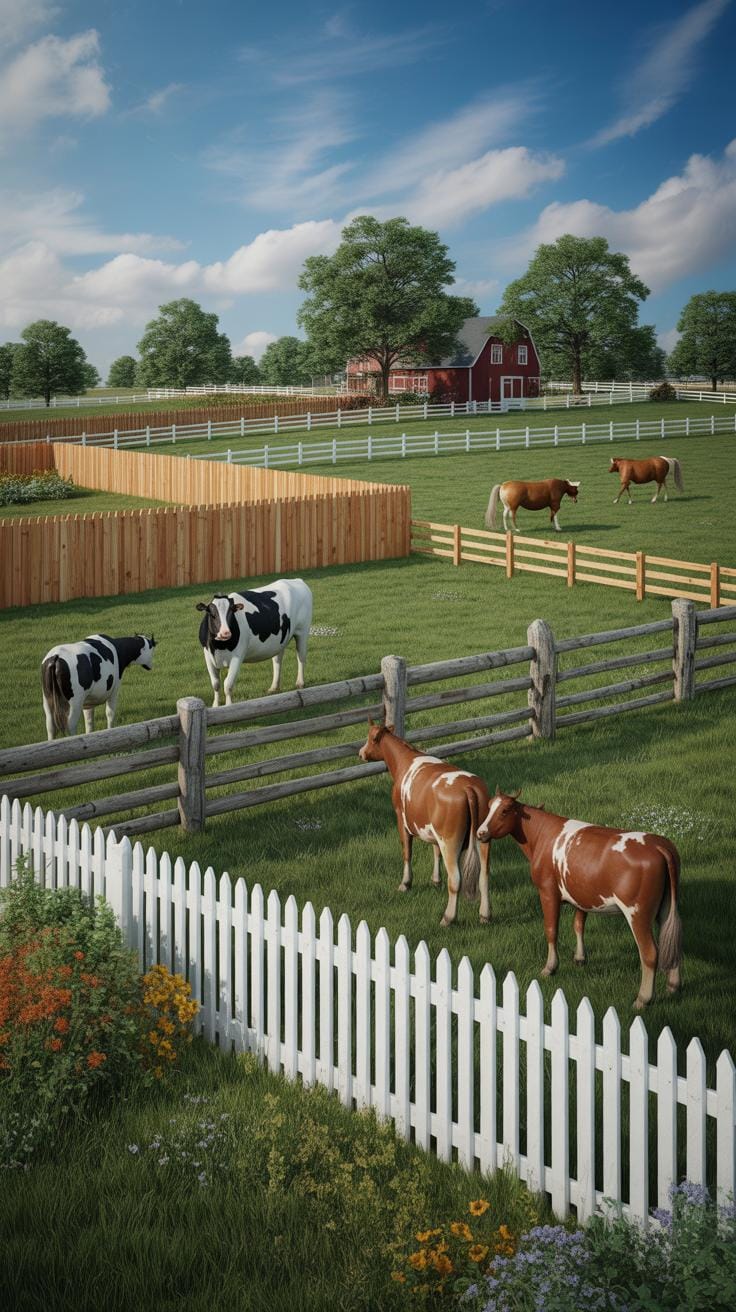
When thinking about fences for privacy or agricultural needs, you’ll find several common types that each suit different purposes and spaces. For gardens, the choice often balances function with aesthetics. Privacy fences mostly aim to block the view from neighbors or streets, creating a secluded space. You might lean toward solid panels or closely spaced slats for that. Farms often need fencing that can withstand weather and animals—the likes of wire or post-and-rail fences are pretty typical here.
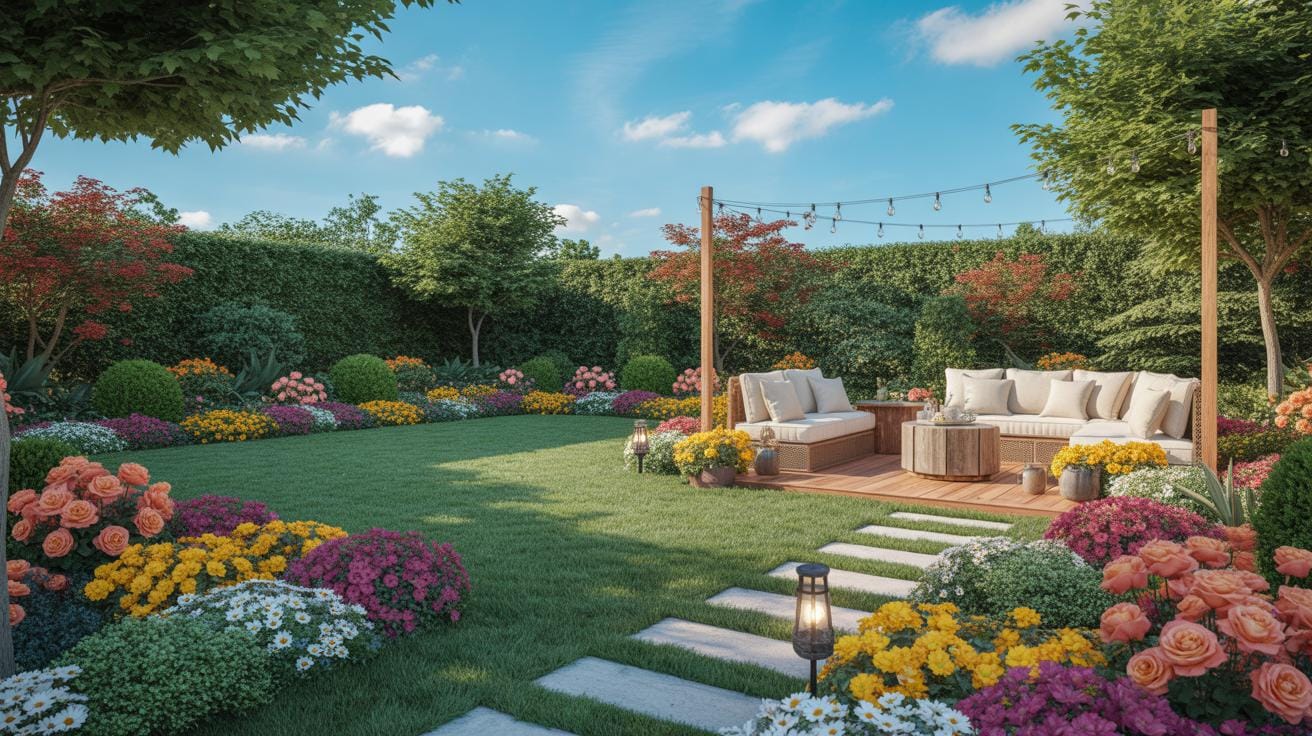
Some materials lend themselves really well to gardens because they look natural or can be painted to match your style. Meanwhile, farm fences often prioritize cost-effectiveness and durability over style. There’s no one-size-fits-all, and that can make deciding a bit tricky. But thinking about what’s most important for your space helps narrow things down.
Wood And Metal Fence Varieties
Wood fences remain a classic option. Wood can feel warm and traditional, fitting nicely in backyard settings and gardens. But wood does require upkeep—think periodic staining or painting to fend off rot and pests. The good part is wood fences come in many styles, like picket, board-on-board, or lattice. Each of those changes the look and level of privacy.
Metal fences, mostly wrought iron or aluminum, bring a different vibe. They’re tough and tend to last longer without much maintenance, although they can get pricey upfront. You might see metal fences used more in farms for containing livestock or as decorative borders in gardens. An iron fence, for example, can add elegance but might not block sightlines fully.
I’ve noticed that metal fences often require less fuss once installed, but they aren’t everyone’s cup of tea if you want something cozy and natural-looking.
Live And Hedge Fences
Natural fences can be surprisingly effective. Hedges, for example, offer privacy and a soft green boundary. It takes patience to grow a dense hedge that blocks visibility, and regular trimming is part of the deal. But they provide shelter for birds and blend well if you want your garden to feel more organic.
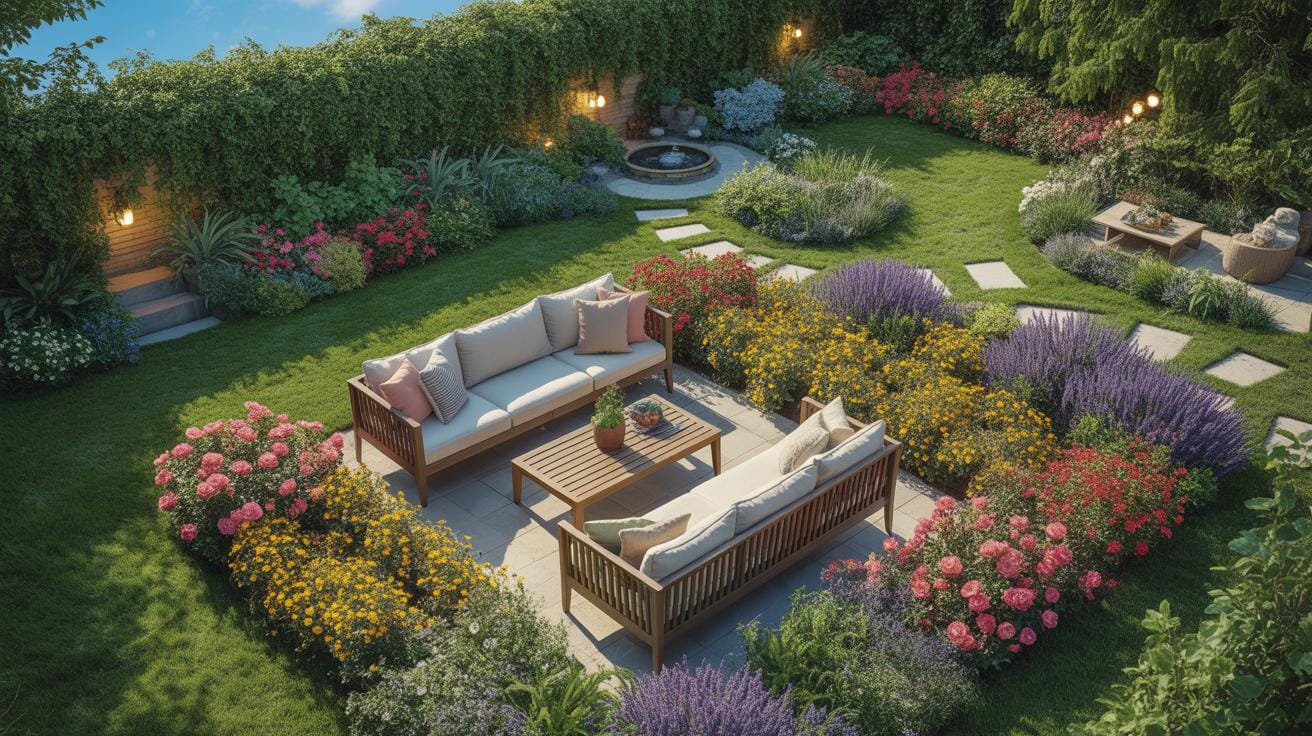
There are also less common options like cactus fences, which suit dry climates better and add an interesting texture while serving as a barrier. Live fences sometimes combine shrubs or small trees with posts for extra stability.
One thing’s for sure: living fences demand a commitment to maintenance and growth time, but they can evolve with your garden in unique ways that solid fence materials simply can’t reproduce.
How To Make Your Fence Private
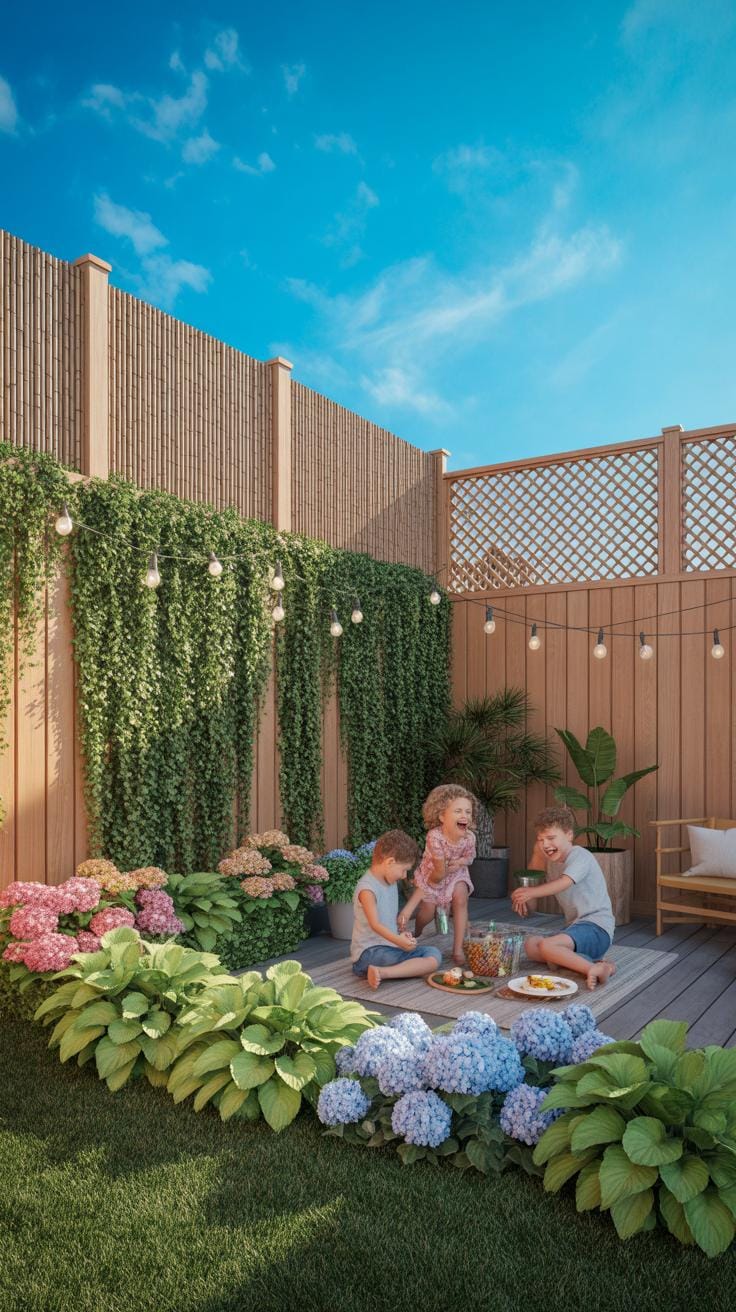
When thinking about making your backyard fence private, the first thing to consider is how tall it should be. Taller fences generally block more views, but they can also make your yard seem closed off or even a bit gloomy. Standard privacy fences usually stand between 6 to 8 feet tall, which does the job well. But if you want something more open or charming, sometimes a slightly shorter fence combined with other privacy elements can work just as well.
The style and material of your fence panels matter, too. Solid panels made of wood or composite materials offer good visual barriers. If you choose spaced panels, you may get airflow and light but less privacy. So it’s about deciding what balance suits you—perhaps complete seclusion or just screening out prying eyes while still feeling connected to your environment.
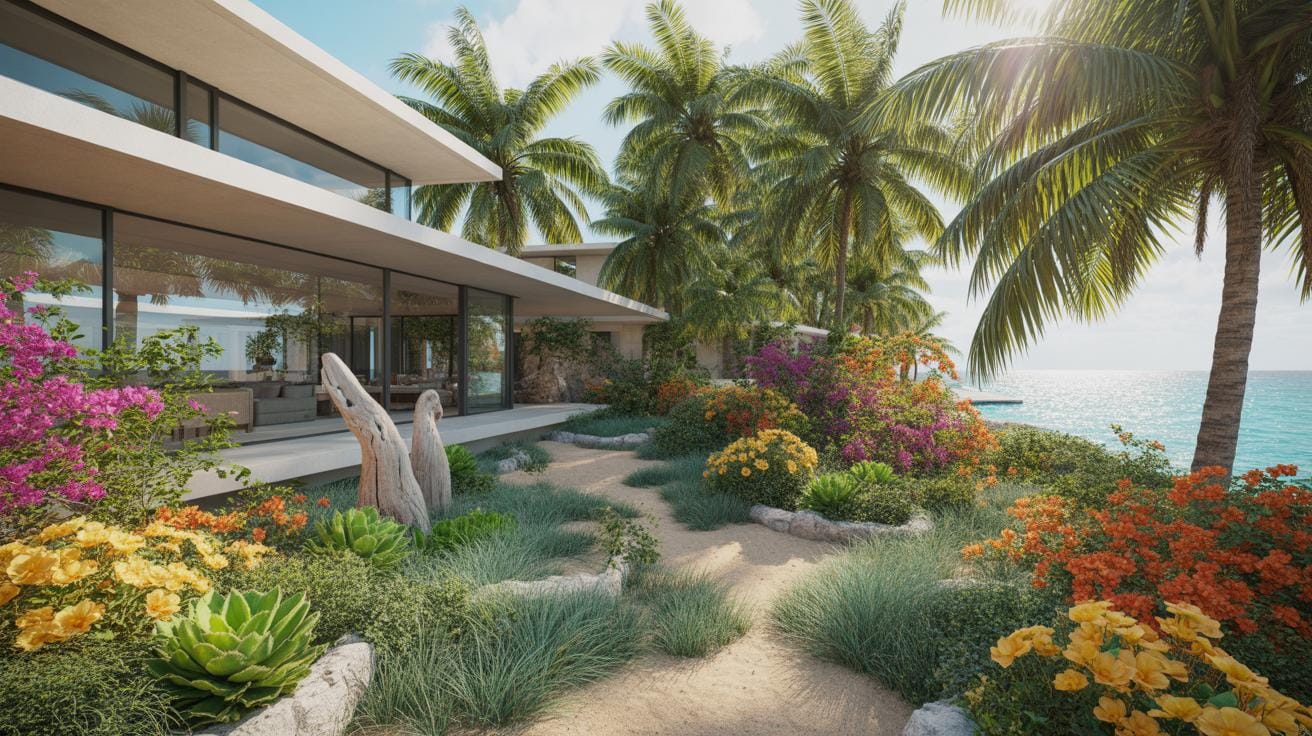
Adding plants near your fence gives another layer of privacy that can soften the fence’s look. Shrubs, tall grasses, or climbing vines like clematis and ivy can fill gaps or create a natural barrier. Sometimes, these plants take time to grow dense enough, so combining a solid fence with strategic planting works well. A layering approach—not just the fence or just plants—can be your best bet for both privacy and a welcoming atmosphere.
- Consider mixing fence height for different parts of your yard to control views without closing off everything.
- Choose panel styles that reflect your need for privacy versus light and connectivity.
- Use fast-growing shrubs or vines to fill in open spots quickly.
- Remember, plants need maintenance and time, so plan accordingly.
Backyard Fence Ideas
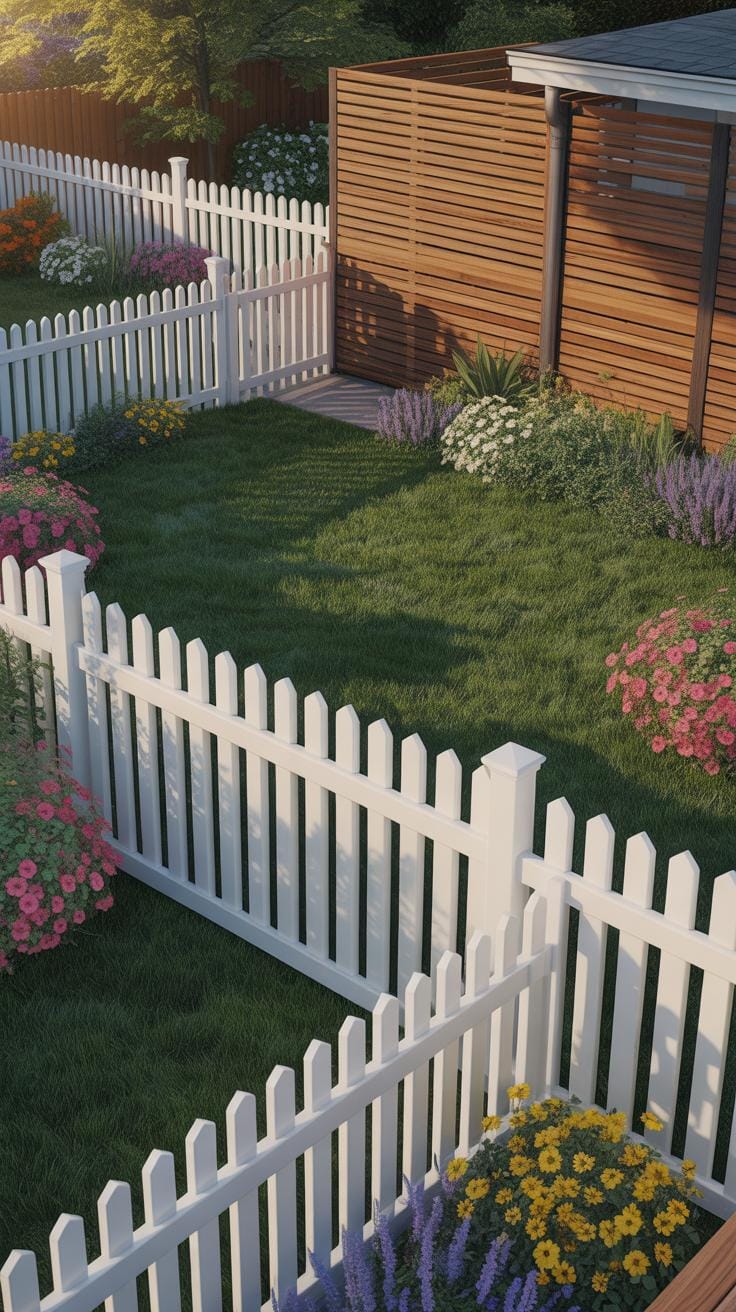
When thinking about backyard fences for your garden, you might want to explore options that blend charm with function. Farm-style fences fit this description well, though there’s more variety within those styles than you might guess at first. For example:
- Simple wooden rails create an open feel while defining space clearly.
- Woven wire fences offer a bit more security yet maintain a gentle, farm-like appearance.
- Electric fences, though more utilitarian, can be adapted subtly to suit garden needs—especially when they need to keep certain animals out without obstructing views.
These options allow you to tailor your garden’s boundary to whatever balance you want between openness and protection. You might find yourself leaning toward a style that feels less like a barrier and more like an extension of your garden’s personality.
Also, consider the height and material of the fence according to your garden’s specific needs. Sometimes a lower, rustic wood fence works well if you want to keep pets in but allow wildlife to enjoy the garden’s edges. Or perhaps a taller, more robust wire fence is necessary for areas where deer or larger critters pose a threat. There’s some guesswork involved, and a bit of trial and error too, but it’s worth thinking about.
Choosing your backyard fence is not just about marking territory—it’s about creating a setting where your garden can thrive, protected yet inviting in its own way. What do you want your garden to say to neighbors, visitors, or even yourself?
Fencing Installation Steps Checklist
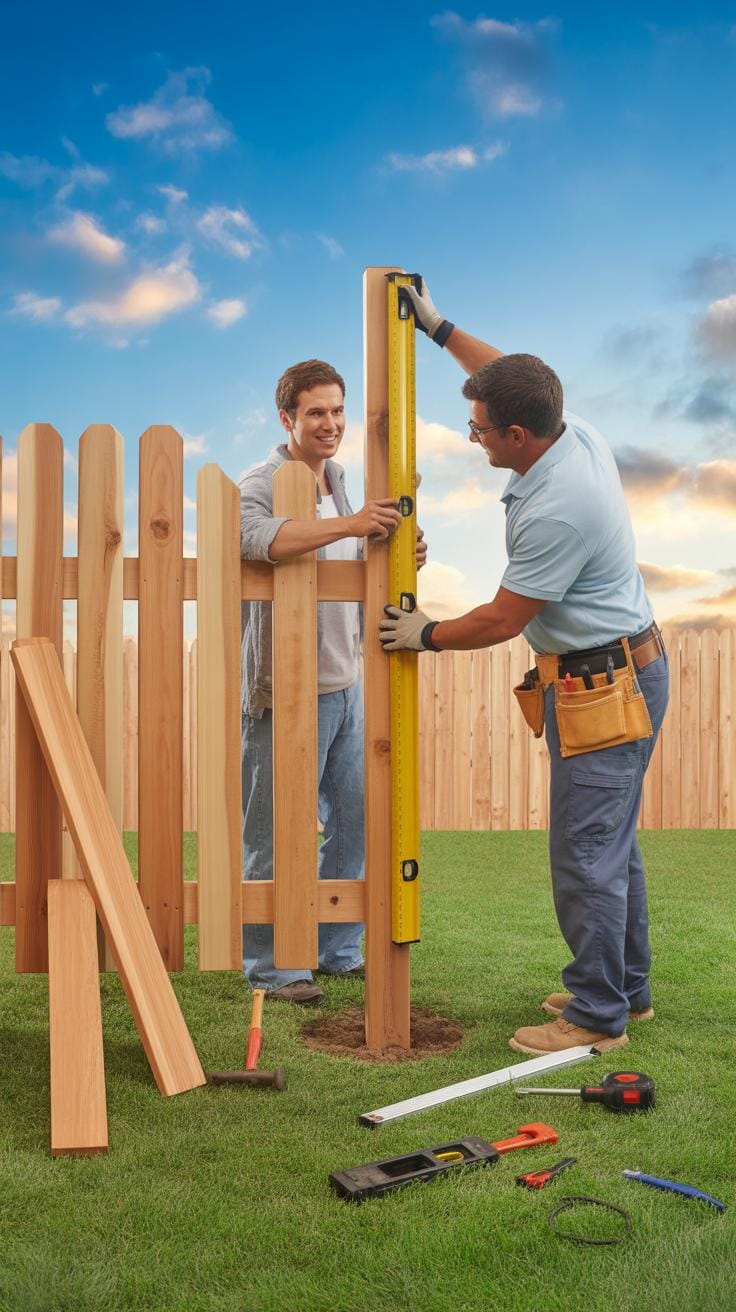
Installing a backyard farm privacy fence takes some work, but breaking it down into clear steps makes it less daunting. You’ll want to start by measuring your yard carefully. Grab a tape measure and mark where the corners and gates will be. Make sure you check local zoning rules or any easements that could affect placement. Getting this right upfront saves headaches later.
Next, marking the layout with stakes and string helps visualize the fence line. It’s tempting to skip this, but trust me, it pays off when you start digging post holes that everything lines up perfectly. Remember to factor in the width of the posts themselves in your measurements.
Then comes setting the posts. Dig holes deep enough — usually about a third of the post length — to ensure solid support. Use a level to keep each post vertical. Pour concrete to anchor each one firmly. Don’t rush this part; shaky posts lead to shaky fences, literally.
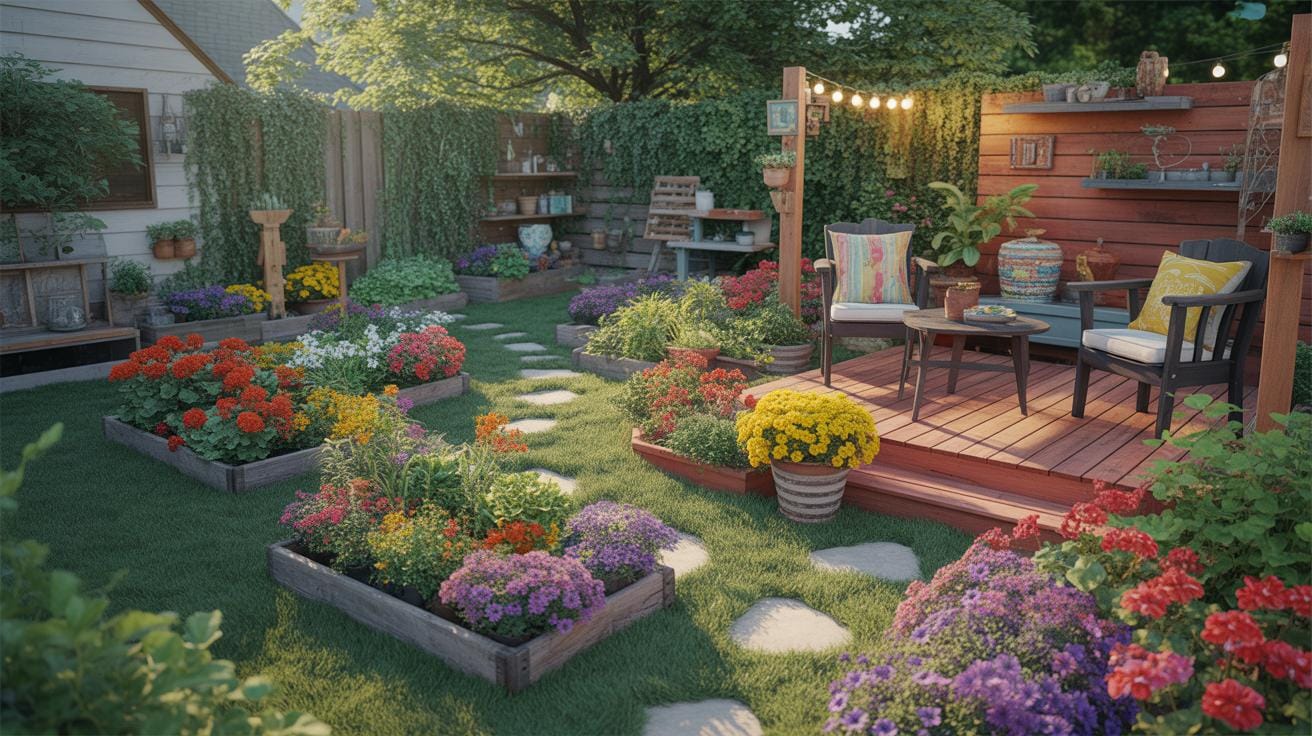
After posts are set and the concrete cures, attach your fence panels. Whether wood or wire, secure each panel tightly to avoid gaps. Check alignments and adjust as needed. Lastly, finish with any caps, paint, or sealant to protect your work and extend the fence’s lifespan. These steps might seem basic, but following them carefully makes all the difference in your fence’s durability and appearance.
Fence Material Cost Breakdown
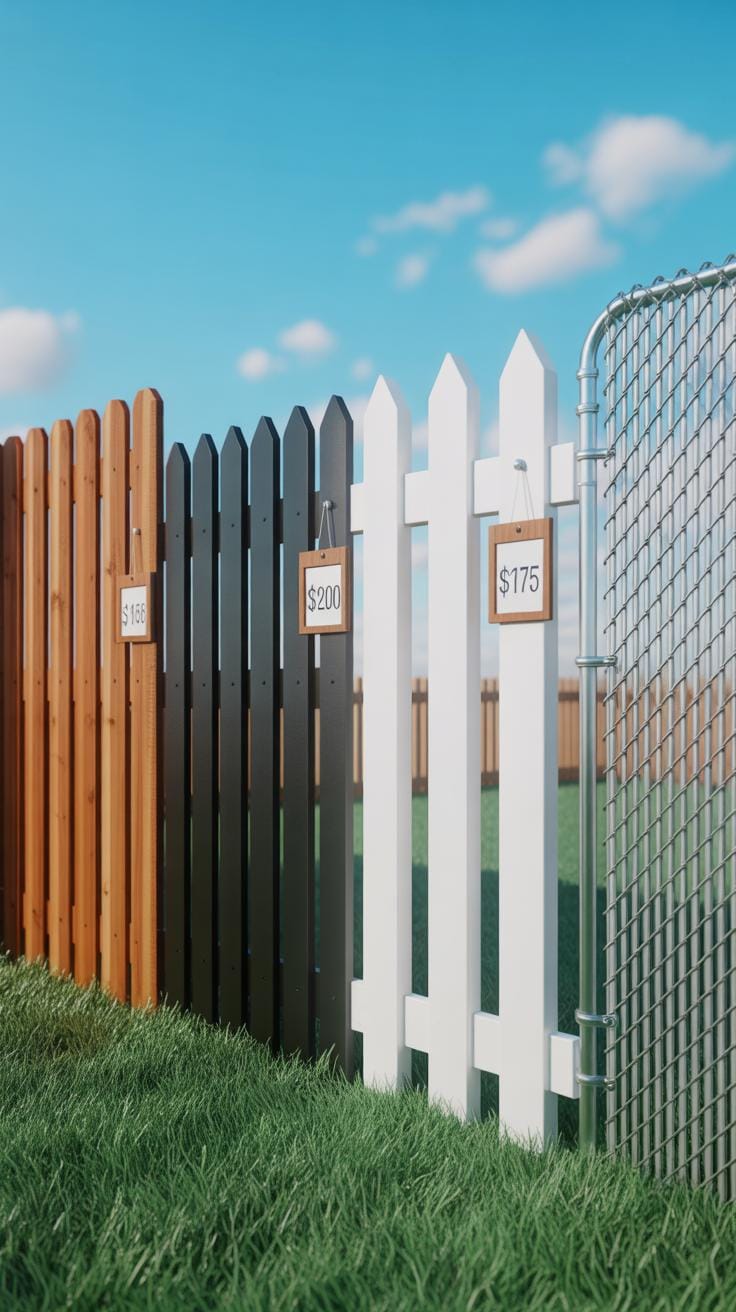
When considering backyard or farm fences, material choice often comes down to budget. Different materials bring varied price tags and maintenance demands. Wood is a popular option — it offers natural beauty and versatility. But costs vary greatly depending on the type of wood. Common softwoods are cheaper initially but might need more upkeep, while hardwoods cost more upfront but hold up better over time.
Metal fences, such as wrought iron or aluminum, tend to be pricier initially. However, they typically require less frequent repairs and have longer lifespans. This can balance costs in the long run, but rust or corrosion protection might add to maintenance expenses, especially in damp climates.
Then, there are natural fences, like hedgerows or live fencing. They require a different financial perspective. Upfront, planting and establishing can be costly and time-consuming. Yet, they provide environmental benefits and can even increase property value in the right contexts. Still, these living barriers need ongoing care — pruning, watering, and sometimes pest control — which can add to long-term spending.
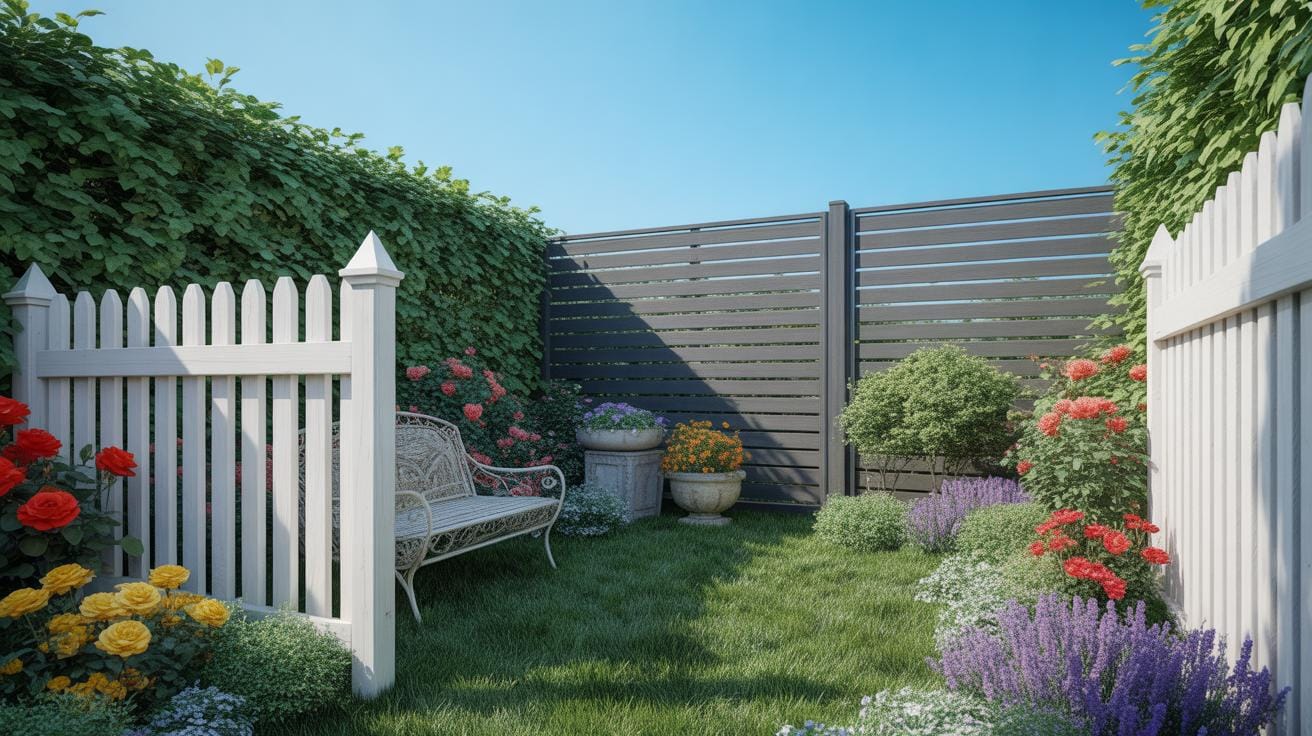
Budgeting for fences means weighing initial installation against ongoing maintenance. What might seem cheaper at first could demand more time and money later. Have you thought about what aspects you value most — aesthetics, durability, or ease of care? That can guide where you put your dollars and effort.
Fence Care And Maintenance Tips
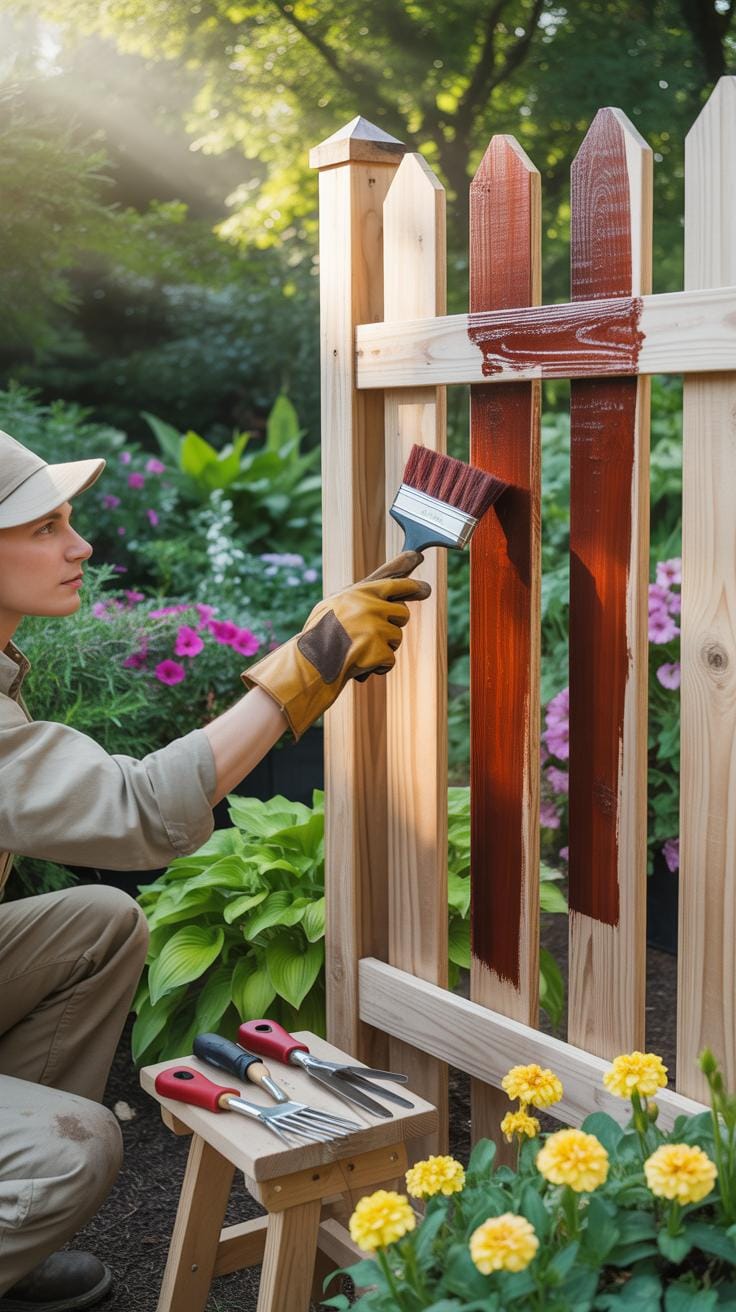
Taking care of your backyard fence isn’t always simple, but it pays off. Different fence materials—wood, metal, vinyl—each have their own maintenance needs. For instance, wooden fences tend to absorb moisture, so sealing or staining them every few years can help prevent rot. Metal fences might need rust treatment, especially if you live somewhere humid.
Cleaning your fence every six months or so keeps it looking fresh and catches small problems early. Dirt and debris buildup can hide damage, so a routine wipe-down or gentle power washing works well. When you spot loose nails or broken slats, fixing them promptly saves bigger headaches later.
Seasonal changes require attention, too. Before winter, consider tightening loose panels and applying waterproof sealants to protect against snow and frost. In summer, checking for sun damage or warping is wise. These small tasks can extend your fence’s life and keep your garden looking neat.

Wondering what your fence really needs? You might find that a quick yearly check through the seasons keeps things in order without overdoing it. After all, every garden—and fence—has its own character and quirks to consider.
Fence Styles Comparison Farm Versus Decorative Backyard Fence Ideas
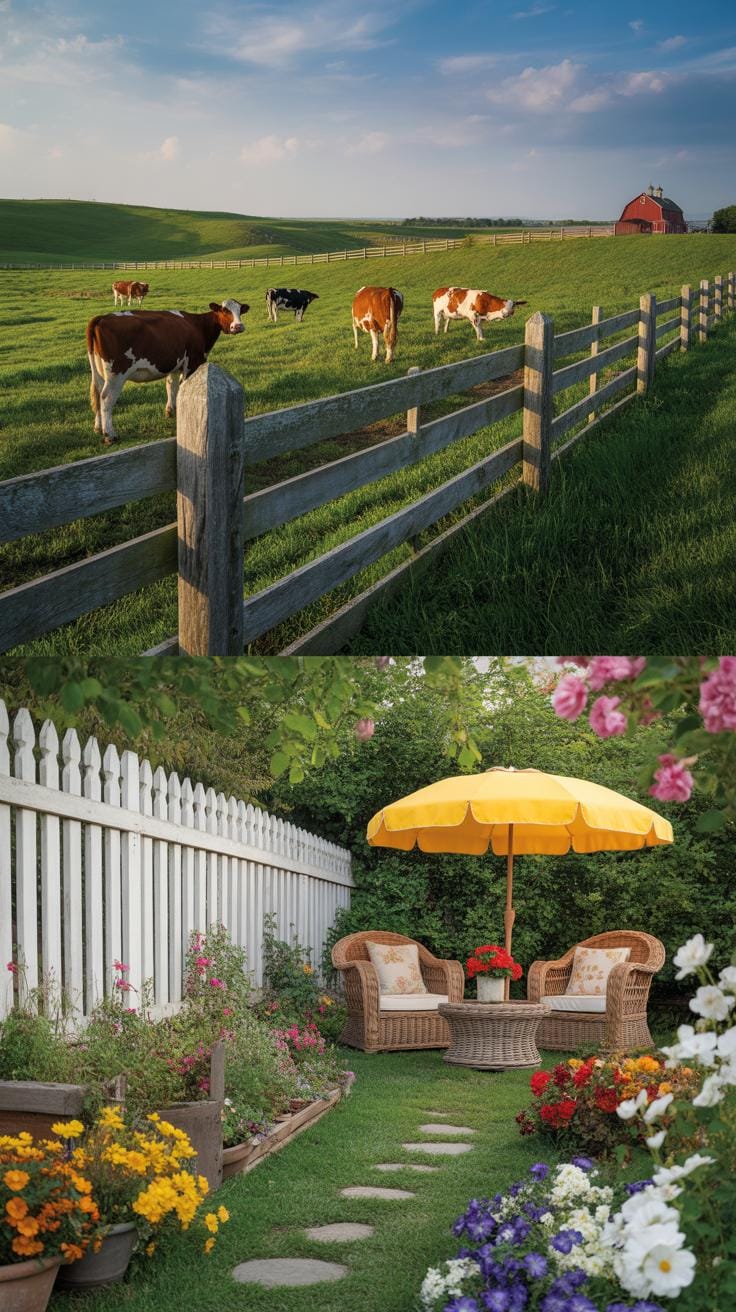
When you start thinking about backyard fence ideas, the choice between farm-style and decorative fences naturally comes up. They’re quite different, and honestly, you might find yourself torn between practical needs and visual appeal. Farm-style fences are straightforward—usually made from wood or wire, focusing on durability and keeping animals in or out. Decorative fences, on the other hand, put a premium on design. Think intricate patterns, painted finishes, or unique materials that can really boost your garden’s look.
Cost-wise, farm fences usually lean cheaper, especially if DIY is an option. Decorative fences tend to be pricier, but they can add charm and seem to invite curiosity rather than just block a space. Some folks might overlook the fact that farm fences aren’t just plain barriers—they can offer a kind of rustic character that fits well in more rural or natural garden settings.
Deciding when to choose farm styles can be a bit tricky. If your primary goal is functionality—like protecting a vegetable garden from animals or marking property lines in a no-fuss way—farm fences get the job done. But if the garden is more of a sanctuary or a showcase spot, decorative fences might be harder to resist. It’s a bit of a judgment call, really, based on what you want out of your backyard space: a strict boundary or an inviting feature.
Example Garden Fence Layout Plans
Simple Layout For Small Gardens
If your garden is on the smaller side, keeping the fence layout straightforward often works best. A simple rectangular or square plan using farm privacy fence panels can create an effective shield without overwhelming the space. Think of sturdy vertical wooden slats placed tightly together, blocking views and reducing disturbances.
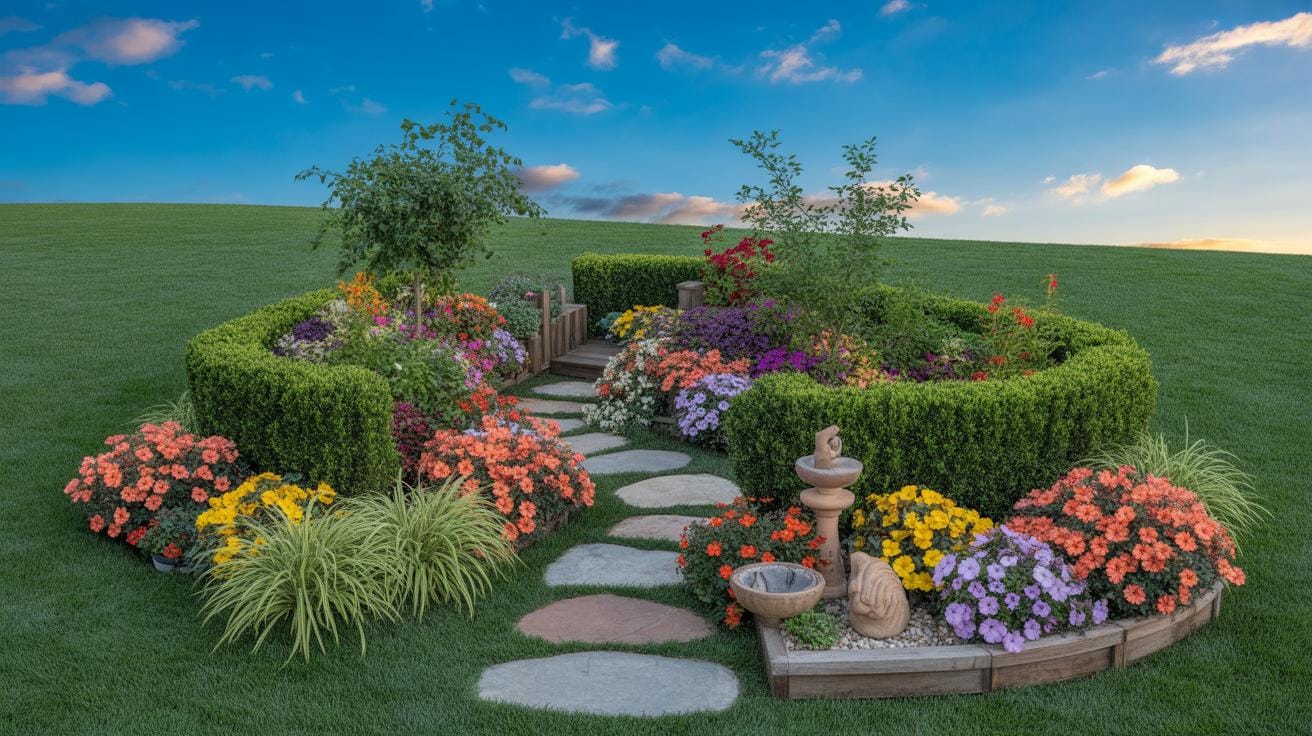
One way to arrange this is to position the fence around the garden’s perimeter, leaving a single entry gate. This setup prioritizes privacy and security without complicating movement. Maybe you want to plant climbing vines or flowers along the fence to soften the look—something that can complement the rustic farm style without cluttering the garden.
Spacing the posts roughly 6 to 8 feet apart provides balance between strength and appearance. This layout is manageable, both in installation and maintenance, especially if you want the fence to last through different seasons. Though simple, it allows for enough flexibility — like adjusting gate placement if needed later on.
Extended Layout For Larger Yards
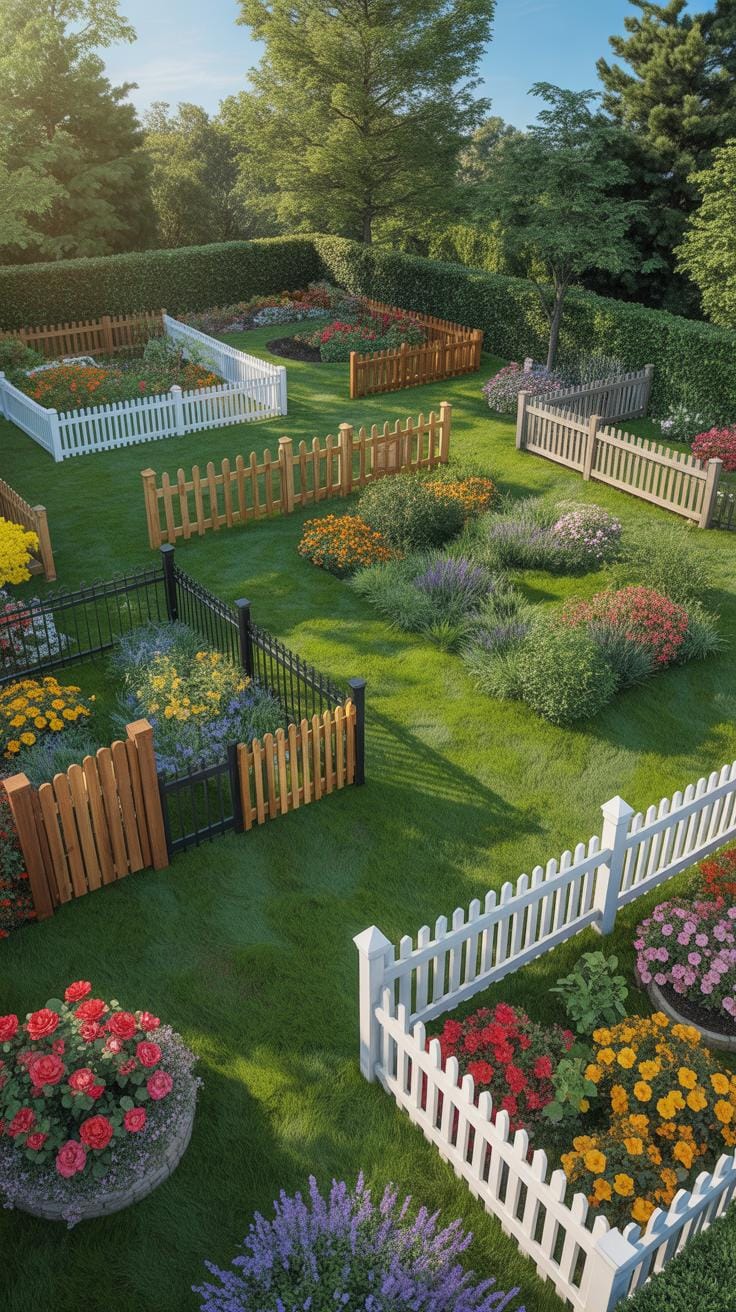
For those with more extensive parcels of land, farmhouse privacy fences can become a striking feature. The layout could stretch beyond a basic enclosure to include subdivided sections—perhaps a dedicated vegetable patch, an area for chickens, or a small orchard. Using classic horizontal wooden rails supported by posts creates that farm feel, but with added dimension.
The design may include multiple gates and crossing points to navigate easily between zones. You might run a taller privacy fence along the boundary facing neighbors and lower sections where the yard opens up to open fields or a driveway. This contrast can help preserve views while guarding privacy where needed most.
Longer stretches sometimes require additional supports or angled braces to avoid sagging, so plan post placement carefully. And don’t overlook pathways integrated into the fence design itself — a farm fence doesn’t have to be purely functional; it can shape how you experience your property, too.
Conclusions
Choosing the right backyard fence improves your garden’s privacy, security, and style. Farm-style fences offer solid options suited for keeping animals safe while adding a rustic look to your outdoor space.
Consider your needs, fence materials, and local conditions to pick a style that fits your garden and budget. Planning and maintenance help your fence last longer and keep your garden looking great.