
Introduction
Backyard farming means growing food and raising animals right in your own backyard. It brings many benefits, including fresh food, saving money, and helping the environment. Many people use regenerative farming techniques to improve their soil and plants naturally without harsh chemicals.
This article looks at how backyard farming and regenerative farming methods work together. You will learn why backyard farming matters, how to start, and examples of techniques you can use. This information helps you grow your own food and care for your land in a better way.
What Backyard Farming Means
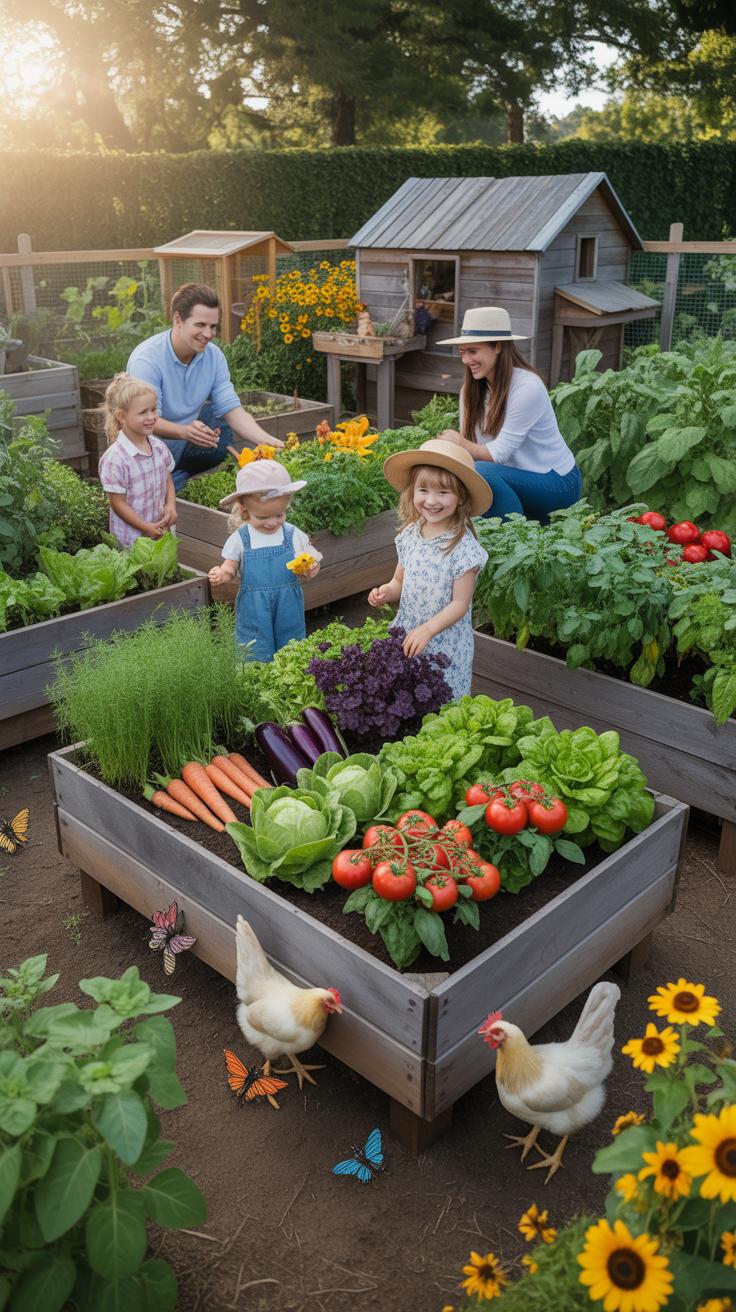
Backyard farming is basically growing your own food and sometimes raising small animals right where you live—your backyard, balcony, or any small outdoor space. It often includes planting vegetables like tomatoes, carrots, or leafy greens, growing fruit trees like lemons or apples if space allows, and keeping a few animals such as chickens or rabbits. It’s a hands-on way to produce fresh food without needing a large farm.
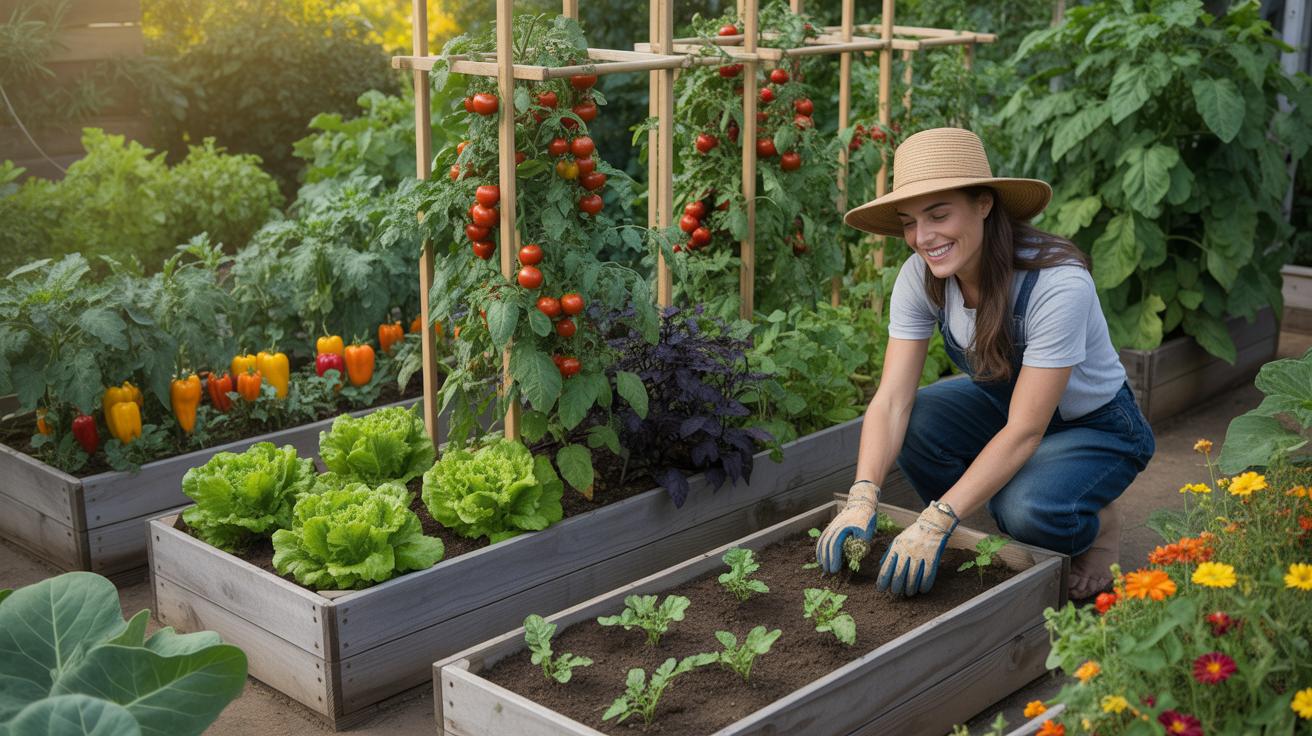
People take up backyard farming for many reasons: some want healthier food free from chemicals, others enjoy the connection to nature, and a few might want to cut grocery bills or simply spend more time outdoors. It’s a mix of practical needs and sometimes personal hobbies. Though, it isn’t always easy—managing space and time can be tricky, but the rewards can feel worth it.
Common Practices In Backyard Farming
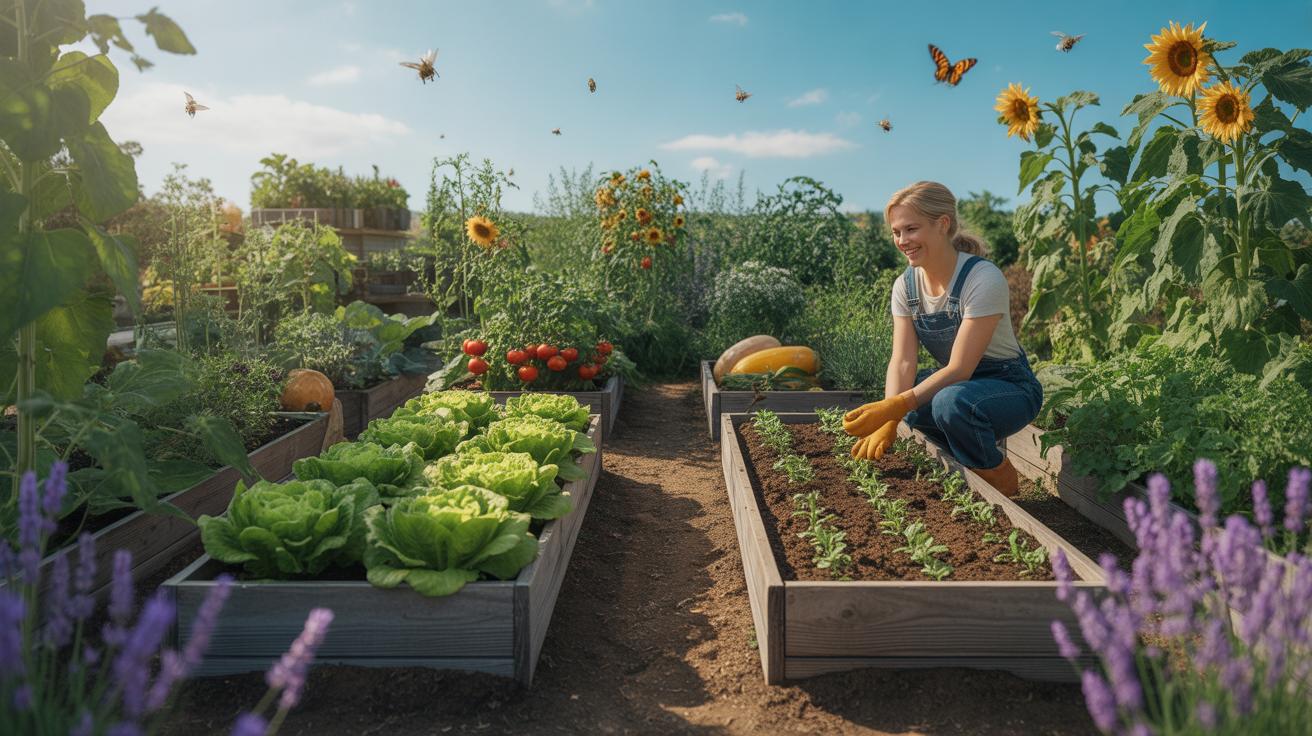
Most backyard farmers start with a few simple steps: planting seasonal vegetables in garden beds or containers, such as lettuce, peppers, or herbs. Fruit trees, while slower to mature, like dwarf citrus trees or berry bushes, are often part of the mix too.
- Keeping chickens for fresh eggs is popular. People build small coops or repurpose old sheds to house a handful of hens.
- Beekeeping is another practice, although it requires learning and care. Some use small hives to produce honey and help pollinate their plants.
- Composting kitchen scraps and yard waste helps keep soil healthy without relying on chemical fertilizers.
For example, a neighbor I know keeps a few chickens behind their garage and grows tomatoes in pots along the fence. It looks modest but provides fresh eggs and salad ingredients throughout the summer.
Common Backyard Farm Animals
Backyard farms usually host small animals suited for limited spaces. Chickens top the list because they provide eggs and pest control. Then there are rabbits, raised for meat or simply as pets; their waste also makes good fertilizer.
Bees are increasingly common, especially for those interested in pollination and honey production. While bees might seem daunting at first, they can be managed carefully and offer benefits for the whole garden.

Each animal plays a role beyond just food. Chickens scratch around, turning soil and eating insects. Rabbits’ bedding can enrich compost. Bees increase fruit set by pollinating flowers. So, backyard farming animals are more than food sources—they help maintain the health and balance of your micro-farm in small but meaningful ways.
Why Backyard Farming Matters Today
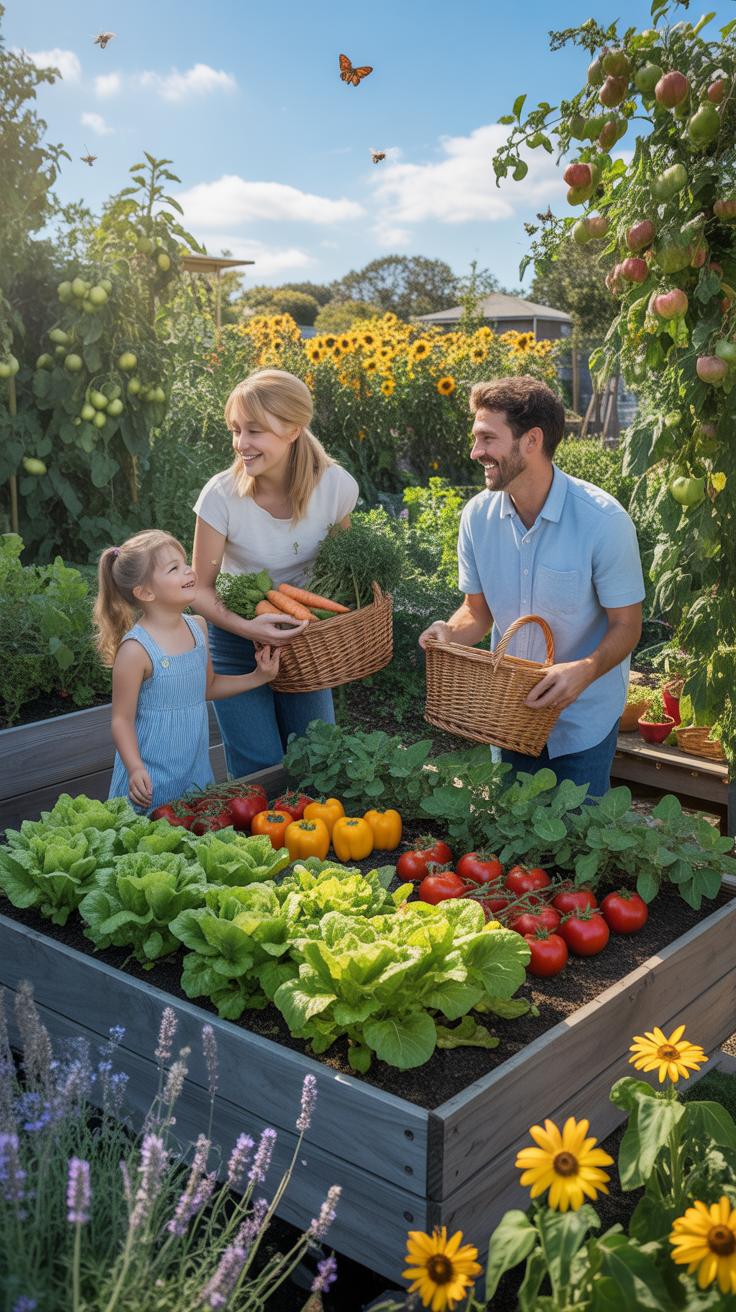
Backyard farming isn’t just a hobby for some green thumbs; it plays a bigger role for both individuals and communities than many realize. For starters, when you grow food at home, you’re taking part in food security, something that feels increasingly uncertain nowadays. Relying less on supermarkets means you can have a fallback — fresh produce ready in your own space.
There’s more than just convenience, though. Communities that embrace backyard gardens often see a boost in social ties, sharing seeds, tips, and harvests. It’s almost like a quiet way to build connections without even trying too hard.
And then, on a personal health level, having control over your food’s source means fewer chemicals and fresher bites. Eating something you nurtured yourself? It somehow tastes different — better, maybe, or at least more satisfying. That feeling can affect your well-being, even if you don’t realize it right away.

We can’t forget the environmental angle either. Backyard farming cuts down on food miles and packaging waste. When your garden is close to your kitchen, you don’t need to worry about plastic or transport pollution piling up quietly elsewhere. Plus, these small green patches offer homes to local insects and birds, nudging biodiversity back into our neighborhoods — a slow but welcome change.
So, do you think backyard farming might be worth a try in your own space? It isn’t just about food; it’s about taking small steps that ripple outward — in health, community, and the environment.
Basics Of Regenerative Farming
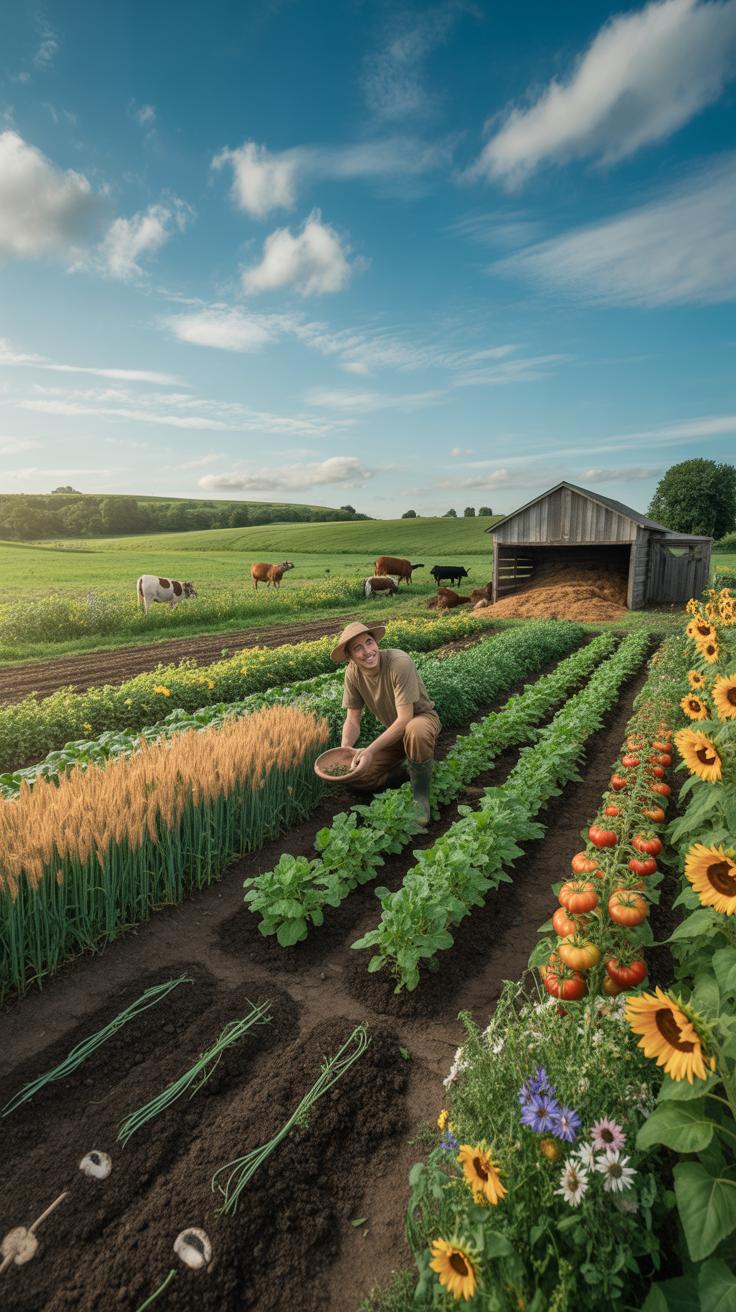
Regenerative farming focuses on restoring and improving the health of soil and surrounding ecosystems rather than just extracting from them. It’s about working with nature to build resilience, rather than relying heavily on synthetic inputs or intensive tilling like conventional farming does. The idea is to create a system that sustains itself over time.
Key principles include keeping the soil covered, maintaining diversity through multiple plant species, avoiding disturbance, and integrating animals to support natural processes. These principles work together to enhance soil organic matter, increase biodiversity, and improve water retention.
This approach contrasts with conventional methods that often degrade soil through repetitive plowing and heavy chemical use. Instead, regenerative farming builds the soil’s life, not just crops. For backyard farmers, this means less reliance on fertilizers and pesticides and, well, perhaps a more hands-on, patient approach that rewards attention to detail.
Soil Care In Regenerative Farming

Soil health is central to regenerative farming, and several practices support it in backyard settings.
- Cover crops: These plants protect soil from erosion, add organic matter, and support beneficial microbes.
- Composting: Composting recycles kitchen scraps and garden waste back into rich, nutrient-dense soil amendments.
- Reduced tillage: Less digging preserves soil structure and microbial habitats, making the soil more resilient.
Applying these methods might feel like extra work at first, especially if you’re used to turning the soil each season. But over time, your soil becomes softer, richer, and supports plants better without constant help. I still find it surprising how small changes, like adding a few handfuls of compost, can make a noticeable difference.
Linking Plants And Animals In Farming
Animals and plants in regenerative systems form partnerships that balance and benefit the whole system. Chickens, for example, can naturally control pests by eating insects, reducing the need for chemical sprays. Their manure adds nutrients back to the soil, supporting plant growth.
Integrating different species mimics natural ecosystems. Grazing animals help cycle nutrients through their movements, while plants provide shelter and food. Some small-scale backyard setups use ducks, rabbits, or bees alongside garden beds.
This arrangement isn’t always straightforward. Sometimes animals eat what you hoped to harvest, or managing them demands new skills and time. Yet, for many, the subtle give-and-take creates a richer garden experience and a healthier environment.
How To Begin Backyard Farming
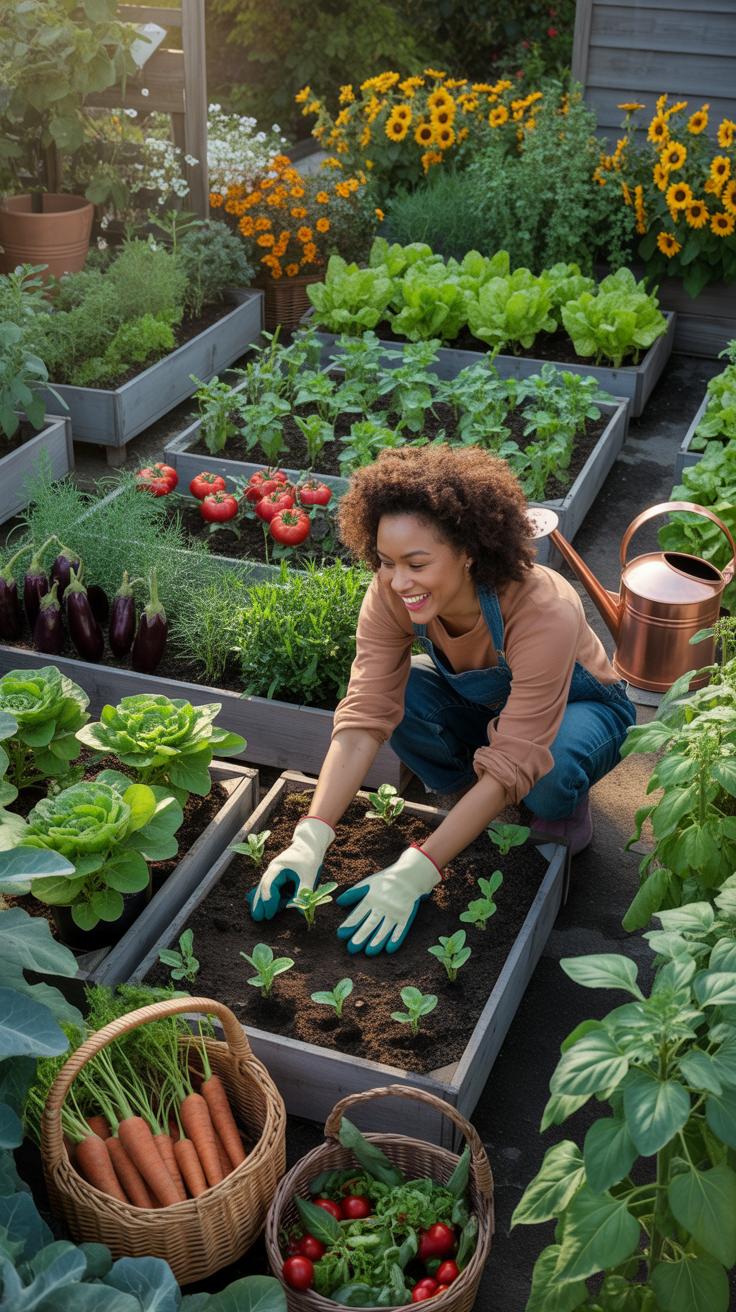
Planning Your Farm Space

Start by observing your backyard throughout the day. Which spots get the most sunlight? Most vegetables need at least six hours, so pick those areas first. Water access is key, too—plan beds near your hose or rain barrel to avoid lugging buckets around. Soil quality varies even in a small yard, so test it or just dig a little. If your soil feels heavy or dry, you may want to bring in compost or raised beds. Think about plant placement carefully; taller plants can shade smaller ones, which might be helpful or a problem depending on what you grow. Mapping your space on paper helps; you can visualize walkways and rotation spots before digging.
Choosing Plants And Animals Wisely
It’s easy to get overwhelmed by all the options, so start simple. Leafy greens like lettuce and herbs like basil grow fast and don’t require much fuss. Root vegetables like radishes also do well in small plots. If you want to add animals, consider chickens—they’re good for eggs and pest control but need space and some care. Rabbits or quail might fit smaller yards. Think about your goals: Do you want quick harvests, or are you okay with plants that take longer but yield more? Personal preference matters, too—I once tried tomatoes first and failed because of shade; now I stick to what fits my plot. Growing a few things well beats struggling with too much at once.
Tools And Materials Needed

Getting started with backyard farming means gathering some basic tools and materials, but it’s easy to get overwhelmed by the choices. You don’t need every shiny gadget, and sometimes simple tools will do the trick perfectly.
For gardening, the essentials include:
- Trowels: Great for digging small holes and transplanting seedlings.
- Hoes: Useful for weeding and shaping soil.
- Watering cans: Handy for even gentle watering, especially around delicate plants.

When selecting these, look for sturdy handles and comfortable grips. Cheaper tools might break quickly, but very expensive ones aren’t always necessary. Sometimes, a mid-range tool that feels good in your hand makes all the difference during long work sessions.
Materials for regenerative farming add another layer. You’ll want:
- Compost bins: These turn kitchen scraps and garden waste into rich soil.
- Mulch: Helps keep moisture in and weeds out.
- Cover crop seeds: These crops add nutrients and protect the soil.
- Natural pest control products: Like neem oil or insecticidal soaps.
Animal shelters come into play if you raise chickens or bees. Shelters must protect from weather and predators, but also provide good ventilation. Don’t rush on these—observe the needs of your animals first, then pick what fits best.
When shopping, think about your space and goals. Sometimes local nurseries offer seeds better suited to your environment than big-box stores. And don’t underestimate secondhand tools—they can be gems if cared for properly.
Common Problems And Solutions

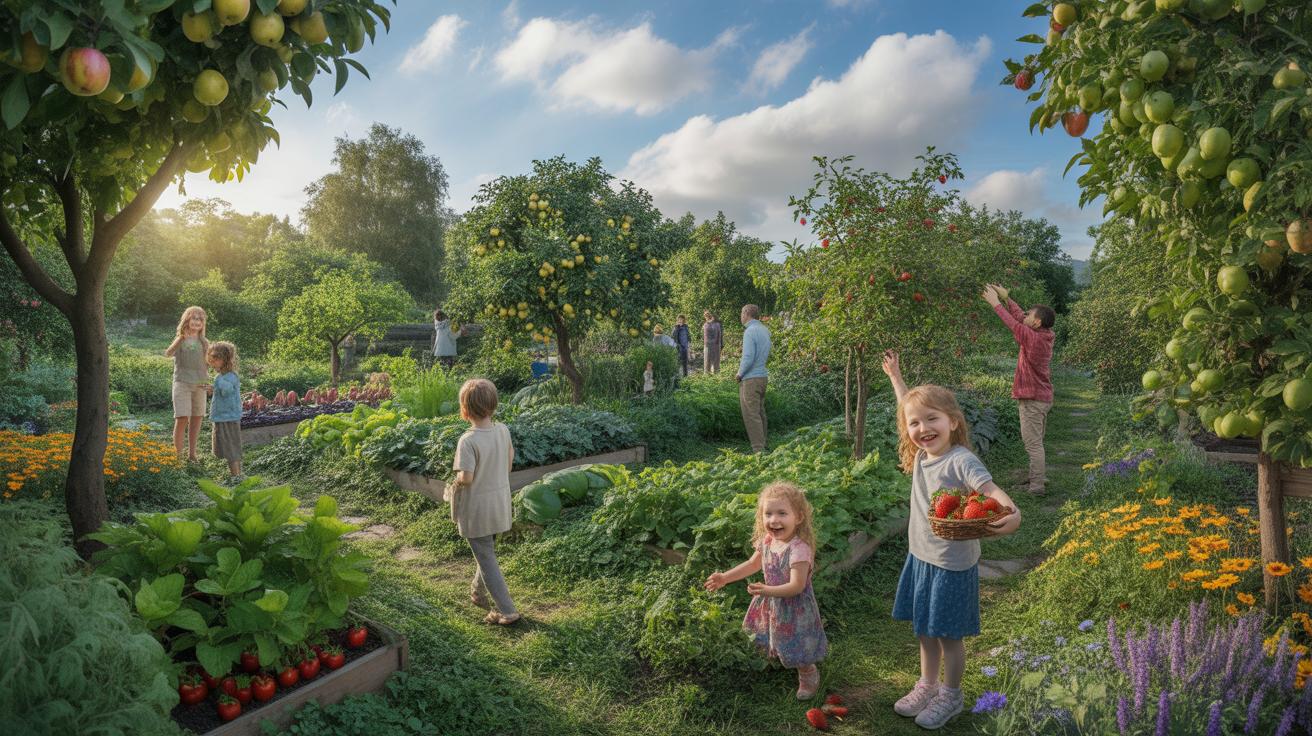
Backyard farming can be full of surprises—some good, some less so. Pests sneak in, diseases show up on leaves, and soil sometimes just refuses to cooperate. You might wonder why your plants are struggling even when you think you’re doing everything right. The trick is to understand your ecosystem better and work with nature rather than against it.
Take pests, for example. Instead of reaching for chemicals, try companion planting. You know, planting garlic near tomatoes or marigolds around peppers can confuse or repel certain bugs. I’ve seen aphids back off when I introduced ladybugs, tiny predators that hunt down those pesky pests. You could even make your own neem oil spray—simple, homemade, and gentle on the environment.
When it comes to soil, the problem often lies deeper than the surface. If your dirt looks tired, tired of endless planting without rest, you could add compost or leaf mold to revive it. Crop rotation matters too—switching peas one season for carrots the next changes up nutrient demands and keeps diseases at bay. Don’t forget cover crops; growing clover or rye in the off-season might seem like a hassle, but they add nitrogen and improve structure, which your soil will quietly thank you for over time.
Plant diseases can feel overwhelming, but often they signal little imbalances. Remove affected leaves, space plants for better airflow, and avoid watering leaves directly. Sometimes, the best cure is prevention through observation and quick action.
So, when you hit a snag, ask yourself: what’s missing in the natural cycle here? Often the answer lies in minor adjustments rather than drastic measures. Backyard farming isn’t always smooth, but that’s partly what makes it interesting—learning through trial, error, and patience.
Backyard Farming Cost Breakdown
Starting Costs To Expect
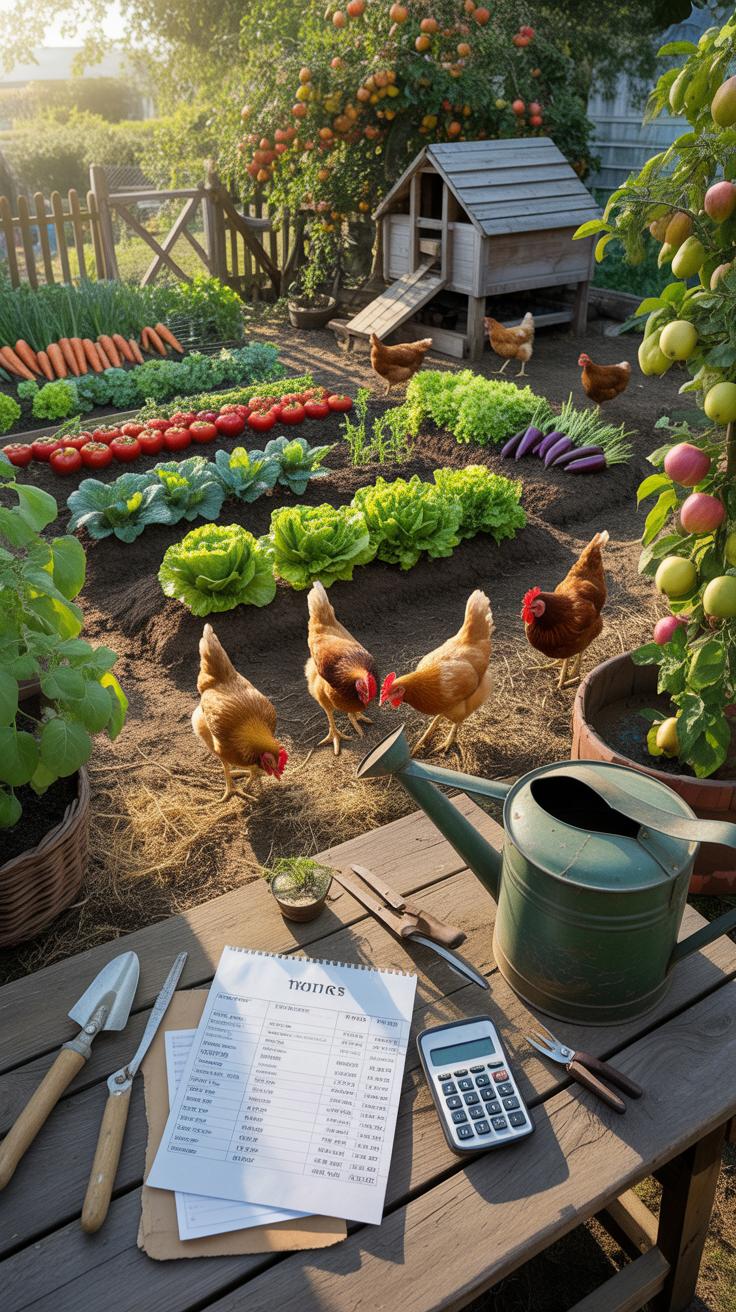
When you first begin backyard farming, you’ll face some typical initial expenses. Seeds are usually your first purchase, ranging anywhere from $2 to $10 per packet depending on the variety—herbs or heirloom vegetables might cost more. Soil tests, which help you understand your land’s nutrient needs, can run about $15 to $50. Basic tools like a shovel, rake, and hoe might add $30 to $100 to your startup costs.
If you want to keep small animals, expect prices between $10 and $50 per chick or rabbit. Fencing to protect plants and animals varies widely but can quickly become one of the bigger investments. You might think you can skip some of this, but in reality, skipping a proper soil test or fencing might cost you more down the line—plants struggling in poor soil or losses to pests are common hiccups.
Maintaining Your Farm Budget
Keeping costs down after the initial phase is possible but requires effort. Saving seeds from your own plants saves money and lets you adapt varieties to your specific conditions over time. Composting kitchen scraps and garden waste reduces your need to buy fertilizers. It might seem a bit messy or time-consuming at first, but you’ll notice the soil improving.
Using recycled materials can help too. Old wood becomes bed borders, broken pots turn into seed starters, and scrap wire makes simple trellises. Sometimes, you have to accept that certain tools wear out, though—and reinvesting periodically is part of the process. Balancing saving where you can with knowing when to spend a bit more often makes backyard farming more affordable and enjoyable.
Examples Of Successful Backyard Farms
Case Study Small Urban Garden
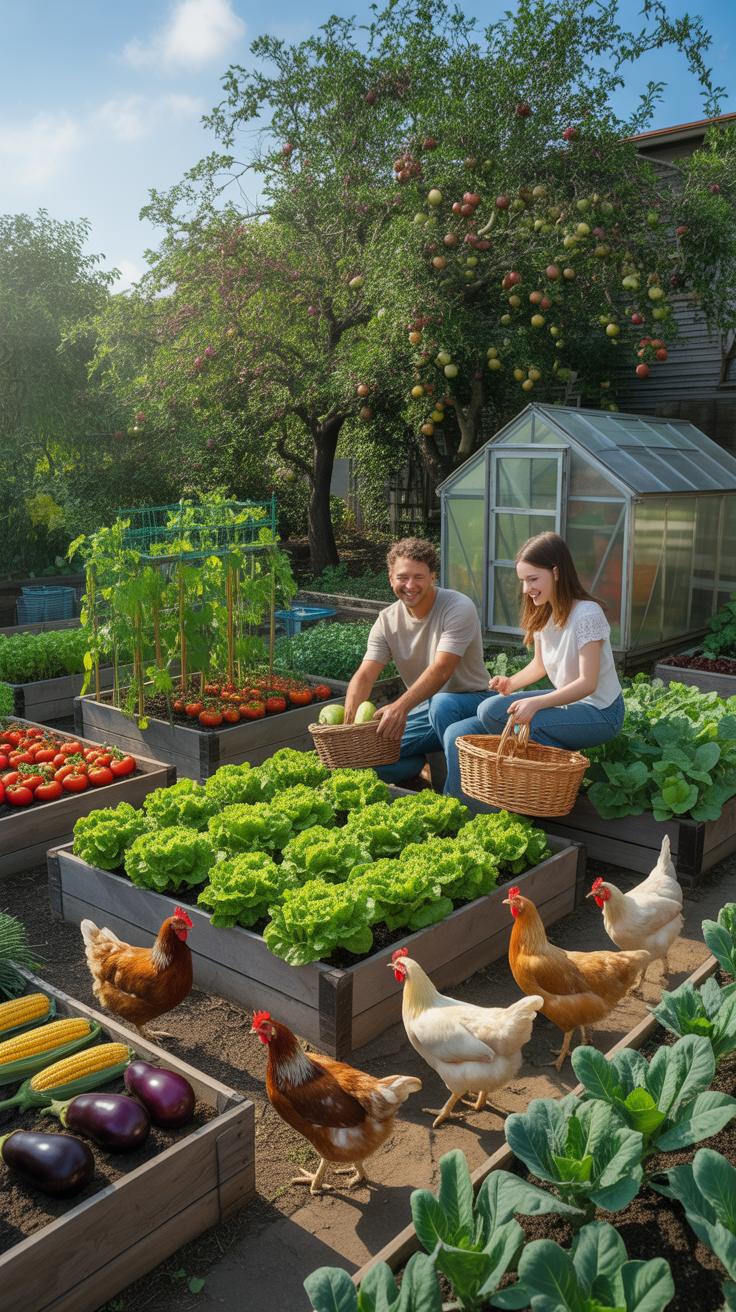
Imagine a tiny city backyard no bigger than a single parking spot. That’s what Sofia has, and she’s turned it into a thriving garden with vegetables and a small flock of chickens. Using regenerative practices like composting kitchen scraps and rotating crops, the soil life improved noticeably within a few months. The chickens not only provide eggs but also pest control and natural fertilizer through their droppings. Sofia found that mulching helped retain moisture, which was crucial during dry spells.
She learned to avoid over-tilling, letting earthworms do their work instead. It wasn’t all smooth; seasonally, some crops struggled, and managing space felt tight. Still, her yields increased, and the garden became a quiet haven amidst urban noise. This case shows small spaces can nurture life if you focus on soil health and biodiversity, but patience is key as nature takes its time.
Rural Backyard Farm Setup
Out in the countryside, Mark’s backyard farm stretches over an acre, allowing more freedom for animals and crops. He grows multiple vegetables alongside fruit trees and raises goats, chickens, and bees. His approach relies on regenerative ideas like cover cropping, polyculture planting, and rotational grazing. Observing his land closely, Mark adjusts livestock movement to prevent overgrazing and gives each plant group time to recover.
He notes the benefit of creating a diverse ecosystem where pests stay manageable and soil stays fertile. One lesson he often shares is that fencing and water management require upfront effort but save work later. Mark’s experience suggests scaling backyard farming needs attention to animal welfare and land management, but the payoff can be noticeable in the garden’s resilience and output. Still, even with bigger space, nothing is ever truly predictable.
Conclusions
Backyard farming combined with regenerative techniques offers many rewards. You get fresh food and help the earth by caring for the soil and using natural methods. This way, you can build a healthy space for plants, animals, and people.
By starting small and learning as you go, you can grow your skills and your garden. Backyard farming is a way to build a better future right at home. You have the power to make your land more productive and eco-friendly.