

Introduction
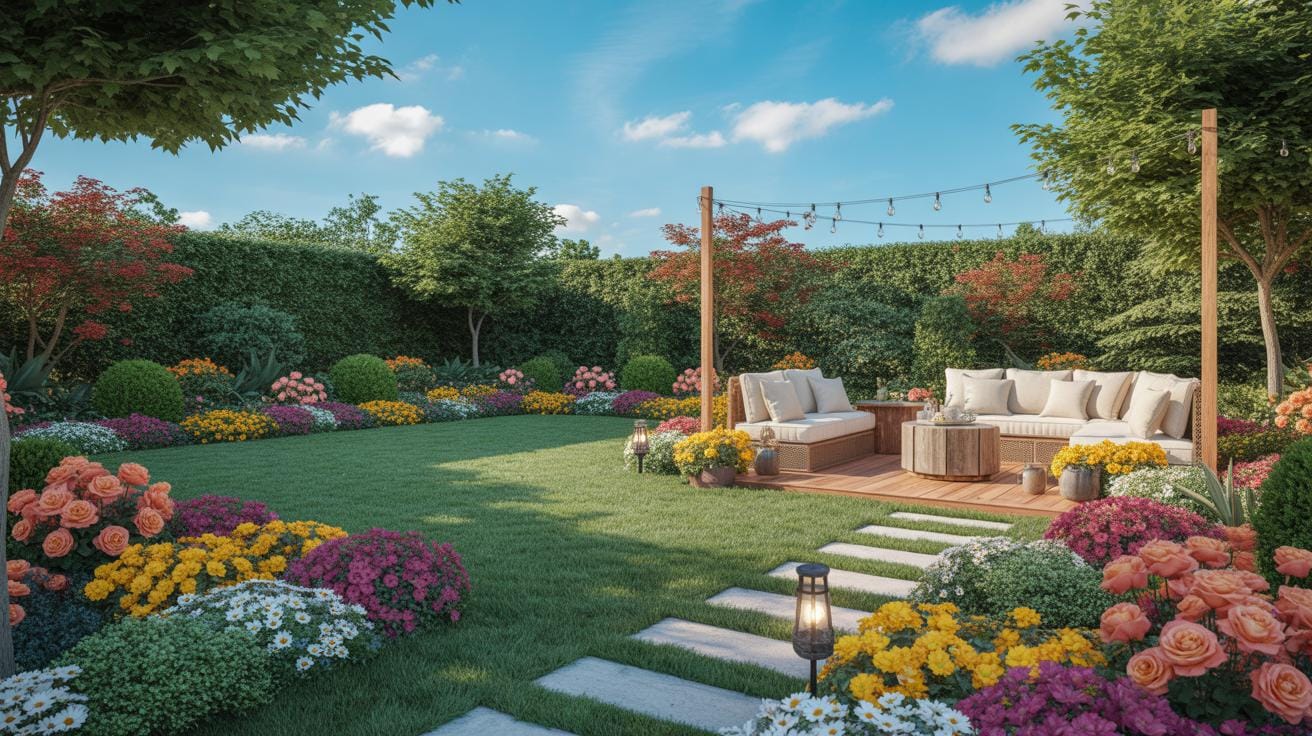
Your back garden can become a special place for play, relaxation, and gardening. Many homes have this space behind the house, which offers privacy and room to add your personal touch. Whether you want to grow vegetables or have a space for children to play, the back garden has many uses.
This article covers practical ideas for your back garden, including how to plan the layout, pick plants, add features like patios or sheds, and maintain your garden. You will find advice to turn your backyard into a useful and enjoyable space that fits your lifestyle.
Designing Your Back Garden Layout
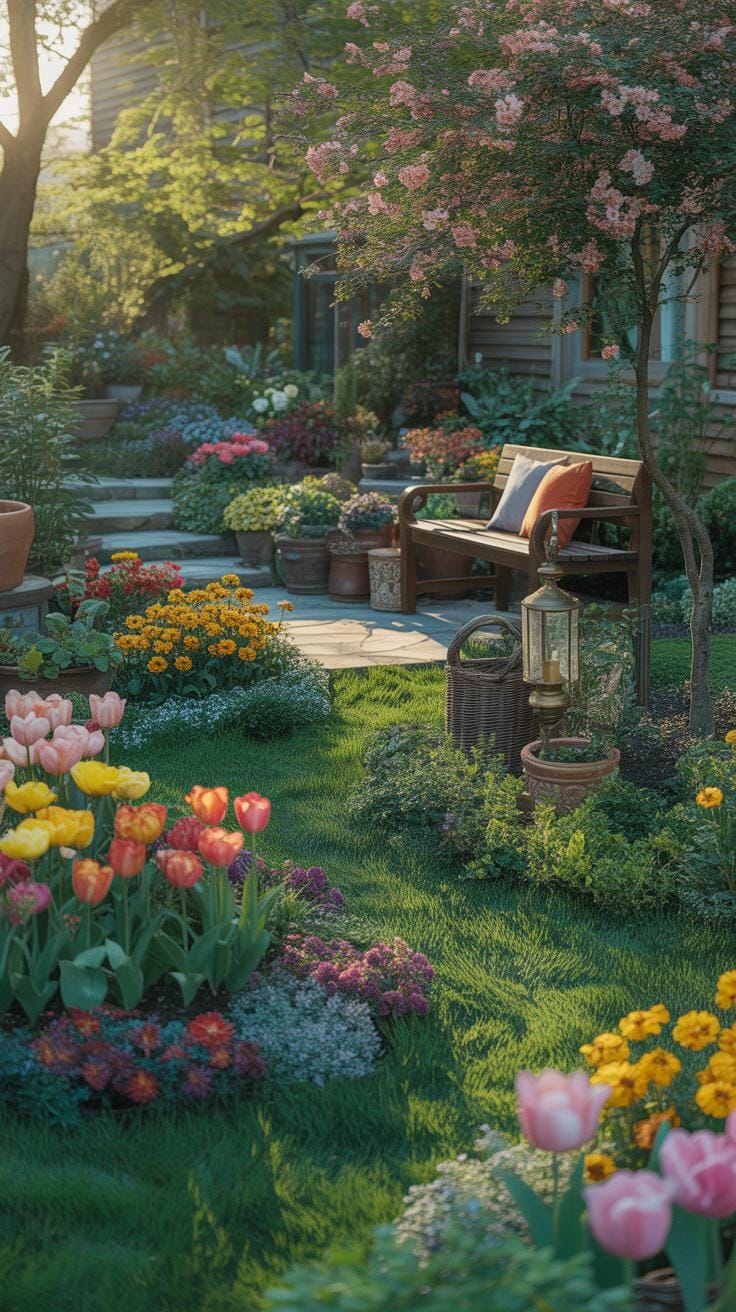
When planning your back garden, the first step is to visualize how you want to use the space. Think about creating clear zones—for relaxing, growing plants, and perhaps some structures like sheds or patios. Each zone serves a different purpose, and organizing them thoughtfully helps the garden function better for you daily.
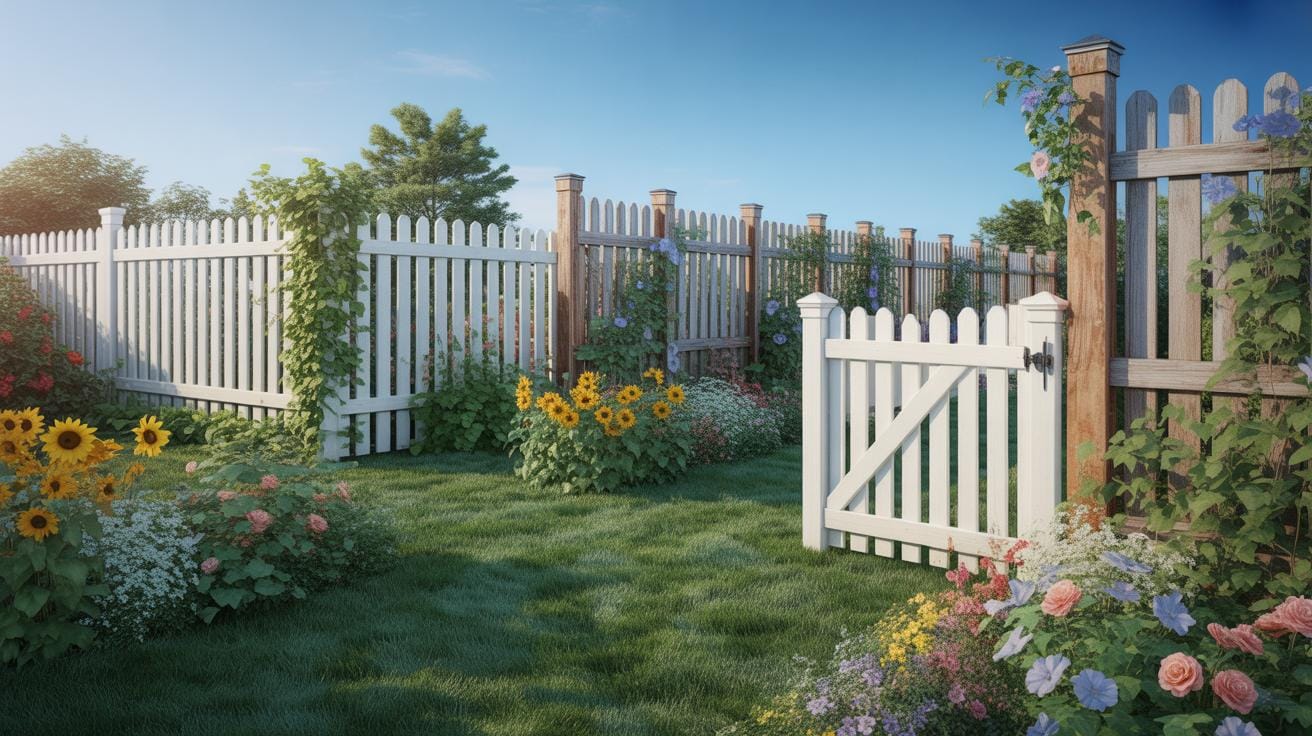
Imagine having a cozy sitting area where you can unwind, a corner dedicated to colorful flowers or veggies, and maybe a spot for kids or pets to play. Don’t rush the process; sometimes plans evolve as you live with the space. It’s okay if your zones aren’t perfect rectangles or neatly divided—nature rarely gives us that luxury.
Consider things like sunlight—where does it hit the garden the most? The sunny spots are great for sun-loving plants, while shadier areas might be better for seating or storage. Also, think about pathways to connect these zones comfortably.
Mapping Spaces For Different Uses
Dividing your garden into distinct areas makes a lot of sense. For example:
- Designate a play zone if children are around. Think of safe, open space with maybe some soft ground cover.
- Reserve a planting area where soil conditions suit your garden ambitions—whether flower beds, herbs, or vegetables.
- Create a sitting or dining nook, perhaps near the house for ease or tucked away under a tree for privacy.
You don’t have to be rigid here. Sometimes zones can overlap or flow into one another, and that’s perfectly fine. It can add to the relaxed charm of your garden.
Choosing Where To Place Garden Features
Placement of patios, sheds, and paths depends on multiple factors:
- Accessibility—Sheds and patios should be easy to get to without crossing delicate planting.
- Sun exposure—Patios work better in spots that get good sun but also some shade, if possible.
- Drainage—Avoid wet, low-lying areas for structures or sitting spots to prevent puddles and discomfort.
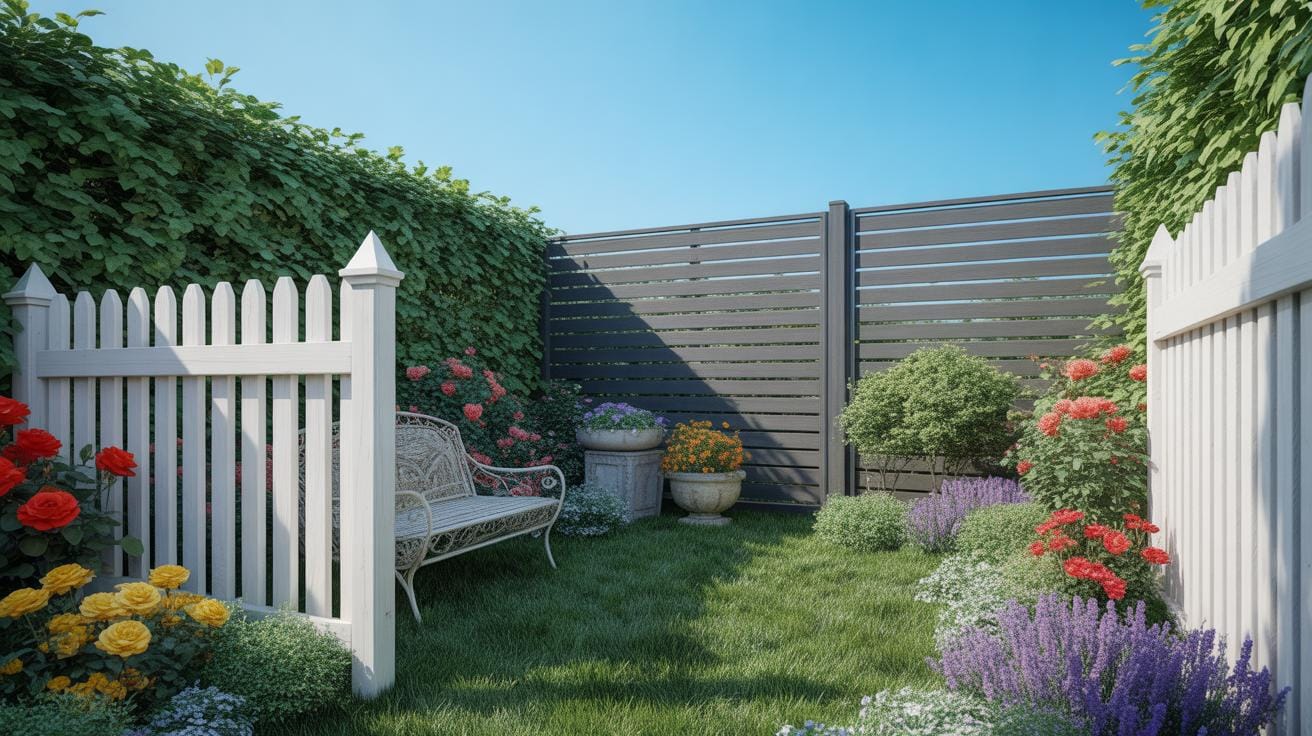
- Privacy—Patios and sitting areas benefit from visual shielding, either from a fence, hedge, or even the house itself.
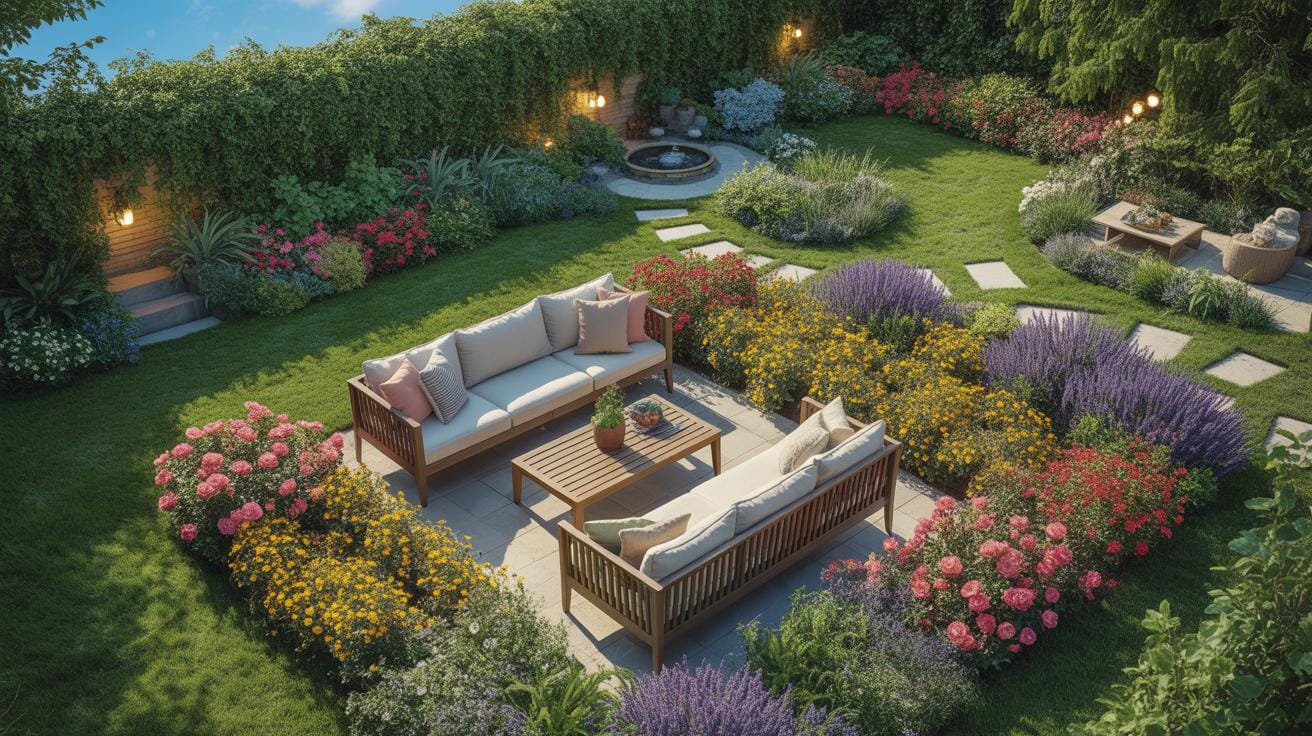
Paths should follow natural movement patterns. It’s okay to start with a straight path and later soften it with curves or plants as you get a feel for how you use the space. Patios near the house are practical and invite outdoor dining, yet a secluded patio might serve better as a quiet retreat.
Selecting Plants For Your Backyard
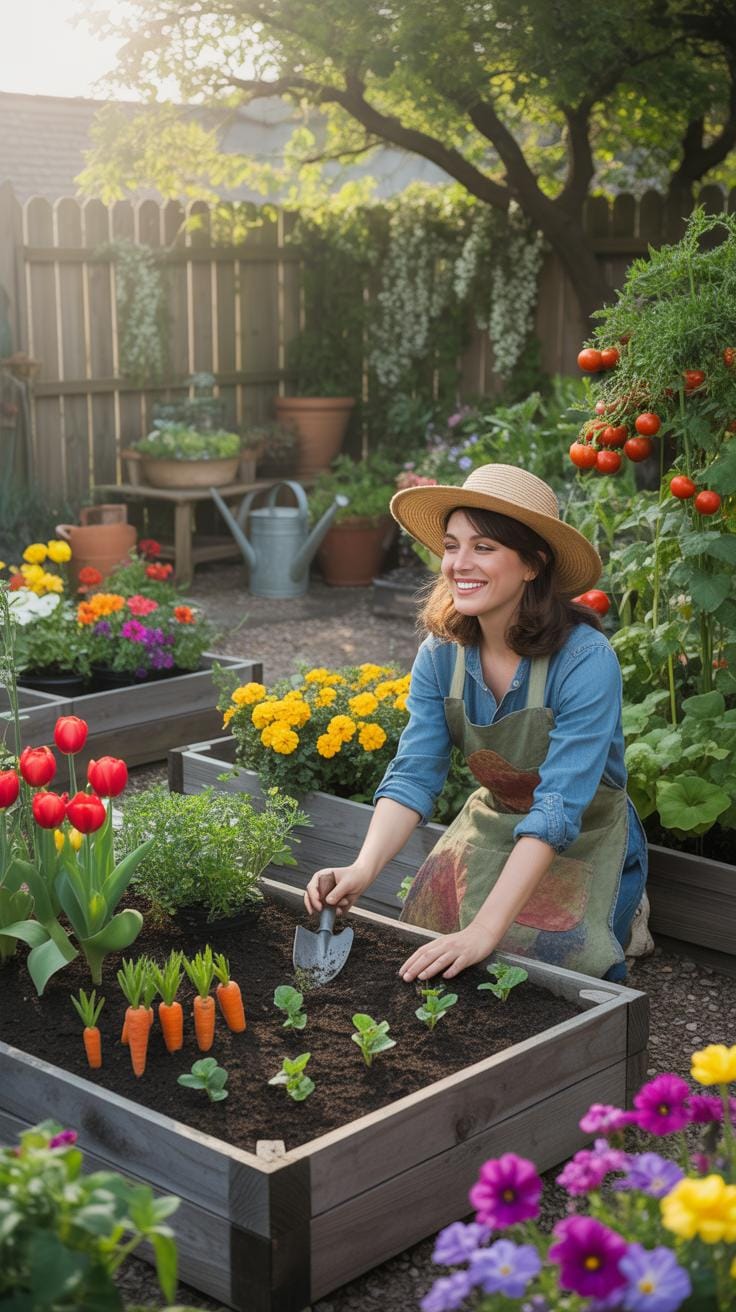
When choosing plants for your backyard, it’s not always straightforward. You want plants that suit the space, climate, and soil—but also your lifestyle. Vegetables and flowers can both make great additions, but they demand different care routines. For example, consider tomatoes or peppers if you want edible plants. They often do well in sunny spots and can give a reliable summer harvest. Flowers like marigolds or zinnias not only add color but can also repel certain pests, which might help your vegetables thrive.
It’s sort of a balancing act. You want to avoid picking plants that are too fussy or require constant attention unless you’re willing to invest that time. Maybe start with easy-to-grow options and gradually add diversity. And of course, local conditions matter—what thrives in one backyard might struggle in another.
Plants That Thrive In Backyard Conditions
Backyards typically have varied sunlight and soil—some areas brighter, others shaded or compacted. So, selecting plants that can tolerate these typical conditions is key.
- Sun-loving plants like lavender, sage, and rosemary do well in spots that get at least six hours of sun.
- Shade-tolerant plants such as hostas and ferns fit nicely under trees or in less sunny corners.
- For vegetables, lettuces, spinach, and carrots usually manage well in sunny to partly shaded spots if the soil is loose and well-draining.

It’s worth experimenting a bit. Sometimes a plant surprises you with its resilience. I’ve seen spinach sprout in places I didn’t think it would.
How To Group Plants For Best Results
Grouping plants properly encourages healthier growth and reduces water and maintenance needs. Here’s what to think about:
- Sunlight Needs: Keep sun lovers together in the brightest spots. Shade-loving plants do better in darker areas.
- Water Requirements: Avoid placing plants that like dry soil right next to those that prefer moist soil. Group drought-tolerant plants separately to prevent overwatering trouble.
- Size and Growth Habits: Taller plants should be positioned where they won’t overshadow shorter ones that need sun. Also, cluster plants with similar growth rates to keep the arrangement balanced.
Sometimes it’s tricky deciding how far apart plants should go, especially with fast growers. Keeping a bit of flexibility for adjustments after the first growing season helps a lot.
Building A Patio Or Deck Area
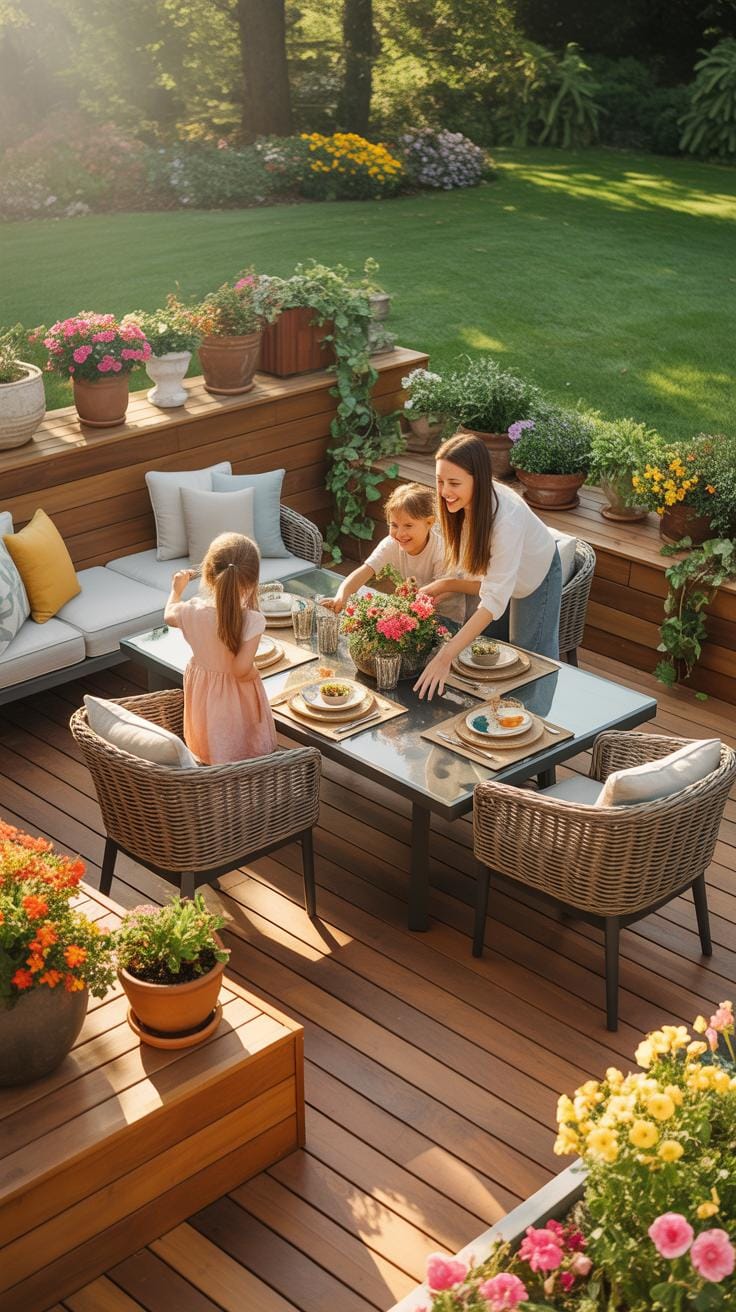
Adding a patio or deck to your back garden is a straightforward way to enlarge your living space outdoors, but it does require some planning. First, consider the size and shape of the area. Mark out the spot where you want it, keeping in mind sunlight and how the space will flow from your house. You might want to level the ground before starting; uneven terrain can cause trouble down the road.
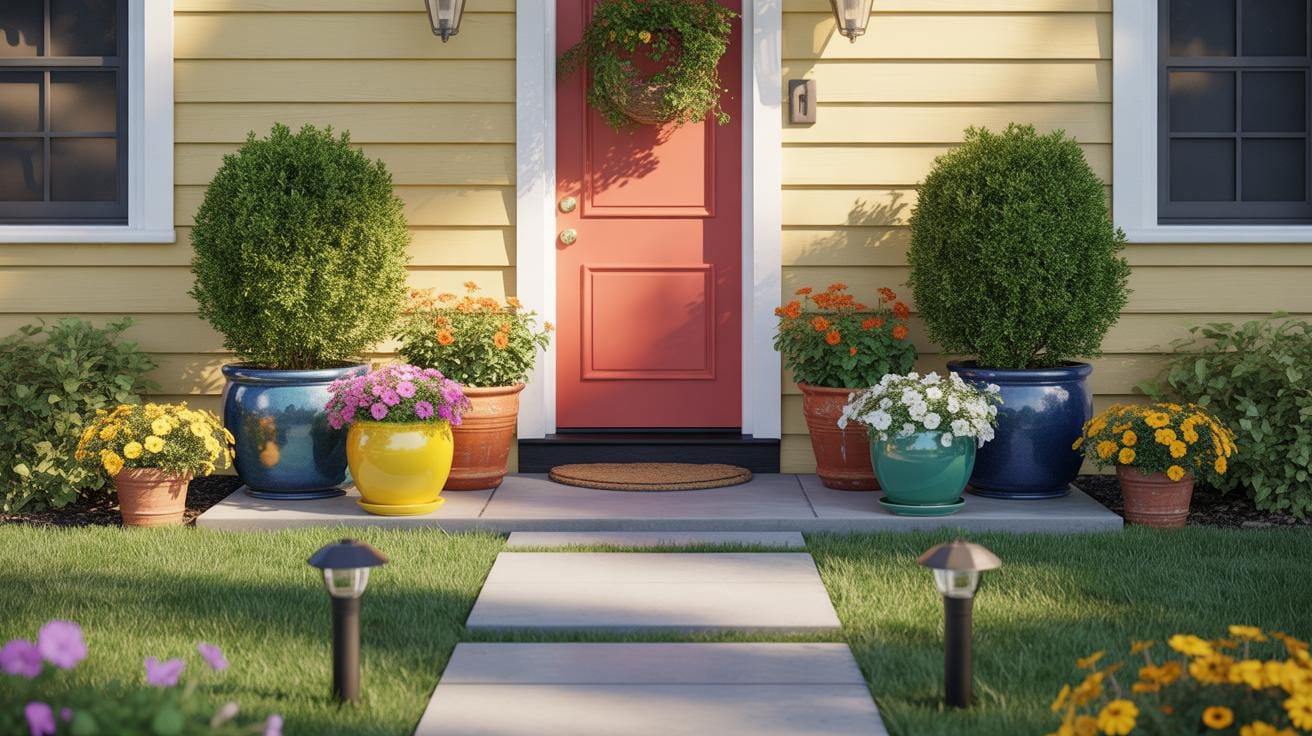
Construction usually begins with a solid base. For patios, this often means compacting gravel or sand, creating a sturdy foundation for pavers or stones. For decks, building a frame with pressure-treated wood or metal supports ensures stability. Don’t forget to think about drainage—it can save you from water pooling nearby.
By taking these steps carefully, you stand a good chance of creating an outdoor space that feels just right for relaxing or entertaining, without unpleasant surprises later on.
Choosing Materials For Flooring
Picking the material for your patio or deck flooring depends a lot on style, budget, and maintenance. Wood has a natural look and feels warm underfoot but requires regular sealing to avoid weather damage. Stone is sturdy and visually striking, though it can get chilly in cooler months and might be pricier. Concrete offers flexibility with different finishes and is quite durable, but sometimes it seems a bit plain or industrial for some tastes.
Each option has its quirks—wood might splinter, stone can be uneven, and concrete may crack over time. Maybe blending materials fits your garden better? For example, stone walkways combined with a wooden deck create interesting contrasts and functional zones. Thinking about how these materials age and work with your garden’s climate is key.
Planning Furniture And Shade
Selecting furniture for your patio or deck is about more than just comfort. Think about the space you have. Compact sets work well in tight spots, while larger areas can handle loungers, a dining table, or even an outdoor sofa. Materials like resin wicker, metal, and teak handle weather differently—resin may fade, metal can heat up in the sun, and teak needs occasional oiling to stay looking good.
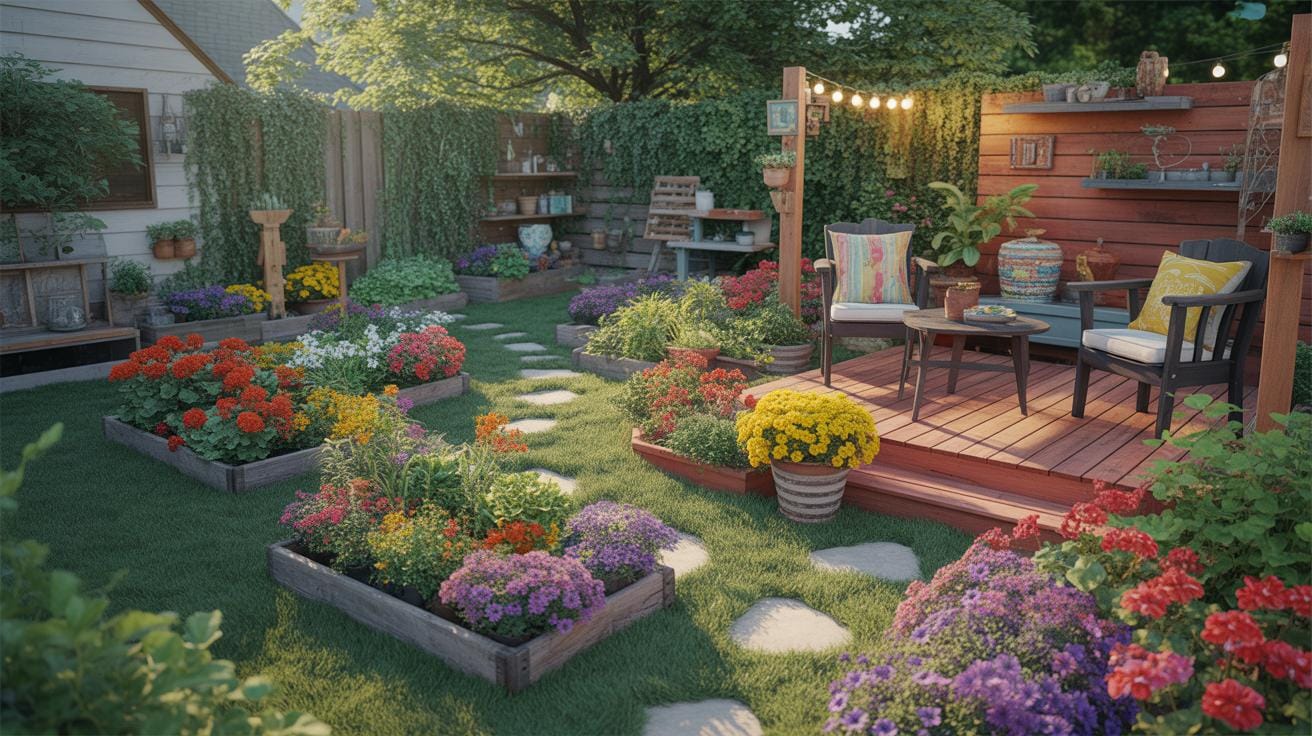
When it comes to shade, options vary widely. Umbrellas offer flexibility, easy to move based on the sun’s position. Pergolas provide structure and can be enhanced with climbing plants for natural shade, but they need more installation effort. Sometimes, combining a pergola with retractable fabric covers or string lights creates a cozy ambiance that lasts after sunset. Think about your typical weather and how much shade you want throughout the day before making a choice.
Installing Garden Lighting
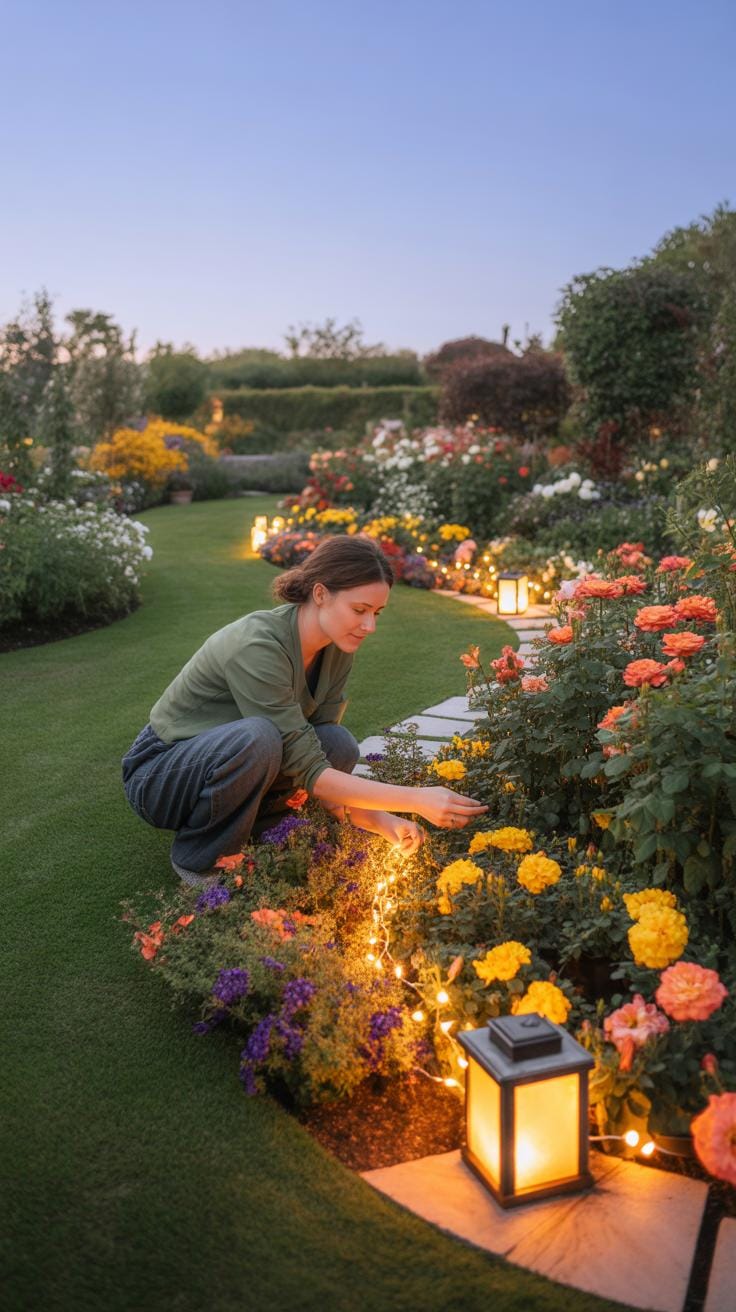
When it comes to lighting your back garden, you have a variety of options that serve both ambiance and safety purposes. Solar lights are popular because they’re easy to install and don’t require wiring. They charge during the day and turn on automatically at night, which is convenient but, I think, less reliable in shaded or cloudy spaces.
String lights can add a cozy, festive feel. You might drape them along a fence or above a seating area. They need an electrical source, so placing them near an outdoor outlet is best to avoid long extension cords. Then there are spotlights, which highlight specific features—trees, statues, or pathways. They often require direct wiring and should be positioned carefully to avoid glare.
When wiring outdoor lights, safety is crucial. Use outdoor-rated cables and connectors, and keep all connections off the ground where water might collect. Weatherproof junction boxes can protect connections, which might seem like overkill, but it’s better to be safe than sorry.
Think about where the light shines as well. Avoid pointing bright lights near neighbors’ windows or your own seating area—it can get uncomfortable. Instead, illuminate walkways and entrances subtly. If you’re unsure about electrical work, consulting a professional isn’t a bad idea. After all, your garden should feel inviting, not hazardous.
Setting Up A Vegetable Patch
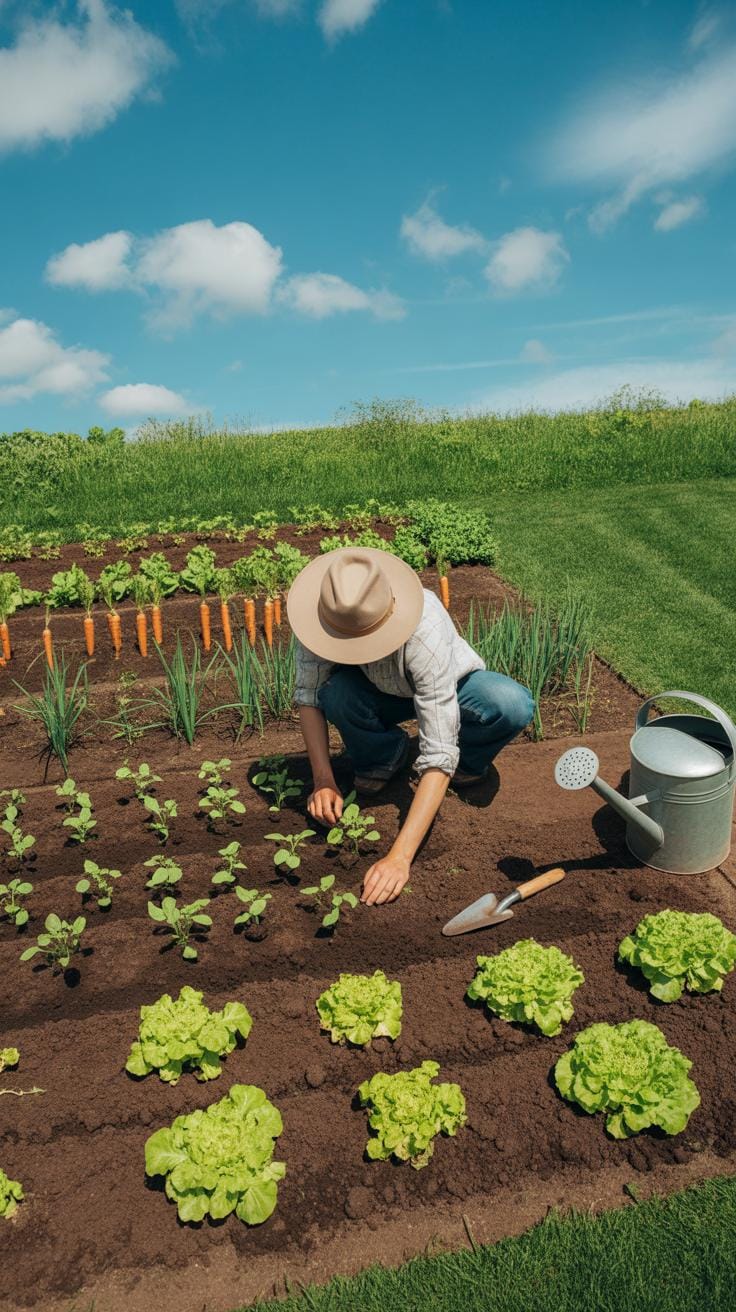
Starting a vegetable garden in your backyard might seem straightforward, but it’s easy to overlook a few details that could make or break your efforts. First off, picking the right spot is crucial. Vegetables generally thrive where they can soak up sunlight for at least six hours a day. So, watch the sun’s path in your garden throughout the day and pick the brightest corner you have. It might be tempting to pick a shaded, cooler spot, but your plants won’t reward you with much if the sunlight is scarce.
Soil matters a lot too. You want soil that drains well but doesn’t dry out instantly. A quick test is to dig a small hole and fill it with water—if the water lingers too long, you might have drainage problems; if it disappears too fast, the soil could be sandy or too loose. Compost or organic matter added to your soil can improve its texture and fertility, which is something I’ve learned from trial and error over the years.
When you’re ready to start planting, follow a few basic steps to give your garden a good kick-off:
- Clear the area of weeds and debris—sometimes the simplest step is the most overlooked.
- Loosen the soil deep enough to let roots stretch easily, usually about 8 to 12 inches.
- Mix in compost or well-rotted manure to boost nutrients.
- Plan your planting layout—crowding plants is tempting to save space, but it can stunt growth.
- Water gently but thoroughly after planting; this helps settle the soil and encourages roots to grow down.

Remember, watering regularly but not excessively is key. Too much water can drown plants or invite diseases, while too little will stress them out. I tend to check the soil with my fingers – if it feels dry a couple of inches down, it’s time to water.
Back Garden Tools And Equipment
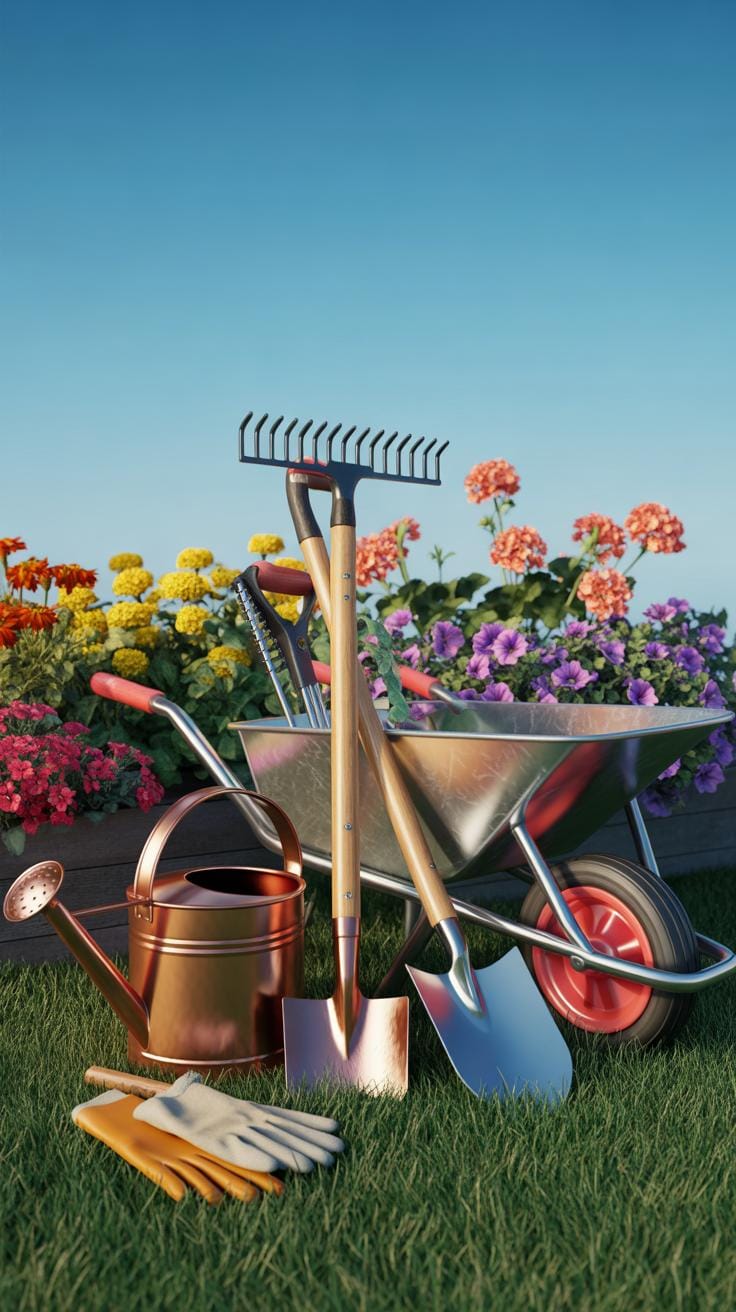
When it comes to maintaining your back garden, having the right tools can make a surprising difference. I mean, it’s not just about owning a shed full of gadgets you rarely use. You want tools that actually fit your garden’s needs and your own style of working outdoors.
Must Have Gardening Tools
Start with a solid set of hand tools. These are really the backbone:
- Spade and shovel: For digging holes, turning soil, and moving materials. A spade is more precise, while a shovel helps with scooping and moving bulk material.
- Hoe: Useful for breaking up soil and weeding, especially in vegetable patches.
- Pruning shears: Vital for trimming shrubs, deadheading flowers, and shaping plants.
- Rake: Great for leveling soil, clearing debris, and collecting leaves.
- Garden fork: Helps in loosening and aerating soil or digging up root crops.
- Watering can or hose: You’ll probably use this daily, so find something comfortable and adjustable.
Power tools like lawn mowers or hedge trimmers can be handy, but only if your garden actually needs them. Sometimes they create more fuss than benefit.
Storage Solutions For Equipment
Now, about storage… It’s tempting to just throw everything in a corner or the back of a garage, but that’s a shortcut to frustration. Tools left exposed or piled up often get damaged, and you waste time hunting for what you need.
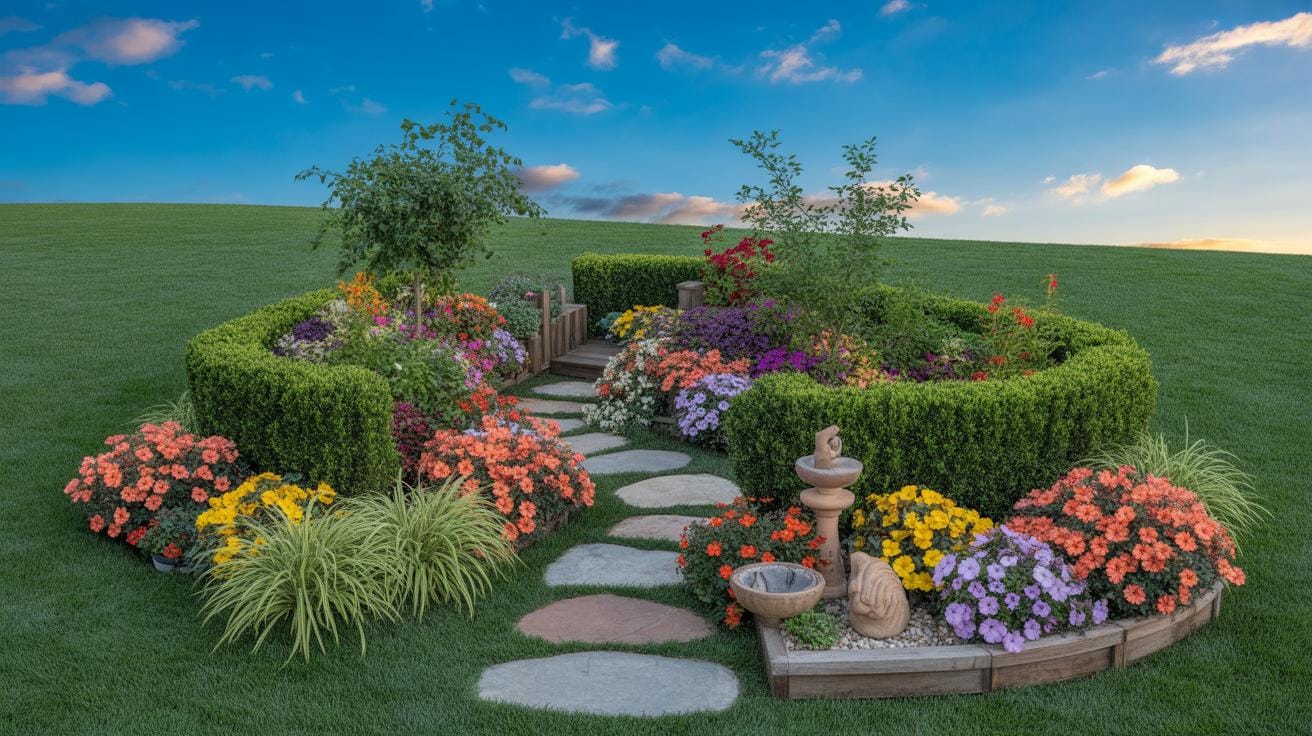
Consider a dedicated garden shed or at least a sturdy, weatherproof box near your garden entrance. Hooks and pegboards inside these can keep tools visible and organized.
Some folks I know use wall-mounted racks for larger tools, saving floor space and keeping sharp edges away from kids. Even a tidy storage bench offers both seating and tool storage.
Don’t forget that easy access matters. If your tools are always buried under other stuff, it might discourage you from using them, and then your garden won’t get the care it deserves.
Have you found a clever way to keep your garden tools ready at hand? It’s a small thing but it can change how much you actually enjoy maintaining your outdoor space.
Creating Child Friendly Garden Zones
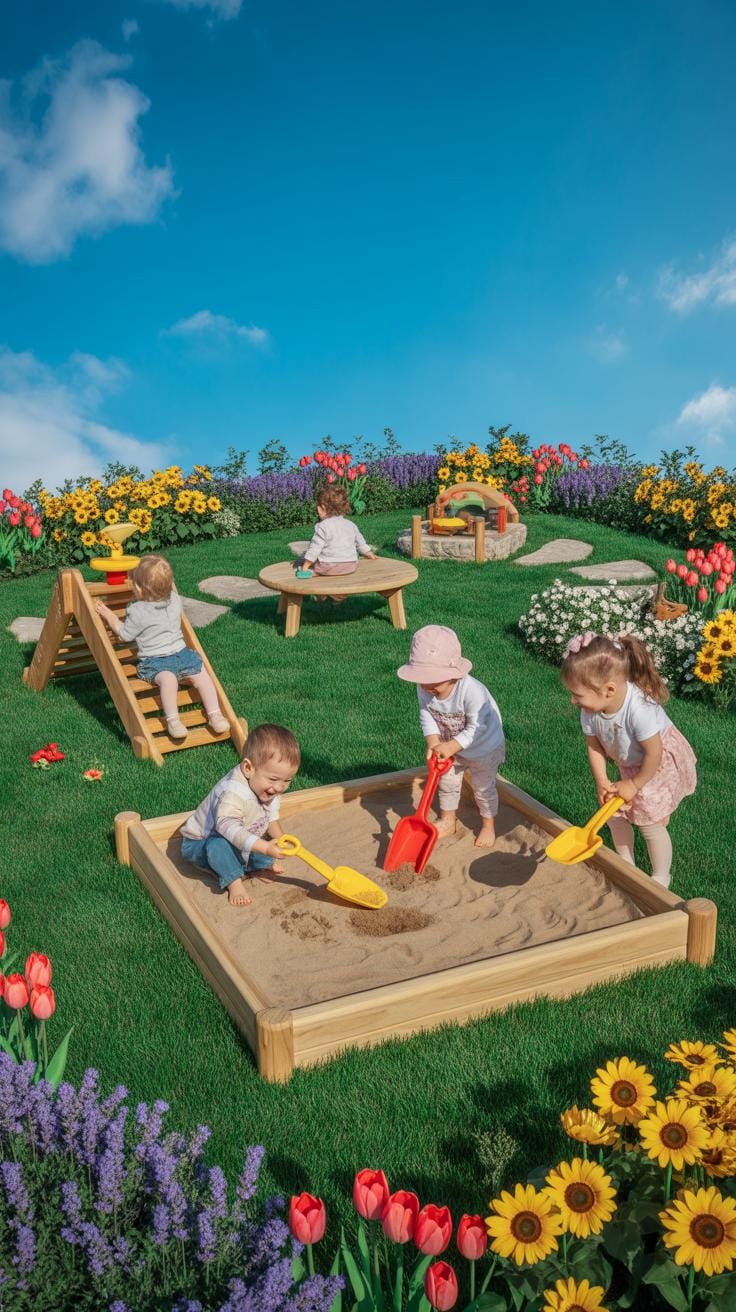
Designing a safe and inviting back garden for children requires balancing fun with security. When planning zones, consider how much supervision you can provide and the age of your children. Younger kids need enclosed spaces with limited hazards, while older children might enjoy more freedom with adventurous features.
One useful approach is to create distinct areas within your garden:
- Play zones: Areas with equipment like swings or slides that encourage physical activity.
- Quiet zones: Spaces for imaginative or calm play, such as a small tent or a sensory garden.
- Gardening zones: Places where kids can plant flowers or vegetables, learning about nature firsthand.
It’s worth making boundaries between these spaces clear but accessible, maybe with low fences or natural dividers like shrubs. This helps keep your garden organized without making kids feel restricted.
Play Area Ideas And Surfaces
Choosing the right play equipment is key. Traditional swings, slides, and climbing frames are classics. But, think about integrating features that spark creativity, such as a sandbox or a mud kitchen. I once saw a garden with a simple wooden maze that kids loved exploring.
Surface choice plays a big role in safety. Grass is soft but can get muddy. Rubber mats or synthetic turf offer cushioning and durability. If space allows, a pea gravel area can provide good drainage and a different texture for play. Sometimes mixing surfaces creates visual interest and varied play experiences.
Adding Educational Garden Features
Gardens can also be classrooms. You might add bird feeders or bug hotels to attract wildlife and teach kids about ecosystems. Label plants with simple signs to build vocabulary and awareness. A small compost bin introduces the idea of recycling organic material, connecting children to natural cycles.
A sensory path with textures like smooth stones, bark, or sand can be educational. It encourages children to use multiple senses and develop motor skills simultaneously. These features don’t just entertain; they foster curiosity and respect for the environment.
Comparing Lawn Care Methods Mowing Watering Fertilizing and Alternatives
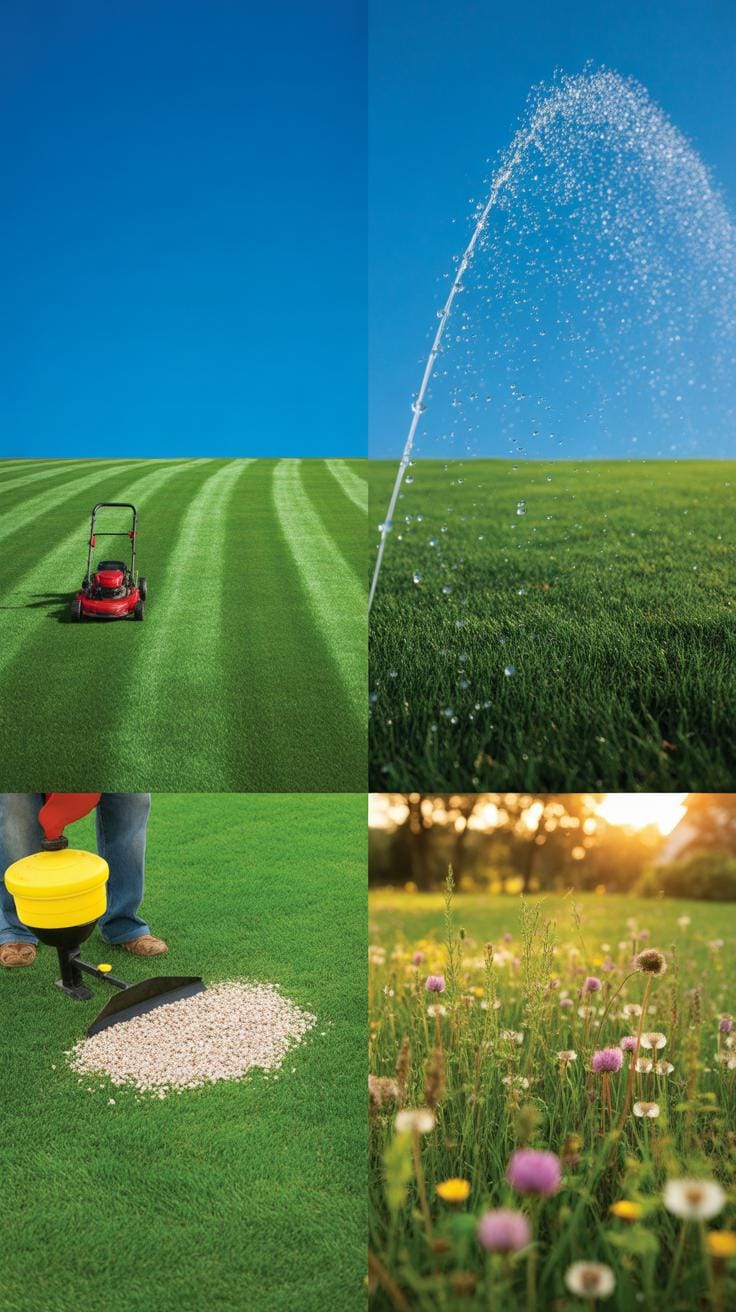
When it comes to maintaining a backyard lawn, choices abound in how you care for the grass. Mowing, watering, and fertilizing are standard practices, but each brings its own challenges and benefits.
Mowing regularly keeps your lawn neat and encourages healthy grass growth. Yet, cutting too short can stress the grass, and skipping too often lets it grow unruly. You might wonder how often is too often. Usually, mowing once a week in growing seasons works well, but it depends on your grass type and climate.
Watering is trickier than you’d expect. Overwatering can cause fungal problems, but underwatering leaves the lawn vulnerable to drought stress. Early morning watering tends to be best, reducing evaporation—but it doesn’t always fit every schedule.
Fertilizing supplies nutrients to keep your lawn green and thick. Yet, applying too much fertilizer might damage roots or cause runoff issues. It takes some trial and error to find the right balance for your yard.
If traditional lawns are more hassle than help, alternatives like ground cover plants can offer a softer green appearance without constant mowing and watering. Clover, for instance, fixes nitrogen naturally and stays green longer. Or, you might consider artificial turf—low maintenance and green year-round, but it loses the natural feel and can get hot underfoot during summer.
What’s your patience level for lawn care? Sometimes the best choice fits your lifestyle rather than chasing the perfect lawn standard.
Common Back Garden Mistakes To Avoid
Overcrowding Plants And Furniture
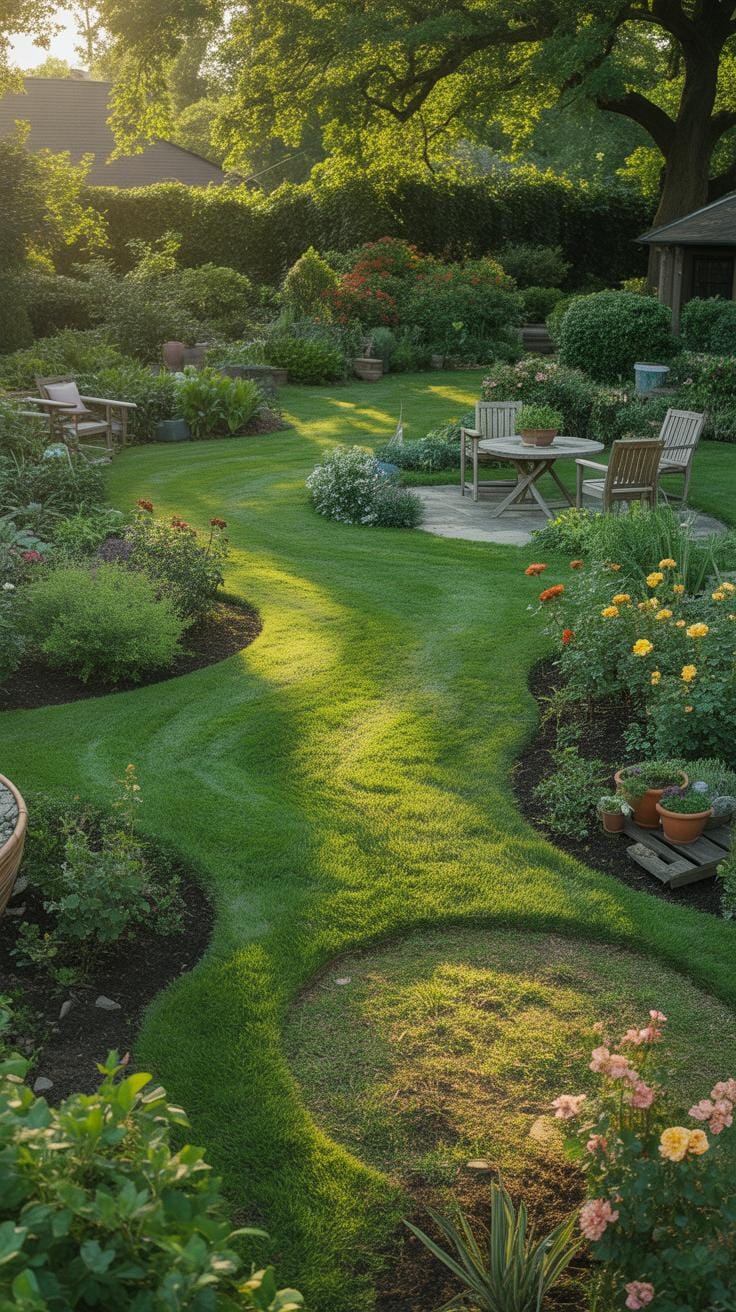
One frequent mistake is cramming too many plants and pieces of furniture into a limited space. When your back garden feels crowded, it can be hard to enjoy, and plants may struggle to thrive. It’s tempting to fit every idea into the space, but too much stuff leaves no room to move or breathe.
Try thinking ahead about how you actually use the garden. Which spots will be paths, seating areas, or flower beds? Leave enough space between plants to allow them growth room and avoid shadowing each other barely after a season. Furniture should be sized sensibly — remember a bulky bench in a narrow garden can block views and paths. Sometimes, less really is more for comfort and visual appeal.
Ignoring Soil Quality
Another pitfall is overlooking the soil beneath your garden. Poor soil quality can lead to weak plants or patchy growth. You might put heaps of effort into planting, only to be disappointed because the soil isn’t supporting it.
Improving soil doesn’t have to be complicated. Basic steps include: testing its pH levels, adding organic matter like compost to boost nutrients, and ensuring good drainage. You can buy simple soil test kits or get advice from local gardening centers. Even small adjustments, like mixing in compost or adjusting watering habits, can make a big difference in plant health.
Pay attention to the type of soil you have. Clay-heavy or sandy soils behave differently and require distinct care. Remember, your soil forms the foundation — neglect it, and everything else struggles.
Seasonal Back Garden Maintenance Checklist
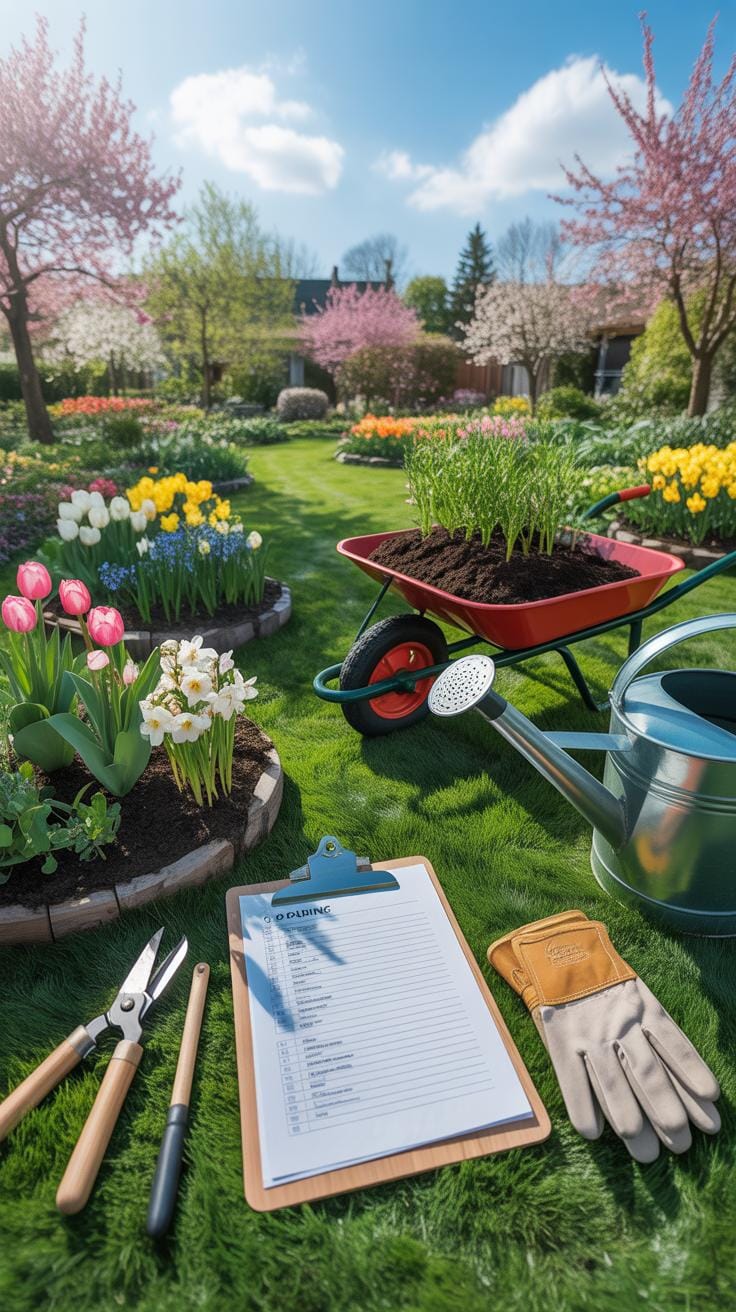
Spring To Summer Tasks
Spring and summer bring a busy time for your back garden. You might want to focus on planting new flowers or vegetables early in spring while the soil warms up. Pruning also becomes important; it helps plants grow stronger and keeps them tidy. I often find it’s easy to neglect watering, but during these months consistent watering is vital, especially during dry spells. Mulching around plants can help retain moisture. Also, keep an eye on weeds—they tend to pop up quickly and can take nutrients from your plants.
Fall To Winter Garden Care
As temperatures drop, it’s time to clean up your garden. Removing fallen leaves and dead plants reduces pests and diseases next spring. Preparing your garden for winter means protecting sensitive plants with covers or bringing potted ones indoors. You might add compost or mulch to enrich soil. It’s tempting to forget garden chores when it gets colder, but a little effort here can pay off in spring. You may wonder if delaying these tasks will cause harm; sometimes it’s okay, but generally, timely action keeps your garden healthy.
Conclusions
Your back garden holds great potential to improve your home’s outdoor space. By carefully planning the layout, choosing fitting plants, and adding functional features, your yard can serve many purposes. This makes it a valuable area for family, hobbies, and relaxation.
Taking time to maintain your garden and adapt it as needed will keep it inviting year-round. Use the tips here to start or update your back garden with simple steps. Enjoy the benefits of a peaceful, practical backyard designed just for you.