What Is A Waterwise Garden
The Core Principles Of Water Conservation
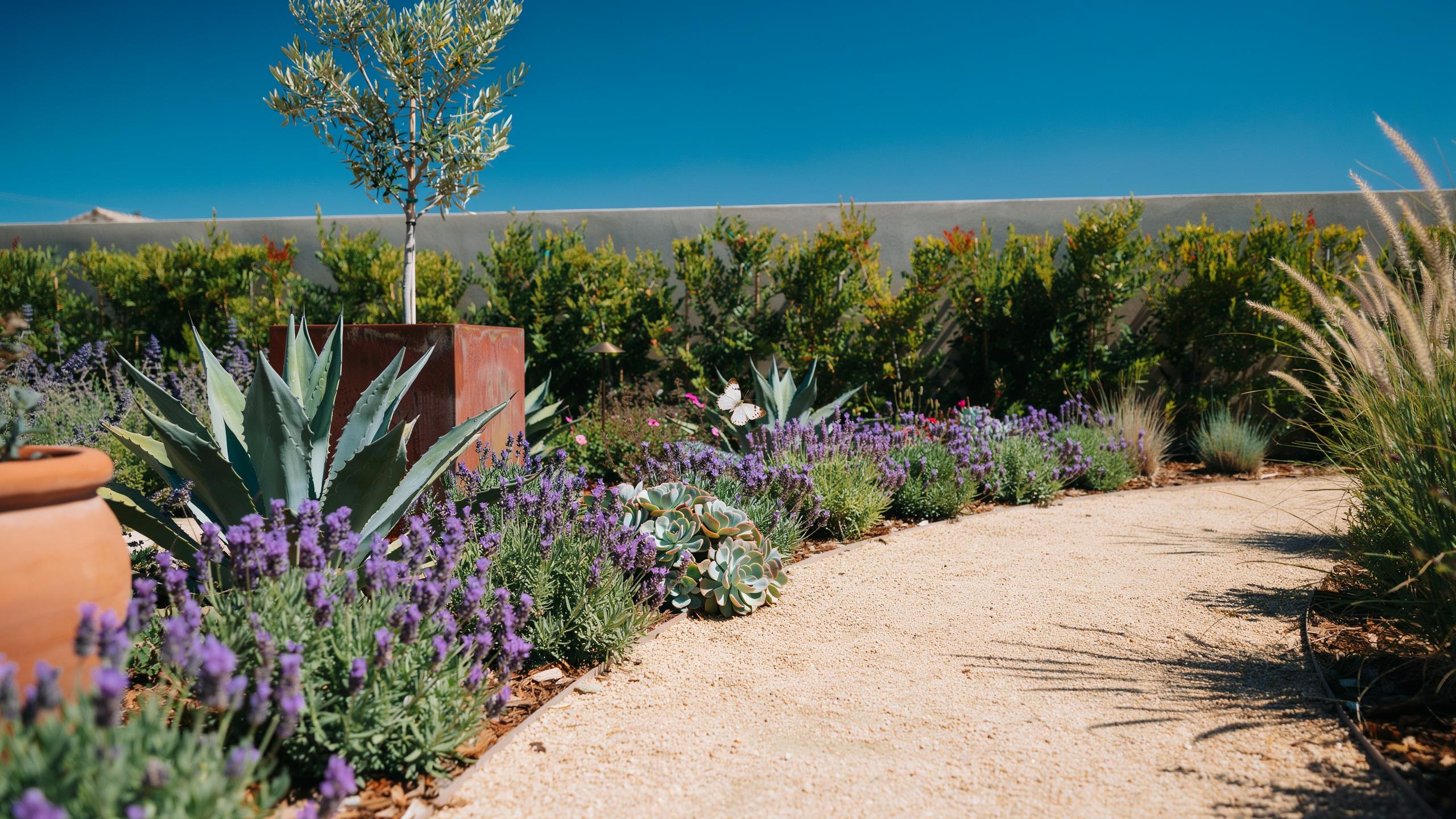
A waterwise garden reduces outdoor water consumption by selecting plants adapted to local climate conditions, improving soil to retain moisture, and installing targeted irrigation systems. Native species thrive in their regional climate without constant watering. Amended soil with organic matter holds water longer and reduces runoff. These three tactics work together to cut external water needs substantially while maintaining plant health through dry seasons.
Waterwise design addresses the reality that landscapes consume roughly 50 percent of residential water in arid regions. By matching plants to precipitation patterns and soil conditions, you eliminate the constant battle against drought stress. Efficient irrigation delivers water directly to root zones rather than spraying broadly across turf. This approach produces healthier plants that require fewer inputs over time.
Environmental Benefits Of Sustainable Gardening
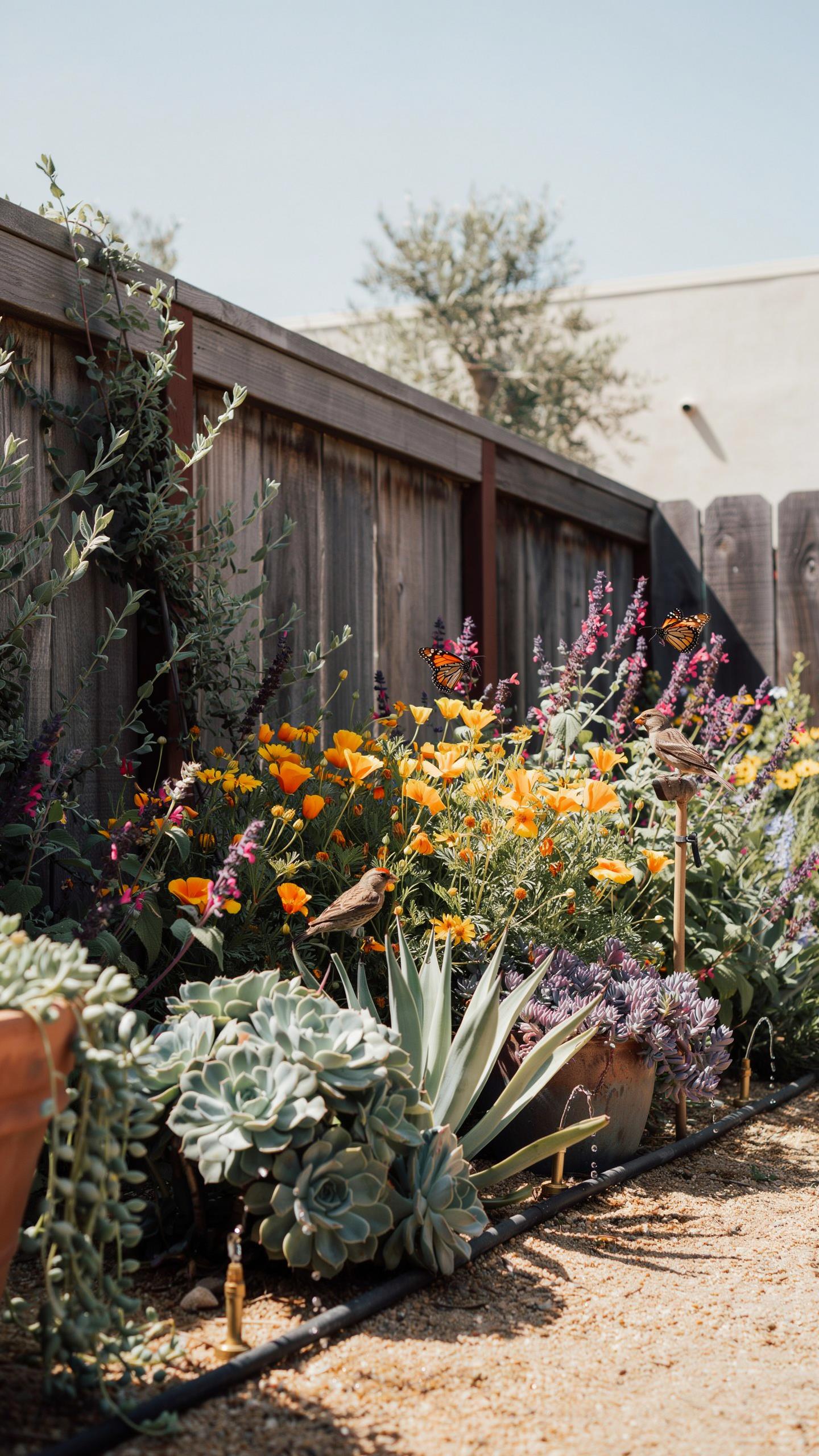
Reducing irrigation demand directly decreases municipal water withdrawal from aquifers and reservoirs. Lower water usage means less treatment and distribution infrastructure strain. Decreased runoff from reduced watering keeps fertilizer and pesticide residues out of local waterways. Waterwise gardens also create habitat corridors for bees, butterflies, and native insects that depend on regional plants for food and shelter.
Sustainable landscaping supports ecosystem recovery in water-stressed regions. Native plant communities evolved alongside local pollinators and wildlife, creating functional habitats where conventional turf lawns support almost nothing. These gardens reduce heat island effects in neighborhoods by replacing reflective hardscape with living plants. The cumulative impact of multiple waterwise properties measurably improves local water security and ecological resilience.

Designing Your Space With Drought Tolerant Garden Design Principles
Planning Layouts And Hardscape Elements
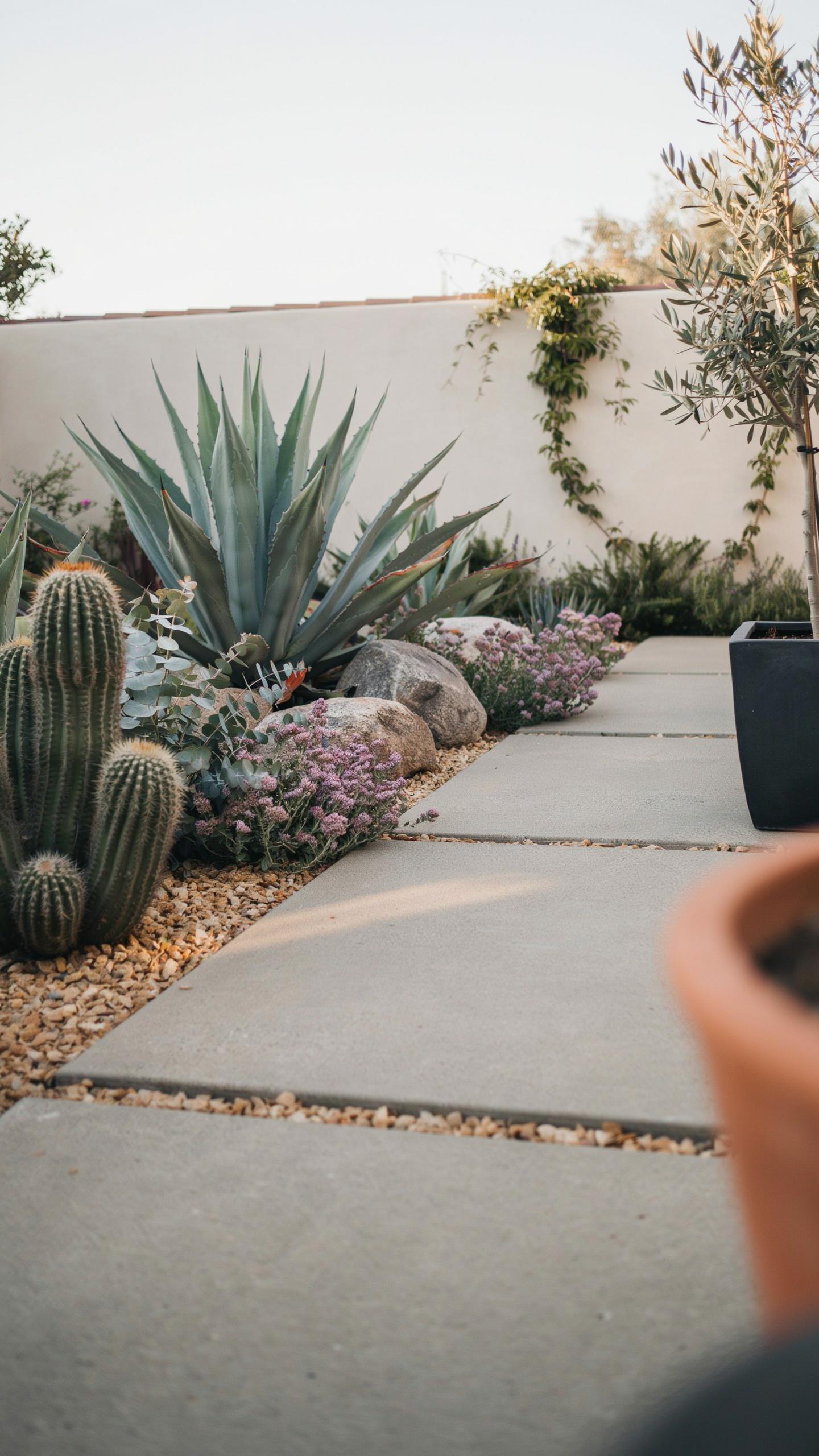
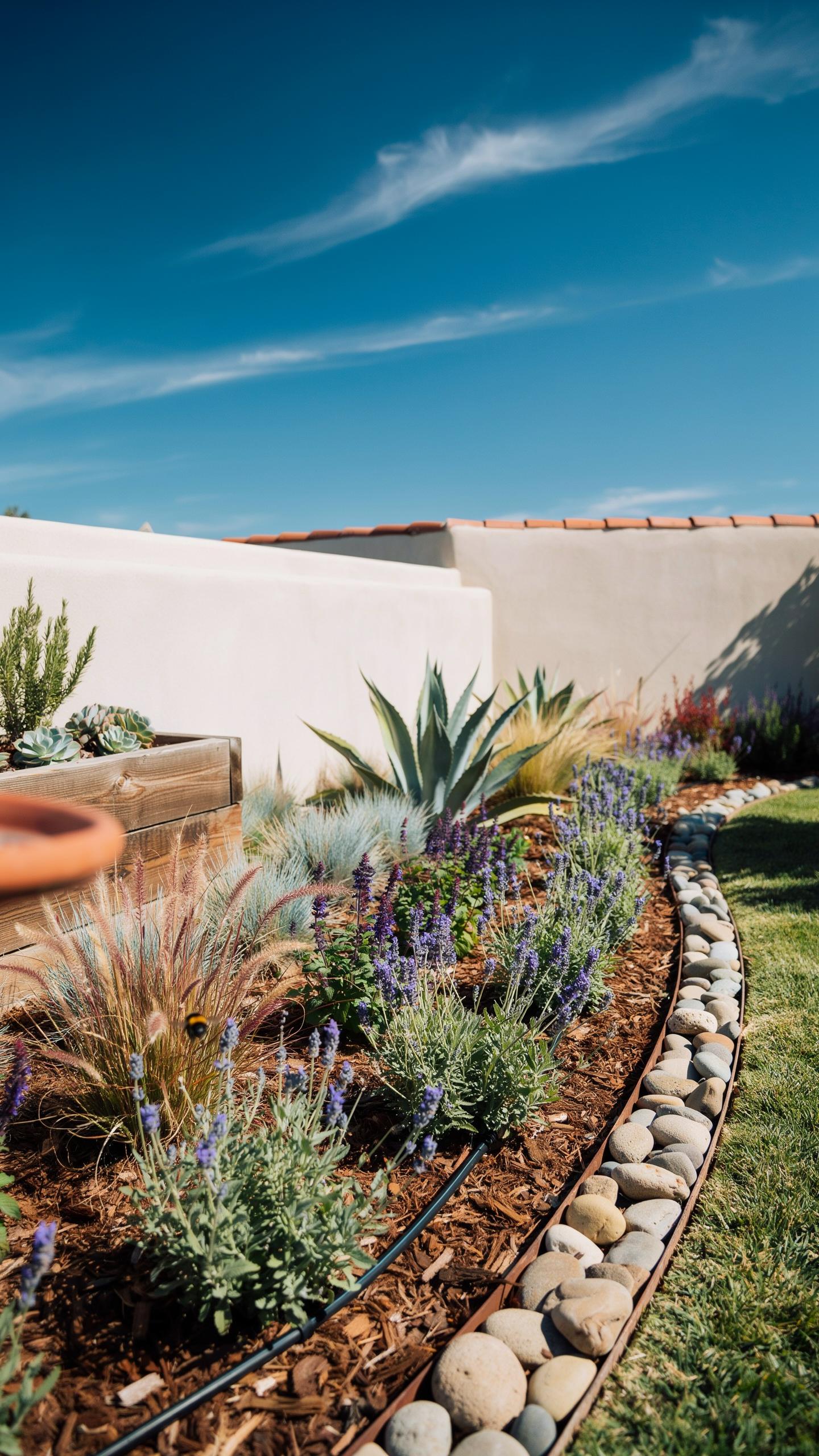
Hardscape materials reduce water demand by replacing turf and bare soil. Gravel pathways, stone borders, and permeable pavers direct foot traffic while minimizing evaporation. Organic mulch around plants conserves soil moisture and regulates temperature. Stone retaining walls create level planting beds that improve drainage and reduce runoff. These elements work together to structure your garden and cut irrigation needs.
Layout placement determines irrigation efficiency and maintenance demands. Position drought tolerant plants in clustered beds rather than scattered across your yard. Group plants by exposure level: full sun plants separate from partial shade varieties. Elevate planting beds slightly to improve drainage and reduce root rot risk. Consolidate plantings reduces the total area requiring regular water management.
Grouping Plants By Water Needs Hydrozoning
Hydrozoning separates plants into zones based on moisture requirements, not aesthetics. High water demand plants occupy one area, moderate demand plants another, and drought tolerant species a third. This strategy prevents overwatering drought tolerant plants while ensuring thirsty plants receive adequate water. Hydrozoning cuts water waste and simplifies irrigation system design and operation.
Implement hydrozoning by mapping your yard’s sun exposure and existing moisture patterns first. Place drought tolerant species in hot, dry areas. Locate plants needing regular moisture in cooler, shaded spots where evaporation slows naturally. This approach aligns plant placement with actual site conditions rather than fighting against them. Design your irrigation zones to match these plant groupings exactly.
The Key Elements Of A Low Maintenance Drought Tolerant Garden
Soil Preparation And The Importance Of Mulching
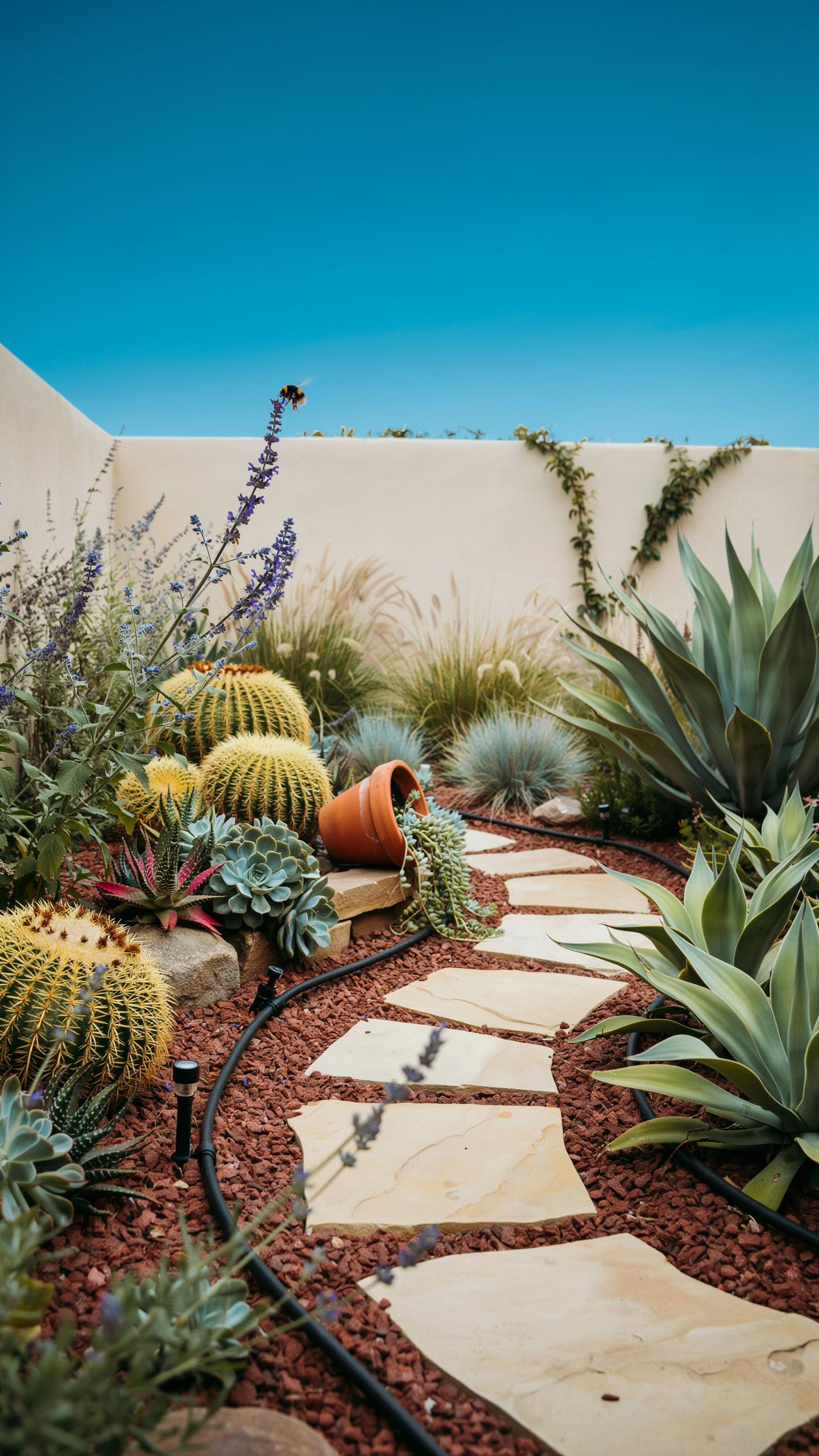
Compost amendments increase soil organic matter, which directly improves water retention in the root zone. This matters because sandy soils drain too fast while clay soils compact and block water movement. Adding compost creates a balanced structure that holds moisture without waterlogging, reducing irrigation frequency and plant stress during dry periods.
Mulch serves three practical functions in drought tolerant gardens. A 2 to 3 inch layer of organic wood bark or gravel prevents soil surface evaporation, suppresses weeds that compete for water, and moderates temperature fluctuations at the soil level. This simple step cuts water loss significantly and reduces maintenance demands throughout the growing season.
Smart Irrigation And Drip System Basics
Drip irrigation delivers water directly to plant root zones through emitters or perforated tubing. Water reaches where plants need it instead of wetting bare soil or foliage. This method cuts water waste from evaporation and wind drift by 50 percent or more compared to overhead sprinklers, making it essential for drought tolerant landscaping.
Install drip lines on timers to automate watering schedules and eliminate guesswork. Soaker hoses work for smaller areas while drip tape suits larger beds. Subsurface placement near root zones maximizes efficiency. This approach reduces water consumption while delivering consistent moisture, which prevents stress and maintains plant health in low rainfall environments.
Beautiful Drought Tolerant Flowers To Add Vibrant Color
Top Colorful Blooms For Sunny, Dry Borders
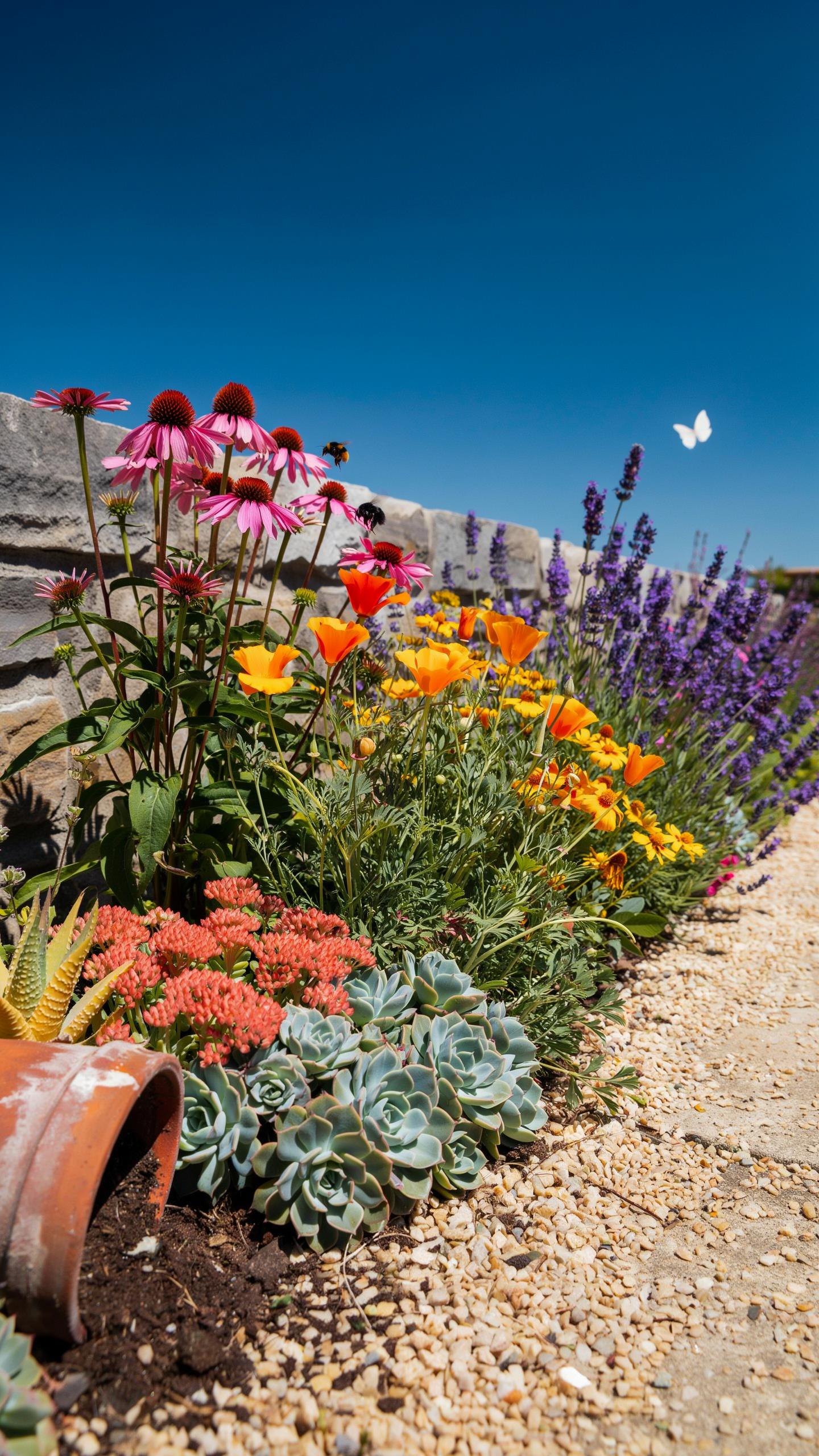
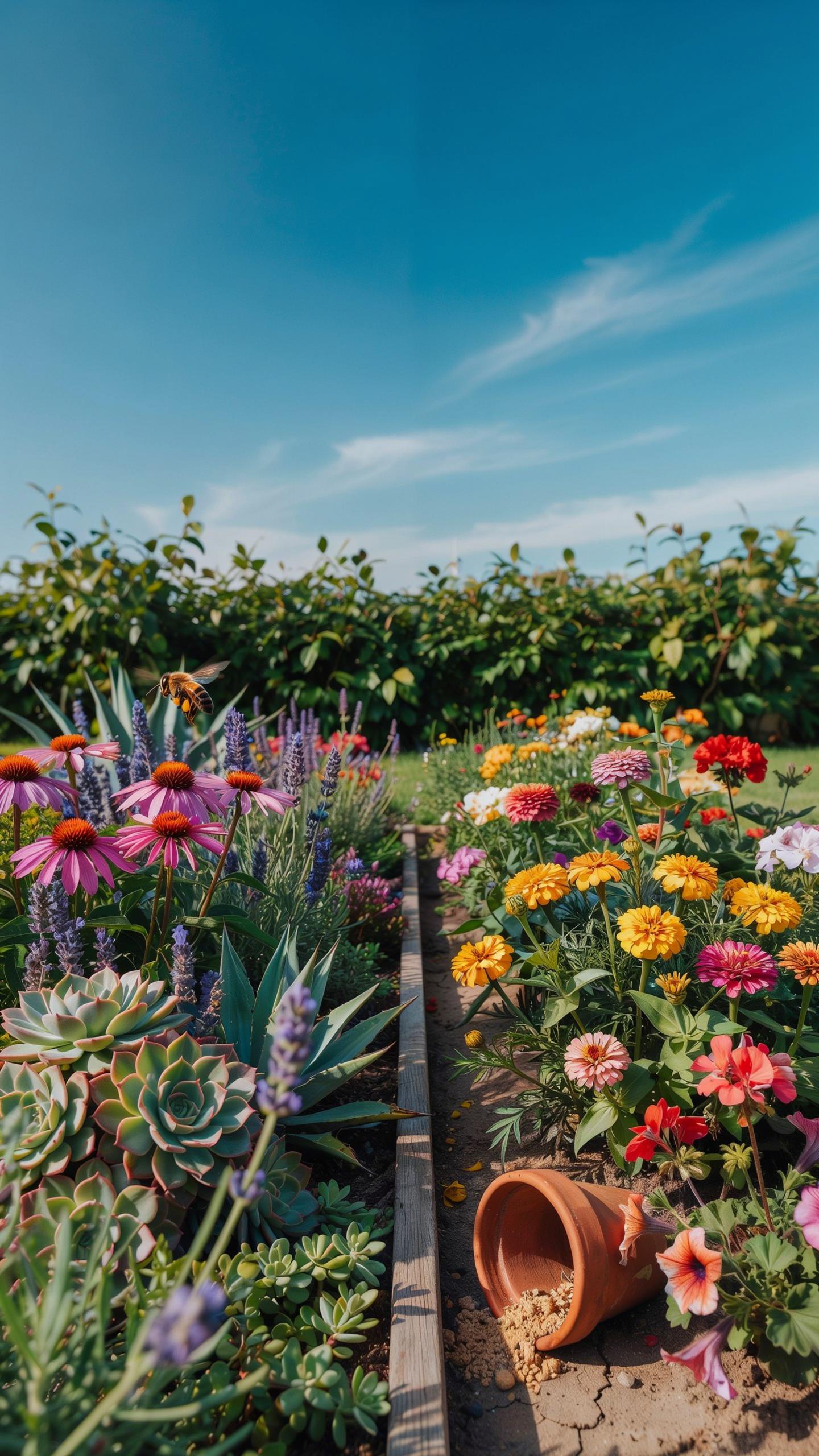
Coneflowers and Yarrow deliver color without constant watering. Coneflowers tolerate heat, poor soil, and full sun exposure. They bloom for months and need water only during establishment. Yarrow spreads easily and flowers from early summer through fall. Both handle dry spells because they develop deep root systems that access soil moisture efficiently.
These perennials require minimal maintenance once established. Space them 18 to 24 inches apart to allow airflow and reduce disease pressure. Water deeply but infrequently during the first growing season. After year two, they survive on rainfall alone in most climates. Deadhead spent flowers to extend blooming periods and encourage branching.
Attracting Beneficial Pollinators With Minimal Water
Nectar-rich drought tolerant flowers sustain bee and butterfly populations during summer heat. Coneflowers, Yarrow, and Blanket Flower attract native pollinators consistently. These species evolved in dry conditions, producing abundant pollen and nectar without irrigation. Supporting pollinators protects food crop production and maintains local ecosystem function.

Plant flowering species in clusters of three to five for maximum pollinator visibility. Avoid pesticides that harm beneficial insects. Leave dead stems standing through winter as habitat for ground-nesting bees. Stagger bloom times by mixing early, mid, and late season varieties. This strategy ensures pollinators find food sources throughout the growing season.
Why You Should Choose Drought Resistant Flowers Over High Water Annuals
Long Term Cost And Labor Savings Of Perennials
Perennials eliminate the annual replanting cycle that drains both your wallet and weekends. You plant once, and the same plants return for years. This cuts replacement costs dramatically compared to annuals that die after one season. Your labor shrinks too. You stop buying new plants every spring and digging up dead ones every fall.
The math favors perennials quickly. A perennial costs more upfront but produces returns for five to ten years or longer. Annuals cost less per plant but multiply in expense when you buy new ones annually. Factor in soil amendments and installation time, and perennials save significant money over a three year period. Maintenance shifts from replanting to simple pruning and occasional watering during establishment.
How Native Wildflowers Survive Seasonal Dry Spells
Native wildflowers evolved root systems that access water other plants cannot reach. Their taproots or fibrous root networks penetrate deep into soil where moisture persists even during summer heat. This adaptation allows them to survive without supplemental irrigation once established. They tap underground reserves that shallow rooted annuals never access.
These plants adapted to regional rainfall patterns over thousands of years. Native wildflowers in arid regions store water in specialized tissues and grow during wet seasons. During dry spells, they survive on stored reserves and deep moisture. This survival strategy works reliably because it developed through actual drought cycles in your region, not in lab conditions or foreign climates.
Essential Drought Tolerant Plants Utah And Intermountain West Regions
Best Species For High Altitude And Dry Climates
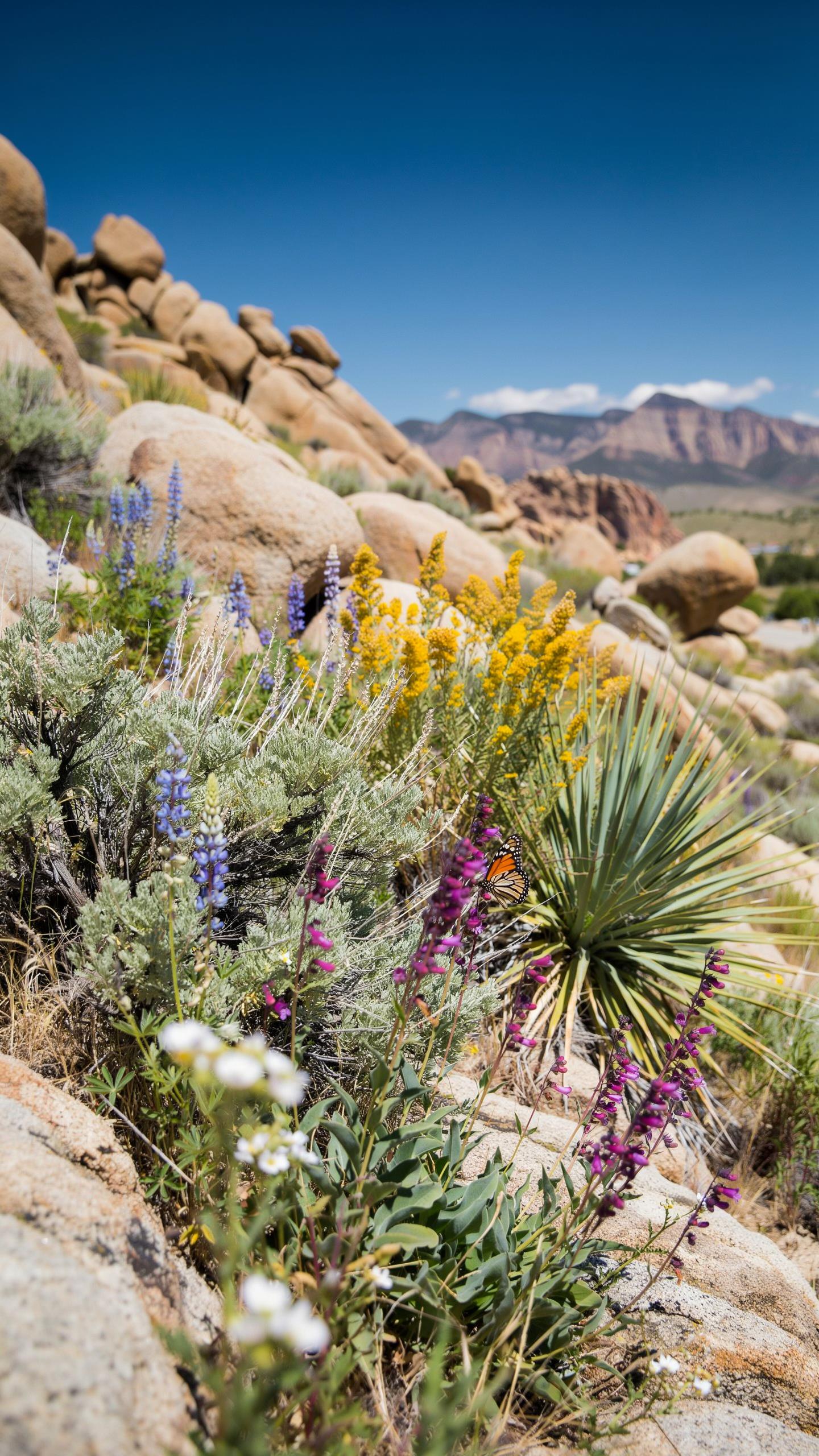
Utah’s high elevation, alkaline soils, and low precipitation demand plants engineered for harsh conditions. Native species dominate because they evolved under these exact constraints. These plants handle temperature swings from below freezing to over 90 degrees without supplemental irrigation. Select from proven performers that thrive at 4,000 to 8,000 feet elevation across the Intermountain West.
- Penstemon (Beardtongue): Native perennial producing tubular flowers in red, pink, or purple. Requires full sun and well draining soil. Tolerates poor fertility and extreme cold. Blooms mid to late summer with minimal water once established.
- Apache Plume: Deciduous shrub reaching 4 to 6 feet tall. Produces white flowers followed by distinctive feathery pink seed heads that persist through fall. Handles alkaline soils and intense sun exposure without supplemental water.
- Utah Juniper: Evergreen tree native throughout the Intermountain West. Grows slowly to 20 to 30 feet. Requires virtually no supplemental water after establishment. Tolerates rocky, poor soils and extreme temperature fluctuations with no management input.
- Globe Mallow: Native perennial shrub producing cup shaped orange flowers. Blooms from early summer through fall with minimal water. Handles poor alkaline soils and full sun exposure. Attracts pollinators while requiring virtually no maintenance.
- Serviceberry: Deciduous shrub or small tree with white spring flowers and edible berries. Tolerates cold winters and alkaline soils common to the region. Provides wildlife value while requiring minimal supplemental water once established.
These species thrive because they store water in roots and foliage or reduce leaf surface area to minimize evaporation. They evolved with the region’s precipitation patterns and soil chemistry. Combine multiple species to create visual layering while maintaining low water requirements across your landscape.
Adapting To Alkaline Soils And Temperature Fluctuations
Alkaline soils define the Intermountain West, often ranging from pH 7.5 to 8.5. Plants must access nutrients in high pH conditions where many micronutrients become chemically locked in soil. Native species evolved this tolerance over millennia. Avoid amending soil with acids because rainfall is insufficient to shift pH permanently. Instead, plant species that function in alkaline chemistry.

Temperature swings in Utah and surrounding regions occur rapidly and intensely. Winter nights drop below minus 20 degrees while summer days exceed 95 degrees. Soil freezes and thaws multiple times per season. Select plants with flexible physiology that handles freeze thaw cycles and intense solar radiation. Native junipers, shrubs, and perennials tolerate these swings because their cellular structure adapted to rapid temperature changes over evolutionary time.
Creating A Lush Look With A Drought Tolerant Garden Layout
Layering Heights With Ornamental Grasses And Shrubs
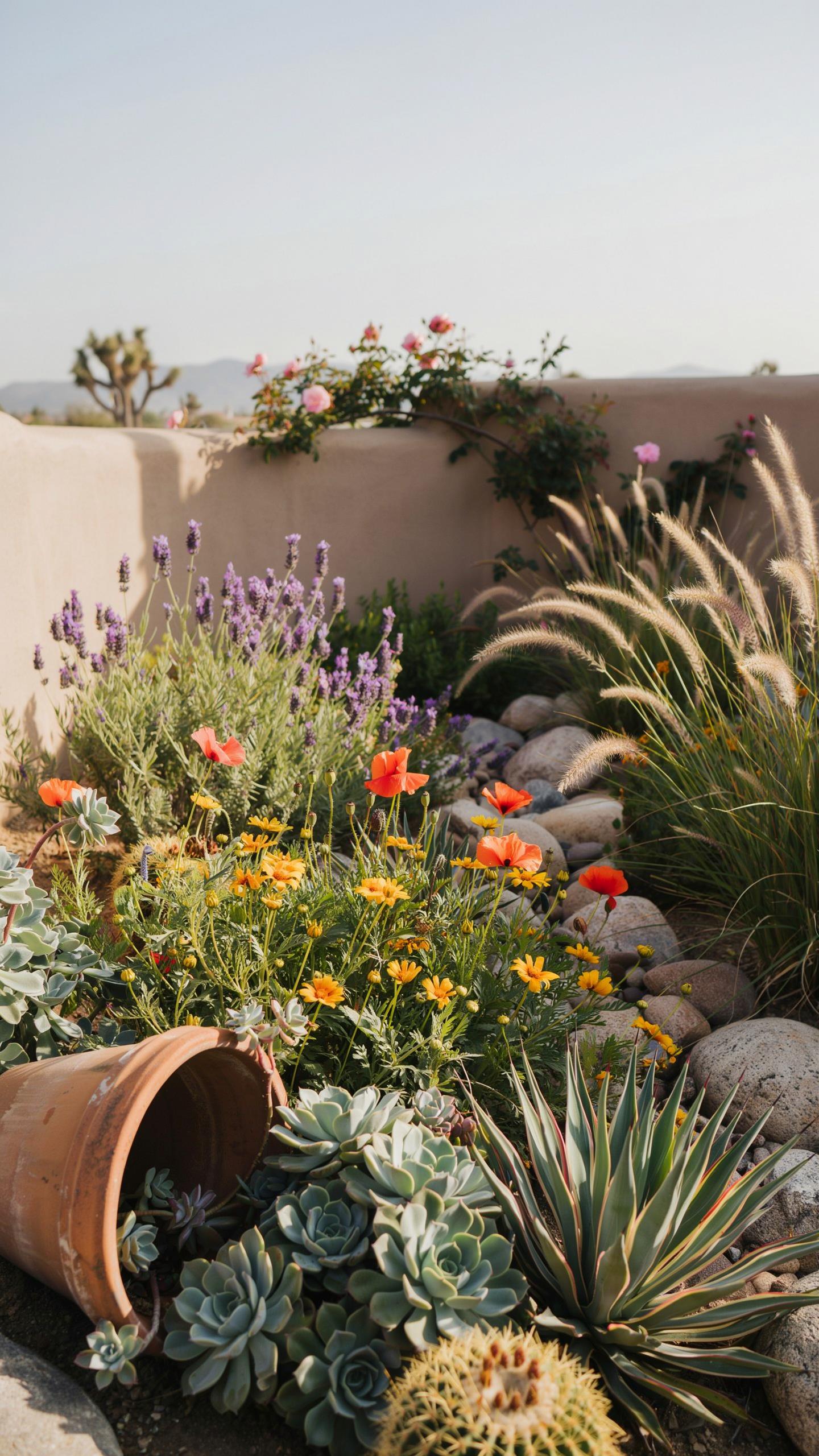
Feather Reed Grass reaches 4 to 5 feet tall and creates a vertical backbone in your landscape. Plant it behind medium shrubs like Desert Marigold or Texas Privet to establish depth. This arrangement prevents a flat appearance and forces the eye to move through the space. The grass moves in wind while the shrubs stay fixed, creating visual contrast without extra maintenance.
Texture comes from combining different leaf structures and growth patterns. Ornamental grasses with fine, wispy foliage contrast sharply against broad-leafed shrubs. This layering technique reduces irrigation needs because dense plantings shade soil and retain moisture better than sparse arrangements. The combination also fills space efficiently, reducing bare ground where weeds establish.
Combining Focal Points For Year Round Visual Interest
Architectural evergreen succulents like Agave or Hesperaloe provide structure through winter months when most perennials die back. Pair these with woody shrubs such as Apache Plume or Rosemary, which maintain form and foliage year-round. Add late-season seed pods from plants like Maximilian Sunflower or Desert Marigold for visual weight during dormant seasons. These elements sustain interest without relying on seasonal blooms alone.
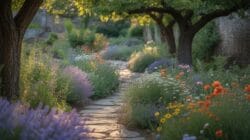
Winter appeal depends on form, not flowers. Seed pods, persistent foliage, and branching architecture hold attention when color fades. This strategy requires zero additional resources beyond your initial planting. Strategic placement of these focal points creates viewing destinations that keep your landscape functional and visually active across all seasons.
Best Practices For Low Maintenance Landscaping Success
Essential Tasks To Minimize Gardening Chore Time
Drought tolerant landscapes demand fewer inputs than traditional gardens, but they still need targeted care. Execute these maintenance tasks to keep your landscape healthy without consuming your weekends.
- Apply organic mulch annually: Spread 2 to 3 inches of wood chips or bark around plants each spring. Mulch suppresses weeds, retains soil moisture, and moderates temperature fluctuations around root zones.
- Prune perennials once yearly: Cut back dormant perennials in early spring before new growth emerges. This single annual pruning removes dead wood and encourages dense, compact growth patterns.
- Install drip irrigation with rain sensors: Automated systems deliver water directly to root zones and shut off during rainfall. This eliminates guesswork and reduces water waste by up to 50 percent compared to hand watering.
- Hand pull weeds early: Remove weeds when soil is moist and plants are young. Early removal prevents taproots from establishing deep in soil, making future weeding easier and faster.
- Inspect for pests seasonally: Walk your landscape quarterly to catch pest infestations before they spread. Early detection allows targeted treatment rather than landscape wide intervention.
These practices work because they target the root causes of landscape decline. Consistent execution prevents problems from escalating into major maintenance events.
Selecting Slow Growing And Non Invasive Species
Slow growing plants reduce your pruning workload because they establish mature size gradually. Choose species that reach their intended height and width without aggressive lateral spread. Agave americana, for example, expands at a measured pace and stays within bounds. Russian sage grows upright rather than sprawling across pathways. Desert marigold and Apache plume maintain compact shapes without constant shearing.
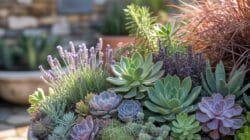
Non invasive groundcovers eliminate the need to wrestle back encroaching vegetation monthly. Creeping thyme spreads predictably without choking adjacent plants. Germander and santolina fill space without becoming landscape bullies. These species respect their designated areas while still providing erosion control and visual interest. Selecting the right species at planting time saves you hours of corrective pruning later.
Designing A Cohesive Drought Resistant Landscape On A Budget
Using Local Gravel, Stones, And Salvaged Wood
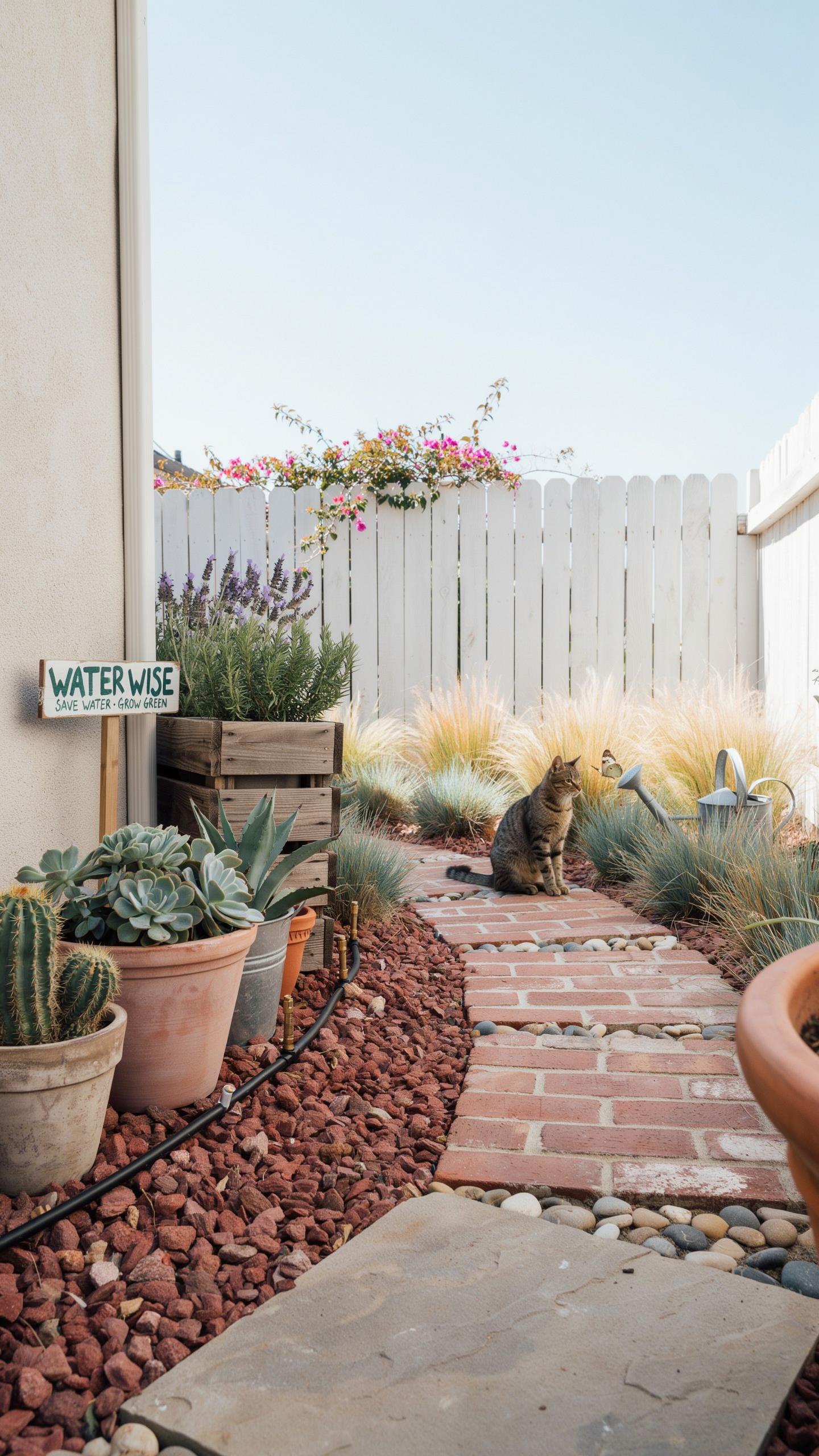
Locally sourced materials cut landscaping costs significantly while reducing transportation emissions. River rock, decomposed granite, and stone chips serve functional purposes beyond aesthetics. They suppress weeds, improve drainage, regulate soil temperature, and reduce water evaporation around plant roots. Source these materials from local quarries, landscape suppliers, or construction sites to maximize savings.
Salvaged wood creates structure and visual interest at minimal expense. Reclaimed logs, timber edges, and weathered branches define planting beds and pathways. Wood breaks down over time, enriching soil with organic matter as it decomposes. This natural process improves water retention in sandy or compacted soils while supporting microbial activity that strengthens plant roots.
The desert should be allowed to speak for itself in its own quiet terms. True beauty thrives when we plant in harmony with the sun and the thirsty roots of the earth.
Starting Plants From Seed Or Dividing Mature Perennials
Dividing established ornamental grasses and perennials multiplies your plant collection for zero cost. Spring and fall offer optimal timing for splitting mature clumps. Dig up the plant, separate root sections with a spade or knife, and replant divisions immediately in prepared soil. Ornamental grasses like blue fescue and purple fountain grass divide easily and establish quickly in drought conditions.
Collecting seeds from drought hardy plants in autumn provides free propagation material for the following season. Wait until seed heads dry and turn brown before harvesting. Store seeds in cool, dry conditions until spring planting. Species like blanket flower, coreopsis, and black eyed Susan produce abundant seeds that germinate reliably without special treatment.
Common Maintenance Mistakes In Xeric And Dry Gardens
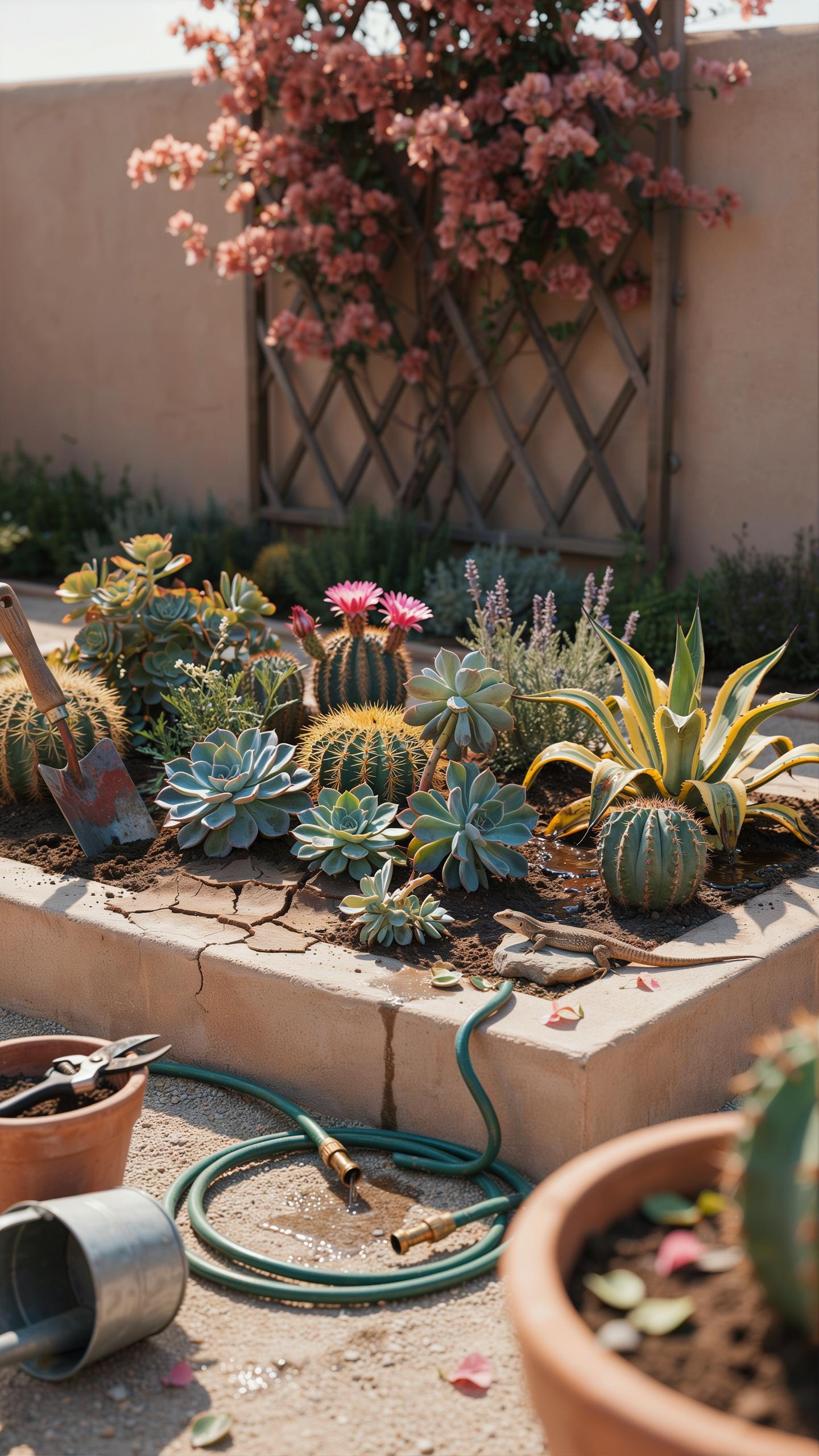
How Overwatering Kills Drought Hardy Root Systems
Drought tolerant plants evolved with shallow, fibrous root systems designed to capture moisture quickly from infrequent rainfall. Overwatering forces roots to sit in wet soil, suffocating them and triggering root rot within weeks. Fungal pathogens thrive in constantly moist conditions around these plants. Most desert and xeric species die from too much water, not too little.
The damage compounds because you cannot reverse root rot once it takes hold. By the time you see wilting or yellowing leaves, the root system is already compromised. Water drought tolerant plants deeply but infrequently, allowing soil to dry completely between waterings. This mimics their natural environment and keeps roots healthy and functional.
The Pitfalls Of Poor Soil Drainage And Clay Soil
Heavy clay soil retains water like a sealed container, creating a swamp around plant roots regardless of rainfall or irrigation frequency. Drought tolerant plants cannot survive in these waterlogged conditions. Clay suffocates roots and prevents oxygen penetration, leading to bacterial and fungal disease. Native soil preparation determines success or failure before you ever plant.
Amend clay soil by digging planting holes wider and deeper than the root ball, then filling the hole with a mixture of native soil, coarse sand, and gravel. Use a 50 percent amendment ratio to ensure rapid drainage. The gravel layer at the bottom creates a critical air space that prevents water pooling. Skip this step and you waste money on plants that will fail within the first growing season.
Frequently Asked Questions

What are the benefits of choosing drought tolerant landscaping plants for my garden?
Choosing drought tolerant landscaping plants offers numerous advantages beyond simply saving water. These hardy species are specifically evolved to thrive in arid conditions, meaning they require significantly less maintenance and irrigation than traditional turf or thirstier florals. By integrating these plants, you create a resilient outdoor space that remains vibrant during heatwaves while simultaneously reducing your monthly utility bills and supporting local biodiversity through sustainable gardening practices.
How do I properly transition my traditional garden to include more water-wise species?
Transitioning your garden is best done in stages to ensure plant health. Start by grouping your new drought tolerant landscaping plants together in “hydrozones” based on their specific moisture needs. Before planting, improve your soil drainage with organic compost or grit. Once installed, provide regular deep watering for the first growing season; this helps the root systems establish themselves deeply enough to withstand future dry spells without supplemental hydration.
Can I create a beautiful water-efficient landscape if I am on a tight budget?
Absolutely! Creating a stunning garden doesn’t require a massive investment. You can save money by purchasing smaller “starter” plants or seeking out local native plant sales in your community. Additionally, many water-wise varieties, such as succulents and ornamental grasses, are incredibly easy to propagate from cuttings or divisions. Using free organic mulch from municipal recycling centers is another excellent way to retain soil moisture and suppress weeds affordably.