
Understanding Eco Landscaping And Environmental Impact

The Core Principles Of Ecological Responsibility
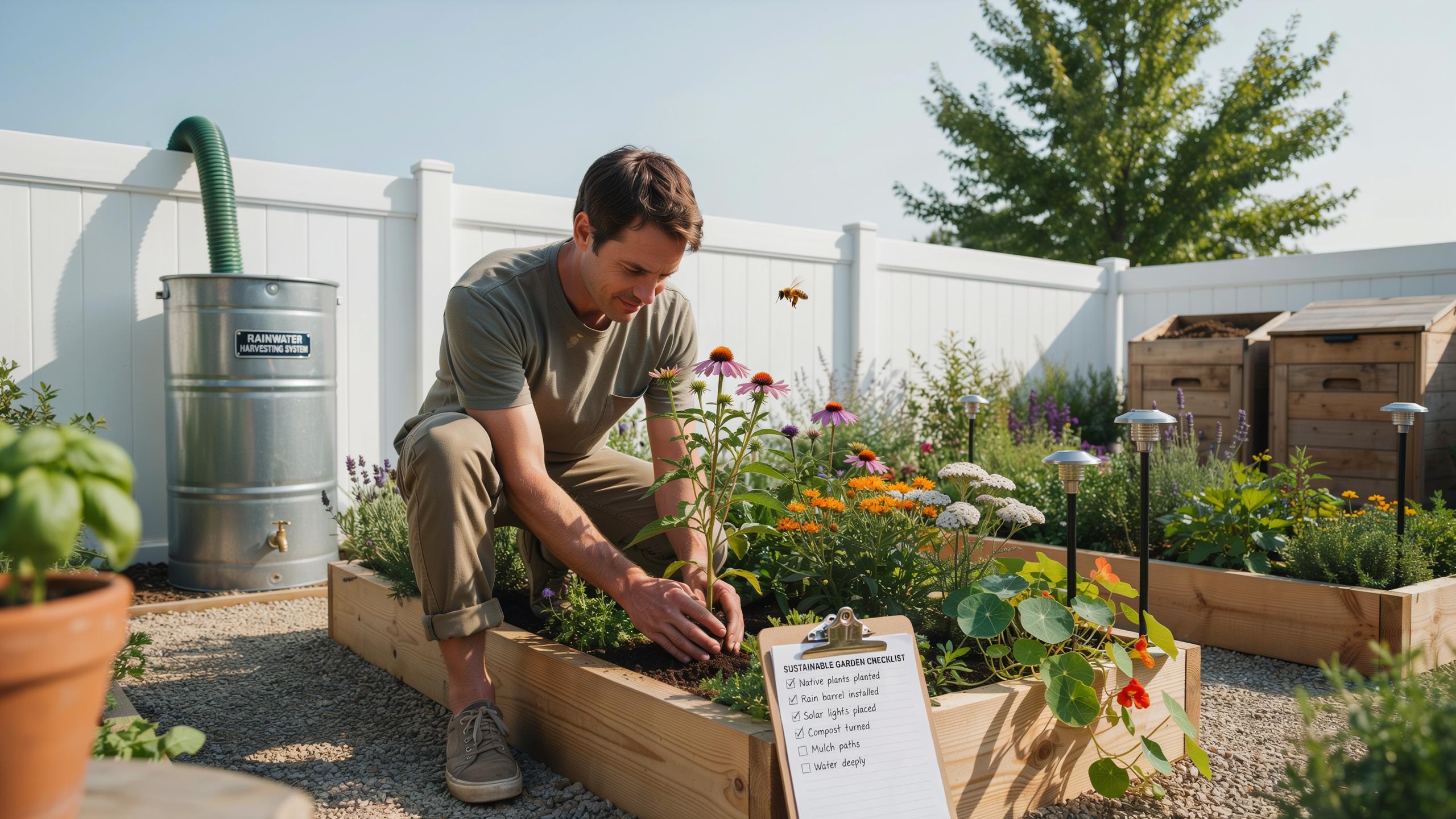
Eco landscaping rejects the conventional approach of imposing uniform designs on land. Instead, it works within existing ecosystems by reducing chemical inputs, sourcing local materials, and building landscapes that support native wildlife. This strategy cuts maintenance costs, eliminates synthetic dependency, and creates functional outdoor systems rather than decorative ones.
Your garden directly influences the surrounding habitat. Native plants attract local insects and birds that control pests naturally. Local soil amendments eliminate transportation costs and carbon emissions. Indigenous tree species adapt to regional rainfall patterns, reducing irrigation demand. These decisions compound over time, transforming your yard into a productive ecological zone rather than a consumption-heavy liability.
How Green Outdoor Spaces Combat Climate Change
Trees and perennial plants capture atmospheric carbon dioxide and store it in biomass and soil. A mature landscape sequesters measurable amounts of carbon annually while living vegetation replaces hardscapes that absorb and radiate heat into urban neighborhoods. This cooling effect reduces surrounding air temperatures and cuts residential cooling demands during peak seasons.
Permeable landscapes prevent stormwater runoff that overwhelms municipal systems and carries pollutants into waterways. Native groundcovers, rain gardens, and mulched beds absorb rainfall and recharge groundwater aquifers. Eliminating turf grass and hardpan surfaces allows water infiltration while reducing flooding risk downstream. These practices deliver tangible climate resilience while lowering your utility expenses and local flooding exposure.

Core Sustainable Landscaping Techniques To Implement
The Art And Science Of Soil Conservation
Healthy soil drives everything in your landscape. You need living soil with active microbial networks and fungal systems to support plant growth and water retention. Tilling destroys soil structure and kills beneficial organisms. Instead, use sheet mulching to add organic matter without disrupting the ecosystem below. Cover crops protect bare soil, prevent erosion, and add nitrogen naturally when tilled in.
Mycorrhizal fungi form symbiotic relationships with plant roots, extending nutrient uptake far beyond what roots alone can access. These networks collapse when you till repeatedly or apply synthetic chemicals. Minimizing soil disturbance preserves these networks and reduces your workload over time. This approach requires patience upfront but pays dividends through improved plant health and reduced maintenance costs.
Essential Soil Building Materials And Tools
Gather organic materials before you start sheet mulching or composting. These materials create the foundation for soil improvement without synthetic inputs. Source materials locally when possible to reduce transportation costs and environmental impact. Start collecting now to have materials ready when you begin your projects.
- Leaf Mold: Decomposed leaves create a nutrient-rich amendment that improves soil structure and water retention. Collect fall leaves, store in bins or bags, and let them break down over one to two years.
- Well Rotted Manure: Aged manure from herbivores adds nitrogen and organic matter without burning plants. Ensure manure has cured for at least six months to eliminate weed seeds and pathogens.
- Untreated Wood Chips: Slow decomposition chips add carbon and improve soil structure over time. Source from arborists or tree removal services. Avoid chips from treated wood or diseased trees.
- Kitchen Food Scraps: Vegetable and fruit waste accelerates compost breakdown and adds nutrients. Keep meat, dairy, and oils out of your pile to prevent pest problems and odors.
- Cardboard For Sheet Mulching: Flatten cardboard boxes to create a weed barrier before adding mulch layers. Remove tape, staples, and plastic before using. Corrugated cardboard breaks down faster than glossy material.
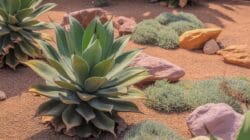
These materials work together in layering systems to smother weeds, retain moisture, and feed soil organisms. Start collecting scraps and materials now. You will see results within one growing season when materials decompose and integrate into your soil profile.
Designing With Purpose Sustainable Landscape Design Principles
Planning For Wind, Shade, And Sun Exposure
Map your yard before you buy anything. Spend a full day observing how sun moves across your space. Note where shade lands during morning, midday, and afternoon. Identify wind patterns and moisture levels in different zones. This microclimate analysis takes hours but prevents wasting money on plants that will struggle or die in the wrong spot.
Group plants by their actual needs. Place drought tolerant species in full sun areas. Cluster shade plants together in northern exposures. Plants thriving in their matched conditions need less water, fertilizer, and maintenance. This grouping strategy cuts your workload and reduces resource consumption significantly. You stop fighting your yard’s natural conditions and start working with them.
Minimizing Hardscapes And Impervious Surfaces
Concrete and asphalt create dead zones in your landscape. These materials block water from reaching soil and the water table below. Every rain event becomes runoff that erodes your yard and overwhelms storm drains. Impervious surfaces also increase ground temperature and create heat islands. Reducing them directly improves water infiltration and soil health.

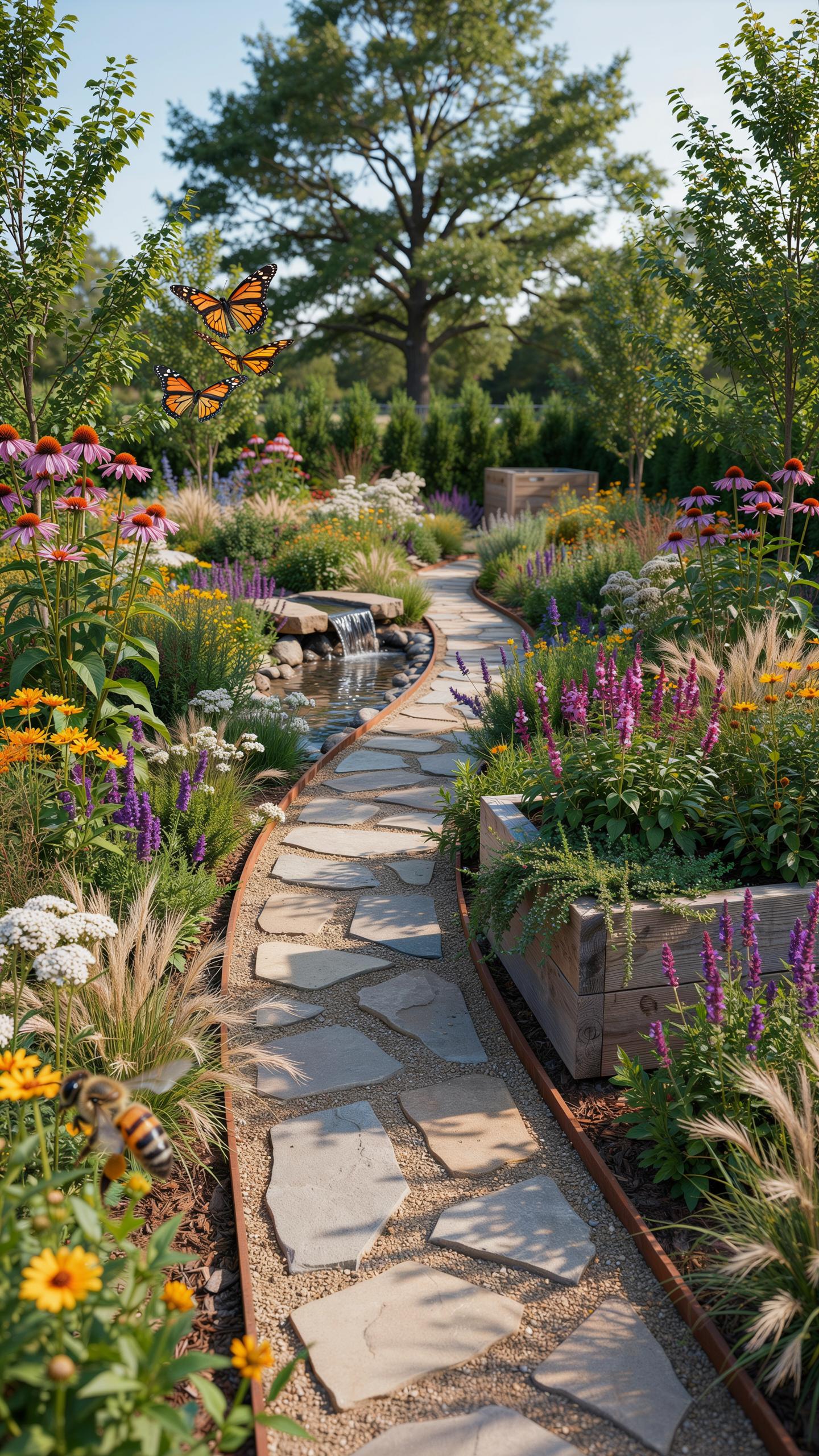
Replace hard surfaces with permeable alternatives. Gravel pathways, permeable pavers, and dry laid stone all allow water to filter down. These materials cost less upfront than continuous concrete while solving water management problems. Your landscape retains moisture onsite, reduces erosion, and rebuilds groundwater reserves naturally.
Selecting Plants For A Resilient Sustainable Landscape
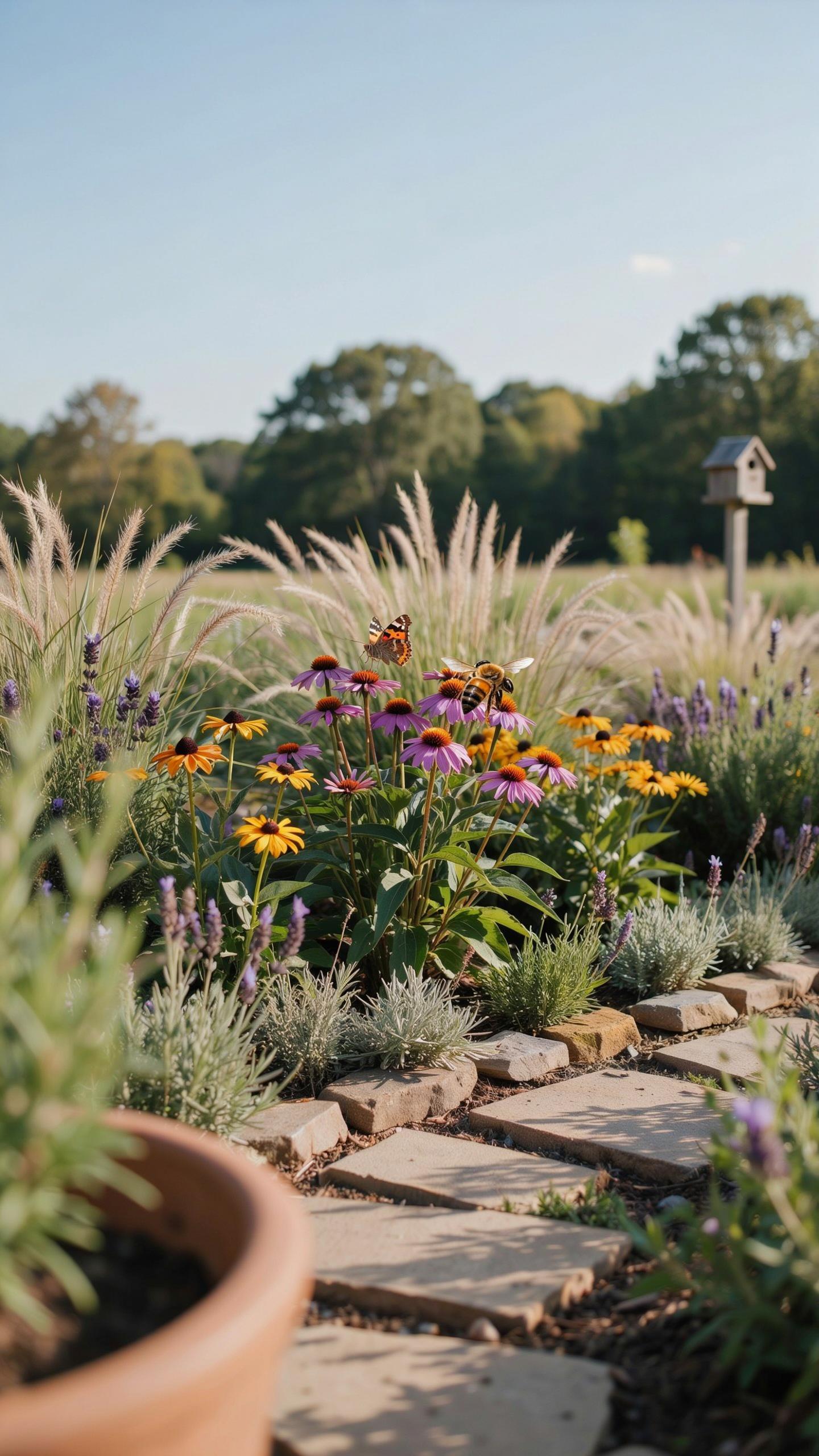
The Vital Role Of Native And Adaptive Species
Native plants thrive in your region because they evolved there over millennia. They handle local rainfall patterns, soil composition, and pest pressures without intervention. This means you water less, skip chemical treatments, and spend less money maintaining your landscape while supporting local ecosystems.
Adaptive species expand your options beyond strict natives. These plants tolerate your climate zone and soil conditions even though they originated elsewhere. They establish quickly, require minimal amendments, and perform reliably. Choose species documented to succeed in your specific hardiness zone and soil type.
Integrating Perennials For Year Round Ecological Value
Perennials survive winter and return each spring, unlike annuals that die after one season. Their root systems penetrate deeper into soil, preventing erosion and improving water infiltration. Once established, perennials demand less maintenance, fertilizer, and replacement labor than annual plantings.

Perennials support pollinators consistently across seasons by providing blooms and seed heads at different times. Native bees, butterflies, and beneficial insects depend on these food sources. A diverse perennial bed creates a functional ecosystem that sustains itself year after year with minimal inputs.
Creating A High Yield Vegetable Garden At Home
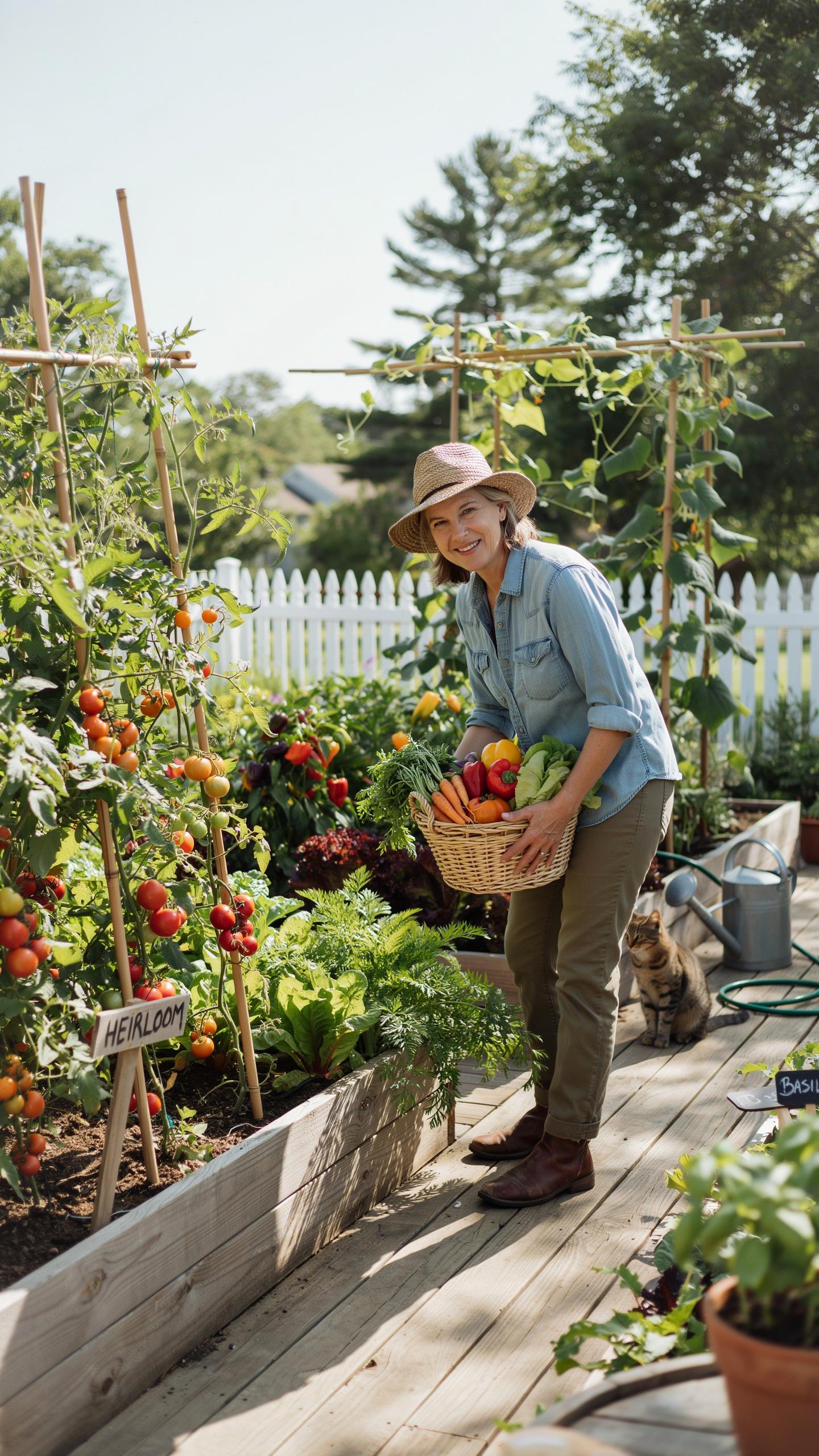
Strategic Companion Planting And Crop Rotation
Companion planting pairs crops that support each other’s growth and pest resistance. Corn stalks serve as natural trellises for pole beans. Beans fix nitrogen in soil, benefiting heavy feeders planted nearby. This method increases yield per square foot without expanding garden space. Succession planting extends your harvest window by staggering plantings every two to three weeks.
Crop rotation prevents soil depletion and disrupts pest and disease cycles. Move plant families to different beds annually. Rotate heavy feeders like tomatoes with nitrogen fixers like legumes, then light feeders like root vegetables. This three year rotation maintains soil fertility without synthetic inputs. Your garden productivity increases while pest pressure drops significantly.
Organic Pest Management And Soil Enrichment
Synthetic fertilizers kill beneficial soil microbes that improve plant health and nutrient availability. Compost adds organic matter and feeds microorganisms that break down nutrients plants absorb. Physical barriers like row covers prevent insect access. Trap crops attract pests away from vegetables you harvest. Predatory insects like ladybugs consume aphids and scale insects naturally.
Ladybugs consume up to 5,000 aphids in their lifetime. Plant flowering herbs like dill and fennel to attract beneficial insects. Neem oil and insecticidal soap address persistent pest problems without harming soil biology. Mulching protects soil life while regulating temperature and moisture. These methods lower production costs while maintaining soil health for future seasons.
Professional Garden Help And Planning Resources
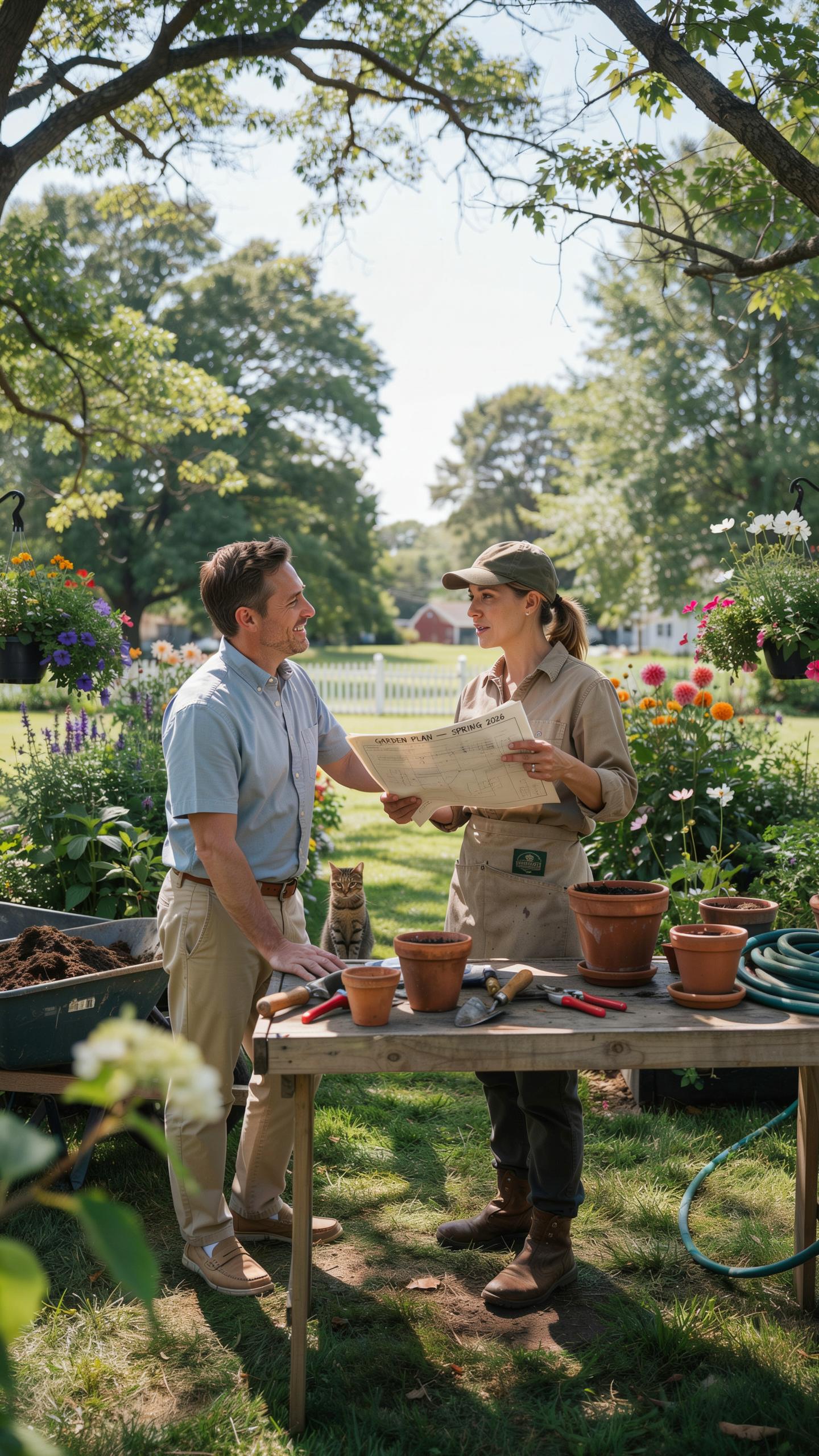
When To Consult A Certified Landscape Designer
Small garden beds respond well to DIY methods. Large-scale projects demand professional input. Certified landscape designers handle complex drainage systems, soil remediation, and native plant ecosystems. These professionals complete formal training and pass rigorous exams through organizations like the Association of Professional Landscape Designers. They identify site-specific problems you’ll miss.
Ecological restoration requires expertise you likely don’t possess. Poor drainage kills plants and damages foundations. Native species selection depends on precise soil composition, sunlight exposure, and existing microclimates. Designers specializing in sustainable practices understand regional ecology and can restore degraded land. They save money by preventing costly mistakes.
The best time to plant a tree was twenty years ago, but the second best time is now to nurture the ground that remembers our footsteps. By working with nature instead of against her, we craft a landscape that feels like home for generations to come.
Utilizing Cooperative Extension Offices For Local Advice
Your county’s cooperative extension office provides free or low-cost services. These university-affiliated programs operate in every state and most counties. Extension staff test soil samples and identify nutrient deficiencies specific to your location. They maintain databases of native plants suited to your exact climate zone and soil type.

Extension agents deliver pest management advice tailored to your region’s seasonal patterns. They know which insects damage local plants and which predators control them naturally. Staff recommend appropriate fertilizers and amendments based on your soil test results. Contact your state’s land grant university to find your local extension office and access these resources immediately.
7 Creating Effective Garden Plans Layout Perennial For Long Term Success
Mapping Out Heights, Spacing, And Bloom Times
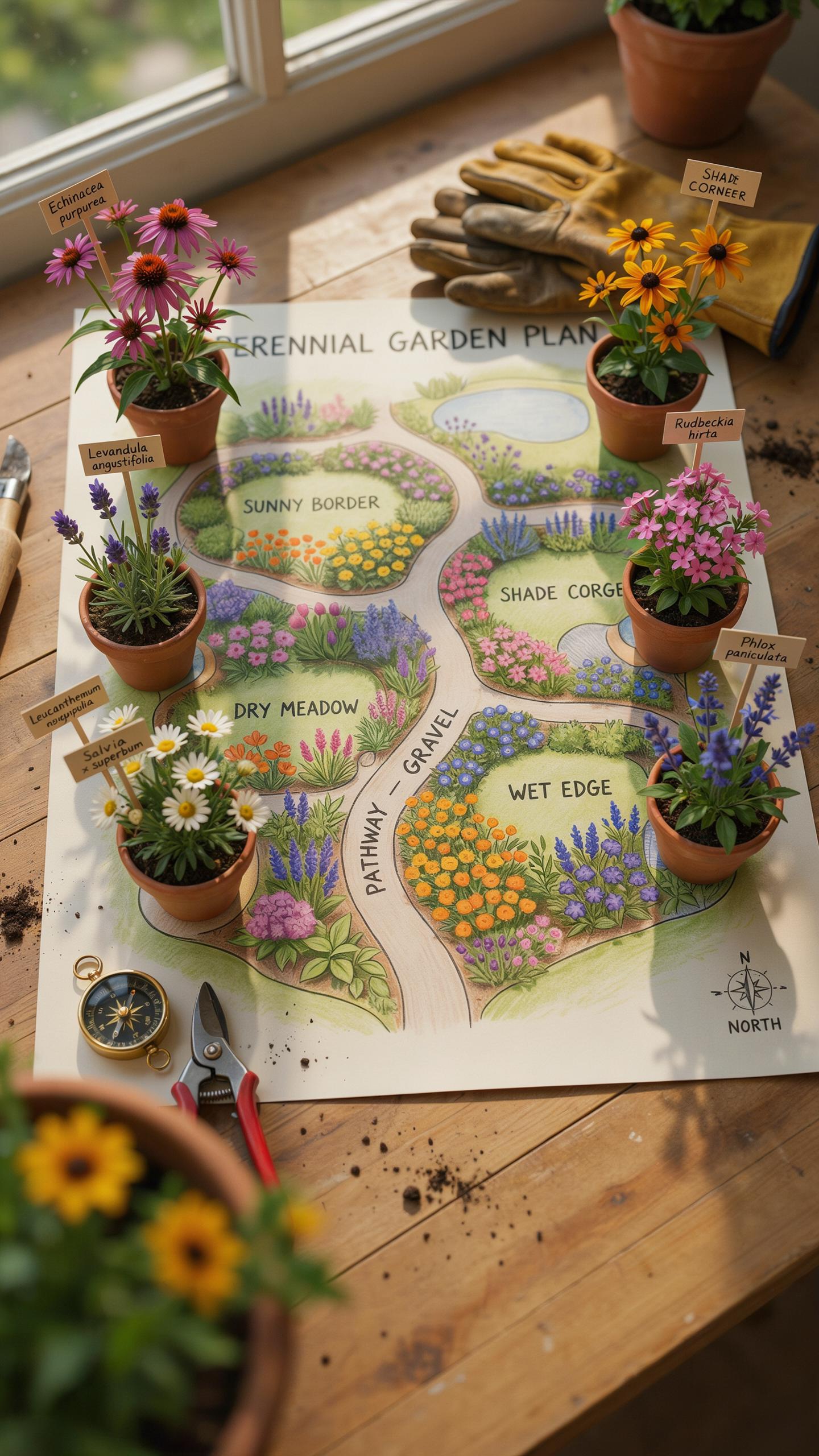
Arrange perennials by height to eliminate shading conflicts and maximize sunlight exposure. Place tall ornamental grasses at the rear, mid-sized shrubs in the middle zone, and ground covers at the front. This tiered approach ensures every plant receives adequate light while creating visual depth that works year-round.
Stagger bloom times across seasons to maintain continuous color and structure. Document which perennials flower in spring, summer, and fall. Cross-reference these timing windows with your site’s sun exposure and soil conditions. This prevents bare patches and keeps the garden functional throughout the growing season without replanting.
Layering Plants To Maximize Space And Biodiversity
Woodland ecosystems demonstrate efficient use of vertical space through distinct layers. Establish a canopy layer with mature trees, an understory with mid-sized shrubs, a herbaceous layer with perennials, and a ground cover layer. Each layer occupies different sunlight zones and soil depths, allowing you to grow more species in confined areas while building habitat complexity.

This layered structure strengthens ecosystem function within your landscape. Multiple layers support diverse insect populations, birds, and pollinators. Deeper root systems from different plant types improve soil structure and water infiltration. Stacked vegetation also reduces pest outbreaks because predatory insects find shelter between layers, creating natural pest control without chemical inputs.
Bringing Your Dream Garden To Life Ethically
Sourcing Plants And Materials Responsibly
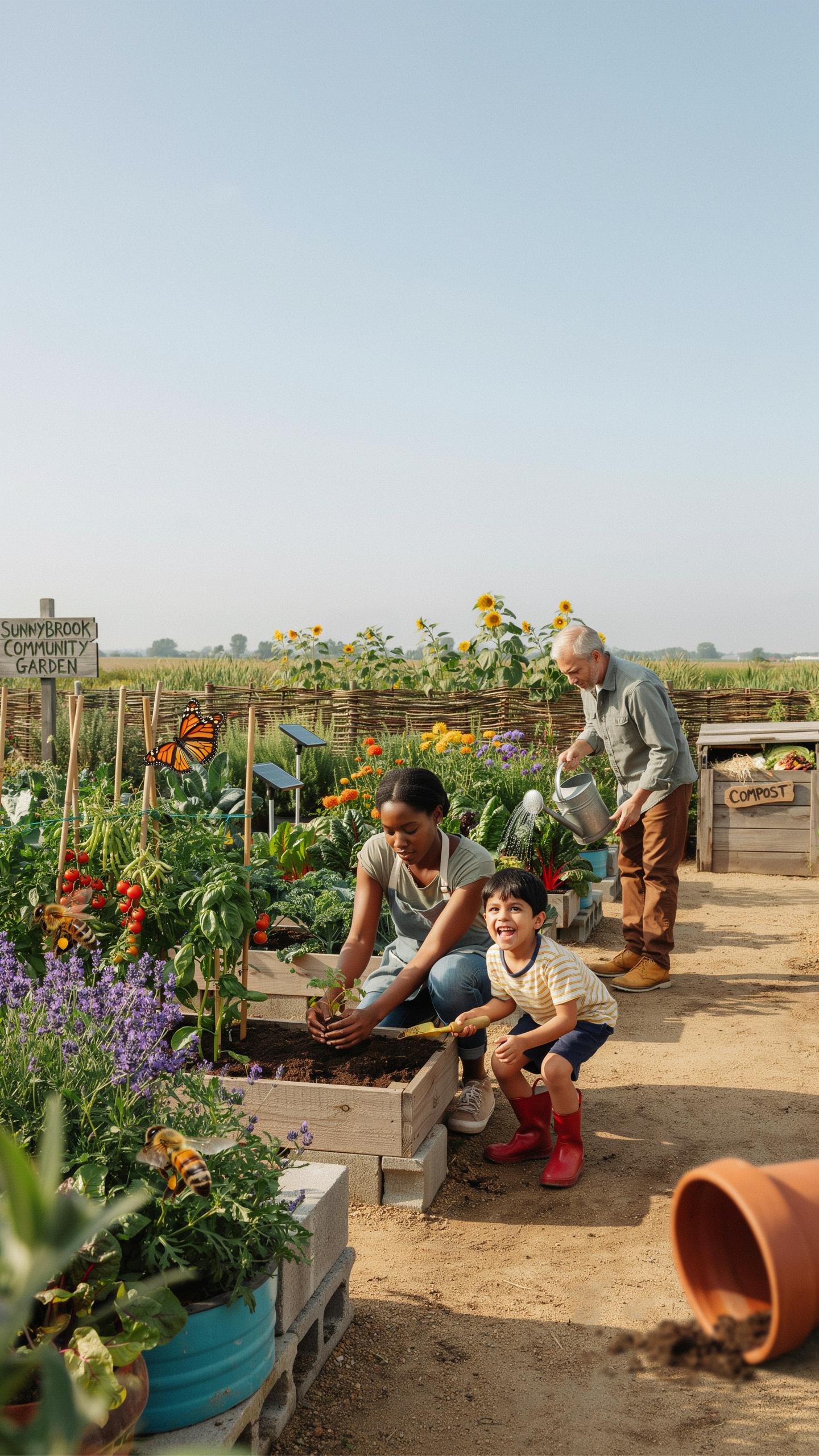
Commercial nurseries often stock invasive species that damage local ecosystems when they escape cultivation. Buy native plants from regional native plant societies instead. These organizations sell species adapted to your climate and soil. They eliminate transport costs and support local conservation efforts directly.
Reclaimed materials replace new resource extraction. Use salvaged bricks for pathways, reclaimed wood for raised beds, and recovered stone for edging. Avoid products harvested from endangered wild habitats, including certain orchids and ferns. Check plant tags and ask nurseries about collection methods before purchasing.
Steps To Transition A Lawn To A Biodiverse Micro Meadow
Turf grass consumes excessive water and provides zero wildlife habitat. Replace it systematically with native wildflowers that establish quickly and sustain pollinators. The cardboard smother method kills grass without chemicals. This process takes four to six weeks before you add new layers.
- Lay cardboard over existing turf: Overlap sheets by six inches to prevent grass regrowth. Wet the cardboard to speed decomposition and improve contact with soil.
- Apply three to four inches of compost: Spread quality compost evenly across cardboard. This layer feeds seeds and creates ideal rooting conditions for wildflowers.
- Sow native wildflower seeds: Distribute seeds appropriate to your USDA hardiness zone. Mix seeds with sand for even coverage and better seed to soil contact.
- Rake lightly: Use a gentle hand rake to press seeds into compost. Avoid burying seeds too deep, which prevents germination.
- Water consistently for eight to twelve weeks: Keep soil moist until wildflowers establish deep roots. Reduce frequency once flowers reach six inches tall.

Native meadows attract bees, butterflies, and beneficial insects within the first season. Water demand drops dramatically after establishment compared to turf grass maintenance. Your micro meadow becomes self sustaining after year two.
Emulating Nature With Permaculture Design Layout Concepts
Designing In Zones To Minimize Labor And Waste
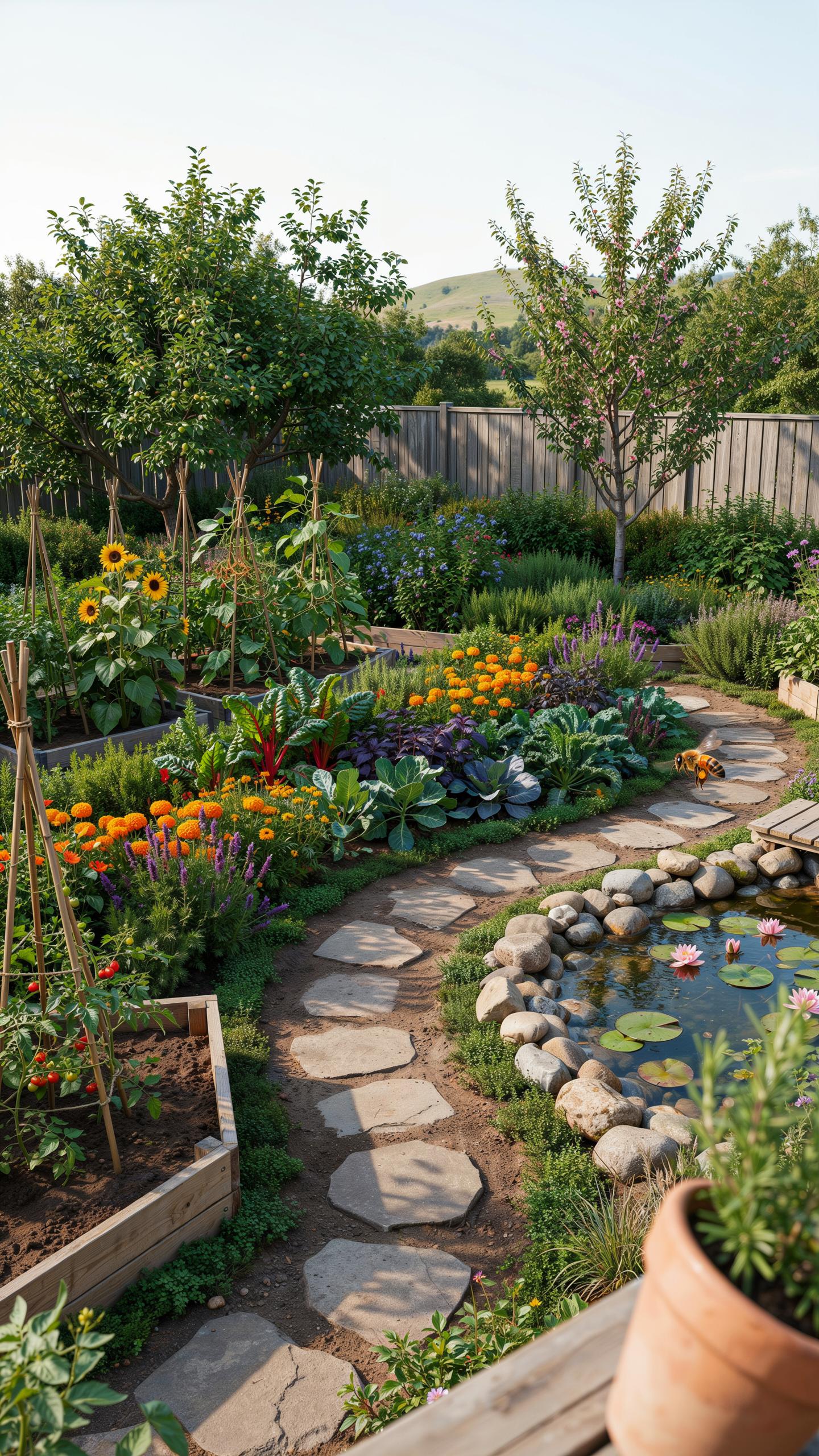
Permaculture zones reduce your workload by matching plant needs to distance from your home. Zone 1 sits closest to the house and holds daily-harvest crops like herbs and vegetables. Zone 2 contains occasional-access plants like berry bushes. Zones 3 through 5 expand outward with fruit trees, timber species, and wild areas that need almost no intervention.
This layout cuts maintenance time significantly. You spend energy where it counts, not traveling across your property for routine tasks. Outlying zones develop self-sustaining ecosystems that produce food and habitat with minimal input. The system follows how natural forests organize themselves by intensity of use.
Water Harvesting And Closed Loop Nutrient Recycling
Rain barrels capture roof runoff for garden irrigation during dry spells. Bioswales redirect stormwater into planted channels that filter and absorb water into soil rather than letting it run off. Rain gardens create shallow depressions that collect water from impervious surfaces. This approach eliminates the need for municipal water while recharging groundwater.
Composting and mulching complete the closed loop by keeping organic matter on your property. Fall leaves, grass clippings, and kitchen scraps return to soil as nutrients instead of being hauled away. Mulch suppresses weeds, regulates soil temperature, and decomposes into humus. Your landscape becomes a self-feeding system that wastes nothing.
Frequently Asked Questions

What are the most important elements of a sustainable landscape for beginners?
Getting started begins with understanding your local ecosystem and soil health. Using a sustainable landscaping ideas checklist ensures you prioritize native plants that require less water and chemical intervention. Focus on biodiversity by combining various species to attract pollinators, and incorporate permeable surfaces like gravel or mulch to manage stormwater runoff effectively. These foundational steps create a resilient outdoor space that thrives naturally with minimal human interference.
How can I implement water-saving techniques into my existing garden layout?
To save water, start by grouping plants with similar hydration needs into hydrozones, which prevents overwatering. You can also install a rain barrel to capture roof runoff for irrigation. Following a detailed sustainable landscaping ideas checklist will help you transition to drip irrigation systems that deliver moisture directly to the roots, significantly reducing evaporation and ensuring your garden remains lush while conserving one of our most precious natural resources.
Is it possible to create an eco-friendly landscape on a very tight budget?
Absolutely! Sustainable gardening is often more affordable because it emphasizes working with nature rather than against it. You can save money by composting kitchen scraps for free fertilizer, propagating plants from cuttings, and sourcing free mulch from local arborists. Focus on removing invasive species and replacing them with affordable local seeds. By prioritizing recycled materials for hardscaping, you can achieve a beautiful, professional look without a massive financial investment.