A Closer Look at Modern Landscape Design Front Yard Ideas For California Backyard
Modern landscape design front yard ideas for California backyard focus on combining natural elements with contemporary aesthetics. This approach helps you create a functional and attractive outdoor space that complements your home’s architecture and the local environment. Whether you have a small front yard or a spacious backyard, modern design can make your outdoor area inviting and manageable.
In this article, you will find practical guidance on how to plan and implement modern landscape design for your California home. We will cover essential principles, suitable plants, hardscaping tips, and maintenance strategies to help you transform your yard into a stylish and sustainable space.
Modern Landscape Design Principles
Modern landscape design, especially in California front and back yards, often revolves around balance. But balance here isn’t necessarily about perfect symmetry — it’s more about visual weight and harmony. You might see an asymmetrical layout that still feels coherent.
Simplicity is another key principle, and it shapes how spaces are planned. Clean lines dominate, lending a streamlined appearance that matches modern architectural styles common in California homes. These designs avoid clutter, making spaces feel open and intentional.
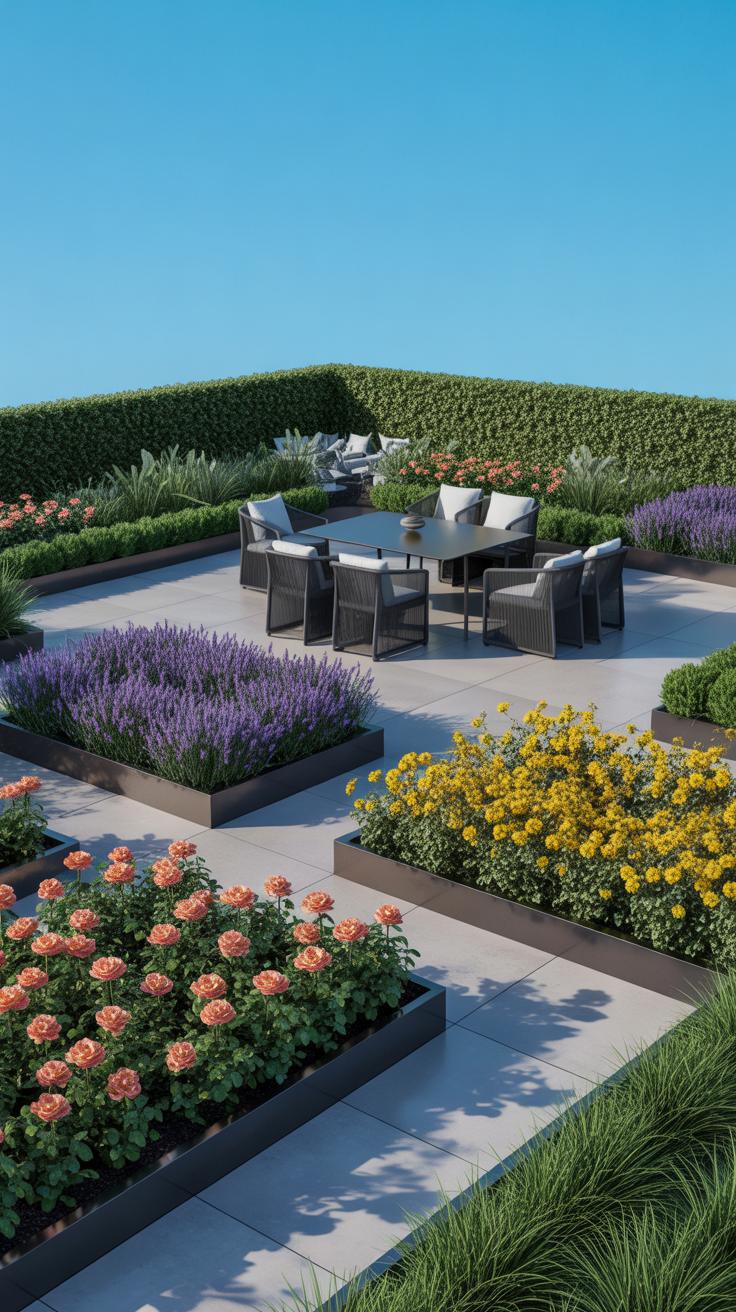
Integrating landscape with the architecture of the home is crucial. For example, if your house features sharp geometries or minimalist facades, the yard often echoes that with geometric planters or linear pathways. It’s a kind of conversation between indoors and outdoors.
Functionally, these principles help define usable areas like seating or dining zones, while visually reinforcing the home’s character. A well-designed modern yard doesn’t just look good; it works for everyday living. It meets your needs for privacy, movement, and relaxation, while reflecting your home’s style and the region’s climate.
Key Elements Of Design
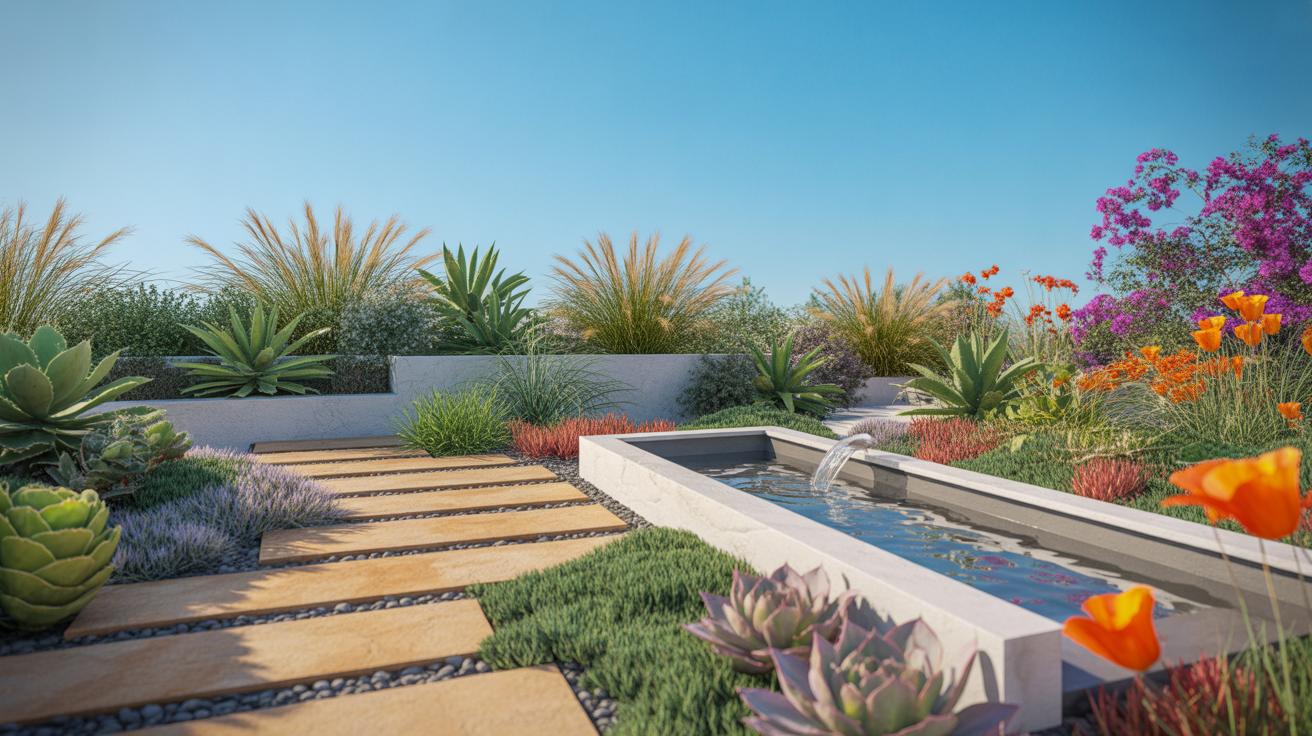
Picking plants suitable for California’s varying climate is fundamental. Drought-tolerant species like succulents, lavender, and ornamental grasses often feature prominently. They add texture without demanding much water.
Hardscape features such as concrete patios, gravel paths, or steel planters are common. These materials provide structure and contrast, complementing soft plant textures.
Color schemes tend toward earth tones with pops of green and occasional bright flower accents. This palette blends well with surroundings while being easy to maintain.
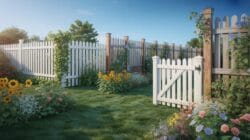
Layout strategies favor open spaces with clear focal points, like a solitary tree or a water feature. Arrangements may use repetition or contrast to guide the eye and define zones effectively. For example, a grouping of tall grasses along one edge balances a smooth stone patio on the other.
Why Design Matters In Your Yard
A thoughtfully planned yard in California does more than please the eye. It can increase your property’s value, which is significant in competitive markets.
You get a better outdoor living experience when spaces are chosen with purpose — whether for entertaining, solitude, or gardening. It can feel like an extension of your home, improving your daily life.
Environmentally, well-designed yards support conservation efforts by promoting native and drought-resistant plants, reducing water use and maintenance. This aligns with California’s ongoing challenges related to water scarcity and sustainability.
So, the real question might be: How can your yard serve both your lifestyle and the environment, while reflecting a modern design that resonates with your home? It’s worth considering these layers when planning changes.
Choosing Plants For California Gardens
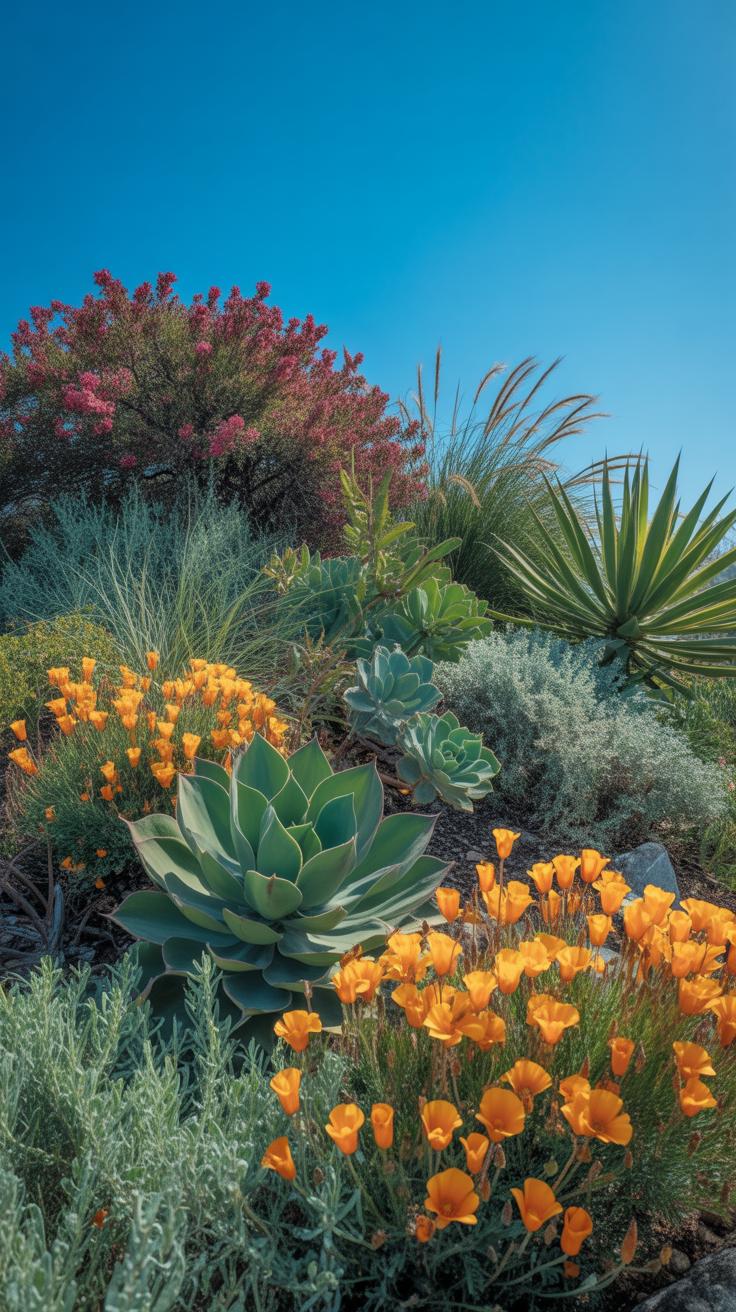
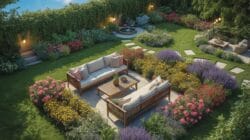
When choosing plants for California gardens, consider the climate’s natural drought-prone nature. Drought-tolerant plants, often xerophytes, are well-adapted to survive with minimal water. These include many native species like manzanita, California sagebrush, and ceanothus. Their ability to store water or reduce water loss helps them endure extended dry periods.
Native plants tend to blend well with the environment, offering habitat for local wildlife, but to make your garden visually engaging, mix textures and heights—succulents like agave or aloe add structural interest, while smaller shrubs create depth. Plus, these plants are lower maintenance, since they thrive on less irrigation and resist local pests.
Combining such drought-resistant species thoughtfully can reduce water use, but also offer seasonal foliage and blooms, keeping your garden dynamic year-round. Ultimately, it’s about balance: using plants that endure but also intrigue, without demanding constant care.
Native Vs Non-native Plants
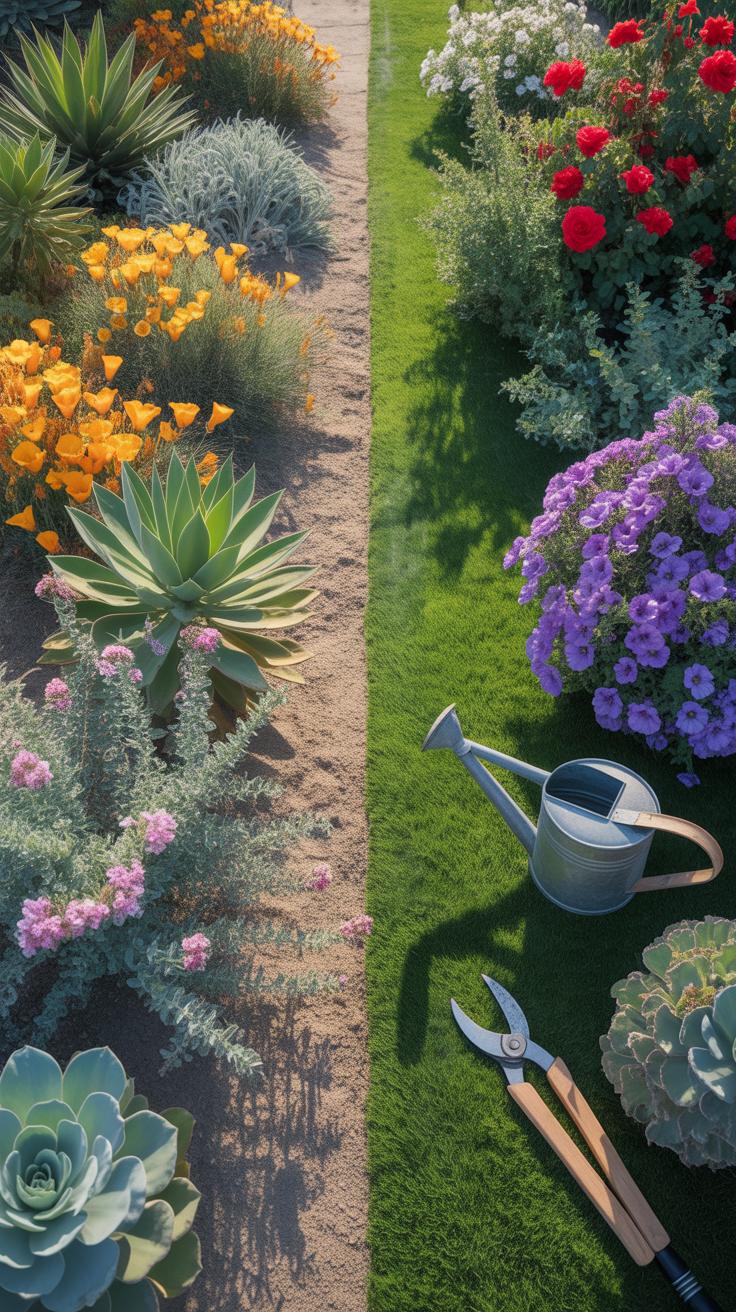
Native plants, adapted to California’s specific climate, require less water and typically demand less care. Their natural resistance to pests reduces the need for chemicals. Appearance-wise, natives reflect the region’s unique beauty, but sometimes they may not fit a highly manicured or exotic style some homeowners prefer.

Non-native plants bring broader choices and sometimes striking aesthetic contrasts, but they often need more water and maintenance. Some non-natives may become invasive, disrupting local ecosystems. However, certain drought-tolerant non-natives can thrive with sensible care, especially if blended well with natives to maintain ecological balance.
Choosing between native and non-native plants involves weighing water efficiency against design goals, plus considering environmental impact. It’s rarely black or white—some non-natives can complement natives responsibly, if selected with care.
Plant Placement Checklist
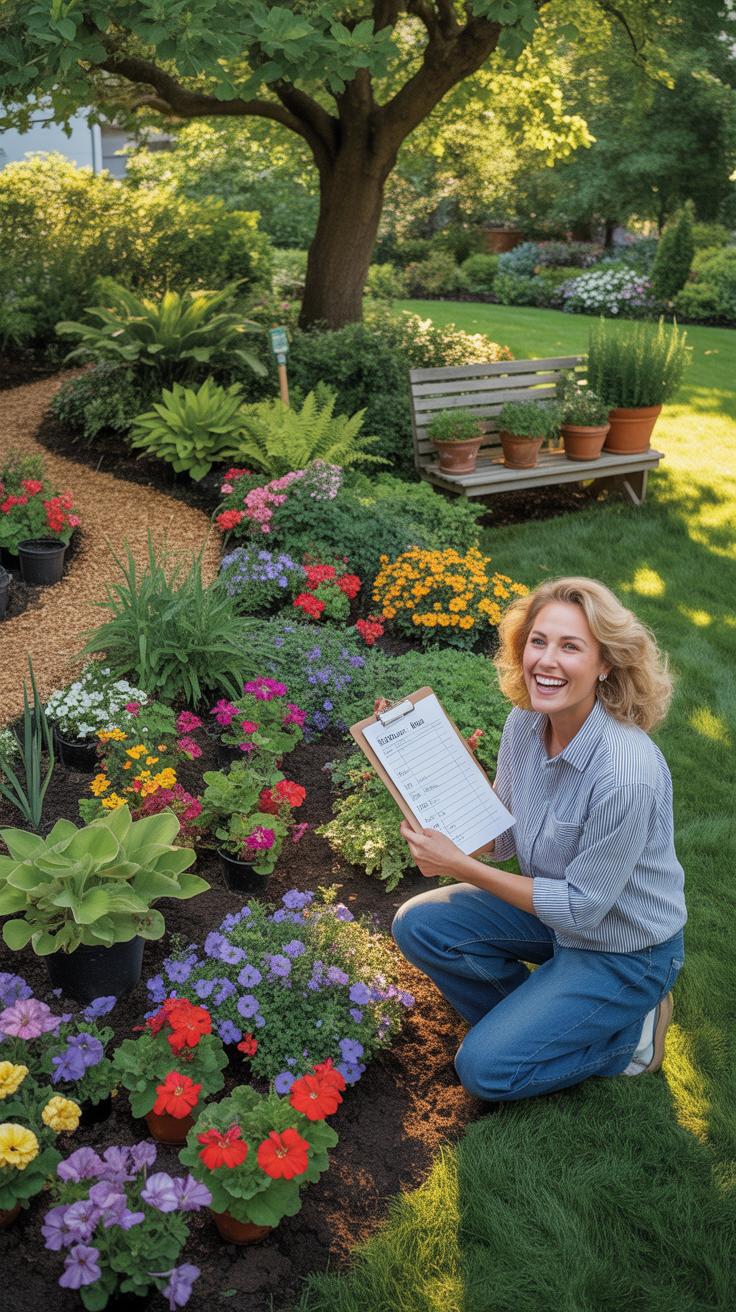
Plant placement is crucial for a thriving garden. Here’s a practical checklist to guide you:
- Assess sunlight exposure—full sun, partial shade, or shade—and match plants accordingly to avoid stress.
- Check soil type and drainage. Some plants prefer sandy soil, others clay. Amend soil if necessary to improve health.
- Group plants with similar water needs together to simplify irrigation and avoid overwatering.
- Consider plant height and spread to prevent overcrowding and allow airflow, which reduces disease risk.
- Place taller plants at the back or center, depending on garden shape, so they don’t overshadow smaller companions.
- Think about seasonal interest—arrange for overlapping bloom times or contrasting foliage colors for visual appeal across seasons.
- Leave enough space for growth; plants tend to expand over time, sometimes unpredictably.
By keeping this checklist in mind, you avoid common pitfalls, reduce maintenance headaches, and create a front or back yard that looks thoughtfully designed yet natural.
Incorporating Hardscape Elements
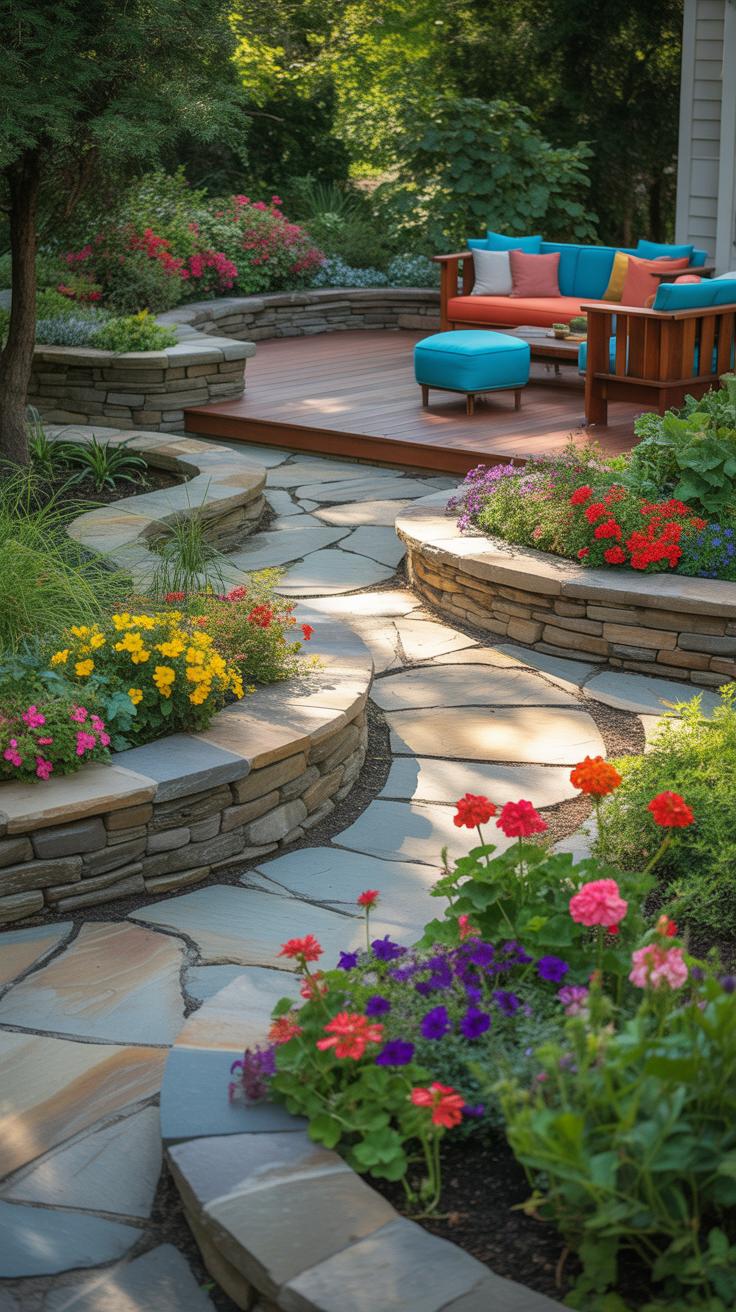

When thinking about hardscape features for your California home, patios, pathways, walls, and water elements come to mind. These elements provide structure and form to your yard, but they shouldn’t overwhelm the natural vibe of the space. A balance between hardscape and plants is key, though achieving it can be a bit tricky. For example, a stone patio with neatly trimmed succulents or drought-resistant plants can create a calm, organized feel—yet you might want to soften edges with climbing vines or native grasses to avoid harshness.
Water features such as small fountains or reflective pools fit well in California’s dry climate, but they need careful placement to complement rather than dominate the garden. Retaining walls can also shape the land and add dimension, but if too massive or plain, they can feel cold. Think of mixing textured stone walls with flowering shrubs or native plants to make them feel more inviting.
Popular Hardscape Materials
Common materials that frequently crop up in modern hardscapes include concrete, stone, and wood. Concrete is durable and versatile—it’s sometimes plain but can be stained, stamped, or polished for different effects. Stone feels timeless and natural, yet the type and cut of stone can drive very different moods; for instance, flagstone versus smooth marble. Wood can add warmth and softness yet requires more upkeep depending on exposure to sun or moisture.
Durability is crucial. For patios exposed to intense sun or occasional rain, stone or concrete tend to hold up better over time than untreated wood. On style, you might lean towards sleek concrete or natural stone for that modern vibe, but mixing in warm wood accents can prevent the area from feeling too stark. It’s a balance worth considering—what feels too cold for one person might appeal for its minimalism to another.
Designing Walkways And Patios
Designing functional and attractive patios and walkways is about more than just looks. Functionality means thinking of foot traffic, comfort, and how these spaces connect with your home and garden. For a modern aesthetic, pathways often favor clean lines and simple layouts, but you can vary the shape to avoid a monotonous straight path—curves or staggered patterns can add interest.
Patios should feel like an extension of your living space—consider including seating options, shading elements, or even outdoor lighting for ambiance. Using materials consistent with your home’s exterior style helps unify the look. Imagine a smooth concrete patio blending with glass railings and minimalist furniture for a clean, modern effect. Yet, sometimes more jagged stone paths leading into a gathering area create a relaxed, casual tone.
What’s your take on mixing natural and man-made materials in these spaces? Do you prefer statement hardscape features, or something quieter that lets plants and flowers lead the show? It’s worth trying to picture how these choices will play out across different seasons and daily light changes. That can help you avoid a design that feels flat or disconnected once it’s all in place.
Water Management Techniques
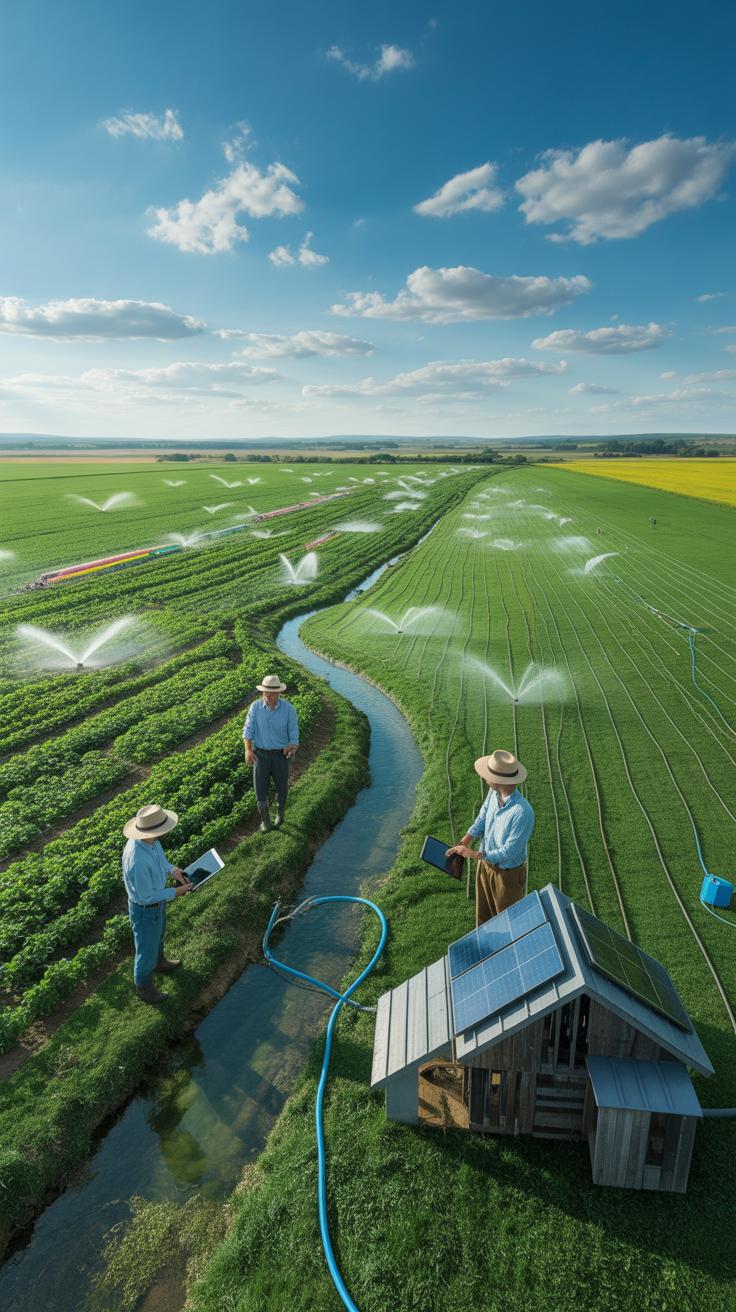
When thinking about water management in your California yard, there are a few practical approaches worth considering. You might find drip irrigation systems quite handy. These systems deliver water directly to plant roots, cutting down waste from evaporation or runoff. It’s almost like giving a plant exactly what it needs and not a drop more. I’ve noticed that this method can greatly reduce your water consumption if set up thoughtfully.
Smart irrigation controllers are another option you could explore. They adjust watering schedules based on weather conditions, soil moisture, or even plant types. Sometimes the technology feels a bit much, but it can help avoid overwatering, especially during cooler or rainy periods. It’s intriguing how such devices can save you both time and water.
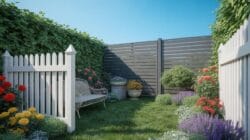
Rainwater harvesting might sound old-fashioned to some, but capturing rain can seriously help with your yard’s water supply. Installing rain barrels or underground tanks allows you to store water for dry spells. This approach not only reduces your water bills but can make your garden more self-sufficient. Though, the effectiveness depends on your roof size and how much rainfall your area typically gets.
Don’t overlook good drainage too. Poor drainage can cause waterlogging or erosion – issues you probably want to avoid. Sometimes, adding simple trenches or permeable surfaces can help rainwater soak into the ground more naturally. It’s a mild inconvenience that pays off in the long run.
Lighting Setup For Safety And Style
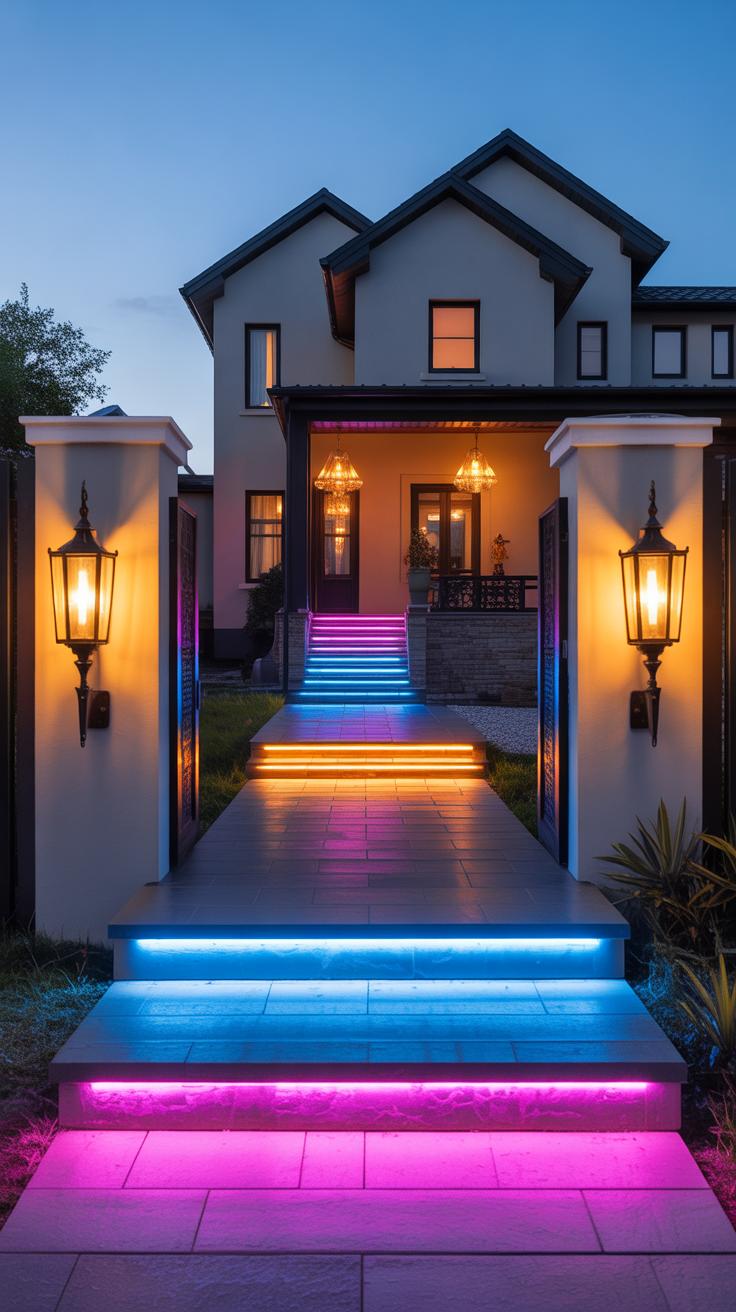
When thinking about lighting for your modern yard, it’s a bit more than just flicking a switch. You want your space to be safe, sure, but also attractive and welcoming during the evening hours. Safety lighting is fundamental. It ensures that pathways and steps are well lit to prevent tripping or other hazards. You might place low, steady lights along walkways and near entrances to guide visitors clearly. Accent lighting, on the other hand, highlights particular features like a striking plant or a sculpture, helping to deepen the character of your yard. Ambient lighting fills the space with a pleasant glow—enough to see comfortably without harsh brightness or dark shadows.
Have you ever noticed how well-placed lights draw your eyes to certain areas or features? It’s subtle but effective, and frankly, sometimes a little surprising how a simple spotlight can transform a dull corner into a focal point. I suppose that balance between safety and style makes modern outdoor lighting enjoyable to plan and live with.
Types Of Landscape Lighting
There are a few main types of lights you’ll encounter for your yard, each serving distinct purposes:
- Path lights: These are the common low fixtures lining driveways or garden paths. They provide clear, soft illumination to guide footsteps without overwhelming brightness.
- Spotlights: These focus strong beams on particular elements, like a tree or a wall texture, creating striking contrasts and visual interest.
- Solar lights: Powered by sunlight, these are easy to install with no wiring but may offer less consistent brightness since they depend on weather and daylight.
- Step lights: Recessed into stairs or retaining walls, they enhance safety by distinctly marking edges.
- String lights: While often seen in festive setups, subtle use of string lights can add a cozy, casual ambiance to patios or pergolas.
Simple Lighting Installation Tips
Installing outdoor lighting might seem tricky, but a few straightforward tips can make the process smoother:
- Consider low-voltage lighting where possible; it’s safer to handle and energy-friendly.
- Plan your layout in daylight to avoid unseen obstacles underground when digging.
- Test your lights before final installation to check angles and brightness.
- Use weather-resistant fixtures rated for outdoor use to reduce maintenance and avoid damage.
- Place timers or motion sensors on main safety lights to reduce electricity use and add convenience.

One time, I underestimated the brightness from a spotlight and accidentally dazzled the neighbors. It reminded me that placement and direction really matter—you don’t want your stylish lighting setup to cause annoyance. So, think carefully about where you position each light, and maybe try to take a step back after installation to see the effect from different angles. This way, your yard can be safe, stylish, and a bit inviting after sunset.
Common Mistakes To Avoid

Overplanting And Clutter
Overplanting can easily become a pitfall in designing a modern front yard for California backyards. It’s tempting, I know, to fill every empty spot with plants, thinking more means better. But that often leads to a cluttered look, which goes against the simplicity modern design strives for. When space is too crowded, each plant struggles to shine, and your yard might end up feeling chaotic instead of calm.
Keeping your design simple helps. Consider using fewer species but focus on variety in texture and height instead. Letting some open space breathe creates a more inviting and balanced environment. Think about spacing plants strategically; it not only avoids clutter but also makes maintenance easier.
Maintenance Neglect Effects
Neglecting regular maintenance often shows up quickly, especially in sunny California gardens. Plants can become overgrown; weeds creep in, and that clean, modern look fades into disorder. I’ve often seen gardens where a lack of upkeep turns what was once a sleek space into something unkempt, and frankly, less enjoyable to use.
Staying on top of care tasks is key. Setting a schedule, even a simple one, for watering, pruning, and weeding can make a big difference. Also, choosing plants that match your available maintenance time helps avoid getting overwhelmed. Remember, no design stays perfect without some consistent effort.
Tools And Resources For DIY Projects

If you’re thinking about tackling your front yard design yourself, it helps to be armed with the right tools. Having a decent set of gardening tools can make the whole process less frustrating. Think of basics like a sturdy trowel, pruning shears, a spade, and a rake. You might find a garden fork handy too, especially if you’re working with tougher soil. Gloves are a must—not just for comfort but to keep your hands intact while digging or trimming.
Materials-wise, soil amendments like compost or mulch really help plants get established. You don’t need to buy the most expensive stuff, but quality counts. When picking plants and materials, consider ones suited for California’s climate to avoid wasting effort and money.
For planning and inspiration, there are several online tools that some homeowners overlook. Websites that let you map the layout of your yard or visualize different plant placements are surprisingly useful. Apps can also help with plant identification and care reminders, which is a lifesaver when you’re juggling multiple gardening tasks. Guides or forums specifically about California gardening give a leg up with regional tips, watering schedules, and pest control.
You might want to try online resources like the California Native Plant Society’s site, where you can find plants that thrive naturally in your area. Other tools worth exploring include garden planner apps that let you experiment with designs before you break ground. These little digital helpers can save you from costly mistakes later.
Cost Breakdown For Modern Yards
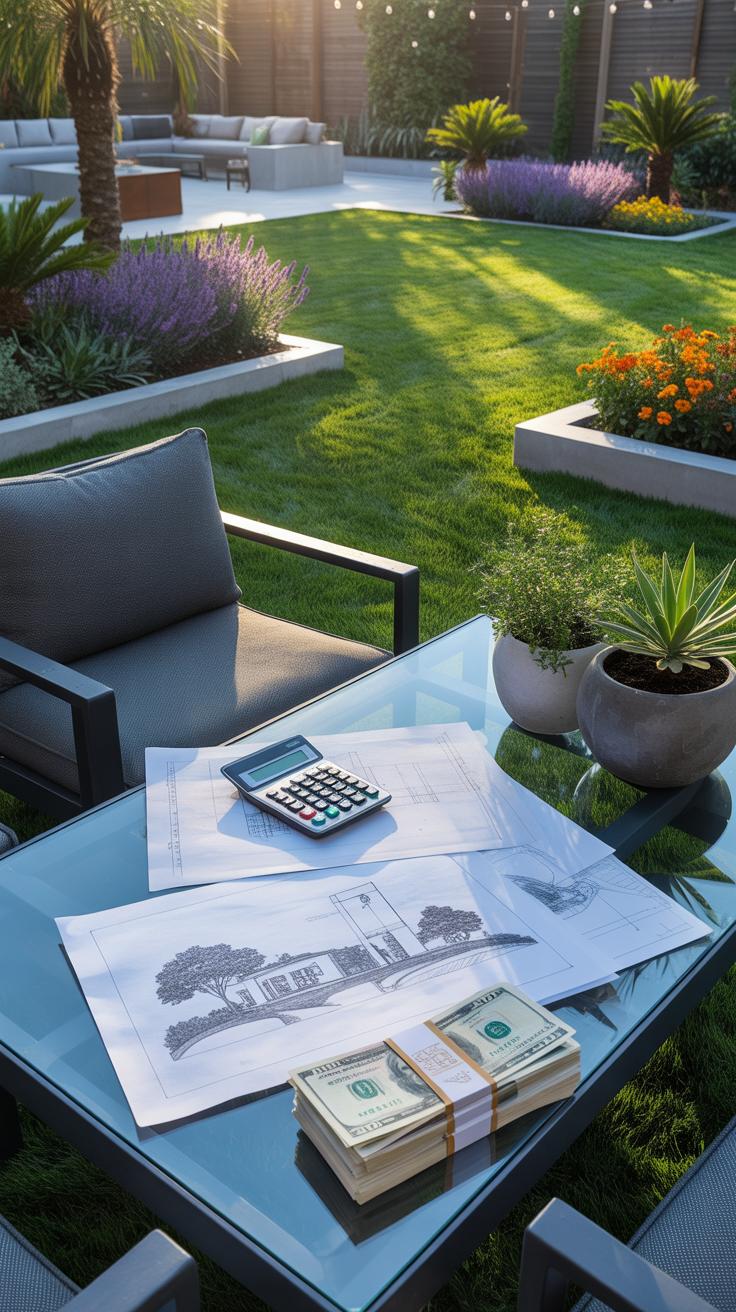
Thinking about modern landscape design costs in California, it’s clear that several key factors play a role. Plants are a big part of the budget. You might find small succulents priced around $5 to $20 each, while larger, more established trees can run from $100 to several hundred dollars. Material costs like concrete for walkways or gravel for paths vary too—concrete paving typically costs $8 to $15 per square foot, depending on finish and complexity.
Irrigation systems, crucial in California’s dry climate, add to the overall expense. A basic drip irrigation setup might start near $500, but can grow significantly with smart controllers or larger zones.
Labor can surprise some homeowners. It’s usually billed by the hour or as a flat project fee, sometimes $50 to $100 per hour for skilled landscapers. The complexity of the design, size of the yard, and detail level influence this too.
Now, for budget-friendly options—plants like California poppies, lavender, manzanita, and deer grass look great but don’t break the bank and thrive in local conditions. Instead of pricey stone, decomposed granite can work well and costs less.
Labor costs can shift based on how much prep work is needed—rock removal, grading, or soil amendments add time and expense. I find it pays to get multiple quotes and clarify what’s included, as some companies cover installation while others expect you to do parts of the work.
Ultimately, costs vary widely based on your choices. Have you thought about how much you want to invest versus doing some of the work yourself? That balance can influence your modern yard’s final price far more than you might expect.
Step By Step Setup Process

Planning And Design Steps
Start by really looking at your yard—how the sunlight moves across it, any slopes, existing plants, and how you might use the space. It’s a bit like detective work, but for your garden. Then, sketch a rough plan. Don’t worry about perfection; this is to get your ideas out and see how they fit. Keep your lines simple, shapes clean, reflecting that modern feel. When picking materials, think local and sustainable. Concrete, wood, and metal often work well. Choosing drought-tolerant plants can save water and keep things looking fresh with less fuss. You might want to test a few plant combos in small spots before you decide.
Implementation And Care Tips
Begin with groundwork—clear unwanted debris, level areas needing it, and set up irrigation if you plan on it. Lay out pathways and hard surfaces first, then add plant beds and features. Keep your design flexible; sometimes adjustments feel necessary once you see it all together. Care involves regular pruning but spare the overdoing; modern styles prefer a bit of natural ease. Mulching helps retain moisture and cut back maintenance. Watch for signs of stress on plants—yellow leaves might mean too much sun or little water. You’ll find the balance with time and patience.
Conclusions
Modern landscape design can greatly enhance the appeal and usability of your California front yard or backyard. By focusing on clean lines, native plants, and practical features, you create a space that fits your lifestyle and environment. Thoughtful planning and simple design choices make a big difference in achieving a modern look.
Start by understanding your site and needs, then choose plants and materials that work well in California’s climate. With careful upkeep, your modern landscape will stay attractive and functional for years to come. Use the ideas and tips shared here to guide your project and enjoy a beautiful outdoor area.