A Closer Look at Modern Backyard Landscaping Vs Minimalist Landscaping Ideas For Low Maintenance Gardens
Modern backyard landscaping focuses on creating outdoor spaces that blend style with sustainability. It uses practical design, eco-friendly materials, and easy-to-maintain plants. Minimalist landscaping, on the other hand, emphasizes simplicity and reduces upkeep by using fewer plants and clean lines.
This article compares these two popular ideas. It looks at their benefits and how to create a garden that stays beautiful without needing a lot of work. You will find helpful tips and examples to help choose or mix these styles for your own backyard.
Essentials Of Modern Backyard Landscaping
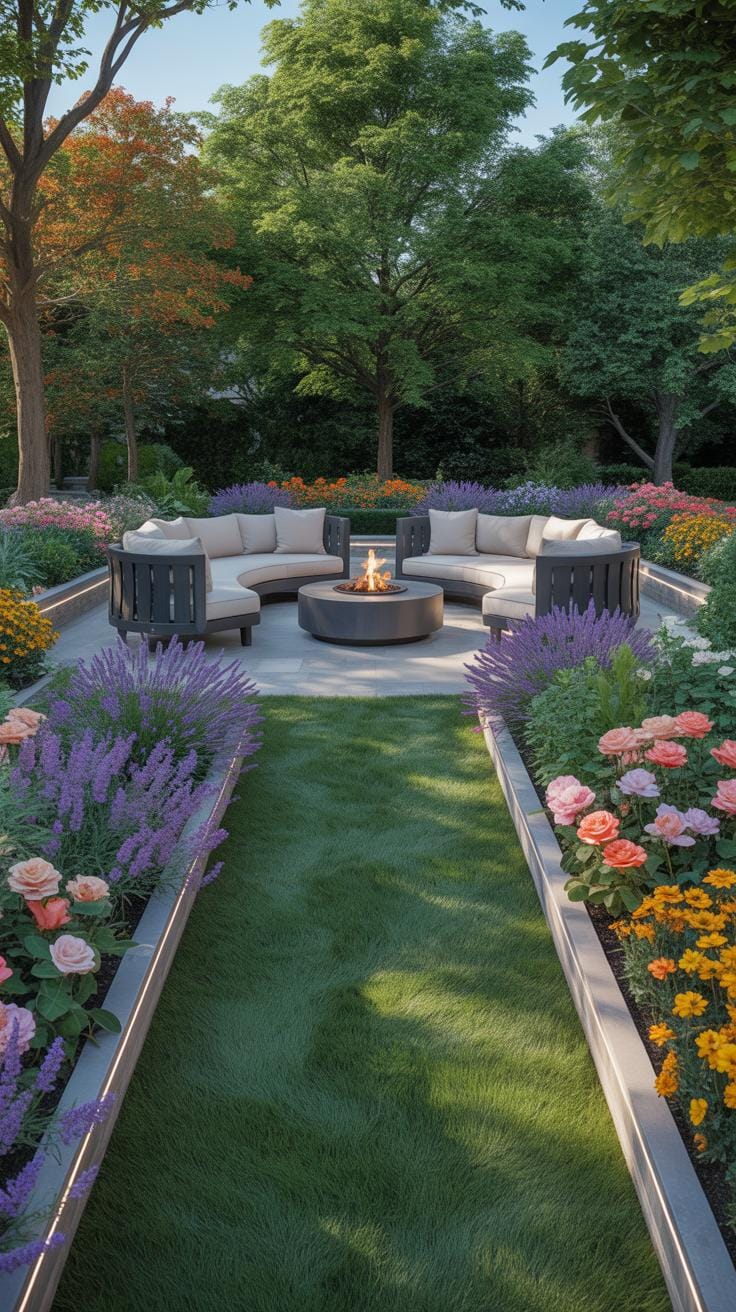
Modern backyard landscaping focuses on creating spaces that blend sustainability, function, and visual appeal. It’s not just about looking good; it’s about designing gardens that work well with nature, not against it. This means embracing principles like organic gardening where chemical pesticides and fertilizers are minimized or avoided altogether.
You’ll often find water-wise plants in these gardens—species chosen specifically because they thrive with less watering. That’s practical and thoughtful. Eco-friendly materials play a big part too. Think recycled wood decking or permeable paving that helps rainwater seep into the soil instead of running off wastefully. It’s a holistic approach, combining smart plant selection, natural resource conservation, and textures that feel genuine and welcoming.
Design Principles To Follow
One critical step is to understand your site deeply: the soil type, how sunlight moves during the day, seasonal wind patterns, and existing vegetation. This analysis guides where plants should be placed, balancing shade with sun, and controlling water use.
The aim here is to reduce resource inputs like water and chemicals by thoughtful layout and plant choice. The right plants in the right spot can cut down irrigation needs and pest problems. Sometimes less is more—fewer plants, better positioned, can mean a healthier garden with less fuss.
Choosing Suitable Plants
Choosing plants for a modern garden means thinking about your local climate and picking species that naturally fit it. Native plants, or ones adapted to your region, tend to need less watering and care. It might take some trial and error—some plants may surprise you with their resilience or sensitivity.
Look for tough exteriors, but also consider bloom times and texture diversity to keep the garden lively yet manageable. You want variety that doesn’t demand constant attention. After all, the goal is a garden that feels alive and inviting, but not like another chore on your to-do list.
Modern Backyard Landscaping
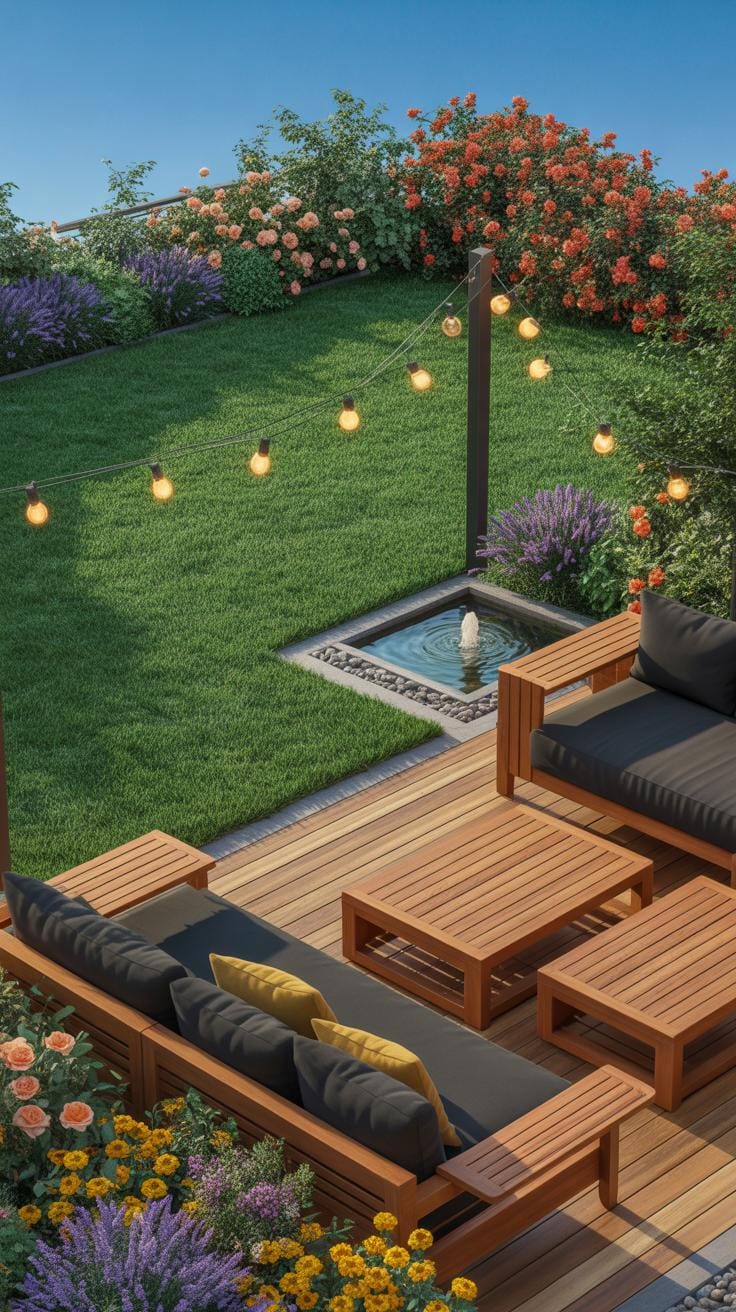
Modern backyard landscaping often blends style with function, focusing on sustainable, eco-friendly methods. It’s about creating spaces that feel fresh but are practical, sometimes embracing natural elements while thinking about environmental impact. I’ve noticed that more homeowners lean towards designs that respect local climate and soil conditions, cutting down on resource use. That, to me, makes sense—but it doesn’t always mean giving up on aesthetic appeal.
Think of modern backyard landscaping as a balance between beauty and responsibility. You’ll probably see features like permeable paving, which reduces stormwater runoff, or rain gardens that handle water naturally. Using native plants plays a big role too—less watering, fewer chemicals, and less hassle. These gardens often have a clean, organized look but not at the cost of feeling sterile or cold.
Interestingly, the approach often involves some technology and smart planning—gray water irrigation systems or solar-powered lights—which can feel a bit futuristic yet are quite practical. This style asks: How can your garden be comfortable, inviting, and easier to maintain without losing character? It’s not just about trends; it’s about making thoughtful choices that last, even if it means reconsidering what a ‘beautiful’ garden really means to you.
Comparing Styles For Your Garden Comparing Modern and Minimalist Backyard Landscaping
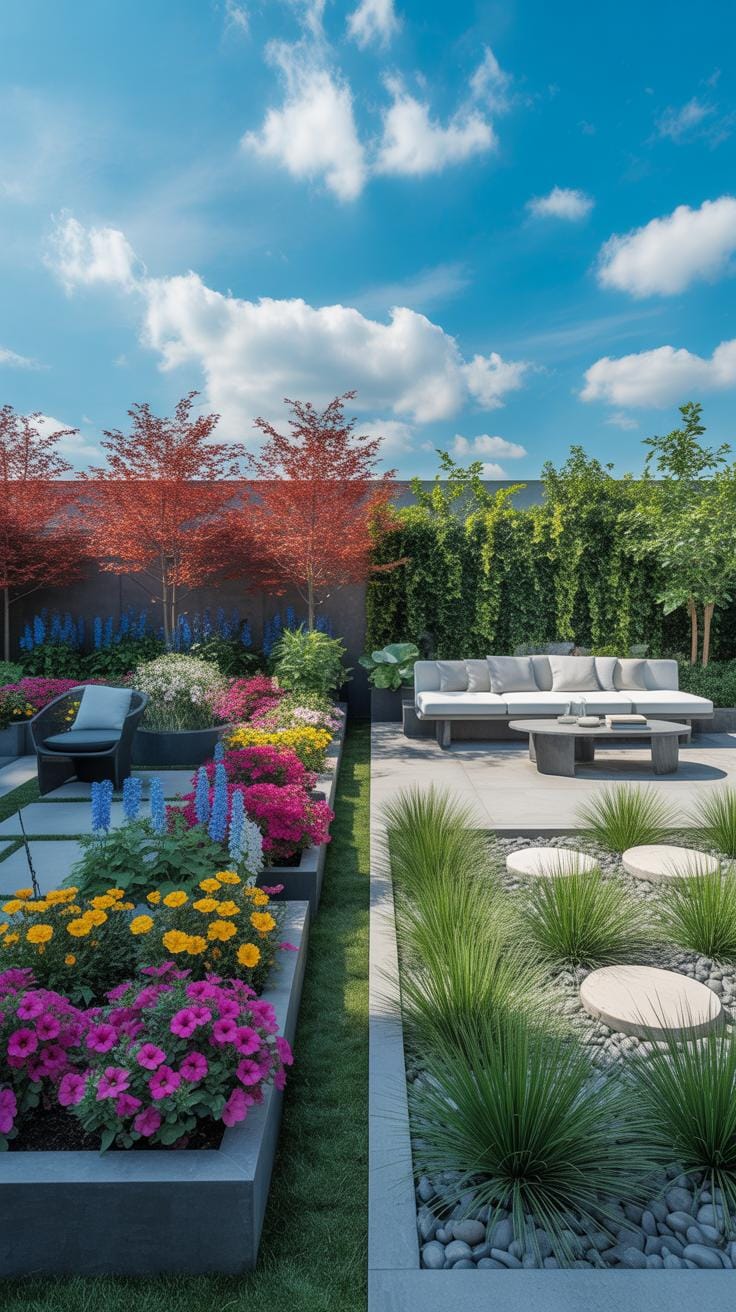
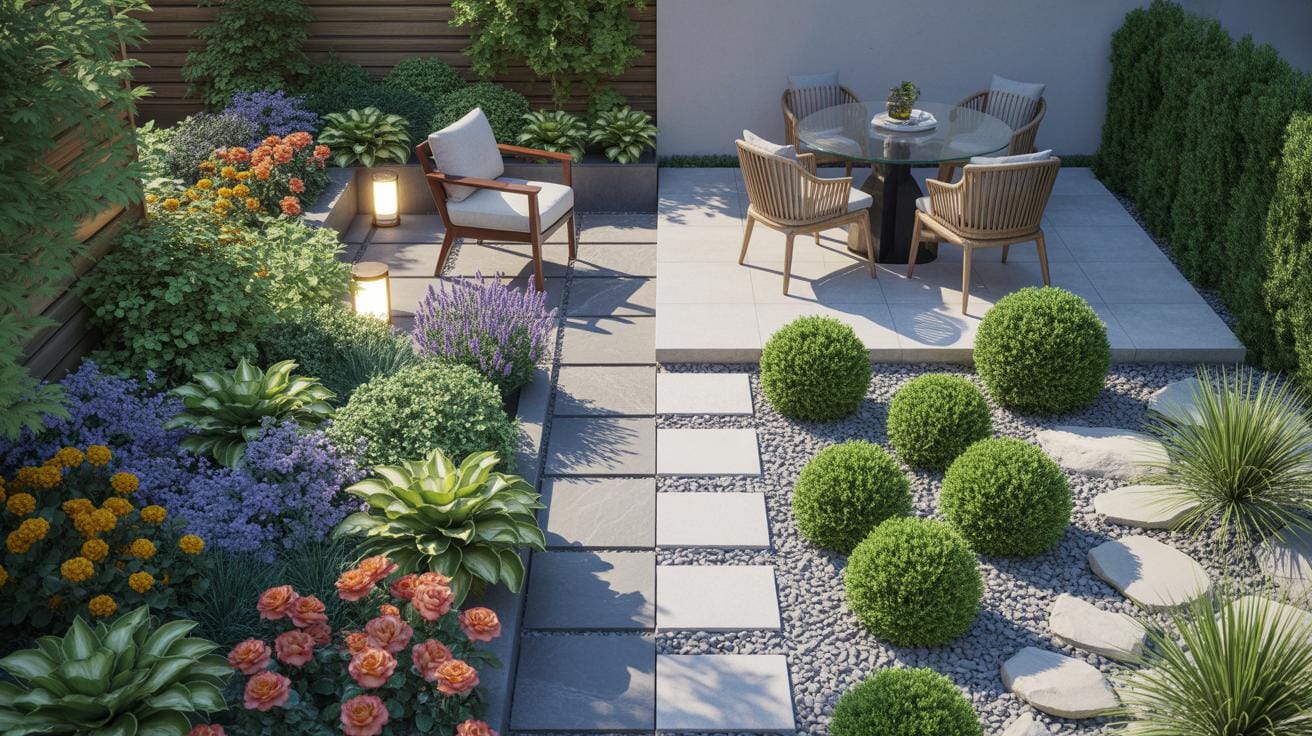
Modern backyard landscaping often involves a rich variety of plants, mixing textures and colors for a lively, bold effect. You might see a mix of native species alongside exotic plants chosen for dramatic impact. It’s a bit like inviting diversity to your garden party. On the other hand, minimalist landscaping typically sticks to fewer plant varieties, focused on clean lines and simplicity.
When it comes to complexity, modern gardens can feel almost sculptural—layers of greenery, hardscaping, water features, lighting that highlights different zones. In contrast, minimalism strips this down; the layout is open, with more emphasis on empty spaces and understated elements. It’s almost like they’re telling two different stories about how space should be used.
Environmentally, modern landscaping may lean on sustainability by integrating native plants and water-wise techniques, but it sometimes demands more resources—water, fertilizers, maintenance—to keep all that variety lush. Minimalist gardens tend to be easier on the environment since they rely on fewer plants and simpler designs, reducing water usage and trimming down waste.
Space Usage: How They Shape Your Garden
Space in modern landscaping often feels intentional but busy. Each spot becomes a small scene, a dedicated area with purpose—like a cozy seating nook, a vibrant flower bed, or a pond with stepping stones. It’s as if the garden wants to be explored fully, with no corner left unturned.
Minimalist designs, though, coax the eye along smooth, open pathways and large zones of gravel, grass, or paving. There’s a calm rhythm to it, a feeling of breathing room. Elements are fewer but chosen for impact, so space itself becomes a key component of the design instead of a place to fill.
Maintenance: What Each Style Demands From You
If you enjoy hands-on gardening, modern landscaping can be rewarding but time-consuming—pruning, fertilizing, pest control, and regular watering keep the scene vibrant. It’s a commitment, sometimes akin to managing a small ecosystem.
Minimalist gardens are easier to maintain overall. Fewer plants mean less trimming and fewer pests. Watering needs usually shrink, especially if drought-resistant species or hardscape dominate. Still, this simplicity doesn’t mean neglect; neatness and occasional upkeep are key to retain that crisp, clean look.

Choosing between these styles depends on your lifestyle, your vision, and the kind of relationship you want with your outdoor space. Do you want a garden that buzzes with biodiversity and layering or one that offers quiet simplicity and ease? It’s worth thinking about what kind of daily interaction you want with your garden—or if you’d rather it simply stands there, calm and minimal.
Steps To Plan Your Backyard
Assessing Your Site
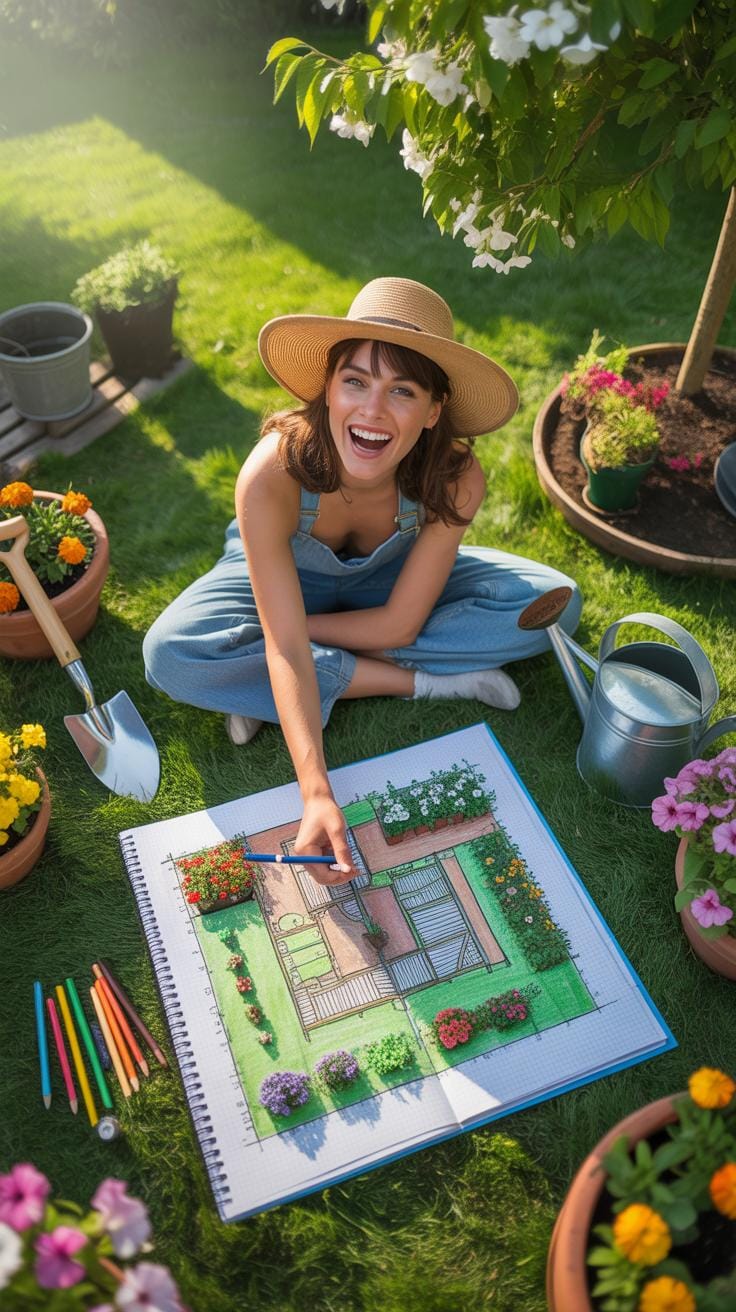
When planning your backyard, start by taking a good look at the space you have. Notice where the sun hits most during the day—this will influence where plants can thrive. Don’t just glance, observe at different times if you can. Soil quality matters, too. Is it sandy, clayey, or loamy? You might have to amend it, but knowing this upfront saves you guesswork later.
Next, measure the space to understand its shape and size. It can be tempting to squeeze in all the ideas you find online, but your backyard’s actual layout should guide you. Think about how you move through the area and the views you want. Maybe you want a cozy nook or an open space for gathering. This evaluation helps in making choices that really fit your yard.
Setting A Budget
Budgeting might feel like a buzzkill, but it’s really just smart planning. Decide how much you’re willing to spend before picking plants or materials. Low-cost options exist, but sometimes investing a little more upfront can save maintenance headaches down the road. For example, quality decking or durable pavers might cost more but last far longer.

Consider breaking your budget into categories: plants, hardscaping, furniture, and maybe a little cushion for unexpected costs. Don’t forget labor if you’re hiring help. A clear budget also helps you prioritize — maybe start with essentials and add extras later. This way, your backyard evolves without overwhelming your wallet.
Material Selection For Landscapes
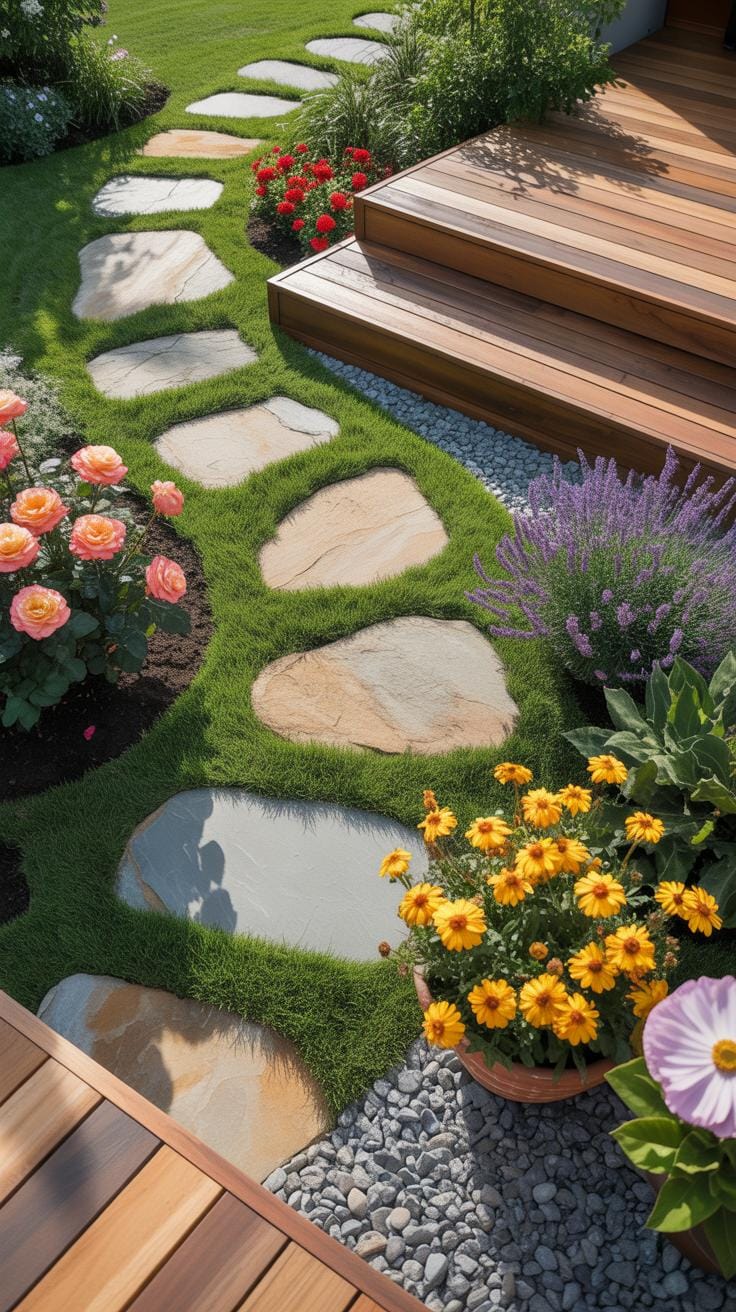
When it comes to modern backyard landscaping, picking materials is quite a nuanced task. You want something that fits sleek lines and clean layouts but also sticks around long enough without demanding constant attention. Wood, stone, and sustainable products often top the list, but choosing among them depends a lot on your specific garden’s vibe and climate.
Wood can bring warmth and softness to the modern design, but the type you choose matters. Teak or cedar, for example, lasts longer outdoors and resists decay better than common woods, which tend to need more upkeep. Stone, on the other hand, offers a solid, clean look and can be easier to maintain, but it might feel cold or harsh if overused.
Finding a balance here can be challenging. You might be tempted to combine materials in unexpected ways to keep the look fresh but still restrained, which is tricky, but gives your space character.
Eco Friendly Material Options
It’s not just about style anymore; the eco aspect is increasingly important for many. Sustainable materials—like reclaimed wood, bamboo, or recycled composites—are gaining favor. These options help reduce waste and limit the extraction of new resources.
- Reclaimed wood from old buildings or furniture
- Bamboo, because it grows quickly and regenerates naturally
- Composite decking made partly from recycled plastics
- Natural stone sourced locally to reduce transport emissions
- Permeable pavers, which allow water to flow through and support healthy soil
Choosing such materials not only lowers your garden’s carbon footprint but often adds a unique story or texture to your outdoor space. Doesn’t that make the garden feel a bit more personal?
Durability And Maintenance
Low maintenance is key for modern backyards—so how do you pick materials that last? The answer is a bit complicated because durability doesn’t always mean less upkeep. Some stones resist staining and weather well but can become slippery in rain. Reclaimed wood might have charm but often requires protective coatings.
Think about where each material goes: pathways need tough, non-slip surfaces, while decking requires treatment against moisture. Synthetic composites might be more expensive initially, but they save time and money on maintenance. Natural stone can endure decades with little care but could cost more to install.
What really matters is matching the material to your garden’s conditions and personal schedule. After all, a stunning backyard loses its appeal quickly if you’re constantly fixing or cleaning it. Would you rather invest more upfront or spend weekends on upkeep?
Irrigation And Water Saving Tips
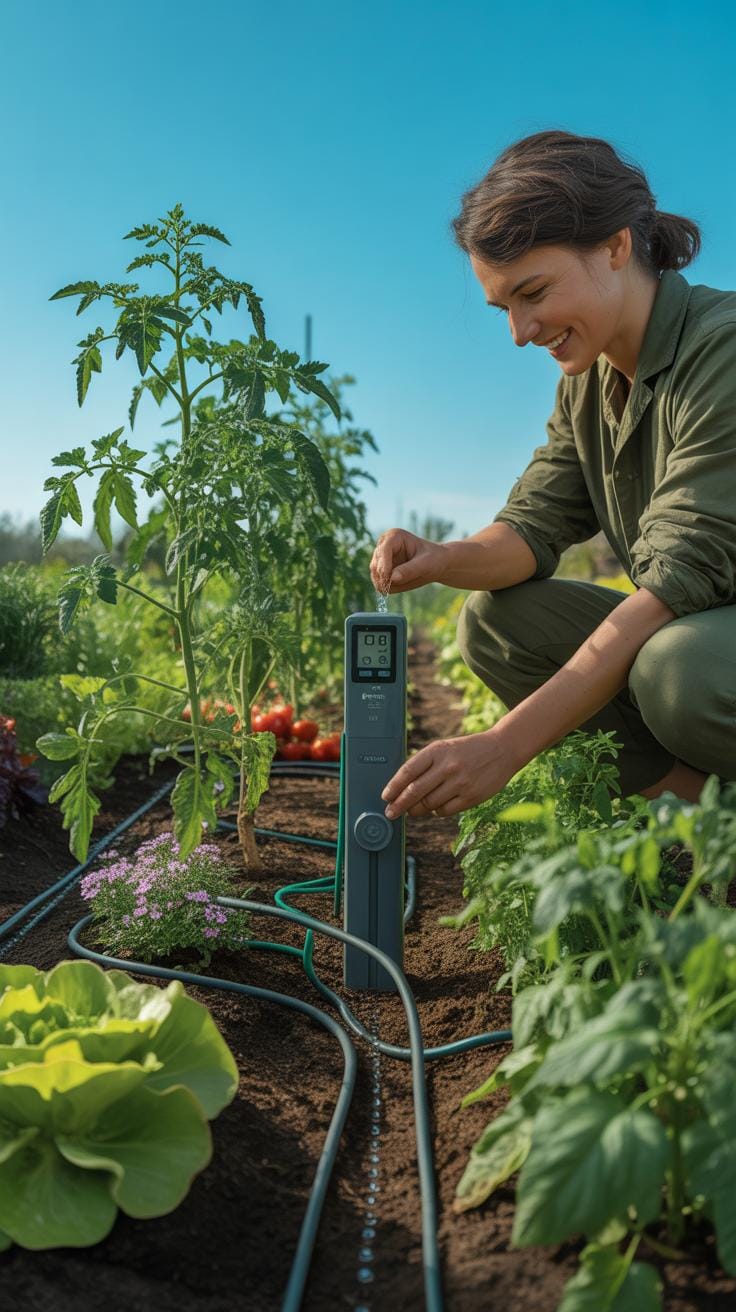
Water use in backyard projects can really add up, so finding ways to cut back makes sense, especially if you want a garden that’s low maintenance. One method that seems quite practical is drip irrigation. It delivers water directly to plant roots, which means less waste through evaporation or runoff. You can set up emitters right where the plants need it most, and that feels like a smart way to avoid watering the paths or empty soil.
Another approach you might have heard about is using greywater—that’s the water from sinks or showers that’s been lightly used but not from toilets. Though it requires some care, reusing this water for your plants can stretch your resources. Of course, you should be mindful of what goes into greywater, but it’s an interesting way to think about water differently.
Placement of plants also plays a role here. Putting drought-resistant species in sunnier, exposed parts of your yard while saving shadier spots for water-loving plants can reduce the need for constant watering. It’s a simple thing, but it can make a surprising difference over time.
Techniques For Efficient Water Use
When considering irrigation systems, timers come to mind. Setting a smart watering schedule that avoids the peak heat hours in the middle of the day can reduce water loss. Many professionals recommend early mornings or late evenings because cooling air means less evaporation.
There’s also the option of rain sensors. These devices stop your sprinklers from running when it’s wet outside, which, frankly, feels like a no-brainer but is often overlooked. Combining such features with drip irrigation or soaker hoses targets water delivery exactly where it’s needed and prevents unnecessary wet ground.
Best Plants For Low Water Use
Picking plants that naturally tolerate drought conditions saves effort and water. You might find succulents, lavender, or ornamental grasses fit well in a modern or minimalist setting. These plants often have thick leaves or deep roots, helping them survive dry spells better than typical lawn grasses or water-thirsty flowers.

Some examples include agave, yucca, or rosemary. They don’t just resist dry conditions but add interesting textures or colors. It’s tempting to opt for classic green lawns, but considering alternatives can bring both visual appeal and lower water bills.
Modern Backyard Landscaping
Designing a modern backyard isn’t just about neat lines or sleek furniture—it’s about creating a space that feels approachable yet purposeful. You want areas that invite you to unwind, but that can also shift easily if you decide on an impromptu dinner outside or some light gardening. That means thinking of your yard as a series of zones, each with clear intent.
Take, for example, a lounging spot near the house, anchored with a simple sectional or a couple of cozy chairs. That sets the stage for relaxing without overwhelming the space. Then, a dining area can be defined with a minimalist table and stackable chairs—something easy to move or store if needed. For the green thumbs, raised beds or sleek planters offer neat gardening spots without fuss.
Furniture choices here lean toward solid, weather-resistant materials—think metal or treated wood—that don’t demand constant upkeep. Keep decor minimal: a couple of bold planters or a sculptural light fixture might suffice. Functional, yes, but you’ll also want to avoid turning your yard into a showroom. After all, it’s for living in, not just looking at. Does outdoor living sometimes force compromises between style and comfort? Often, but a modern design can strike a decent balance without too much effort.
Common Mistakes To Avoid

Overplanting And Clutter
It’s easy to fall into the trap of thinking more plants make a garden better, but especially in modern backyard landscaping, this can be a real problem. Minimalist gardens thrive on simplicity. When you cram too many plants in, it clutters the space, making it lose that clean, open feeling. You might think a lush garden equals success, yet it often backfires — too many species can compete for nutrients, and the overall look becomes chaotic rather than calming.
Try to focus on fewer, well-chosen plants that fit the space and your climate. This doesn’t just impact aesthetics but maintenance, too — cluttered planting means more time spent on pruning and weeding, which kind of defeats the point if you want low upkeep.
Ignoring Maintenance Needs
Many underestimate the upkeep their planned garden will demand. You may design a sleek, modern backyard with beautiful, hardy plants, but ignoring realistic maintenance needs can turn the project into a chore. For instance, certain plants seem low-maintenance but require seasonal care or pest control, which can surprise you.
Being honest about your available time and skill level is crucial. Maintenance planning isn’t glamorous, but it keeps your yard looking intentional rather than neglected. Think about irrigation systems, soil care, pest management, and pruning schedules upfront. That’s where many stumble — assuming modern means ‘set and forget,’ which isn’t quite true.
Tools To Help Maintain Your Garden
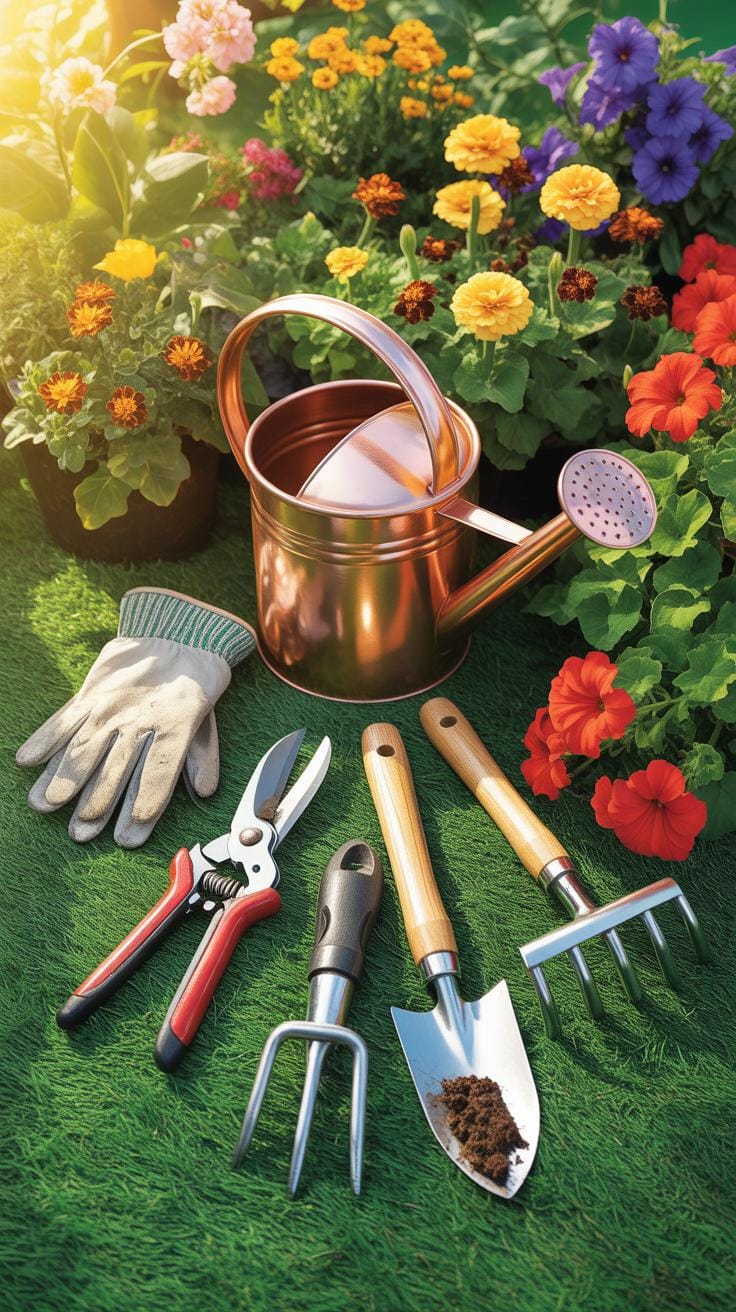
Modern backyard landscaping often leans on tools and technology that can lessen manual work. You might wonder which watering tools really make a difference. For instance, irrigation tools like drip irrigation systems precisely deliver water to plants’ roots, cutting down waste. Soil conditioners that improve soil health can also save time because they boost plant resilience, requiring less intervention.
Automated devices take this further. Smart irrigation controllers adjust watering based on weather or soil moisture—imagine not having to guess when your garden needs a drink. Similarly, robotic lawn mowers handle the daily grass trimming without much human effort, which some find a bit odd but undeniably helpful. These devices can save time, but be ready for a learning curve to set them up properly.
Incorporating these tools means your garden care becomes less taxing. Yet, it’s a balancing act—too much reliance on gadgets can sometimes detach you from your garden’s natural rhythms. Still, if weariness from upkeep concerns you, these tools offer clear relief.
Real Life Examples And Ideas
Modern Backyard Case Study
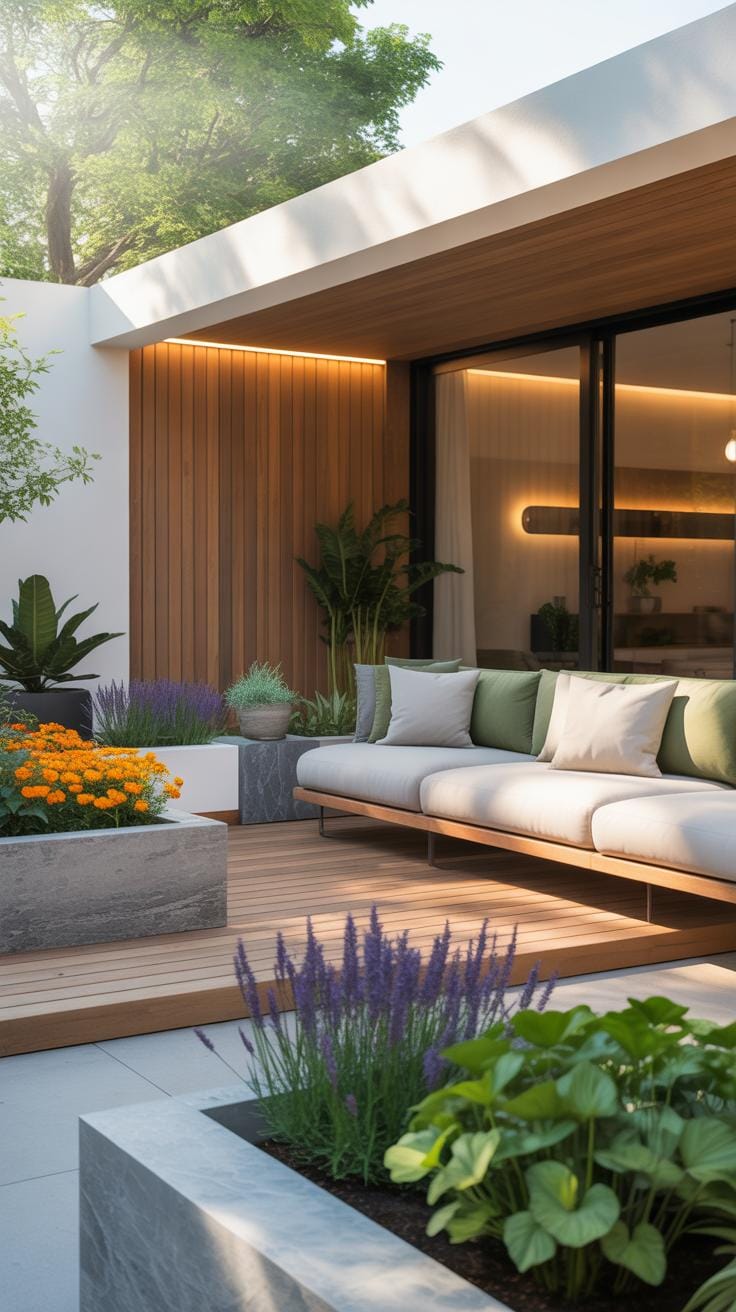
There’s this backyard in Portland, Oregon, that really caught my attention. It’s designed with sustainability at the core and still looks strikingly modern. The owners replaced their traditional grass lawn with drought-resistant native plants. This switch cut down water use drastically—probably something to think about, given how water shortages keep making the news.
The design uses permeable paving materials, allowing rainwater to soak back into the ground rather than causing runoff. Plus, solar-powered garden lights add ambiance without increasing energy costs. It’s fascinating how practical choices blend with aesthetic appeal. Instead of a wild mess, you get clean lines and eco-friendly solutions. This balance helps in creating a garden that’s functional yet easy on resources.
In addition, composting kitchen scraps onsite helps maintain healthy soil, reducing the need for commercial fertilizers. The whole setup encourages you to think differently about what a backyard can be—more than just decoration, it becomes a small ecosystem, a part of nature’s cycle. Would such a setup work for your area? Maybe the local climate could support similar choices—though there’s always a bit of trial and error involved.
Minimalist Garden Example
On the other hand, a minimalist garden I read about in a Chicago suburb relies heavily on simplicity. The entire yard features a few carefully chosen plants, mostly evergreens and ornamental grasses, arranged in geometric plots outlined by smooth concrete borders. This design avoids over-cluttering, which can become overwhelming and hard to maintain.
The homeowners enjoy low maintenance because the plants are hardy and native to the region—meaning they don’t demand much watering or fertilizing. There’s a small gravel area serving as both sitting space and rainwater drainage. Minimalist gardens like this seem almost meditative, offering visual calm and practical benefits. It’s tempting if you prefer a neat, uncluttered outdoor space but still want some greenery.
Interestingly, this kind of garden doesn’t scream “design” in a bold way but does feel thoughtful. It asks less from you in upkeep, which could be ideal if busy schedules leave little time for gardening. Would you miss having more variety, or does the simplicity feel refreshing? Sometimes less really does mean more, but opinions vary.
Conclusions
Modern backyard landscaping and minimalist gardening both aim to make outdoor spaces attractive and manageable. Modern landscaping merges style with eco-friendly methods, while minimalist designs focus on simplicity and ease of care.
Choosing the right approach depends on your needs, space, and time for upkeep. Combining elements from both styles can create a beautiful, practical garden that fits your lifestyle. Using smart plant choices and design can save resources and reduce maintenance work in any backyard.