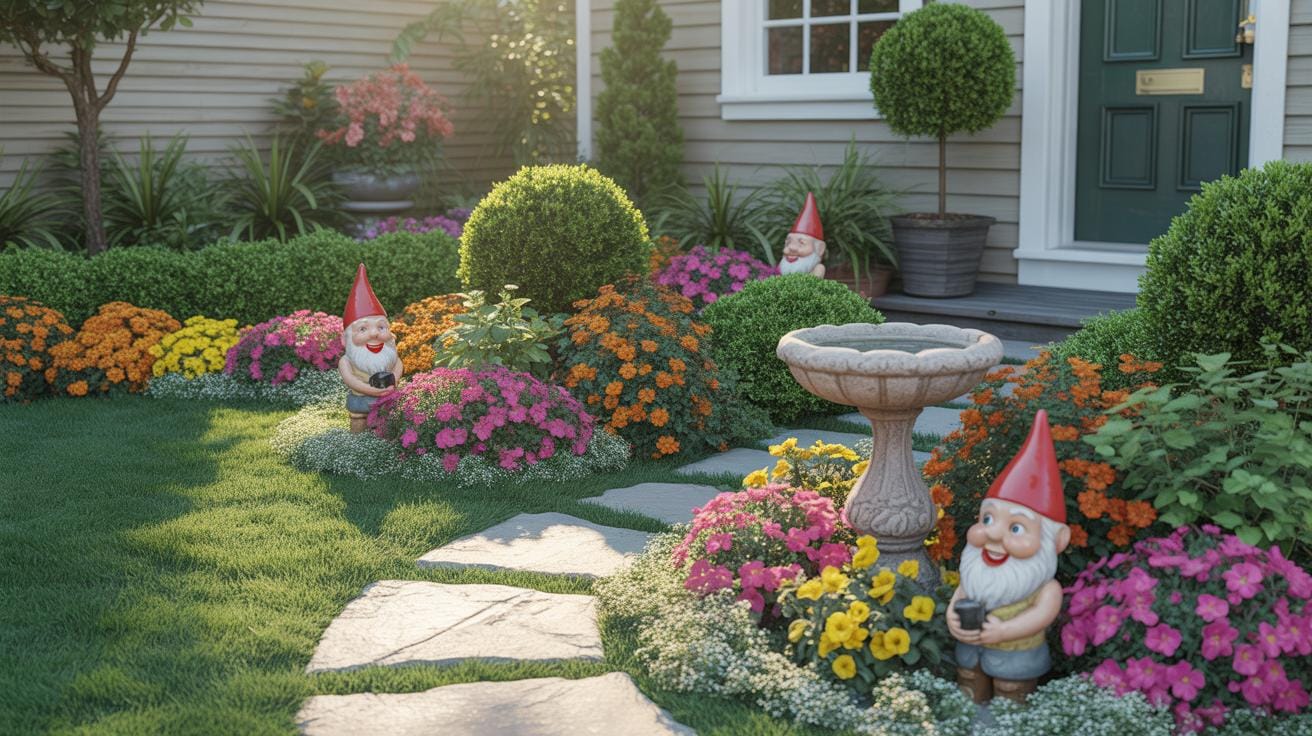
A Closer Look at Small Front Yard Landscaping Ideas With Front Yard Decor For Curb Appeal
Small front yards require smart use of space and decor to enhance curb appeal. Choosing the right decorations and landscaping ideas can transform your entrance into a welcoming area. This article covers practical front yard decor ideas that cater to limited space without crowding.
You will learn simple strategies for selecting and arranging decor items, understanding how each choice affects your home’s look and value, and steps to keep your front yard neat and attractive. These insights will help you improve your home’s first impression efficiently.
Choosing Front Yard Decor
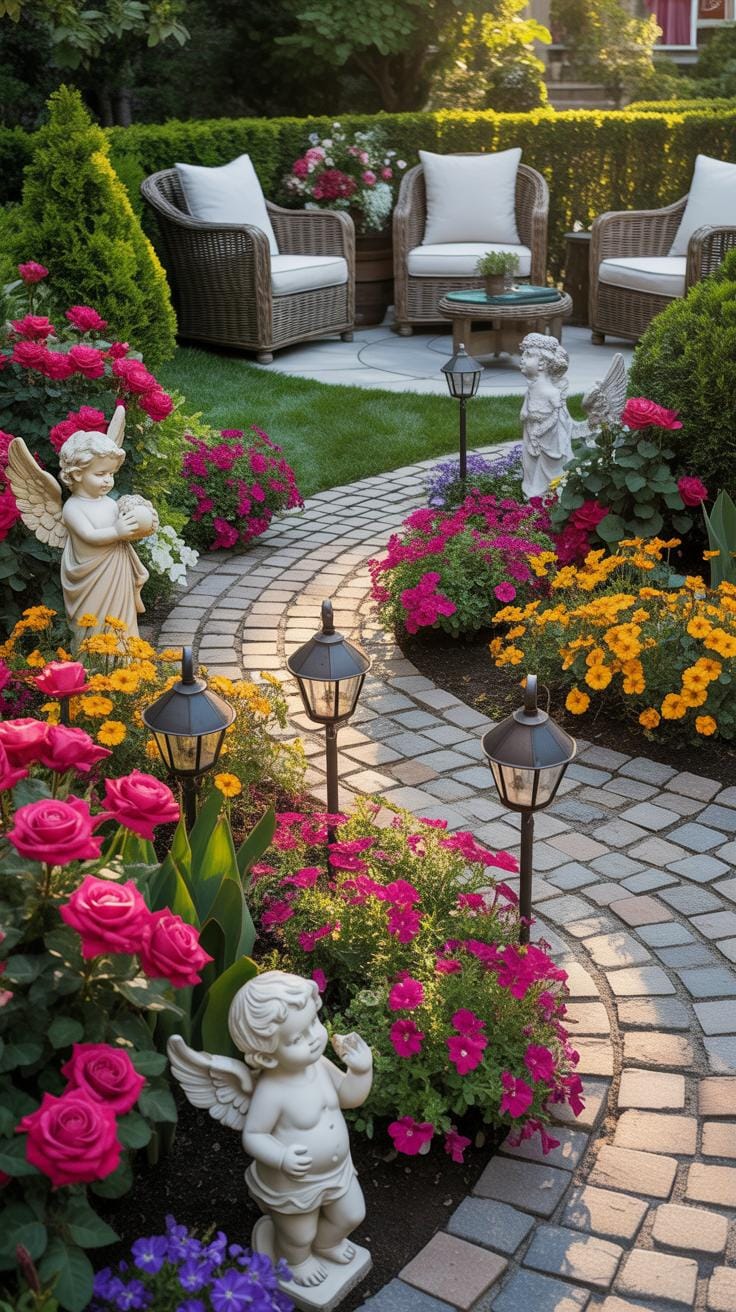
When picking decor for a small front yard, size really matters. Bulky items can swamp the space, so aim for pieces that feel just right—not too big, not too fiddly.
Material choice is also a big deal. Think about how your local weather might wear down your decor over time. Does it rain a lot? Or get blazing hot? You may want something that resists fading, rust, or rot.

Durability links closely to material, but maintenance counts too. Some materials need more upkeep than others—would you rather spend weekends cleaning metal sculptures or just rinsing off stone?
Style is the final, crucial piece. Your decor should feel natural with your home’s character, not like a random afterthought. It’s tricky but rewarding when everything fits together harmoniously.
Common Decor Materials
Here’s a rough guide to common materials used in front yard decorations:
- Wood: Offers a warm, natural look but can degrade under moisture and pests without regular treatment. It demands more care but feels organic.
- Metal: Often sturdy, metal can bring a sleek or rustic vibe, yet rust is a risk in humid climates. A bit of maintenance can keep it shining.
- Stone: Very durable and weather-resistant, stone can add a timeless, solid feel. It’s low maintenance but heavier and sometimes pricier.
- Plastic: Lightweight and affordable, plastic withstands weather well but may look cheap or fade faster, sometimes detracting from curb appeal.
Each material has upsides and downsides; thinking about lifespan and upkeep helps avoid surprises.
Matching Decor With Home Style
Matching your decor with your home’s architecture feels like a subtle art. For example, metal ornaments might look off on cottage-style houses but suit modern builds well.

Traditional homes can handle classic materials like stone or carved wood, while minimalist styles benefit from sleek, simple pieces. Sometimes, a bold accent piece works; sometimes it overwhelms.
Honestly, it’s a bit of trial, error, and personal taste. Ask yourself, does this piece enhance my home’s unique charm or does it just scream for attention?
Front Yard Decor
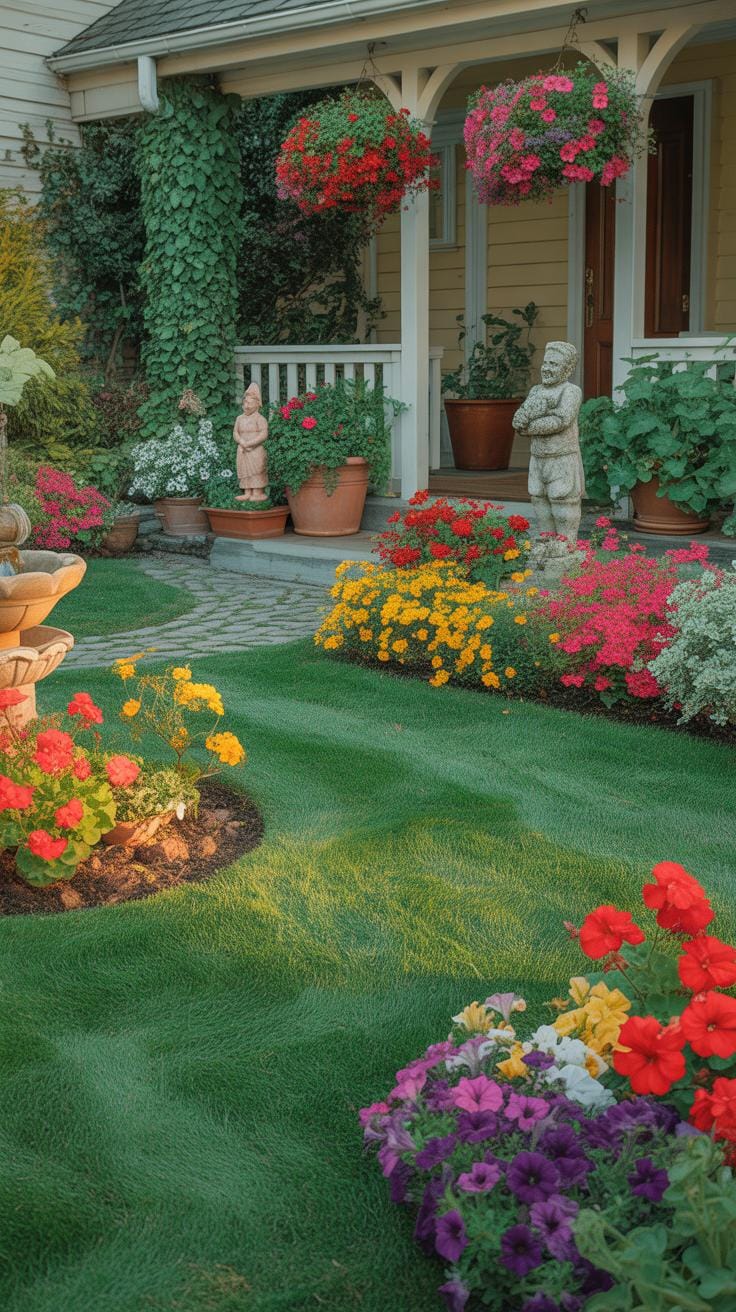
When it comes to small front yards, decor can make or break the overall feel. You might think that too much decor crowds the space, but thoughtfully placed pieces actually create interest without clutter. Consider items that reflect your style yet serve a purpose, like a charming bench that invites a pause or decorative pots that bring bursts of color.
Think about the scale of each item. Oversized statues can overwhelm, while tiny trinkets might be lost or look scattered. Try picking a few meaningful pieces and group them thoughtfully.

Mix functional items, such as lanterns or bird feeders, with purely decorative accents to keep things lively. Sometimes, even simple stepping stones or a small water feature can draw the eye and enhance charm.
Colors, materials, and textures should complement your plants and hardscape. You don’t have to match everything perfectly; a bit of contrast can add depth. And keep in mind, some decor might need regular upkeep, so ask yourself if you’re ready for that commitment before adding something that demands care.
By choosing a few select decor pieces and placing them intentionally, your small front yard gains personality without feeling cramped. It’s a delicate balance, but when done thoughtfully, the right decor elevates curb appeal significantly.
Low Maintenance Plants
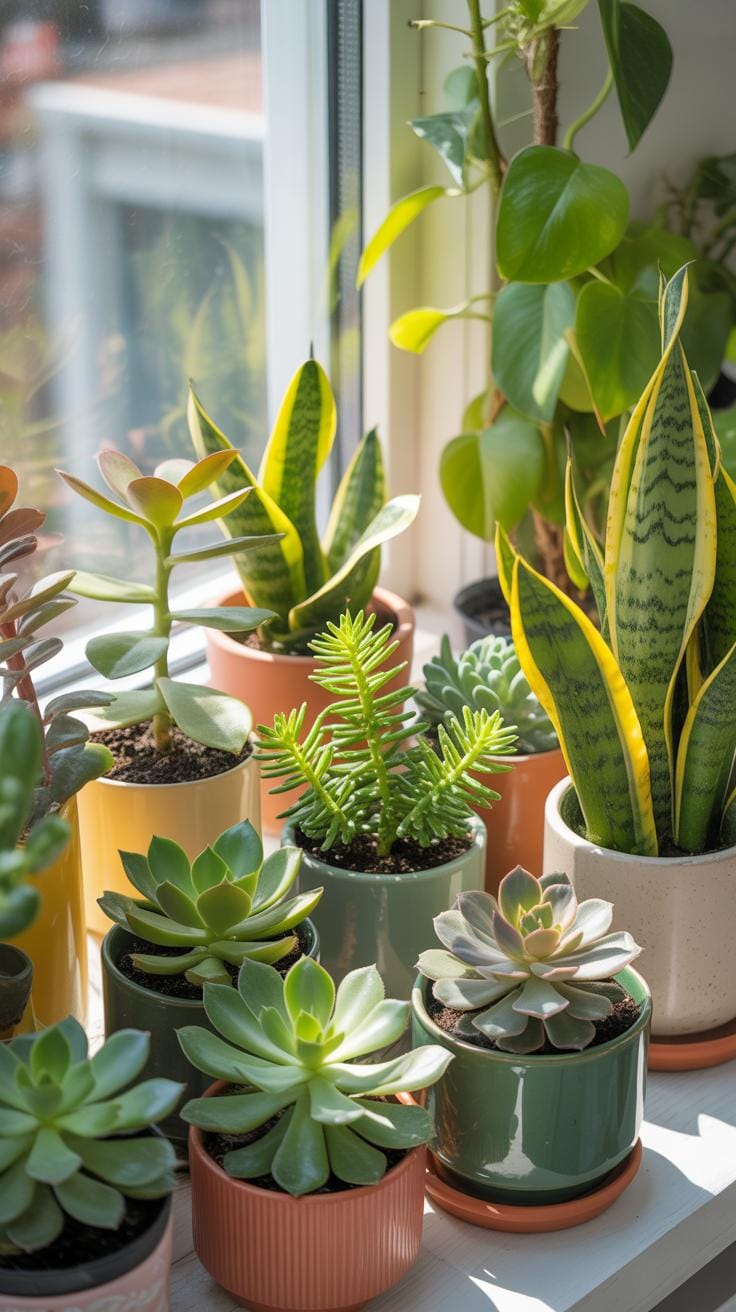
Choosing plants that require minimal watering and care can really ease the effort of maintaining a front yard that looks lively and colorful. It’s not just about picking any greenery; finding plants that thrive in your specific light conditions is key. For example, shade-tolerant ferns or hostas bring lush textures under trees or shaded areas, while sun-loving lavender or daylilies do well in direct sunlight.

Each spot in your yard might have unique conditions, so consider plants that fit those micro-environments. You might be surprised by how some hardy plants manage to add both greenery and surprising bursts of color without needing much fuss. I recall one front yard where low-growing sedums and ornamental grasses formed a neat carpet that stayed vibrant through summer and fall.
Drought Tolerant Choices
In areas prone to dry spells or for gardeners who just want to skip daily watering, drought-resistant species are worth considering. Succulents, for instance, store water in their leaves and can handle long dry periods without complaint. Think of aloe vera or echeveria—they add interesting shapes and soft colors.
Native grasses, too, are tough and often blend well with various yard styles. Their fine blades can sway lightly with the breeze, creating movement that feels natural and low-key. These plants aren’t just survivors; they subtly stand out, especially when contrasted with more sculpted garden elements.
Seasonal Color Options
Keeping your yard colorful year-round might feel tricky, but it’s doable by mixing plants that bloom in different seasons. Early spring bulbs like crocuses, summer blossoms such as coneflowers, and autumn bloomers like chrysanthemums can ensure your yard never looks dull for long.
Sometimes, it’s a bit of a guessing game figuring out what spreads or seeds easily, but planning with a range of seasonal bloomers pays off. Even when some plants aren’t flowering, their foliage or seed pods can add texture or unexpected splashes of color you hadn’t anticipated.
Lighting For Front Yards
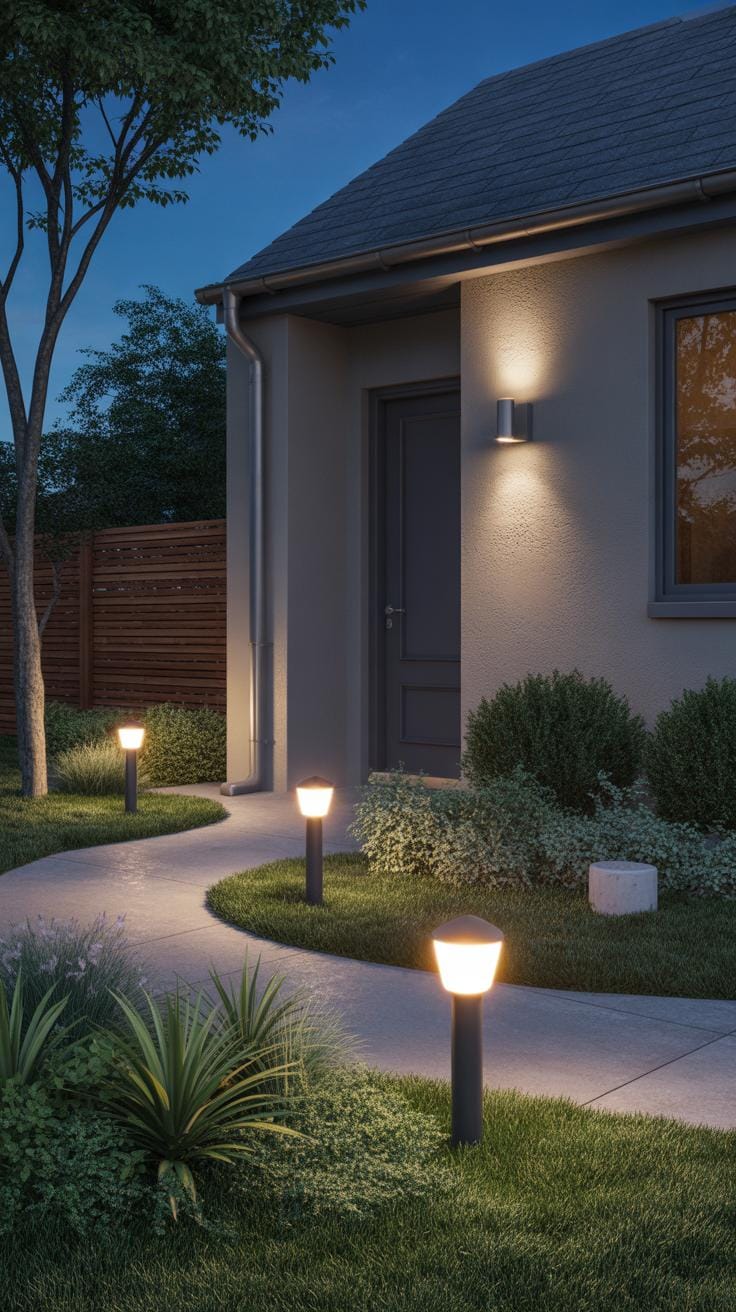

Outdoor lighting in a small front yard serves two key purposes: safety and curb appeal. When thinking about safety, lighting pathways and entry points helps prevent trips and deters unwanted visitors—something you might not realize until you almost stumble over a garden border at night. For aesthetics, well-placed lights add depth and charm, especially when space is limited.
Types of lights for front yards include:
- Path lights: Low to the ground, these gently illuminate walkways.
- Spotlights or uplights: Good for highlighting trees or architectural features.
- Wall-mounted lights: Perfect near doors or garage entrances.
- String lights or lanterns: Add a soft, decorative glow.
Placement is tricky—too many lights can clutter a small space and become overwhelming, while too few leave dark patches. A balanced approach is to focus lighting on critical areas, like steps, gates, or prized plants, then add subtle accents elsewhere. You might want to experiment with angles; sometimes a slight tilt brings unexpected warmth or drama to the scene.
Solar Vs Electric Lights
Solar lights are easy to install and energy-efficient since they rely on sunlight. That means they’re low-maintenance and don’t add to your electric bill—a definite plus. But their brightness can be inconsistent, especially during cloudy days or shorter winter daylight hours. If you want reliable illumination regardless of weather, solar might fall short.
Electric lights, on the other hand, offer steady and often stronger light levels. They can be wired to timers or smart systems for convenience. However, installation is more involved and can require professional help and higher upfront costs. Plus, running cords outdoors might pose hazards if not done right.

Choosing between the two depends on your priorities—budget, desired brightness, ease of setup, and even environmental considerations. A mix of both types sometimes works well in small yards, playing to each option’s strengths.
Highlighting Decor With Lighting
Positioning is where lighting truly shapes your front yard’s character. To showcase plants, aim spotlights from below to cast interesting shadows and emphasize textures. For pathways, consistent spacing of low path lights keeps the route clear without overpowering the surroundings.
Decorative pieces like statues or water features deserve focused attention. A carefully angled spotlight can make them pop in the dark, turning the yard into a mini art gallery at night. But overdoing it with too many lights on one spot can feel excessive—sometimes less really is more.
Think about layering light levels. Combine soft background lighting with sharper highlights for depth. And don’t forget to consider how the light blends with daylight hours and the overall impression people get passing by your home—it should feel inviting, not like a spotlighted exhibit.
Decor Budget Planning
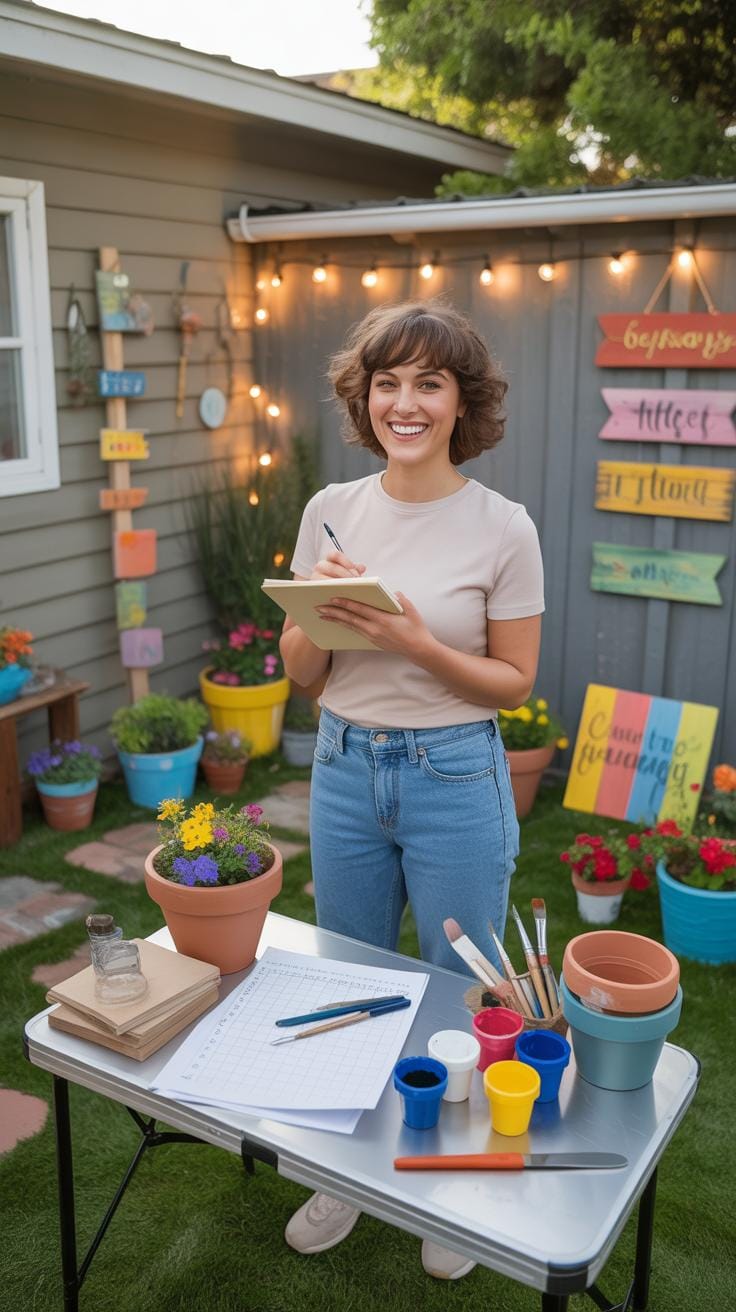
When planning your front yard decor, it’s practical to start with a clear budget. I often find that having an estimated cost upfront helps avoid surprises later. First, make a list of everything you want—the plants, seating, lighting, or ornaments. Then, research prices before buying anything.
DIY projects can save quite a bit. For instance, painting old pots or creating your own stepping stones might sound tricky, but they’re doable. Plus, it gives your yard a personal touch that pre-made items can’t match. Maybe consider repurposing materials you already have around the house to cut costs. It’s about making the most out of what you’ve got.
Tracking expenses as you go is a good idea too. Sometimes, spending leaves you wondering where the money went — taking notes can prevent that. It is a bit of work, but worth the effort when your yard looks just right, and your wallet isn’t empty.
Cost Effective Decor Ideas
Adding charm doesn’t have to break the bank. For example, simple solar path lights can brighten your walkway and won’t cost much. Small decorative garden stakes or painted rocks provide subtle accents that feel warm and inviting. Have you thought about using string lights to frame your porch? They are usually affordable and add a cozy vibe.
Potted plants are another good option. Instead of expensive flowerbeds, plastic or ceramic pots with seasonal flowers are easy to change and maintain. Additionally, old wooden crates or pallets can be transformed into rustic planters. These items bring personality without demanding a big budget.

Even a welcoming doormat or a weather-resistant outdoor rug can uplift your yard’s look with minimum expense. Sometimes, it’s those small touches that make your home feel cared for without huge price tags attached.
Planning For Future Upgrades
When you start decorating your front yard, it’s helpful to think long-term. You might not afford everything at once, and that’s okay. Begin with the essentials and set aside a small amount regularly for future upgrades. It doesn’t have to be a large sum – even a few dollars monthly adds up over time.
Think about what you want next season. Maybe a small fountain or some decorative seating can come later. Planning this way keeps you from feeling rushed or overwhelmed. Plus, it allows you to observe what works well and what doesn’t before spending more.
Patience pays off in these projects. Gradually, your yard grows into the vision you imagined, without the stress of a big financial hit all at once. Do you feel that planning like this makes the project more enjoyable? I certainly do.
DIY Front Yard Projects
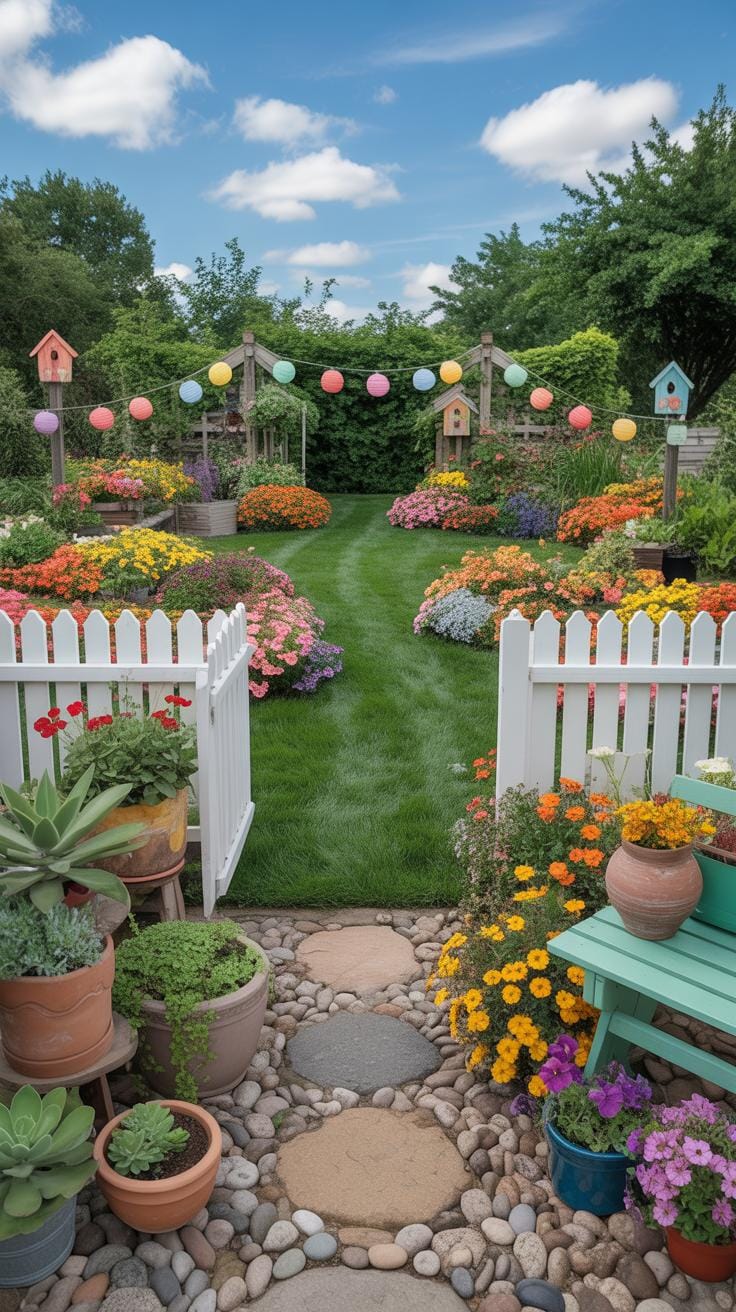
When it comes to improving your front yard, sometimes the simplest projects can make a surprisingly big difference. If you’re not keen on hiring professionals or just want a hands-on approach, there are plenty of DIY decor ideas you might want to explore. These projects don’t require advanced skills, and the materials are often easy to find.
One straightforward project is building simple planters. You can use reclaimed wood, concrete blocks, or even old containers to create attractive spots for your plants. The steps are usually basic: assemble the base, make sure there’s drainage, and fill with a good soil mix. Adding a splash of colorful blooms or fresh greenery can instantly breathe life into your yard. It’s practical — you get to customize the size and style, and it’s quite satisfying to see your plants thrive in your own handiwork.
If you want to work on defining your pathway, try creating borders using stones, bricks, or even repurposed materials like old railroad ties or wine bottles. Arranging these in creative patterns helps highlight the walkway, making the entry feel more inviting. Plus, it adds structure to the space without overwhelming it. Experiment with different shapes or layering techniques to find what suits your yard best.
Have you thought about what materials you already have around? Sometimes a bit of repurposing leads to the most unique and personal touches. Give it a try; you might discover a new favorite weekend project that enhances your curb appeal without stress or major expense.
Common Front Yard Decor Mistakes
Overcrowding The Yard
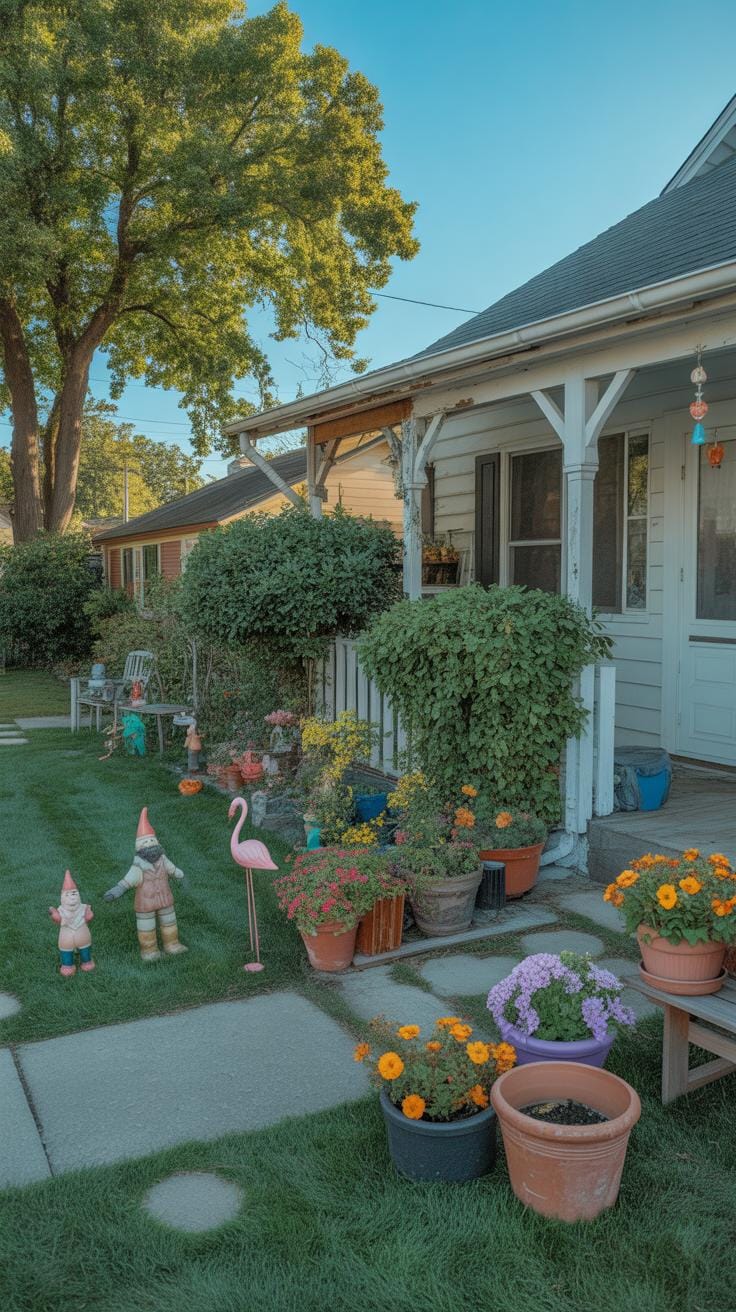
One common mistake people make when decorating a small front yard is adding too many elements. It’s easy to think that filling every inch with plants, statues, or decor will make the space look rich and inviting. Yet, the opposite usually happens. A crowded yard often feels cramped, chaotic, and overwhelming rather than charming. You might start with good intentions but end up losing the sense of space completely.
To avoid this, focus on a few key pieces that really stand out. Think carefully about scale—big planters or one or two focal plants can help break up the area without stuffing it. Also, leave some breathing room. Open space can be just as important as decoration when it comes to appearance and flow. Ask yourself: do I really need every item here, or is it just filling space to the detriment of the whole?
Ignoring Maintenance Needs
Neglect in upkeep can swiftly undo any effort invested in beautifying your front yard. Even the most thoughtfully chosen garden ornaments or plants lose their appeal when they’re dirty, overgrown, or broken. Maintenance might seem tedious; some people shy away from it, hoping for something low-effort. But the truth is, without regular care, plants can become leggy, weeds take over, and painted finishes can peel away.
Consider this: when was the last time you tidied up those potted flowers or swept the pathway? Small ongoing tasks add up to keeping your yard inviting. Sometimes, simpler decor choices—things that can be wiped clean or plants that need little pruning—work better for busy homeowners. Maintenance isn’t just about looks; it’s also about protecting what you’ve invested in over the long term.
Choosing The Right Tools
Essential Gardening Tools
When working on your front yard decor, having the right tools can make a big difference. There are a few basics you shouldn’t overlook:
- Gloves protect your hands from thorns, dirt, and rough materials. I find simple leather or sturdy cloth gloves work well, but latex gloves can be handy for delicate tasks.
- Pruners help trim branches and plants. Choose ones that feel comfortable and sharp. Dull blades strain your hands and damage plants.
- A trowel is perfect for digging small holes to plant flowers or shrubs. I often use mine when positioning new decor like garden statues or planters.
Each tool benefits from a bit of care—clean your pruners after use, and store gloves dry to prevent wear. It’s easy to overlook this, but your tools will last longer and work better if maintained.
Tools For Decor Installation
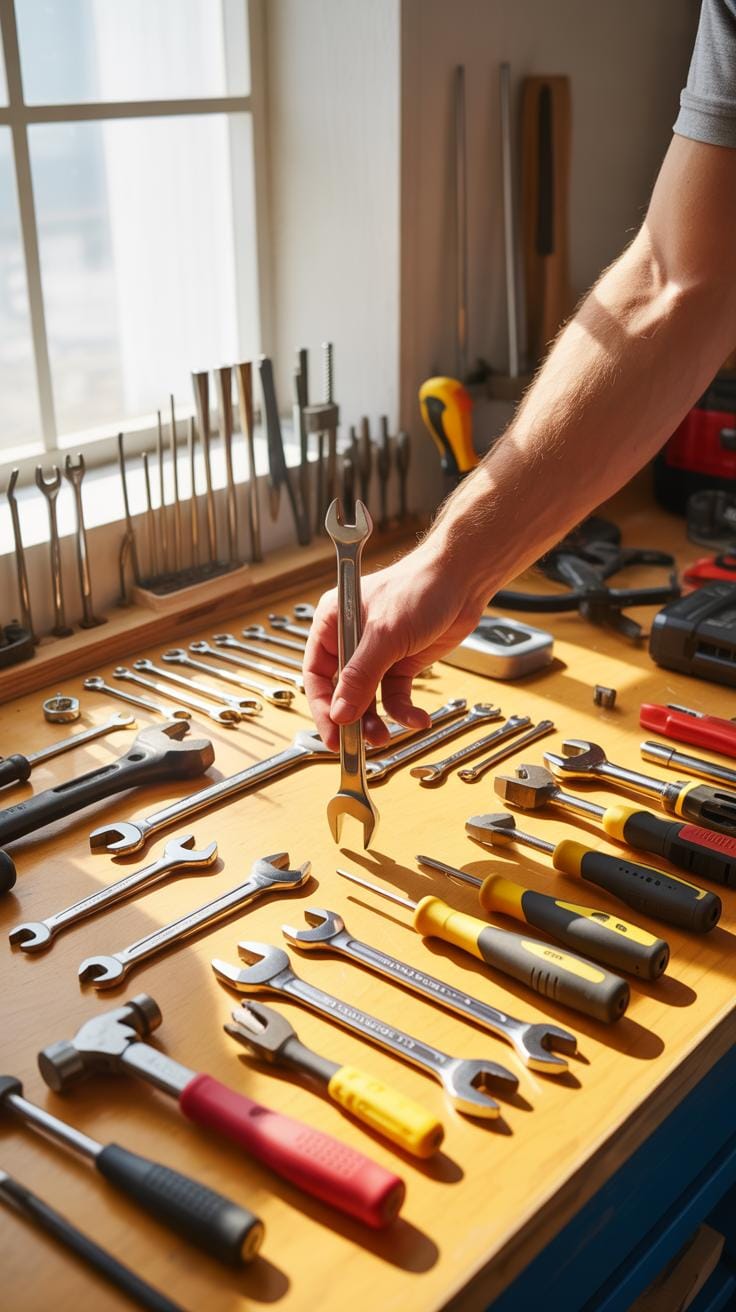
Installing decorative items calls for some additional equipment. For example, if you’re adding lighting to highlight plants or a pathway, you’ll need screwdrivers or drills for fixtures and wiring.
Fences and garden edging often require a hammer, nails, or stakes. A level can help keep posts straight—something I sometimes neglect, only to fix later.
Planters often come with mounts or brackets; a wrench or pliers might be needed to secure these. For heavier items, having a tape measure ensures proper spacing and alignment.
Sometimes the simplest tools do the trick, but being prepared can save you frustration. Have you ever struggled because the right screwdriver wasn’t handy? I have—more times than I care to count.
Impact Of Decor On Home Value
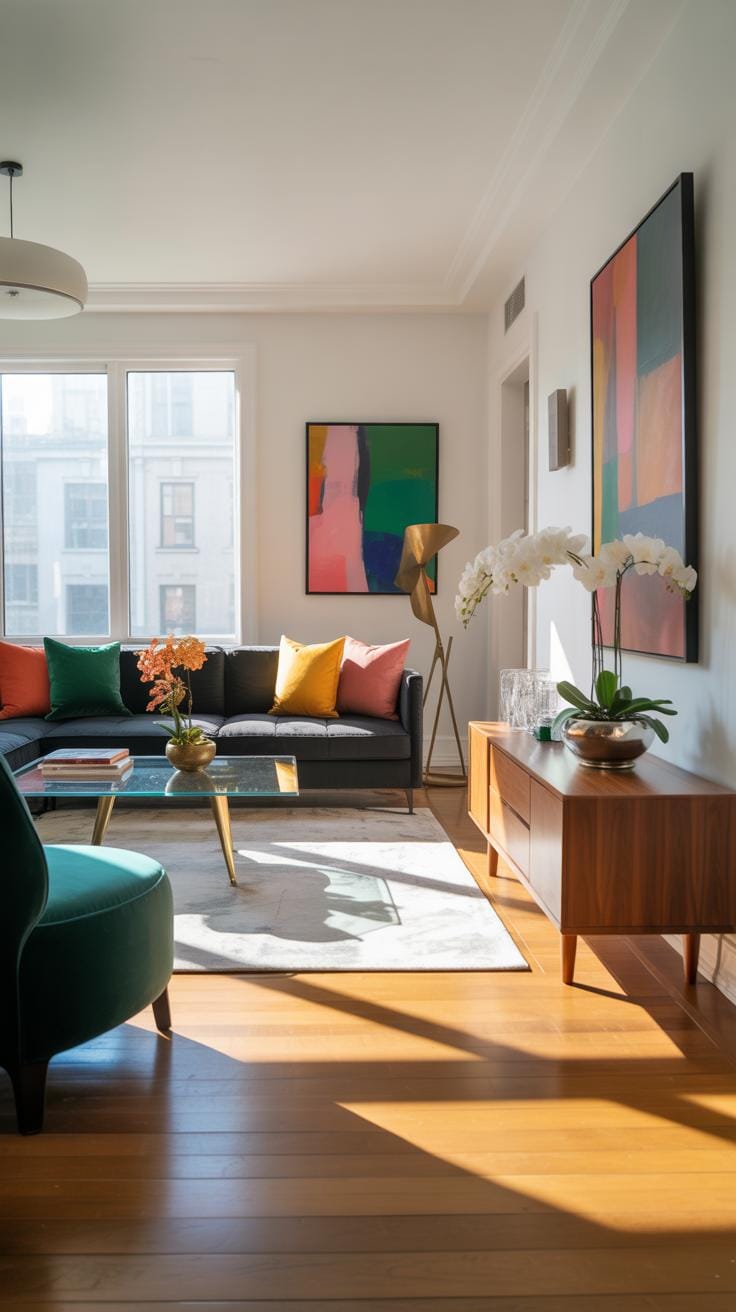
You might be surprised by how much front yard decor can influence a home’s resale value. When potential buyers approach a home, the first thing they see is the front yard, so the decoration there sets an initial impression. I’ve noticed that well-chosen decor can suggest that the home has been cared for, even before stepping inside. But what’s curious is that not all decor has the same effect—some choices may actually raise eyebrows.
Decor styles that tend to add value are those that are timeless and subtle. Classic elements like neat, low-maintenance plants, simple pathways, and tasteful lighting often appeal to a wide range of buyers. For example, wrought iron accents or natural stone features can hint at quality and permanence. On the other hand, overly personalized or trendy decorations, such as bright statues or excessive garden gnomes, may throw some buyers off or make the space feel cluttered.
There’s also a surprising flip side—some decor can inadvertently lower a home’s perceived value. Too much clutter or dated items might suggest the house hasn’t been updated or kept up well. Overly flashy or kitschy items can distract from the home itself. Some buyers might even question the practicality of certain decor choices, like large water features requiring constant upkeep.
In the end, I think it’s about balance. Choosing decor that enhances the space without overwhelming it can subtly boost your home’s appeal and sometimes its price. What kind of choices do you think would make a buyer pause and smile—or the opposite?
Seasonal Front Yard Care
Winter Preparations
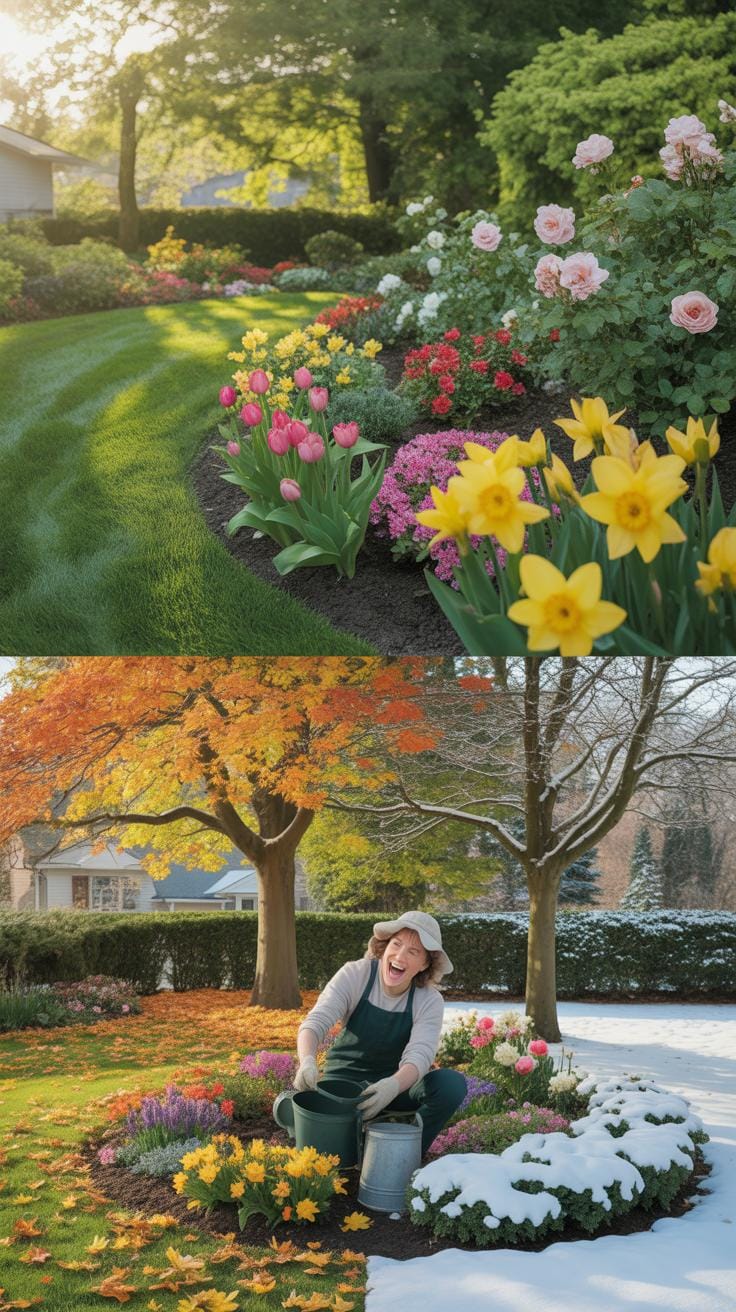
When cold weather approaches, it’s wise to get your yard ready for harsh conditions. Protecting your plants can be as simple as covering them with burlap or frost cloth. Evergreens, in particular, benefit from this extra layer to avoid drying out. Heavy snow can damage delicate decor items, so consider moving those indoors or to a sheltered spot if possible. Mulching around plant bases helps preserve roots from freezing temperatures, too. You might also want to remove or secure loose decorations that could be blown away or broken by storms. While it may seem excessive to some, taking these steps can save you time and money come spring.
Spring Cleanup And Setup
Once winter fades, the front yard will reveal what’s been weathering the freeze. It’s a good idea to start by clearing away fallen leaves, dead branches, and any debris trapping moisture. Check plants for signs of damage—prune back any brown or dead growth. Maybe you’ll find a few decorations in need of repair or replacement after winter’s wear. Spring is also the time for planting. Choose hardy perennials or annuals suited to your climate to add freshness. Don’t rush the setup; sometimes decor needs a second look after being stored or frozen solid. Taking it slow helps prevent premature wear or misplaced items. Have you noticed a spot begging for a little life or color?
Conclusions
Enhancing a small front yard with effective decor improves home’s appearance and comfort. By carefully picking decorations and planning layout, you can make the most of limited space. Clean lines, well-placed objects, and thoughtful plant choices all contribute to a pleasant entryway.
Remember that decor influences not just looks but also your property’s value. Apply these clear, practical tips to maintain an inviting front yard that welcomes visitors and signals care. Small changes can create a big impact for your home’s curb appeal.