
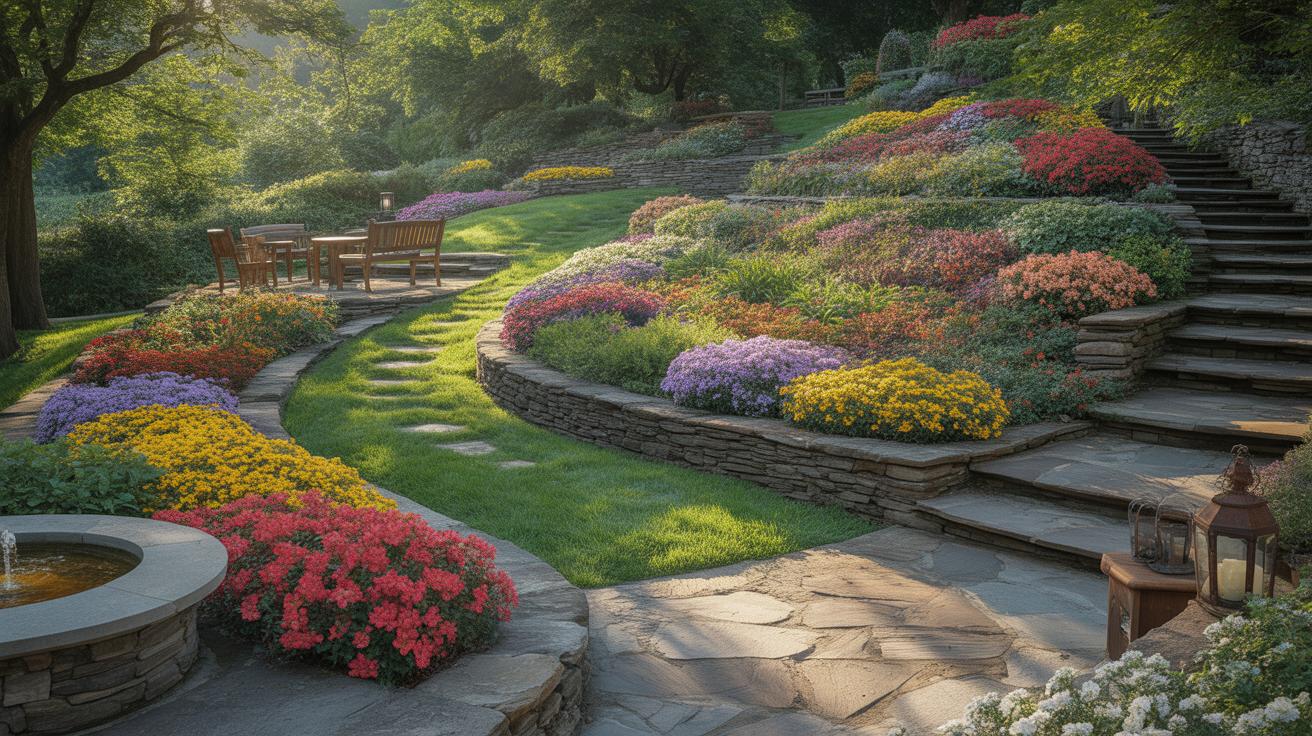
A Closer Look at Sloped Yard Design Ideas For Charming Garden Landscapes
A sloped yard presents a unique challenge and opportunity for homeowners looking to create a charming garden landscape. With the right design ideas, you can transform the uneven terrain into a beautiful and functional outdoor space that complements your home and lifestyle. This article covers practical tips and creative concepts for working with sloped yards effectively.
From choosing the best methods to level or enhance your yard slope to selecting suitable plants and hardscape features, you will find actionable advice to guide your project. These ideas will help you make the most of your sloped yard and turn it into a garden that is both inviting and manageable.
Identifying Yard Slope Challenges
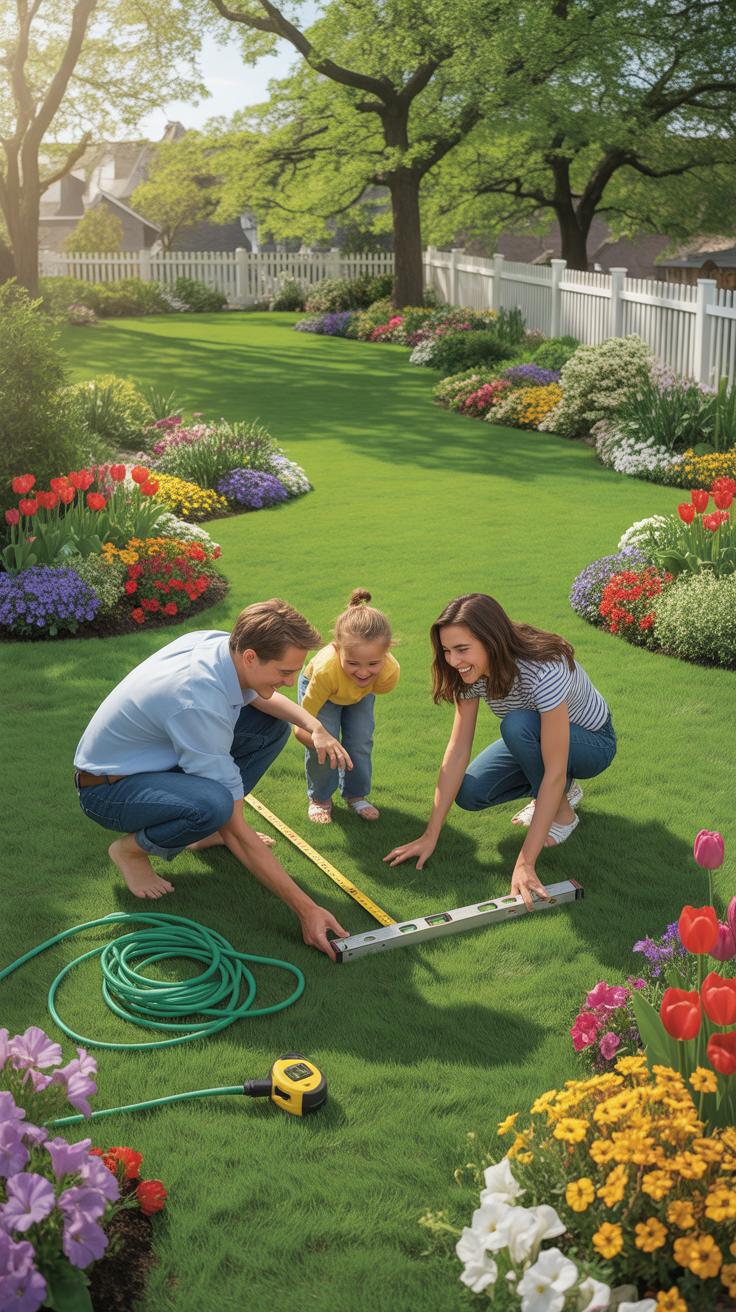
Sloped yards bring some tricky issues that can catch homeowners off guard. I mean, it’s not just about the angle; it’s what that angle does. Erosion is probably the first headache. When soil washes away little by little after every rain, it leaves the ground bare and weak. Plants struggle to get a grip, and if left unchecked, the soil loses nutrients fast. It can feel like you’re losing ground—quite literally.
Water runoff is another puzzle. With a slope, water doesn’t soak in evenly. Instead, it rushes downhill and sometimes pools in spots where it shouldn’t. You might think a little puddle here or there is harmless, but it can lead to flooding or soggy patches that kill grass or turn into muddy messes.

And let’s not forget about mowing. Slopes make it harder and sometimes riskier to keep your lawn trimmed. Uneven cutting or slipping pushes many to avoid mowing altogether, which then lets weeds sneak in.
Tackling these problems early makes all the difference. If you don’t, erosion can spread, runoff might create damage far from where you expected, and your yard’s upkeep turns into a bigger chore than it needs to be. Does your yard slope cause you daily frustration or is it just a subtle challenge? How you address these issues shapes the success of your garden design down the line.
Erosion Effects On Plant Health
Erosion doesn’t just shift soil—it changes plant life fundamentally. When topsoil gets washed away, plants lose the layer that holds essential nutrients and water. I’ve seen backyard slopes where flower beds turned sparse after just one heavy storm. Roots become exposed, fragile, and sometimes entirely uprooted.
One hard truth is that erosion often creates uneven ground, which messes with irrigation too. Water slides off before it can really nourish plants, leaving some thirsty and others drenched. Soil quality degrades over time when fine particles are gone, replaced by heavier, compacted dirt that’s poor at supporting roots.
A simple example: a hillside garden where the upper part dries out after rain because water races past—while the lower part floods and drowns the roots. You might find yourself constantly fighting an uphill battle—no pun intended—just keeping plants alive without tackling erosion directly.
Water Runoff Problems And Solutions
Runoff water can be a silent enemy. It tricks you by moving quickly down a slope, seeming harmless until it pools or floods lower areas. This unexpected buildup can damage walkways, patios, and even foundations if ignored.

Small changes can help you control runoff better. Adjusting drainage patterns by digging shallow trenches or installing perforated pipes spreads water more evenly. Rain gardens come into play here—they’re depressed areas planted with water-tolerant species that soak up excess runoff while adding some green charm.
Have you noticed water rushing down your yard, sometimes carrying debris with it? Redirecting its path, or slowing its speed, not only helps prevent flooding but protects soil and plants from erosion. Fixing water runoff isn’t just about functionality—it can become an aesthetic opportunity too, turning a slope problem into a design feature.
Design Ideas To Enhance Slopes
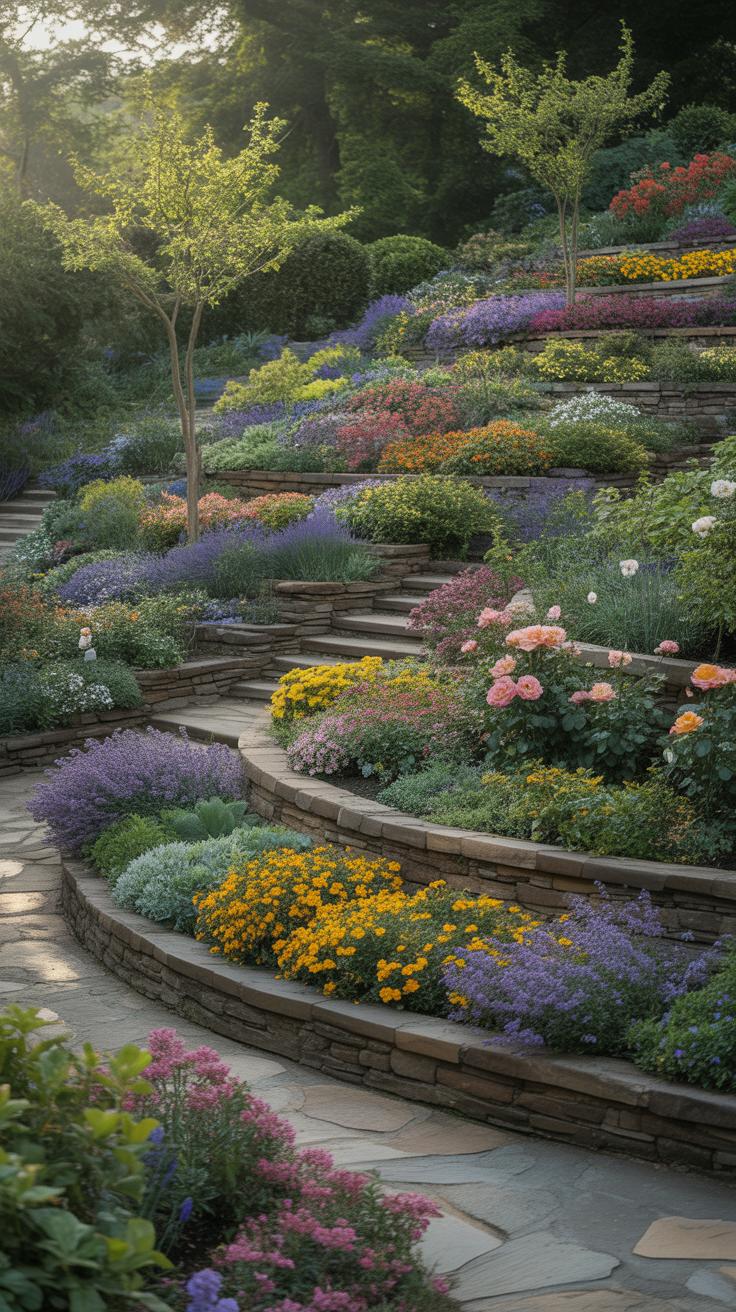
Sloped yards can feel tricky to work with, but they offer unique chances to try out creative approaches that make your outdoor space both charming and practical. One way to transform a slope is by using pathways that don’t just connect points but invite you to explore the terrain piece by piece. Instead of climbing straight up or down, winding paths can soften the incline, making your yard easier—and maybe even more fun—to walk through.
Think about materials here: gravel, flagstones, or wood steps lend different moods, and mixing them up can be quite effective. I remember a friend’s garden where a simple curved path turned a steep hill into a slow, pleasant stroll—something I’d almost want to replicate myself.

Retaining walls play another crucial role, beyond just holding soil back. They create flat sections where you can add seating, plant beds, or even a small fire pit. It can feel like carving usable terraces out of an otherwise awkward slope. You might use natural stone for a rustic vibe or sleek concrete blocks for something clean and modern. The choice or combination depends on what fits your personal taste and the yard’s style.
Beyond structure, consider making focal points—maybe a sculpture, a bench, or a cluster of colorful plants—at different levels. These spots give your eye places to rest and make the yard feel balanced, even if the slope itself is somewhat uneven or quirky. What I find interesting is that working with slopes often sparks ideas that feel offbeat but end up working well.
Choosing Plants For Sloped Areas
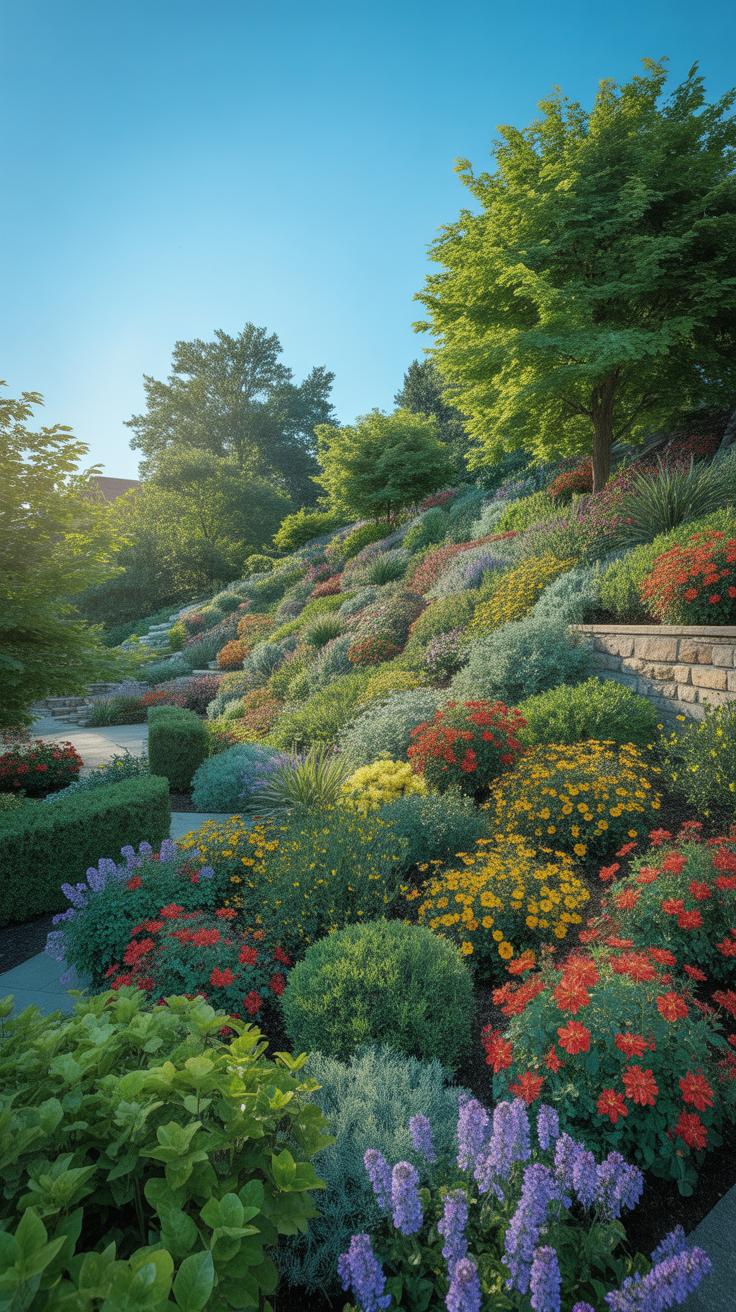
Picking the right plants for slopes isn’t just about making things look nice—it’s really about stopping soil from washing away while still adding interest to your outdoor space. Plants need to hold soil tight, root deep, and survive sometimes tricky conditions like uneven water or sun exposure.
Ground covers that grab hold of soil are usually the first line of defense. They spread low and fast, covering bare earth and reducing erosion. Shrubs, meanwhile, bring in height and texture, making a slope feel less like a steep challenge and more like part of your garden’s natural flow.

Of course, not every type of plant fits the bill, and some will struggle with drainage or shallow roots. It can be a bit of trial and error too—what works on one slope might not do so well on another.
Ground Covers That Control Erosion
Consider plants that spread quickly with dense roots, tough enough for uneven terrain but don’t need much fuss once established. Some good picks include:
- Creeping Juniper: Evergreen, tough, and forms a sturdy mat of branches and roots that really grip the soil.
- Sweet Woodruff: Grows well in shade, and its dense foliage helps keep soil in place, with a nice touch of white flowers.
- Ajuga (Bugleweed): A fast grower with colorful foliage, which also acts as a living mulch.
- Creeping Thyme: Besides holding soil, it offers small flowers that attract pollinators, adding some garden life.
- Pachysandra: Prefers shade, spreads comfortably, and stays green year-round, helping with erosion on shaded slopes.
All these need minimal care—mostly watering during the first season—making them pretty easy choices for steady erosion control that looks good too. But I’ve noticed how some seem to thrive better depending on whether the slope faces sun or is more shaded, so keep that in mind.
Shrubs That Thrive On Slopes
Shrubs not only help hold the soil but also shape your slope visually, breaking monotony and adding vertical interest. Here’s a handful you might try:
- Spirea: A forgiving shrub that flowers in bursts and tolerates various soil conditions.
- Forsythia: Bright yellow early blooms brighten early spring; it’s quite hardy and roots well on slopes.
- Buckthorn: Often overlooked but great for soil stabilization thanks to deep roots.
- Almond Bush (Prunus triloba): Offers delicate pink flowers and works well in full sun with good drainage.
- Blueberries: They have shallow roots that help with erosion and offer edible fruit, though they prefer acidic soils.
Some of these shrubs can run wild a bit, so pruning might be necessary to keep things tidy. Yet, they bring texture and color changes through the seasons, which is nice to see on an otherwise bare slope. Have you ever tried mixing a few shrubby choices to hedge against one not doing well? It’s a bit of a gamble, but sometimes that pays off.
Is Grading The Right Choice


Grading is basically reshaping your yard’s soil to create a more even surface or a desired slope. It often involves moving dirt around—cutting from higher spots and filling in lower spots—to control water runoff and improve usability. But is it always the solution for a sloped yard? Not exactly. If the slope is too steep, grading might require an enormous amount of soil movement, which can be costly and disruptive. On the other hand, gentle slopes can be tamed nicely with grading, making the space more functional and safer.
Think about why you want the grading done. Is it to prevent erosion? Or maybe to prepare for planting or installing a patio? The purpose will define whether grading fits well. Sometimes, using retaining walls or terracing might be better options than regrading the entire yard. I once saw a yard where grading was attempted but the natural slope was just too steep, so the soil kept sliding—it felt like an uphill battle. So, grading should be weighed against other methods, depending on your yard’s specific challenges.
Grading Process Step-by-Step
Grading isn’t just piling dirt and hoping for the best. Here’s a basic checklist that might help if you’re considering it:
- Assess the current slope and make a rough plan of your desired grade.
- Mark areas where soil needs to be removed and areas to be filled.
- Use a skid steer or excavator to cut soil from high spots.
- Transport the soil to fill in low spots, compacting as you go.
- Level the surface carefully, checking slope grades with a level and stakes.
- Install any drainage solutions needed to avoid water issues.
- Cover the bare soil with topsoil if necessary and seed or lay sod.
It’s not a quick weekend project for most yards. There’s definitely a rhythm to it—you move soil, check levels, adjust, repeat—that can feel like a slow dance with the earth.
Cost And Labor Considerations
Grading can get expensive, depending on yard size, slope severity, and soil type. Small jobs might start around a few hundred dollars if you rent equipment and DIY, but professional work often ranges from $1,500 to $5,000 or more. If the slope is steep and needs a lot of soil moved or machinery access is limited, costs can climb quickly.

Labor-wise, it’s heavy work with machinery and manual tasks. Even with pros, grading might take several days. You’ll need to consider potential disruption to your garden, soil compaction problems, and cleanup work afterward. Still, if grading turns a tricky slope into a safe, level space, the effort might feel worth it. Or maybe not—sometimes keeping some slope can add charm.
How To Build Terraces
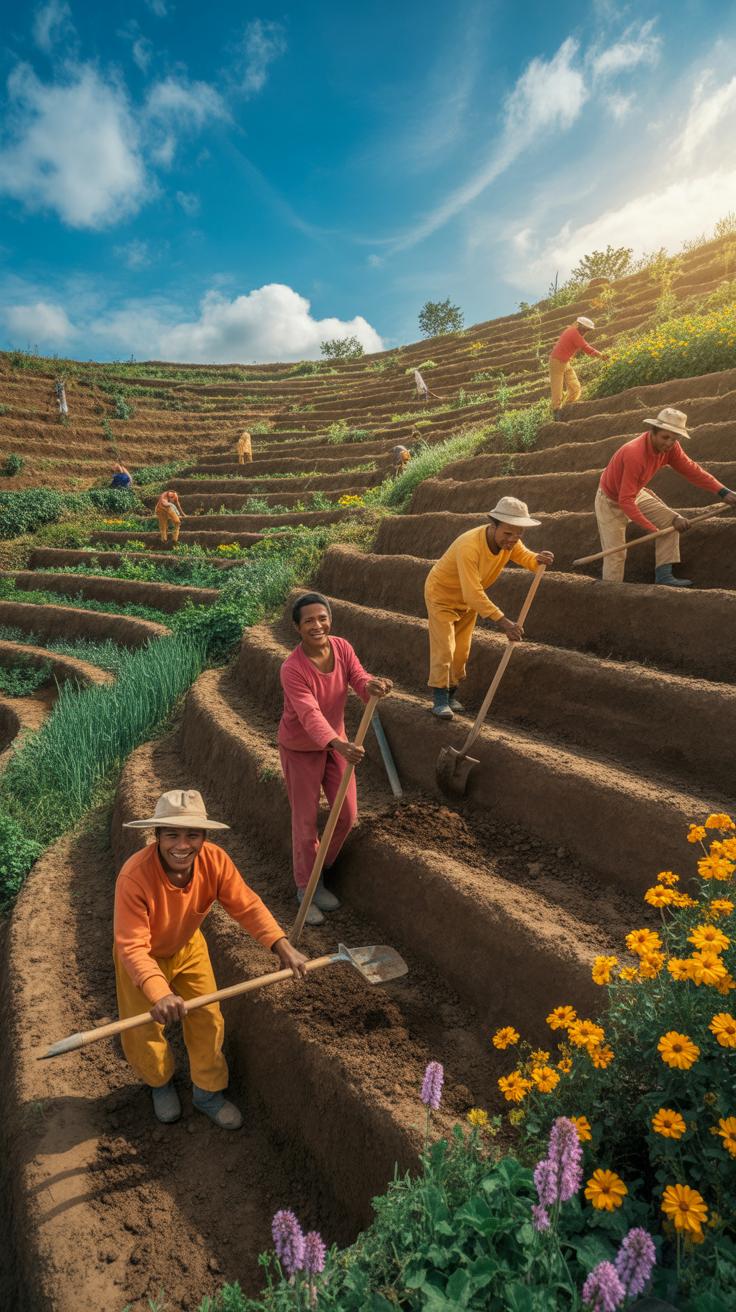
Building terraces on a sloped yard involves breaking the incline into manageable, level steps. Start by marking where each terrace will go, considering how steep the slope is. You’ll need to dig out a flat area for each terrace level, which can be a bit backbreaking but pays off in the long run. Secure retaining walls to hold the soil in place—this keeps things from slipping downhill after rain or over time.
The benefit? Terraces prevent erosion and create flat planting or seating areas that might otherwise be impossible. If you’ve ever tried gardening on a steep hill, you’ll know this alone can feel like a game changer. Plus, terraces help water soak in rather than rushing off, which is better for plants and reduces muddy messes.
Choosing Materials For Terraces
When it comes to materials, stone gives a natural, timeless look, but it often costs more and requires heavier work to place properly. Wood suits those wanting a warmer vibe, though it won’t last as long and can rot or shift over time—especially if not treated well. Concrete is the most durable and versatile; you can shape it however you want and it handles moisture better. But, well, some find it less appealing because it looks less “natural.”

So, which to pick? It depends on your yard’s style and how much maintenance you’re willing to do. For example, I once worked on a yard with weathered cedar—beautiful, but every few years required attention. Stone terraces in another project held up fine with minimal care but took longer and cost more initially.
Planning Terrace Layouts
Terrace layouts usually depend on how steep and long the slope is. You might opt for a single long terrace or multiple shorter ones stepping down. A basic rule: keep terrace heights between 6 to 12 inches for easy access and more stable walls. Spacing matters too—leave enough flat space for plants, pathways, or seating.
Try arranging terraces with gentle curves instead of strict straight lines. That can soften the yard’s appearance and feel more inviting. Think about how you’ll move between levels. Stairs or gradual slopes can connect terraces, but sometimes it’s okay to leave small stepping areas if you don’t mind a bit of unevenness.
Would your yard work better with a dramatic drop-off or a series of small, intimate levels? There’s no single answer, but playing with layout on paper or with simple garden stakes might reveal what fits best.
Managing Yard Drainage
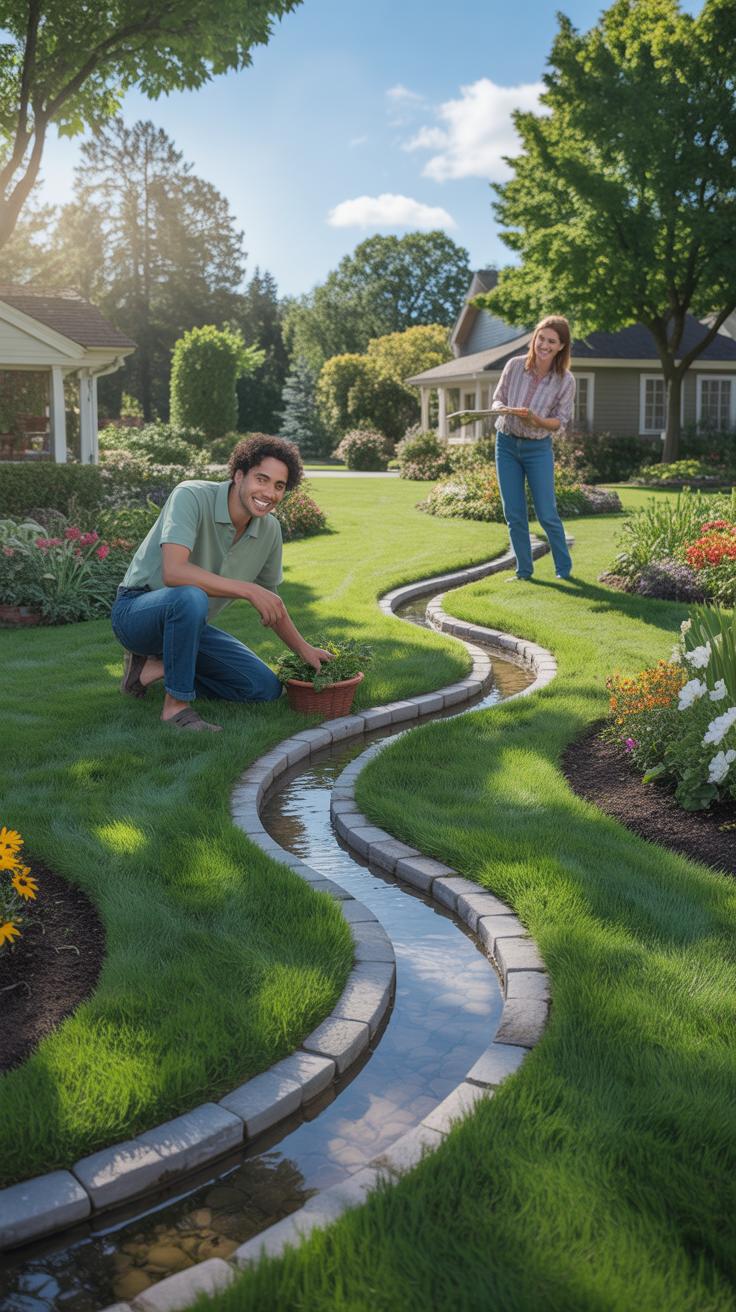
Sloped yards present a tricky challenge when it comes to managing water flow. Water naturally runs downhill, and without control, it can cause erosion, wash away soil, or pool where it shouldn’t. You might have noticed patches of bare soil or puddles forming after heavy rain—that’s a clear sign drainage needs attention. The goal is to guide water safely away from structures and prevent damage, but also to use it where it can do some good, like nourishing plants.
A few practical ways to keep water in check include strategically grading areas, building terraces or retaining walls, and planting deep-rooted vegetation that slows runoff. Still, sometimes that’s not enough, especially if your slope is steep or soil drains poorly. Then, you might think about installing features designed explicitly for drainage control, like French drains or rain gardens.
When managing water, remember it’s not always about stopping the flow completely. Instead, you want to direct it deliberately—sometimes into the ground, other times away from sensitive spots. It’s a balance. Do you want the water to soak in naturally, or simply to move off your property without causing trouble? The answer will shape your approach, and maybe, your whole yard.
Installing French Drains
A French drain is a simple but clever way to remove excess water from a sloped yard. Imagine a trench filled with gravel and a perforated pipe that collects and redirects water underground. The concept is straightforward—the trench catches the water, the pipe carries it away quietly, and the gravel lets water through without clogging.
To put one in, you’ll start by identifying where water pools most or threatens foundations. Dig a trench sloping gently downhill—typically a 1% grade works well—to ensure water flows through the pipe. Lay down landscape fabric first to keep soil from seeping into the gravel. Then place a few inches of gravel, set the pipe on top, and cover it with more gravel before wrapping the fabric over it. Finally, refill the trench with soil or decorative stone.
French drains work best when you want to move water away quickly, but without visible gutters or ditches. They require some upfront effort and planning, but once installed, they usually need little maintenance—except the odd check for blockages. If you’re unsure, try a stretch first in a less conspicuous spot to learn how it behaves under your yard’s conditions.
Creating Rain Gardens
Rain gardens are a quieter, more natural way to handle runoff. They absorb water where it lands, rather than pushing it away. You basically create a shallow basin filled with water-loving plants that soak up excess water, filter pollutants, and slow down runoff. It feels right, almost like turning a problem into a garden feature.
To design one, pick a low spot near your slope’s base or where water collects. Check soil drainage by digging a hole—water should soak in within 24 to 48 hours. If it pools too long, you might need to amend soil or reconsider location. Then, shape the garden to hold a few inches of water temporarily.
Choose native plants that tolerate both wet and dry spells. Grasses, shrubs, and perennials that thrive in such conditions will keep the soil intact and roots binding it better. Plant layout matters, too—denser clusters near the center soak water best, while edges can support plants that prefer drier soil.
Rain gardens don’t just manage water; they can attract pollinators and boost your yard’s look. Still, they require monitoring to ensure plants survive seasonal changes and the garden continues to drain well. Are they perfect for every slope? Maybe not, but for many yards, they strike a nice balance between function and form.
Maintaining A Sloped Garden
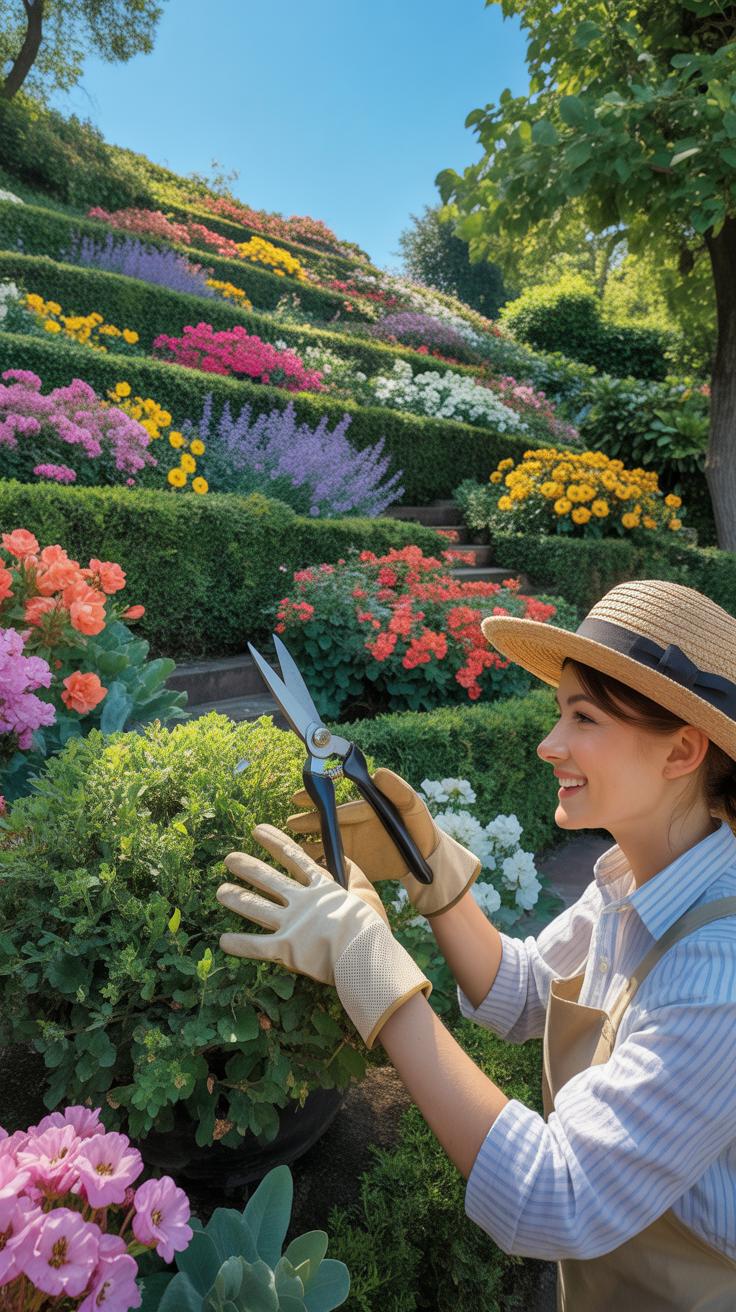
Sloped yards come with their own set of challenges when it comes to maintenance. You quickly realize that typical flat-ground routines don’t always fit well here. For one, water runoff can wash away mulch or soil, making it a little tricky to keep plants settled and healthy.
One key upkeep task is watching out for pinched or struggling plants. Sometimes, the slope causes certain spots to dry out faster or stay wetter than others, so watering patterns may need adjusting. It’s probably a good idea to check soil moisture more often, especially after heavy rain or dry spells.
Another thing I found helpful is using ground covers or low-growing shrubs that hold soil in place without demanding much attention. But you’ll want to trim them regularly to keep them tidy and prevent overgrowth that can cause debris build-up or block airflow.
In spots where water tends to pour down and displace soil, placing small boulders or stepping stones not only looks natural but slows erosion too. Plus, they create handy pathways, reducing foot traffic on fragile areas.
Safe Mowing Techniques
Mowing on slopes definitely needs some care. It’s tempting to just push the mower straight up and down, but that’s actually riskier. Instead, try mowing across the slope—side to side—rather than up and down whenever possible. This gives better footing and lowers the chance of slipping.
If your slope is steep, a lightweight push mower might feel easier to control than a heavier ride-on. Sometimes, I find it’s worth mowing more frequently so the grass doesn’t get too tall and harder to manage. Also, slow and steady beats rushing, especially when the ground is wet or uneven.
When the incline is really sharp, using a string trimmer for edges and tricky spots can be safer. It’s not as fast, but it avoids the risks with large machinery. Wearing sturdy shoes and taking your time makes a noticeable difference.
Regular Erosion Checks
Keeping an eye on erosion is almost a daily thing early on—after planting or landscaping changes—and then regularly as the seasons pass. Look for small gullies forming, exposed roots, or mulch suddenly disappearing. These signs hint that the soil’s moving.
If you do spot erosion starting, catching it early can save a lot of work later. Adding mulch or replanting quick-growing ground covers helps hold soil better. You might also need to reinforce erosion controls like terraces or retaining walls if they begin to fail.
Sometimes shifting soil uncovers drainage problems you didn’t realize. See if water pools or channels in odd ways after rain, then adjust grading or add rock beds to guide flow more gently.
Tracking these changes over time shows what techniques work best for your unique slope. It’s a bit of trial and error but learning the specific behavior of your yard’s soil will make long-term upkeep less stressful.
Tools For Sloped Yard Maintenance
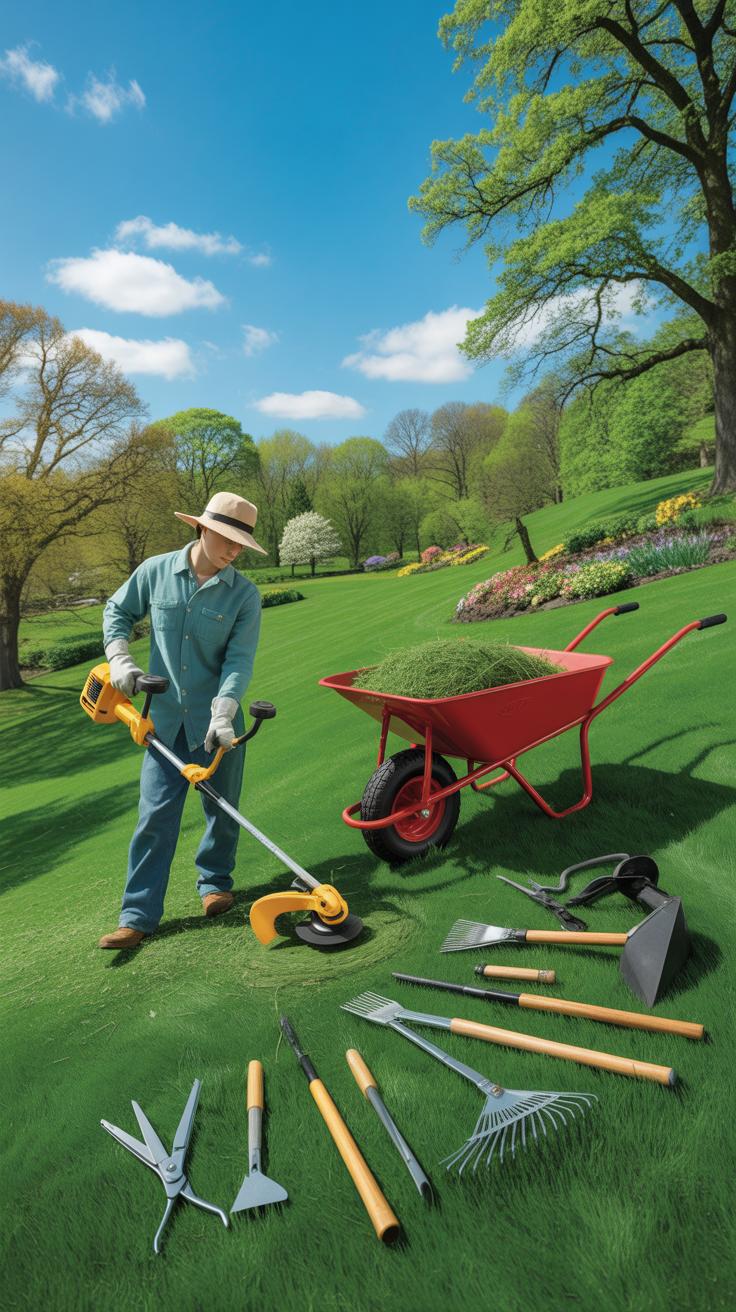
Working on a sloped yard presents its own set of challenges, and having the right tools can make a big difference. You might think standard gardening gear is enough, but slopes demand a bit more thought, especially when it comes to safety and ease of use. It’s not just about digging—it’s about managing soil, plants, and sometimes even erosion, all on an uneven surface.
Hand Tools For Soil And Plant Care
When tending to plants or soil on a slope, hand tools that offer control and precision are your best friends. A sturdy hoe helps you break up compact soil, shape planting beds, or even remove weeds without slipping. A trowel, with its pointed blade, allows you to dig carefully around roots or plant in tight spots where balance can be tricky. You might also find a long-handled weeder handy—especially to keep your footing steady while reaching down steep areas. Gloves with good grip go without saying but are sometimes overlooked.
Power Tools For Larger Jobs
For bigger tasks like grading the slope or preparing large areas, power tools save time and effort. A small, lightweight string trimmer can tackle uneven grassy patches where a mower struggles. If you need to move earth or shape terraces, a compact power tiller or mini excavator might seem like overkill, yet they can prevent physical strain and frustration. There’s a balance to find here: too powerful a tool can be tough to control on an incline, but too light might leave you exhausted. Sometimes renting specialized equipment is a smarter move than buying, depending on your project size or skill level.
Examples Of Successful Slope Gardens
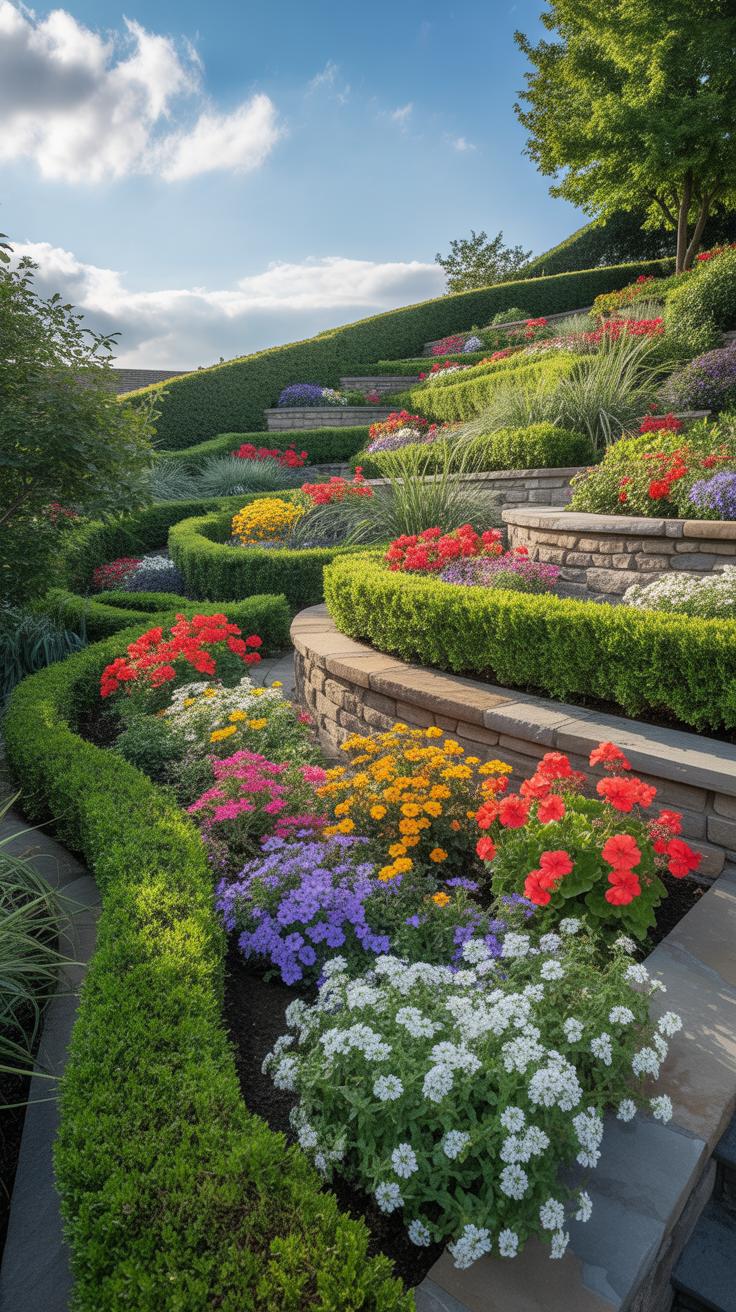
A Small Suburban Slope Transformation
One homeowner faced a modest sloped yard that looked more like a challenge than an opportunity. They decided to build a series of terraces using simple retaining walls made from natural stone. The walls broke the slope into manageable, flat sections. It wasn’t complicated, but it required patience.
Each terrace was planted with a mix of low-growing ground covers and seasonal flowers, adding color and texture at the curb. This approach helped reduce erosion and made maintenance simpler. What really caught my attention was how the terracing gave the front yard a sense of order without feeling rigid or artificial.
Small trees and shrubs were tucked into corners, providing privacy and structure. The curb appeal noticeably improved, drawing positive attention from neighbors. It’s an example that even limited space and steepness don’t mean your garden has to feel neglected or dull.
Large Property Using Natural Features
On the other end, a large rural property had rolling hills and an extensive natural slope. Instead of fighting the terrain, the owners embraced it. They laid winding gravel paths that carefully followed the land’s natural contours, making walking the yard an experience in itself.
Native plants filled the slopes, chosen to thrive with minimal watering and to support local wildlife. It was less about order and more about blending with the environment — a kind of wild, yet thoughtful, approach to gardening.
Some areas were left open to grass, while others featured clusters of trees or flowering shrubs that seemed to almost grow spontaneously. The strategy relied on understanding the natural slope’s behavior, using it to guide movement and planting choices rather than imposing strict geometry.
It might not suit everyone, but the result felt honest and connected to place. It also made me wonder if sometimes less intervention could create the most meaningful outdoor space, especially with a larger, more complex yard.
Conclusions
A sloped yard can be a tricky area to landscape, but with smart planning and techniques, you can turn it into a standout feature of your property. Whether you choose to level it with grading or add terraces, the key is to create stability and visual interest.
Consider your yard’s specifics and your preferences when applying these design ideas. With thoughtful execution, your sloped yard will become a charming garden that you enjoy and that increases your home’s appeal.