
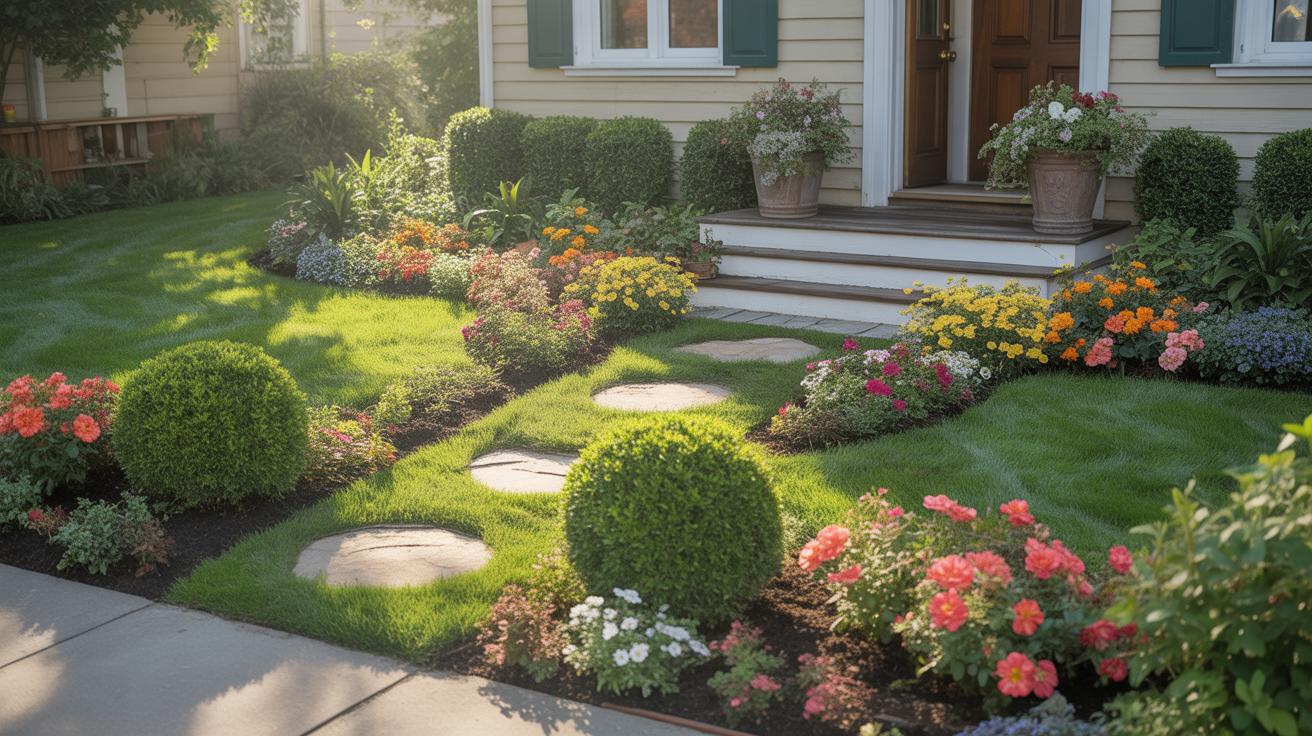
A Closer Look at Small Front Yard Landscaping Ideas To Boost Curb Appeal
Your small front yard holds great potential to enhance your home’s curb appeal. With the right ideas, you can transform limited space into an attractive and welcoming area. This article shares practical small front yard landscaping ideas that improve aesthetics and functionality.
From selecting suitable plants to arranging features for visual impact, you will find clear steps and tips. These ideas work well for yards with limited area, helping you create a neat, inviting front garden that complements your home.
Planning Your Front Yard Layout
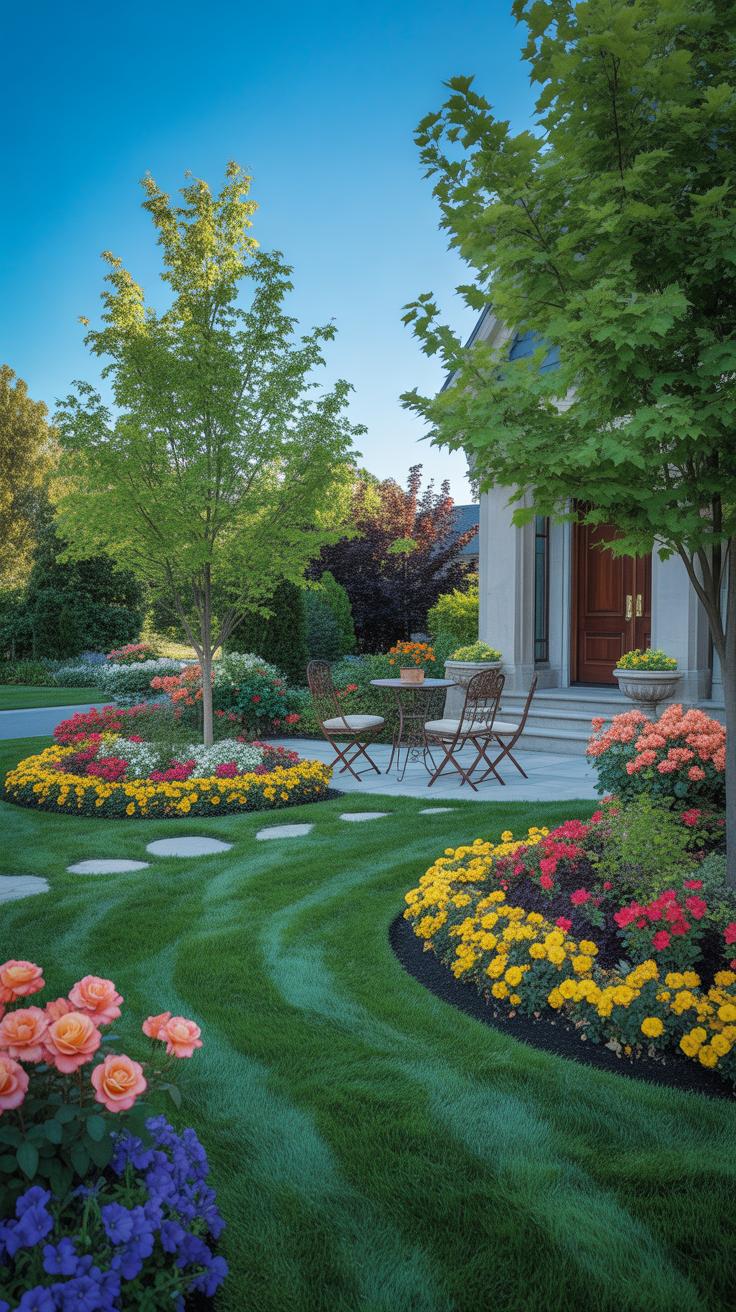
When working with a small front yard, planning becomes a bit like solving a puzzle. Space is tight, so you must think carefully about what you want and what will actually fit. Start by sketching your yard on paper. Mark out boundaries, existing features like the front door or driveway, and any fixed elements you can’t move.
Next, divide the space into zones—walkways, garden beds, seating spots. Even if it’s tiny, try imagining how you’ll move through the space. Will a narrow path suffice, or do you need a wider walkway for wheelbarrows and guests? Sketch different layouts to see what feels natural.
Don’t be afraid to play with shapes. Curved walkways can make a small area feel larger, while angular beds can create neat edges that keep the space orderly. Think about flow and balance. You want it to feel inviting, not cramped or cluttered.
Choosing Functional Zones Effectively
Functional zones break your yard into purposeful areas, even in a limited space. Usually, the main zones are planting, pathways, and sometimes seating if space allows. Prioritize based on your lifestyle. Do you want flowers close to the door or maybe a small bench to sit on occasionally?
Make sure each zone is accessible without stepping on plants or feeling boxed in. Narrow paths can work well but avoid making the area feel like a maze. For example:
- Keep pathways clear and wide enough for easy passage.
- Use compact plants or groundcovers near walkways to reduce tripping hazards.
- Limit seating to one small spot if you want it, maybe a single chair or built-in ledge.
Sometimes less is more here. You might find that cutting down zones or combining functions can improve flow. A bench could double as a planter or a spot to rest tools.
Creating A Balanced Look Visually
Visual balance doesn’t mean everything must match perfectly. In small front yards, symmetrical layouts can create a classic, neat feel. Placing similar plants or features on each side of a walkway can help guide the eye comfortably toward your door.

But if you like something more relaxed, asymmetry can work too. A larger shrub on one side balanced by a cluster of smaller plants on the other adds interest and feels natural. You might find some spots where it’s okay to leave empty or less crowded to prevent overwhelm.
Try varying heights and textures among plants to soften lines and create depth. For example, mix low-growing flowers with taller grasses or shrubs. Just be careful not to block views or narrow your pathways too much—it’s a juggling act, really.
Best Plants For Small Front Yards
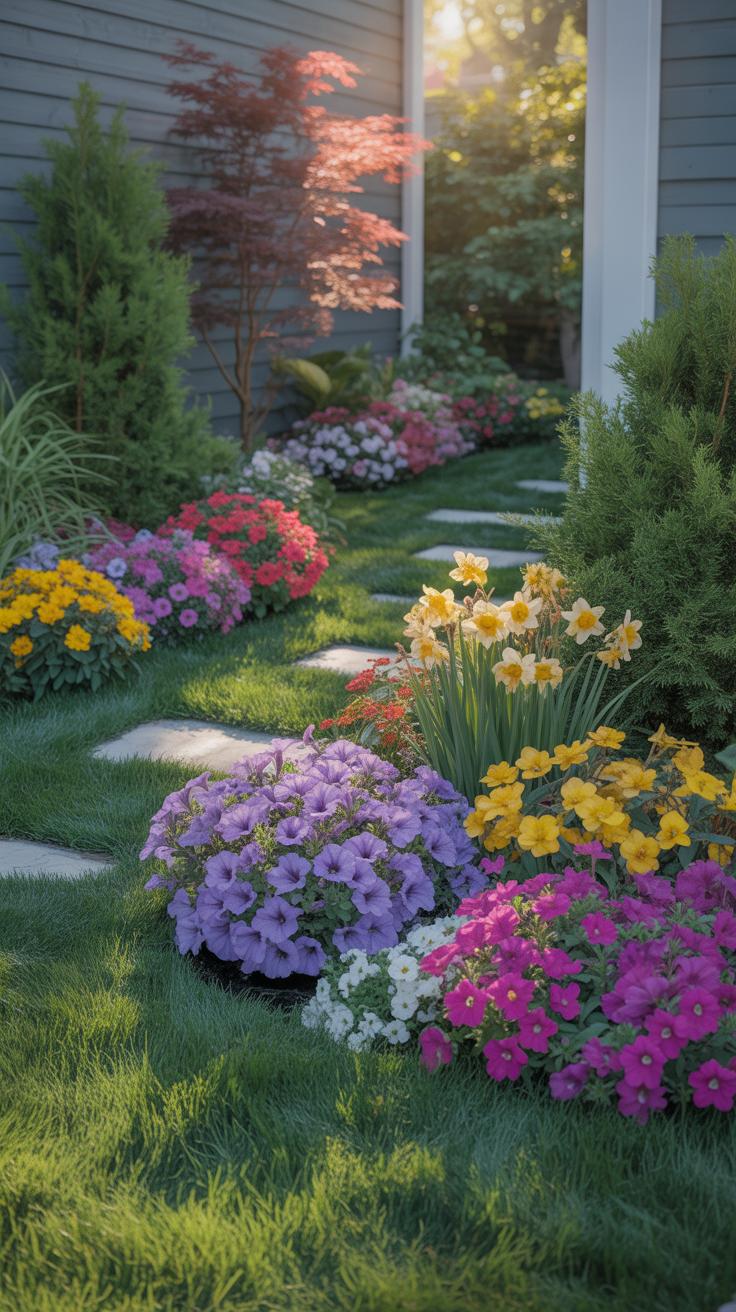
Picking plants for a small front yard isn’t just about size, but how they grow and how much work they’ll demand from you. Low-growing shrubs work well because they add structure without towering over the space. Think about varieties like boxwood or dwarf hydrangeas—they stay compact and can be pruned to keep neat shapes.
Ground covers are great too; they fill in gaps and reduce weeds without crowding. Creeping thyme or ajuga are easy choices that offer splashy color or texture and require little upkeep.
Colorful flowers lend personality, but you want ones that don’t quickly take over. Some cheerful options include lavender, pansies, or dwarf tulips. Their smaller sizes mean you get pretty blooms without sacrificing space.
Selecting Plants That Stay Small
In small yards, size matters more than we sometimes realize. Choosing compact or dwarf varieties prevents your garden from feeling cramped or messy. These plants don’t just fit better—they help maintain balance so nothing grabs too much attention.
For example, dwarf Alberta spruce gives that pine-tree look but stays under 4 feet. Similarly, little Pearl blueberry bushes are tidy and add seasonal interest with their berries. When you select plants that stay small, your front yard looks more intentional, and you avoid the need for constant trimming.
Using Seasonal Plants For Color
Adding plants that flower at different times keeps things from looking dull as seasons shift. Spring bulbs like crocus or daffodils brighten early on, followed by summer annuals such as geraniums or impatiens. Then, fall mums or asters give a last splash before winter.
Mixing these seasonal plants ensures your garden changes through the year, and you can swap out annuals easily for fresh colors. It’s worth trying this approach, even if you’re not usually drawn to a constantly changing garden. It can make a small front yard feel bigger and more alive.
Pathways And Access In Small Front Yards
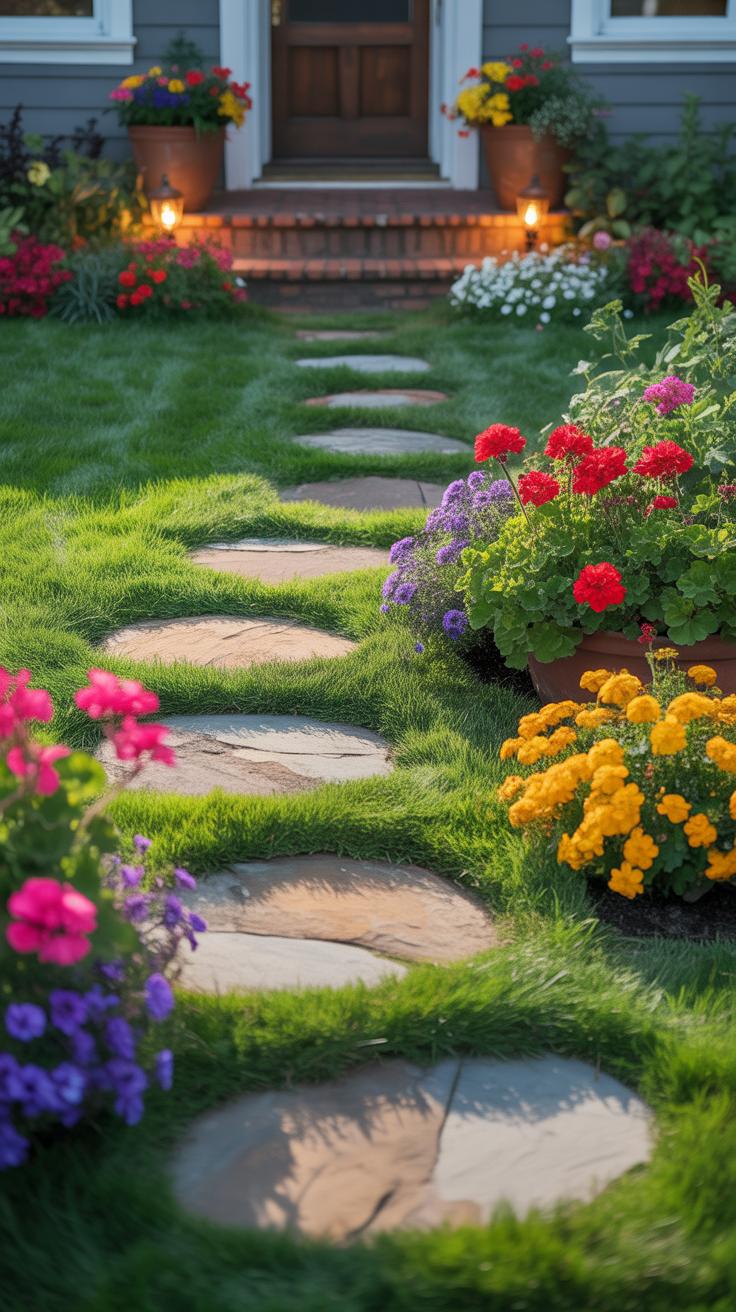

Designing walkways in tight front yards is a bit like solving a puzzle—you want to make space for movement without squeezing out plants or making things feel cramped. Narrow paths, usually around 2 to 3 feet wide, work best. They’re wide enough to be comfortable but don’t consume all the square footage. Shapes can vary: straight lines often feel clean and direct, but gentle curves can create a softer, more inviting journey to the door. I’ve noticed curved paths tend to encourage slower, more thoughtful approaches, which may suit homes where guests linger outside.
Material choice is crucial here. Partial-slab paths—where stepping stones or slabs have gaps filled with gravel or groundcover—offer openness without losing stability. This breaks up the surface visually, making the yard feel more spacious. Gravel alone can work but might not be steady enough for all visitors, so adding edging or stable stepping stones helps avoid that “loose footing” feeling.
Thinking about traffic flow, it’s best to position walkways so they naturally guide visitors without crowding the green areas. Paths that skirt planting beds instead of cutting right through them keep both plants and pedestrians happy. Depending on your yard’s dimensions, a straight line might save space, but if it feels too harsh, a slight curve can ease movement and prevent accidents like trampled shrubs. It’s a balancing act—trying not to overlap shrubbery and foot traffic too much, yet keeping the path intuitive.
Incorporating Decorative Elements
Adding small decorative touches to your front yard can make a real difference in its overall appeal. Items like garden statues, attractive pots, or subtle lighting bring personality and can help define the space. But when your yard is small, it’s easy to overdo it. You want to pick accessories that don’t overpower the area or make it feel cramped.

Think about the scale first. For example, a tiny birdbath or a single, well-placed sculpture can attract the eye without creating clutter. A large statue might feel out of place or even block pathways. Similarly, pots work best when used sparingly—maybe one or two near the entryway or a cluster in a corner. I once saw a small yard with half a dozen oversized pots—it looked like a storage area, not a welcoming garden.
Lighting offers a great way to enhance your yard without taking up physical space. Low-voltage or solar-powered lights can highlight your favorite plants or illuminate walkways. This not only improves safety but also adds a warm, inviting glow in the evenings. Maybe consider lights that softly trace the path or focus on a key feature rather than flooding the whole yard with brightness.
Choosing decorations that fit and feel intentional can really change how your front yard feels. It’s better to leave a bit of empty space than to squeeze in every pretty item you find.
Maintaining Your Small Front Yard
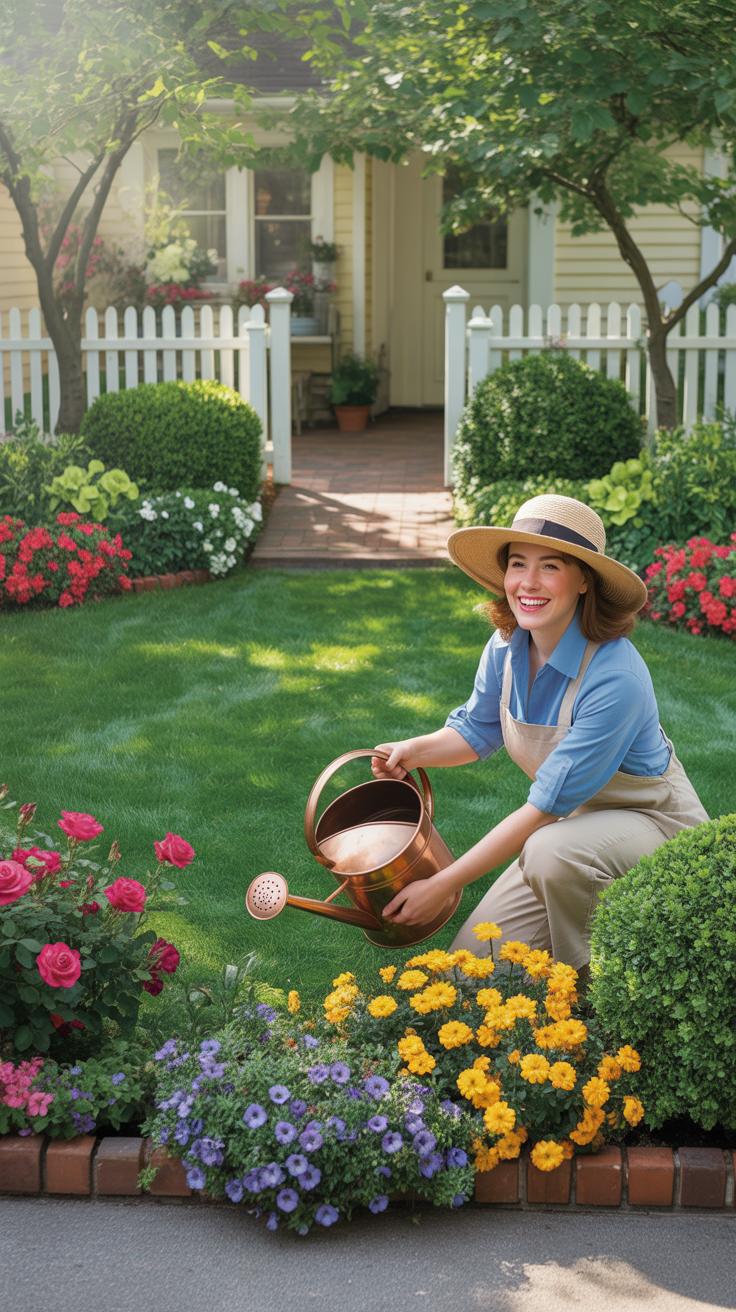
Keeping a small front yard looking neat doesn’t have to take hours every week. With some straightforward routines, your space can stay fresh and welcoming without much fuss. When it comes to watering, targeting the roots is key—whether you use drip irrigation or simply a watering can focused around plants. It saves water and helps plants avoid diseases caused by wet leaves. I find that setting a timer for drip systems can prevent overwatering, which happens more often than you’d think.
Pruning is another task you can’t skip. Trimming bushes and small trees keeps them from taking over your limited space. Prune during the right seasons—usually late winter or early spring for most shrubs—to avoid stressing plants. The goal is to keep clean shapes, cut back wayward branches, and allow light to reach all parts. A pair of bypass pruners works well for most jobs, but sometimes you need loppers for thicker limbs. It’s a little work with big payoffs in curb appeal.
Seasonal care means adjusting what you do as the year progresses. Mulching after pruning can conserve moisture, and tidying up fallen leaves every autumn stops the space from feeling cluttered fast. You might ask, how often is enough? For many, a quick check once a week is enough, especially if you’ve got a solid watering system. Little efforts, over time, make a big difference for small yards.
Small Front Yard Mistakes To Avoid
Overcrowding Plants Without Space
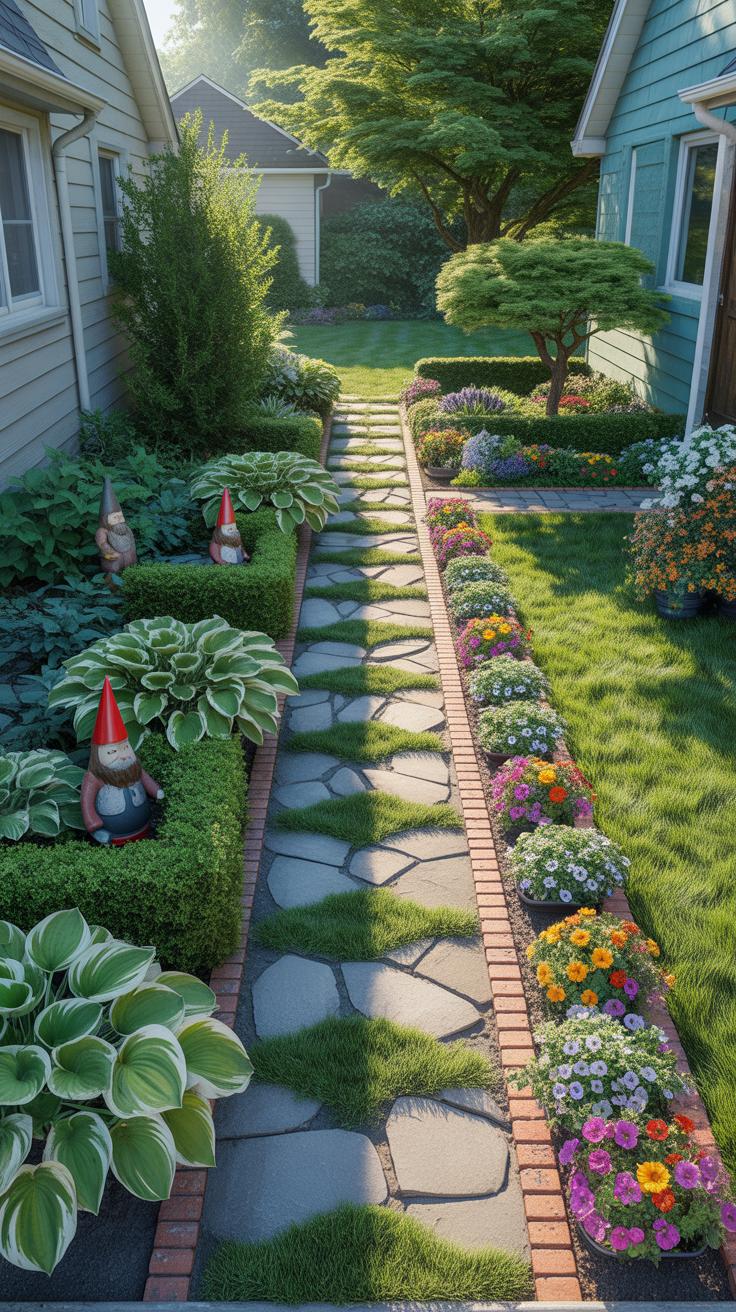
One of the sneakiest mistakes in a small front yard is cramming too many plants into a tight spot. It seems like a good idea—more greenery, more color, right? But really, overcrowding stunts growth and ends up looking chaotic rather than charming. Plants compete for sunlight, water, and nutrients, struggling quietly until they seem scraggly and unhealthy. You might even notice some just giving up entirely.
Giving plants proper space matters. For example, compact shrubs like boxwoods typically need at least 18-24 inches between each plant. Smaller perennials, like lavender or dwarf grasses, usually require about 12-18 inches. These distances let them spread naturally, maintaining that neat, inviting look you want.

It’s tempting to fill every empty corner, but leaving breathing room helps each plant show off without overwhelming your small yard’s limited area.
Ignoring Seasonal Plant Needs
It can be easy to pick plants just because they look nice in a store or catalogue, but not thinking about their seasonal needs often leads to disappointment. Sunlight levels, soil type, and watering requirements all affect how well a plant handles your front yard’s conditions. A sunny-loving plant in a shady spot won’t thrive, no matter how often you water it. Likewise, moisture-loving plants struggle in dry, sandy soil.
Matching plants to your yard’s environment—even if it means limiting choices—makes a big difference. For instance, choosing drought-tolerant species like sedum or succulents in hot, dry front yards saves effort later. If your yard is shady or moist, ferns or hostas tend to do better.
Think about the year-round picture. How does the sunlight shift throughout seasons? What about local rain patterns? Paying attention to these details helps avoid the trap of beautiful plants that just don’t last.
Cost Friendly Front Yard Improvements
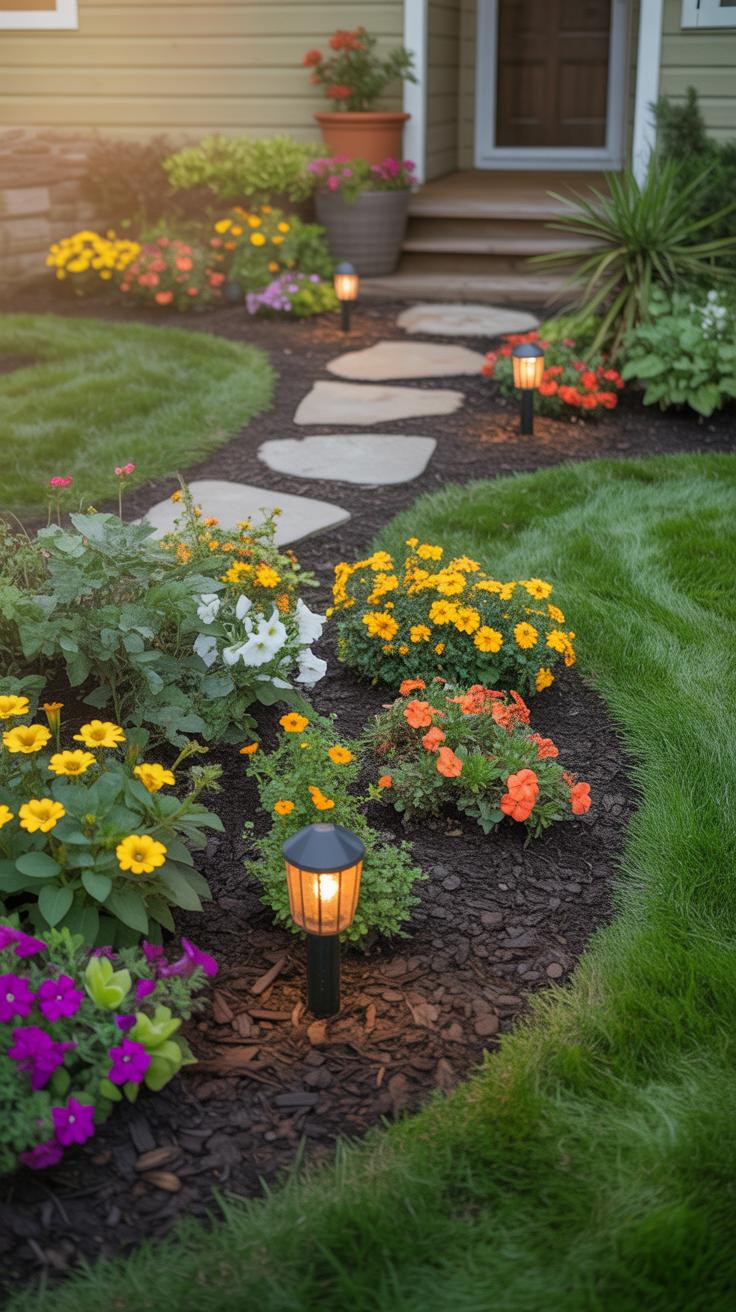
Making your front yard look inviting doesn’t have to drain your wallet. There are simple ways to enhance curb appeal using mostly DIY efforts and inexpensive materials. For example, you might try planting small clusters of flowers or shrubs rather than covering the whole space with grass, which can be costly to maintain. Even something as basic as reshaping garden beds with a modest hand-edged border can add definition without splurging on expensive stones or bricks.
Look around your neighborhood for low-cost materials like reclaimed bricks, wood scraps, or even gravel. These can form pathways or edging and give an updated feel without professional help. Speaking of DIY—it’s not just about saving cash but about adding your own touch. I once created a small rock garden using stones I found around my property and paired them with a few drought-tolerant plants. It ended up being my favorite part of the yard.
Try to think in terms of layering textures and colors rather than covering everything. A simple container garden near the doorway or a painted old bench can act as focal points without overwhelming the space or budget. The key is picking one or two features to highlight instead of painting the whole yard with the same materials or plants.
Using Native Plants To Save Money
Choosing native plants often leads to fewer surprises and lower upkeep. These plants have adapted to your local conditions, so they tend to need less water, fertilizer, and pest control. Native varieties usually cost less too, since nurseries often grow them in quantity. But the initial effort to identify which plants truly fit your specific climate and soil might take some digging—there’s no universal list.
For instance:
- In dry, Mediterranean-like climates, manzanita and California poppies thrive.
- In colder regions, consider coneflowers or native sedges.
- Humid areas might welcome swamp milkweed or native ferns.
Each region offers unique options that can surprise you in terms of beauty and resilience. I often find myself debating which native plant to add next because, honestly, they look good without demanding much attention. It’s tempting to overlook them, but giving them a try can save time and money—even if the results aren’t immediately flashy.
Smart Use Of Mulch And Soil
Mulching is a relatively simple trick that can dramatically reduce the time you spend watering while improving the soil beneath. A decent layer, say two to three inches, slows evaporation and keeps roots cooler during hot spells. What’s more, mulch breaks down over time, feeding your plants naturally, and reducing the need for fertilizers. You don’t need to buy expensive bark chips—pine needles, shredded leaves, or even grass clippings work just fine.
Good soil also matters. You might find local compost programs or community gardens giving away free or cheap organic matter to mix into your beds. It’s a bit of work upfront but pays off in healthier plants requiring fewer replacements. I have a patch where I pressed a DIY mulch mix, and now the flowers seem more vibrant, even on days I forget to water.
Think of mulch and soil improvement as investing in the foundation rather than covering issues later. Yet, sometimes there’s temptation to skip these steps. But I think, if you give it a shot, you’ll notice the difference without spending much more than a few bucks.
Front Yard Examples And Inspiration
Compact Modern Front Garden Ideas
Modern small front yards often lean on simplicity. Imagine a narrow strip of neatly trimmed grass bordered by straight concrete paths. The clean lines create a sense of order without crowding the space. Minimalist plant choices—think slender grasses or succulents—fit well, avoiding the busy look that small yards can easily get stuck with.
One example I recall features a single dwarf tree near the entrance, surrounded by smooth gravel and square pavers. It feels calm, yet purposeful. The hardscape dominates just enough to keep maintenance low, while the greenery adds softness without clutter.
This style favors fewer colors and textures. Instead of many different flowers, subtle shades of green or grey prevail. You might wonder if that looks too bare, but in reality, it can open up the small area visually, making it appear larger than it is.
Traditional Styles For Small Spaces
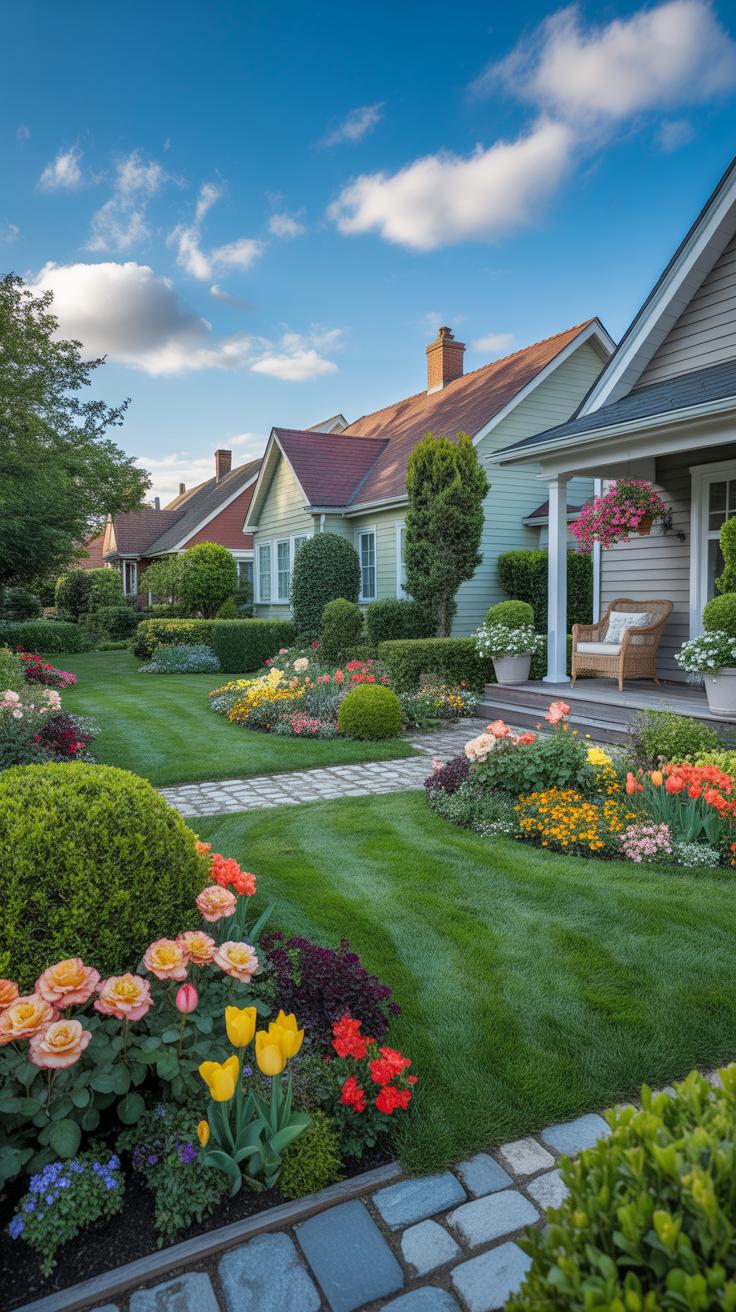
Small front yards can also embrace a more classic, cozy feel. Picture a tiny cottage garden, where flower beds hug the pathway, and tidy shrubs bring structure. It’s about layering: shorter plants close to the ground, taller ones framing the edges. You get that welcoming, lived-in vibe we often associate with older homes.
In one example I saw, the owner used clipped boxwoods along the walkway to guide visitors. Interspersed were clusters of bright daisies and lavender, adding scent and color without overwhelming the space. A rustic bench and a wrought-iron lantern completed the scene, giving personality to the yard.
This style requires a bit more upkeep, so it’s not for everyone—but if you enjoy gardening and want a front yard with charm, the traditional route can offer both beauty and practicality, even when space is tight.
Choosing Plants Versus Hardscape
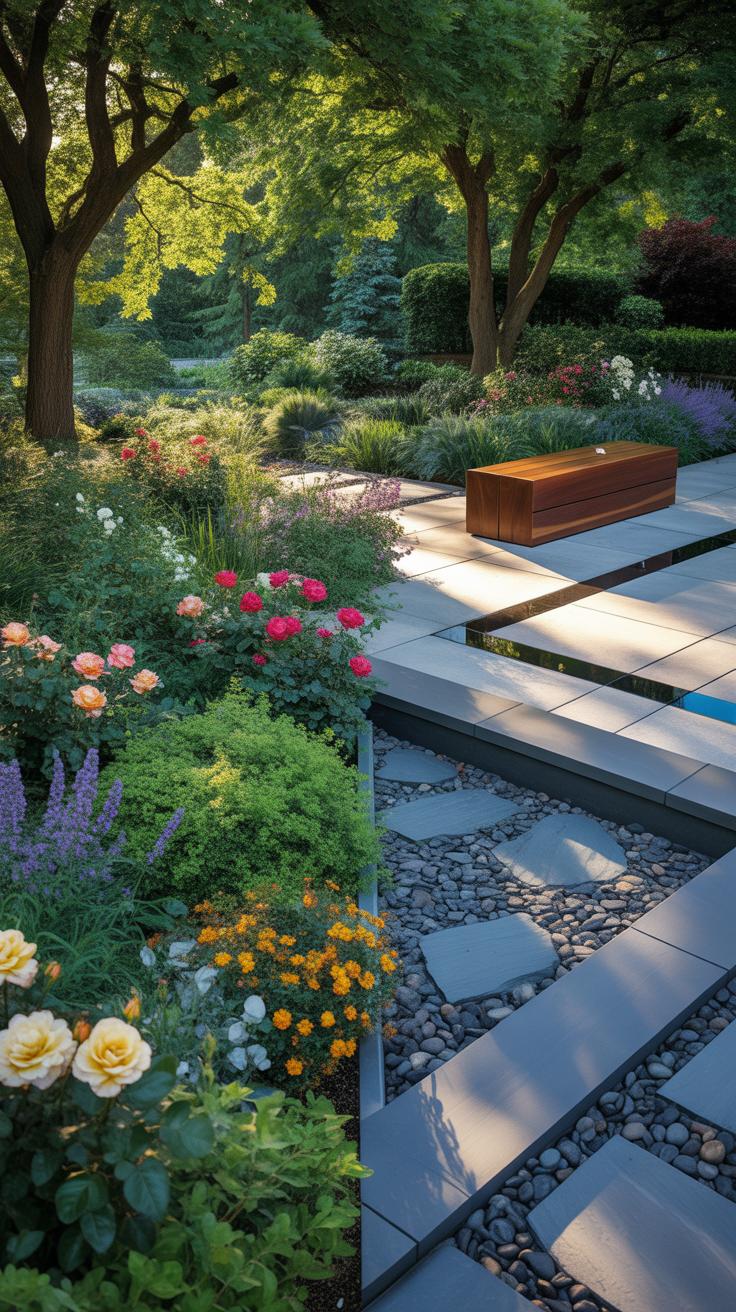
When working with a small front yard, deciding between emphasizing plants or hardscape isn’t always straightforward. Both have their perks, but the choice really depends on what you want your space to feel like and how you expect to use it.
When To Prioritize Plant Selections
Plants bring softness that hard surfaces just can’t provide. If your front yard feels too rigid or sterile, adding greenery can warm it up and offer some welcome color. Compact shrubs, dwarf evergreens, or vertical plants work well when space is limited. Think of boxwoods or lavender—small but with personality.
Also, planting lets you play with textures and seasonal changes, which is nice if you want a yard that feels alive and shifts throughout the year. But remember, plants need care. If you’re not into constant watering or pruning, this might get tiring.
Benefits Of Hardscape Elements
Hardscape features like stone pathways, gravel beds, or a small patio bring structure to a small yard. They require less upkeep, which is great if you prefer low maintenance or something more reliable year-round. Paving can also make the space feel bigger by creating clear walking zones and reducing clutter.
To avoid a harsh look, mix stones or pavers with planter boxes or green borders. For example, a gravel path edged with small succulents makes the layout clear but still inviting. The trick is in not letting the hardscape dominate completely, or your front yard might lose character.
Balancing these comes down to your lifestyle and taste—do you want lush softness or clean lines? Maybe a bit of both will surprise you with the best results.
Conclusions
Incorporating simple landscaping ideas can significantly raise your small front yard’s visual appeal. Thoughtful plant choices, organized layouts, and minor decorative elements help utilize space efficiently. Your yard can become a welcoming spot and increase your property’s value.
Applying these concepts requires little extra effort and suits various home styles. Start with essential changes and proceed gradually. A beautiful small front yard boosts your home’s charm and reflects personal taste without overcrowding.