
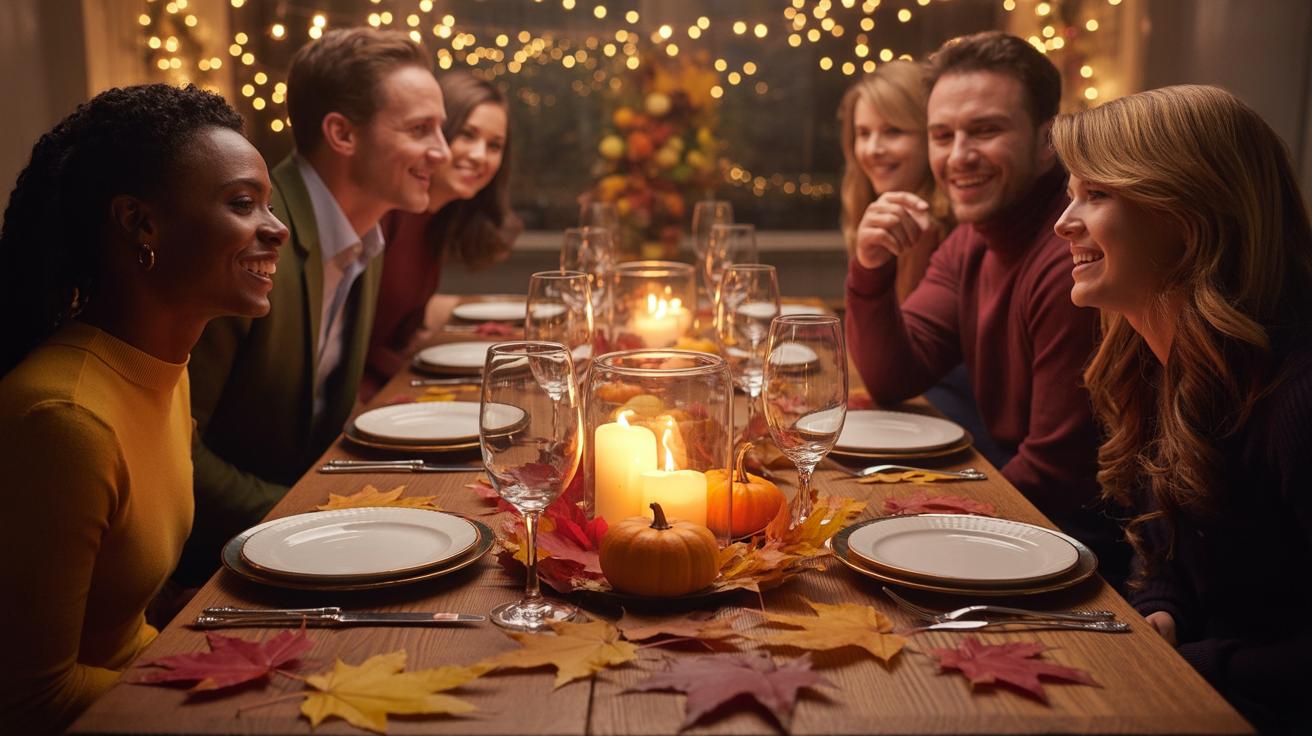
A Closer Look at Cozy Fall Dinner Party Ideas For Memorable Gatherings
Cozy Fall Dinner Party Ideas For Memorable Gatherings is about creating inviting and pleasant experiences for you and your guests during the fall season. Fall is known for its cooler temperatures and colorful foliage, forming the perfect backdrop for intimate dinner parties that feel comfortable and memorable.
This article shares practical ideas to help you plan your fall dinner party. From selecting an appropriate theme and menu to decorating your space with seasonal touches, each aspect plays a part in creating a festive and warm gathering. With these suggestions, your fall dinner party will be both special and easy to organize.
Selecting A Seasonal Menu For Fall Dinner Party
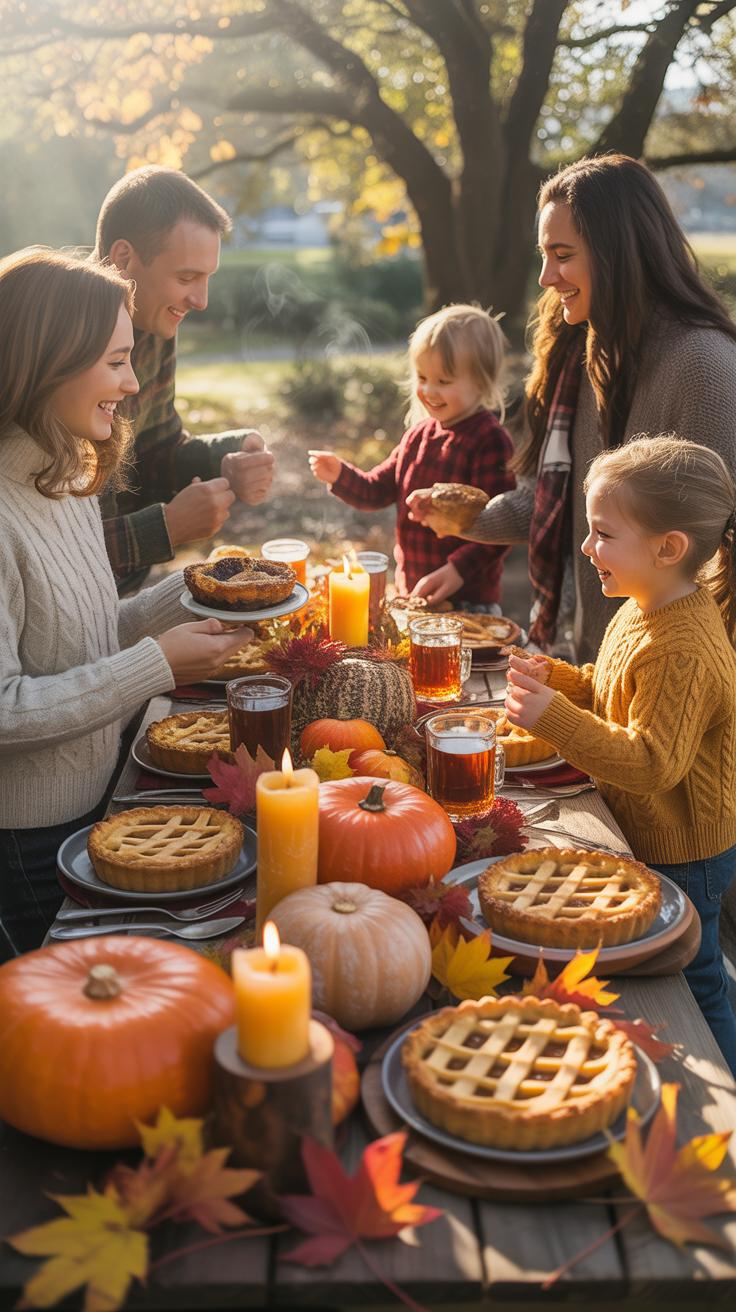
When choosing a menu for a fall dinner party, the season’s flavors should guide you. Think about ingredients that are freshest now—those that reflect the cooler temperatures and changing light. You’ll want dishes that feel satisfying and a bit nostalgic, the kind that encourage slow, comfortable eating rather than something too light or bright.
Fall ingredients like squash, pumpkin, apples, and root vegetables offer a natural palette. They tend to be rich in flavor and texture, which means your courses can easily layer warmth and depth. Comfort food really shines here—roasts, braises, and baked dishes make sense when the air turns crisp. You want guests to leave feeling cozy, not just full.
Key Ingredients For Autumn Meals
Squash comes in many forms—acorn, delicata, butternut—and each gives dishes a subtly different sweetness and earthiness. Apples aren’t just for dessert; tart varieties brighten salads or balance heavier mains. Pumpkins offer more than pie potential; their flesh works well in soups or side dishes. Root vegetables like carrots, parsnips, and sweet potatoes bring natural sugars that caramelize beautifully when roasted.

These ingredients also pair well together, enhancing each other’s flavors without overwhelming. For example, a roasted root vegetable medley with apples can highlight sweet and savory notes, while a pumpkin soup can be enriched with roasted squash for texture and depth.
Planning Dishes That Warm Your Guests
For mains, consider slow-cooked options such as beef stew, roasted chicken with herbs, or stuffed acorn squash. These dishes fill the kitchen with inviting aromas that set the mood from the start. On the side, think of creamy mashed potatoes, caramelized Brussels sprouts, or a kale salad with warm bacon dressing—each adds comfort with a balance of freshness.
Desserts might include spiced apple crisp, pumpkin cheesecake, or pear cobbler; they showcase fall spices like cinnamon, nutmeg, and clove. Presentation can make a difference here—serve sides in rustic bowls or stack dishes with height and layers. Even simple touches like a sprinkle of fresh herbs or slow-drizzled caramel can elevate the experience.
Ask yourself which flavors and textures feel right for your group. Are you aiming for something familiar or a little adventurous? And remember, the best fall menus invite guests to slow down and savor each bite.
Creating A Warm Environment With Fall Decorations
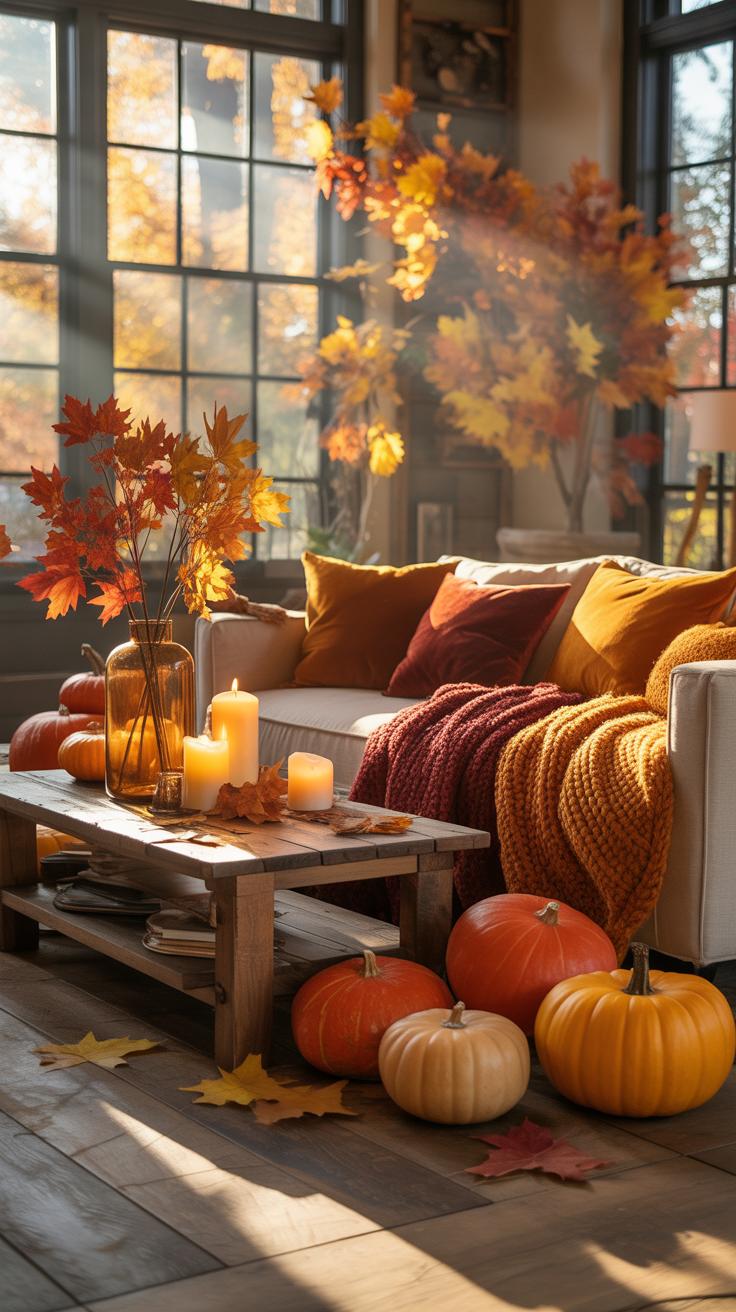

Setting the right mood at your fall dinner party often comes down to the details—lighting, colors, and natural accents all play a part in shaping the atmosphere. Soft, warm lighting creates an inviting glow that draws people in, so think beyond overhead lights. Candles work well, maybe mixed with string lights or small lanterns. It’s not necessary to flood the room with brightness; a dim, flickering light can feel surprisingly cozy.
About colors, don’t feel confined to just orange or brown. Mixing deeper reds, muted golds, and even some olive green can give your space depth. Textures matter too—think wood grains in bowls or chargers, and burlap runners. These add a tactile element that can make guests feel more grounded. Somehow, seeing and touching natural materials makes the whole space feel less staged and more earthy.
Using natural elements like autumn leaves, pinecones, and gourds is effective, but placement counts. Scatter smaller leaves along the table runner but don’t overload it—empty space helps balance out the arrangement. Pinecones can double as placeholders if you tie a simple name tag around them. Gourds look great grouped on a side table or as a centerpiece base. Oddly enough, combining the rough textures of pinecones with smooth candles creates a nice contrast that keeps things interesting. You might find yourself moving pieces around a few times just to get the right feel—that’s okay. The goal is a relaxed, welcoming vibe, not perfection.
Planning The Guest List And Seating Arrangements
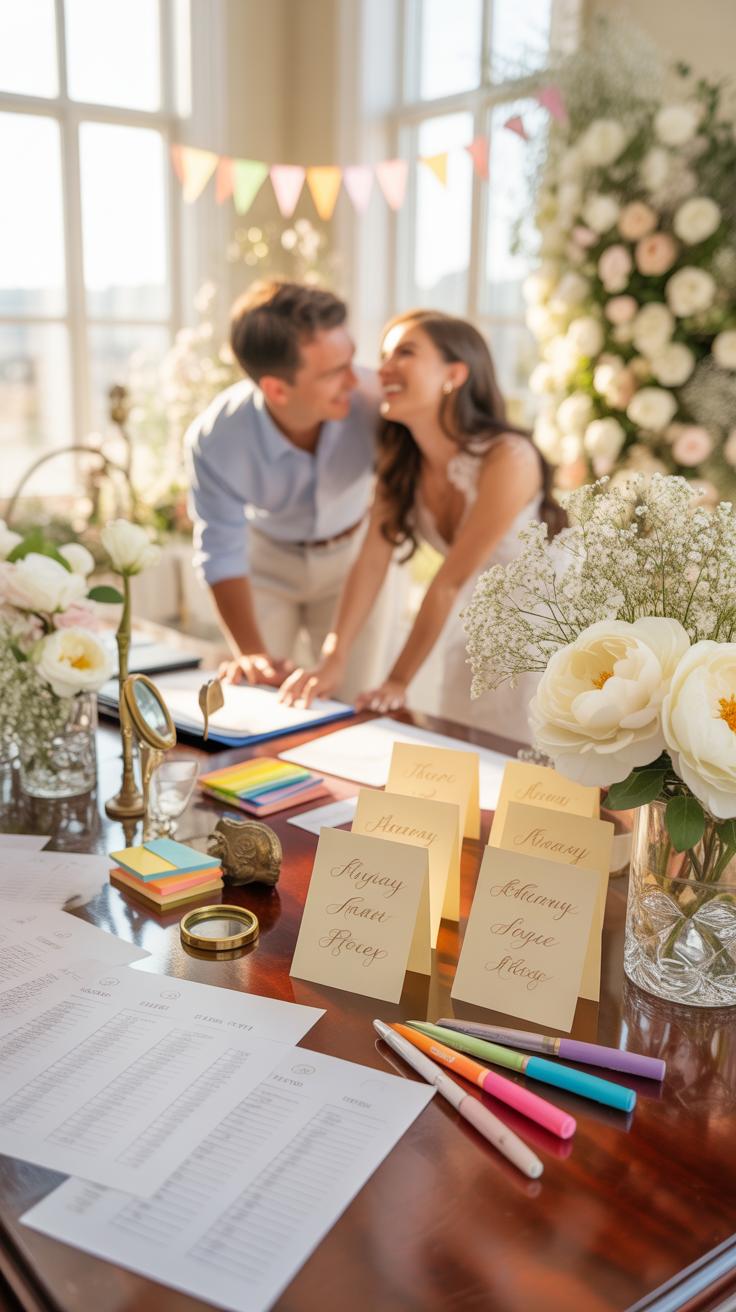
Choosing Guests To Match Your Event Size
Picking the right number of guests for your fall dinner party can feel like a bit of a puzzle. Too many people, and the space might feel cramped; too few, and the energy could dip. Think about the size of your table and the atmosphere you want to create — intimate chats or lively group discussions.

When deciding whom to invite, try to balance personalities rather than just mixing old friends or family. For instance, pairing someone quiet with a more outgoing person can create unexpected connections. Sometimes it’s worth inviting those you think might not naturally mingle together—who knows what conversations might start?
On the other hand, you might want to avoid bringing a couple of people with a history of disagreements. Yet, sometimes a little friction sparks good debate, so there’s room for experimentation. Overall, focus on inviting people who will feel comfortable and curious about each other, so the evening flows smoothly.
Arranging Seating For Comfort And Interaction
How you arrange seats can really shape the night’s mood. You could mix personalities so talkative and thoughtful guests end up next to each other, creating a natural flow of conversation. At the same time, consider physical comfort—make sure those who need extra space or accessibility are well accommodated.
Think about seating people where they’re less likely to feel left out. For example, if you have someone new to the group, sitting them between two others who know each other might help them feel included. Or, placing friends who naturally chat a lot a little apart prevents side conversations from taking over.
Sometimes, leaving a little blank space at the table offers some breathing room and prevents the group from feeling too tight. And maybe, just maybe, switching things up mid-meal could refresh the atmosphere. Seating arrangements don’t have to be rigid; a bit of flexibility often makes for a better evening.
Invitations And Setting Expectations For The Evening
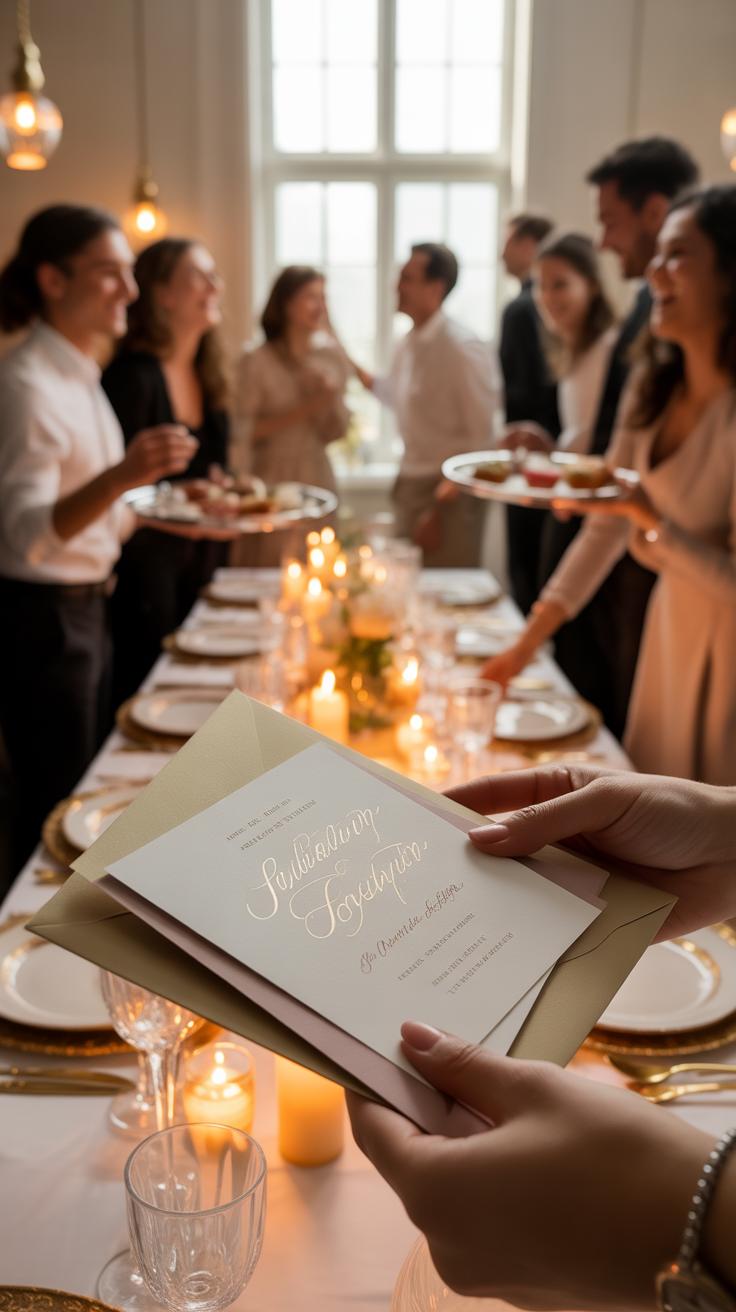

Invitations do more than just ask people to show up. They set the tone for the whole evening. If your invite is vague or confusing, guests can arrive uncertain about what to expect — and that tension quietly lingers all night. Clarity really matters: sharing the time, place, and essential details can calm nerves. Even simple notes about the flow of the evening or if they should bring something helps everyone feel ready, rather than scrambling last minute.
Think about how you send invites. Paper ones bring a certain warmth and formality, and they’re nice to hold onto. Digital invitations feel quicker and can include RSVP links that make your own planning easier. No matter the format, be sure to list:
- Exact date and start time
- Location with a map or parking hints
- Any requests, like bringing a dessert or dietary notes
Dress codes aren’t just rules, but guides for comfort and connection. Letting guests know if it’s casual, festive, or a fancy affair helps avoid awkward guessing games. For example, a “cozy sweaters welcome” hint invites a relaxed vibe, while a “smart casual” tag might encourage slightly dressier looks. It’s about giving people a small nudge toward feeling at ease — and they’ll thank you for it.
Would you rather your friends show up unsure or fully prepared? In my experience, clear invitations make the difference between an awkward start and a relaxed gathering from the moment guests walk in.
Setting Up A Comfortable Dining Space
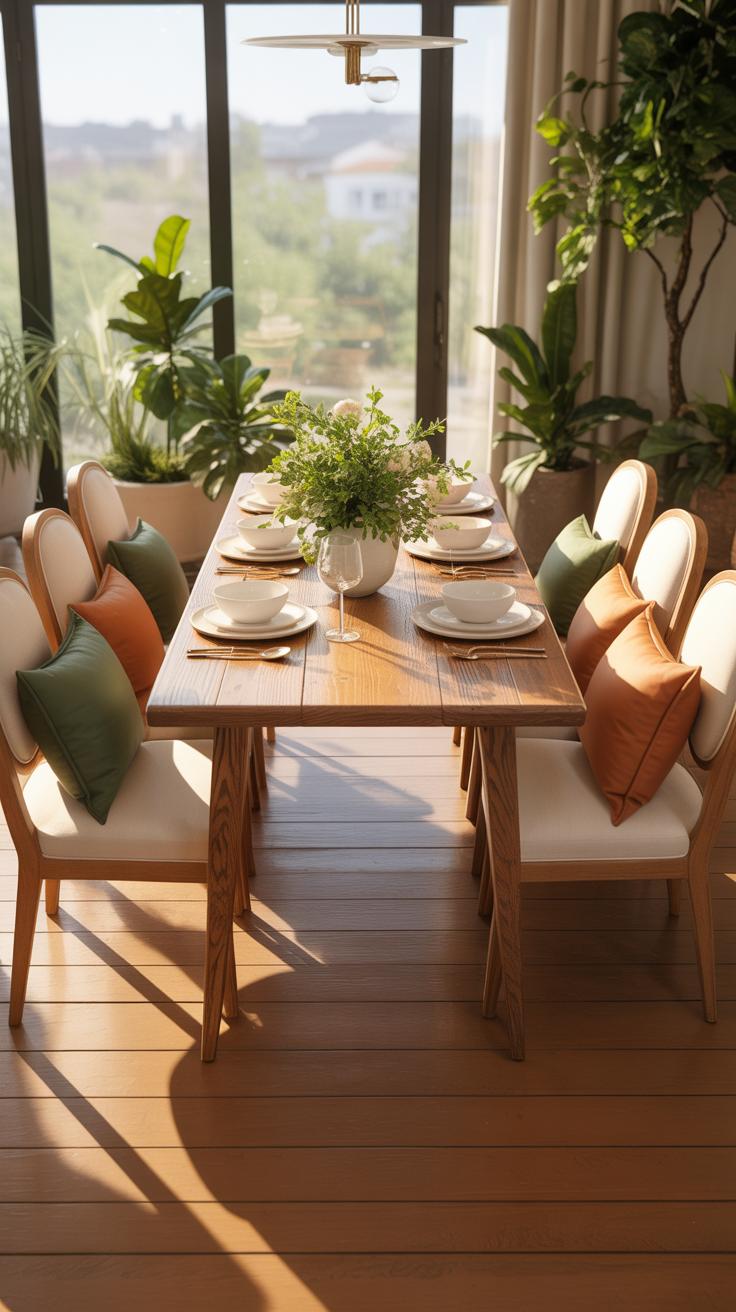
Optimizing Lighting For A Cozy Feel
Lighting can truly change the way your guests experience the evening. Think soft and warm—bright overhead lights often make a room feel more clinical than inviting. Instead, try layering your lighting sources to create depth and comfort. A combination of lamps with warm bulbs and strategically placed candles can work wonders. If you have dimmers, use them. They allow you to adjust the atmosphere as the night progresses.

Don’t hesitate to mix candle heights and holders. Tall candlesticks next to votives give visual interest and prevent the table from feeling flat. You might find yourself adding candles even if you initially thought it would be too much. There’s a reason flickering light feels relaxing—your guests might linger longer just because it’s easier on their eyes.
Remember the shadows, too. Lighting that’s too direct can cast harsh shadows, while indirect light from lamps or candles softly bouncing off walls makes the room feel intimate without being dim.
Selecting Tableware And Linens That Enhance The Theme
Tablescape choices really set the stage for your fall dinner party. Plates and napkins don’t just serve a function—they also visually anchor the event’s mood. Look for colors like deep oranges, rust, mustard, or even muted greens. These tones hint at autumn but don’t scream it; sometimes subtlety makes the statement stronger.
Patterns can be tricky—too busy and they distract, too plain and they feel flat. A pattern on napkins or a runner paired with solid-colored plates usually strikes a good balance. When I hosted a recent dinner, I picked linen napkins with a faint plaid pattern, and that small detail caught a lot of compliments. Plus, linens add a softness that paper simply can’t replicate.
Think about textures, too. Rougher fabrics like burlap might work for a rustic feel, while smoother linens feel a touch more refined. Your choice depends on the vibe you want. Don’t forget that napkin rings or small menu cards add another layer of thoughtfulness, nudging your guests to feel welcome before the first bite.
Organizing Activities To Encourage Guest Interaction
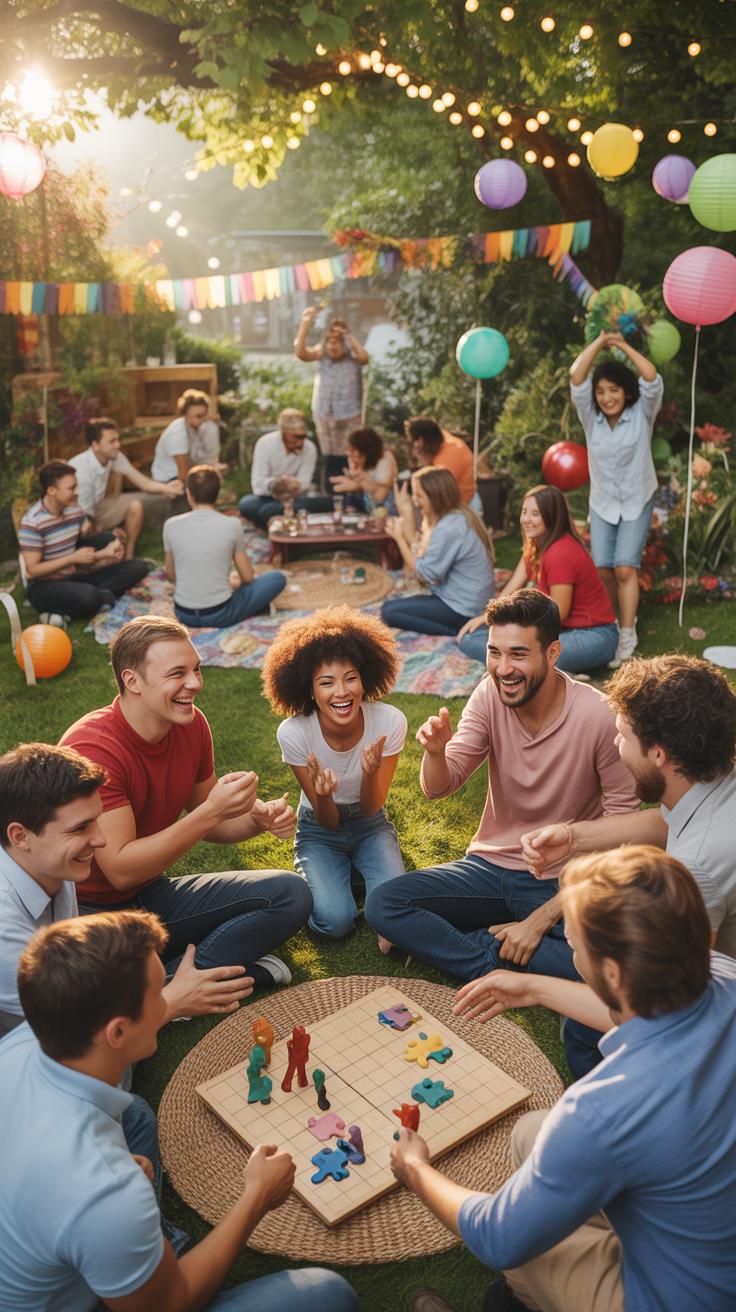

When it comes to keeping a fall dinner party lively, a few light activities can really help guests loosen up and connect without stealing the spotlight from the meal. You don’t want something too involved or distracting, just enough to spark conversations and maybe a laugh or two. Sometimes, a quick, simple prompt can replace the awkward small talk that tends to fill the early moments.
Try suggesting that everyone shares a favorite fall memory before the first course, or have a “spice guessing” game with small jars of cinnamon, nutmeg, or clove. It’s unexpected, but it draws people in—and the guessing adds a tiny bit of playful competition without making anyone uncomfortable.
Seating arrangements matter too. Placing people who don’t know each other well next to each other teamed with a simple icebreaker can ease tension just enough. You could even have a soft background playlist with some light chatter starters printed on the menu or napkin rings. Sometimes, subtle nudges work better than outright games.
Fun Icebreakers Suitable For Adults
Adult guests appreciate icebreakers that are straightforward but not childish. Here are a few suggestions that seem to work well over dinner, keeping the mood light and the conversation flowing:
- Two Truths and a Fall Lie: Everyone states two true things and one false thing about their autumn experiences. Guests guess which is the lie.
- Would You Rather, Autumn Edition: Simple choices like “Pumpkin spice latte or apple cider?” spark quick opinions and laughter.
- The Compliment Chain: Each person offers a genuine compliment to the guest on their right. It’s disarming and often leads to smiles.
Not all these will fit every group, of course, so it’s good to feel out the vibe first. Sometimes, the quietest guests enjoy just hearing thoughtful questions tossed their way rather than jumping into games.
Discussion Topics That Connect Over Fall Themes
Fall carries such rich traditions and sensory experiences that few topics are off limits. Go beyond the usual weather talk by gently steering the chat towards seasonal stories that make people pause and reflect, or even debate a little.
- What’s your most memorable fall tradition, whether from childhood or recent years?
- Are there any recipes or foods that feel like “fall comfort” to you? What makes them special?
- How do you like to unwind during shorter days and cooler nights? Any favorite cozy rituals?
- Have you ever taken part in harvest festivals, pumpkin patches, or spooky celebrations? What stands out?

These kinds of questions invite personal sharing without pressure. Plus, they often lead to unexpected stories that ripple through the group, making the atmosphere feel more connected. It’s okay if some guests don’t dive in deeply—just the seed of a story is enough to keep things moving.
Managing Time Effectively On Party Day

Preparation Checklist To Avoid Last Minute Rush
Start by mapping out what needs to be done days before, then break down tasks for the party day itself. A few days ahead, focus on shopping and prepping anything that can be stored. The day before? Chop vegetables, marinate meats, and set the table or decorations—anything that saves you time later.
On the party day, try to reserve big cooking or oven time early, so the kitchen isn’t hectic when guests arrive. Keep a simple list handy:
- 3 days before: Plan menu and shopping list
- 2 days before: Grocery shopping and drinks chilled
- 1 day before: Prep ingredients, set tables, and do last-minute cleaning
- 4 hours before: Start cooking long-cook dishes
- 1 hour before: Final touches and lighting candles
This might sound obvious, but writing it down helps, especially if you’re juggling kids or work the same day. It keeps panic at bay. Oddly, sometimes crossing off the tiniest tasks feels like winning half the battle.
Timing The Meal Service For Optimal Enjoyment
Think about the evening as parts of a story unfolding, not a rush to clear plates. Slow down between courses a bit. Give guests time to chat after appetizers, but don’t wait so long that the food gets cold or attention drifts away.

If you’re serving three courses, aim for roughly 20 to 30 minutes per course. That includes eating, resting, and perhaps some light conversation. Keep drinks flowing gently—too much too fast changes the mood unpredictably.
Be ready to adapt, too. If the conversation feels lively, linger longer before the next plate. Or skip the soup if you see people eager for the main event. Timing isn’t a fixed script. It’s more like feeling what the room wants.
Handling Common Challenges During Fall Dinner Parties
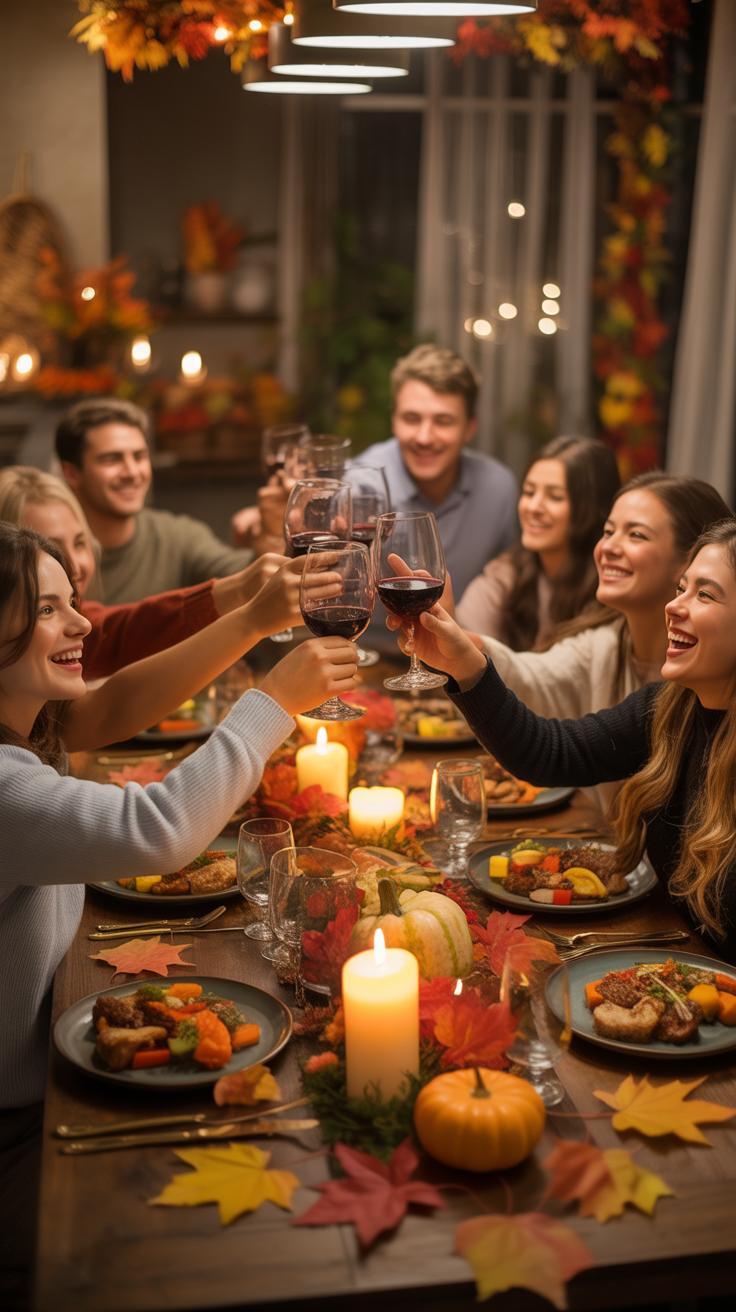
Addressing Dietary Needs And Preferences
It’s tricky to balance a menu when guests have different diets, but it’s something you can manage with a little thought. Asking ahead about allergies or dietary preferences is really helpful. You don’t have to create separate dishes for everyone, but having a few flexible options works well.
Think about including dishes that can be easily adapted. For example, a roasted vegetable side can be vegan and gluten-free. If someone is vegetarian, making sure there’s a protein alternative on the table helps avoid awkward moments.
Sometimes guests might hesitate to share their restrictions, so consider sending a casual note or text. You might be surprised—people often appreciate when hosts genuinely want to accommodate them. Plus, a slightly varied menu keeps things interesting for everyone.
Maintaining Comfortable Room Temperature
Fall weather can be unpredictable. One moment, it’s chilly; the next, it’s warmer than expected. Closely monitoring your home’s temperature during the party makes a big difference.
If you’re hosting indoors, portable heaters or an adjustable thermostat can keep things cozy without overheating the space. Opening a window briefly might help if it feels stuffy, even when it’s cooler outside—fresh air often does wonders.
For outdoor gatherings, think layers and fires. Blankets draped over chairs or fire pits can make a chilly evening much more enjoyable. But be mindful—too much heat from a fire or heater can become uncomfortable quickly, especially when guests chat and move around.
It’s hard to predict how every guest will feel temperature-wise, but offering small comforts like a shawl or an extra seat near a heat source shows you’re thinking ahead. Little touches like these make your fall dinner party more inviting, no matter the weather.
Conclusions
Your fall dinner party can be a delightful way to bring friends and family together. By planning thoughtfully — choosing seasonal foods, decorating with warm colors, and creating a cozy setting — you help everyone enjoy the occasion thoroughly. Attention to these details adds a touch of comfort and seasonal charm that guests will remember.
Try these ideas as you prepare your next gathering. Focus on simple actions that have a big impact. Your guests will appreciate the effort, and you will enjoy the warm atmosphere and good company. A well-planned fall dinner party is a rewarding experience worth repeating.