
Common Mistakes to Avoid With Homesteading For Beginners Mistakes To Avoid For Healthy Living
Homesteading offers a path to self-sufficiency and a healthier lifestyle by growing your own food, raising animals, and living sustainably. However, beginners often face many challenges that can slow progress or cause frustration. Avoiding common mistakes from the start can save time, money, and effort.
This article covers important topics for beginners on the homesteading journey. We explore setting up a homestead correctly, key differences in homesteading styles, and essential tools and resources. You will learn practical steps to start strong and avoid pitfalls that many newcomers make. By following this guidance, your homesteading experience can be more successful and rewarding.
Essential Setup Checklist For Beginners

Starting your homestead means tackling several practical tasks early on. First, finding the right piece of land is crucial. Don’t just pick any plot because it looks nice; pay attention to soil quality. Test it yourself or hire someone to do it. Soil richness varies a lot, and poor soil can make growing food a real struggle.
Next, water is non-negotiable. Check for reliable sources like wells, springs, or nearby streams. Water access affects everything from gardening to livestock care. Sometimes the water is there, but the quality might not be great — have it tested or you might regret it later.
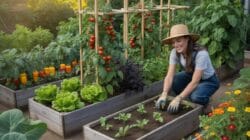
Once you’ve settled on land and water, basic infrastructure matters. You’ll need shelter—something that protects from weather but doesn’t need to be fancy at the start. Fences help too, especially if you’re planning on animals or want to keep certain areas protected. Storage space for tools and harvest is often overlooked but absolutely necessary. Without it, daily tasks get more complicated than they should be.
Choosing Suitable Land And Location
When choosing your land, think about more than just the plot itself. Climate plays a big role — where you live affects the types of crops that grow and how long your growing season lasts.
Consider how easy it is to get to your property. Dirt roads can be okay, but think about winter or rainy seasons when some places become nearly inaccessible. Proximity to services like hardware stores or medical facilities matters too. You might be drawn to remote places, but being miles from basic needs can add stress.
Watch for hazards: flood zones, wildfire risks, or areas prone to heavy winds. These will influence your plans and perhaps costs. Sometimes a place looks perfect, but digging a little deeper reveals challenges you didn’t expect.
Basic Infrastructure Needs Overview
Your homestead needs certain basics to function day-to-day. Housing is top of that list. It doesn’t have to be a large house at first—many start with simple cabins or tiny homes to keep initial expenses down while focusing on essentials.
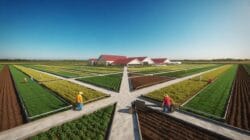
Water collection and storage systems can range from rain barrels to drilled wells. Figure out what fits your situation and budget. You’ll want fences to manage animals or keep wildlife out of your gardens. Pick fence types based on what you plan to contain or exclude, not just on looks.
Storage sheds or barns hold tools, seeds, and harvested produce. Lack of organized storage leads to frustration and wasted time. Planning these pieces early avoids clutter and inefficiency later. It might feel overwhelming at first, but taking it step-by-step makes it manageable.
Common Homesteading Mistakes To Avoid
Planning Errors That Cost Time And Money
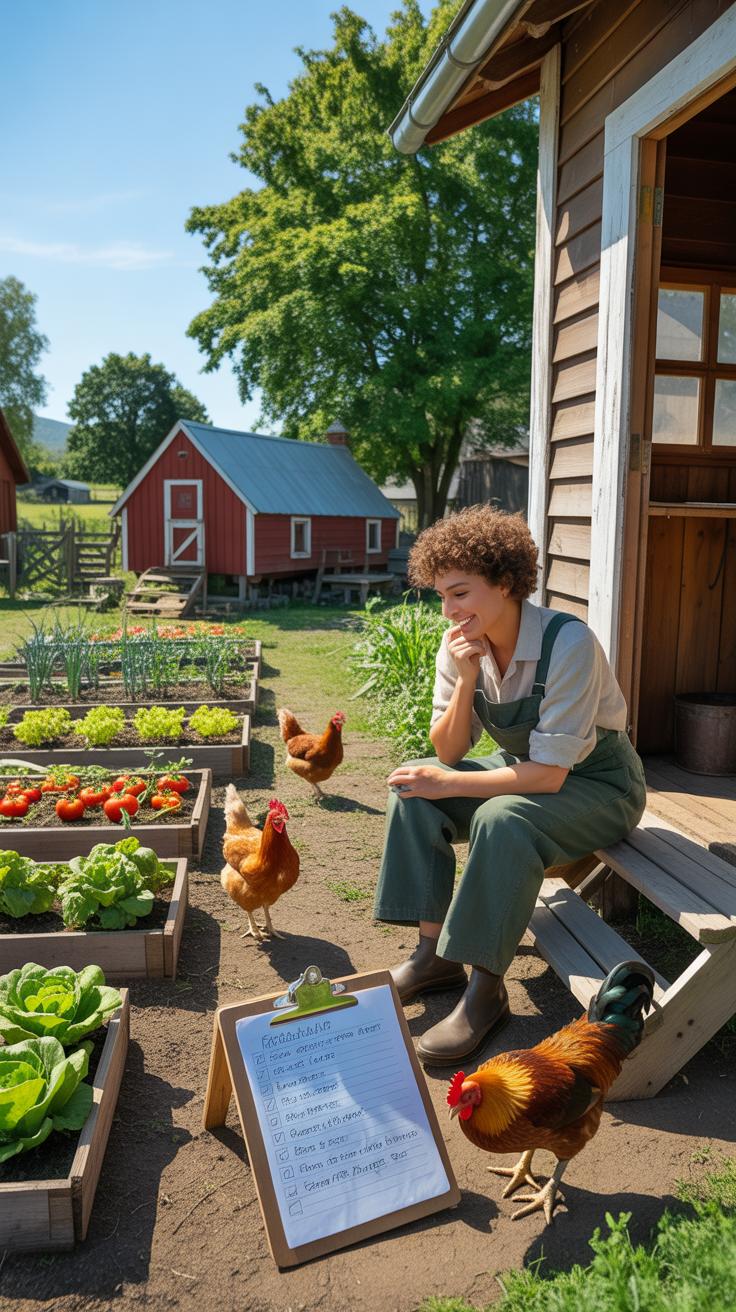
Many beginners jump in without a clear plan, and it shows. You might start planting a huge garden without thinking about irrigation or soil quality, or order equipment you won’t really use. It’s tempting to dive right into projects, but without researching your specific land and setting realistic goals, you can waste a lot of time and money.
Try to map out what you want to achieve on paper before buying seeds or animals. Consider your climate, how much time you can actually commit daily, and your budget limits. A well-done plan doesn’t guarantee success, but it helps avoid costly mistakes like planting crops that won’t thrive or overextending your resources.

Also, be honest with yourself about what’s manageable. Many new homesteaders underestimate the workload involved. Starting smaller and scaling up as you gain experience can save frustration. You don’t have to do everything at once or perfectly from the start.
Ignoring Local Rules And Restrictions
This one often catches people off guard. Maybe you thought building a barn or keeping chickens was free from regulations, but plenty of local rules exist around land use, animal limits, and permits. Ignoring these can bring fines or force you to undo hard work.
Before any big step, check with local authorities. Your county or town hall usually has information on zoning laws, animal licenses, and building permits. Sometimes these rules vary block by block, so what worked for your neighbor might not work for you. Online resources are helpful, but a quick call or visit can clear up confusion.
Following regulations might feel like a hassle, but it’s better than dealing with legal problems later. Plus, you’ll build a good relationship with your community and avoid surprises that could derail your homestead plans.
Setting Up A Garden For Food Security
Preparing Soil And Selecting Crops
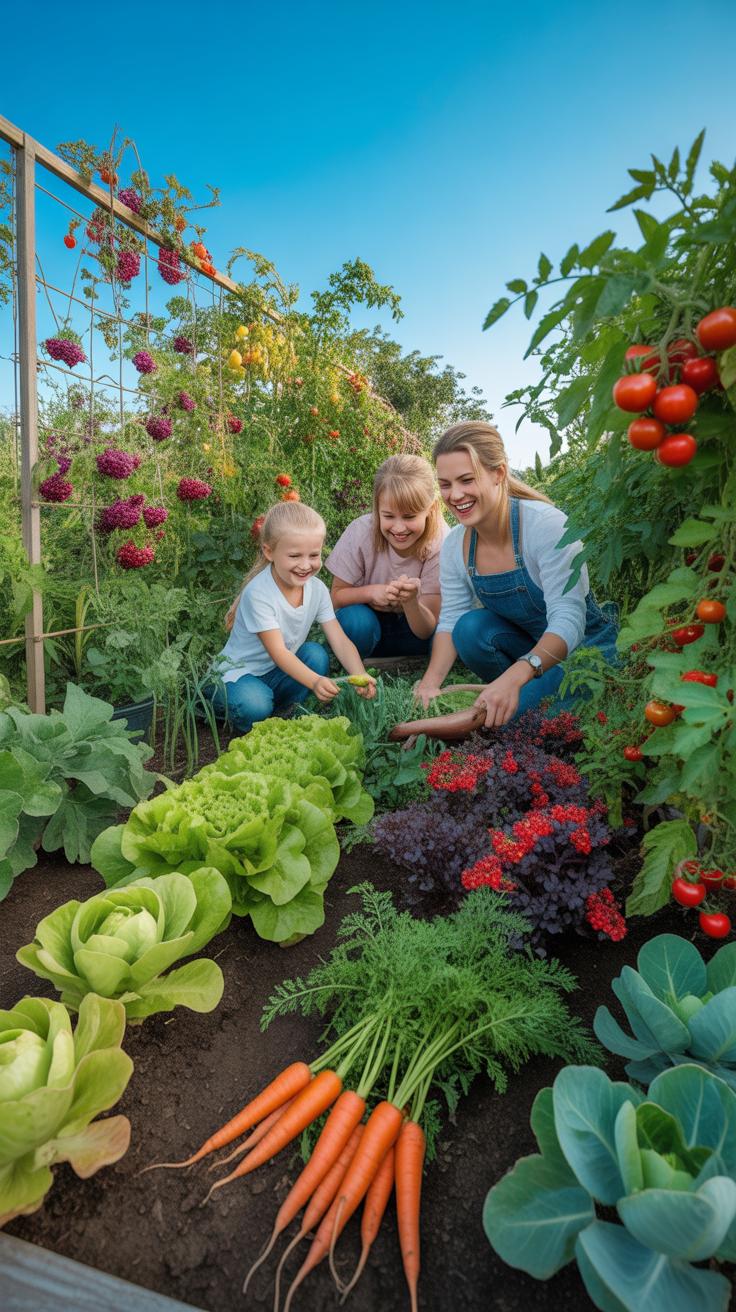
Starting a vegetable garden can feel overwhelming at first. One key step that many beginners overlook is soil quality. Testing your soil’s pH and nutrient levels gives you a clearer picture of what it needs. You don’t have to buy expensive kits; simple tests, even those available at local garden centers, can point you in the right direction.

Improving soil often means adding organic matter—compost, leaf mold, or aged manure. These materials boost both nutrients and structure, and they help retain moisture. It might seem like a lot of work upfront, but your plants will thank you later.
Choosing crops depends largely on your local climate and growing season. Some veggies thrive in cooler temperatures, like kale or radishes. Others, such as tomatoes or peppers, prefer it warm. Try keeping a garden journal to track what works for you—it’s a bit of extra effort but saves guesswork in following years.
Companion planting can also make a difference. Planting basil near tomatoes or beans near corn isn’t just folklore; it can help with growth and pest resistance. The trick lies in experimentation, as local conditions might vary more than you expect.
Natural Pest Control Methods
Managing pests without chemicals feels safer but can also test your patience. Nature often balances itself if you give it a chance. Encouraging beneficial insects like ladybugs or lacewings is one way to keep pests in check. You can attract them by planting flowers such as marigolds or daisies along your garden beds.
Physical barriers like row covers can protect young plants without affecting airflow too much. Sometimes, hand-picking pests or using homemade sprays made from garlic or neem oil helps too. It’s a learning curve—what works in one season might not the next.

It’s tempting to reach for pesticides when you see damage, but stepping back and understanding your garden’s ecosystem usually pays off. You might find that patience, observation, and small interventions go a long way. So, ask yourself: what’s really harming your plants, and can nature handle it without your constant interference?
Raising Small Livestock Basics
Beginner-Friendly Animals: Chickens and Rabbits
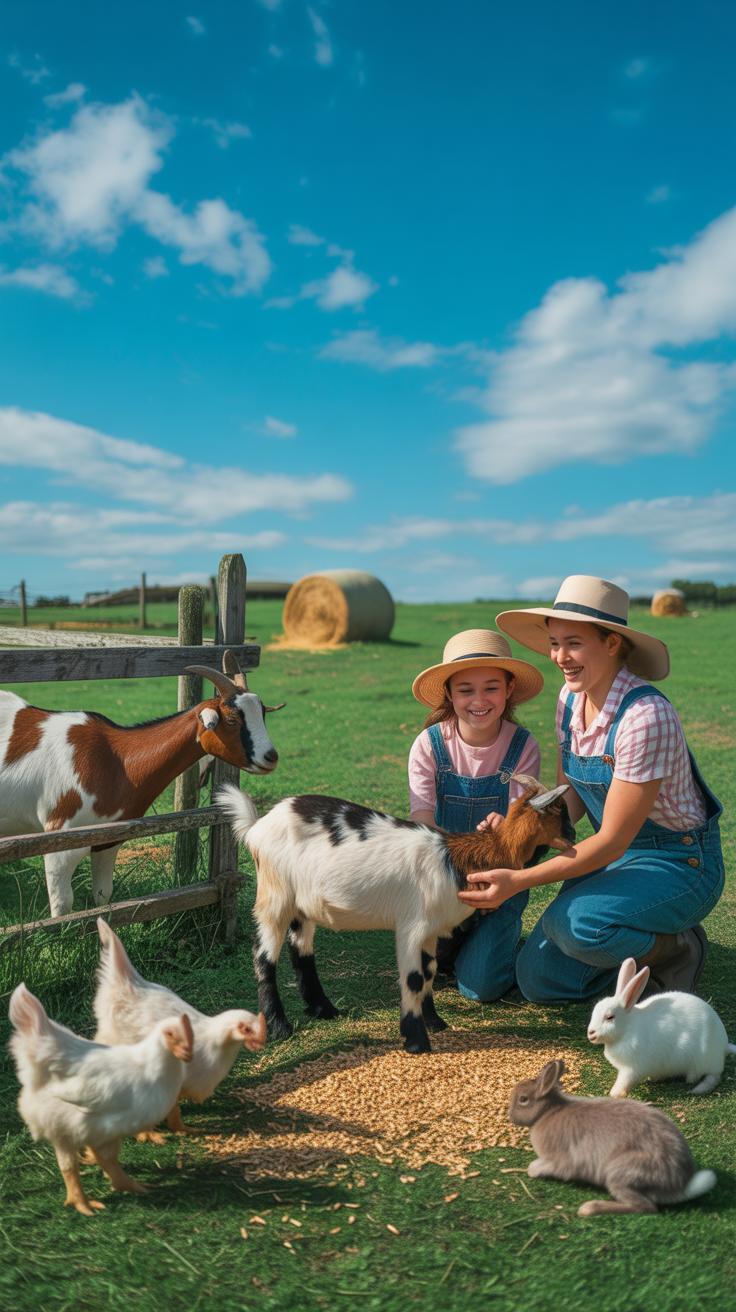
Chickens and rabbits often top the list for beginners. They don’t require a huge space, and their care routines can fit a busy schedule. Chickens offer eggs, occasional meat, pest control, and even natural fertilizer in the form of their droppings. Rabbits multiply quickly and provide meat or fur, depending on your interest. Both animals need simple housing: a secure coop or hutch that protects against predators and weather. You’ll want to keep it clean and dry, but you don’t have to become an expert carpenter overnight.
Feeding is straightforward but crucial. Chickens eat grains, kitchen scraps, and insects; rabbits prefer hay, fresh vegetables, and specialized pellets. Fresh water daily is a must for both. If you can handle these basic needs, you’re likely ready for small livestock.
Choosing Animals That Fit Your Homestead
Think carefully about what fits your space and goals. Do you want fresh eggs or meat? How much time can you realistically spend each day? Chickens need daily egg collection and some interaction, while rabbits might demand less daily attention but more vigilance about their environment. Space matters too—a small backyard works for ten chickens but not for twenty. Are you prepared for occasional veterinary visits or sudden losses? If not, smaller numbers or simpler breeds might suit you better.

Consider your skill level. If you’ve never cared for animals before, start small. One breed of chicken and a pair of rabbits can teach you a lot before you add more. It’s okay to adjust your plans as you go.
Daily Care and Maintenance Tips
Routine influences animal health and productivity more than you might expect. Check waterers and feeders every morning. Remove soiled bedding or droppings to keep conditions hygienic and prevent disease. Observe your animals closely—are they eating and drinking normally? Any signs of lethargy or odd behavior? Small issues can escalate if unnoticed.
You’ll also want to routinely inspect housing for damage. Predators can exploit even small openings. Feed fresh vegetables or treats occasionally to keep things interesting, but avoid sudden diet changes. Keeping a schedule—even a rough one—helps your animals and your peace of mind. I’ve found that a consistent routine, even if imperfect, works better than trying to be perfect all the time.
Water Harvesting And Storage Techniques
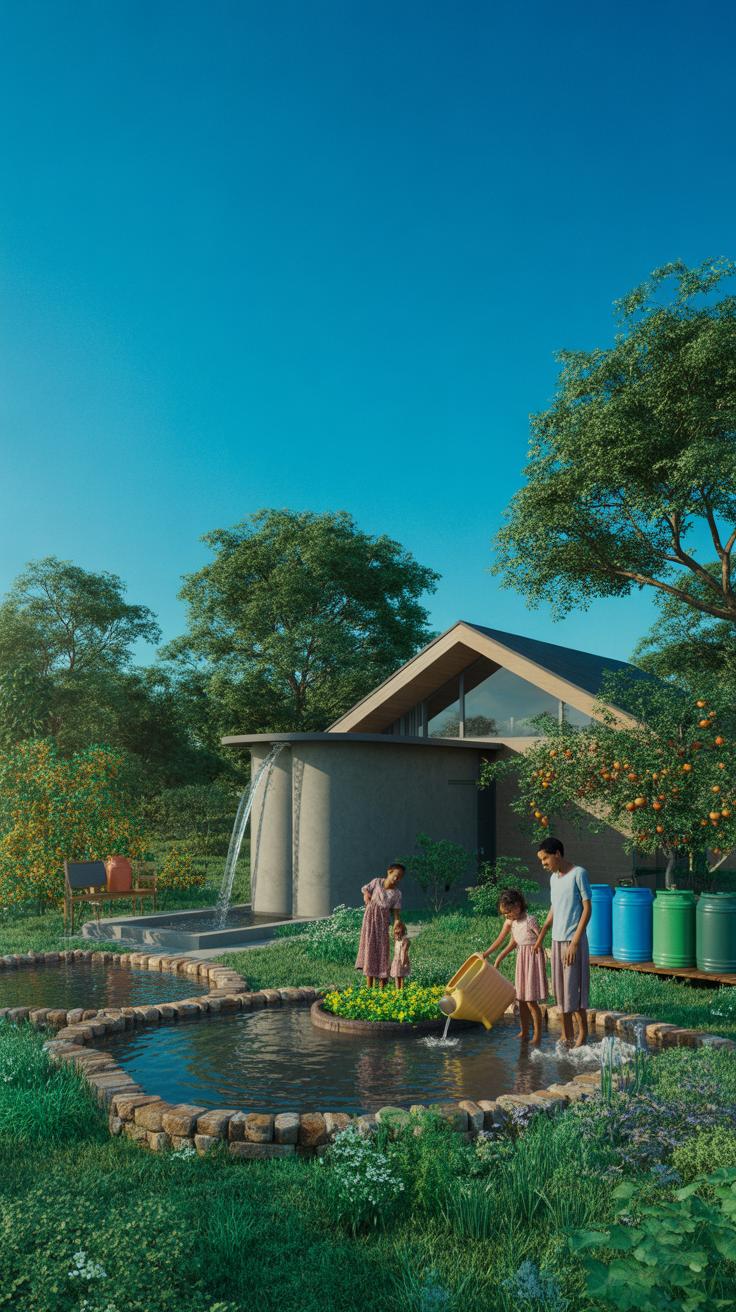
Collecting and storing water on your homestead can feel overwhelming at first, but it doesn’t have to be complicated. One practical method is rainwater harvesting, which taps into natural rainfall to provide a steady water source without relying on municipal supplies or wells that might dry up. You can start modestly by setting up gutters along your roof, directing rainwater into barrels or tanks.

When installing a rainwater collection system, you’ll want to consider a few key points:
- Position gutters to catch the maximum rainfall from your roof area.
- Use downspouts that guide water cleanly into storage barrels or cisterns.
- Include a first-flush diverter or simple filter to clear leaves and debris, preventing contamination.
- Secure your containers with lids or screens to keep out insects and animals.
Step-by-step, it’s about attaching gutters, connecting downspouts to barrels, and adding basic filtration. I found it helpful to experiment a bit with placement and fittings—sometimes the straightforward option needs a tweak when it rains unexpectedly hard.
As for storing water safely, the container material and location are surprisingly important. Food-grade plastic or stainless steel barrels work well, but avoid anything that previously held chemicals. Store containers in shaded areas to reduce algae growth. Also, keep water accessible but protected from wildlife and excessive dust.
One thing I sometimes forget is to rotate stored water—using it for plants or cleaning occasionally helps keep it fresh and ready. Do you think having multiple smaller containers scattered around beats one large tank? I’m still undecided, but both approaches have merits depending on your space and usage.
Ultimately, water harvesting and storage isn’t about perfection but reliability. Start simply, learn from small mistakes, and adapt as your homestead grows. That way, you’re more likely to have clean water when you truly need it.
Comparing Homesteading Styles And Methods
Traditional Versus Urban Homesteading
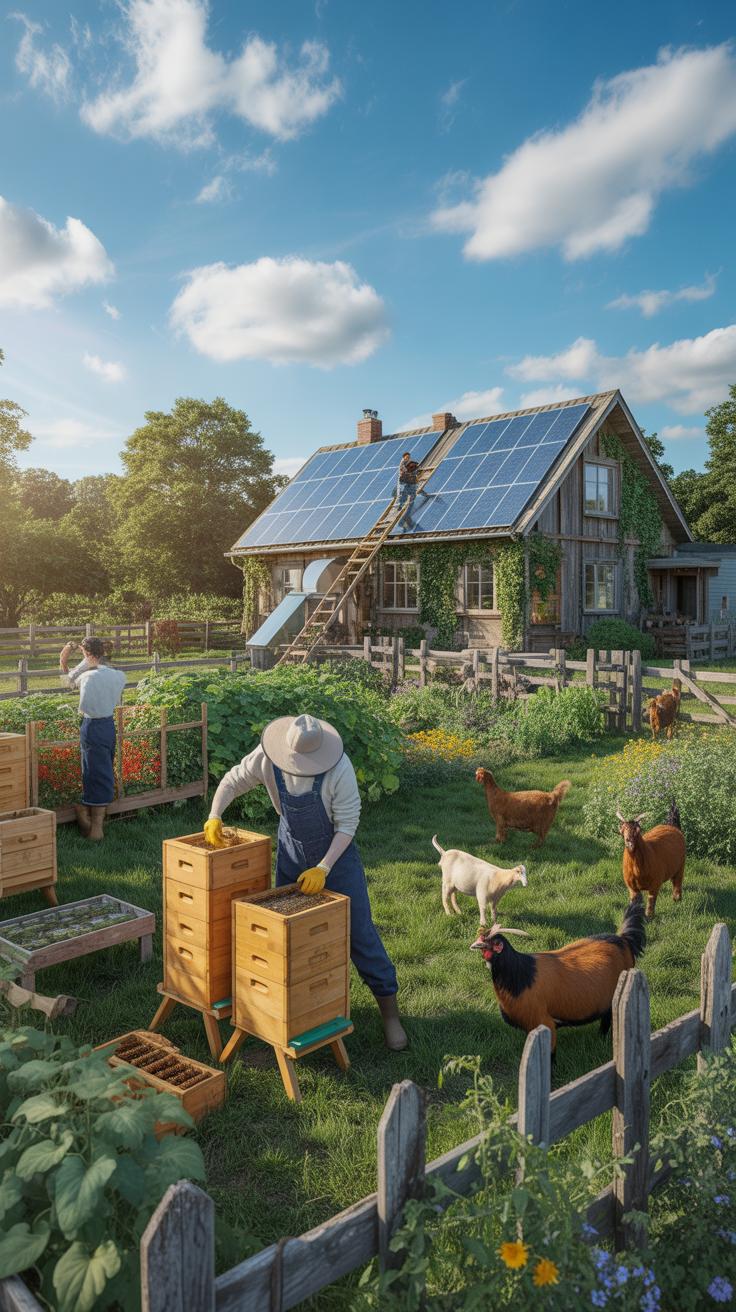
Traditional homesteading usually means plenty of land, open skies, and the classic picture of farming and raising animals. You get space to experiment with crops, livestock, and building your own infrastructure. But, it can mean more work upfront—clearing fields, fixing fences, or maintaining wells. It’s often more isolated, too, which either suits or frustrates depending on your social needs.

Urban homesteading flips that. You’re dealing with limited space, usually a small backyard, porch, or community garden plot. Resources might be easier to access because you’re in or near town, but that also means stricter rules—zoning laws, noise restrictions, and neighbors who might not appreciate a chicken coop. The challenge here is doing a lot with a little, which can feel rewarding but sometimes… limiting.
Both approaches come with trade-offs. Do you want space and potential freedom but more labor and solitude? Or convenience and community, but less elbow room and more rules? I’ve met folks who switched from one style to the other and found unexpected challenges, like increased pests in the city or loneliness in the country.
Incorporating Permaculture Principles
Permaculture isn’t just a method but a mindset—it shapes how you view your homestead as a mini-ecosystem. Using things like companion planting, rainwater harvesting, and creating natural habitats can boost sustainability in ways traditional rows of crops don’t. When done right, permaculture can reduce work in the long term by mimicking nature’s cycles.
That said, applying permaculture on a small urban lot can feel like putting together a tricky puzzle. You want to maximize every inch, but some principles need time to settle in, and you might not see instant results—which can test your patience. On larger rural properties, permaculture can spread out but also demands more vigilance to maintain balance.
Trying permaculture yourself might raise questions: Which plants truly work together here? How do you manage pests without chemicals? I’ve wrestled with those myself, and honestly, sometimes the most beautiful designs on paper don’t play out perfectly in real life. Still, it pushes you to think differently about growing food and caring for land.
Tools And Equipment Every Homesteader Needs
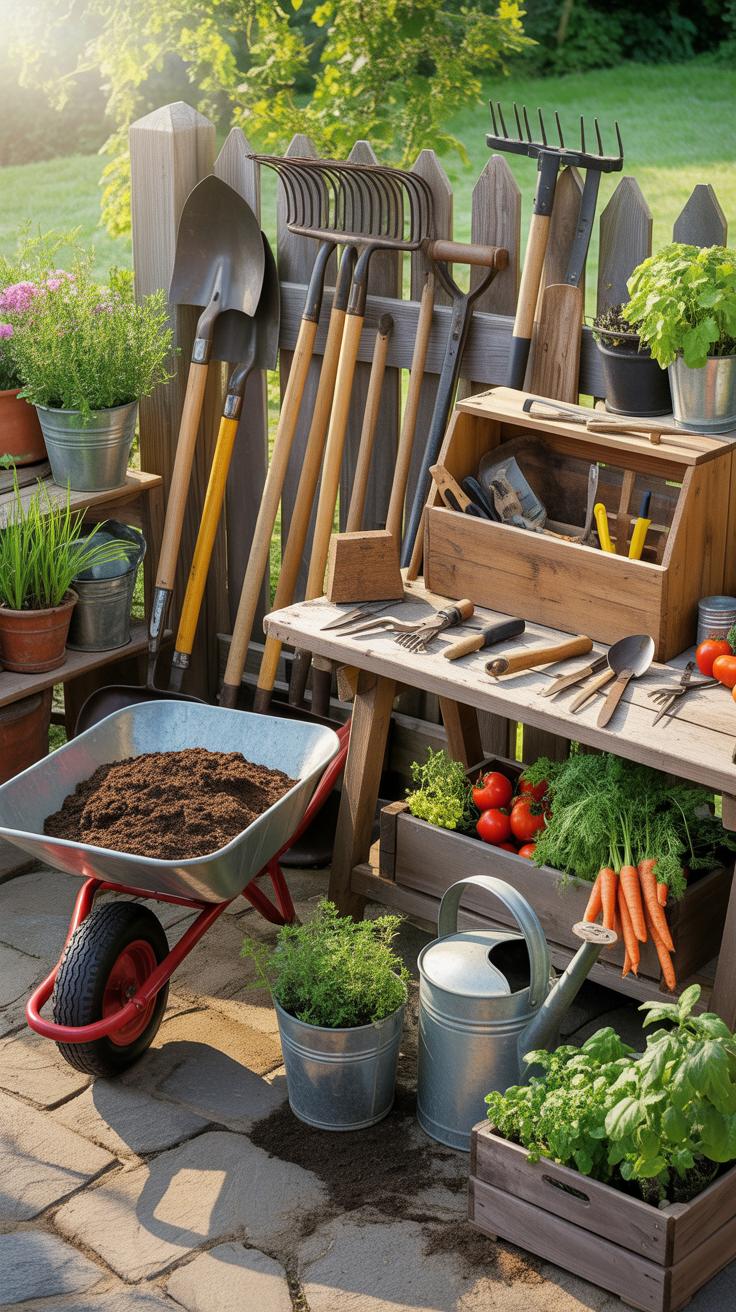
Basic Gardening And Building Tools
Starting a garden or tackling small building projects doesn’t need to break the bank. There are a few simple tools often overlooked but really useful for homesteaders just getting started. For gardening, a sturdy spade, a hoe, a hand trowel, and pruning shears cover most needs. You don’t necessarily have to buy the most expensive versions. Sometimes, secondhand tools, if well maintained, work just fine.
When it comes to building, a hammer, a tape measure, a level, and a good handsaw will get you surprisingly far. Sometimes, one tool can serve multiple purposes—a claw hammer can pry and nail, a level also makes a straight edge if you think about it. I’ve found a good folding saw invaluable for quick jobs, and you might too.
Maintenance And Storage Tips For Tools
Tools often get forgotten after purchase, left outside or tossed carelessly around. That’s a quick route to rust or damage, reducing their lifespan substantially. Dry storage is crucial. A simple shelf or a hanging rack keeps tools off damp ground, which helps prevent corrosion.
Cleaning tools after use isn’t always the most fun part, but wiping dirt and sap off prevents grime buildup. Occasionally oiling metal parts stops rust from setting in, especially on cutting tools. Sharpen blades when they get dull—dull tools are more dangerous and ineffective. Sometimes, letting tools sit unused for a season means they need extra care before next use.
Is it better to buy more tools or keep fewer and maintain them well? I’m not sure there’s a perfect answer for every person. Often, having a few well-cared-for tools works better than a cluttered shed full of neglected gear. What do you think works best in your space?
Managing Homestead Budget And Costs

Estimating And Controlling Expenses
When starting out, the costs for land, animals, seeds, and materials can seem overwhelming. But if you break things down carefully, the numbers become less intimidating — even if surprise expenses show up now and then.
Begin by listing every big ticket item: the cost of land is usually your largest expense. Think about size and location. Smaller plots often mean less upfront cost and lower taxes, but your space for animals or gardens might be tight. Is a bit of compromise there worth saving several thousand dollars?
Animals need feed, shelter, and vet care. Seeds, soil amendments, and tools add up but can be staggered throughout the seasons. Don’t forget to budget for fencing, repairs, and sometimes equipment rental. Unexpected costs will come — like a broken water pump or illness among chickens — so set aside a small emergency fund, even if it’s just an extra hundred or two.
Look for low-cost alternatives. For example:
- Swap seeds with neighbors instead of buying every packet.
- Raise hardy animals that need minimal vet visits.
- Repurpose old wood or scrap materials for building fences or coops.
It’s tempting to buy new gear right away, but consider if a simple hand tool could do the job until you’re sure you need something more advanced.
Tracking Initial And Recurring Expenses
Keeping tabs on your spending keeps surprises at bay — but that doesn’t mean you need complicated spreadsheets or apps. A simple notebook, or a note on your phone, can do the trick.
Record every purchase as it happens. Group expenses by category, like “animals,” “seeds,” “repairs,” and so on. At month’s end, review your records. Which areas drain your budget fastest? Are there patterns in what you spend regularly versus one-time buys?
Personally, I found that writing expenses down promptly stopped me from underestimating what daily homesteading really costs. Even small expenses like extra feed bags or garden twine add up in a surprising way.
Finding Affordable Resources And Supplies
Secondhand items have a big place on the homestead. Tools, fencing materials, even large equipment — many can be found at thrift shops, yard sales, or online marketplaces. But don’t just buy something cheap because it’s cheap. Check the condition, and if it’s a tool, make sure it still works well enough to get the job done.
Community networks often offer more than you might expect. Maybe you trade eggs for seedlings with a neighbor or borrow a tool instead of buying one outright. Grow local connections; they’re a surprisingly rich, though informal, resource.
It might sound like a hassle now, but spending time sourcing materials carefully saves real money—and frustration. What have you tried so far? Sometimes, just asking around helps you spot deals you’d never find on your own.
Preparing For Seasonal Changes And Challenges

When you’re new to homesteading, planning your activities around the seasons feels almost like a puzzle. You want to keep your homestead running smoothly, but the weather doesn’t always cooperate. For instance, winterizing your property goes beyond just putting away garden tools. It’s about protecting plants with mulch or row covers, insulating water lines, and making sure your animals have shelter that blocks wind and wet. You might think it’s simple, but small things like checking for drafts or topping up feed stores can make all the difference.
Planting cycles require careful timing, too. Some crops thrive when the days lengthen in spring, while others slow down as frost approaches. It’s tempting to plant everything at once, but spacing out planting not only spreads your harvest but helps avoid overwhelming yourself during busy times. I once flooded my garden with seedlings in one go — that was a rookie mistake.
Weather risks are always lurking. Storms can strip branches or damage greenhouses, droughts stress plants, and sudden frosts kill seedlings. Knowing your region’s patterns is helpful, yet unpredictability means your homestead needs some buffer — extra water storage, quick cover options, and emergency heating for livestock. Have you thought about what you’d do if a two-week cold snap hits unexpectedly? Planning for that uncertainty pays off.
Adjusting Tasks For Each Season
Each season demands different attention and sometimes the workload surprises you.
- Spring: Prepare soil, start seeds indoors, repair fences, clean animal shelters.
- Summer: Focus on watering, harvesting early crops, managing pests, and rotating animals.
- Fall: Sow cover crops, preserve harvests, shut down irrigation, winterize tools.
- Winter: Monitor feed and water, check insulation, plan for spring, and perhaps take breaks or catch up on indoor projects.
In my first year, spring felt endless — testing patience as seeds struggled. Later, summer’s relentless heat made watering a daily chore. You learn quickly which tasks can wait and which can’t.
Protecting Your Homestead From Weather
Guarding your homestead against the elements isn’t just about survival but keeping progress steady. Plants benefit from windbreaks, whether natural hedges or constructed barriers. Shade cloths help during intense heat, and covering beds when frost looms saves tender crops.
Animals need dry bedding, insulated shelters, and sometimes extra feed when forage thins out. It’s easy to overlook these until you see frostbite or weight loss creeping in.
Infrastructure—think greenhouses, sheds, fences—should be checked regularly for vulnerabilities. Storm damage can undo months of work. Have tarps and repair materials handy for quick fixes.
Sometimes, you’ll find your best laid plans tested by an unseasonable storm or a longer drought. That’s part of it, I guess. You learn to build contingency and trust in your ability to adapt, even if it’s messy at times.
Conclusions
Starting a homestead requires careful planning and awareness of potential challenges. By following a clear setup checklist and understanding different homesteading approaches, you can avoid common mistakes that delay progress. Taking time to prepare allows you to build a sustainable and healthy homestead.
Remember that homesteading means choosing a lifestyle of self-reliance and steady learning. Focus on manageable goals and use available tools wisely. With patience and effort, you can create a fulfilling home environment that supports your health and independence.