A Closer Look at Vegetable Garden Design Ideas For Efficient Space Use
Planning your vegetable garden effectively is the key to using space wisely. Vegetable Garden Design Ideas For Efficient Space Use help you set up a productive garden in even small areas. You will learn how to plan your garden layout to get the most from the space you have.
This article gives simple and clear steps to design your garden. You will find ideas on location, bed planning, plant choice, and different gardening methods. Whether you have a big or small backyard, these tips guide you through creating a space that grows many vegetables and uses every inch well.
Setup Checklist For Garden Location
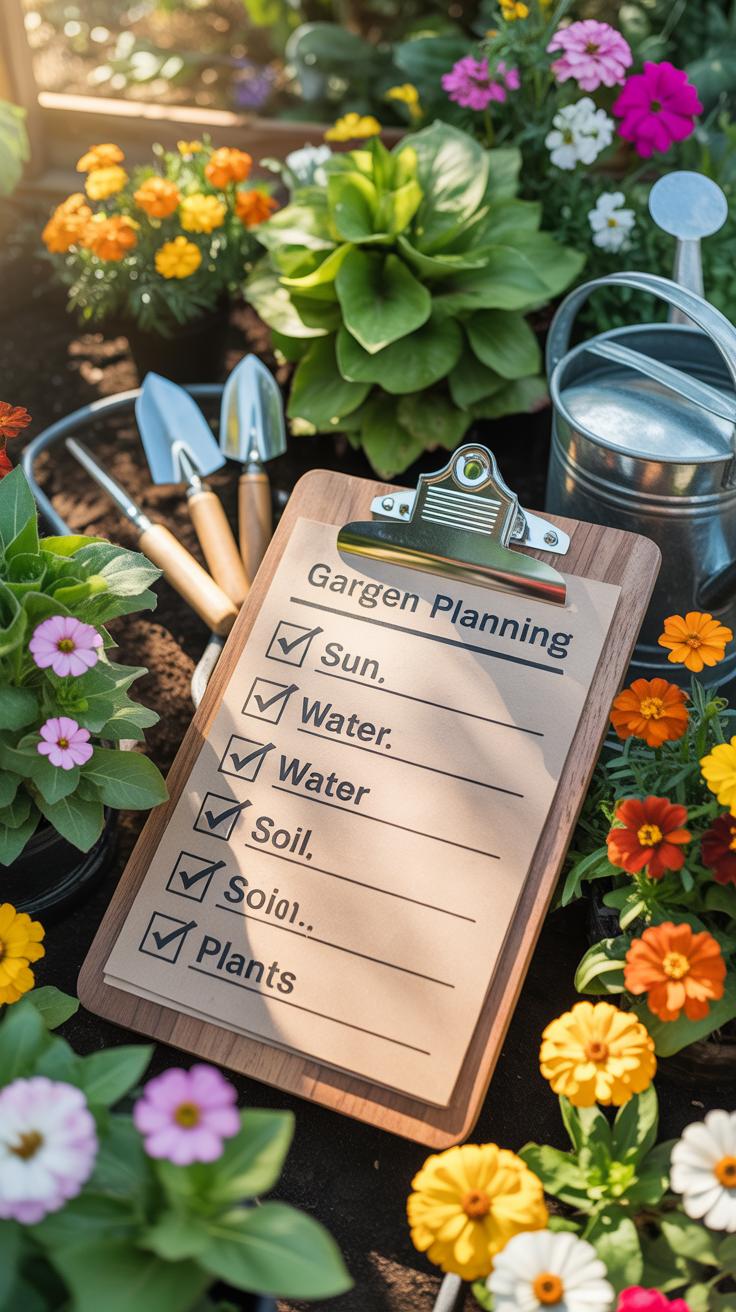
Choosing the right spot for your vegetable garden isn’t just about finding free space. There are a few key things to check before you start digging. First, look at how much sunlight hits the area. Most vegetables need direct sun to thrive, so a spot with at least six hours of sunlight is usually best. But that might not mean the whole patch needs to bake in the sun all day—some plants actually do better with a bit of shade during the hottest hours.
Water access matters, too. If you have to haul buckets or drag hoses across the yard, that could limit how much you tend your garden. Placing your garden close to a water source saves effort and can mean better watering habits. Yet, proximity to water isn’t the only piece of the puzzle.

Don’t overlook soil quality. Poor soil means plants struggle, no matter how perfect the sunlight or water supply. The spot should have soil that drains well without drying out completely. Space use gets tricky if you have compacted or heavy clay—it’s tougher to grow densely without risking root problems. So, testing the soil early on pays off, especially if you plan to cram in a variety of veggies.
Sunlight Needs For Different Vegetables
Not all vegetables demand the same amount of sun. Some absolutely thrive in full sun—the kind that shines directly for most of the day. Tomatoes, peppers, cucumbers, and beans fit into this group. Place these close to each other where they won’t get shaded by taller plants.
On the other hand, some vegetables tolerate or even prefer less sun. Leafy greens like spinach, lettuce, and kale can do fine with four to five hours of sunlight or filtered shade. Root vegetables such as carrots and beets often tolerate shade better than you’d expect. So, mixing sun-loving and shade-tolerant plants can make your garden’s layout more flexible.
This variation means you don’t have to discard shady corners of your garden. Instead, think about layering plants or positioning them based on actual light patterns during the day. It’s less about perfection and more about understanding where each plant feels “at home” within your available space.
Soil Quality And Preparation Tips
Soil quality does more than support plants—it somewhat defines how close you can plant vegetables without crowding them out. Sandy soils drain fast but may lack nutrients, while clay soils hold water longer but risk compaction. You can test your soil yourself by:
- Taking a handful and moistening it to see if it sticks and crumbles easily
- Noticing how quickly water drains after a heavy rain or watering
- Checking the smell—healthy soil sometimes has a rich, earth-like scent

Improving soil doesn’t require fancy techniques. Adding organic matter like compost or well-rotted manure helps loosen heavy soils and enrich sandy ones. This lets you plant more densely without hurting your vegetables. If your soil feels tired or patchy, build it up in small areas at a time rather than trying to fix everything at once—it’s easier, and results are often better.
Sometimes, just a little soil care makes a big difference in how plants grow and how much you can fit in your space. It’s curious how something that seems so basic can totally change your garden’s potential.
Plan Garden Beds For Maximum Yield
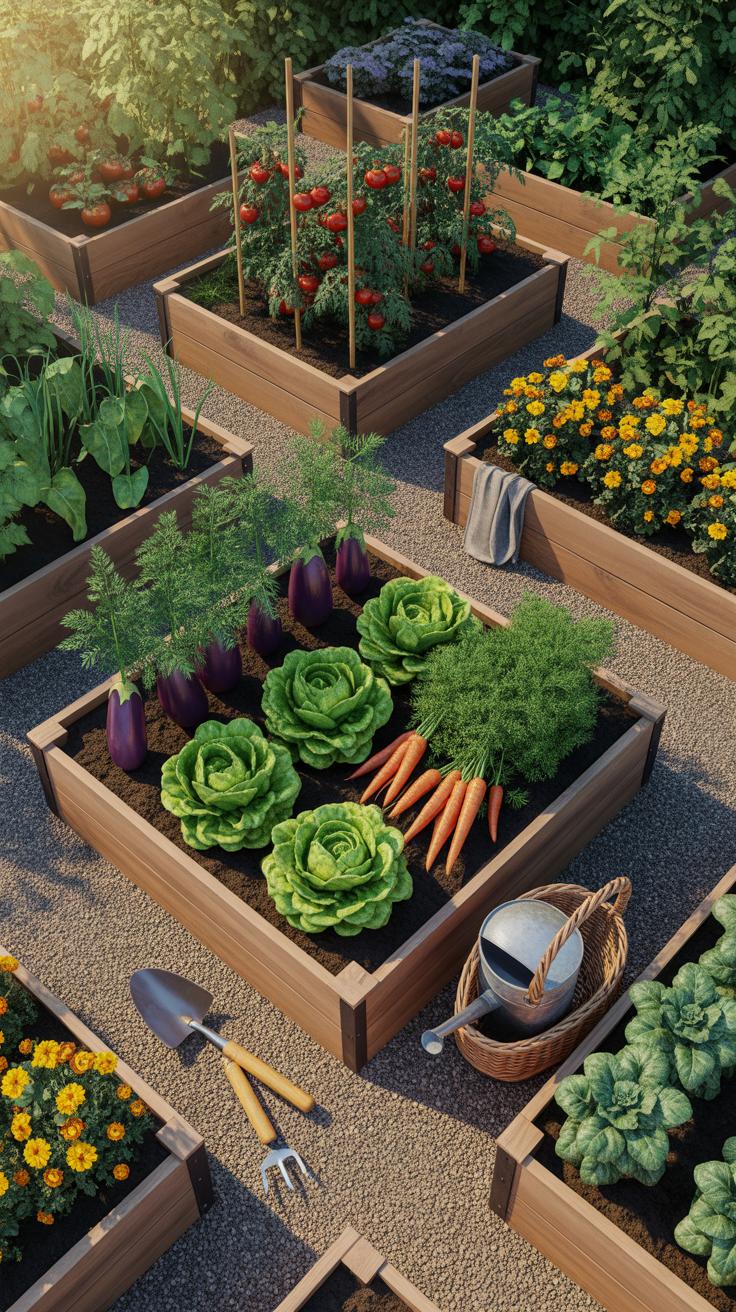
When planning your garden beds, the shape and size you choose can greatly influence how well your plants grow and how easy it is to care for them. Rectangular beds are popular, especially those about 4 feet wide—wide enough to plant lots but narrow enough to reach the middle without stepping inside. Some gardeners prefer curved or kidney-shaped beds to fit unusual spaces better, though these can be trickier to plant evenly. What really matters is access; paths between beds should be just wide enough for you to move without crushing plants or straining yourself.
Think about raised beds arranged in rows or even in a grid to keep things tidy and accessible. Groups of small beds can let you rotate crops more easily, which helps soil health and pest control. But if space gets tight, taller beds might make more sense, letting you layer plants vertically with trellises or cages. One time, I tried a hexagonal bed just for fun—it looked neat but proved awkward for planting consistently.
Square Foot Gardening Basics
Square foot gardening breaks your beds into 1-foot squares, making it easier to plan and space each plant precisely. Instead of worrying about wide rows that waste space, each square holds a different crop or multiple smaller plants. The real benefit? It turns a beginner’s guesswork into a simple grid, so you know exactly where and how many seeds to sow.

This method also encourages intensive planting, which means you get more produce in less area, and it’s easier to keep track of what’s growing where. From experience, this system helps reduce dead space—a common problem when plants grow unevenly or spread unpredictably. If you want a clear, manageable layout, this might be the way to go, though it might feel restrictive if you prefer more organic layouts.
Raised Beds Versus In-ground Beds
Raised beds sit above your soil line, often built from wood or stone, allowing better soil control and drainage. This can lead to healthier plants, quicker warming of soil in spring, and less compaction because you don’t walk on them. Plus, they make gardening easier on your back when they’re taller. On the downside, raised beds may dry out faster and need more frequent watering.
In-ground beds are simply created by digging and shaping your existing soil. They offer more space for roots to spread and usually retain moisture longer. But soil quality might be less predictable, and weeds can be more stubborn. Also, you have to be mindful about stepping into the beds, which can harm soil structure.
Choosing between these two often depends on your garden’s condition and your physical needs. Sometimes, combining them—say, raised beds around the edges with in-ground planting in the middle—works just fine. It’s not always a clear-cut choice.
Select Plants For Space Saving Growth
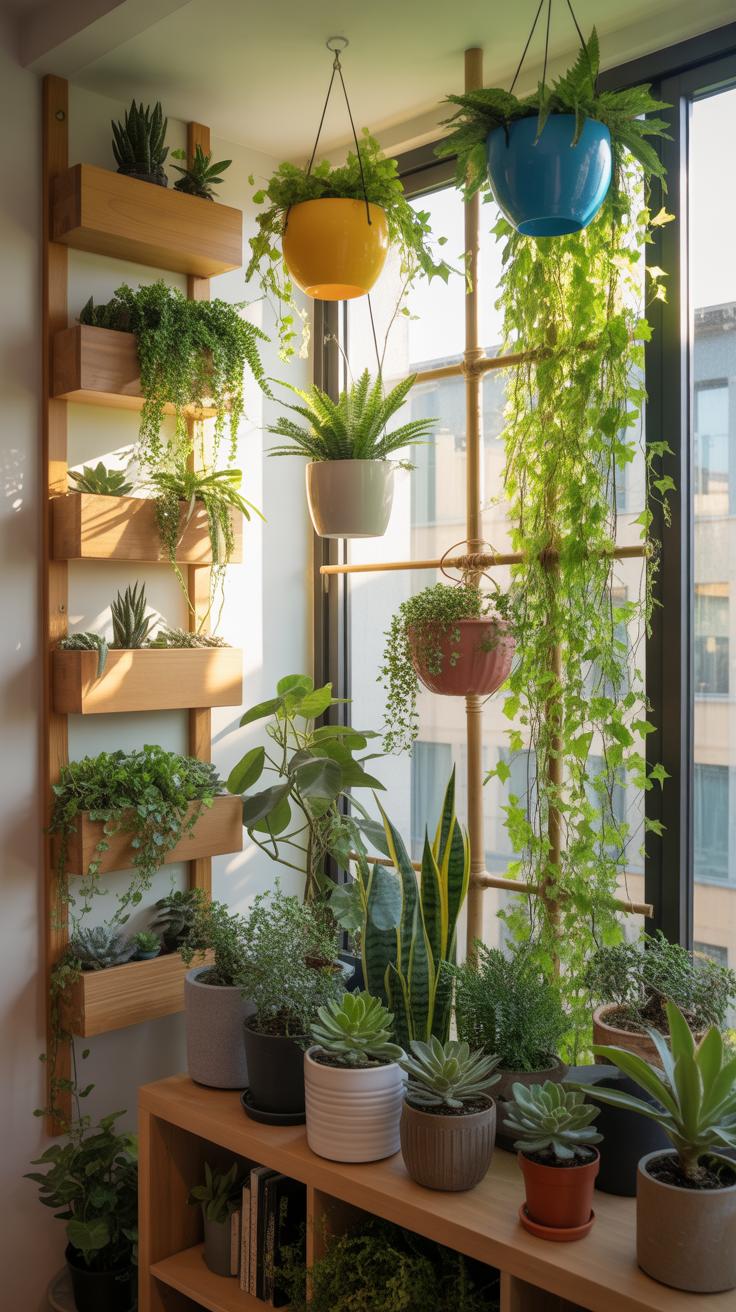

Choosing vegetables that naturally fit small spaces can make all the difference when you’re tight on room. Plants with compact or vertical growth habits allow you to pack more into your garden without overcrowding. Think of things like bush beans instead of pole beans if you want lower, concentrated plants—or climbing peas that climb a trellis, freeing up ground space. Vertical growth reduces soil competition and increases airflow, which sometimes helps with disease resistance, but it might also make access tricky when harvesting.
Here are some common vegetables suited for smaller spots:
- Radishes—grow quickly, don’t take much space.
- Leafy greens—spinach, lettuce, and kale tend to stay small and can be harvested regularly.
- Carrots—especially shorter varieties that don’t need deep soil.
- Peas and tomatoes—both can benefit from vertical supports.
- Bush-type peppers and zucchini—they stay compact but still produce well.
Quick-growing options let you harvest more than once in a season, which is great if you’re trying to get the most out of a small patch. For example, radishes can be planted multiple times and picked before the summer heat slows them down. It’s tricky though, because some plants that grow fast don’t always yield a lot, so balance what you plant with what you want to eat.
Compact Vegetable Varieties To Try
Some vegetables simply won’t fit—or won’t do well—in cramped spots unless you pick the right variety. Small or dwarf types often have been bred just for that purpose. For example, ‘Tiny Tim’ tomatoes are cherry-sized but produce plenty of fruit on just a small plant. ‘Patio’ cucumbers are another go-to, staying manageable in containers or small beds. Then there are bush beans like ‘Contender’ which pack a punch in a small footprint. Even carrots come as ‘Thumbelina’ or ‘Paris Market,’ which don’t need as much soil depth.
Using these smaller varieties can really stretch your space. The trade-off is that sometimes smaller plants have less total produce, though there are exceptions. I have tried ‘Micro Tom’ tomatoes, and they surprised me—tiny plants, but quite a yield considering their size. Still, mixing these with taller or vertical growers lets you find the right combination for your patch.
Fast Growing Crops To Maximize Harvests
Fast growers offer the chance to keep harvesting throughout the season, which means more fresh food without needing a huge garden. Radishes are classic—they’re ready in about three to four weeks, and you can sow them repeatedly every couple of weeks. Leafy greens like arugula and mustard greens grow fast and can be cut multiple times, meaning you don’t have to replant to keep picking all summer.

Some herbs also fit this mold—basil, for example, grows fast and can be harvested repeatedly if you pinch tops early. Another option is green onions; they mature in less than two months and regrow after you snip the green part.
One thing to consider is that fast-growing crops sometimes need more frequent watering and nutrients, which might stress your soil faster than slow-growing crops. Balancing them with a few slower producers might actually work better over time. So, what’s your favorite fast grower? I always find it tricky to decide what to plant first when space is so limited.
Use Vertical Gardening Techniques Now
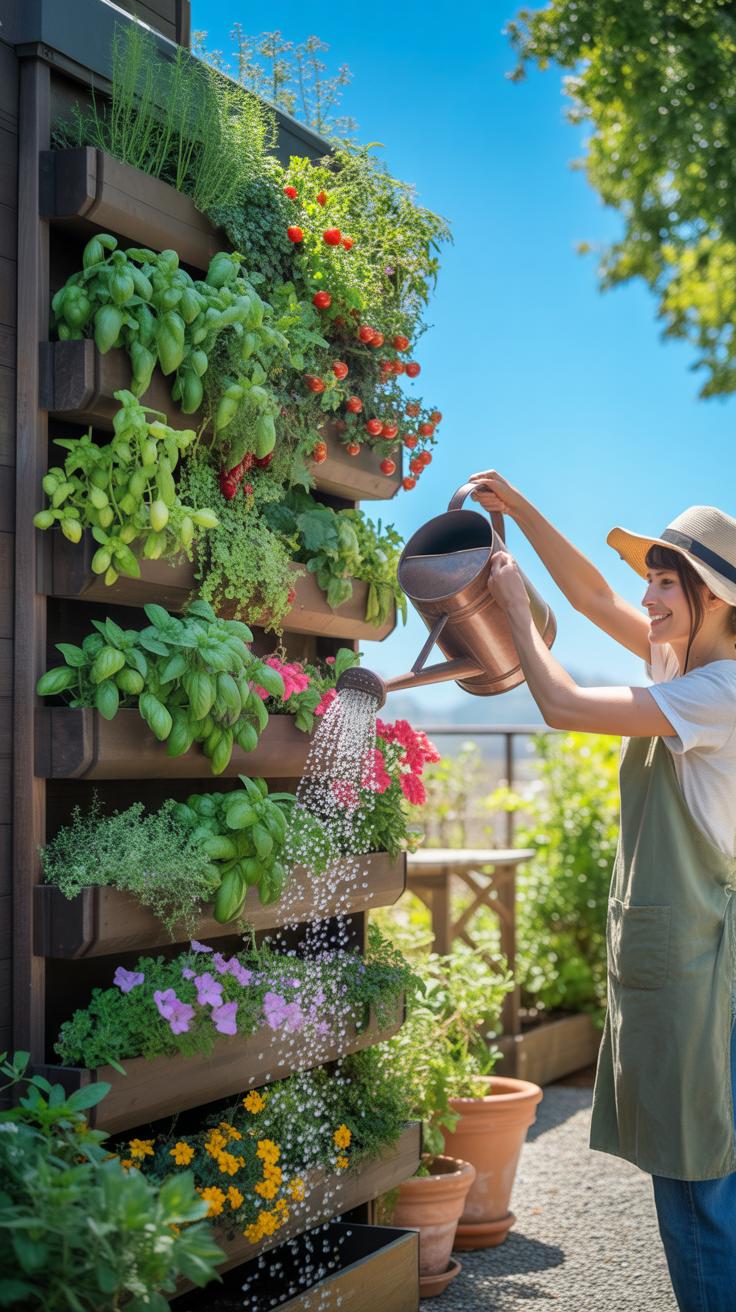
Growing plants vertically can really free up your ground space, leaving room for other veggies or paths. Instead of sprawling across the soil, many plants climb or cascade upward. This method isn’t new, but sometimes we overlook just how much space it can save.
Common vertical supports include trellises, cages, and towers. Trellises work well for plants that need to climb, like beans and peas. Cages tend to keep things contained, ideal for tomatoes. Towers, whether homemade or purchased, stack plants higher when ground space is tight.

What’s interesting is how these structures can also improve air circulation around plants, reducing disease risks. Plus, harvesting becomes easier—no need to bend or stoop so much. Yet, some gardeners worry about the time and effort to build these supports. Honestly, setting them up pays off once you see your plants thriving upward, not crowded around your feet.
Building Trellises For Climbing Plants<
Trellises are surprisingly simple to build and can change how your garden grows. For climbing plants like beans, peas, and cucumbers, a sturdy vertical frame encourages upward growth. You can use materials like wood, bamboo stakes, or even wire mesh. The key is making sure it’s tall enough: usually 6 to 8 feet works well.
Setting the trellis early, before planting, helps guide vines naturally. Attach strings or netting if needed, so plants have plenty to grab. Watching beans twine around their support is oddly satisfying—almost like nature’s own scaffolding. If the trellis is well placed, it keeps your garden neat and lets sunlight hit more leaves.
Using Containers And Stacking Methods
Containers are great when you don’t have much ground space or want to try different plants in a small area. But what about stacking them? Yes, you can layer pots vertically on shelves or stands, letting you grow more in less footprint. Think about strawberries spilling over the edges on top while leafy greens grow below.
Stacking does need some attention to watering and drainage since the top containers might dry out sooner. But it often creates a mini ecosystem. Plus, you can move containers around easily, adjusting sunlight or shelter as needed. It’s not perfect for every plant, yet it turns confined spaces into surprisingly productive spots.
Companion Planting To Use Space Wisely
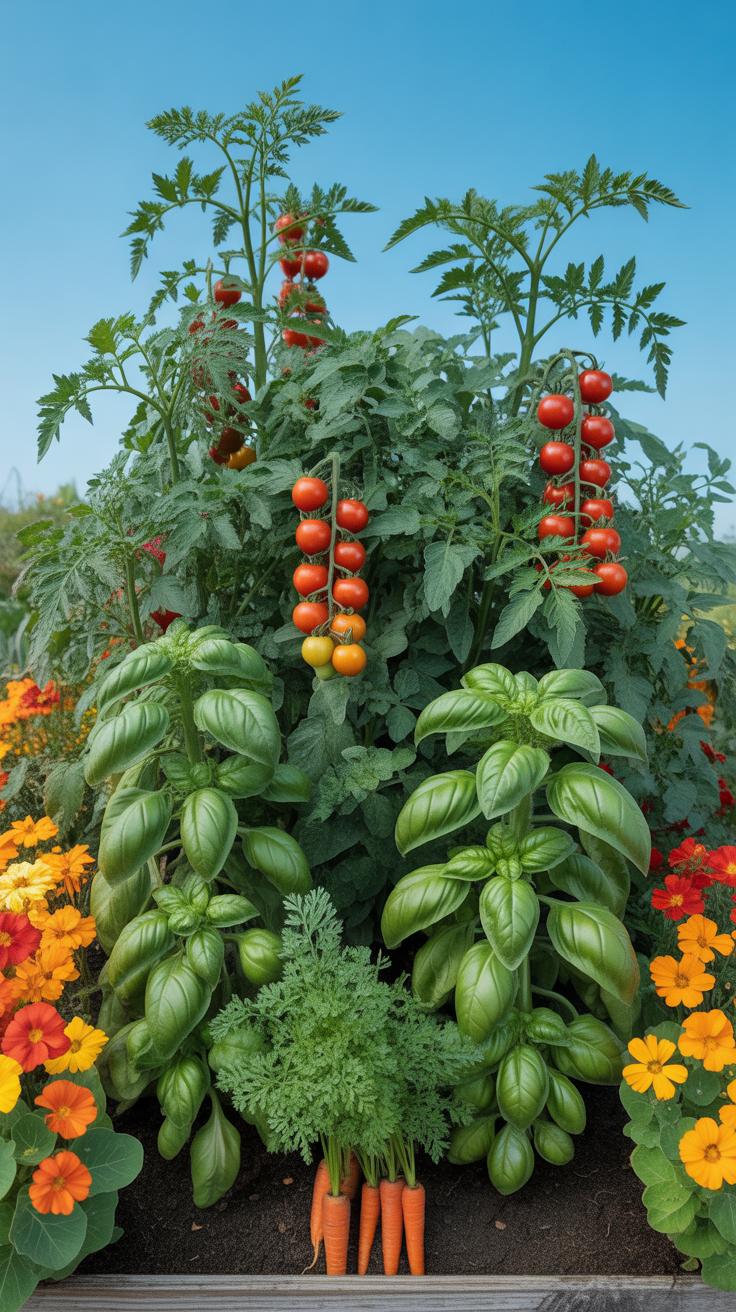

Companion planting is a method where you grow certain plants close together because they help each other in some way. It’s not just about putting plants side-by-side; it’s about creating relationships that boost growth or deter pests. When you choose the right pairs, you can actually save space in your garden—two plants sharing the same patch can thrive without stepping on each other’s toes.
For example, planting tomatoes with basil is a classic combo. Basil seems to improve tomato flavor and might keep some bugs away. Or consider carrots and onions. The onion’s strong scent can mask the smell of carrots, which confuses carrot flies. It’s surprising how often nature has already figured this out.
By thinking like this, you might get more from less space. It’s a bit like multitasking in the garden: one spot serves two purposes. Once you start paying attention, you notice all kinds of partnerships that make your garden more productive—and less trouble.
Plant Pairings That Benefit Each Other
Some vegetable pairs just work well together, making a difference you can see. Here are a few combos to try:
- Tomatoes and basil: Basil may boost tomato growth and repel insects.
- Corn, beans, and squash: Known as the “Three Sisters,” they grow in harmony—corn provides a trellis for beans; beans fix nitrogen for the soil; squash shades the ground, keeping weeds down.
- Carrots and onions: Onions help protect carrots from pests with their strong aroma.
- Cucumbers and radishes: Radishes can deter cucumber beetles and break up soil for cucumber roots.
These pairings aren’t just arbitrary; they often rest on centuries of practical gardening. But it’s never a guarantee. What works in one garden might be different in another, so keep an eye on your plants—sometimes unexpected results occur.
Avoiding Crowding With Smart Layouts
Even with companion planting, space can become a tricky puzzle. Plants that help each other don’t want to compete fiercely for sunlight, water, or nutrients. Spacing them right can be as important as pairing them properly.

Try to observe the mature size of each plant. Tall plants like corn might shade shorter neighbors, but some shading is okay if the smaller plants tolerate it. Avoid pinching root zones too tightly; beans growing on corn need room underground as much as above.
Another tip: stagger planting times when possible. For example, plant fast-growing greens like lettuce around slower veggies. This uses space that might otherwise lie bare while the bigger plants develop.
The goal isn’t to squeeze every inch but to balance support with enough room to breathe. It’s a little like hosting a dinner—you want guests close enough to chat, but not so close that they become uncomfortable.
Water Management And Space Saving Tools
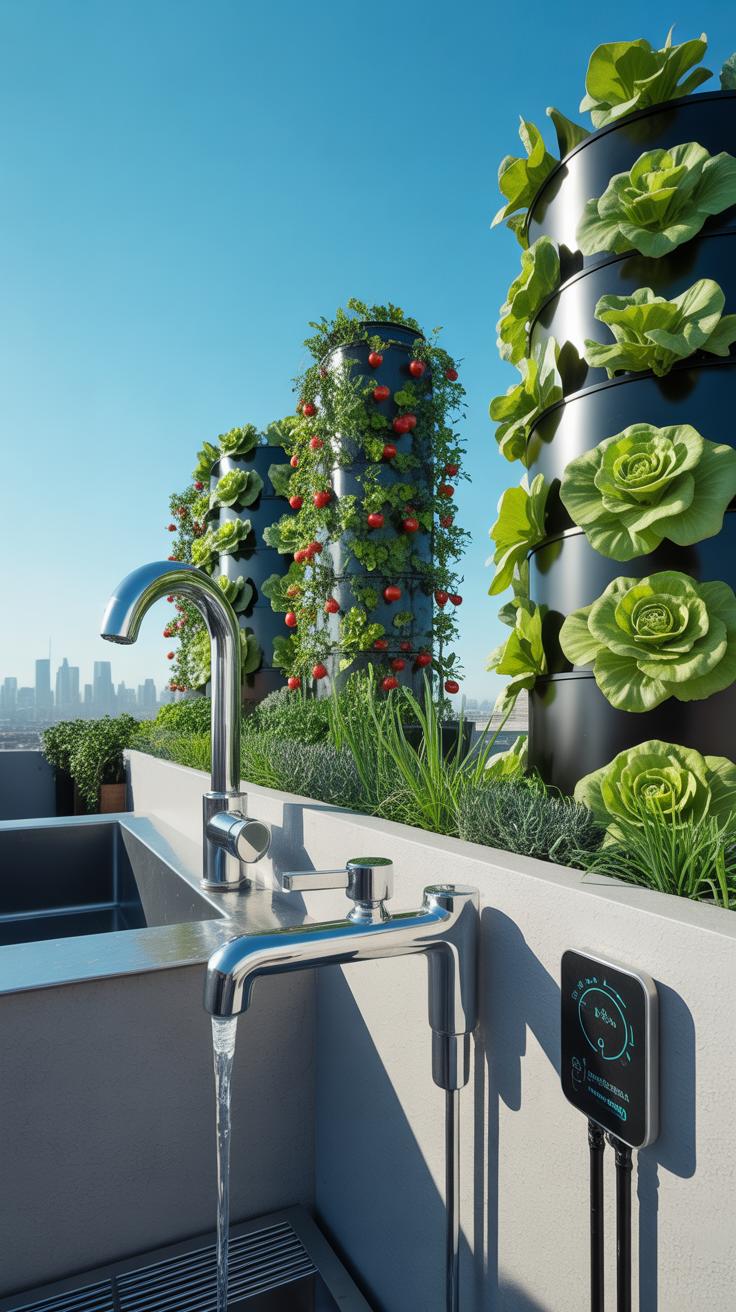
Watering a vegetable garden in a tight space can feel tricky. You want to keep plants hydrated without drowning them or wasting water to no end. Drip irrigation and soaker hoses offer a neat solution, delivering water right where the roots need it. Instead of spraying water broadly, these systems allow slow, deep watering that reduces evaporation and runoff. Plus, you don’t have hoses cluttering your space or spraying onto walkways.
Drip irrigation works by distributing water through a network of tubes with tiny emitters near each plant. This means you can direct moisture precisely, even in crowded beds or vertical setups. Your plants don’t compete for excess water, and you cut down on weeds since the soil surface stays drier. Setting this up might seem fiddly at first, but once it’s in place, you’ll likely appreciate how much easier watering becomes.
Another practical option is collecting rainwater. Using barrels or simple containers to capture runoff from your roof can supply your garden without tapping into your water bill. It’s straightforward—you just need to place barrels under downspouts, maybe add a simple screen to filter debris. You might question whether the amount collected will make a big difference, but every bit helps during dry spells. Plus, your plants tend to respond well to natural rainwater compared to tap water. It’s a bit of effort upfront, yet it can save money and add a layer of sustainability to your garden routine.
Common Mistakes That Waste Space
There are a few classic mistakes that sneak into garden plans and quietly eat away at your available space. One that comes up a lot is poor plant spacing. Sometimes gardeners crowd plants too close, hoping to fit more in. This often backfires because plants compete for nutrients, water, and air circulation. On the flip side, placing them too far apart leaves empty patches that could have housed a few more vegetables. Finding that middle ground feels tricky but can really change how much you get out of your patch.
Another thing I’ve noticed is how people sometimes ignore sunlight patterns. Tall plants placed without thought to sun direction tend to cast shade on shorter ones, hampering their growth. This is especially true if you plant something like corn or sunflowers without considering where the sun rises and sets. You want to arrange according to both plant height and the sun’s path. At times, you might hesitate, wondering if it’s worth the effort. Honestly, though, a small adjustment here can mean the difference between struggling seedlings and lush crops.
Then there’s the temptation to simply overplant. It’s tempting, especially when space feels limited. But packing beds too full can reduce airflow and invite diseases. You might think more plants equal more produce, but often, it’s the opposite. Gardens are complex, and a few smart choices about spacing, light, and numbers make the space work better without making you crazy trying to manage it all.
Spacing Plants Too Close Or Too Far
Spacing is tricky—too close, and plants compete; too far, and you waste room that could grow more. I’ve definitely made this mistake myself, sometimes guessing at distances and later regretting it when a plant looked stunted or one patch seemed oddly empty. The rule is to check seed packets or plant tags for recommended spacing. Measure between centers of each plant, not just edges, because root and leaf spread matters. For example, if tomatoes need 24 inches between them, that’s center to center—crowding them tighter than that will slow their growth and invite problems.
On the other hand, giving plants too much space may feel safe but wastes precious ground. Some crops, like radishes, handle tight spacing better and can even be interplanted. So, get familiar with each plant’s spacing needs and think about how they grow vertically and horizontally. Sometimes it’s worth testing a few patterns in small areas to figure out what fits best in your plot.
Ignoring Sunlight Direction And Plant Height
Imagine planting tall beans on the south end of a bed, towering over lettuce on the north side—sounds logical, but depending on your location this might throw shade unevenly. Plants have different sun requirements and heights, so consider how sunlight moves during the day and arrange tall varieties on the north or west edges to keep shorter plants from being shaded.
It’s easy to overlook this until plants show signs of struggling or uneven growth. I’ve caught myself planting in rows that looked organized but left half the bed too shady. A simple shift, like aligning beds north-south rather than east-west, or placing tall sun lovers away from shade-takers, changes the whole dynamic. You end up giving every plant the light it needs, without one unintentionally stealing from another. Do you think about this before planting? Maybe it helps to map out the garden in early spring or even sketch the sun path over your yard; it might sound tedious but actually clears up a lot of questions.
Tracking Growth And Adjusting Plans

Watching your garden grow is rewarding, but it’s more than just admiring the green leaves popping up. You need to keep an eye on how each plant develops and how much space it really uses. Often, what looks good on paper doesn’t play out exactly the same in real life. For instance, some plants spread wider than expected or need more sun, which can change how you arrange things.
Keeping track of each plant’s progress lets you spot issues early and tweak your garden layout as the season moves along. Maybe some carrots are taking up too much room, or the tomatoes crowd each other too closely. If you note these observations, you can try different spacing or locations next year—a simple but powerful way to improve.
Try to record details like planting dates, when leaves start or if pests show up. This isn’t about precision; just jotting down what you notice helps a lot. You might be surprised how this small habit turns into your best tool for smarter planting decisions later on.
Keeping A Garden Journal For Notes
There’s something valuable about putting your garden thoughts on paper—or typing them if that feels easier. A journal isn’t just for the serious gardener. It can be as simple as a notebook where you write down when you planted seeds, how fast they grew, and any problems you ran into.
These quick notes are handy when you want to rethink your layout next season. For example, did you plant lettuce too close to the taller crops and lose sunlight? Or did a certain herb thrive in a spot you didn’t expect? Writing it down means you don’t rely solely on memory, which can be fuzzy especially after a busy season.
Sometimes, I find myself flipping through my journal wondering why I placed zucchini near the peppers. The answer usually shows up in those scribbles—like “zucchini too shady.” It’s a simple routine, but it helps you see patterns and adjust for success.
Evaluating Which Plants Use Space Best
Not all plants behave the same, and some make better neighbors than others. You’ll want to notice which plants actually fit well in your planned spaces and which seem cramped or wasted.
Look at how each plant grows—do they sprawl or stand upright? Do some overshadow the smaller ones? Track which veggies gave you the most harvest relative to the space they used. Sometimes, sprawling squash may take up too much room that could have supported more compact greens.
After a season, ask yourself: which plants thrived in tight spots? Which ones needed more room to develop their full potential? These questions often help you rethink your spacing or companion planting. Moving certain crops around or adjusting distances can make a surprising difference for next year’s layout.
It’s a bit like puzzle-solving, but with living pieces that change size and shape unpredictably. Paying attention to this helps you make your garden fit your space better, without feeling overwhelmed or overpacked.
Conclusions
Good vegetable garden design saves space and boosts your crop yield. Careful planning, such as choosing the best spot and organizing beds, makes your garden easier to manage. Using vertical planting and companion planting can fill more area with healthy plants.
By following the steps and ideas here, you can build a garden that suits your space size and type. Start your garden with a clear plan, and you’ll enjoy fresh vegetables grown right at home. Simple tools and design choices make your garden neat and productive.